Integrated Refrigerators
If you're looking for a new refrigerator, the first thing you'll probably notice is that there are a lot of options out there. The next thing you'll probably notice is that most of those options are designed to fit into a specific size and shape of kitchen. But if you're looking for an integrated refrigerator that blends in with the rest of your kitchen appliances, we've got some great options for you. Integrated refrigerators are designed to fit seamlessly into your kitchen, creating a sleek and modern look. Here are some of the best-integrated refrigerators for you.
Sort
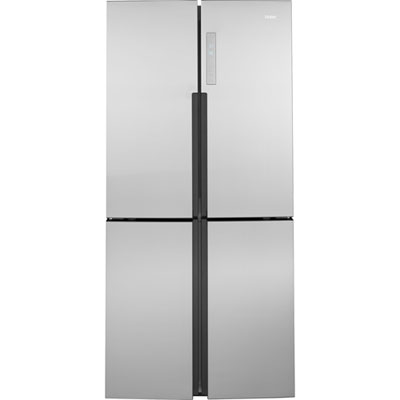
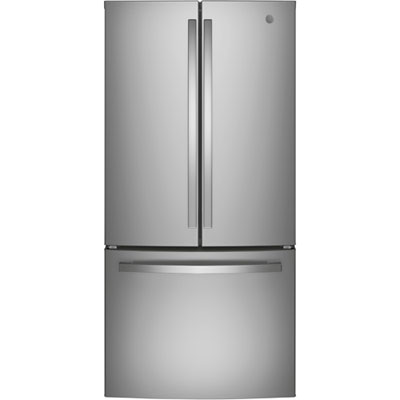
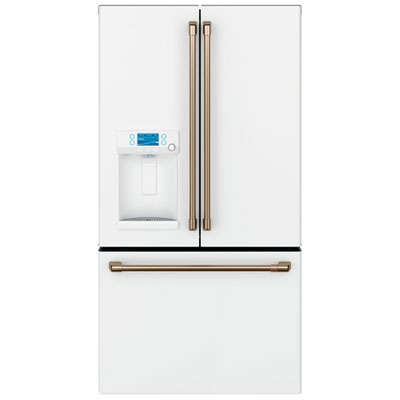
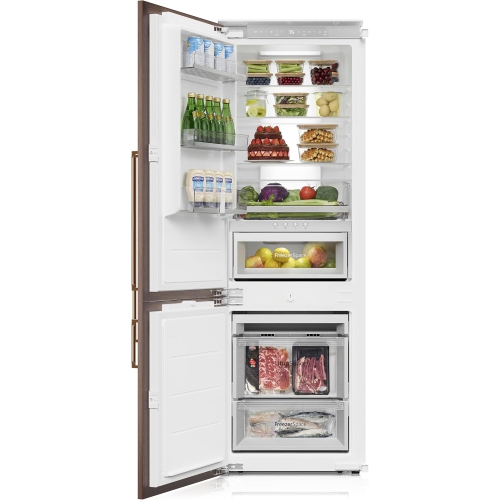
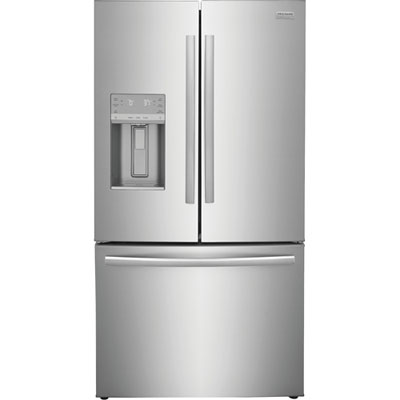
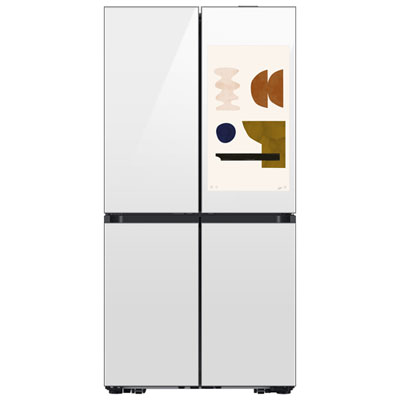

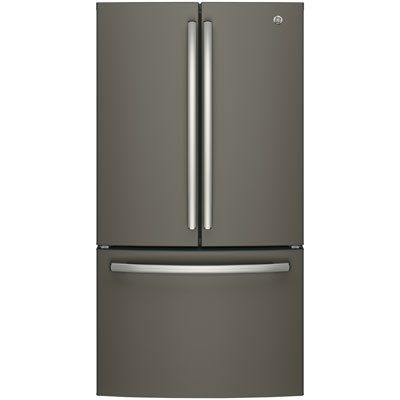
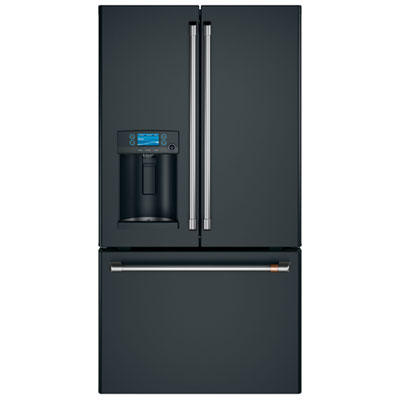
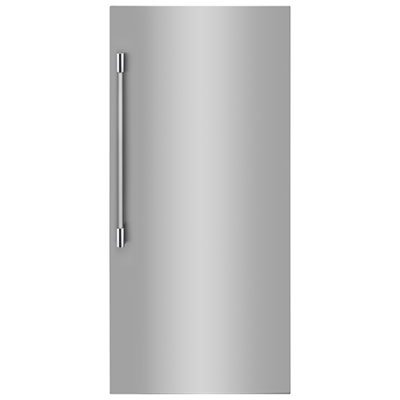
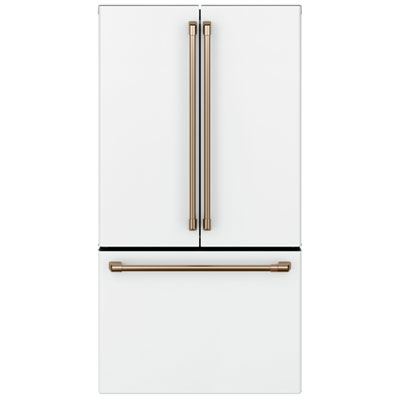
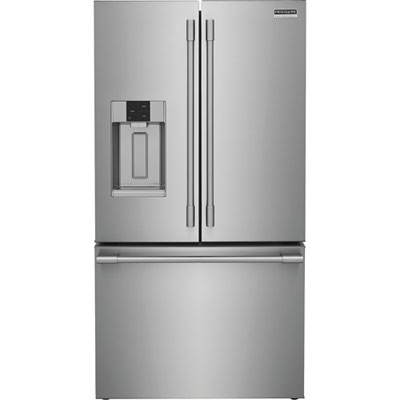
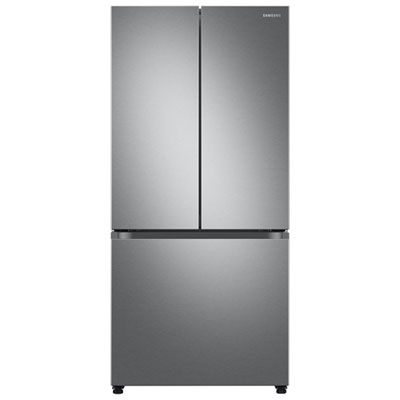
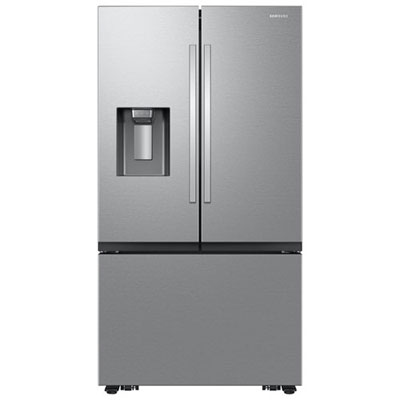
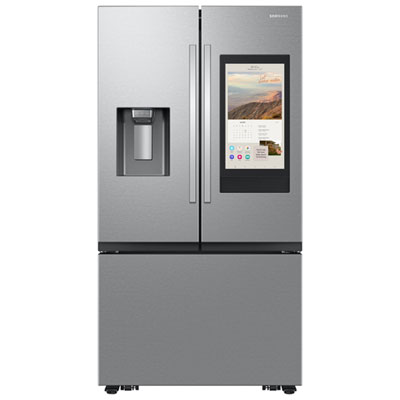
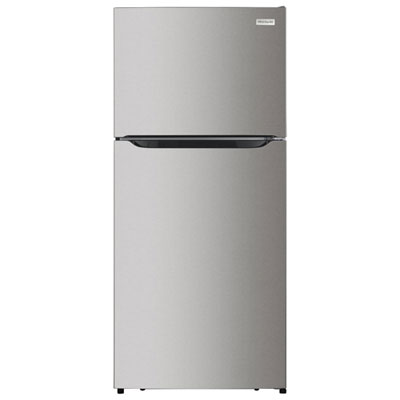
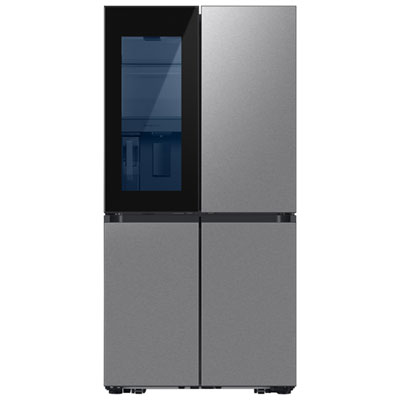
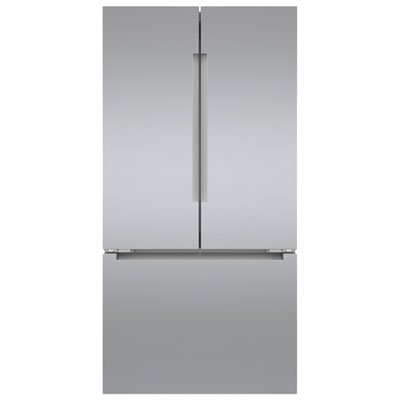
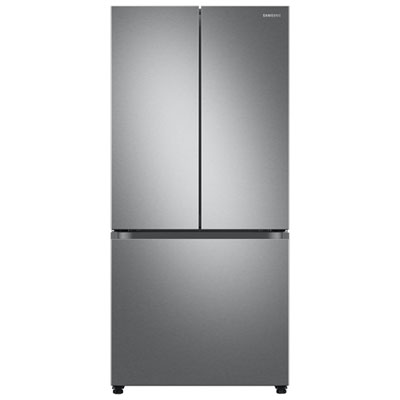
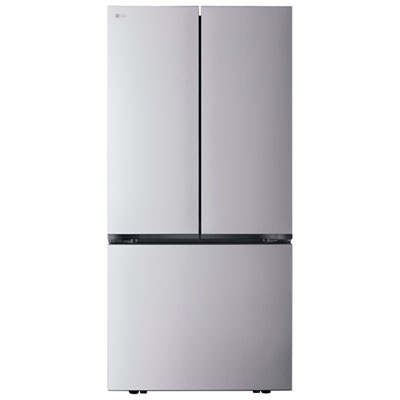
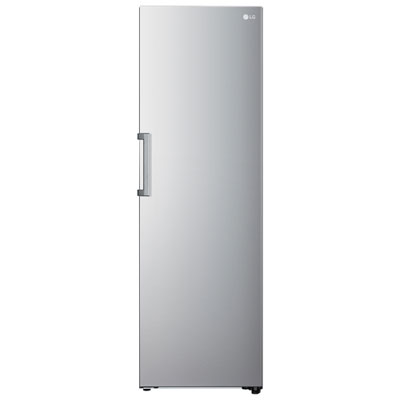
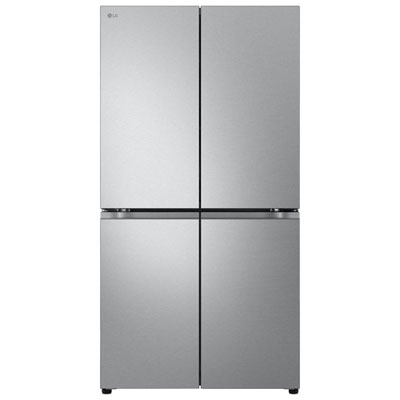
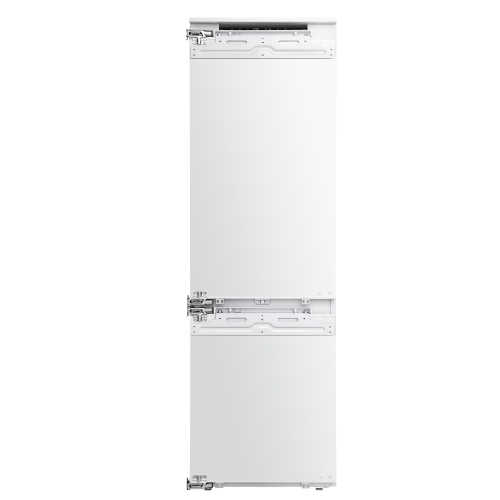
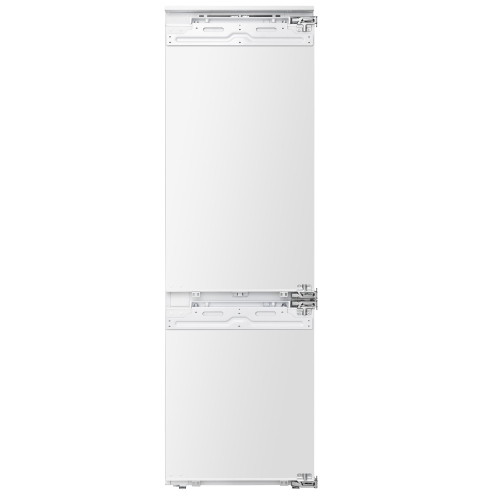
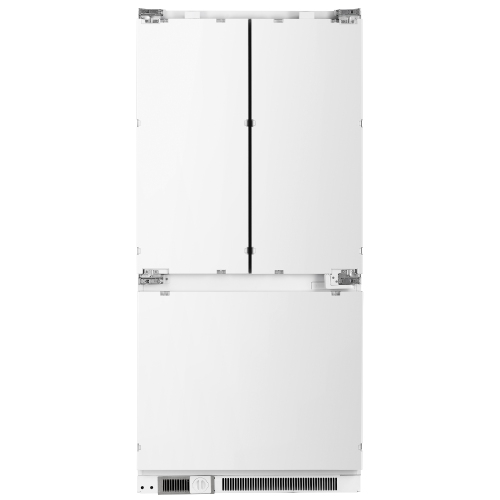
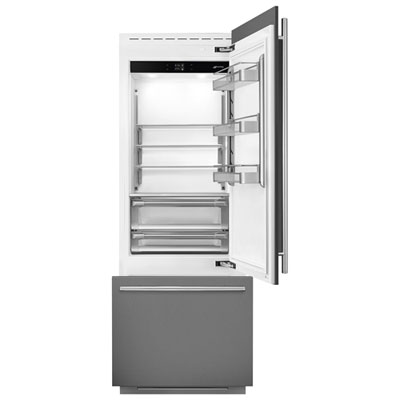
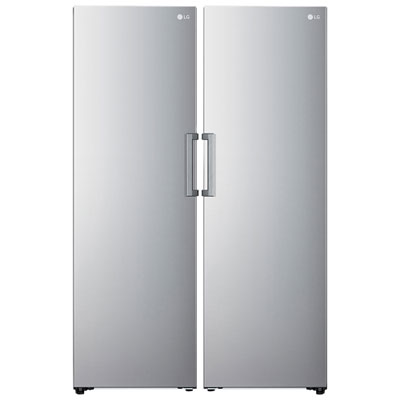
A cabinet-matched finish with everyday food storage inside
Integrated refrigerators are designed to sit within kitchen cabinetry and accept matching door panels, creating a continuous finish rather than a visible appliance front. When properly fitted, the refrigerator follows the lines of adjacent cupboards, with carefully aligned edges and handles that suit the rest of the kitchen. This makes integrated refrigeration a natural fit for open-plan homes, where the kitchen shares a sightline with the dining or living area, as well as smaller spaces where uninterrupted cabinetry can make the room feel less visually busy. The distinction between integrated, built-in, and counter-depth refrigerators matters: integrated designs are intended to blend into the cabinetry, while other Built-In Refrigerators may retain a visible stainless steel or finished front. A counter-depth refrigerator has a shallower cabinet than many freestanding designs, but its doors and handles may still project beyond the surrounding cupboards. Panel-ready construction is central to the integrated look, though the finished result depends on the appliance’s installation requirements and the cabinetry around it. Custom panels and handles may need to be arranged separately, and their dimensions, thickness, and weight must fall within the manufacturer’s limits. A painted panel can carry a kitchen’s colour across the refrigerator door, while a wood-veneer panel can continue the grain and texture of nearby cabinets. Inside, the purpose remains familiar: keeping fresh food chilled, everyday ingredients accessible, and, where a freezer is included, frozen food organised. Integrated refrigerators suit households planning a kitchen renovation, homeowners replacing an existing integrated unit, and anyone who values a coordinated finish without giving up practical food storage. Many designs leave the exterior free of ice and water dispensers to preserve the cabinet-like appearance, although internal water dispensing and ice-making features vary by model. The appeal is not simply that the refrigerator is hidden; it is that a large, frequently used appliance becomes part of the room’s overall design.
Fit involves more than matching the width of an empty cabinet opening. Integrated refrigerators have specified requirements for opening height, depth, ventilation, electrical access, and, when applicable, a water connection. The finished floor level and the space needed to move the appliance into the kitchen also affect installation, especially in homes with narrow doorways or tight corners. Ventilation paths must remain clear according to the installation instructions; enclosing an appliance more tightly than intended can interfere with its operation. Door movement deserves just as much attention as the cabinet dimensions. A refrigerator beside a wall may need additional clearance so the door can open far enough for drawers to slide out and shelves to be removed. An island opposite the refrigerator should leave room for someone to open the door, lift out a roasting pan, and pass through the kitchen comfortably. Hinge arrangements differ, too: some systems attach the furniture panel directly to the appliance door, while others use a sliding connection between the two doors. Matching the specified system is particularly important when replacing a refrigerator behind existing cabinetry. Storage capacity is another consideration because the dimensions visible from the kitchen do not tell the whole story. Integrated designs can provide less usable space than larger freestanding refrigerators, although capacity depends on the layout and measurements of the particular appliance. Internal shelf width, drawer depth, and door-bin placement help determine whether a refrigerator suits a household’s routine. A couple who shops frequently for fresh ingredients may value accessible produce drawers more than a large freezer, while a family preparing lunches and storing batch-cooked meals may need generous space in both compartments. Bottom-freezer layouts place fresh food higher up, while separate refrigerator and freezer columns allow the two functions to be arranged independently where the kitchen design permits. Adjustable shelves and door bins can help accommodate tall drink containers, broad serving dishes, and the changing mix of groceries that arrives after a larger shopping trip. The most useful layout is one that keeps frequently used food easy to reach without requiring a daily shuffle.
Materials, interior details, and routine care all contribute to how an integrated refrigerator feels in everyday use. Tempered-glass shelves provide a smooth surface for wiping up spills, while shelf rims, where fitted, can help contain small leaks before they reach the drawer below. Removable bins make it easier to clear away crumbs and clean sticky marks from jars and bottles. Sturdy drawer runners, well-supported shelves, and hinges suited to the fitted door panels are useful details in an appliance opened repeatedly throughout the day. Exterior care depends on the cabinet finish rather than the refrigerator alone: painted, laminated, and veneered panels may have different cleaning requirements, so a soft cloth and the cabinet supplier’s care directions are a sensible starting point. Inside, prompt spill cleaning, clear air outlets, and clean door seals support straightforward upkeep. A crowded shelf pressed against an air outlet can restrict circulation, and a container that prevents the door from closing fully can compromise the seal. Temperature controls should be easy to check, with refrigerator storage maintained at 4°C or below and freezer storage at −18°C or below for food safety. Features such as separate temperature zones, humidity-adjustable produce drawers, door-open alerts, and interior lighting can make storage more convenient, but their presence and operation vary. Connected functions, where offered, may add Wi-Fi alerts or remote status checks; they do not replace proper installation or regular attention to food storage. In an open-plan kitchen, operating sound is also worth considering, including the occasional noise of an ice maker rather than only the compressor. During the cooler months, the practical value of a well-arranged interior becomes especially clear when groceries share space with a covered casserole, a tray prepared for guests, or containers of leftovers ready to chill. Accessible filters, replaceable seals, and service access are useful considerations for long-term ownership. An integrated refrigerator works best as both cabinetry and an appliance: neatly fitted on the outside, easy to clean within, and proportioned around the food and routines of the household.
Fit involves more than matching the width of an empty cabinet opening. Integrated refrigerators have specified requirements for opening height, depth, ventilation, electrical access, and, when applicable, a water connection. The finished floor level and the space needed to move the appliance into the kitchen also affect installation, especially in homes with narrow doorways or tight corners. Ventilation paths must remain clear according to the installation instructions; enclosing an appliance more tightly than intended can interfere with its operation. Door movement deserves just as much attention as the cabinet dimensions. A refrigerator beside a wall may need additional clearance so the door can open far enough for drawers to slide out and shelves to be removed. An island opposite the refrigerator should leave room for someone to open the door, lift out a roasting pan, and pass through the kitchen comfortably. Hinge arrangements differ, too: some systems attach the furniture panel directly to the appliance door, while others use a sliding connection between the two doors. Matching the specified system is particularly important when replacing a refrigerator behind existing cabinetry. Storage capacity is another consideration because the dimensions visible from the kitchen do not tell the whole story. Integrated designs can provide less usable space than larger freestanding refrigerators, although capacity depends on the layout and measurements of the particular appliance. Internal shelf width, drawer depth, and door-bin placement help determine whether a refrigerator suits a household’s routine. A couple who shops frequently for fresh ingredients may value accessible produce drawers more than a large freezer, while a family preparing lunches and storing batch-cooked meals may need generous space in both compartments. Bottom-freezer layouts place fresh food higher up, while separate refrigerator and freezer columns allow the two functions to be arranged independently where the kitchen design permits. Adjustable shelves and door bins can help accommodate tall drink containers, broad serving dishes, and the changing mix of groceries that arrives after a larger shopping trip. The most useful layout is one that keeps frequently used food easy to reach without requiring a daily shuffle.
Materials, interior details, and routine care all contribute to how an integrated refrigerator feels in everyday use. Tempered-glass shelves provide a smooth surface for wiping up spills, while shelf rims, where fitted, can help contain small leaks before they reach the drawer below. Removable bins make it easier to clear away crumbs and clean sticky marks from jars and bottles. Sturdy drawer runners, well-supported shelves, and hinges suited to the fitted door panels are useful details in an appliance opened repeatedly throughout the day. Exterior care depends on the cabinet finish rather than the refrigerator alone: painted, laminated, and veneered panels may have different cleaning requirements, so a soft cloth and the cabinet supplier’s care directions are a sensible starting point. Inside, prompt spill cleaning, clear air outlets, and clean door seals support straightforward upkeep. A crowded shelf pressed against an air outlet can restrict circulation, and a container that prevents the door from closing fully can compromise the seal. Temperature controls should be easy to check, with refrigerator storage maintained at 4°C or below and freezer storage at −18°C or below for food safety. Features such as separate temperature zones, humidity-adjustable produce drawers, door-open alerts, and interior lighting can make storage more convenient, but their presence and operation vary. Connected functions, where offered, may add Wi-Fi alerts or remote status checks; they do not replace proper installation or regular attention to food storage. In an open-plan kitchen, operating sound is also worth considering, including the occasional noise of an ice maker rather than only the compressor. During the cooler months, the practical value of a well-arranged interior becomes especially clear when groceries share space with a covered casserole, a tray prepared for guests, or containers of leftovers ready to chill. Accessible filters, replaceable seals, and service access are useful considerations for long-term ownership. An integrated refrigerator works best as both cabinetry and an appliance: neatly fitted on the outside, easy to clean within, and proportioned around the food and routines of the household.
Top selling and popular products
-
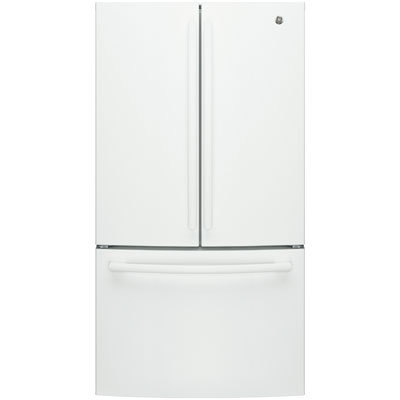 Your price for this item is $3299.99
 -
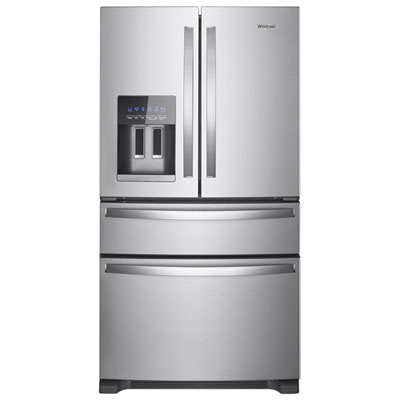 Your price for this item is $2999.99
 -
 Your price for this item is $2899.99
 -
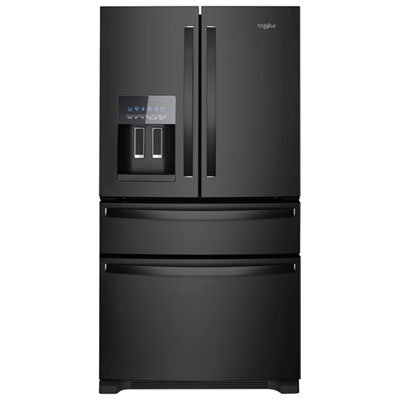 Your price for this item is $2949.99
 -
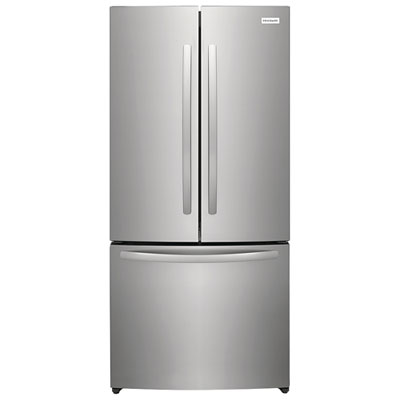 Your price for this item is $1599.99
 -
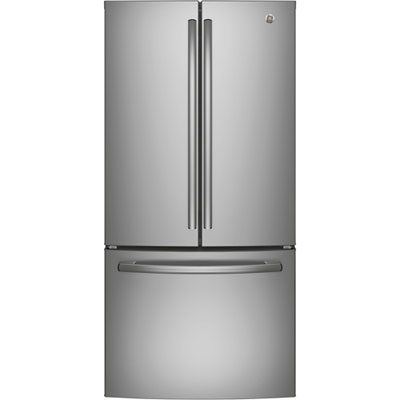 Your price for this item is $2399.99
 -
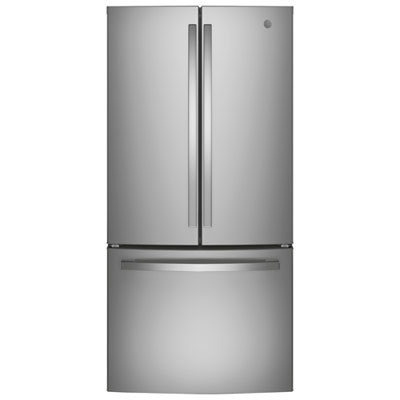 Your price for this item is $2499.99
 -
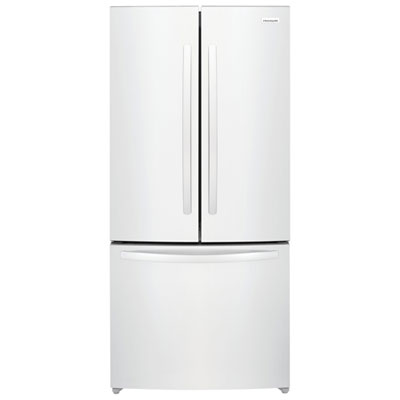 Your price for this item is $1949.99
Discover more categories related to Integrated Refrigerators
Top Collections:
Pokemon Centers, Kindle Devices, Best Budget Office Chairs, Apple iPhones 16, Best Laptops for Writers, iPhone 15 Apple, Canon G7X Cameras, Refurbished Apple Laptops, Alarm Clock, Motorola Razr Phones
Some products may be subject to Environmental Handling Fees
(EHF) depending on your province.
Learn more about EHFs.