Camping Griddles
Gear up for your next outdoor adventure with a camping griddle, the perfect companion for cooking up delicious meals in the great outdoors. Whether you're whipping up a hearty breakfast at the campsite or grilling burgers under the stars, a camping griddle offers versatility and convenience for all your outdoor cooking needs. With durable materials and portable designs, these camping griddles are designed to withstand rugged conditions while providing you with a reliable cooking surface wherever your travels take you.
Sort




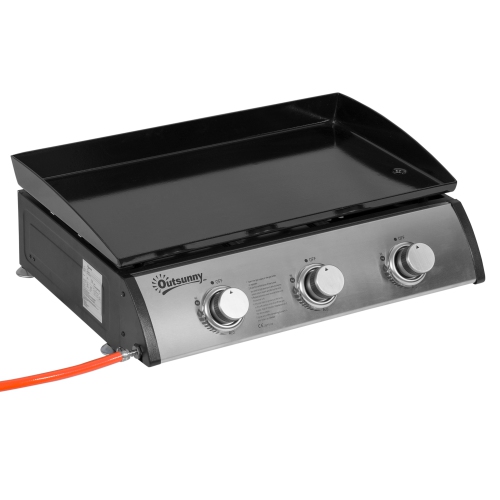
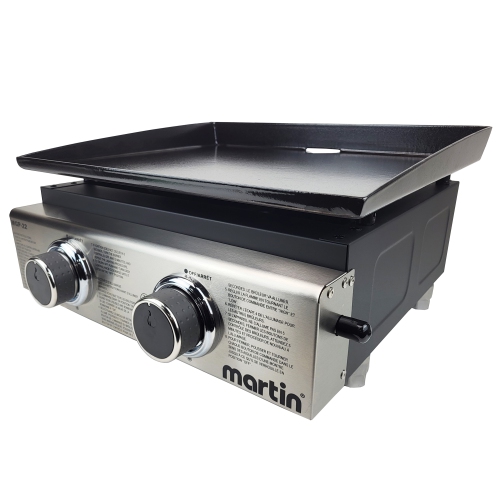


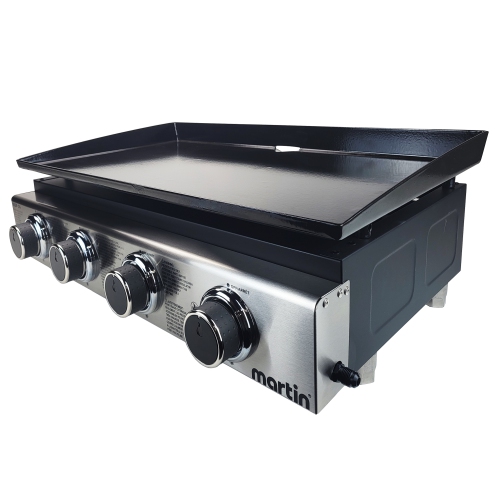


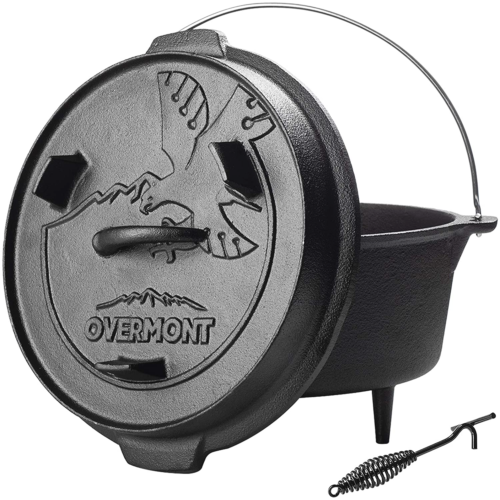


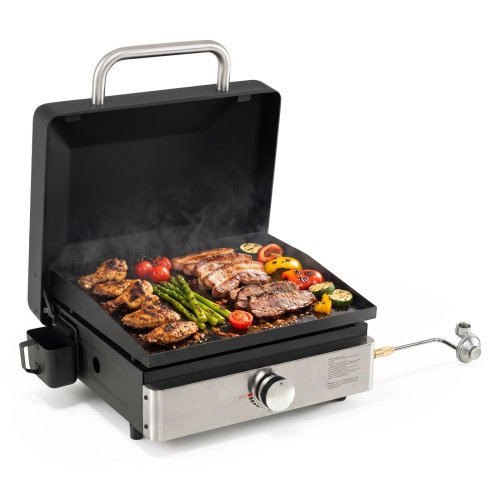

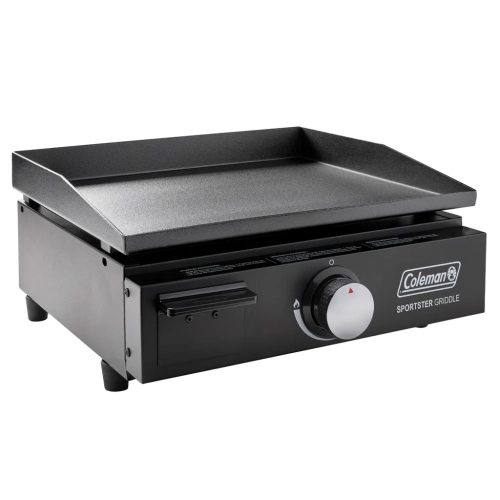

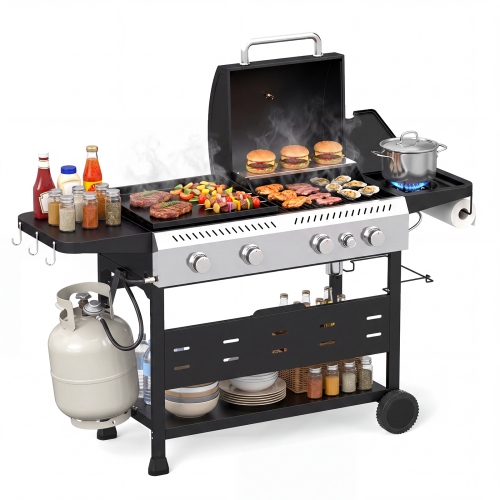


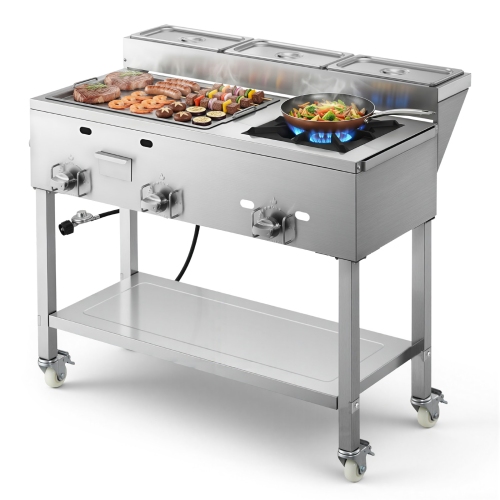
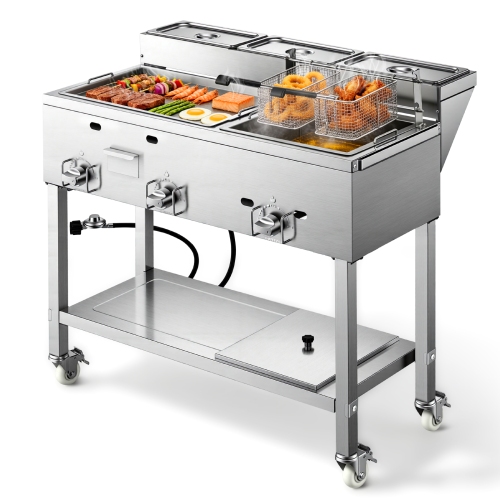


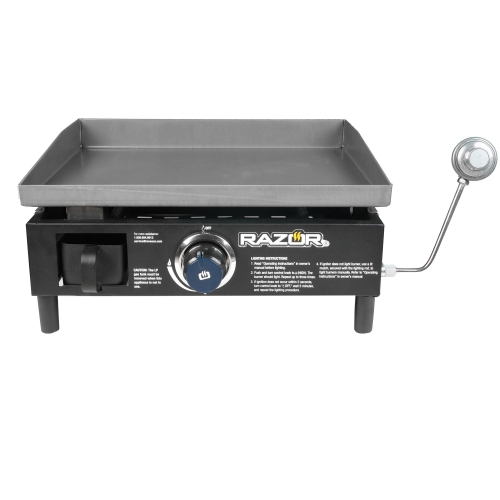
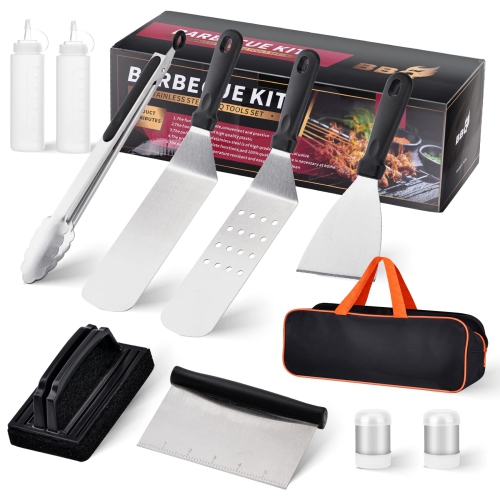
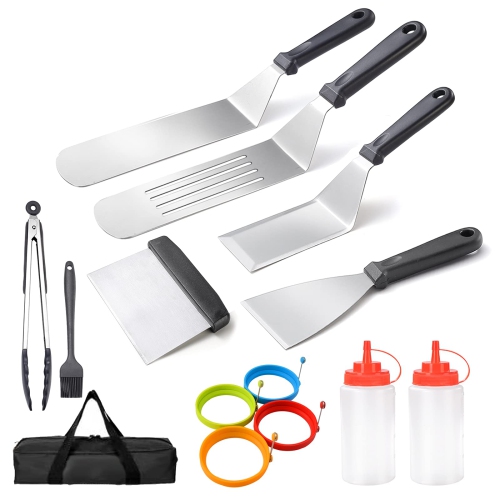
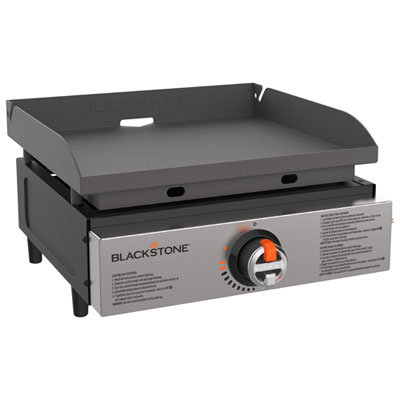

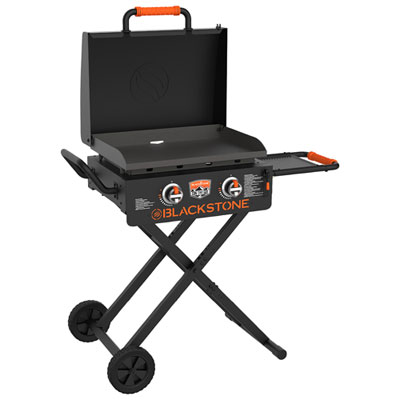
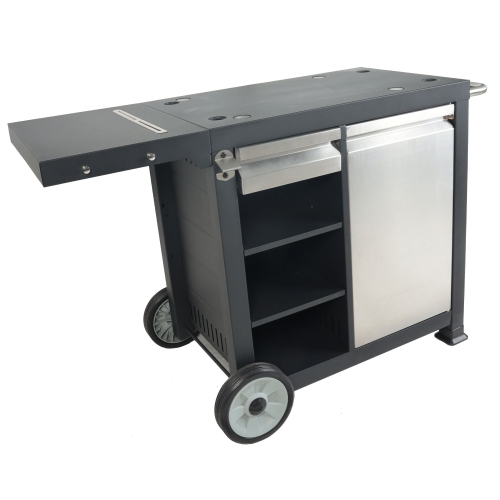

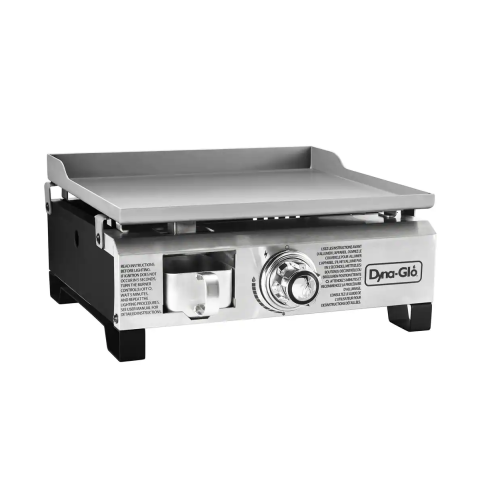

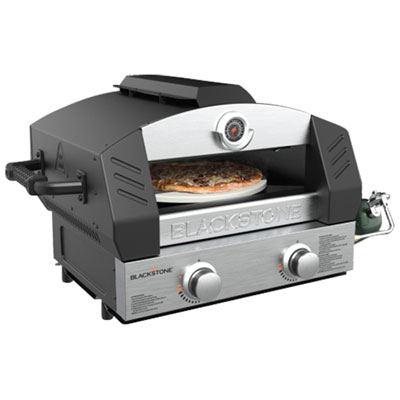

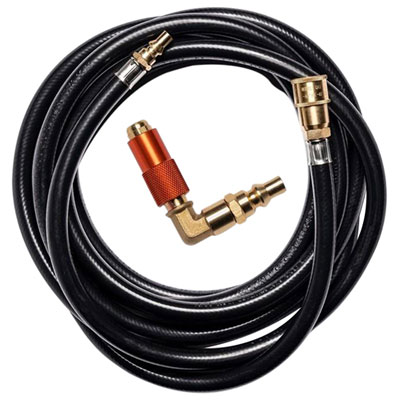


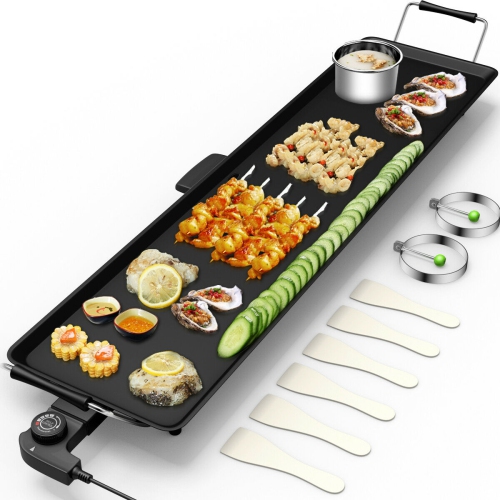
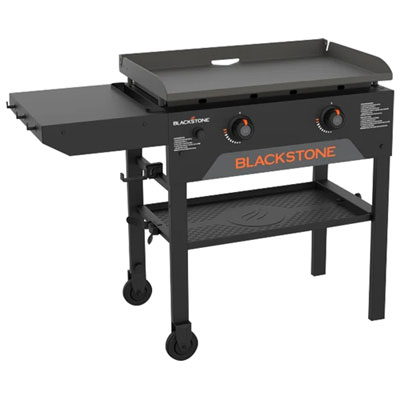


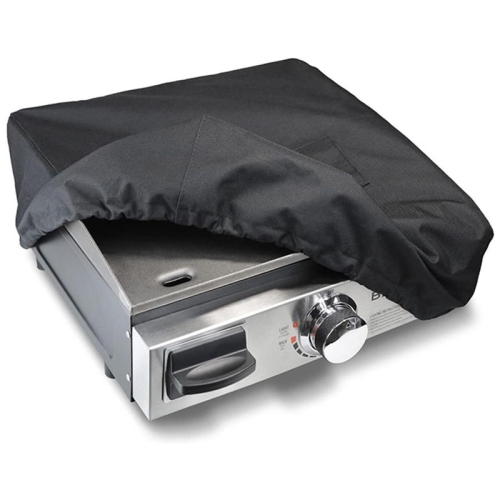

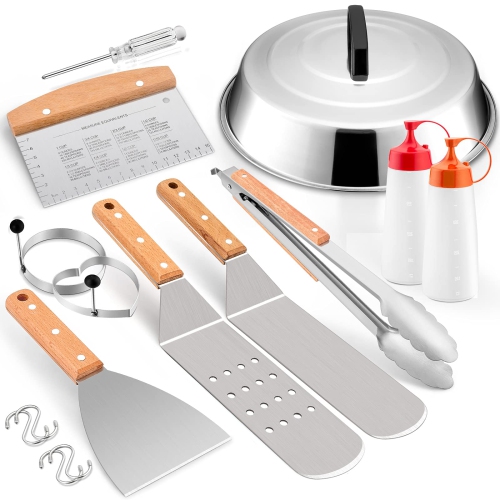
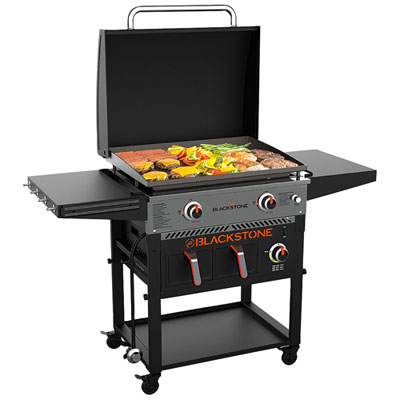
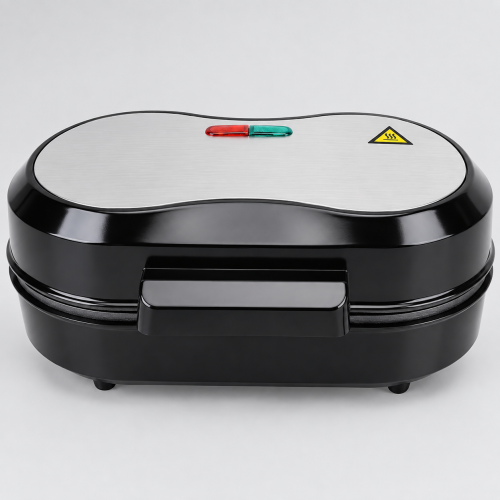
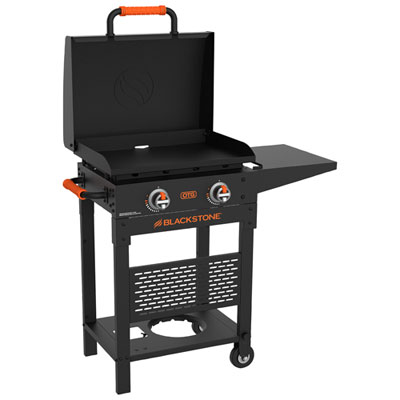




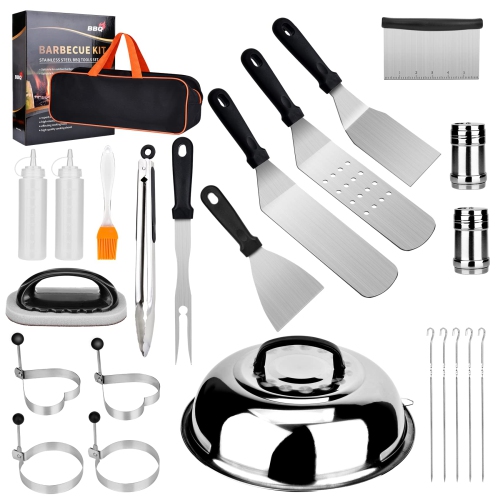
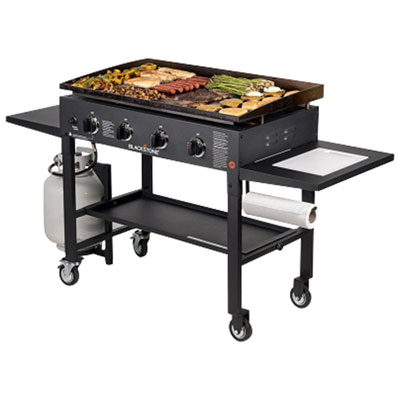
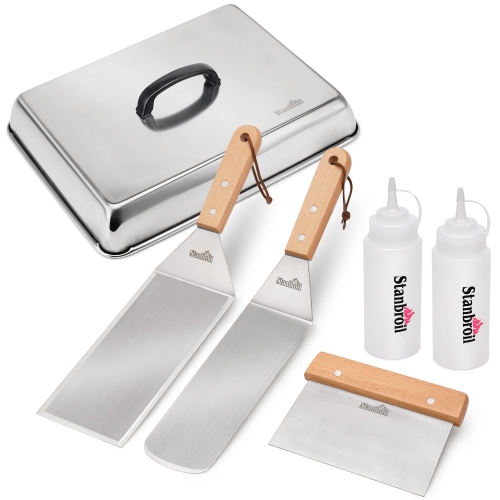
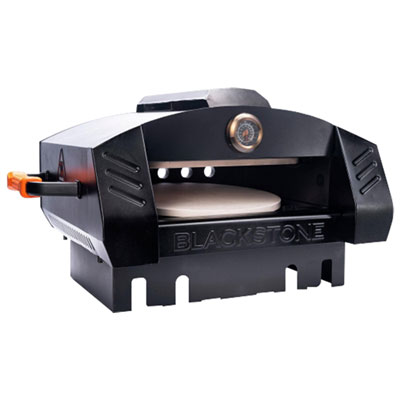
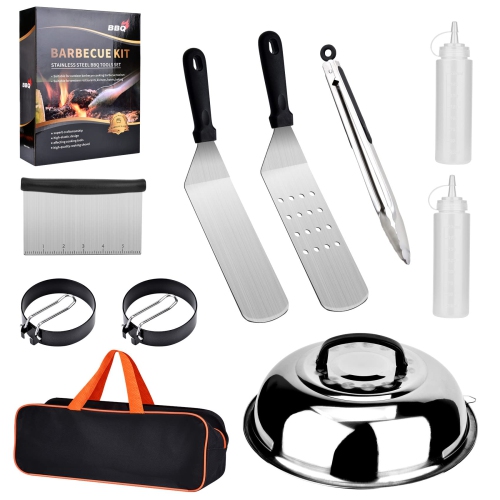






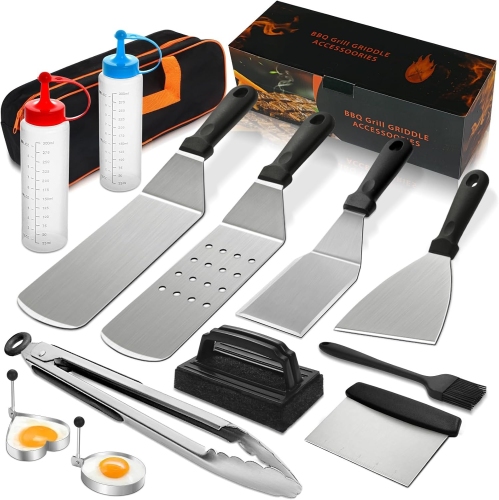
From pancakes to burgers on one flat surface
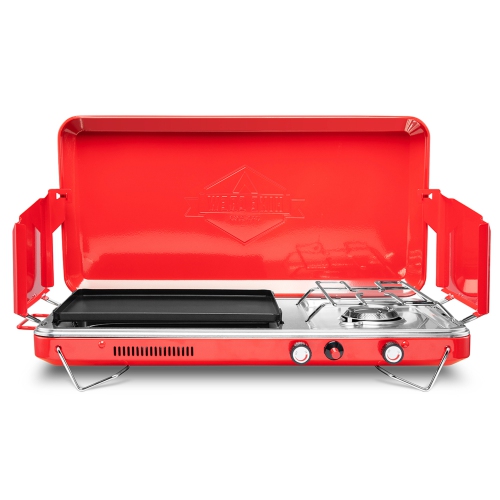
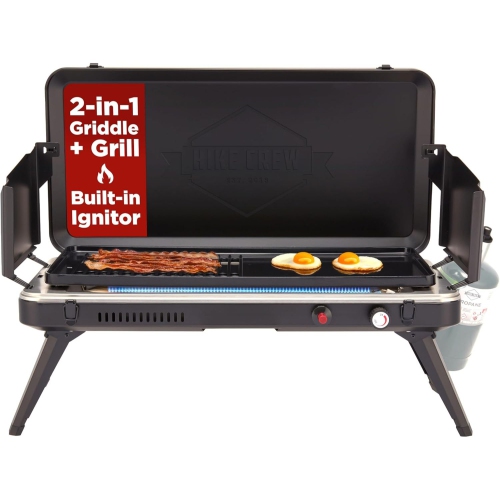
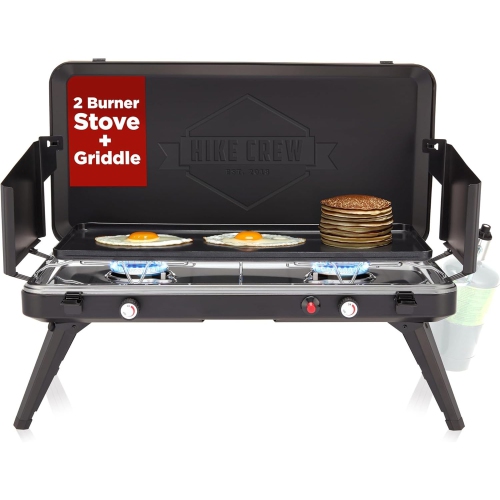
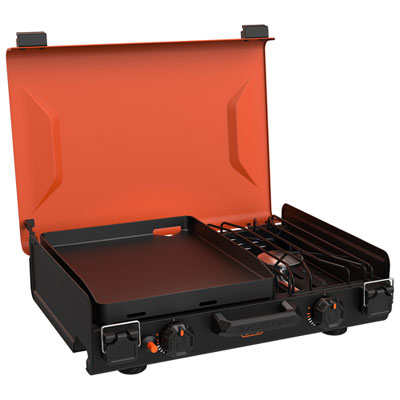
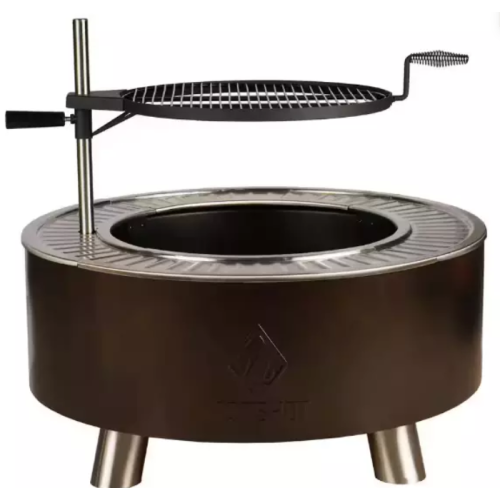
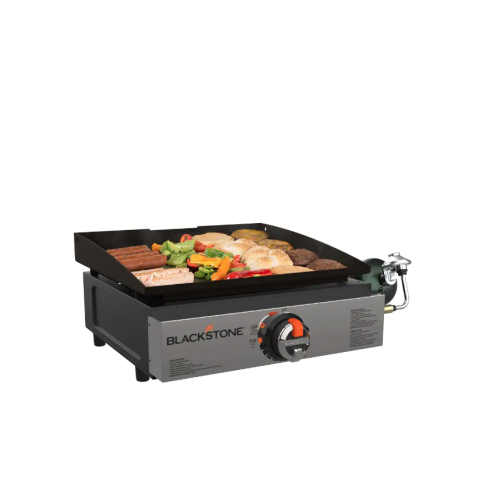
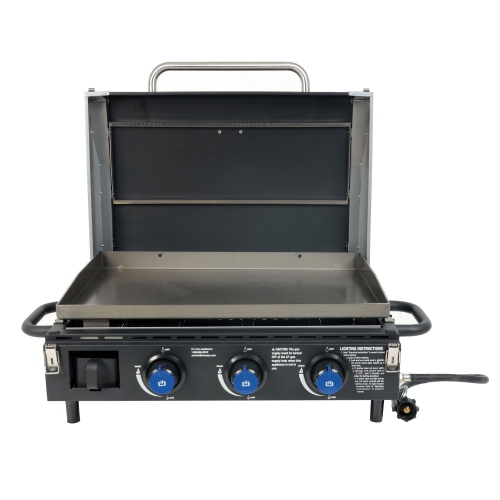
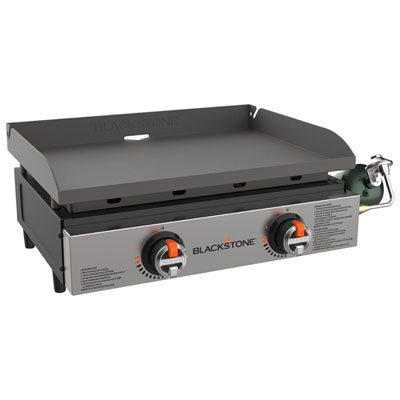
Camping griddles provide a broad, flat cooking surface for preparing meals outdoors, from pancakes and eggs to burgers, vegetables, and toasted sandwiches. Unlike an open grill grate, a griddle keeps smaller ingredients on the cooking surface and allows foods such as scrambled eggs or chopped onions to cook without falling through gaps. That makes it a practical addition to a campsite kitchen, especially when breakfast involves several ingredients or dinner needs to feed a group. The main formats are stove-top griddle plates and self-contained portable griddles. A stove-top plate rests over a compatible camping stove and uses that stove’s burners, while a self-contained griddle has its own heating system, commonly fuelled by propane. Some plates are also suitable for use over a fire, but that capability depends on their construction and the manufacturer’s instructions; it should not be assumed for every griddle. Tabletop designs suit car camping and RV trips where a sturdy cooking station can stay in place throughout a visit. Models with folding legs or separate stands offer a different setup, although their packed size and weight still matter when loading a vehicle. Compact cooking surfaces in the 14 to 17 inch range can suit a couple or a small campsite kitchen, while surfaces around 20 to 22 inches provide more room for family meals. Dimensions alone do not tell the whole story: usable cooking area, burner layout, and the space needed for handles and grease collection also affect fit. A wide plate may accommodate several pancakes, but it still needs a compatible heat source to cook them evenly. For trips that involve carrying equipment on foot, a lighter plate that works with an existing stove may be more practical than a dedicated cooking station. For campers staying close to their vehicle, a larger griddle can make meal preparation easier by keeping more of the cooking in one place.
Materials influence how camping griddles heat, how they travel, and how they are maintained between trips. Cast iron is valued for its heat retention, which helps when adding a batch of food to a preheated surface, but its weight can be noticeable in a packed camping kit. Seasoned cast iron also needs thorough drying and appropriate oiling to help prevent rust. Carbon steel and other uncoated steel cooking surfaces may require seasoning as well, with care depending on the particular construction. Aluminium griddle plates are generally lighter and respond quickly to changes in burner output, though their heat distribution depends on plate thickness and design. Coated surfaces can simplify food release and cleaning, but they need utensils and cleaning methods that will not damage the finish. A coating should not be treated like bare cast iron: abrasive scrubbing, metal tools, or seasoning procedures may be unsuitable unless the manufacturer permits them. Thickness is another useful consideration, since a substantial plate can hold heat well but adds weight and may take longer to preheat. On a camping stove, the plate must sit securely without blocking areas needed for proper operation or exceeding the stove’s supported dimensions and load. A two-burner stove does not automatically suit every two-burner griddle plate. Burner spacing, underside clearance, and the stove’s instructions all matter. On a self-contained model, independently controlled burners can create separate cooking zones, letting potatoes continue browning while eggs cook over gentler heat. A single-burner design offers simpler operation, although there may still be hotter and cooler areas across the surface. Raised edges help contain food, while a grease channel and accessible collection cup can make cleanup less awkward after cooking bacon or burgers. Reversible plates provide a smooth side and a ridged side for different cooking styles, but changing sides generally means allowing the plate to cool first. Handles, secure feet, and a protective carrying case also contribute to everyday practicality, particularly when the griddle shares storage space with other camping equipment.
A camping griddle fits naturally into the rhythm of an outdoor meal: tortillas warming at one end, peppers softening nearby, and sliced chicken cooking in a separate area with utensils kept apart for raw and ready-to-eat food. The flat surface is especially useful for meals assembled in stages, although overcrowding can reduce browning and make ingredients harder to turn. A little clear space around each portion helps a spatula slide underneath without pushing neighbouring food over the edge. The cooking station needs similar breathing room. Fuel-burning griddles are for outdoor use, never inside a tent, RV, or other enclosed space, and they require a stable, heat-resistant support with the clearances specified by the manufacturer. Fuel connections and accessories must be compatible with the appliance, and the cooking area should be positioned away from foot traffic and combustible materials. Once cooking is finished, routine care protects both the surface and the packed kit. Many seasoned iron and steel surfaces benefit from removing food residue, drying thoroughly, and applying a thin layer of suitable cooking oil according to their care instructions. Coated plates may instead call for a soft sponge and mild detergent. Sudden cooling with cold water can damage a hot plate, so cleaning and packing should follow the recommended cooling process. Grease cups should be emptied safely, and a cover or carrying bag should only go on once the equipment is cool and dry. For shoppers comparing outdoor cooking formats, Camping Grills offer a different approach, with grate-based cooking suited to foods that benefit from direct heat and grill marks. Griddles favour smaller ingredients, breakfast dishes, and meals that need a continuous surface. As a gift for someone who enjoys campsite cooking, a griddle is most useful when its size, fuel requirements, and care needs match the recipient’s existing setup, whether that is a compact tent-camping stove or a more spacious RV cooking station.
Top selling and popular products
-
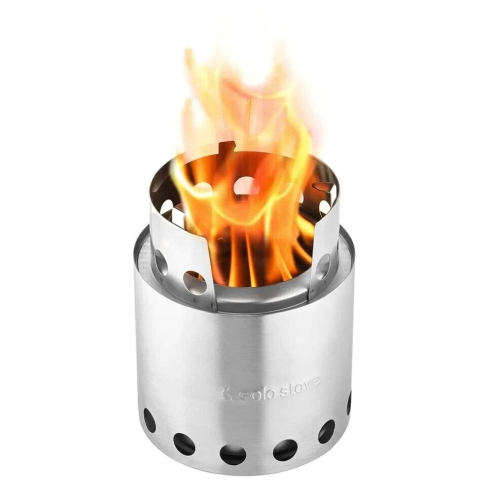 Your price for this item is $99.99
-
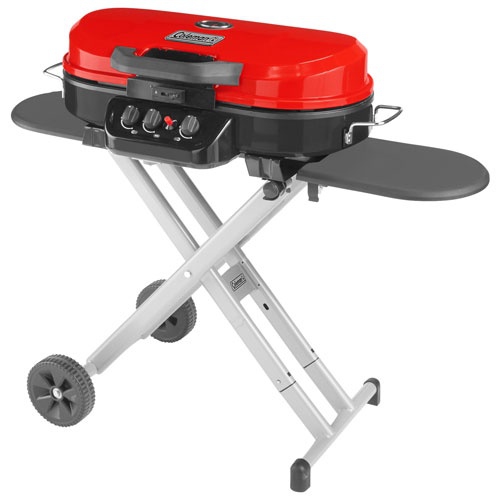 Your price for this item is $513.99
-
 Your price for this item is $349.98
-
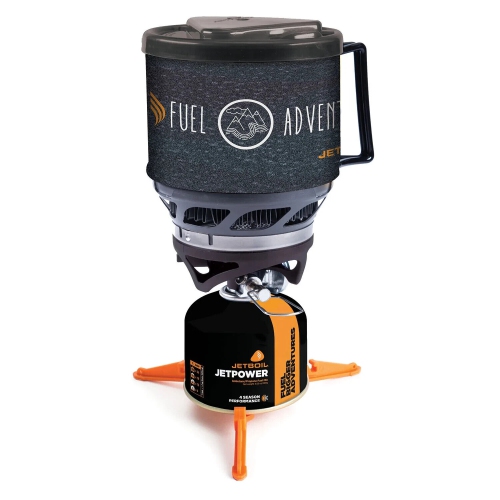 Your price for this item is $209.95
-
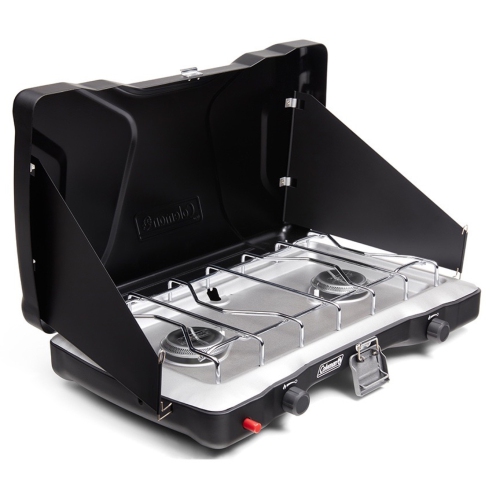 Your price for this item is $143.99
-
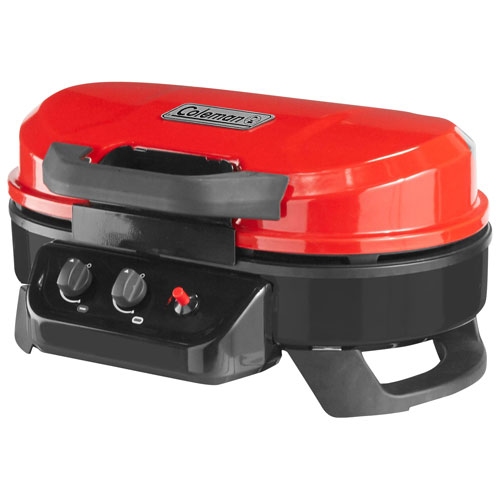 Your price for this item is $299
-
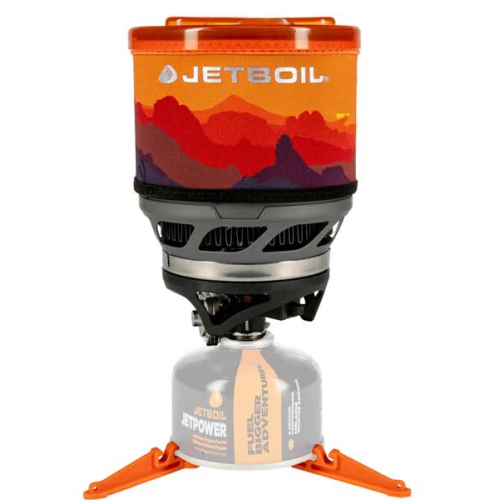 Your price for this item is $209.95
-
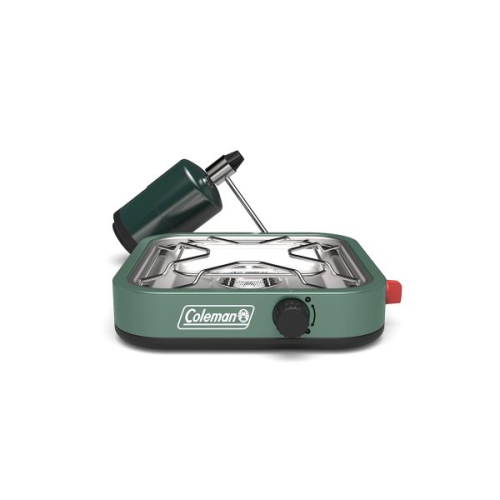 Your price for this item is $111.99
Discover more categories related to Camping Griddles
Top Collections:
Pokemon Centers, Best Cameras for Sports Photography, Kindle Devices, Samsung Galaxy Phones, Canon G7X Cameras, Pokémon 30th Celebration Cards, Refurbished Apple Laptops, iPhone 15 Apple, Laptops for Students, Budget Smartphones
Some products may be subject to Environmental Handling Fees
(EHF) depending on your province.
Learn more about EHFs.