Griddles for Camping
Whether you're planning a weekend getaway in the great outdoors or embarking on an epic camping adventure, having a reliable griddle is essential for whipping up delicious meals on the go. A griddle designed specifically for camping is compact, portable, and easy to use, making it the perfect companion for cooking up your favorite breakfasts, lunches, and dinners while enjoying the beauty of nature. From sizzling bacon and eggs to mouthwatering burgers and veggies, our selection of griddles for camping has everything you need to satisfy your cravings while embracing the wilderness.
Sort
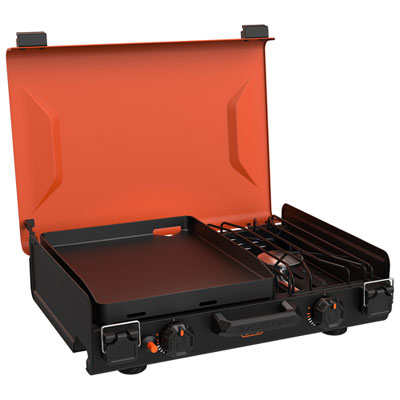
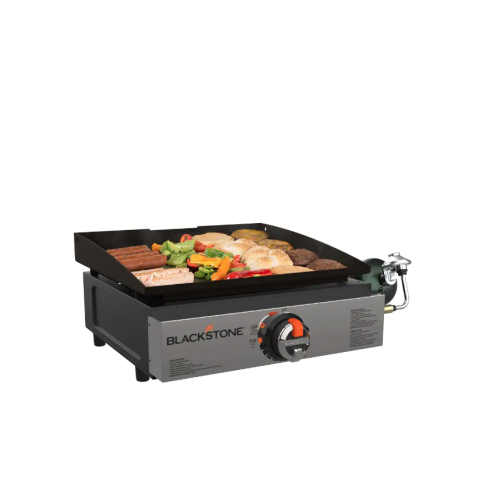


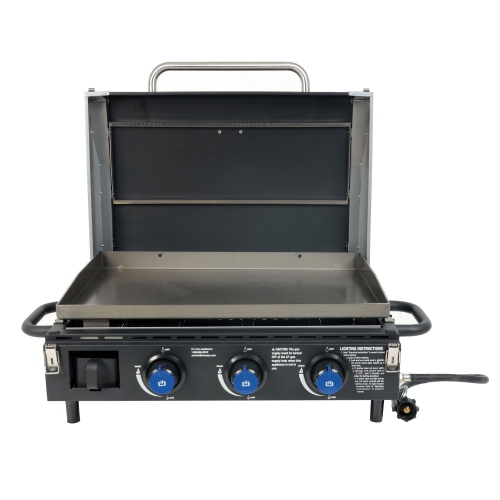

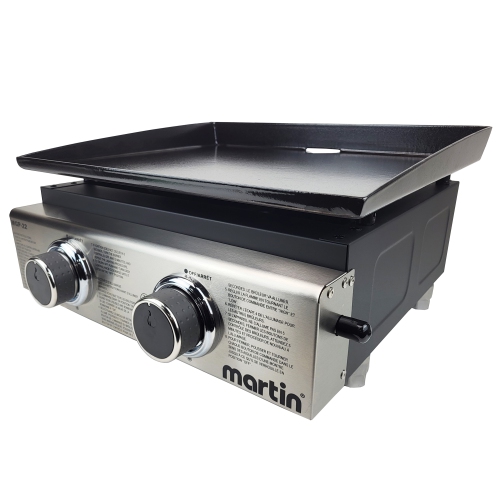

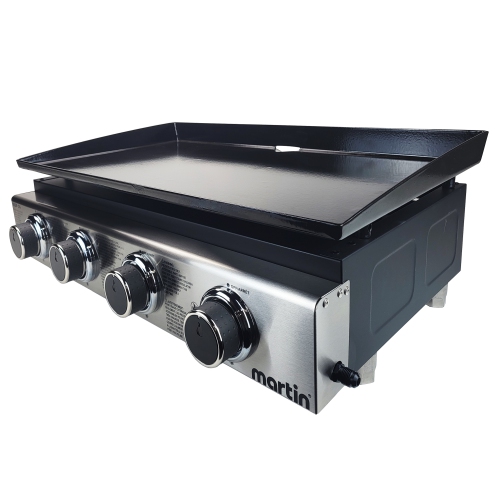


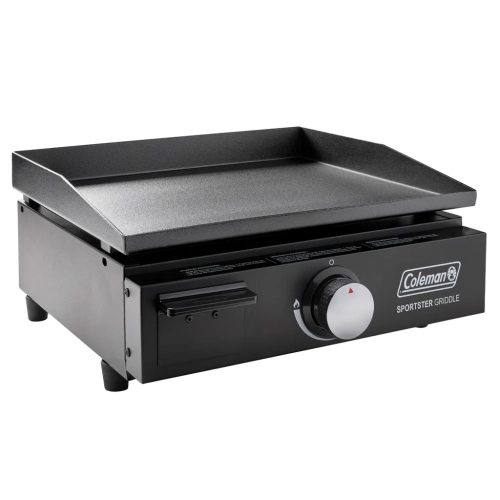
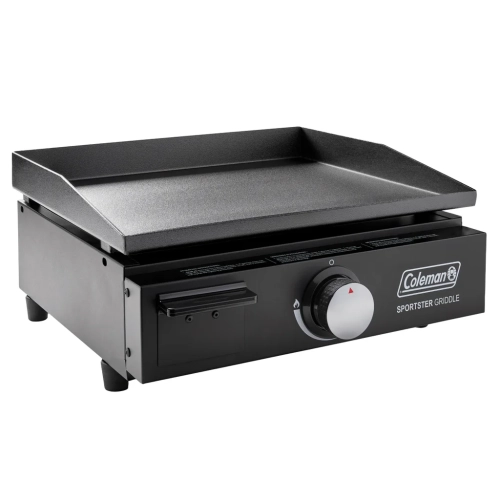
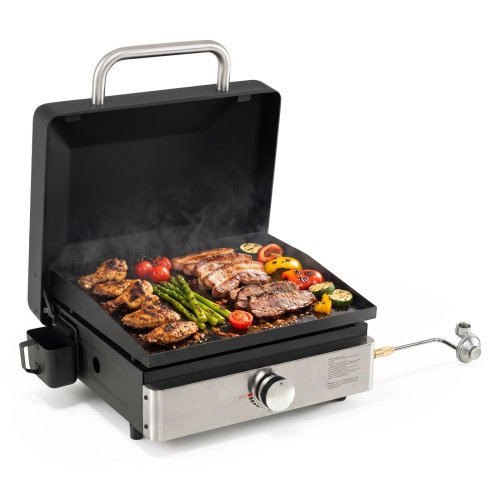


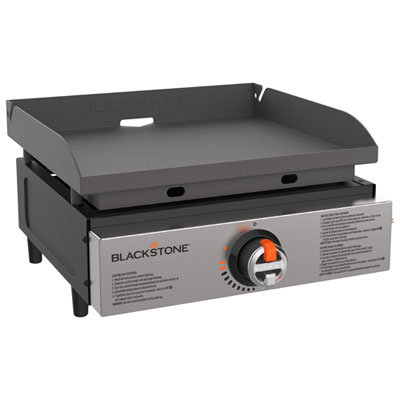
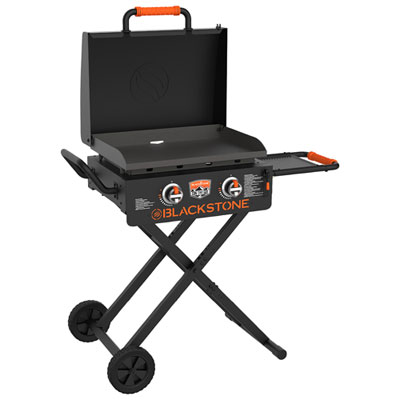
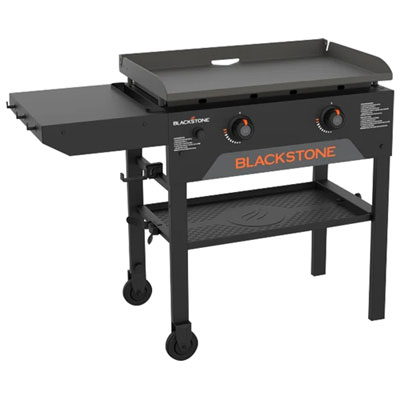
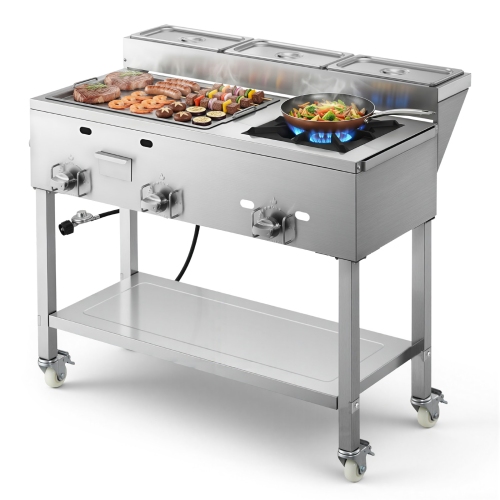

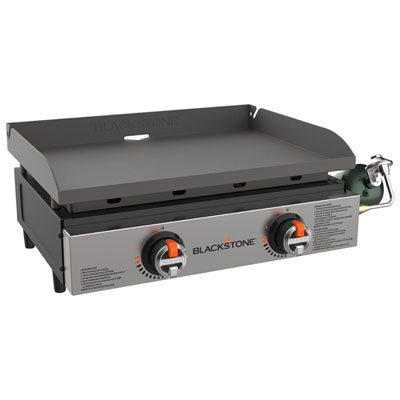
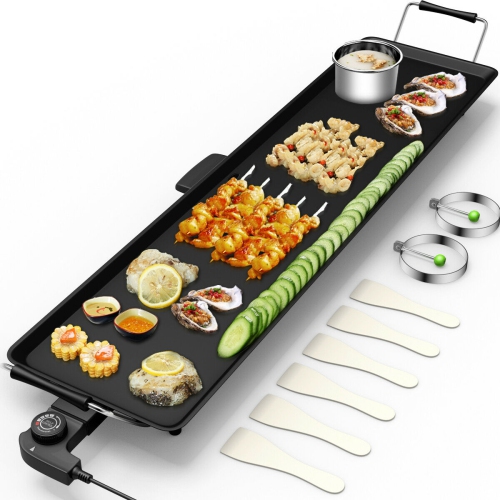
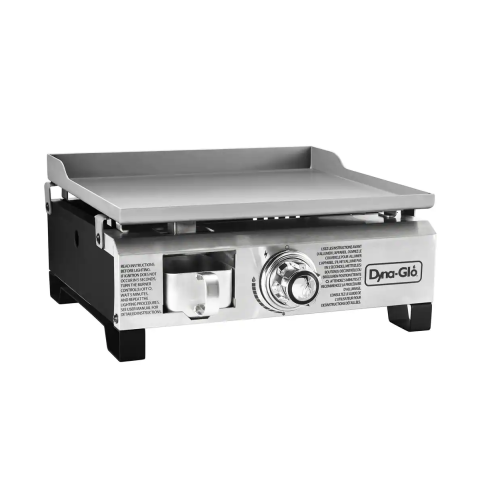

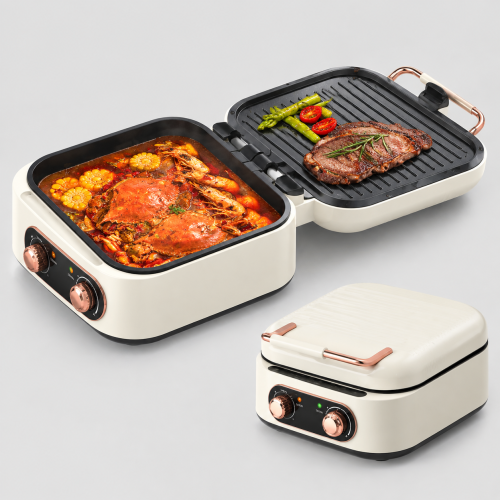
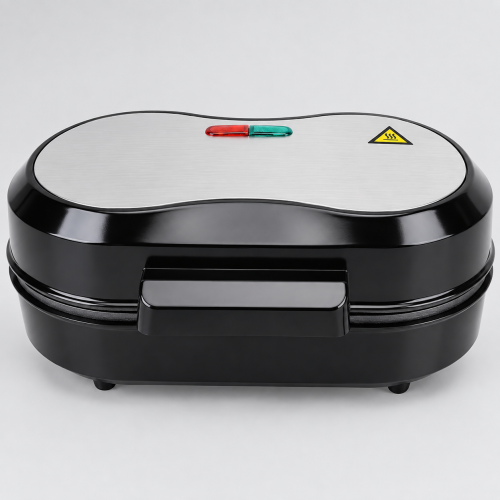


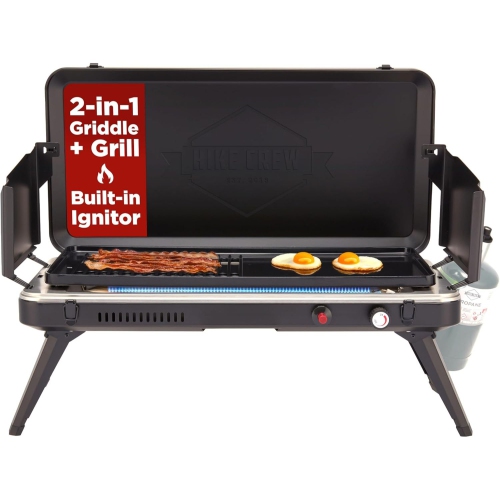
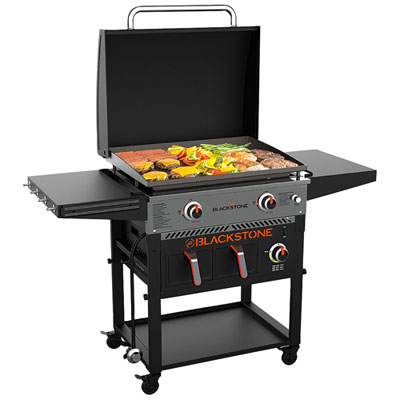


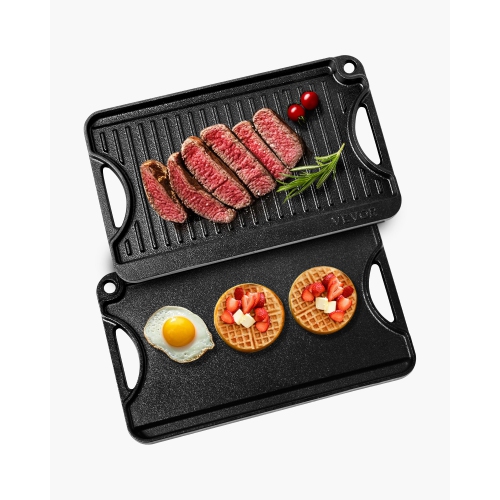
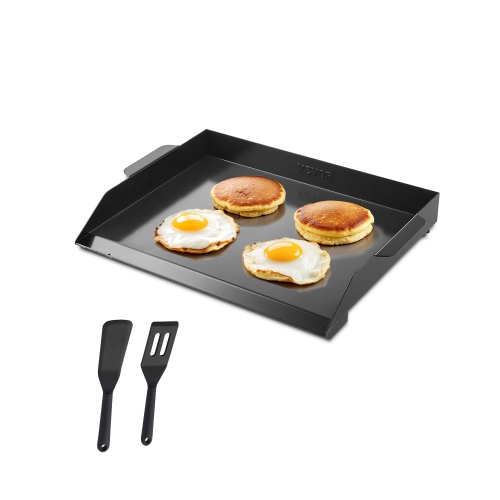
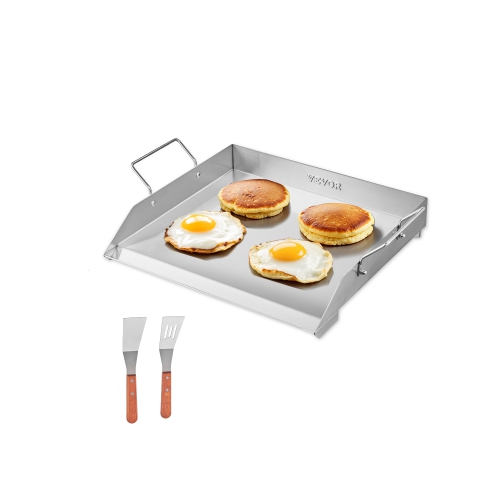
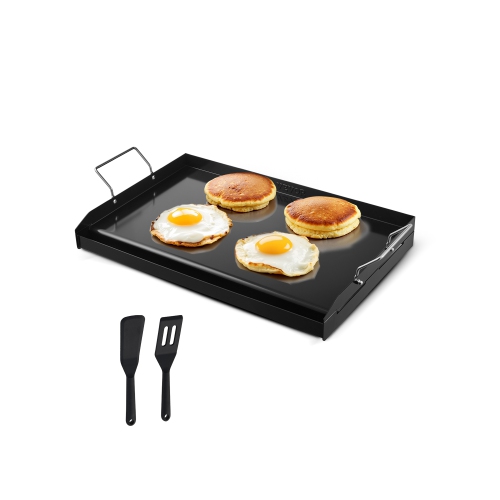

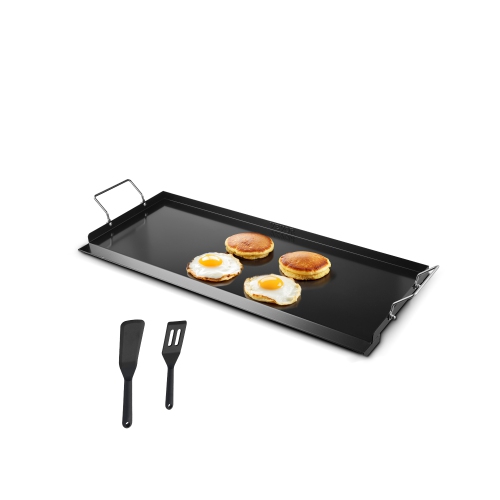
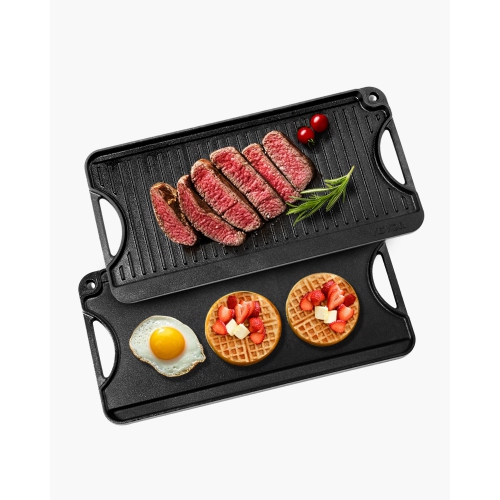
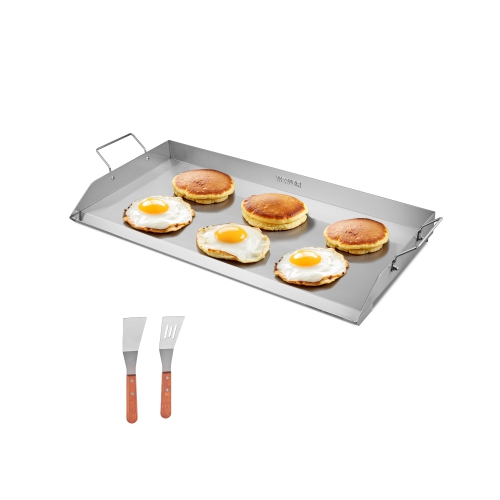

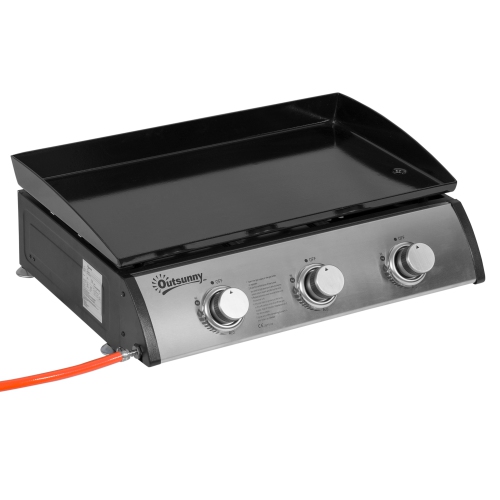
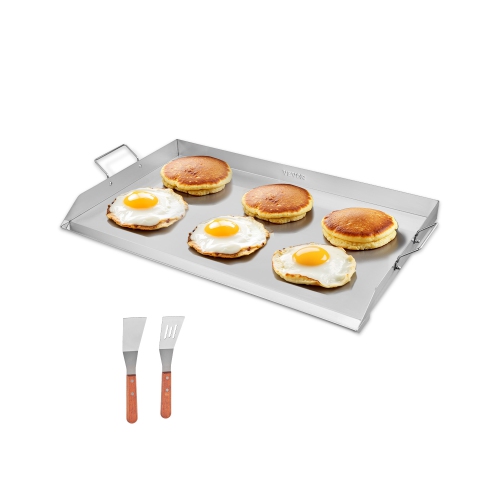

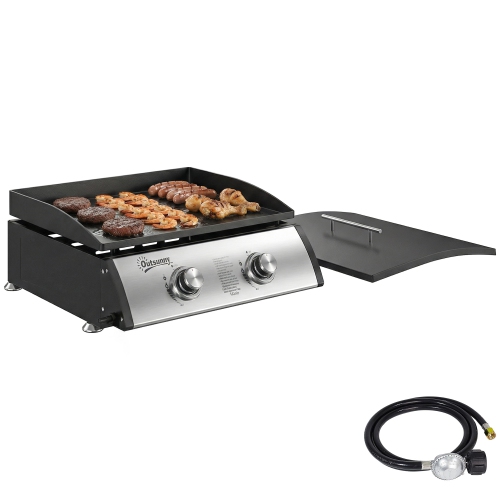
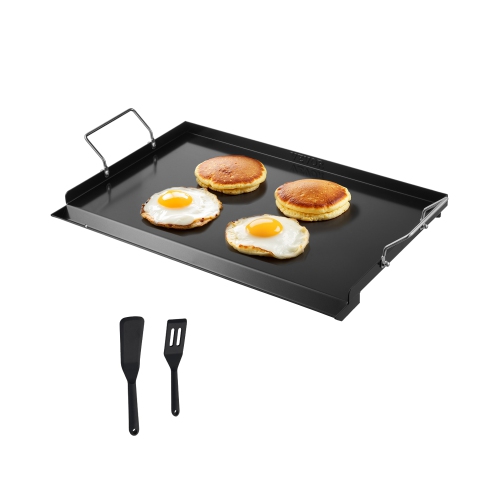
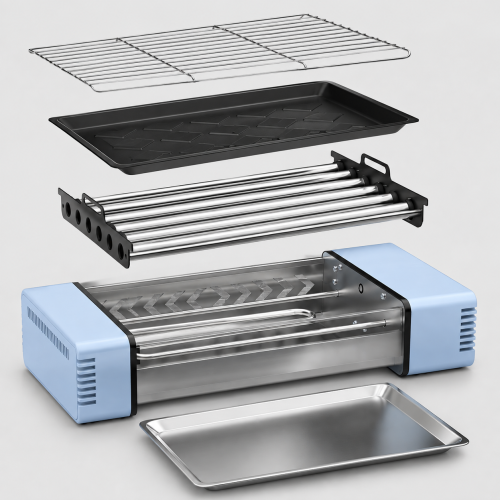
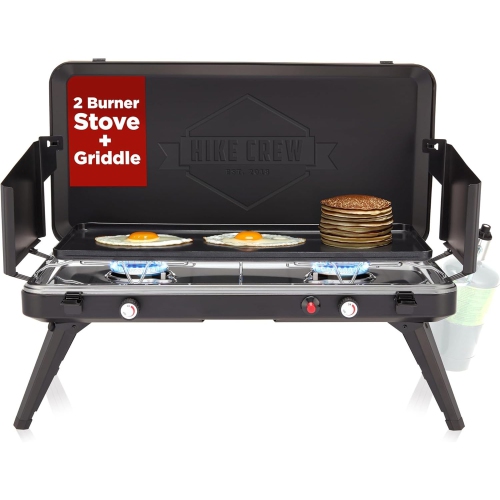
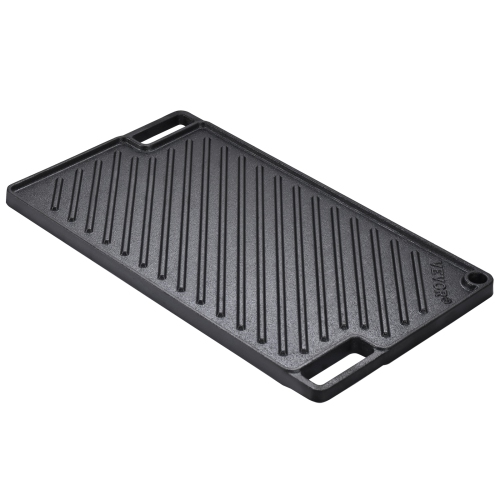
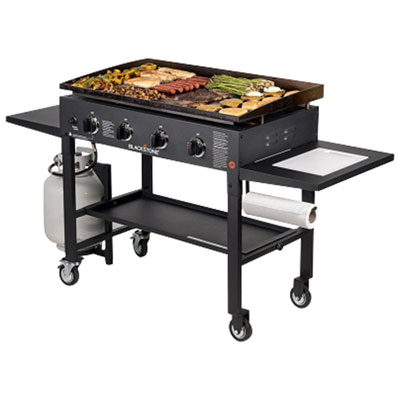


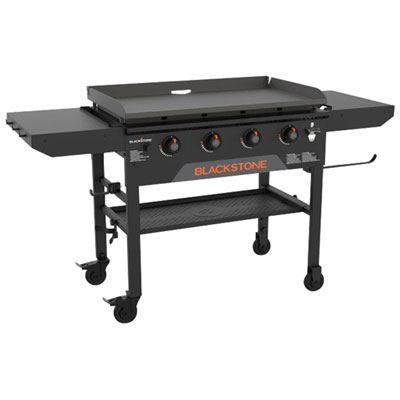


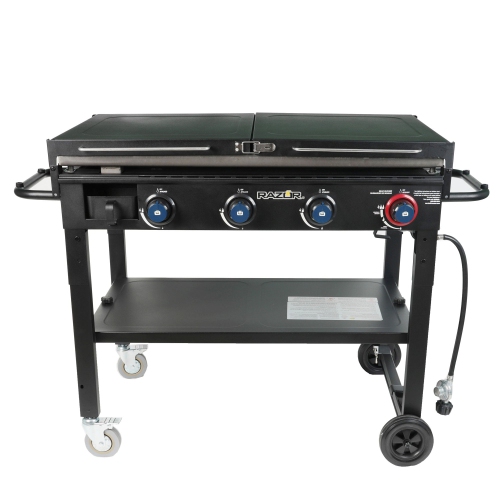
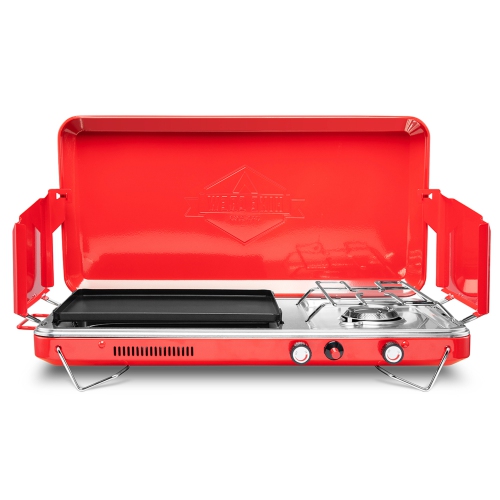
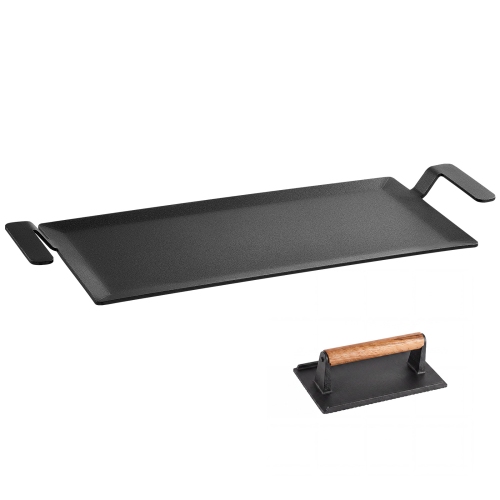
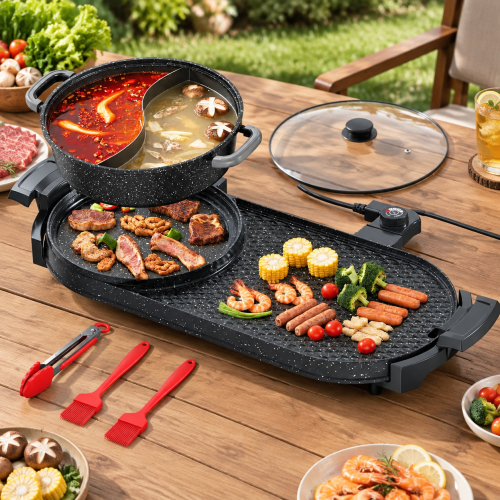
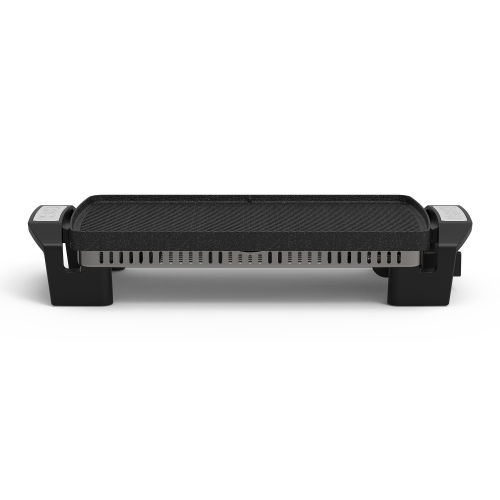
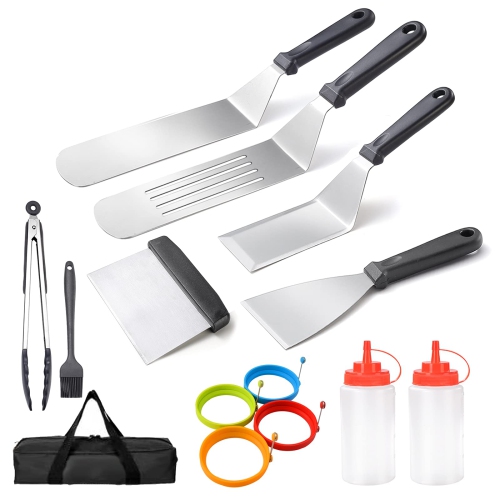
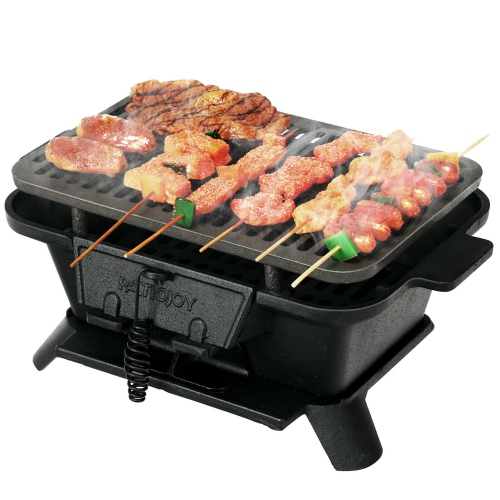


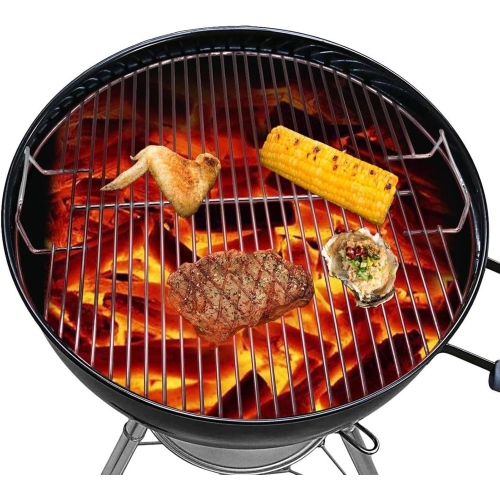
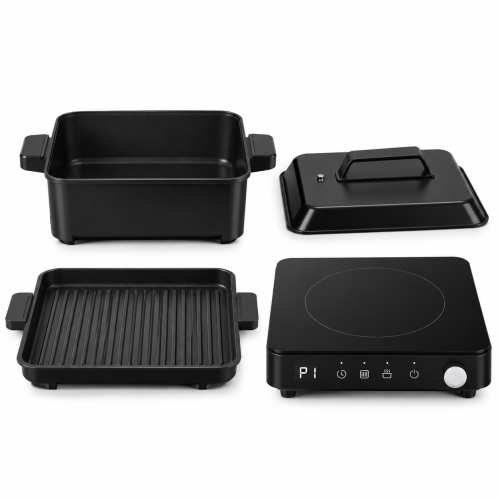


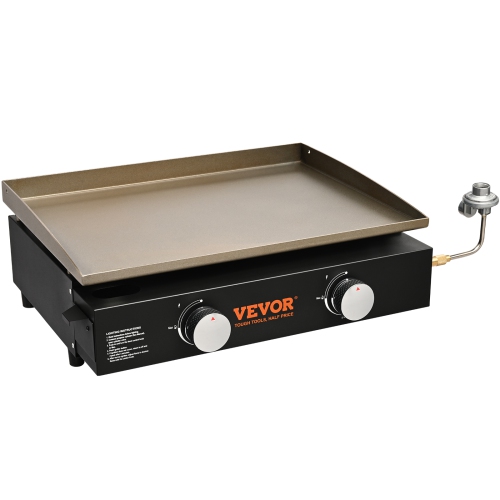
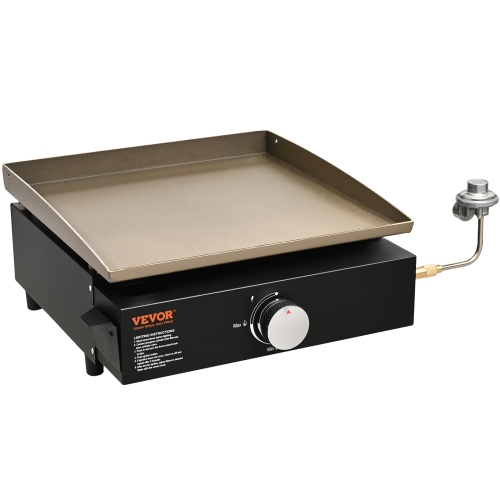
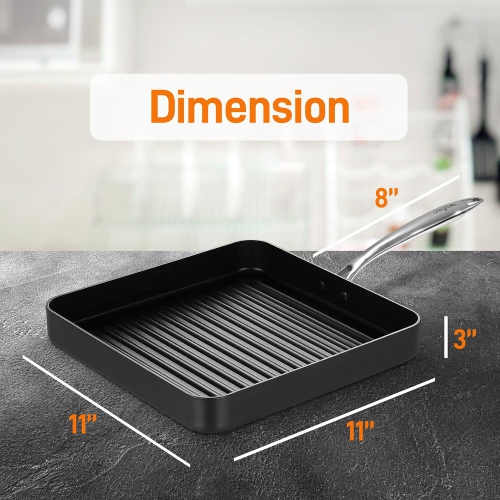
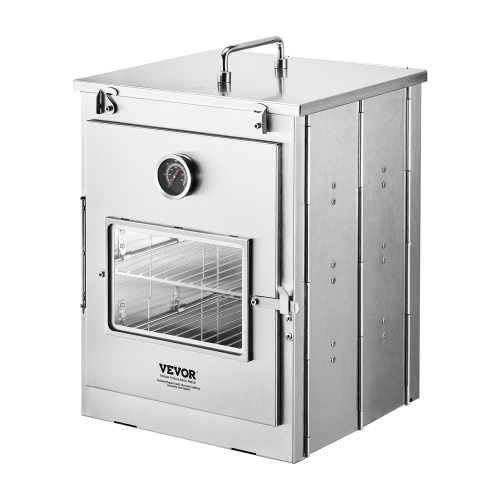

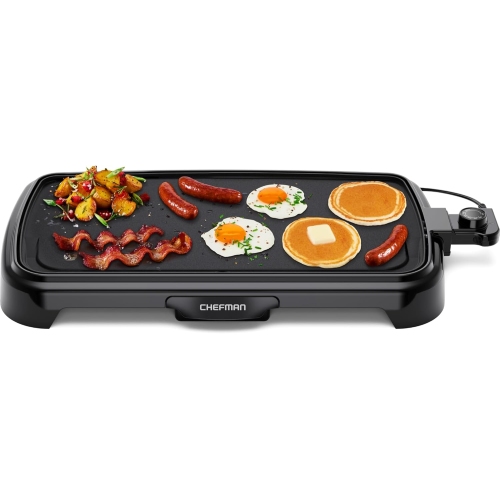


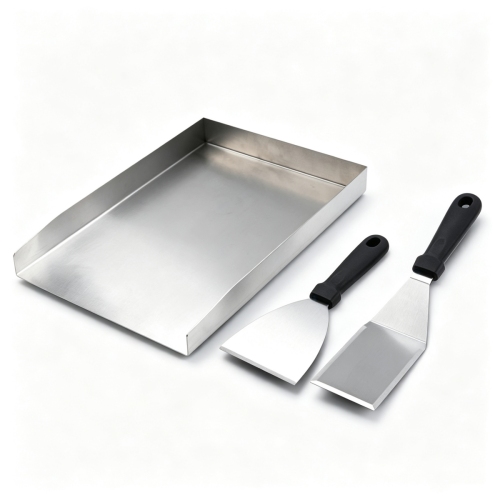

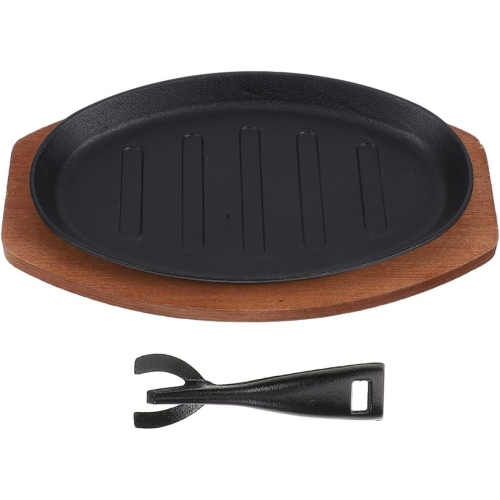
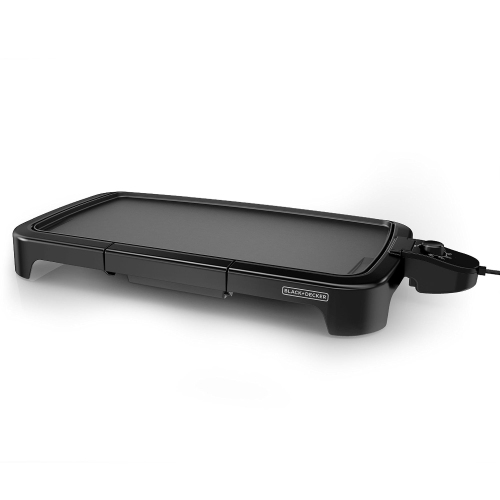
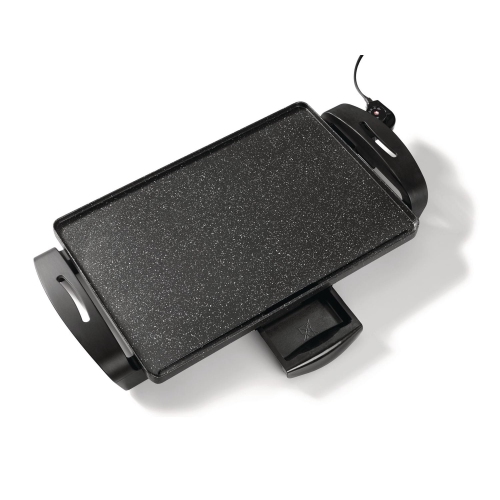
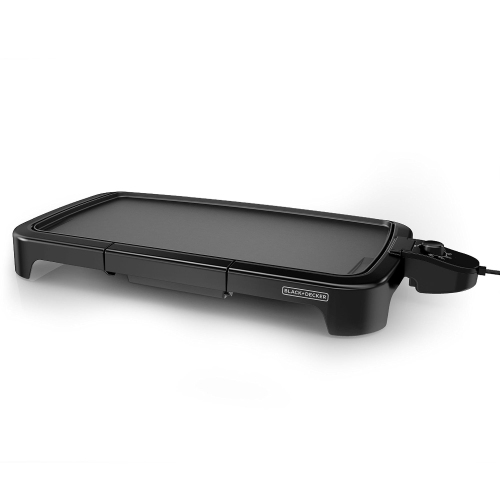
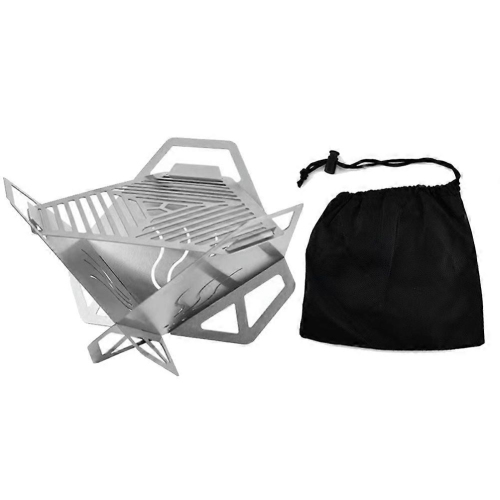



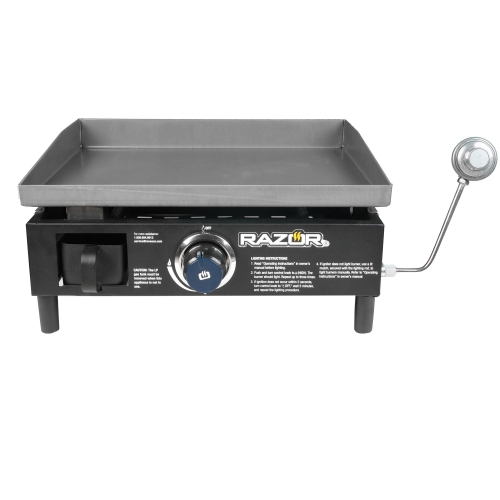
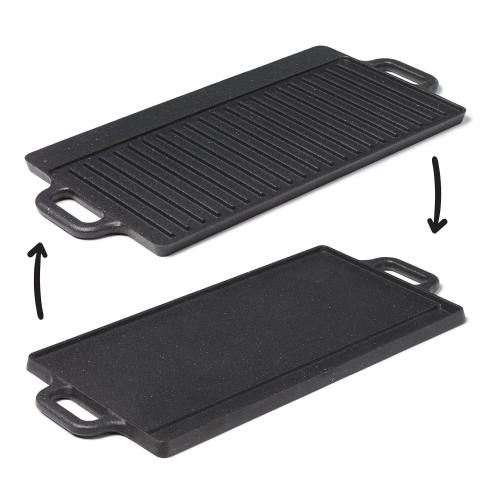
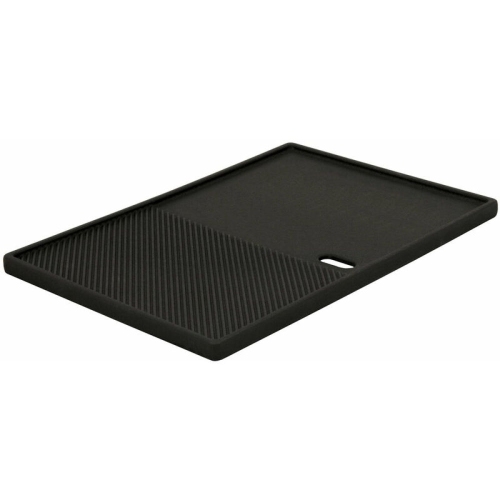
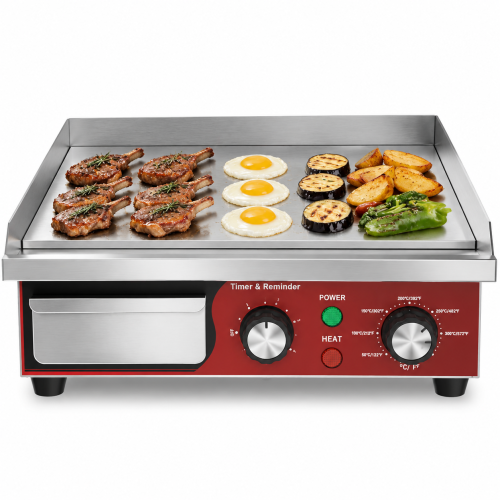


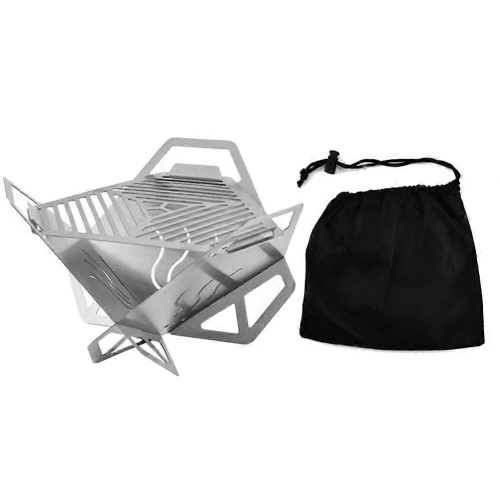
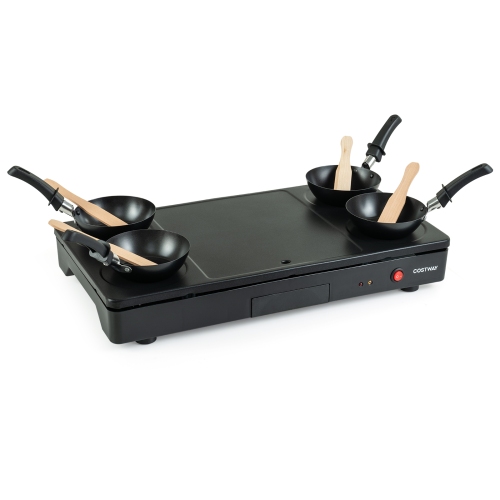

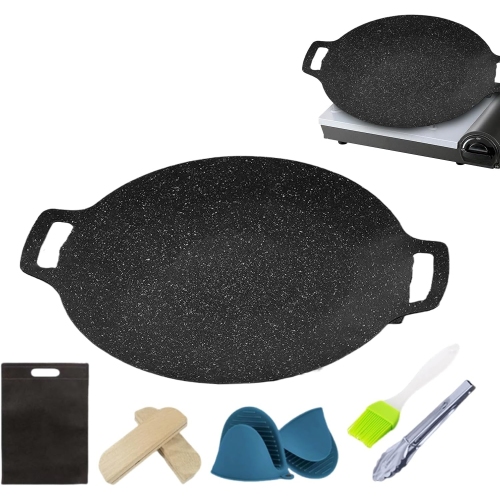
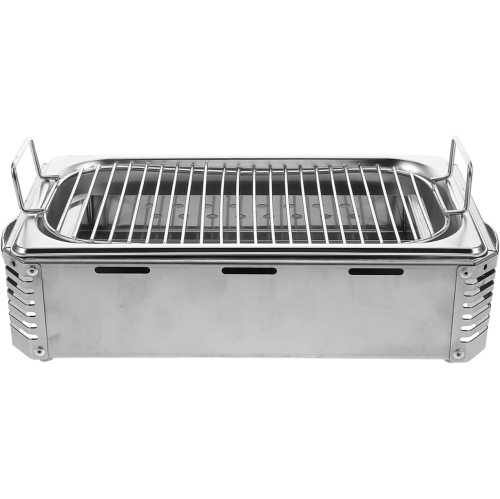





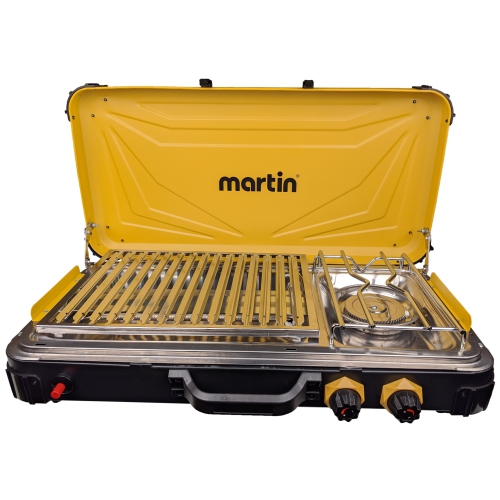


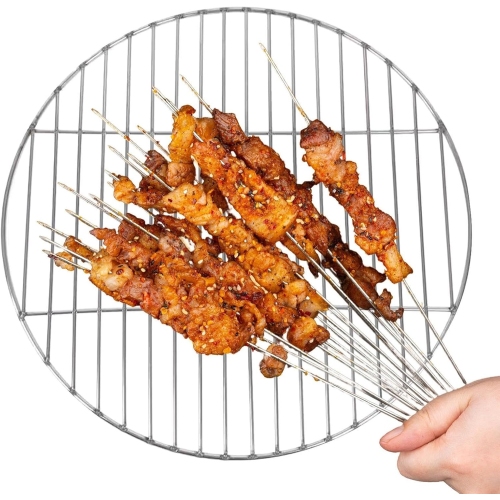

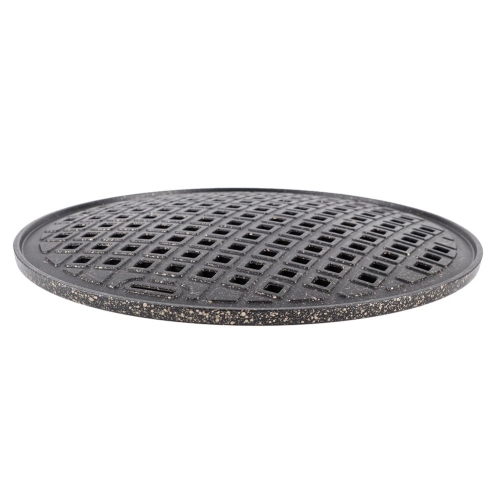
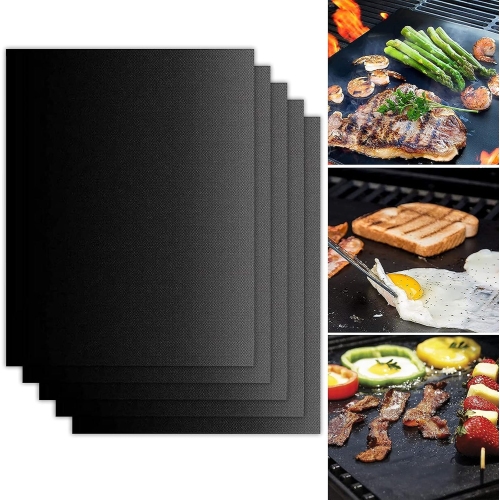
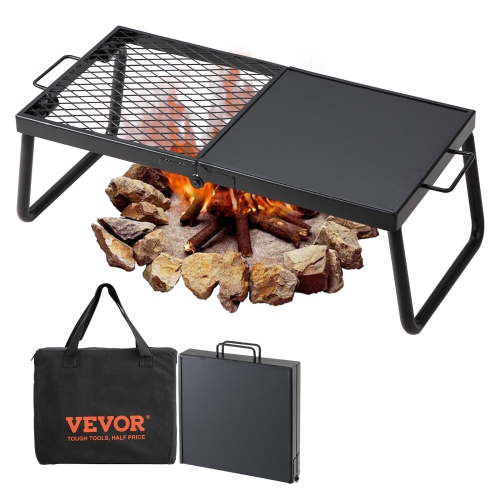

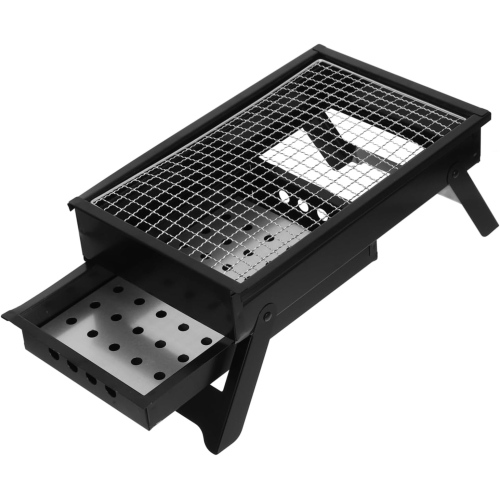
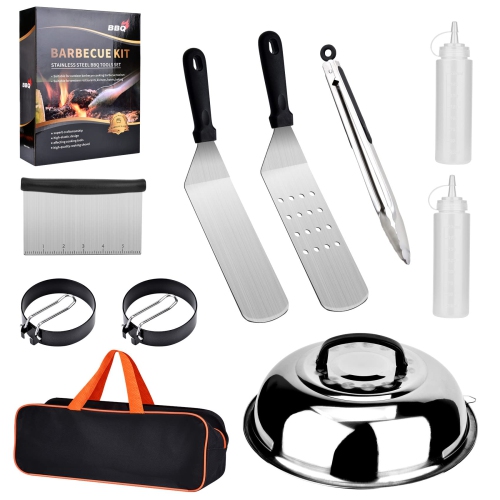


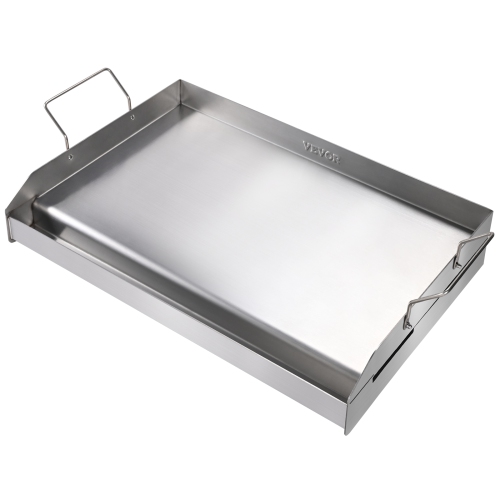
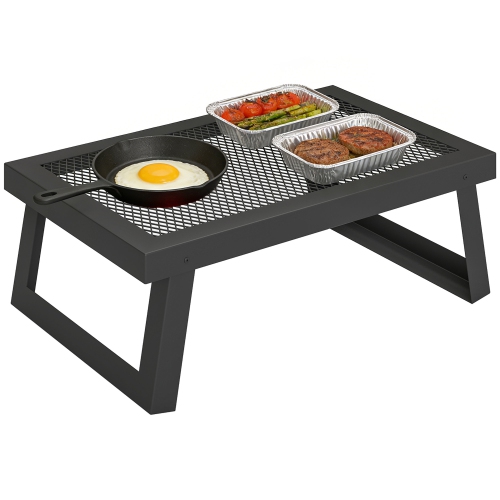
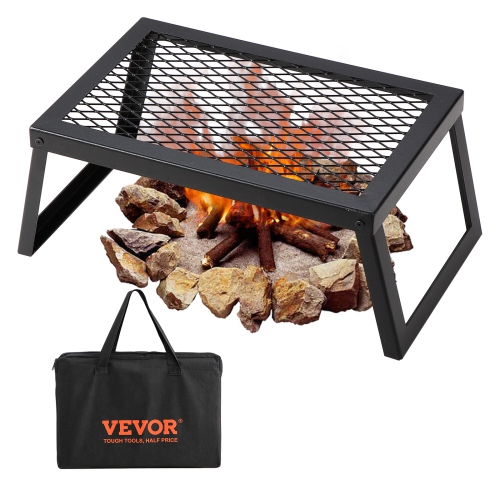
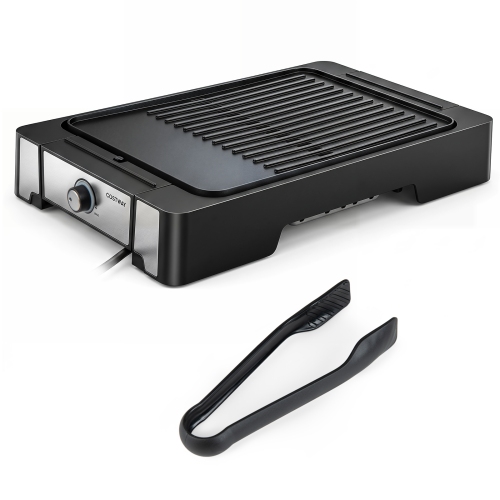


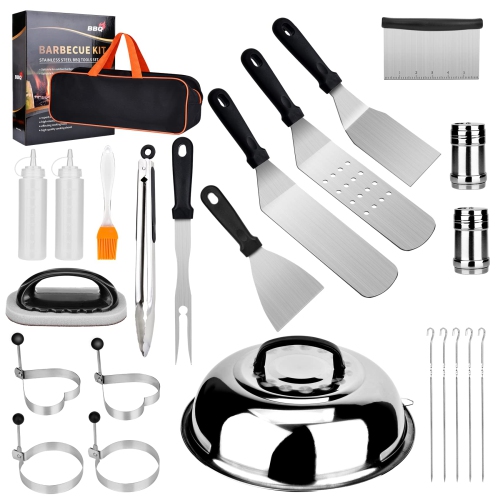
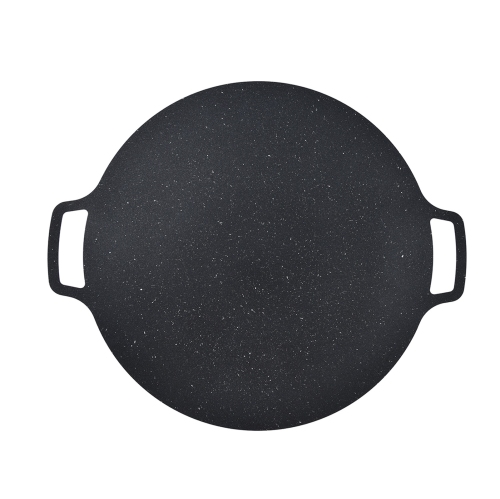
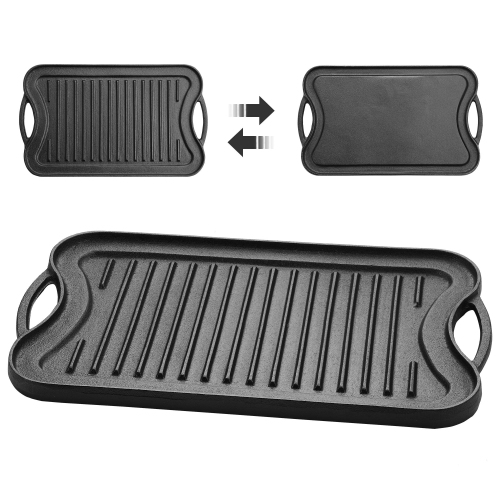

More room for campsite breakfasts and group dinners
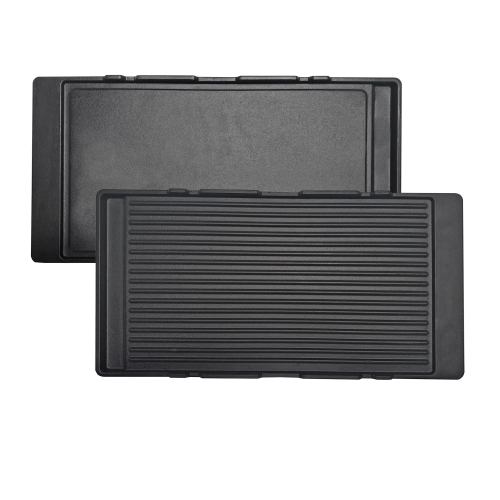
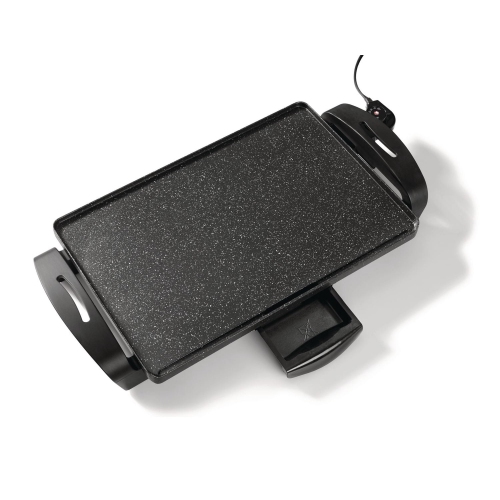
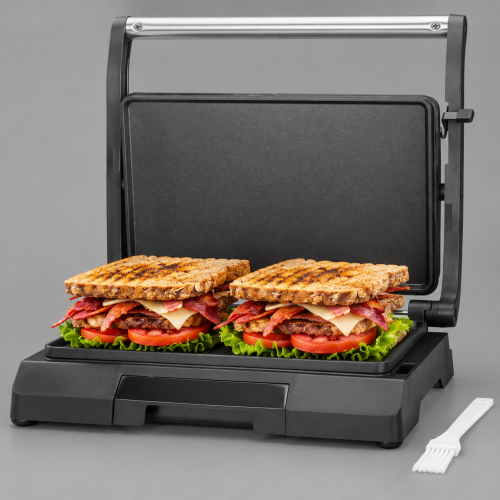
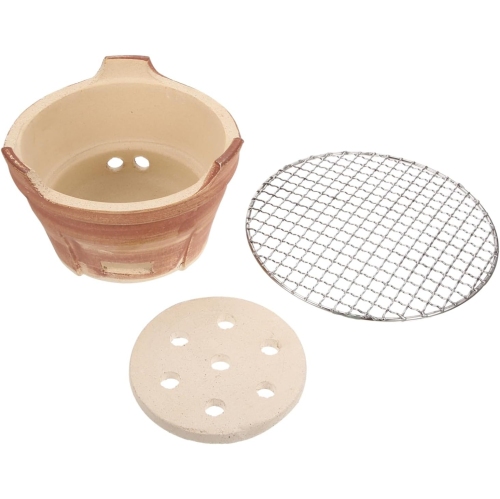
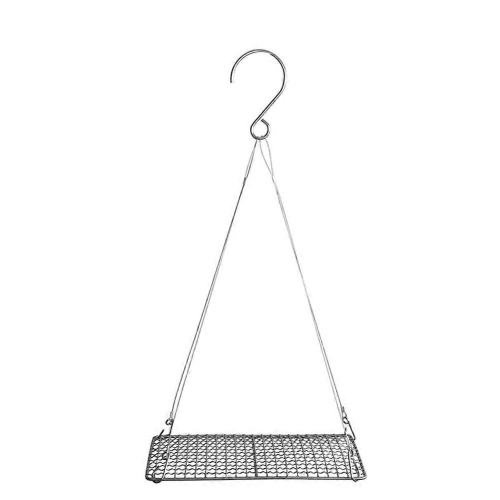
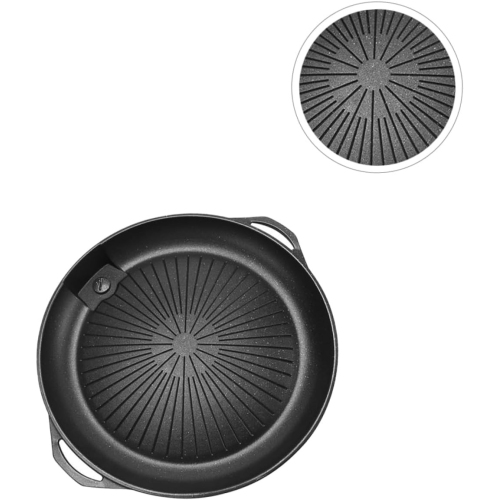
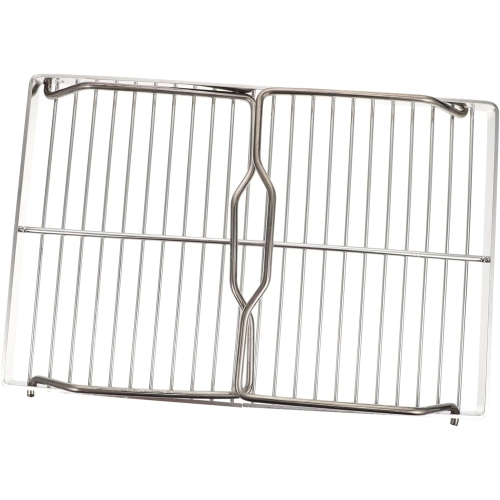
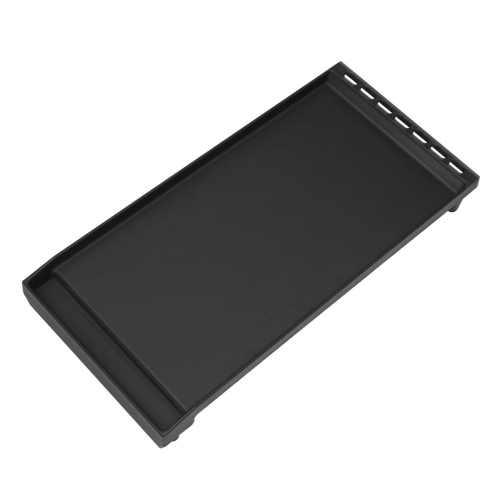
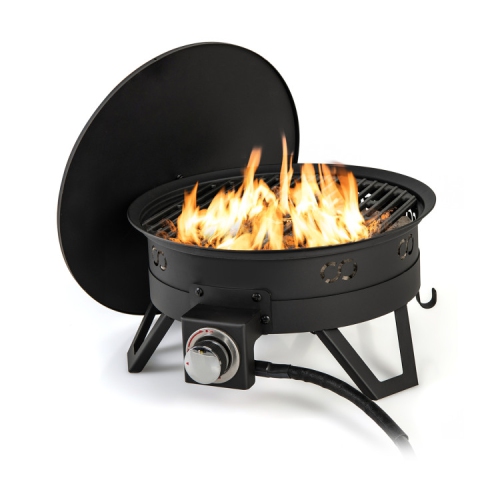
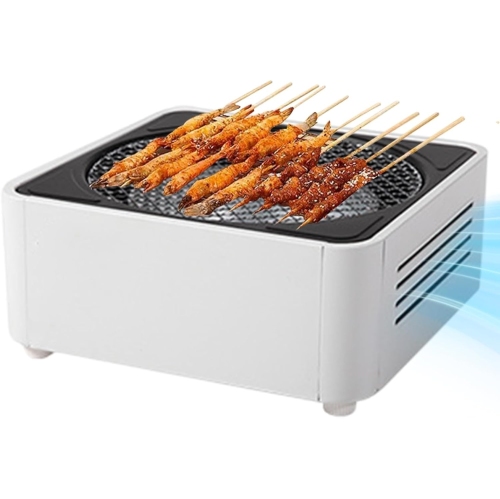
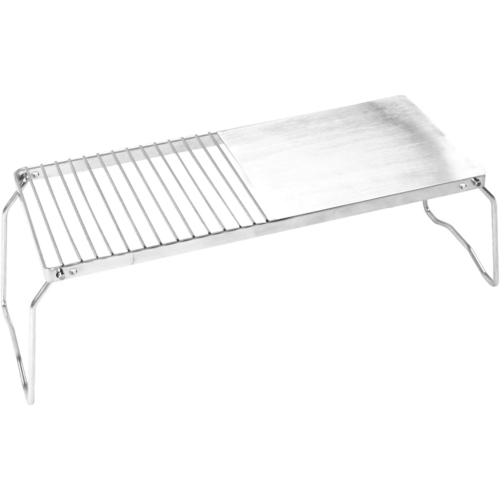
A camping griddle is a practical way to bring familiar outdoor cooking to a campsite, cottage, tailgate, or RV setup. Unlike a traditional cooking grate, its broad, flat surface keeps smaller foods from slipping through and makes it easier to prepare several ingredients at once. Pancakes, eggs, bacon, breakfast sausages, grilled cheese sandwiches, smash burgers, quesadillas, vegetables, and stir-fried meals can all be cooked on a griddle with little fuss. For many campers, breakfast is where a griddle earns its place: coffee is brewing, the air is cool, and a batch of pancakes or bacon can be served straight from the cooking surface while everyone gets ready for the day. A griddle can also simplify dinner by allowing you to cook sliced chicken, steak, mushrooms, peppers, and onions side by side without needing several pans. When comparing camping griddles, first decide whether you want a griddle plate that sits on an existing camp stove or a standalone tabletop unit with its own burners and controls. A stove-top model is usually easier to pack and can be a smart choice when space is limited or you already own a reliable two-burner stove. A standalone propane griddle generally offers more room, more direct control, and a convenient all-in-one setup, making it well suited to car camping, RV trips, group outings, and stays where a folding table can serve as a sturdy cooking station. If you are also comparing broader outdoor cooking options, browse Camping Grills for additional formats that may complement a griddle.
Cooking space is one of the most important considerations when choosing a camping griddle. Compact surfaces in the roughly 17-inch to 20-inch range are often a good fit for one to three people, especially when meals are simple and storage space is tight. They heat up quickly, use less room on a table, and are easier to carry from the vehicle to the campsite. A larger surface in the roughly 22-inch to 28-inch range gives families and groups more flexibility, allowing different foods to cook at the same time or letting you prepare several servings without working in batches. More cooking area can make a noticeable difference during a busy morning; instead of waiting for one round of eggs to finish before starting the next, you can keep breakfast moving while the first servings stay warm. Consider the number of burners as well as the overall width. Multiple independently controlled burners make it possible to keep one side hotter for browning meat while using a gentler setting for eggs, pancakes, or warming buns. A single-burner griddle may be perfectly adequate for quick lunches or solo trips, but larger groups will appreciate the ability to create separate heat zones. Weight, folded dimensions, and storage should also be part of the decision. Cast iron holds heat well and can deliver a satisfying sear, though it is heavy and requires careful drying and seasoning. Steel surfaces may be easier to carry and can respond quickly when you adjust the heat. Look for sturdy handles, stable feet, a grease channel or collection system, and controls that are easy to reach without placing your hands close to hot areas. A wind-resistant design can help maintain a steady flame during exposed campsite cooking, while a cover or compatible storage solution can help keep the cooking surface protected between outings.
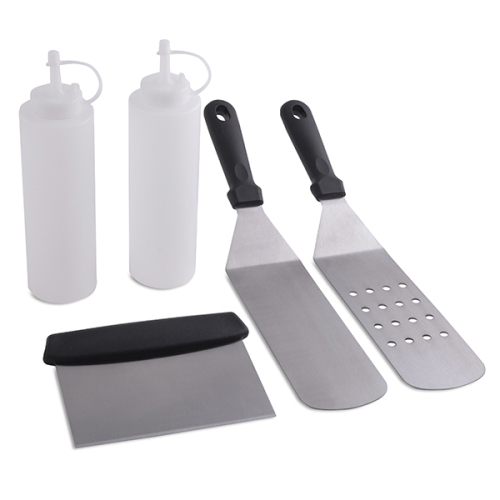
Before using a camping griddle, check the fuel requirements and confirm that your campsite, vehicle setup, and existing equipment are compatible. Some models connect to standard propane cylinders, while stove-top plates rely on the burner and fuel system you already have. Keep the griddle on a level, stable, heat-resistant surface with plenty of clearance around it, and follow the manufacturer’s instructions for ventilation, ignition, cleaning, and storage. Outdoor cooking still calls for the same care as cooking at home: keep fuel containers upright, use long-handled utensils when helpful, and make sure the cooking area is clear of loose paper, dry leaves, clothing, and other items that could come too close to the heat. Food preparation is easier when you pack a small kit with a spatula, tongs, heat-resistant gloves, oil, paper towels, a scraper, and a container for leftovers. Pre-cutting vegetables and portioning meats at home can reduce preparation time at camp, while squeeze bottles make it simple to bring cooking oil or sauces without carrying full-size containers. After cooking, allow the surface to cool according to the care instructions, remove residue, wipe away grease, and dry it thoroughly before storage. A cast iron surface may need a light coating of cooking oil to help maintain its finish, while other materials may call for a different cleaning method. Camping griddles can make thoughtful gifts for new campers, RV owners, cottage hosts, outdoor cooks, and families who enjoy sharing meals around a picnic table. They are especially useful during the cooler months, when a hot breakfast or sizzling dinner adds comfort to an outdoor routine, and they remain handy as the weather warms for relaxed meals that keep everyone gathered around the campsite.
Top selling and popular products
-
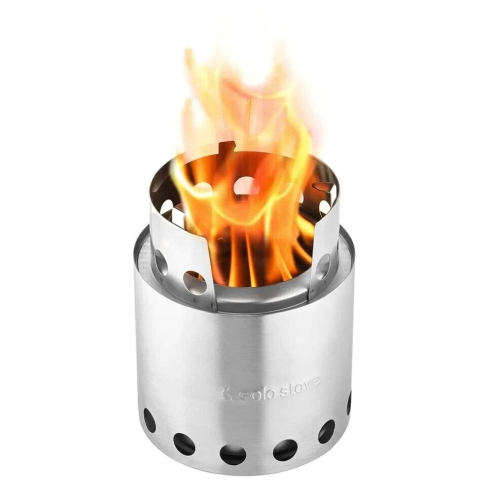 Your price for this item is $99.99
-
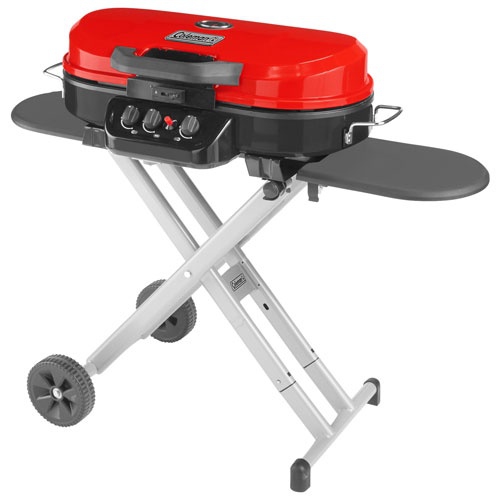 Your price for this item is $513.99
-
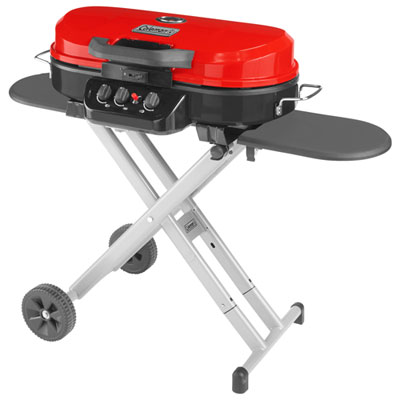 Your price for this item is $349.98
-
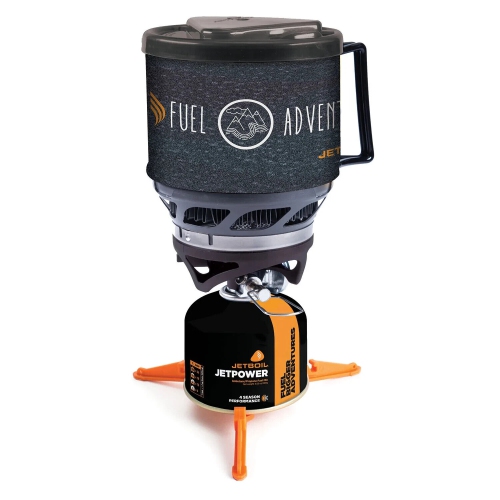 Your price for this item is $209.95
-
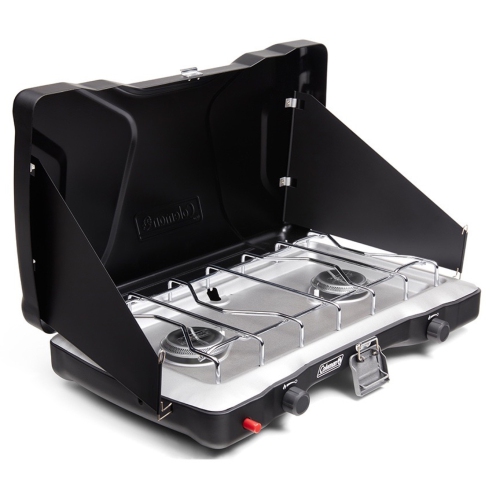 Your price for this item is $143.99
-
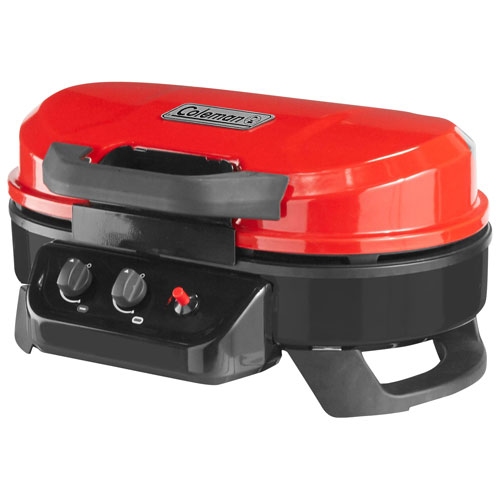 Your price for this item is $299
-
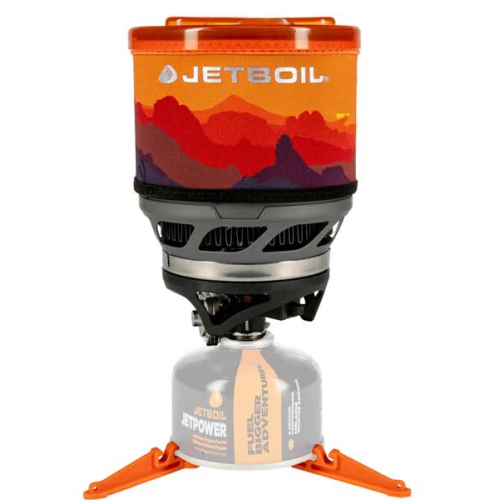 Your price for this item is $209.95
-
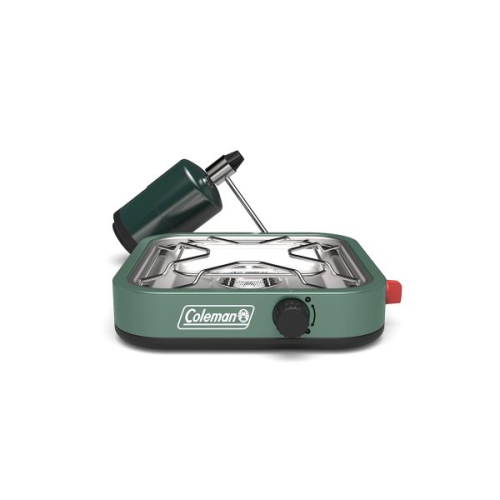 Your price for this item is $111.99
Discover more categories related to Griddles for Camping
Top Collections:
Pokemon Centers, Best Cameras for Sports Photography, Kindle Devices, Samsung Galaxy Phones, Canon G7X Cameras, Pokémon 30th Celebration Cards, Refurbished Apple Laptops, iPhone 15 Apple, Laptops for Students, Budget Smartphones
Some products may be subject to Environmental Handling Fees
(EHF) depending on your province.
Learn more about EHFs.