Cheap Humidifiers
Discover affordable ways to improve your indoor air quality with Cheap Humidifiers. Perfect for any room in your home or office, these budget-friendly options help create a more comfortable environment without breaking the bank. Find the right humidifier to suit your needs and enjoy an easy shopping experience with a variety of choices designed to fit every space and lifestyle.
Sort

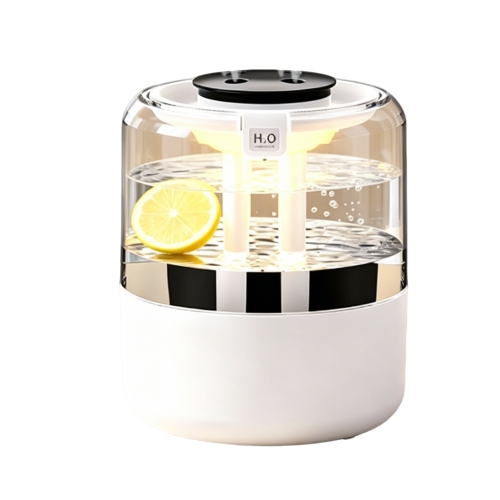
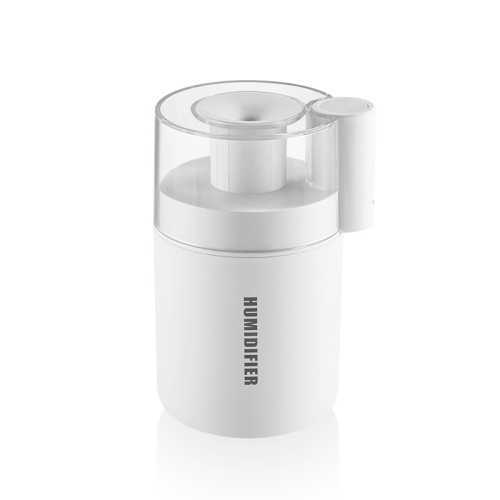
Room comfort depends on more than tank size
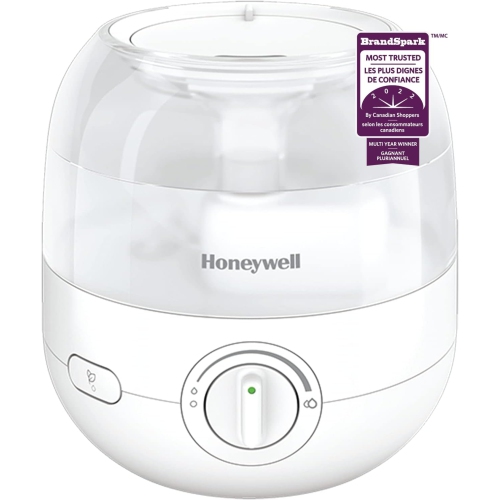
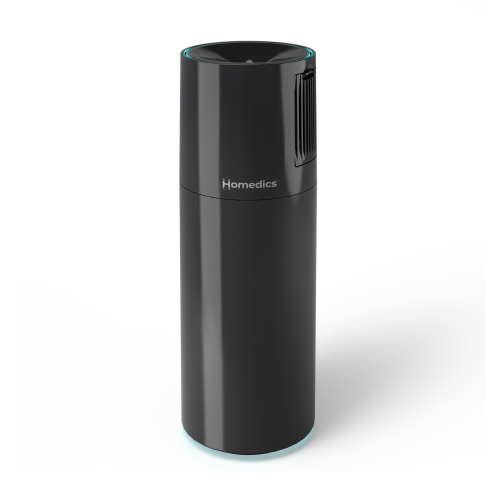
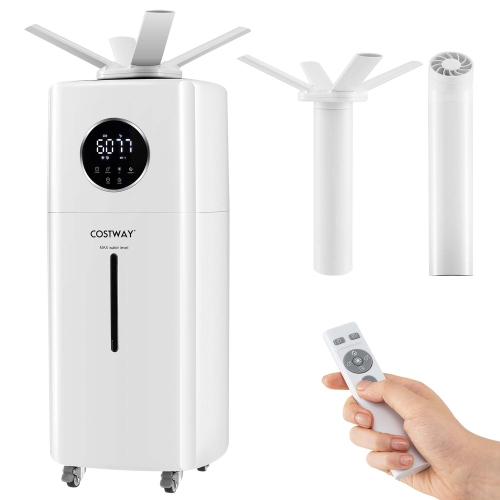
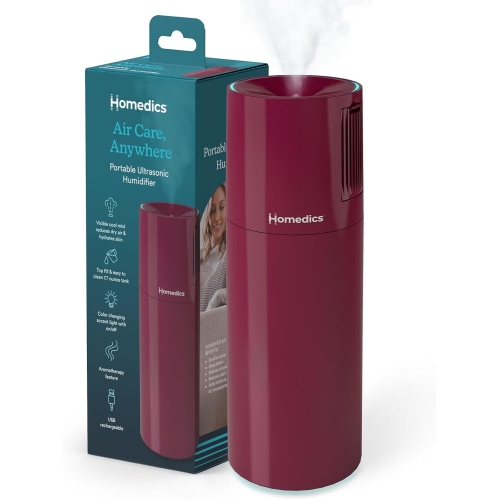
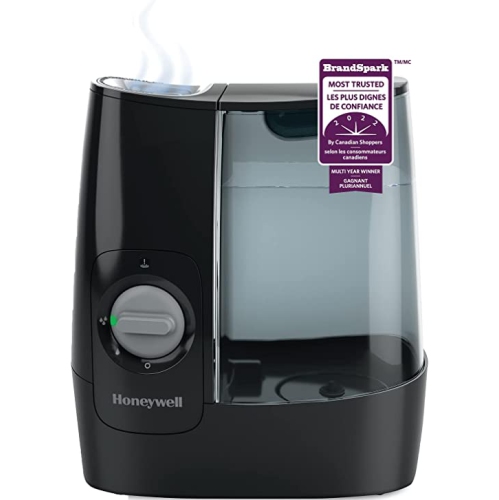
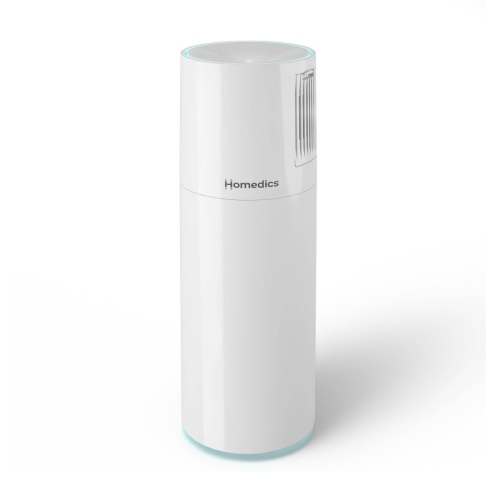
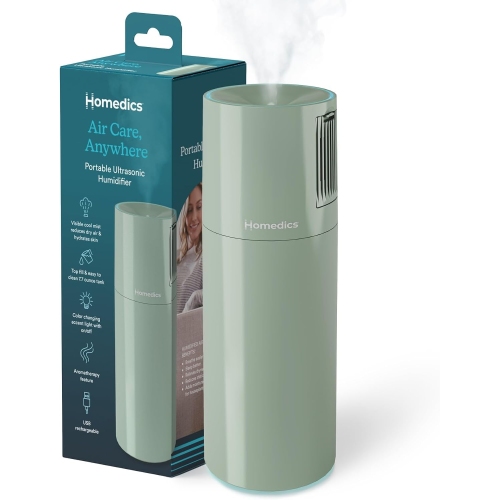
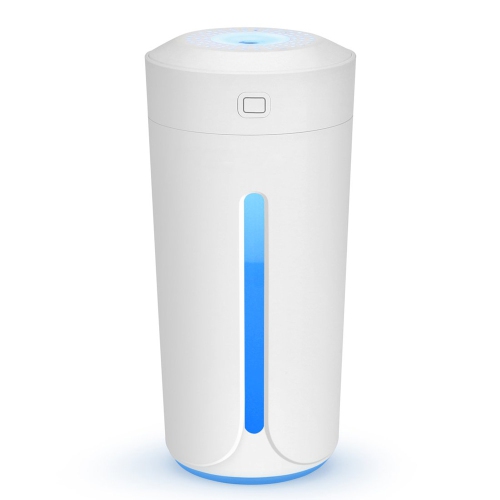
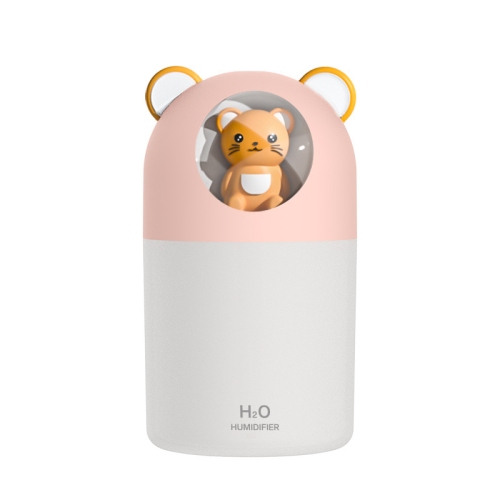
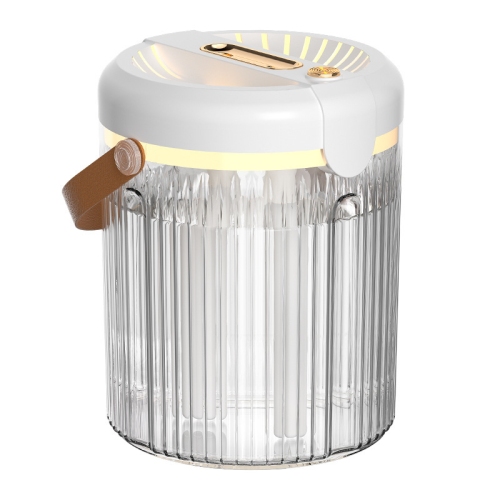
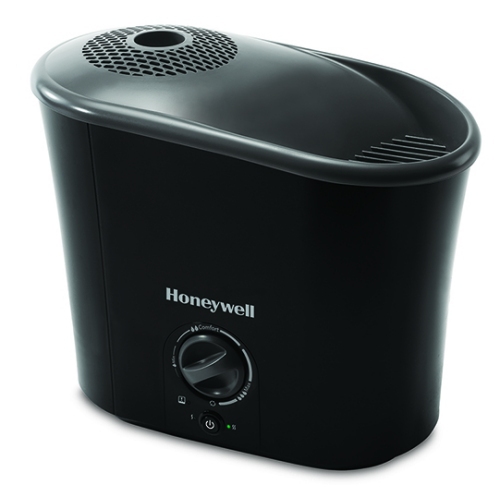
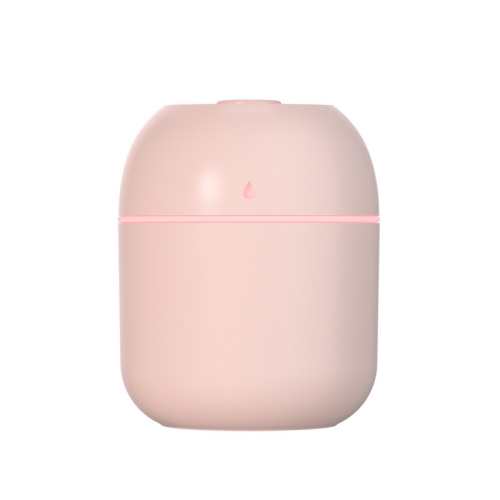
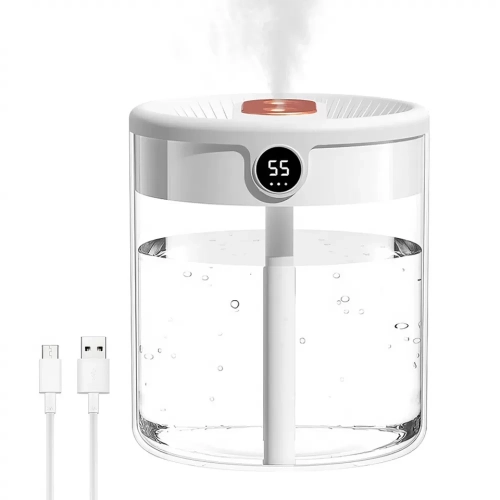
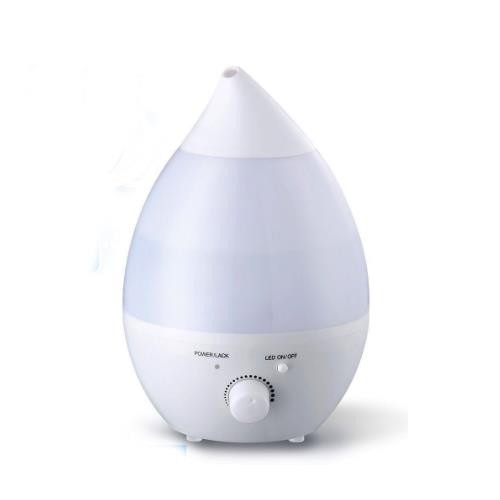
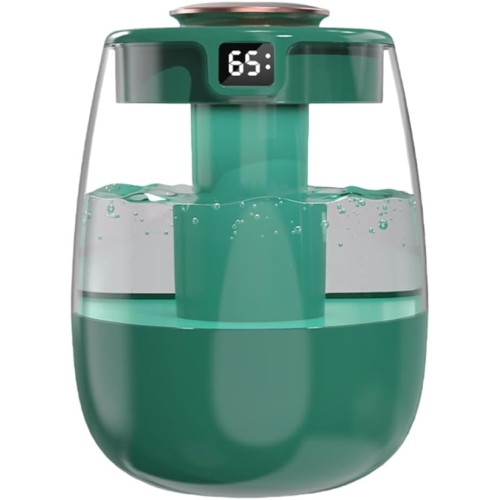
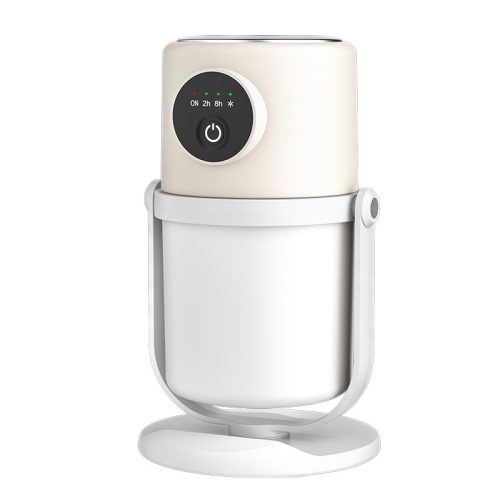
Humidifiers add moisture to indoor air, helping make a dry room more comfortable for everyday activities such as sleeping, reading or working at a desk. A straightforward design can handle this task without a long list of connected features, provided its output and room coverage suit the space. Compact humidifiers are useful where surface space is limited, while larger tanks can reduce the number of refills needed during longer periods of use. Tank capacity and room coverage describe different things: capacity indicates how much water the reservoir holds, while coverage describes the area the appliance is designed to serve. A large tank does not necessarily mean stronger moisture output, and advertised runtime usually depends on the selected mist setting. A bedside humidifier running at a low setting has different demands from one used in an open living area, where air can move into adjoining rooms. Ultrasonic humidifiers use rapid vibrations to create a fine mist and often operate with relatively little sound, though a gentle hum or occasional gurgle may still be noticeable. Evaporative humidifiers draw air through a wet wick or filter, releasing moisture without the same visible mist plume; their fans add a different kind of background sound. Warm-mist humidifiers heat water to produce moisture and require particular care around hot water and steam. Each approach has its own balance of operation, maintenance and placement needs. Adjustable output helps match moisture delivery to the room rather than continuously running at the highest setting. Indoor relative humidity is commonly kept between 30% and 50%, although the right level also depends on the building and any signs of excess moisture. A separate hygrometer can show how the room responds, especially when the humidifier does not have a built-in humidity sensor. Condensation on windows, damp nearby surfaces or a persistent musty smell are reasons to reduce output and check the room, not signs that more mist is needed.
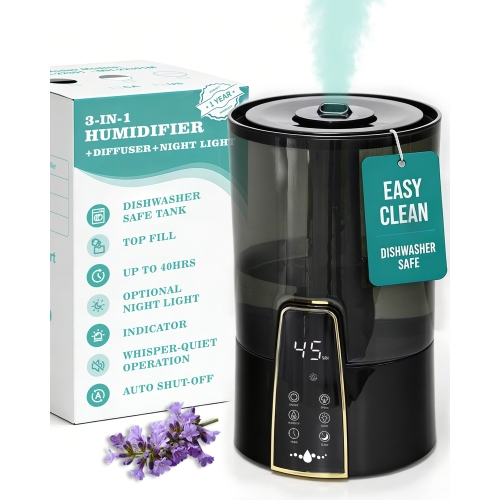
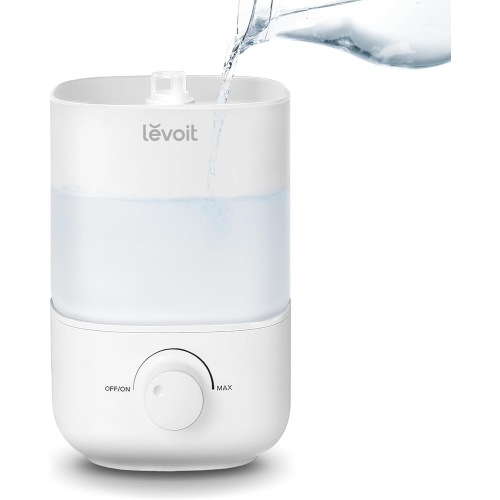
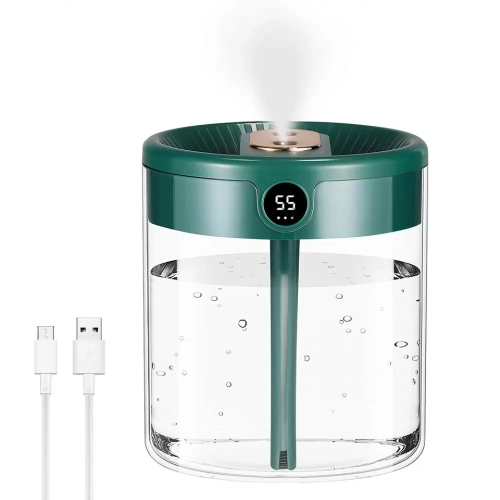
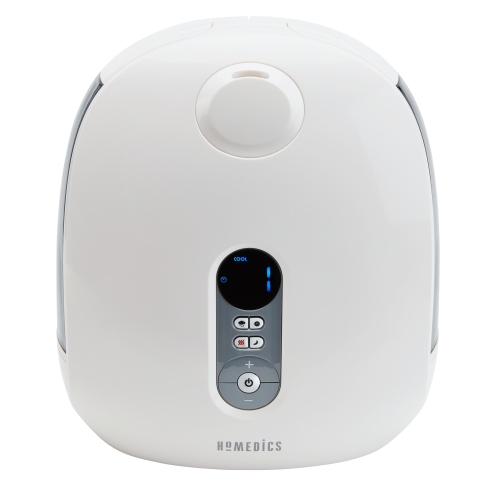
Everyday convenience often comes down to details that are easy to overlook until the first refill. A wide tank opening makes it easier to reach interior surfaces, while a secure handle helps when carrying water from the sink. Top-fill designs can simplify refilling, but the instructions still determine which parts can be filled in place and which must be removed. Tank shape matters, too: a tall reservoir may be awkward beneath a low tap, and a broad tank needs enough sink space for comfortable handling. Clear water-level markings help show when a refill is approaching, and a translucent reservoir can make the remaining water easier to see. Most household humidifier tanks and housings use plastic, so practical details such as a stable base, well-fitting cap and securely seated seals matter more than a decorative finish alone. Rounded edges and accessible corners can also make routine wiping less fiddly. Simple buttons or a dial may suit someone who prefers direct operation, while a timer, dimmable display or adjustable mist direction can be useful beside a bed. For another selection centred on straightforward operation, explore Easy Humidifiers. Sound and light deserve attention in shared bedrooms, nurseries and workspaces: a quiet appliance may still have a bright indicator, and an intermittent bubbling sound can be more noticeable than a steady fan. Automatic shut-off when the tank is empty is a useful feature, but it does not replace proper placement or regular checks. A firm, level, water-resistant surface is preferable to carpet or an unstable bedside shelf. Mist should be directed away from electronics, books, upholstery and walls, with the clearances specified by the manufacturer. Keep cords out of walkways and the appliance beyond the reach of children and pets. Cool-mist designs avoid the hot water and steam associated with warm-mist operation, although either type still needs careful handling.
Regular care is part of owning any humidifier, even one with only a single control. Water sits in the reservoir and passes across internal surfaces, so accessible parts can make a noticeable difference to how manageable cleaning feels over time. Removable tanks, uncomplicated lids and openings large enough for a soft brush help with reaching water-contact areas rather than just rinsing the visible outer shell. Stale water should not be left sitting between uses; emptying the reservoir, cleaning it as directed and allowing appropriate parts to dry helps limit buildup. The electrical housing should never be submerged, and cleaning solutions, contact times and rinsing methods should follow the appliance instructions. A tank that looks clean may still need the recommended cleaning routine. Water quality also affects maintenance. Minerals in tap water can leave scale inside the tank and base, and ultrasonic operation can release those minerals as a fine white dust on nearby surfaces. Distilled or demineralized water may reduce this issue when recommended by the manufacturer, but it does not remove the need to clean the appliance. Evaporative designs may need replacement wicks or filters, with replacement timing influenced by water quality, use and the condition of the material. Washable parts are not necessarily dishwasher-safe, so care labels matter before exposing a tank or seal to high heat. Essential oils, fragrances and other additives should stay out of the water unless the humidifier is expressly designed for them. For households using a humidifier regularly, easy access to maintenance instructions and compatible replacement components supports continued use. Durable ownership also depends on ordinary handling: carrying a full tank by its intended grip, avoiding overtightened caps and checking seals for wear can help prevent leaks. Before storage, the reservoir and other washable components should be cleaned and dried thoroughly. A humidifier serves a specific purpose—adding moisture—and does not replace an air purifier, ventilation or attention to persistent dampness. The most useful design is one that fits its room, feels comfortable to operate and can be kept clean without an awkward routine.
Top selling and popular products
-
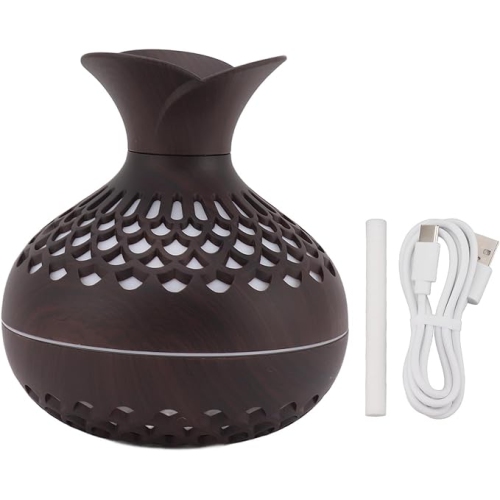 Your price for this item is $14.98
-
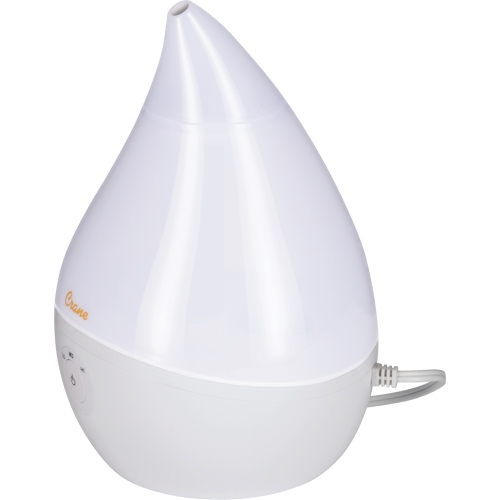 Your price for this item is $89.97
-
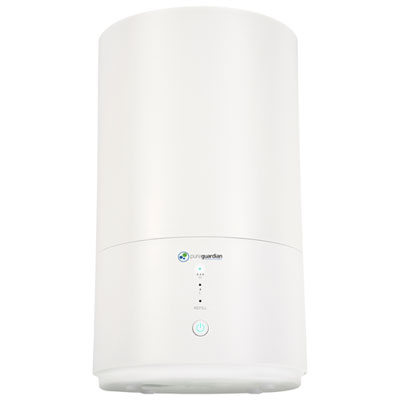 Your price for this item is $89.98
-
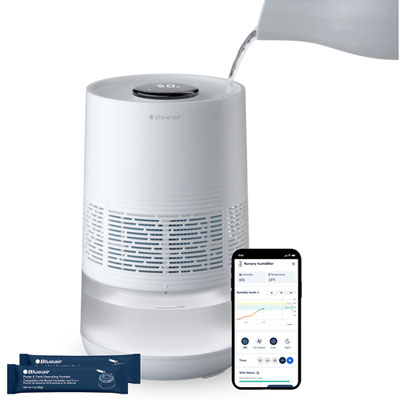 Your price for this item is $159.99
-
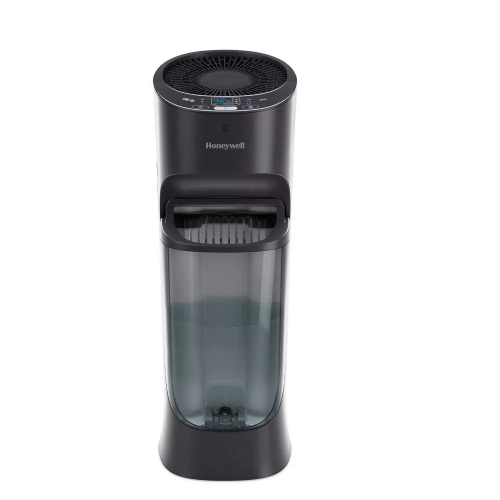 Your price for this item is $274.99
-
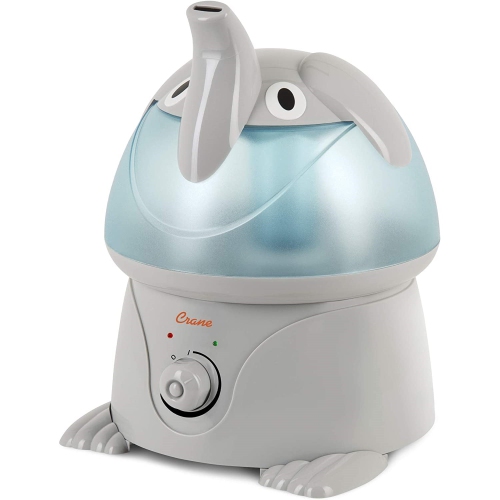 Your price for this item is $109.97
-
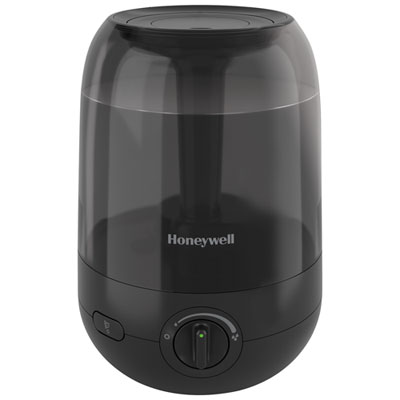 Your price for this item is $59.98
-
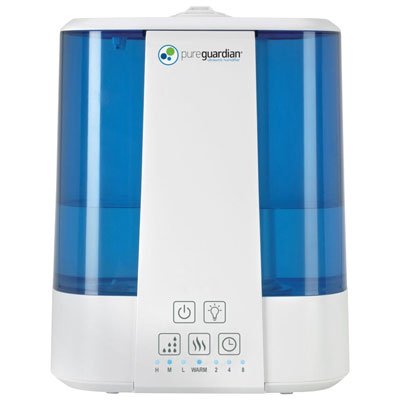 Your price for this item is $138.98
Discover more categories related to Cheap Humidifiers
Top Collections:
Best Black Friday Deals This Year, Best Black Friday Deals On Electronics, Kindle Devices, Pokemon Centers, Best Black Friday Deals On Apple Products, Best Cameras for Sports Photography, Dyson Airwrap, Pokémon 30th Celebration Cards, Apple iPhone 17 Pro, Canon G7X Cameras
Some products may be subject to Environmental Handling Fees
(EHF) depending on your province.
Learn more about EHFs.