Room Humidifiers
Looking to improve the air quality in your home? Look no further than our selection of room humidifiers. These handy devices are designed to add moisture to the air, helping to combat dryness and create a more comfortable living environment. Whether you're dealing with dry skin, irritated sinuses, or static electricity, a room humidifier can provide relief and make your home feel cozy all year round. With various sizes and features available, you'll be able to find the perfect humidifier to suit your needs. Say goodbye to dry air and hello to a healthier, more comfortable living space with our range of room humidifiers.
Sort

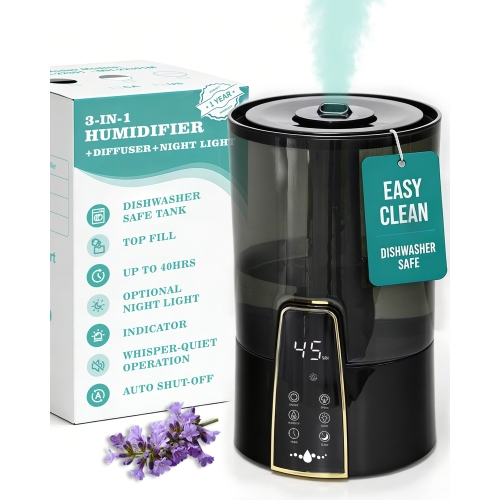
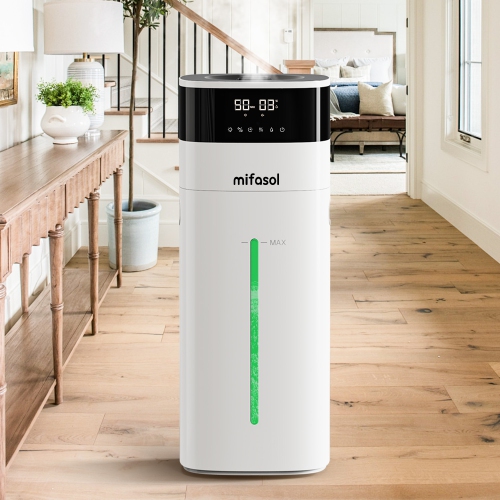

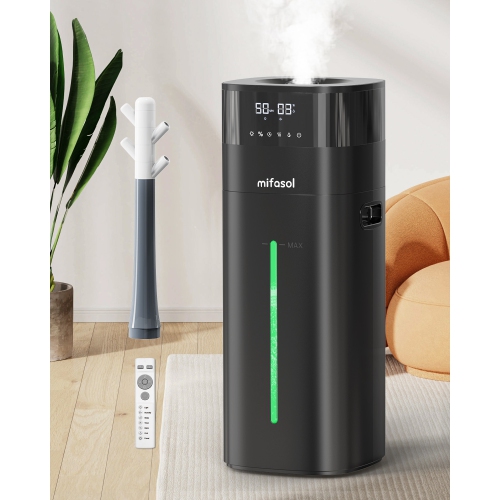
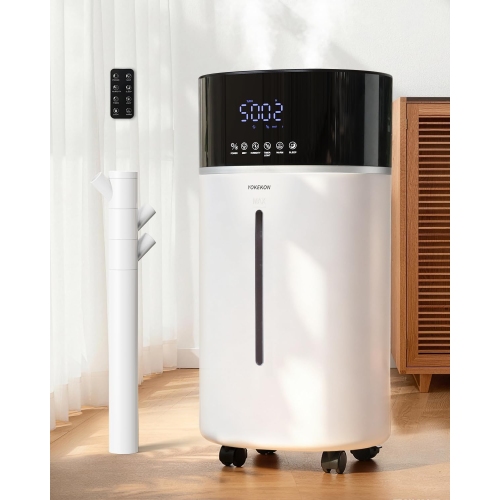

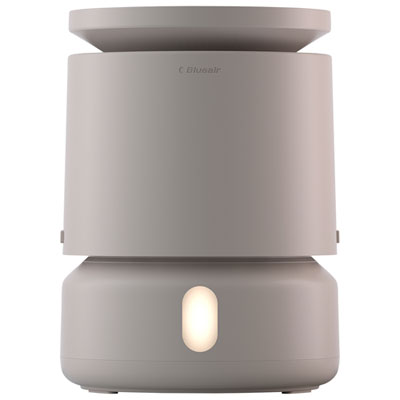
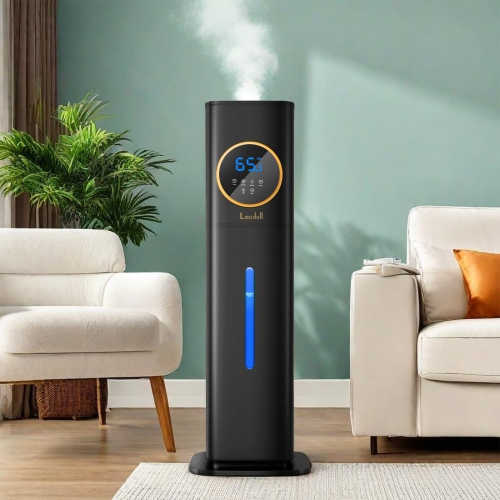
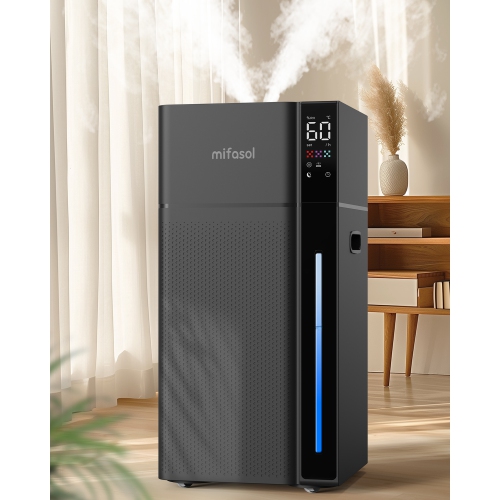
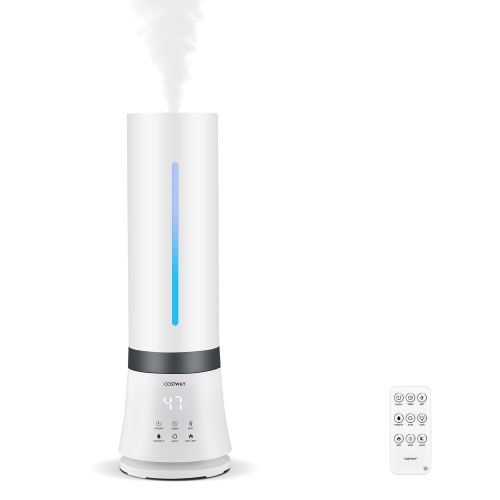
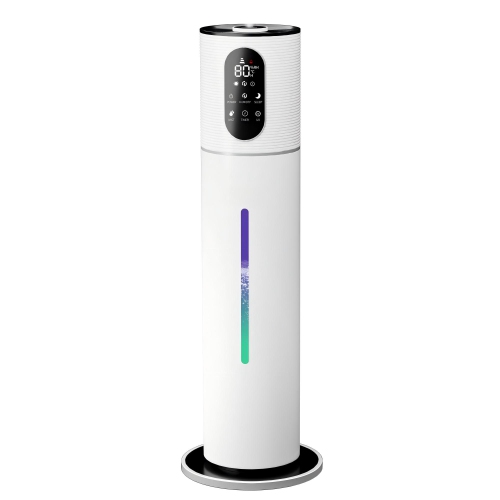
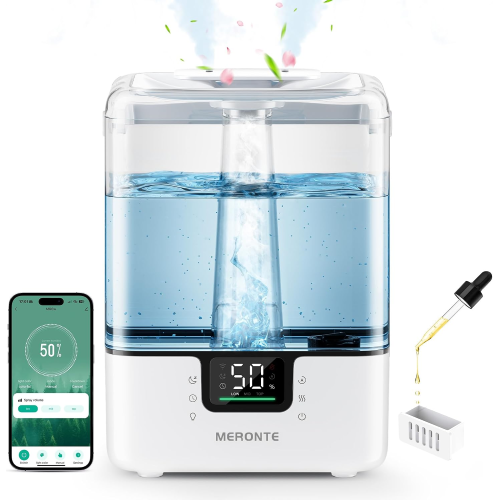
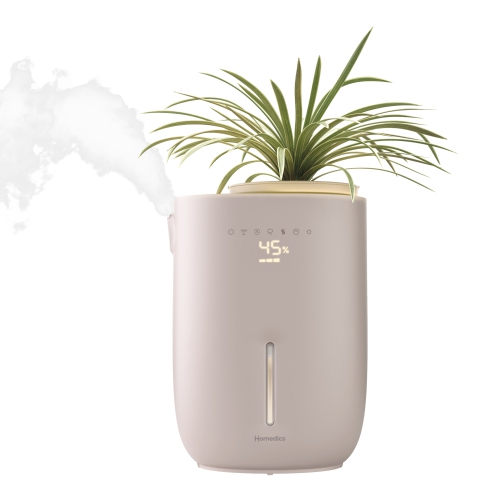
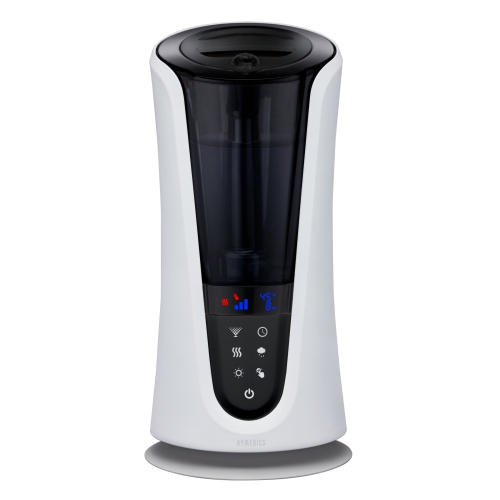
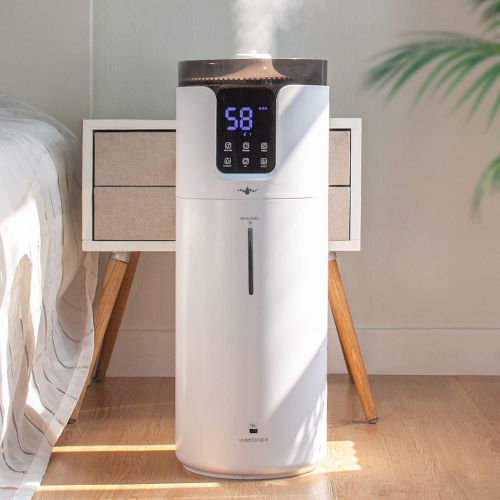
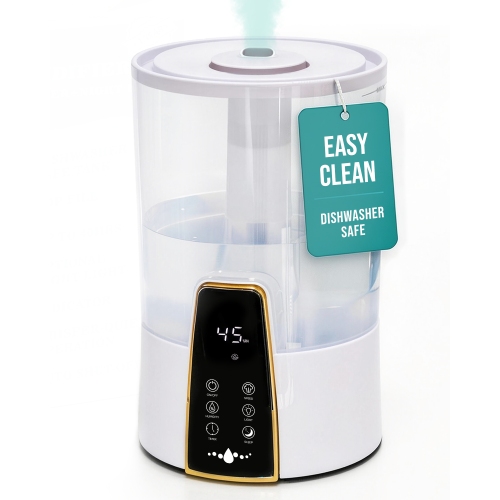

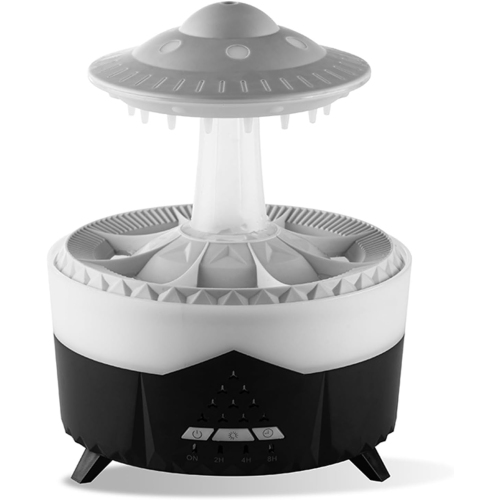
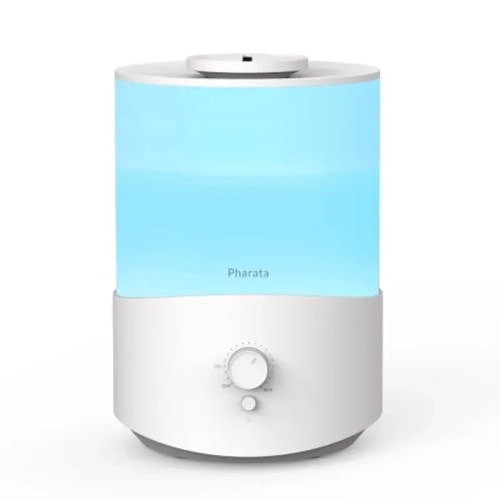
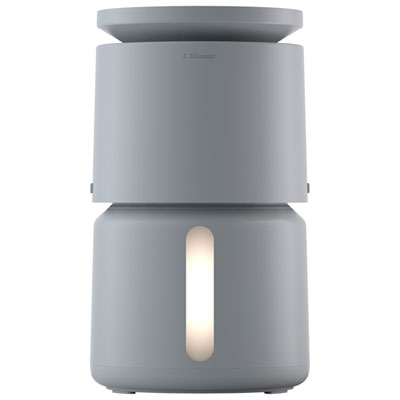
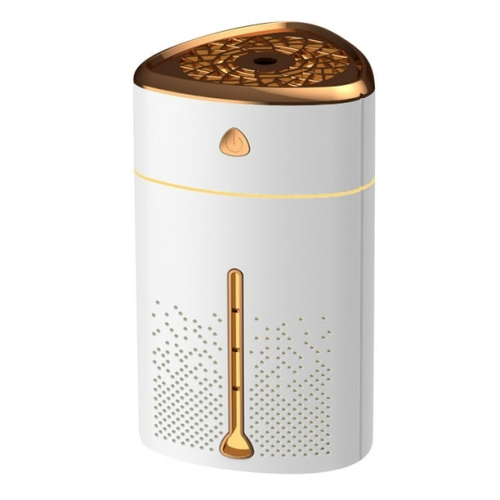
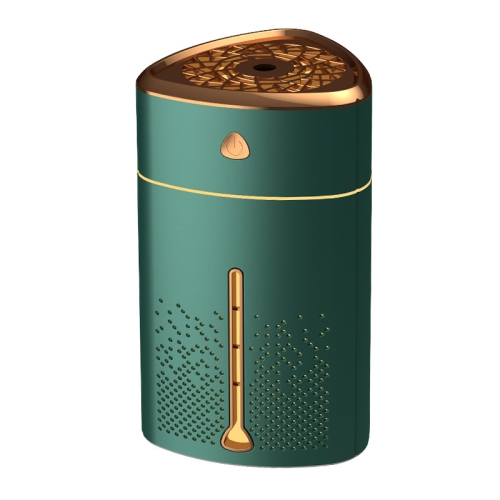
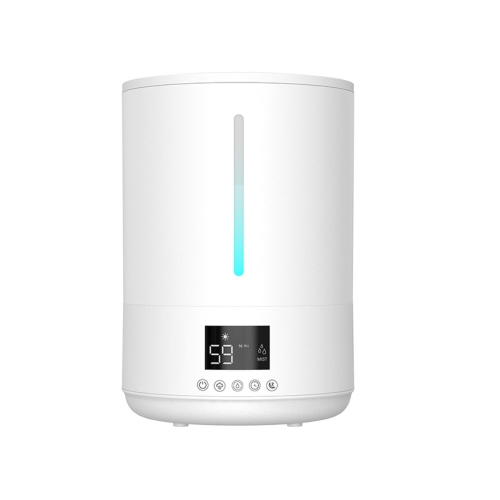
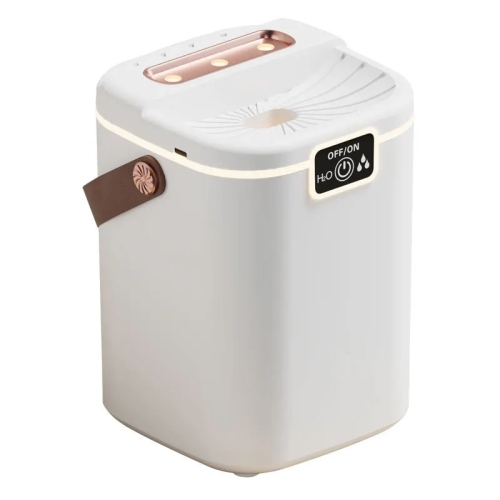

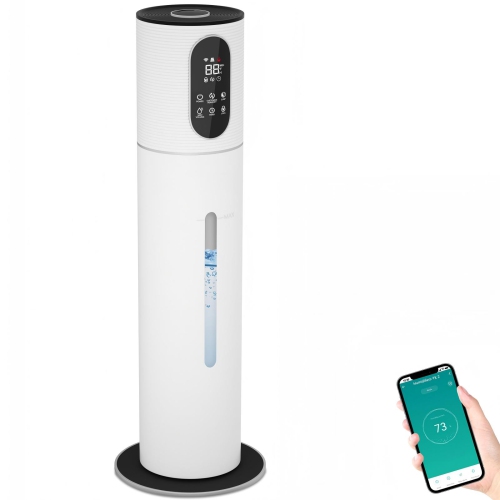
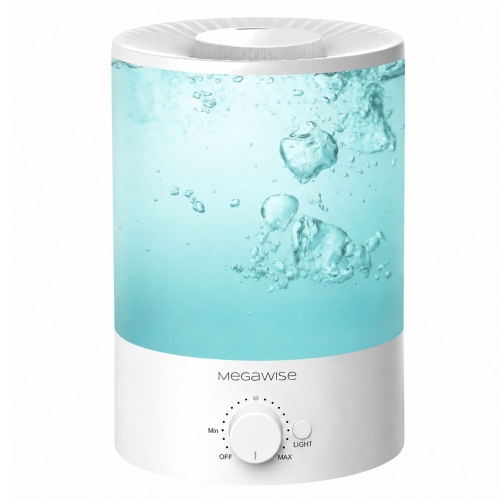
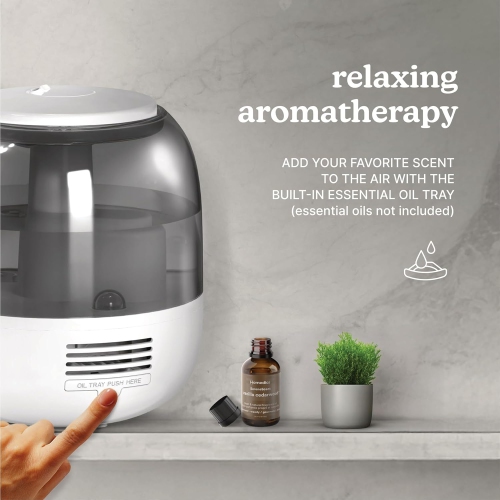
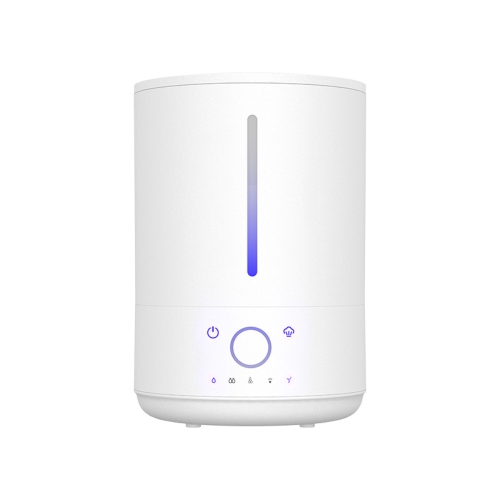
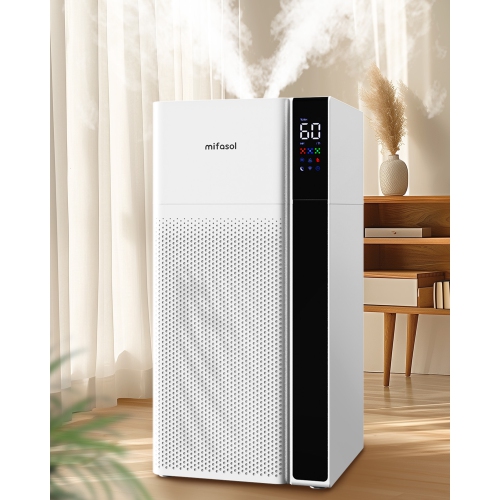
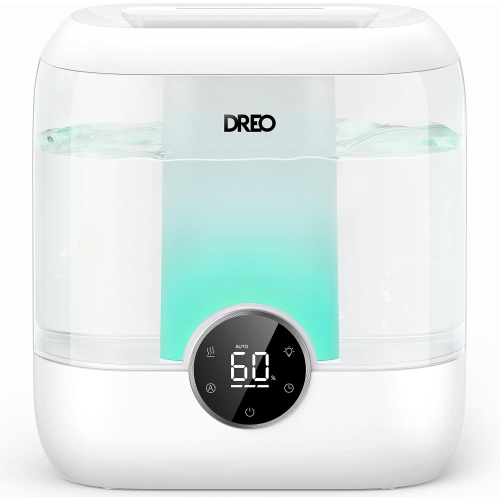
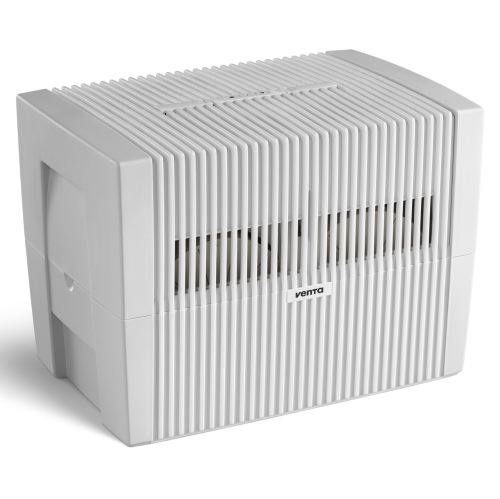
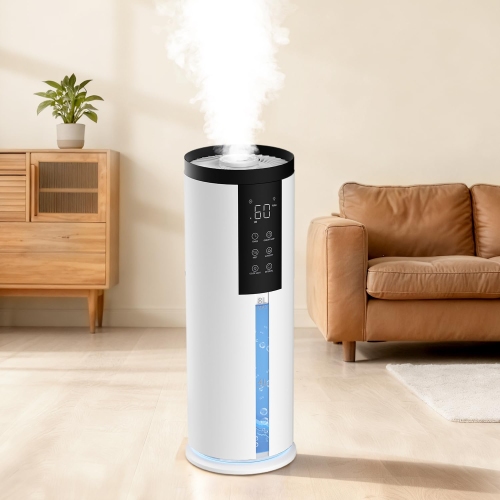
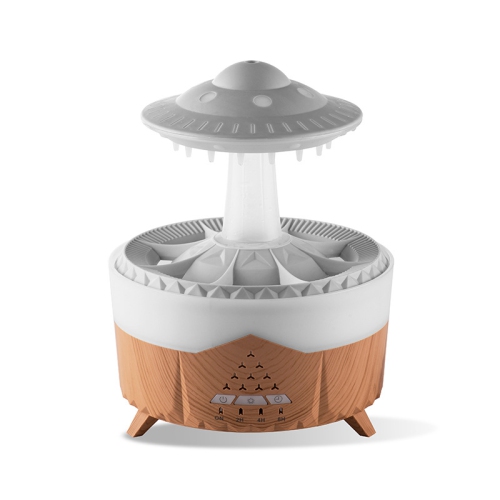
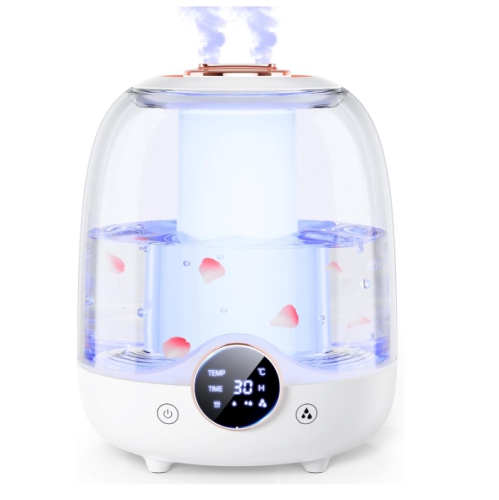
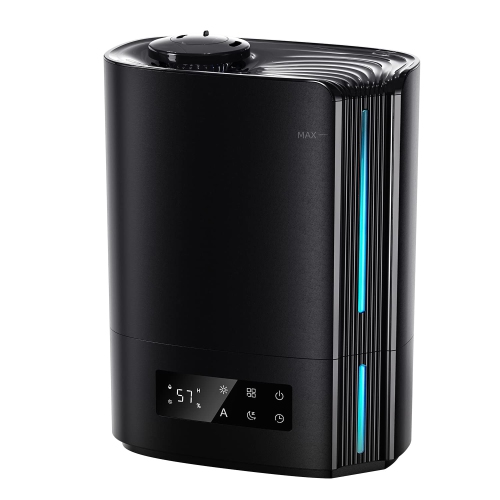
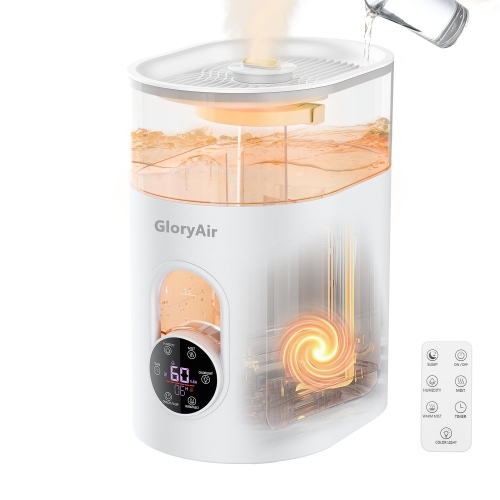

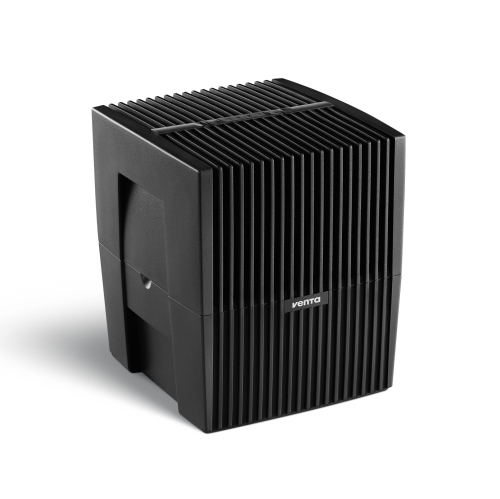
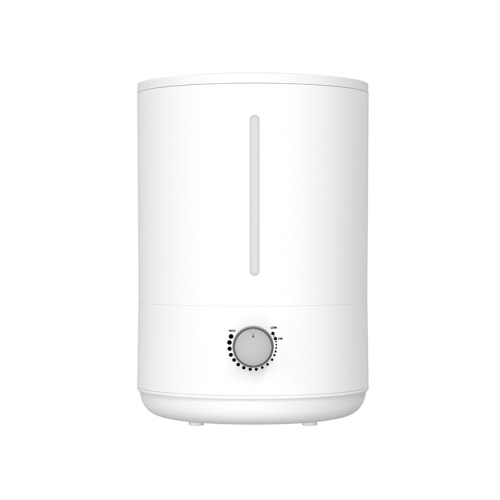
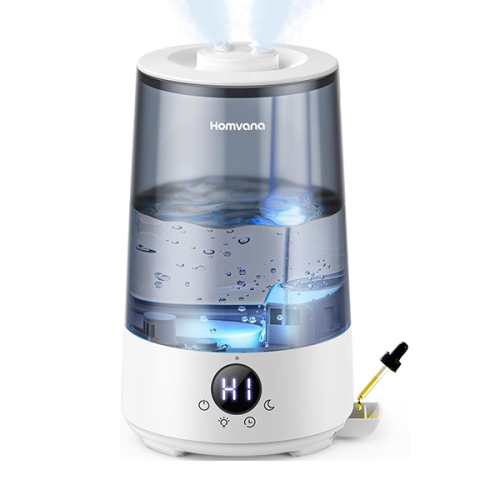
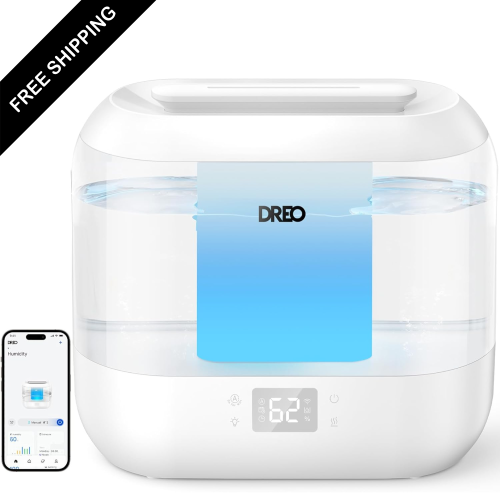
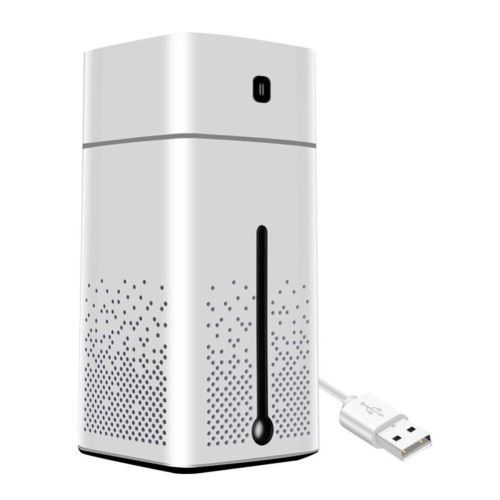
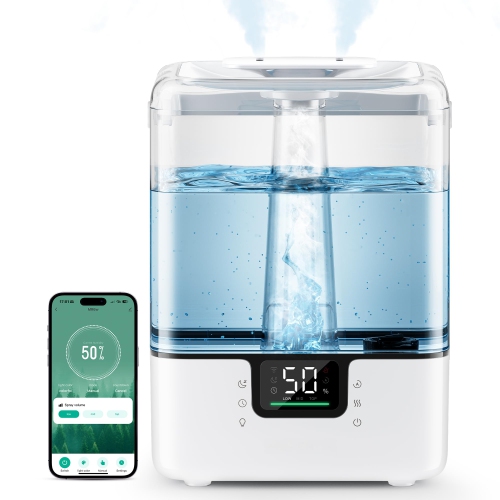
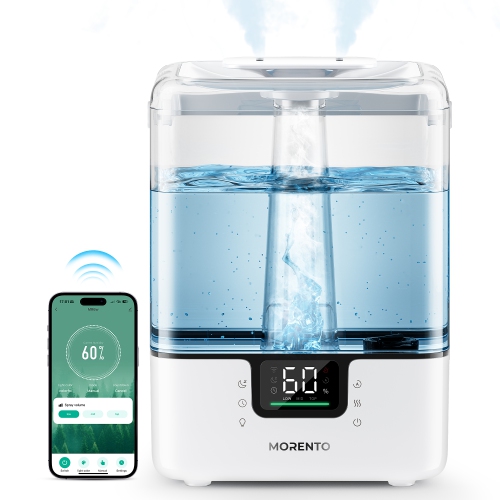
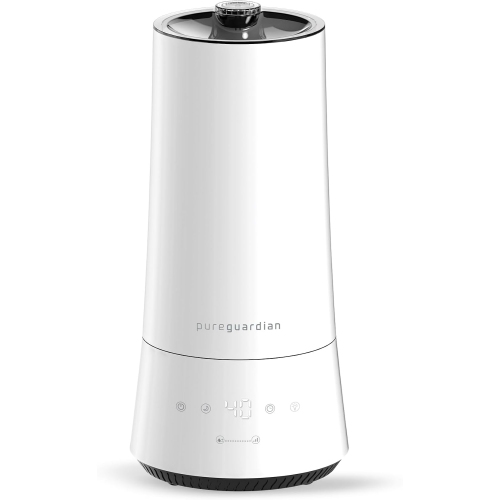
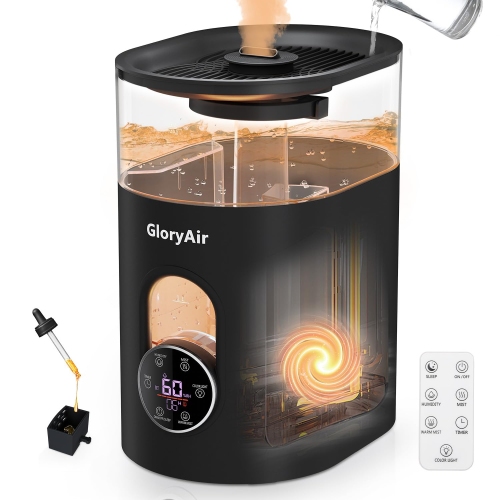
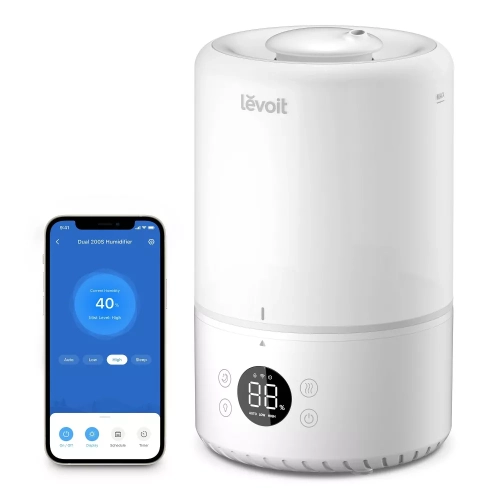

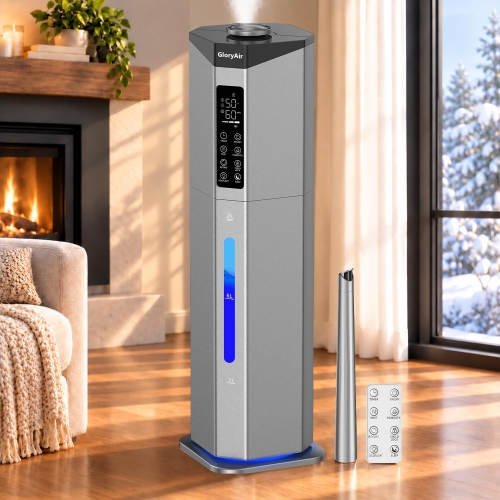
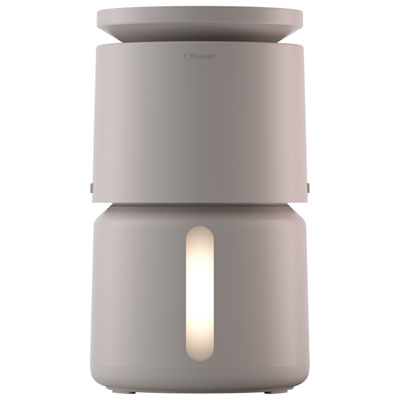
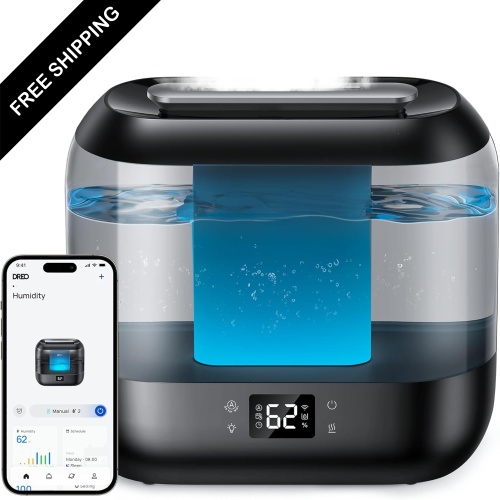
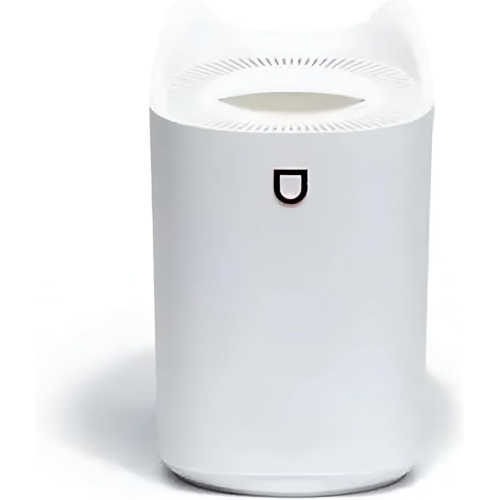
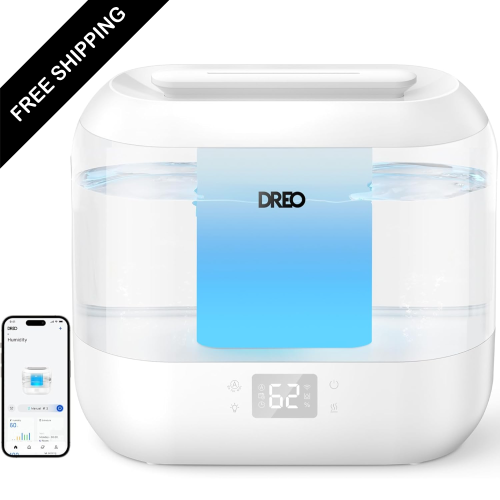
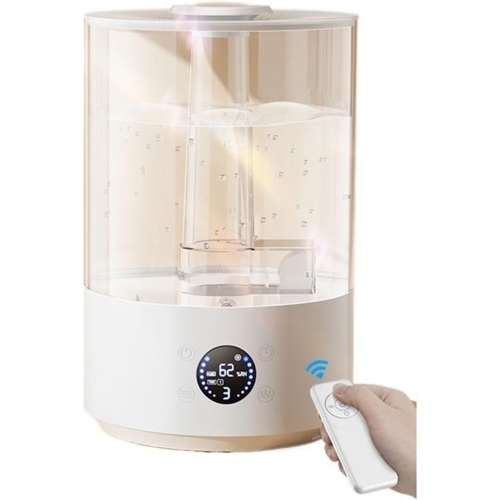
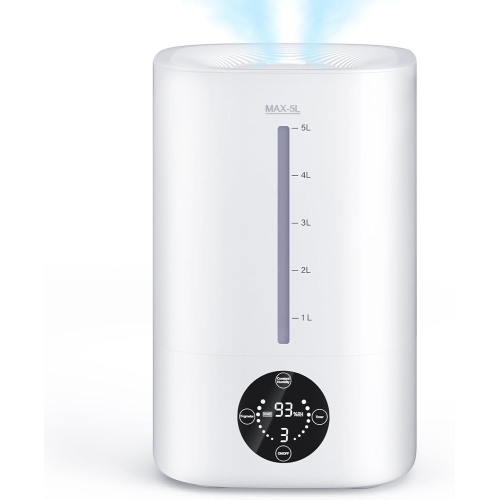
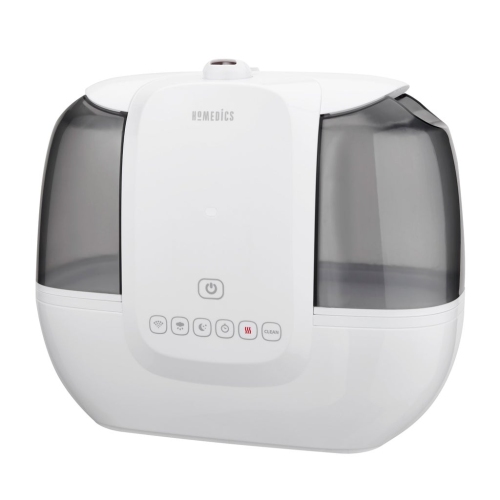
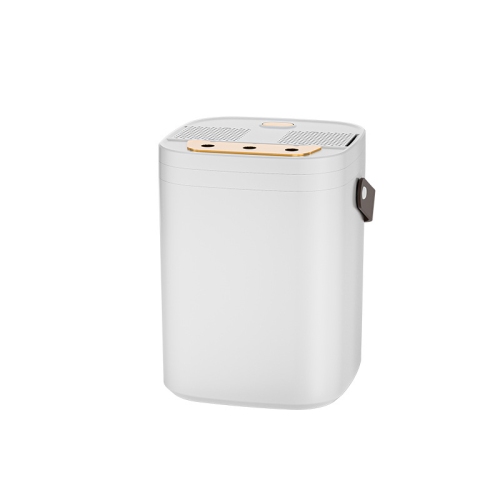
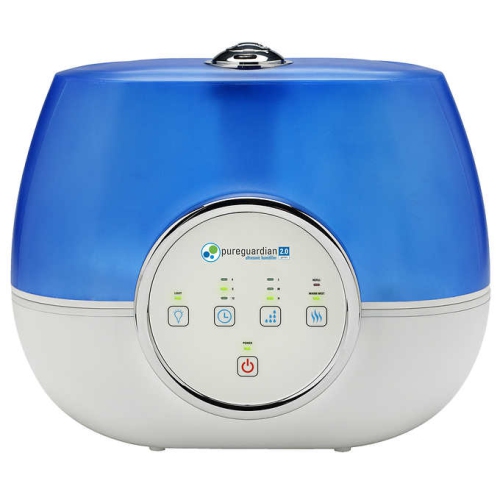
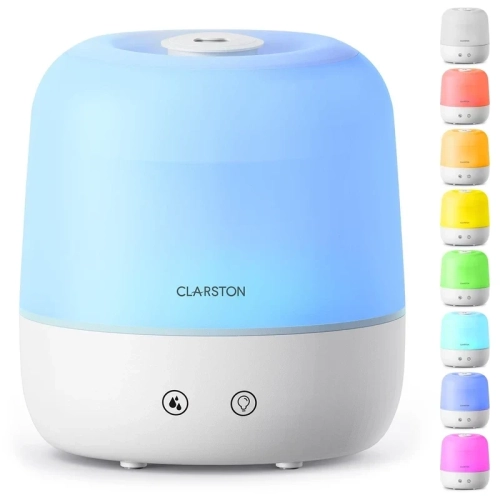
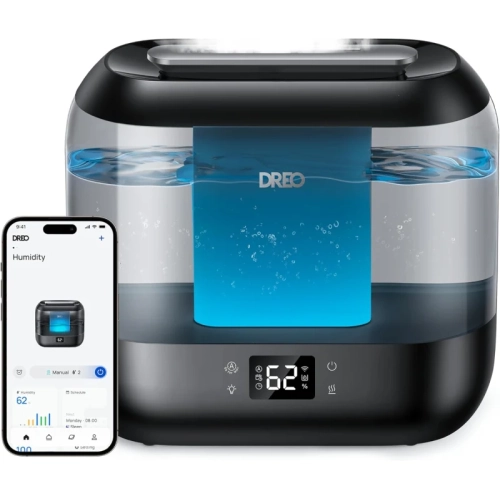
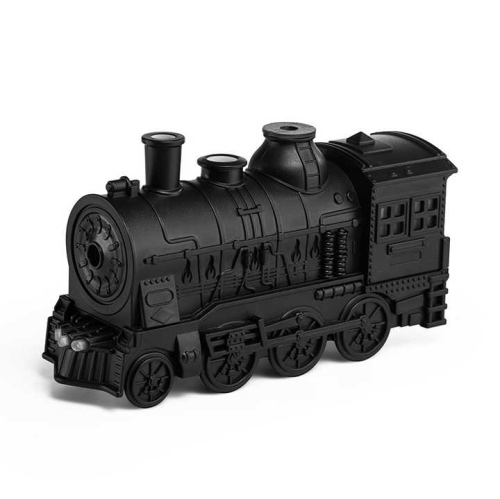
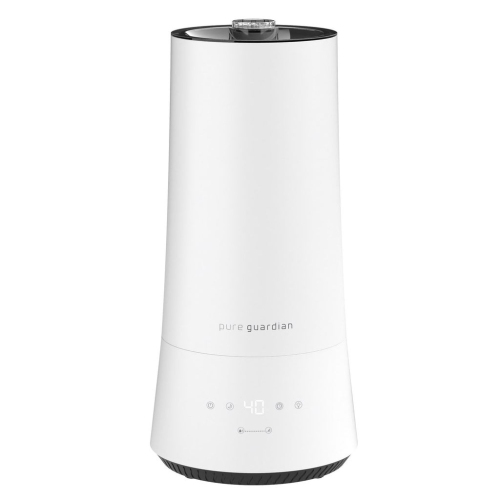
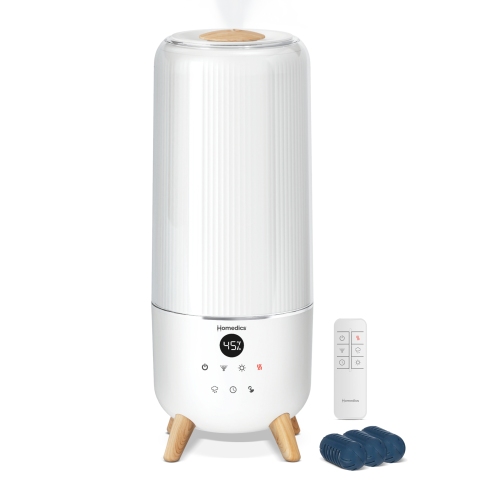
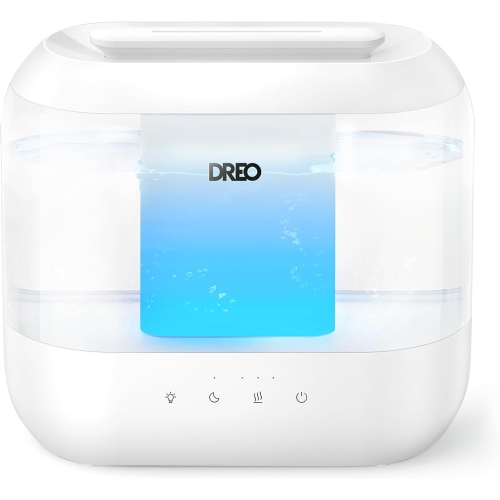
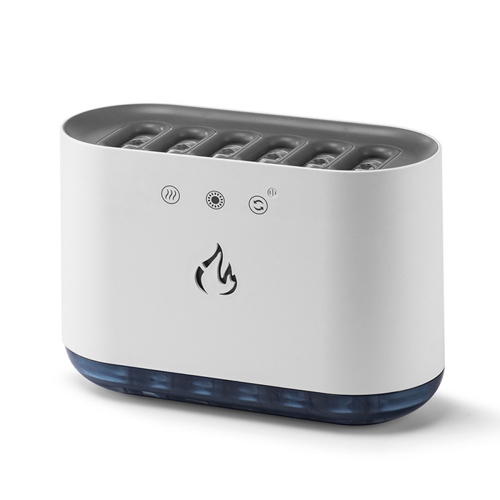
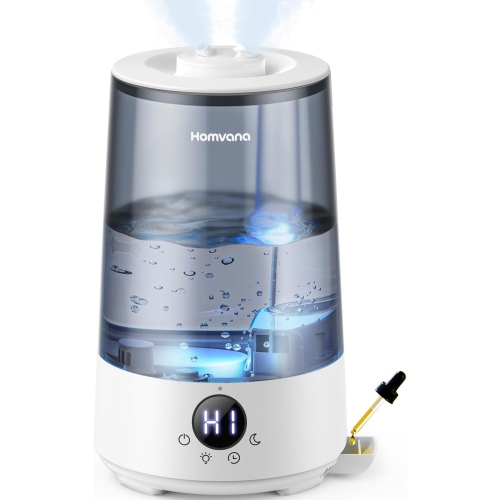
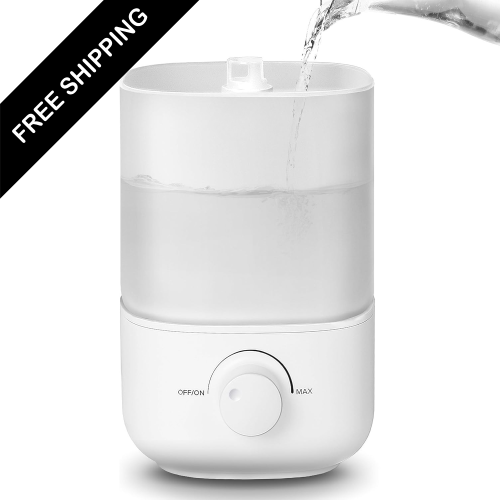
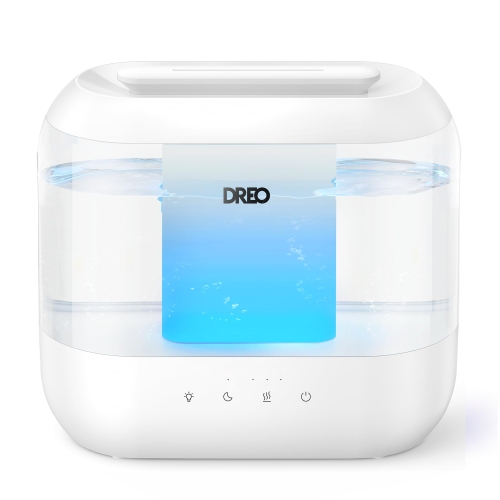
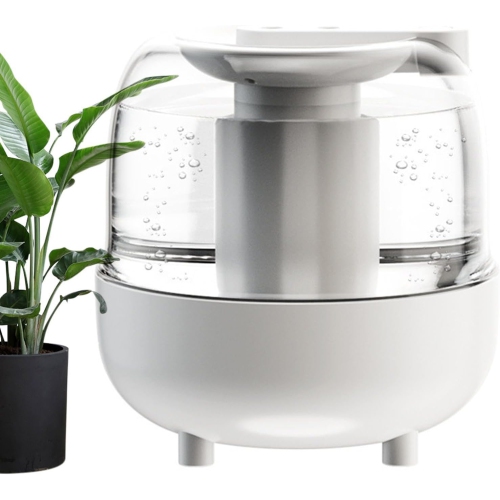
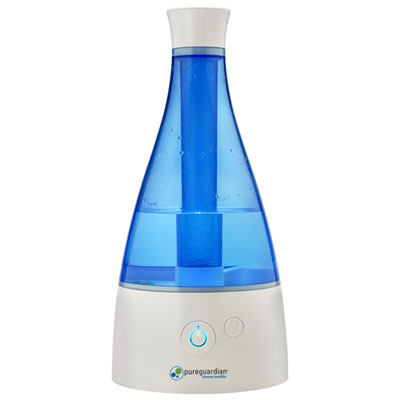
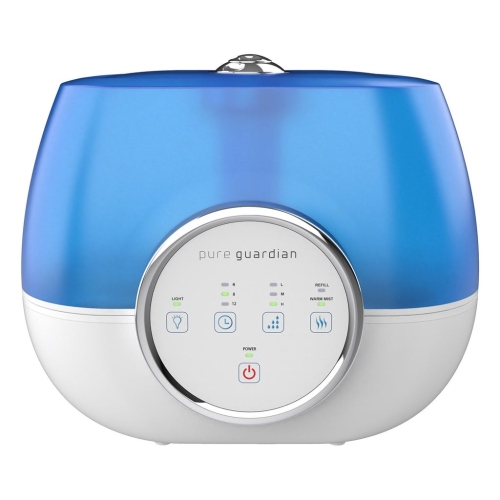
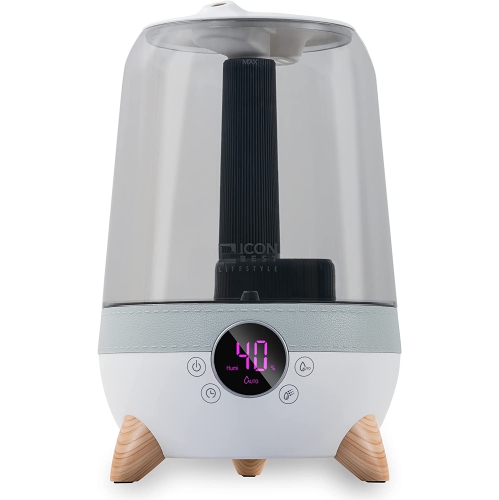
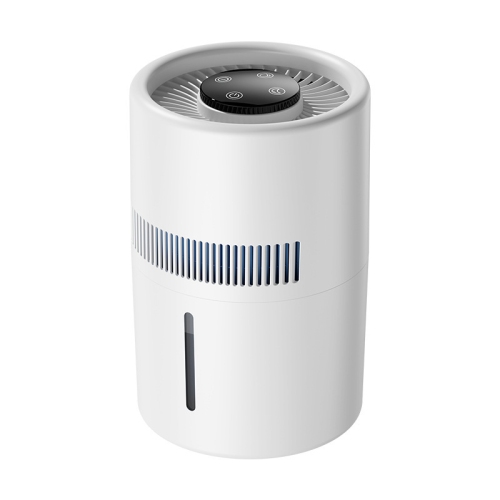
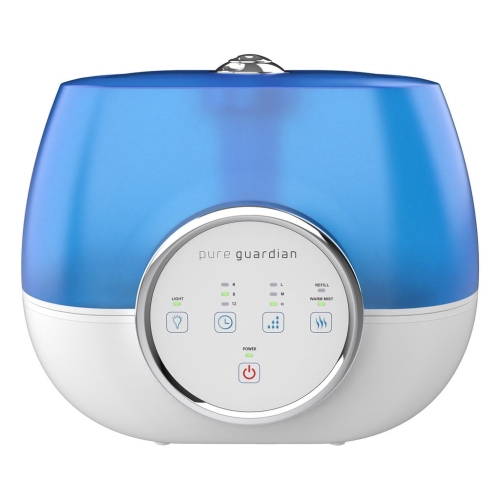
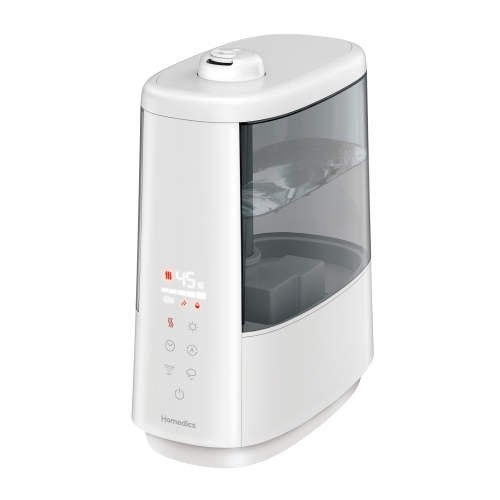
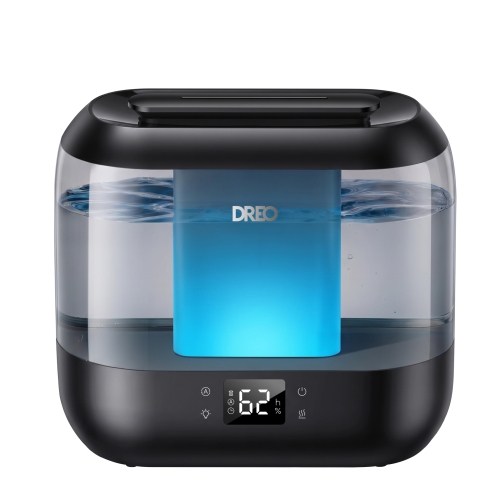
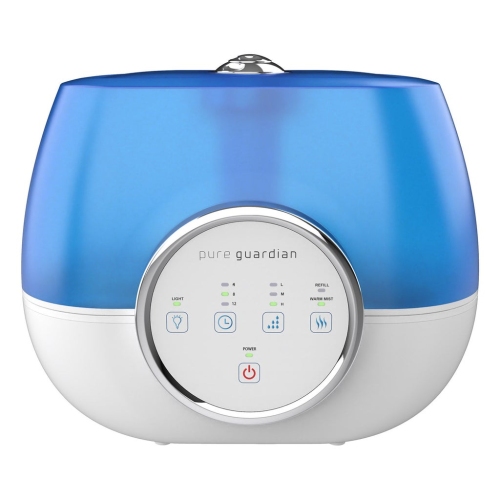
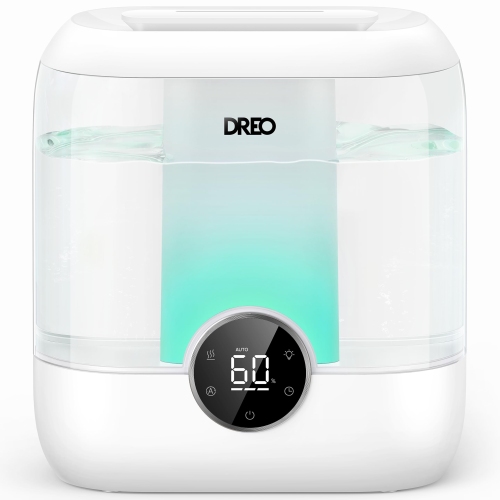
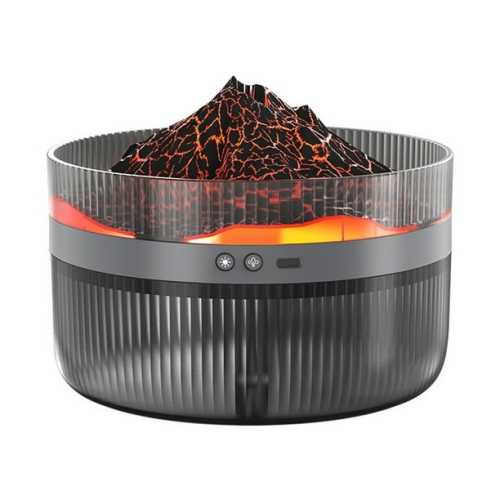
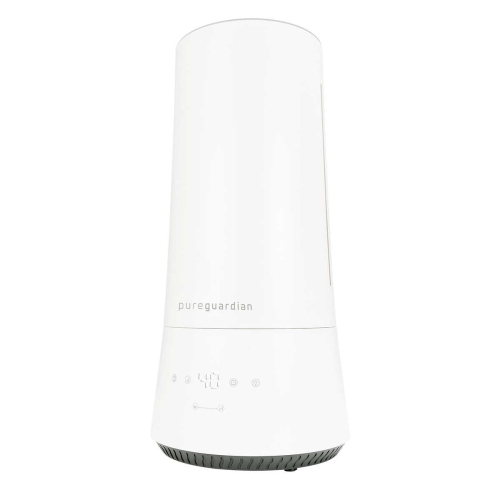
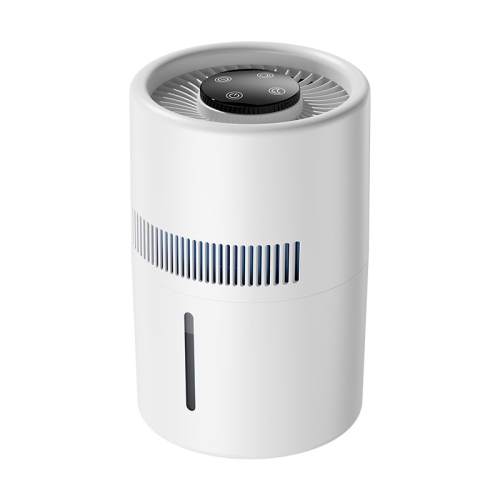
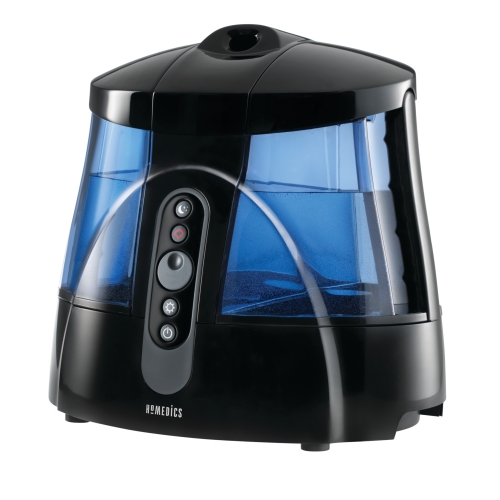

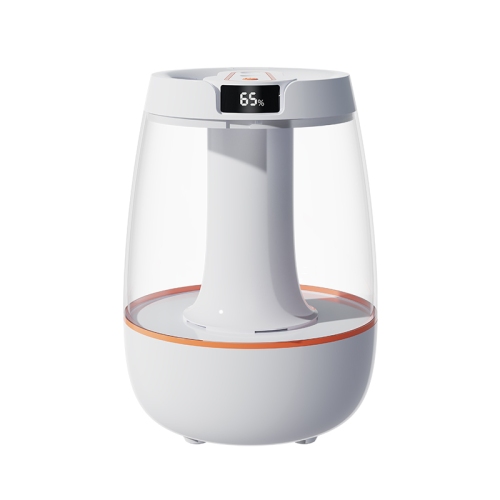
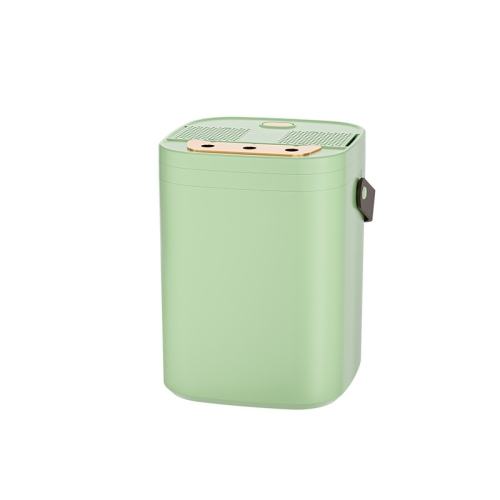
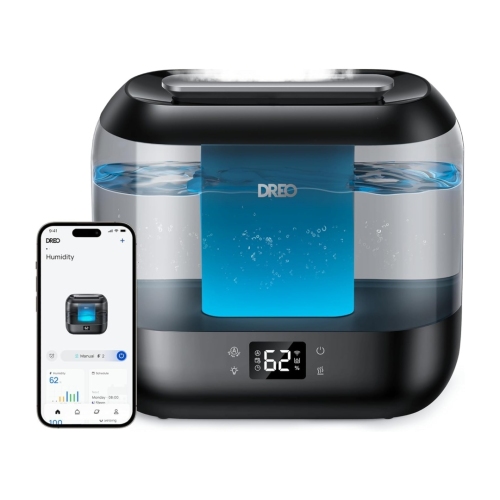
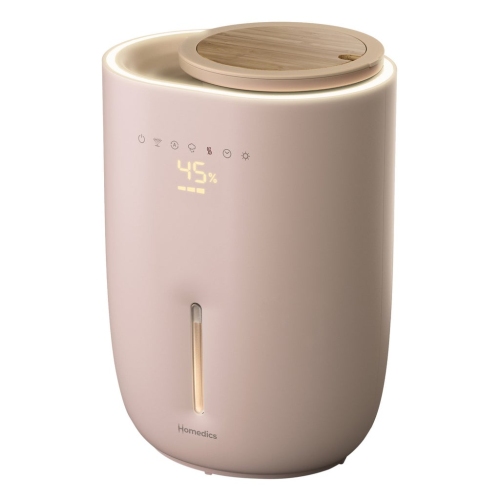
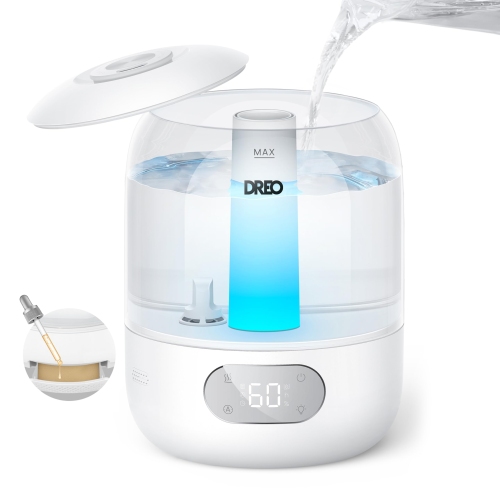
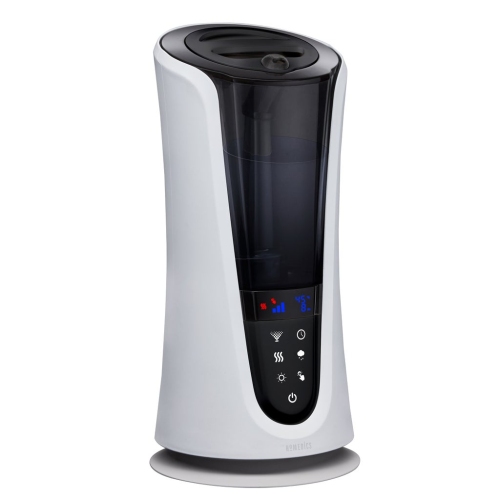
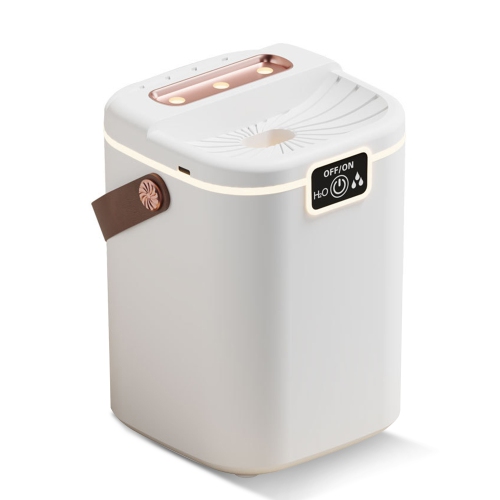

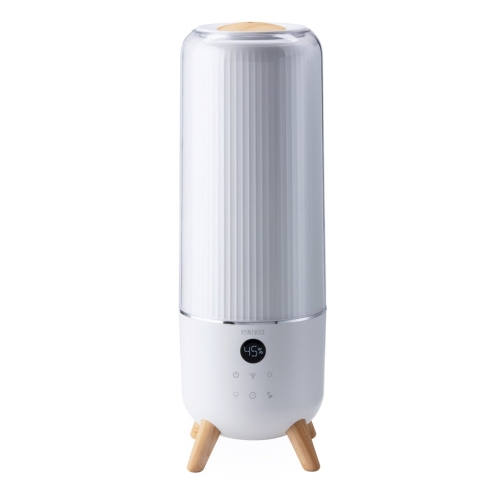
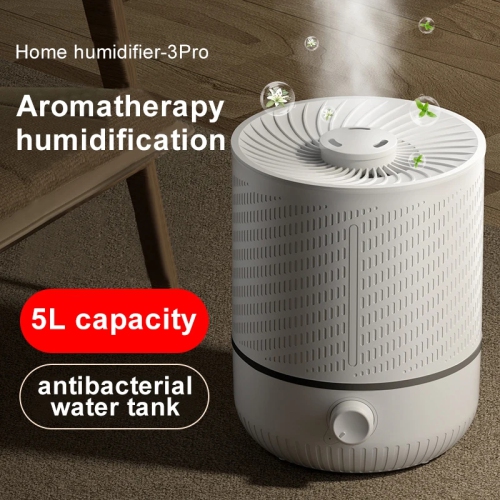
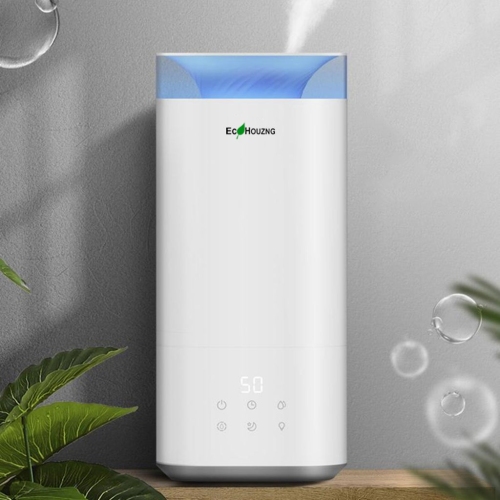
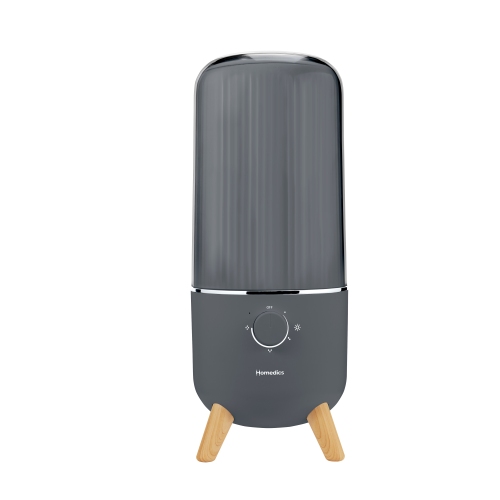
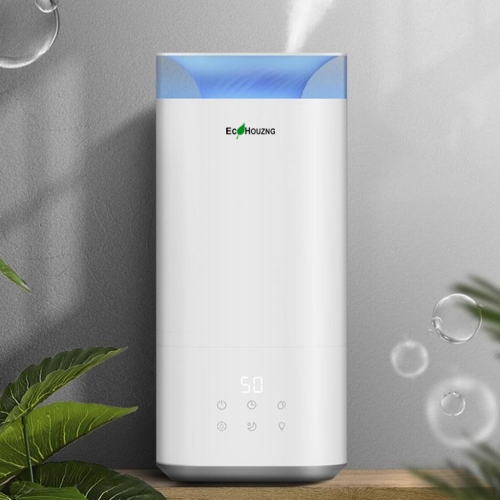
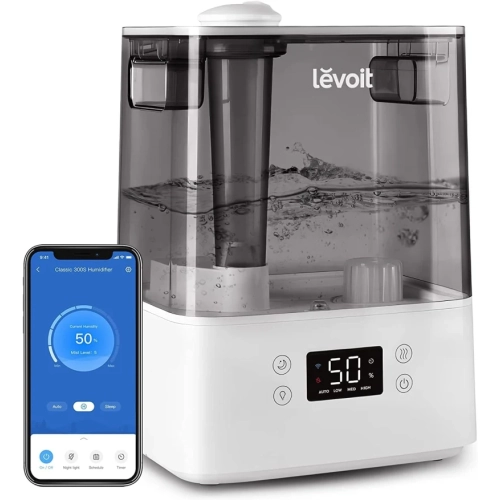
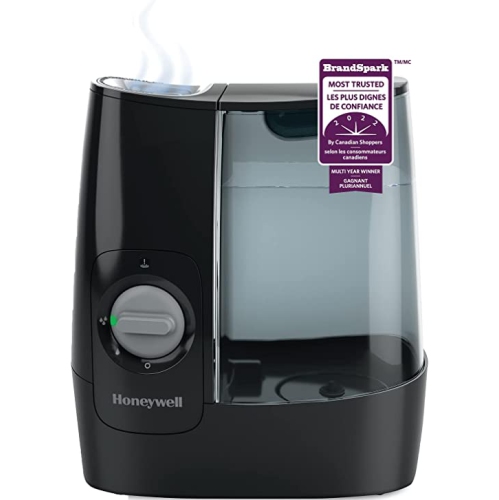
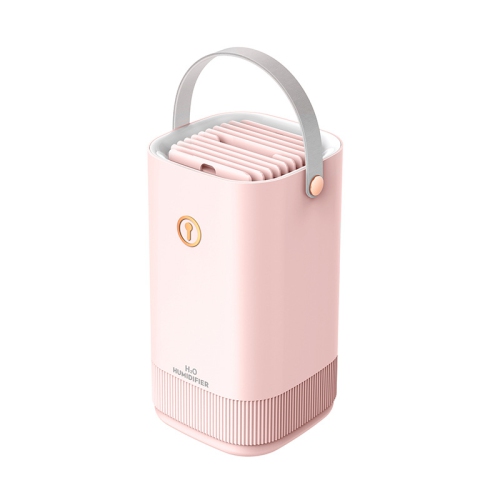


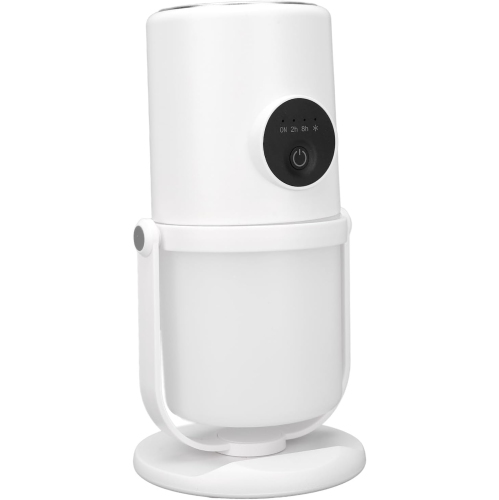
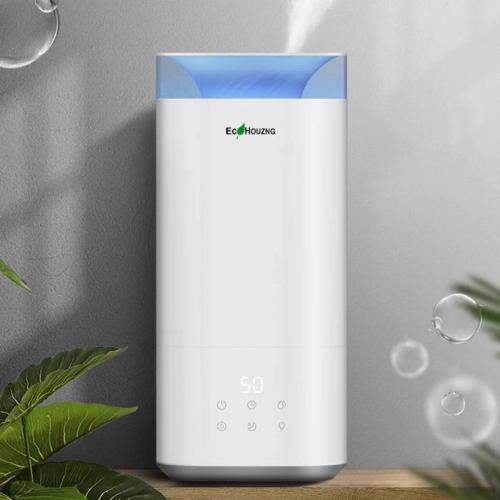
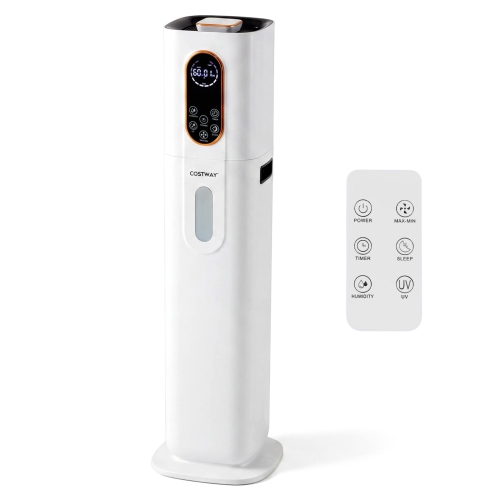
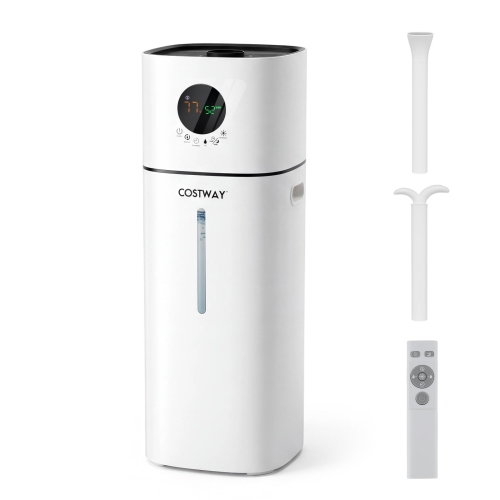
Comfortable humidity depends on more than tank size
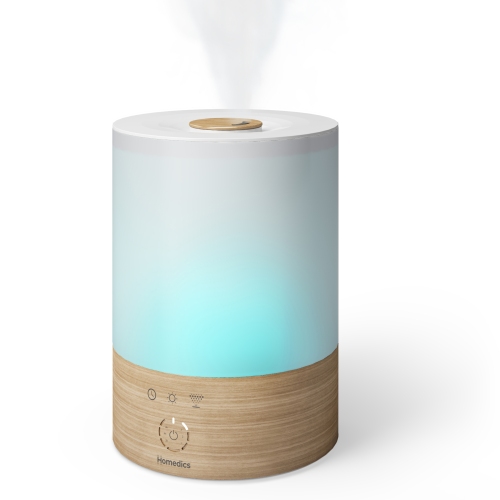
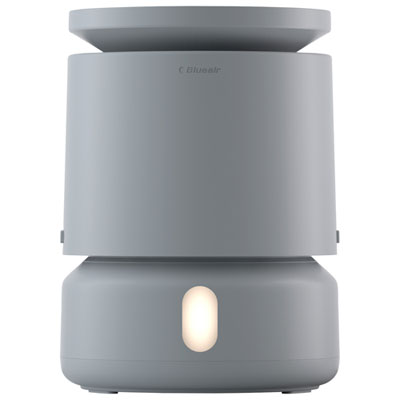
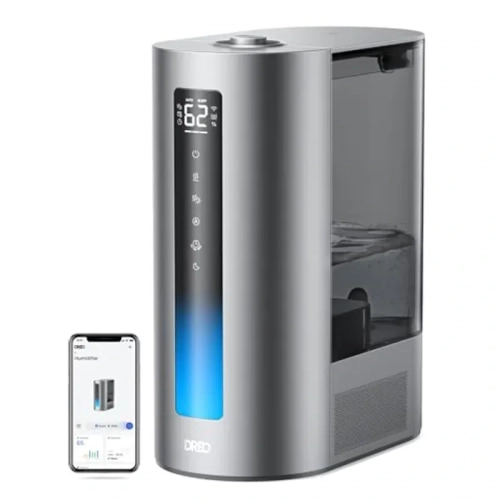
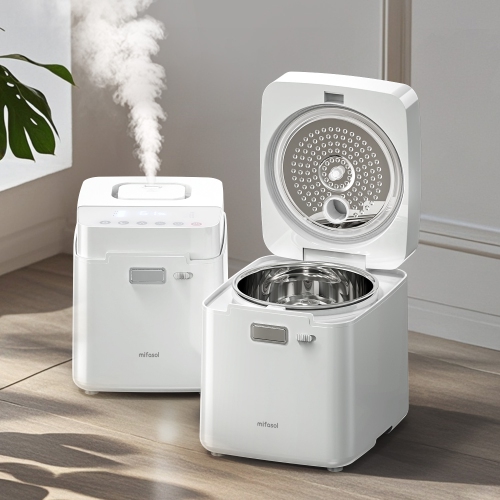
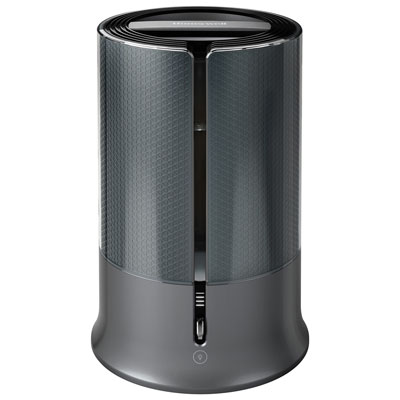
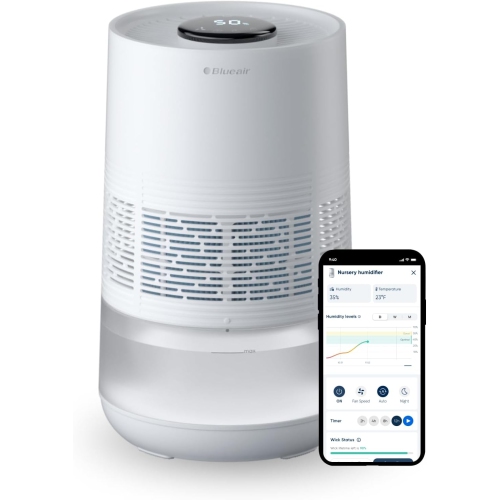
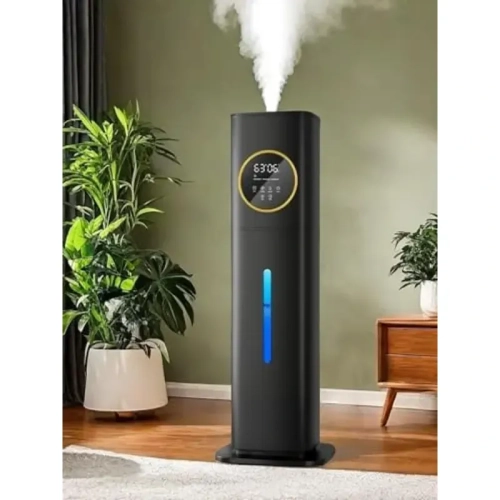
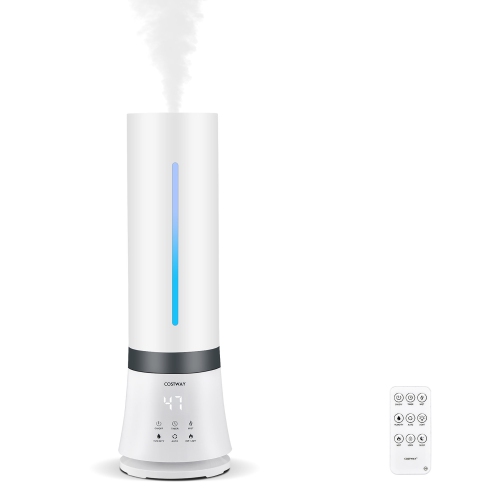
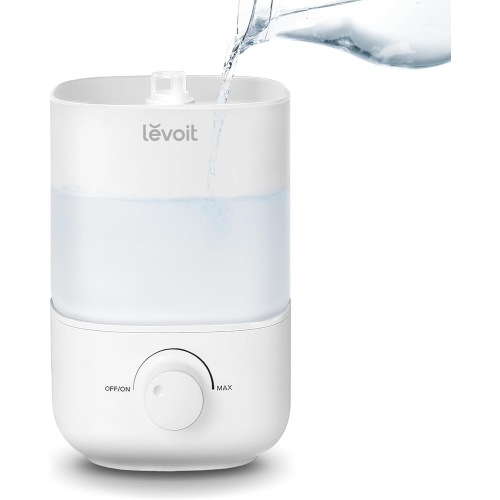
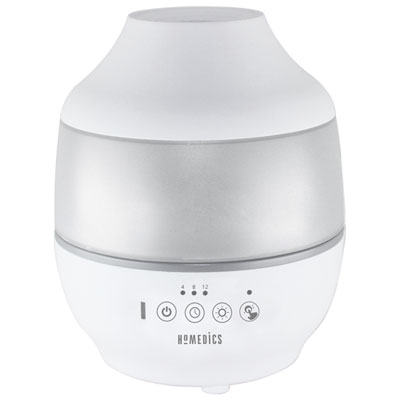
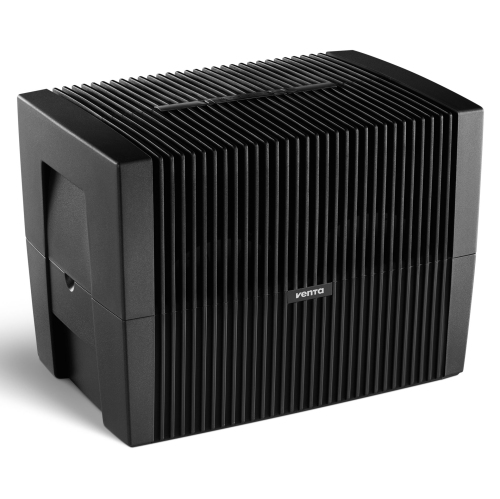
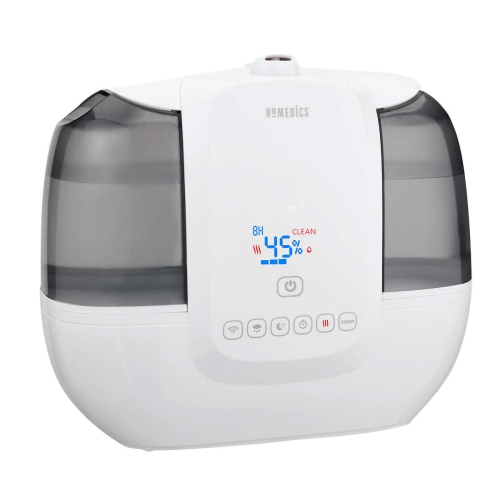
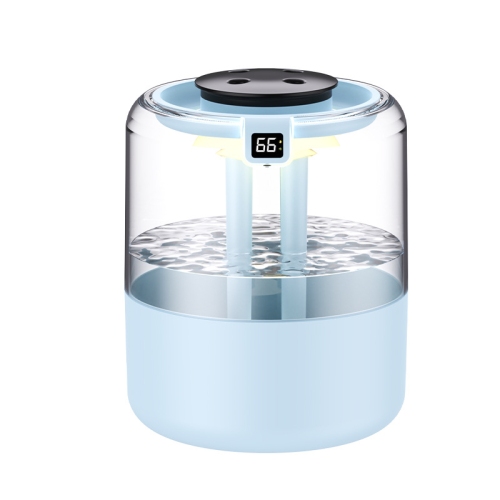
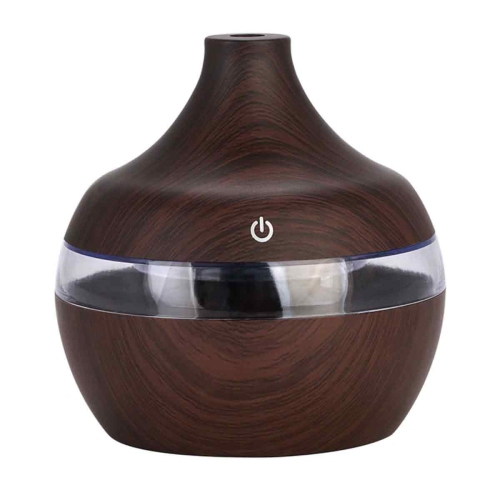
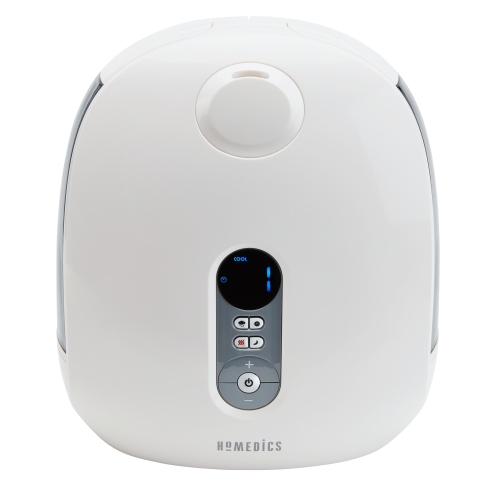
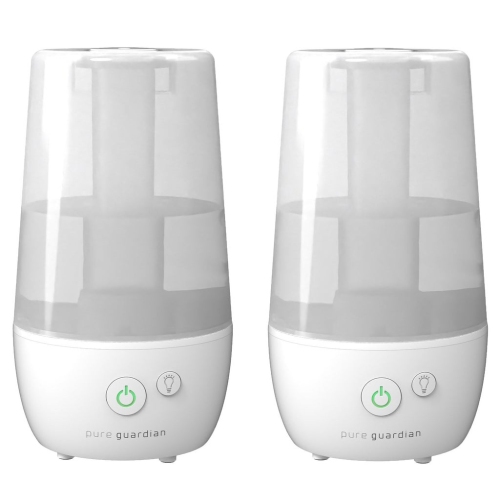
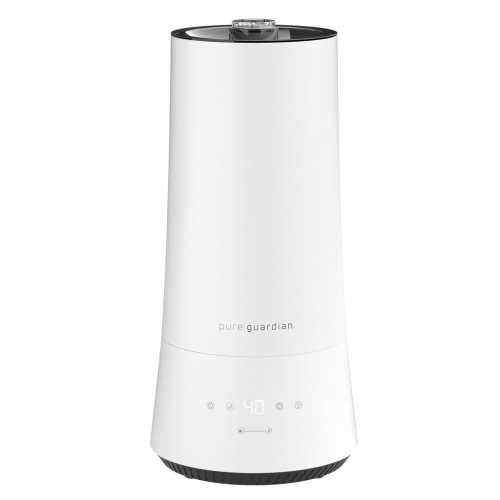
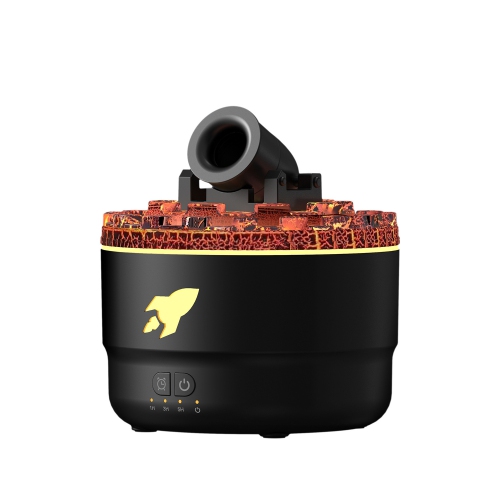
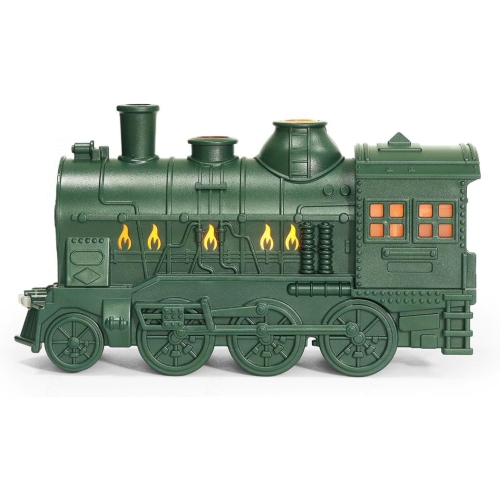
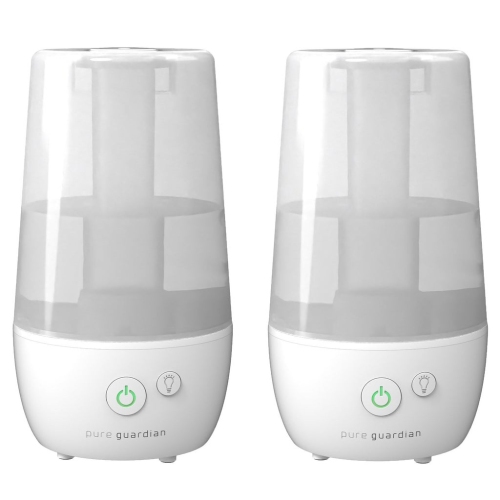
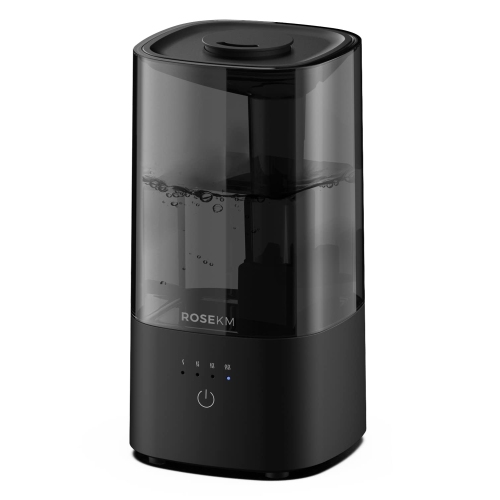
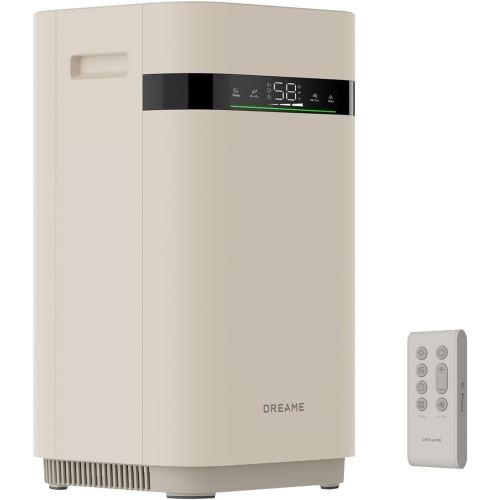
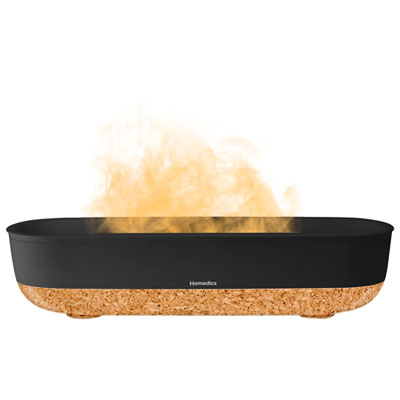
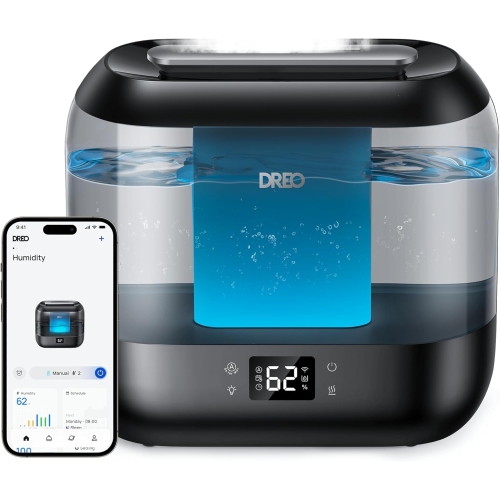
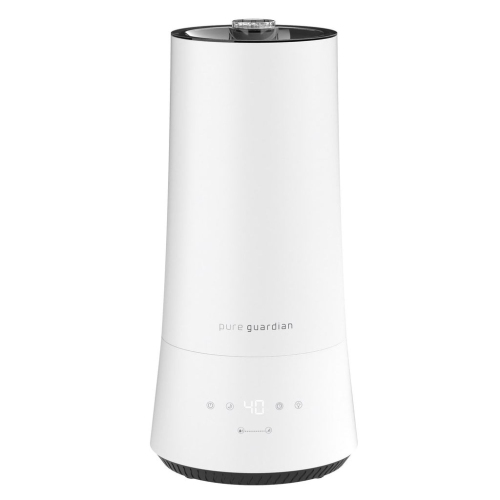
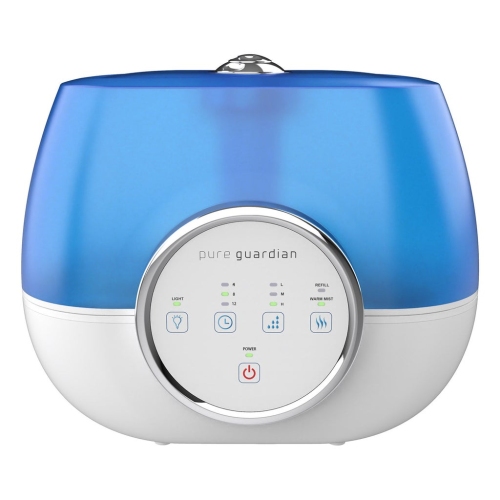
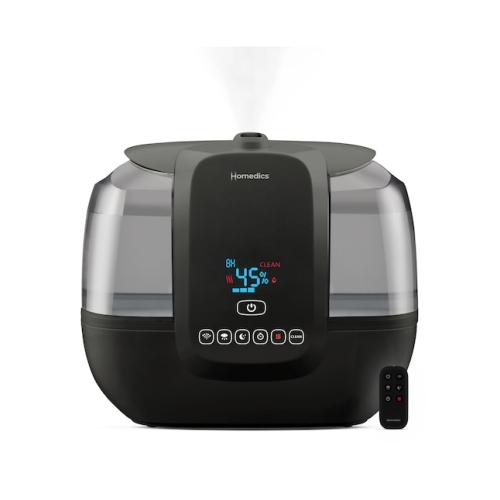
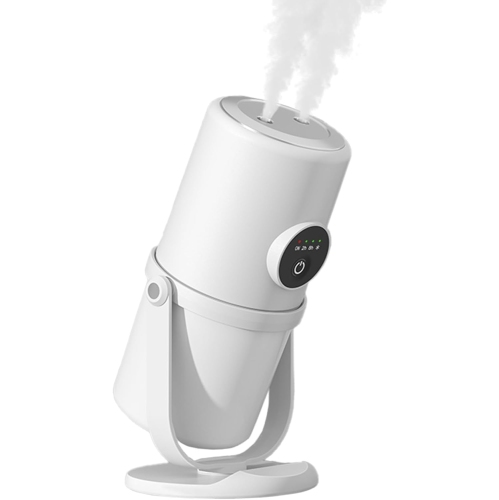
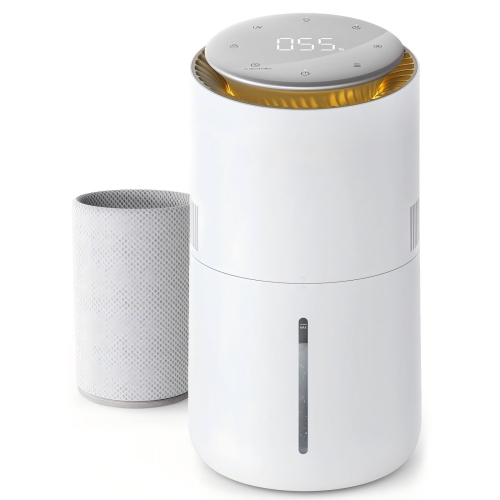
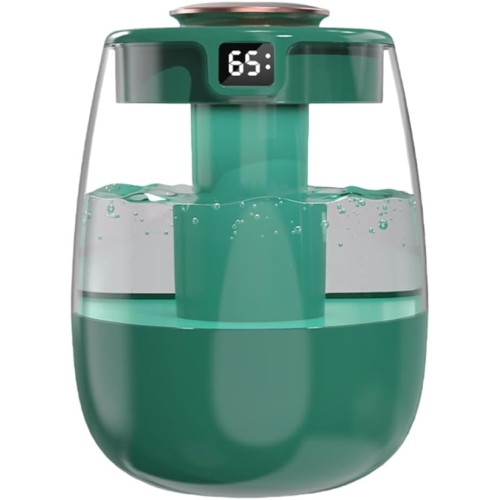
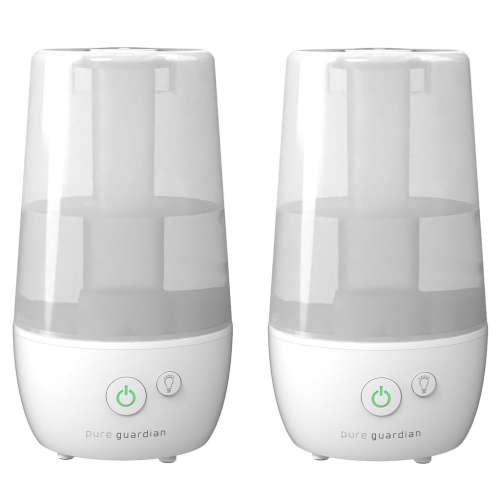
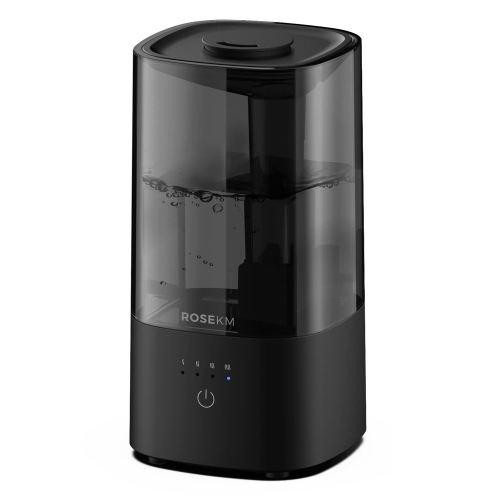
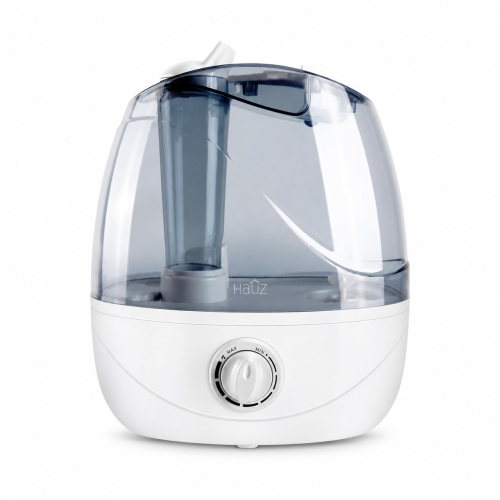
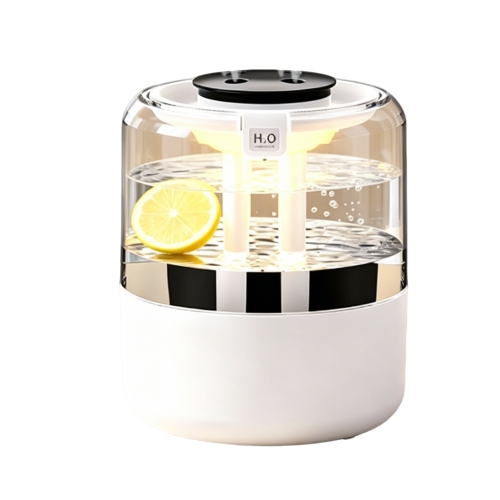
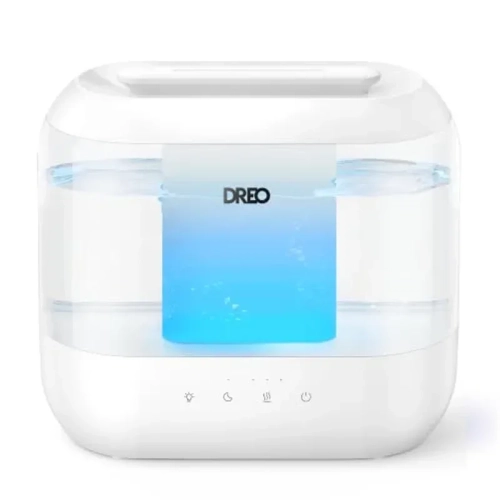
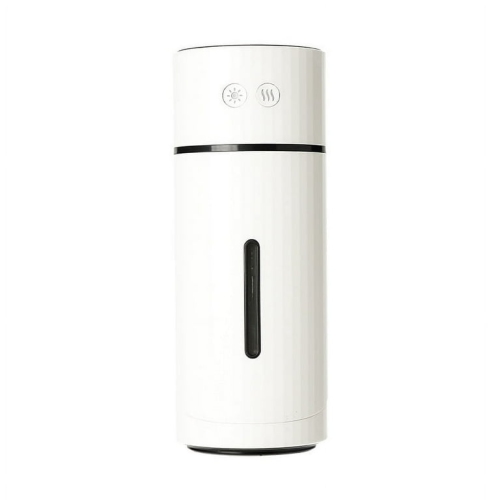
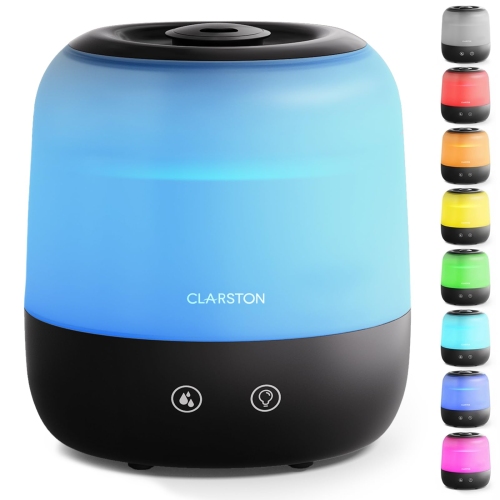
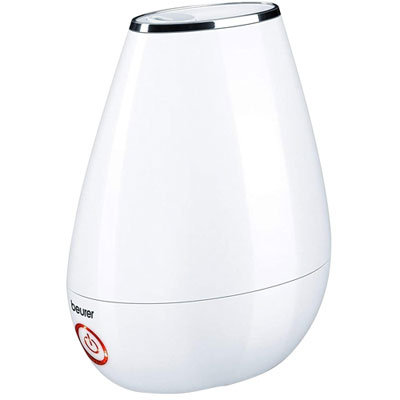
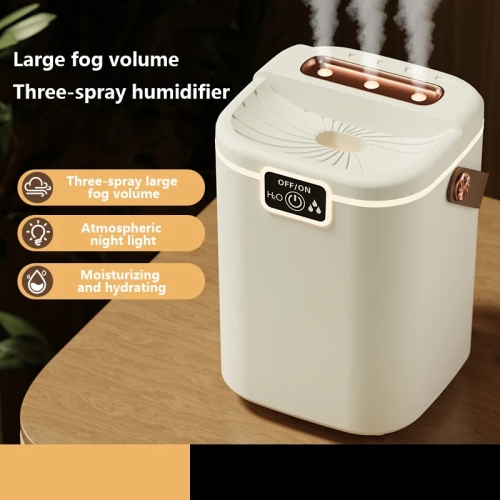
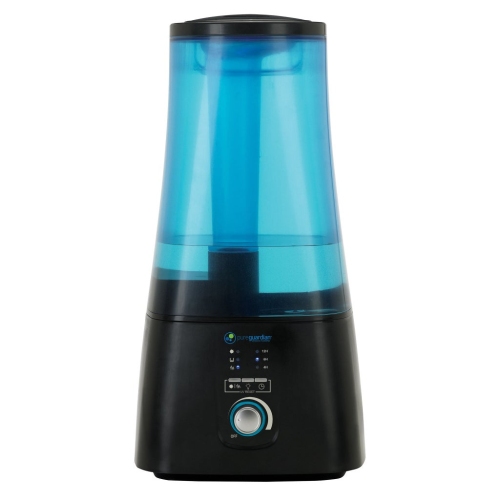
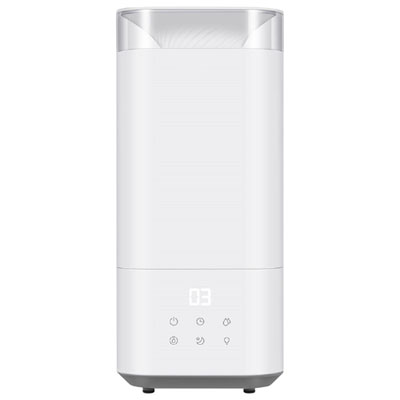
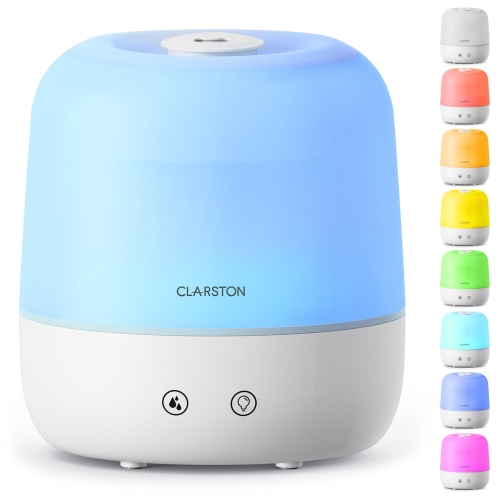
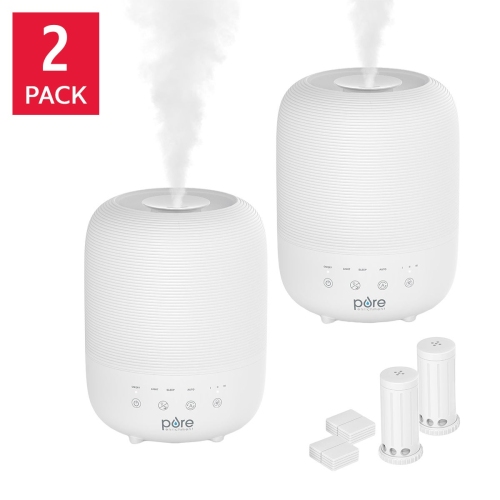
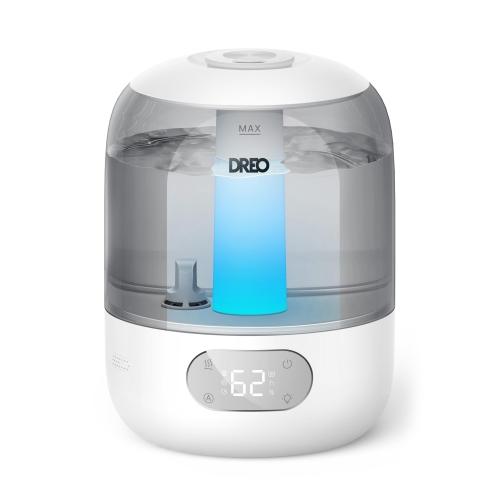
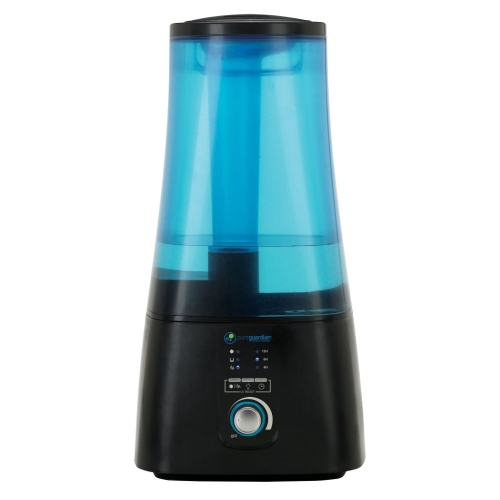
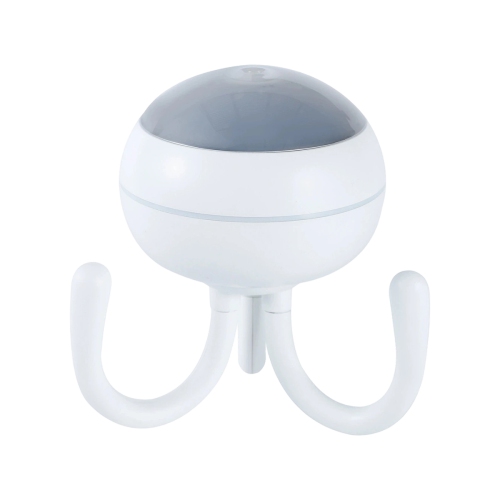
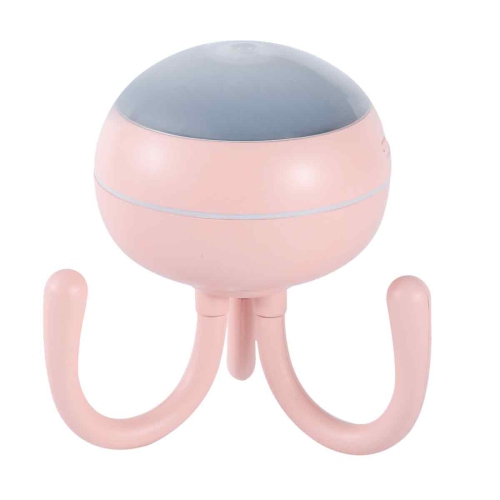
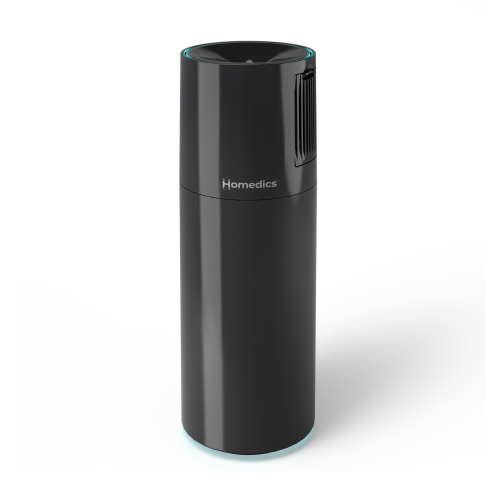
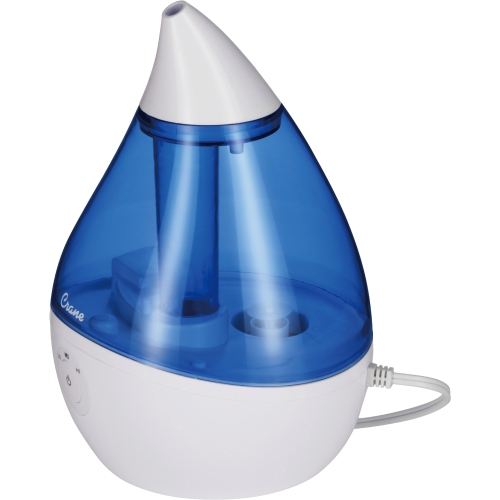
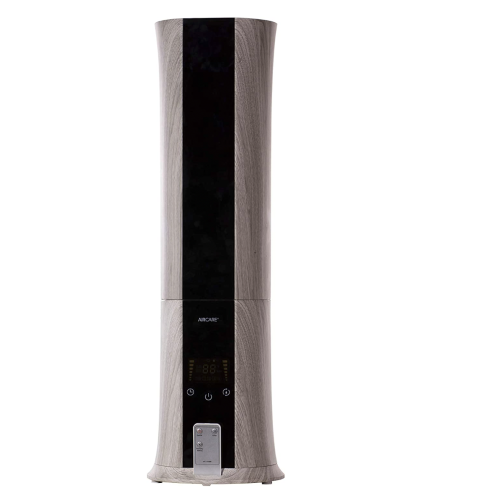
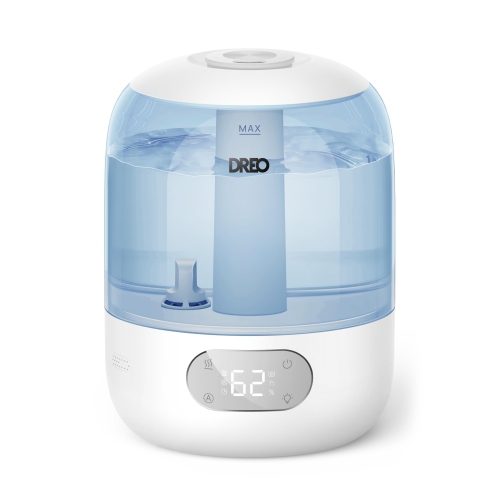
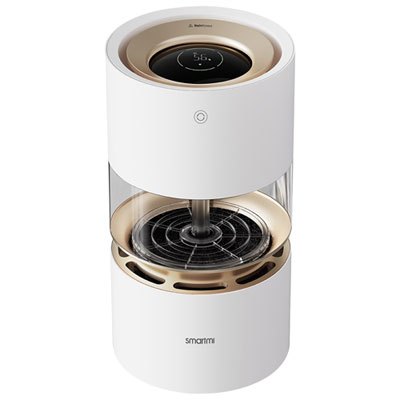
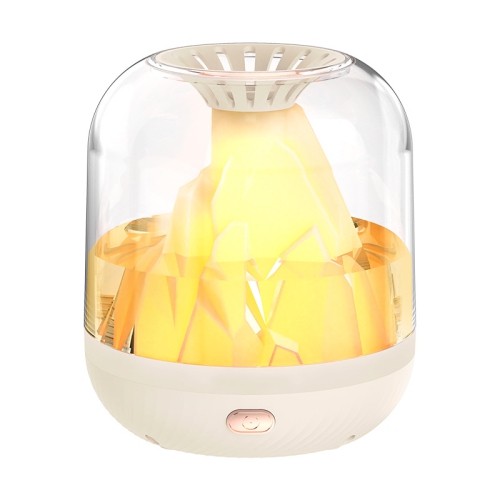
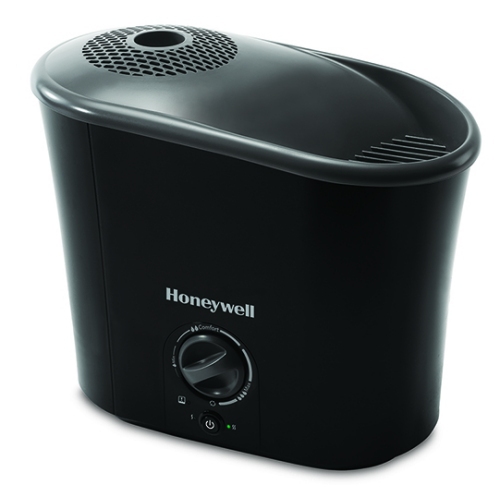
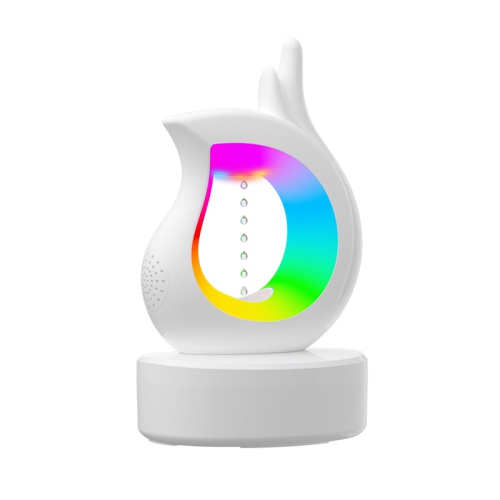
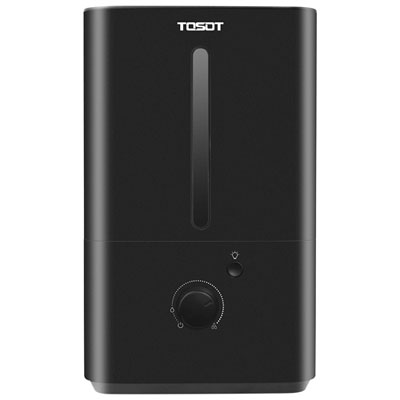
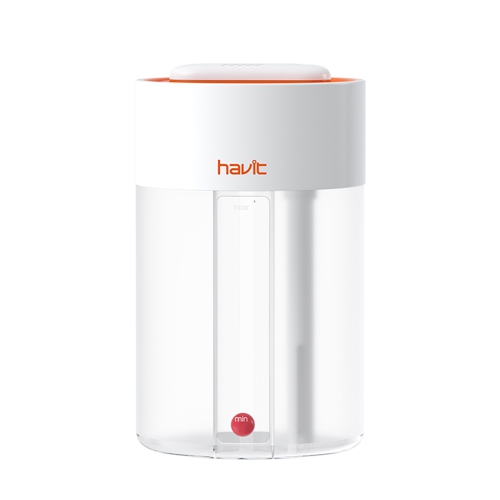
Room humidifiers add moisture to indoor air, helping make bedrooms, living rooms, and home offices more comfortable when humidity is low. Quiet operation, convenient top filling, an easy-to-clean tank, and adjustable humidity controls are useful features for everyday use. An indoor relative humidity of about 30% to 50% is a practical general target, with a separate hygrometer providing a helpful check on conditions away from the humidifier itself. Persistent condensation on windows or dampness around furnishings can indicate that moisture levels are too high. The right capacity depends on more than the floor area printed on the packaging: ceiling height, open doorways, and the layout of adjoining spaces also affect how moisture moves through a room. A compact humidifier may suit a bedside table or a small office, while a larger-capacity unit can be more practical for a spacious bedroom or shared living area. Tank capacity and moisture output describe different things. A larger tank generally means fewer refills, while output describes how much moisture the appliance releases over time. Ultrasonic humidifiers use a vibrating component to create a fine mist and often operate with little mechanical noise, although water movement and control sounds may still be noticeable. Evaporative humidifiers draw air through a damp wick or filter, adding moisture as water evaporates; their fans produce a different sound profile and their wicks need periodic replacement. Warm-mist humidifiers heat water to produce vapour and require particular care because hot water and steam can cause burns. Cool-mist designs avoid that heating process, but still need thoughtful placement and regular cleaning. These differences matter in familiar settings: a light sleeper may value subdued sound and display lighting, while someone working at a desk may prefer adjustable output that does not leave nearby surfaces damp. A built-in humidistat can regulate output around a selected humidity level, although its reading may differ from a hygrometer positioned elsewhere in the room.
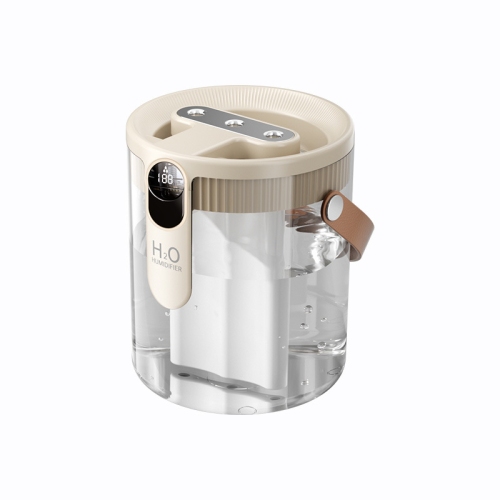
Daily convenience often comes down to how a humidifier fits the space and the routine of the person using it. A top-fill opening can make adding water simpler, especially when the alternative involves lifting and turning over a full tank. A removable reservoir with a comfortable handle is useful for carrying water from a sink, but the filled weight matters as much as the empty appliance’s size. Wide openings, accessible corners, and straightforward lid designs make it easier to inspect the interior rather than leaving narrow passages out of reach. For a bedroom, a dimmable display, an optional night light, and controls that do not emit loud confirmation tones can help the appliance blend into a bedtime routine. In a home office, a stable base and a compact footprint help keep the humidifier separate from paperwork, keyboards, and charging cables. Adjustable mist direction offers flexibility, but the outlet should not point towards electronics, upholstered furniture, curtains, or walls. A stable, water-resistant surface with the clearances specified by the manufacturer is more suitable than carpet or a crowded shelf. Automatic shut-off when the tank runs empty is a useful safeguard, not a substitute for proper positioning or supervision. Families furnishing a child’s room can explore Kids' Humidifiers, while considering cleaning access, secure placement, and controls that suit the room’s routine. Any humidifier and its cord should remain beyond a child’s reach, and warm-mist designs need extra caution because of their heated water. For shared spaces, simple controls can be more useful than a long list of settings, particularly when several people refill or adjust the appliance. Timers, automatic humidity control, and water-level indicators can reduce guesswork, while a clearly visible reservoir makes it easier to notice when a refill or cleaning is due. Stated run times also depend on the selected output, so the longest advertised duration may reflect a low setting rather than the moisture level needed for a larger room.
Care requirements are an important part of a humidifier’s long-term fit for a household. Water sits inside the appliance for extended periods, making regular emptying, drying, and cleaning essential to keeping the tank and internal surfaces in good condition. Fresh water should replace standing water rather than simply topping it up repeatedly, and cleaning frequency should follow the manufacturer’s directions. Smooth tank walls, removable mist outlets, and fewer hard-to-reach seams make that routine more manageable. Cleaning and disinfecting serve different purposes, so only the methods and solutions permitted in the manual should be used, with thorough rinsing where directed. Cleaning agents should never be mixed. Mineral content also affects upkeep. Ultrasonic humidifiers can disperse minerals from tap water as fine white dust, while deposits may build up on internal components across different humidifier types. Distilled or demineralized water can help reduce mineral residue where recommended; ordinary drinking-water filtration does not necessarily remove those minerals. Evaporative wicks and other replaceable components need attention according to their condition and the manufacturer’s schedule, and a filter should not be washed unless its instructions specifically allow it. Essential oils, fragrances, and other additives belong only in designs explicitly made to accept them, since adding them to an unsuitable tank can damage materials or leave unwanted residue. Durable construction is about practical details as well as appearance: a steady base, secure tank seating, well-fitting seals, and sturdy handles all matter when an appliance is filled and moved regularly. Transparent sections make water levels easy to see, while removable parts help with both cleaning and thorough drying before storage. Replacement-part requirements are worth considering alongside the appliance’s footprint and capacity. A room humidifier can be a thoughtful housewarming gift or a useful addition to a bedroom, provided the recipient has a suitable place for it and is comfortable with its maintenance needs. Its role remains specific: adding moisture where needed, without replacing ventilation, air filtration, or attention to an existing dampness problem.
Top selling and popular products
-
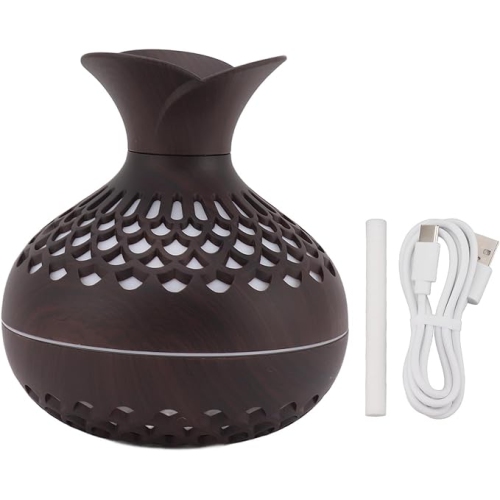 Your price for this item is $14.98
-
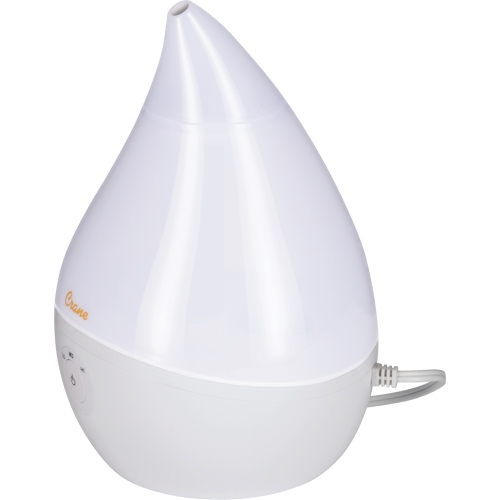 Your price for this item is $89.97
-
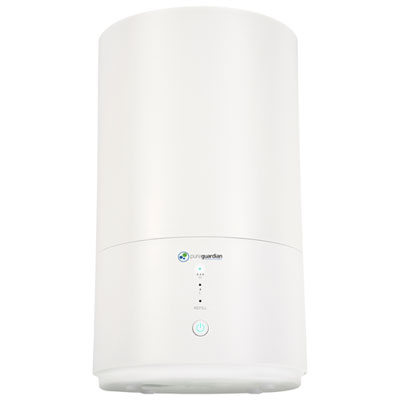 Your price for this item is $89.98
-
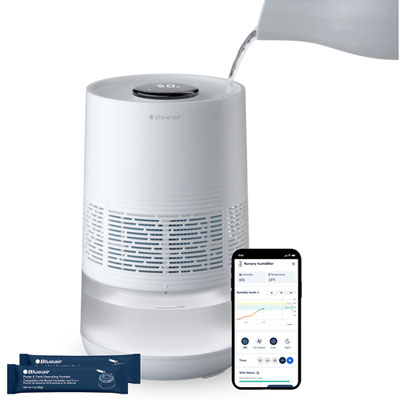 Your price for this item is $159.99
-
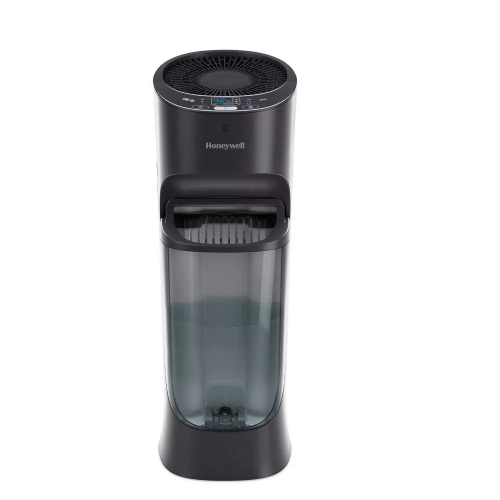 Your price for this item is $274.99
-
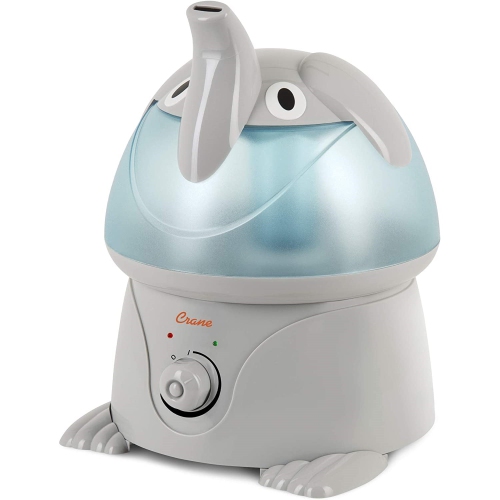 Your price for this item is $109.97
-
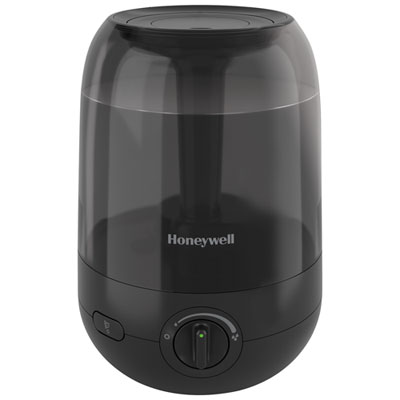 Your price for this item is $59.98
-
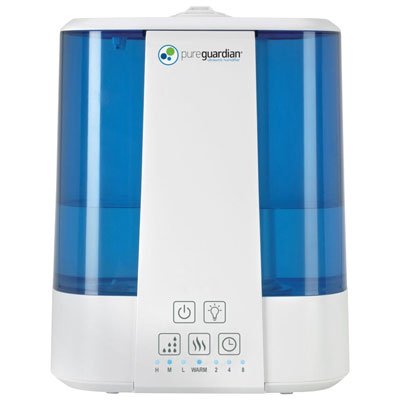 Your price for this item is $138.98
Discover more categories related to Room Humidifiers
Top Collections:
Best Black Friday Deals This Year, Best Black Friday Deals On Electronics, Kindle Devices, Pokemon Centers, Best Black Friday Deals On Apple Products, Best Cameras for Sports Photography, Dyson Airwrap, Pokémon 30th Celebration Cards, Apple iPhone 17 Pro, Canon G7X Cameras
Some products may be subject to Environmental Handling Fees
(EHF) depending on your province.
Learn more about EHFs.