Chimney Range Hoods
Chimney range hoods are an essential addition to almost any kitchen. Not only do they effectively remove smoke, odors, and grease from the air, but they also add a touch of elegance to the space. With their sleek design and powerful ventilation system, chimney range hoods ensure a clean and healthy cooking environment. Invest in these chimney range hoods today and experience the benefits of efficient air purification while enhancing the overall aesthetic appeal of your kitchen.
Sort
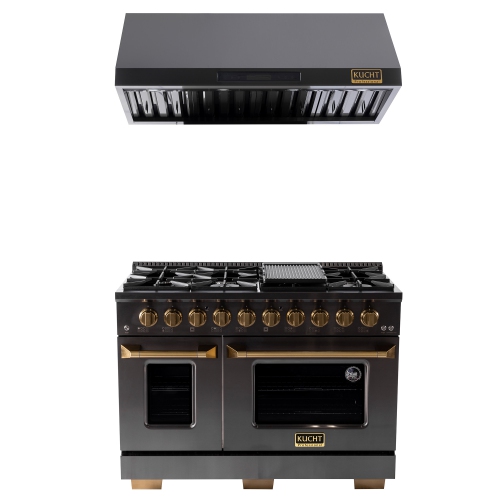
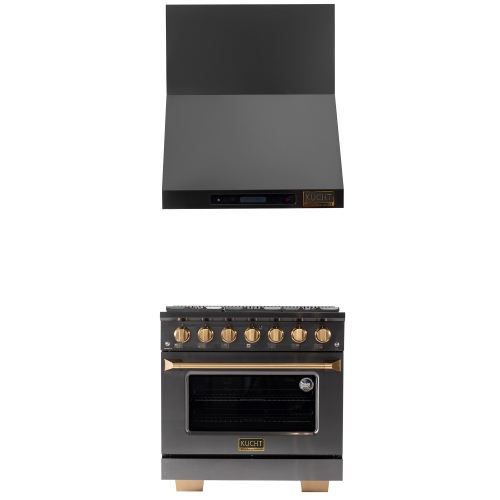
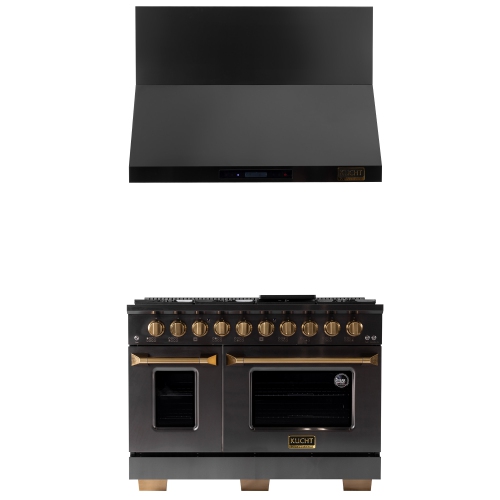
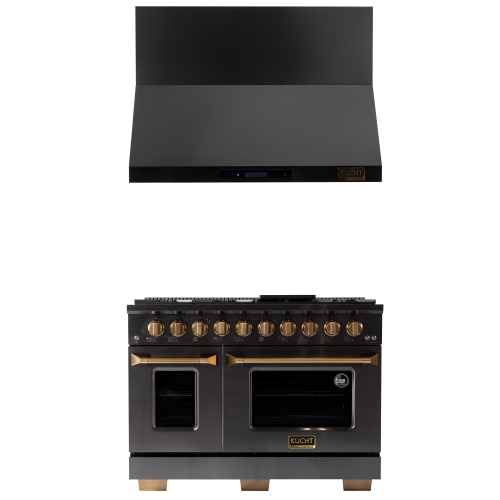
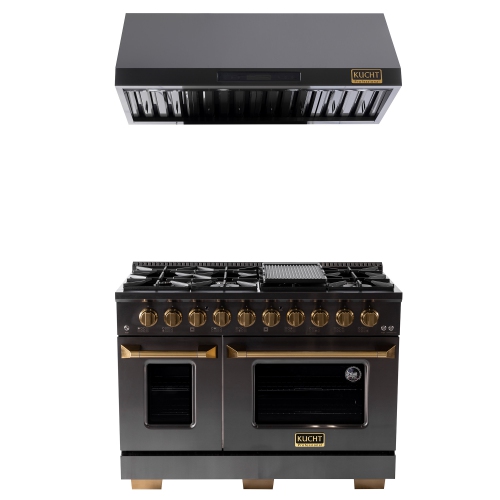
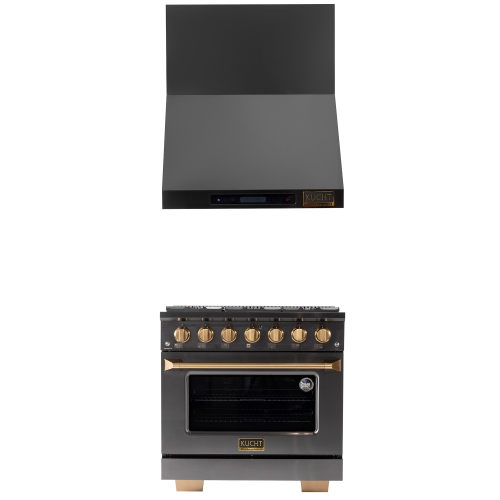
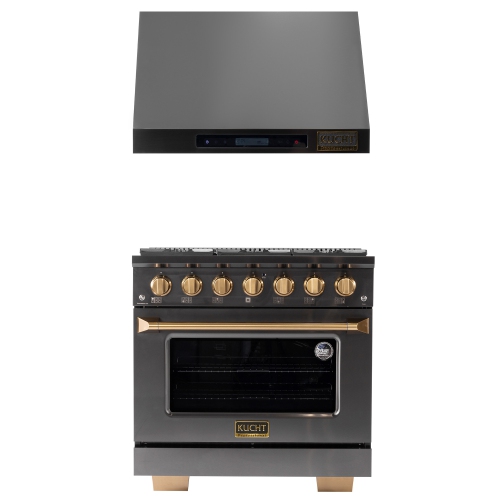
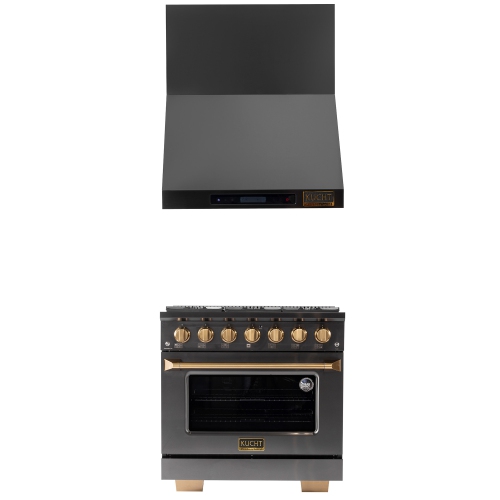
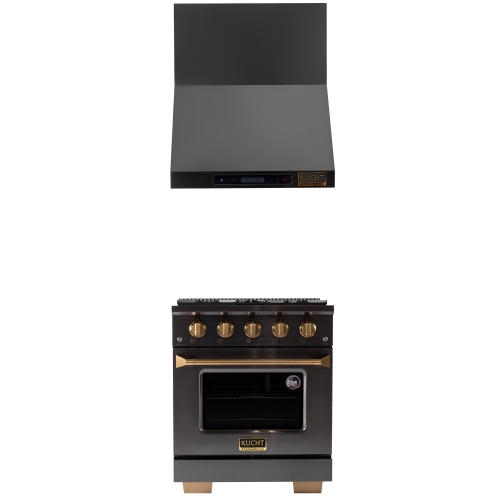
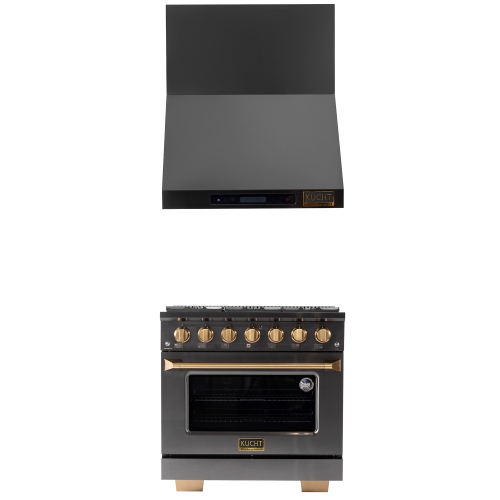
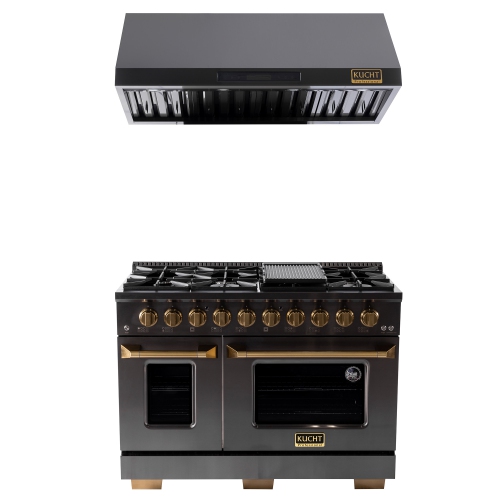
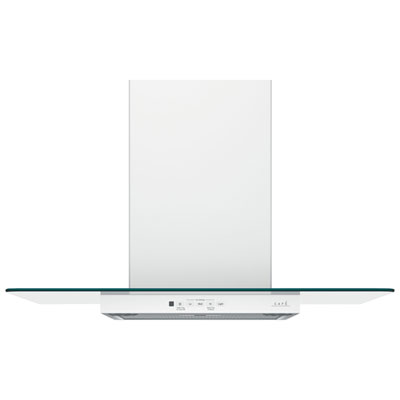
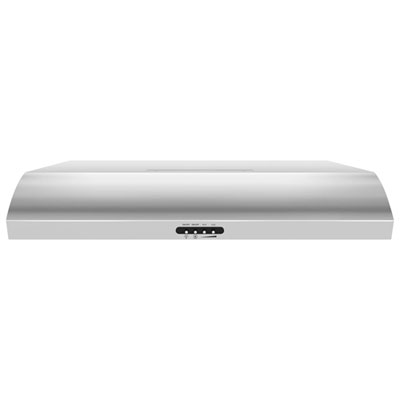
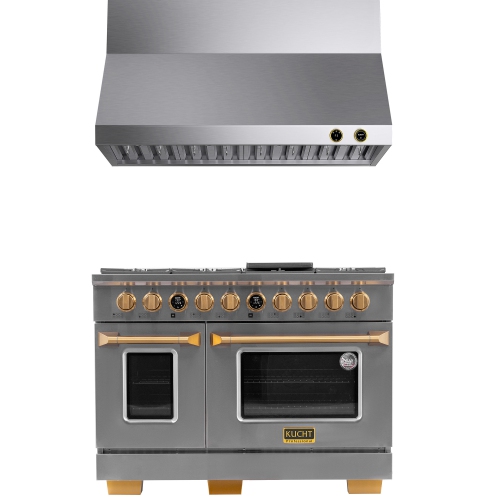
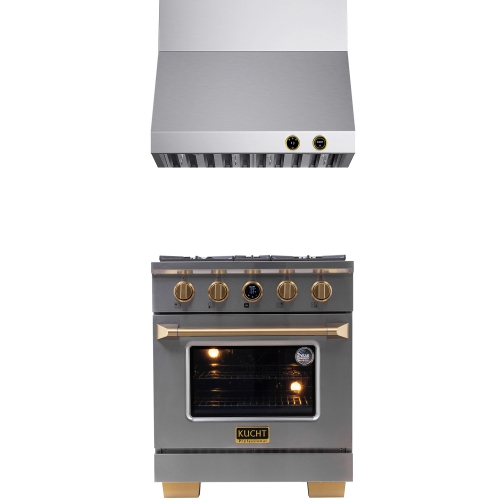

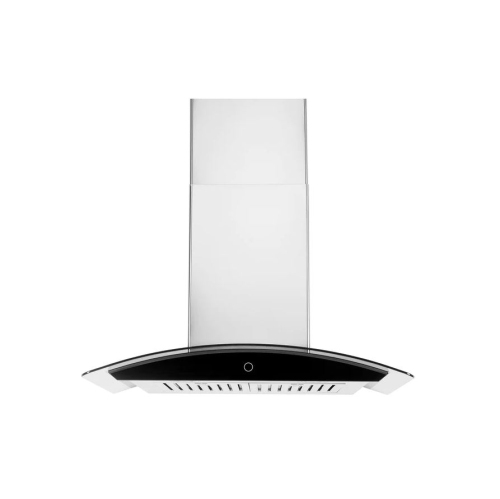
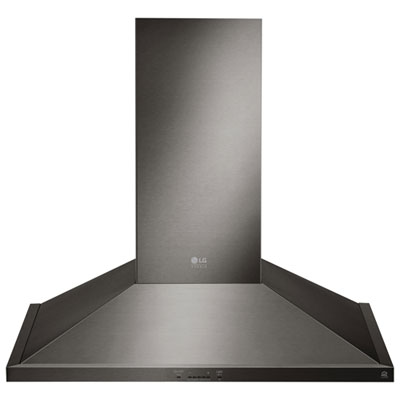
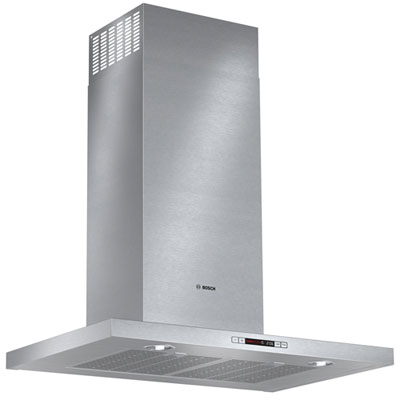
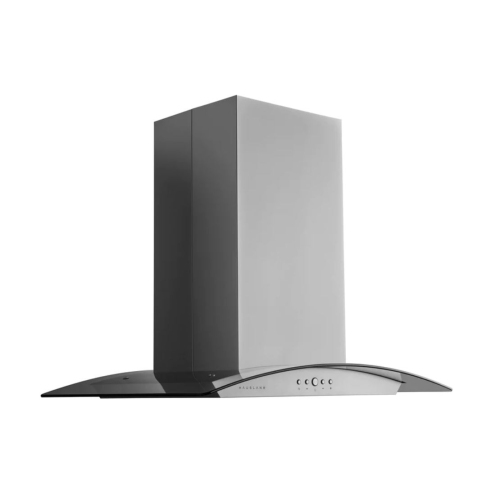
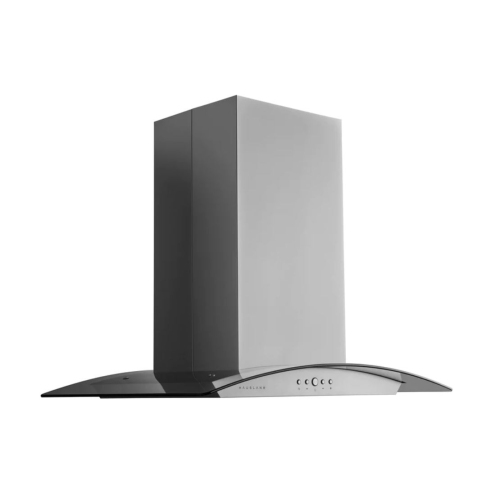
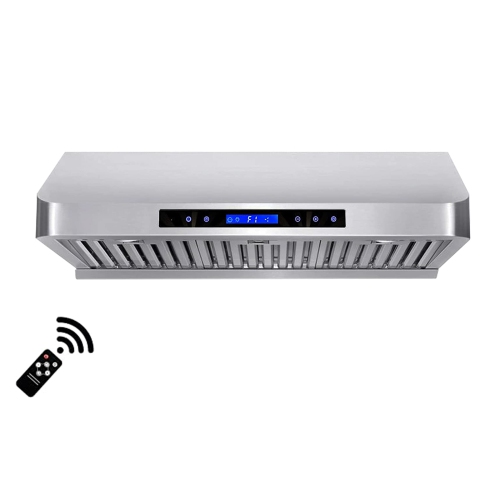
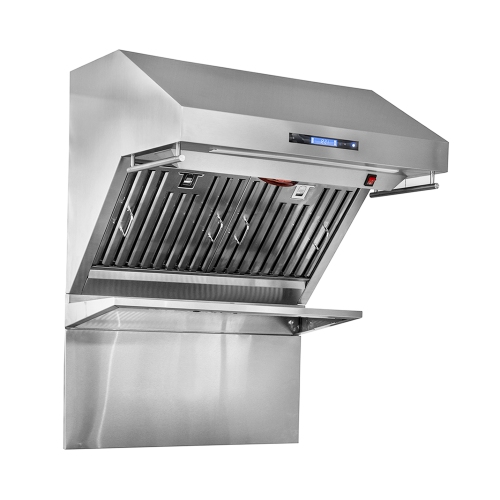
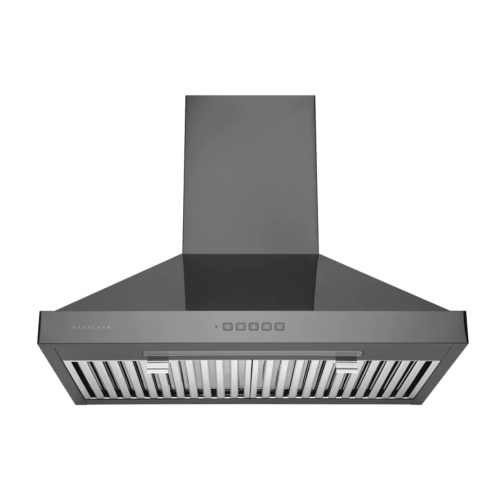
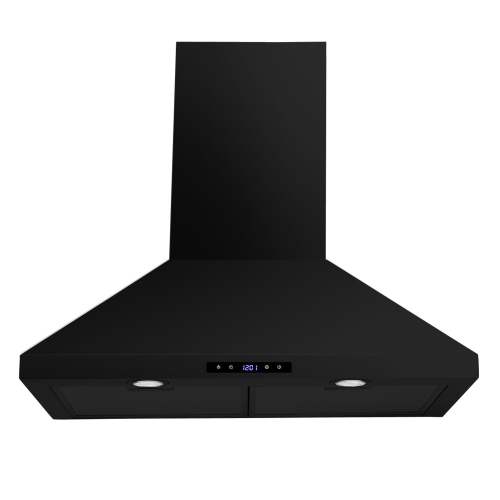
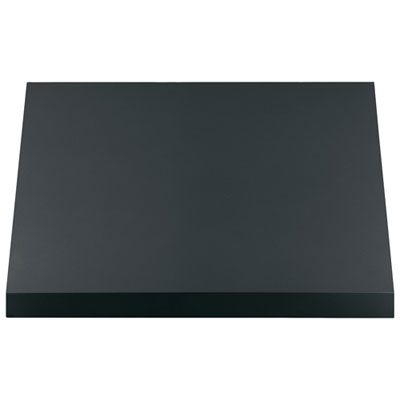
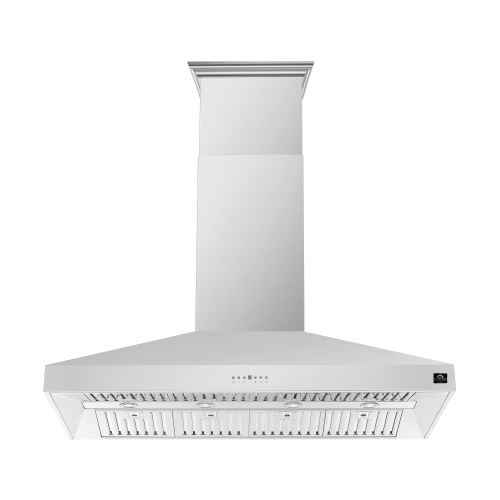
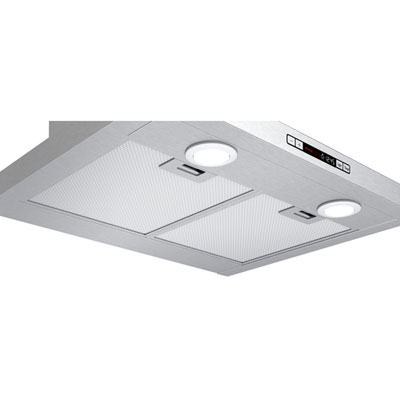
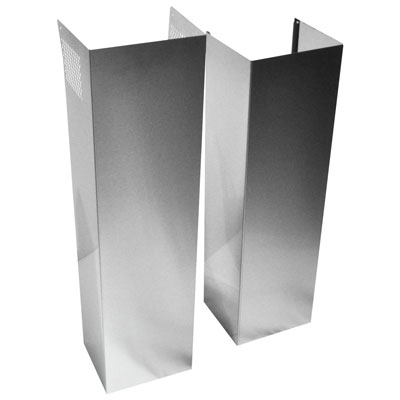
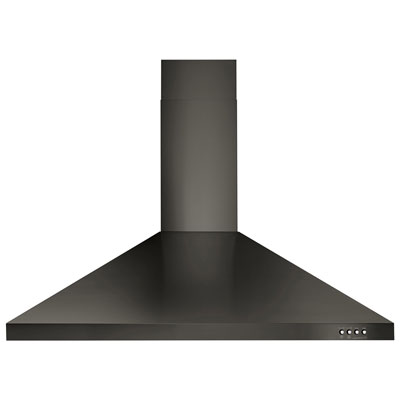
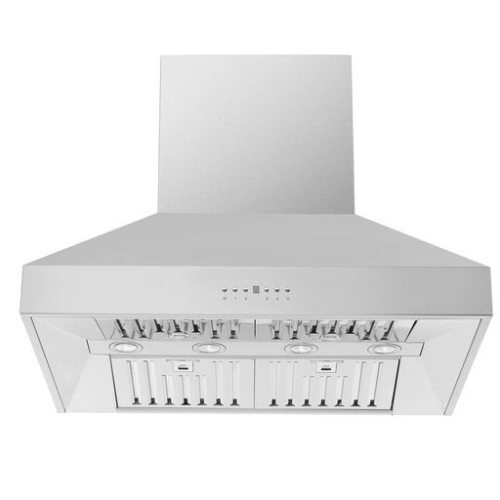
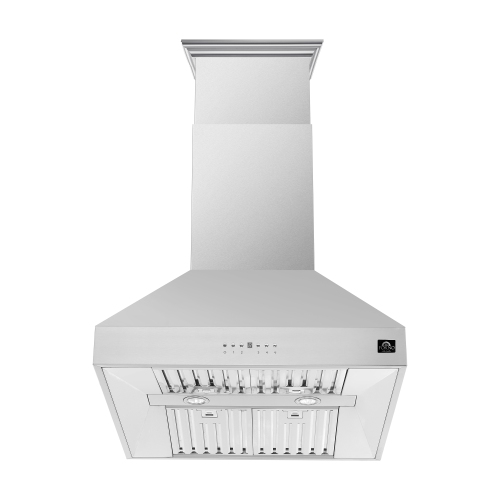
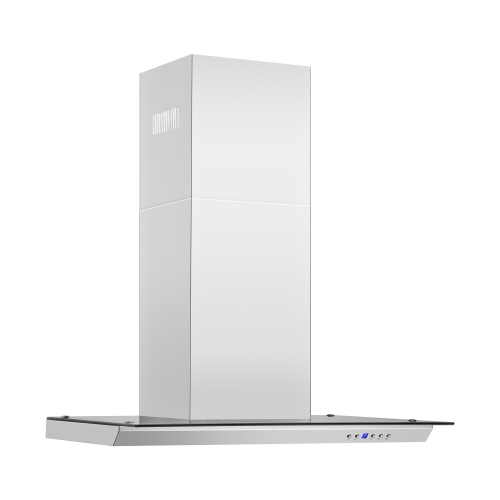
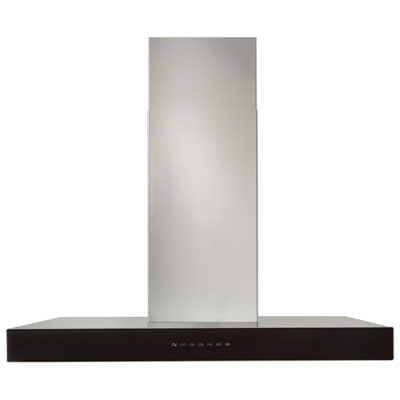
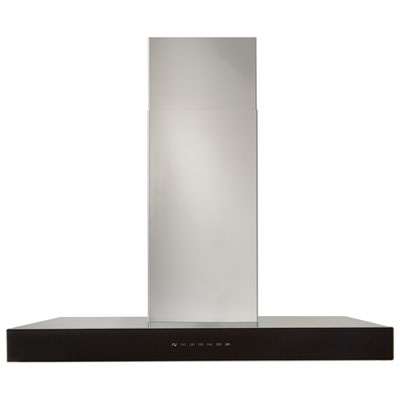
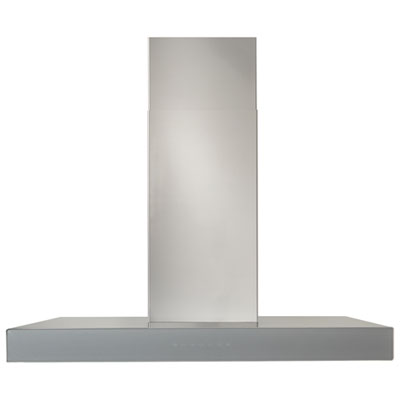

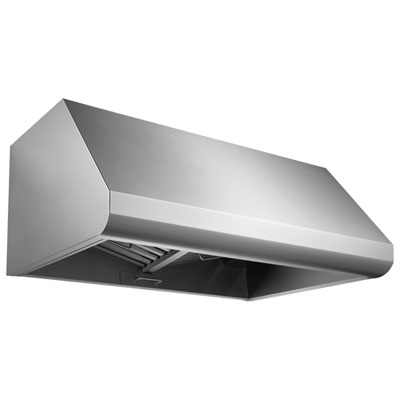
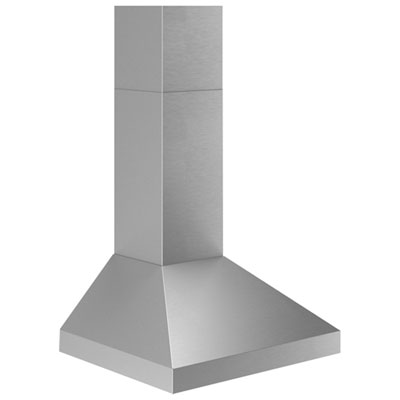
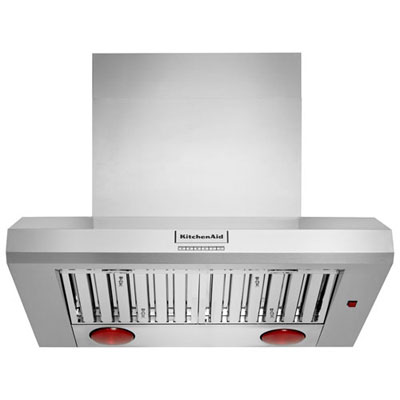
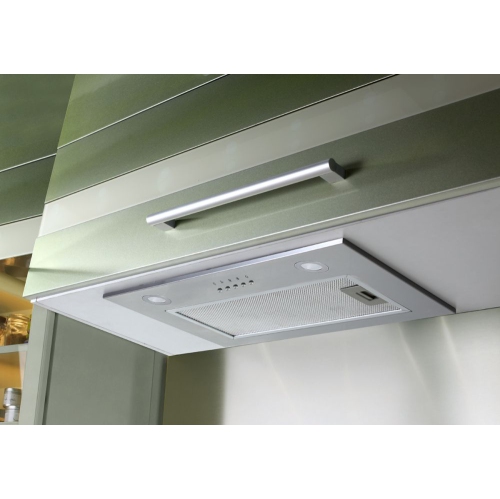
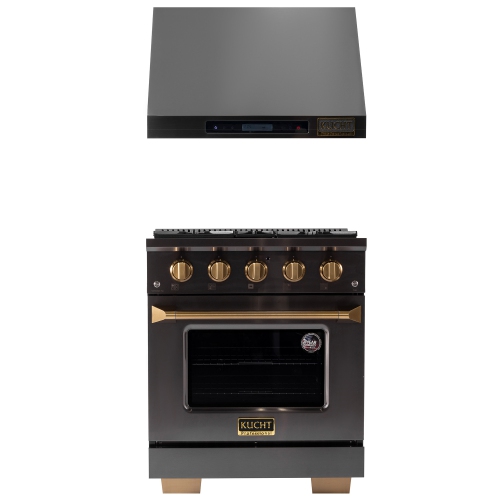
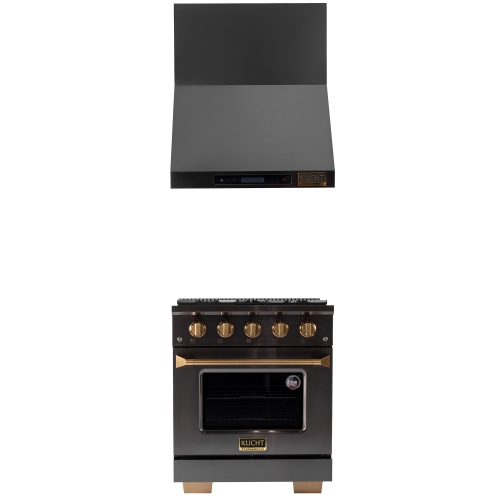
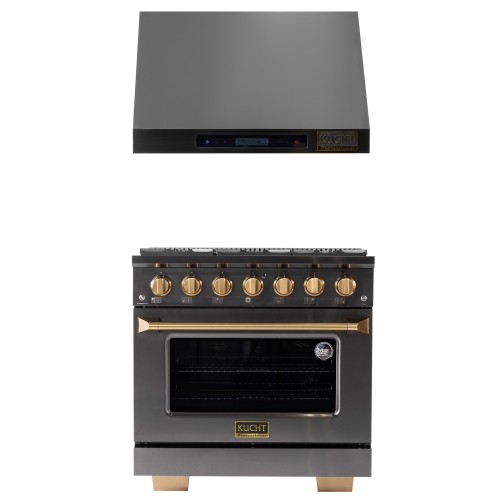
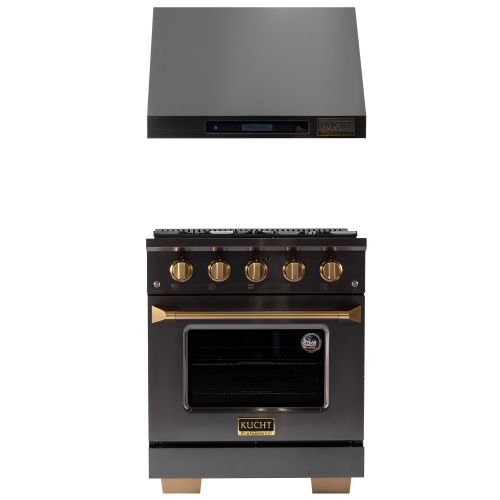
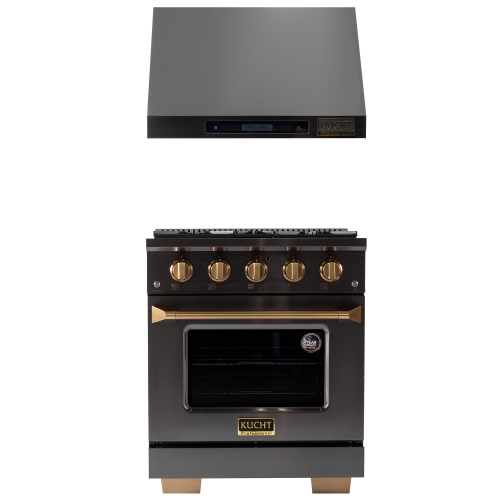
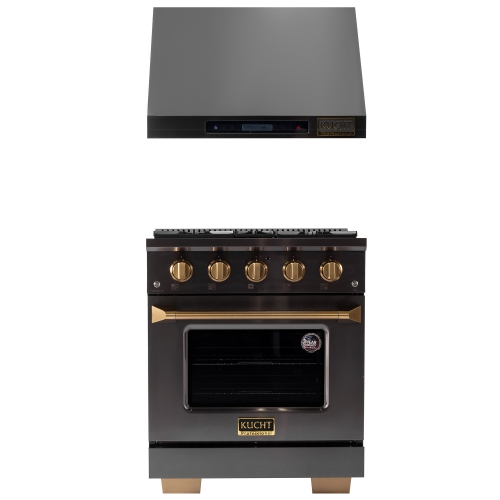
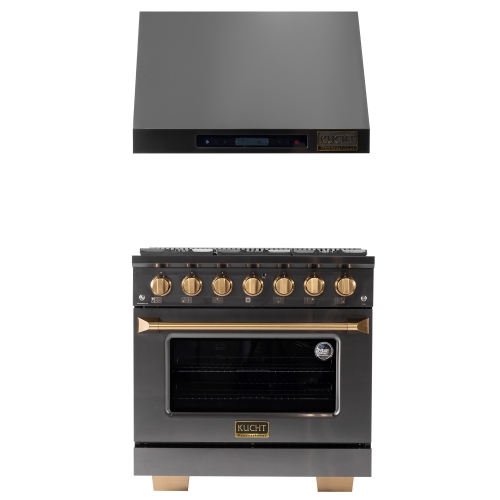
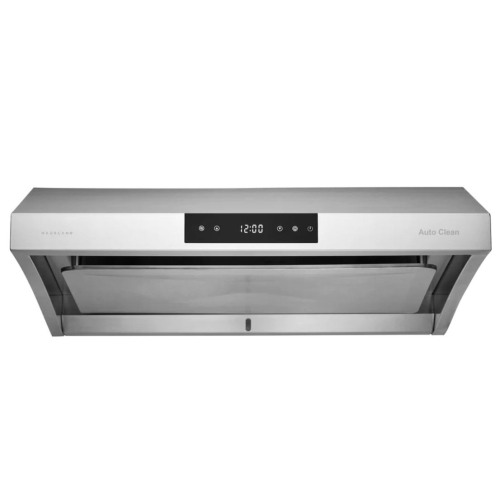


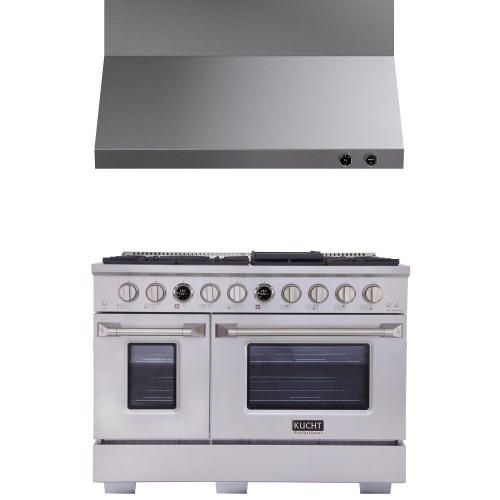
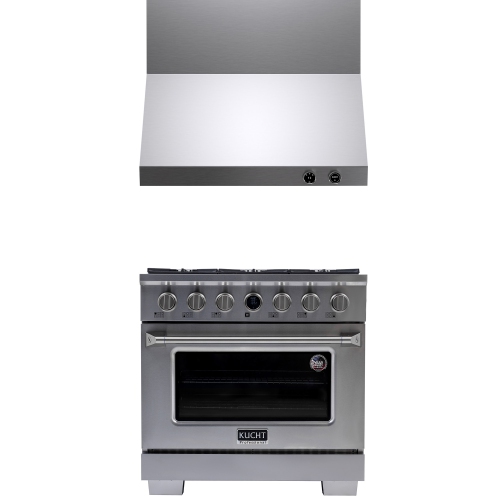

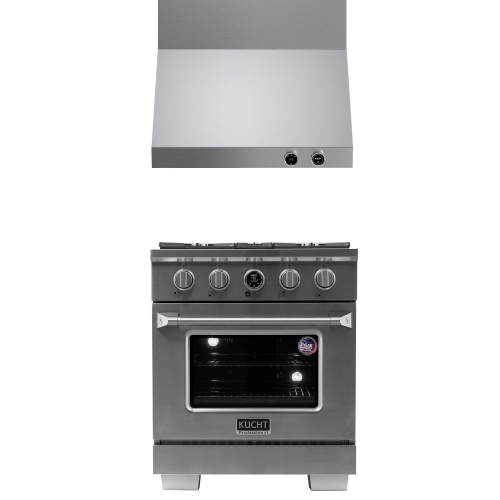
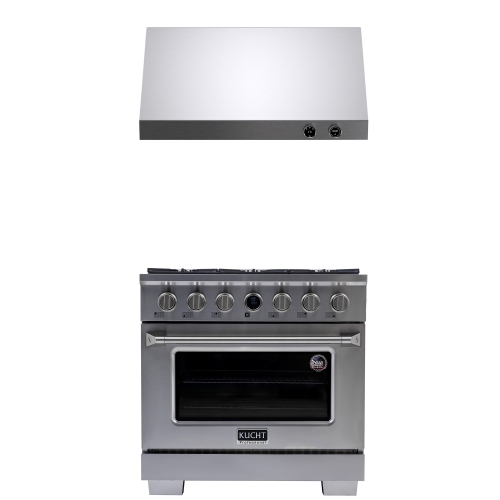
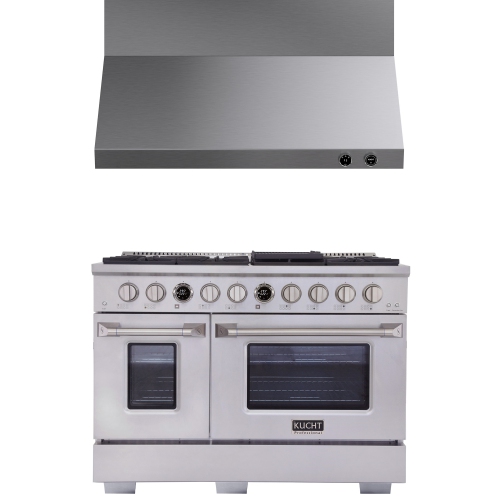
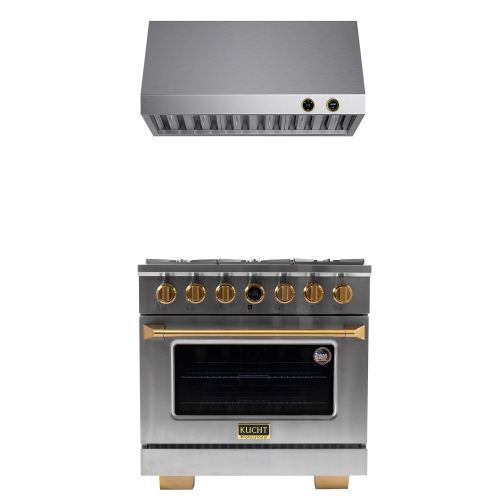
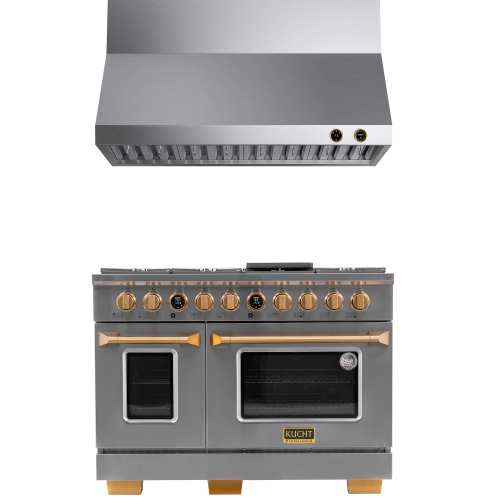
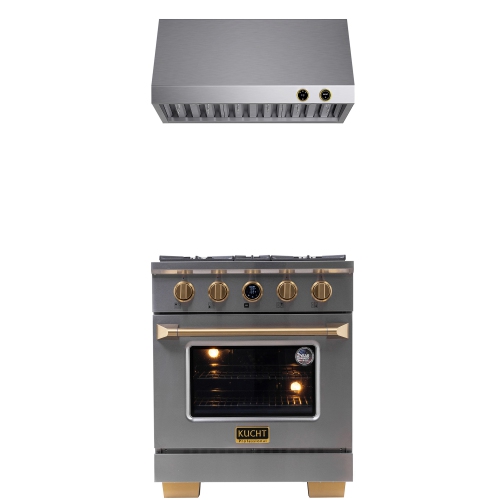
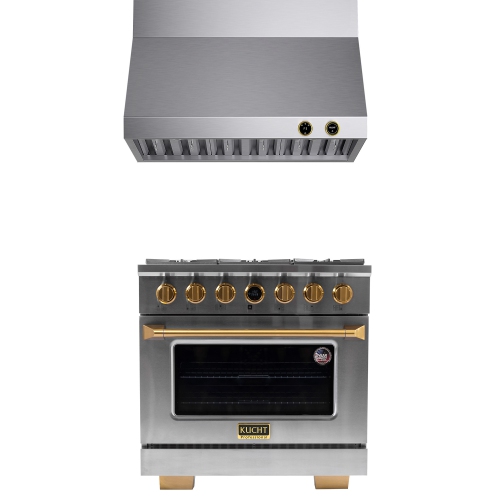
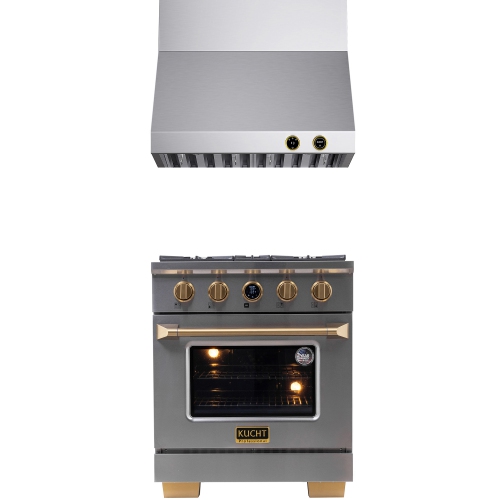
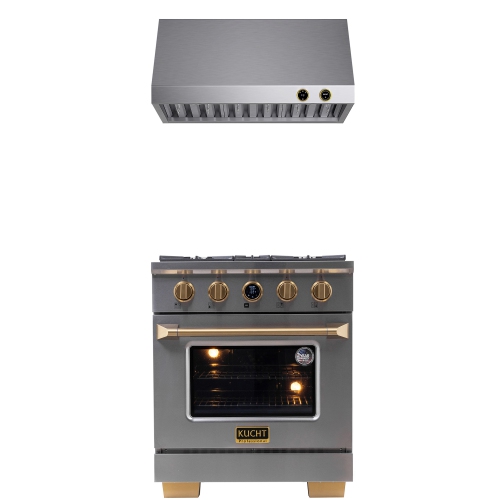
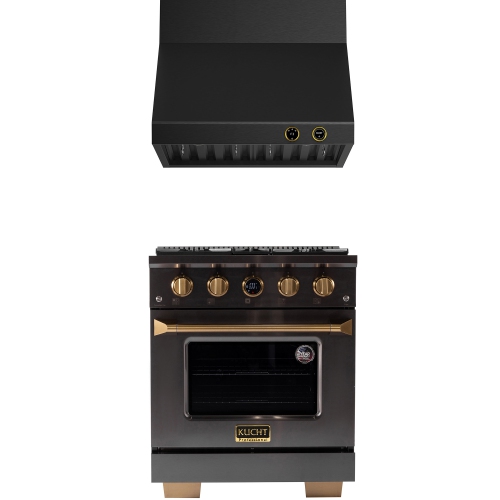
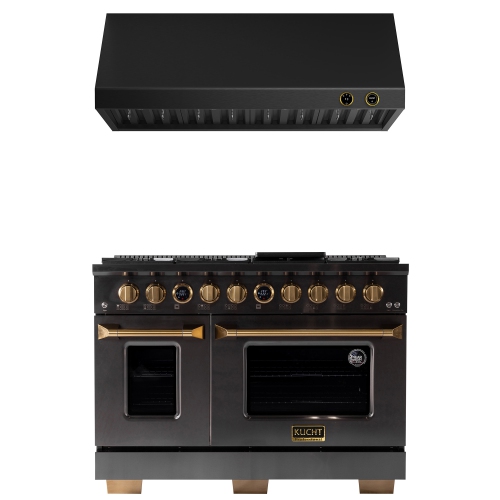
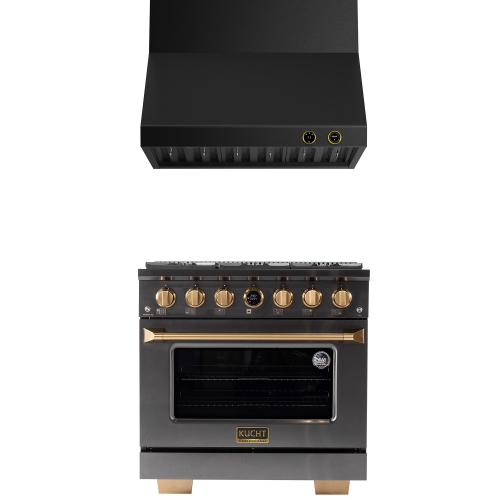
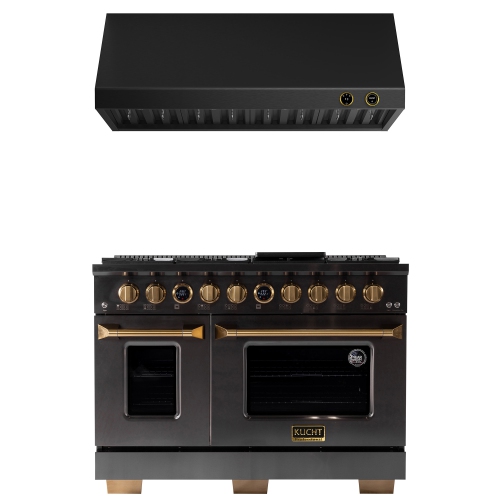
Kitchen ventilation that doubles as a design feature
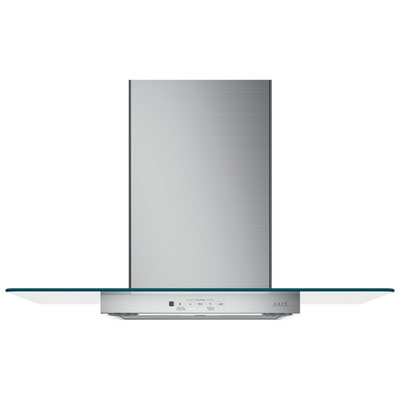
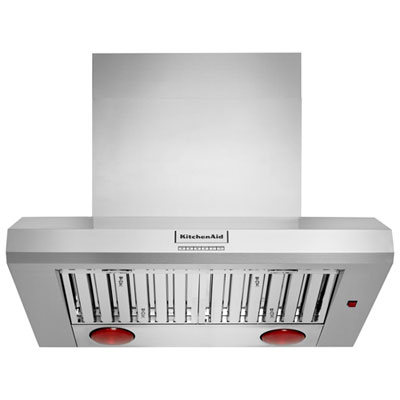
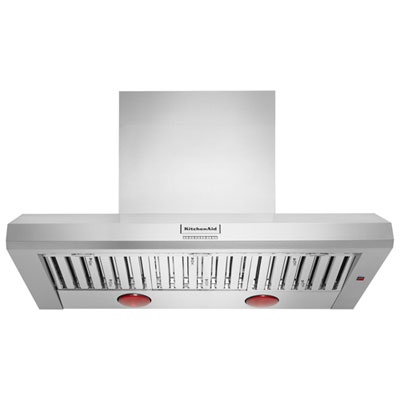
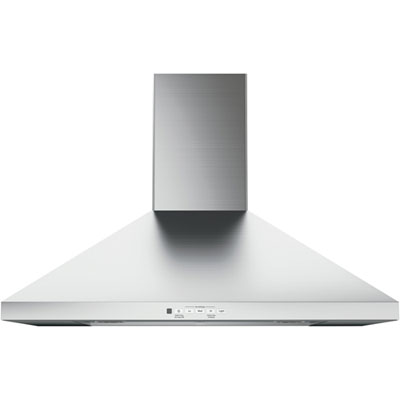
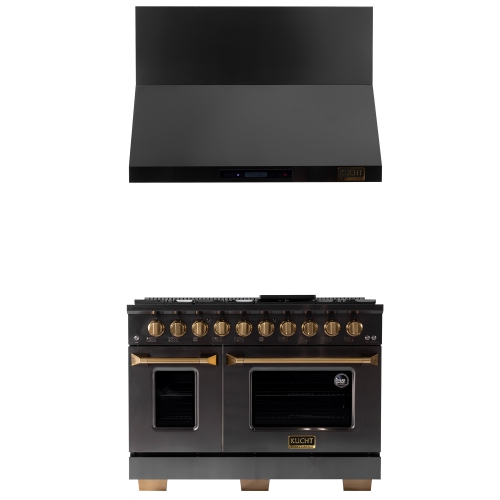
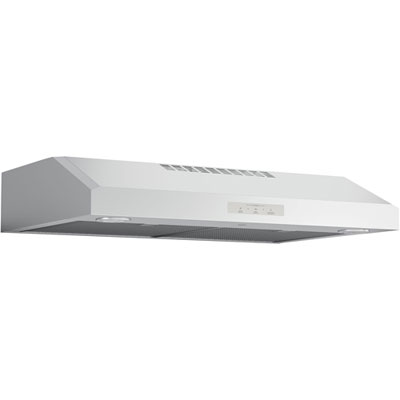
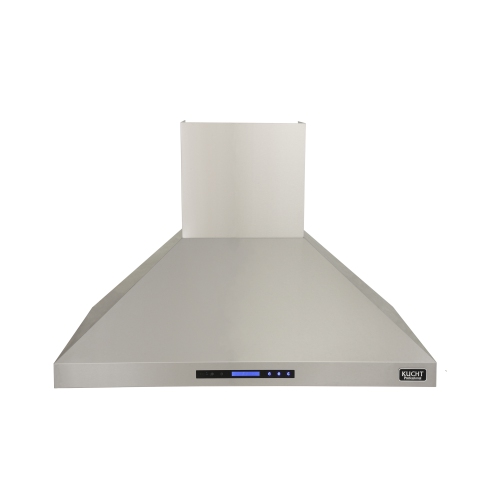
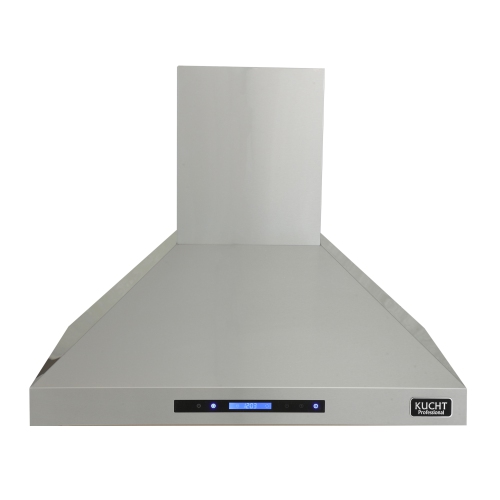
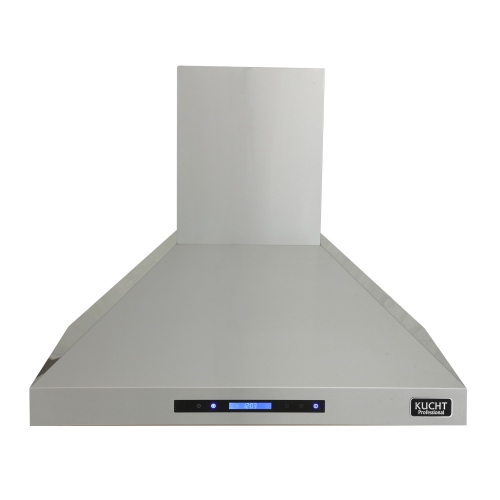
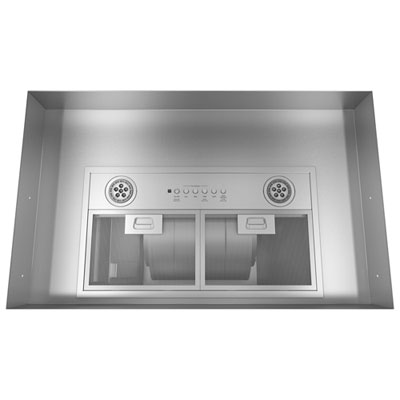
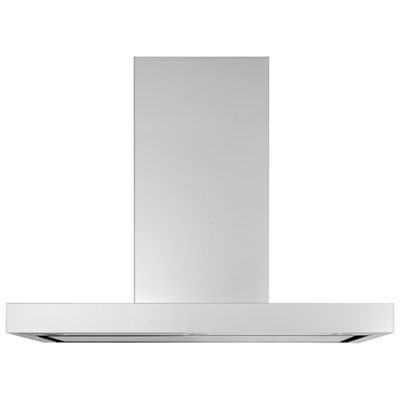
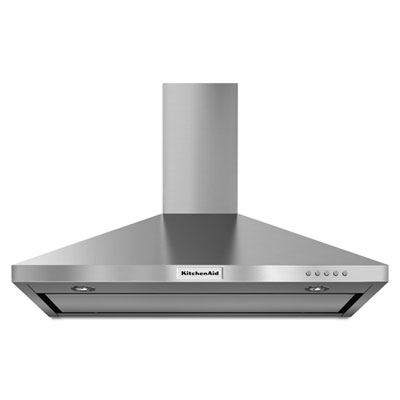
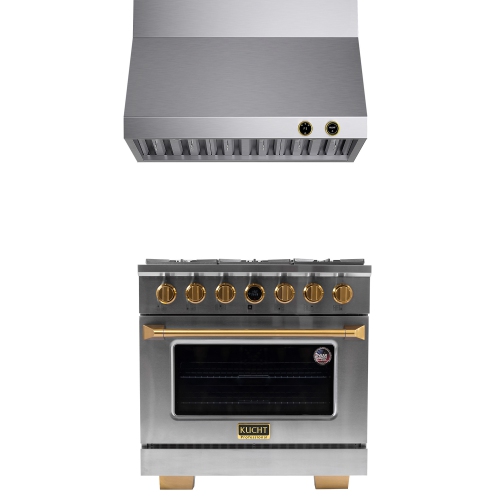
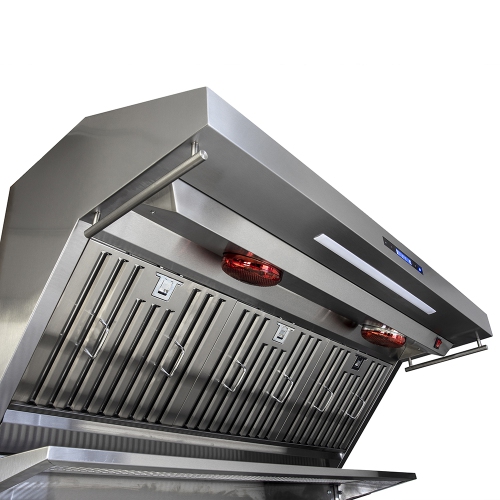
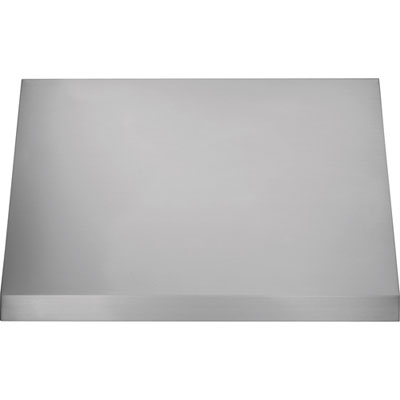
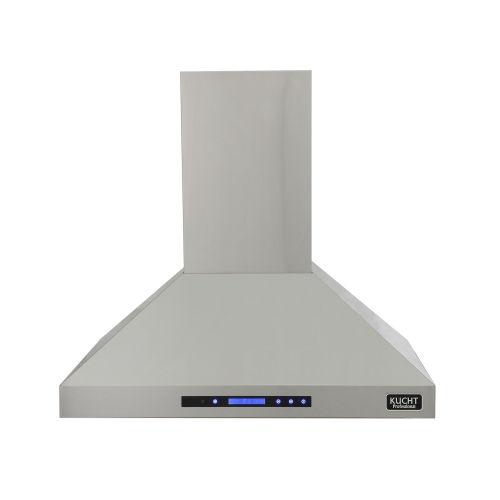
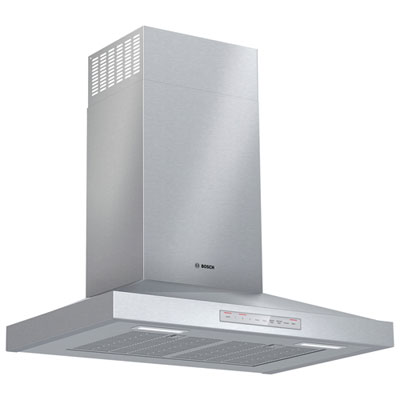
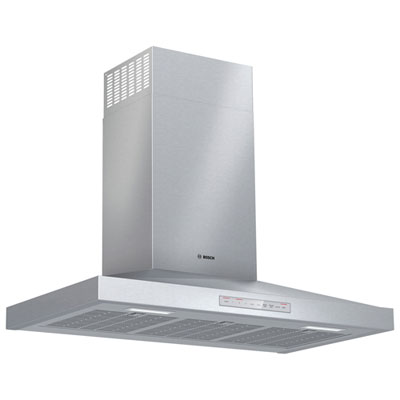
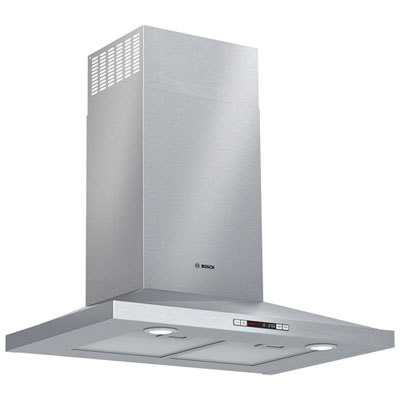
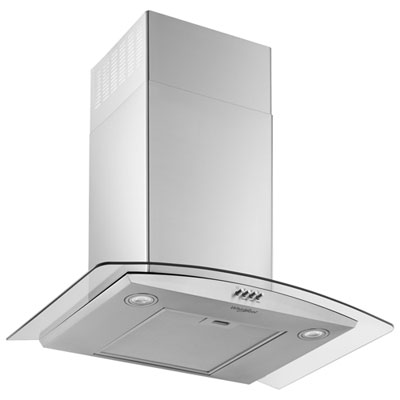
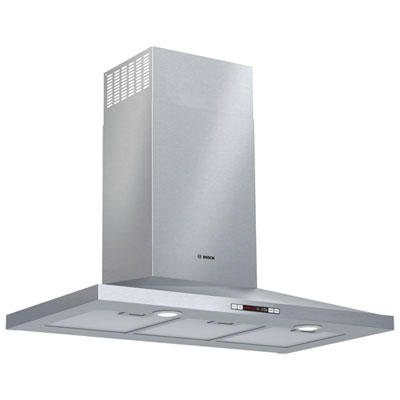
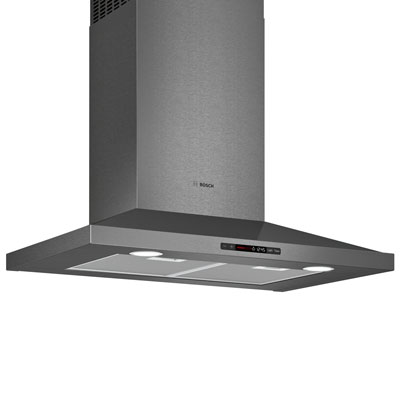
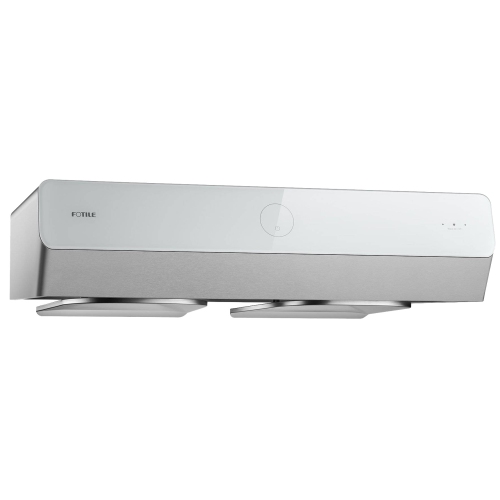
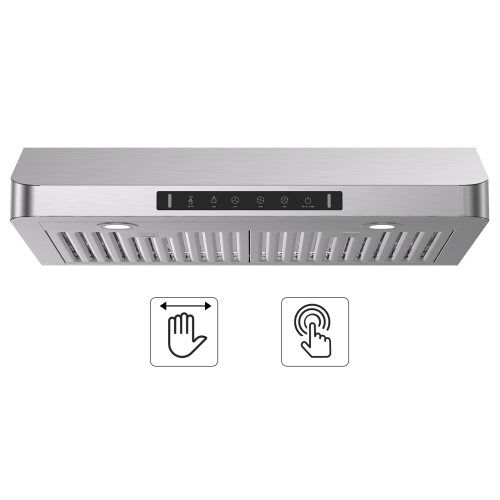
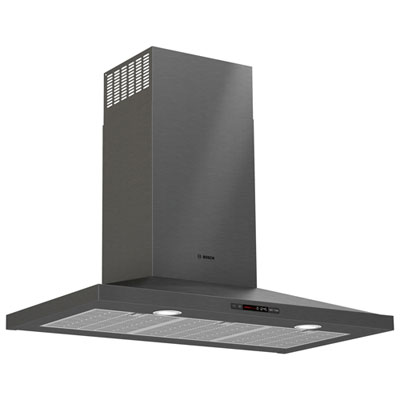
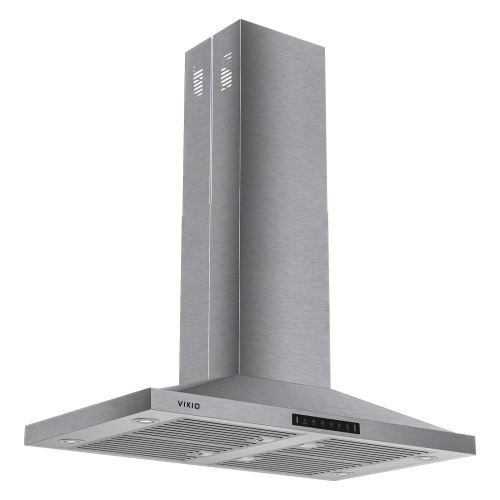
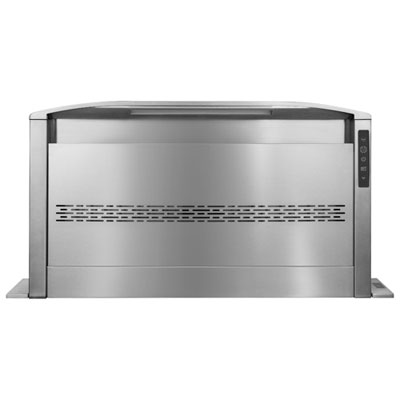
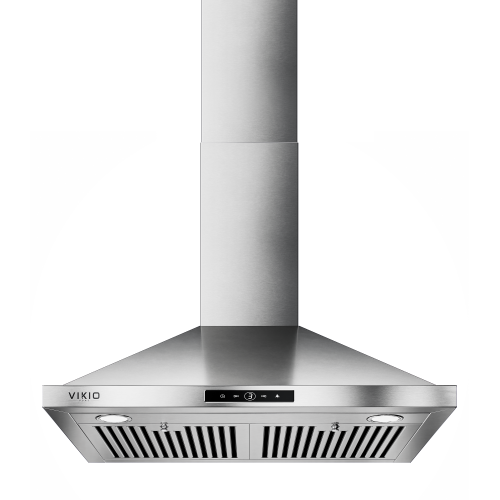
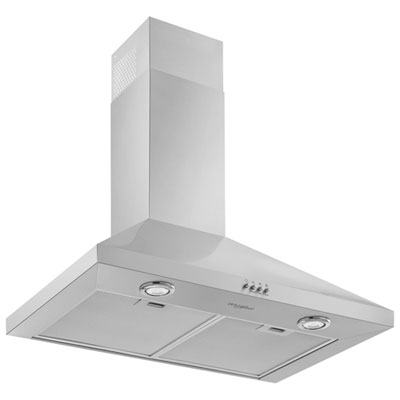
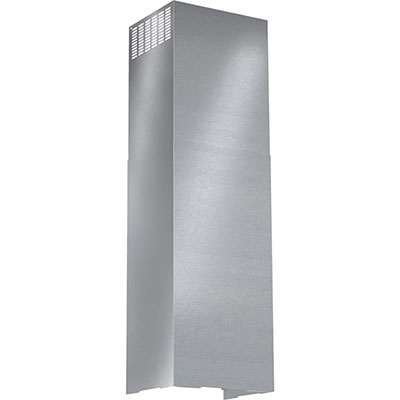
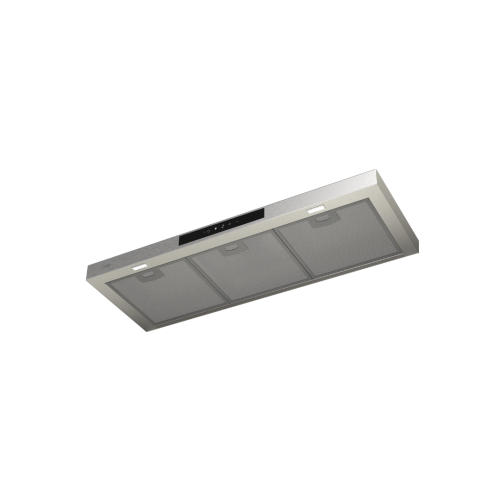
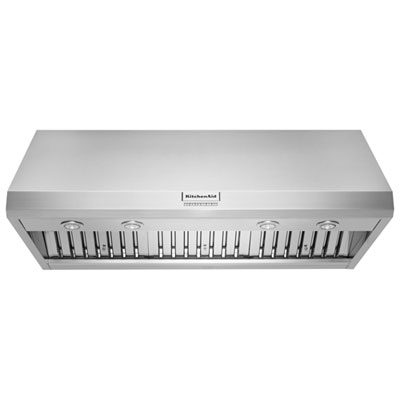
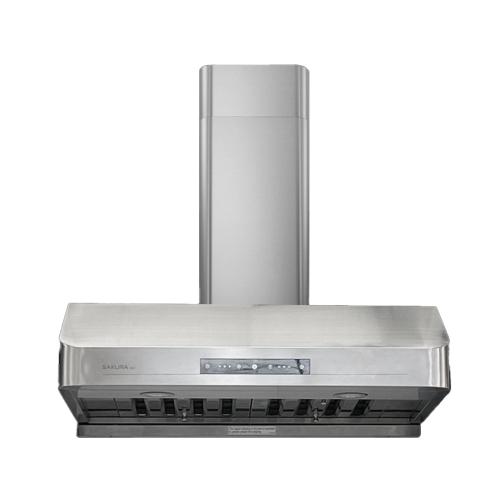
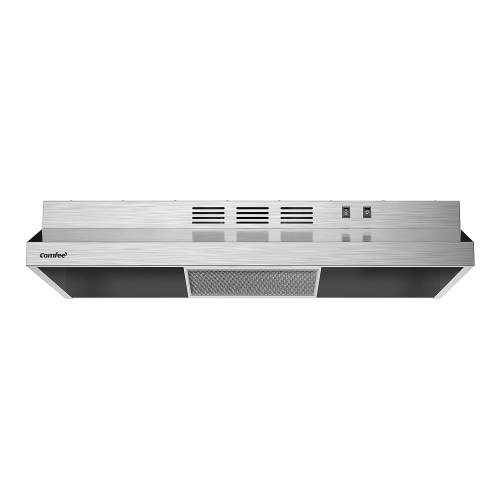
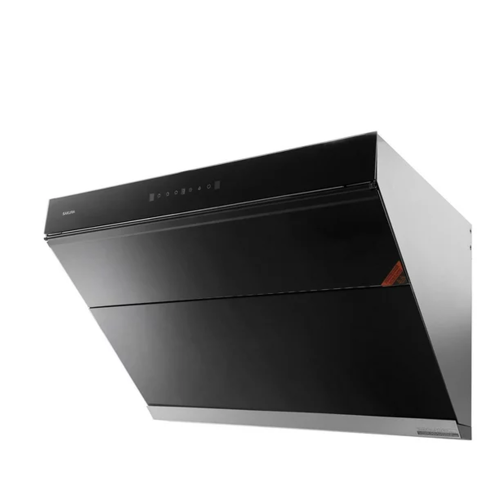
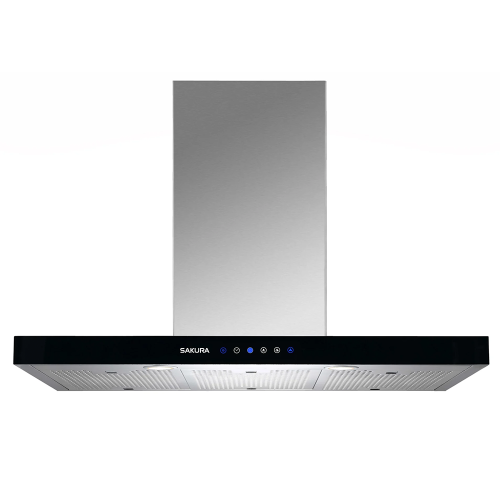
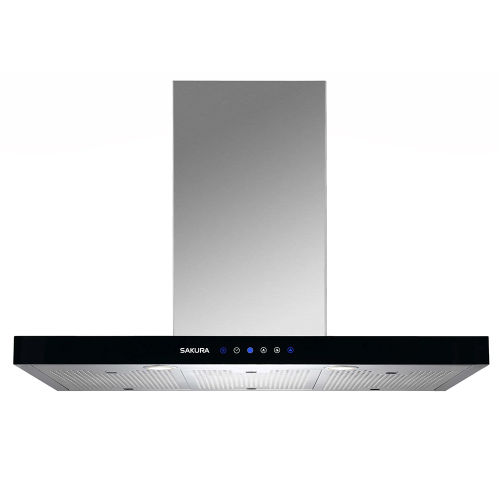
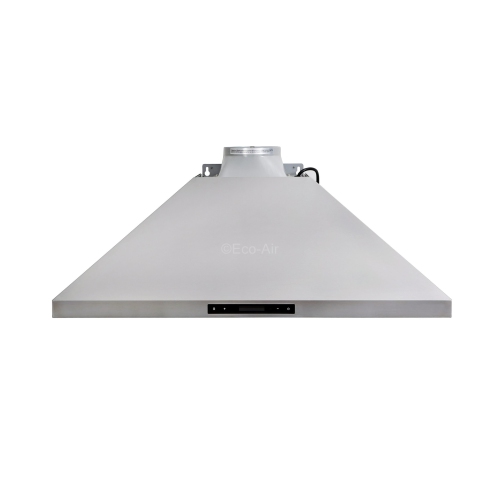
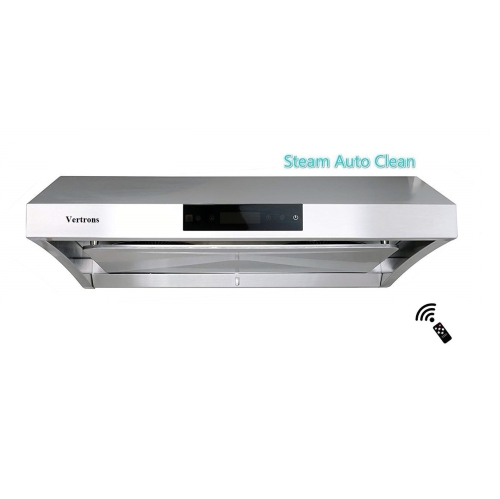
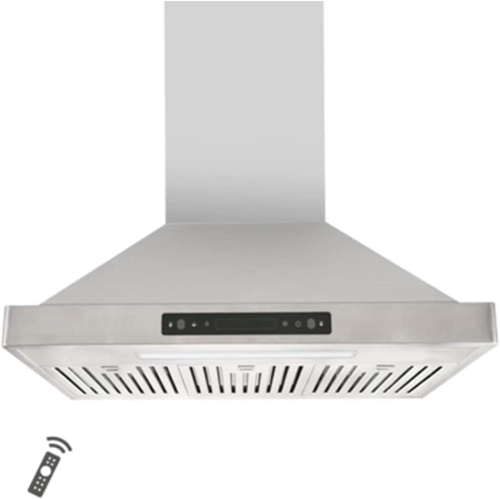
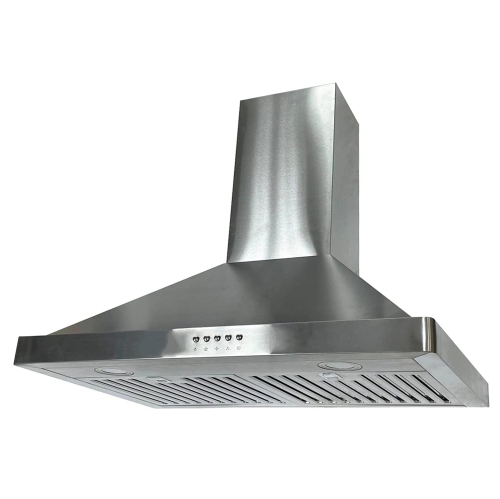
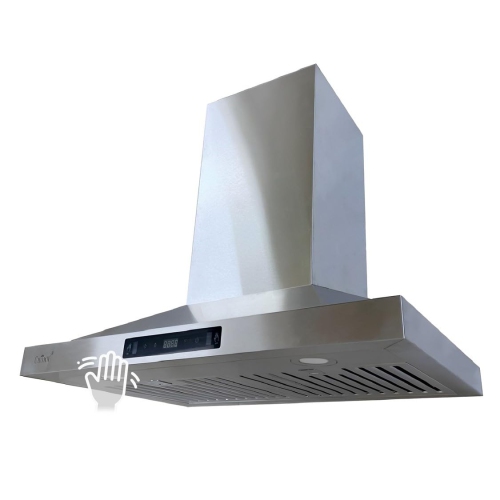
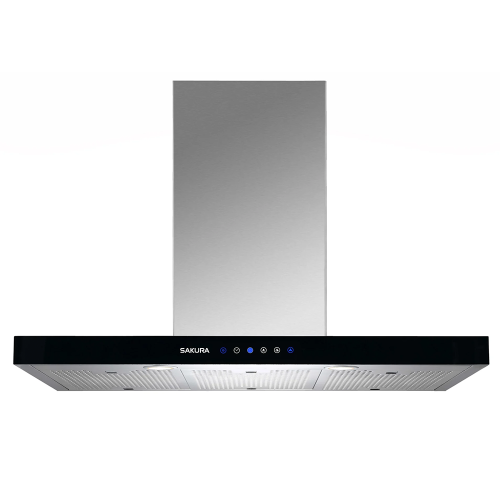
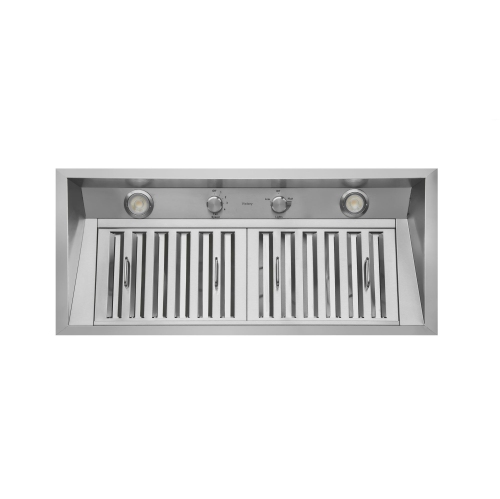
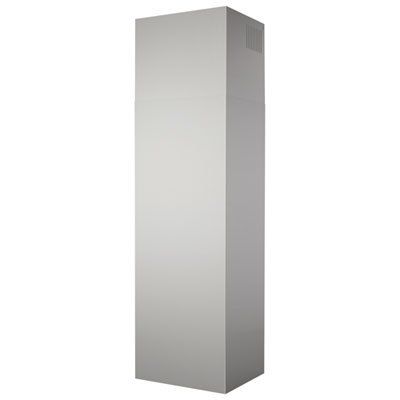
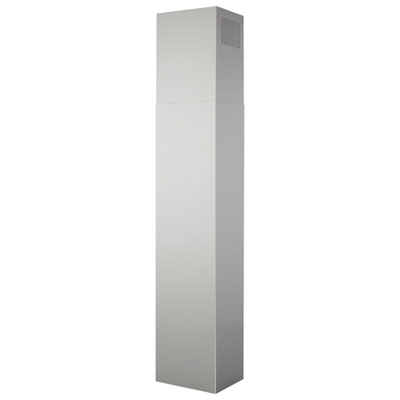
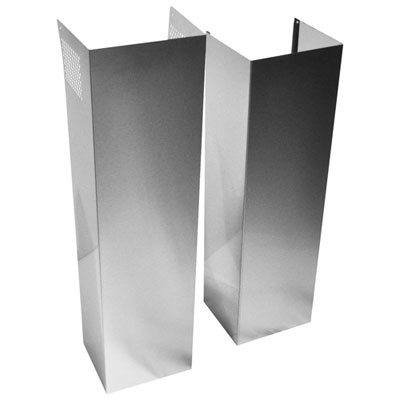
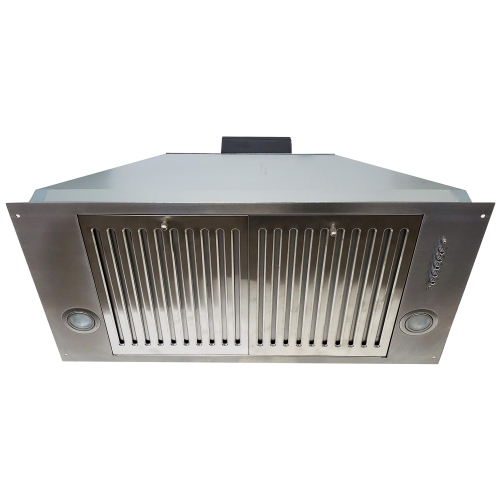
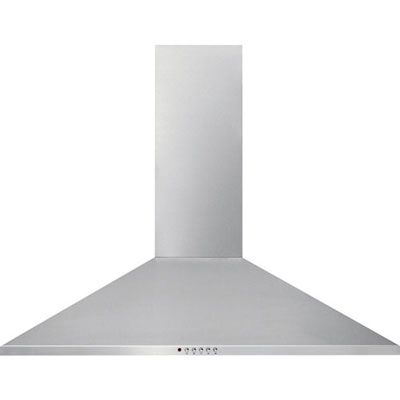
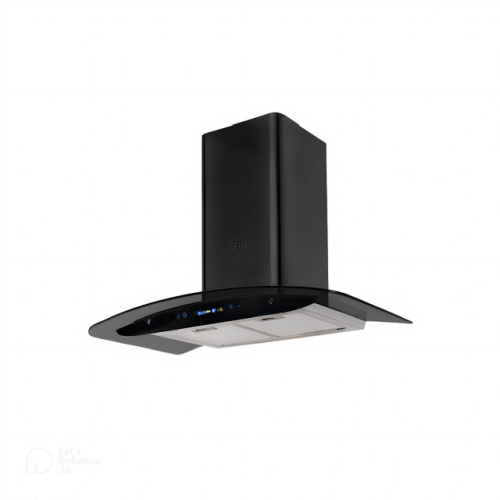
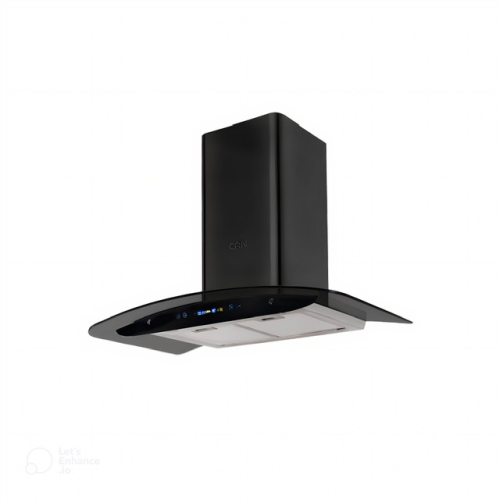
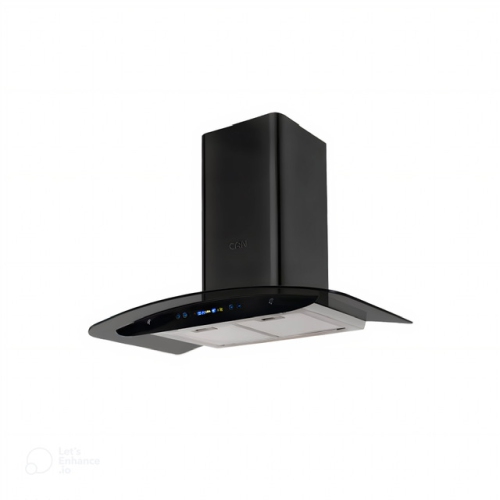
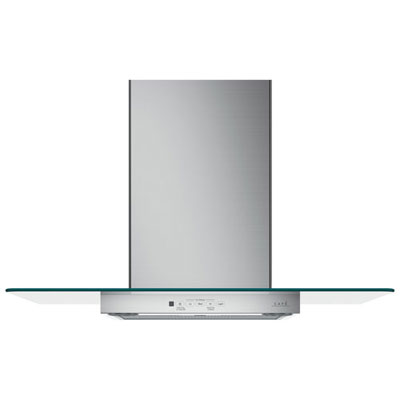
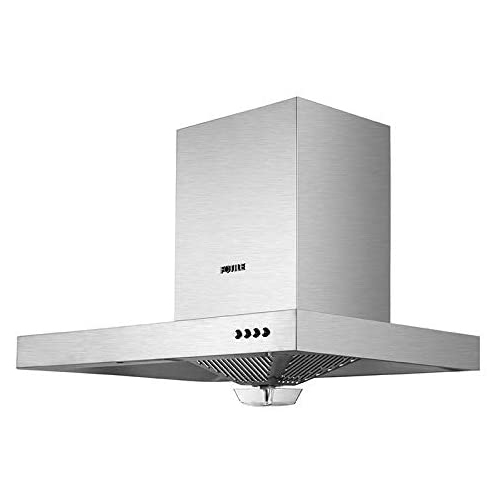
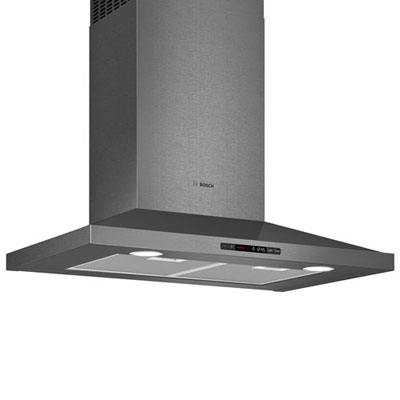
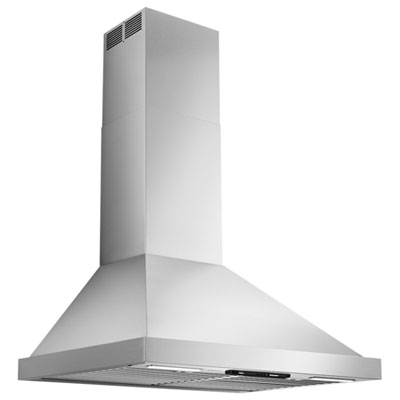
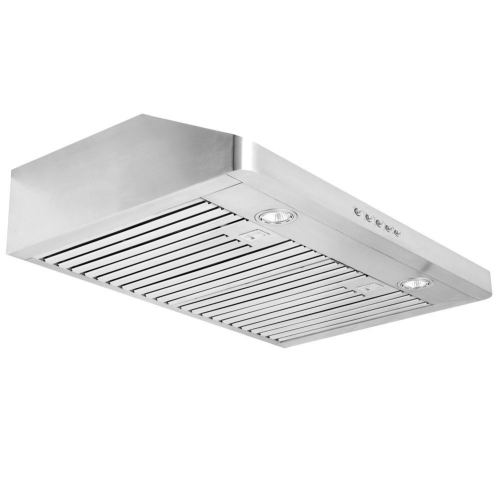
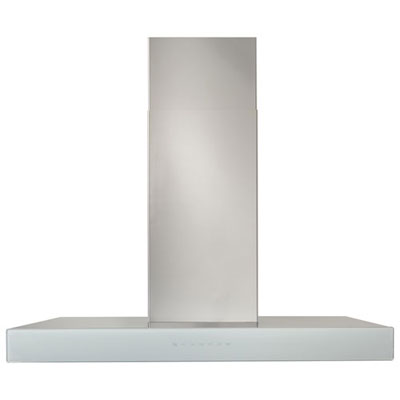
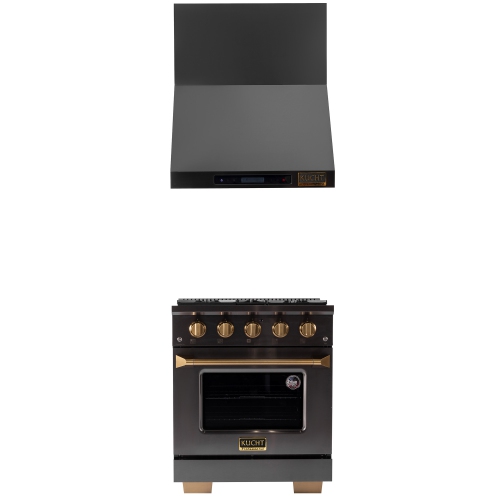
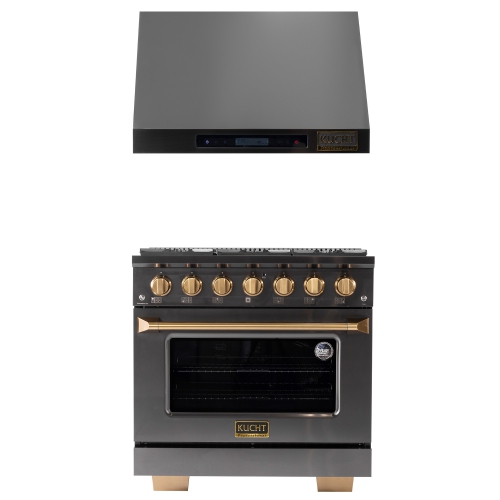
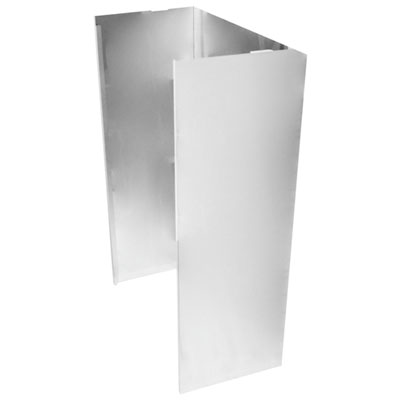
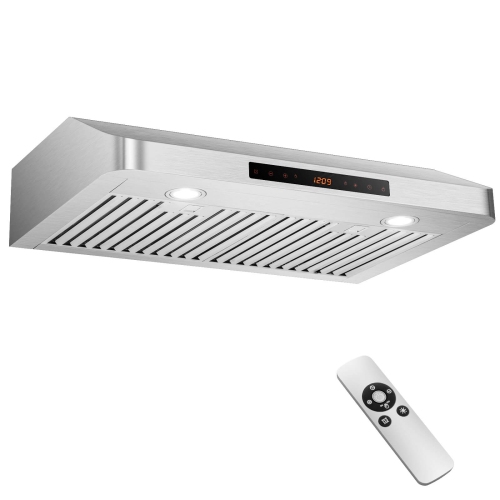
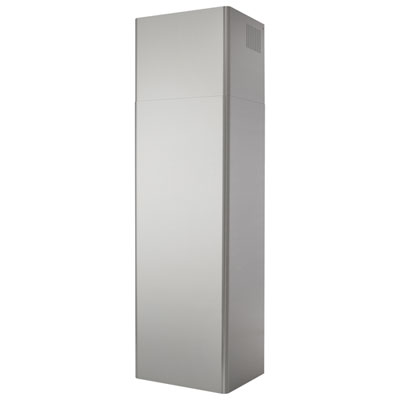
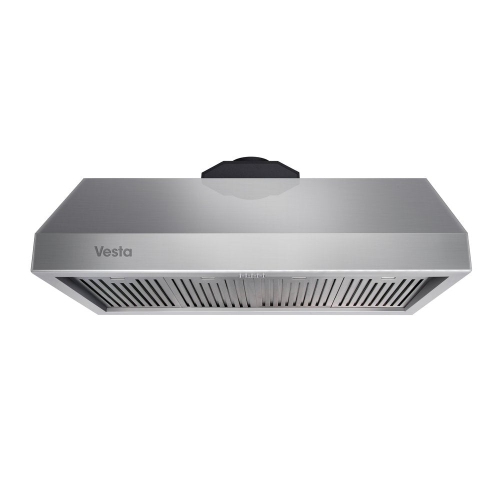
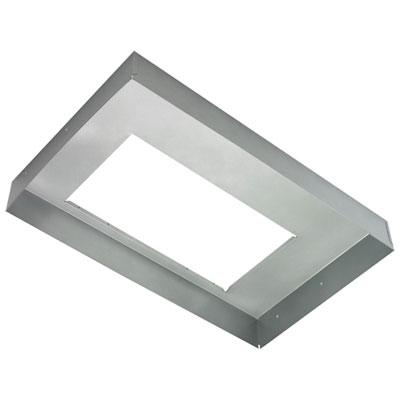
Chimney range hoods are kitchen ventilation appliances with a canopy above the cooking surface and a visible vertical cover that conceals the ductwork. Most are mounted on the wall above a range or cooktop, while island chimney designs hang from the ceiling over a cooking area positioned away from the wall. The fan draws cooking air through grease filters, helping capture airborne grease, smoke, and odours before they spread through the kitchen. That makes a chimney hood useful for everything from frying onions and searing steaks to simmering a pot of pasta sauce. The canopy also provides task lighting, making it easier to see browning food, read markings on a saucepan, and keep an eye on a gentle simmer. Unlike a hood tucked beneath a cabinet, a chimney range hood has an exposed profile that becomes part of the kitchen’s overall appearance. A broad, angled canopy gives the cooking area a defined focal point, while a slim, straight-edged canopy offers a more understated look. Curved glass details can soften the outline, and stainless steel or painted metal finishes can coordinate with nearby appliances, cabinet hardware, and fixtures. Stainless steel is valued for its durability and tolerance of routine kitchen cleaning, though fingerprints and splashes may be more noticeable on some finishes. Glass requires regular wiping to keep cooking residue from showing, and painted surfaces benefit from gentle cleaning that protects the finish. For a kitchen where the ventilation should sit within a custom-built surround rather than remain exposed, Insert Range Hoods offer a different installation style. Chimney designs are particularly suited to layouts with open wall space above the cooking surface, where both the canopy and vertical cover can remain visible. Their appeal is practical as well as visual: they bring extraction, lighting, and accessible controls together directly above the place where cooking happens.
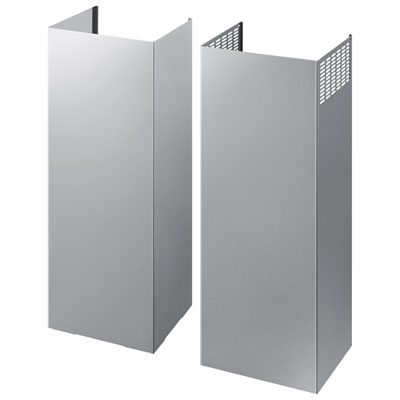
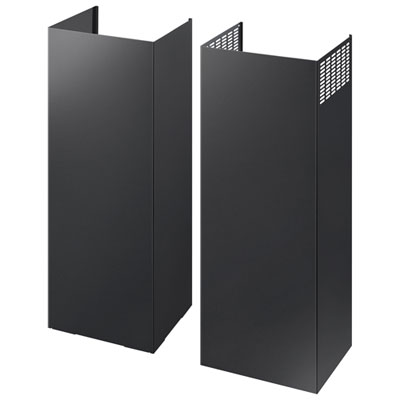
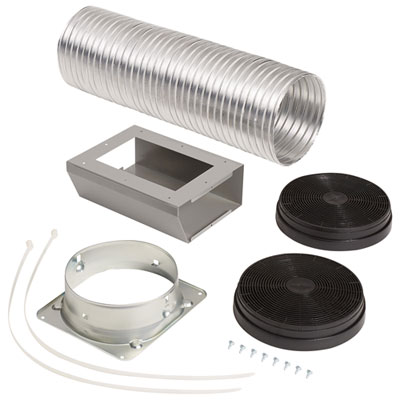
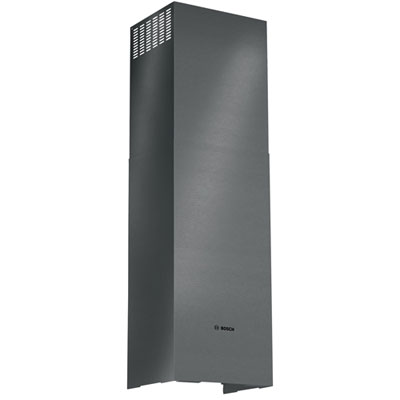
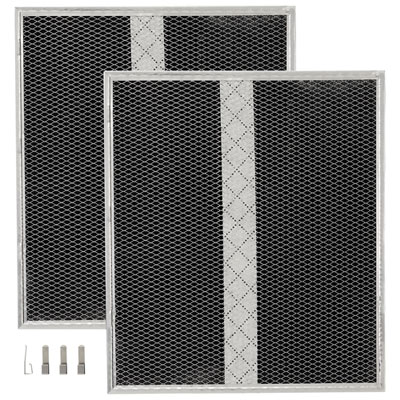
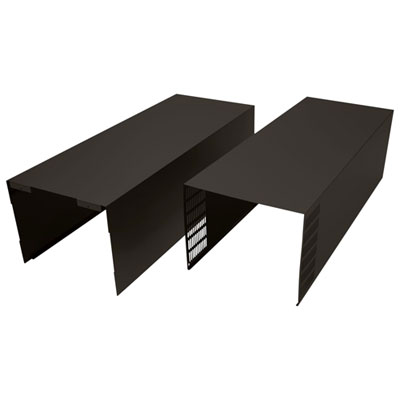
Fit involves more than matching a chimney range hood to the width of the stove. Common sizes include 30-inch and 36-inch widths, but the appropriate dimensions depend on the cooking appliance, the hood’s capture area, and the installation requirements for both. The canopy should generally be at least as wide as the cooking surface, with enough depth and suitable positioning to capture rising cooking fumes effectively. A shallow canopy may leave front burners less well covered, especially when large frying pans are in use. Mounting height matters too: installing a hood too high can reduce capture, while placing it too low can compromise clearance and safe operation. Manufacturer-specified clearances take priority, particularly above gas cooking appliances. Ceiling height determines whether the chimney cover will fit neatly, and some installations require a compatible extension to span the distance above the canopy. Sloped ceilings, wall framing, electrical connections, and the planned duct route also affect installation. Ducted chimney range hoods send filtered cooking air outdoors through an exhaust duct, carrying captured moisture and odours outside rather than returning that air to the room. Ductless, or recirculating, versions pass air through grease filters and additional odour filters before releasing it back into the kitchen. Recirculation can be an option where an outdoor exhaust route is not feasible, provided the hood supports that configuration, but it does not remove moisture or vent combustion gases outdoors. Convertible hoods can support either arrangement when fitted with the required compatible components; conversion kits and charcoal filters are not necessarily included. For ducted installations, the specified duct diameter and a short, direct route with few bends help the fan perform as intended. Exhaust should terminate outdoors, not in an attic or another enclosed space. Professional installation can help address clearances, secure mounting, electrical work, and local ventilation requirements. Higher-capacity exhaust systems may also require make-up air provisions, depending on the home and applicable building rules, so fan capacity should be considered alongside the whole installation rather than in isolation.
Everyday performance depends on how a chimney range hood handles the cooking habits of the household. Airflow is commonly expressed in cubic feet per minute, or CFM, which describes the volume of air the fan moves under specified test conditions. A higher rating is not automatically the best fit for every kitchen: canopy coverage, duct layout, cooking appliance requirements, and noise levels all influence the result. Someone who frequently stir-fries, grills on a stovetop griddle, or cooks with several burners at once may need greater extraction capacity than someone who mainly reheats meals and prepares simple dishes. Multiple fan speeds allow gentler extraction for a small saucepan and stronger airflow when a hot pan produces a burst of smoke. Sound ratings are worth considering alongside airflow, especially in an open-plan home where cooking happens near conversation, television viewing, or homework. Ratings are most useful when compared at similar operating speeds, since maximum-speed noise can differ considerably from everyday operation. Controls should be easy to reach and operate, with clear settings that do not require leaning awkwardly over hot cookware. Lighting placement matters as much as brightness; good coverage helps illuminate both front and rear cooking zones. Some designs include a delayed shut-off function that keeps the fan running briefly after cooking to clear lingering odours. Regular care helps preserve performance and keeps grease from building up inside the canopy. Mesh and baffle filters trap grease and need cleaning at the intervals specified by the manufacturer; dishwasher cleaning is suitable only when the filter instructions allow it. Charcoal odour filters generally require replacement rather than washing unless they are specifically designed to be reusable. Exterior surfaces should be cleaned with suitable non-abrasive products, and stainless steel is usually best wiped along its grain. Accessible filters, straightforward controls, and serviceable lighting make routine upkeep less of a chore. For households updating a cooking space or completing a kitchen renovation, these practical details help a chimney range hood remain useful and easy to live with long after installation.
Fit involves more than matching a chimney range hood to the width of the stove. Common sizes include 30-inch and 36-inch widths, but the appropriate dimensions depend on the cooking appliance, the hood’s capture area, and the installation requirements for both. The canopy should generally be at least as wide as the cooking surface, with enough depth and suitable positioning to capture rising cooking fumes effectively. A shallow canopy may leave front burners less well covered, especially when large frying pans are in use. Mounting height matters too: installing a hood too high can reduce capture, while placing it too low can compromise clearance and safe operation. Manufacturer-specified clearances take priority, particularly above gas cooking appliances. Ceiling height determines whether the chimney cover will fit neatly, and some installations require a compatible extension to span the distance above the canopy. Sloped ceilings, wall framing, electrical connections, and the planned duct route also affect installation. Ducted chimney range hoods send filtered cooking air outdoors through an exhaust duct, carrying captured moisture and odours outside rather than returning that air to the room. Ductless, or recirculating, versions pass air through grease filters and additional odour filters before releasing it back into the kitchen. Recirculation can be an option where an outdoor exhaust route is not feasible, provided the hood supports that configuration, but it does not remove moisture or vent combustion gases outdoors. Convertible hoods can support either arrangement when fitted with the required compatible components; conversion kits and charcoal filters are not necessarily included. For ducted installations, the specified duct diameter and a short, direct route with few bends help the fan perform as intended. Exhaust should terminate outdoors, not in an attic or another enclosed space. Professional installation can help address clearances, secure mounting, electrical work, and local ventilation requirements. Higher-capacity exhaust systems may also require make-up air provisions, depending on the home and applicable building rules, so fan capacity should be considered alongside the whole installation rather than in isolation.
Everyday performance depends on how a chimney range hood handles the cooking habits of the household. Airflow is commonly expressed in cubic feet per minute, or CFM, which describes the volume of air the fan moves under specified test conditions. A higher rating is not automatically the best fit for every kitchen: canopy coverage, duct layout, cooking appliance requirements, and noise levels all influence the result. Someone who frequently stir-fries, grills on a stovetop griddle, or cooks with several burners at once may need greater extraction capacity than someone who mainly reheats meals and prepares simple dishes. Multiple fan speeds allow gentler extraction for a small saucepan and stronger airflow when a hot pan produces a burst of smoke. Sound ratings are worth considering alongside airflow, especially in an open-plan home where cooking happens near conversation, television viewing, or homework. Ratings are most useful when compared at similar operating speeds, since maximum-speed noise can differ considerably from everyday operation. Controls should be easy to reach and operate, with clear settings that do not require leaning awkwardly over hot cookware. Lighting placement matters as much as brightness; good coverage helps illuminate both front and rear cooking zones. Some designs include a delayed shut-off function that keeps the fan running briefly after cooking to clear lingering odours. Regular care helps preserve performance and keeps grease from building up inside the canopy. Mesh and baffle filters trap grease and need cleaning at the intervals specified by the manufacturer; dishwasher cleaning is suitable only when the filter instructions allow it. Charcoal odour filters generally require replacement rather than washing unless they are specifically designed to be reusable. Exterior surfaces should be cleaned with suitable non-abrasive products, and stainless steel is usually best wiped along its grain. Accessible filters, straightforward controls, and serviceable lighting make routine upkeep less of a chore. For households updating a cooking space or completing a kitchen renovation, these practical details help a chimney range hood remain useful and easy to live with long after installation.
Top selling and popular products
-
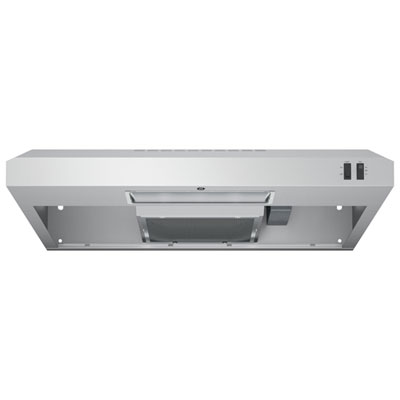 Your price for this item is $249.99
 -
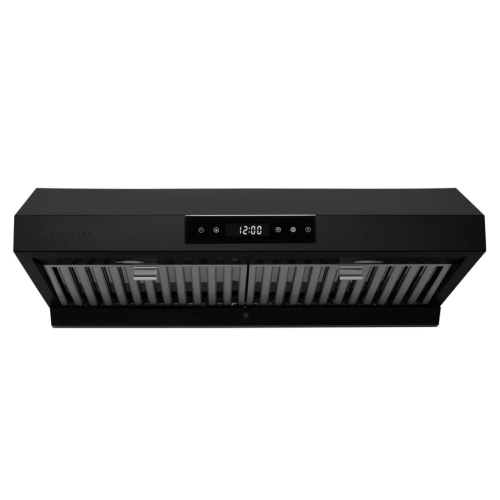 Your price for this item is $598.49
 -
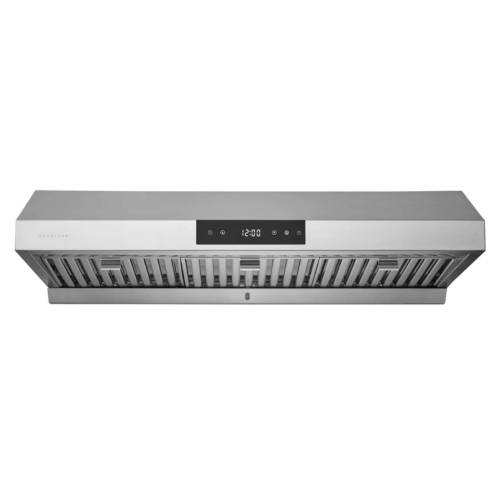 Your price for this item is $645.99
 -
 Your price for this item is $645.99
 -
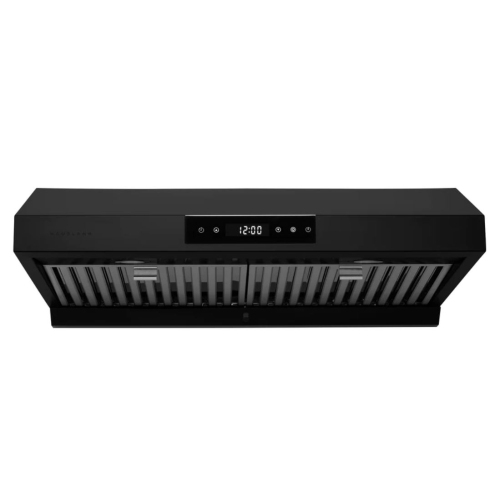 Your price for this item is $645.99
 -
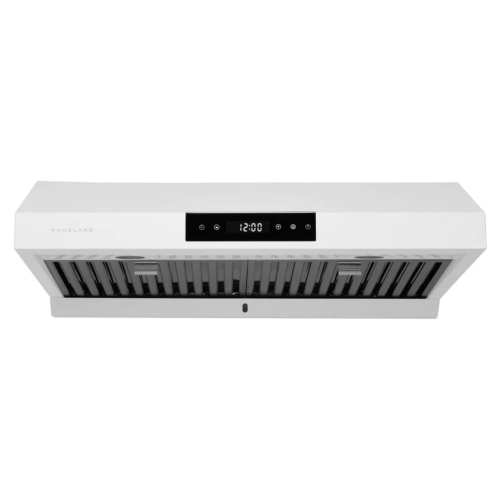 Your price for this item is $598.49
 -
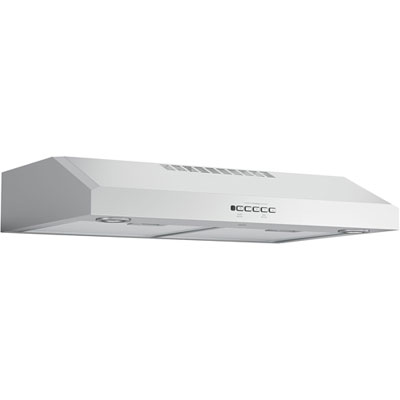 Your price for this item is $449.99
 -
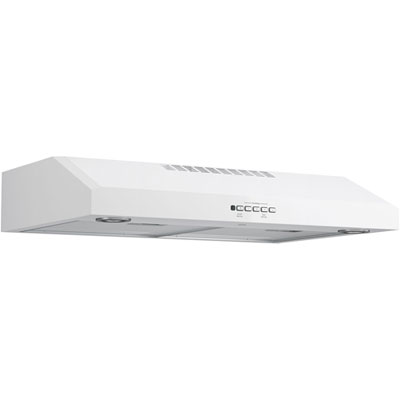 Your price for this item is $399.99
Discover more categories related to Chimney Range Hoods
Top Collections:
Pokemon Centers, Kindle Devices, Best Budget Office Chairs, Apple iPhones 16, Best Laptops for Writers, iPhone 15 Apple, Canon G7X Cameras, Refurbished Apple Laptops, Alarm Clock, Motorola Razr Phones
Some products may be subject to Environmental Handling Fees
(EHF) depending on your province.
Learn more about EHFs.