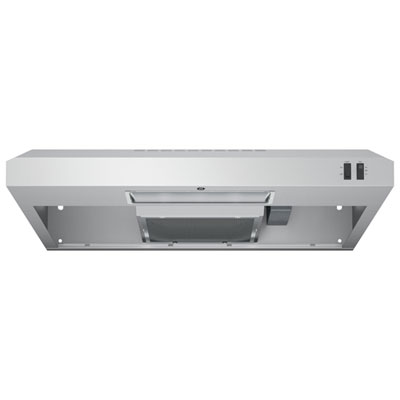
30 inch Chimney Range Hoods

Find 30 inch chimney range hoods to help vent smoke, steam, and cooking odours above your cooktop. Compare ventilation capacity, noise levels, and controls, and check each model’s dimensions, mounting requirements, and ducting options to find a fit for your kitchen.
Read More

Sort

Why canopy shape matters as much as airflow

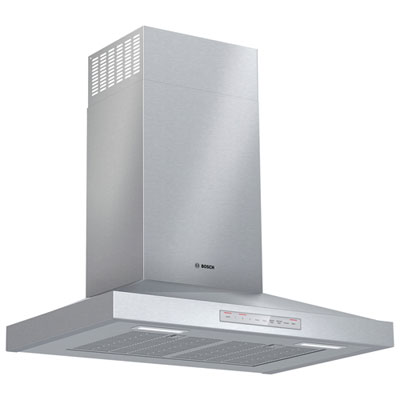
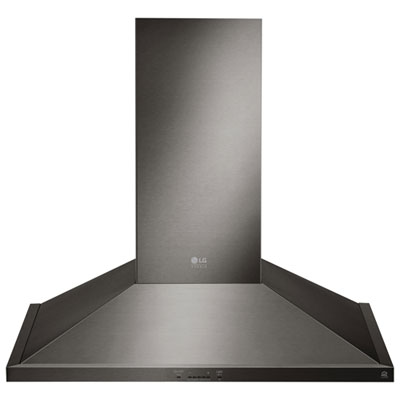
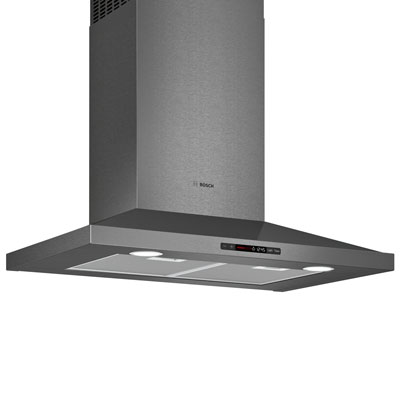
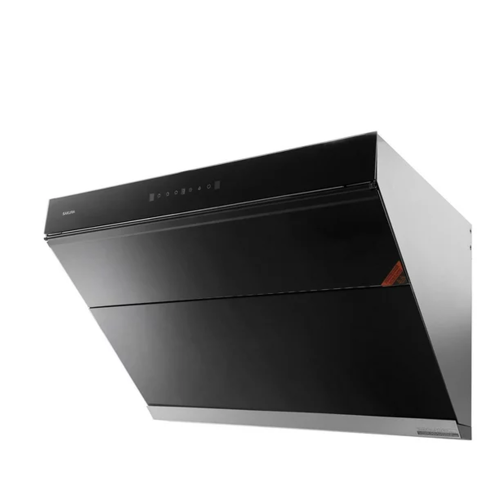
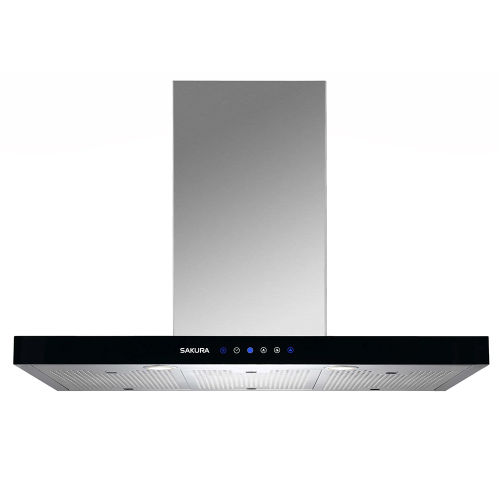
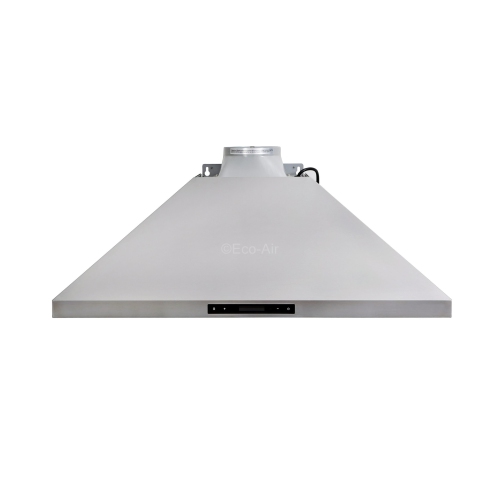
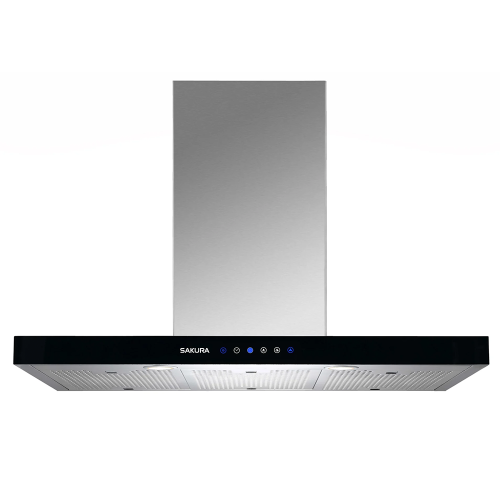
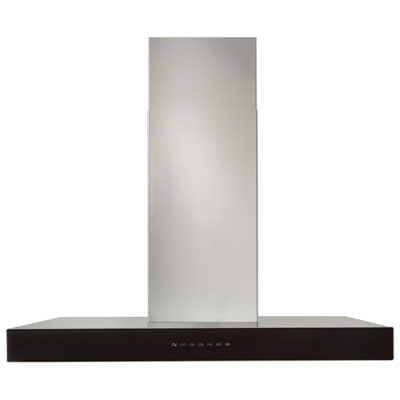
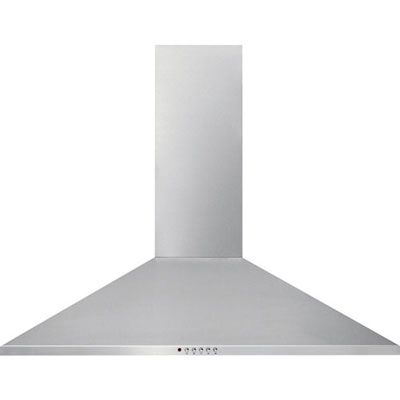
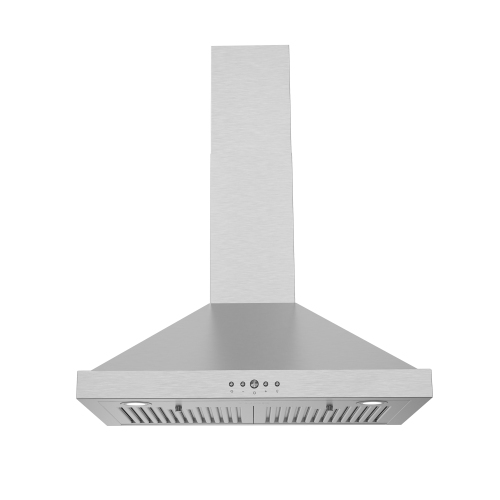
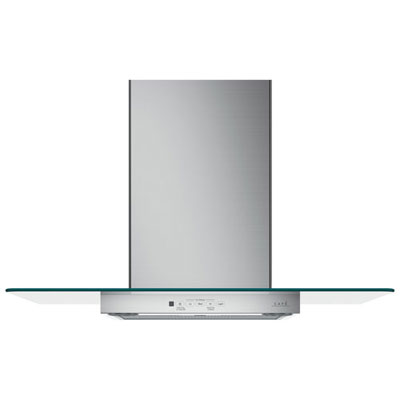
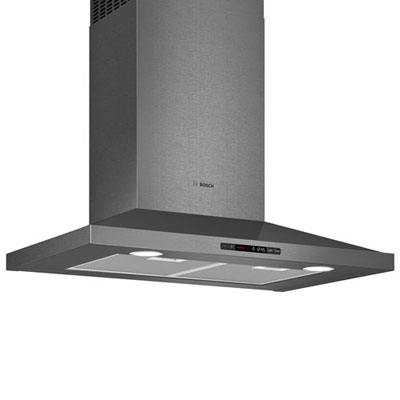
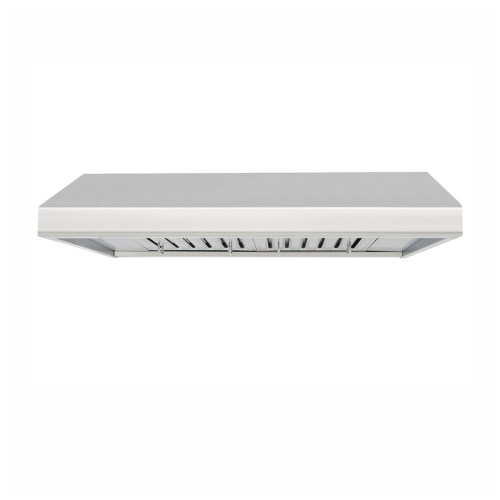
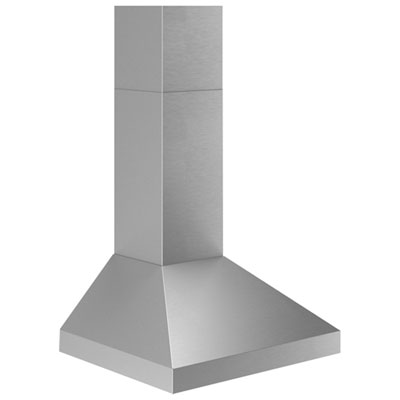
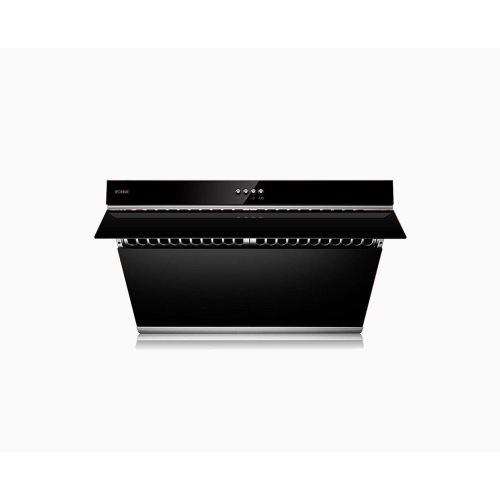
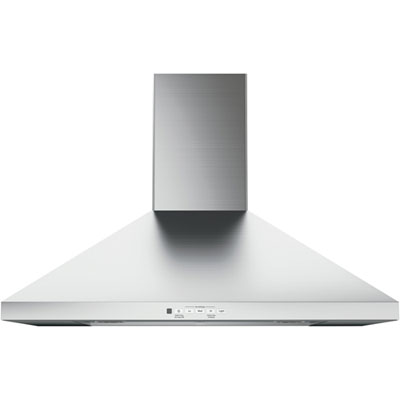
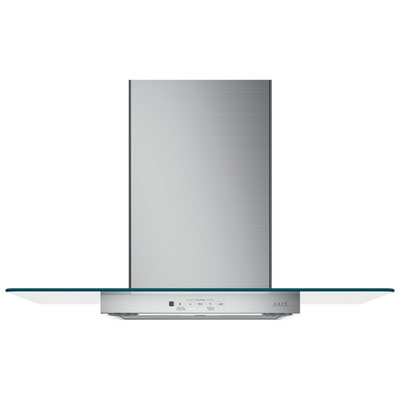
A 30-inch chimney range hood combines cooktop ventilation with a visible chimney-style duct cover, creating a defined focal point above the cooking area. Most wall-mounted designs sit against a backsplash, with a canopy that gathers rising cooking vapours and a vertical cover that conceals the ductwork above it. The 30-inch width is a common match for similarly sized ranges and cooktops, although suitable coverage also depends on the hood’s depth, installation height, and the cooking appliance’s requirements. A shallow canopy may leave more of the front burners exposed, while a deeper canopy can capture more of the plume rising from a frying pan near the front edge. This makes the shape beneath the hood as important as its appearance from across the room. Pyramidal canopies bring an angular, substantial look to a kitchen; slim T-shaped designs offer a more restrained profile; and curved glass canopies soften the lines around cabinets and tile. Stainless steel is a familiar choice for its durability and compatibility with many kitchen appliances, while black and other finishes can create contrast against a lighter backsplash. For kitchens where matching the metal finish is a priority, 30-inch Stainless Steel Range Hoods provide a related selection to explore. Chimney hoods are particularly well suited to layouts without an overhead cabinet directly above the range, allowing the chimney cover to become part of the kitchen’s design. Wall-mounted and island-mounted hoods are not interchangeable: an island installation requires a hood designed for ceiling mounting, with appropriate support and coverage. In either layout, the proportions matter. The canopy should sit comfortably within the space, the chimney should reach its intended termination point, and nearby cabinet doors should have room to open. For a household replacing an older hood or planning a kitchen renovation, these physical details help distinguish a straightforward fit from an installation requiring changes to cabinetry, ductwork, or electrical connections.

Ventilation performance depends on how effectively a 30-inch chimney range hood captures cooking emissions and where that air goes. A ducted hood sends air outdoors through an exhaust duct, removing captured odours, moisture, smoke, and airborne grease from the kitchen. A ductless, or recirculating, installation passes air through grease filters and an odour-filtering medium, commonly activated charcoal, before returning it to the room. Recirculation can be an option where an outdoor exhaust route is not feasible, but it does not remove moisture or combustion gases in the way outdoor venting does. A convertible hood supports either arrangement only when configured with the appropriate components; charcoal filters, recirculation fittings, or chimney extensions may be separate accessories. Airflow is commonly expressed in cubic feet per minute, or CFM, but that figure is not a complete measure of capture performance. Canopy coverage, mounting height, duct diameter, bends in the duct route, and the cooking appliance all affect the result. A short, correctly sized duct with fewer turns generally offers less resistance than a long route with several elbows. Someone who mainly simmers sauces and reheats meals has different ventilation demands from someone who frequently sears meat, stir-fries vegetables, or cooks across several burners at once. Multiple fan speeds accommodate those differences, with lower settings for lighter cooking and higher settings for stronger plumes. Sound matters in an open kitchen, especially when conversation or television shares the space. Noise ratings may be stated in sones or decibels, and comparisons are most meaningful when they refer to similar operating speeds and test conditions. A low-speed sound figure should not be treated as the noise level at maximum airflow. Higher-capacity exhaust systems may also require make-up air under applicable local requirements. Compatibility with a gas, electric, or induction appliance therefore involves more than matching widths: the appliance instructions, hood specifications, and installation requirements together establish the appropriate setup.

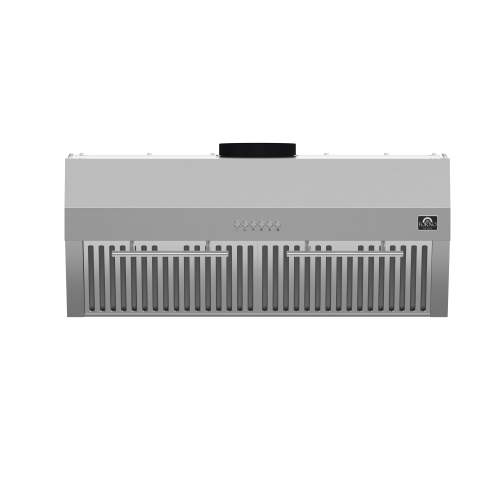
Daily convenience often comes down to lighting, controls, and filter access. Integrated task lighting helps illuminate the cooking surface, making it easier to watch onions browning in a skillet or check a simmering pot without relying solely on overhead kitchen lights. LED lighting is common, though brightness levels, dimming options, and replacement methods vary by design. Push-button, touch, and electronic controls offer different experiences: clearly marked buttons can be easy to locate while cooking, while a smooth control panel has fewer edges to wipe around. Some hoods include a delayed shut-off function that keeps ventilation running briefly after cooking, helping clear lingering odours without leaving the fan on indefinitely. Grease filtration is another practical distinction. Mesh filters trap grease in layers of metal screening, while baffle filters use shaped channels that redirect airflow and separate grease from the passing air. Both need regular cleaning to maintain performance, and dishwasher cleaning is appropriate only when the manufacturer identifies the filters as dishwasher-safe. Charcoal odour filters typically need periodic replacement rather than the same washing routine used for reusable metal grease filters. Accessible filter latches make this maintenance less awkward, especially above a frequently used range. Stainless steel surfaces generally respond well to a soft cloth and a suitable non-abrasive cleaner, with wiping along the grain helping preserve an even appearance. Glass canopies benefit from regular removal of grease droplets and fingerprints, while painted finishes need cleaning products that will not damage their coating. Harsh scrubbers can scratch visible surfaces, and allowing grease to accumulate makes later cleaning more difficult. Long-term usability also rests on secure mounting, well-fitted chimney sections, and access to serviceable parts such as filters and lighting components. Ceiling height and the hood’s minimum and maximum chimney dimensions are especially important in rooms with unusually low or high ceilings. Clearances above the cooking surface must follow the applicable appliance and hood instructions rather than a single assumed measurement. With the right fit and ventilation arrangement, a 30-inch chimney range hood supports everyday cooking while giving the space above the range a purposeful, finished appearance.
Read More

FAQ

Some products may be subject to Environmental Handling Fees (EHF) depending on your province. Learn more about EHFs.