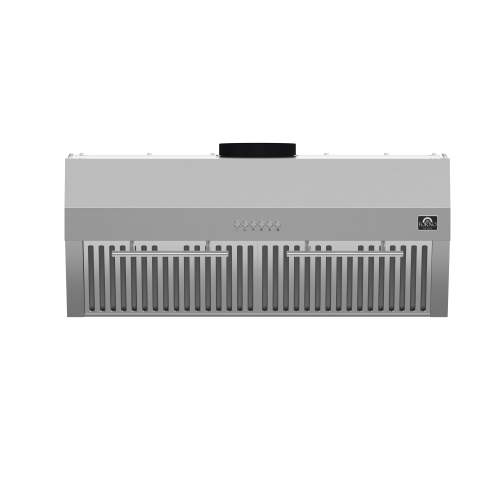
30-inch Chimney Range Hoods

Browse 30-inch chimney range hoods to find a ventilation option that fits your kitchen layout and cooking needs. Compare designs, airflow ratings, fan speeds and noise levels, and check each model’s dimensions, installation clearances and ducting requirements before choosing a hood for above your range or cooktop.
Read More

Sort

30-inch Chimney Range Hoods

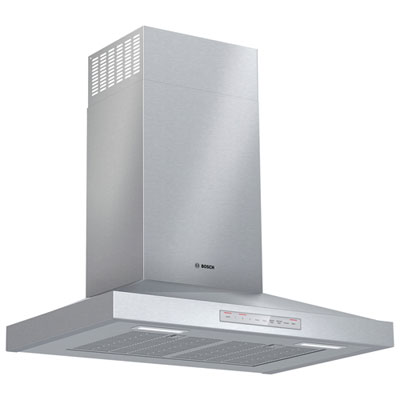
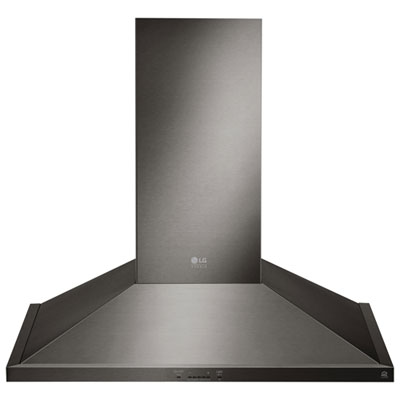
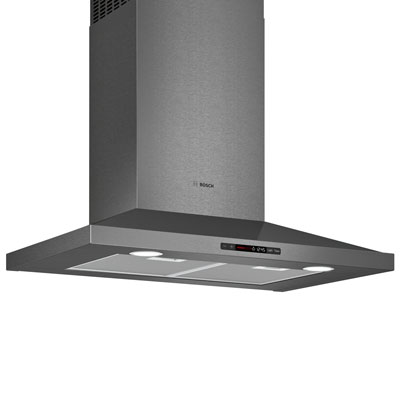
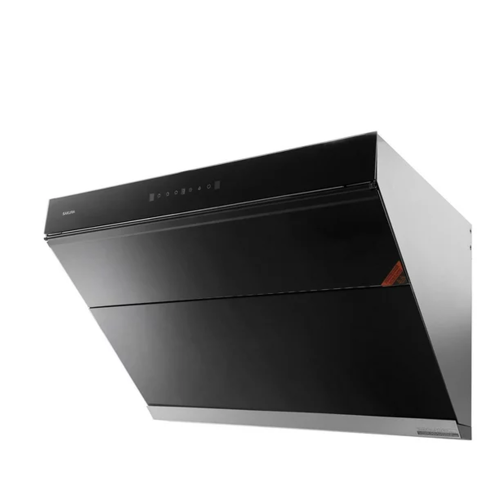
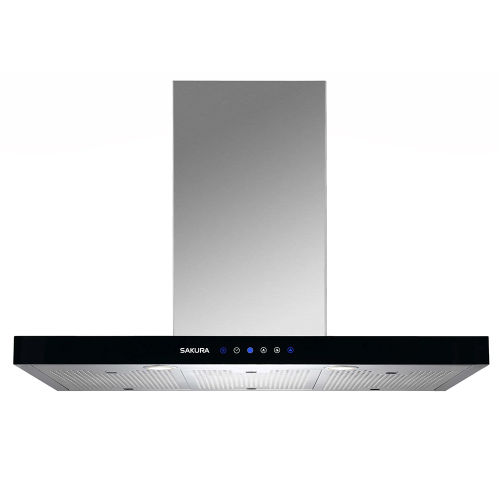
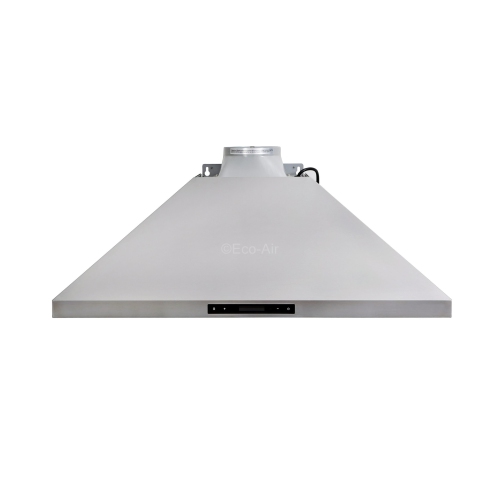
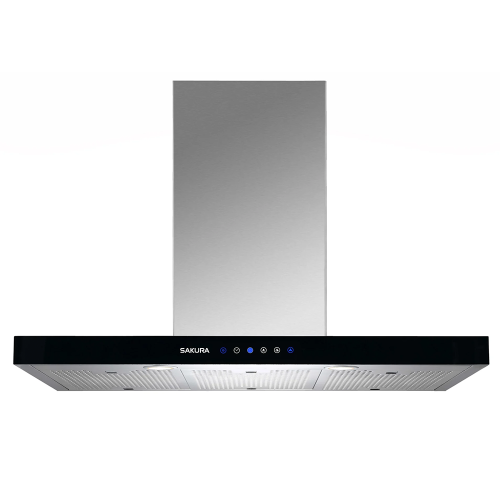
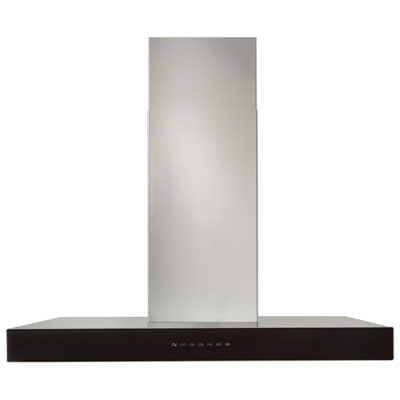
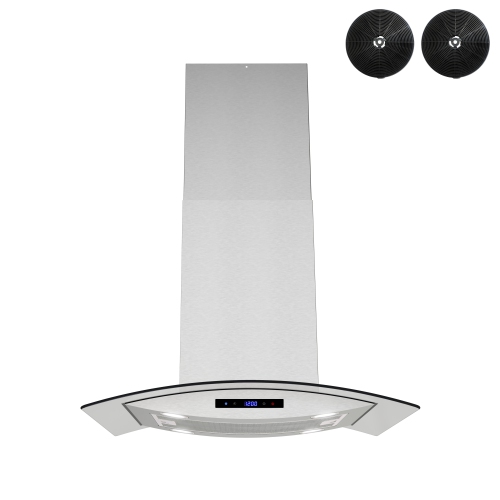
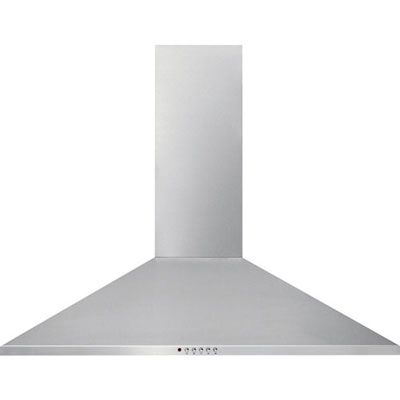
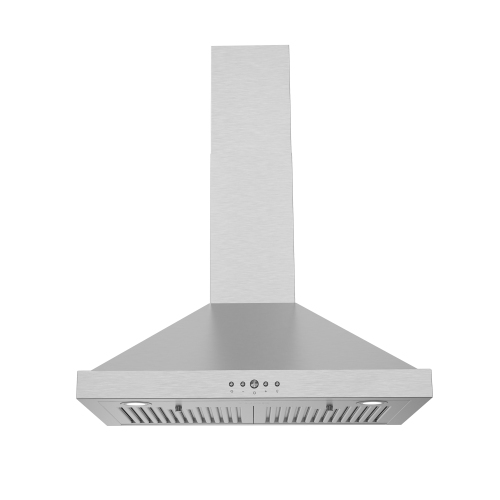
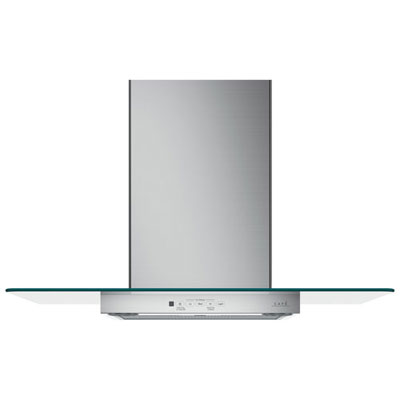
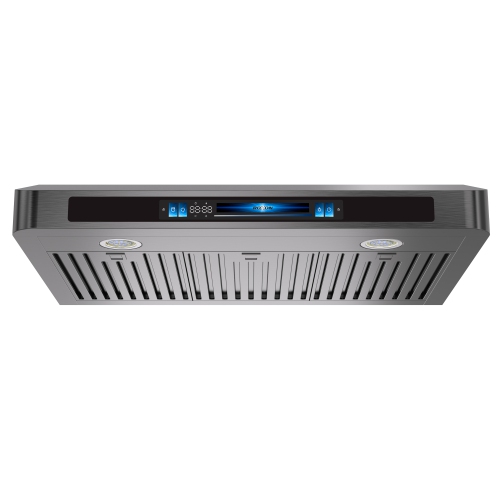
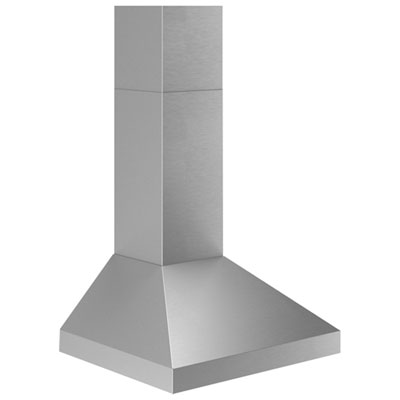
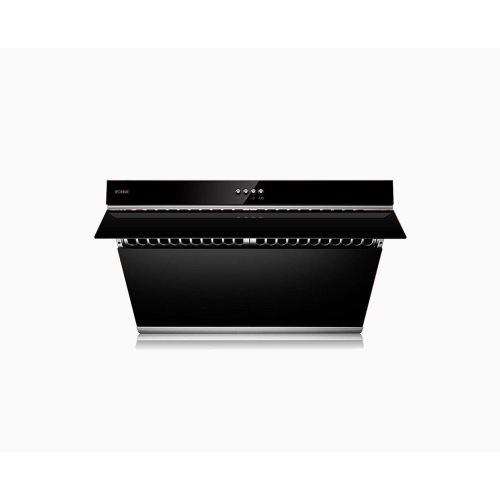
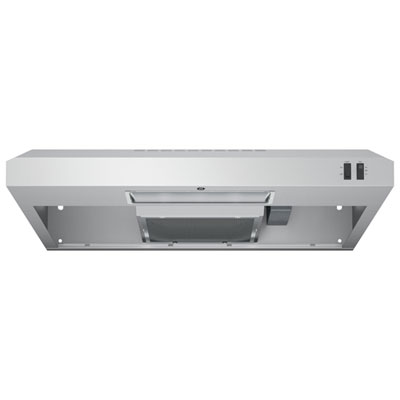
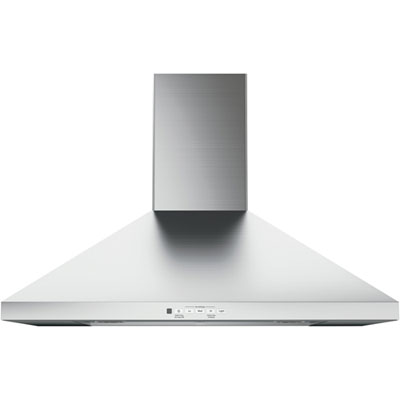
30-inch Chimney Range Hoods bring focused ventilation and a distinctive architectural detail to the kitchen, pairing a canopy above the cooking surface with a chimney-style cover that extends towards the ceiling. For anyone who regularly sears meat, simmers sauces, or fries onions for a weeknight meal, a well-matched hood helps capture airborne grease and manage cooking odours before they spread into adjoining rooms. That can make a noticeable difference in an open-plan home, where the kitchen shares space with the dining table or living room. The 30-inch width is a common match for similarly sized cooking surfaces, but width alone does not determine compatibility. Check the hood’s specifications against your range or cooktop, including the required coverage and mounting clearance, particularly when shopping for a gas cooking appliance. Wall-mounted chimney hoods are designed for cooking areas against a wall, while island installations need models specifically built for that layout. Beyond the practical fit, consider how the canopy shape, finish, and chimney proportions will sit alongside your cabinetry, backsplash, and ceiling height.

The right ventilation setup depends as much on your kitchen as it does on your cooking habits. Ducted chimney range hoods vent air outdoors, carrying captured cooking odours, smoke, and moisture out of the home. Where exterior venting is not possible, some models support a recirculating setup that passes air through grease and odour filters before returning it to the room. Recirculation does not remove heat or moisture in the same way as outdoor exhaust, and conversion may require a separately purchased kit or filters. Before choosing, confirm the available duct route, duct diameter, electrical requirements, and whether the chimney cover can accommodate your ceiling height. Airflow ratings, usually expressed in cubic feet per minute or CFM, are worth comparing, but a higher number is not automatically the best fit. Your cooking appliance, ductwork, and installation all influence ventilation performance. Households that often cook at high heat may have different needs from those preparing mostly light meals, and higher-capacity exhaust systems may require make-up air under local building requirements. A qualified installer can help confirm those details before you commit.

Everyday comfort often comes down to features that are easy to overlook while comparing finishes. Multiple fan speeds let you use a lower setting for a gently simmering pot and increase extraction when a hot pan starts sending up smoke. Compare published sound ratings where available, especially if conversation, homework, or television regularly happens nearby; a hood you are comfortable running is more useful than one you tend to leave switched off. Built-in lighting helps illuminate the cooking surface, making it easier to watch the colour of a sauce or check the edges of food in a crowded skillet. Accessible controls and removable grease filters also make routine use and cleaning simpler. Some filters are dishwasher-safe, while others need handwashing, so check the care instructions rather than assuming all metal filters can be cleaned the same way. For a kitchen renovation, a new home, or a planned appliance upgrade, a 30-inch chimney range hood can be a practical finishing touch that supports daily cooking. If you are purchasing one as a housewarming or renovation gift, coordinate the dimensions, ventilation setup, and installation with the recipient first—those details matter far more than a surprise when the appliance needs to fit a specific space.

Read More

FAQ

Some products may be subject to Environmental Handling Fees (EHF) depending on your province. Learn more about EHFs.