Cold Press
If you're looking to elevate your health and wellness routine, a cold press is a must-have appliance for your kitchen. Cold press technology ensures that essential nutrients and enzymes are preserved in your favorite fruits and vegetables, providing you with the freshest and most nutritious juices possible. Whether you're a juicing enthusiast or simply looking to incorporate more vitamins into your diet, a cold press is a convenient and efficient way to boost your daily intake of essential nutrients. Browse our selection of cold press machines to find the perfect addition to your healthy lifestyle.
Sort
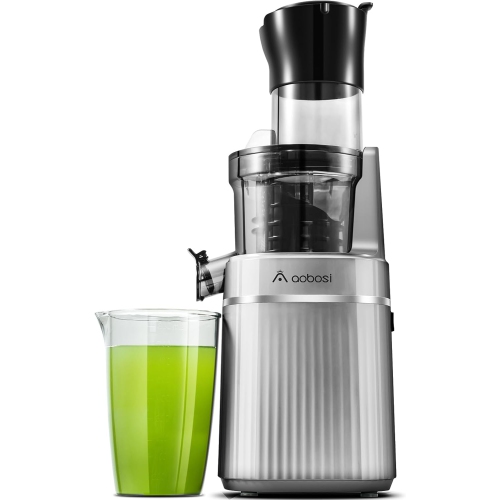
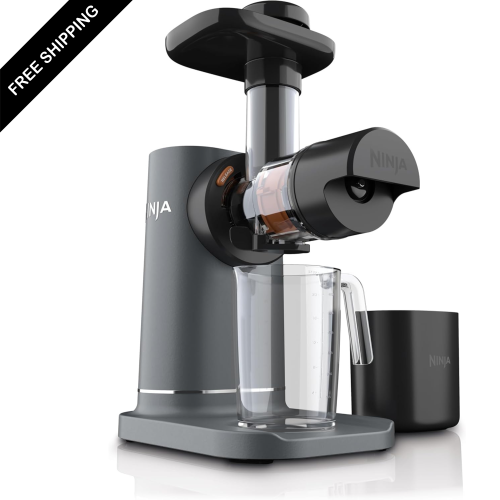
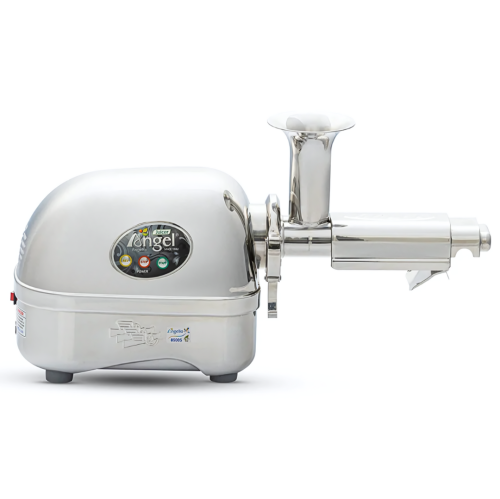
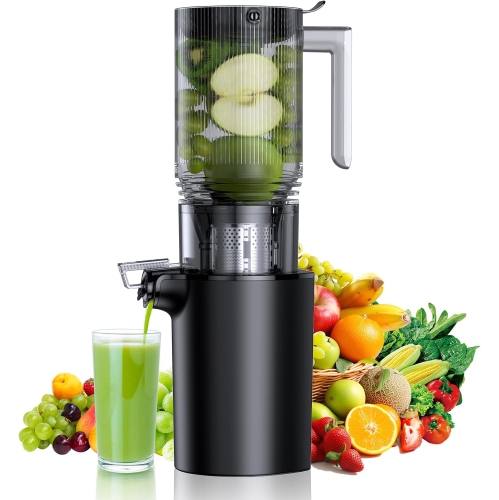




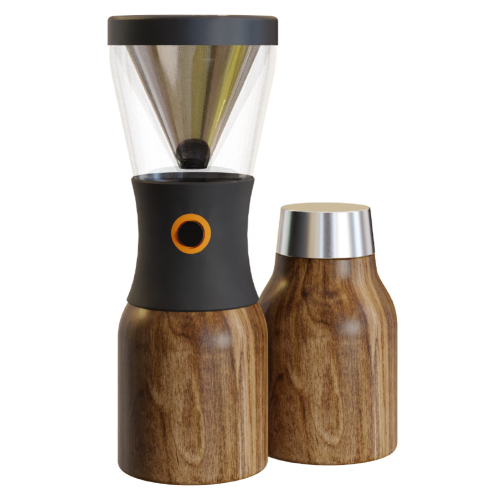
How slow extraction shapes flavour, texture and kitchen routines
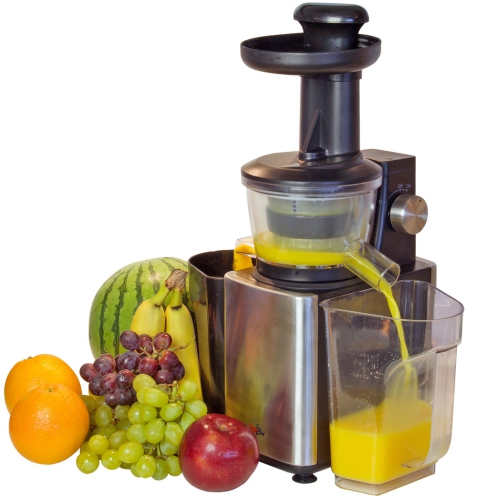
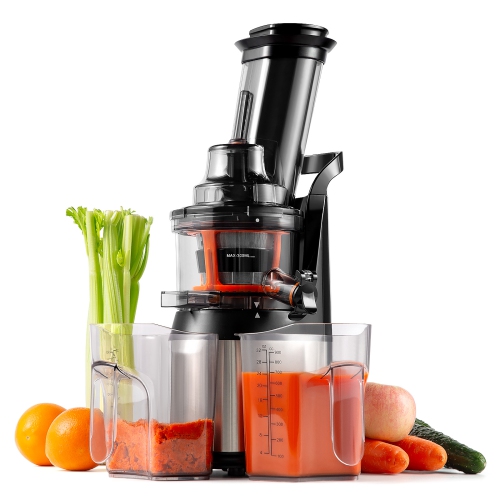
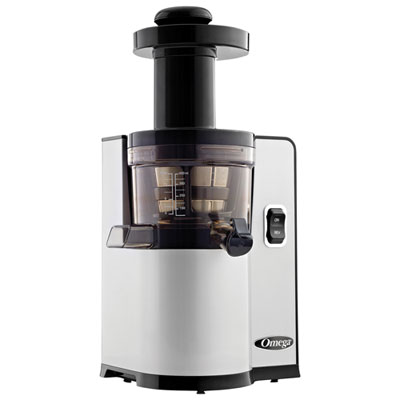
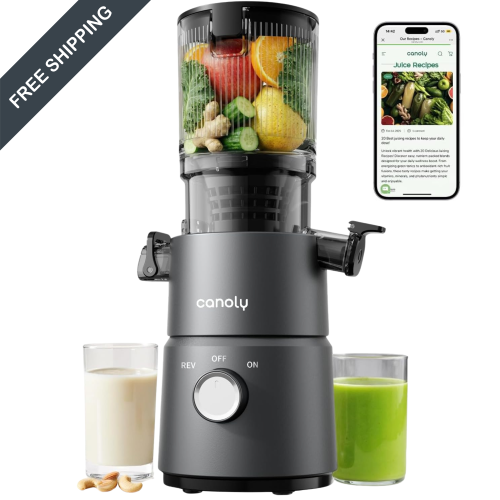
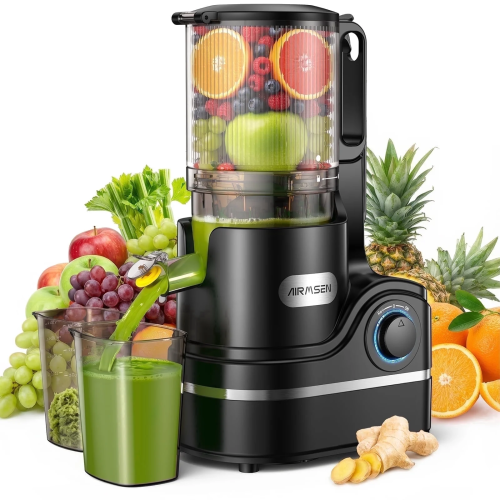
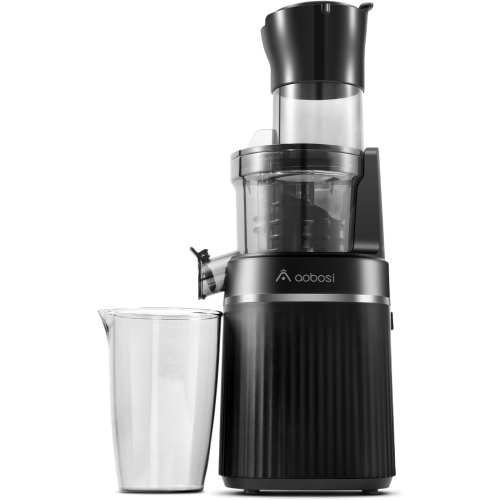
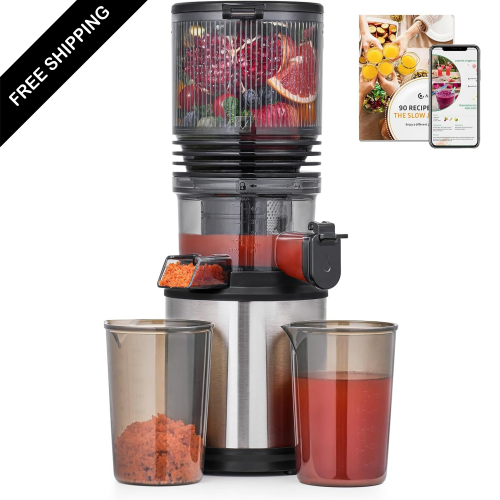
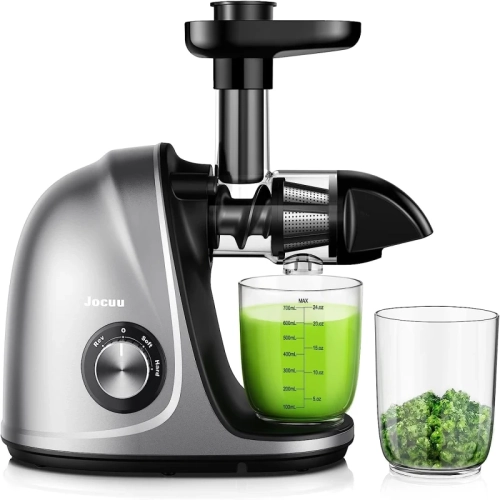
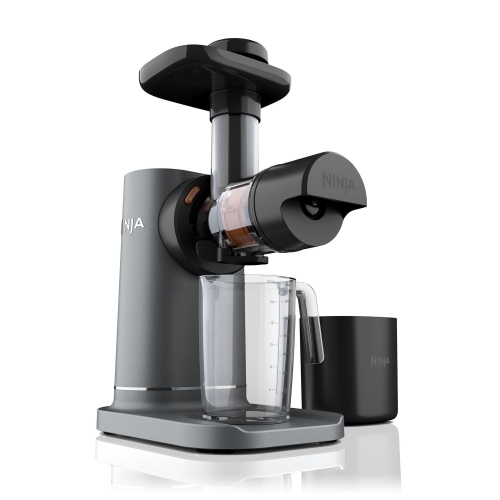
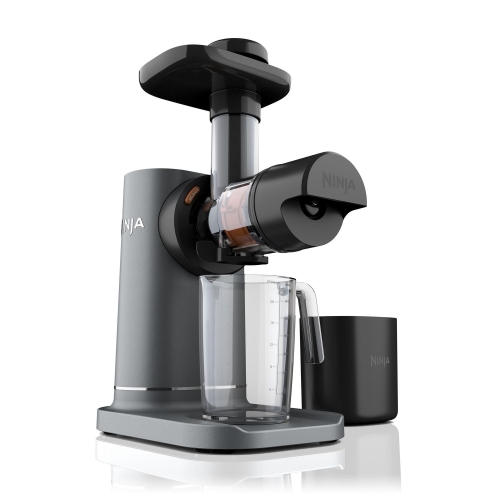
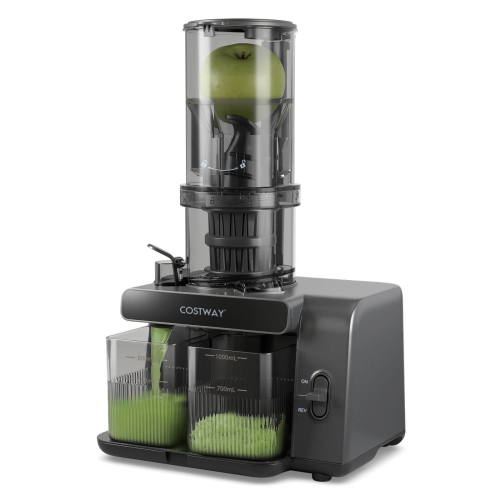
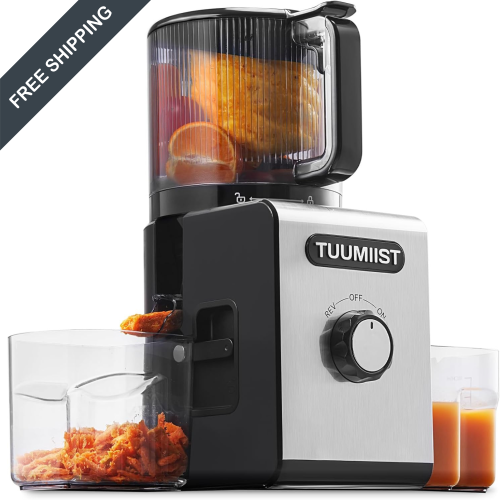
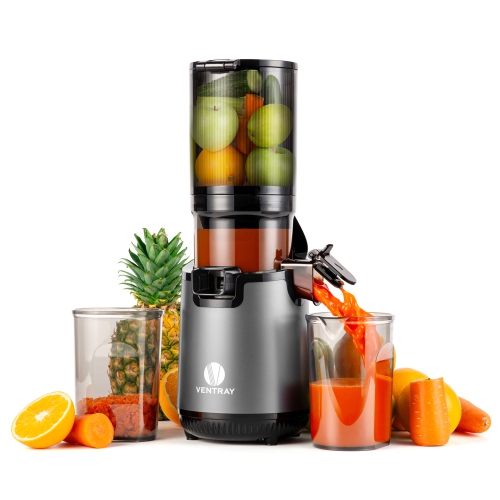
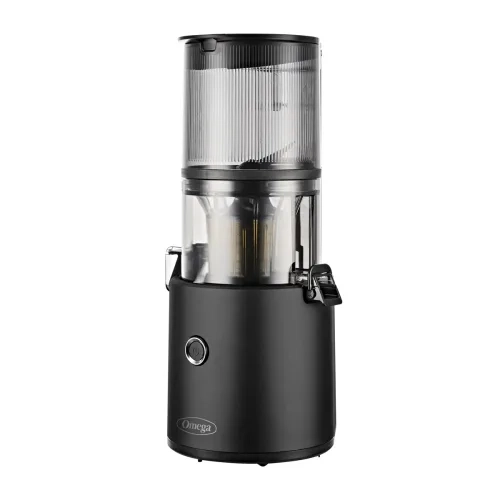
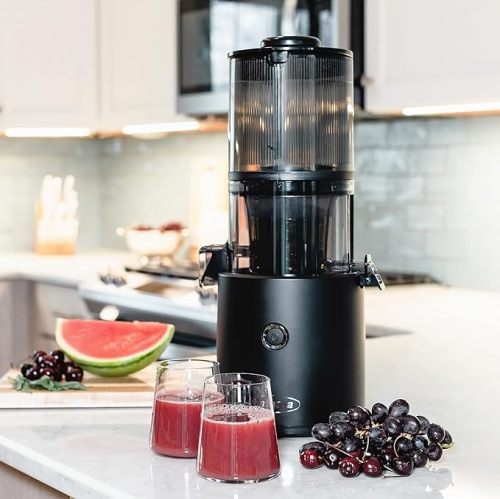
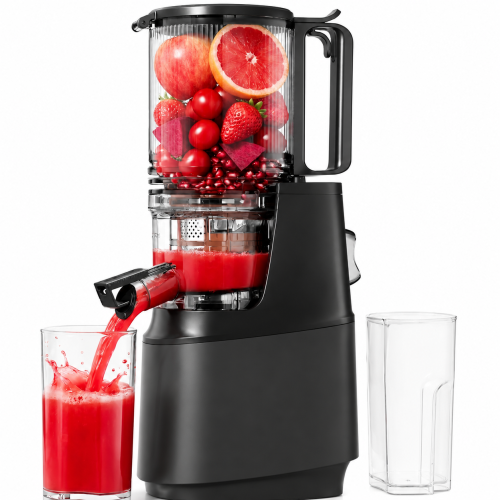
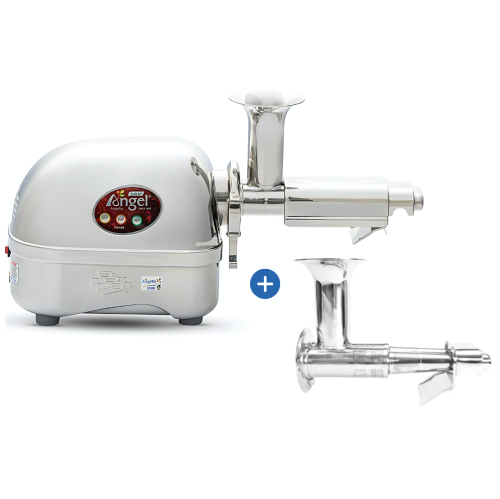
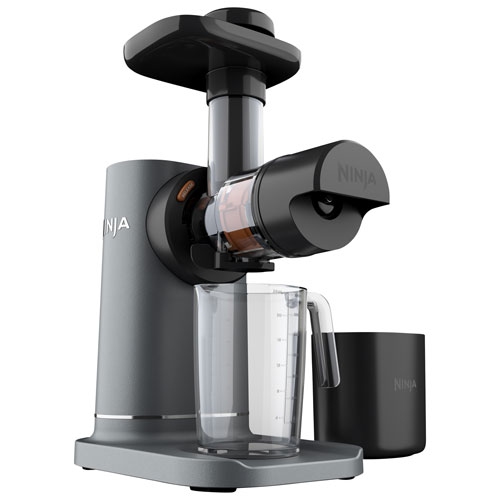
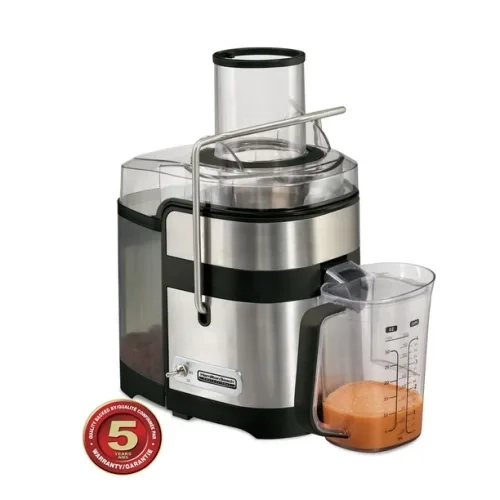
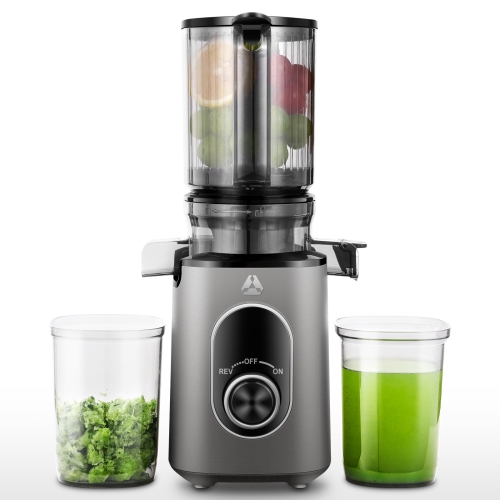
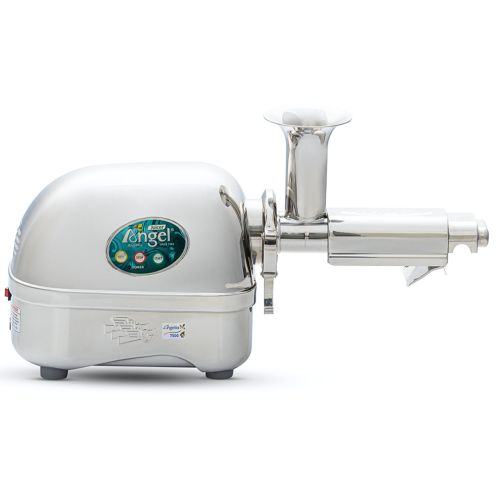
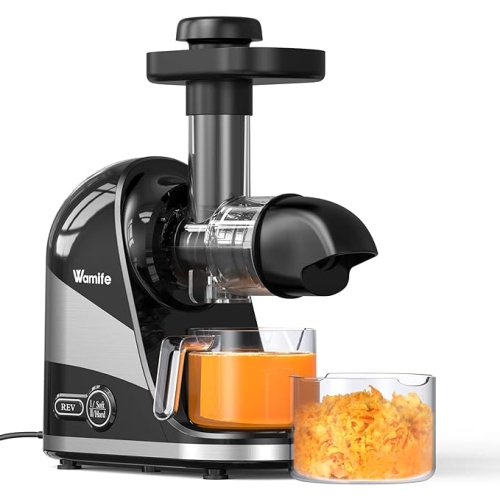
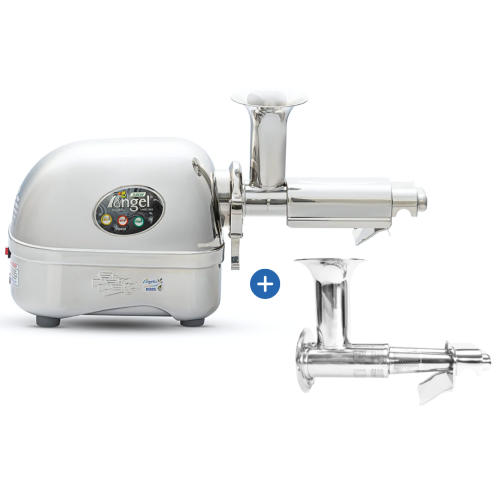
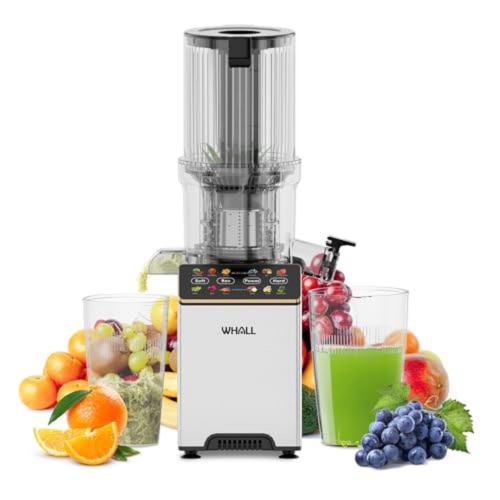
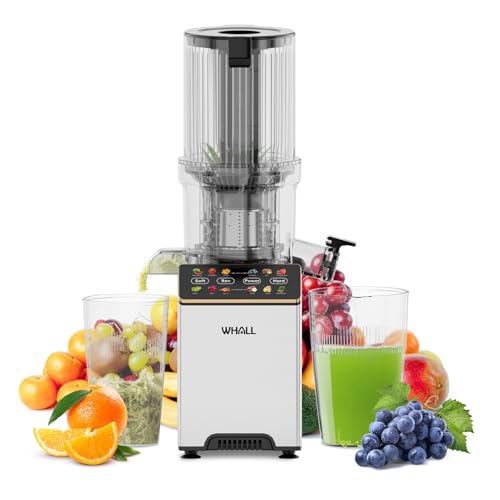
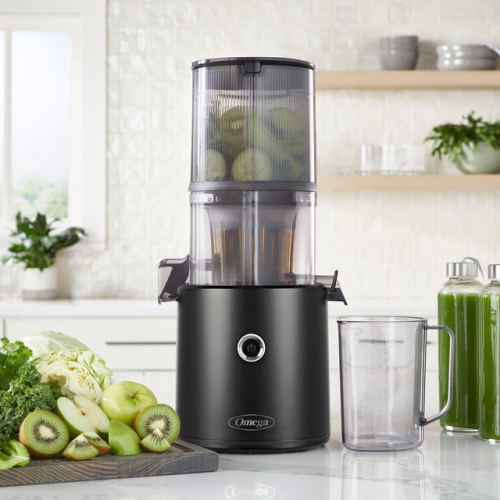
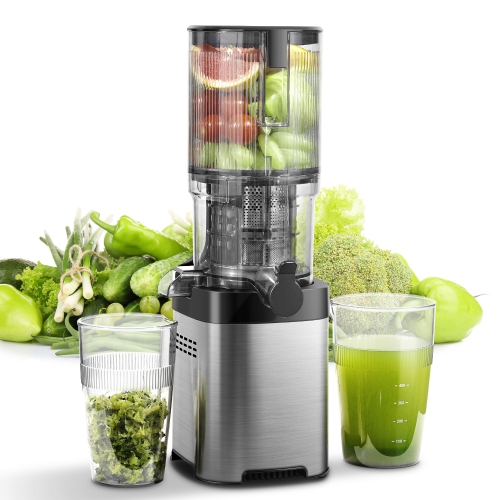
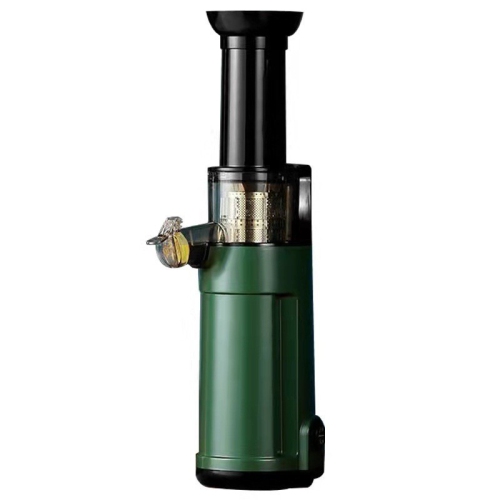
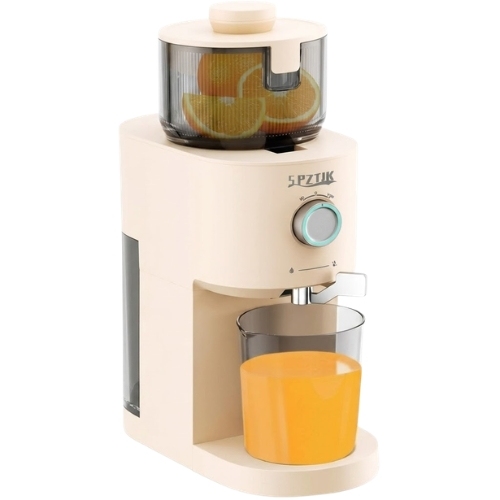
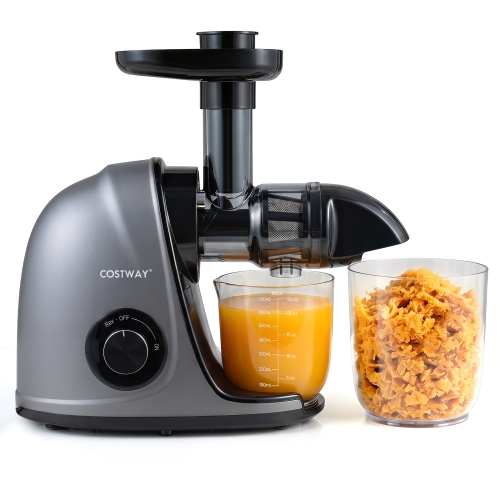
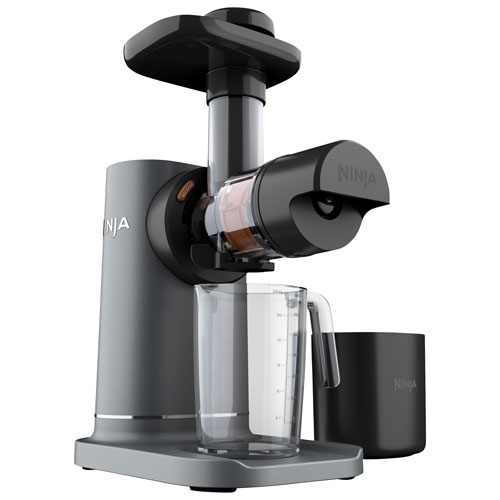
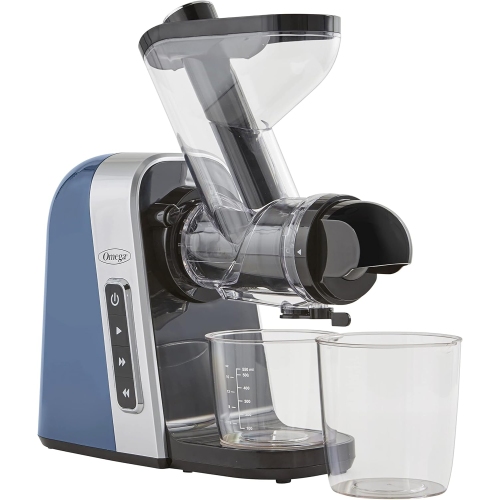
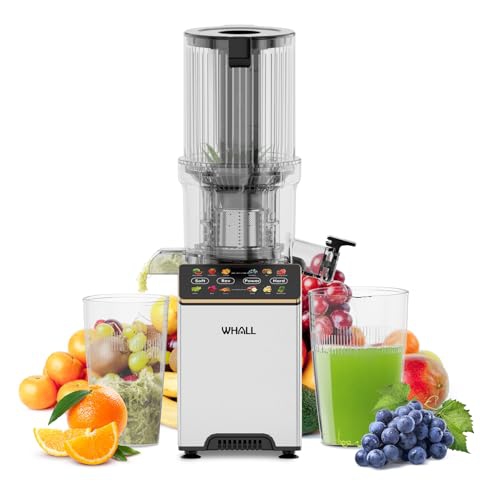
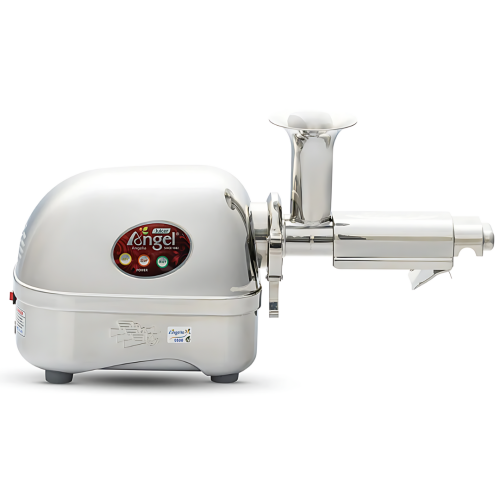
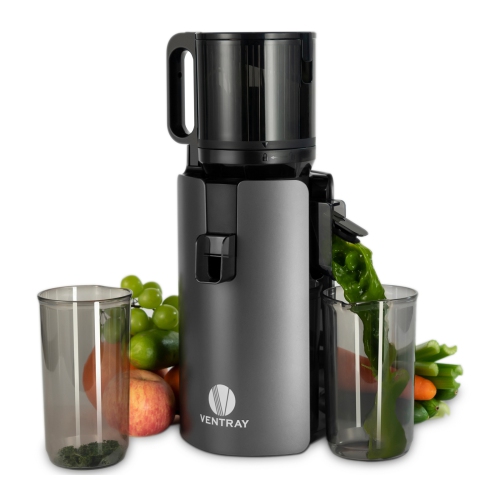
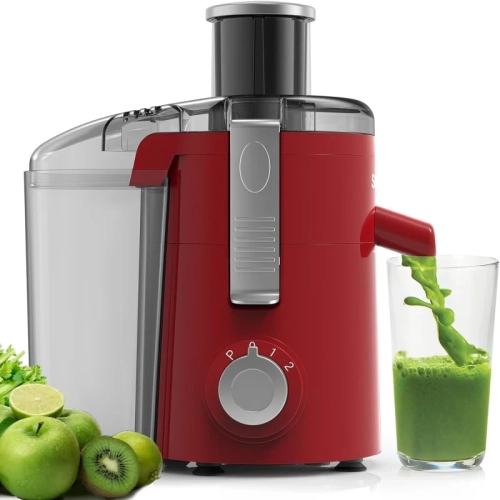
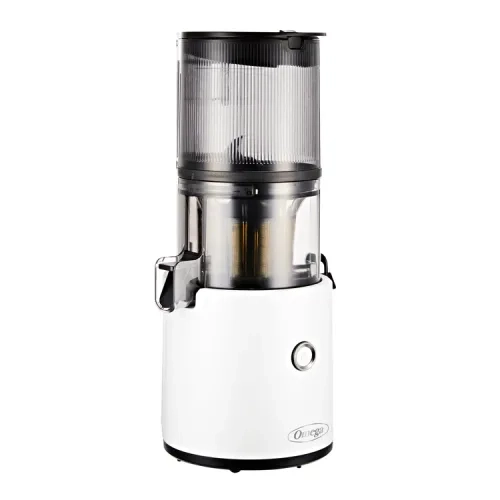
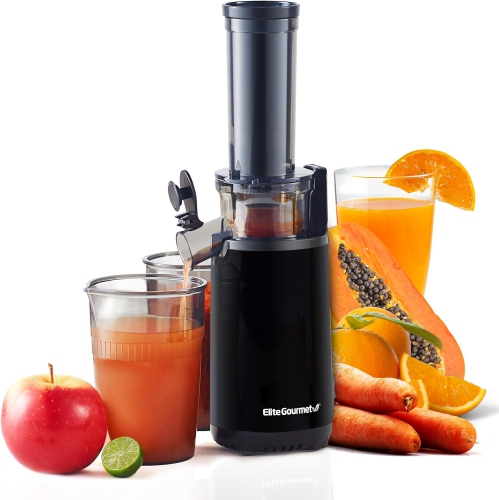
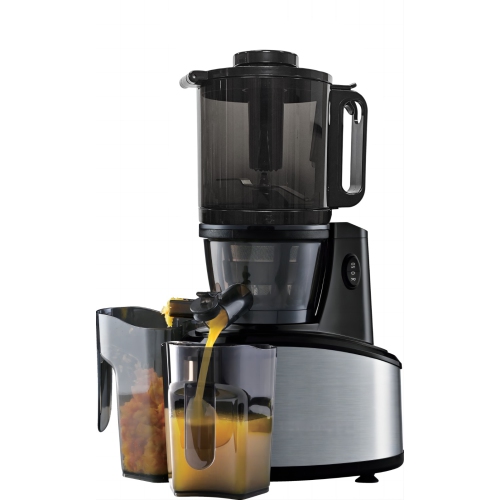
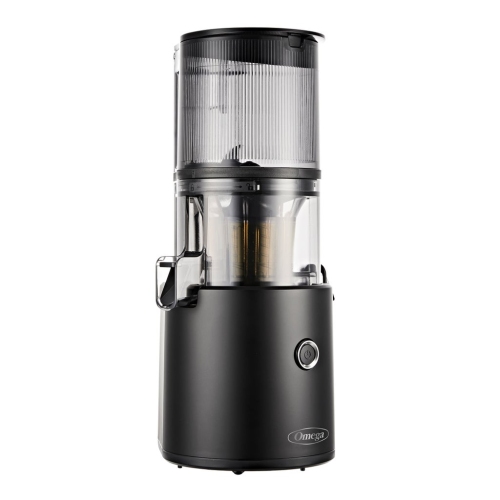
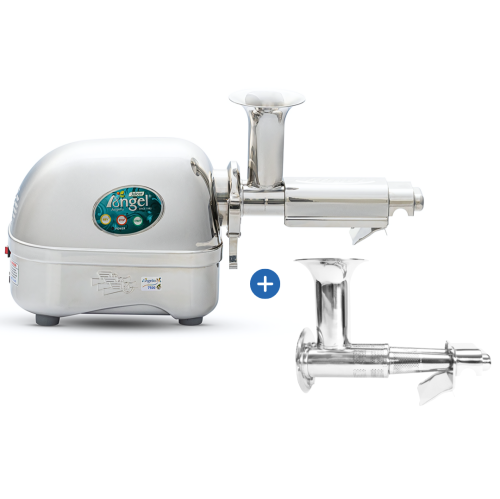
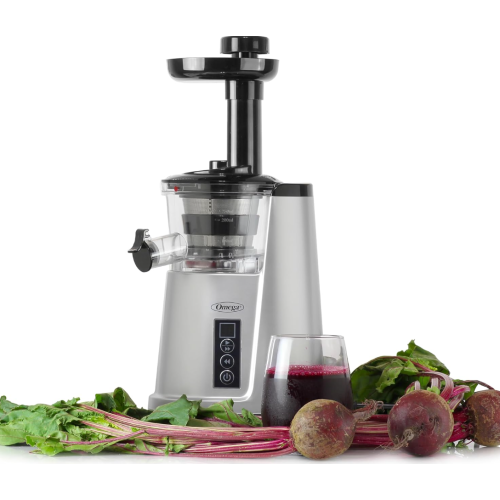
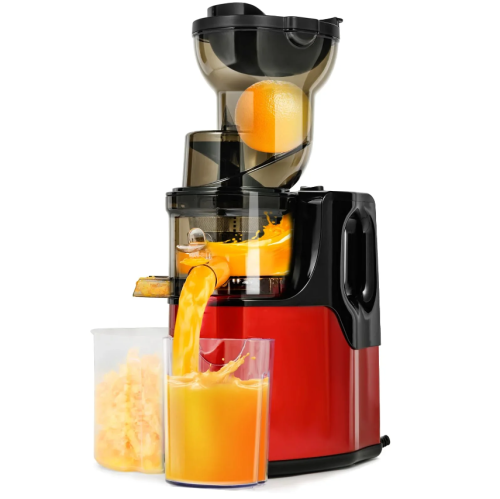
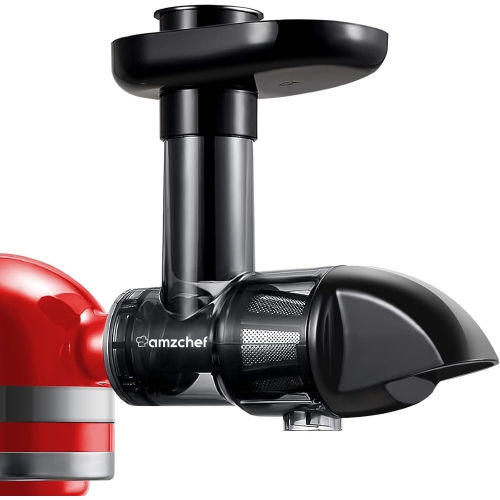
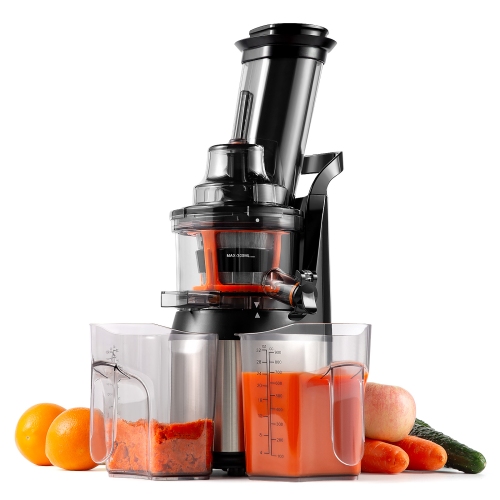
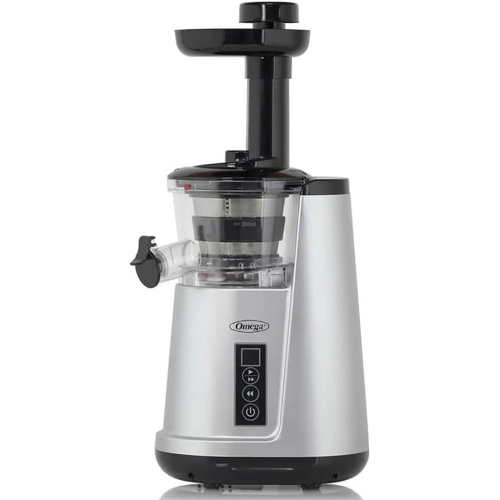
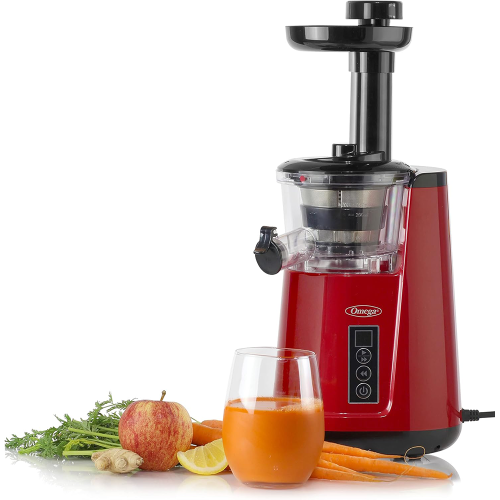
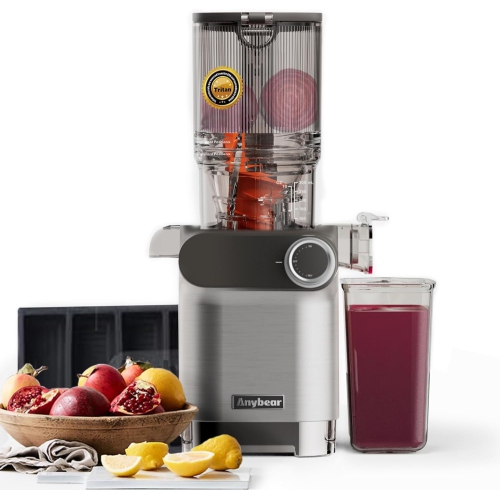
Cold press juicers are designed for extracting juice slowly by crushing and pressing fruits, vegetables and leafy greens, rather than shredding produce at high speed. Inside the appliance, a slowly turning auger draws ingredients into a crushing chamber, breaks them down and presses the liquid through a fine mesh screen. Juice flows into one container while the compressed pulp is separated into another, creating a smooth drink with less fibrous material than a blended smoothie. Because the motor and auger operate at a slower speed, the process generally creates less heat and foam than centrifugal juicing. This can help the juice retain a fresh colour, clean flavour and appealing texture, especially when working with delicate produce. Cold press juicers are also often quieter, making them more comfortable to use in an open-concept kitchen or early in the morning when the rest of the household is still asleep. The results depend on the ingredients, preparation and model, but many people choose this style of juicer for its thorough extraction and controlled operation. Firm apples, pears, carrots, beets and cucumbers can create bright, refreshing juices, while celery, leafy greens, ginger and citrus add distinctive flavours when prepared according to the appliance’s instructions. A cold press juicer can suit someone who enjoys making a small glass before work, a household that likes experimenting with fresh combinations, or a home cook who wants another way to use produce during the cooler months. It can also be a thoughtful gift for a new homeowner, a keen cook or anyone building a more hands-on kitchen routine. For a simpler, manually operated option for citrus and other suitable fruits, explore a Hand Juicer Press.
When comparing cold press juicers, begin with the way you expect to use one. A compact design may be convenient for a single serving and easier to keep on the counter, while a larger model can be more practical for preparing juice for several people. Check the size of the feeding chute, since a wider opening may reduce the amount of chopping required, although produce should always be cut to the size recommended in the instructions. Consider the juice container, pulp bin and overall footprint together; an appliance that fits beneath your cupboards may still need clearance for its lid, hopper or removable parts. Cleaning is another important part of the decision. Look for components that come apart without excessive effort, clearly marked parts and included cleaning tools that can reach the mesh screen and narrow pulp passages. Rinsing the screen promptly after use can help prevent dried pulp from becoming difficult to remove. Noise level, controls, cord storage and the ability to make different styles of juice may also matter, particularly if the juicer will be used regularly rather than brought out occasionally. Some models are intended mainly for juice, while others include attachments or settings for foods such as nut drinks, frozen treats or sauces. Read the specifications carefully to confirm which ingredients and functions are supported. A cold press juicer is not a substitute for a blender: it separates liquid from most of the fibre, while a blender processes the whole ingredient. That difference affects texture, cleanup and the way each appliance fits into a kitchen routine. It is also worth considering storage. Fresh juice is usually best enjoyed soon after preparation, when its flavour and colour are at their brightest. If you refrigerate it, use a clean, sealed container, leave as little air space as practical and follow food-safety guidance; many homemade juices are best consumed within a day or two, and should not be treated as shelf-stable drinks.
Using a cold press juicer becomes easier when preparation is built into the routine. Wash produce thoroughly, remove pits and hard seeds, trim tough stems where appropriate and cut larger ingredients into manageable pieces. Alternate softer ingredients with firmer ones to help the auger process the mixture evenly, and add leafy greens gradually so they do not gather around the feed opening. A small piece of lemon, ginger or mint can bring a lively accent to a vegetable-forward blend, while apple, pear or orange can add natural sweetness; the best combinations are often discovered by starting with familiar flavours and adjusting gradually. Keep the pulp container in place and avoid pushing ingredients with utensils or fingers—use only the supplied pusher when one is provided. When the glass is full, serve the juice immediately or refrigerate it promptly in a sealed container. Fresh juice can be enjoyed with breakfast, poured into a travel cup for a busy morning or served alongside a weekend brunch, while smaller batches are useful when you want variety without filling the refrigerator. The slower process may take more preparation than opening a carton, but it also creates a simple ritual: the sound of produce moving through the auger, the vivid colour collecting in the container and the first cool sip at the kitchen counter. For gift-givers, accessories such as reusable bottles, storage containers or a produce-preparation basket can complement the appliance, provided they suit the recipient’s habits and available space. Before choosing, review capacity, cleaning requirements, supported ingredients and included attachments so the cold press juicer matches the way it will be used through everyday breakfasts, relaxed gatherings and fresh meals at home.
When comparing cold press juicers, begin with the way you expect to use one. A compact design may be convenient for a single serving and easier to keep on the counter, while a larger model can be more practical for preparing juice for several people. Check the size of the feeding chute, since a wider opening may reduce the amount of chopping required, although produce should always be cut to the size recommended in the instructions. Consider the juice container, pulp bin and overall footprint together; an appliance that fits beneath your cupboards may still need clearance for its lid, hopper or removable parts. Cleaning is another important part of the decision. Look for components that come apart without excessive effort, clearly marked parts and included cleaning tools that can reach the mesh screen and narrow pulp passages. Rinsing the screen promptly after use can help prevent dried pulp from becoming difficult to remove. Noise level, controls, cord storage and the ability to make different styles of juice may also matter, particularly if the juicer will be used regularly rather than brought out occasionally. Some models are intended mainly for juice, while others include attachments or settings for foods such as nut drinks, frozen treats or sauces. Read the specifications carefully to confirm which ingredients and functions are supported. A cold press juicer is not a substitute for a blender: it separates liquid from most of the fibre, while a blender processes the whole ingredient. That difference affects texture, cleanup and the way each appliance fits into a kitchen routine. It is also worth considering storage. Fresh juice is usually best enjoyed soon after preparation, when its flavour and colour are at their brightest. If you refrigerate it, use a clean, sealed container, leave as little air space as practical and follow food-safety guidance; many homemade juices are best consumed within a day or two, and should not be treated as shelf-stable drinks.
Using a cold press juicer becomes easier when preparation is built into the routine. Wash produce thoroughly, remove pits and hard seeds, trim tough stems where appropriate and cut larger ingredients into manageable pieces. Alternate softer ingredients with firmer ones to help the auger process the mixture evenly, and add leafy greens gradually so they do not gather around the feed opening. A small piece of lemon, ginger or mint can bring a lively accent to a vegetable-forward blend, while apple, pear or orange can add natural sweetness; the best combinations are often discovered by starting with familiar flavours and adjusting gradually. Keep the pulp container in place and avoid pushing ingredients with utensils or fingers—use only the supplied pusher when one is provided. When the glass is full, serve the juice immediately or refrigerate it promptly in a sealed container. Fresh juice can be enjoyed with breakfast, poured into a travel cup for a busy morning or served alongside a weekend brunch, while smaller batches are useful when you want variety without filling the refrigerator. The slower process may take more preparation than opening a carton, but it also creates a simple ritual: the sound of produce moving through the auger, the vivid colour collecting in the container and the first cool sip at the kitchen counter. For gift-givers, accessories such as reusable bottles, storage containers or a produce-preparation basket can complement the appliance, provided they suit the recipient’s habits and available space. Before choosing, review capacity, cleaning requirements, supported ingredients and included attachments so the cold press juicer matches the way it will be used through everyday breakfasts, relaxed gatherings and fresh meals at home.
Top selling and popular products
-
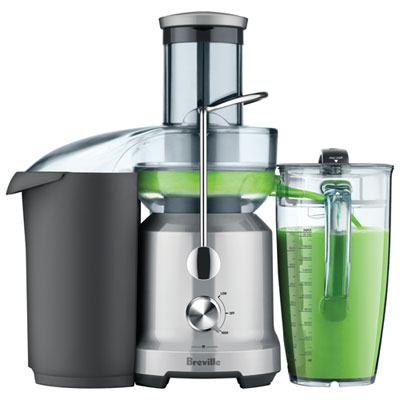 Your price for this item is $209.99
 -
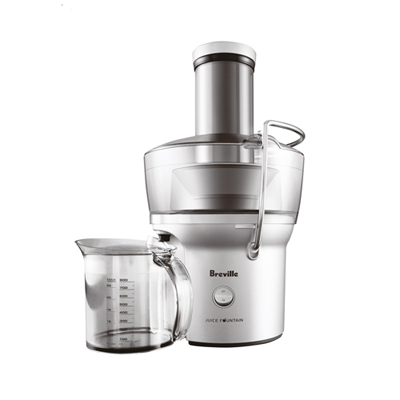 Your price for this item is $149.98
 -
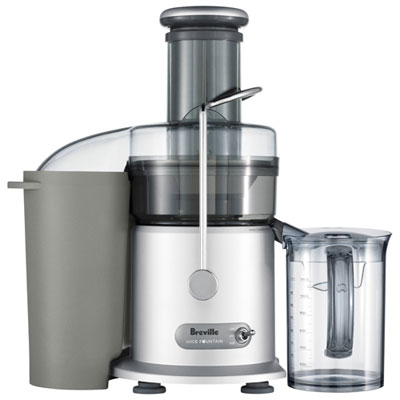 Your price for this item is $149.99
 -
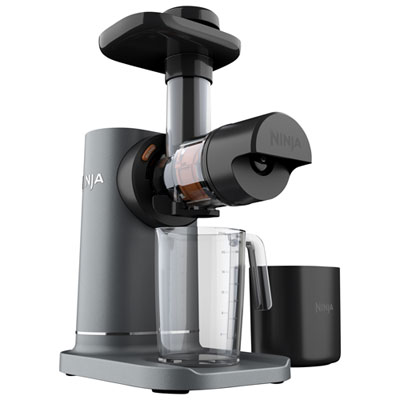 Your price for this item is $199.99
 -
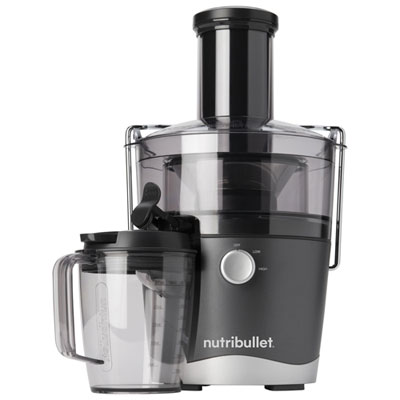 Your price for this item is $99.99
 -
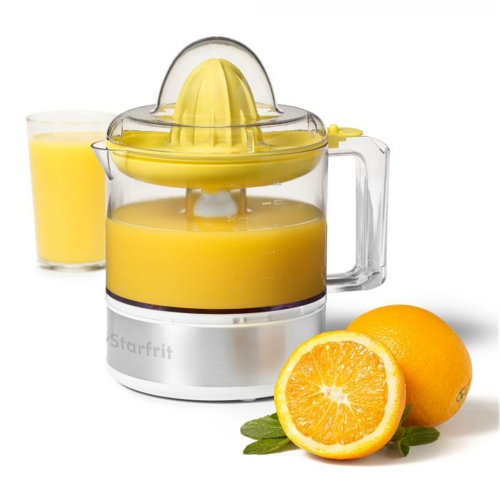 Your price for this item is $29.99
 -
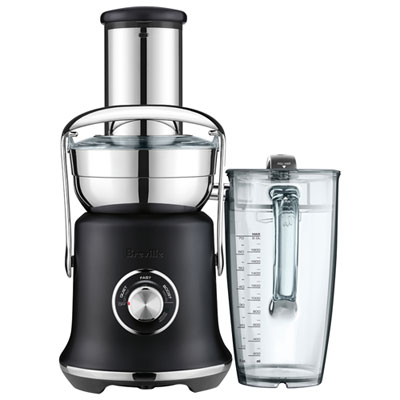 Your price for this item is $499.99
 -
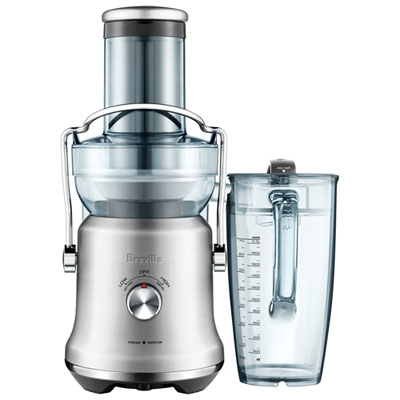 Your price for this item is $299.98
Discover more categories related to Cold Press
Top Collections:
Pokemon Centers, Best Cameras for Sports Photography, Kindle Devices, Samsung Galaxy Phones, Canon G7X Cameras, Pokémon 30th Celebration Cards, Refurbished Apple Laptops, iPhone 15 Apple, Laptops for Students, Budget Smartphones
Some products may be subject to Environmental Handling Fees
(EHF) depending on your province.
Learn more about EHFs.