Industrial Ceiling Fans
Upgrade your workspace or commercial environment with the powerful cooling and modern style of industrial ceiling fans. Designed to provide optimal air circulation in large areas, these ceiling fans are perfect for warehouses, factories, gyms, and other high-ceiling spaces. With a range of sizes and finishes available, you can find the perfect industrial ceiling fan to suit your needs and enhance the comfort and aesthetics of your space. Whether you're looking to improve ventilation or add a touch of industrial chic to your surroundings, our selection of industrial ceiling fans has you covered.
Sort

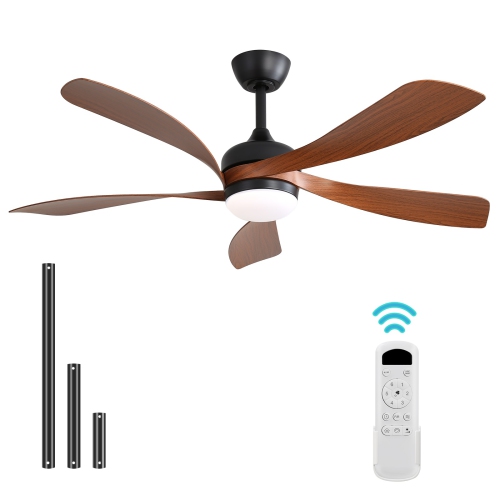
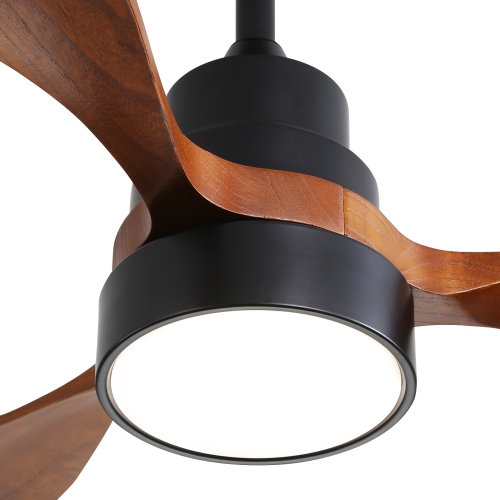
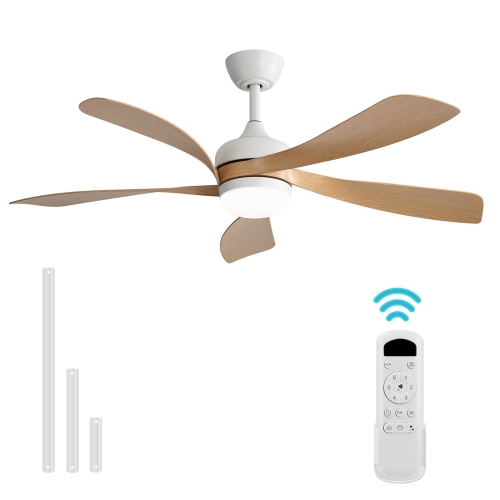
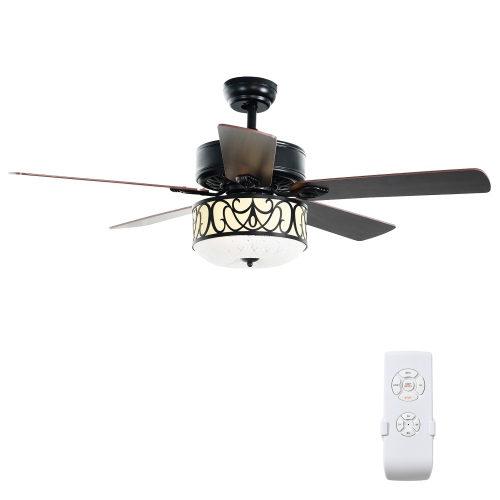
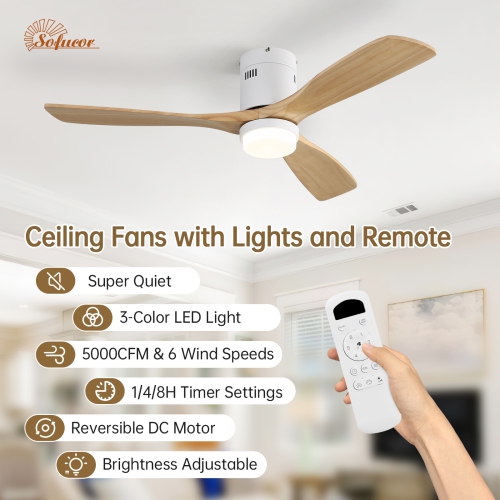
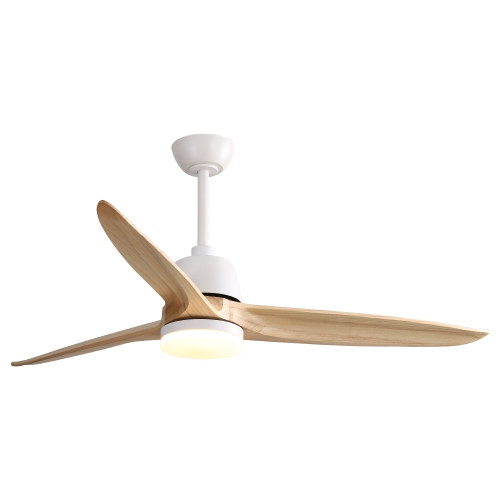
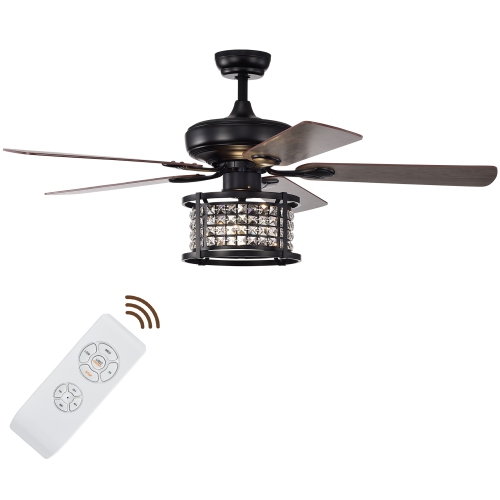
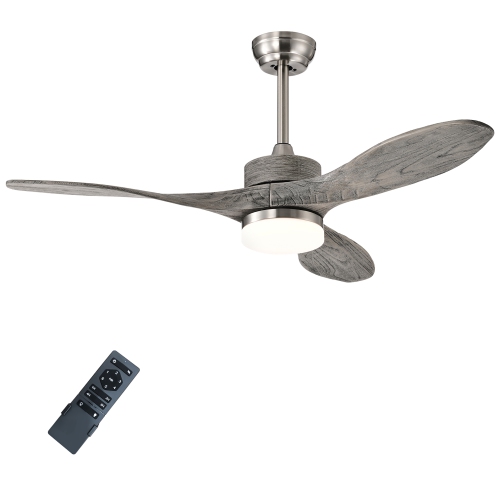
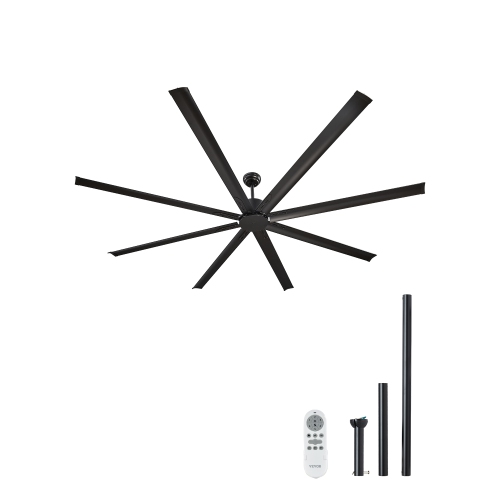
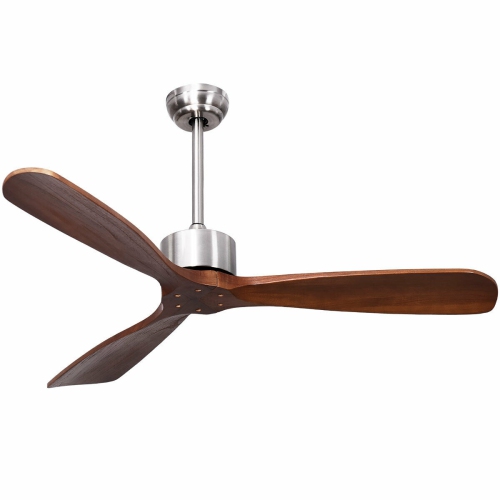
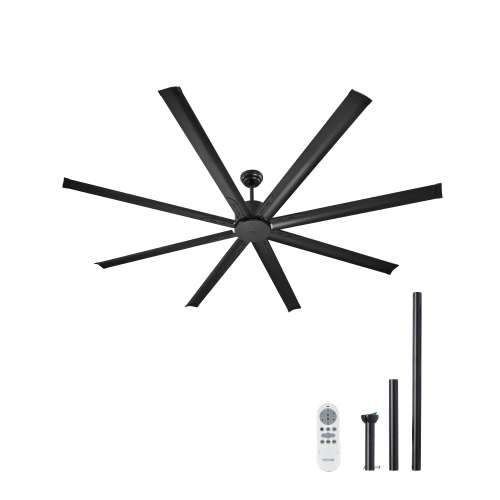
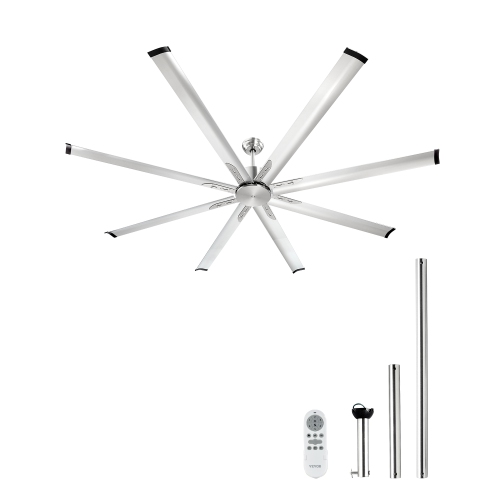
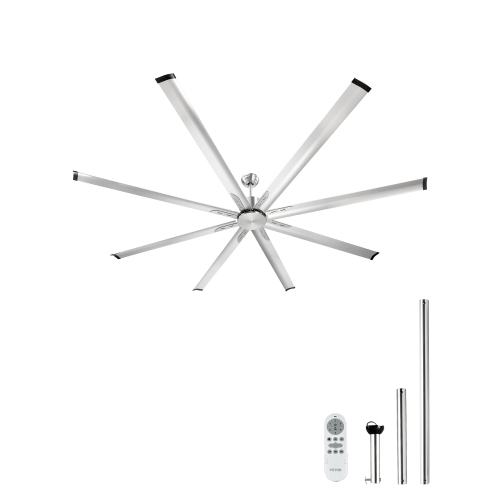
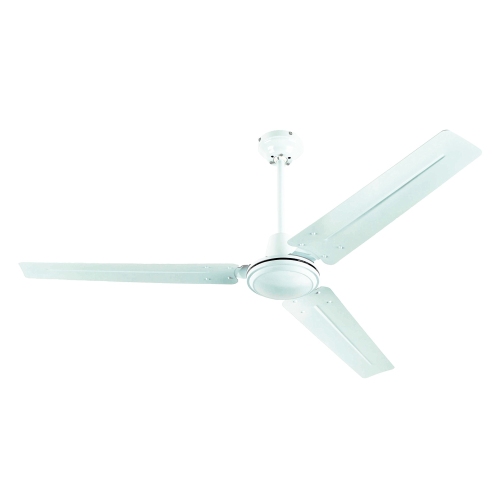

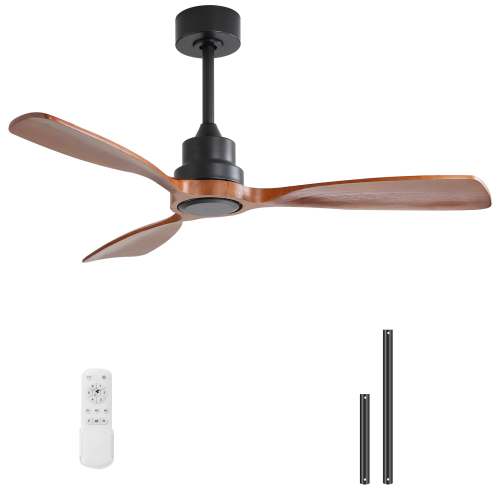
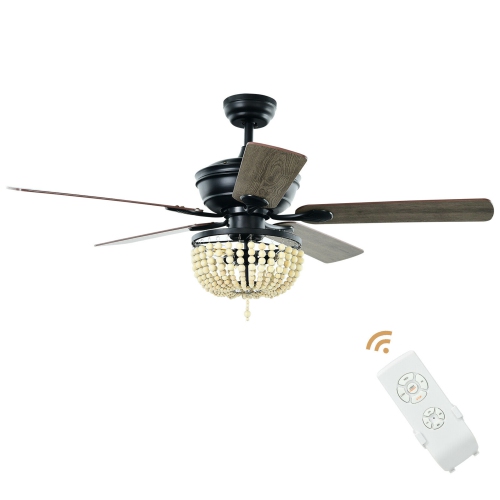

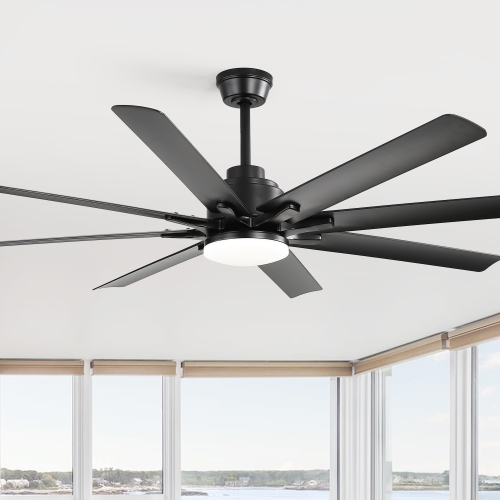
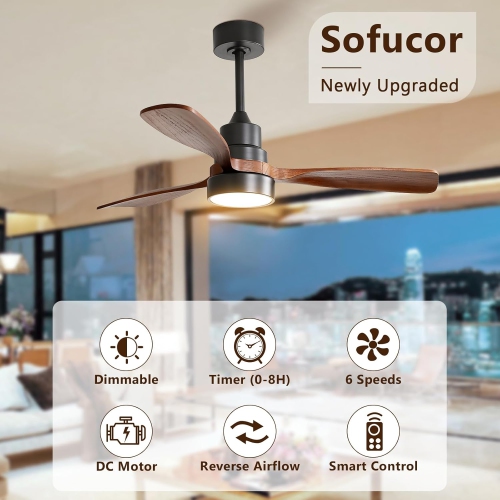
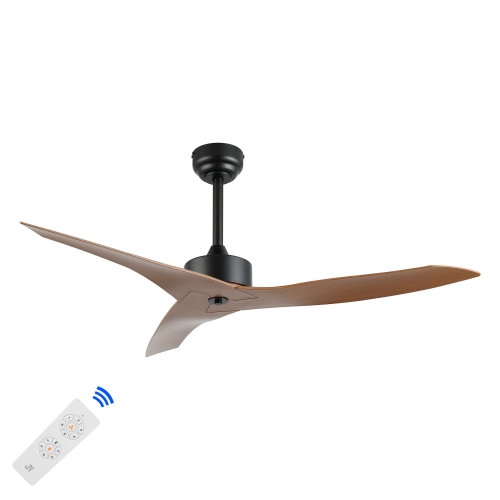

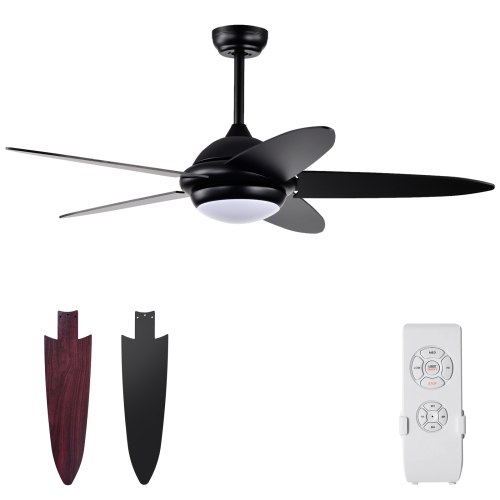


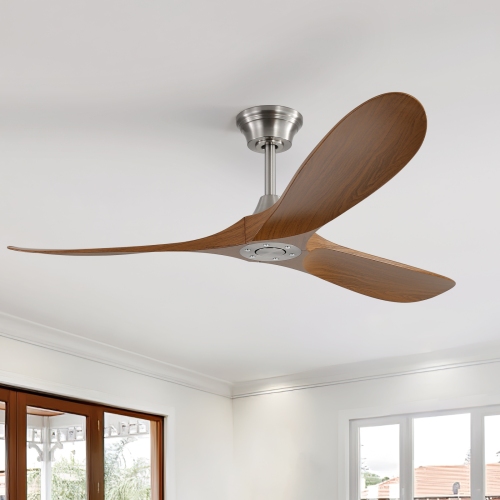
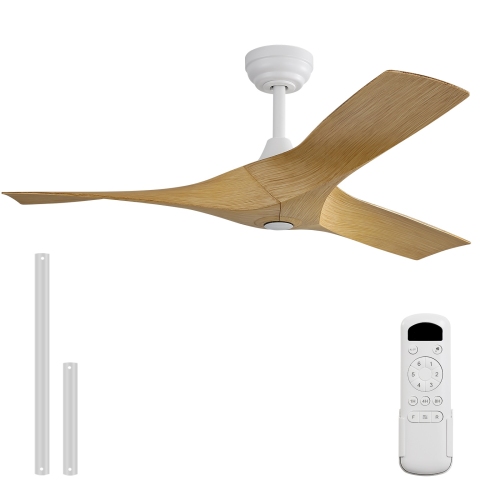
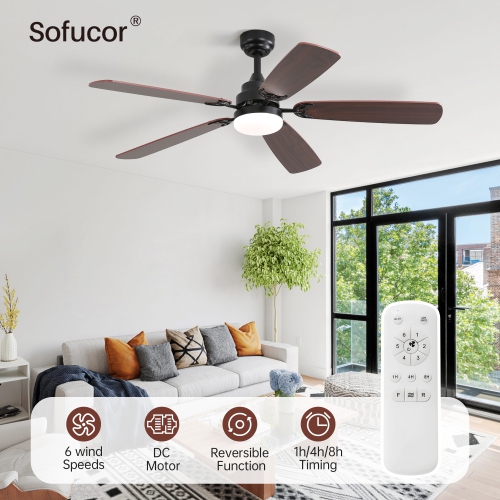
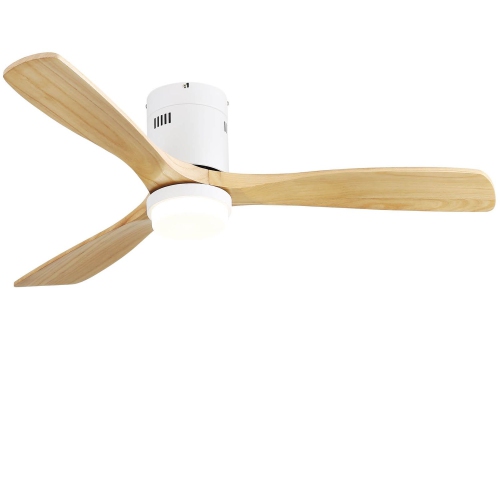
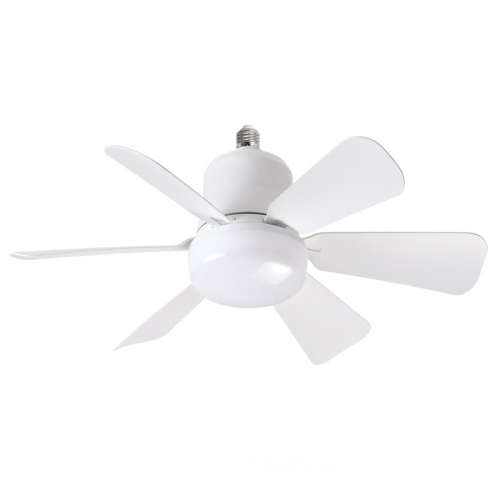
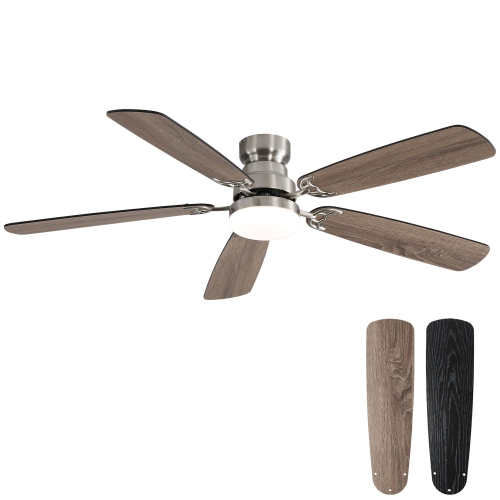
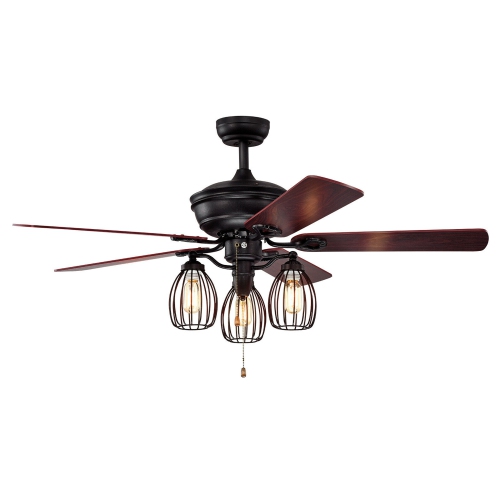
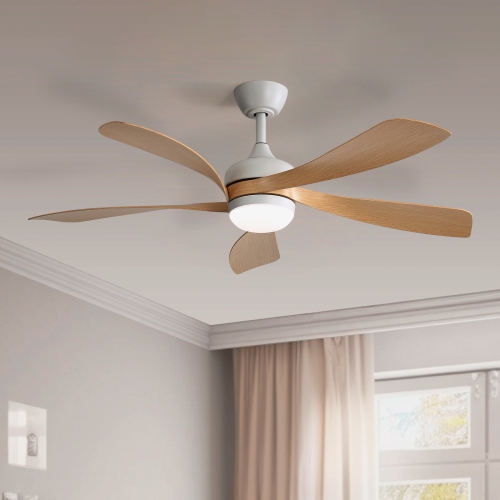
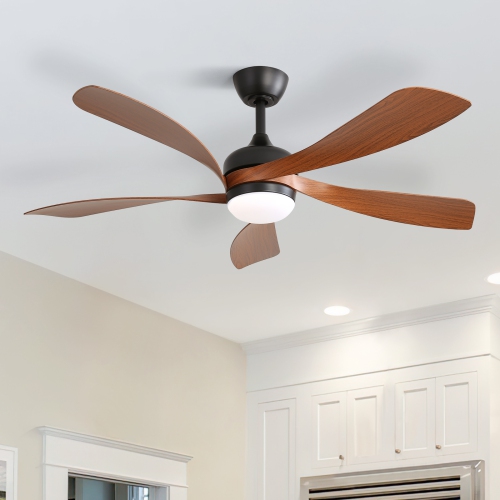

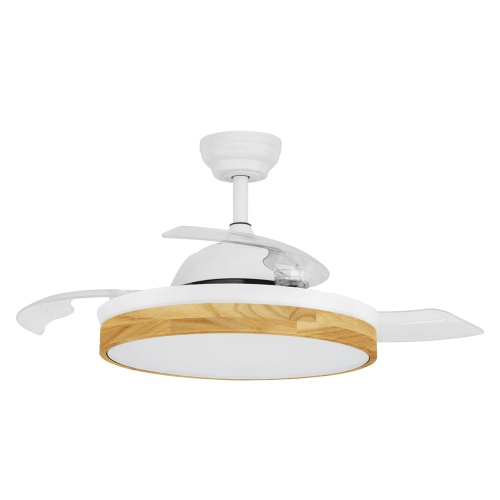
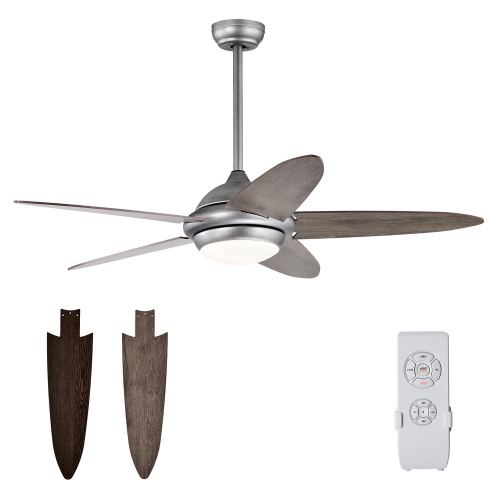

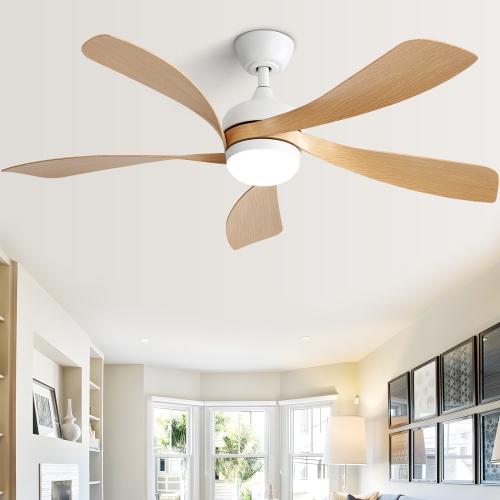
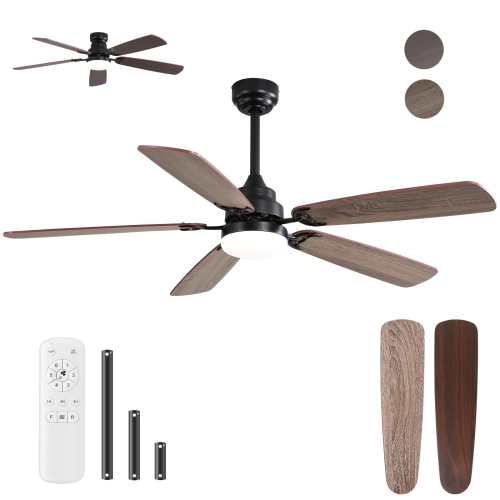
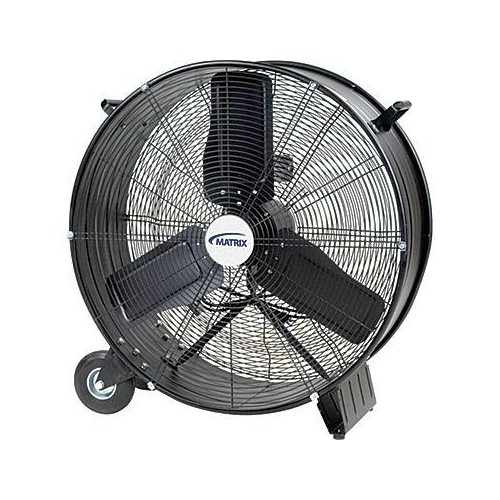
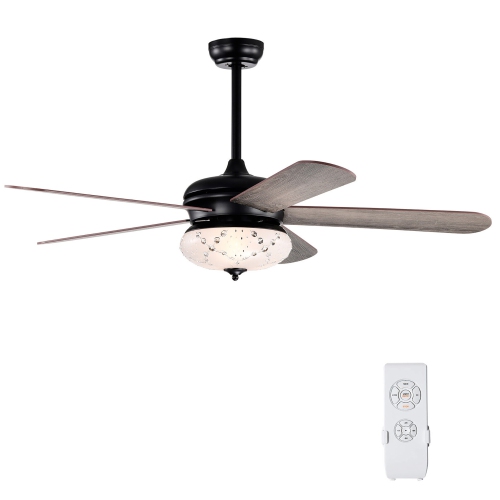
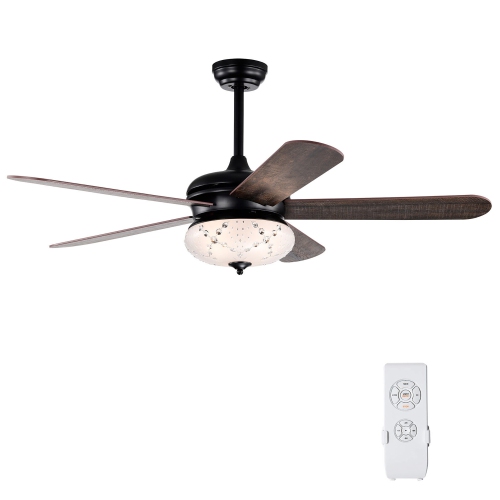
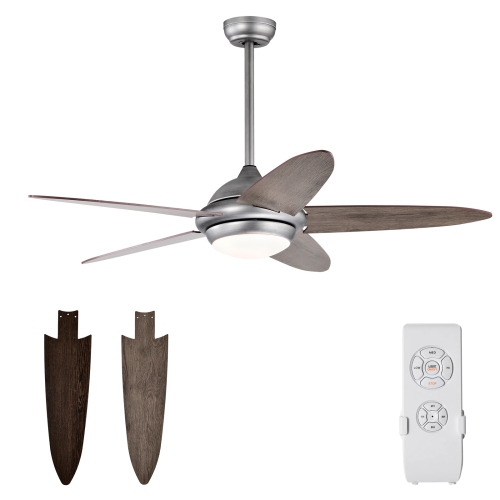
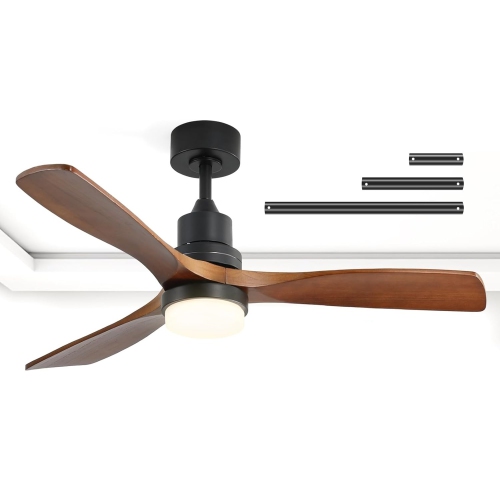


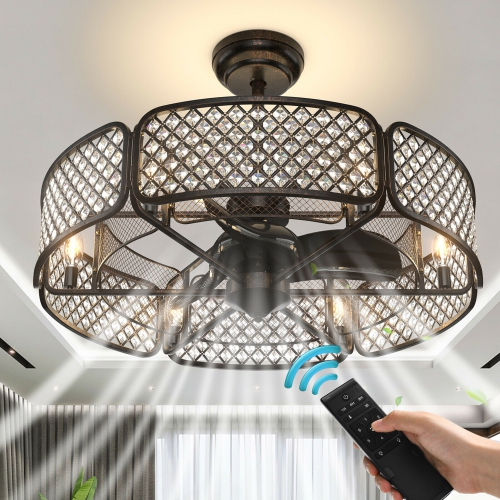
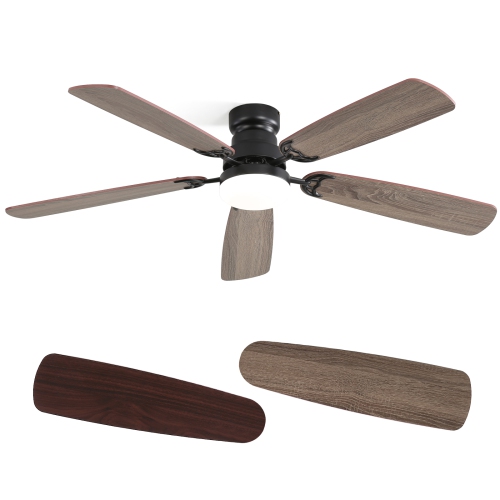
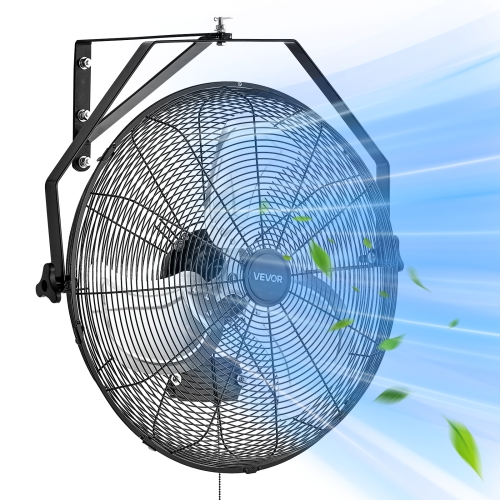
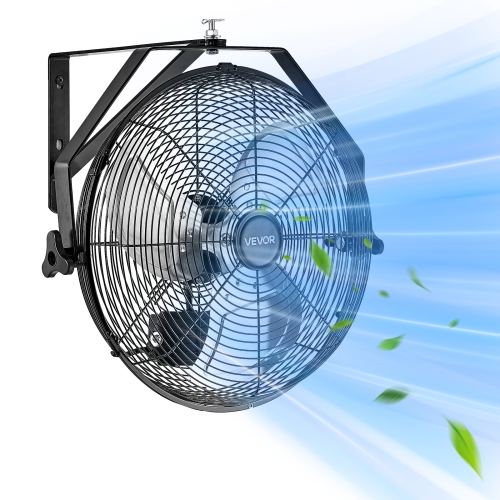
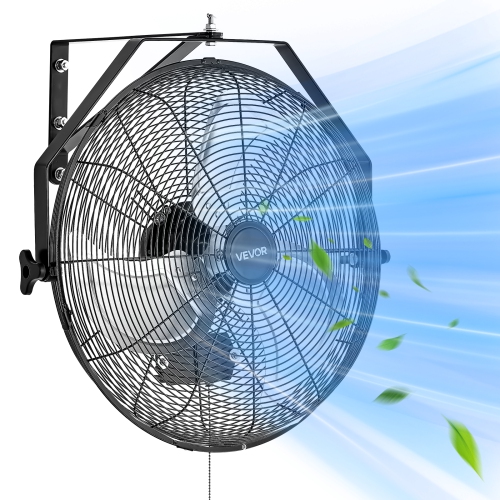
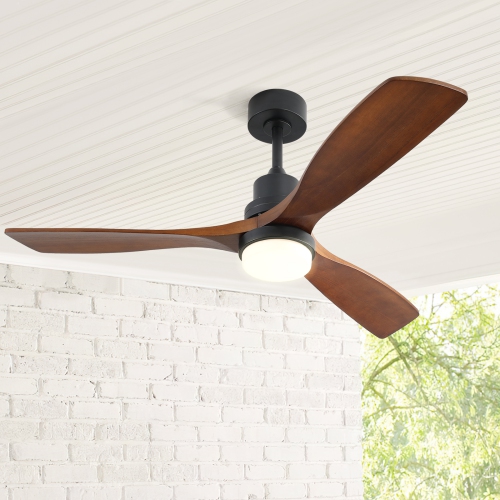
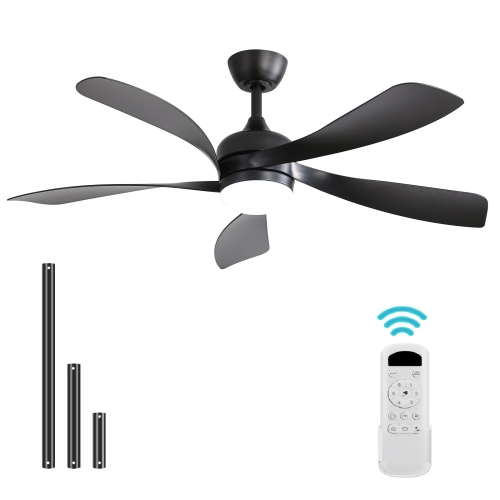
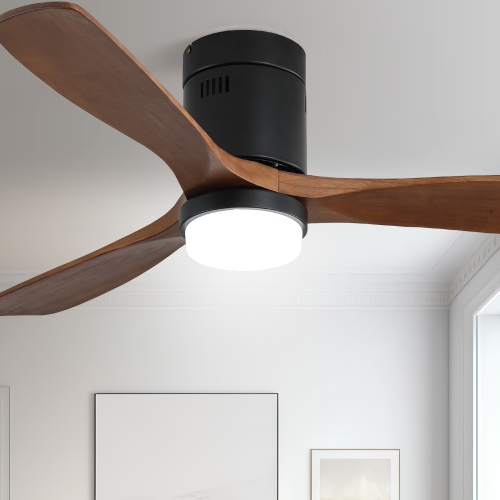
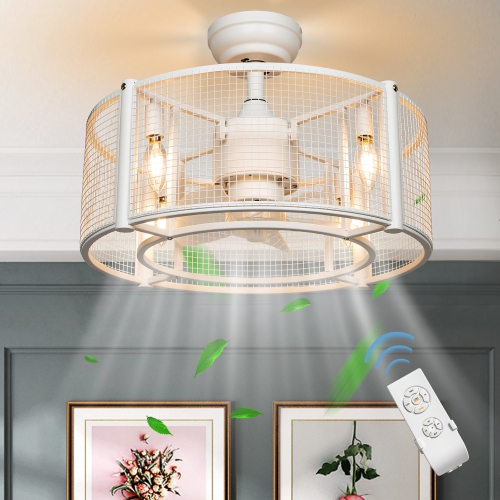
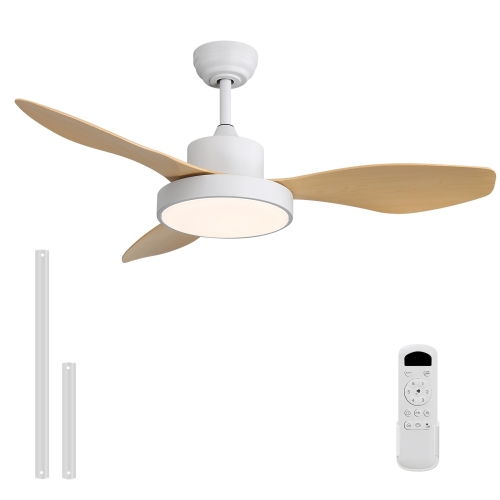
Built for broad airflow across demanding commercial spaces
Industrial ceiling fans are designed for the demands of large, open spaces where ordinary residential fans cannot move enough air. Many are high-volume, low-speed (HVLS) fans, using broad blades and powerful motors to circulate substantial amounts of air across warehouses, factories, workshops, gymnasiums, schools, agricultural buildings, loading areas, and commercial garages. Rather than producing a narrow stream of air directly beneath the motor, these fans create a wide, steady movement that can reach people and equipment across a much larger floor area. This can help reduce stagnant pockets of warm or cool air, improve comfort for employees and visitors, and make expansive interiors feel more balanced from one end to the other. They are also useful in spaces with high ceilings, where warm air naturally collects above the occupied area and cooler air settles closer to the floor. During warmer conditions, air movement across the skin can make a busy work area, training facility, covered patio, or open workshop feel more comfortable. During the cooler months, a reversible fan can help return warm air from the ceiling toward the occupied zone, supporting more even temperatures throughout the space. This year-round versatility makes industrial ceiling fans a practical choice for businesses, institutions, farms, and property owners looking for dependable air circulation rather than a short burst of airflow. For spaces that need substantial coverage but have different mounting or design requirements, browsing related Large Ceiling Fans can also help when comparing sizes and intended applications.
Choosing the right industrial ceiling fan starts with the dimensions and layout of the room. Measure the length, width, and ceiling height, then consider whether the space is open or divided by shelving, machinery, sports equipment, beams, or storage racks. Fan diameter is important because larger blades can move air over a broader area, while several smaller fans may be better suited to a building with obstacles or multiple work zones. Clearance matters as well: the blades should remain safely above people, vehicles, equipment, and overhead doors, with the mounting system selected to suit the ceiling structure. In facilities with tall ceilings, a downrod or specialized mounting hardware may position the fan at an effective height, while lower ceilings may call for a more compact configuration. The motor is another key consideration, particularly in a warehouse or production area where the fan may run for extended periods. Look for a design intended for long operating hours, sturdy housing, and controls that make it simple to adjust airflow as conditions change. DC motor models can offer smooth speed control and may be well suited to spaces where precise airflow is helpful. Reversible blade direction is valuable for seasonal operation, allowing the fan to create a cooling breeze when needed and circulate accumulated warm air downward during colder weather. Some industrial ceiling fans also include integrated LED lighting, dimming capability, or remote controls, combining overhead illumination and air movement in one installation. A remote can be especially convenient in a high-ceilinged workshop or gymnasium, while wall controls may be preferable in a workplace where settings need to remain accessible to staff. Noise level, blade material, finish, and control compatibility are worth reviewing as well, particularly for schools, fitness facilities, offices, and customer-facing commercial spaces where a distracting hum could interfere with conversation or instruction.
Industrial ceiling fans can serve many different routines and environments. In a warehouse, steady airflow can make long aisles and packing stations more comfortable while helping reduce the contrast between areas near loading doors and those farther inside. In a workshop or garage, circulation can help prevent air from feeling heavy around benches, lifts, and worktables. Gymnasiums and training facilities benefit from broad, consistent movement that reaches athletes and spectators without relying on a small fan pointed at one corner of the room. Farms, greenhouses, barns, and animal enclosures may use large fans to encourage airflow in areas where doors and windows are not enough, although the fan must be appropriate for the building’s moisture, dust, and operating conditions. Covered patios, community halls, indoor markets, and event spaces can also benefit from overhead circulation when many people gather under one roof. When planning an installation, inspect the ceiling structure and electrical requirements before purchase, and consult a qualified installer when the fan is large, heavy, mounted at significant height, or being added to an existing commercial system. A professional can help confirm that the support point, wiring, controls, and clearances are suitable for the setting. It is also helpful to consider maintenance access, since blades and housings may collect dust in workshops, agricultural buildings, and storage facilities over time. With the right size, mounting position, motor, and controls, an industrial ceiling fan can become a dependable part of a building’s comfort system, keeping air in motion through changing workloads, occupancy levels, and conditions from early fall through the colder part of the year.
Choosing the right industrial ceiling fan starts with the dimensions and layout of the room. Measure the length, width, and ceiling height, then consider whether the space is open or divided by shelving, machinery, sports equipment, beams, or storage racks. Fan diameter is important because larger blades can move air over a broader area, while several smaller fans may be better suited to a building with obstacles or multiple work zones. Clearance matters as well: the blades should remain safely above people, vehicles, equipment, and overhead doors, with the mounting system selected to suit the ceiling structure. In facilities with tall ceilings, a downrod or specialized mounting hardware may position the fan at an effective height, while lower ceilings may call for a more compact configuration. The motor is another key consideration, particularly in a warehouse or production area where the fan may run for extended periods. Look for a design intended for long operating hours, sturdy housing, and controls that make it simple to adjust airflow as conditions change. DC motor models can offer smooth speed control and may be well suited to spaces where precise airflow is helpful. Reversible blade direction is valuable for seasonal operation, allowing the fan to create a cooling breeze when needed and circulate accumulated warm air downward during colder weather. Some industrial ceiling fans also include integrated LED lighting, dimming capability, or remote controls, combining overhead illumination and air movement in one installation. A remote can be especially convenient in a high-ceilinged workshop or gymnasium, while wall controls may be preferable in a workplace where settings need to remain accessible to staff. Noise level, blade material, finish, and control compatibility are worth reviewing as well, particularly for schools, fitness facilities, offices, and customer-facing commercial spaces where a distracting hum could interfere with conversation or instruction.
Industrial ceiling fans can serve many different routines and environments. In a warehouse, steady airflow can make long aisles and packing stations more comfortable while helping reduce the contrast between areas near loading doors and those farther inside. In a workshop or garage, circulation can help prevent air from feeling heavy around benches, lifts, and worktables. Gymnasiums and training facilities benefit from broad, consistent movement that reaches athletes and spectators without relying on a small fan pointed at one corner of the room. Farms, greenhouses, barns, and animal enclosures may use large fans to encourage airflow in areas where doors and windows are not enough, although the fan must be appropriate for the building’s moisture, dust, and operating conditions. Covered patios, community halls, indoor markets, and event spaces can also benefit from overhead circulation when many people gather under one roof. When planning an installation, inspect the ceiling structure and electrical requirements before purchase, and consult a qualified installer when the fan is large, heavy, mounted at significant height, or being added to an existing commercial system. A professional can help confirm that the support point, wiring, controls, and clearances are suitable for the setting. It is also helpful to consider maintenance access, since blades and housings may collect dust in workshops, agricultural buildings, and storage facilities over time. With the right size, mounting position, motor, and controls, an industrial ceiling fan can become a dependable part of a building’s comfort system, keeping air in motion through changing workloads, occupancy levels, and conditions from early fall through the colder part of the year.
Top selling and popular products
-
 Your price for this item is $149.99
 -
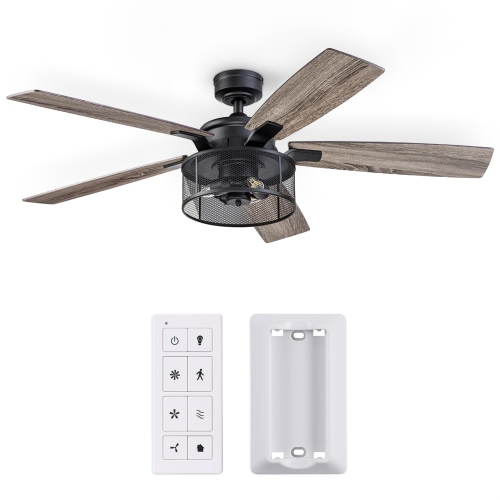 Your price for this item is $250.99
 -
 Your price for this item is $238.99
 -
 Your price for this item is $219.99
 -
 Your price for this item is $288.99
 -
 Your price for this item is $294.99
 -
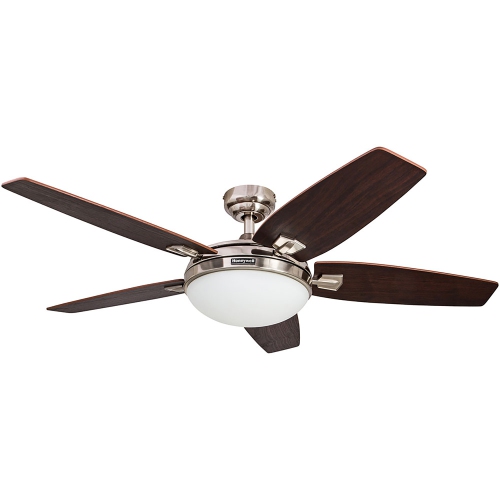 Your price for this item is $266.99
 -
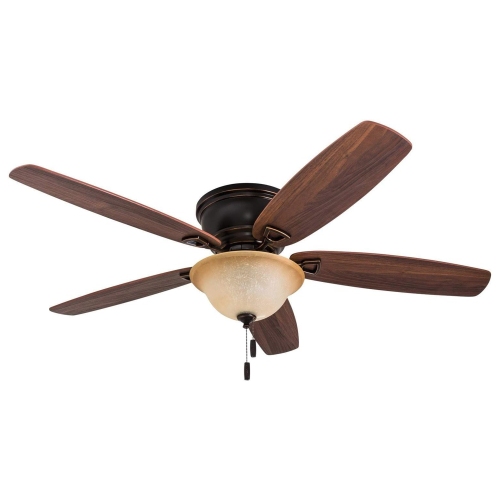 Your price for this item is $254.99
Discover more categories related to Industrial Ceiling Fans

Top Collections:
Pokemon Centers, Kindle Devices, Best Budget Office Chairs, Apple iPhones 16, Best Laptops for Writers, iPhone 15 Apple, Canon G7X Cameras, Refurbished Apple Laptops, Alarm Clock, Motorola Razr Phones
Some products may be subject to Environmental Handling Fees
(EHF) depending on your province.
Learn more about EHFs.