Commercial Microwave Ovens
Upgrade your kitchen with a commercial microwave oven designed to handle the demands of busy restaurants, cafés, and food service establishments. Perfect for quickly heating, cooking, or defrosting large quantities of food, a commercial microwave oven offers efficiency and reliability for any professional setting. Explore a range of options to find the ideal solution that matches your business needs and keeps your operations running smoothly.
Sort

Why kitchen workload matters as much as wattage
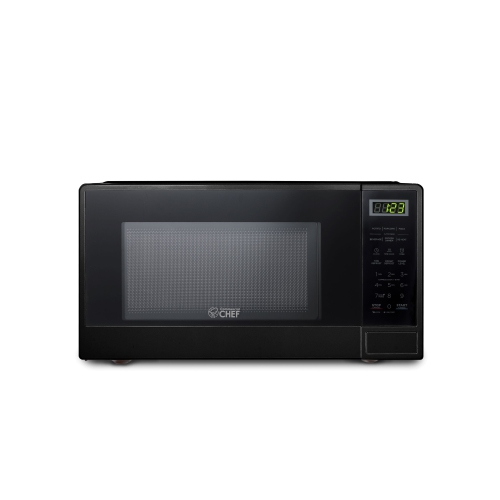
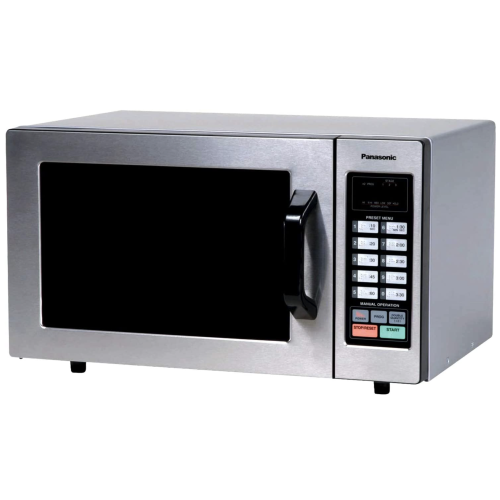
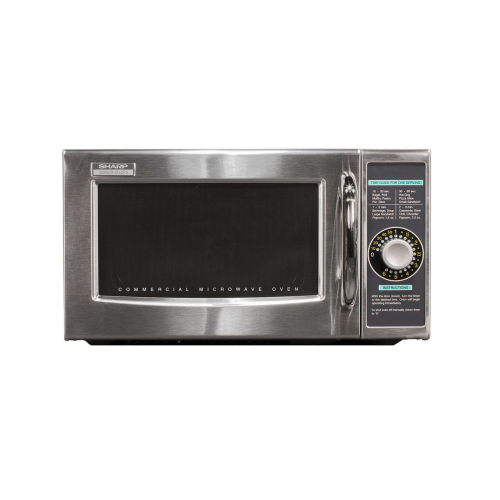
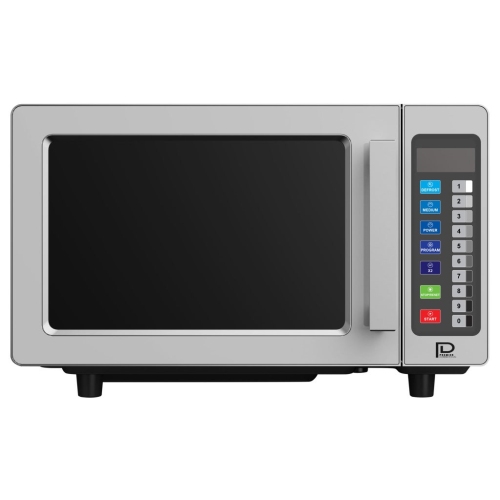
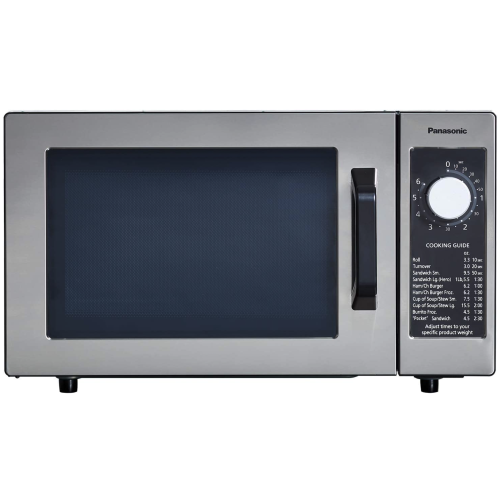
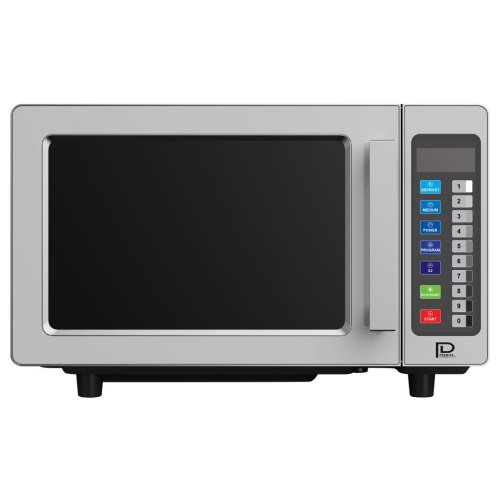
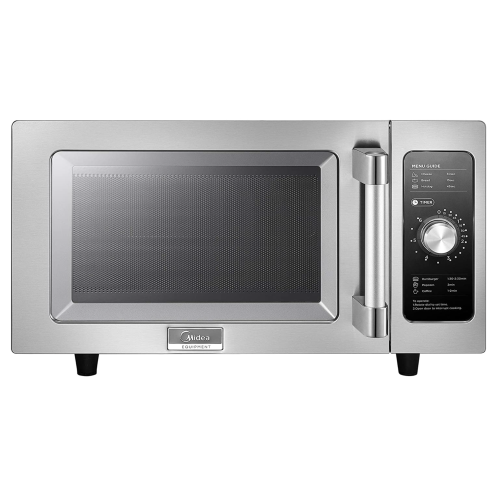
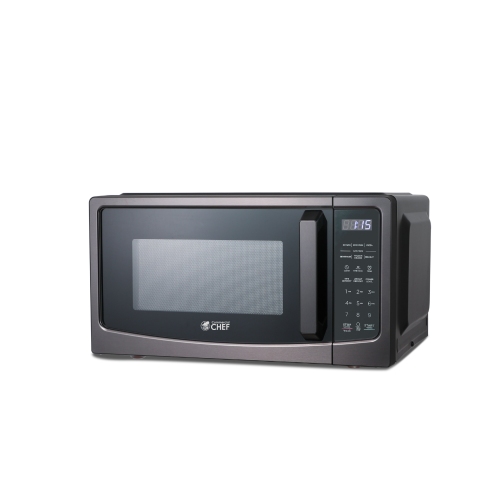
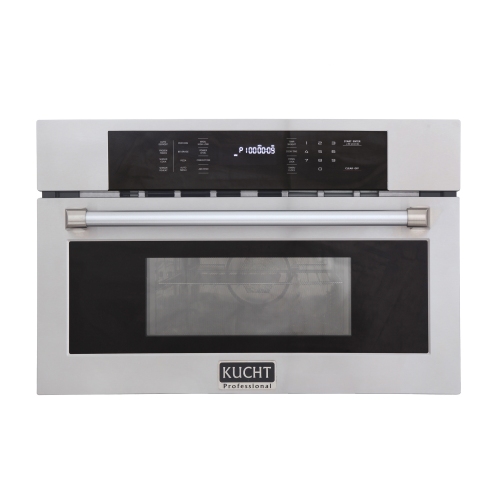
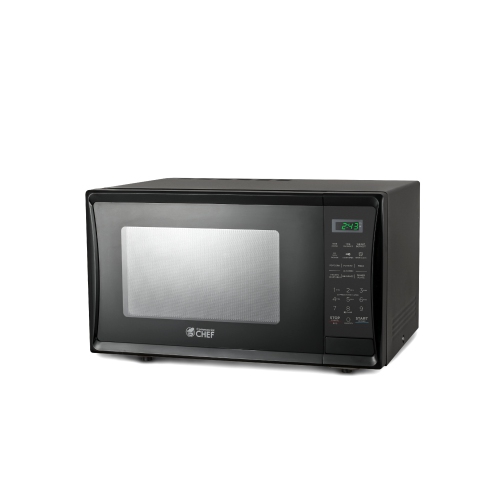
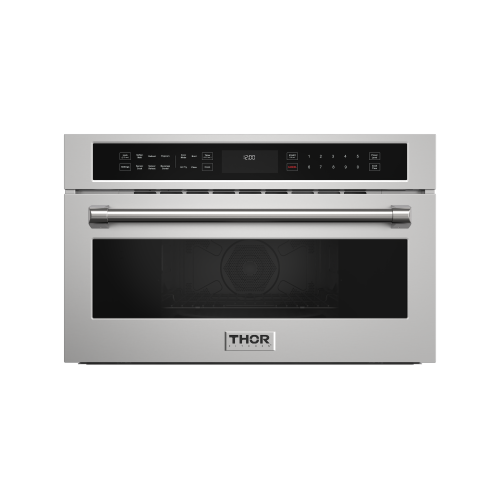
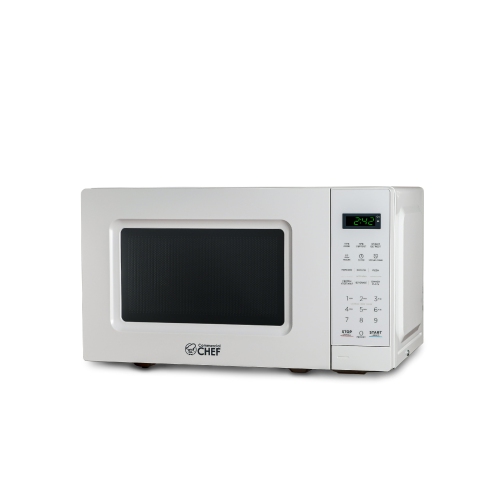
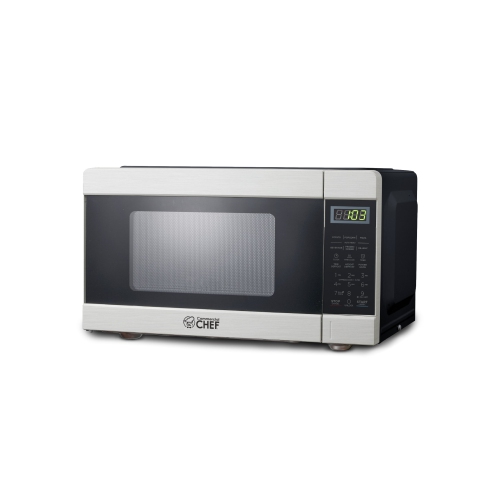
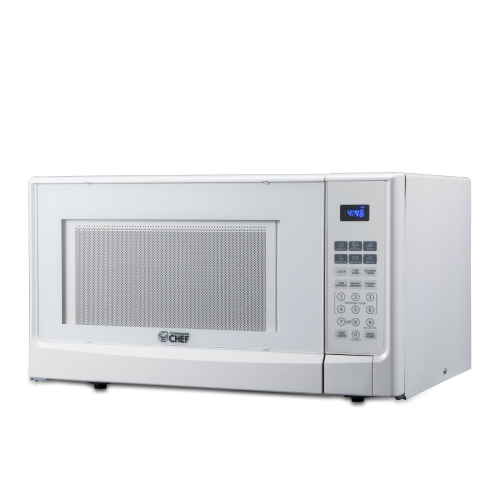
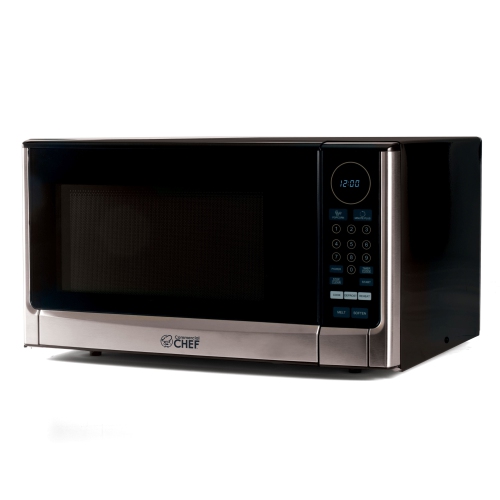
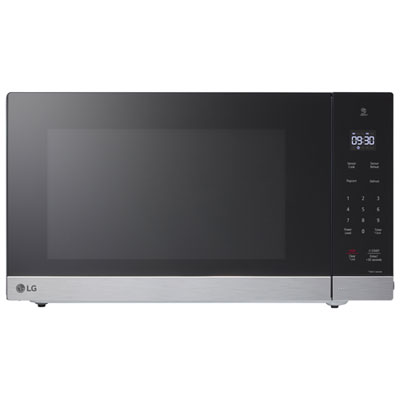
Commercial microwave ovens are foodservice appliances built for repeated heating, reheating and defrosting in workplaces where a microwave may be used many times throughout the day. Restaurants, cafés, convenience stores, staff cafeterias and catering kitchens use them to warm individual portions, prepare sauces, soften ingredients and support service without occupying a cooktop burner. Their role is often practical and specific: heating a bowl of soup while a sandwich is assembled, warming a prepared side dish before plating, or bringing a refrigerated sauce to serving temperature. Unlike a typical household microwave, a commercial unit is designed around an intended workload, with construction, controls and service requirements suited to that use. However, commercial models do not all support the same volume of work. Light-duty designs may suit occasional use in a small staff kitchen, while more demanding foodservice operations need equipment rated for frequent cycles and repeated handling. Cooking output matters alongside that duty rating. Higher output can shorten some heating tasks, but portion size, food density, starting temperature and container shape all affect the result. A thick serving of stew behaves differently from a shallow dish of vegetables, even when both use the same cooking time. Many commercial microwave ovens have a flat cavity floor rather than a rotating glass turntable, leaving space for suitable dishes without requiring them to rotate. This layout can also simplify wiping up spills between tasks. Control styles range from straightforward manual operation to programmable touchpads that store repeatable cooking sequences. Saved settings are useful where several employees prepare the same portions, while clearly marked controls can make occasional use less confusing. Standard microwave heating is primarily useful for warming food rather than creating a browned crust or crisp finish; those results generally require a model with additional cooking functions or another appliance. The most suitable design reflects what passes through the kitchen each day, not simply the largest capacity or highest output.
Materials, usable space and installation requirements shape how a commercial microwave oven fits into a working kitchen. Stainless steel interiors and exteriors are common because they tolerate routine cleaning and suit foodservice workspaces, although the exact materials and finish vary by model. Smooth cavity surfaces, accessible corners and a sturdy door handle make a noticeable difference when staff are moving quickly between preparation and cleanup. Reinforced door components and durable controls may also be valuable where the appliance is opened repeatedly throughout a shift. Capacity is more useful when considered in relation to actual dishes than as a volume figure alone. A wide, shallow container, a tall bowl and a rectangular food pan each need different interior dimensions, and a dish must fit comfortably without interfering with the door or any internal components. Exterior measurements deserve the same attention. The countertop needs to support the appliance, the door needs room to open, and staff need a clear path to lift out hot food without reaching across another workstation. Manufacturer-specified ventilation clearances must remain unobstructed, even when a compact kitchen makes every inch of counter space important. A freestanding countertop unit should not be enclosed in cabinetry or stacked with another appliance unless its manufacturer permits that arrangement and specifies the appropriate accessories. Electrical requirements also vary: some commercial microwave ovens need a dedicated circuit, a particular voltage or a receptacle that differs from a standard household connection. Installation should follow the appliance documentation and applicable local requirements, with qualified electrical help where necessary. Certification and sanitation requirements should also match the intended business use. While Powerful Microwave Ovens may offer useful heating performance in different settings, wattage alone does not establish commercial suitability. Duty rating, approved use, electrical compatibility and physical fit remain separate considerations, especially when an appliance will become part of a busy preparation line.
Everyday handling and care help a commercial microwave oven remain dependable while supporting consistent food preparation. Microwave-safe containers must be suitable for both the food and the intended heating task; a container used for cold storage is not automatically appropriate for reheating. Glass, ceramic and plastic dishes should carry suitable manufacturer guidance, and metal containers or accessories should only be used where the appliance instructions explicitly allow them. Appropriate vented covers help contain splashes and retain moisture, but tightly sealed containers can build pressure. Food arrangement matters too. Spreading a portion into a more even layer, stirring when appropriate and allowing the specified standing time can help reduce uneven heating. In a shared kitchen, consistent portions and clearly identified settings make repeated tasks easier to manage, but a programmed cycle does not replace checking that food has reached a safe internal temperature. A suitable food thermometer is particularly important for reheated dishes and foods that may heat unevenly. Defrosting also needs to fit the preparation schedule, since food thawed in a microwave generally needs to be cooked promptly rather than left on a counter. Cleaning is most manageable when splashes are addressed before they dry onto the cavity walls. Once the appliance is safe to clean according to its instructions, a soft cloth and an approved cleaner can remove food residue without unnecessarily scratching surfaces. Abrasive pads, excessive water and cleaner sprayed into vents or controls can damage components. Door edges and contact surfaces need attention as well, and a damaged door, latch or seal calls for professional assessment rather than continued operation. Where removable filters are fitted, their cleaning schedule should follow the manufacturer’s directions. Keeping ventilation openings clear and arranging service when performance changes can help prevent small maintenance issues from disrupting daily work. For foodservice teams and shared workplaces alike, a well-matched commercial microwave oven supports the ordinary but essential tasks that keep meals moving: warming a single serving, preparing an ingredient for the next order and delivering repeatable results throughout the working day.
Top selling and popular products
-
 Your price for this item is $79.97
-
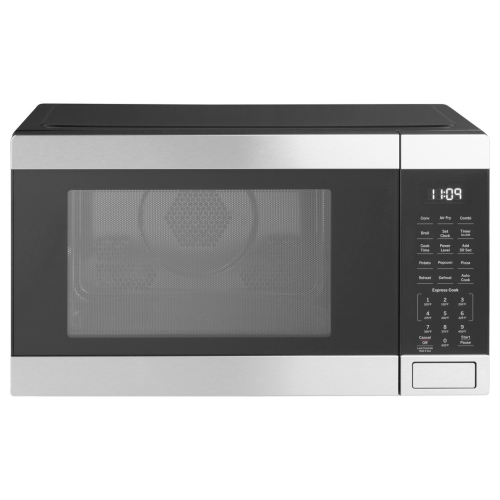 Your price for this item is $599.99
-
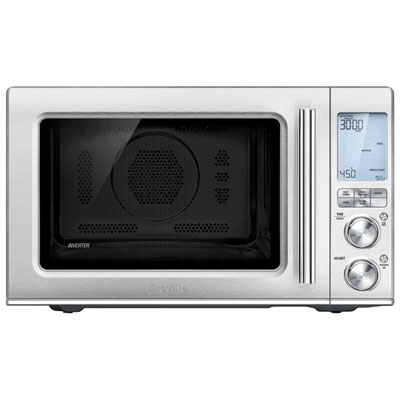 Your price for this item is $699.99
-
 Your price for this item is $95.49
-
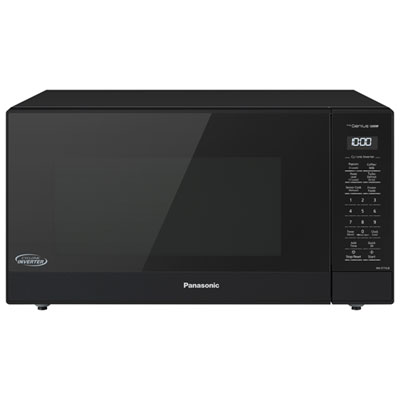 Your price for this item is $309.99
-
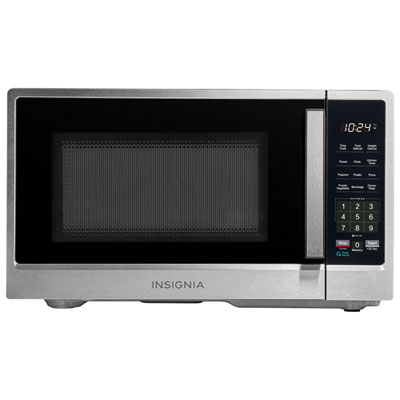 Your price for this item is $149.99
-
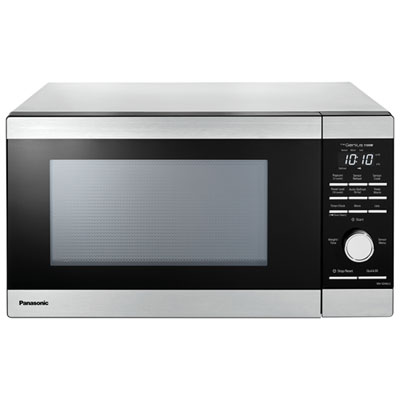 Your price for this item is $249.99
-
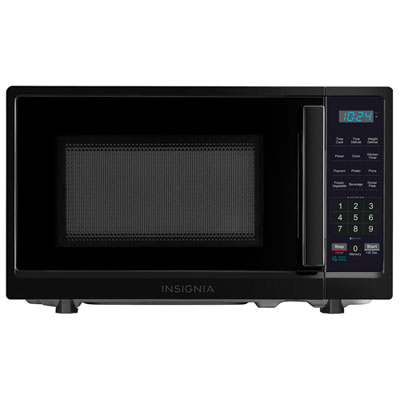 Your price for this item is $109.99
Discover more categories related to Commercial Microwave Ovens
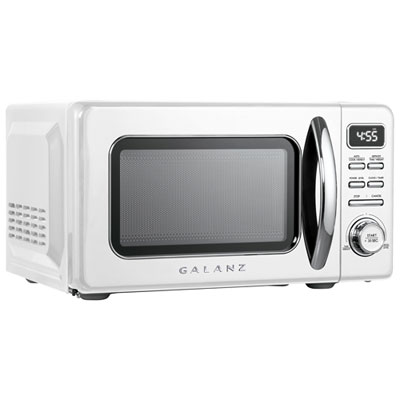
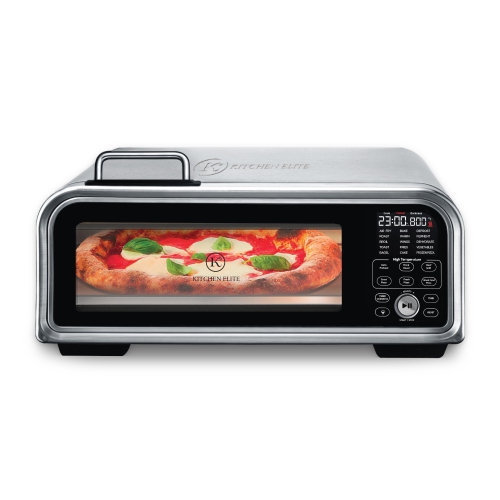
Top Collections:
Best Black Friday Deals This Year, Best Black Friday Deals On Electronics, Kindle Devices, Pokemon Centers, Best Black Friday Deals On Apple Products, Best Cameras for Sports Photography, Dyson Airwrap, Pokémon 30th Celebration Cards, Apple iPhone 17 Pro, Canon G7X Cameras
Some products may be subject to Environmental Handling Fees
(EHF) depending on your province.
Learn more about EHFs.