Portable Microwave Ovens
Portable Microwave Ovens offer a convenient solution for heating and cooking meals on the go. Perfect for small kitchens, offices, dorm rooms, or travel, these compact appliances are designed to fit a variety of spaces and lifestyles. With their lightweight and space-saving designs, Portable Microwave Ovens make it easy to enjoy hot food wherever you need it. Explore a range of options to find the right model that suits your needs and enhances your daily routine.
Sort
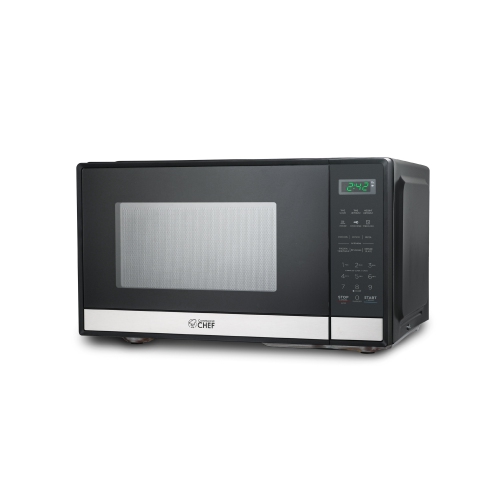
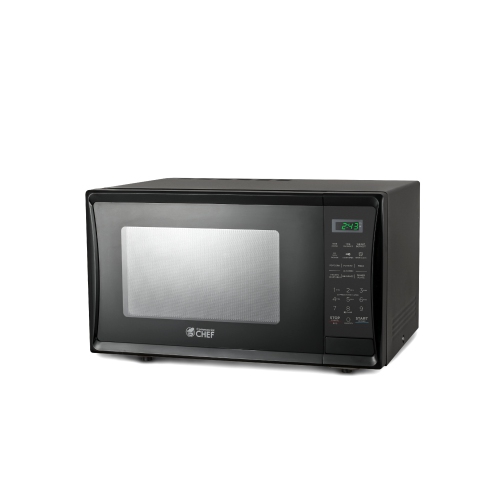
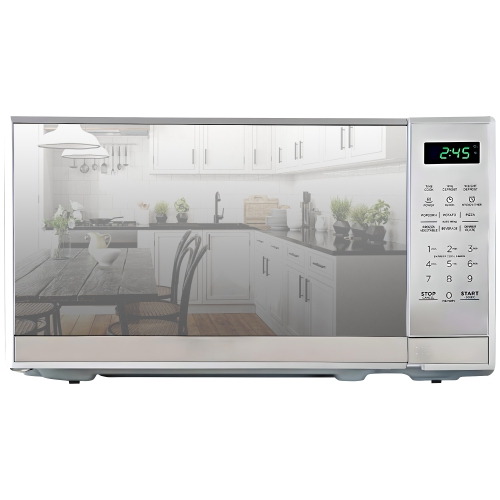
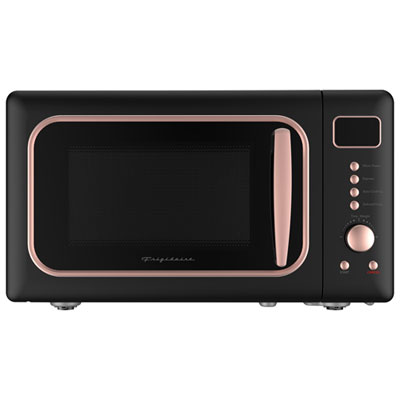
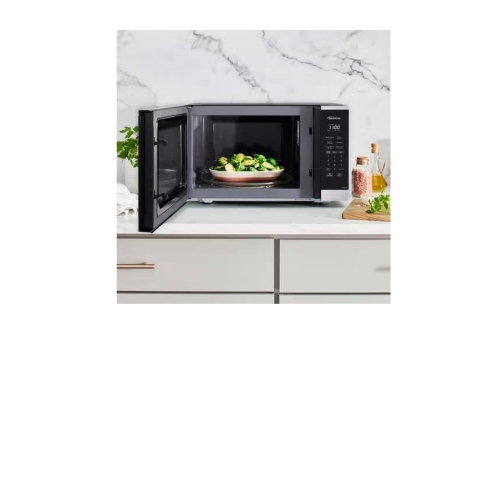
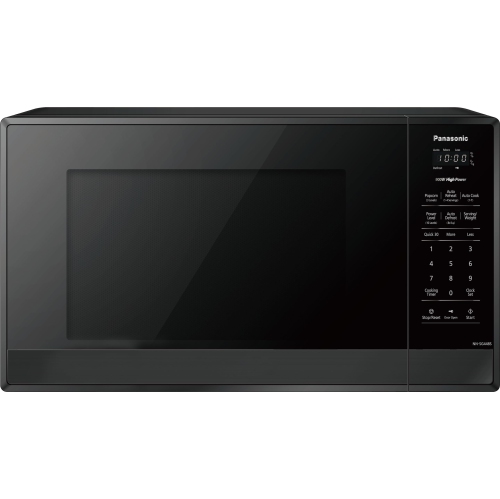

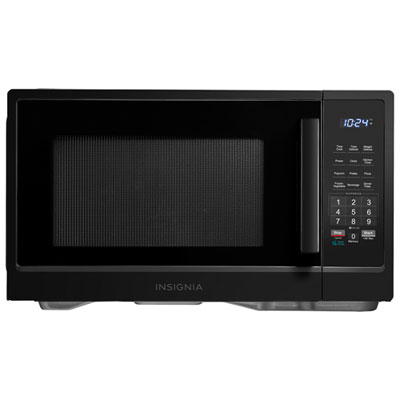
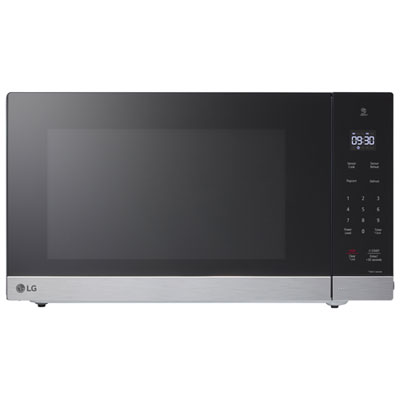
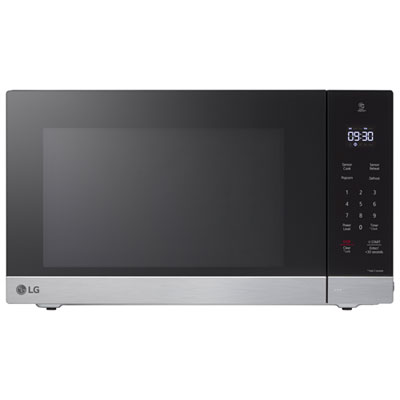
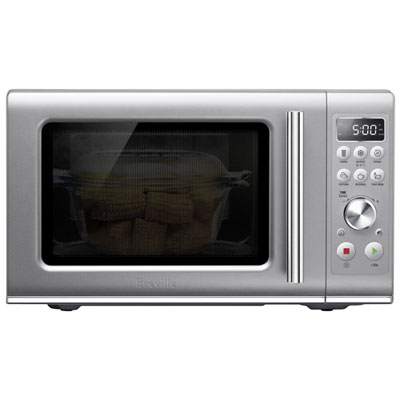
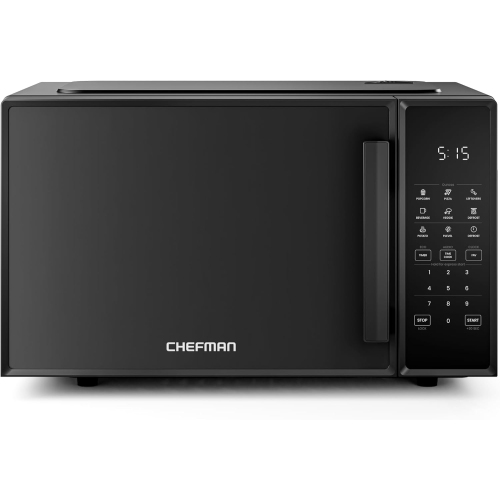
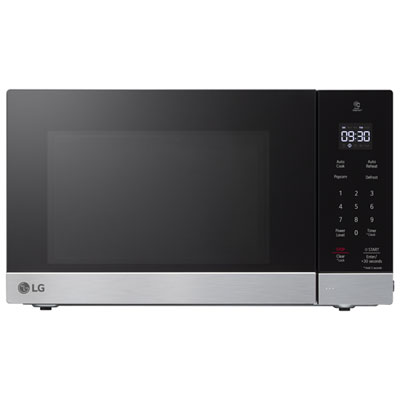

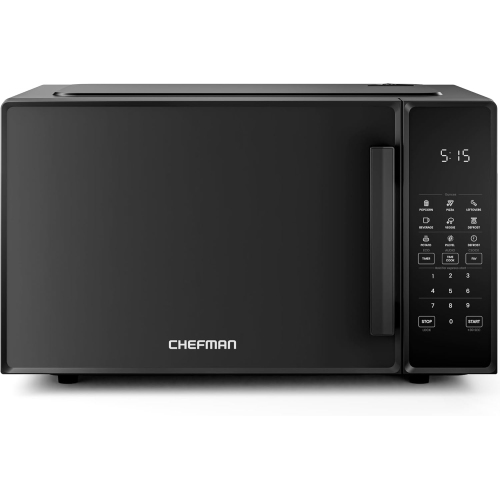
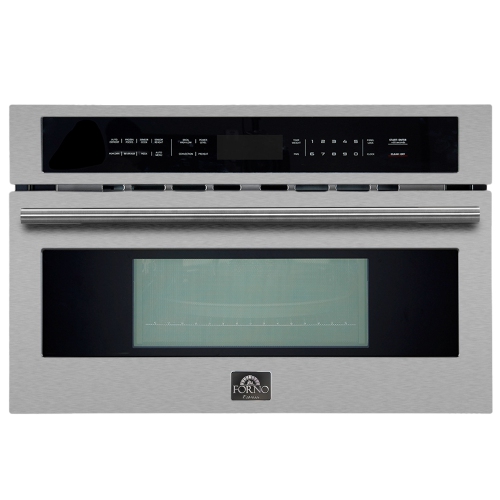
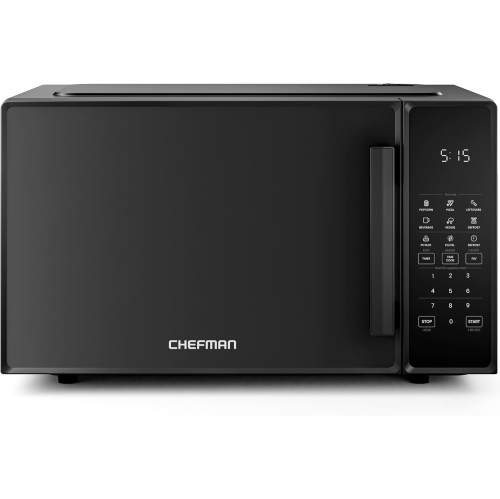
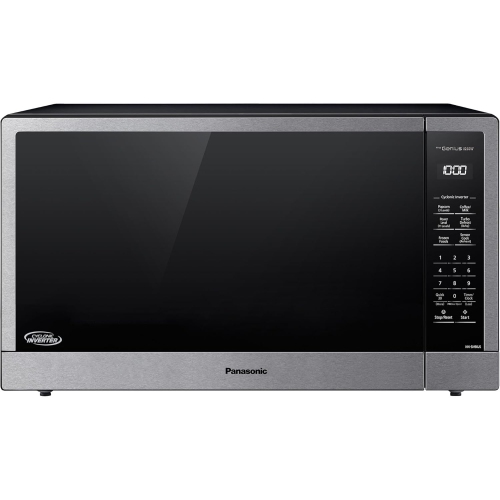
Microwave convenience takes more than a compact footprint
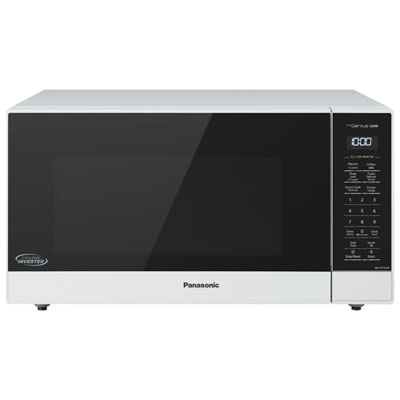
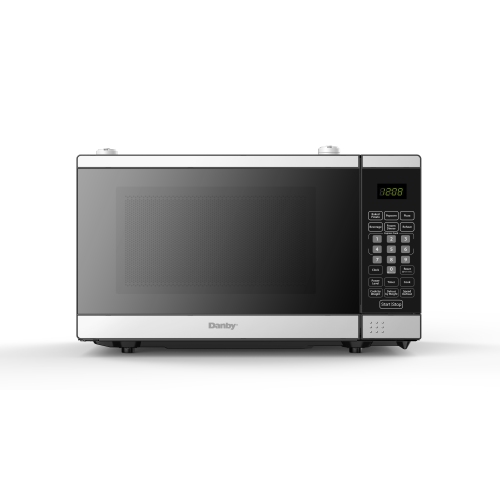
A portable microwave oven uses microwave energy to heat food, with a size and design that make it more practical to move than a larger countertop appliance. It is different from a heated lunch box or an electric food warmer: those appliances generally use heating elements to warm a meal gradually rather than microwave energy to reheat or cook it. That distinction matters when a lunch break is short, a bowl of soup needs reheating, or a frozen meal requires a microwave cooking cycle. A food warmer may suit someone who can leave a meal heating for an extended period, but it should not be treated as an interchangeable substitute for a microwave. Portability also does not automatically mean cordless operation. Compact countertop microwaves generally require a suitable electrical outlet, while battery operation requires an appliance specifically designed for that purpose and its compatible power source. A small microwave should never be assumed to work from a vehicle accessory socket simply because it fits inside the vehicle. For travel or use with a portable power station, the appliance’s electrical input requirements, the power source’s output rating, and the manufacturer’s instructions all matter. Advertised cooking wattage describes microwave cooking output, not necessarily the total electricity the appliance draws. These practical differences help define where a portable microwave makes sense: a small kitchen, an approved staff lunch area, a residence room where cooking appliances are permitted, or suitable travel accommodation with the required electrical supply. The appeal is familiar microwave convenience in a manageable footprint, whether that means warming oatmeal before work or reheating a single serving of pasta. Even a lightweight model needs to remain stationary on a stable surface during operation, with the ventilation space specified by its manufacturer. Being easy to relocate is useful; being safe to operate in its destination is essential.
Size involves more than the space an appliance occupies on a counter. Exterior width, depth, and height determine whether a microwave fits its intended location, while interior dimensions determine whether the dishes used every day will fit comfortably. A compact cavity may accommodate a mug and a small bowl but leave little room for a wide dinner plate or a tall food-storage container. Capacity figures alone do not tell the whole story, because cavity shape, turntable diameter, and usable height can differ between designs. A plate needs enough clearance to rotate freely when the appliance uses a turntable, and a container with a lid may need more height than expected. Door movement deserves attention, too: a microwave positioned beside a wall can be awkward to load if the door cannot open far enough. Required ventilation clearances mean an appliance may need more usable counter space than its outer measurements suggest. Countertop designs are not automatically suitable for an enclosed cupboard or a built-in installation. Weight is another part of everyday fit, especially when the microwave will be moved between approved locations or put away between uses. A compact shape can still be heavy or awkward to carry, and a door handle is not a carrying handle. Cooking performance is equally relevant. Lower-output microwaves often need longer heating times, so instructions written for a different wattage may require adjustment. Adjustable power levels can make gentle tasks, such as softening butter, easier to manage, while straightforward time controls suit routine reheating. Defrost settings, preset programmes, and sensor functions vary by design and do not replace the directions on food packaging. Clear displays, readable buttons, and an easy-to-grip door can be more useful than a long list of settings. For someone heating the same lunch container each day, predictable controls and a cavity that fits that container may matter more than extra programmes that rarely get used.
Materials and care contribute to how well a portable microwave holds up to repeated use and occasional relocation. Exteriors may combine painted metal, stainless steel, and plastic components, while interior finishes and removable parts vary. Smooth surfaces are easier to wipe after a splash of tomato sauce, and a removable glass turntable can simplify cleaning when the manufacturer permits it to be washed separately. The appliance should be switched off and unplugged before cleaning, with care taken not to let liquid enter vents or controls. A soft cloth and mild cleaning solution are generally gentler on finishes than abrasive pads, although the appliance’s care instructions take priority. Food residue around the door opening should be removed carefully, and damaged hinges, latches, or sealing surfaces need attention before further use. For moving or storage, an empty, clean, dry cavity helps prevent spills and odours, while securing removable components according to the manual reduces the chance of breakage. Everyday cooking habits matter as well. Microwave-safe dishes, vented covers, and enough room to stir food help make reheating less messy. Containers should be labelled for microwave use; takeaway packaging and metal-trimmed dishes should not be assumed suitable. Stirring and allowing the recommended standing time help distribute heat, and reheated leftovers should reach an internal temperature of 74°C, checked with a food thermometer rather than judged only by steam. These habits are particularly useful with dense meals, where the edges can feel hot before the centre is ready. As a gift, a compact microwave can be practical for someone setting up a first home or furnishing a permitted residence space, provided its dimensions, electrical needs, and intended use suit the recipient. Larger households, frequent batch cooking, and wider serving dishes may call for more interior room; Big Microwave Ovens offer a useful size comparison. Portable designs are best understood through the tasks they need to handle, the space they can safely occupy, and how often they will actually be moved.
Top selling and popular products
-
 Your price for this item is $79.97
-
 Your price for this item is $599.99
-
 Your price for this item is $699.99
-
 Your price for this item is $95.49
-
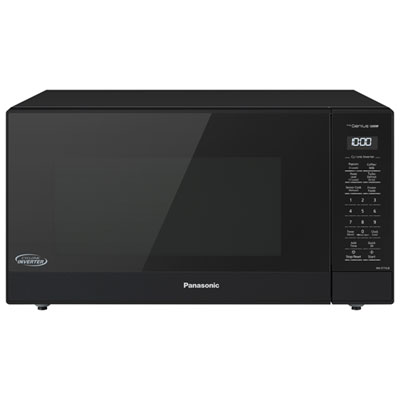 Your price for this item is $309.99
-
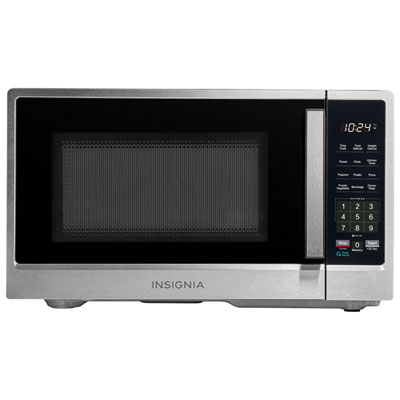 Your price for this item is $149.99
-
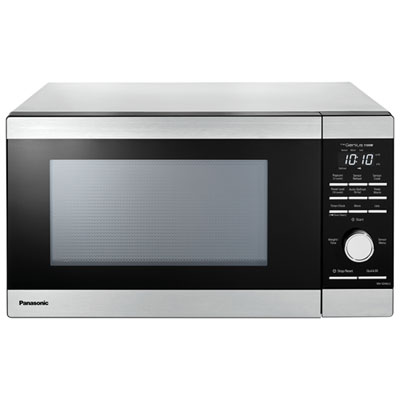 Your price for this item is $249.99
-
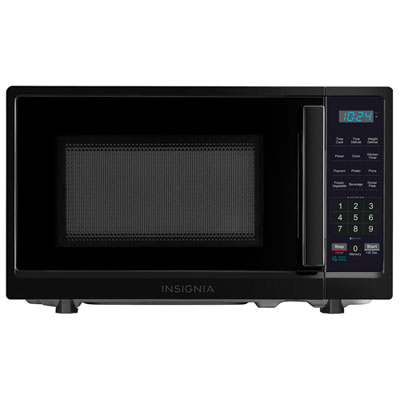 Your price for this item is $109.99
Discover more categories related to Portable Microwave Ovens
Top Collections:
Best Black Friday Deals This Year, Best Black Friday Deals On Electronics, Kindle Devices, Pokemon Centers, Best Black Friday Deals On Apple Products, Best Cameras for Sports Photography, Dyson Airwrap, Pokémon 30th Celebration Cards, Apple iPhone 17 Pro, Canon G7X Cameras
Some products may be subject to Environmental Handling Fees
(EHF) depending on your province.
Learn more about EHFs.