Commercial Vegetable Choppers
Looking to streamline your food preparation process in a commercial kitchen? Look no further than our wide selection of commercial vegetable choppers. These powerful and efficient machines are designed to handle the demands of high-volume food preparation, making them a must-have for restaurants, catering services, and other food service establishments. With their ability to quickly and uniformly chop, slice, and dice vegetables, these commercial-grade choppers will save you both time and effort in the kitchen. Explore our range of commercial vegetable choppers today and take your food prep game to the next level.
Sort
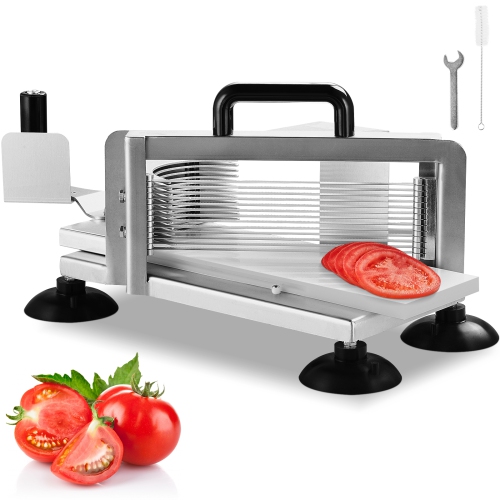
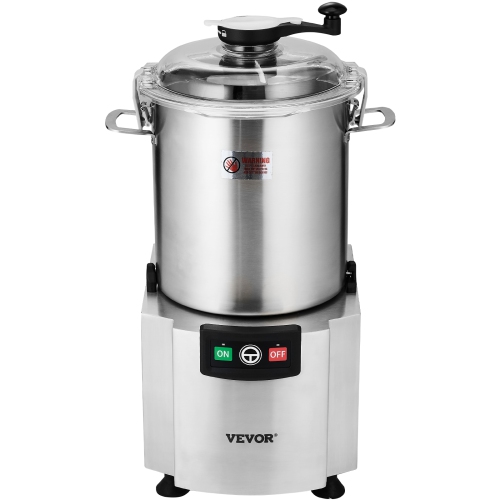
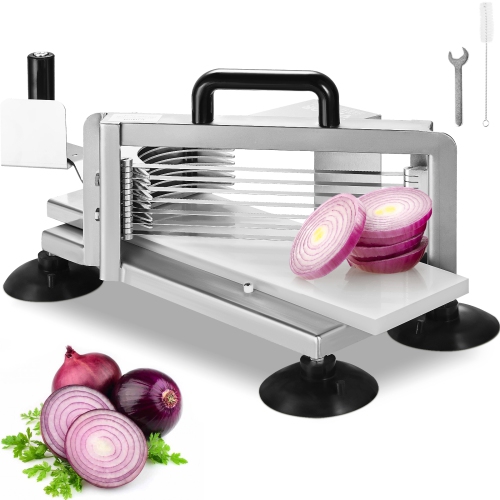
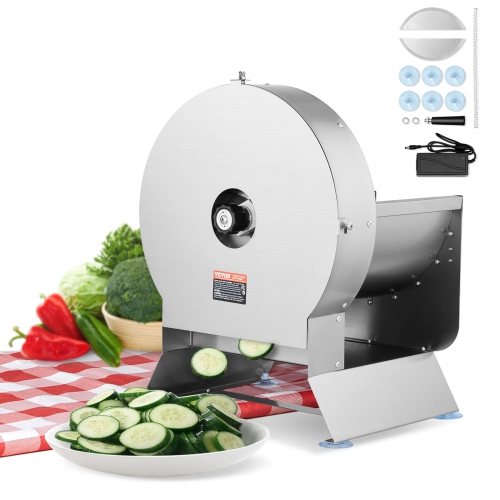
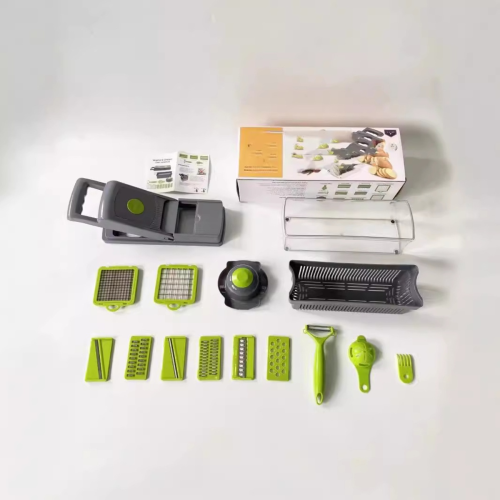
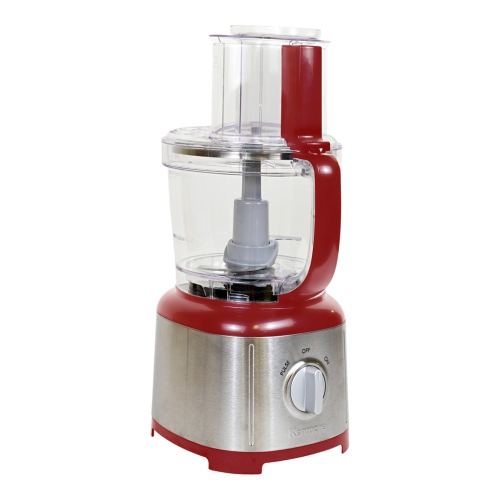
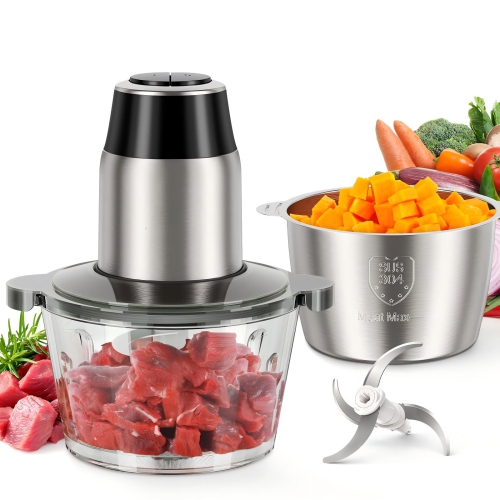
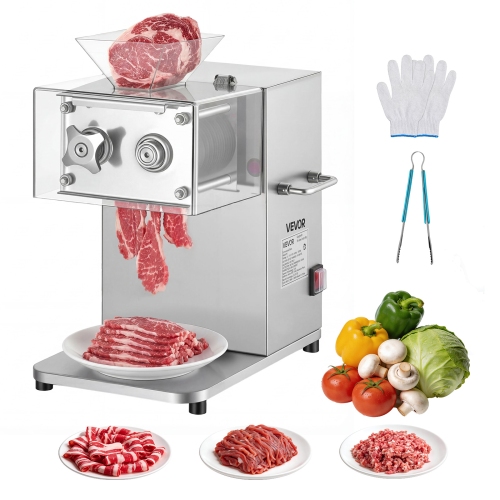


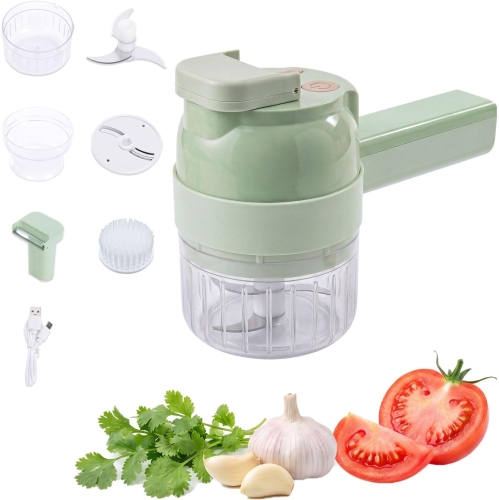
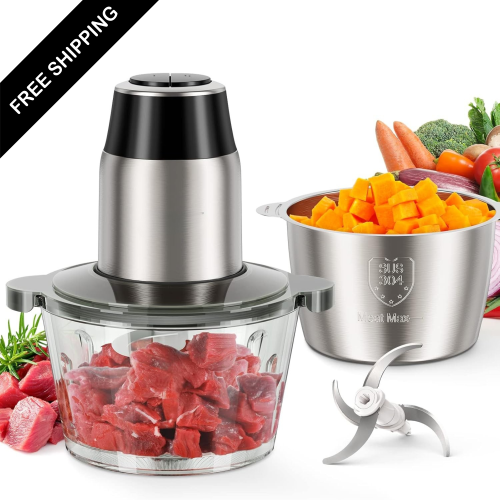

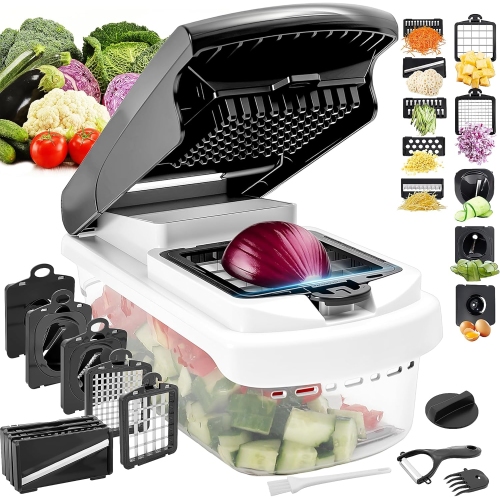
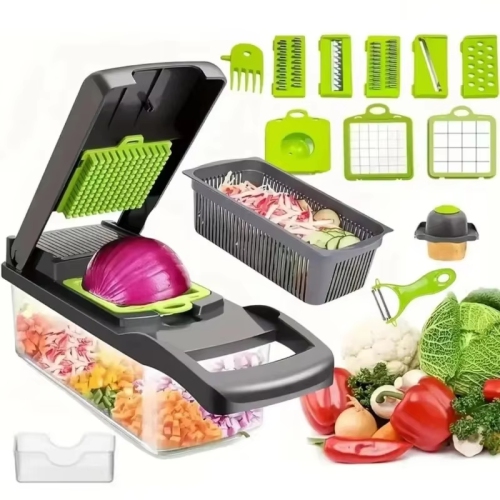
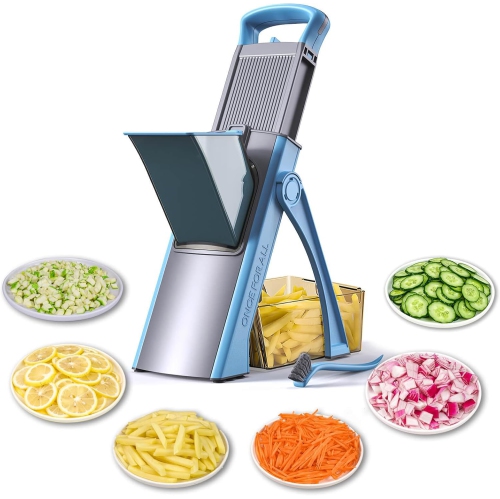
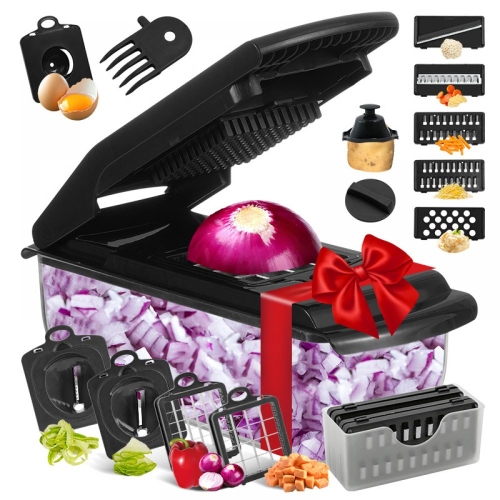
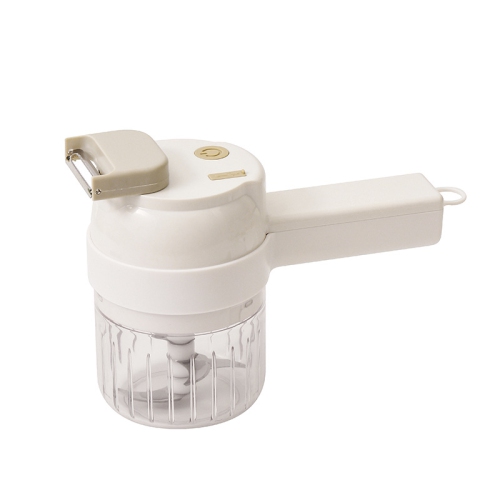
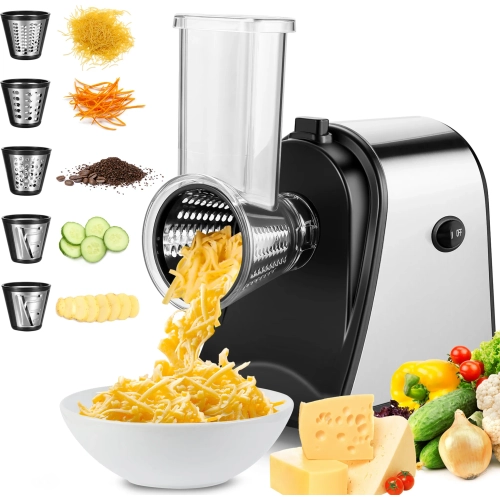

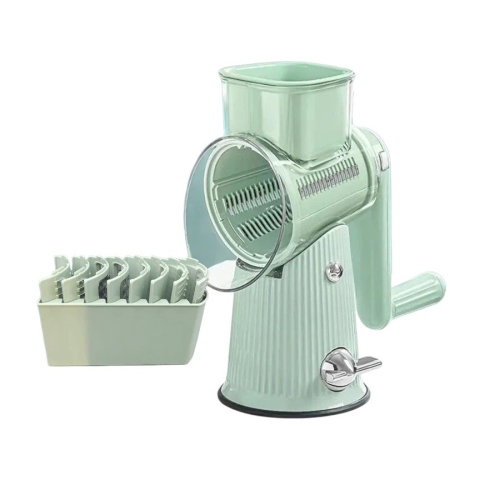
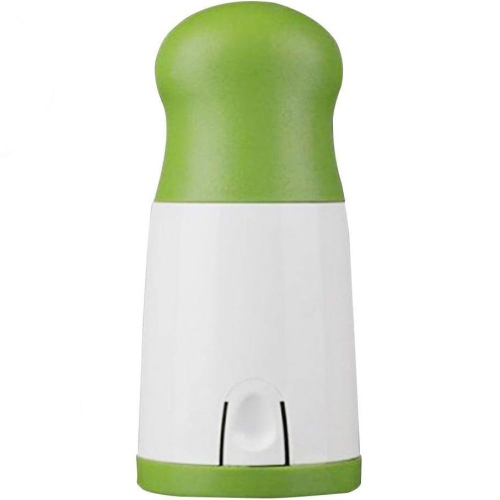
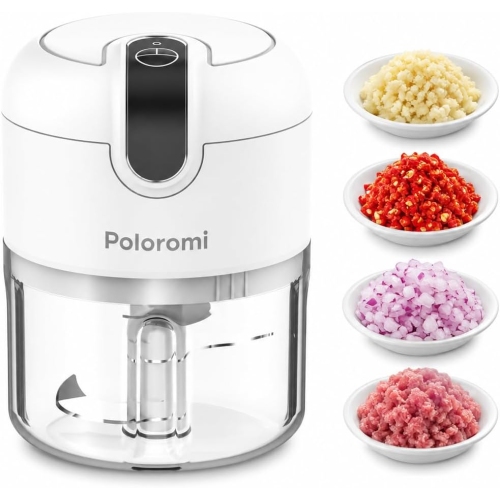
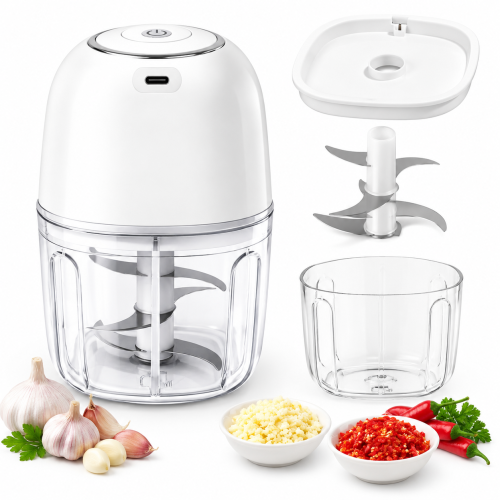
Consistent preparation for busy kitchens and high-volume service
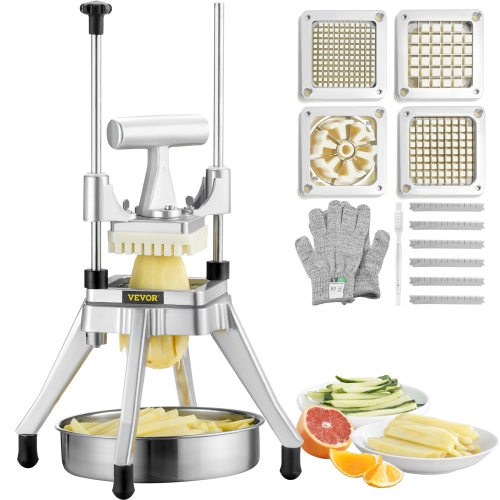
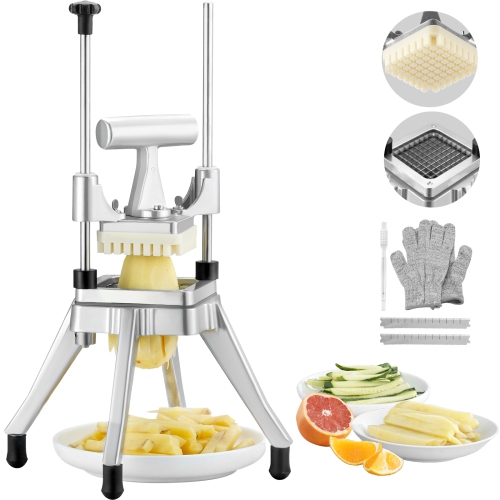
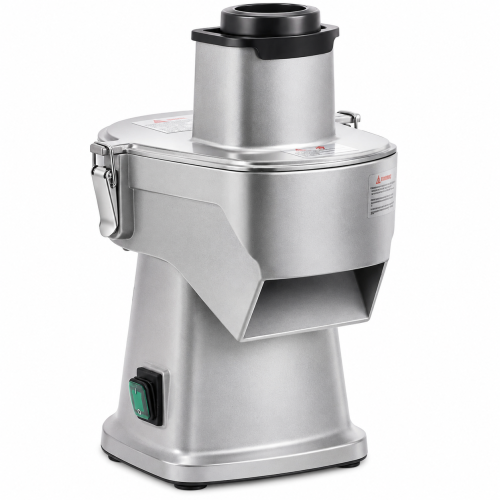
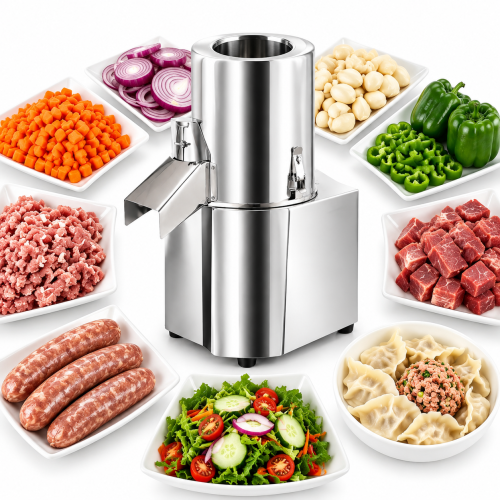
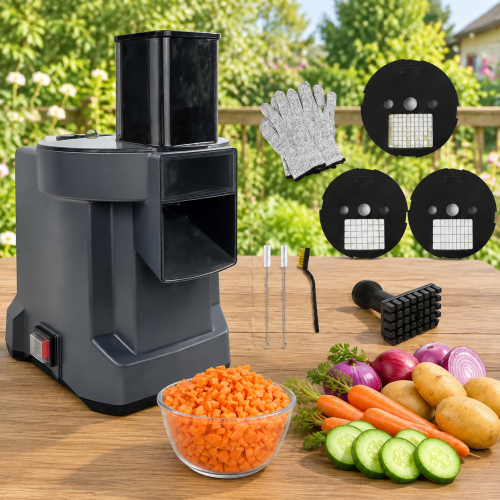
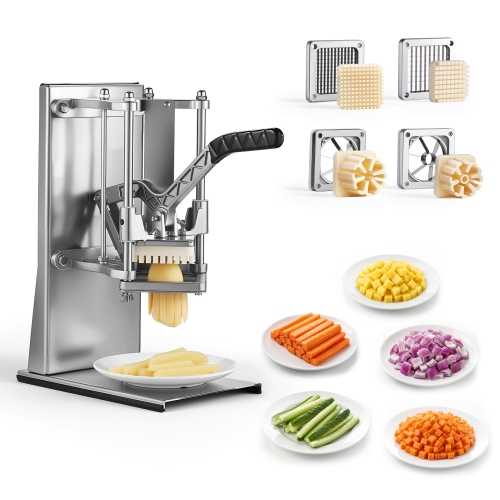
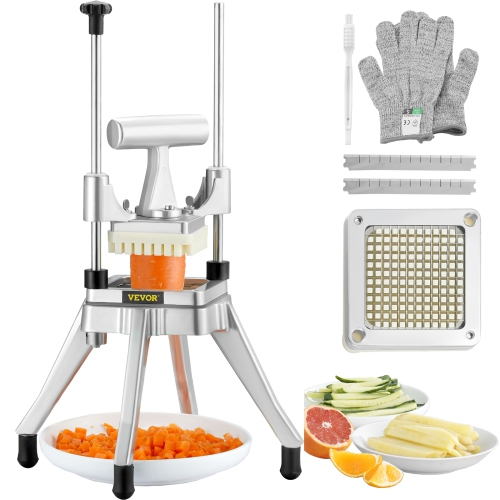
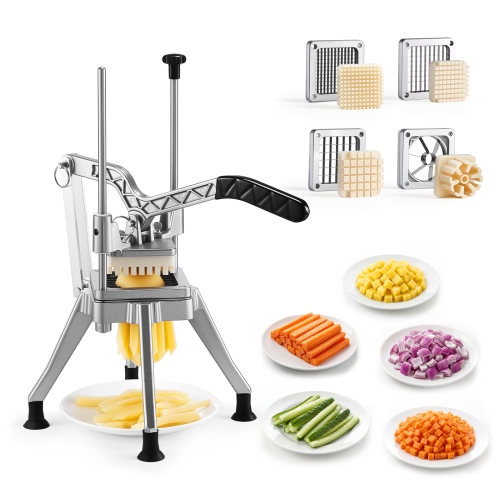
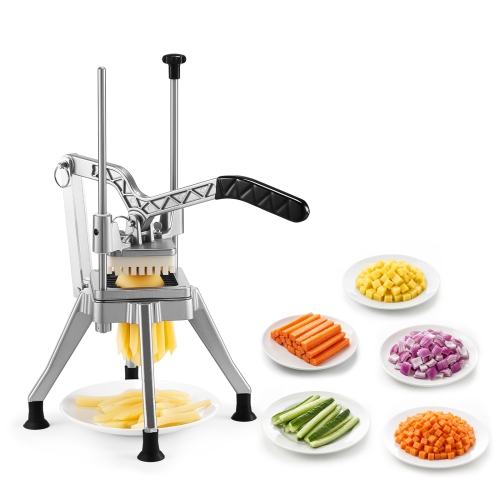
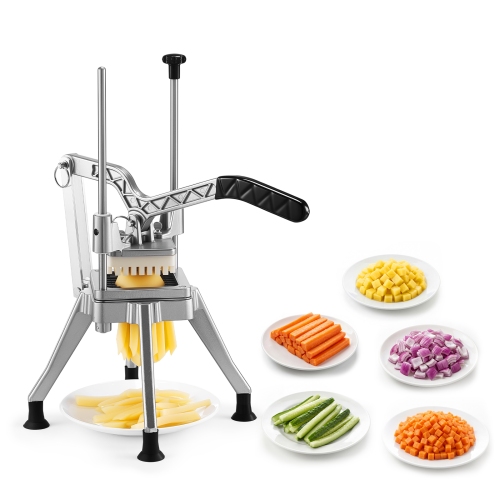
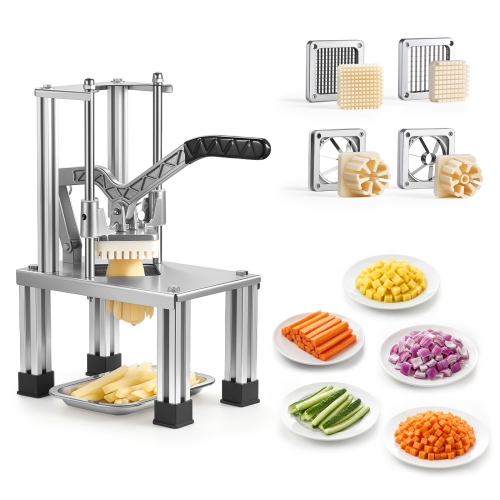
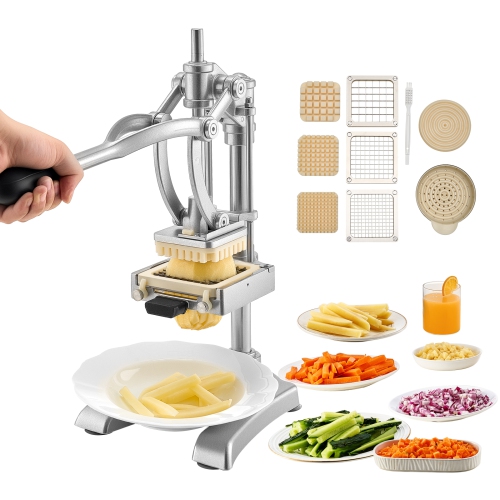
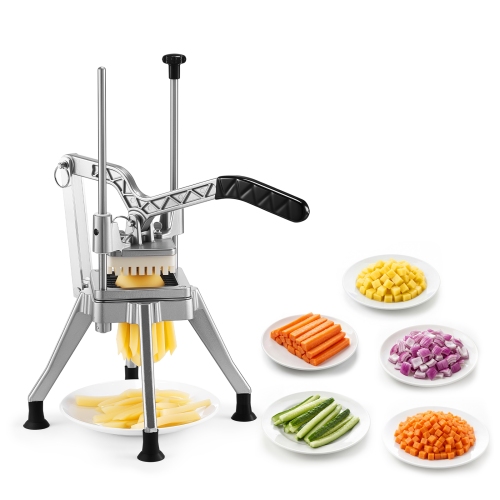
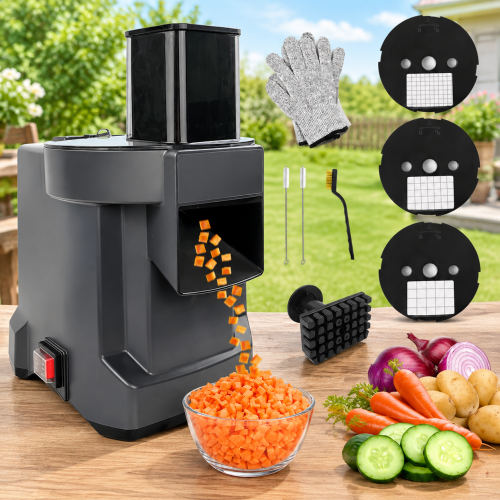
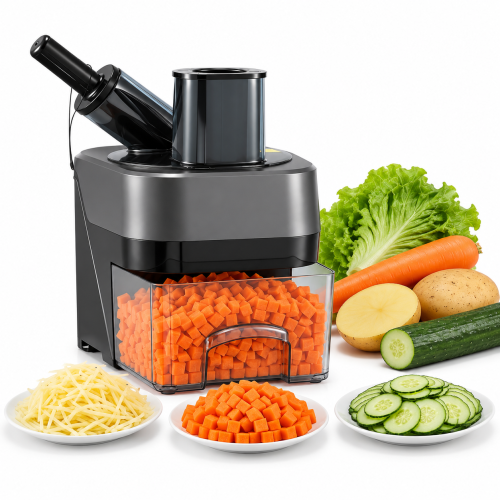
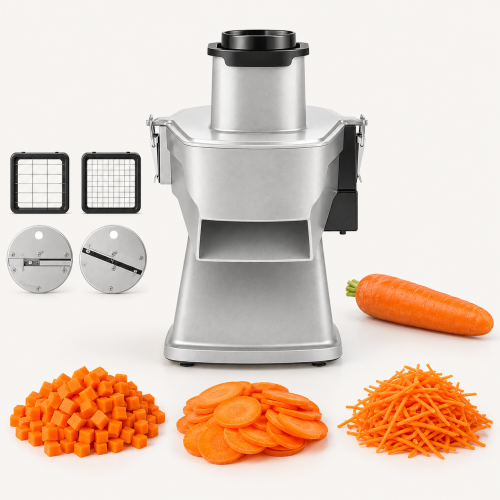
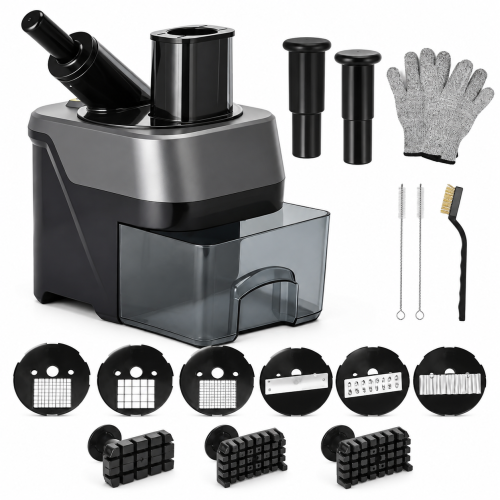
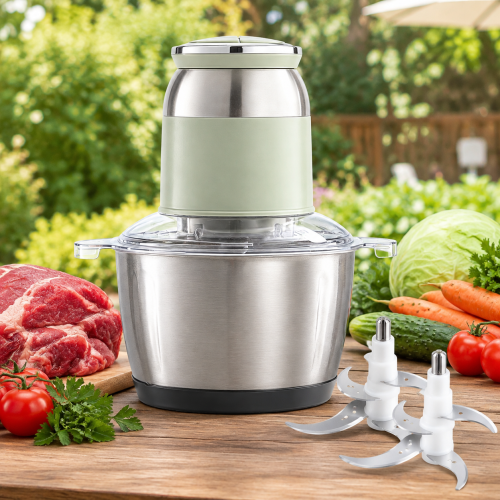
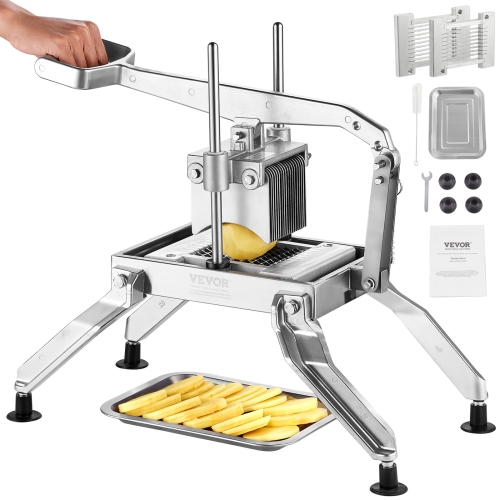
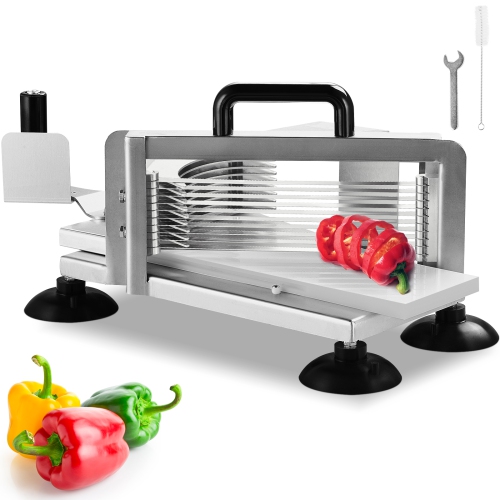
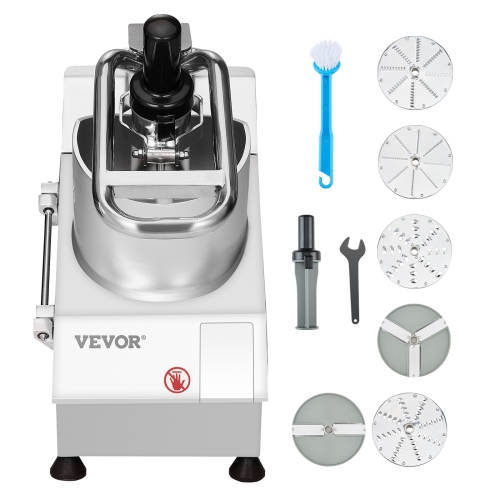
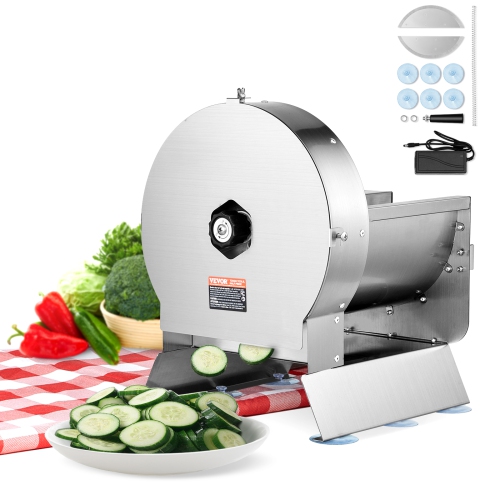
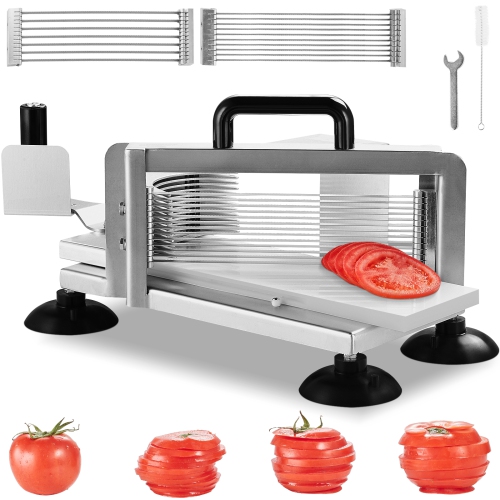
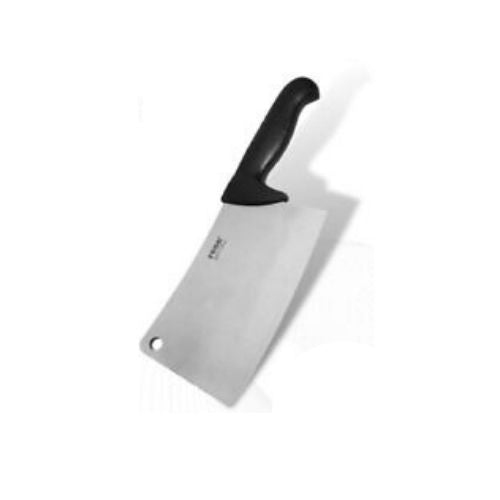
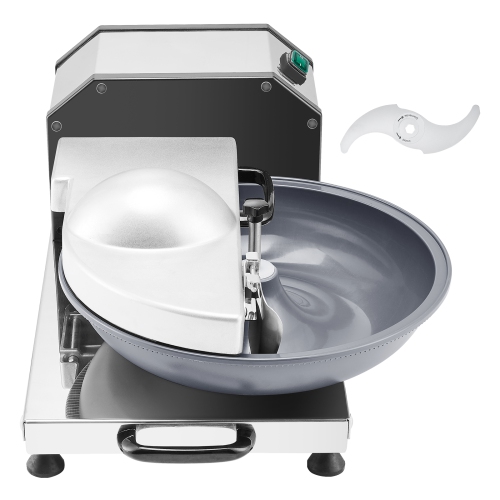
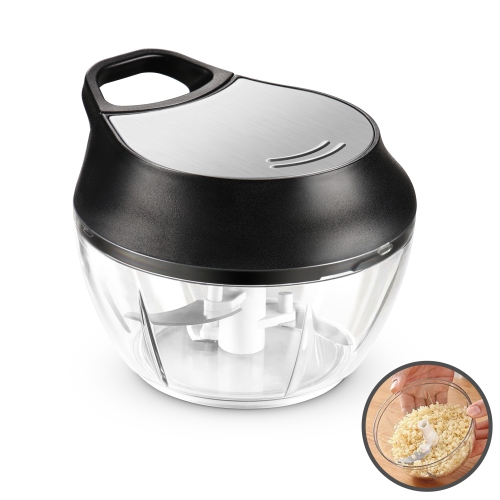
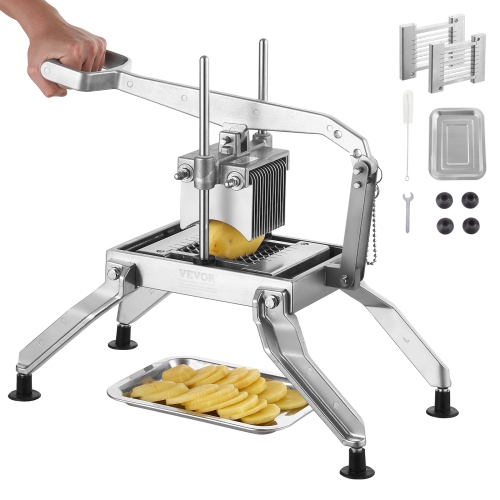
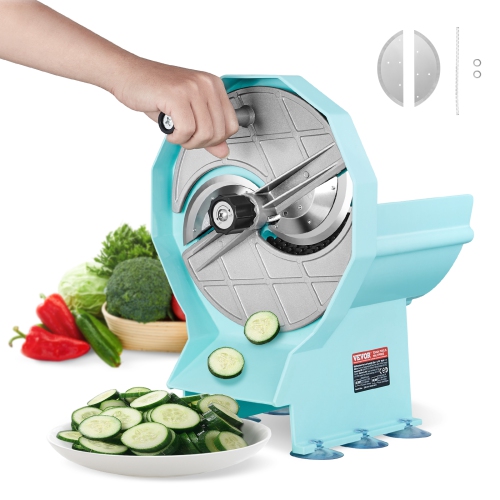
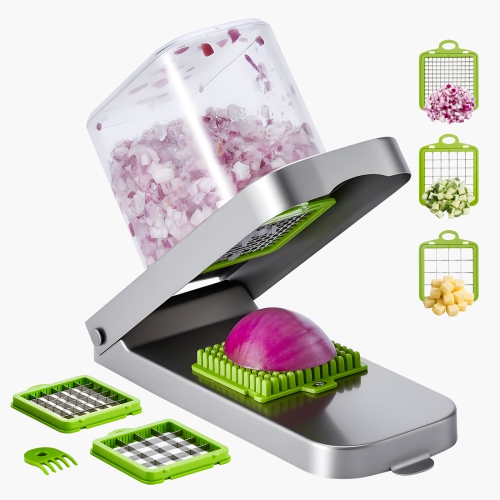
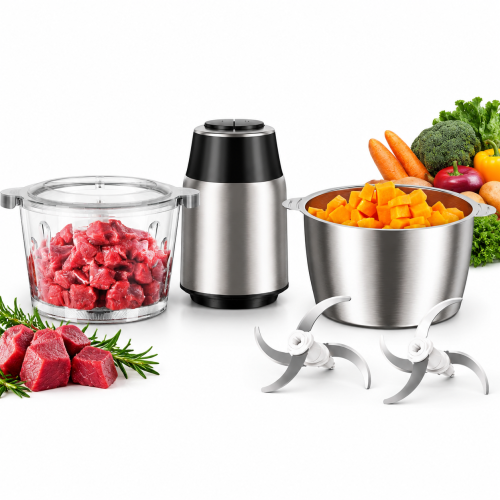
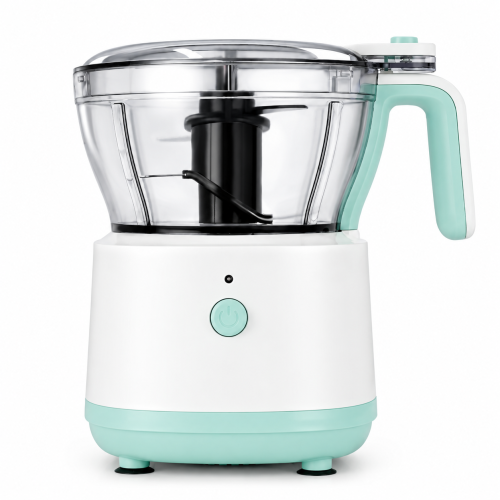
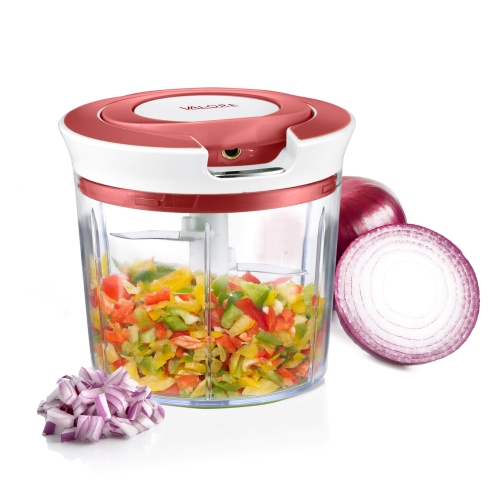
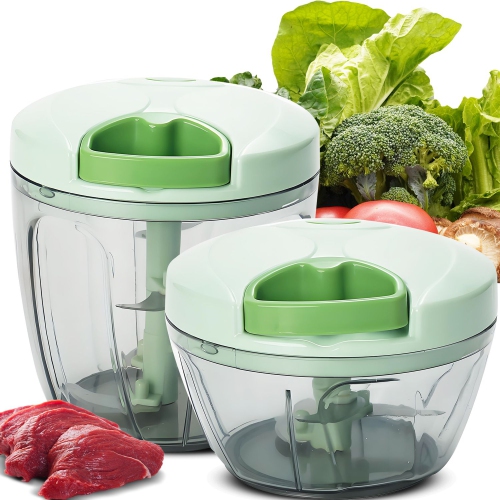
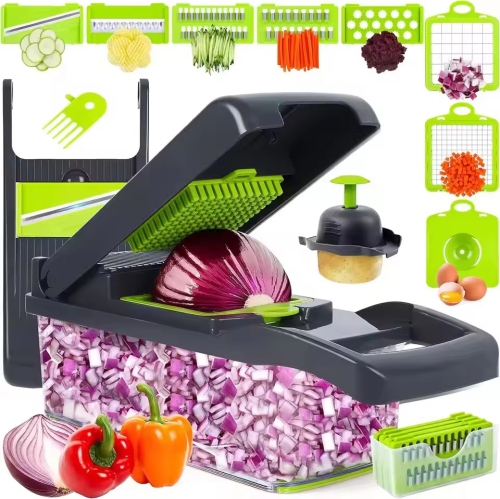
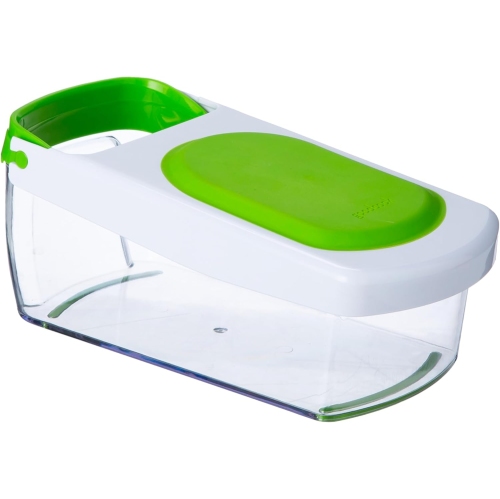
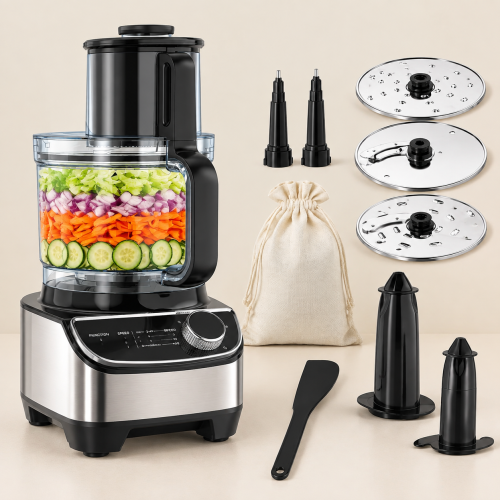
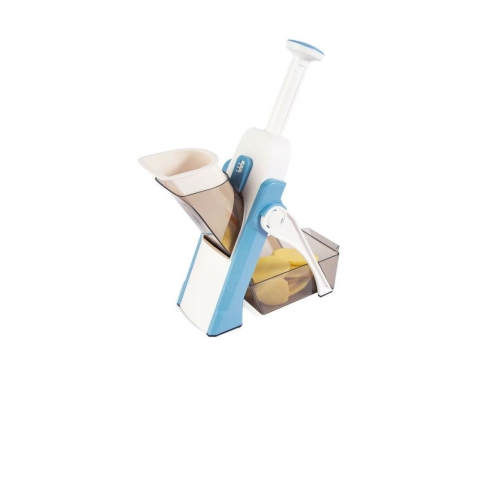
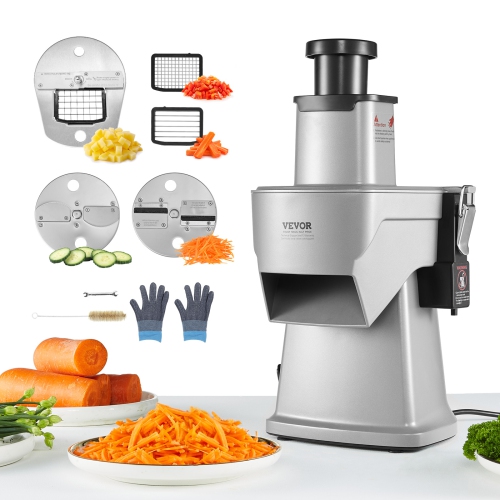
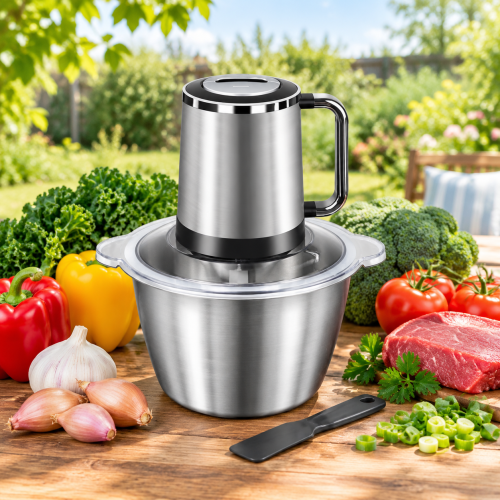
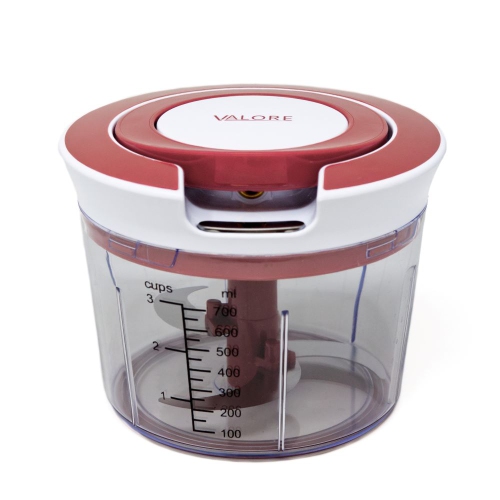
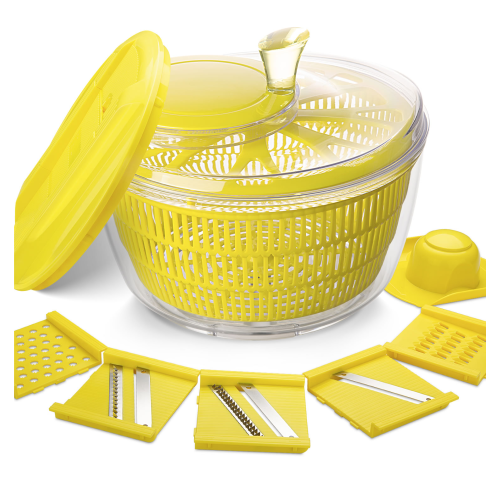
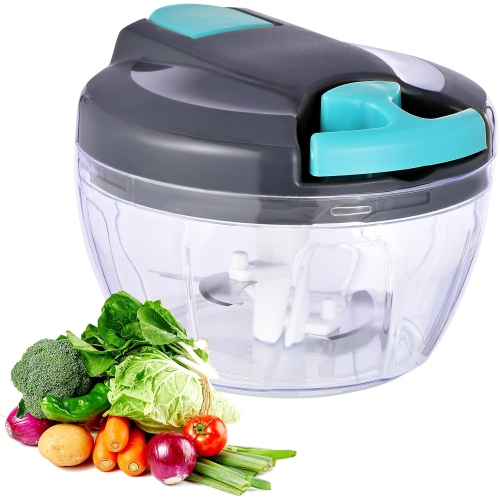
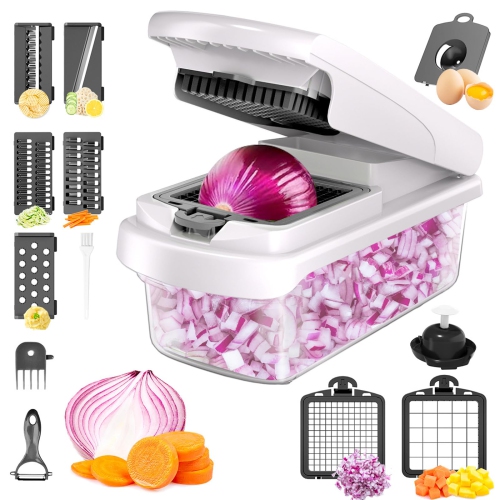
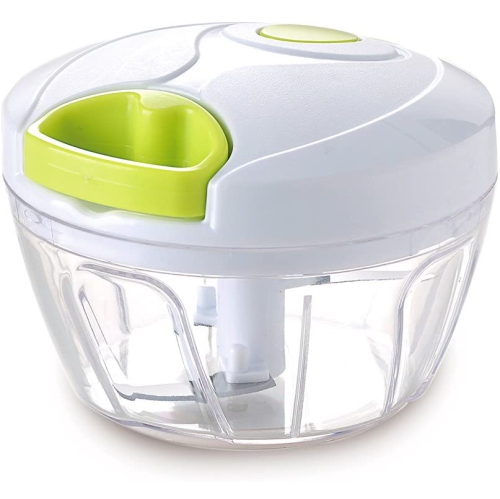
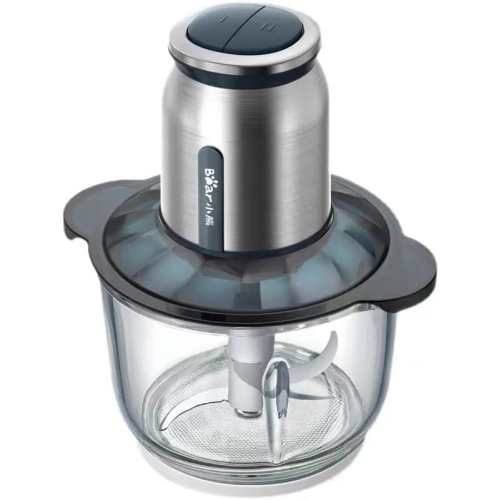
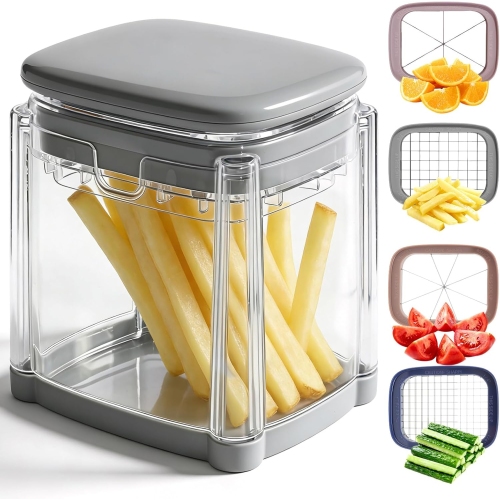
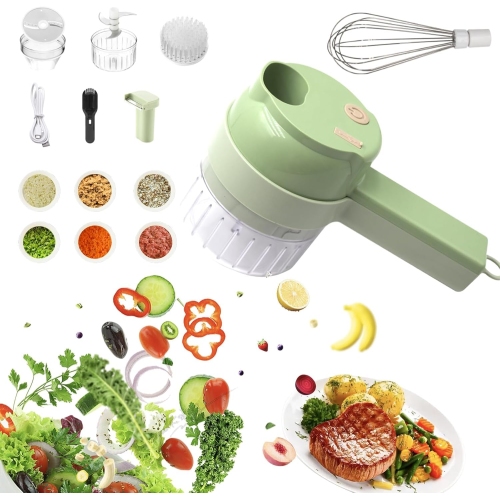
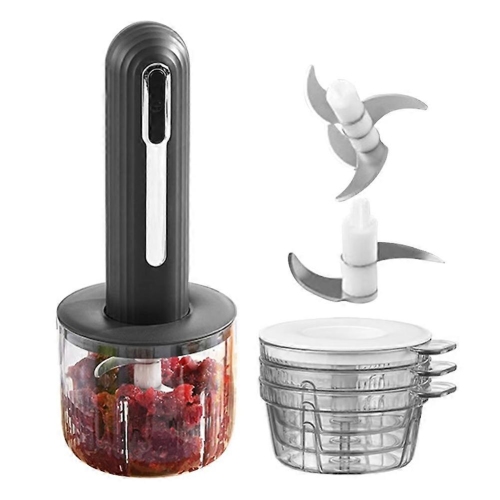
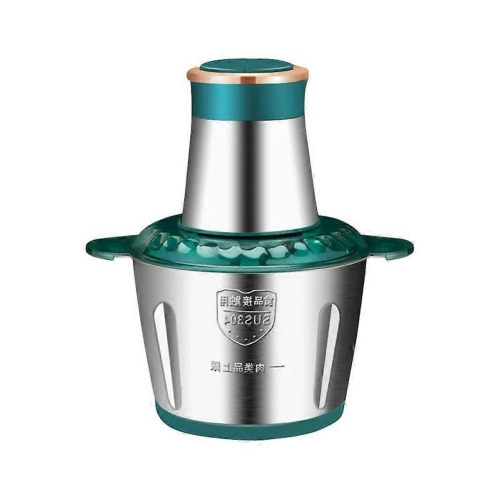
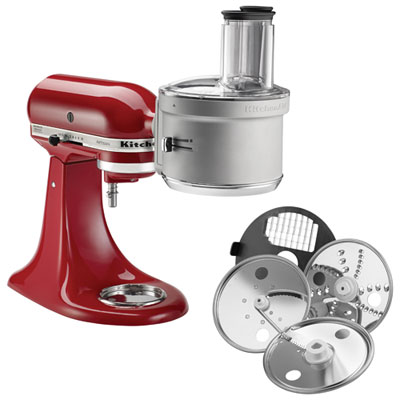
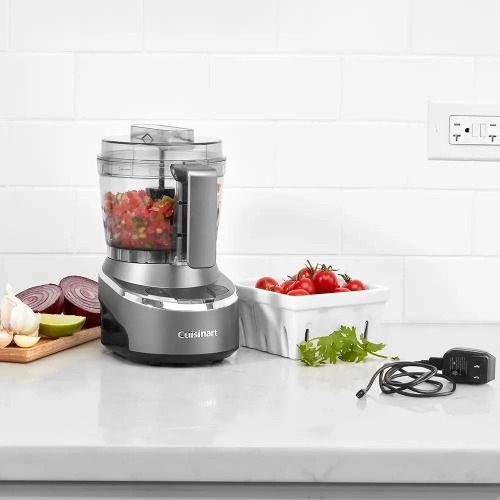
Commercial vegetable choppers are designed for kitchens where preparation needs to be consistent, efficient, and repeatable. They can help restaurants, cafés, caterers, cafeterias, food trucks, community kitchens, banquet facilities, and other high-volume operations prepare vegetables with less manual cutting and more predictable results. Depending on the design, a commercial chopper may dice onions for a busy lunch service, cut potatoes for a large batch of soup, slice tomatoes for sandwiches, shred cabbage for slaw, or prepare carrots, peppers, cucumbers, and other produce for salads and prepared dishes. Manual press choppers typically use a weighted handle and a grid or blade assembly to cut vegetables in a single downward motion. They can be useful when staff need dependable cuts without relying on a motor or electrical connection, particularly for common ingredients such as onions, potatoes, tomatoes, and softer vegetables. Electric models are better suited to operations that prepare larger quantities throughout the day, with continuous-feed slicers and processors allowing vegetables to move through a chute or bowl with less interruption. A bowl-style processor can be practical for chopping larger batches, while a continuous-feed machine may be more convenient when an operator needs to slice, grate, shred, or dice ingredients in succession. For kitchens that already use smaller countertop appliances at home or in light-duty settings, a selection of Electric Food Choppers may also be worth considering for lower-volume prep areas, staff meals, smaller service stations, or occasional ingredient preparation. The best choice depends on the vegetables being prepared, the desired cut, the number of portions served, and the pace of the kitchen rather than on size alone.
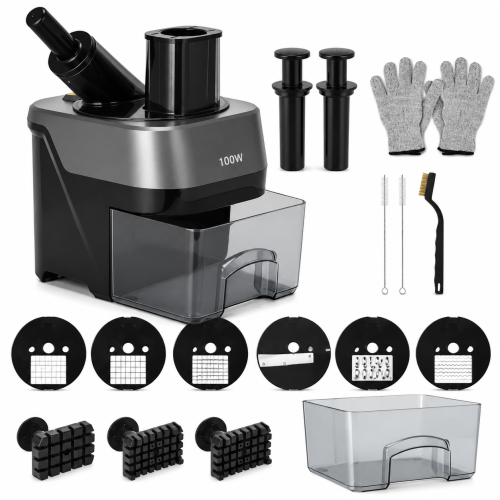
Capacity and workflow are important considerations when comparing commercial vegetable choppers. Start by estimating how much produce is typically prepared in one batch and how often the machine will be used during a service period. A compact unit may be suitable for a café preparing toppings, garnishes, and ingredients for sandwiches, while a larger-capacity processor can be more appropriate for a catering team producing several trays of roasted vegetables or a food-service kitchen preparing ingredients for multiple menus. Pay attention to the size of the feed chute, bowl, hopper, and collection container, since these dimensions affect how often an operator must stop to refill or empty the machine. Interchangeable blades and discs can add flexibility, especially when a kitchen regularly switches between dicing, slicing, julienning, grating, and shredding. Different blade configurations may also support a wider range of textures, from finely chopped ingredients for sauces and fillings to larger, uniform pieces for salads, stews, and stir-fries. Food-grade stainless steel blades are commonly valued for their strength, sharpness, and resistance to corrosion when properly cleaned and dried. The construction of the housing matters as well; a stable base and durable body can help the appliance remain steady during repeated use. For manual models, consider the handle position, leverage, blade access, and the amount of force required for each cut. For electric models, review motor power, operating controls, feed speed, and whether the unit is intended for short processing cycles or extended use. Commercial preparation often takes place during a tightly scheduled rush, so a chopper that is easy to load, operate, and reset can fit more naturally into the rhythm of a professional kitchen.
Safety and cleanup should be part of the decision from the beginning, not an afterthought once the chopper arrives. Look for designs with secure lids, guarded blades, non-slip feet, and mechanisms that prevent operation when a hopper, bowl, or cover is not correctly positioned. Automatic shutoff features can provide an added layer of protection by stopping the motor when a lid is opened or a component is removed. Staff should be trained to use pushers, handles, and blade tools as intended, and hands should never be placed near cutting surfaces, even when the machine appears to be switched off. A convenient commercial chopper should also be straightforward to disassemble after use. Removable blades, discs, pushers, bowls, and collection containers make it easier to rinse away pieces of onion, potato, leafy greens, and other ingredients before they dry onto the surface. Dishwasher-safe components may simplify cleanup, although it is important to follow the manufacturer’s care instructions for each part. Areas around seals, hinges, blade mounts, and feed tubes deserve particular attention because small pieces of food can collect there during repeated preparation. Consider the available storage space, countertop clearance, electrical requirements, and the route between the preparation station and the sink. During the warmer part of the year, commercial kitchens may rely on choppers for fresh salads, picnic sides, vegetable trays, and seasonal catering menus; during the cooler months, the same equipment can help prepare root vegetables, soup ingredients, casseroles, and hearty batch recipes. Whether it is being added to a professional kitchen, a shared community cooking space, or a home-based catering setup, a commercial vegetable chopper can be a practical investment when its capacity, cutting functions, safety features, and cleaning routine match the way the kitchen actually works.
Capacity and workflow are important considerations when comparing commercial vegetable choppers. Start by estimating how much produce is typically prepared in one batch and how often the machine will be used during a service period. A compact unit may be suitable for a café preparing toppings, garnishes, and ingredients for sandwiches, while a larger-capacity processor can be more appropriate for a catering team producing several trays of roasted vegetables or a food-service kitchen preparing ingredients for multiple menus. Pay attention to the size of the feed chute, bowl, hopper, and collection container, since these dimensions affect how often an operator must stop to refill or empty the machine. Interchangeable blades and discs can add flexibility, especially when a kitchen regularly switches between dicing, slicing, julienning, grating, and shredding. Different blade configurations may also support a wider range of textures, from finely chopped ingredients for sauces and fillings to larger, uniform pieces for salads, stews, and stir-fries. Food-grade stainless steel blades are commonly valued for their strength, sharpness, and resistance to corrosion when properly cleaned and dried. The construction of the housing matters as well; a stable base and durable body can help the appliance remain steady during repeated use. For manual models, consider the handle position, leverage, blade access, and the amount of force required for each cut. For electric models, review motor power, operating controls, feed speed, and whether the unit is intended for short processing cycles or extended use. Commercial preparation often takes place during a tightly scheduled rush, so a chopper that is easy to load, operate, and reset can fit more naturally into the rhythm of a professional kitchen.
Safety and cleanup should be part of the decision from the beginning, not an afterthought once the chopper arrives. Look for designs with secure lids, guarded blades, non-slip feet, and mechanisms that prevent operation when a hopper, bowl, or cover is not correctly positioned. Automatic shutoff features can provide an added layer of protection by stopping the motor when a lid is opened or a component is removed. Staff should be trained to use pushers, handles, and blade tools as intended, and hands should never be placed near cutting surfaces, even when the machine appears to be switched off. A convenient commercial chopper should also be straightforward to disassemble after use. Removable blades, discs, pushers, bowls, and collection containers make it easier to rinse away pieces of onion, potato, leafy greens, and other ingredients before they dry onto the surface. Dishwasher-safe components may simplify cleanup, although it is important to follow the manufacturer’s care instructions for each part. Areas around seals, hinges, blade mounts, and feed tubes deserve particular attention because small pieces of food can collect there during repeated preparation. Consider the available storage space, countertop clearance, electrical requirements, and the route between the preparation station and the sink. During the warmer part of the year, commercial kitchens may rely on choppers for fresh salads, picnic sides, vegetable trays, and seasonal catering menus; during the cooler months, the same equipment can help prepare root vegetables, soup ingredients, casseroles, and hearty batch recipes. Whether it is being added to a professional kitchen, a shared community cooking space, or a home-based catering setup, a commercial vegetable chopper can be a practical investment when its capacity, cutting functions, safety features, and cleaning routine match the way the kitchen actually works.
Top selling and popular products
-
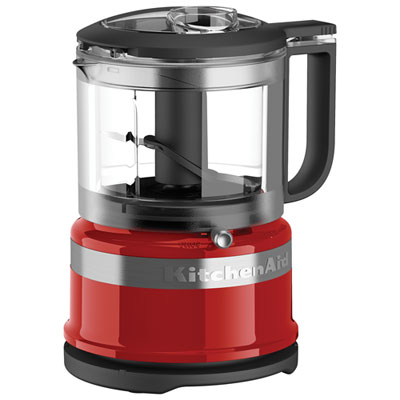 Your price for this item is $49.99
 -
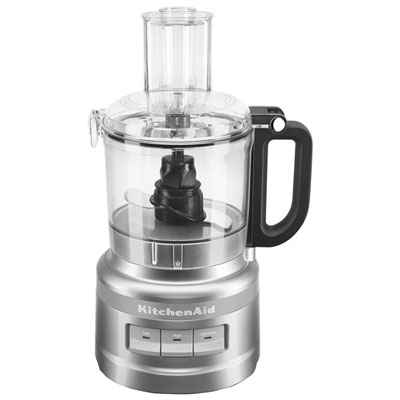 Your price for this item is $134.99
 -
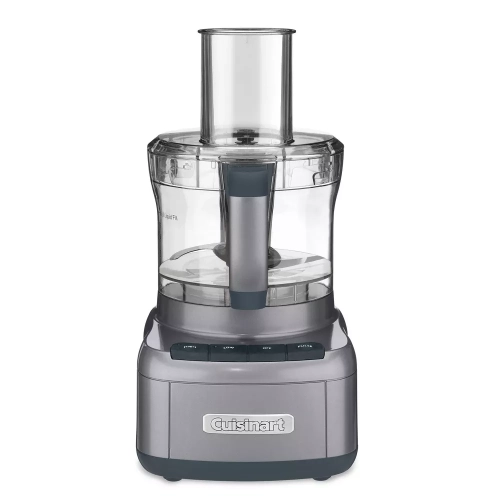 Your price for this item is $317.89
 -
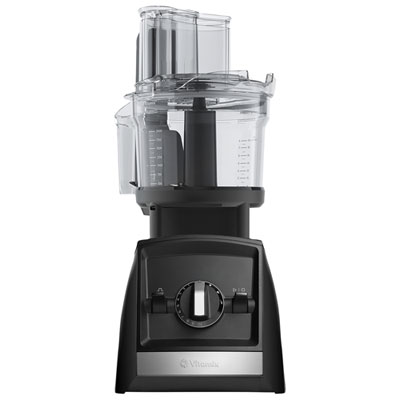 Your price for this item is $349.99
 -
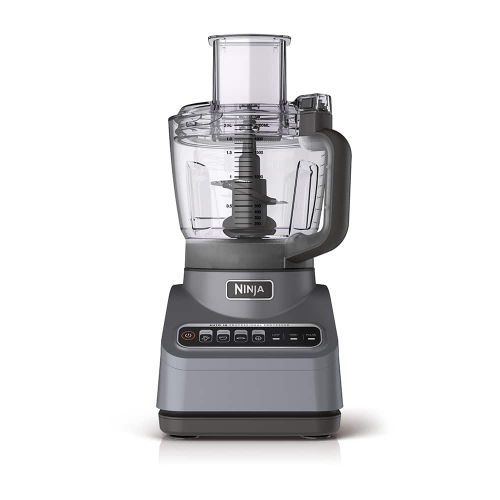 Your price for this item is $210.06
 -
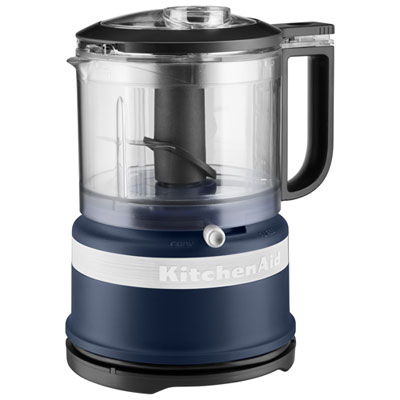 Your price for this item is $49.99
 -
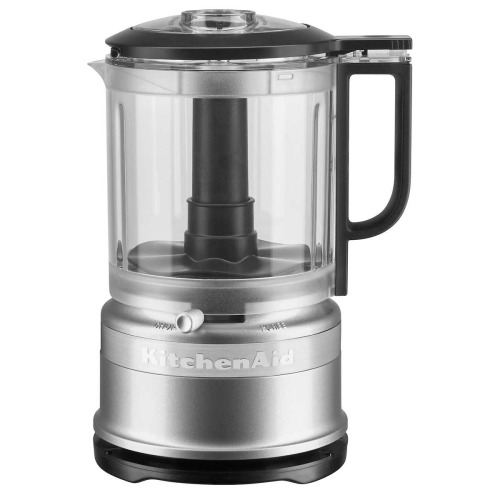 Your price for this item is $159.99
 -
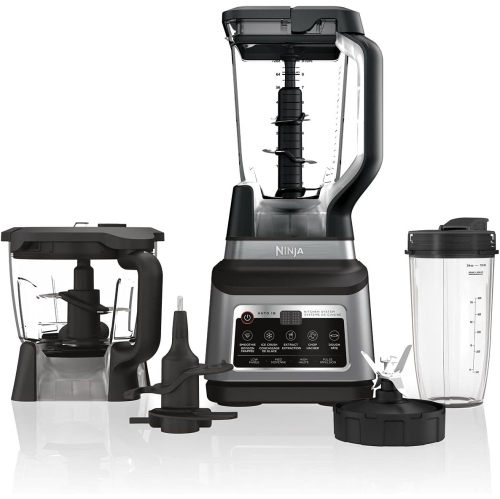 Your price for this item is $289.99
Discover more categories related to Commercial Vegetable Choppers
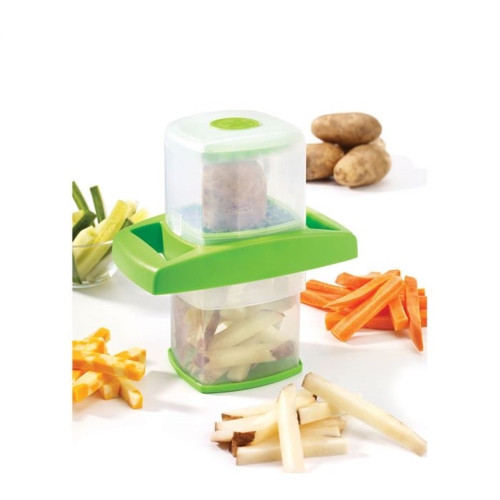
Top Collections:
Pokemon Centers, Kindle Devices, Best Budget Office Chairs, Canon G7X Cameras, Apple iPhones 16, Samsung Galaxy Phones, Refurbished Apple Laptops, Laptops for Students, iPhone 15 Apple, Budget Smartphones
Some products may be subject to Environmental Handling Fees
(EHF) depending on your province.
Learn more about EHFs.