Compact Vegetable Juicers
A juicer is a great way to get your daily dose of vitamins and nutrients. But if you're looking for something that's easy to store and transport, you might want to consider a compact vegetable juicer. These small appliances can fit on a countertop or in a cupboard and they're designed to give you the juice you need without taking up too much space.
Sort
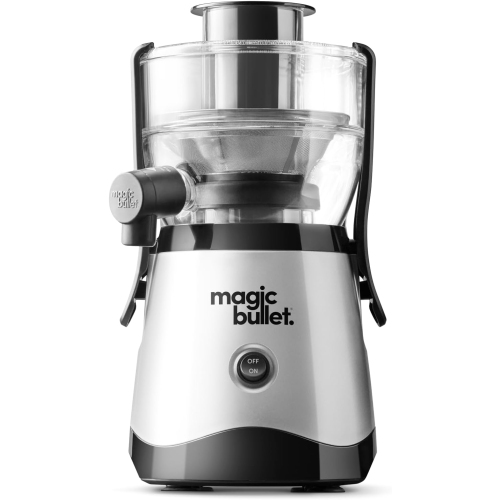
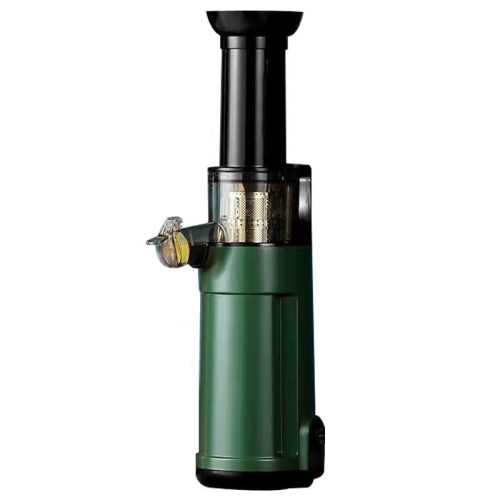
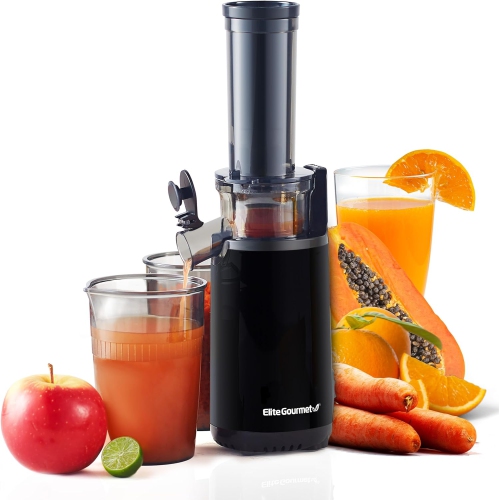
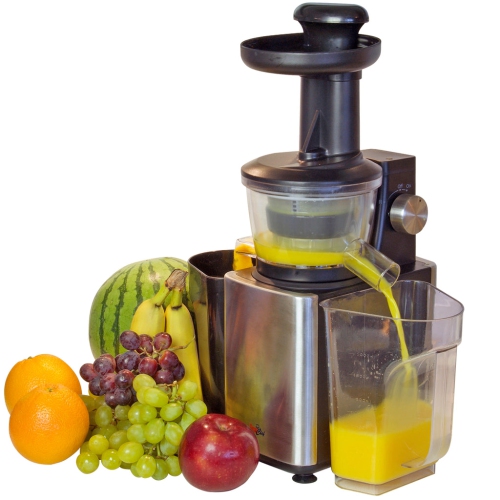
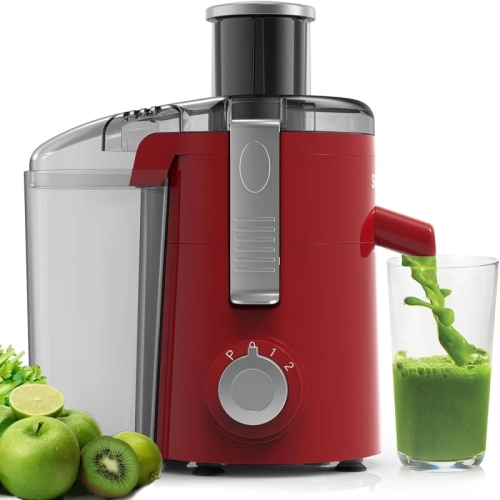
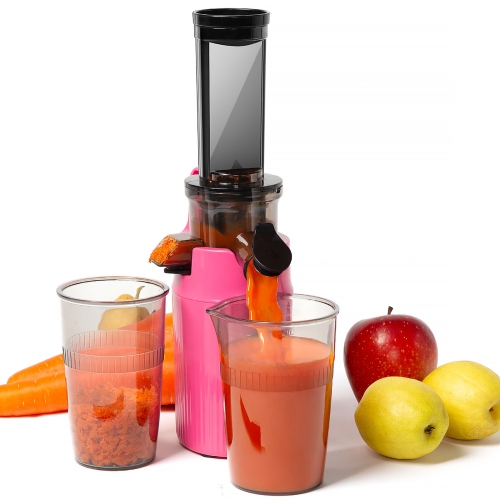
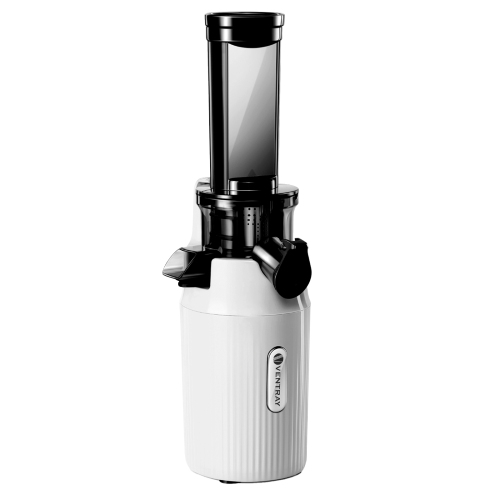
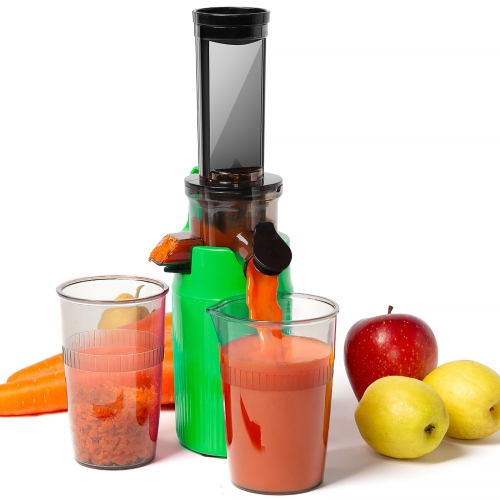
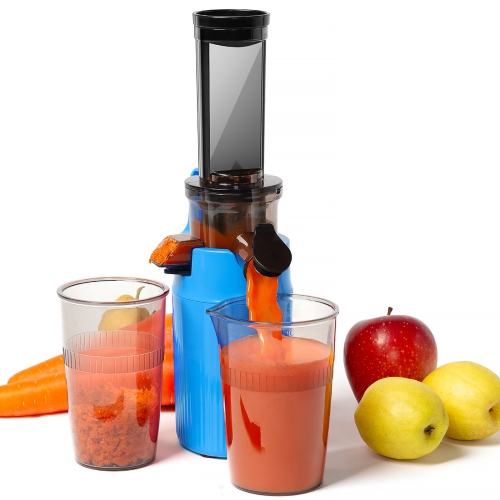
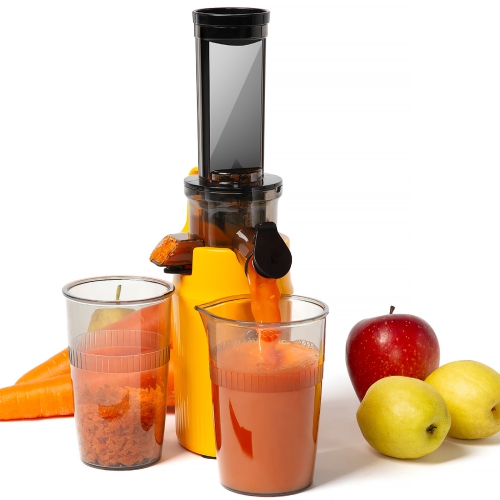
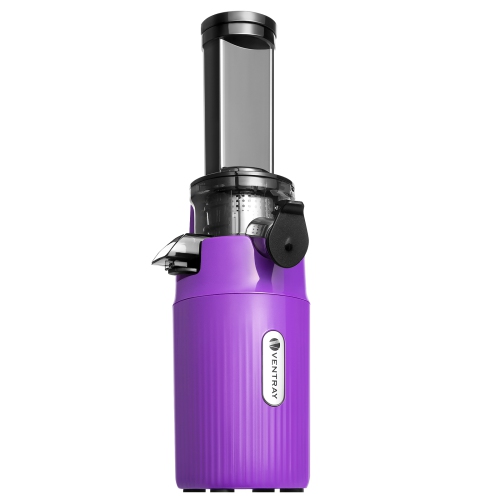
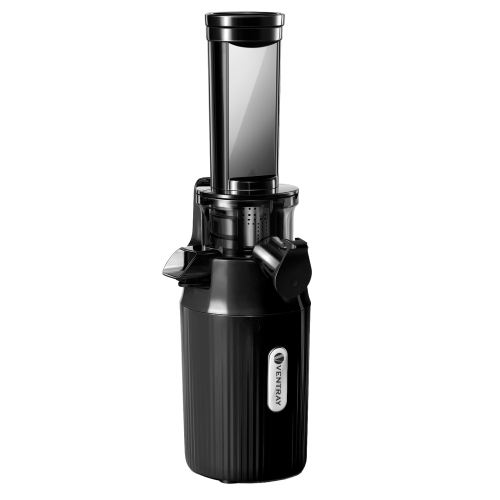
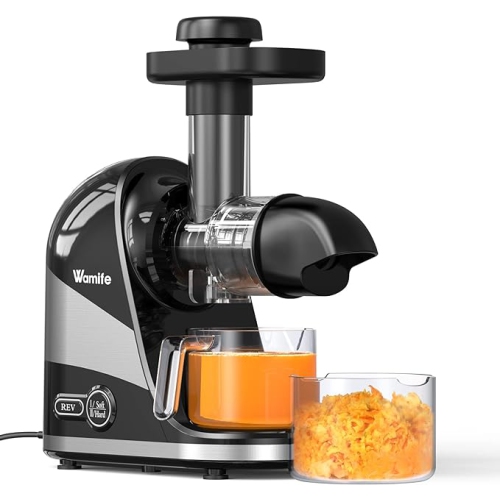
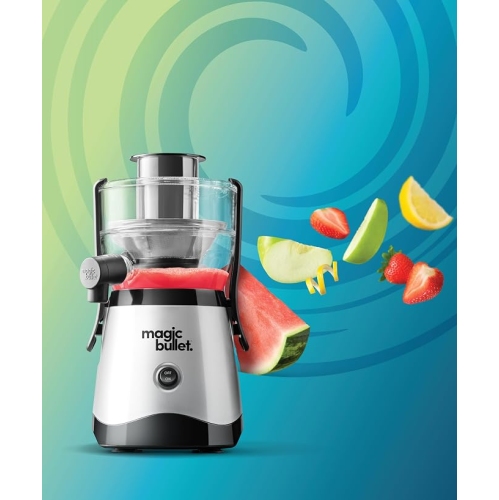
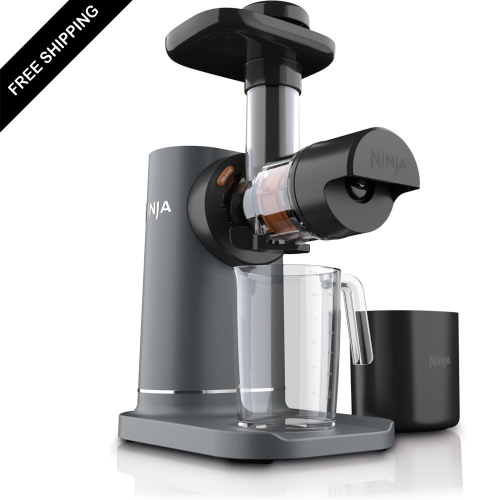
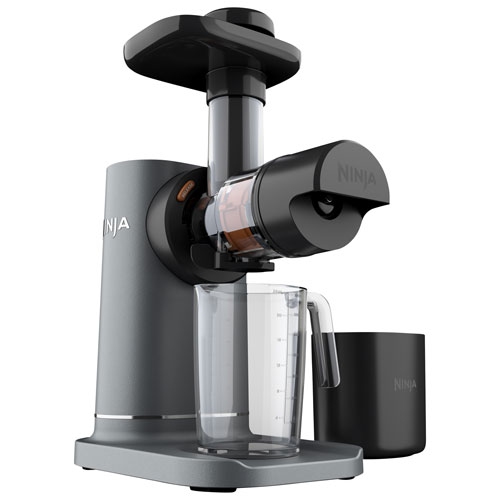
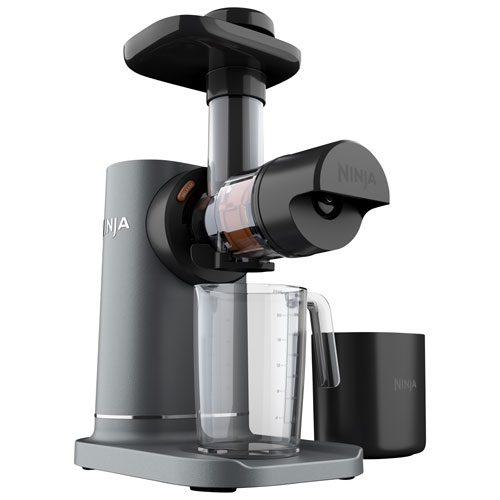
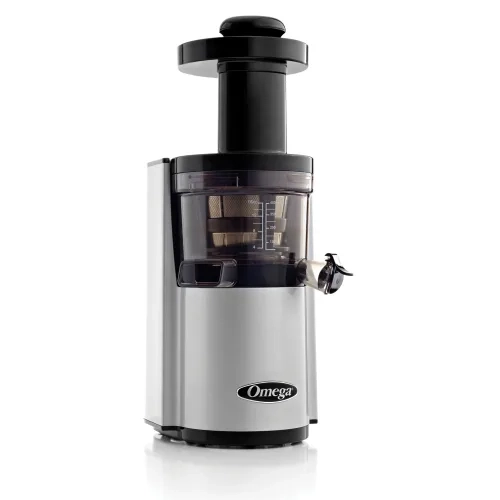
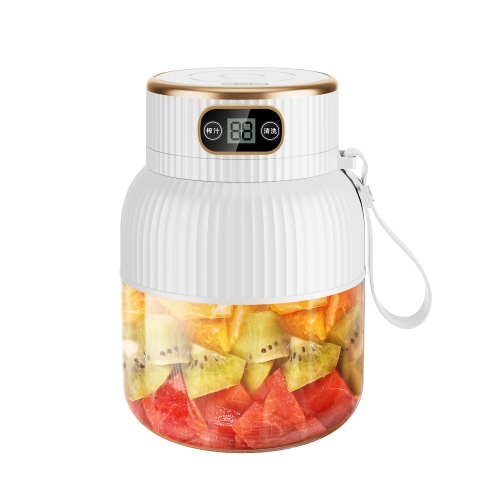
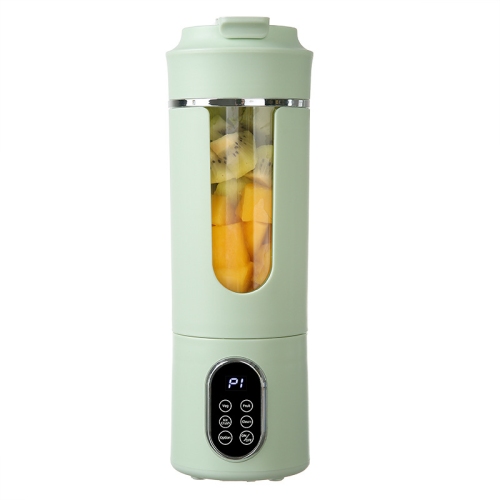
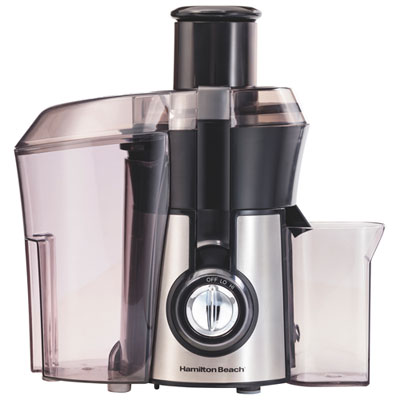
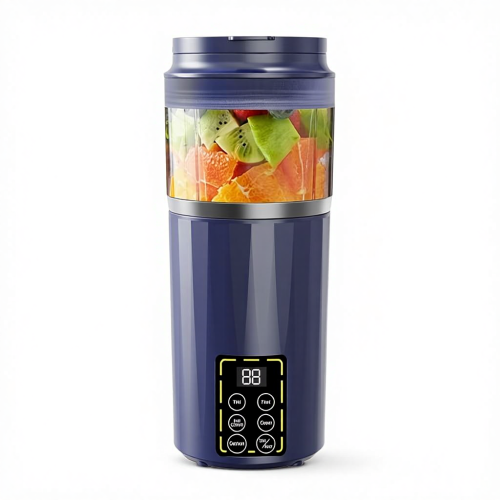
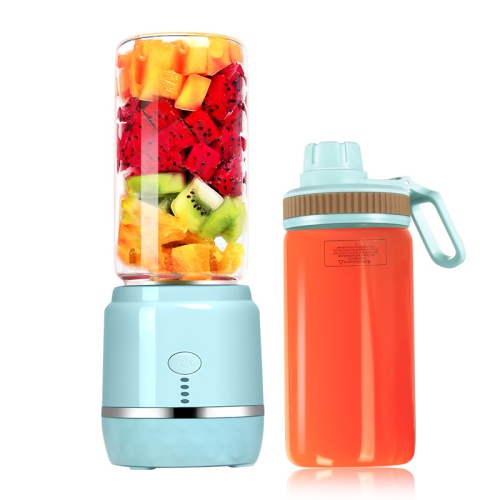
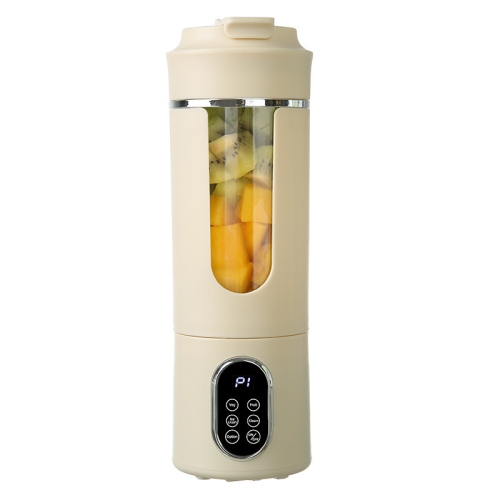
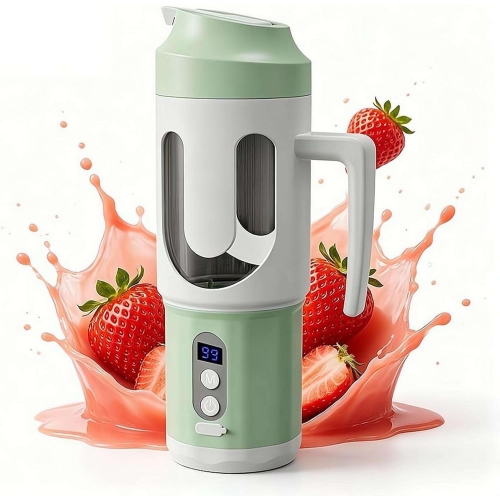
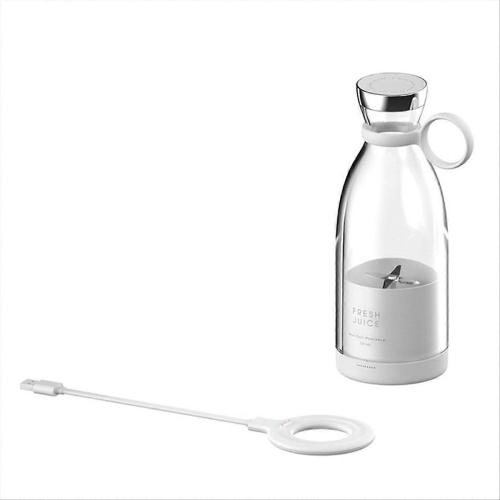
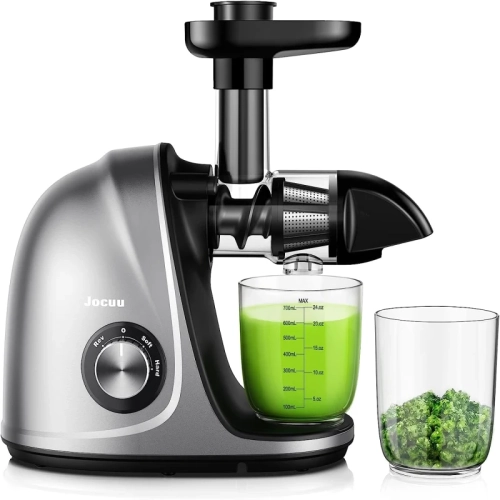
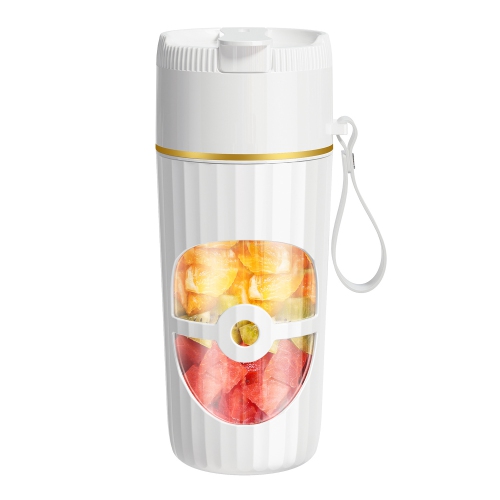
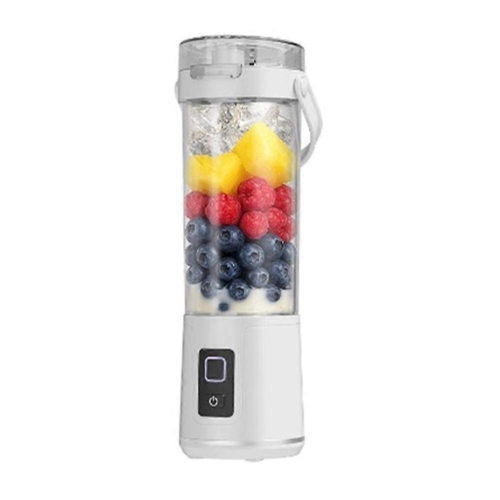
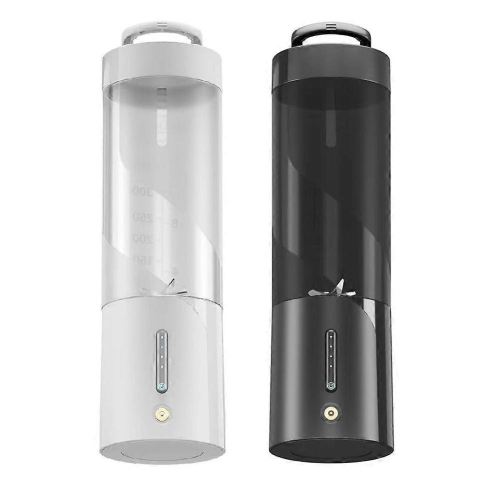
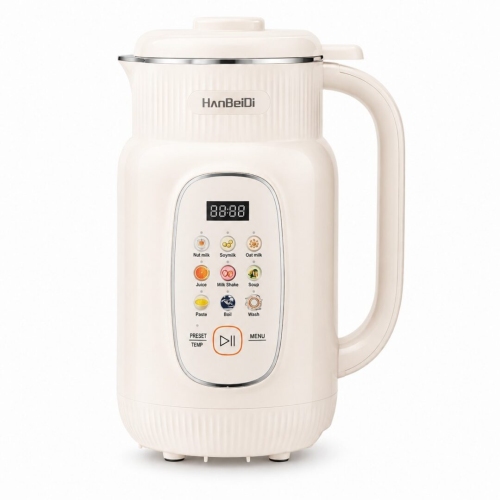
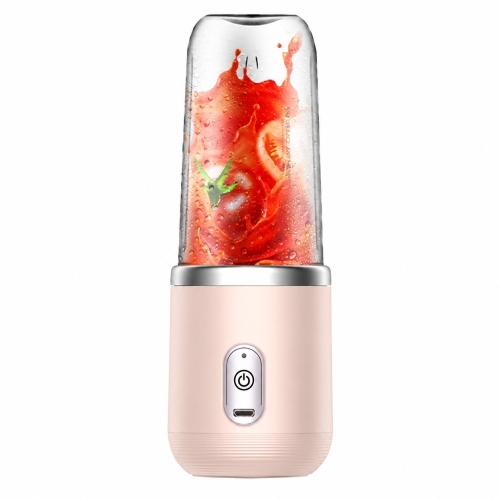
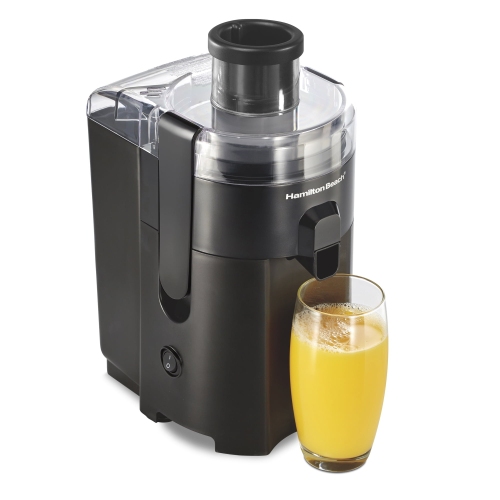
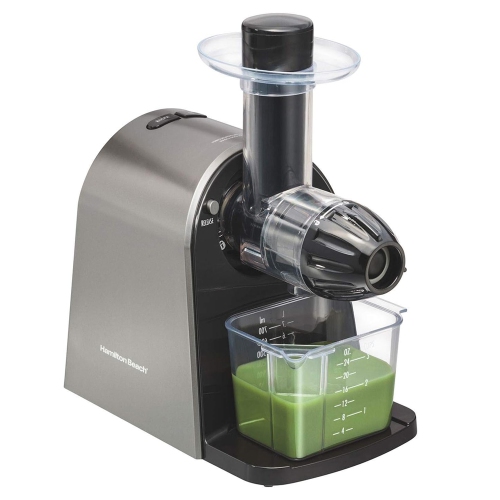
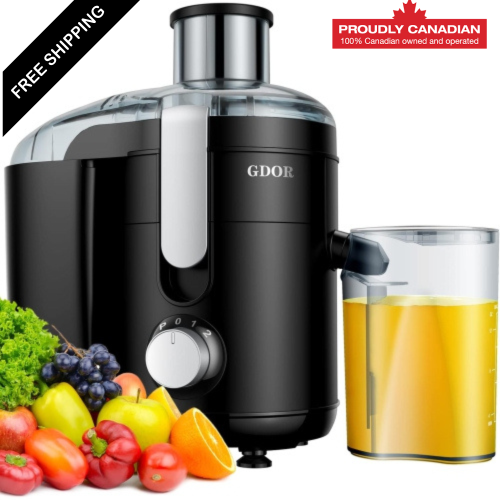
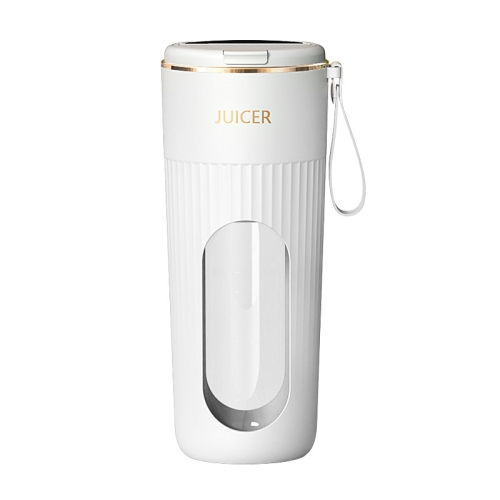
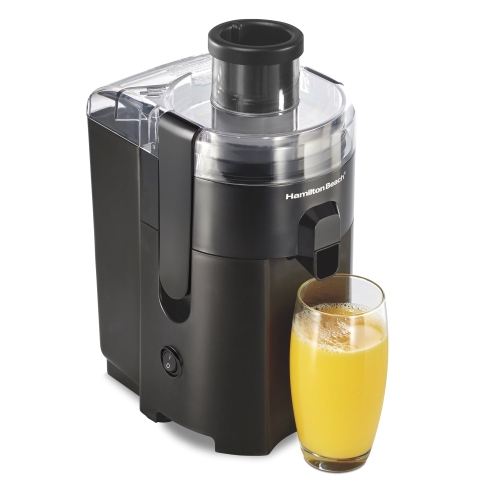
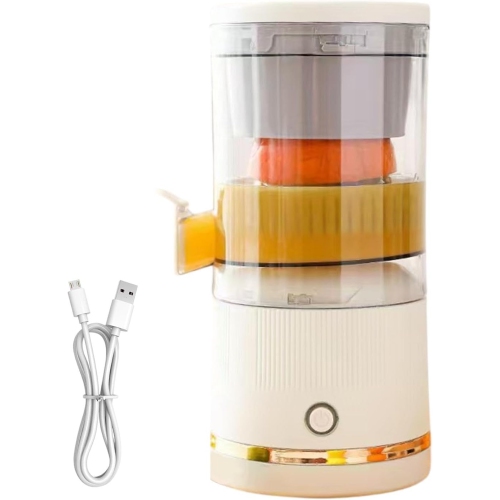
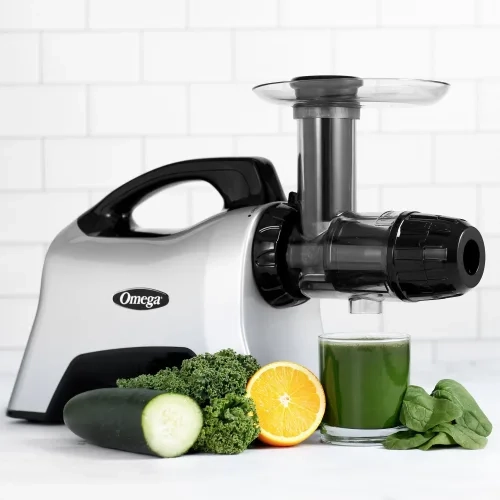
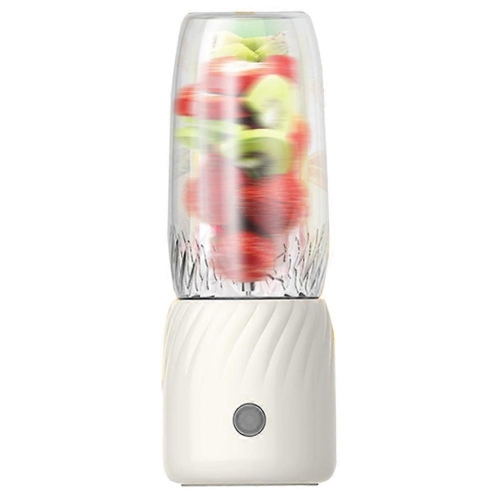
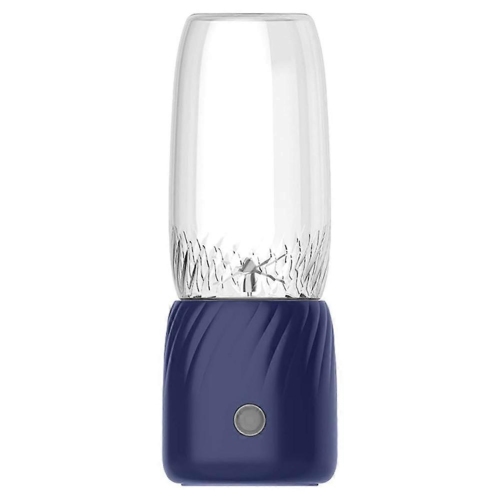

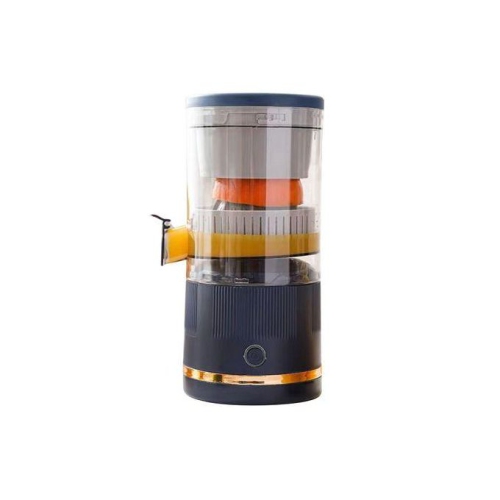
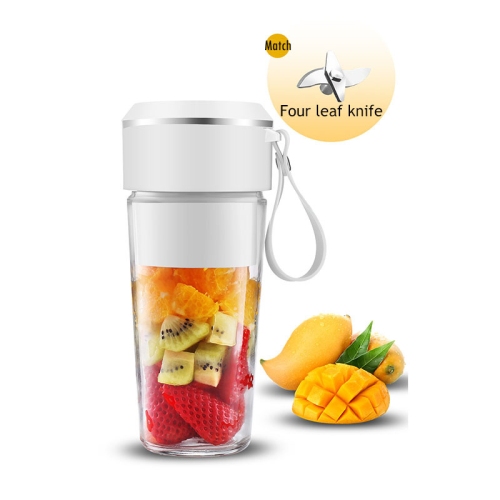
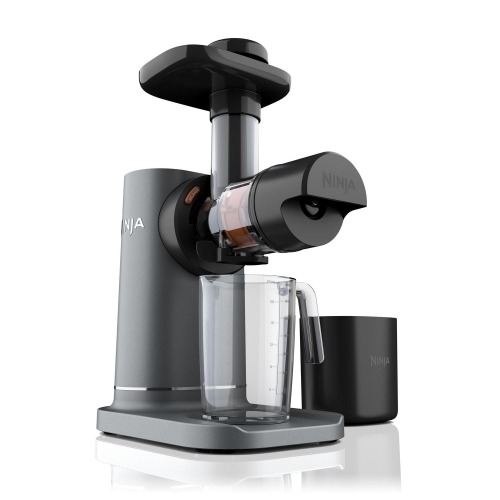
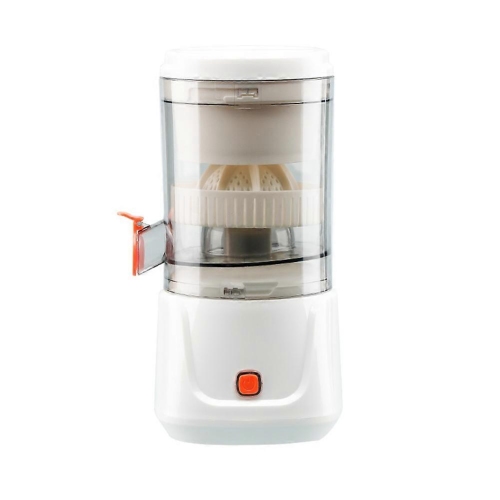
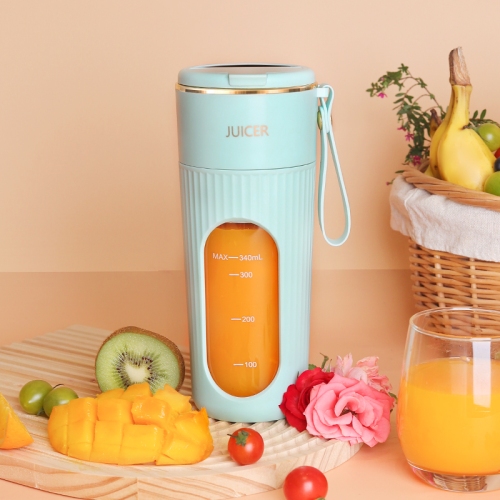
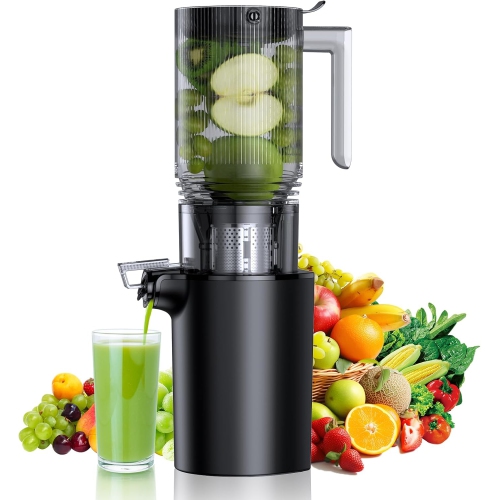
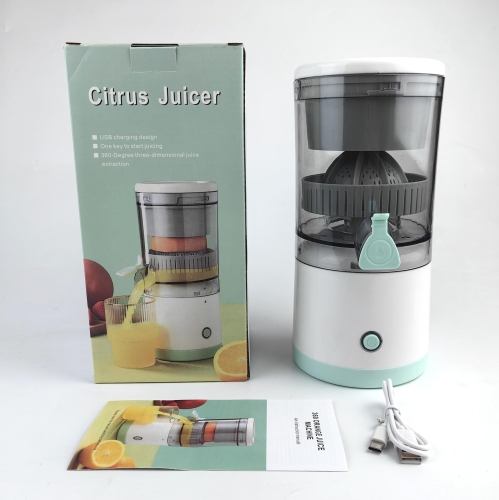
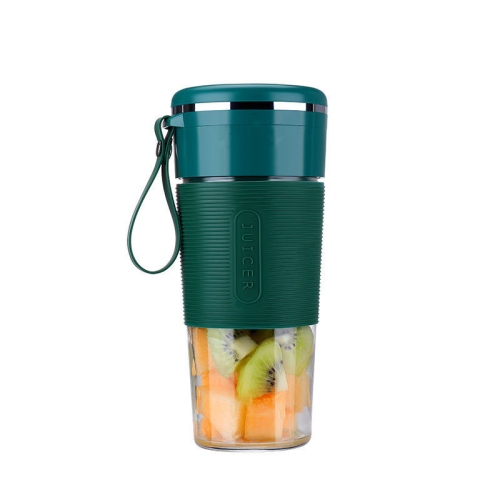
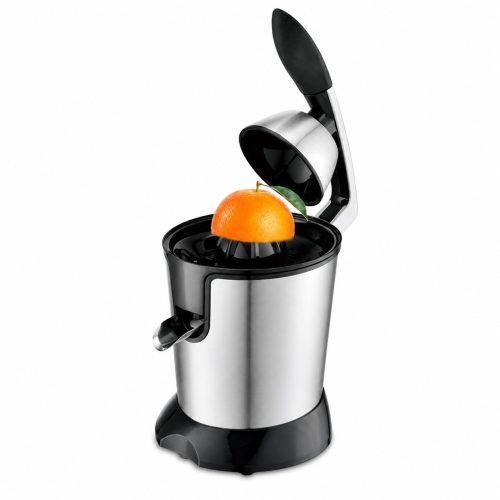
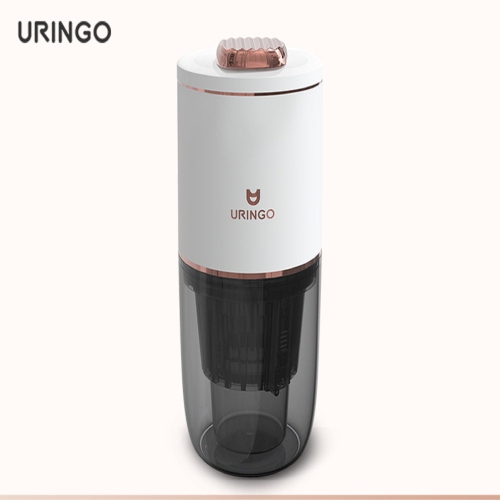
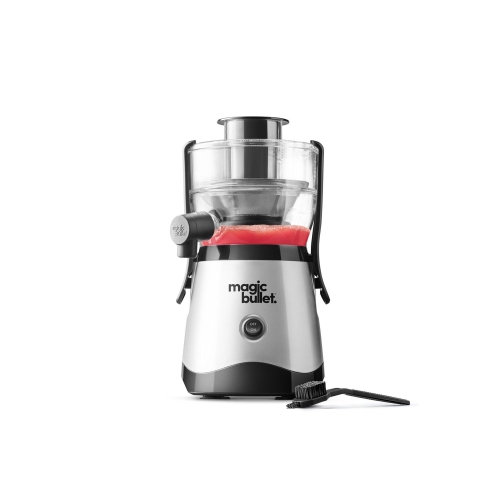
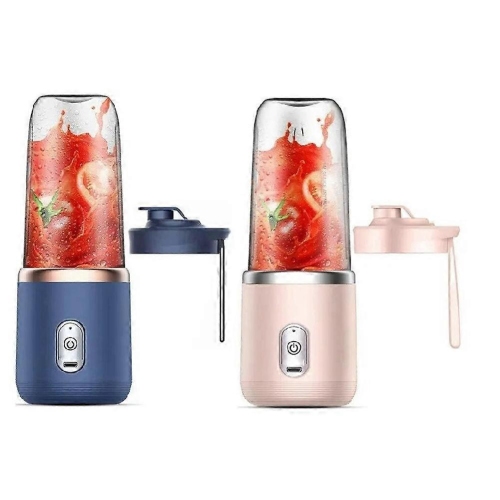
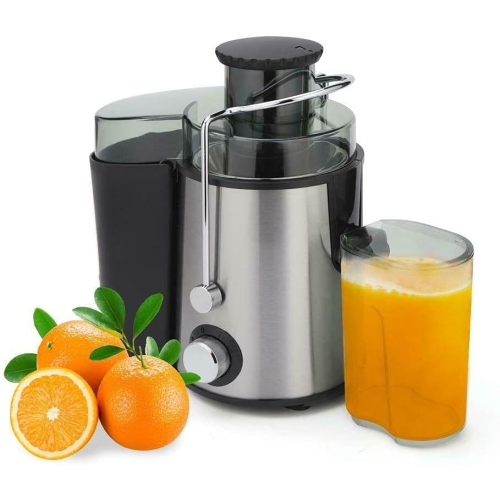
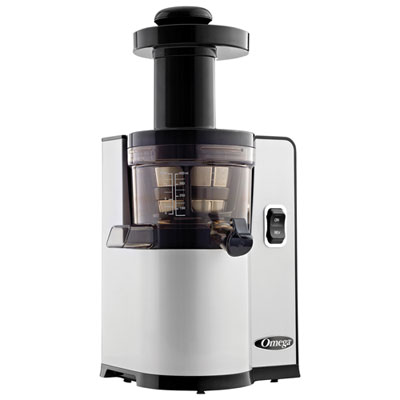
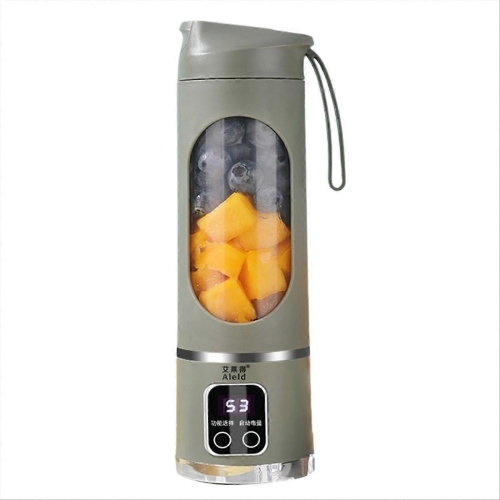
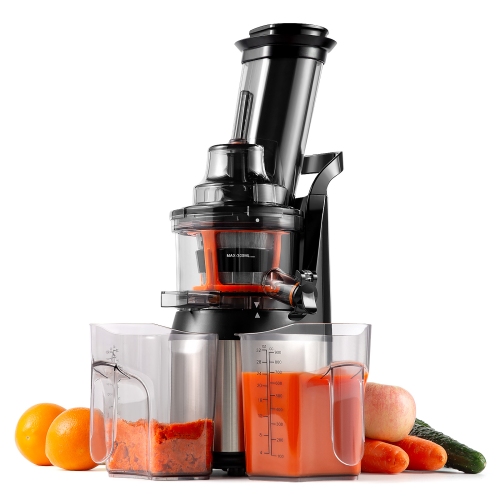
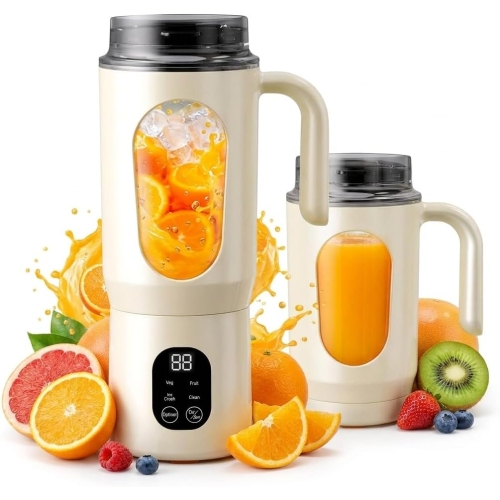
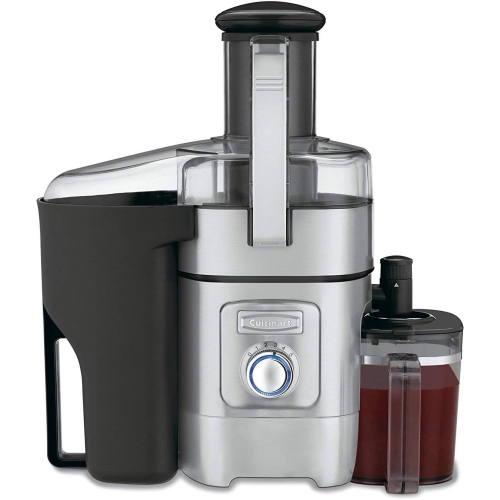
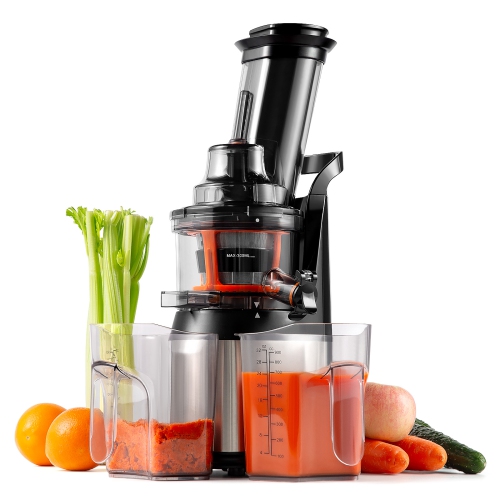

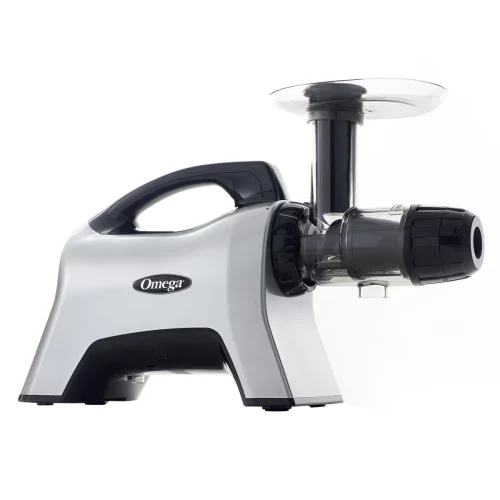
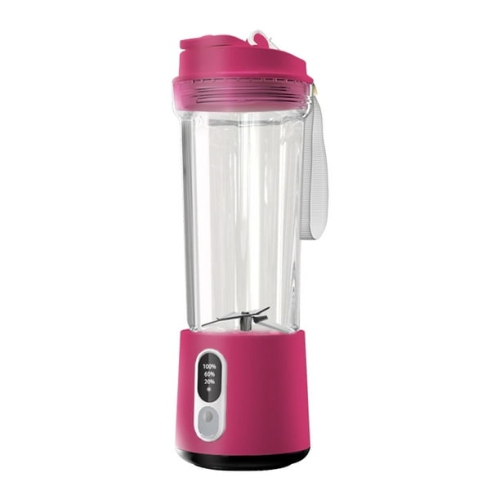
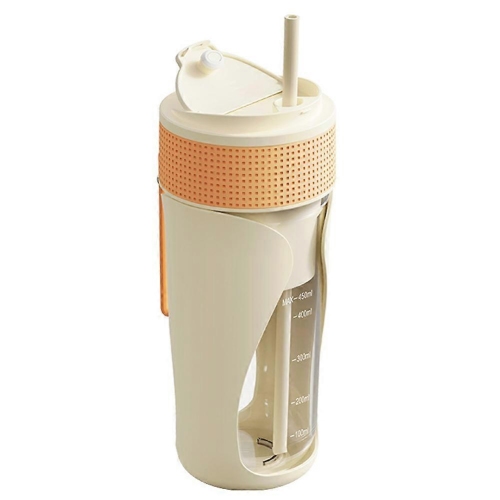
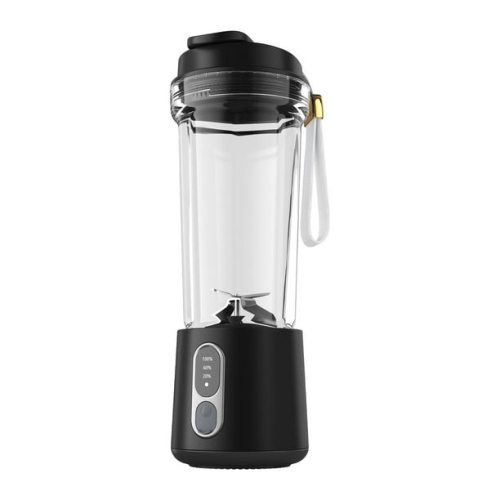
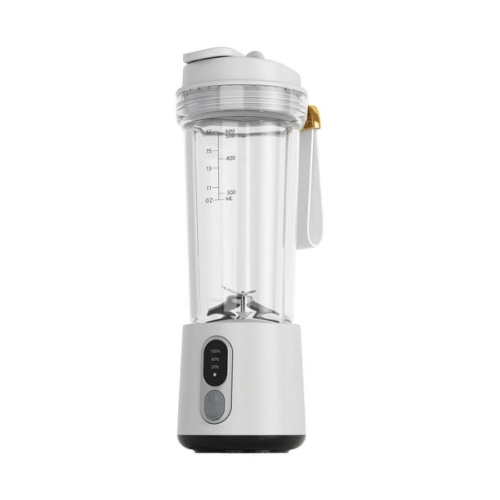
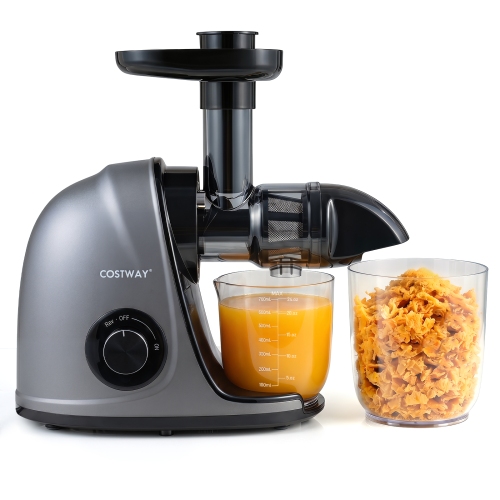

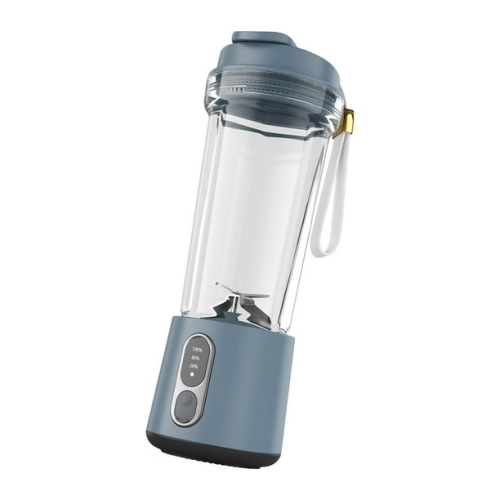
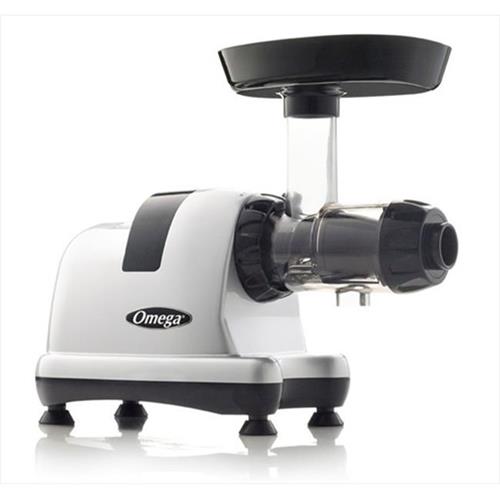
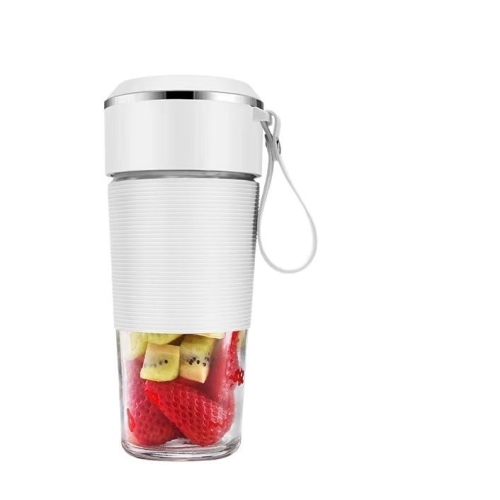
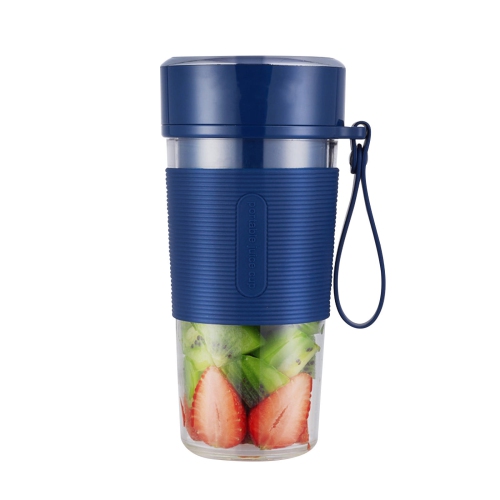
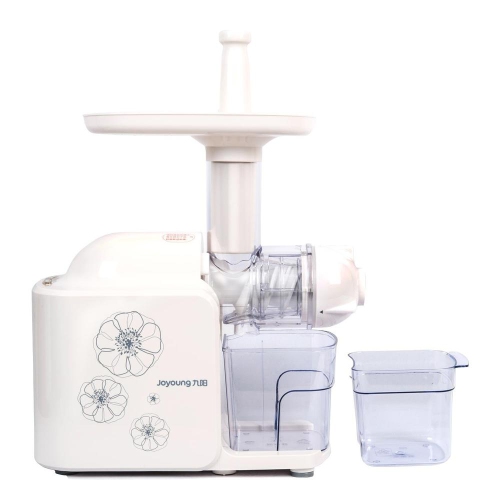
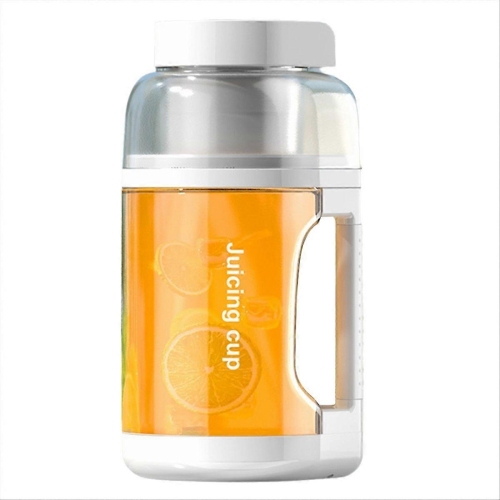
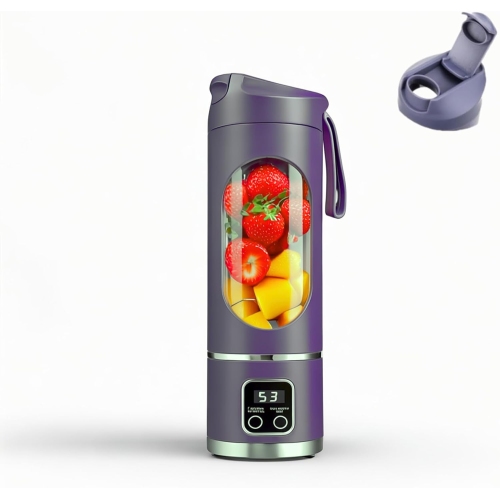
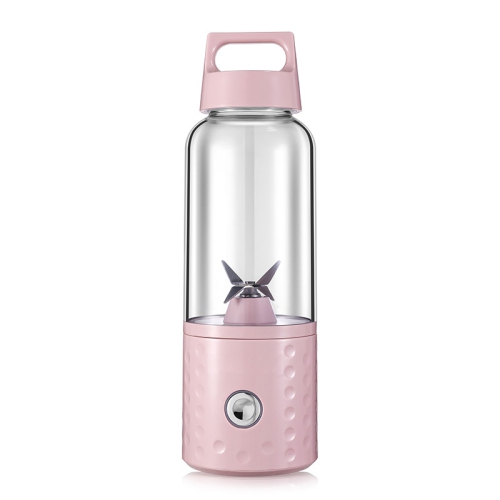
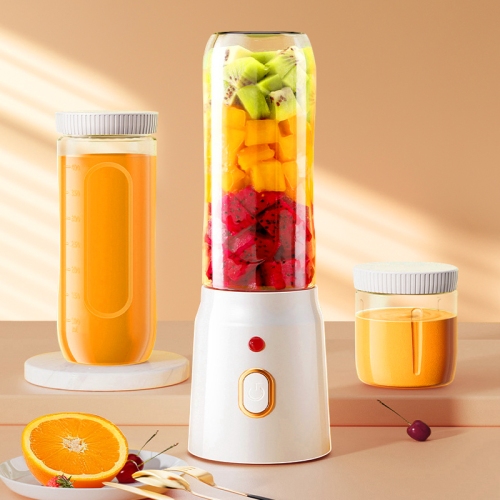
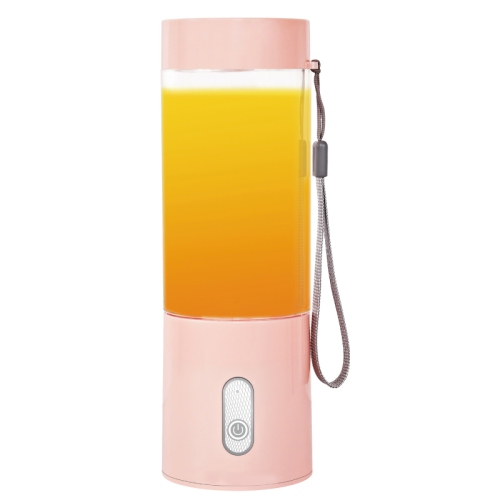



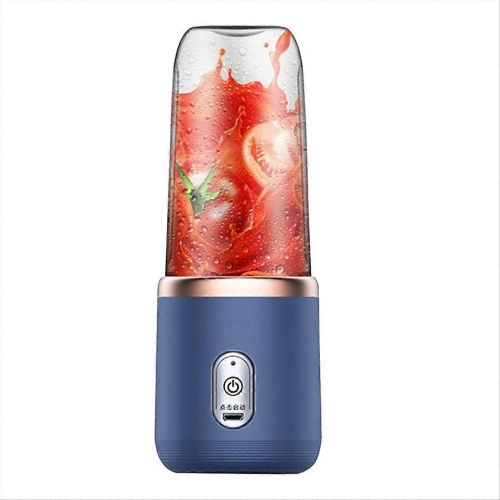
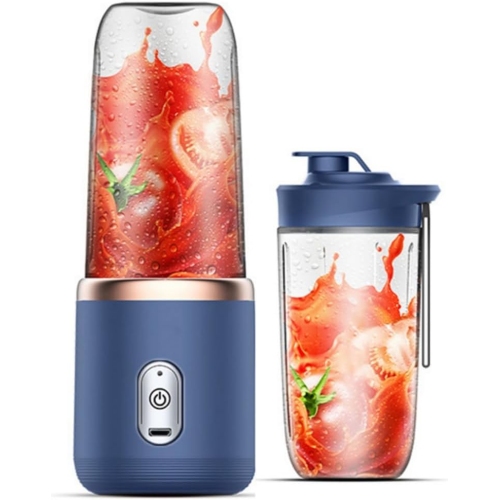
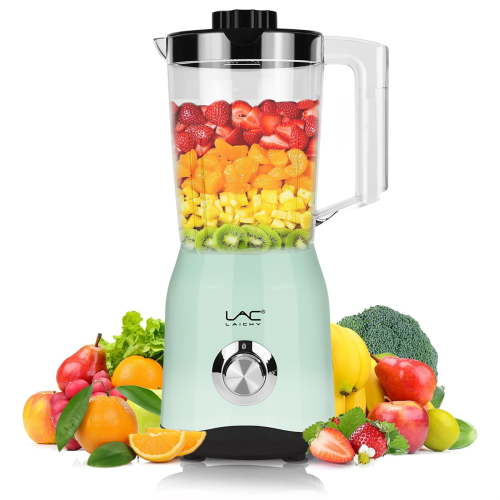
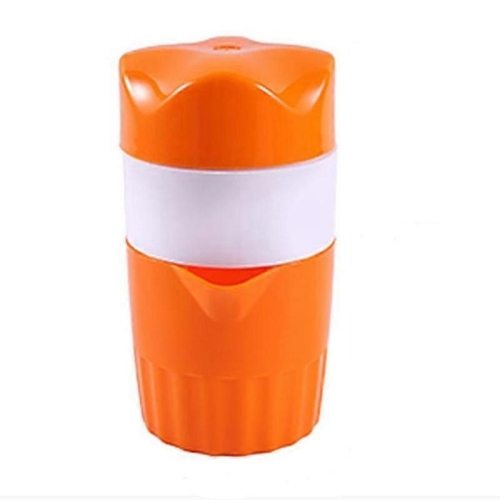
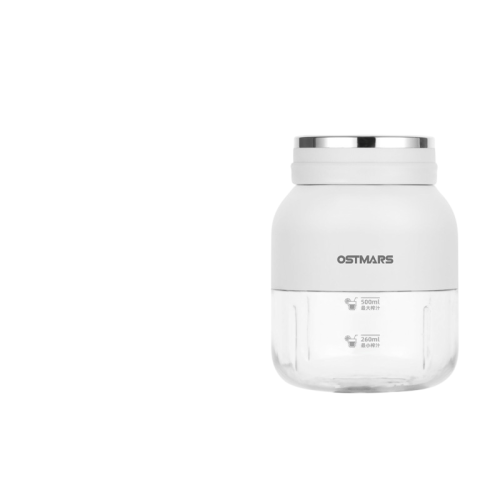
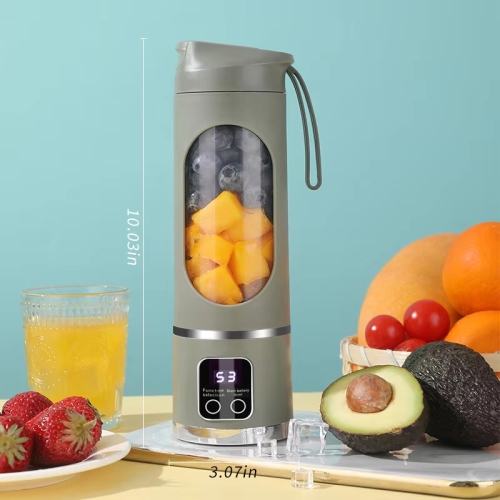
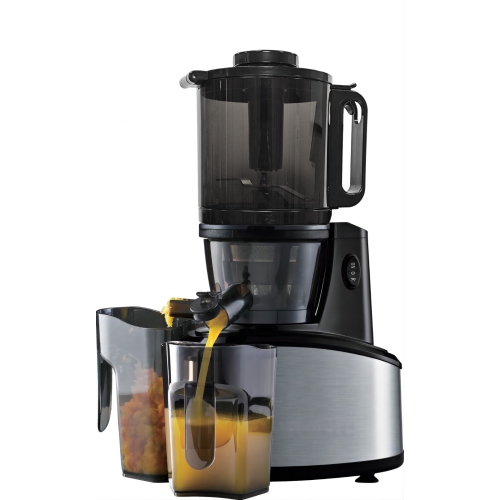
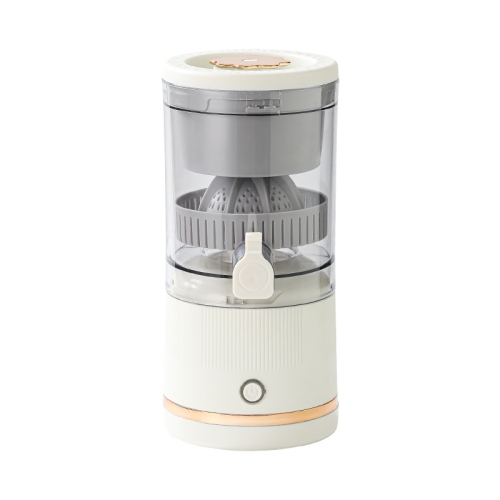

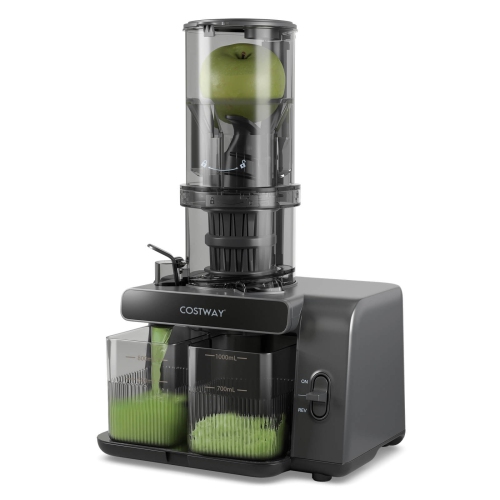
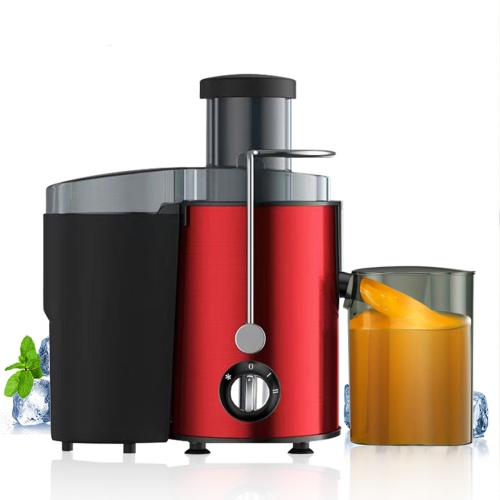
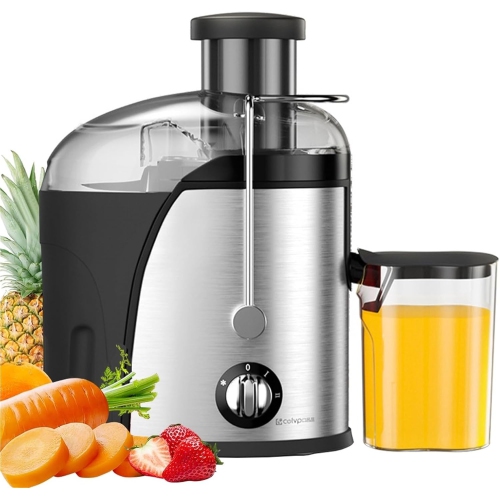
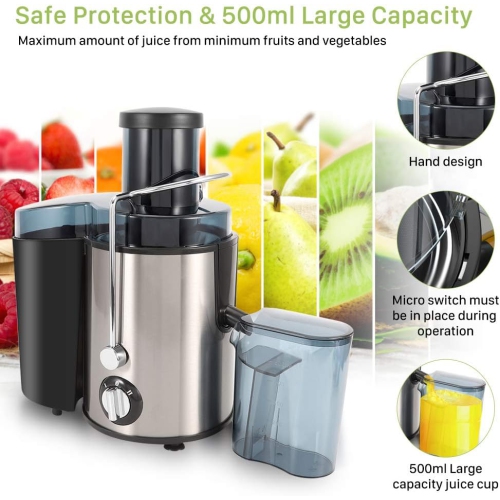
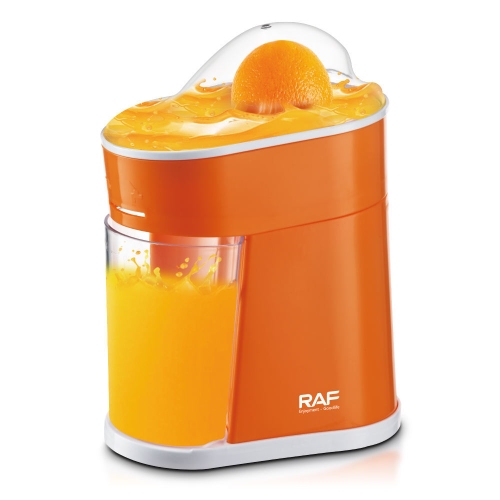

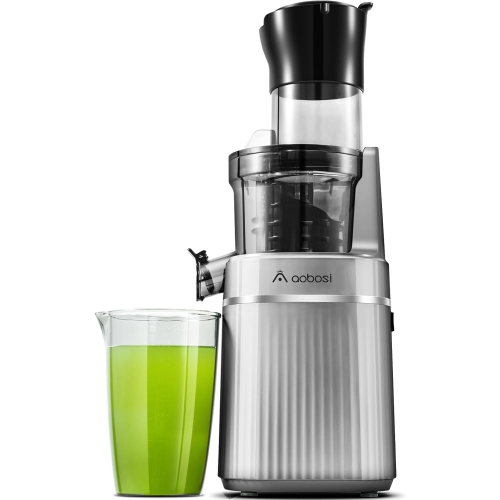

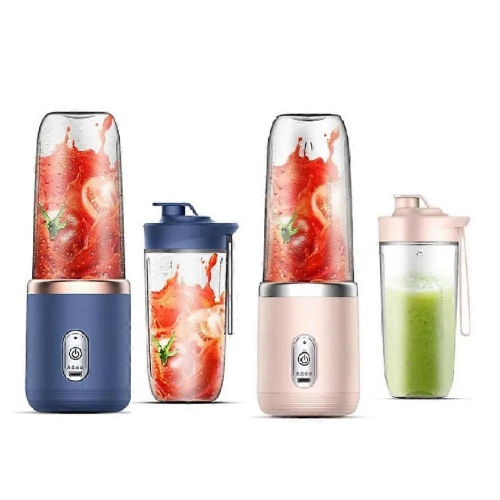
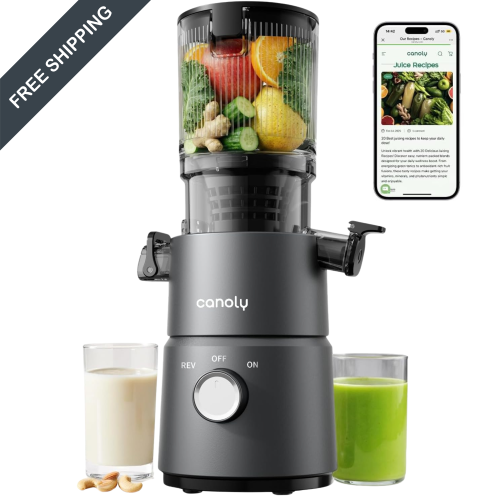

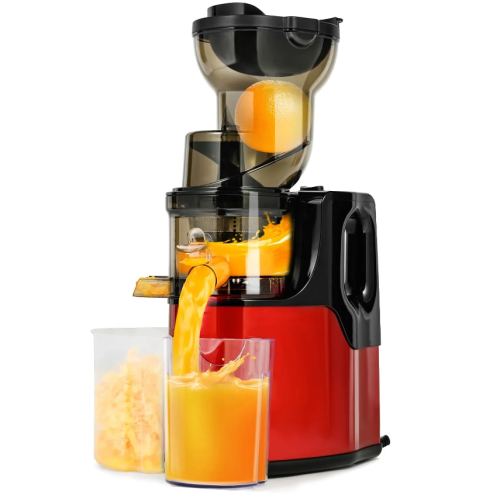
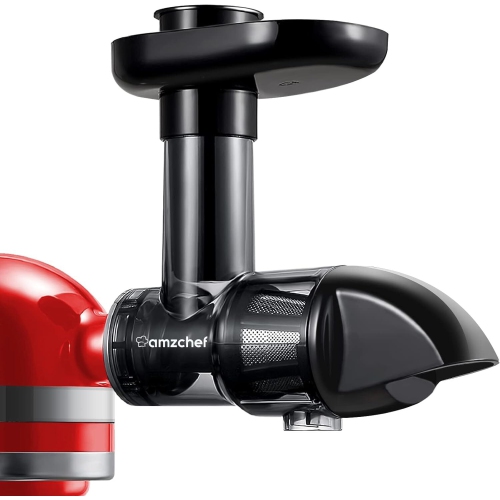
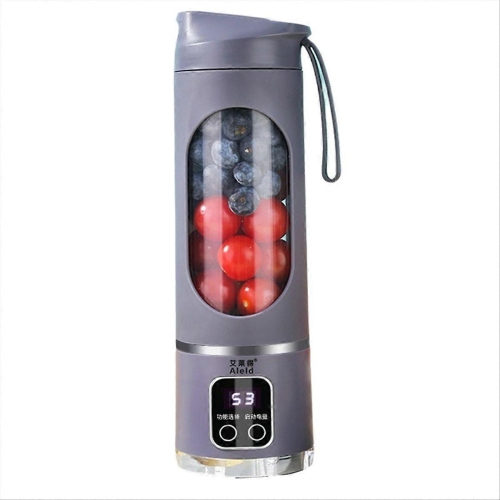
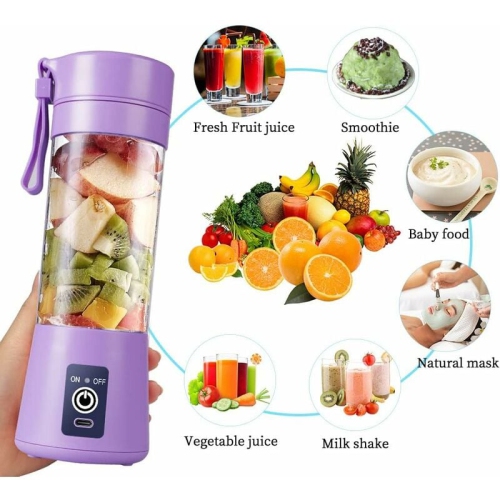

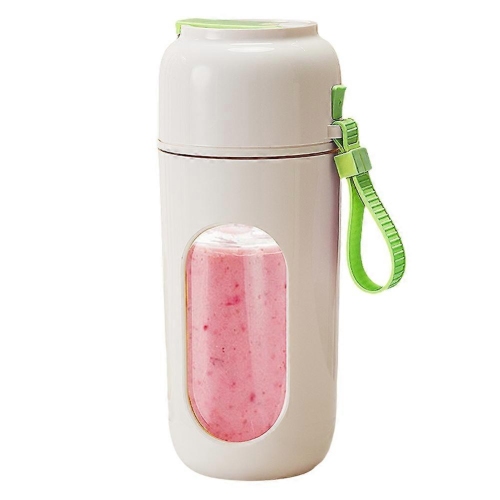
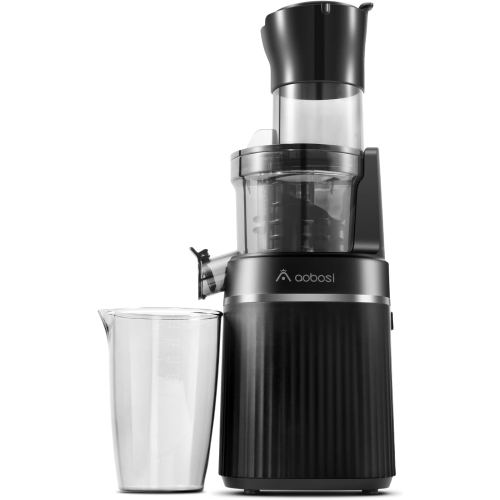
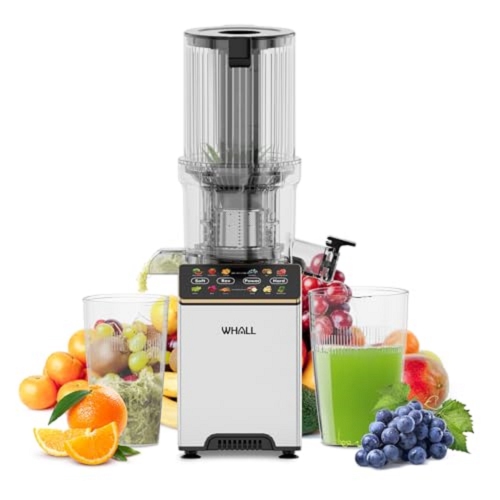
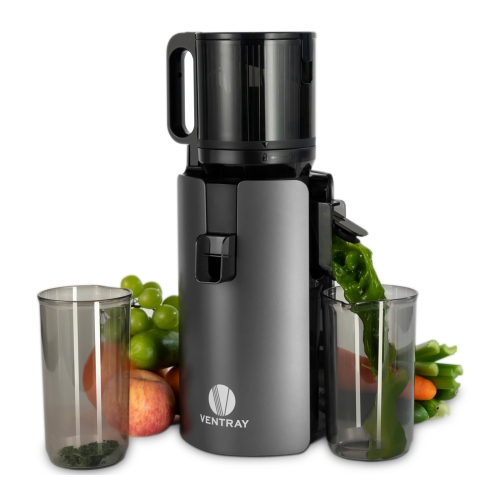
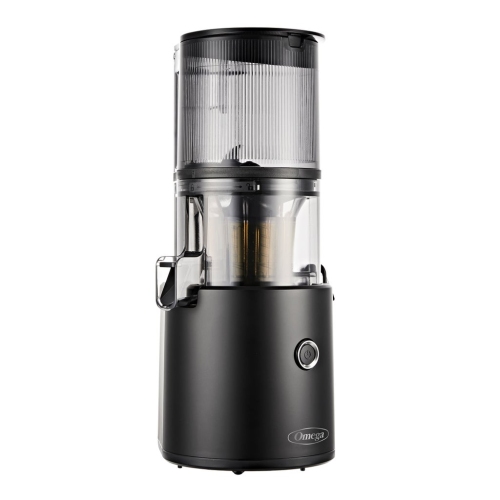
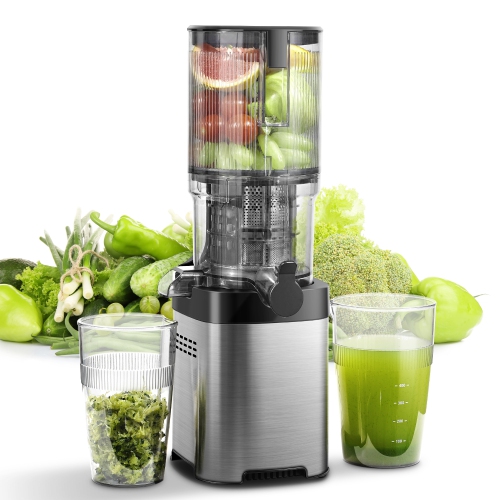
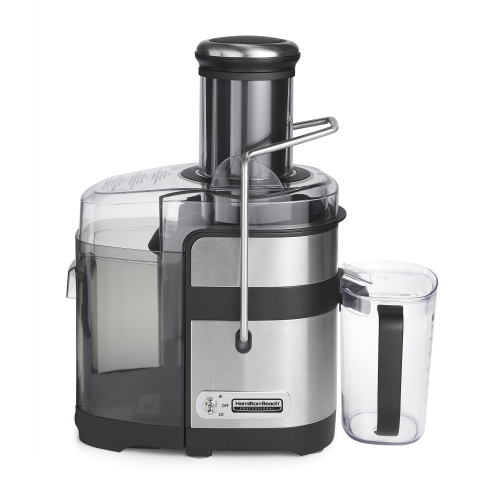
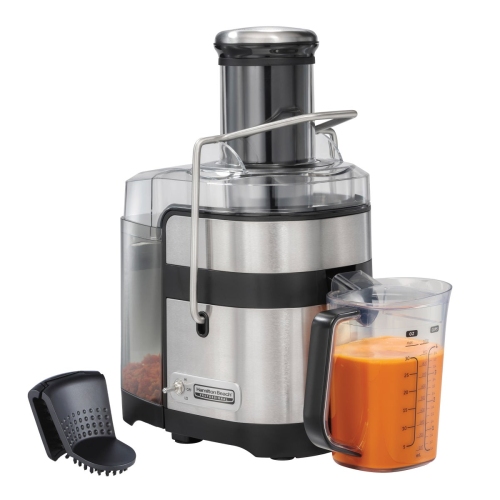
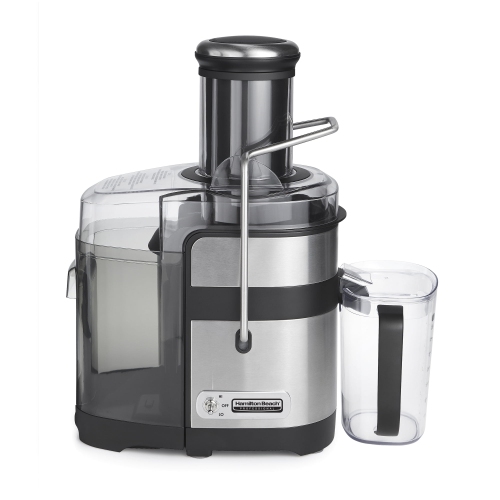
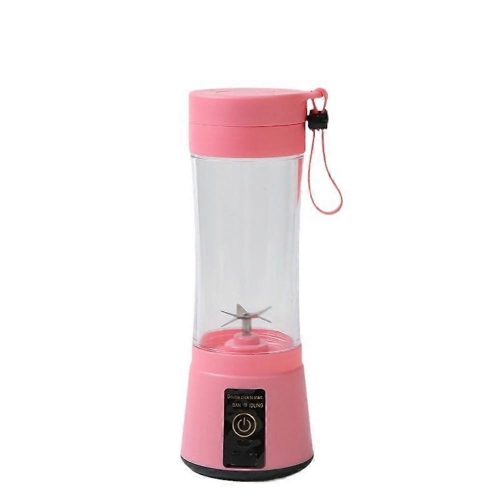
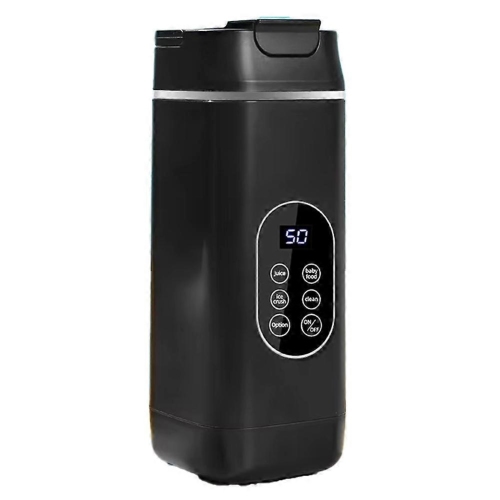
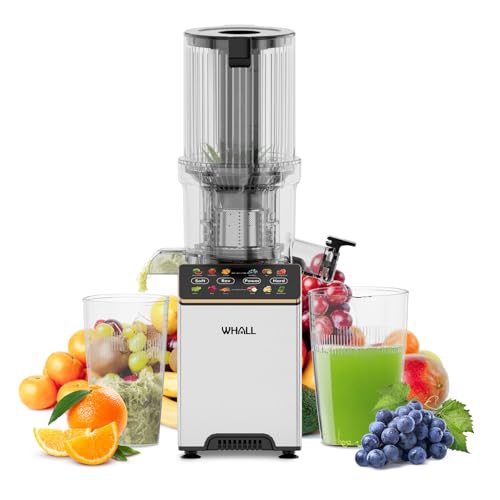

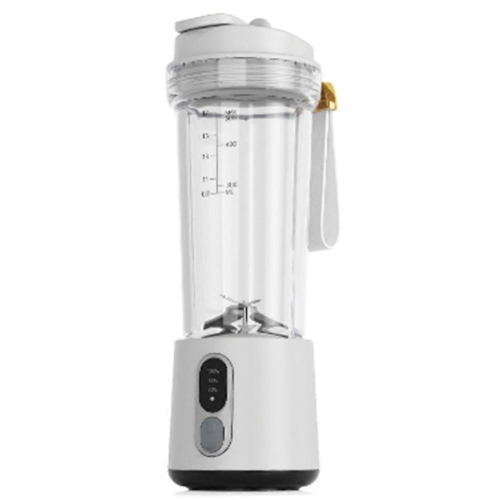
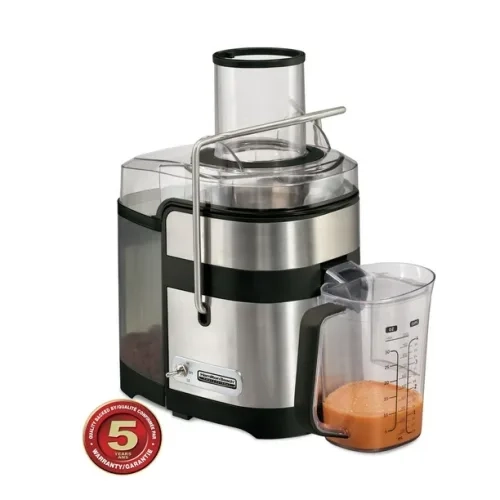
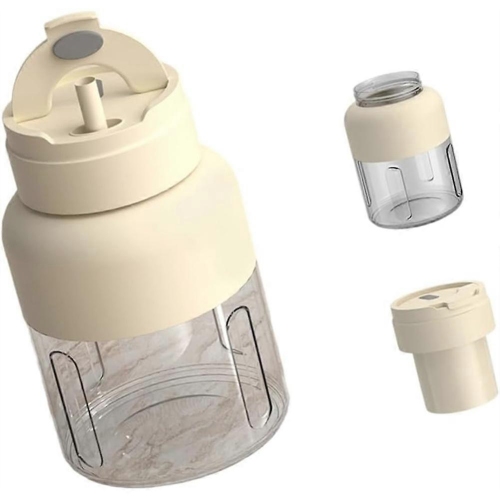
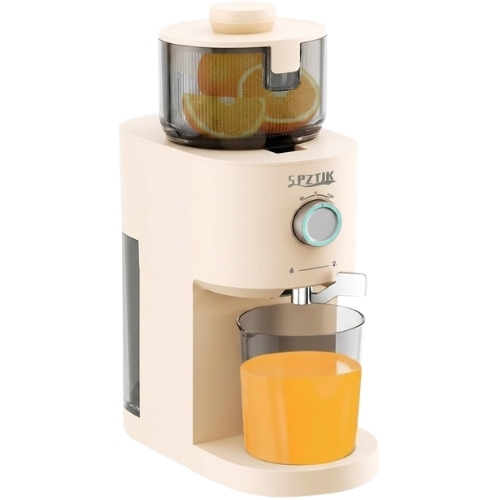
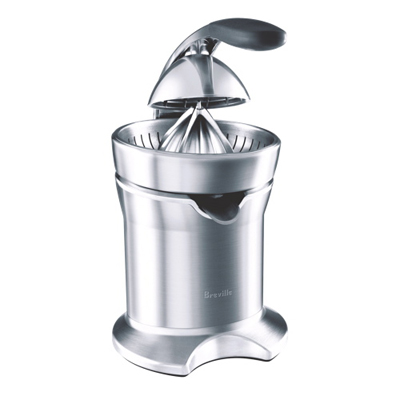
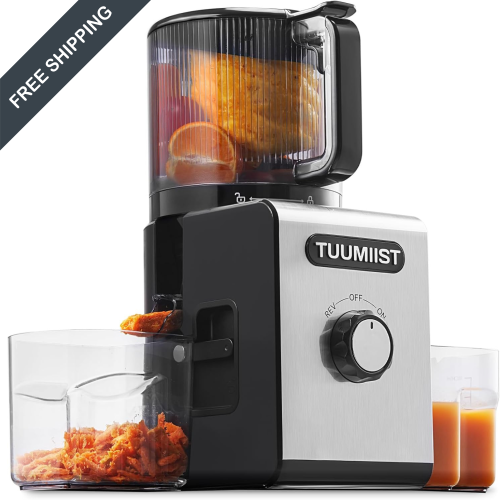
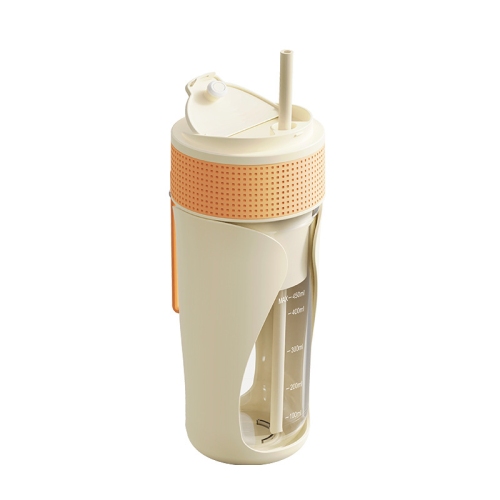
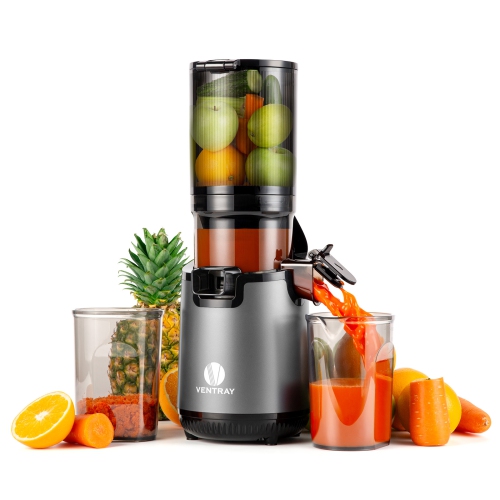
Size, speed, produce compatibility, and cleanup matter
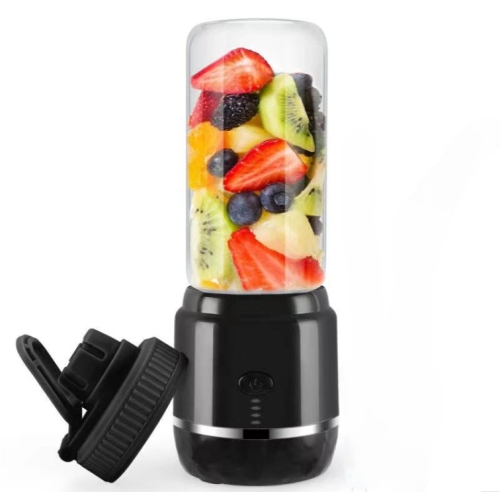
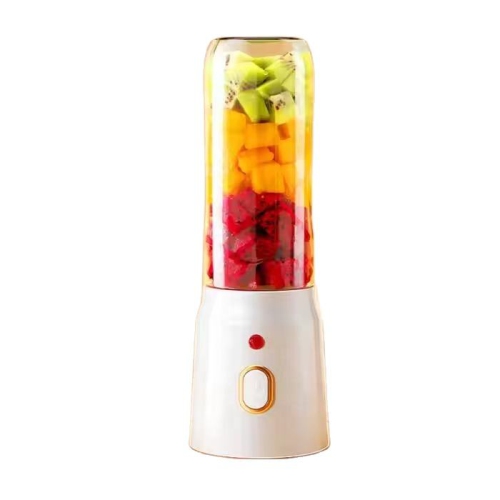
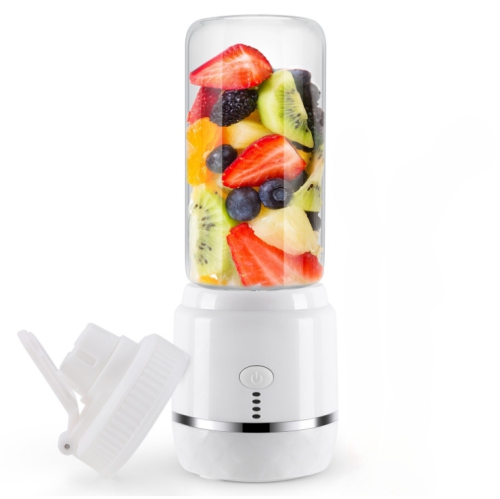
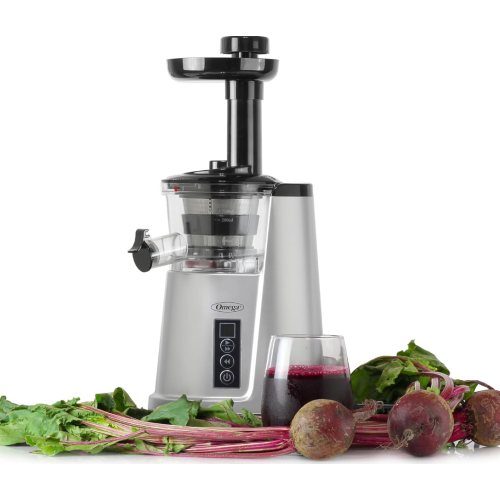
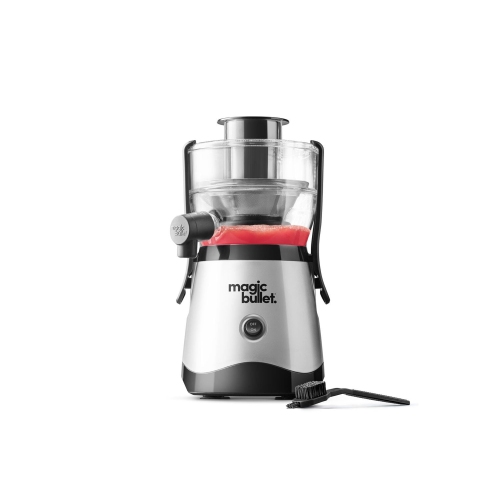
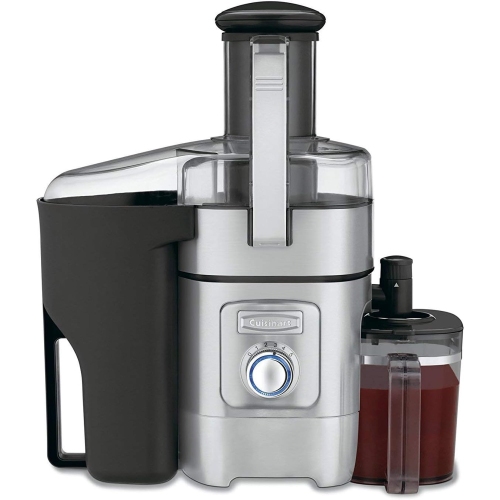
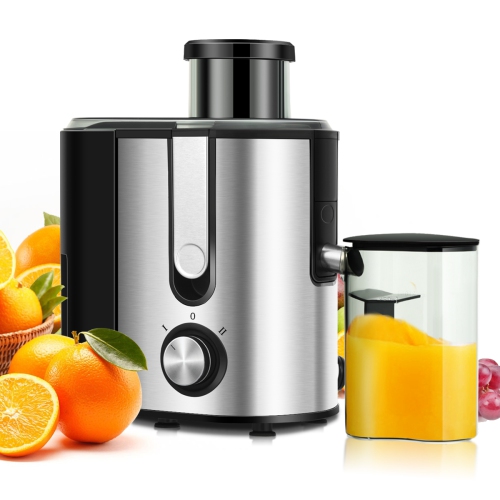
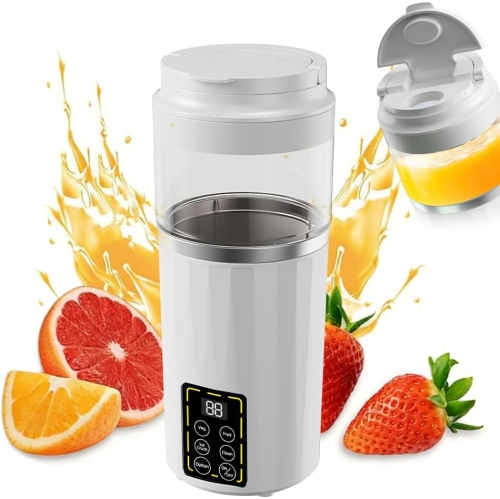
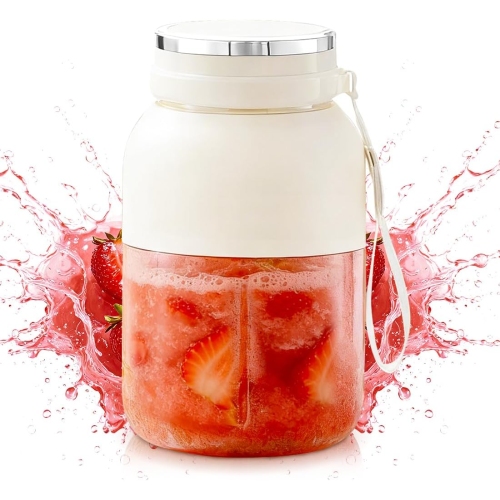
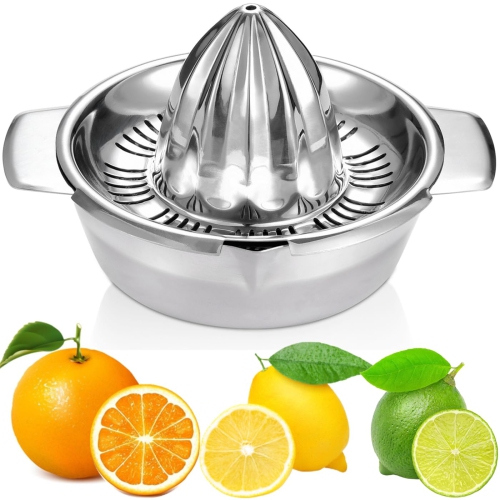
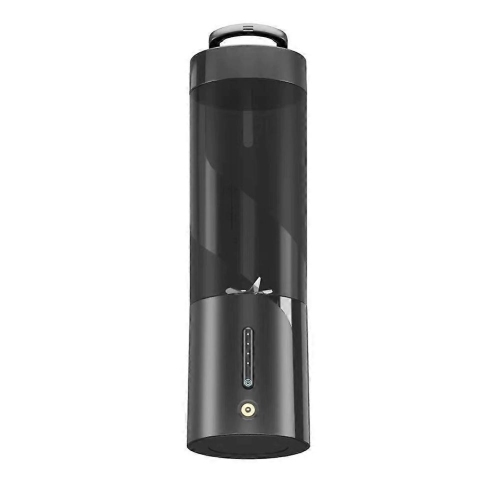
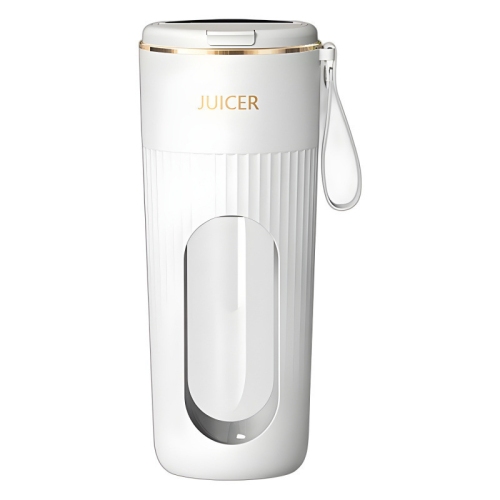
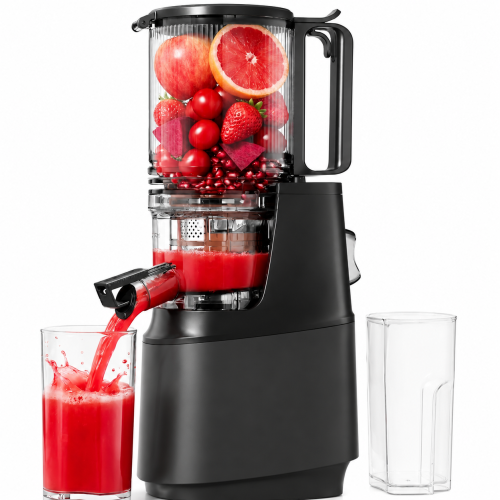
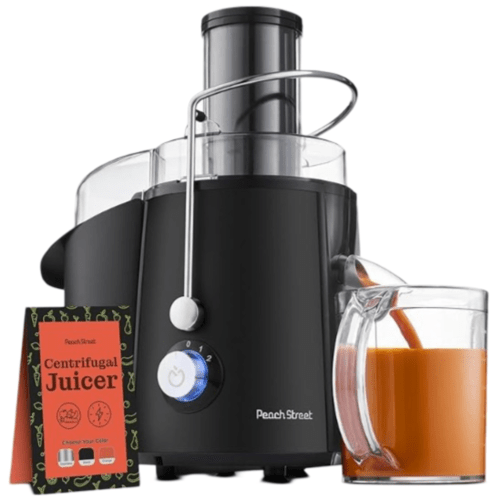
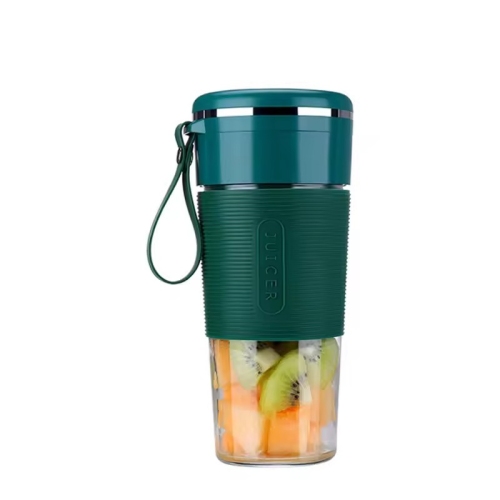
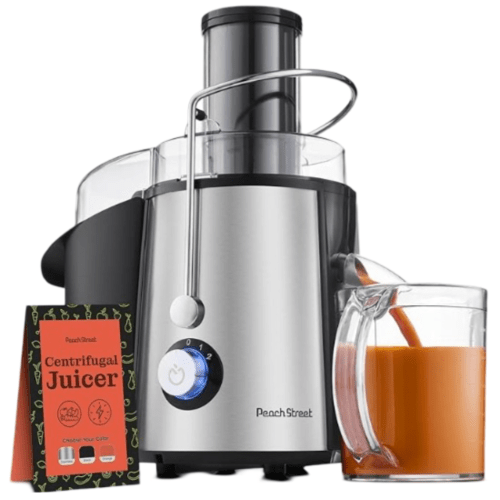
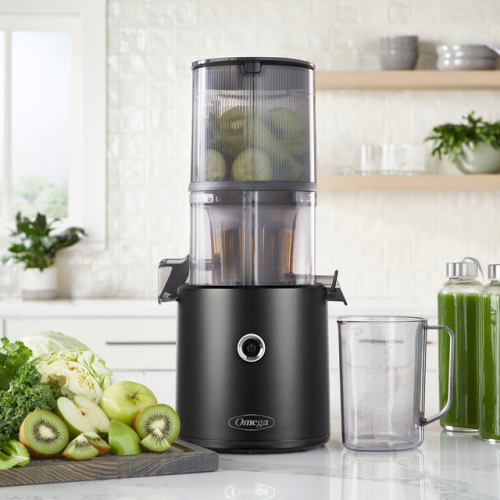
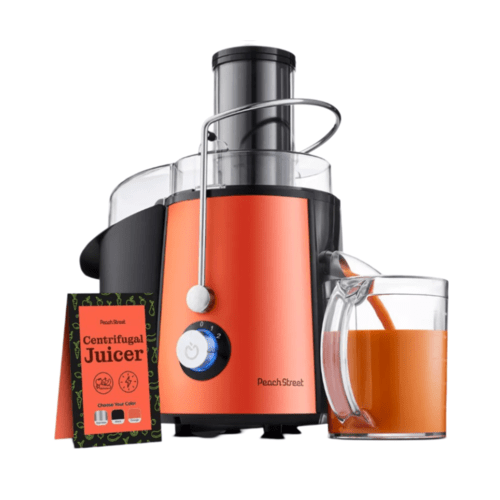
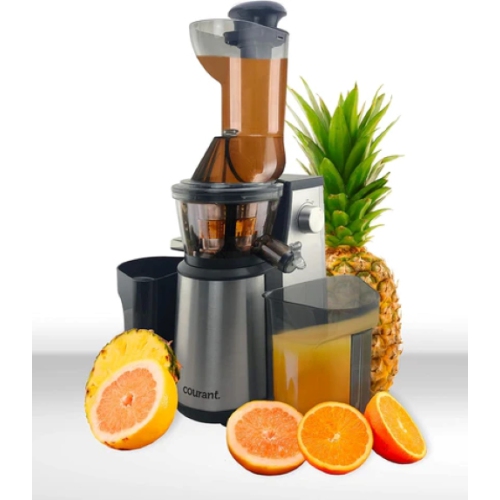
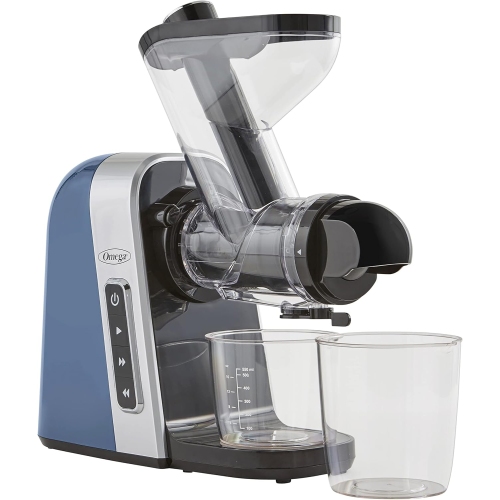
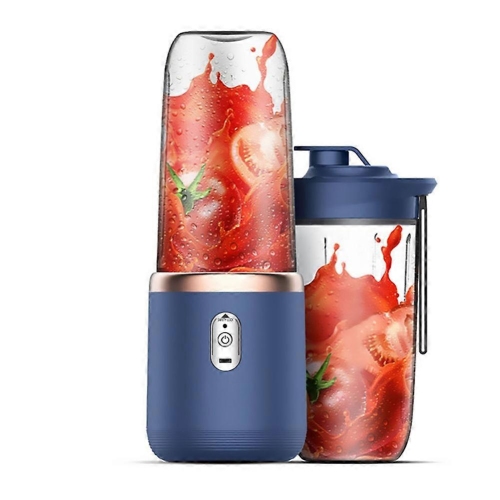
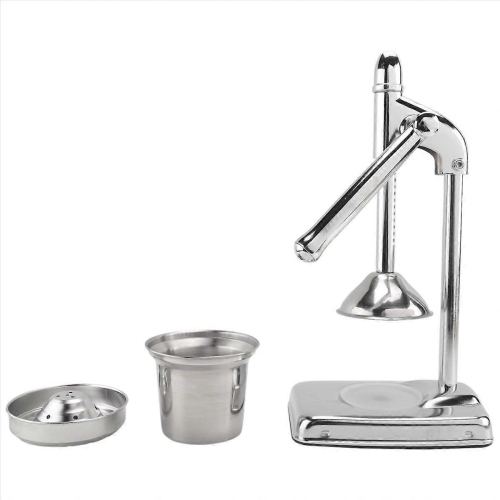
Compact vegetable juicers are designed for people who want to prepare fresh juice without giving up much counter space. Their smaller footprints fit comfortably in apartments, condos, compact kitchens, office lunchrooms, cottages, and busy family homes where every square inch matters. These appliances can turn produce such as carrots, cucumbers, celery, beets, tomatoes, spinach, kale, and leafy herbs into juice with less manual effort than a hand press or blender. A compact vegetable juicer may be useful for a quick glass before work, a fresh accompaniment to breakfast, or a way to make use of a variety of vegetables during the cooler months when indoor meal preparation becomes part of the daily routine. They can also be a thoughtful gift for a home cook, someone setting up a first kitchen, or a friend who enjoys experimenting with fresh ingredients. When comparing options, consider the vegetables that will appear most often in your recipes. Hard vegetables such as carrots and beets require a capable motor and a well-designed cutting or crushing system, while soft produce and leafy greens may perform better in a slow, masticating-style juicer. A compact machine does not necessarily mean limited performance, but it is worth checking the stated capacity, feeding chute size, and recommended operating time to find a model that suits the way you plan to use it.
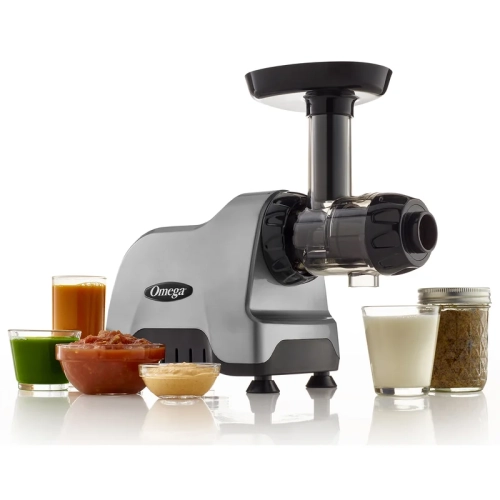
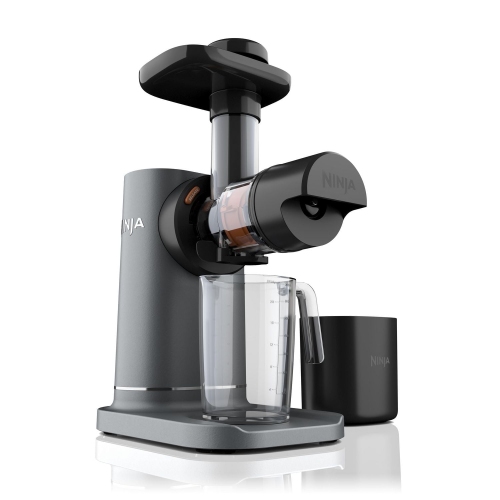
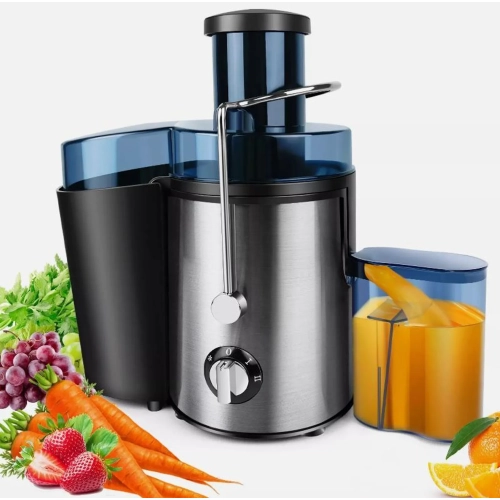
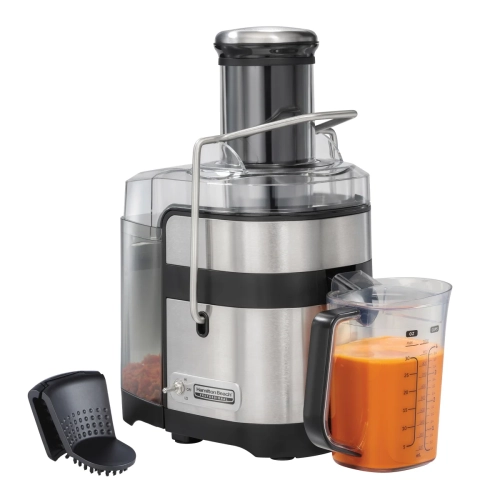
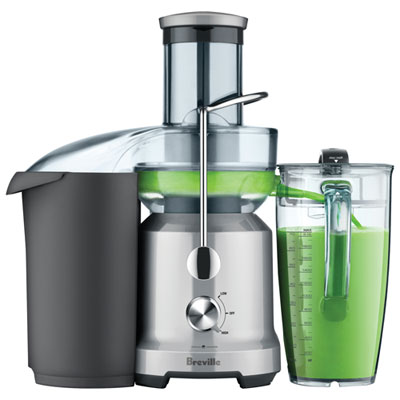
The two common types of vegetable juicers offer different experiences. Fast centrifugal juicers use a spinning cutting disc and fine strainer to process produce quickly, making them appealing when speed and convenience are priorities. They are often well suited to firm vegetables and fruits, and a wider feed chute can reduce the amount of chopping needed before juicing. This style may be a good fit for households that prefer to prepare a glass immediately and clean up soon afterwards. Slow, masticating juicers crush and press ingredients at a lower speed, which can be helpful when working with leafy greens, herbs, softer vegetables, or mixed recipes. The slower process may take more time, but it can provide a smooth, deliberate preparation routine and may reduce splashing or foaming for certain ingredients. Pay attention to the shape of the feed chute, since a narrow opening usually means more cutting, while a broader opening can make preparation easier. Motor power is another consideration, although wattage alone does not tell the entire story; the internal design, auger, blade, strainer, and safety features all affect how confidently a juicer handles dense vegetables. If celery is a regular part of your routine, you may also want to browse Small Celery Juicers for options suited to that particular ingredient. Reading the included instructions can help set realistic expectations, especially for fibrous vegetables and long leafy stems that may need to be cut into shorter pieces.
Ease of cleaning often determines whether a compact vegetable juicer becomes a daily appliance or stays in a cupboard. Look for removable components that can be rinsed promptly, a strainer that is easy to brush clean, and a pulp container that can be emptied without disassembling the entire machine. Dishwasher-safe parts can simplify cleanup, but always check which pieces are approved for the dishwasher and whether hand washing is recommended for seals, blades, or fine filters. A compact design is particularly convenient when the appliance can be stored in an accessible spot rather than moved in and out of a deep cabinet. Consider the height beneath your cupboards, the length of the power cord, the size of the juice and pulp containers, and the amount of space needed to remove the lid or strainer. Noise may also matter in an open-concept kitchen or early-morning routine, while non-slip feet and a secure locking arm can add confidence during operation. For the best results, wash vegetables thoroughly, remove tough stems or damaged sections, and cut large pieces to match the feeding chute. Alternate firm and softer ingredients when the instructions recommend it, and clean the juicer soon after use so vegetable fibres do not dry onto the filter. Fresh juice is generally best enjoyed shortly after preparation, so choosing a capacity that matches the number of people in your household can prevent unnecessary leftovers. With the right balance of size, speed, produce compatibility, and cleanup convenience, a compact vegetable juicer can make fresh juice a practical part of everyday kitchen routines while occupying only a modest amount of counter space.
Top selling and popular products
-
 Your price for this item is $209.99
-
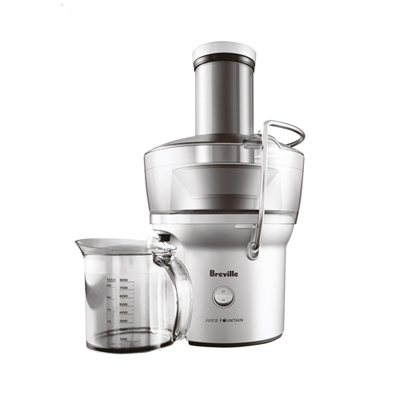 Your price for this item is $149.98
-
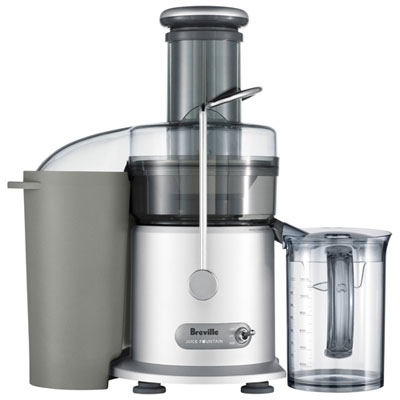 Your price for this item is $149.99
-
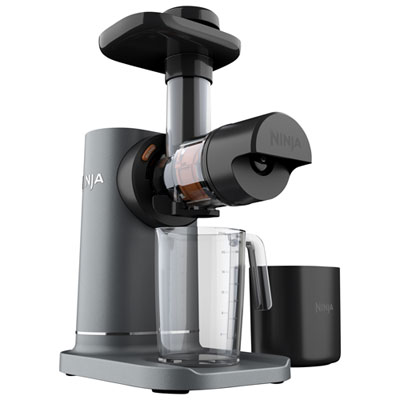 Your price for this item is $199.99
-
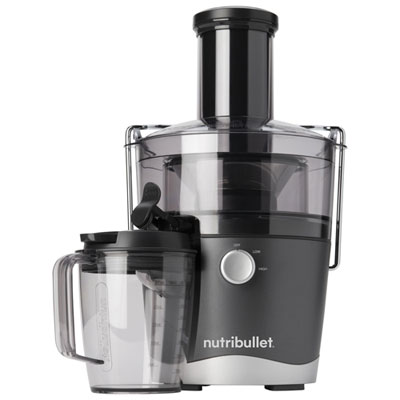 Your price for this item is $99.99
-
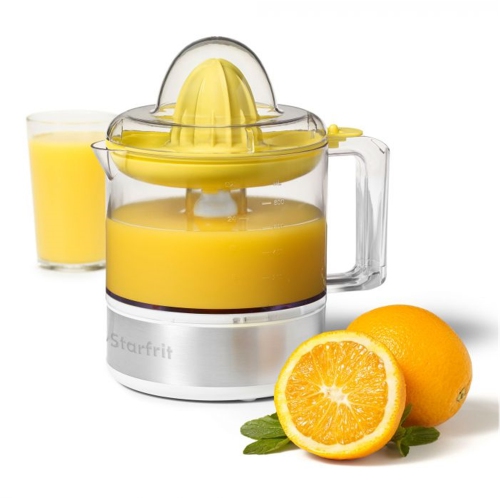 Your price for this item is $29.99
-
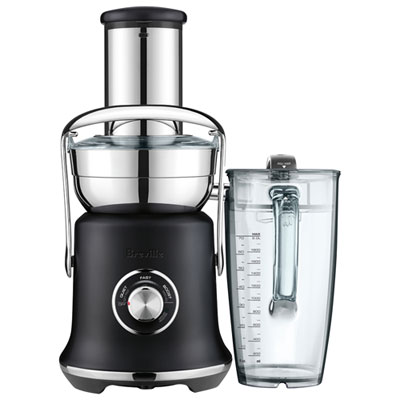 Your price for this item is $499.99
-
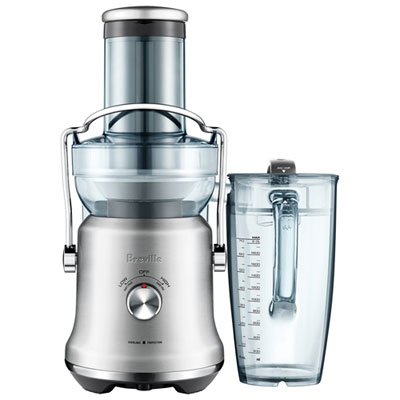 Your price for this item is $299.98
Discover more categories related to Compact Vegetable Juicers

Top Collections:
Pokemon Centers, Best Cameras for Sports Photography, Kindle Devices, Samsung Galaxy Phones, Canon G7X Cameras, Pokémon 30th Celebration Cards, Refurbished Apple Laptops, iPhone 15 Apple, Laptops for Students, Budget Smartphones
Some products may be subject to Environmental Handling Fees
(EHF) depending on your province.
Learn more about EHFs.