Fruit and Vegetable Press
A Fruit and Vegetable Press is an essential tool for anyone looking to enjoy fresh juice, sauces, or purees at home. Perfect for extracting natural flavors from your favorite produce, these presses make it easy to incorporate more fruits and vegetables into your daily routine. Whether you're preparing ingredients for cooking or creating homemade beverages, a Fruit and Vegetable Press offers a convenient solution for every kitchen. Explore a variety of options designed to suit different needs and preferences, making it simple to find the right fit for your culinary adventures.
Sort


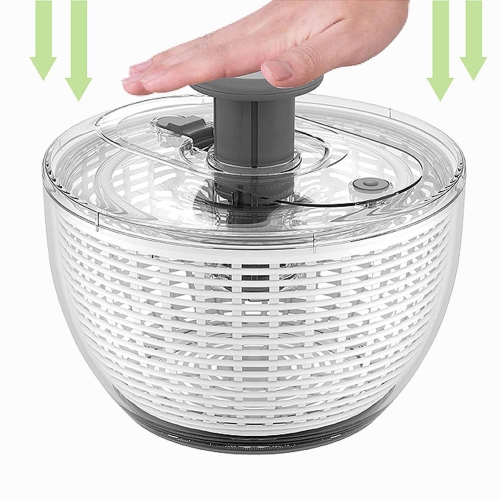
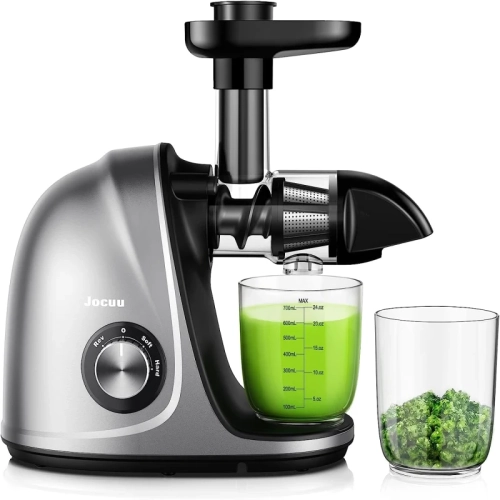
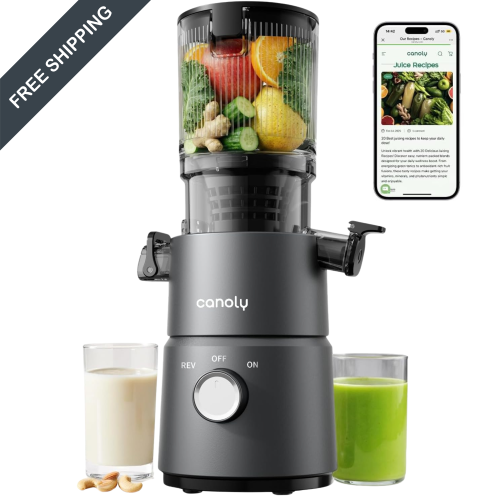
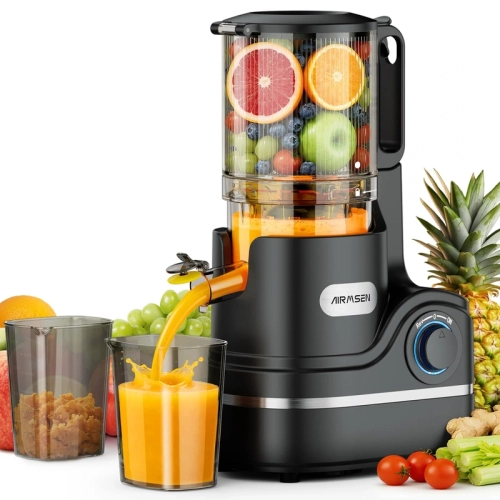
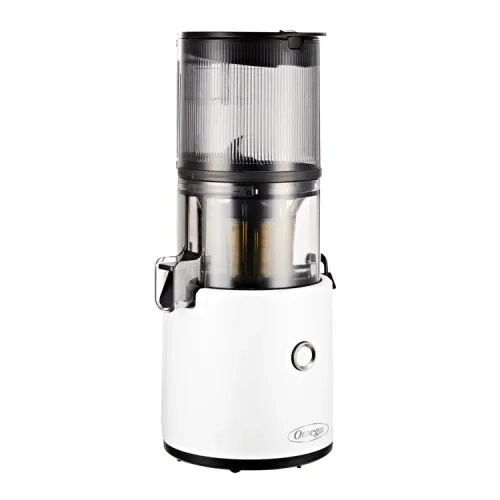
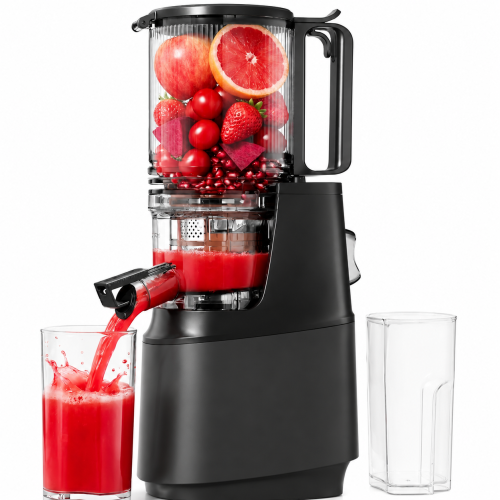
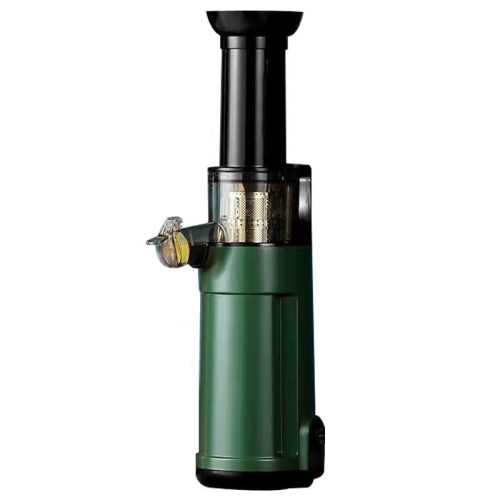

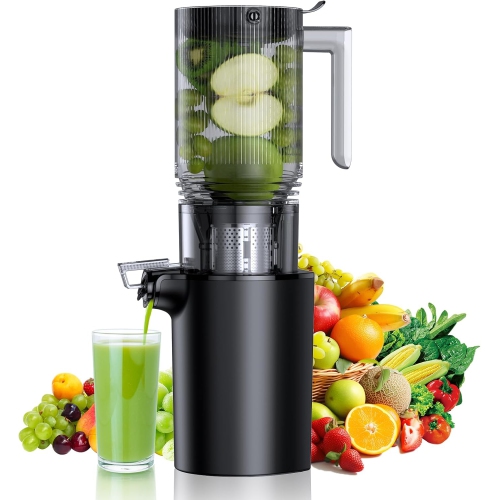
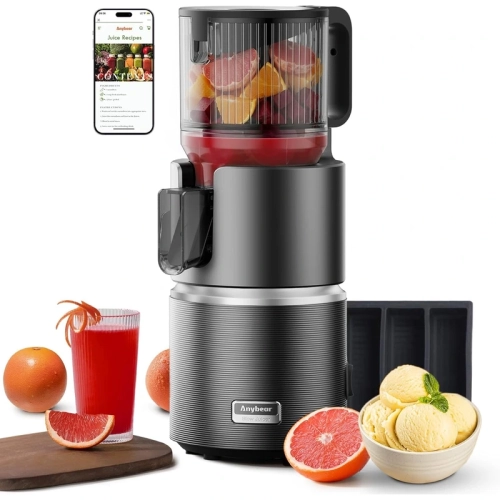

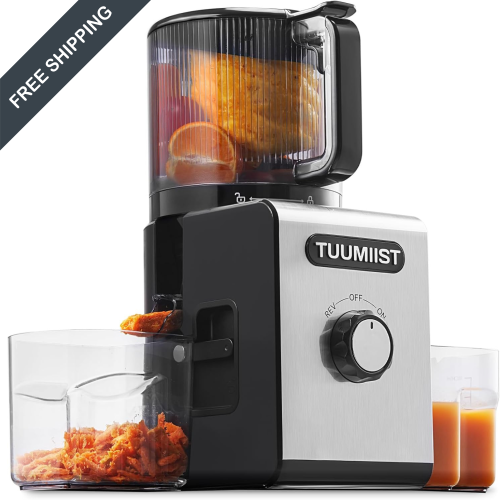

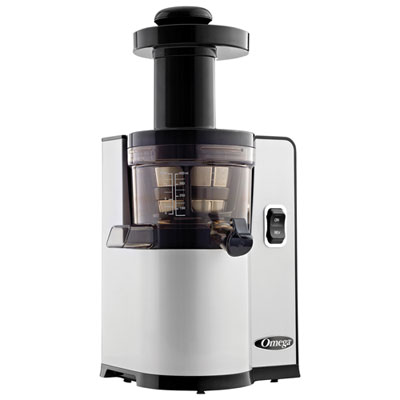
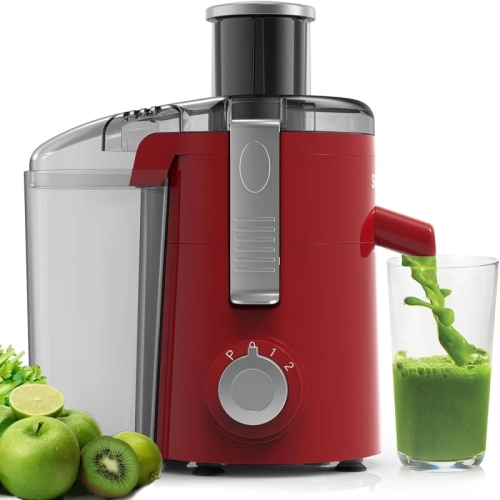

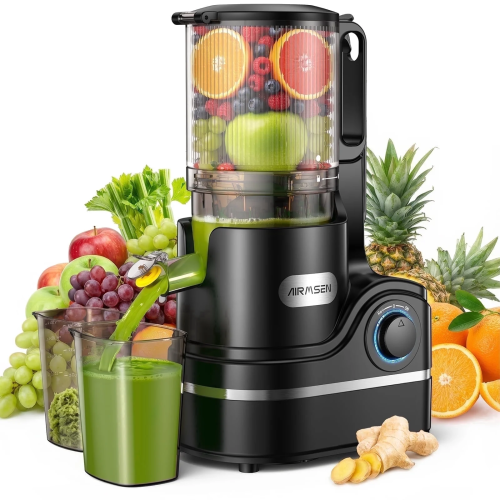
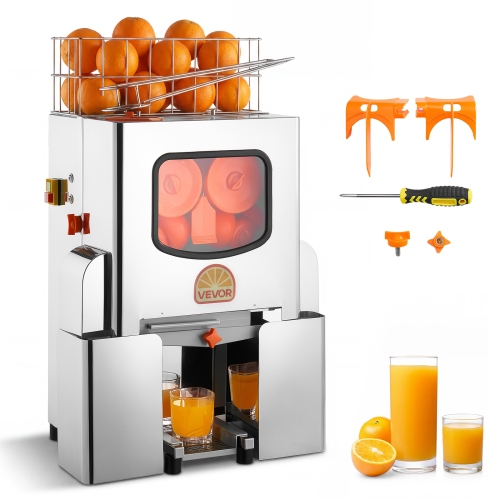
The right press depends on what you juice
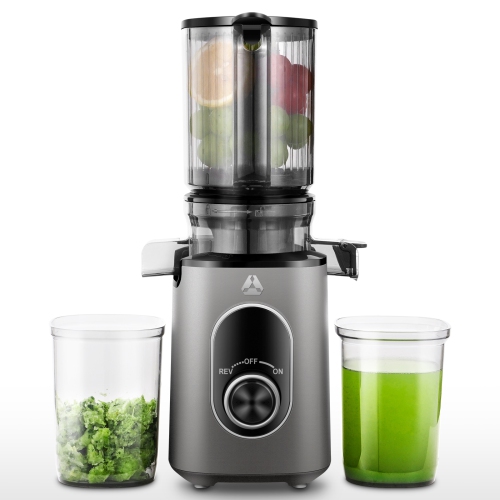
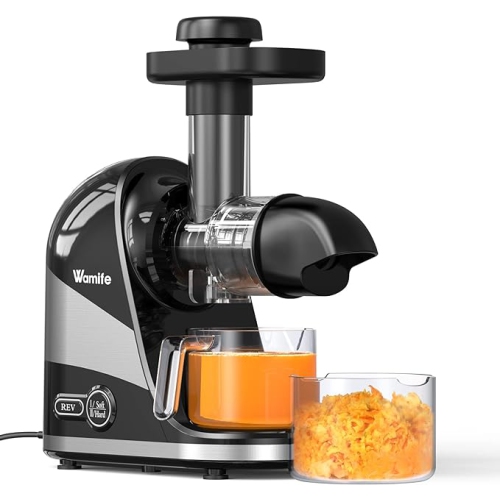
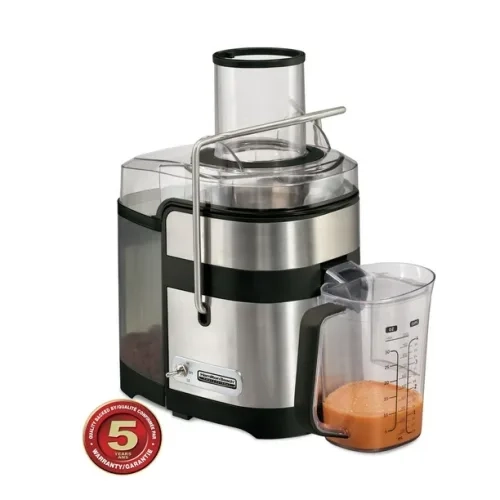
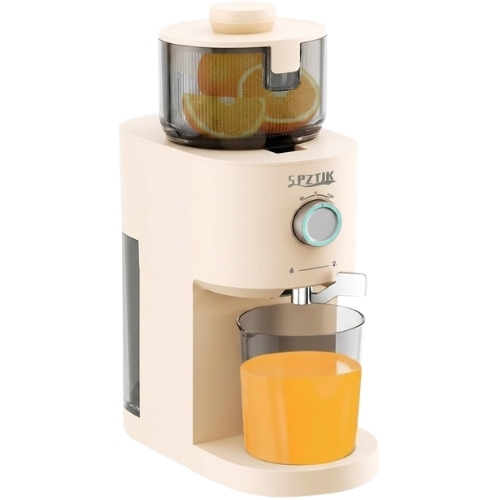
Fruit and vegetable presses extract juice or separate liquid from produce through pressure, with designs ranging from manual citrus presses to electric slow juicers and larger screw-operated basket presses. These styles serve different purposes: a lever-operated citrus press handles halved oranges, lemons, limes, or grapefruit, while an electric cold-press juicer typically uses an auger to crush prepared ingredients and push them against a screen. A mechanical screw press applies gradual pressure to a batch held in a basket or perforated container, making it useful for larger quantities of prepared fruit. Electric cold-press models are often called slow or masticating juicers, although their mechanisms and ingredient compatibility vary. A press intended for citrus is not automatically suitable for carrots, apples, or leafy greens, and a basket press may require fruit to be crushed or milled before pressing. For smaller portions and direct control over extraction, a Hand Juicer Press offers a straightforward alternative to a motor-driven appliance. The intended use shapes the experience: a squeeze of lemon for salad dressing calls for a different setup than a jug of apple juice or a mixed vegetable drink. Citrus reamers, pressing cones, fine screens, and open baskets handle ingredients differently, affecting how much pulp reaches the glass and how much preparation happens beforehand. Firm vegetables place different demands on an extraction mechanism than soft berries, while very soft or starchy produce may form a purée rather than release a clear juice. Seed size, skin thickness, and ripeness can also influence results. Households that enjoy fresh orange juice at breakfast may appreciate citrus-focused designs, while cooks using vegetable juices in soups, sauces, or dressings may value broader ingredient compatibility. Home juice makers working through larger batches often need more capacity and a separate collection container. Smooth juice, a pulpy finish, and small amounts of liquid for recipes are distinct goals, each suited to a different pressing setup.
Materials, construction, and physical fit make a noticeable difference to everyday use. Stainless steel is common in strainers, baskets, and other food-contact components because it offers strength and is generally straightforward to clean. Food-grade plastic components can keep removable containers lighter, while cast metal frames provide the rigidity needed for manual leverage. On coated metal parts, an intact finish matters, particularly around areas exposed to acidic fruit juice. Wooden baskets bring a traditional construction to some larger presses, but their cleaning and drying needs differ from those of metal or plastic. Durable performance depends on the whole assembly: a secure handle, stable base, properly seated basket, and smooth-moving screw or lever all contribute to controlled pressing. A tall manual citrus press needs clearance above the counter for its handle to travel, not just enough space for its base. Electric models also need room around the feed chute, juice outlet, and pulp container, along with convenient access to a suitable electrical outlet. The collection vessel deserves equal attention, since a favourite glass or jug may not fit beneath every spout. A wide base or suitable non-slip feet can help reduce movement on an appropriate work surface, while a heavier frame may be less convenient to lift into a cupboard. Larger basket presses can require a dedicated workspace where a collection tray and prepared fruit remain within reach. Capacity also has more than one meaning: the amount held in a basket, the size of a juice container, and an electric motor’s permitted operating time describe different limits. A generous feed opening may reduce cutting, but it does not remove the need to prepare ingredients according to the appliance’s requirements. For compact kitchens, removable parts and manageable storage dimensions can matter as much as extraction speed. For frequent use, accessible controls, comfortable grip surfaces, and a pouring arrangement that limits drips help make the press a practical part of the kitchen.
Preparation and cleanup are part of owning a fruit and vegetable press, and the simplest-looking design is not always the quickest to wash. A manual citrus press may have only a few removable contact parts, whereas an electric slow juicer can include an auger, screen, seals, juice chamber, and separate outlets. Fine mesh catches pulp effectively but also holds small fibres that need attention after use. Dishwasher compatibility varies by component, so a metal basket and its accompanying seals or plastic fittings may not share the same care requirements. Removable parts with accessible corners are easier to inspect for trapped pulp, and thorough drying helps keep stored components clean. Wooden elements need particular attention to drying, while electric motor bases should remain separate from washing water. Fresh juice can leave sticky traces around hinges, spouts, and collection trays, making those details worth considering alongside the main pressing chamber. Ingredient preparation varies too: hard pits need removal, thick or bitter peel may affect flavour, and fibrous stalks can require smaller pieces where the design permits them. Larger manual presses often rely on prepared pulp rather than whole fruit, so their workflow may involve additional equipment and more workspace. The resulting juice can range from cloudy and full-bodied to relatively clear, depending on the produce and straining method; colour and natural separation also vary. Freshly extracted juice is not shelf-stable simply because it has been pressed, and safe storage remains important. For someone who regularly cooks with citrus, enjoys making vegetable blends, or likes preparing drinks for family meals, a well-matched press can become a frequently used kitchen tool. As a gift, its usefulness rests on the recipient’s habits, available counter space, comfort with manual effort, and willingness to clean removable parts. A compact citrus setup suits occasional recipe preparation, while broader ingredient capability or larger batch capacity makes sense for someone already committed to regular juice making. The lasting appeal comes from a practical match between the press, the produce, and the way the kitchen is used.
Top selling and popular products
-
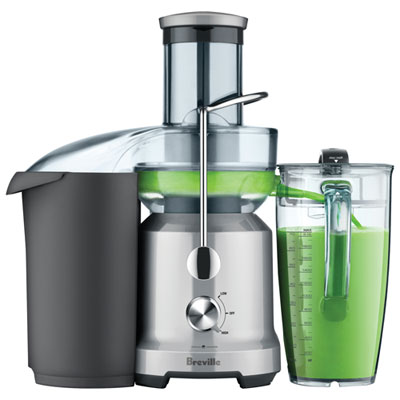 Your price for this item is $209.99
-
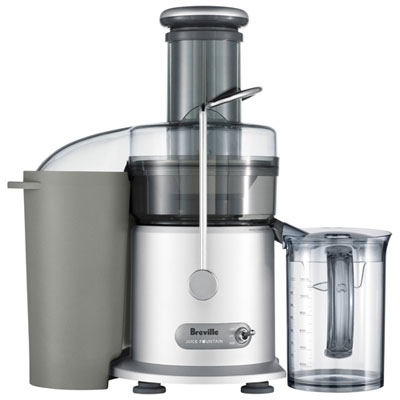 Your price for this item is $149.99
-
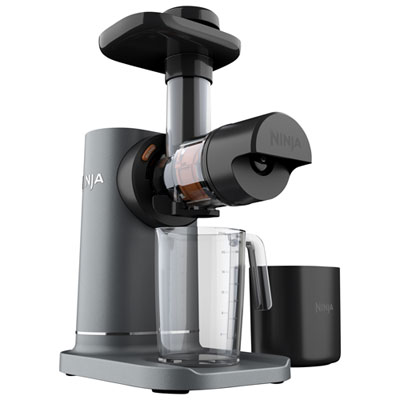 Your price for this item is $199.99
-
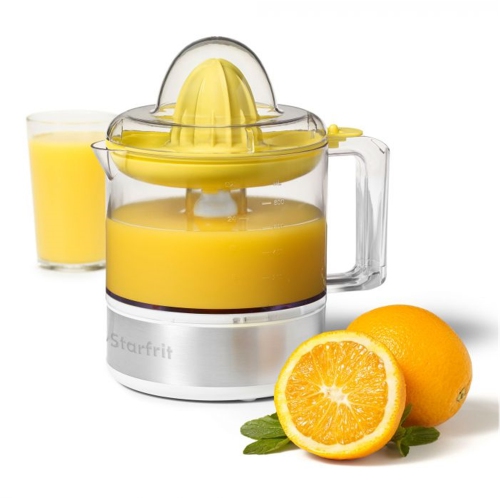 Your price for this item is $29.99
-
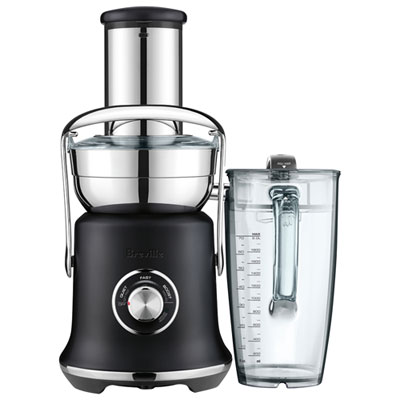 Your price for this item is $499.99
-
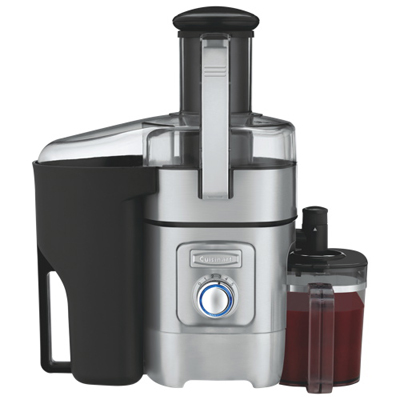 Your price for this item is $219.99
-
 Your price for this item is $124.99
-
 Your price for this item is $125
Discover more categories related to Fruit and Vegetable Press

Top Collections:
Best Black Friday Deals This Year, Best Black Friday Deals On Electronics, Kindle Devices, Pokemon Centers, Best Black Friday Deals On Apple Products, Best Cameras for Sports Photography, Dyson Airwrap, Pokémon 30th Celebration Cards, Apple iPhone 17 Pro, Canon G7X Cameras
Some products may be subject to Environmental Handling Fees
(EHF) depending on your province.
Learn more about EHFs.