Industrial Washer And Dryers
Looking to upgrade your laundry routine? Look no further than our selection of industrial washer and dryer sets. Designed to handle heavy-duty loads and deliver exceptional performance, these powerful machines are perfect for commercial settings or households with high laundry demands. With advanced features and durable construction, our industrial washer and dryer sets are built to last and ensure that your clothes come out clean, fresh, and ready to wear. Whether you're a business owner or a busy household, these reliable appliances will revolutionize the way you do laundry.
Sort
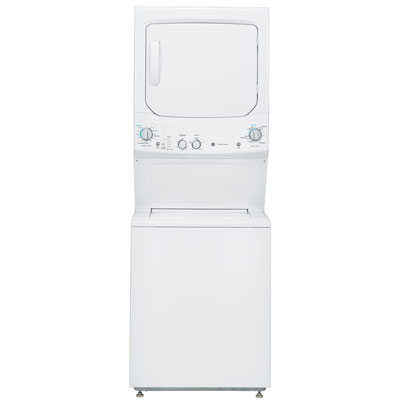
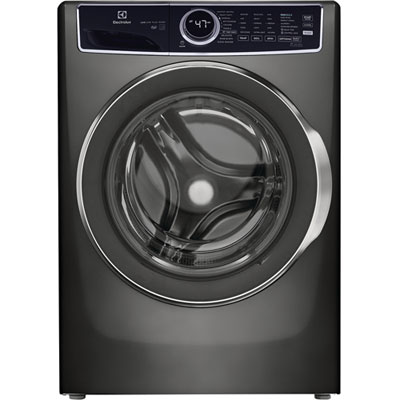
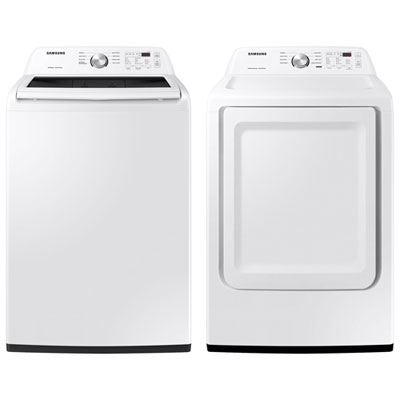
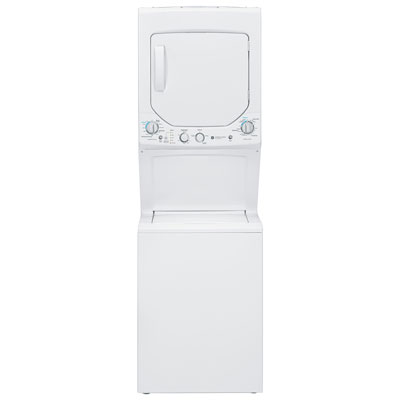
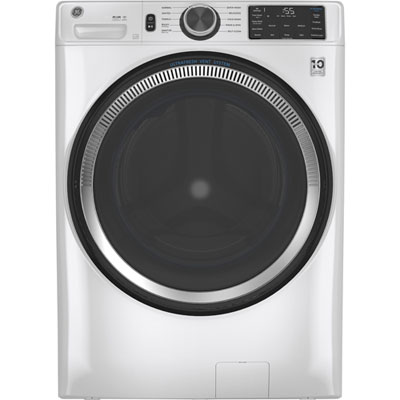
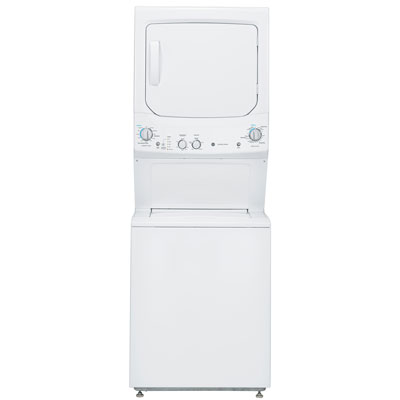
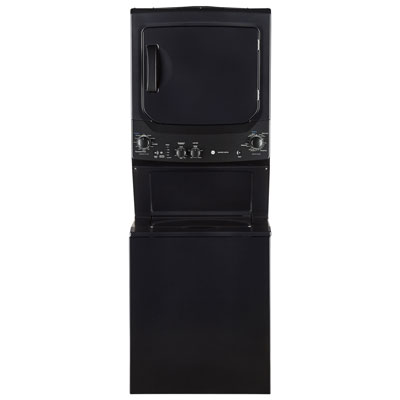
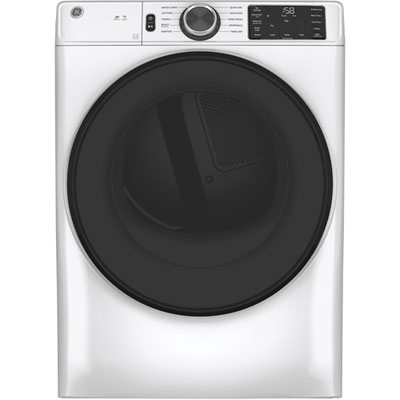

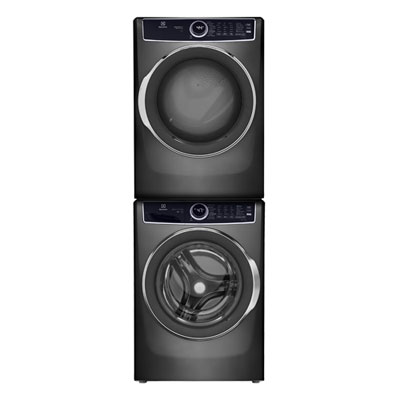
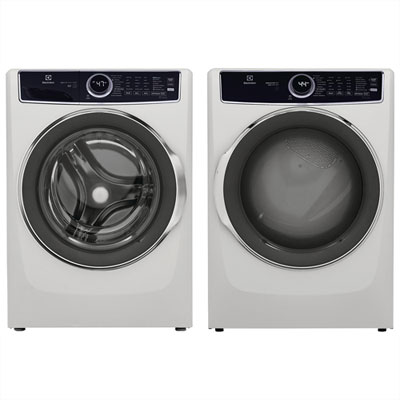
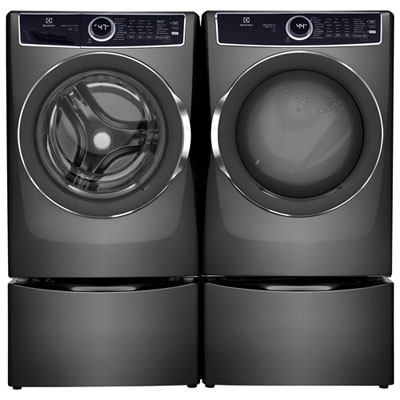
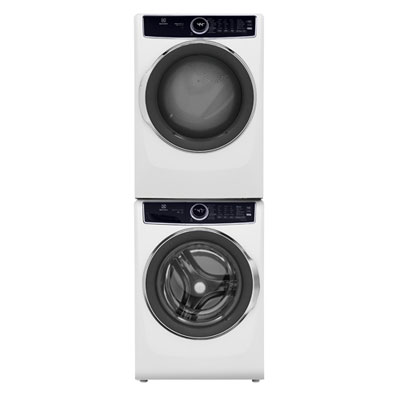
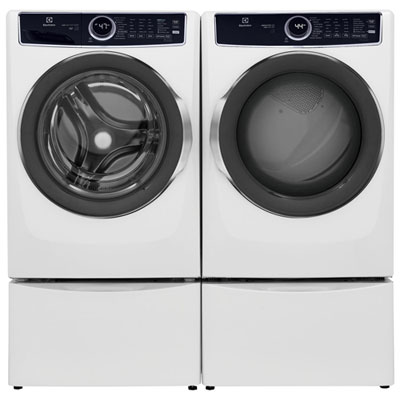
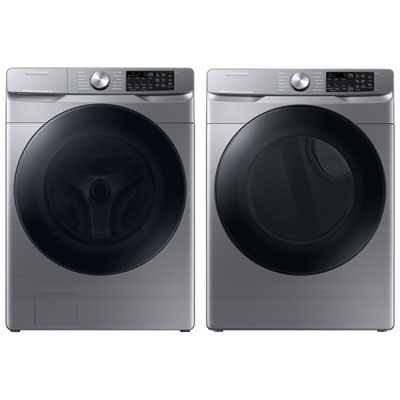
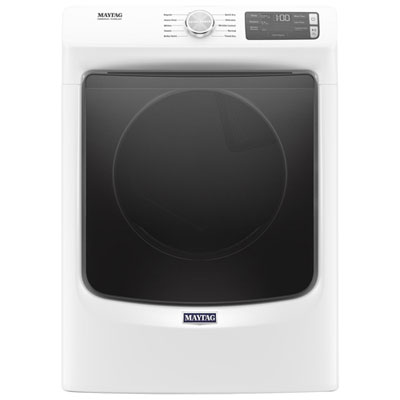
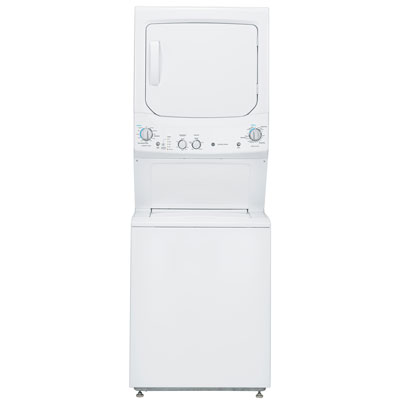
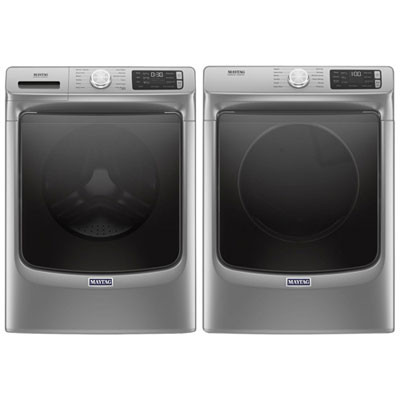
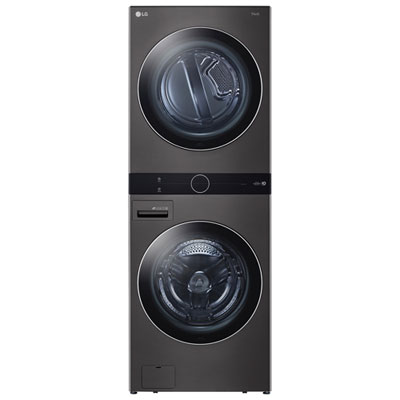
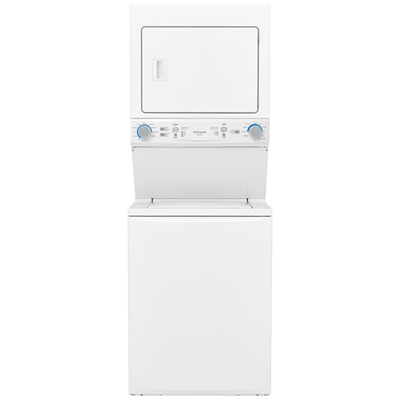
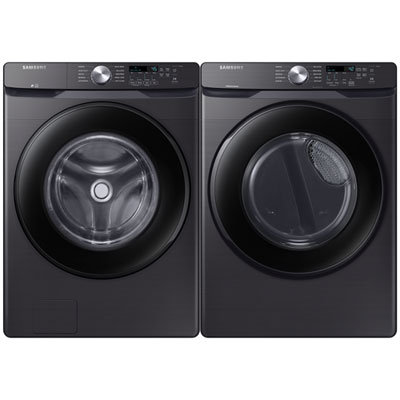
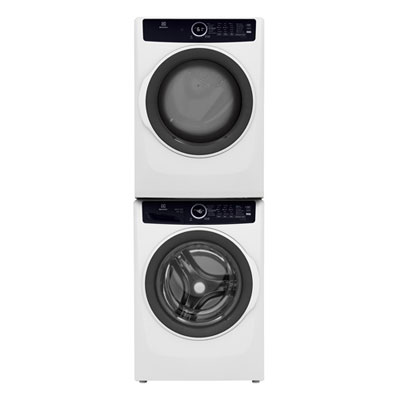
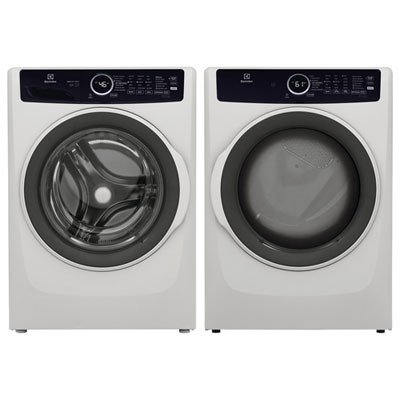
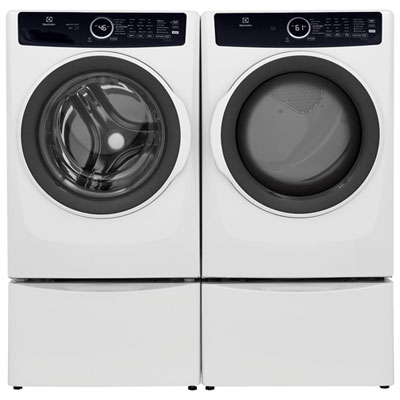
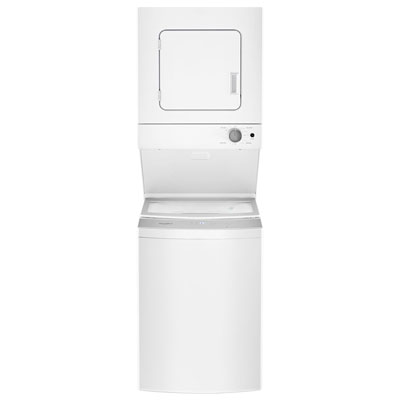
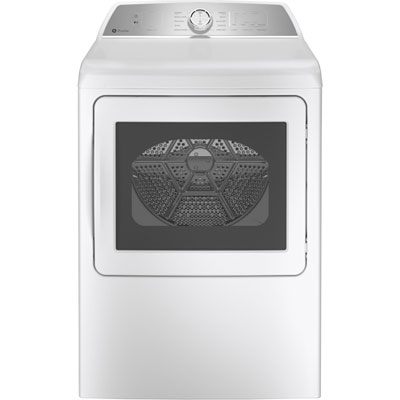
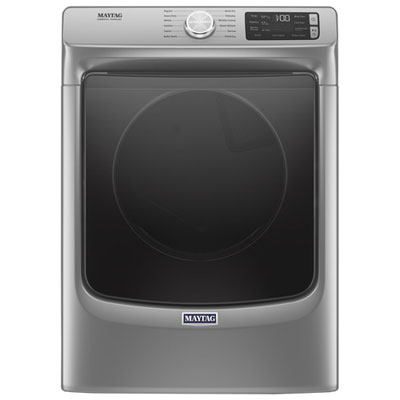
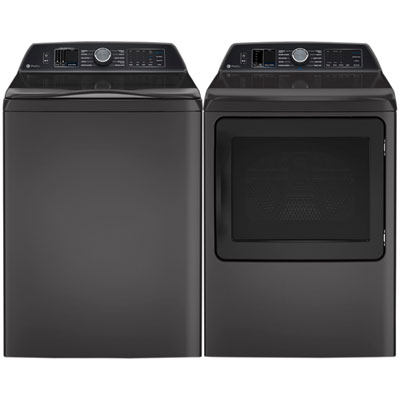
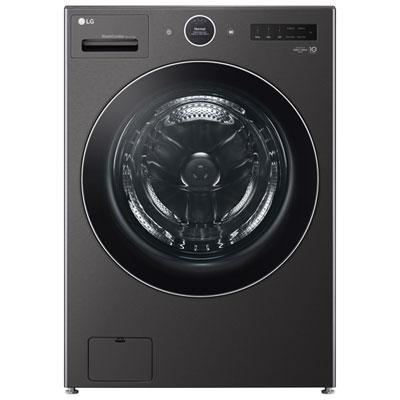
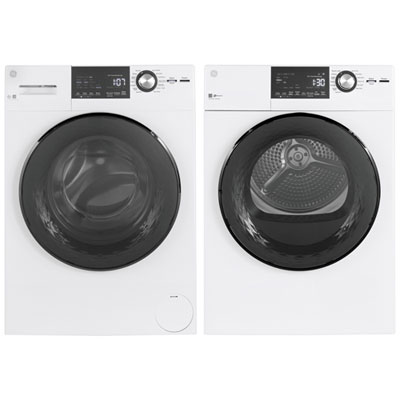
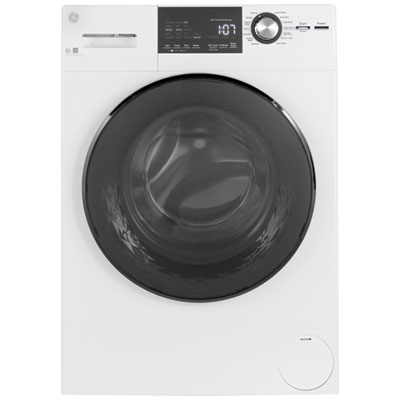
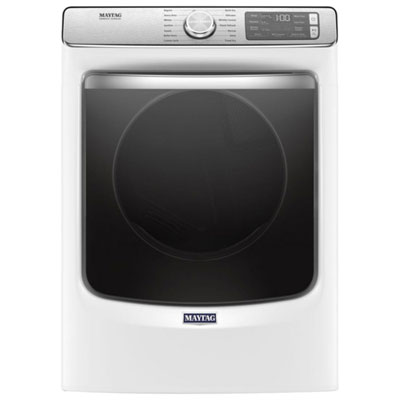
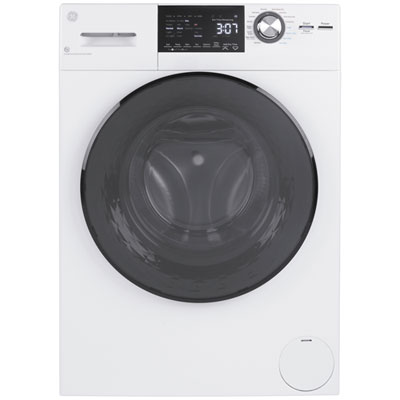
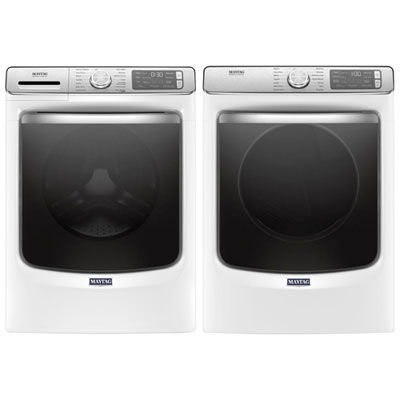
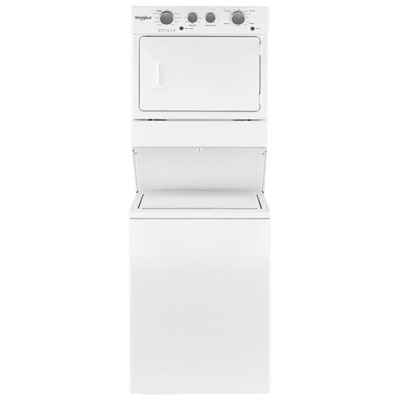
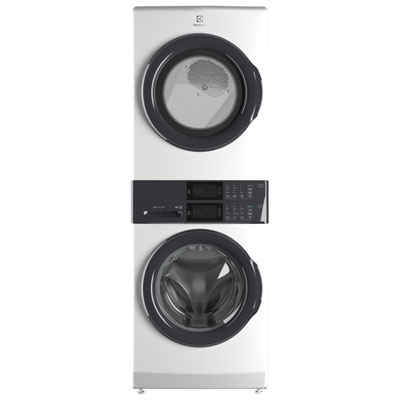
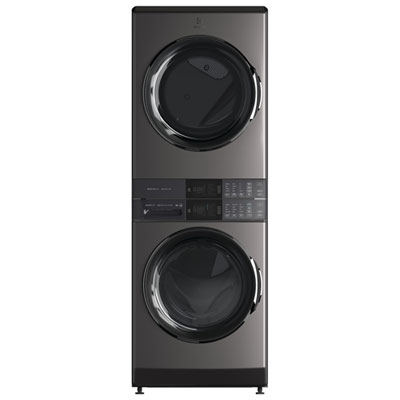
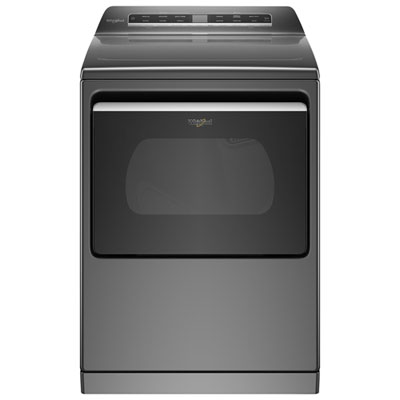
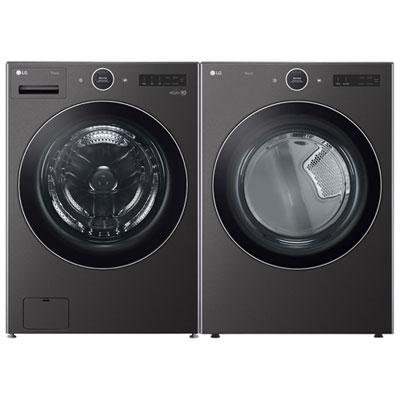
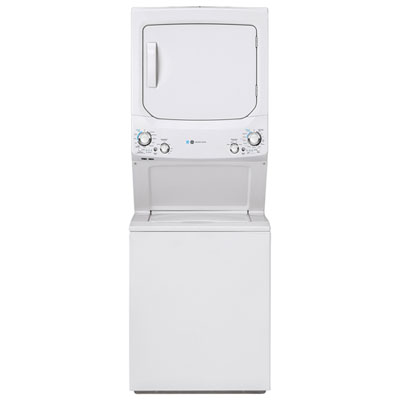
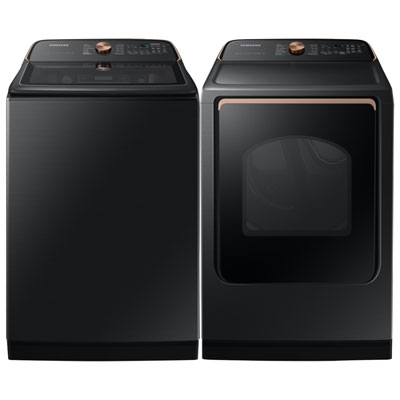
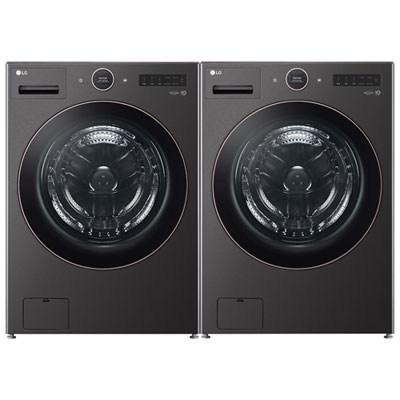
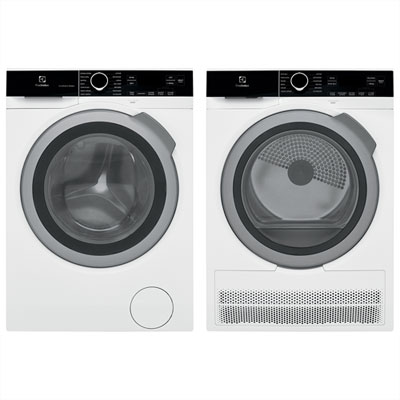
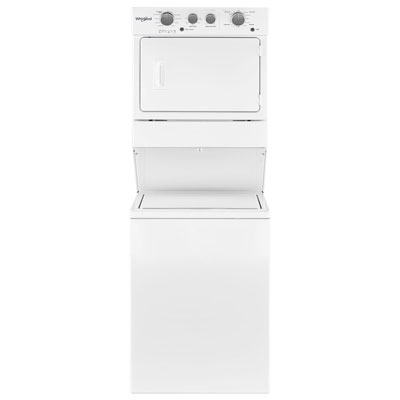
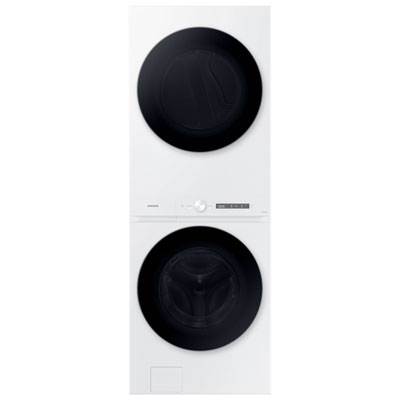
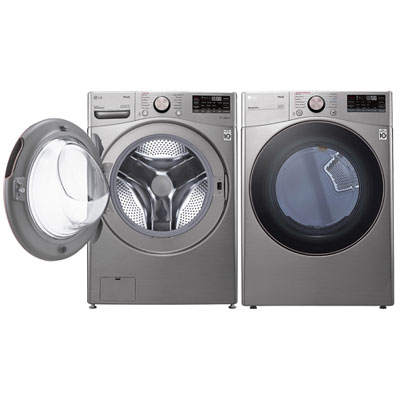
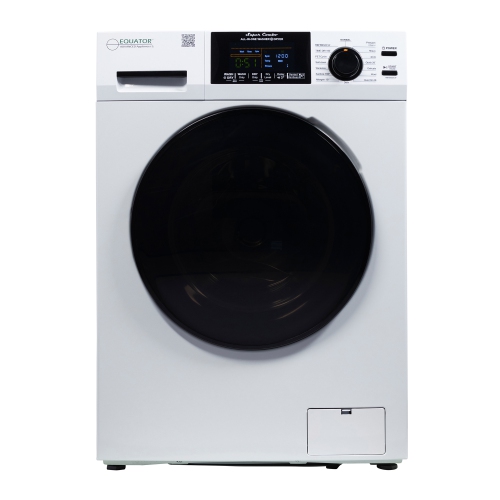
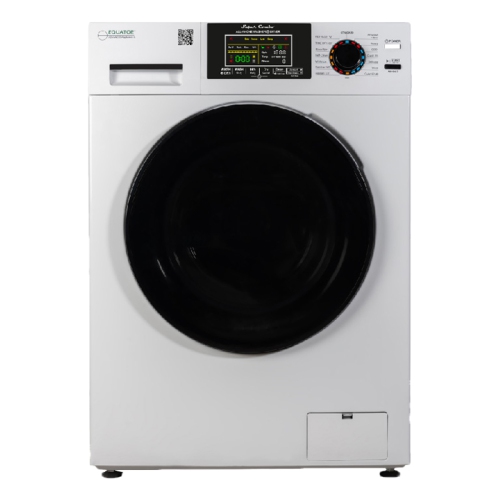
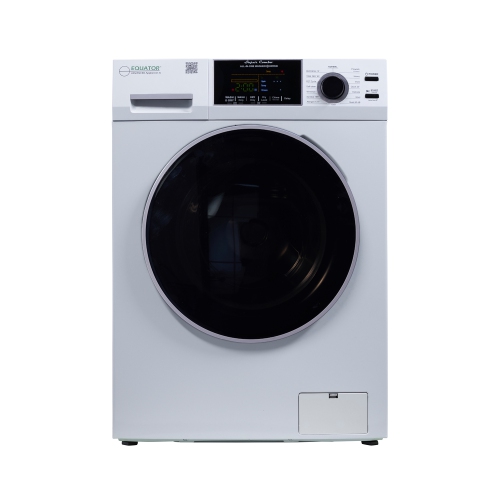
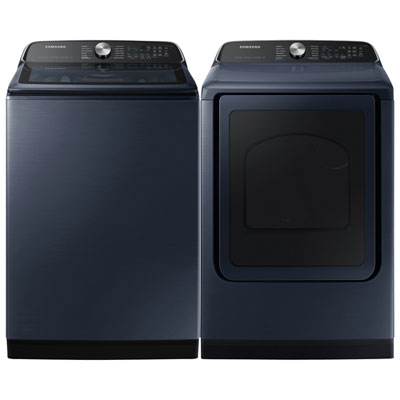
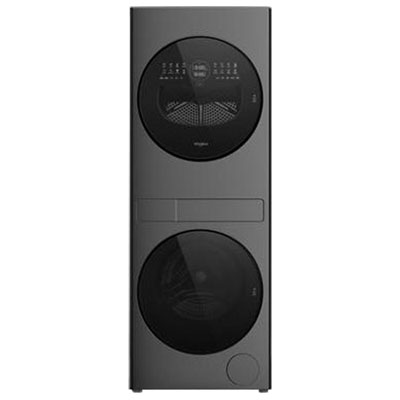
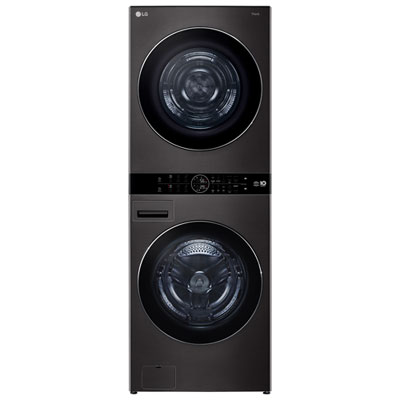
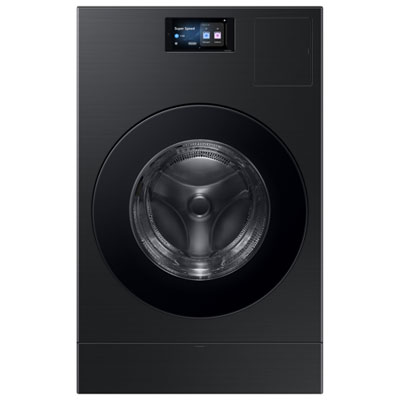
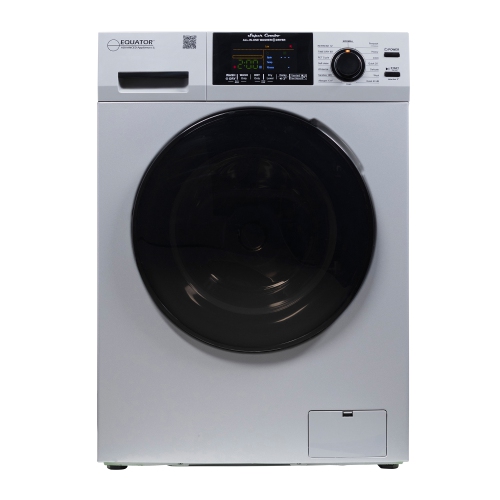
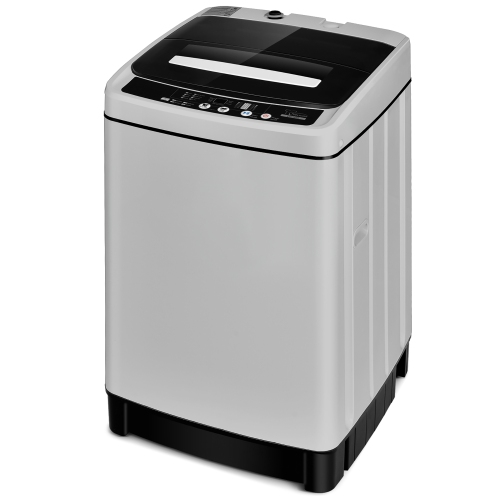
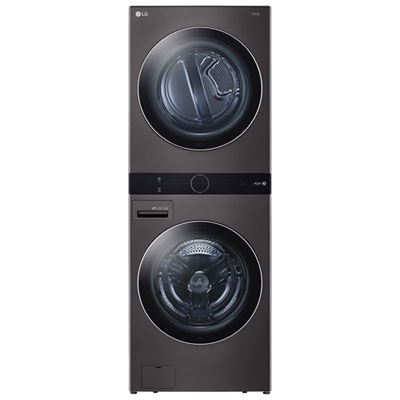
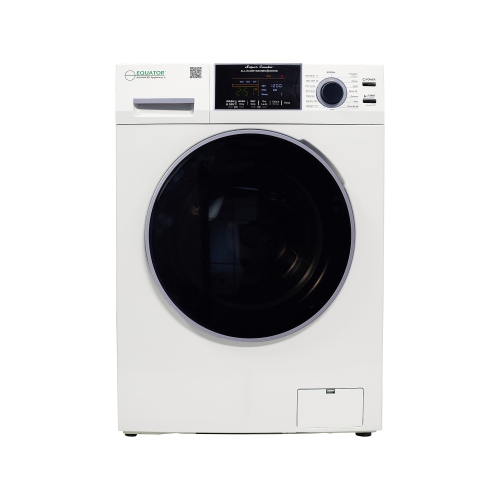
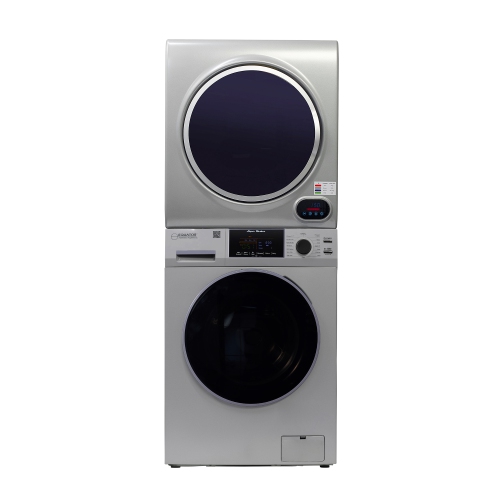
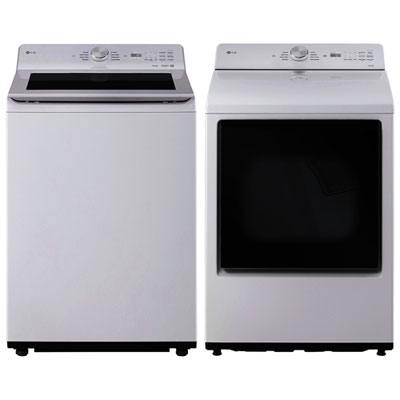
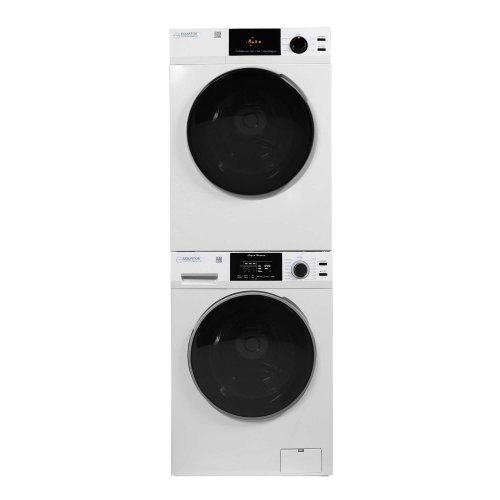
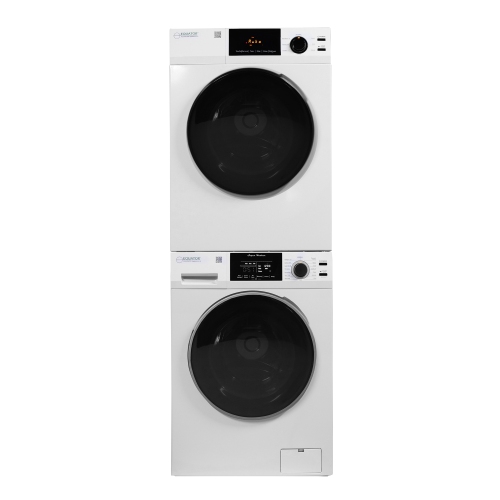

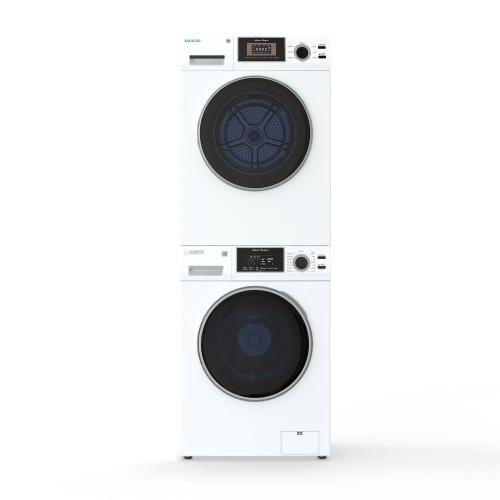
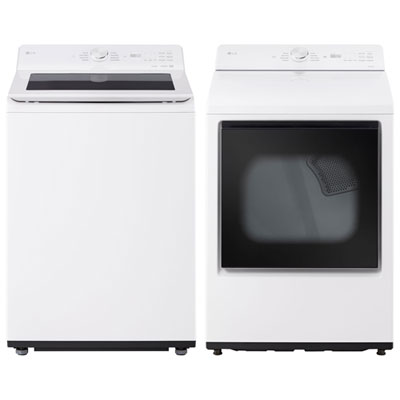
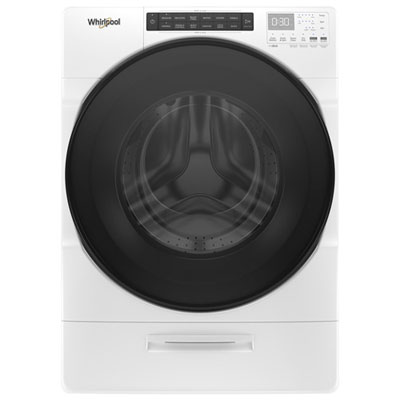
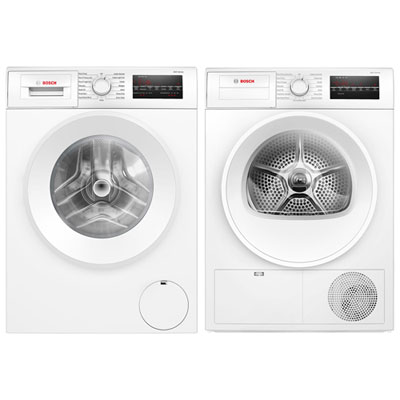
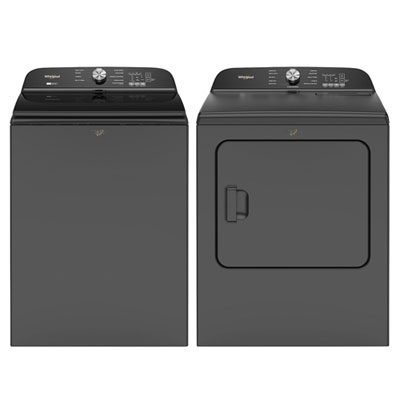
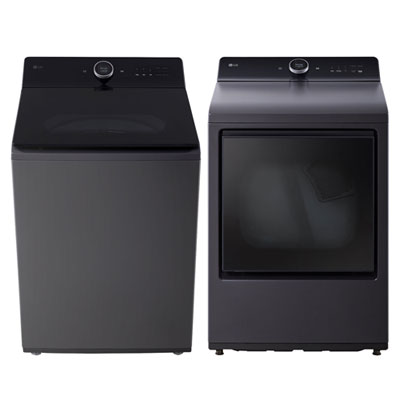
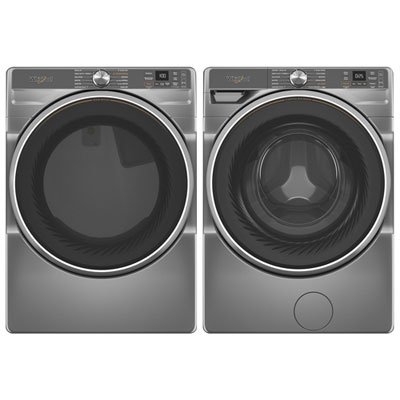
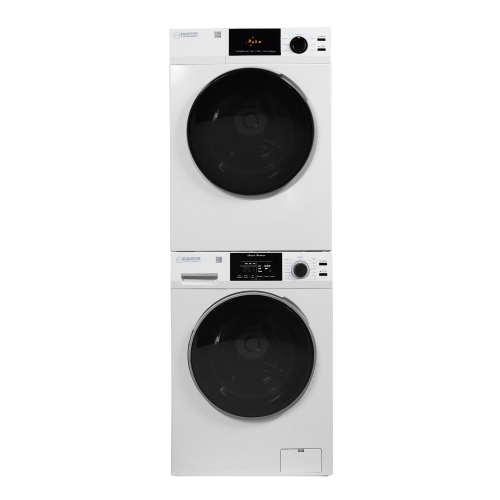
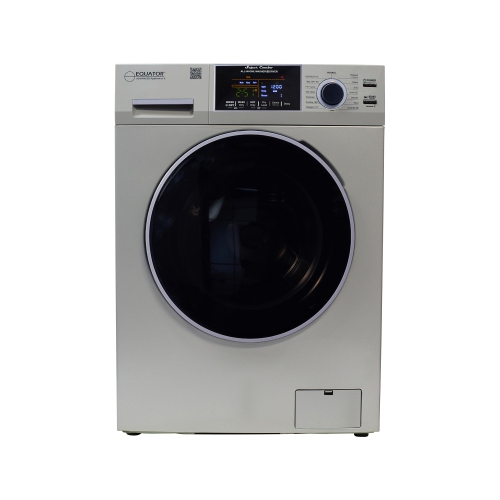
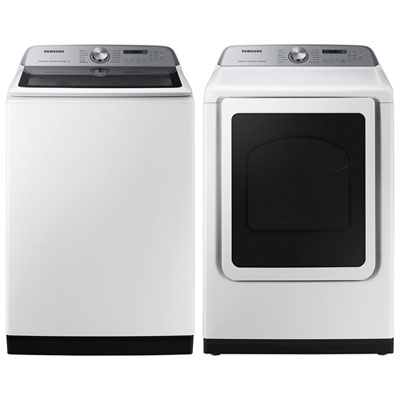

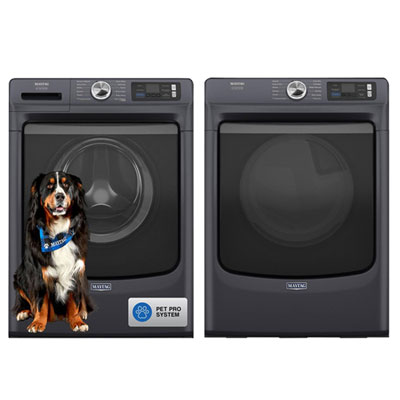
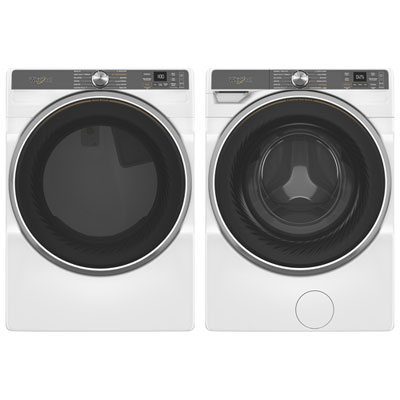
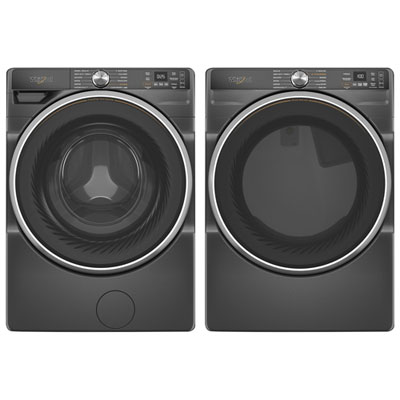
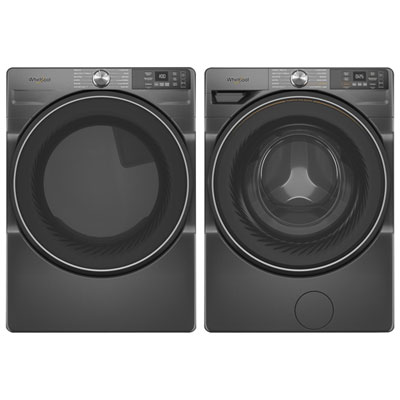
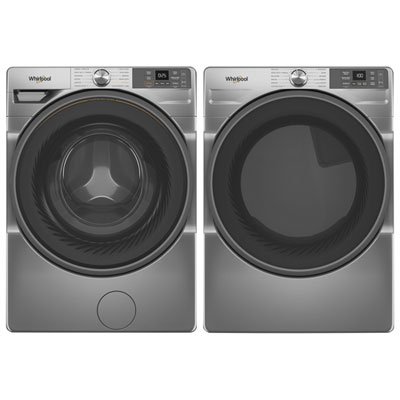
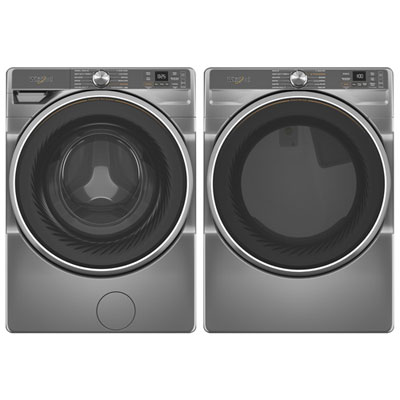
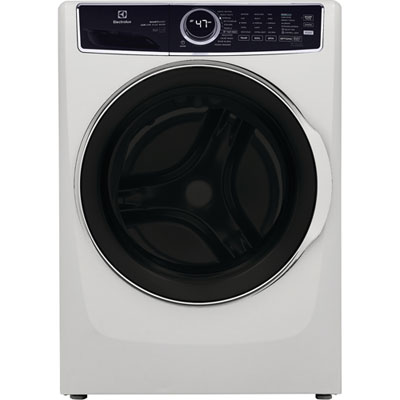
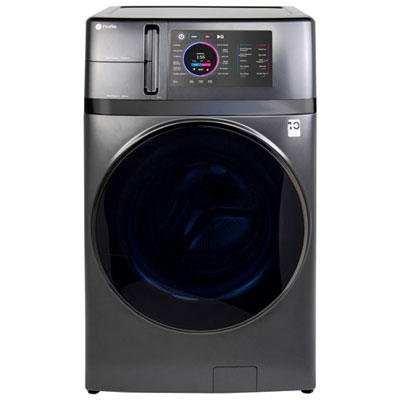
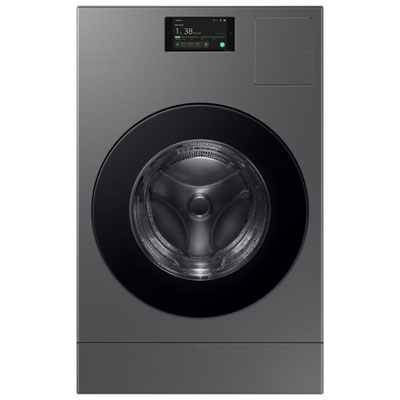
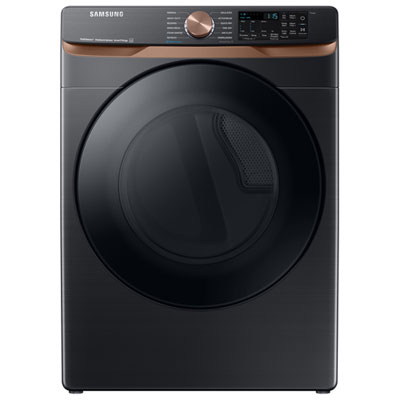
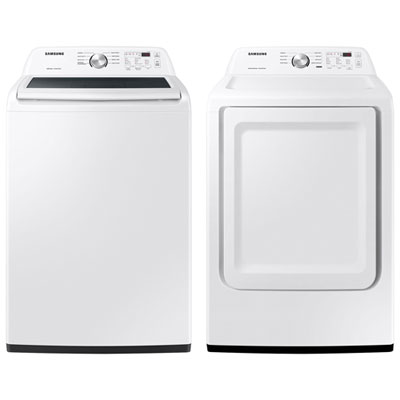
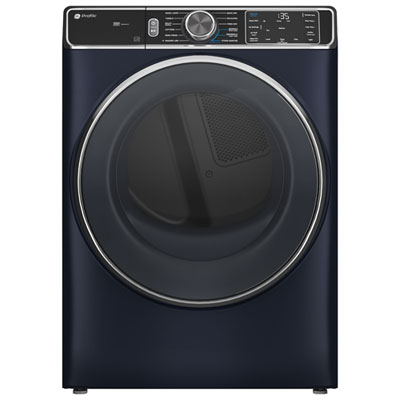
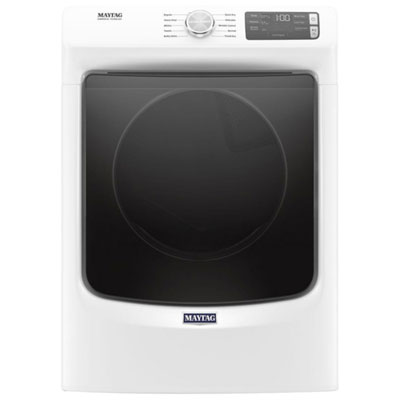
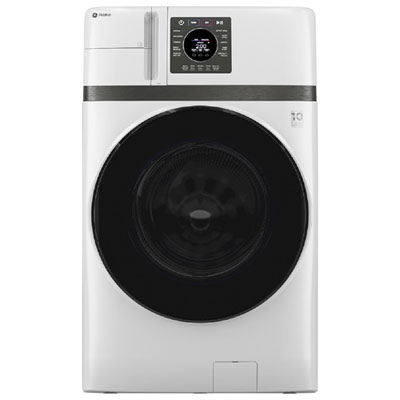
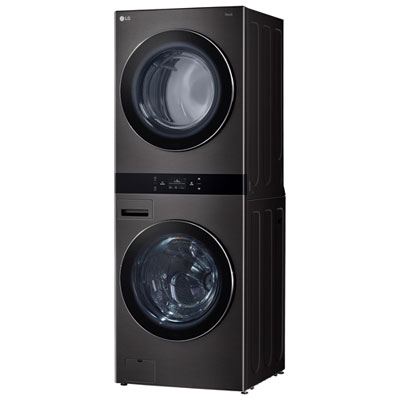
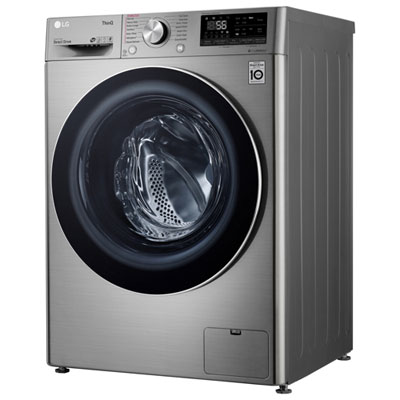
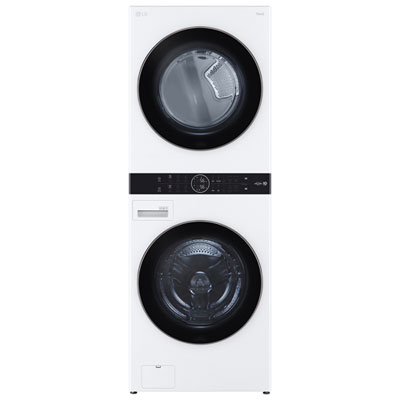
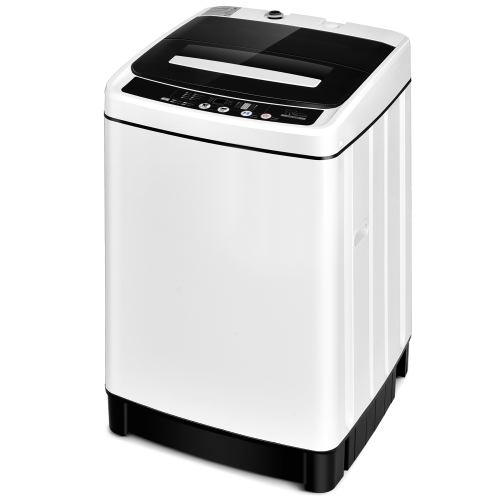
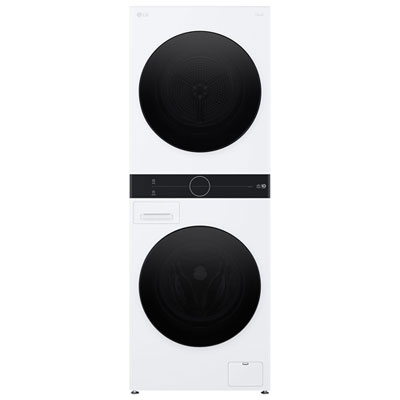
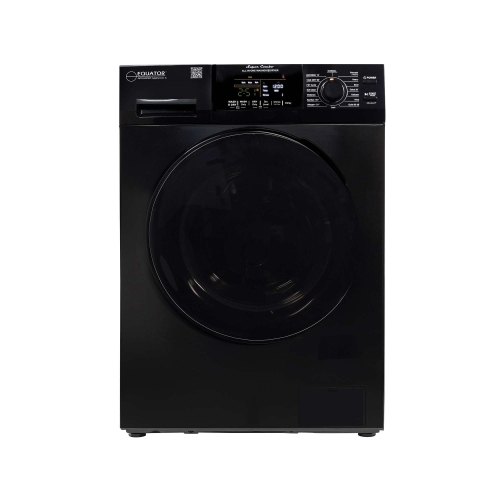
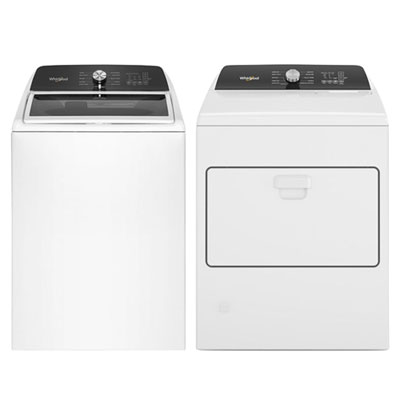
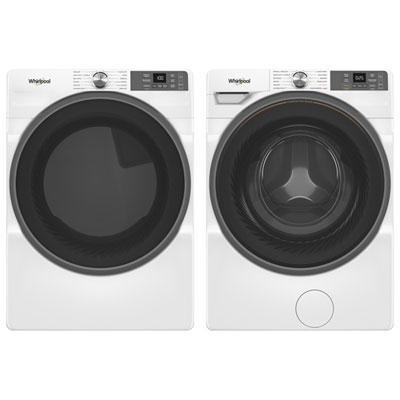
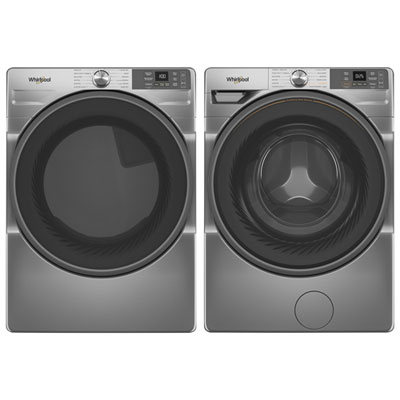
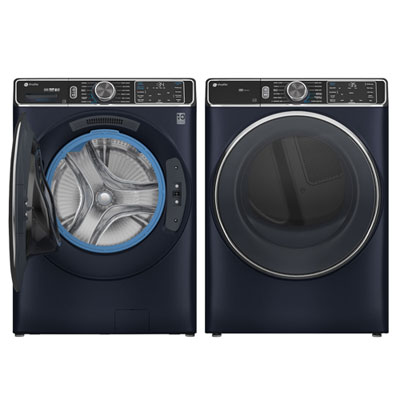
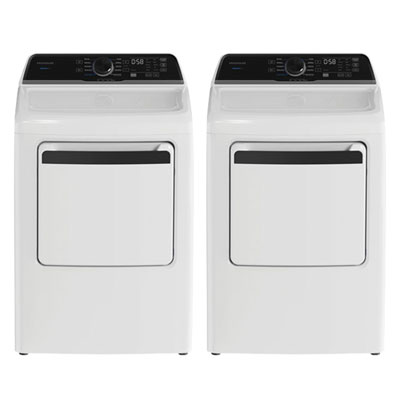
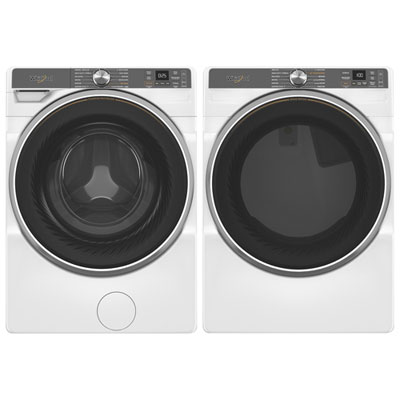
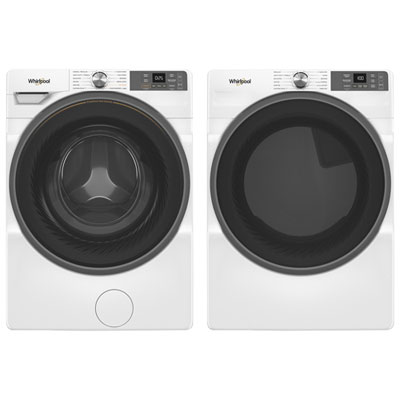
Built for high-volume laundry rooms and demanding daily use
Industrial washers and dryers are built for demanding laundry rooms where equipment runs frequently, loads are substantial, and dependable results matter throughout the day. Unlike standard household machines, these systems are designed for commercial laundromats, hotels, hospitals, care facilities, athletic centres, restaurants, uniform services, and multi-housing properties. They can help staff process towels, bedding, workwear, linens, uniforms, and other textiles in a steady cycle, reducing the need to divide large loads into several smaller batches. A well-planned laundry room often becomes the quiet engine of a business: washers fill, extract, and release loads while dryers prepare the next batch, allowing attendants or facility teams to keep work moving without constant interruptions. For a broader selection of equipment suited to professional laundry spaces, explore Commercial Washer Dryers. When comparing industrial washers and dryers, begin with the type and volume of laundry handled each day. A small apartment building may need a compact commercial setup for regular resident use, while a hotel or healthcare facility may require multiple machines with larger drum capacities and the ability to operate through long shifts. Capacity is typically discussed by load weight, with options ranging from lighter commercial machines to high-capacity washer-extractors and tumble dryers designed for very large batches. Choosing a size that matches the average workload helps prevent overloading, which can affect cleaning, drying time, fabric wear, and machine performance. It is also important to consider whether the equipment will be used by staff, residents, guests, or customers, since that can influence the preferred controls, payment system, cycle selection, and level of supervision.
Extraction strength is another key consideration, particularly for businesses that need to move laundry from the washer to the dryer without unnecessary delay. A high-speed spin cycle removes more water before drying begins, which can shorten dryer cycles and help improve throughput during busy periods. This feature can be especially useful for thick towels, sheets, blankets, uniforms, and other textiles that hold considerable moisture. Dryer design matters as well. Look at drum capacity, cycle flexibility, temperature settings, airflow, lint management, and the type of heat source available for the installation. Facilities that handle different materials may benefit from adjustable programmes that allow operators to select gentler settings for delicate fabrics or more intensive cycles for heavily soiled workwear. Clear controls can make a noticeable difference when several employees share the laundry room, particularly during a busy shift when there is little time to consult a manual. Mechanical dials may appeal to operators who prefer straightforward operation and familiar controls, while digital displays and touch interfaces can offer detailed programming, cycle tracking, error messages, and diagnostic information. For unattended laundry rooms, coin, card, or other payment-enabled configurations may help organize customer use and support revenue collection. In a private on-premise facility, non-payment controls may be more appropriate, allowing staff to focus on consistent processing rather than user transactions.
Before selecting equipment, measure the available room carefully and review the practical requirements of the installation. Industrial laundry systems can be larger, heavier, and more demanding than residential appliances, so confirm doorways, corridors, floor strength, clearances, ventilation, drainage, water connections, electrical service, and gas requirements where applicable. Leave enough space for doors to open fully, carts to pass comfortably, and technicians to access panels during service. Placement can also affect the daily experience of the people using the room: a laundromat benefits from an organized flow between sorting tables, washers, dryers, folding areas, and payment stations, while a hotel or healthcare facility may need separate handling zones for clean and soiled textiles. Consider noise, vibration, lint, and heat when planning the room, especially in multi-unit buildings or occupied facilities. Ongoing maintenance should be part of the purchase decision from the outset. Regularly clearing lint, checking hoses and seals, cleaning dispensers, inspecting belts or connections, and following recommended service intervals can help protect performance and reduce unexpected interruptions. Operators may also want to compare warranty coverage, service availability, replacement-part access, programming support, and the ease of obtaining technical assistance. A machine that is simple for staff to load, monitor, and maintain can save valuable time over the course of a demanding week. During the cooler months, when bedding, outerwear, towels, and indoor uniforms may move through the laundry room more often, dependable capacity and consistent drying can be especially helpful. Whether the equipment is intended for a busy laundromat, a property with shared laundry facilities, a hospitality operation, or an organization managing its own linens and uniforms, the best setup balances capacity, cycle speed, control features, installation needs, and long-term service requirements.
Extraction strength is another key consideration, particularly for businesses that need to move laundry from the washer to the dryer without unnecessary delay. A high-speed spin cycle removes more water before drying begins, which can shorten dryer cycles and help improve throughput during busy periods. This feature can be especially useful for thick towels, sheets, blankets, uniforms, and other textiles that hold considerable moisture. Dryer design matters as well. Look at drum capacity, cycle flexibility, temperature settings, airflow, lint management, and the type of heat source available for the installation. Facilities that handle different materials may benefit from adjustable programmes that allow operators to select gentler settings for delicate fabrics or more intensive cycles for heavily soiled workwear. Clear controls can make a noticeable difference when several employees share the laundry room, particularly during a busy shift when there is little time to consult a manual. Mechanical dials may appeal to operators who prefer straightforward operation and familiar controls, while digital displays and touch interfaces can offer detailed programming, cycle tracking, error messages, and diagnostic information. For unattended laundry rooms, coin, card, or other payment-enabled configurations may help organize customer use and support revenue collection. In a private on-premise facility, non-payment controls may be more appropriate, allowing staff to focus on consistent processing rather than user transactions.
Before selecting equipment, measure the available room carefully and review the practical requirements of the installation. Industrial laundry systems can be larger, heavier, and more demanding than residential appliances, so confirm doorways, corridors, floor strength, clearances, ventilation, drainage, water connections, electrical service, and gas requirements where applicable. Leave enough space for doors to open fully, carts to pass comfortably, and technicians to access panels during service. Placement can also affect the daily experience of the people using the room: a laundromat benefits from an organized flow between sorting tables, washers, dryers, folding areas, and payment stations, while a hotel or healthcare facility may need separate handling zones for clean and soiled textiles. Consider noise, vibration, lint, and heat when planning the room, especially in multi-unit buildings or occupied facilities. Ongoing maintenance should be part of the purchase decision from the outset. Regularly clearing lint, checking hoses and seals, cleaning dispensers, inspecting belts or connections, and following recommended service intervals can help protect performance and reduce unexpected interruptions. Operators may also want to compare warranty coverage, service availability, replacement-part access, programming support, and the ease of obtaining technical assistance. A machine that is simple for staff to load, monitor, and maintain can save valuable time over the course of a demanding week. During the cooler months, when bedding, outerwear, towels, and indoor uniforms may move through the laundry room more often, dependable capacity and consistent drying can be especially helpful. Whether the equipment is intended for a busy laundromat, a property with shared laundry facilities, a hospitality operation, or an organization managing its own linens and uniforms, the best setup balances capacity, cycle speed, control features, installation needs, and long-term service requirements.
Top selling and popular products
-
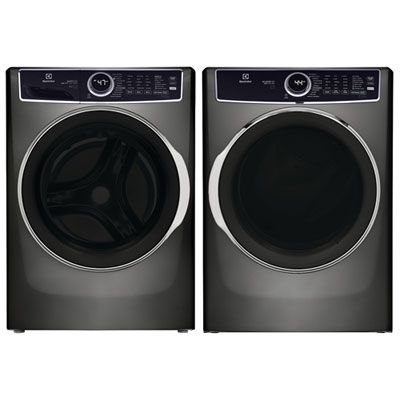 Your price for this item is $2359.98
 -
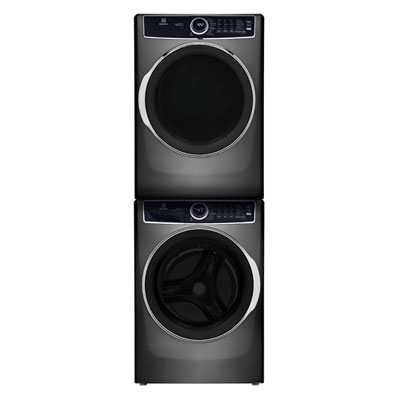 Your price for this item is $2407.97
 -
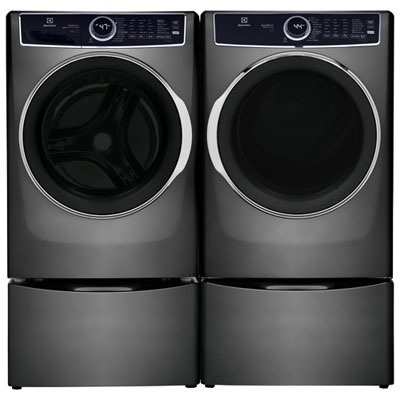 Your price for this item is $2659.96
 -
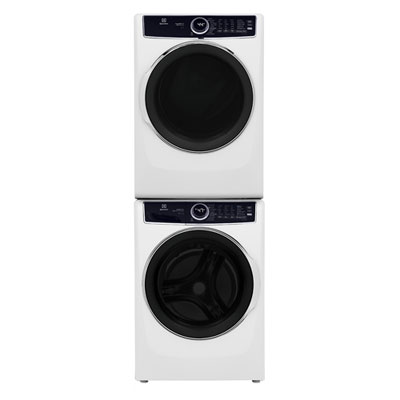 Your price for this item is $2547.97
 -
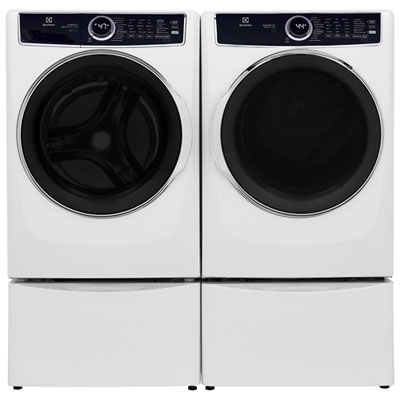 Your price for this item is $2799.96
 -
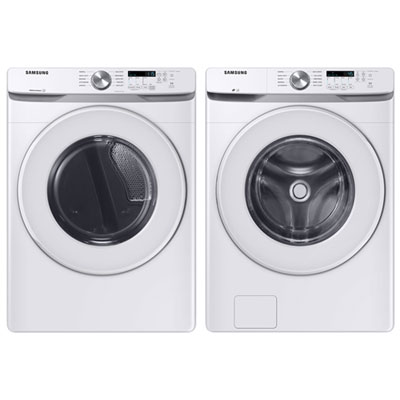 Your price for this item is $1891.98
 -
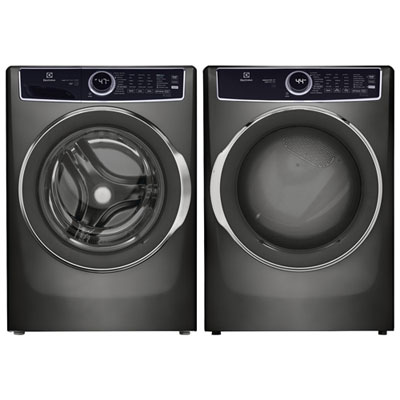 Your price for this item is $2342.98
 -
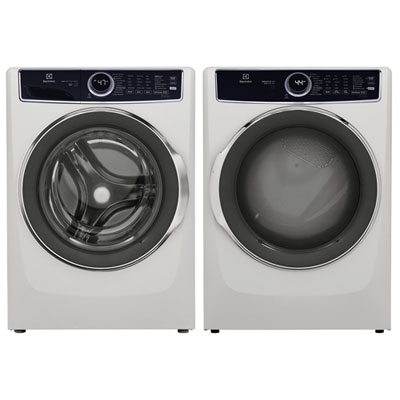 Your price for this item is $2149.98
Discover more categories related to Industrial Washer And Dryers
Top Collections:
Pokemon Centers, Kindle Devices, Best Budget Office Chairs, Apple iPhones 16, Best Laptops for Writers, iPhone 15 Apple, Canon G7X Cameras, Refurbished Apple Laptops, Alarm Clock, Motorola Razr Phones
Some products may be subject to Environmental Handling Fees
(EHF) depending on your province.
Learn more about EHFs.