Compact Hand Blenders
A compact hand blender is the perfect solution for quick and effortless meal preparation in any kitchen. Its space-saving design makes it easy to store, while offering versatility for a wide range of blending tasks. Whether you’re whipping up smoothies, pureeing soups, or mixing batters, a compact hand blender delivers convenience and reliable performance. Explore options that fit seamlessly into your daily routine and help you create delicious recipes with ease.
Sort
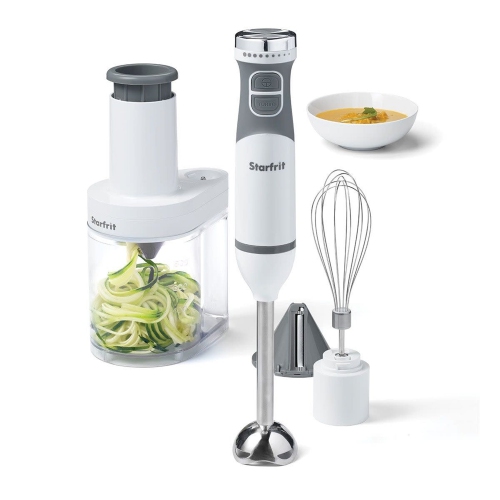
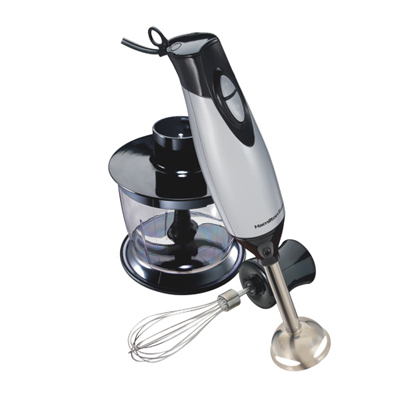
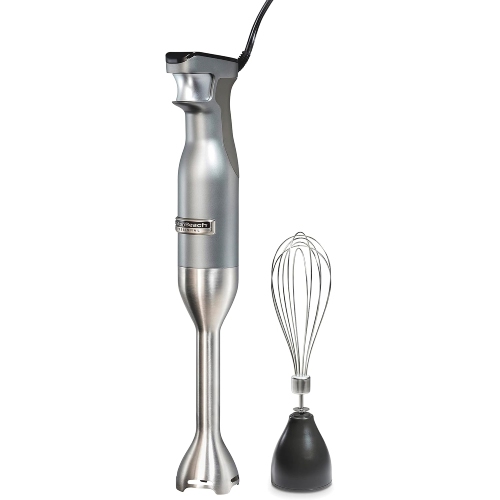
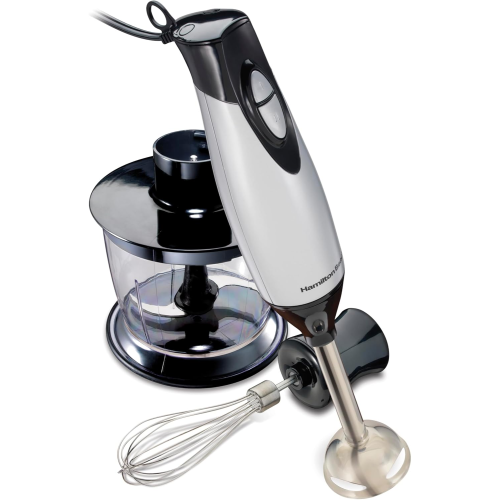
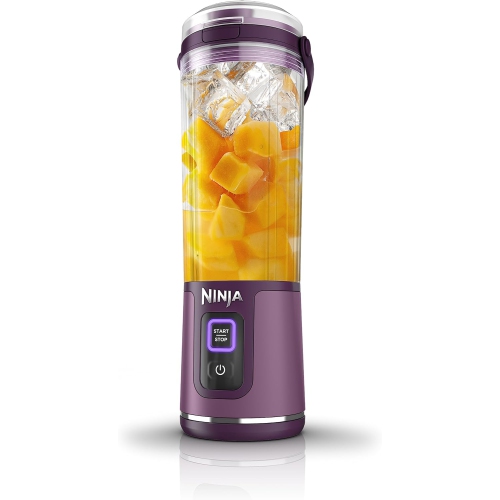

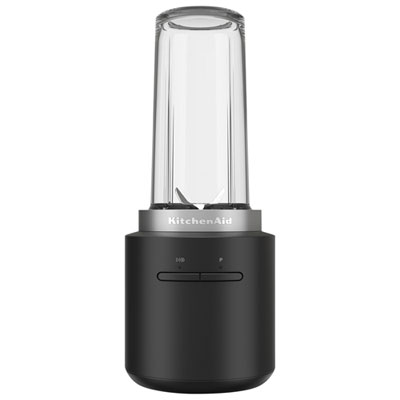
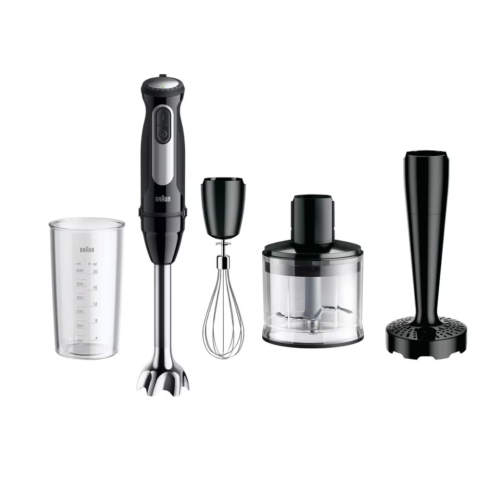
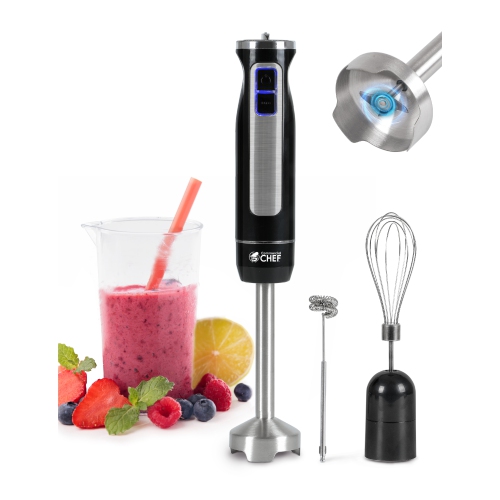


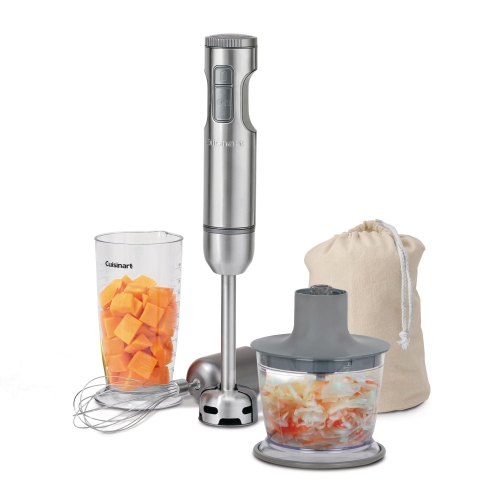
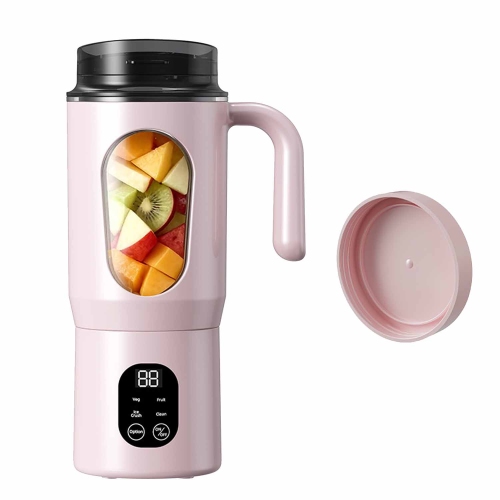
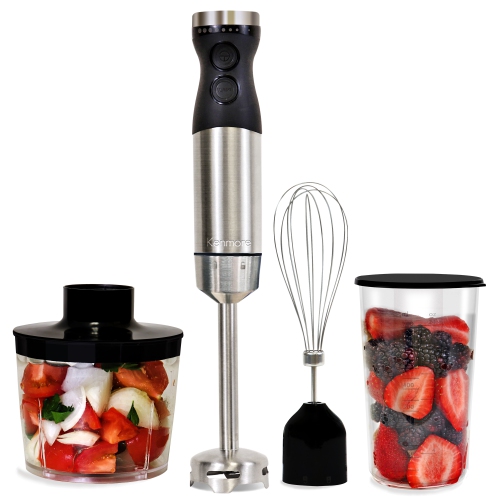
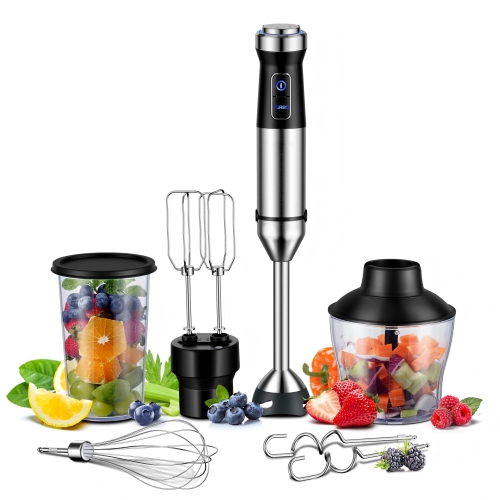
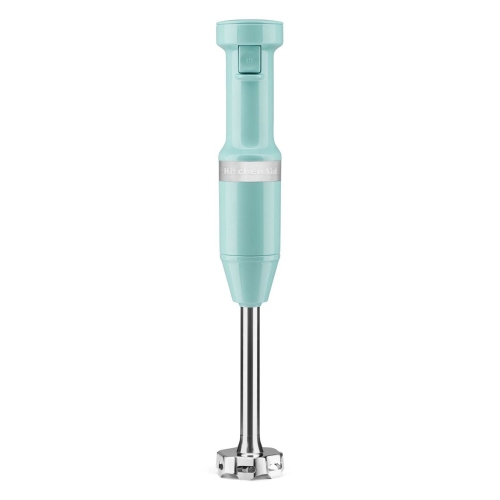
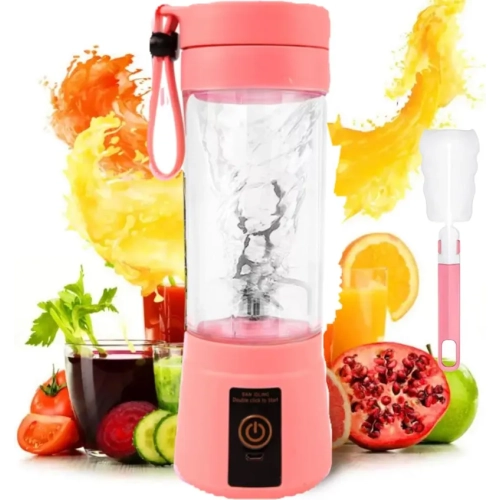
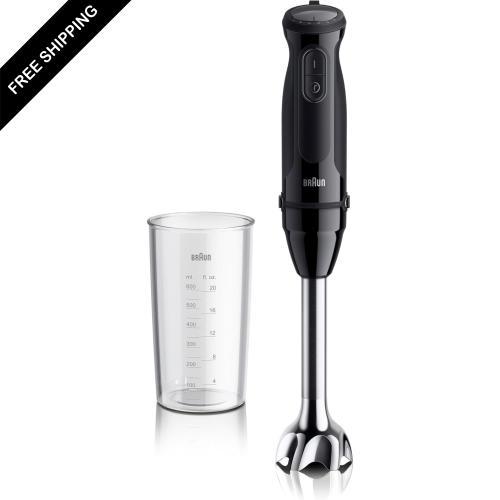
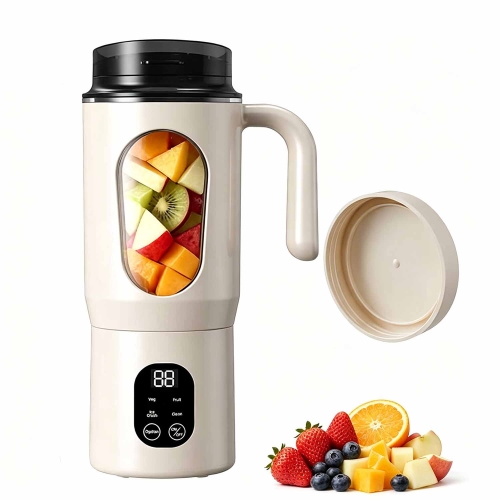
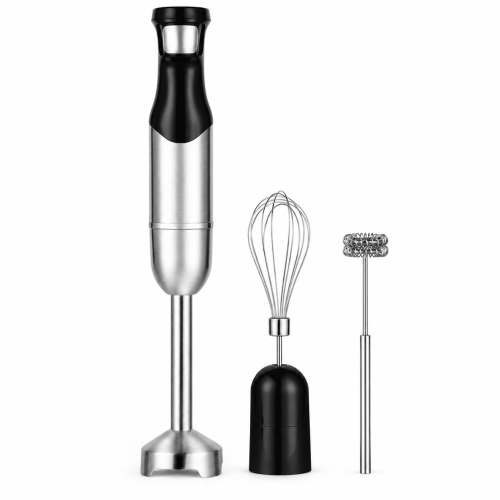
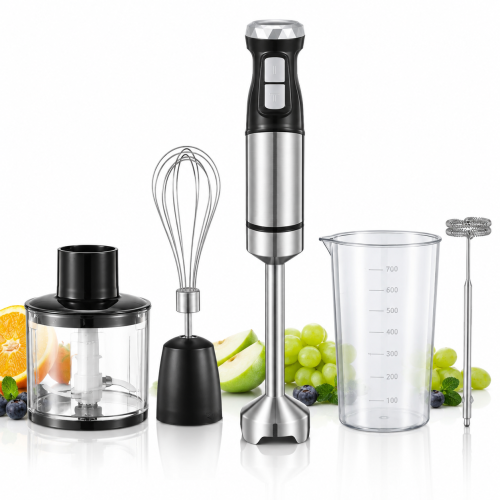
Creamy soups without transferring everything to a blender jar
Compact hand blenders are slim, handheld kitchen appliances that blend, purée, and mix ingredients directly in a suitable pot, bowl, or blending cup. Also called immersion blenders or stick blenders, they bring the blade to the food rather than requiring everything to be poured into a countertop blender jar. That makes them useful for everyday tasks such as smoothing a tomato sauce, blending a small batch of salad dressing, or turning cooked vegetables into a creamy soup. Their narrow shape takes up relatively little storage space, making them a practical fit for apartment kitchens, shared households, and counters that already hold a kettle, toaster, or coffee maker. Compactness is about more than overall length: the width of the handle, the size of the blade guard, and whether the blending shaft detaches all affect how easily the appliance fits into a drawer or cupboard. A shorter shaft can feel manageable in a small jug, while a deeper pot requires enough usable reach to keep the motor housing safely above the food. The blade guard also needs room to sit inside the intended container without becoming wedged against its sides. For someone who regularly prepares one or two portions, a compact design can make small jobs feel less cumbersome than assembling a larger appliance. It can also complement a full-size blender by handling sauces and mixtures that are awkward to scrape out of a large jar. Results still depend on the ingredients, the quantity, and the appliance’s capabilities. Soft cooked vegetables, smooth batters, and pourable mixtures are different demands from fibrous greens, frozen fruit, or thick nut pastes. A hand blender is not automatically a substitute for a food processor, ice crusher, or dough mixer. Its appeal lies in accessible, direct blending for suitable recipes, with less transferring between containers and a small footprint when the preparation is finished.
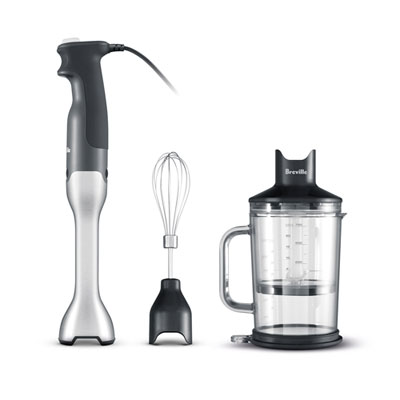
Comfort and control matter when a blender is held throughout the task. A handle that sits naturally in the palm, controls within easy reach, and a balanced weight can make a noticeable difference when working through a pot of soup or several batches of sauce. Grip shape is particularly relevant for smaller hands or anyone who finds a heavy appliance tiring to hold. Some controls require continuous pressure, while others offer different ways to adjust speed; the most comfortable arrangement depends on the user. Variable speed can help start a mixture gently before increasing the blending action, and a pulse function can offer brief bursts of control where provided. Motor wattage is one specification, but it does not describe performance on its own: blade design, shaft construction, permitted operating time, and the texture of the food also matter. A tall, narrow blending cup often helps keep a small quantity gathered around the blade, whereas a broad bowl may leave a shallow mixture beyond its reach. Keeping the blade guard submerged during operation helps limit splashing, and stopping the motor before lifting it out prevents sauce from flicking across the counter. Hot preparations require extra care, including following the manufacturer’s instructions, removing cookware from active heat, and allowing food to cool as directed. Smooth purées generally need enough liquid to circulate; a very thick mixture can strain an appliance rather than becoming smoother with longer blending. Corded designs need a safely positioned outlet and a cord kept clear of heat and water. Cordless designs remove the trailing cord during use but introduce charging and battery-runtime considerations. Depending on the design, detachable whisks, chopper bowls, or blending cups can broaden the range of suitable tasks. A whisk may suit whipping cream, while a compatible chopper attachment may handle small quantities of herbs or other permitted ingredients. These attachments have their own limits and add pieces to wash and store, so their usefulness depends on everyday cooking habits rather than the number of accessories alone.
Materials and construction influence how a compact hand blender feels, wears, and cleans up after repeated use. Stainless steel blending shafts are common and can be suitable for warm preparations when the appliance is approved for that purpose. Plastic components can reduce weight, but their suitability for heat, staining ingredients, and dishwasher cleaning varies. The blade guard deserves attention alongside the blade itself, particularly when blending in coated cookware: exposed metal can scratch a delicate surface, and a protective design does not replace the cookware maker’s care advice. A secure connection between the motor body and detachable shaft helps the appliance feel stable, while accessible seams and smooth surfaces make food residue easier to remove. Cleaning requirements are worth considering because puréed vegetables, dairy mixtures, and dried sauce can collect beneath the guard. Disconnecting the appliance from power before cleaning or changing attachments is essential, and sharp blades should never be cleared with fingers. The motor housing generally needs wiping rather than immersion, while removable parts should be washed only as directed; dishwasher suitability can differ between the shaft, cup, lid, and other attachments. Prompt cleaning helps prevent residue from hardening in narrow spaces, and thorough drying before storage helps keep connections and accessories in good condition. Durability also depends on respecting operating intervals, allowing cooling breaks where required, and avoiding ingredients the appliance is not designed to process. For frequent preparation, comparisons with Professional Hand Held Blenders can include intended use, permitted run time, handling, and cleaning requirements rather than size alone. A compact hand blender can be a thoughtful housewarming gift for someone setting up a kitchen, a useful addition for a home cook who makes sauces from scratch, or a manageable tool for someone preparing smaller portions. The strongest fit is an appliance whose reach, grip, accessories, and care needs match the food being made and the space where it will be used.
Top selling and popular products
-
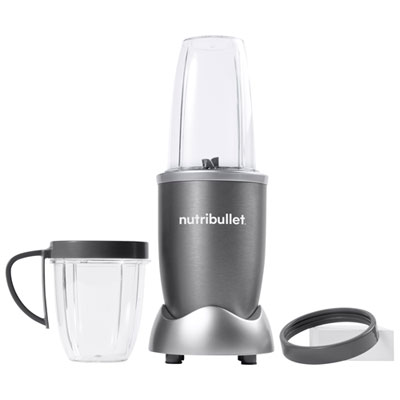 Your price for this item is $99.99
-
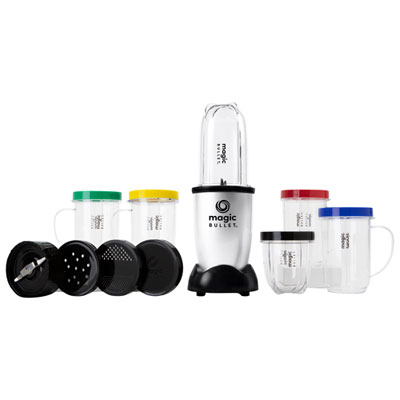 Your price for this item is $59.99
-
 Your price for this item is $55.97
-
 Your price for this item is $199.99
-
 Your price for this item is $89.99
-
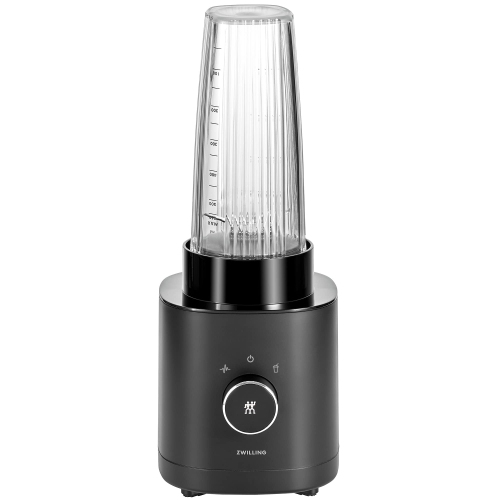 Your price for this item is $201.99
-
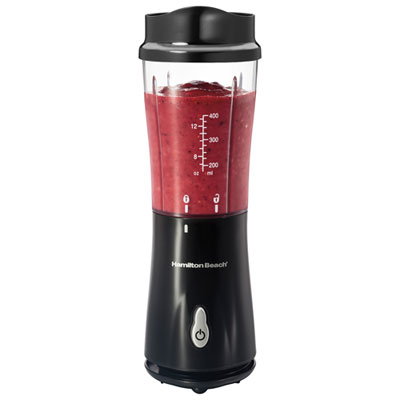 Your price for this item is $22.98
-
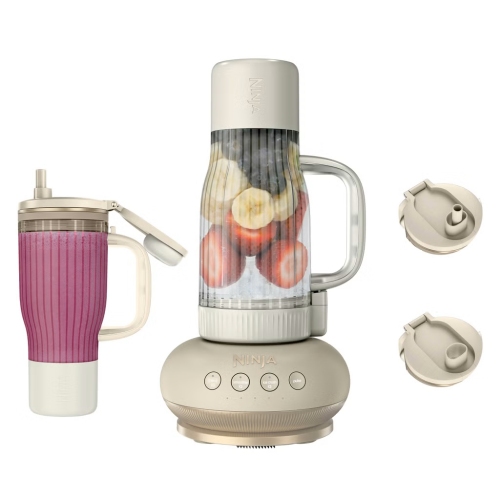 Your price for this item is $199.91
Discover more categories related to Compact Hand Blenders
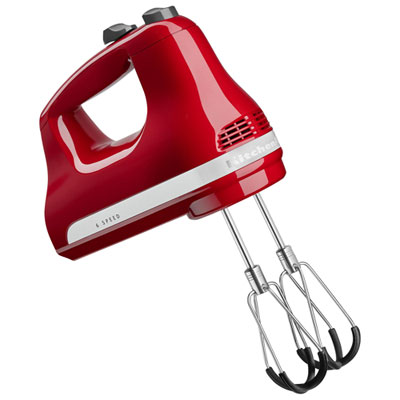
Top Collections:
Best Black Friday Deals This Year, Best Black Friday Deals On Electronics, Kindle Devices, Pokemon Centers, Best Black Friday Deals On Apple Products, Best Cameras for Sports Photography, Dyson Airwrap, Pokémon 30th Celebration Cards, Apple iPhone 17 Pro, Canon G7X Cameras
Some products may be subject to Environmental Handling Fees
(EHF) depending on your province.
Learn more about EHFs.