Portable Hand Blenders
Portable Hand Blender options offer a versatile solution for quick and easy food preparation in any kitchen. Perfect for blending, mixing, or pureeing, these compact appliances are designed to handle a variety of tasks with ease. Whether you're whipping up smoothies, sauces, or soups, a Portable Hand Blender provides the convenience and flexibility you need. Discover models that fit your cooking style and make meal prep more efficient than ever.
Sort


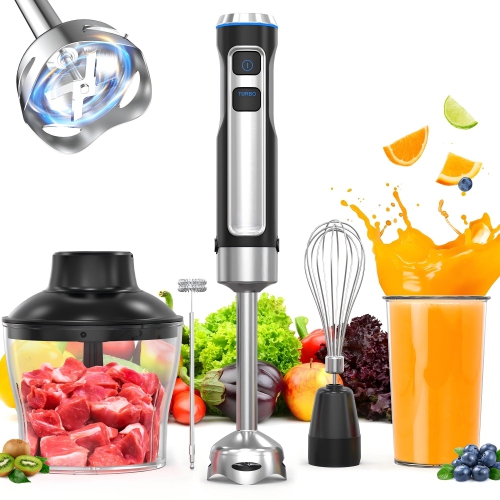
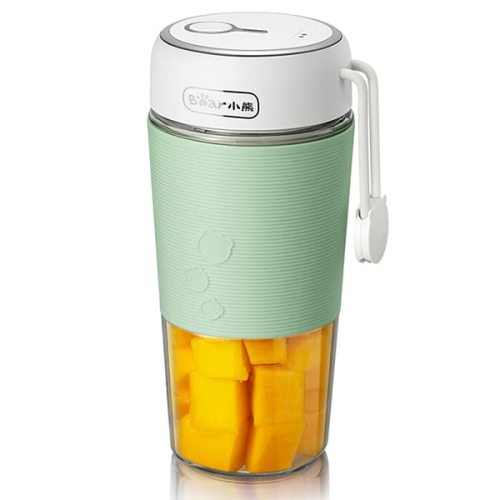
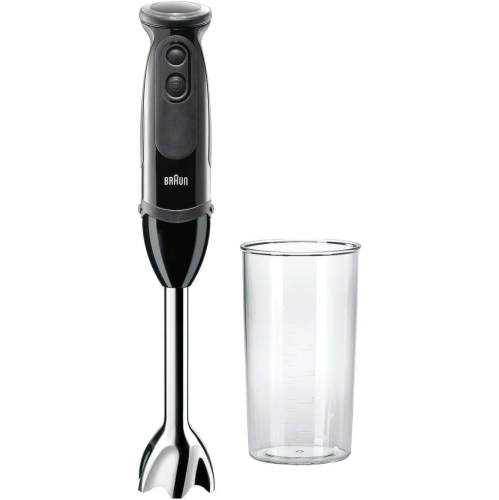
What changes when you blend right in the pot
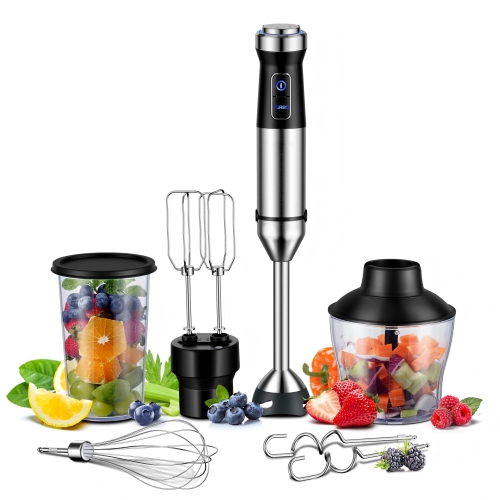
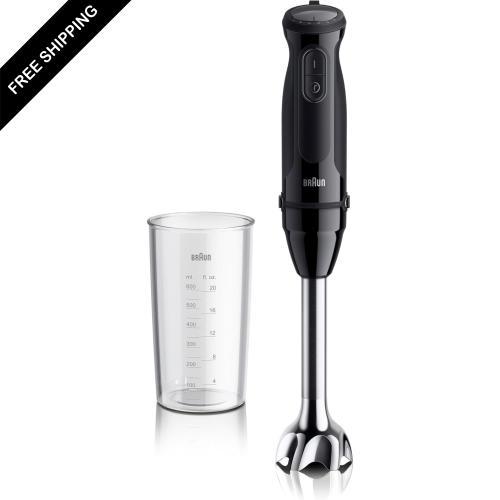
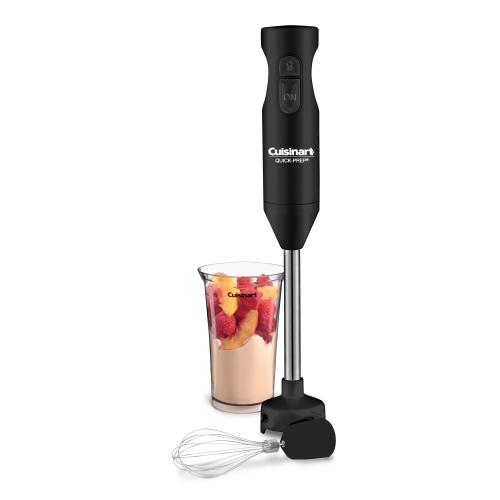
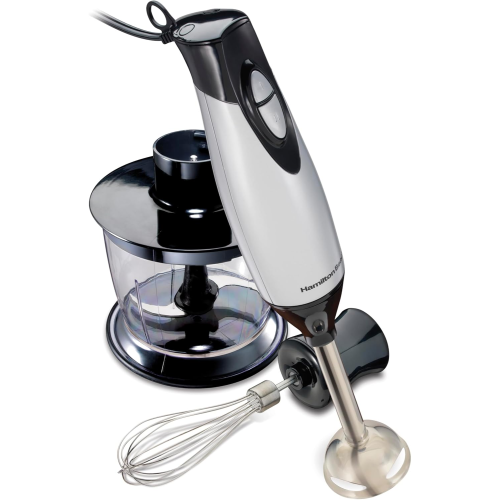
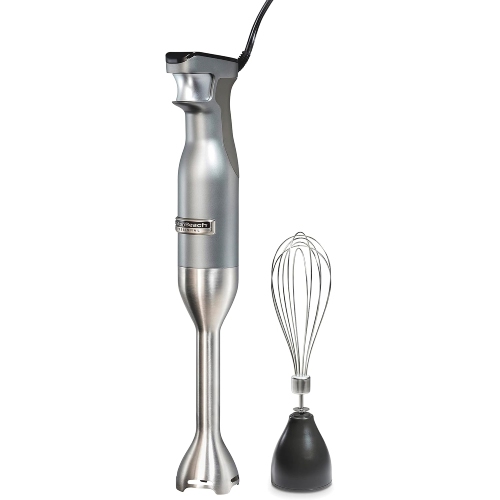
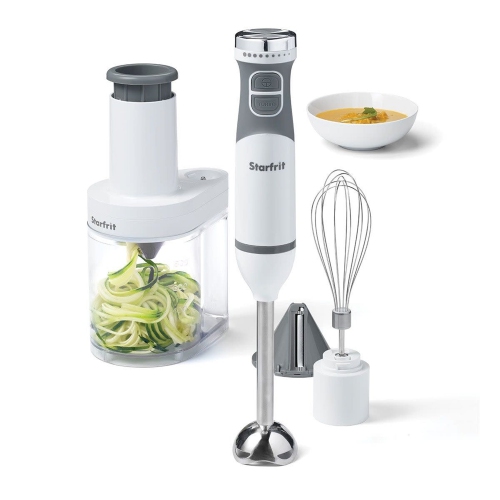
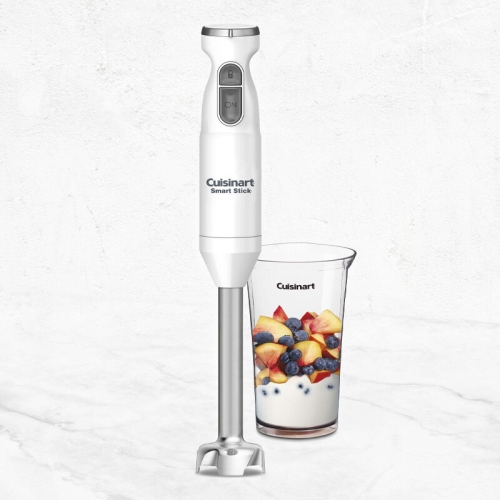
A portable hand blender, also called an immersion blender or stick blender, has a handheld motor and a shaft with a blade at the tip. Instead of pouring food into a blender jar, the cook lowers the blade directly into a pot, bowl or blending beaker. The difference is especially noticeable with a pot of soup: the same tool can smooth the whole batch or blend just one side of the pot, leaving some beans or vegetables intact for texture. The narrow shaft is equally useful for small jobs, such as bringing a vinaigrette together in a tall beaker or smoothing a few spoonfuls of cooked fruit for a topping. Portable hand blenders come in corded and cordless designs. A corded model can be a practical fit for a work surface with an outlet close by, particularly when several batches are on the menu. A rechargeable cordless hand blender can move from the stove to a prep area without a cord crossing the countertop or catching on a pot handle. Runtime per charge, charging time and the maximum length of a continuous run are separate considerations: even a fully charged blender may need a pause between longer bursts. For someone who mainly wants to blend a drink and carry it away in the same container, a portable cup blender is a different option. Its blades work inside a dedicated cup rather than in a pot or bowl, and Best Portable Blenders offers a broader look at that style. An immersion blender makes more sense when the flexibility to use different vessels matters, especially for sauces and soups. It can handle many everyday blending tasks without taking up the counter space of a full-size blender, but it is not necessarily a substitute for one when a recipe calls for crushing ice or breaking down dense frozen ingredients. Whether an immersion blender can handle those jobs depends on what its blade and motor are designed to do.
How a hand blender fits the cook and the cookware can matter as much as how it is powered. A longer shaft can reach farther into a deep stockpot while keeping the motor housing clear of the food. A compact shaft may be easier to manoeuvre in a small beaker, provided there is enough liquid or soft food to cover the blade opening. For a single serving, a tall, narrow vessel keeps ingredients within reach of the blade rather than spreading them thinly across the bottom of a wide bowl. The shape of the blade guard also matters: a wide guard needs more room at the bottom of a cup, and compatibility with non-stick cookware depends on the guard material and the manufacturer’s instructions. Stainless steel is common for blades and shafts because it resists corrosion and is easy to rinse. The grip is worth considering separately from the shaft. A handle that feels balanced and has a control within easy reach is helpful when one hand is steadying a beaker. Some controls must be held down while the motor runs, so the amount of pressure needed to keep the button pressed can make a difference over a longer batch. Variable speeds offer more control over texture, while a simple speed setting can be enough for everyday soups and sauces. Starting at a low speed with the blade opening submerged helps limit splashes, and lifting the shaft only after the blade stops helps keep sauce off the counter. For hot foods, the pot should be off the heat, with enough room above the liquid for it to move without spilling over the rim. Attachments can broaden what a hand blender does without changing the way the main shaft works. A compatible whisk is useful for whipping cream or beating eggs, and a small chopper attachment can contain ingredients that would otherwise scatter in a wide bowl. For cooks who mainly purée soups or make dressings, a blending shaft and a well-fitting beaker may be all they need, with fewer pieces to wash and store.
Care is usually simplest just after blending, before a thick sauce or purée dries inside the blade guard. Unplug a corded blender before removing the shaft, and follow the cordless model’s directions for preventing accidental starts during cleaning. A detachable shaft can usually be rinsed separately from the handle; any parts that go in the dishwasher should be identified as dishwasher-safe in the care instructions. The motor housing should be wiped rather than immersed, and the attachments should be dry before they go into a drawer or back onto the blender. Checking around the guard for seeds or bits of herbs is worthwhile after making a coarse sauce, but fingers should stay clear of the blade. Taking a pause when a mixture is thick or the motor starts to strain is also better for the appliance than forcing it through the batch. The kind of cooking a household does can help put these details in perspective. Someone who purées soup in a stockpot every week may get more use from a comfortable grip and a longer shaft than from a set of attachments. In a small kitchen, a detachable shaft can make the blender easier to tuck into a drawer, while a cordless design can be useful when the only outlet is already in use. A family that prepares small portions may appreciate a beaker that holds enough for one serving without needing to take out a full-size blender jar. A portable hand blender can also make a practical gift for someone setting up a first kitchen or for a cook who makes soups, dips and dressings regularly. The most useful fit often comes down to a familiar moment at the counter: blending a pot without transferring it, smoothing a sauce without hauling out another appliance, or making a small batch without leaving half of it behind in a large jar.
Top selling and popular products
-
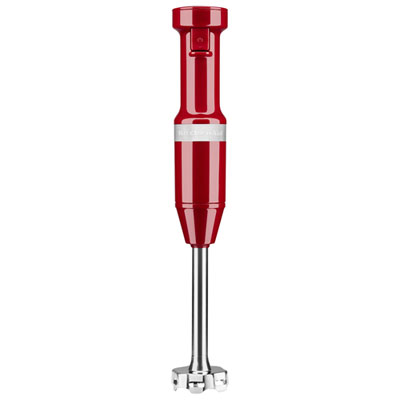 Your price for this item is $49.98
-
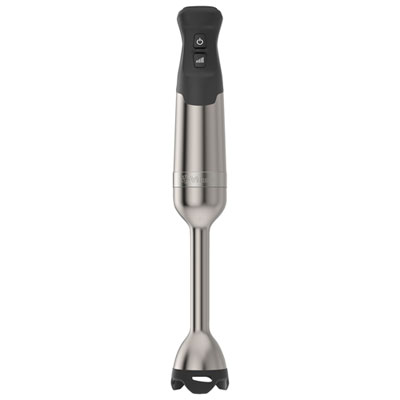 Your price for this item is $249.99
-
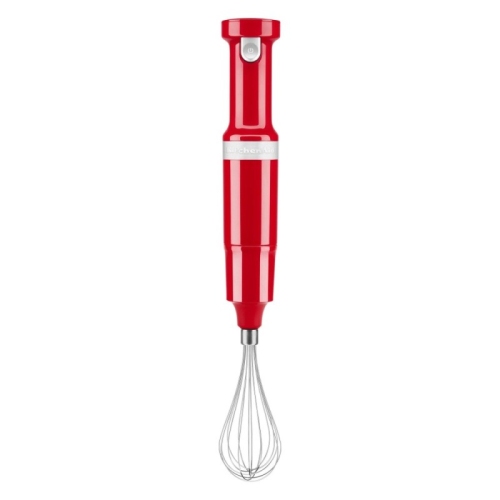 Your price for this item is $129.99
-
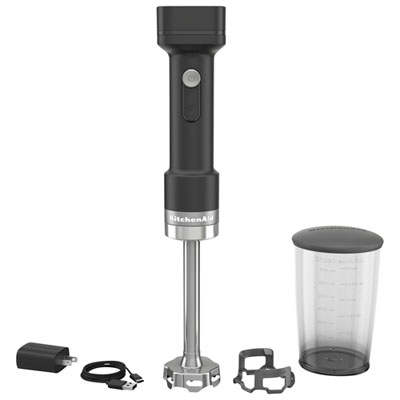 Your price for this item is $159.99
-
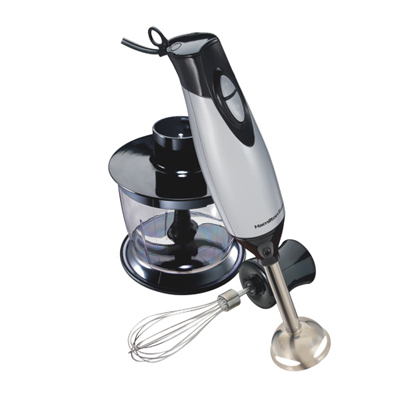 Your price for this item is $52.99
-
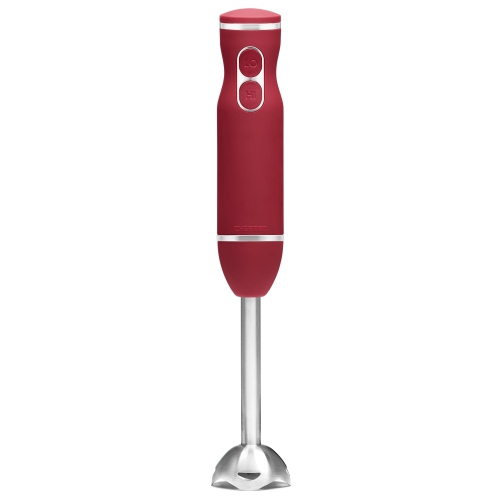 Your price for this item is $39.99
-
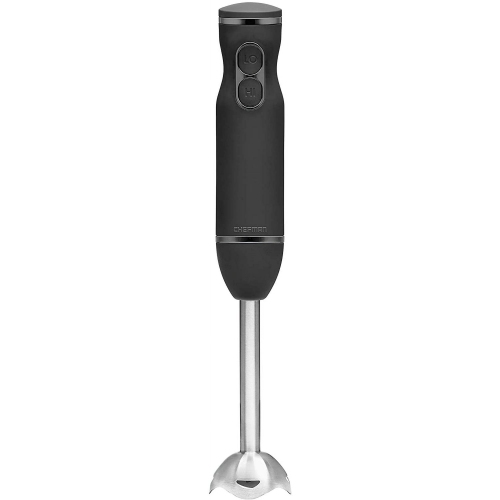 Your price for this item is $39.99
-
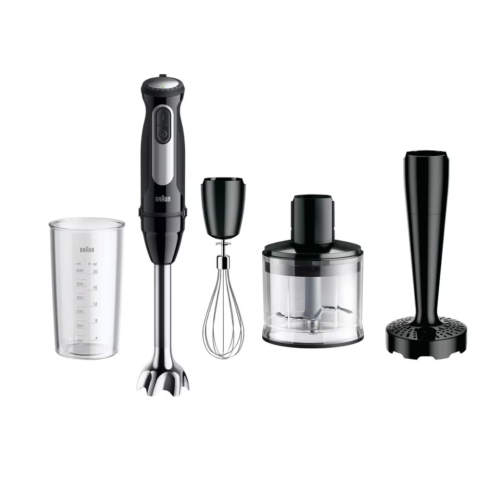 Your price for this item is $149.99
Discover more categories related to Portable Hand Blenders

Top Collections:
Best Black Friday Deals This Year, Best Black Friday Deals On Electronics, Kindle Devices, Pokemon Centers, Best Black Friday Deals On Apple Products, Best Cameras for Sports Photography, Dyson Airwrap, Pokémon 30th Celebration Cards, Apple iPhone 17 Pro, Canon G7X Cameras
Some products may be subject to Environmental Handling Fees
(EHF) depending on your province.
Learn more about EHFs.