Compact Juicers for Celery
A juicer is a great addition to almost any kitchen. It can be used to make fresh juice, but it's also great for making healthy baby food and even grinding coffee beans. The best compact juicers are easy to use, easy to clean, and have a small footprint. Here are some of the best juicers for celery.
Sort
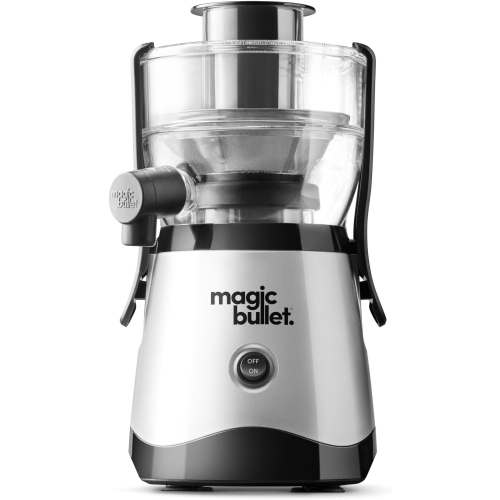
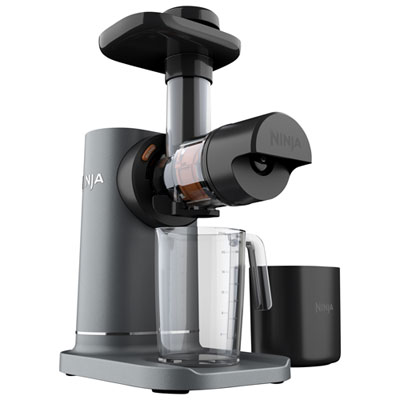
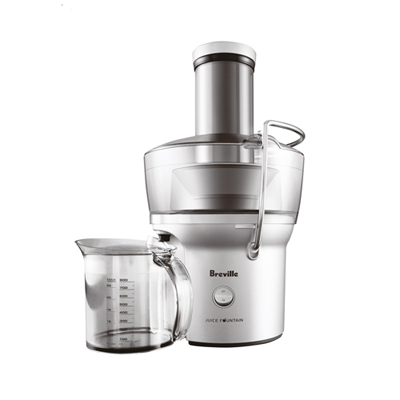
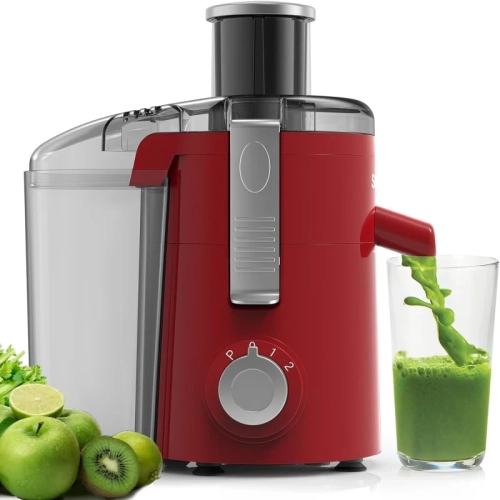
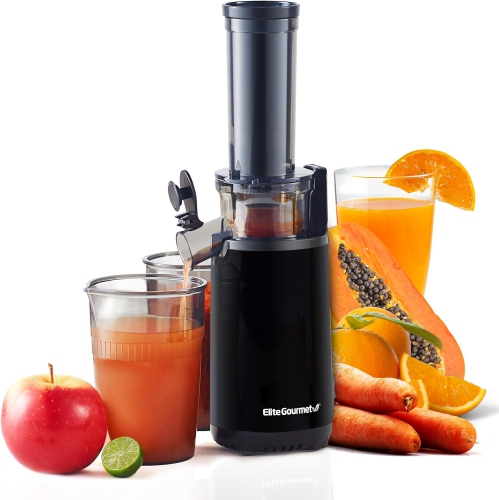
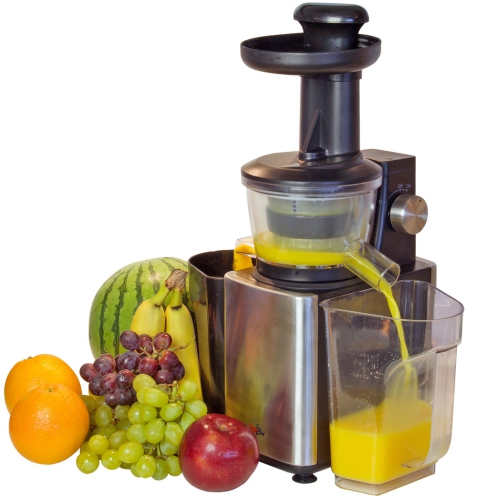
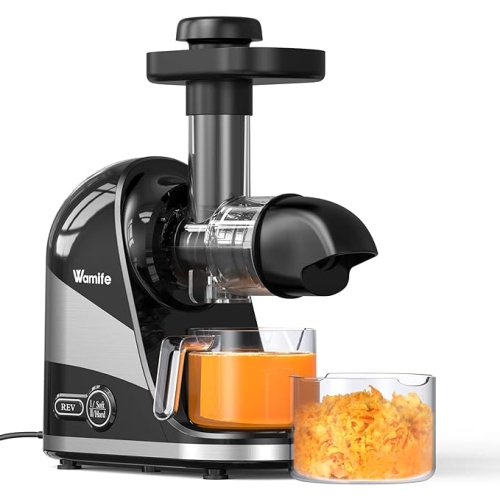
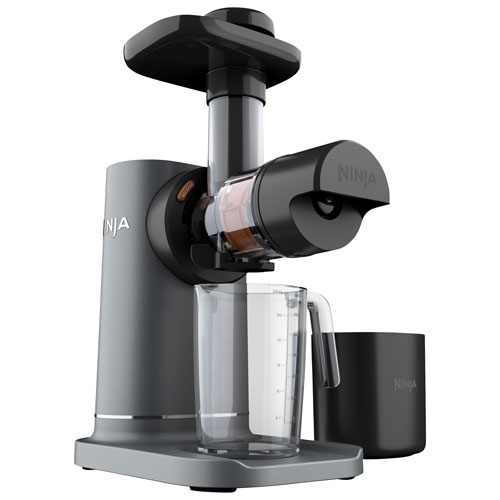
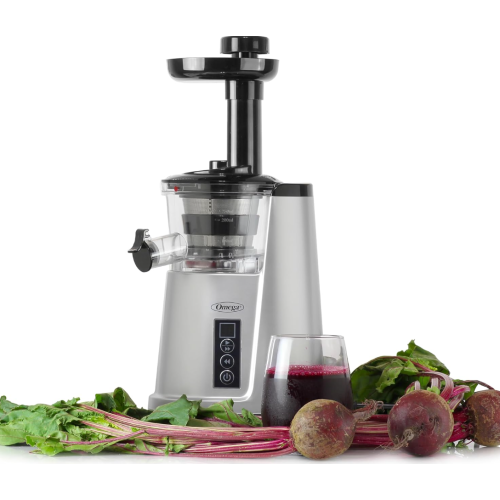
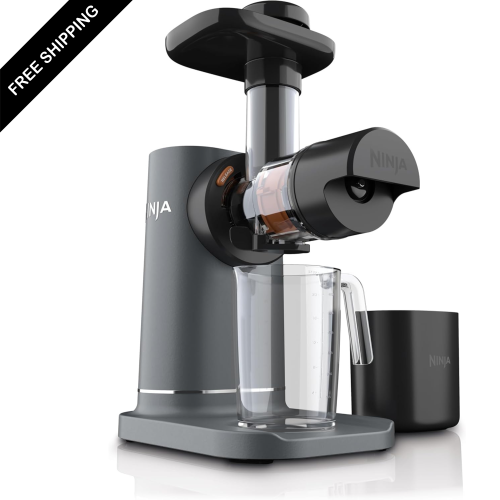
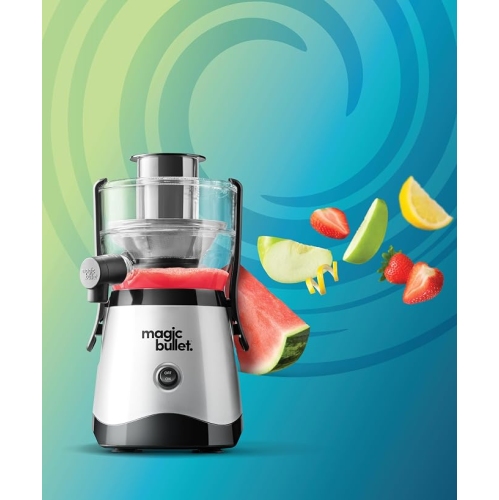
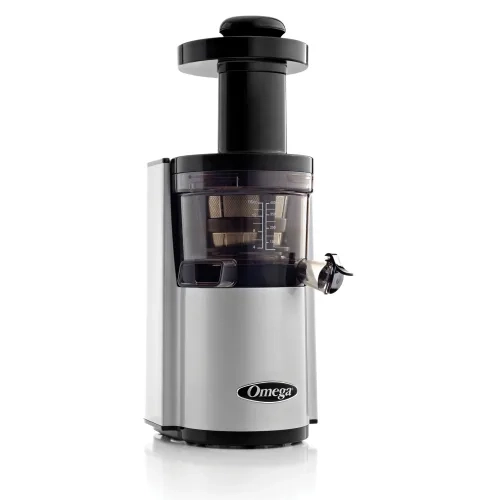


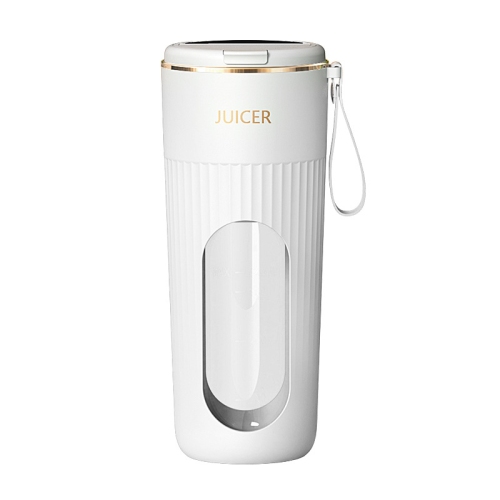
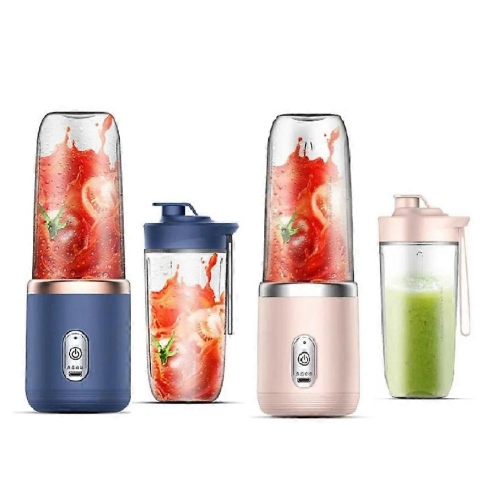
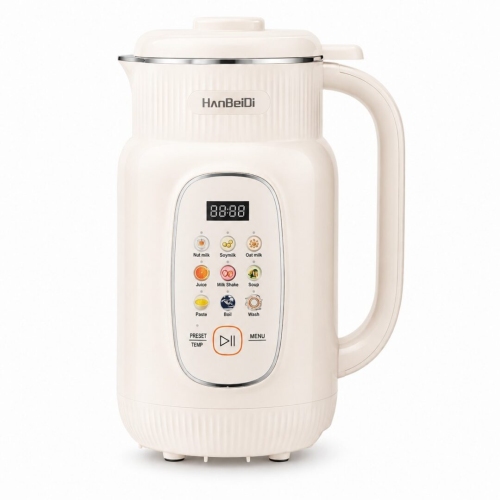
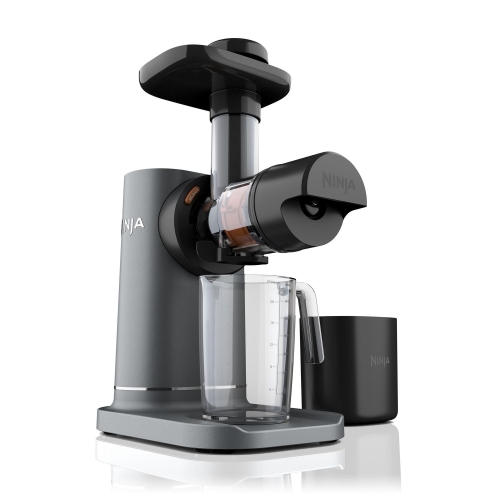

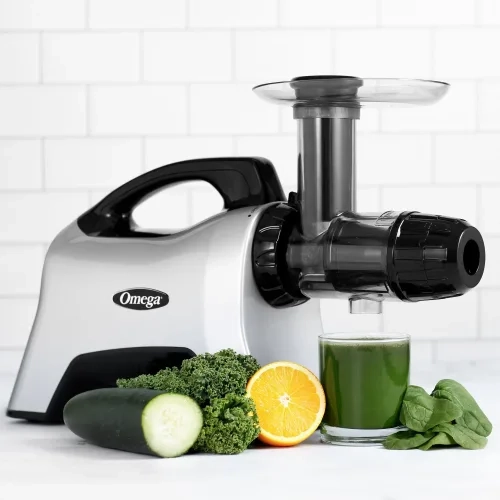
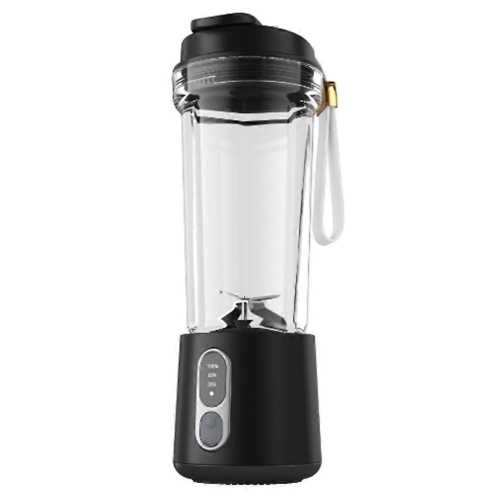
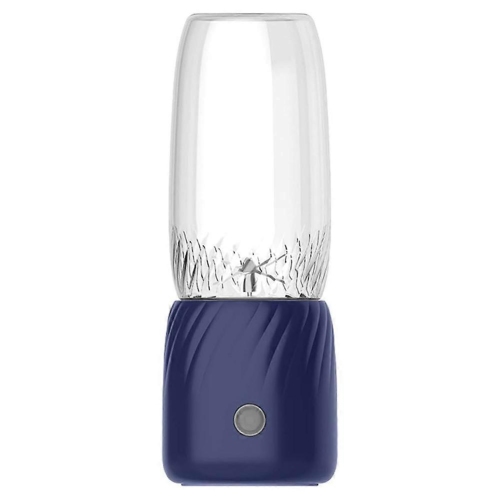
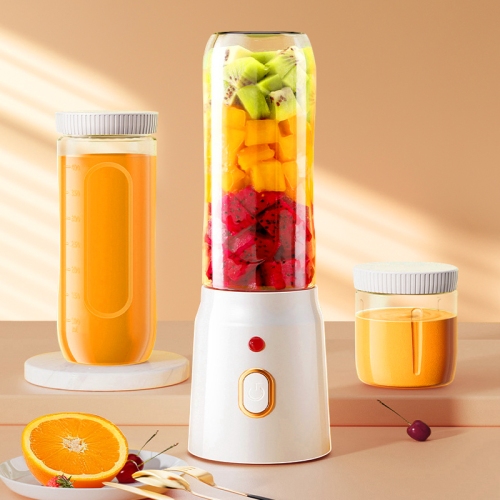
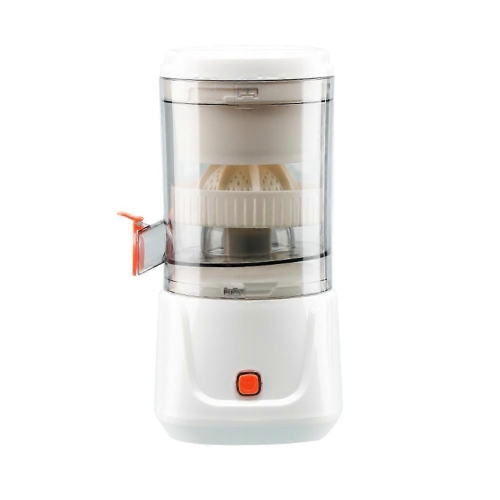

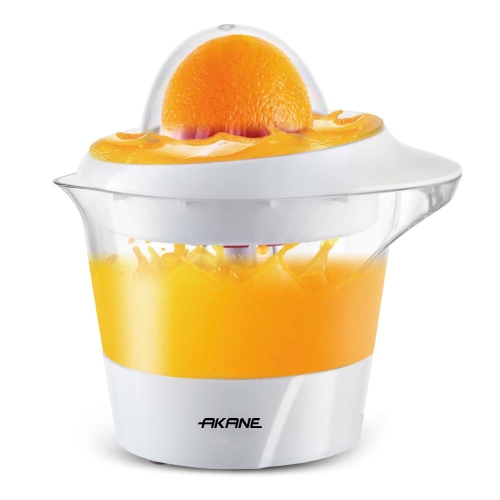
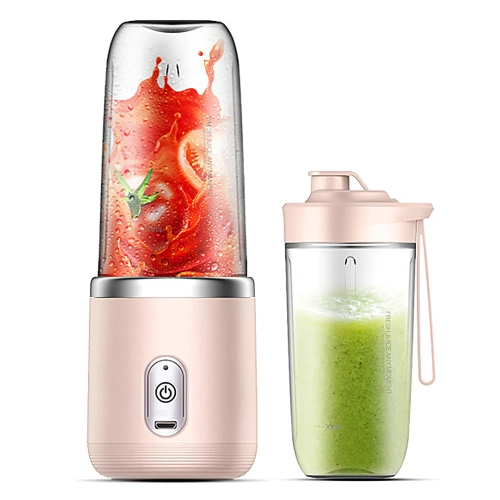
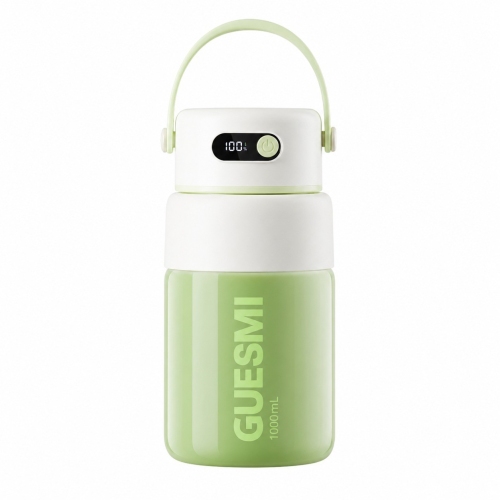
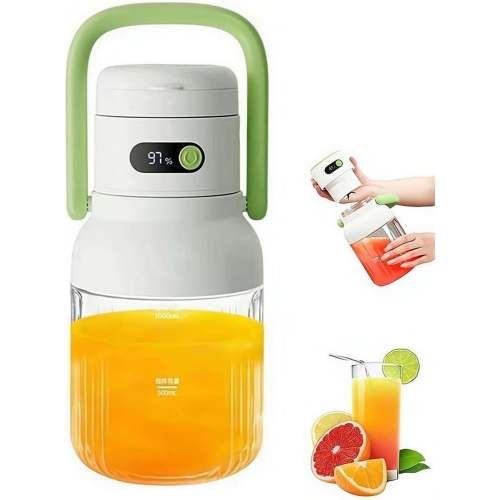
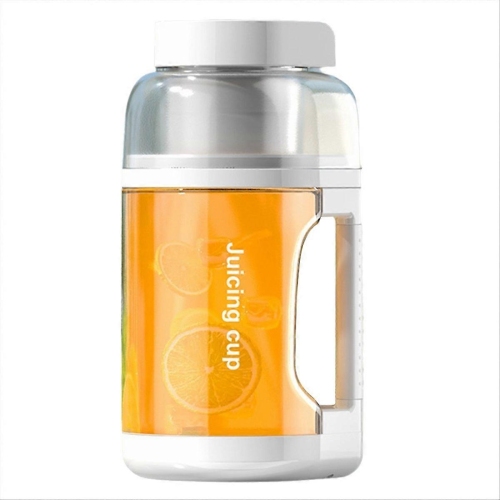
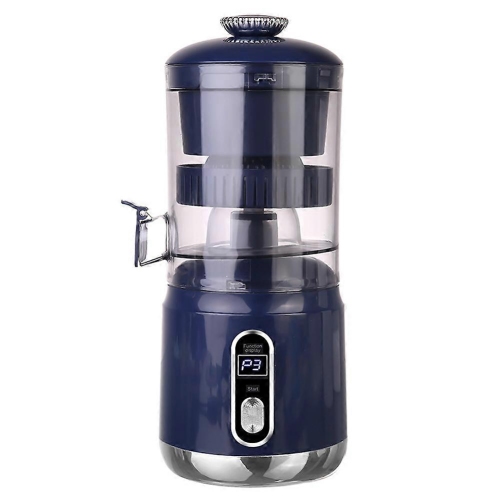
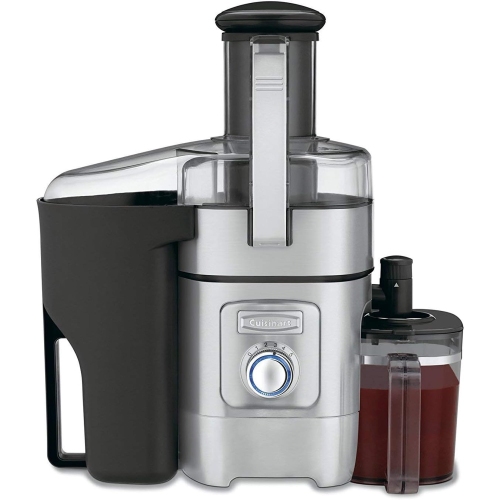
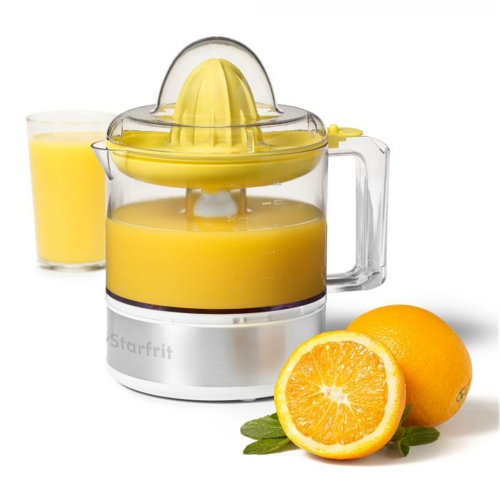
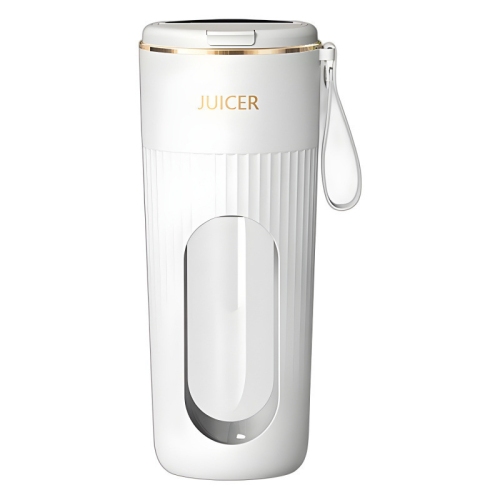
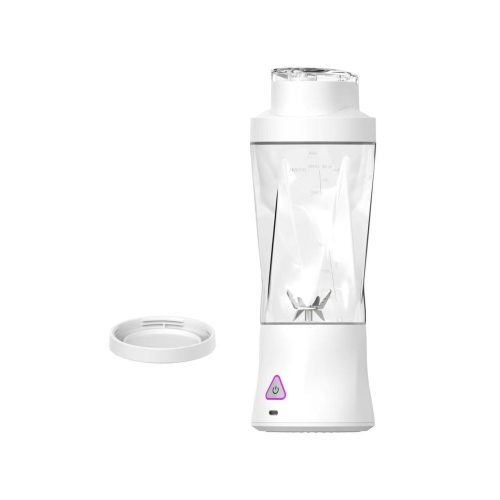
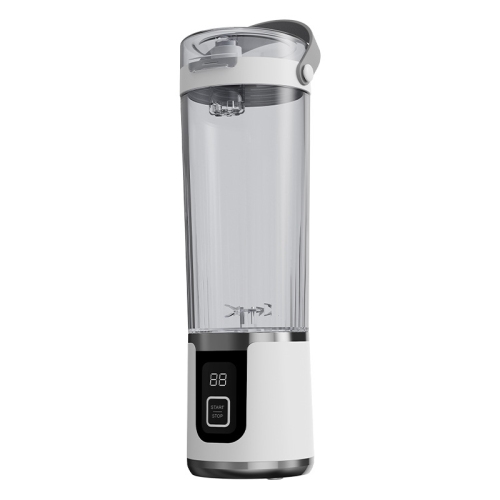
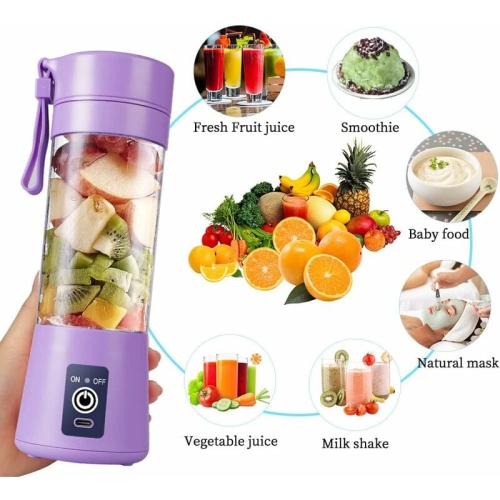
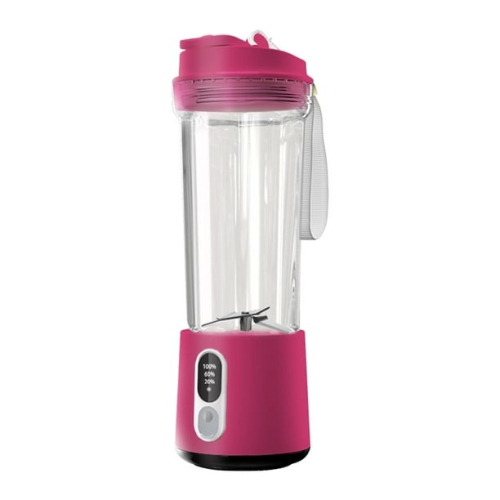
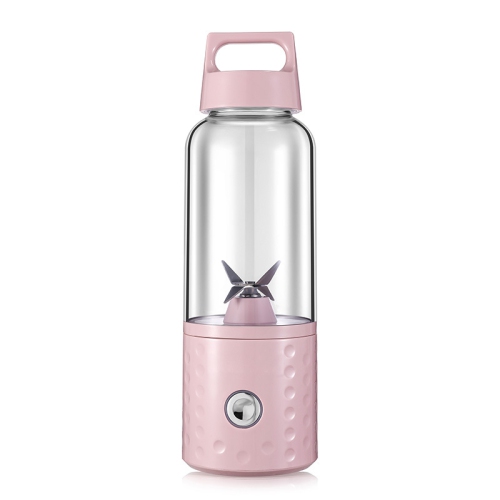
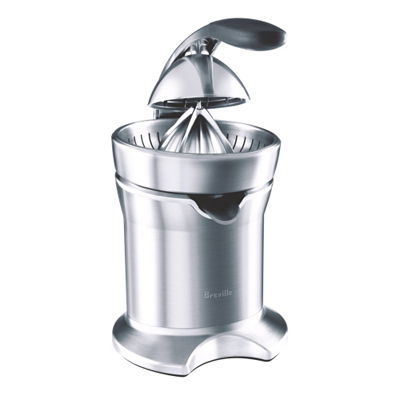
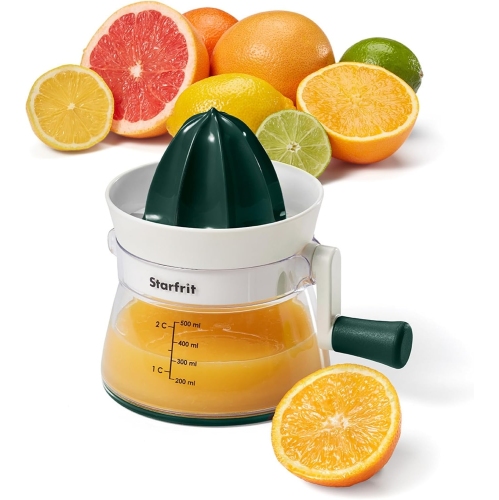
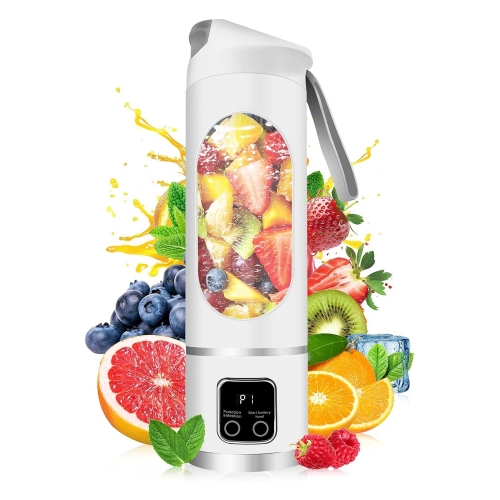
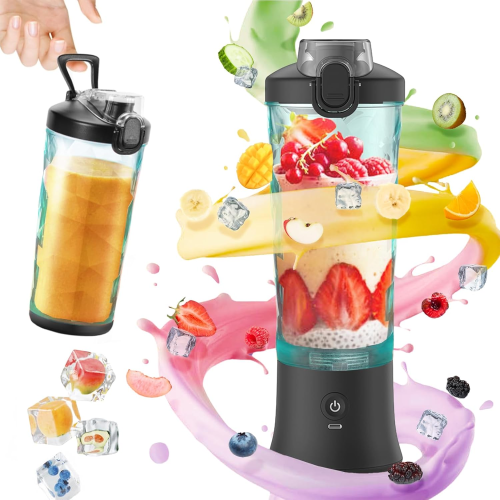
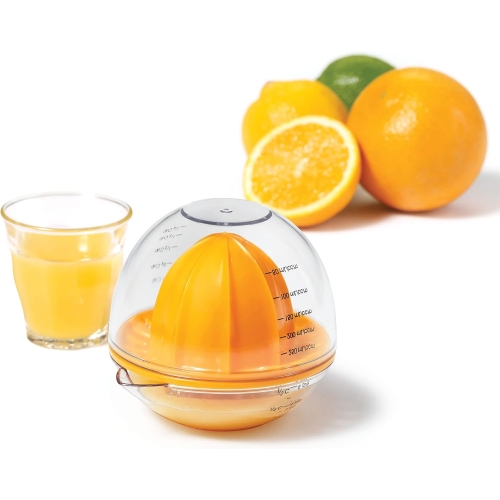
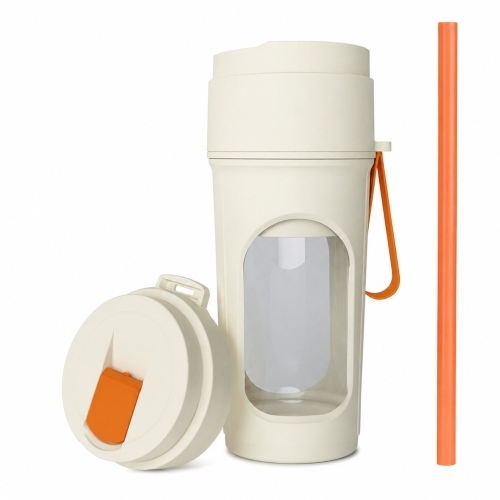
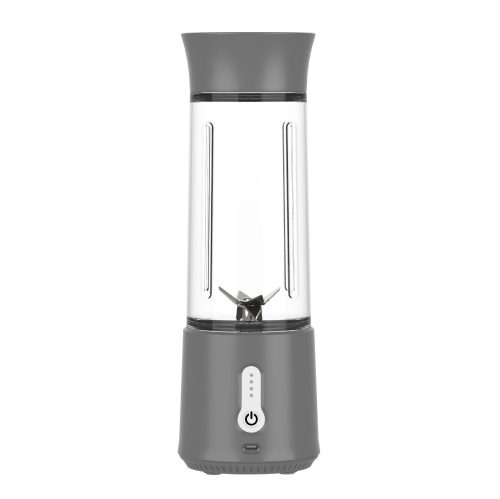
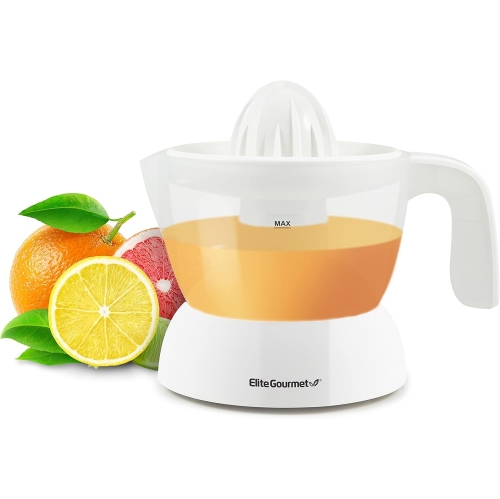
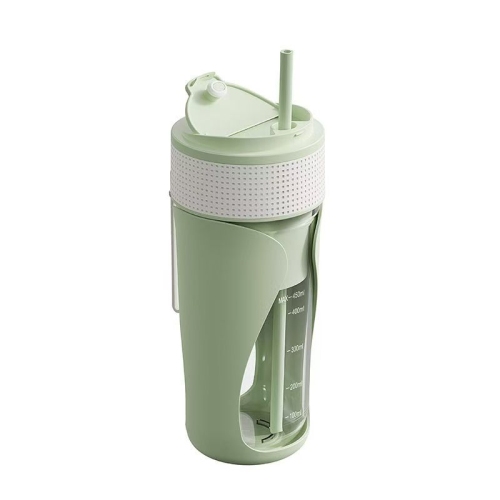

How space and feeding style shape everyday juicing
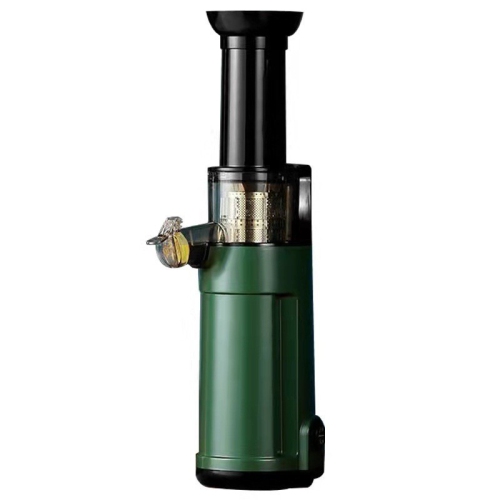
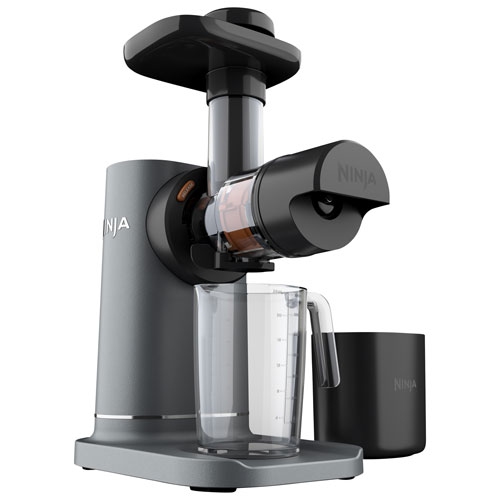
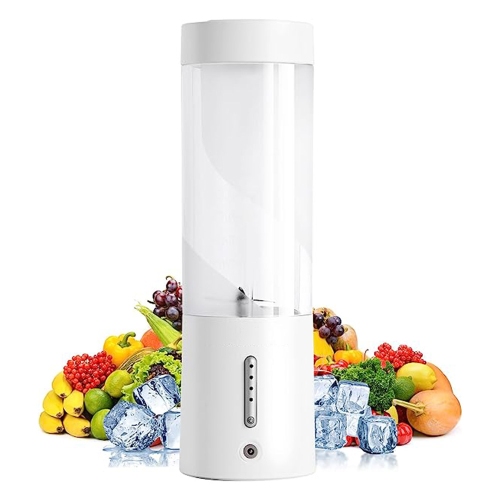
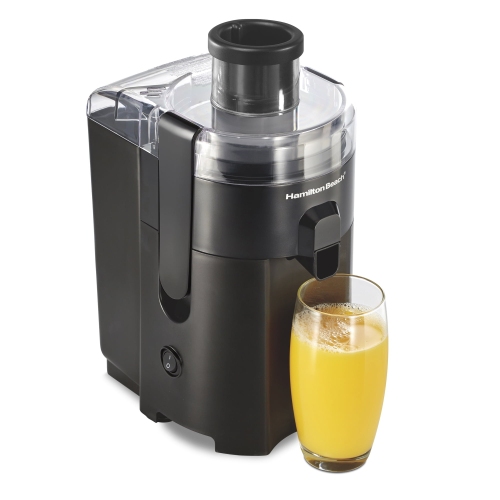
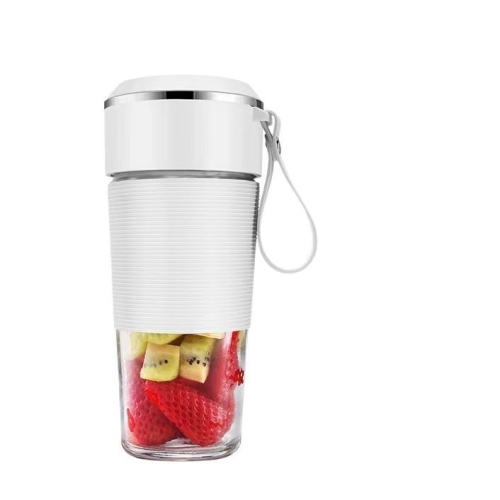
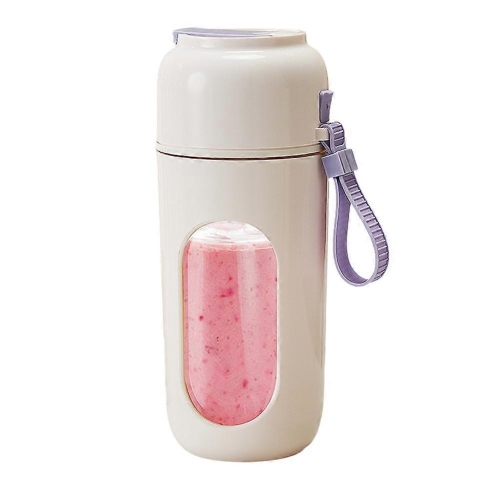
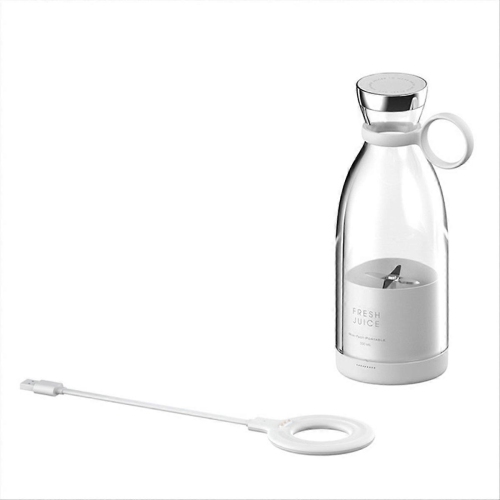
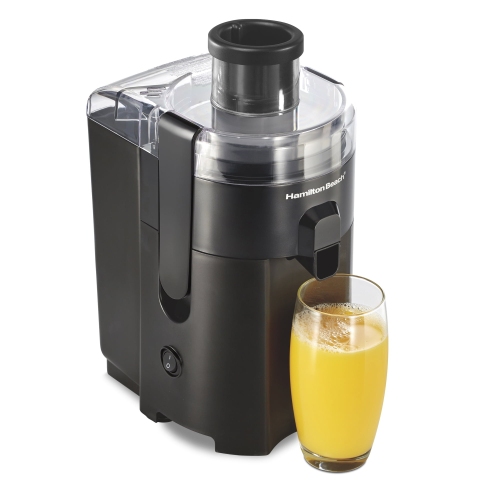
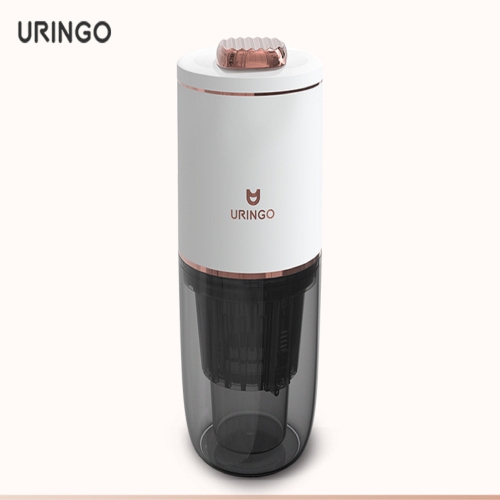
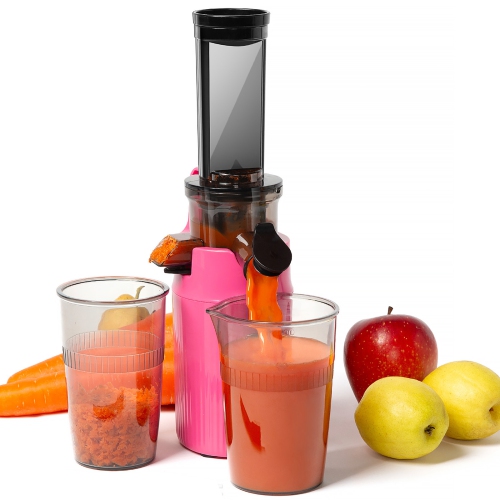
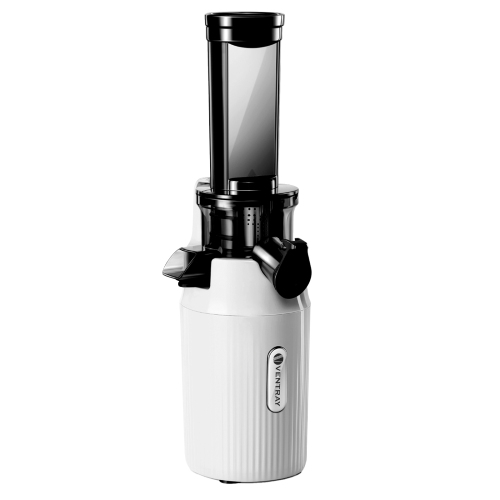
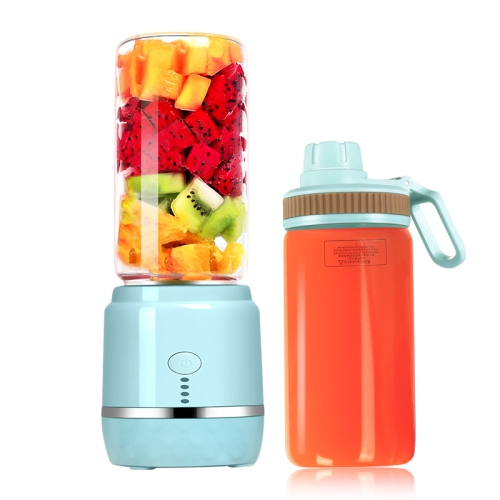
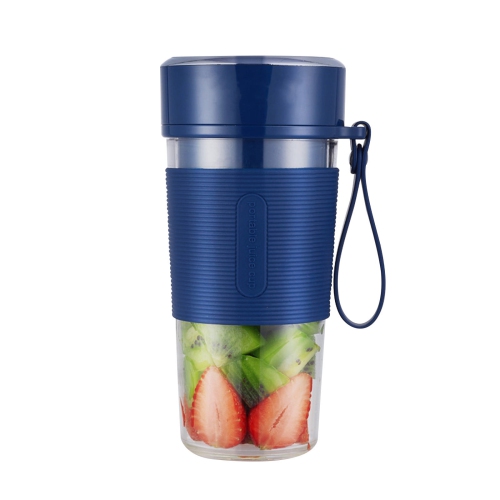
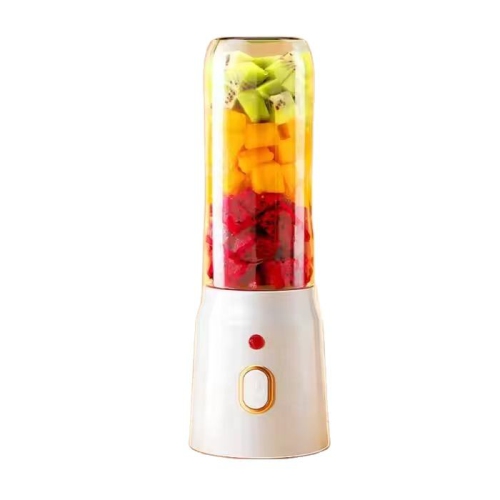
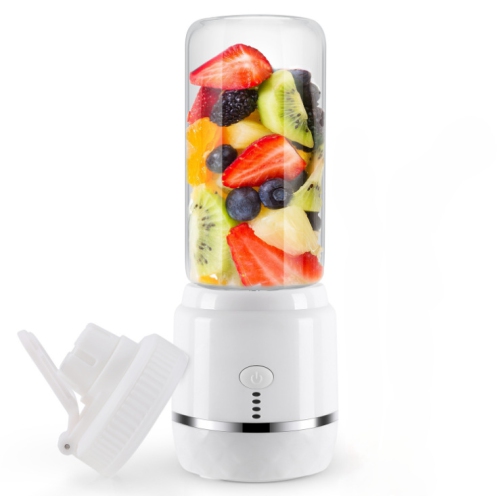
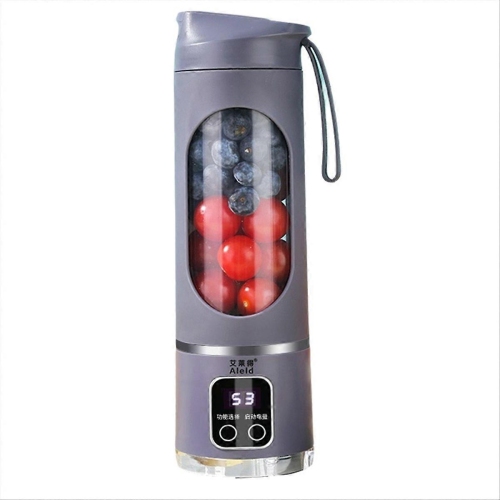
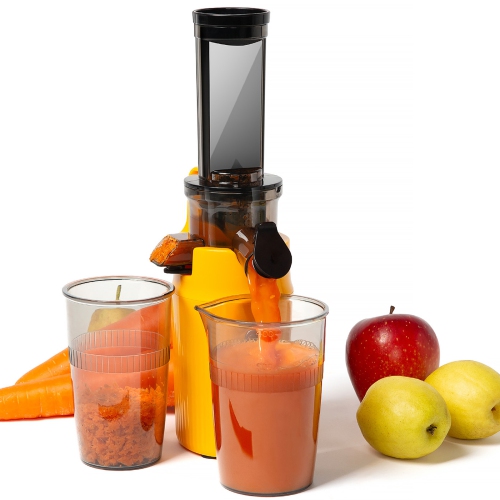
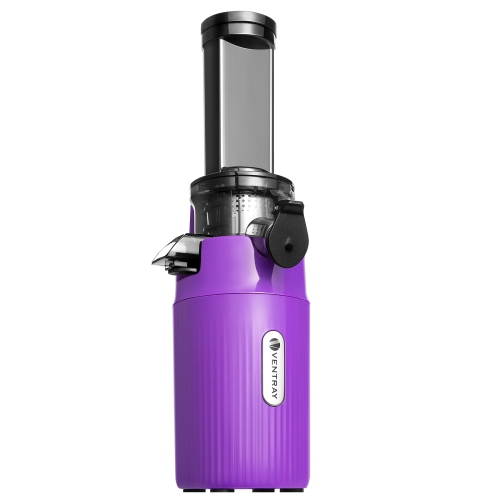
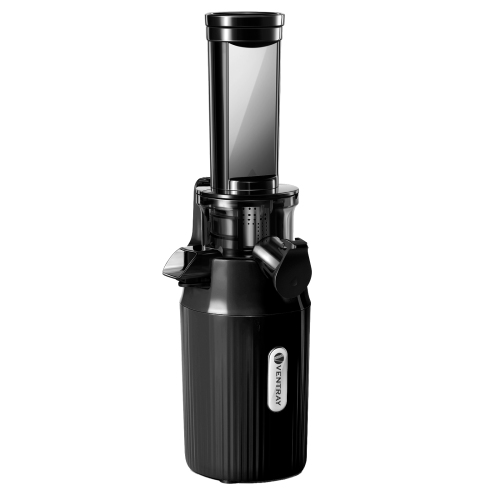
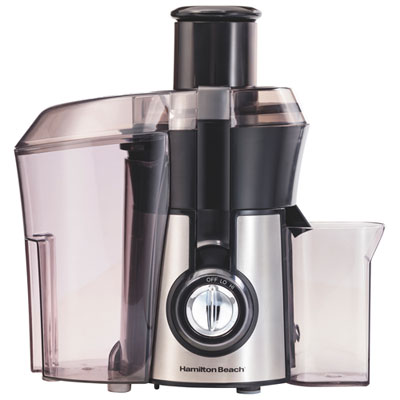
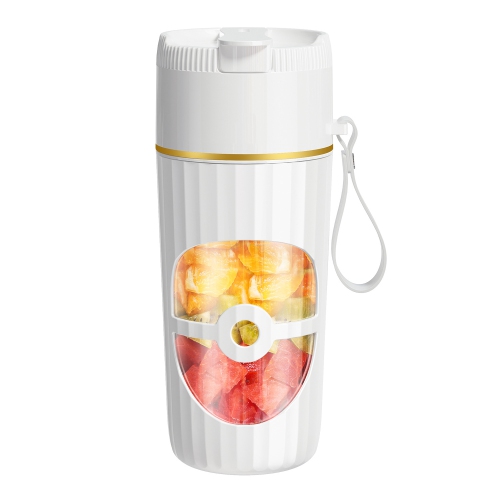
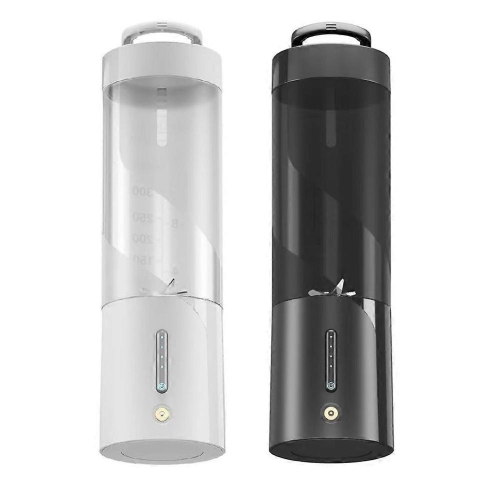
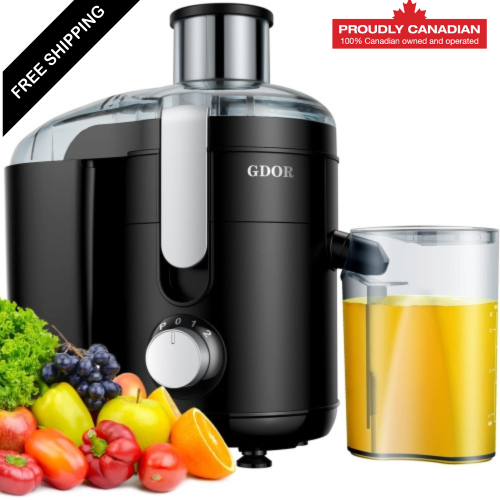
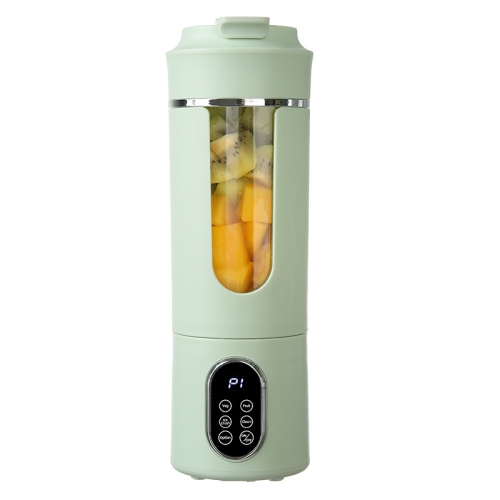
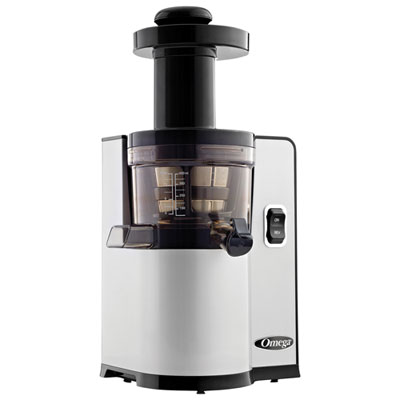
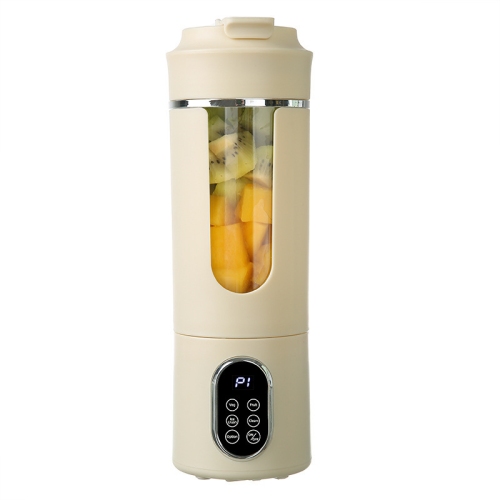
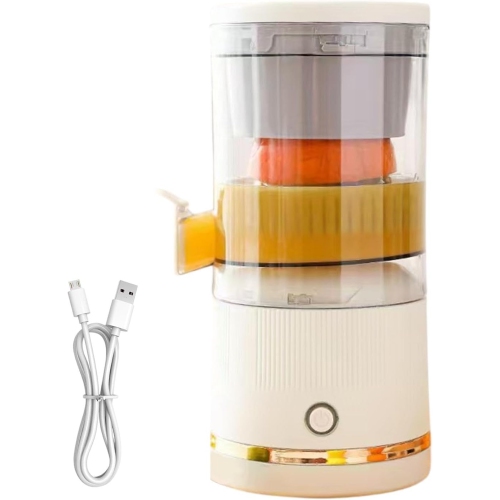
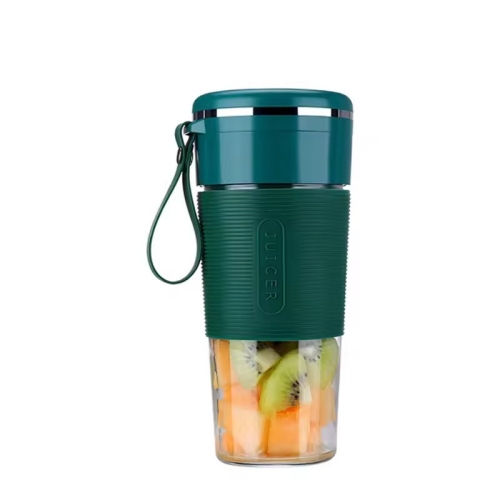
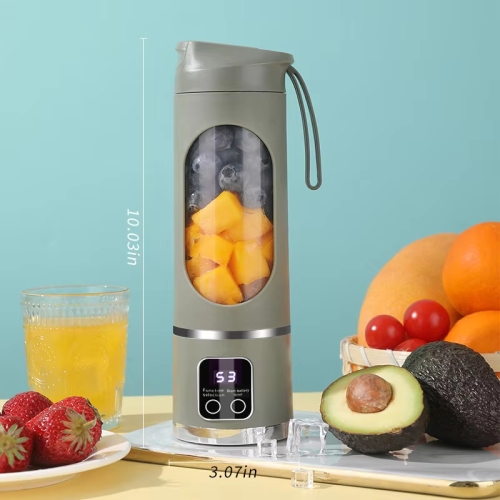
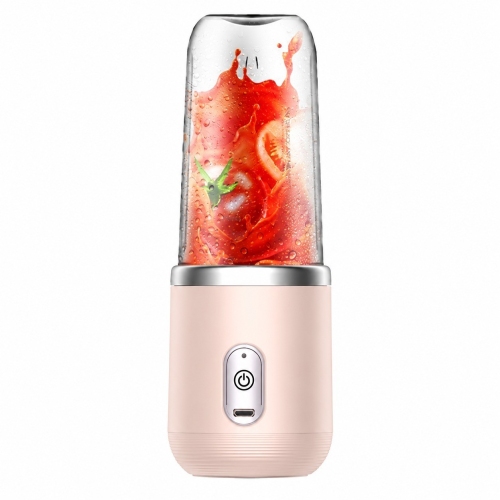
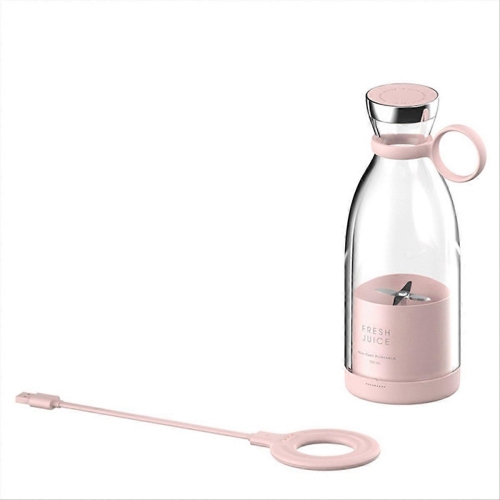
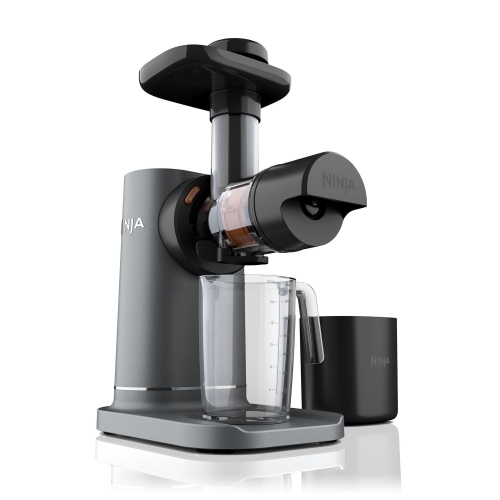
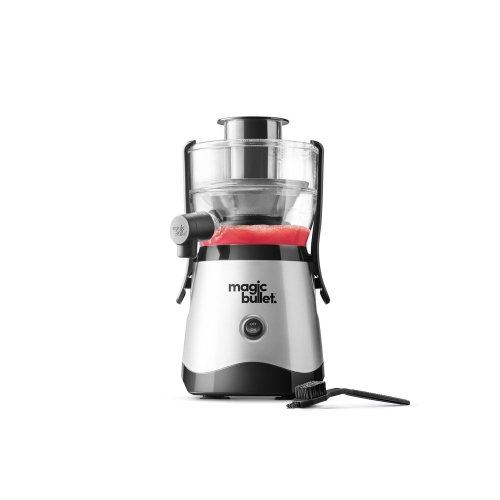
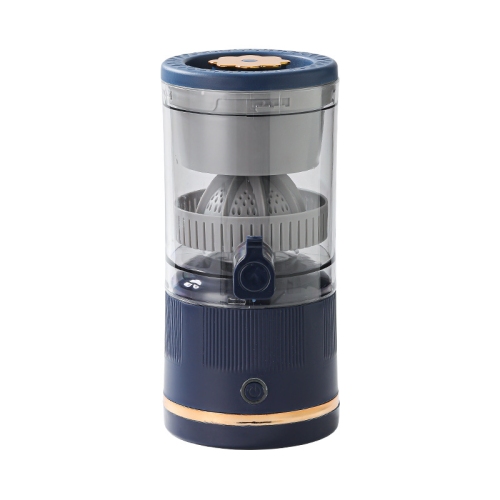
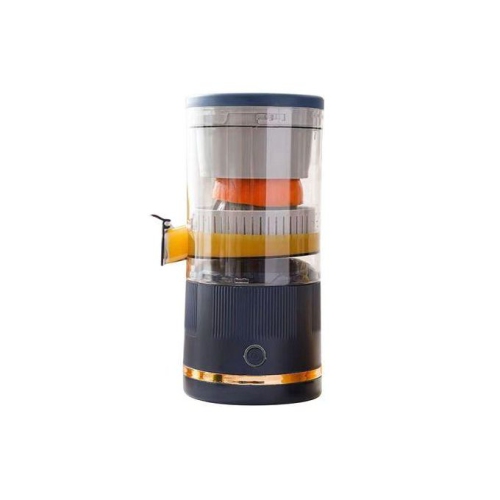
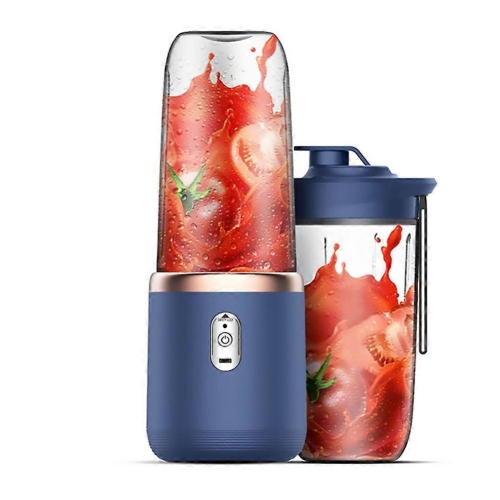
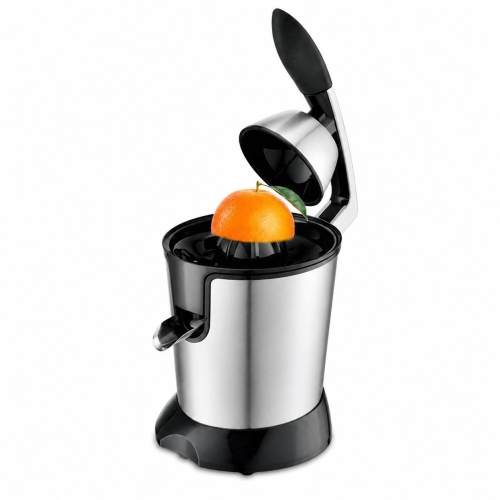
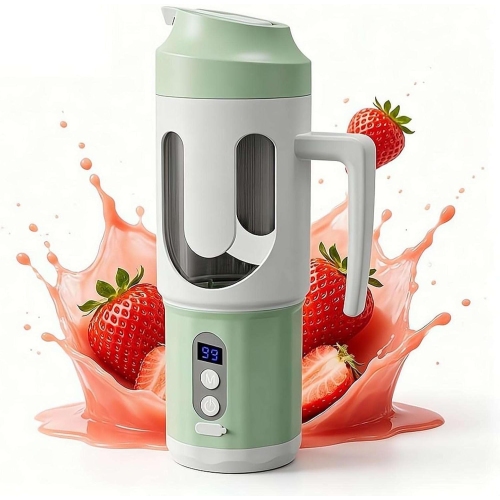
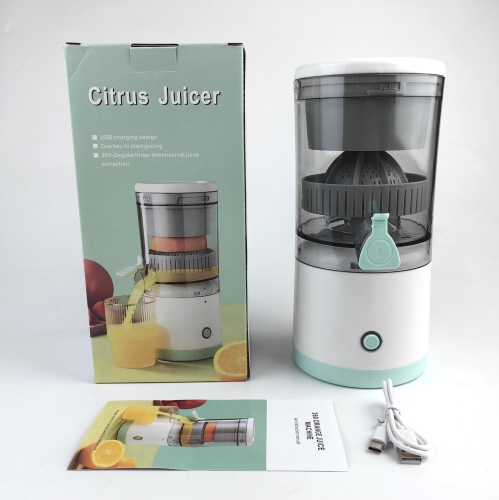
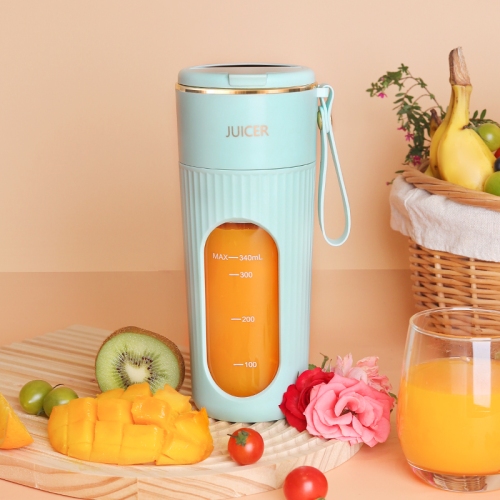
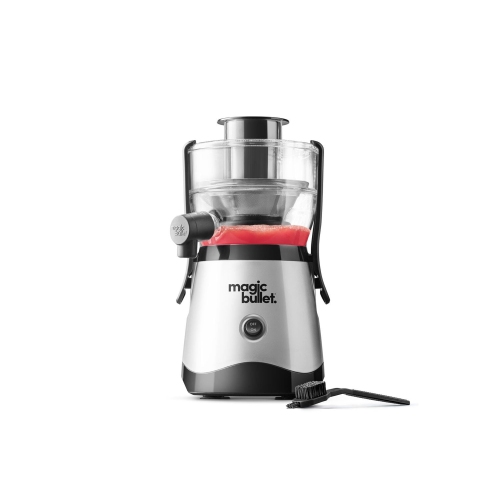
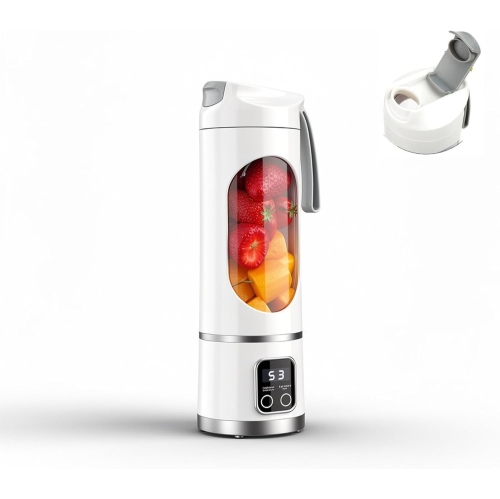
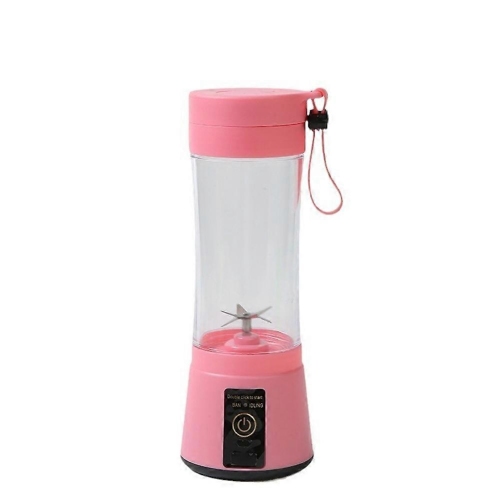
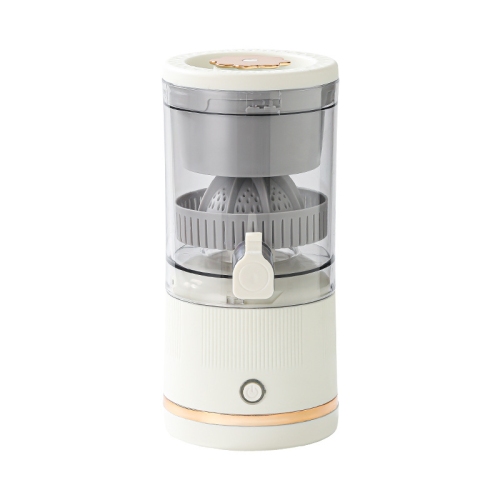
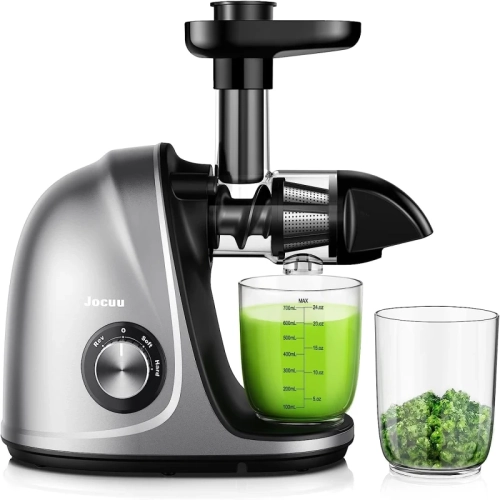
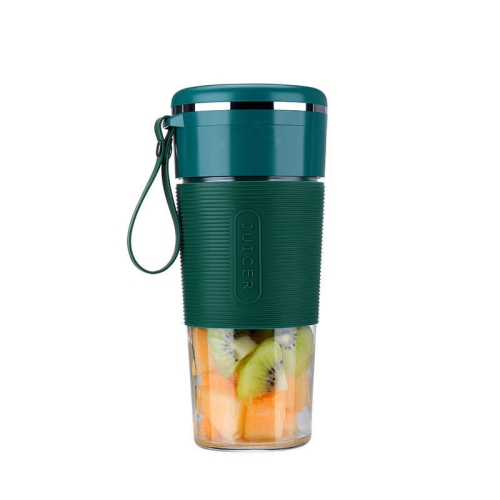
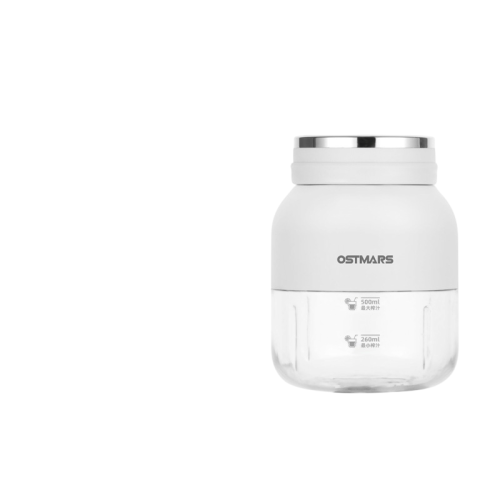
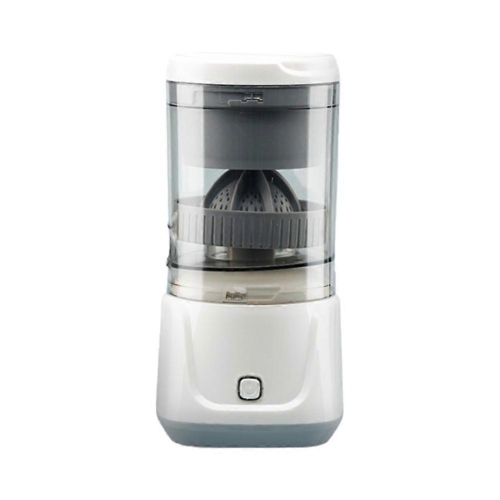
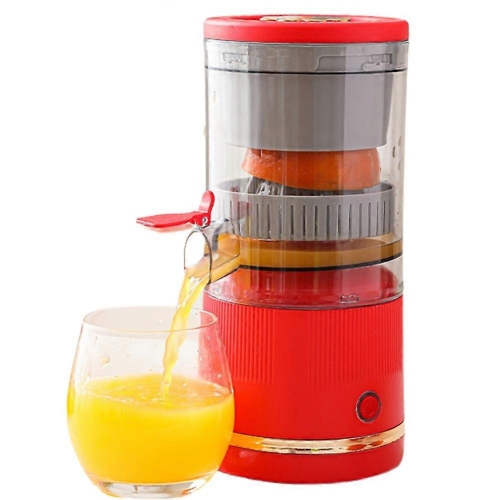
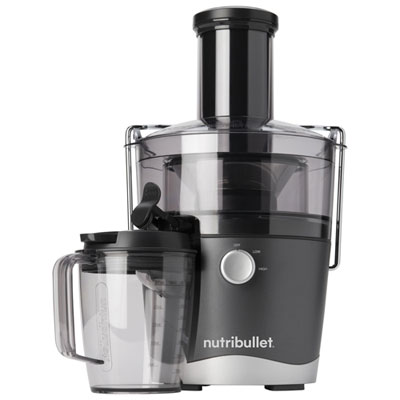
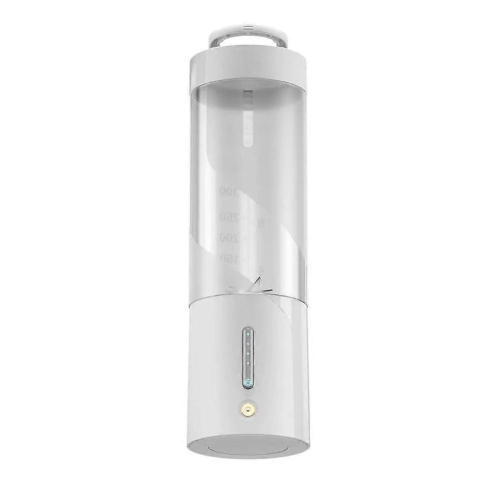
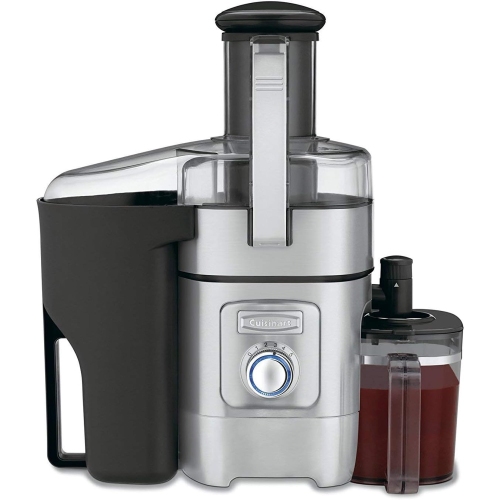
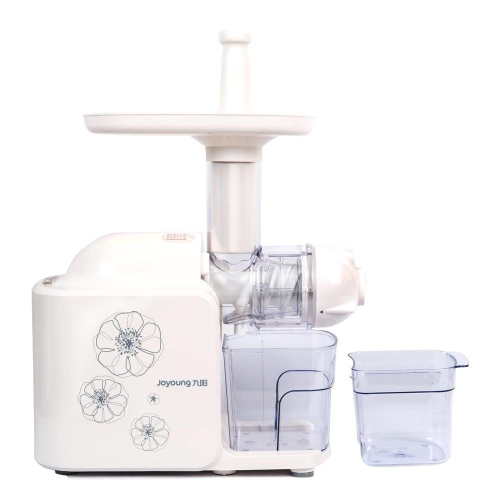
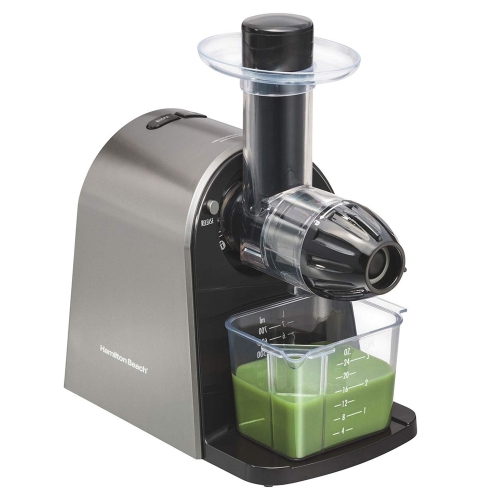
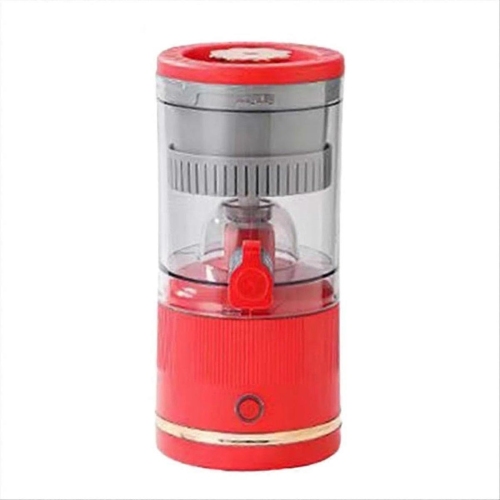
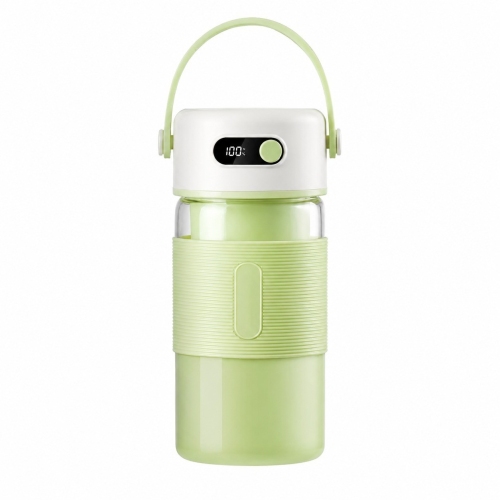
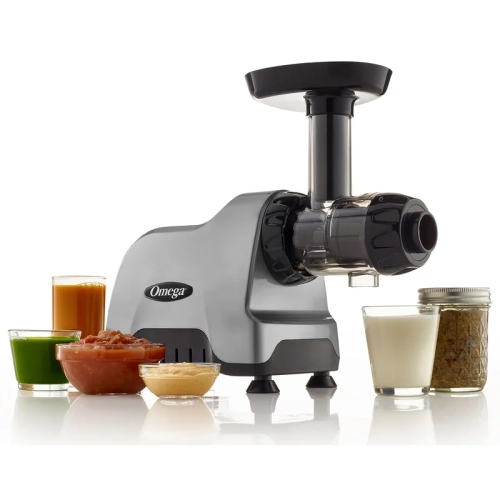
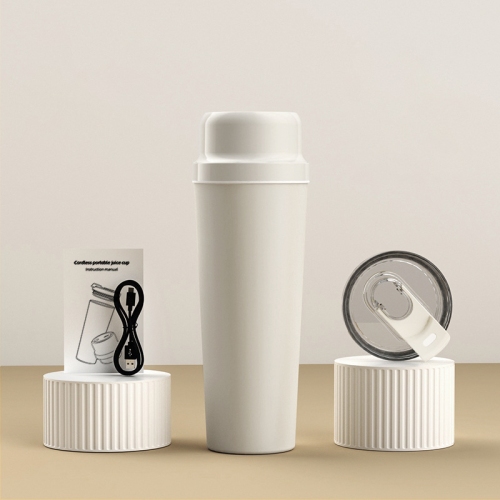
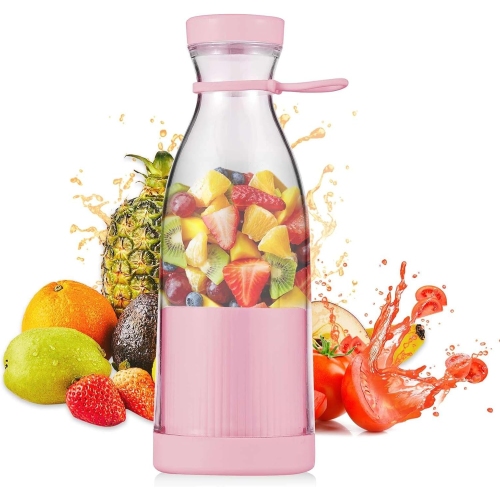
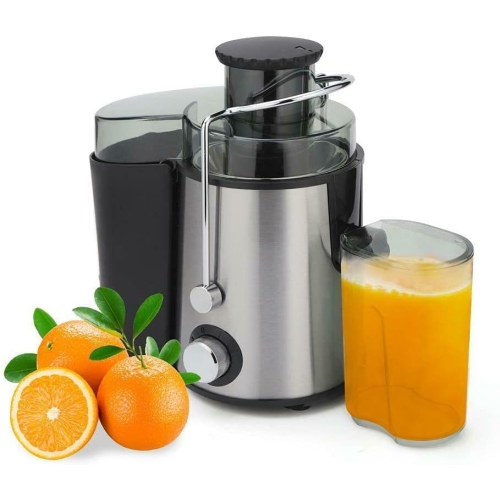
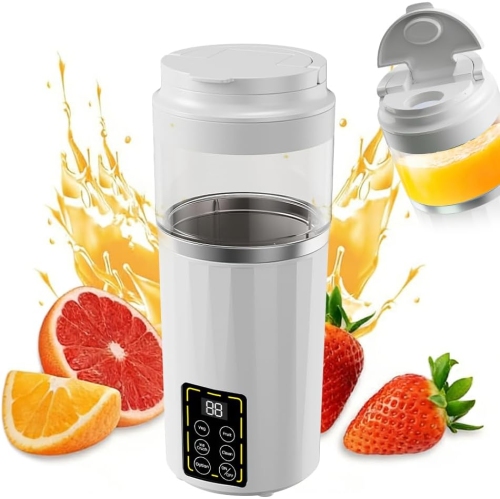
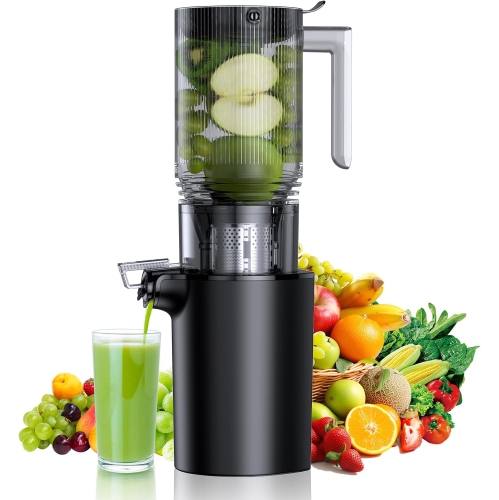
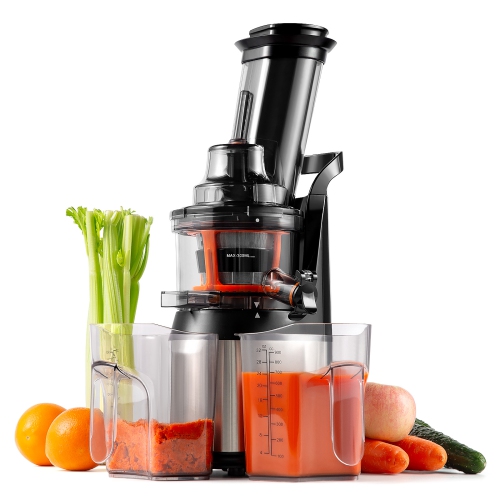
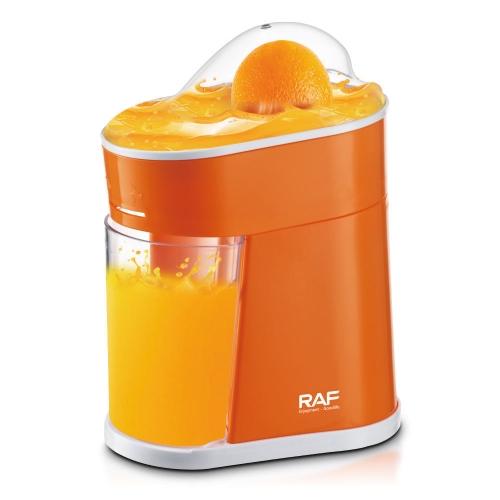
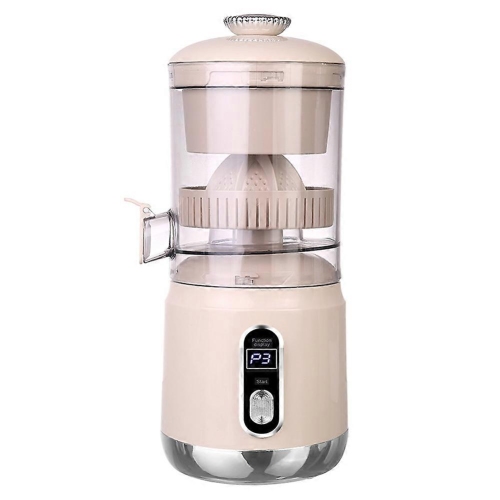
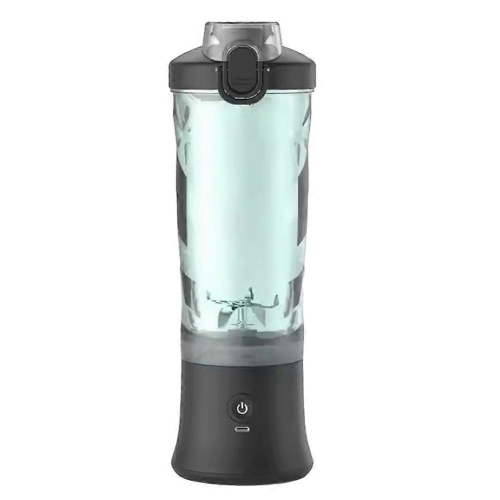
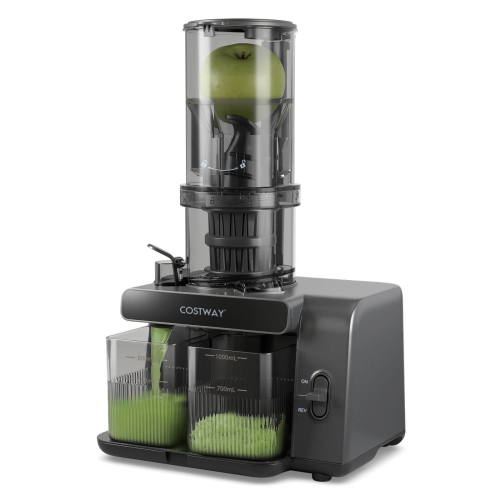
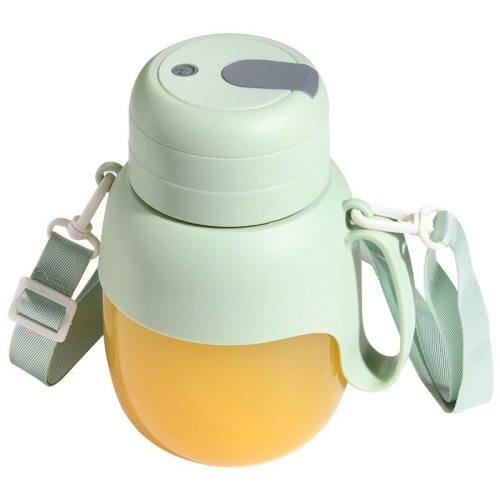
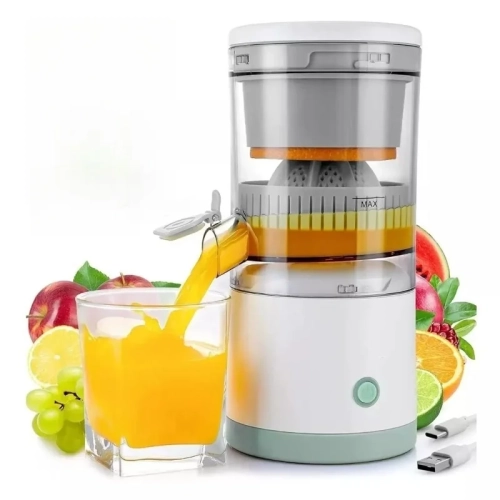
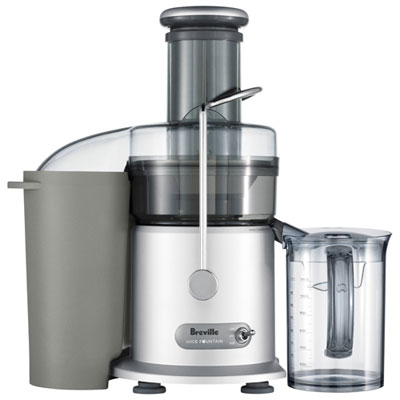
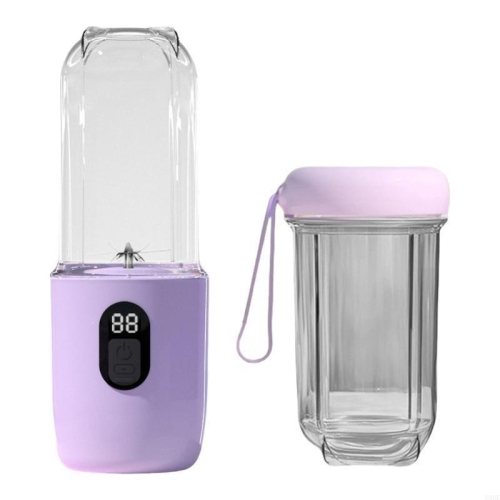
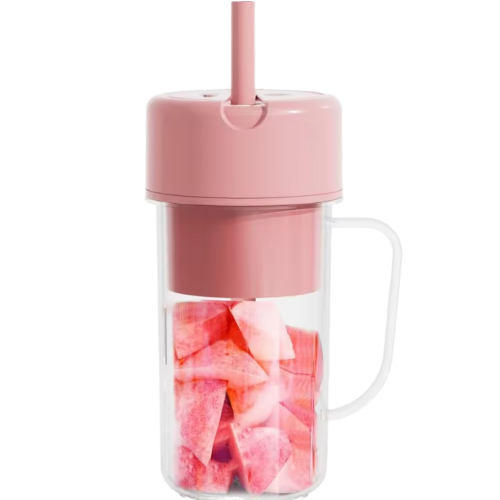
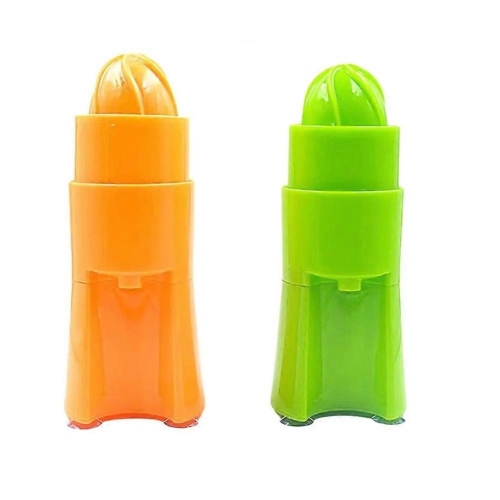
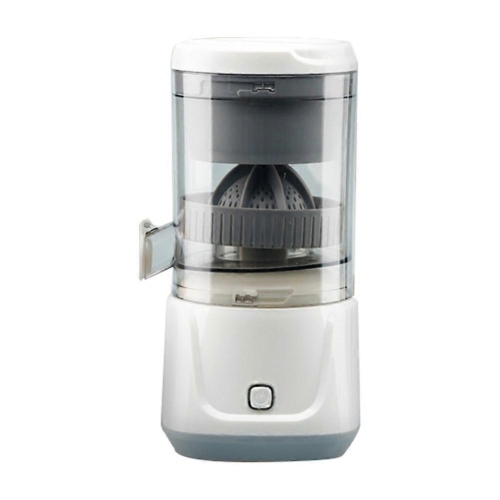
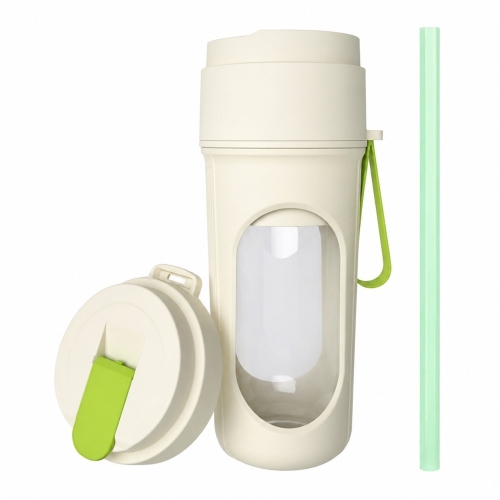
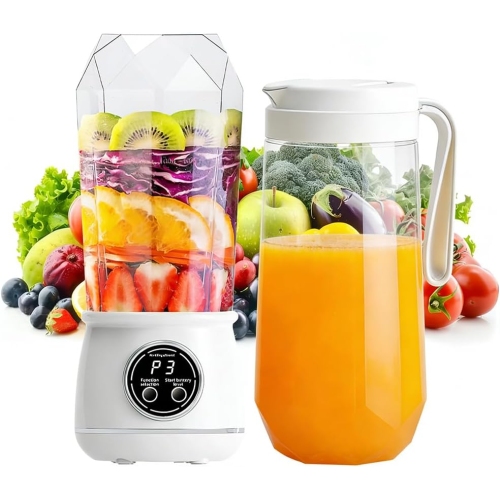
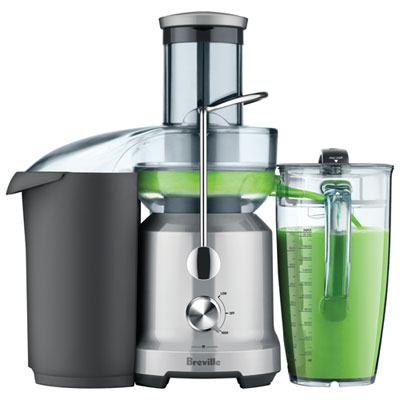
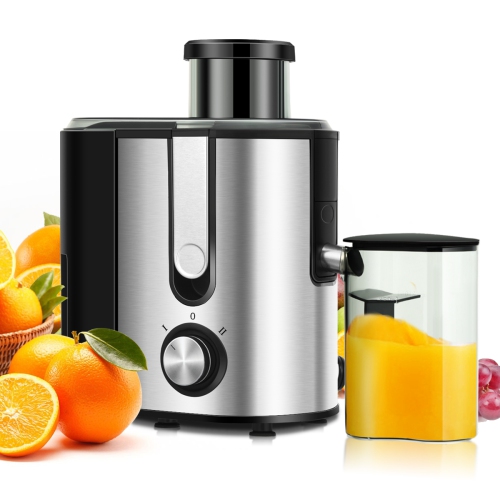
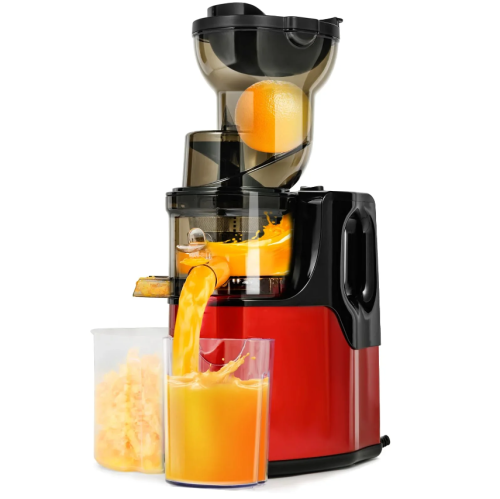
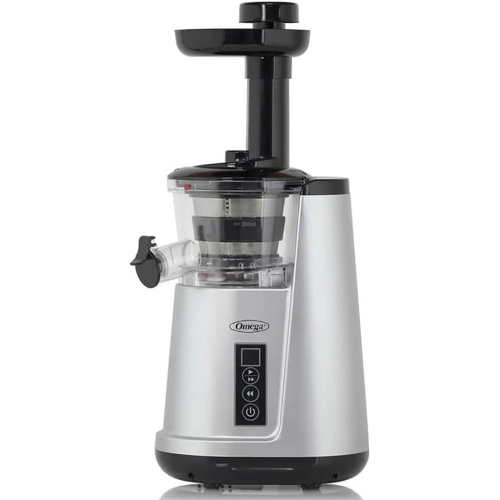
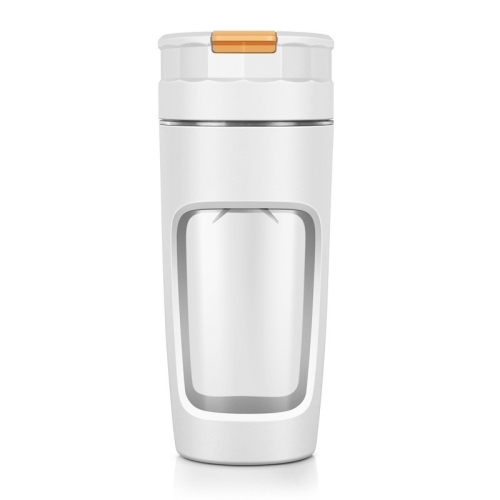
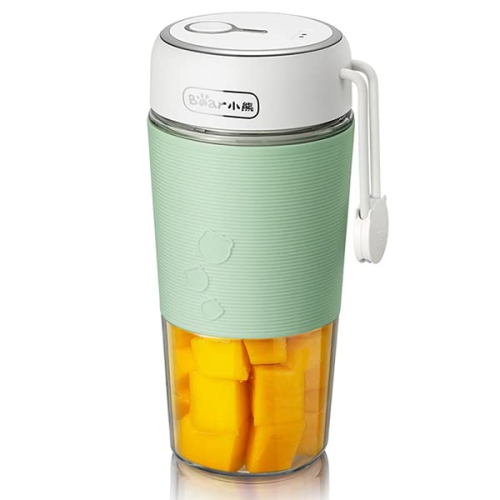
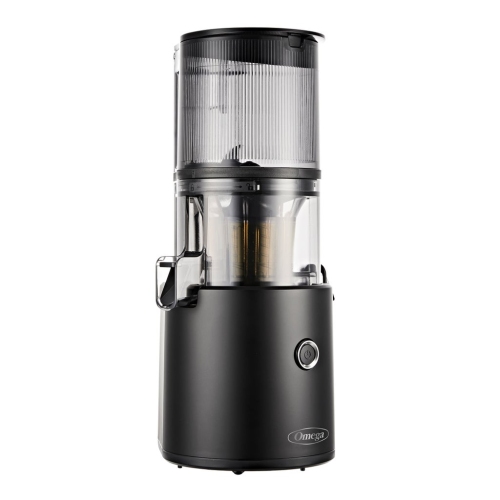
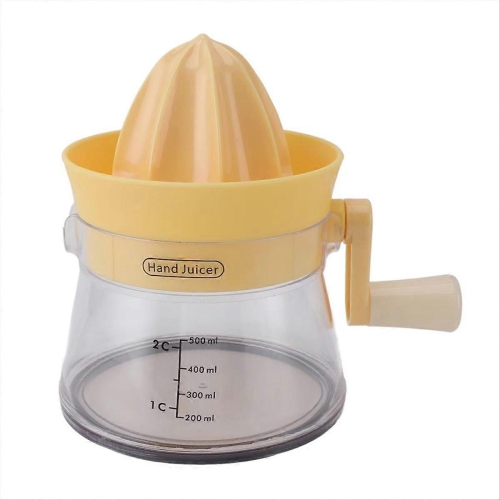
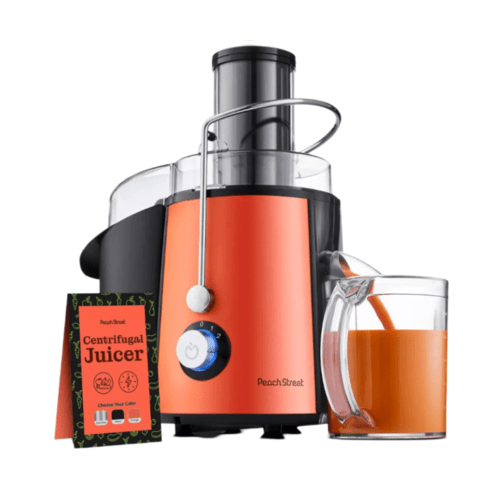
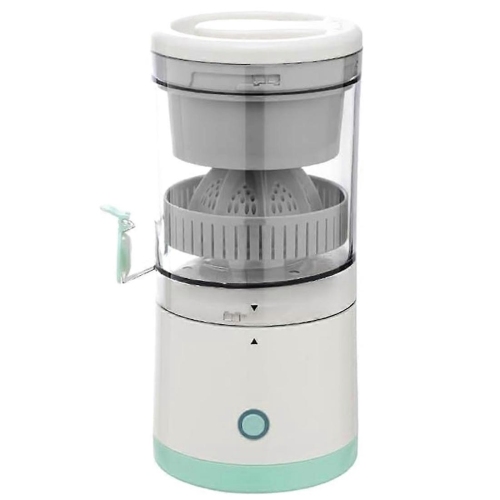
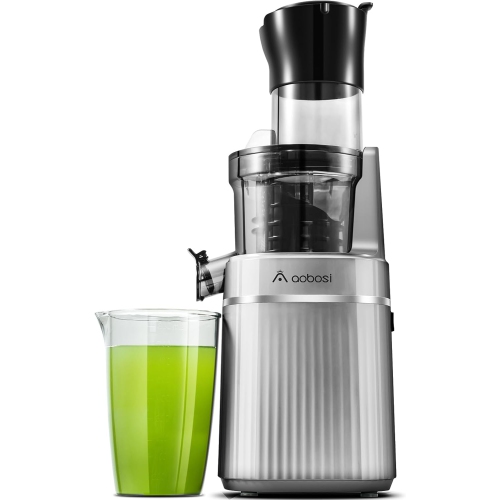
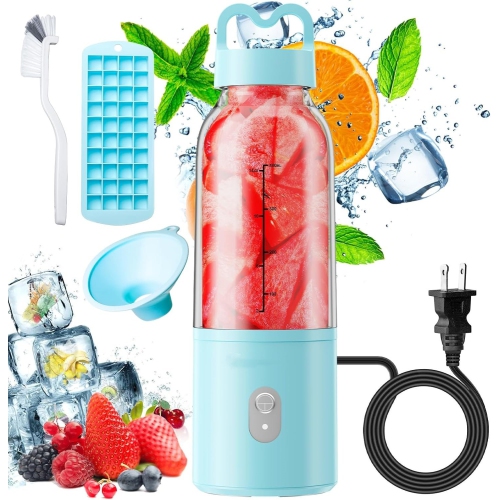
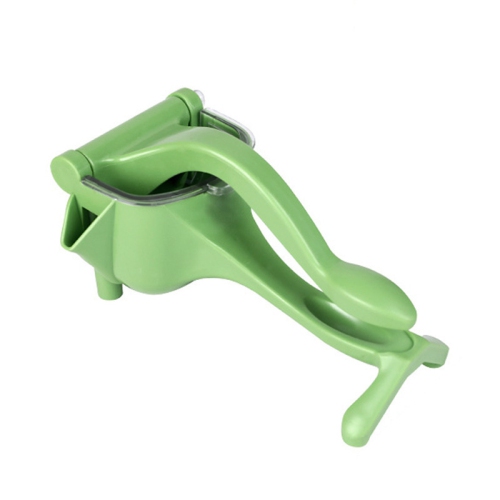
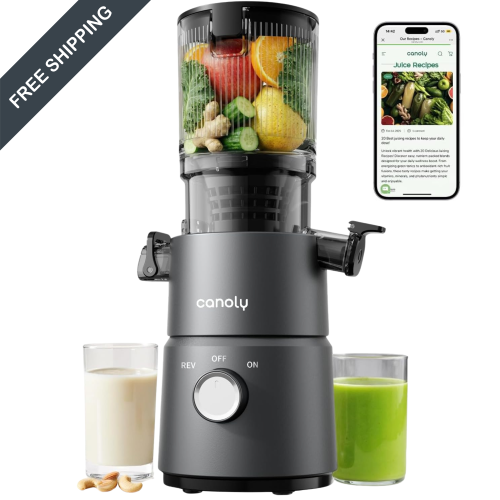
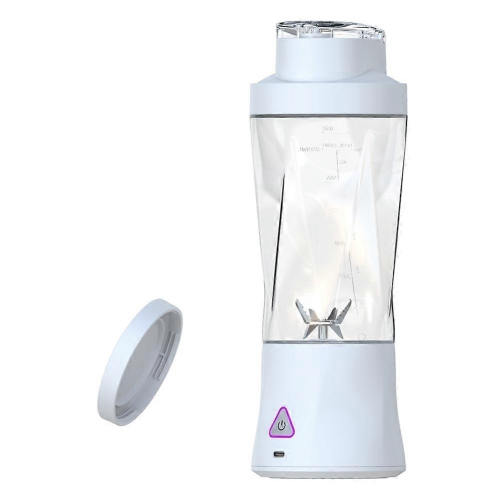
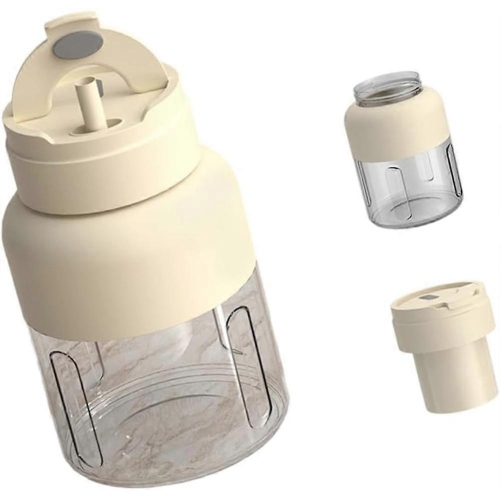
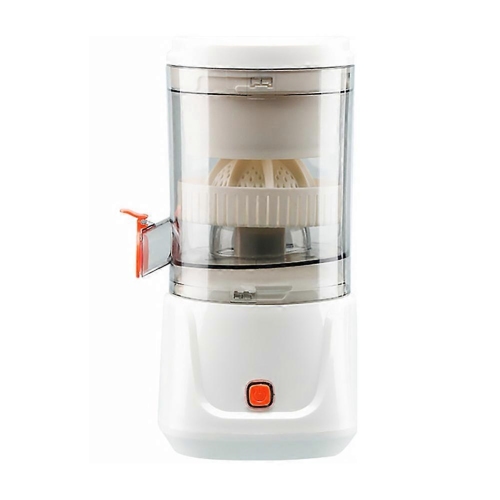
Compact juicers for celery are designed for kitchens where every centimetre of counter space matters, while still making it practical to prepare fresh juice from fibrous green stalks. Celery can be more demanding than softer produce because its long fibres may wrap around an auger, collect around a strainer, or leave stringy pulp behind when a machine is not suited to the task. A compact slow or masticating juicer works by gradually crushing and pressing celery, often producing a smooth, concentrated juice with relatively dry pulp. This style can be a good fit for someone who enjoys a quiet morning routine, prepares juice in small batches, or prefers to feed produce through the machine at a measured pace. Horizontal models may offer useful control over fibrous ingredients, while vertical designs can make better use of limited front-to-back counter space. Some include adjustable settings or endcaps intended to improve performance with leafy greens and stringy vegetables. Compact centrifugal juicers take a different approach, using a rapidly spinning basket to grate and separate produce at speed. They are appealing for busy households, shared kitchens, and anyone who wants a glass of celery juice without a lengthy preparation process. A wide feed chute can reduce chopping by accommodating larger pieces of celery, carrots, apples, or cucumber, while multiple speed settings can help adjust the machine for softer or firmer ingredients. When comparing options in this category, consider the machine’s footprint, feed chute size, juice container capacity, pulp collection area, and the amount of clearance needed to remove the lid or strainer. A small footprint is helpful, but a juicer that is difficult to open, rinse, or store may be used less often. Look for removable parts that can be washed easily, a strainer brush if one is included, stable feet that keep the unit steady, and storage solutions for the power cord or detachable components. The best choice depends on whether the priority is fast preparation, a quieter pressing process, higher juice yield from fibrous stalks, or a simple cleanup routine.
A compact celery juicer can suit a range of routines and living spaces. It may be useful in an apartment kitchen with limited counter area, a home where one person prepares a morning drink, or a family kitchen where fresh juice is made alongside breakfast. Fitness enthusiasts may use a small juicer to add celery to blends with cucumber, lemon, ginger, or leafy greens, while home cooks may combine celery juice with other ingredients for chilled drinks, sauces, or recipes that call for fresh vegetable juice. It can also be a thoughtful gift for someone setting up a first kitchen, exploring homemade beverages, or replacing a bulky appliance with a more manageable option. For a gift recipient, practical details such as the machine’s storage size, dishwasher-safe components, cleaning brush, serving cup, and included recipe suggestions may be just as important as the motor. Before juicing, rinse celery thoroughly, trim away damaged ends, and cut long stalks into pieces that fit comfortably into the feed chute. Feeding the pieces gradually can help a slow juicer manage the fibres, while alternating celery with a juicier, firmer ingredient may help move pulp through the system. With centrifugal models, work at a steady pace rather than forcing the produce down aggressively. Fresh celery juice is best served soon after preparation, and any remaining juice should be transferred to a covered container and refrigerated promptly. Pulp texture, foam, and separation can vary by machine and by the freshness, size, and water content of the celery, so a little experimentation with cutting and feeding technique is normal. Keeping a towel nearby for drips and rinsing the strainer soon after use can make the process feel far less like a chore, especially when the juicer is part of a regular breakfast routine during the cooler months.
When space is the main concern, compare the overall assembled dimensions rather than looking only at the body of the appliance. A compact juicer may still require extra room above the lid, beside the pulp bin, or in front of the spout for a glass. Consider where it will live between uses: a lighter model may be easy to bring out from a cupboard, while a sturdier machine can be convenient for people who plan to juice several times a week. Noise is another useful consideration for early-morning preparation, particularly in open-concept homes or shared accommodation. Slow juicers are generally associated with a more measured operation, whereas centrifugal models are often chosen for speed and convenience. Neither style is automatically right for every celery drinker; the ideal option reflects the balance between preparation time, texture, yield, cleanup, and available storage. Shoppers who want to browse a focused range can explore Small Celery Juicers to compare compact formats intended for celery and other fresh produce. As the weather warms, a small juicer can help create cool drinks for breakfast or entertaining, and during cooler seasons it can remain a convenient countertop appliance for adding fresh ingredients to everyday meals. Choosing a model with a footprint, capacity, feeding system, and cleaning process that match the household makes it easier to use regularly, whether the goal is one glass before work, a shared weekend recipe, or a simple homemade drink prepared in a kitchen where space is at a premium.
A compact celery juicer can suit a range of routines and living spaces. It may be useful in an apartment kitchen with limited counter area, a home where one person prepares a morning drink, or a family kitchen where fresh juice is made alongside breakfast. Fitness enthusiasts may use a small juicer to add celery to blends with cucumber, lemon, ginger, or leafy greens, while home cooks may combine celery juice with other ingredients for chilled drinks, sauces, or recipes that call for fresh vegetable juice. It can also be a thoughtful gift for someone setting up a first kitchen, exploring homemade beverages, or replacing a bulky appliance with a more manageable option. For a gift recipient, practical details such as the machine’s storage size, dishwasher-safe components, cleaning brush, serving cup, and included recipe suggestions may be just as important as the motor. Before juicing, rinse celery thoroughly, trim away damaged ends, and cut long stalks into pieces that fit comfortably into the feed chute. Feeding the pieces gradually can help a slow juicer manage the fibres, while alternating celery with a juicier, firmer ingredient may help move pulp through the system. With centrifugal models, work at a steady pace rather than forcing the produce down aggressively. Fresh celery juice is best served soon after preparation, and any remaining juice should be transferred to a covered container and refrigerated promptly. Pulp texture, foam, and separation can vary by machine and by the freshness, size, and water content of the celery, so a little experimentation with cutting and feeding technique is normal. Keeping a towel nearby for drips and rinsing the strainer soon after use can make the process feel far less like a chore, especially when the juicer is part of a regular breakfast routine during the cooler months.
When space is the main concern, compare the overall assembled dimensions rather than looking only at the body of the appliance. A compact juicer may still require extra room above the lid, beside the pulp bin, or in front of the spout for a glass. Consider where it will live between uses: a lighter model may be easy to bring out from a cupboard, while a sturdier machine can be convenient for people who plan to juice several times a week. Noise is another useful consideration for early-morning preparation, particularly in open-concept homes or shared accommodation. Slow juicers are generally associated with a more measured operation, whereas centrifugal models are often chosen for speed and convenience. Neither style is automatically right for every celery drinker; the ideal option reflects the balance between preparation time, texture, yield, cleanup, and available storage. Shoppers who want to browse a focused range can explore Small Celery Juicers to compare compact formats intended for celery and other fresh produce. As the weather warms, a small juicer can help create cool drinks for breakfast or entertaining, and during cooler seasons it can remain a convenient countertop appliance for adding fresh ingredients to everyday meals. Choosing a model with a footprint, capacity, feeding system, and cleaning process that match the household makes it easier to use regularly, whether the goal is one glass before work, a shared weekend recipe, or a simple homemade drink prepared in a kitchen where space is at a premium.
Top selling and popular products
-
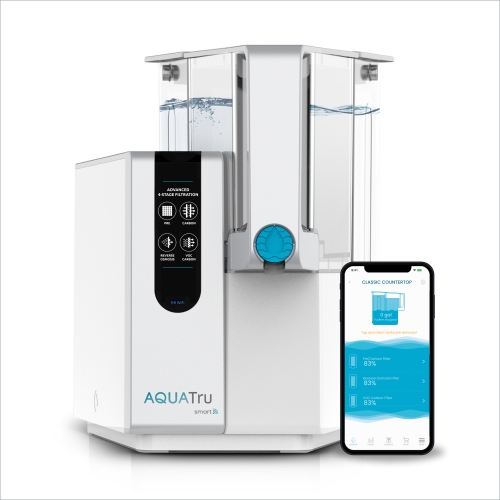 Your price for this item is $744.71
 -
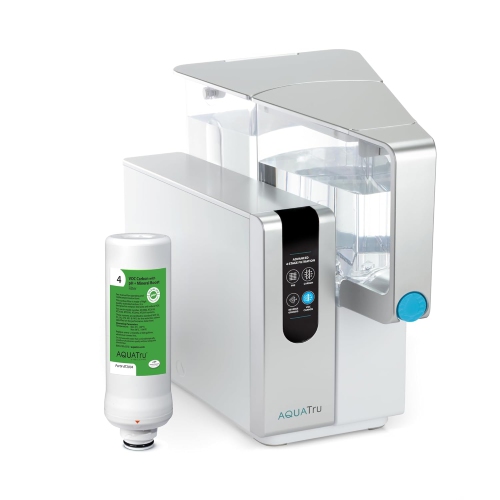 Your price for this item is $684.88
 -
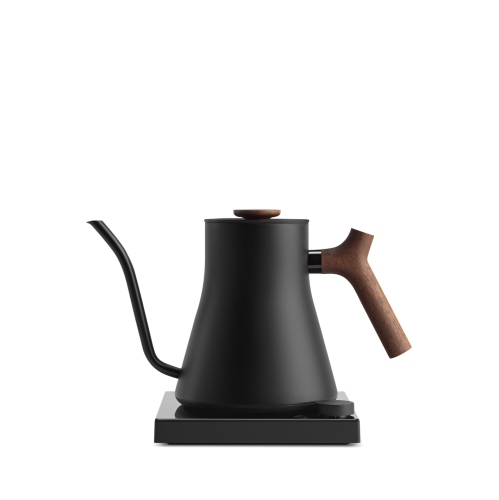 Your price for this item is $325
 -
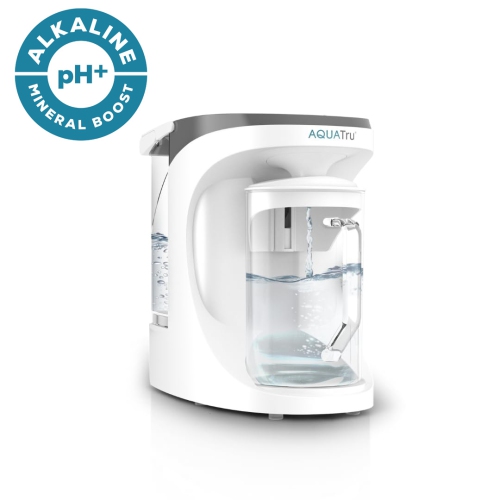 Your price for this item is $543.42
 -
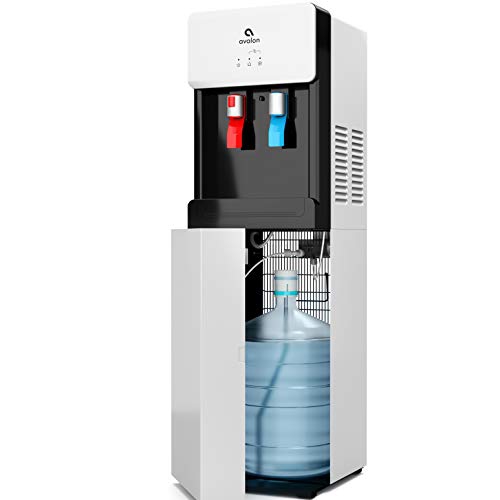 Your price for this item is $550
 -
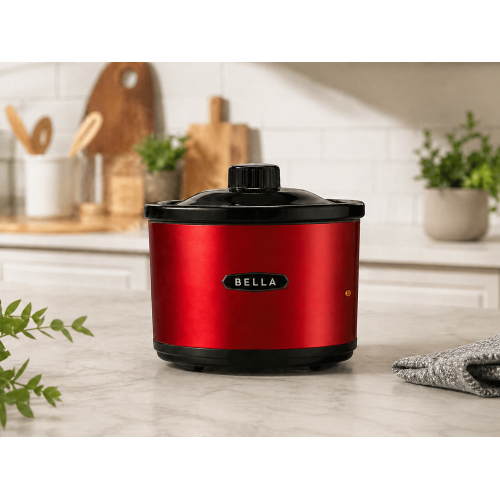 Your price for this item is $69.99
 -
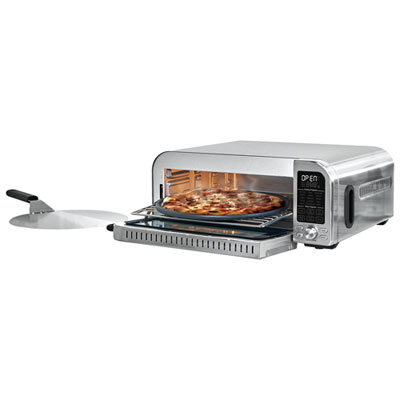 Your price for this item is $449.99
 -
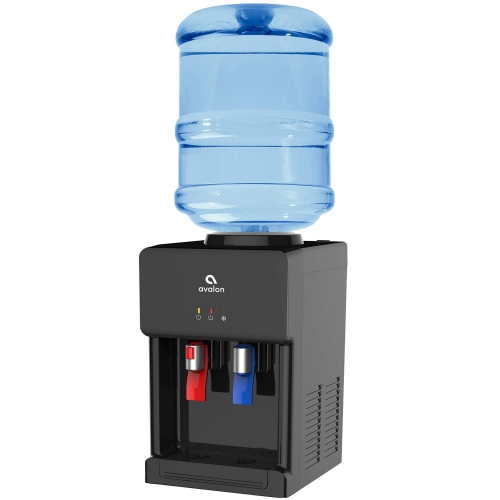 Your price for this item is $245.68
Discover more categories related to Compact Juicers for Celery
Top Collections:
Pokemon Centers, Best Cameras for Sports Photography, Kindle Devices, Samsung Galaxy Phones, Canon G7X Cameras, Pokémon 30th Celebration Cards, Refurbished Apple Laptops, iPhone 15 Apple, Laptops for Students, Budget Smartphones
Some products may be subject to Environmental Handling Fees
(EHF) depending on your province.
Learn more about EHFs.