Compact Stackable Washer Dryers
Upgrade your laundry routine with a Compact Stackable Washer Dryer, designed to fit seamlessly into smaller spaces without compromising on performance. Perfect for apartments, condos, or any home where space is at a premium, these units offer an efficient solution for keeping clothes fresh and clean. Discover a range of options that blend convenience and style, making it easy to find the right Compact Stackable Washer Dryer to suit your needs.
Sort
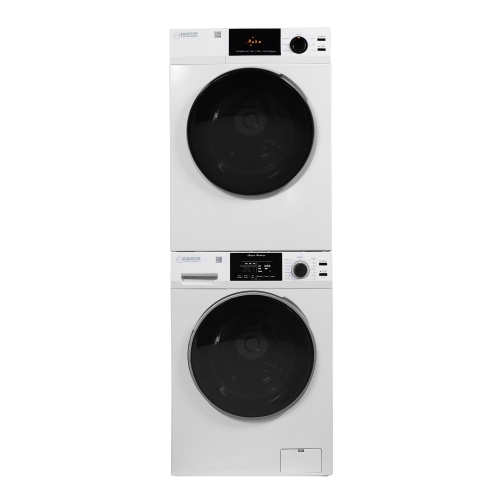
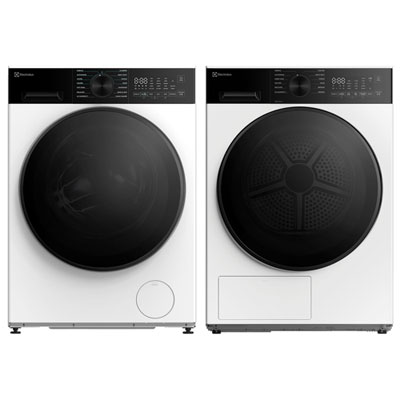
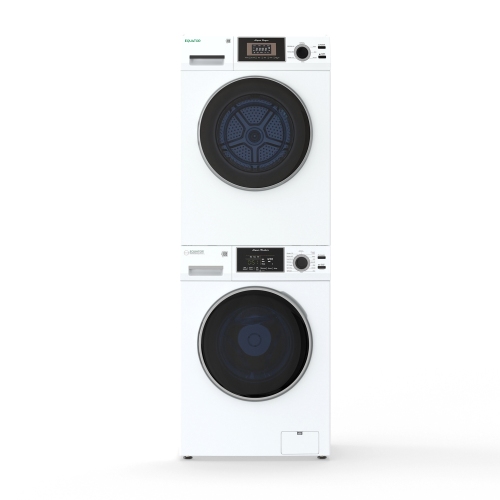
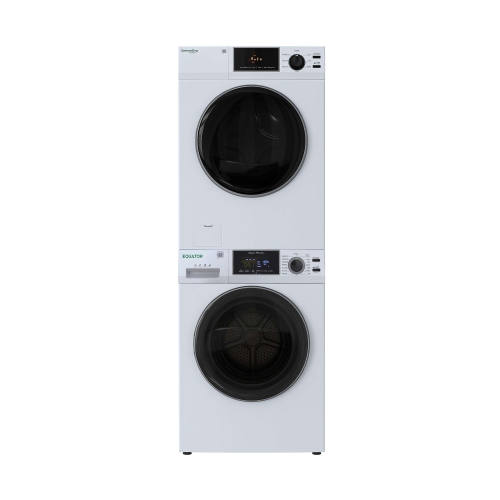
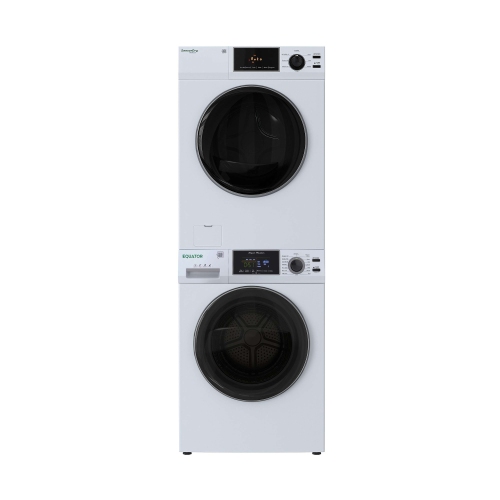
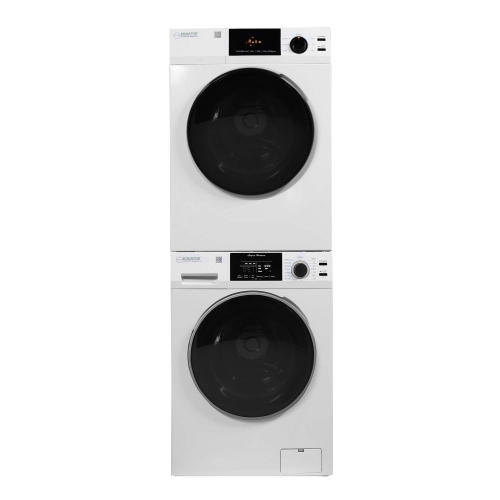

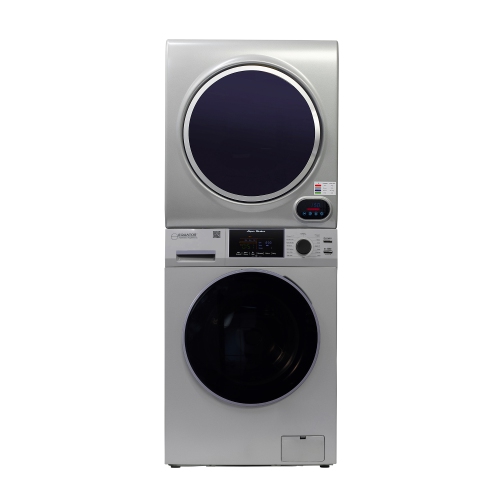
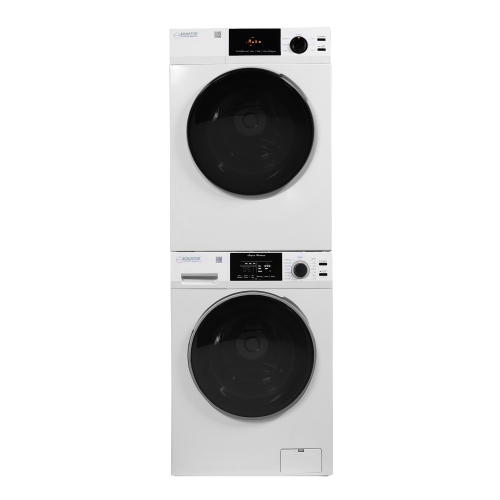
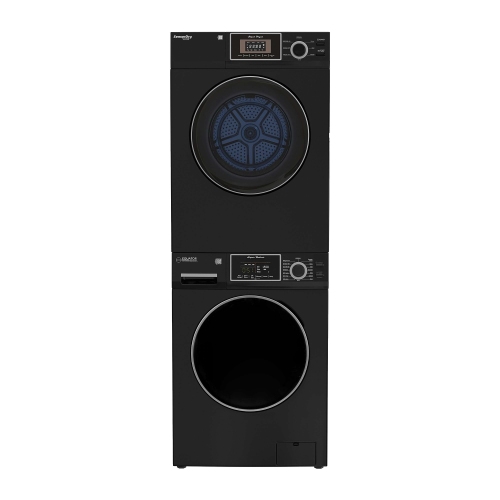

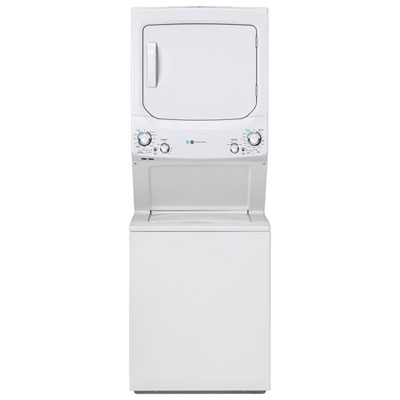
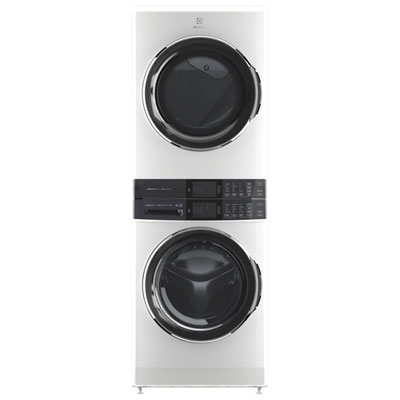
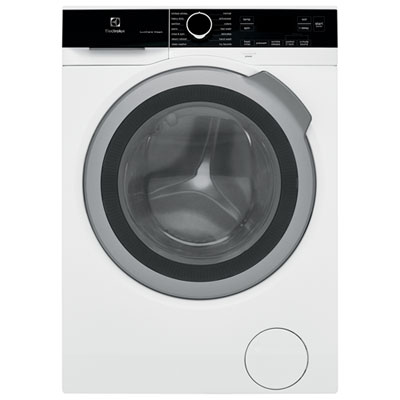
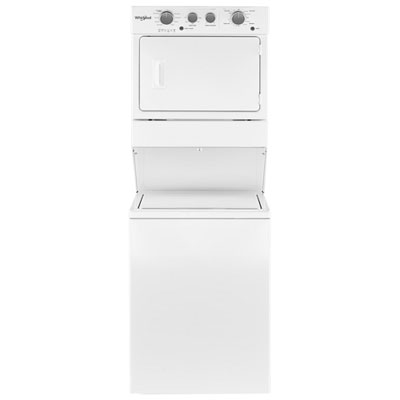
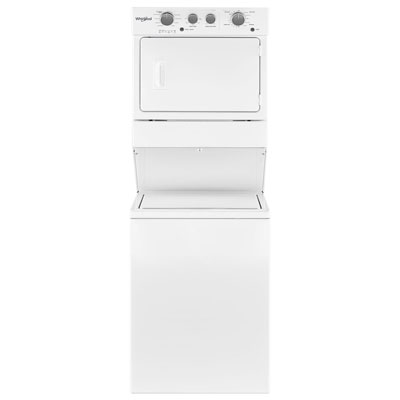

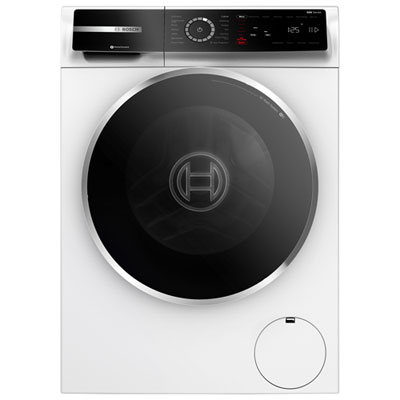
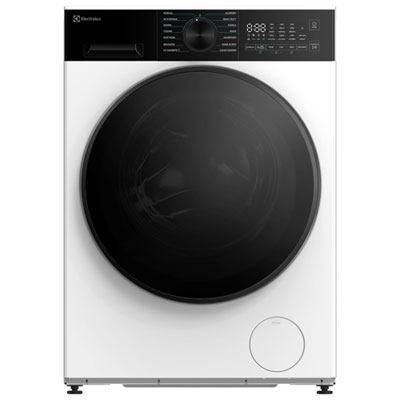
What makes a laundry stack work in tight spaces
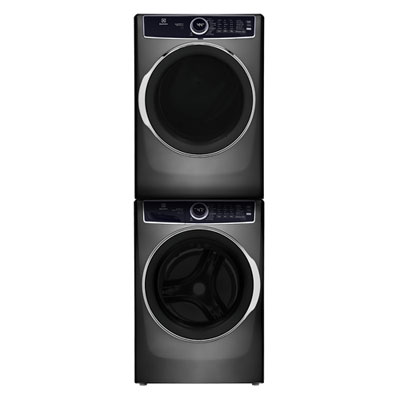
Compact stackable washer dryers are laundry pairs designed to fit a dryer above a washer in a single column. Many compact models are about 24 inches wide, compared with about 27 inches for many full-size models. Those few inches can make room for in-suite laundry in a condo, a closet off an apartment hallway or a utility room where two machines side by side would leave little space to move. A stackable pair typically consists of two separate front-load appliances that can be installed vertically when the manufacturer specifies that the models are compatible. The dryer goes on top, secured with the specified stacking kit. A one-piece laundry centre also puts the dryer above the washer, but the two appliances are built into a single unit. An all-in-one washer dryer washes and dries in the same drum rather than in two stacked machines. When measuring for a stack, start at the narrowest point of the opening and account for baseboards, trim and door tracks. The listed width is only a starting point: allow for the full installed height and depth, including the stacking kit, space for hoses and cords, and the clearances specified for both appliances. A pair can fit neatly behind folding closet doors and still leave too little room to swing the washer door open or pull out the detergent drawer. Check that there’s room to set down a laundry basket without blocking the door, and measure tight turns, stairways and elevator openings along the delivery route. Dryer controls and lint filters can sit higher in a stack than they would in a side-by-side setup, so check their position if several people will use the machines. A reversible dryer door can help when the stack sits close to a wall, but check the washer door swing separately.
The dryer type depends in part on the hookups in the laundry space. A vented dryer sends warm, moist air outdoors through an exhaust duct. A ventless dryer removes moisture without an exterior exhaust duct, which can be useful in an apartment or a closet far from an outside wall. Depending on the design, the collected water flows into a drain or goes into a reservoir that needs to be emptied. A ventless dryer still has requirements for electrical connections and clearances, and a closet installation may require ventilation openings. The washer needs the specified water supply and a suitable drain, and the pair should sit on a level floor that can support both machines. In a condo, confirm the building’s rules on laundry hookups before planning the installation. Compact drums suit the steady stream of shirts, socks and towels in a household that runs smaller loads throughout the week. For a family that tends to do a week’s laundry at once, usable drum space deserves as much attention as cabinet width. Compare washer and dryer capacities separately and think about the bulkiest things that regularly go through the wash. A set of sheets may fit easily, while a thick duvet can fill the drum before it has enough room to tumble. Check the appliance’s load guidance and the fabric care label for bulky bedding, bath mats and similar items. Cycle choices are worth matching to daily habits, too. A delicates cycle is useful for lightweight knits, and a faster washer spin, when the fabric allows it, removes more water before clothes go into the dryer. If two loads often overlap, separate drums let one load dry while the next one washes.
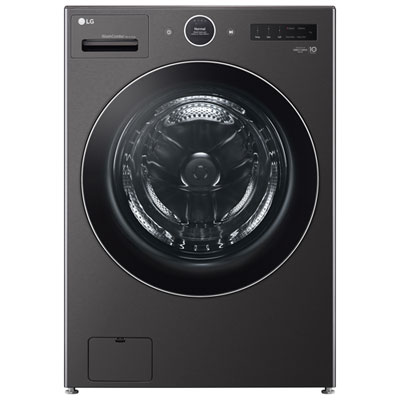
Drum materials and routine care matter in a laundry stack that sees frequent use. A stainless steel drum resists corrosion and has no coating to wear through, while a coated steel drum relies on its finish for protection. Emptying pockets and fastening zippers before washing helps prevent scratches and snags. A front-load washer has a flexible door seal that can collect threads, hair and water in its folds. Wiping the seal and letting the drum air out between loads, when it’s safe to leave the door ajar, can help prevent musty odours. Use the detergent type and amount specified for the washer and the load; extra detergent can leave residue in the drawer or drum instead of getting a small load cleaner. A level installation helps limit movement during the spin cycle, which matters when the machines sit beside a bedroom wall or above another living space. If noise is a concern, consider the sound of the washer spinning and the dryer tumbling, not just the sound of the washer filling. Clean the dryer’s lint filter after each load and follow the manufacturer’s instructions for other filter, duct or condenser care, as applicable. In a narrow closet, check that the parts needing regular attention can be reached without shifting the stack. Even a small detail, such as whether a water reservoir slides straight out at a comfortable height, can make a difference when it needs emptying regularly. For a laundry nook that opens onto a kitchen or living area, the Black Stackable Washer And Dryers collection groups stackable pairs with a darker finish. Black can blend in with dark cabinetry or shelving, but the finish doesn’t indicate a compact width. The installed dimensions, door swing and access to controls matter just as much in an open nook as they do behind closet doors.
Top selling and popular products
-
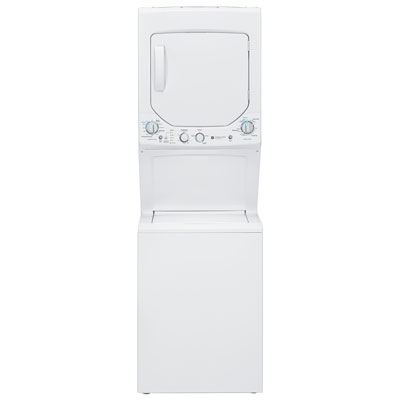 Your price for this item is $1499.99
-
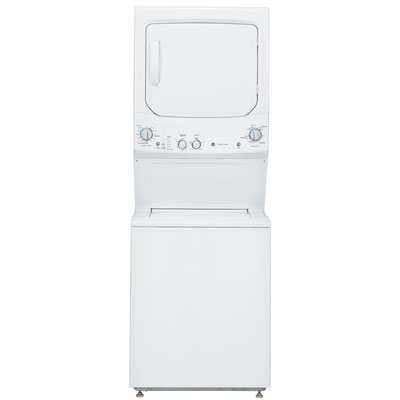 Your price for this item is $1799.99
-
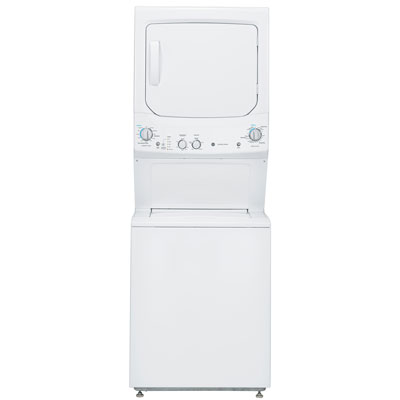 Your price for this item is $1499.99
-
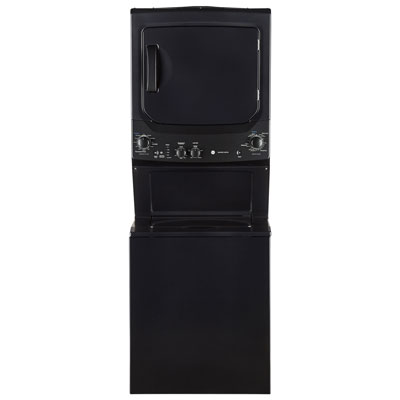 Your price for this item is $1699.99
-
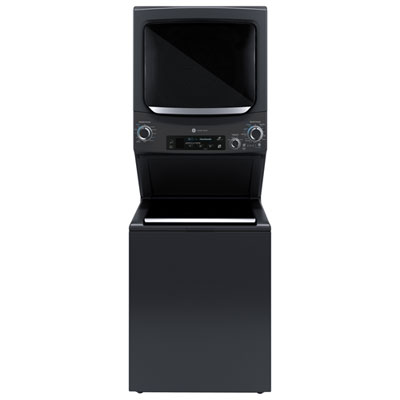 Your price for this item is $1749.99
-
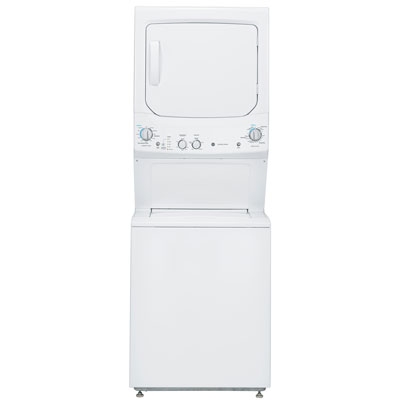 Your price for this item is $1599.99
-
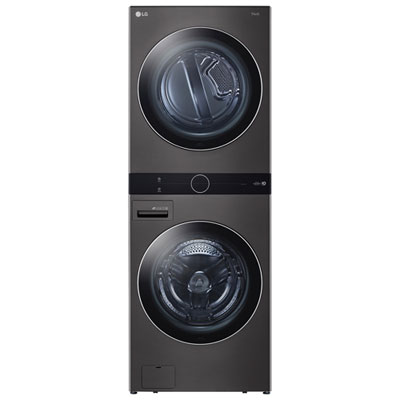 Your price for this item is $2599.99
-
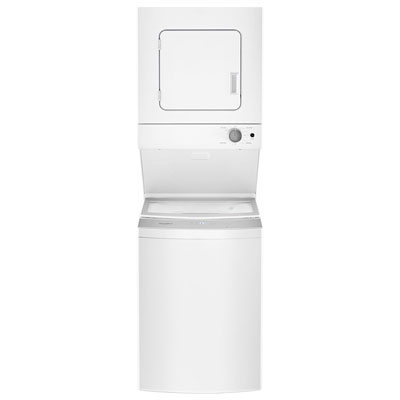 Your price for this item is $1699.99
Discover more categories related to Compact Stackable Washer Dryers
Top Collections:
Best Black Friday Deals This Year, Best Black Friday Deals On Electronics, Kindle Devices, Pokemon Centers, Best Black Friday Deals On Apple Products, Best Cameras for Sports Photography, Dyson Airwrap, Pokémon 30th Celebration Cards, Apple iPhone 17 Pro, Canon G7X Cameras
Some products may be subject to Environmental Handling Fees
(EHF) depending on your province.
Learn more about EHFs.