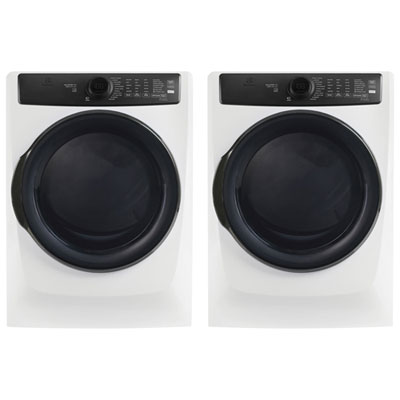
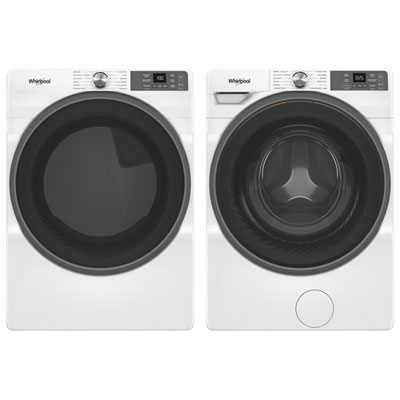
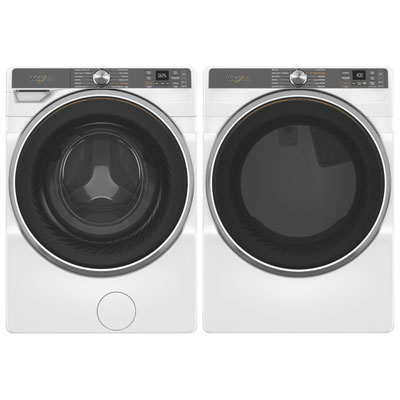
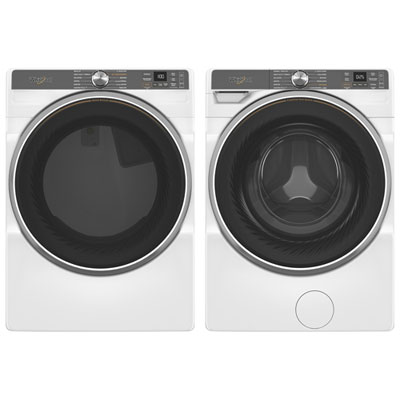
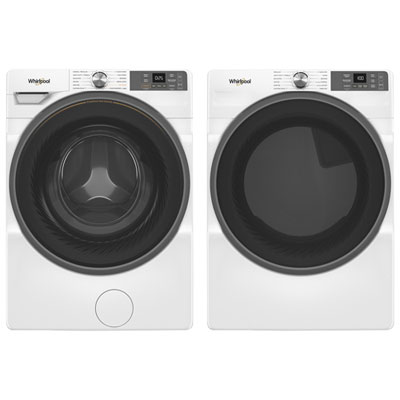
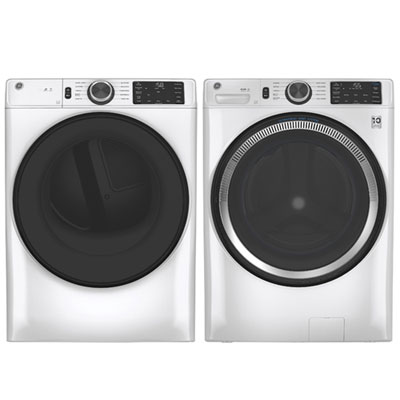
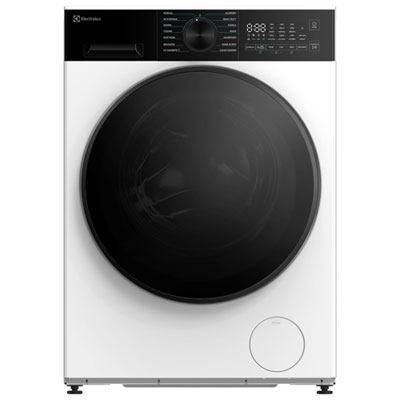
White Stackable Washers And Dryers

Explore white stackable washers and dryers for a coordinated laundry setup that makes use of vertical space. Compare appliance dimensions, load capacity and stacking compatibility to find a washer and dryer that suit your household, and check whether a separate stacking kit is needed.
Sort

Space-saving laundry starts with the right fit

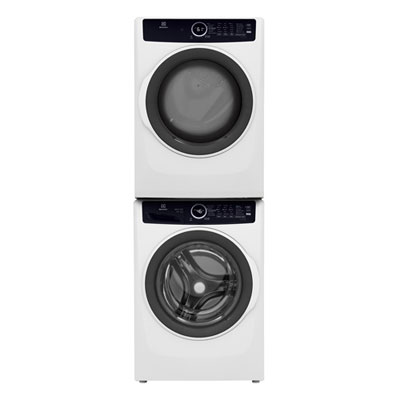
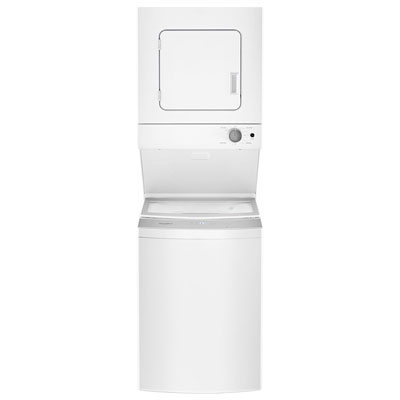
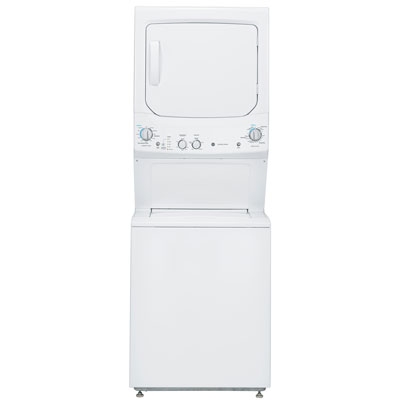
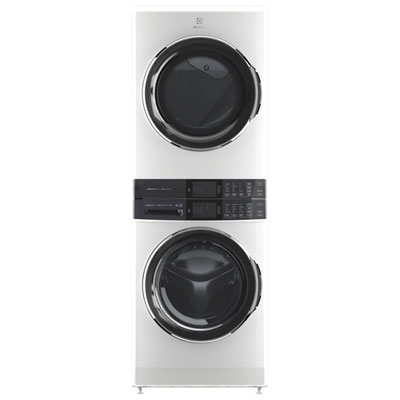
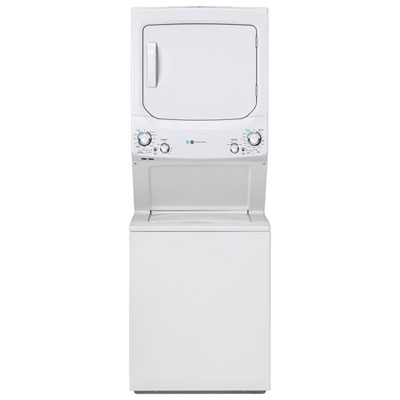
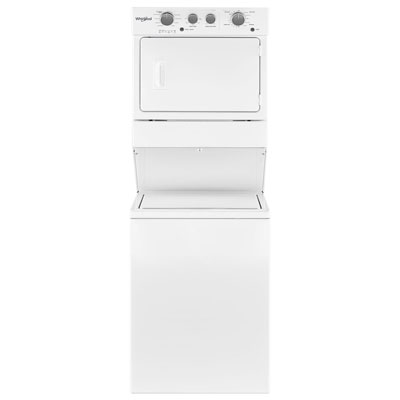
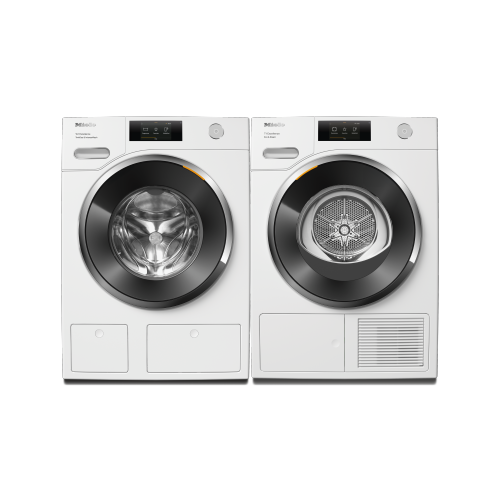
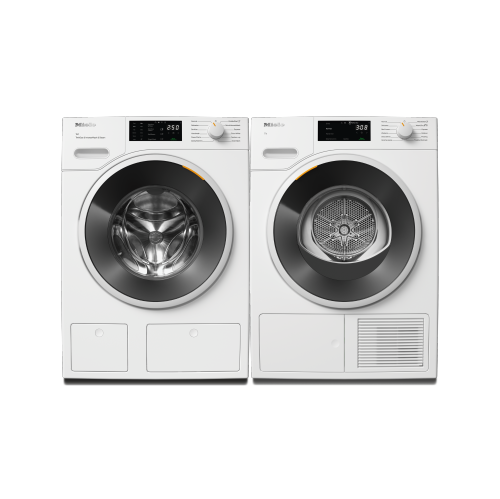
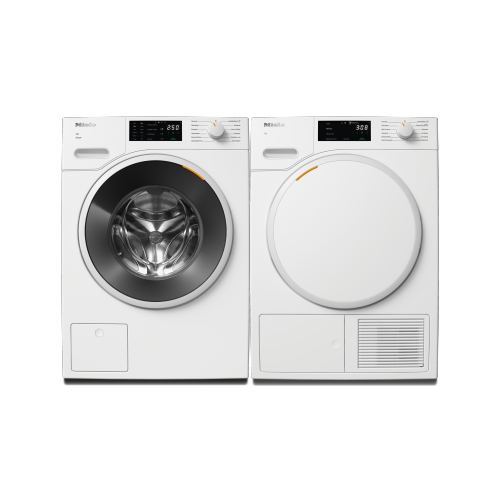
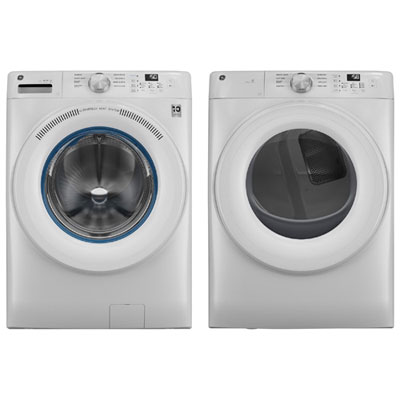
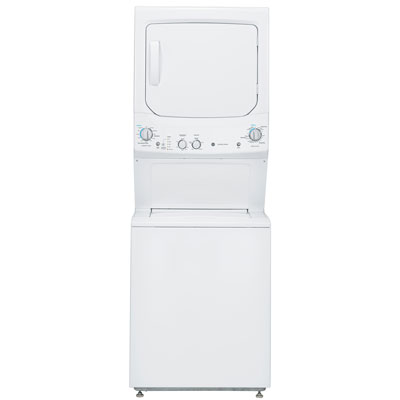
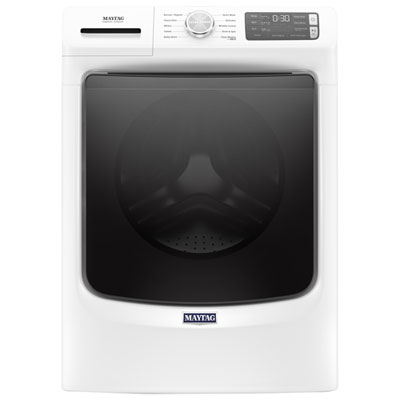
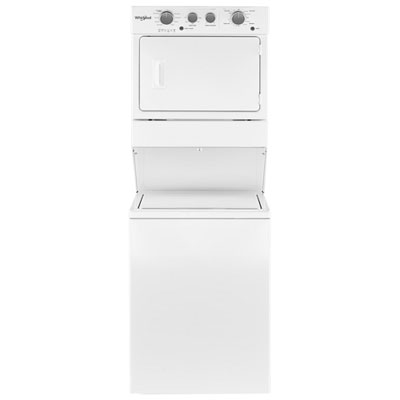
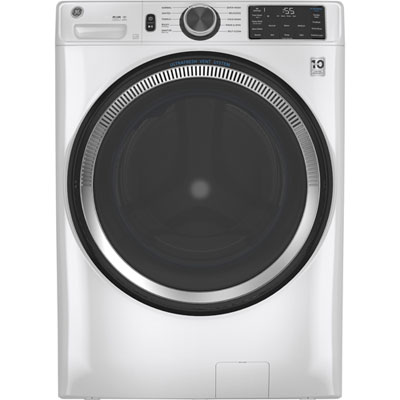
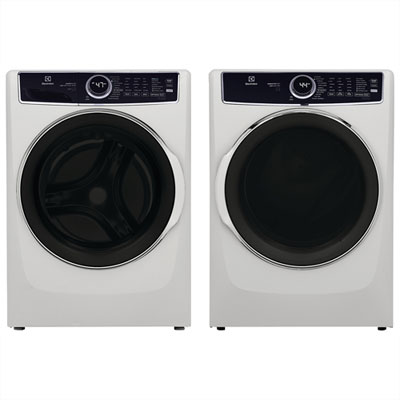
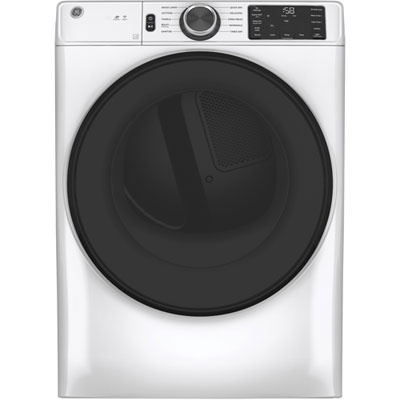
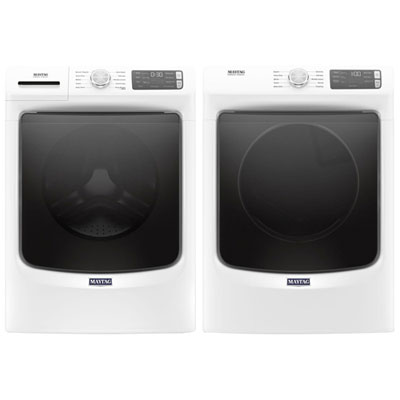
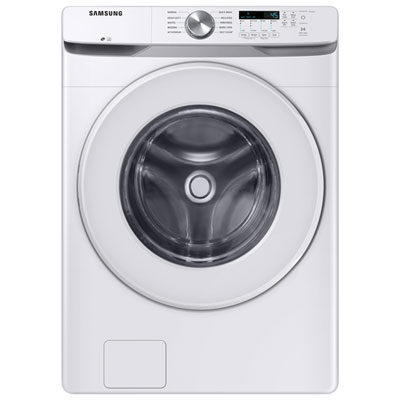
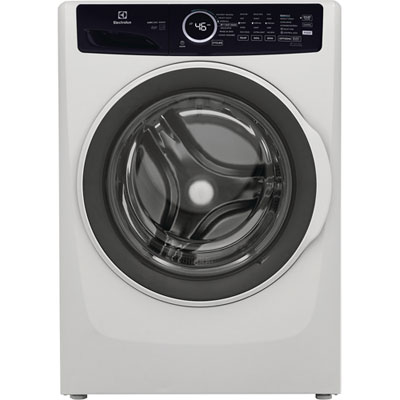
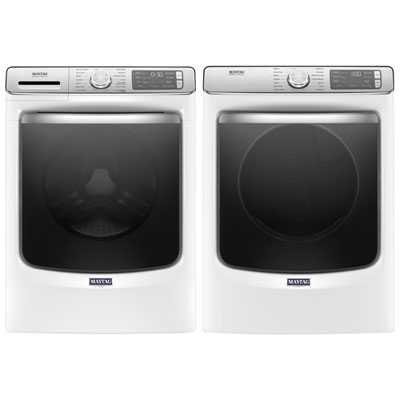
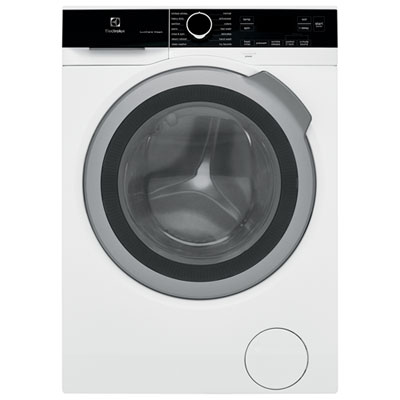
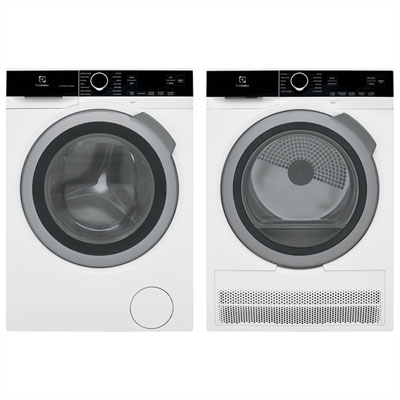
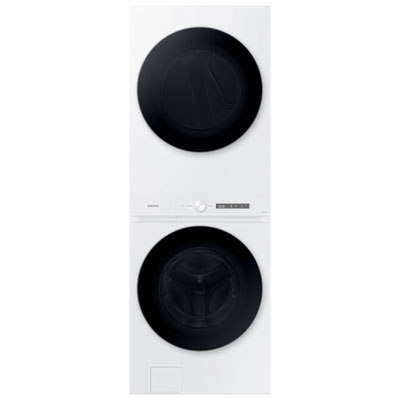
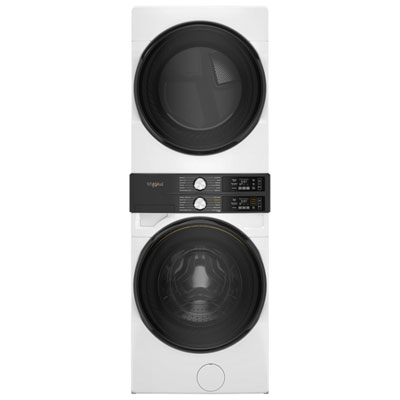
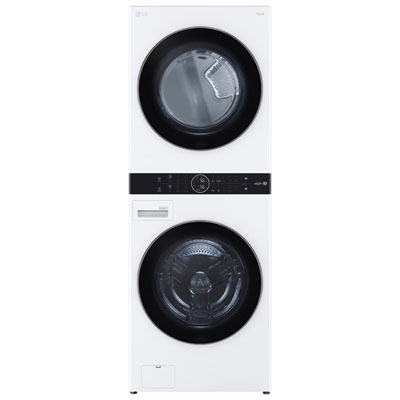
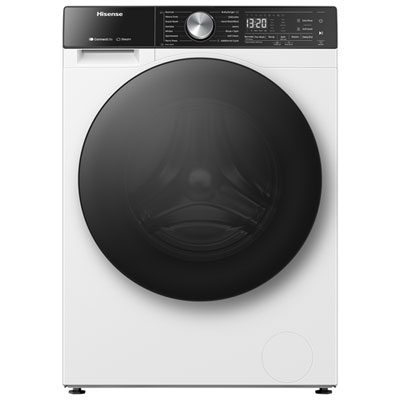
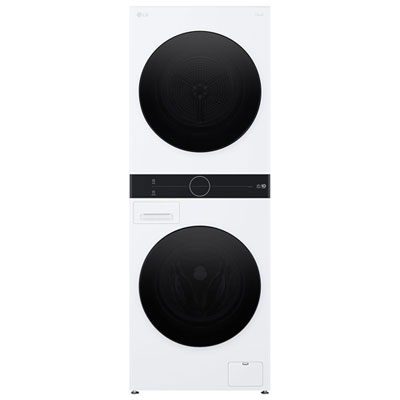
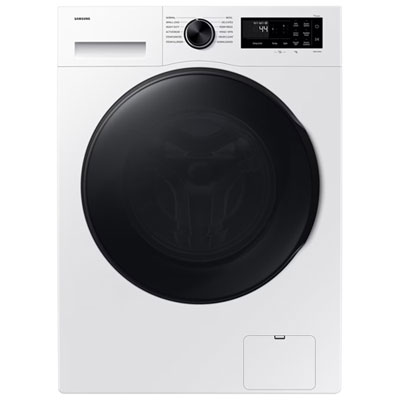
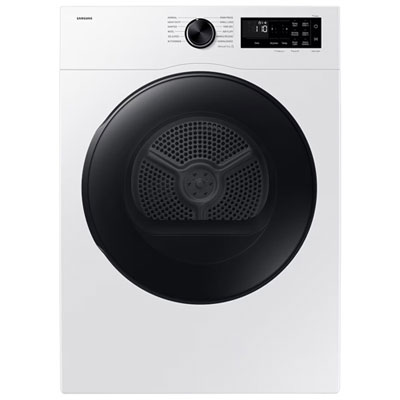
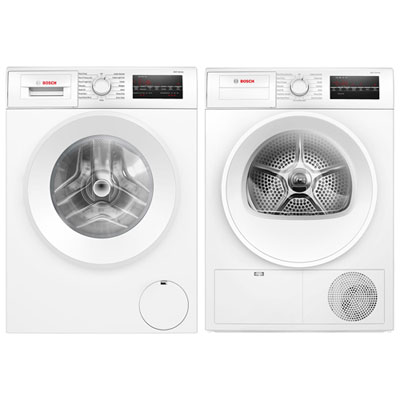
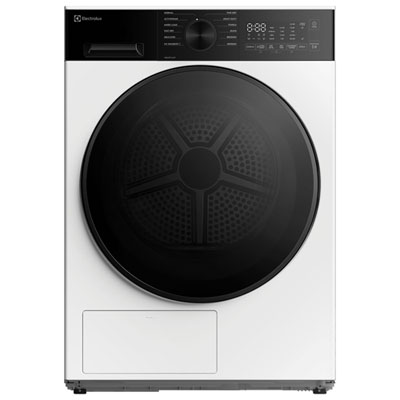
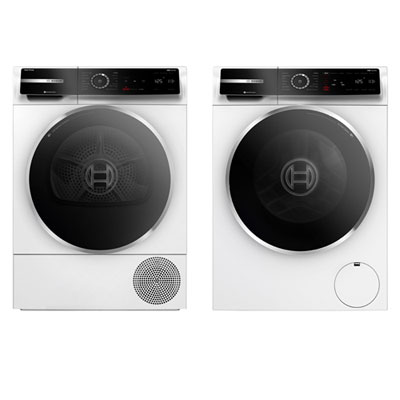
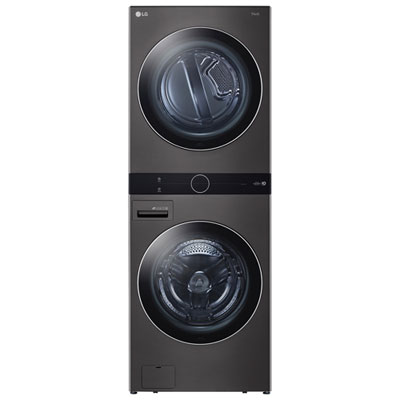
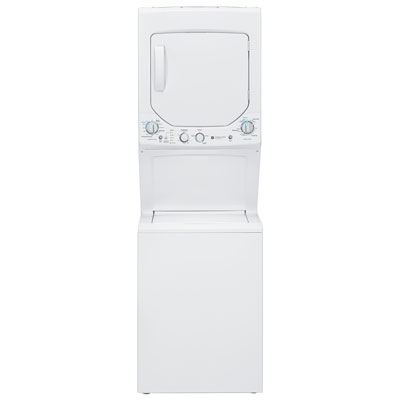
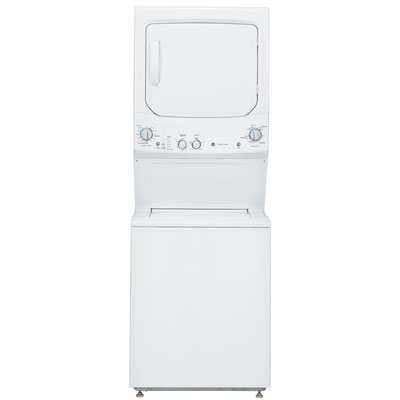
White stackable washers and dryers place a washer and dryer in a vertical arrangement, with the dryer above the washer, to take up less floor space than a side-by-side pair. Two common configurations are separate, compatible appliances joined with an approved stacking kit and unitized laundry centres that hold the washer and dryer within one frame. Separate stackable pairs typically use a front-load washer, while some unitized laundry centres have a top-load washer beneath the dryer. Both configurations are different from a combination washer-dryer, which washes and dries clothing in a single drum. A white finish gives the appliances a clean, understated appearance that works with painted shelving, light cabinetry, tile, and many other laundry-room finishes. For a condo laundry closet, a narrow utility room, or a home where laundry shares space with storage, stacking can leave room beside the appliances for a hamper, cleaning supplies, or a folding surface. Compact appliances can suit smaller spaces, while full-size stackable pairs may offer the drum capacity needed for larger households. Width alone does not establish capacity or fit: appliances with similar footprints can differ in drum size, depth, and required installation space. The most useful capacity depends on what goes into the wash as much as how many people live in the home. A single person washing uniforms several times a week has different needs from a family regularly washing towels, school clothes, and bedding. Larger drums can accommodate bulkier loads when the care label permits machine washing, but laundry still needs room to move freely. Dryer capacity also matters because tightly packed fabrics may dry unevenly and emerge more wrinkled. For households that separate dark clothing, delicate fabrics, and everyday cottons into smaller loads, flexible cycle settings may be just as useful as extra capacity. Choosing between a compact stacked arrangement and a larger pair comes down to balancing the laundry space, typical load size, and access to the controls.
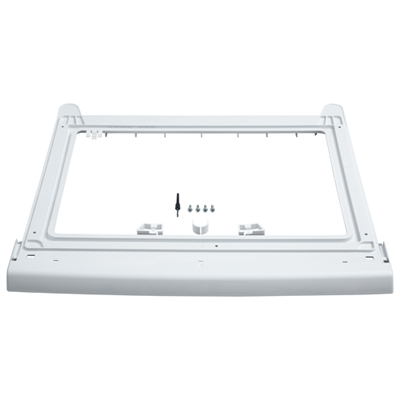
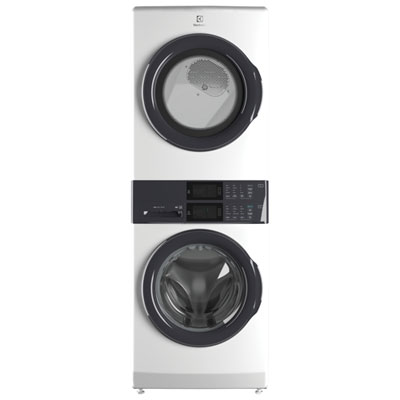
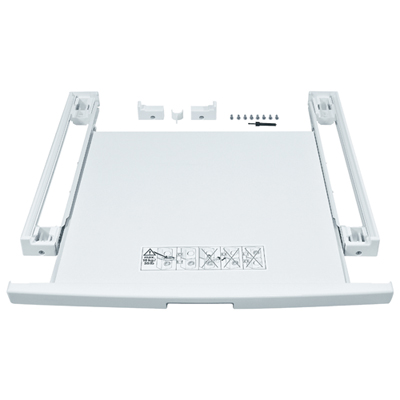
Fit involves more than measuring an empty patch of floor. The complete installed width, depth, and height need to account for the appliances, stacking hardware, hoses, connections, and any clearances specified by the manufacturer. A 24-inch-wide configuration is often associated with compact laundry spaces, while many full-size appliances are approximately 27 inches wide, but exact dimensions vary. Closet doors must close without pressing against the machines or their connections, and open appliance doors need enough clearance for loading a basket of towels or lifting out a heavy blanket. Front-load washer doors may not be reversible, so the hinge position deserves attention when a wall or cabinet sits nearby. The route into the room matters too, including doorways, hallway corners, stairways, and elevator dimensions. For separate appliances, stacking requires a manufacturer-approved kit and an explicitly compatible washer and dryer; matching colour or width does not establish compatibility. The dryer belongs above the washer, and the equipment should be installed and levelled according to its instructions on a suitable floor. Proper levelling helps limit movement, although it cannot correct structural problems or an unsuitable installation surface. Utility requirements also vary. Depending on the dryer type, installation may require an exterior exhaust connection, an appropriate electrical circuit, or a gas supply and qualified gas installation. Ventless dryers do not need a conventional exterior dryer vent, but they still have specific clearance, electrical, and moisture-management requirements. Condensate may drain through a hose or collect in a container that needs emptying, depending on the design and installation. Water supply valves and the drain should remain accessible for servicing. In a closet, any required ventilation openings must stay unobstructed. Control placement is another practical consideration: a stacked dryer’s controls can sit high, while some integrated arrangements place shared controls between the appliances. Checking the installed control height and door openings helps establish whether daily use will feel comfortable, particularly when reaching into the dryer or handling bulky laundry.
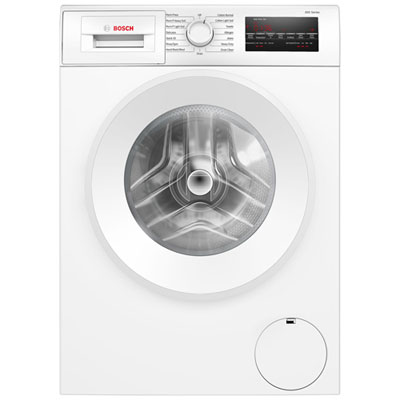
Everyday convenience comes from features that suit the fabrics and routines in the household. Adjustable spin speeds can help balance fabric care with moisture removal, while extra-rinse options may be useful for loads that need more thorough rinsing. Delicate cycles use gentler settings, but the garment care label remains the starting point for choosing a wash or dry program. Moisture-sensing dryer settings can adjust drying time as a load dries, helping reduce unnecessary tumbling; timed drying offers a different level of control for suitable loads. A quick cycle can be useful for a small, lightly soiled load, though it should not be treated as a substitute for the recommended cycle for heavily soiled clothing. Noise is worth considering when the laundry area is close to a bedroom or living room, with attention to both published sound information and installation requirements. Materials and routine care also influence how the appliances hold up. Stainless steel drums are common and resist rust, while other drum finishes require care appropriate to their construction. White exterior finishes should be cleaned with a soft cloth and a cleaner approved for the surface rather than abrasive pads that can scratch it. On front-load washers, wiping moisture from the door gasket and removing trapped lint or small objects helps keep the seal clean. Detergent drawers and accessible filters need cleaning as directed, and high-efficiency washers require the appropriate detergent in the recommended amount. Too much detergent can leave residue rather than improve washing. Dryer lint screens should be cleaned after each load, with exhaust ducts or other lint-management components maintained according to the appliance instructions. Keeping the top and surrounding storage areas free of loose objects also makes the laundry space easier to use and service. For shared laundry rooms, rental buildings, or facilities handling repeated loads throughout the day, Commercial Stackable Washer And Dryers may be a more suitable category to consider, with intended duty, installation requirements, and service needs assessed separately from those of residential appliances. For home use, compatible equipment, comfortable access, and straightforward maintenance make a white stacked laundry arrangement practical well beyond its space-saving footprint.

FAQ

Some products may be subject to Environmental Handling Fees (EHF) depending on your province. Learn more about EHFs.