Commercial Stackable Washer And Dryers
Looking to upgrade your laundry setup? Look no further than our selection of commercial stackable washer and dryer units. Designed for efficiency and convenience, these powerful machines are perfect for businesses, multi-unit residences, or anyone looking to maximize their laundry capabilities. With their space-saving design and advanced features, our commercial stackable washer and dryer options will revolutionize the way you do laundry. Say goodbye to endless piles of clothes and hello to a more streamlined laundry routine. Explore our range of commercial stackable washer and dryer units today and discover the perfect solution for your laundry needs.
Sort
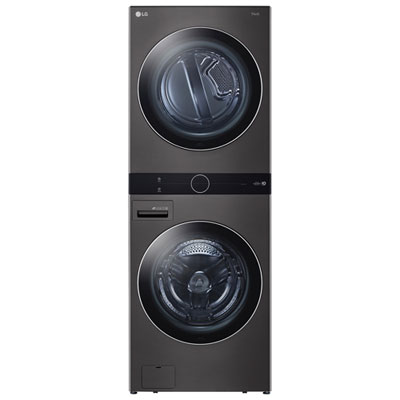
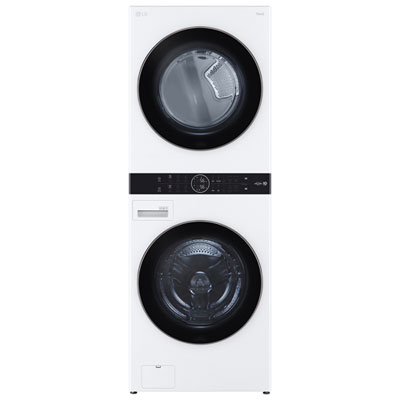
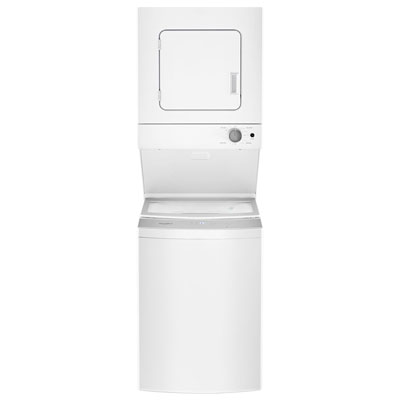
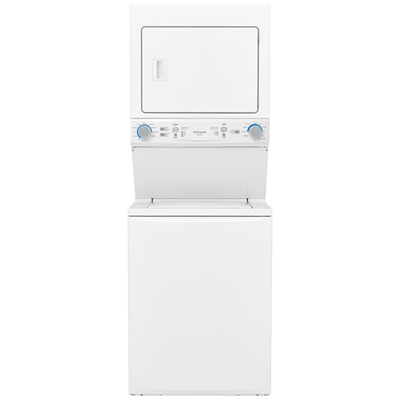
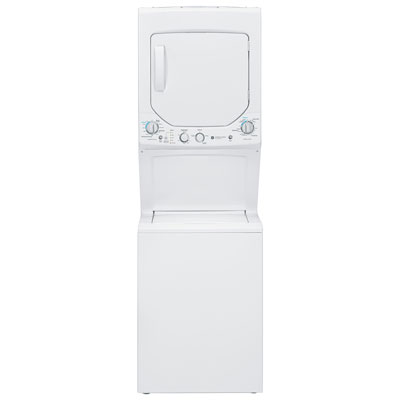
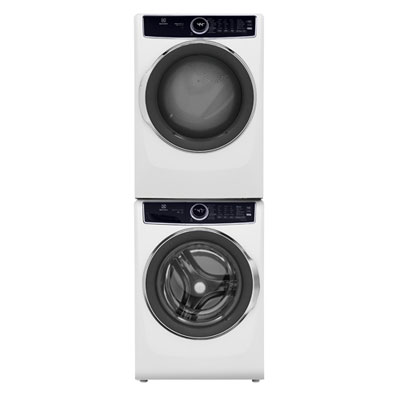
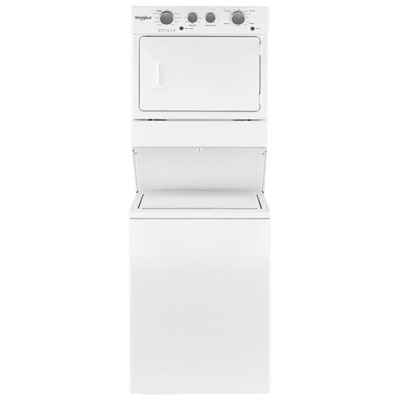
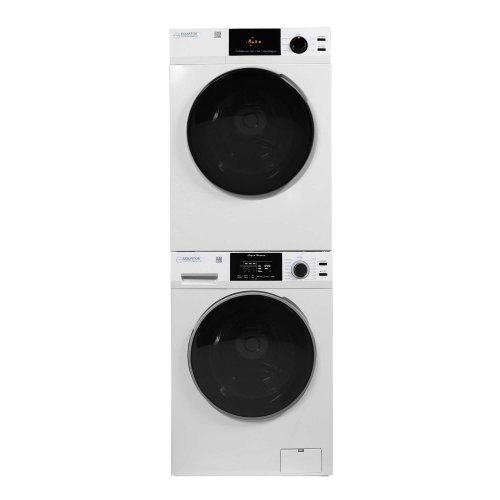
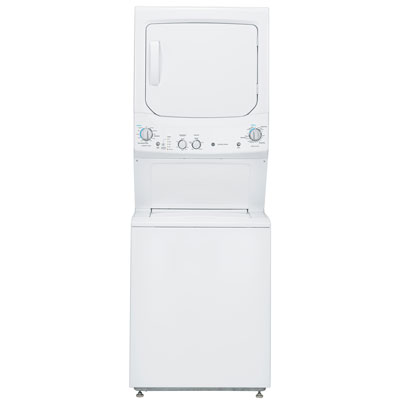
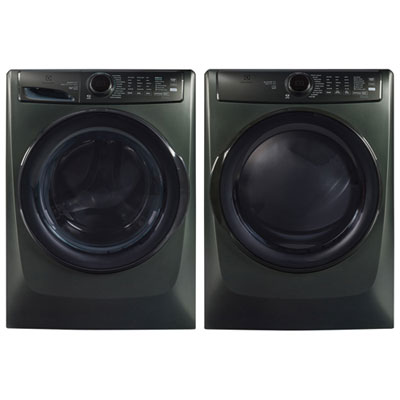
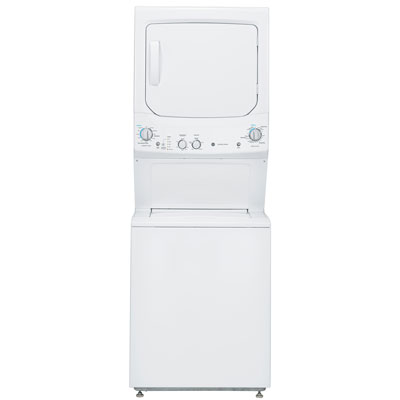
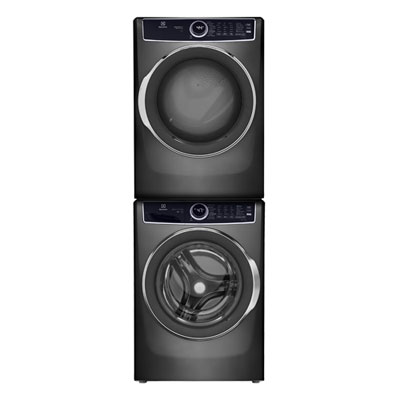
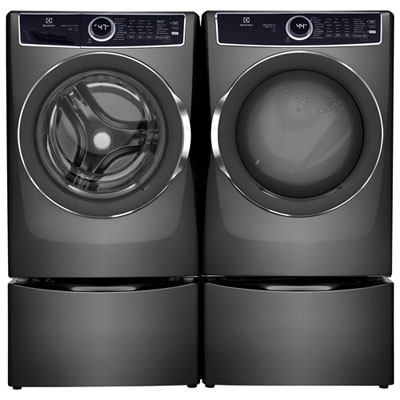
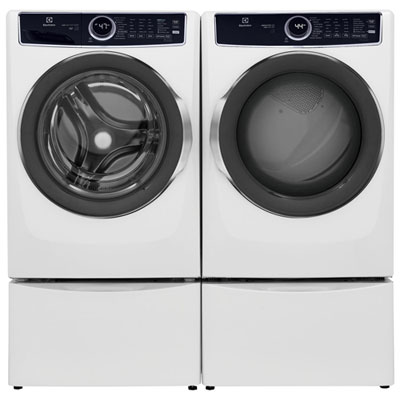
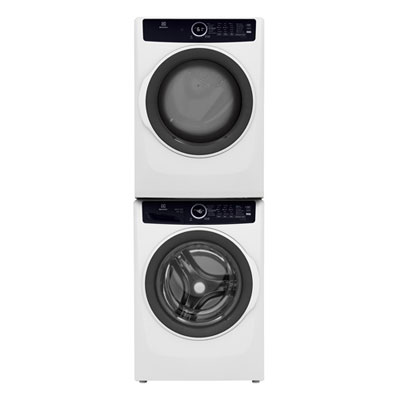
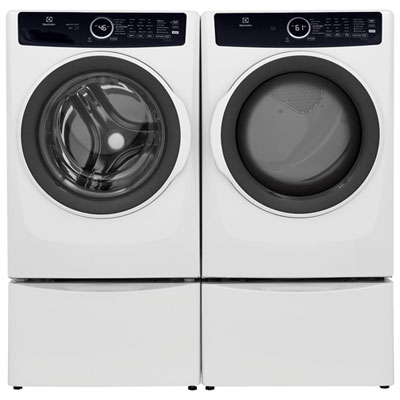
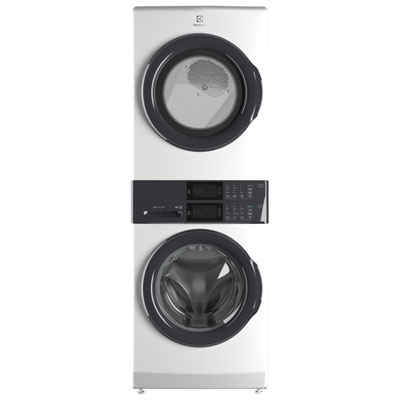
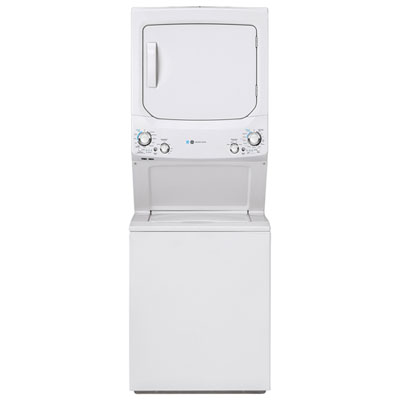
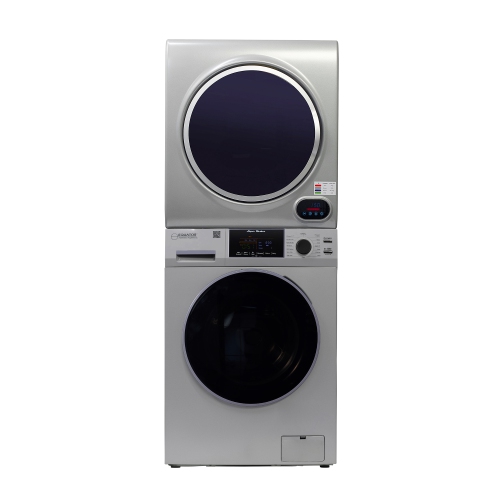

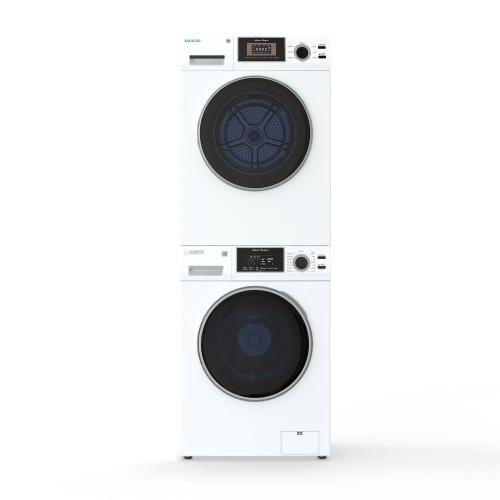
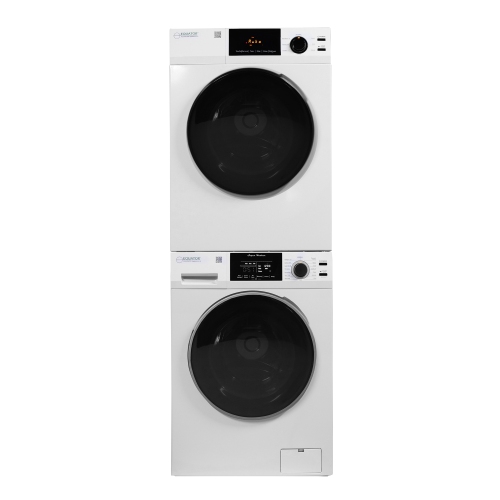
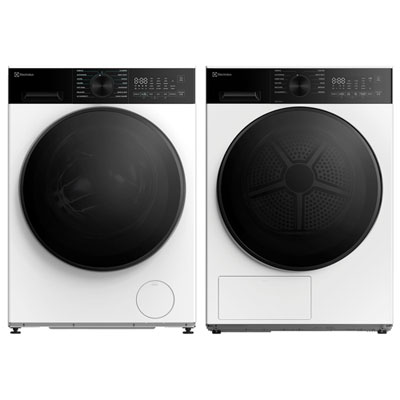
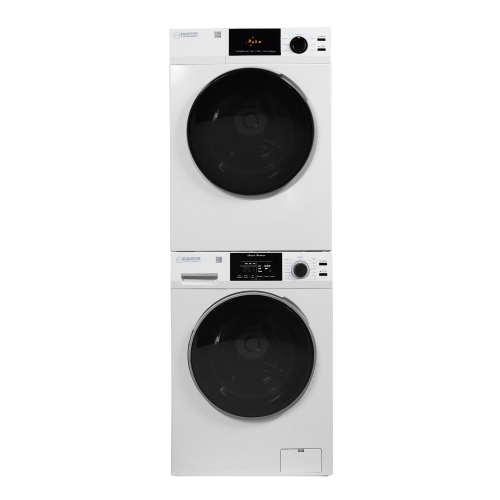
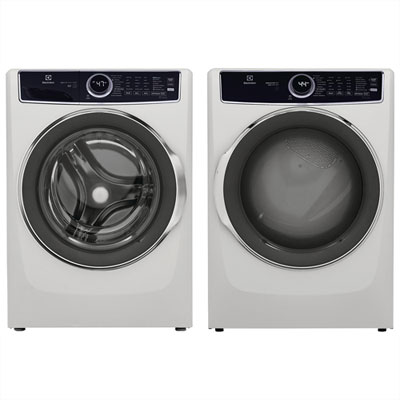
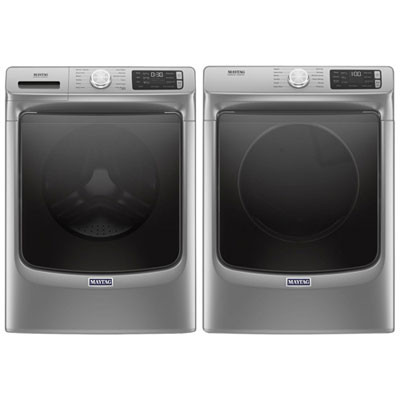
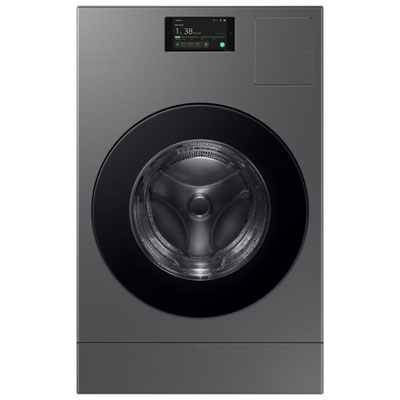
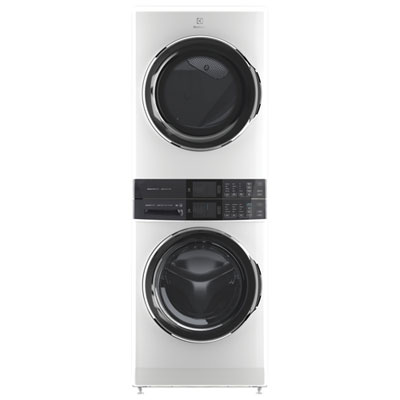
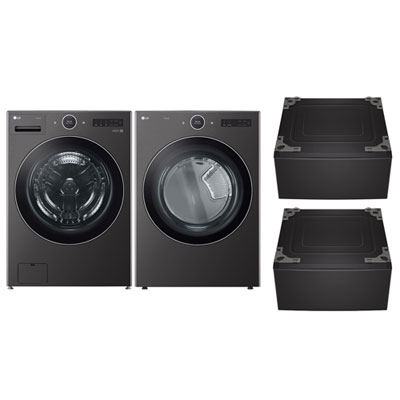
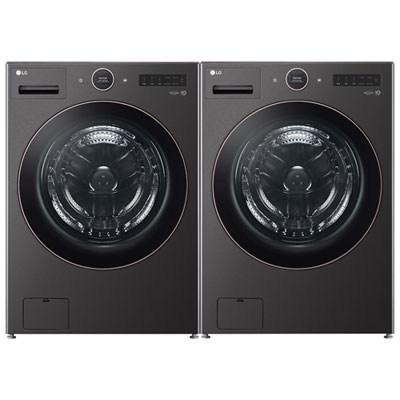
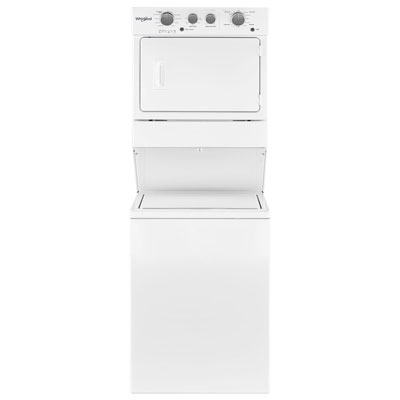

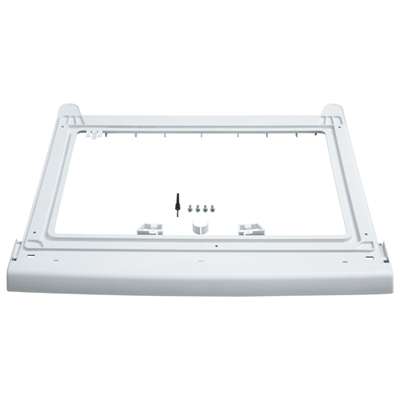
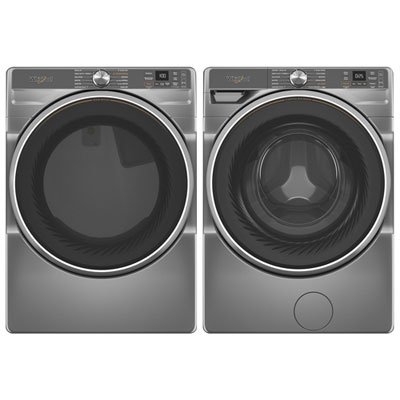
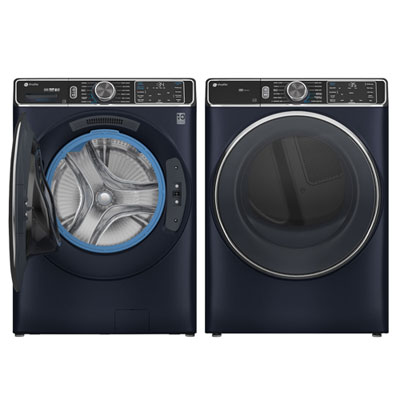
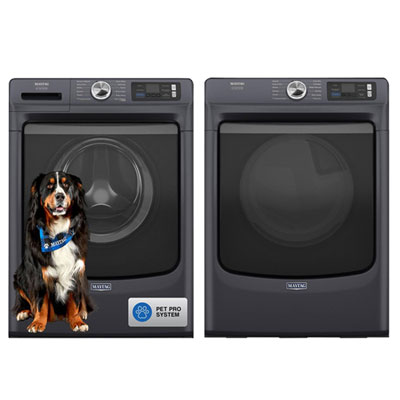
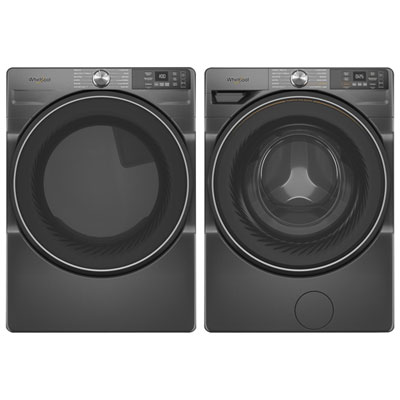
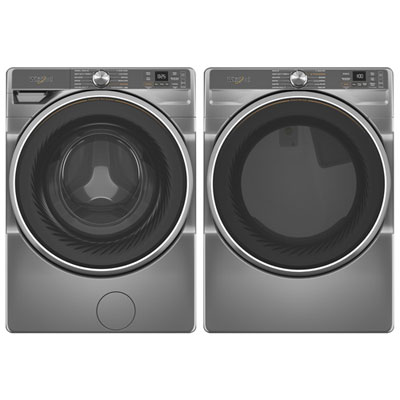
More floor space for busy shared laundry rooms
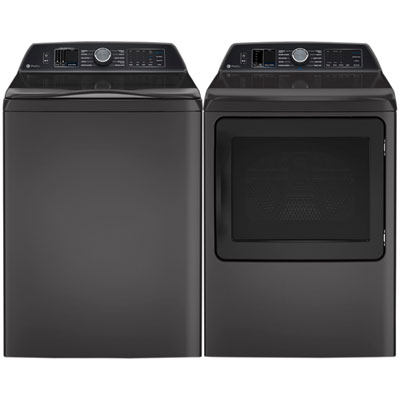
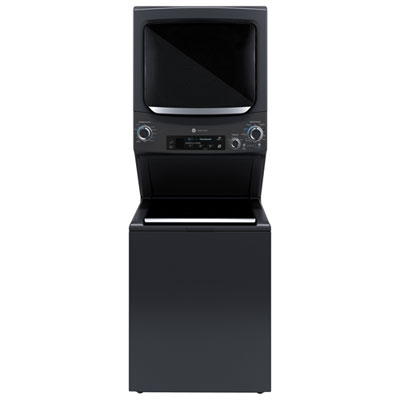
Commercial stackable washers and dryers bring washing and drying into a vertical layout, helping businesses and shared laundry facilities make practical use of limited floor space. A typical configuration places a front-load washer beneath a tumble dryer, providing two separate drums within roughly the footprint of one appliance, although dimensions and installation clearances vary. This arrangement can leave more room for folding counters, laundry carts, shelving, and a clear path through the room. It suits settings such as apartment buildings, laundromats, small hotels, fitness centres, salons, and staff laundry areas, where loads arrive throughout the day rather than following a single household’s routine. In a salon, that might mean a steady rotation of towels and washable capes; in a rental building, it could mean residents washing everything from everyday clothing to bed linens. Commercial construction is intended to support repeated use, but the designation does not mean every machine has the same workload rating, controls, or installation requirements. Purpose-built commercial laundry equipment, light-commercial appliances, and residential stackable pairs serve different needs, so the manufacturer’s stated application and warranty terms are important distinctions. A factory-designed stacked laundry unit also differs from two separate appliances joined with an approved stacking kit. Both use vertical space, but their installation, servicing, and replacement requirements can differ. In either arrangement, the washer and dryer must be designed for the specified setup; similar widths alone do not establish compatibility. For a business handling frequent loads, the appeal extends beyond fitting more equipment into a room. Separate wash and dry drums can support an overlapping workflow when the configuration permits independent operation, allowing one load to wash while another dries. That makes a stacked washer and dryer different from an all-in-one washer-dryer, which washes and dries in the same drum. The distinction matters wherever clean towels, uniforms, or linens need to move steadily from collection to storage without tying up the entire laundry process.
Capacity, cycle selection, and fabric care shape how well commercial stacked laundry equipment fits its intended workload. Washer and dryer capacities are not directly interchangeable: drying needs space for fabrics to lift, separate, and tumble, so a dryer drum is commonly larger than its paired washer drum. Drum volume, often expressed in cubic feet, is only part of the picture; any stated load-weight limits and the types of textiles being processed also matter. A basket of lightweight uniforms behaves differently from the same volume of thick cotton towels, and bulky bedding may need more usable drum space than its weight suggests. Crowded loads can wash unevenly, retain detergent, or take longer to dry, making a well-matched pair more useful than a large capacity figure on its own. Higher washer extraction speeds can remove more water before drying, though the result depends on the selected cycle, load balance, and fabric. Adjustable water levels, wash settings, rinse options, and dryer controls provide flexibility where different materials share the same machines. Care labels still govern suitable treatment, particularly for elastic, printed workwear, delicate fabrics, and items with protective finishes. Stainless steel wash drums are common because they resist corrosion and provide a smooth surface for contact with fabrics. Cabinet finishes, door hinges, seals, suspension components, and accessible lint screens also deserve attention in a room where doors open repeatedly and carts pass close to the machines. Durability depends on appropriate loading and routine upkeep as well as construction. Detergent should match the appliance’s requirements, including high-efficiency formulations where specified, and accurate dosing helps limit excess suds and residue. Door seals, detergent dispensers, and lint screens need cleaning at the intervals set out by the manufacturer. Clear operating instructions can be especially useful in shared facilities, where users have different levels of familiarity with front-load washers. For businesses with hygiene requirements, a hot wash or a cycle labelled for sanitizing should not be assumed to replace a validated laundering process; the equipment’s documented capabilities must match the application.
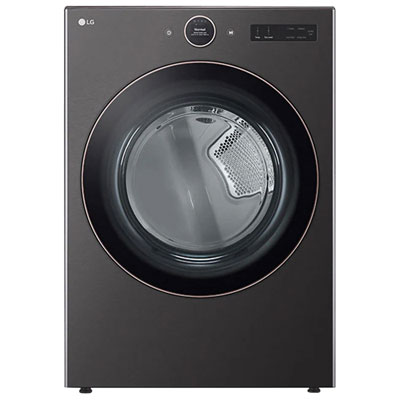
The fit of a commercial stackable washer and dryer includes the surrounding space and building services, not just the width of the cabinet. Overall height, door swing, hose connections, duct routing, and access for maintenance all affect the finished layout. A compact equipment footprint offers little benefit if an open door blocks a walkway or a laundry cart cannot pass the folding area. Control placement is equally important: a high dryer opening or control panel may be difficult for some users to reach, particularly in a shared room intended for broad access. Separate side-by-side equipment may be more suitable where reach or clearance requirements cannot be met by a stacked configuration. Water supply, drainage capacity, electrical service, and any gas connection must match the exact equipment specifications rather than assumptions based on a previous appliance. An electric dryer may require a dedicated circuit with a particular voltage and amperage, while a gas dryer needs the correct fuel connection as well as its specified electrical supply. Vented dryers require an approved exhaust route, appropriate ducting, and any specified make-up air provisions. Duct length, bends, and lint accumulation can affect drying performance, so professional installation and ongoing exhaust maintenance are part of reliable operation. A sound, level supporting floor also helps manage vibration during extraction. In multi-user settings, controls may be configured for coin payment, card payment, cashless operation, or use without payment, depending on the equipment and compatible systems. Straightforward cycle labels and visible status indicators help residents or staff understand when a machine is ready, while service access matters to whoever maintains it. Household laundry needs are a separate consideration; LG stackable washers and dryers provide a related browsing category, with intended use and warranty coverage still requiring confirmation for any business application. For commercial spaces, the most practical configuration balances throughput, fabric care, user access, and service requirements, keeping the focus on the daily work the laundry room needs to handle.
Capacity, cycle selection, and fabric care shape how well commercial stacked laundry equipment fits its intended workload. Washer and dryer capacities are not directly interchangeable: drying needs space for fabrics to lift, separate, and tumble, so a dryer drum is commonly larger than its paired washer drum. Drum volume, often expressed in cubic feet, is only part of the picture; any stated load-weight limits and the types of textiles being processed also matter. A basket of lightweight uniforms behaves differently from the same volume of thick cotton towels, and bulky bedding may need more usable drum space than its weight suggests. Crowded loads can wash unevenly, retain detergent, or take longer to dry, making a well-matched pair more useful than a large capacity figure on its own. Higher washer extraction speeds can remove more water before drying, though the result depends on the selected cycle, load balance, and fabric. Adjustable water levels, wash settings, rinse options, and dryer controls provide flexibility where different materials share the same machines. Care labels still govern suitable treatment, particularly for elastic, printed workwear, delicate fabrics, and items with protective finishes. Stainless steel wash drums are common because they resist corrosion and provide a smooth surface for contact with fabrics. Cabinet finishes, door hinges, seals, suspension components, and accessible lint screens also deserve attention in a room where doors open repeatedly and carts pass close to the machines. Durability depends on appropriate loading and routine upkeep as well as construction. Detergent should match the appliance’s requirements, including high-efficiency formulations where specified, and accurate dosing helps limit excess suds and residue. Door seals, detergent dispensers, and lint screens need cleaning at the intervals set out by the manufacturer. Clear operating instructions can be especially useful in shared facilities, where users have different levels of familiarity with front-load washers. For businesses with hygiene requirements, a hot wash or a cycle labelled for sanitizing should not be assumed to replace a validated laundering process; the equipment’s documented capabilities must match the application.
The fit of a commercial stackable washer and dryer includes the surrounding space and building services, not just the width of the cabinet. Overall height, door swing, hose connections, duct routing, and access for maintenance all affect the finished layout. A compact equipment footprint offers little benefit if an open door blocks a walkway or a laundry cart cannot pass the folding area. Control placement is equally important: a high dryer opening or control panel may be difficult for some users to reach, particularly in a shared room intended for broad access. Separate side-by-side equipment may be more suitable where reach or clearance requirements cannot be met by a stacked configuration. Water supply, drainage capacity, electrical service, and any gas connection must match the exact equipment specifications rather than assumptions based on a previous appliance. An electric dryer may require a dedicated circuit with a particular voltage and amperage, while a gas dryer needs the correct fuel connection as well as its specified electrical supply. Vented dryers require an approved exhaust route, appropriate ducting, and any specified make-up air provisions. Duct length, bends, and lint accumulation can affect drying performance, so professional installation and ongoing exhaust maintenance are part of reliable operation. A sound, level supporting floor also helps manage vibration during extraction. In multi-user settings, controls may be configured for coin payment, card payment, cashless operation, or use without payment, depending on the equipment and compatible systems. Straightforward cycle labels and visible status indicators help residents or staff understand when a machine is ready, while service access matters to whoever maintains it. Household laundry needs are a separate consideration; LG stackable washers and dryers provide a related browsing category, with intended use and warranty coverage still requiring confirmation for any business application. For commercial spaces, the most practical configuration balances throughput, fabric care, user access, and service requirements, keeping the focus on the daily work the laundry room needs to handle.
Top selling and popular products
-
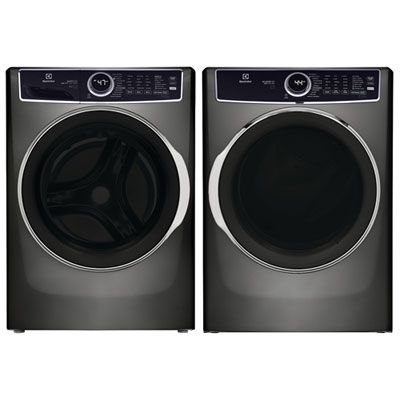 Your price for this item is $2359.98
 -
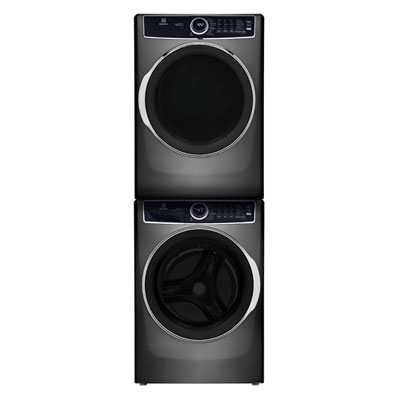 Your price for this item is $2407.97
 -
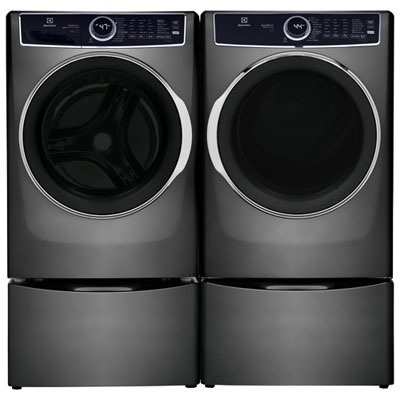 Your price for this item is $2659.96
 -
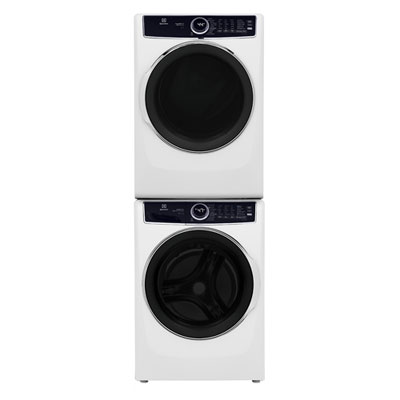 Your price for this item is $2547.97
 -
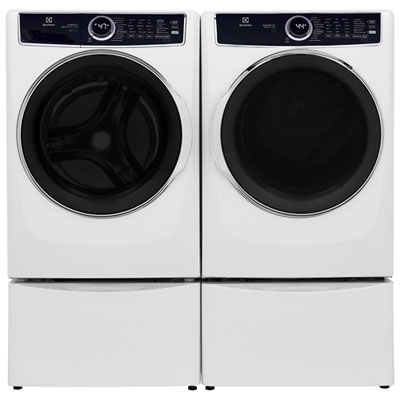 Your price for this item is $2799.96
 -
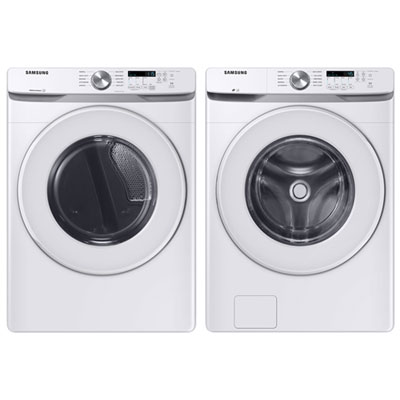 Your price for this item is $1891.98
 -
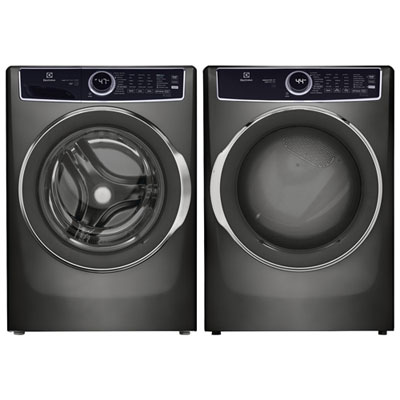 Your price for this item is $2342.98
 -
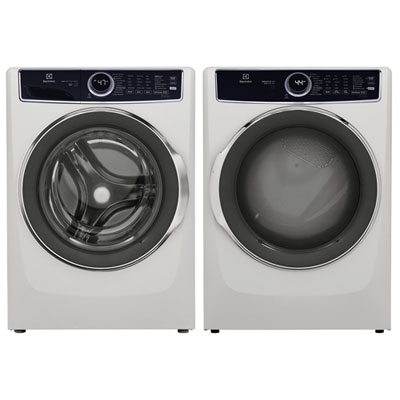 Your price for this item is $2149.98
Discover more categories related to Commercial Stackable Washer And Dryers
Top Collections:
Pokemon Centers, Kindle Devices, Best Budget Office Chairs, Apple iPhones 16, Best Laptops for Writers, iPhone 15 Apple, Canon G7X Cameras, Refurbished Apple Laptops, Alarm Clock, Motorola Razr Phones
Some products may be subject to Environmental Handling Fees
(EHF) depending on your province.
Learn more about EHFs.