Compact Washing Machines
Looking to save space in your laundry room without compromising on performance? Our collection of compact washing machines offers the perfect solution for those seeking efficient and convenient laundry care in a smaller package. These innovative appliances are designed to deliver powerful cleaning capabilities while taking up minimal floor space, making them ideal for apartments, condos, and other compact living spaces. With various features and capacities to choose from, finding the right compact washing machine to suit your needs has never been easier.
Sort
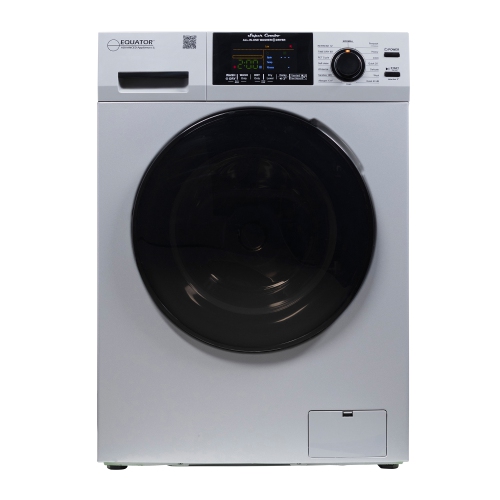
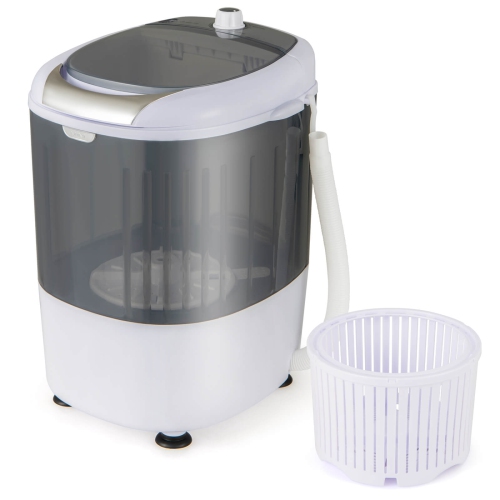
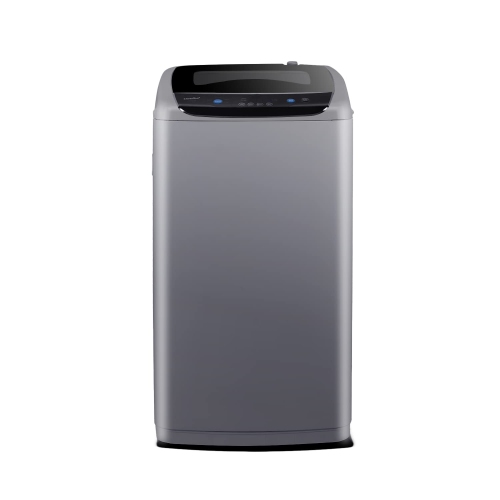
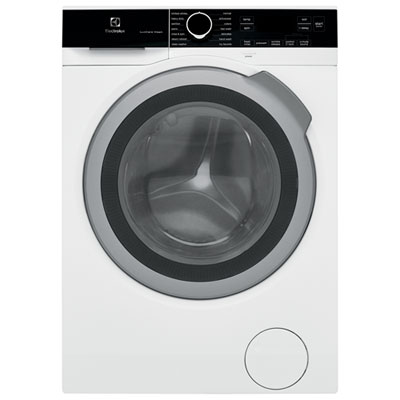

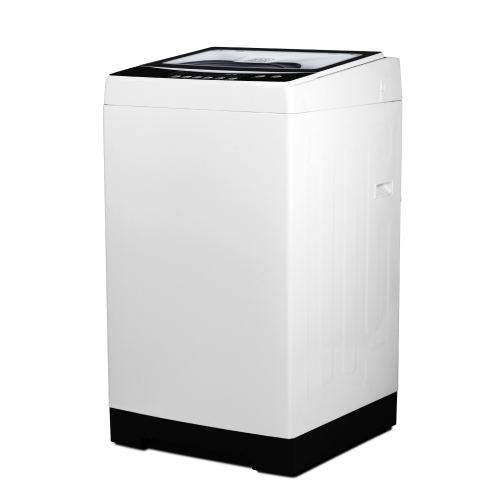
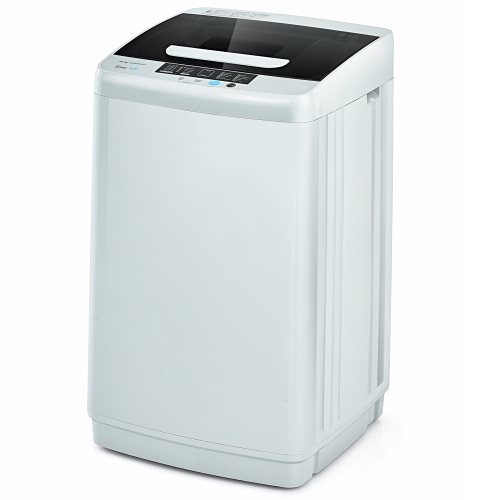
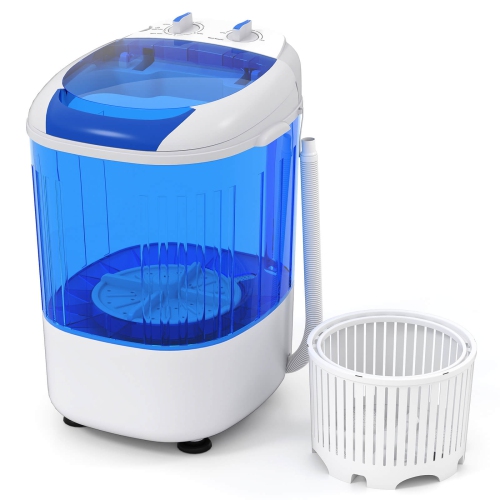
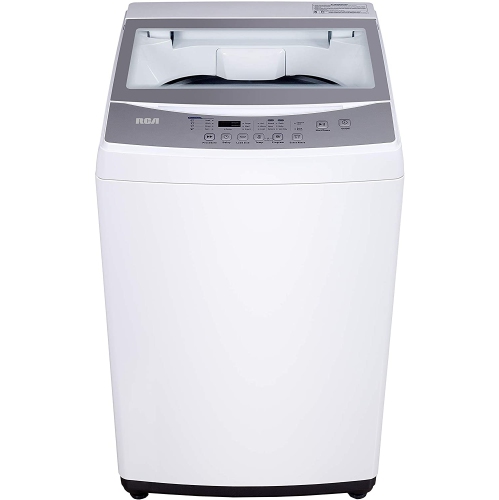
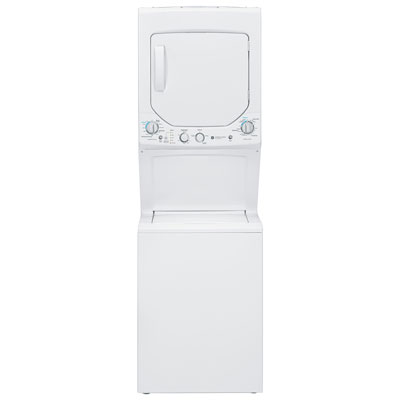
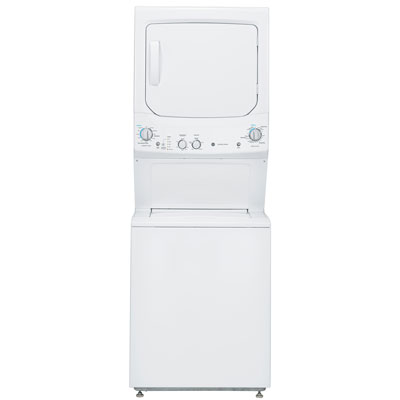
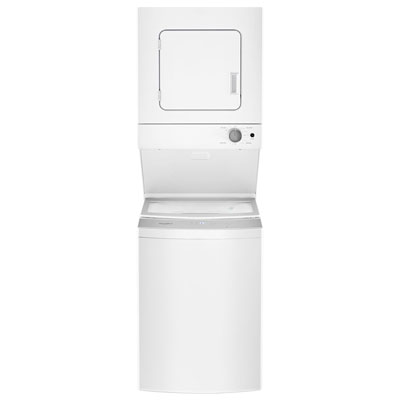
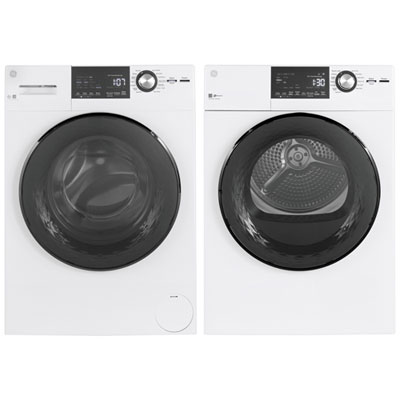
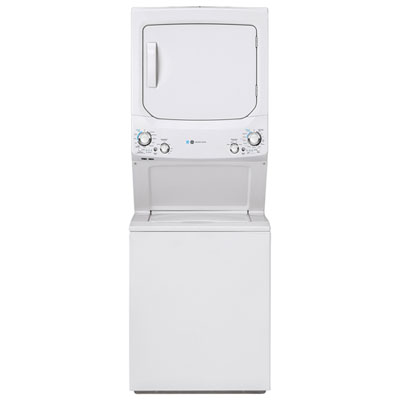
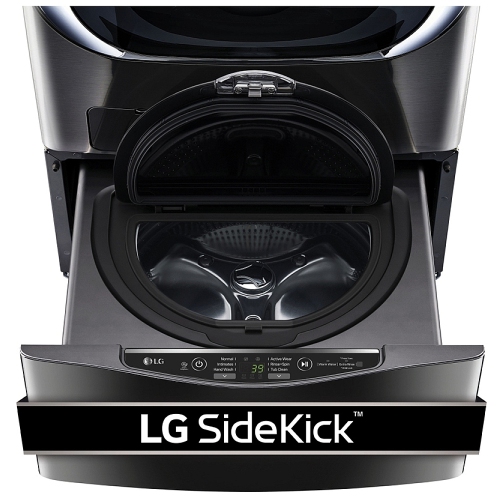
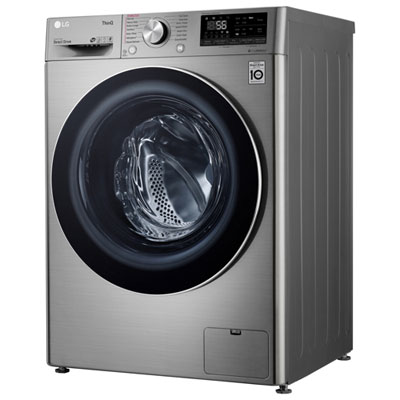
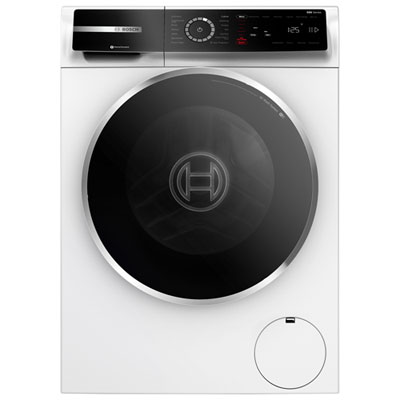
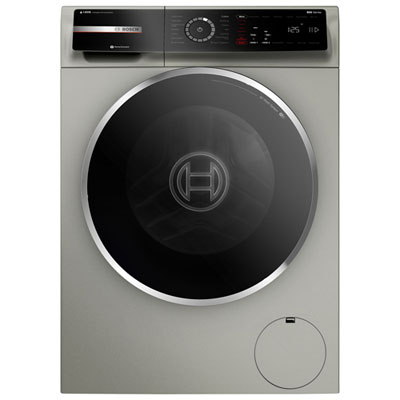
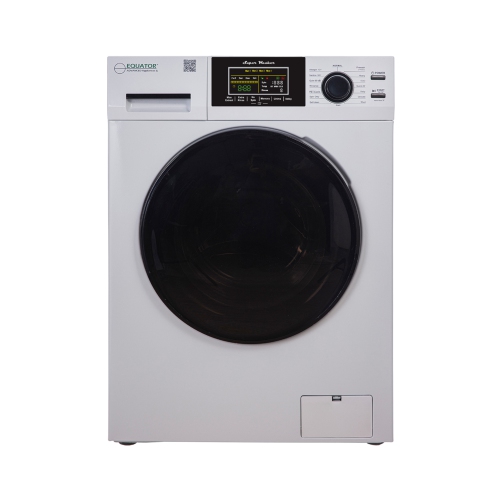
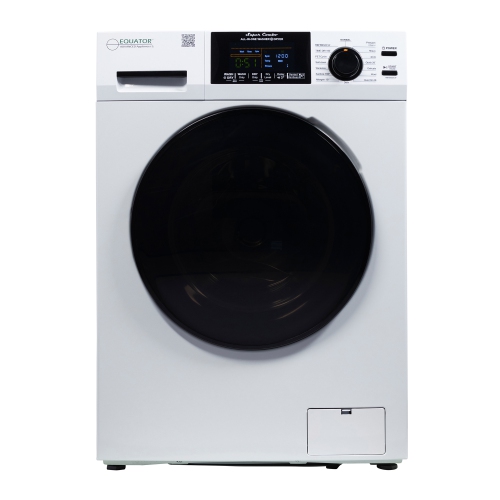
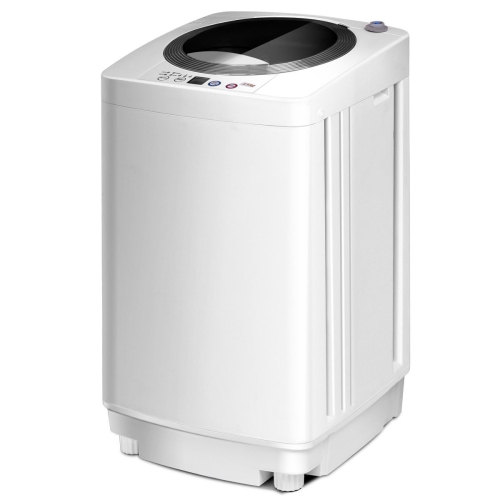
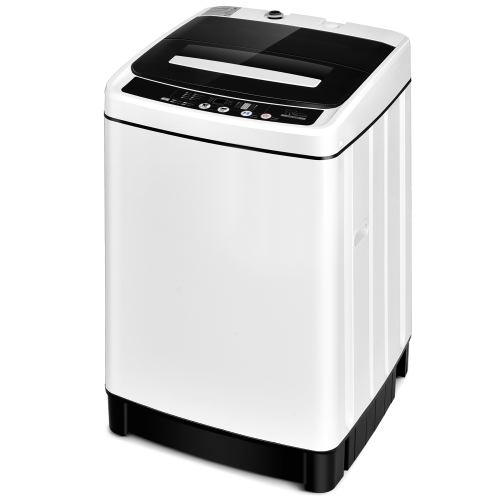
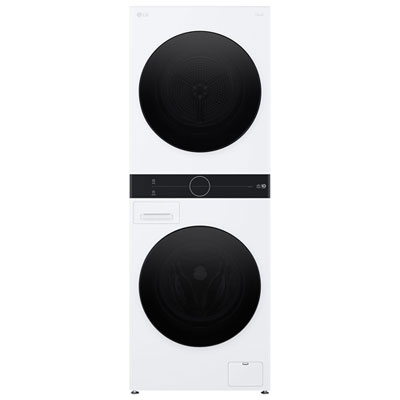
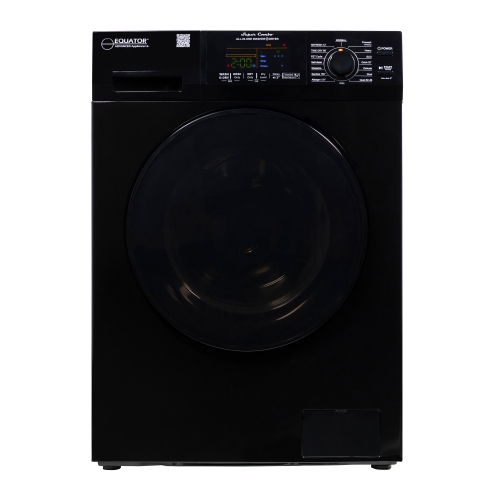
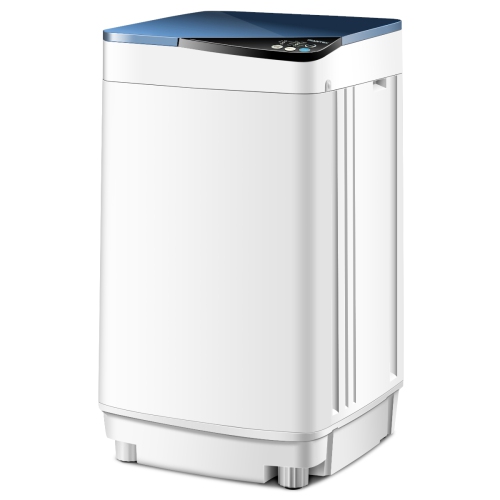
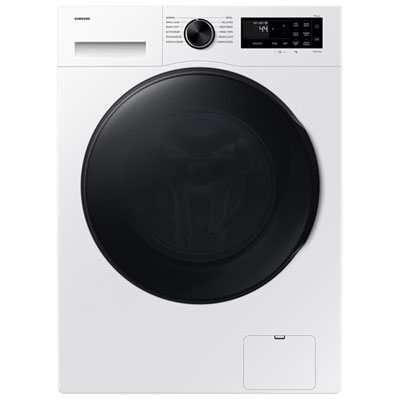
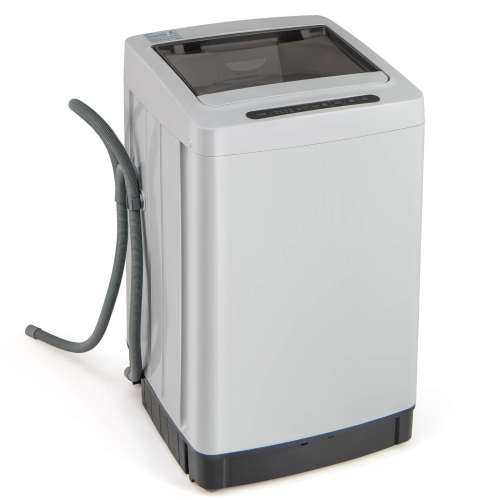
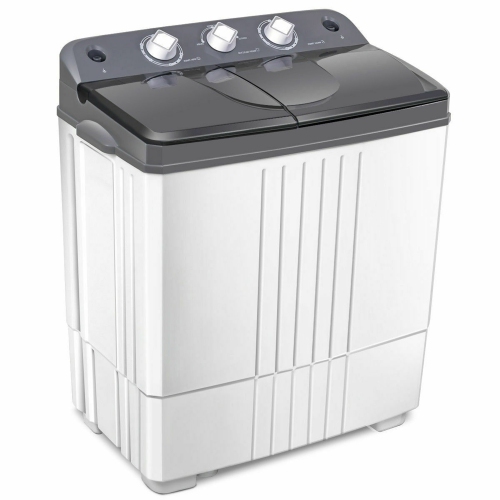
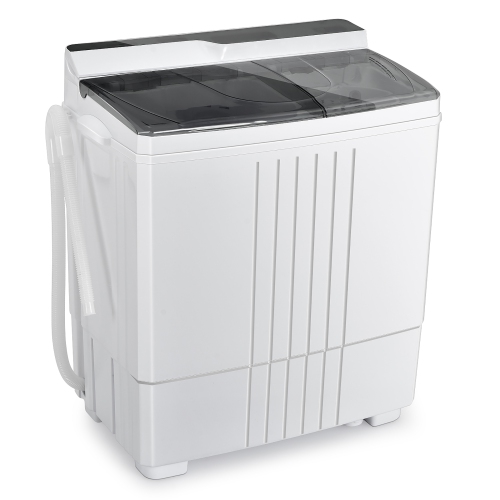
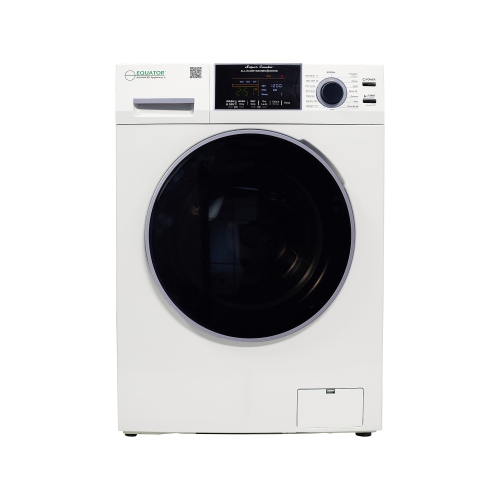
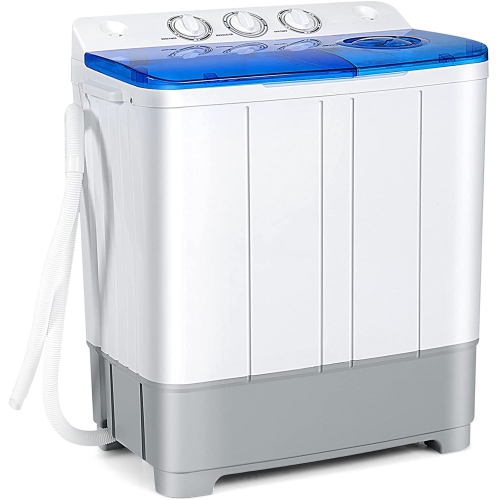
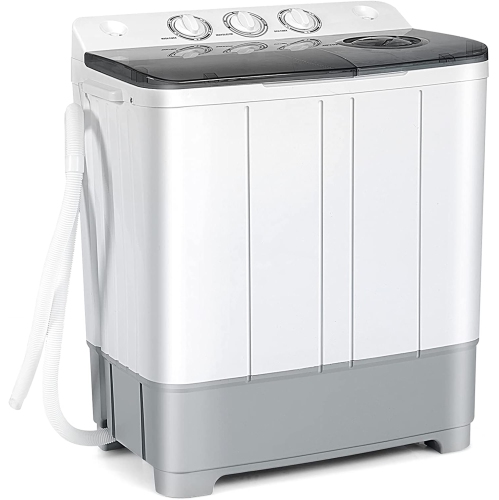
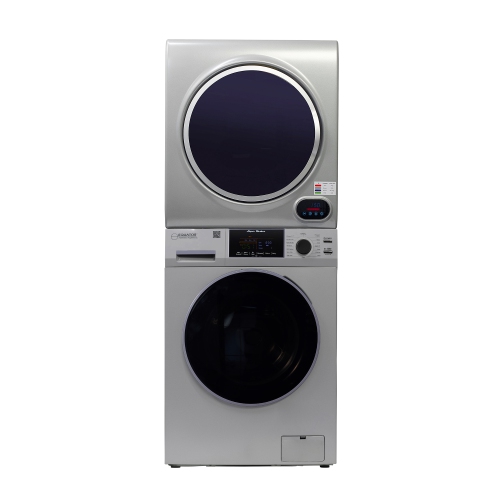

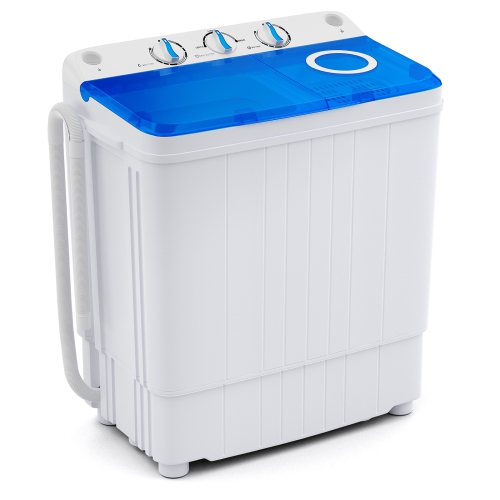
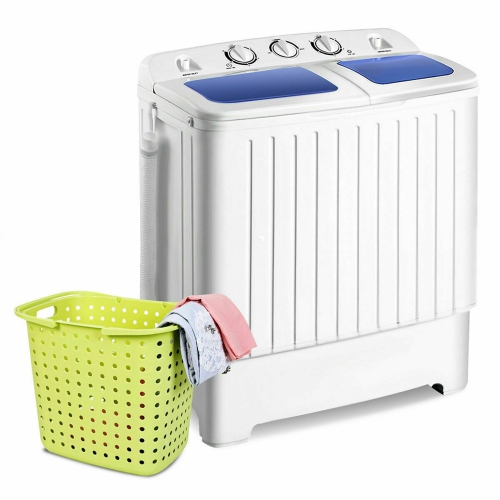
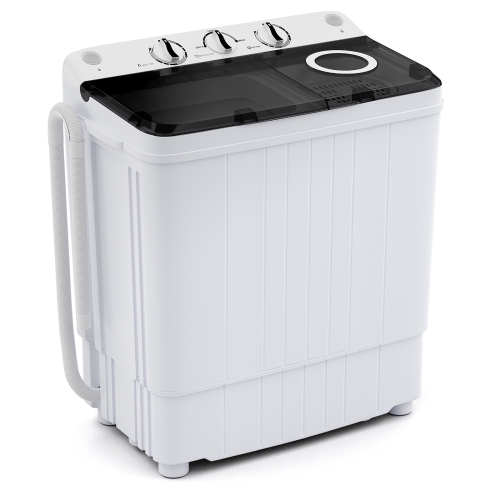
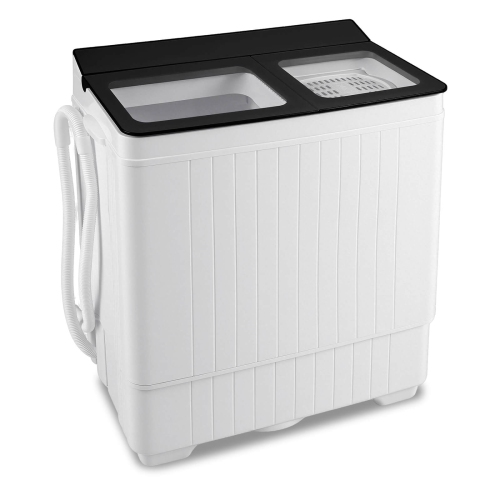
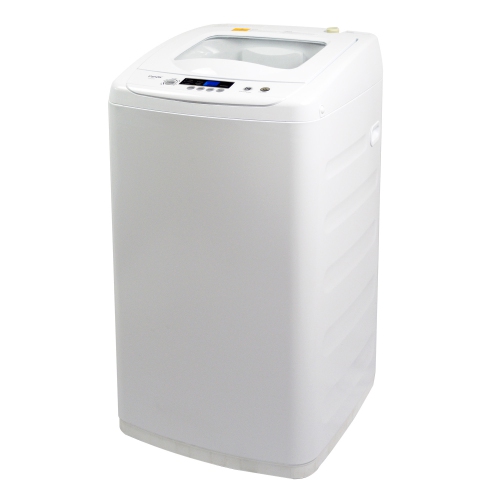
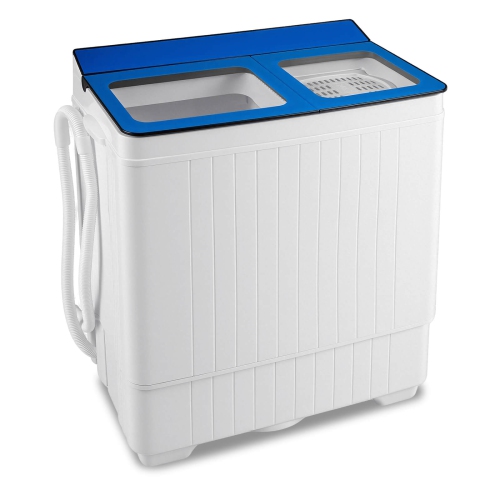
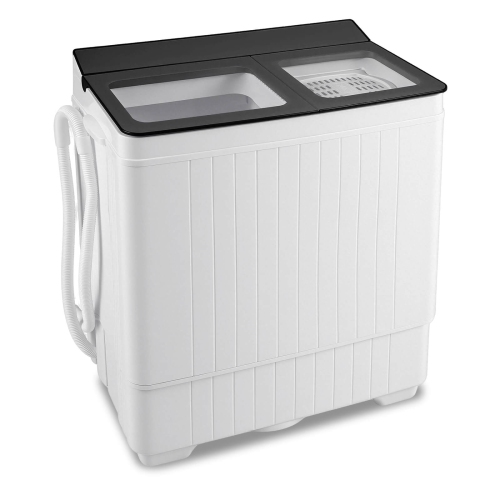
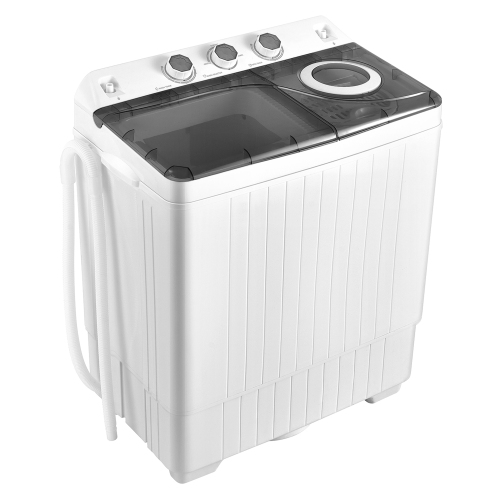

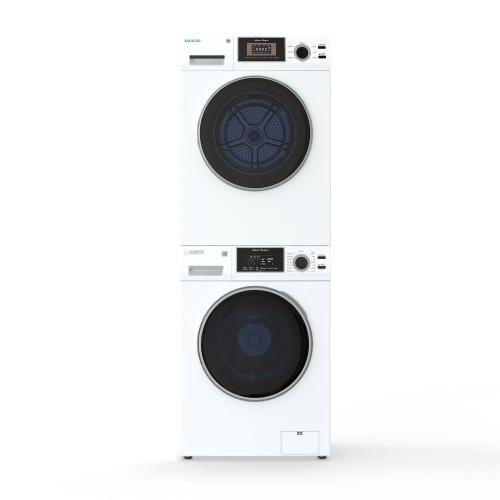
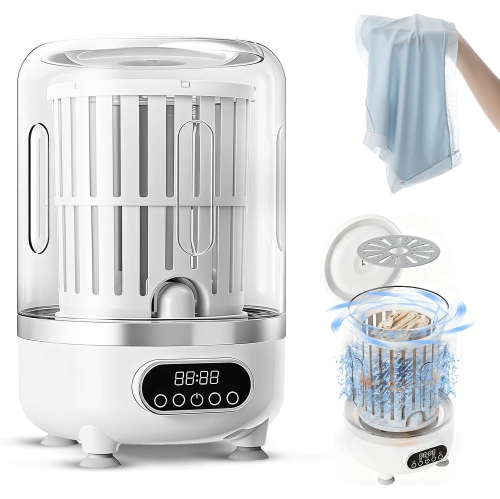
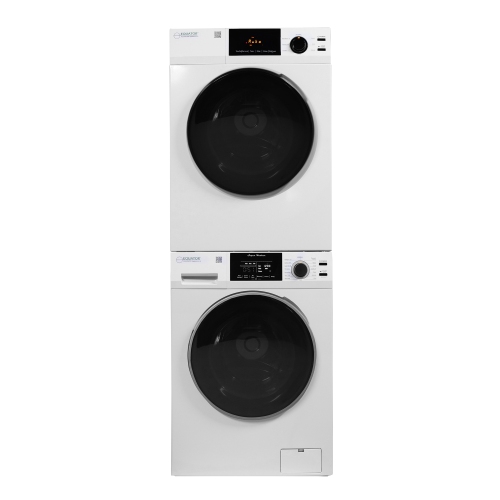
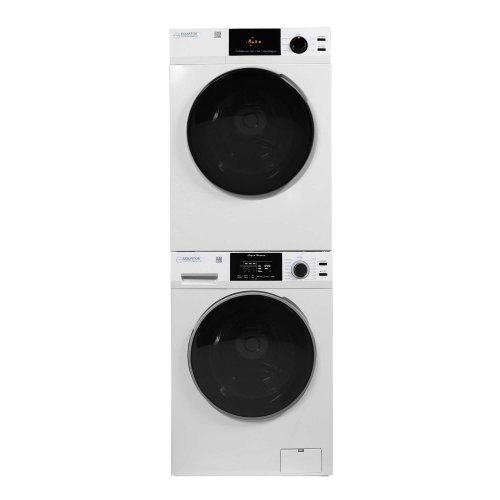
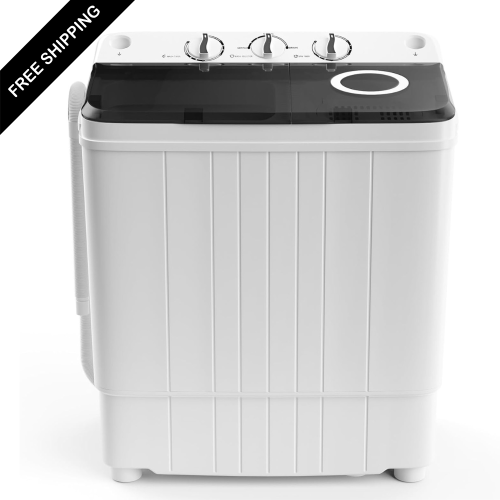
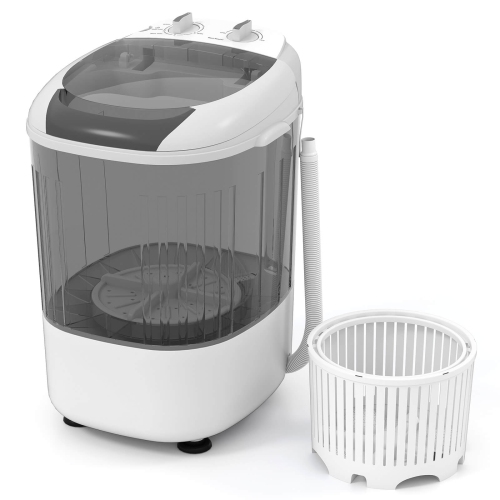
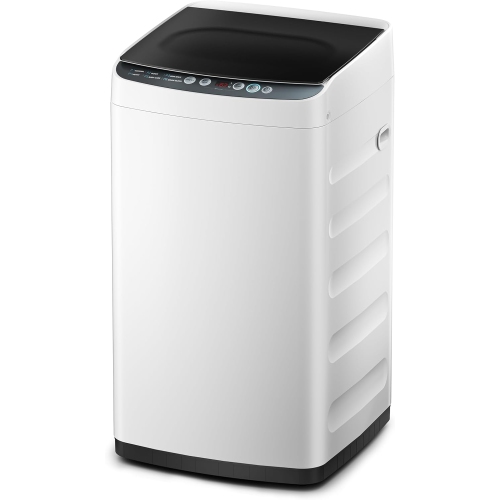
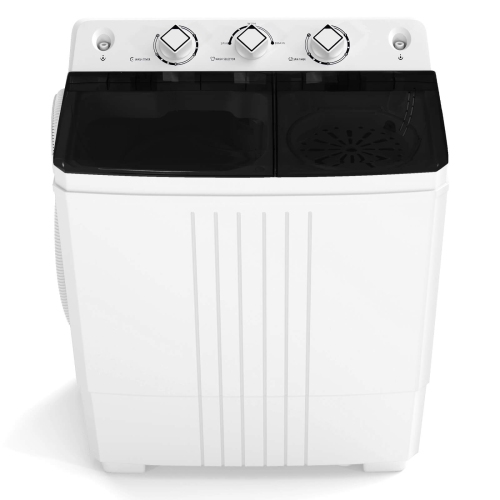
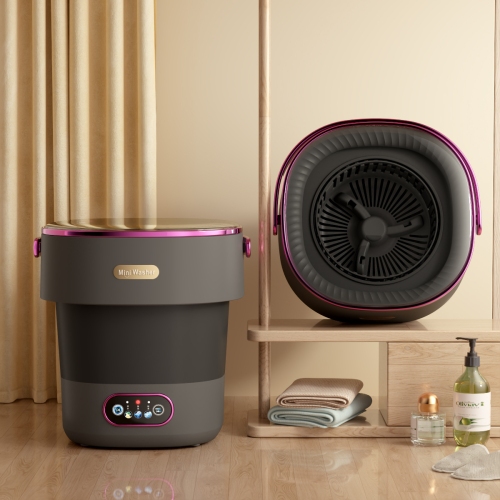
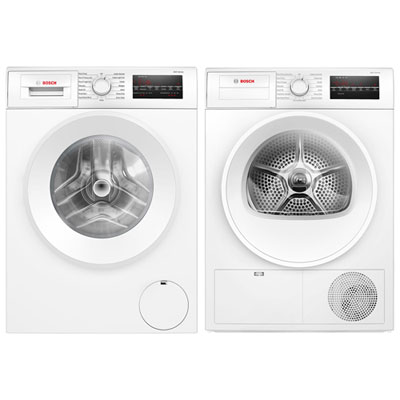
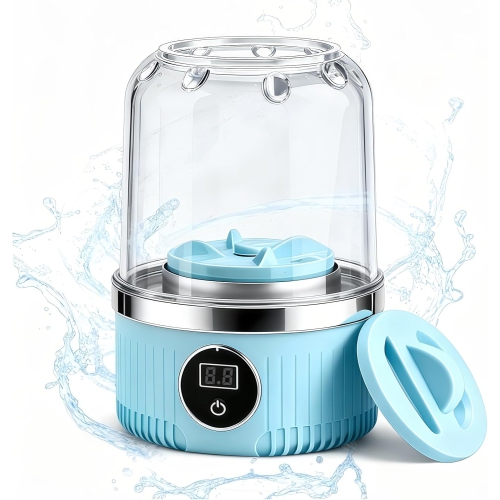
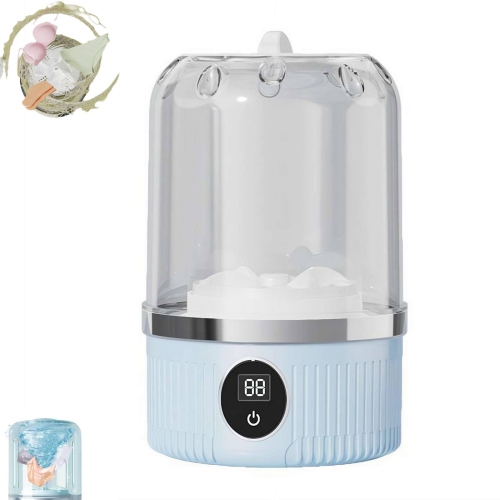
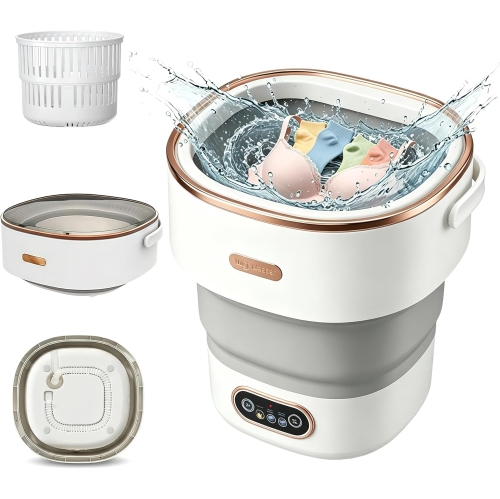
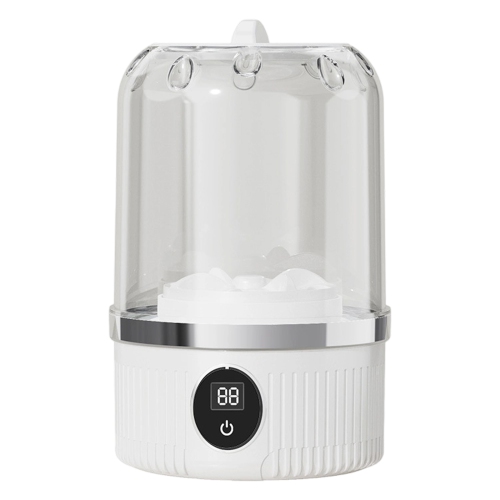
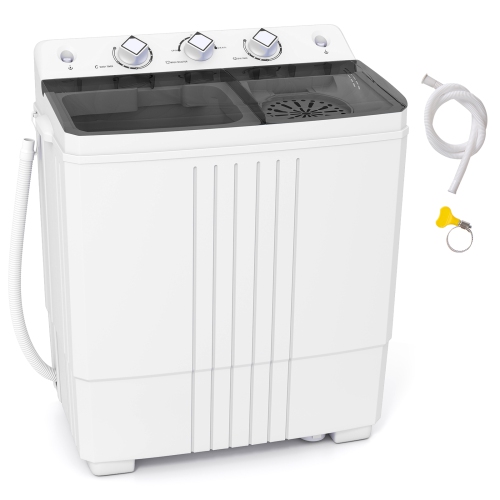
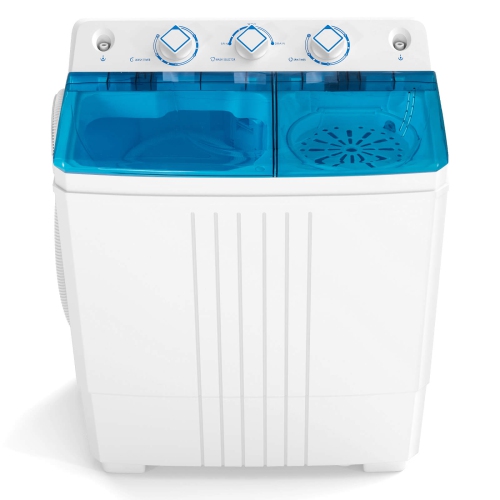
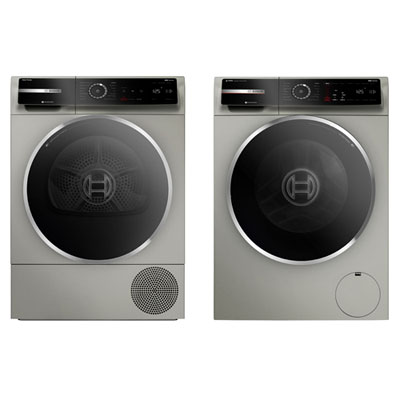
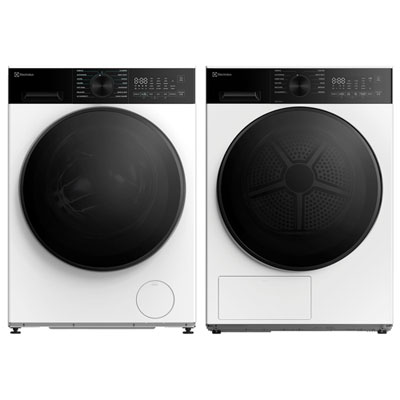
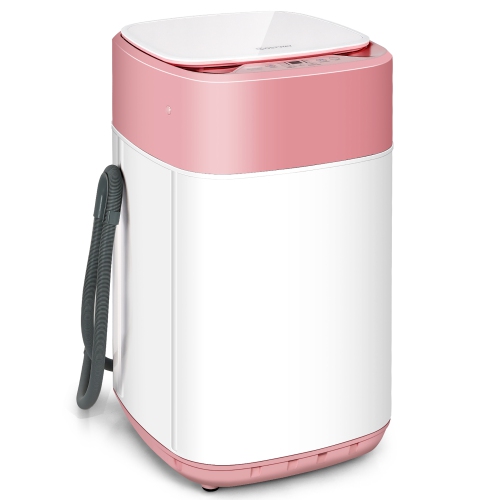
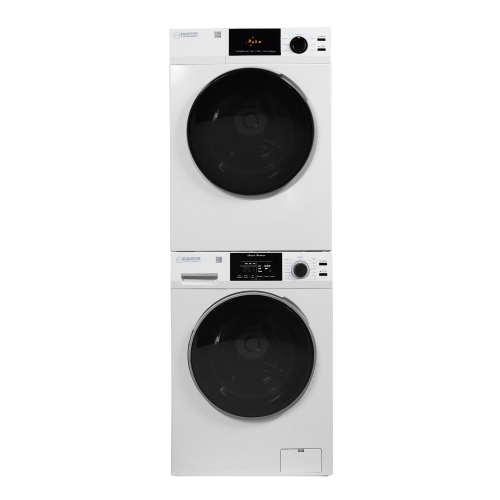
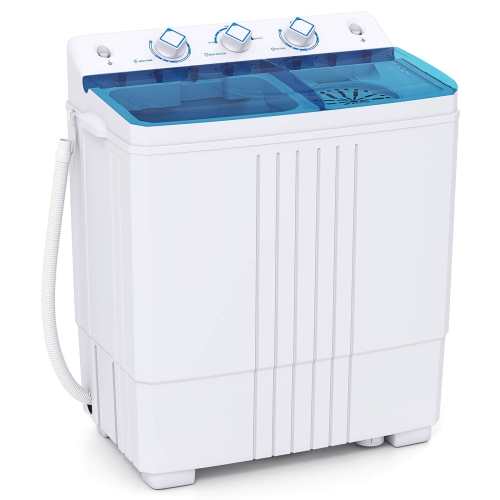
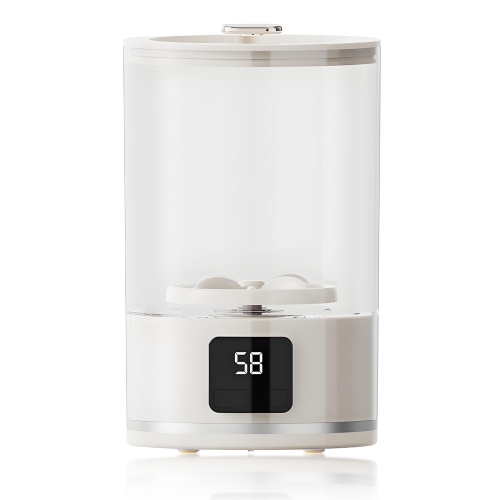
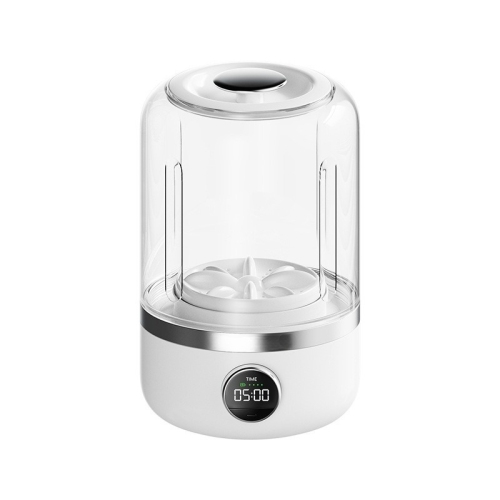
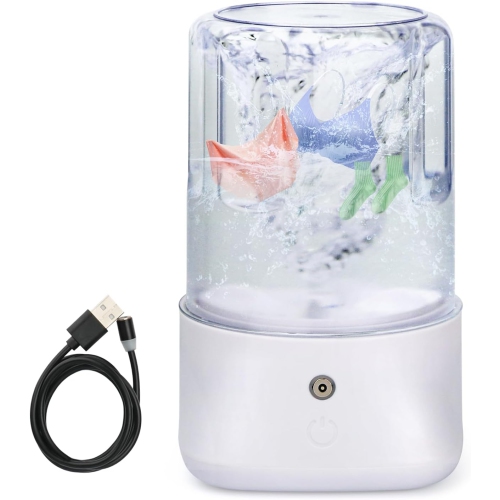
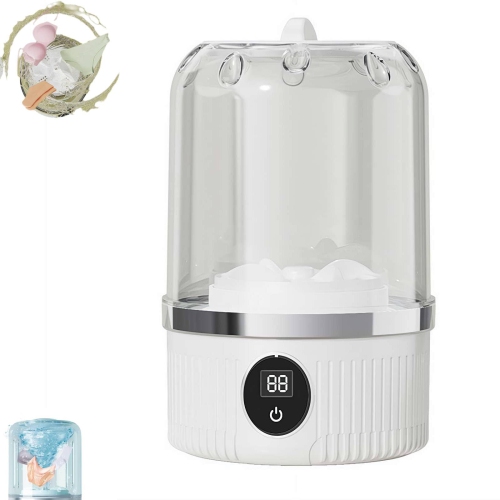
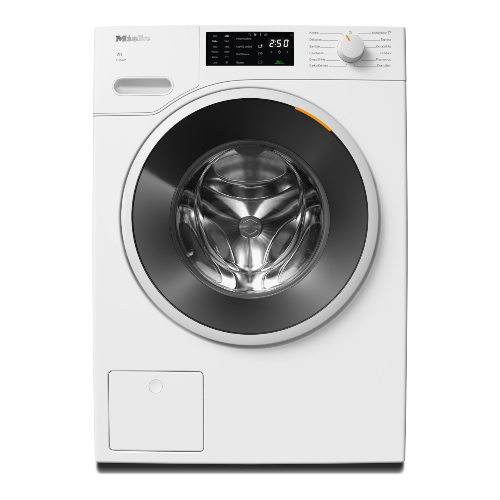
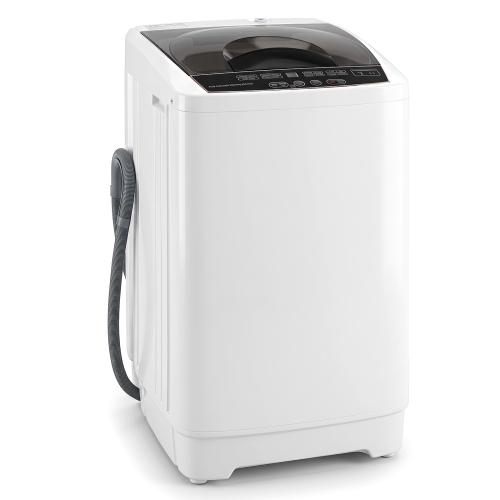
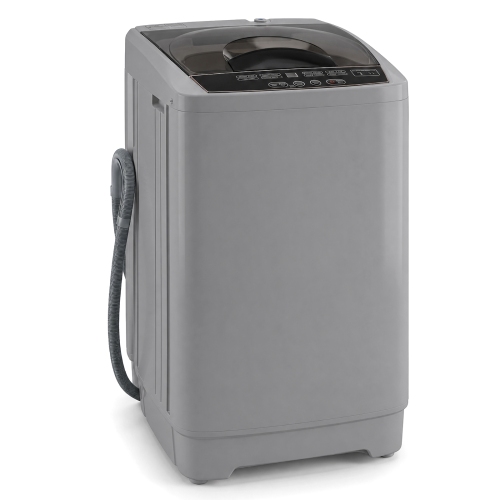
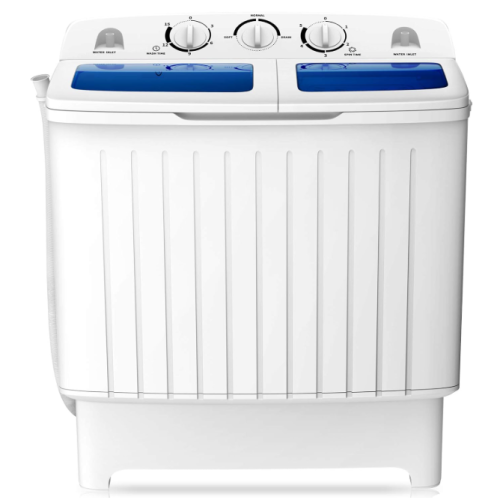
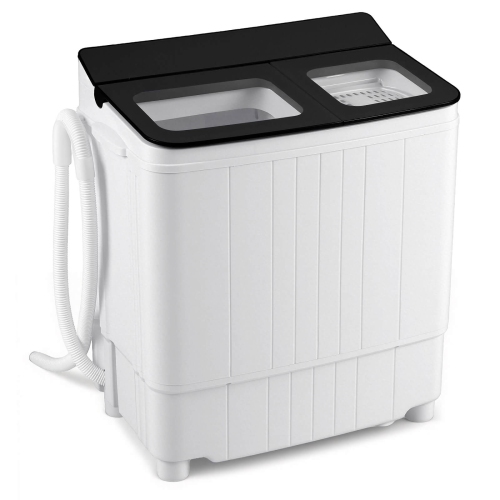
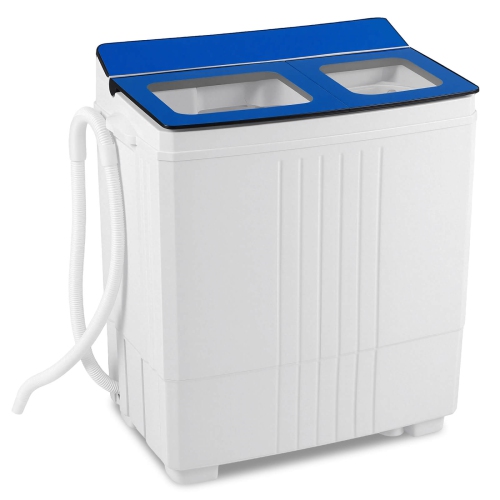
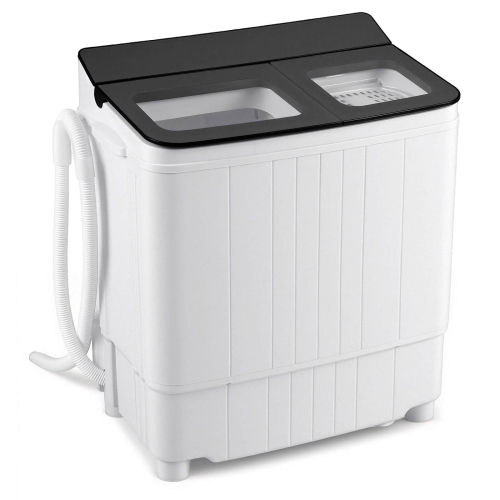
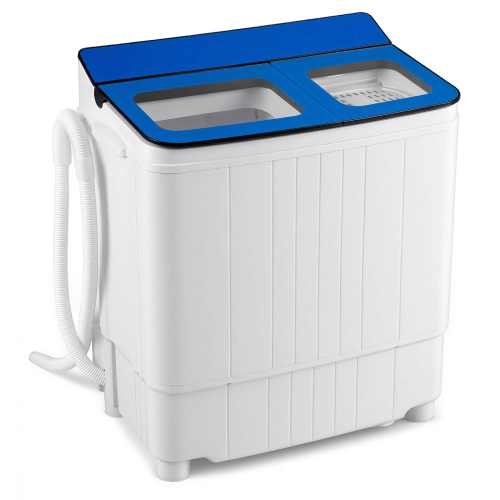
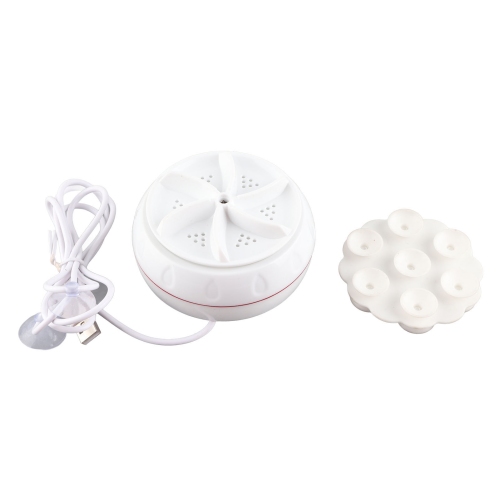
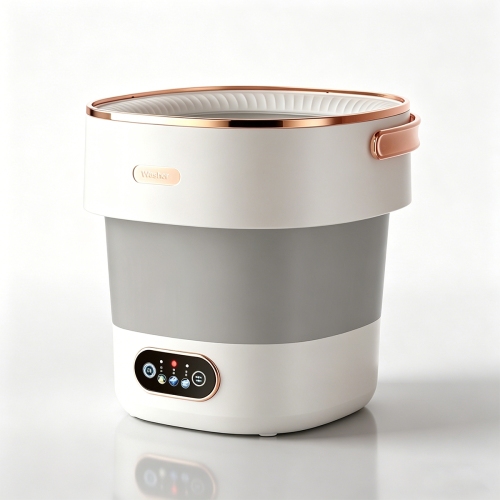
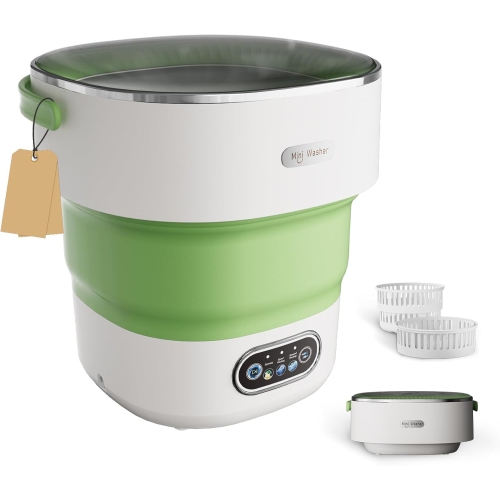
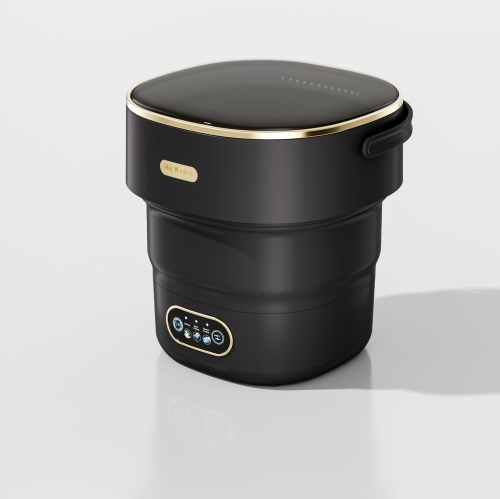
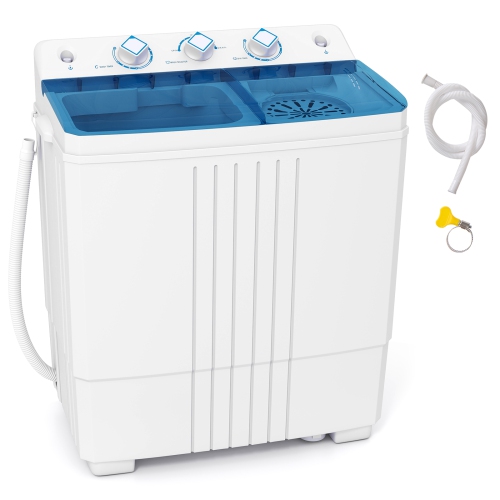
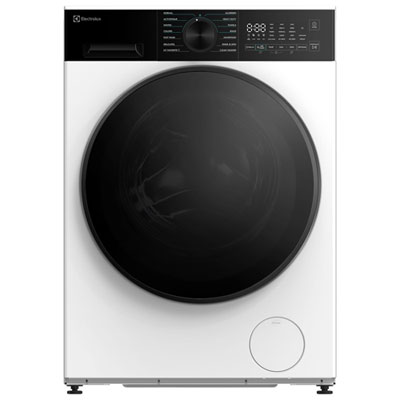
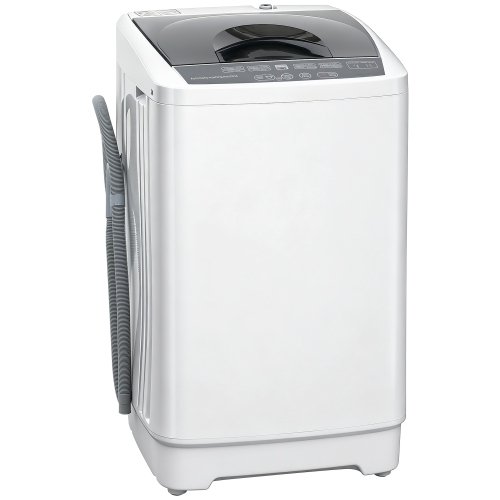
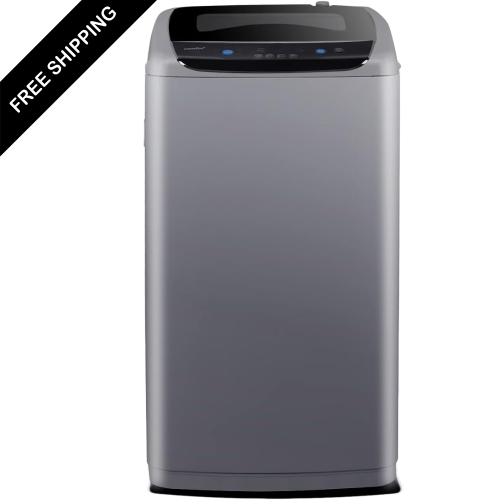
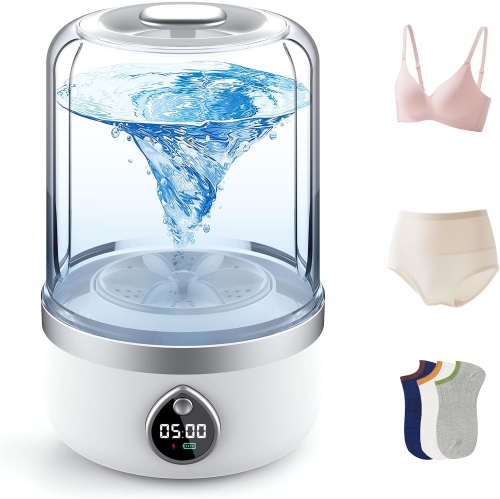
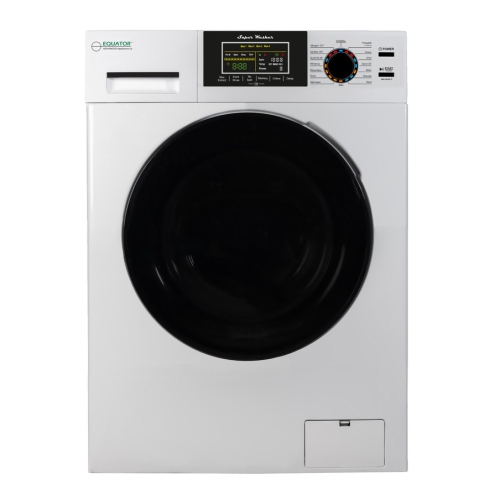
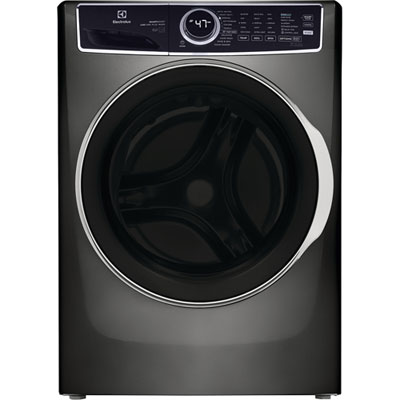
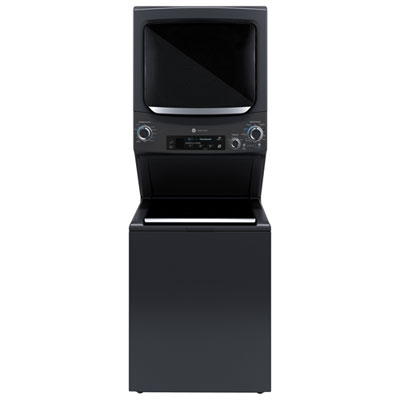
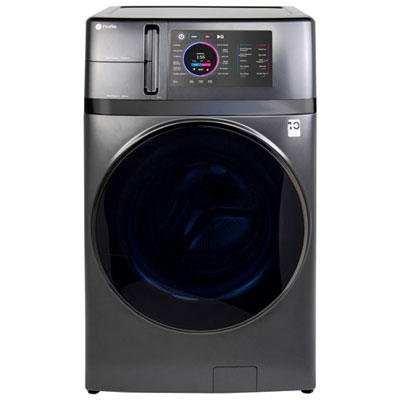
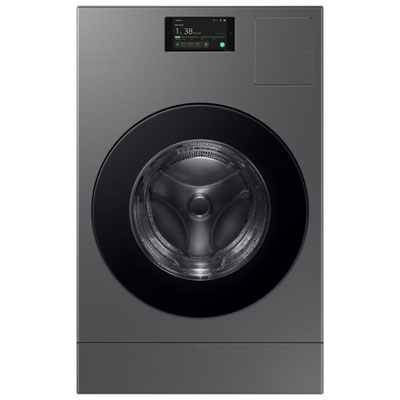
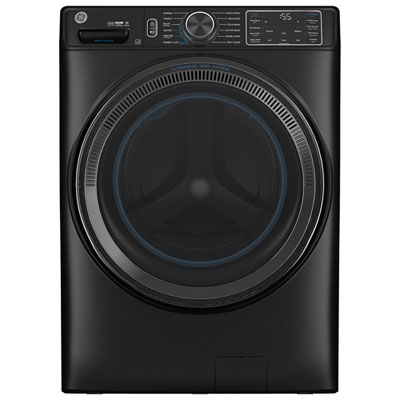
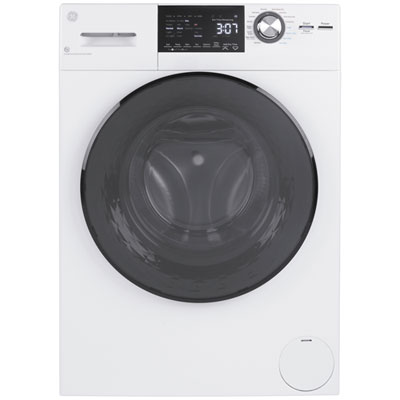
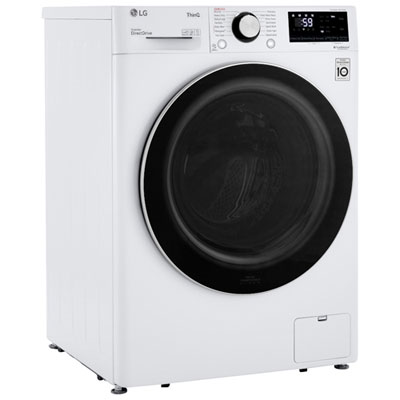
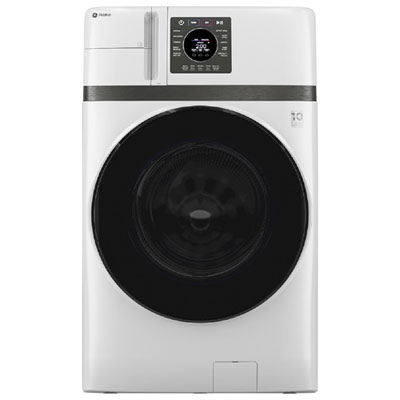
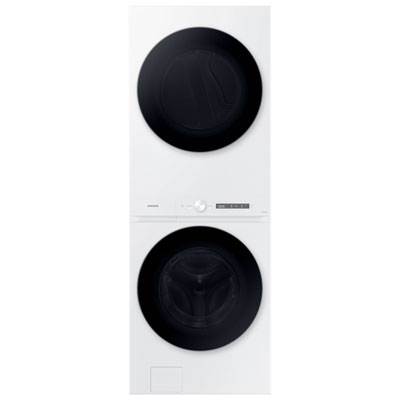
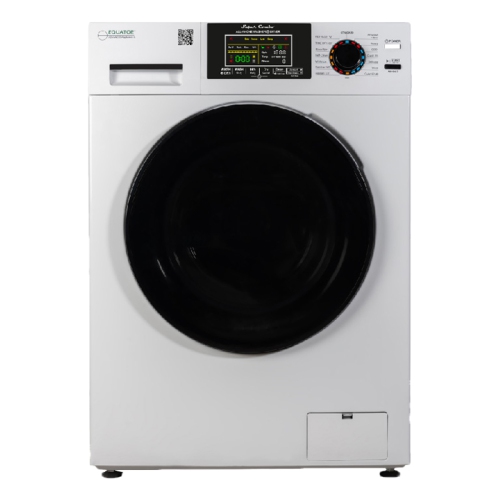

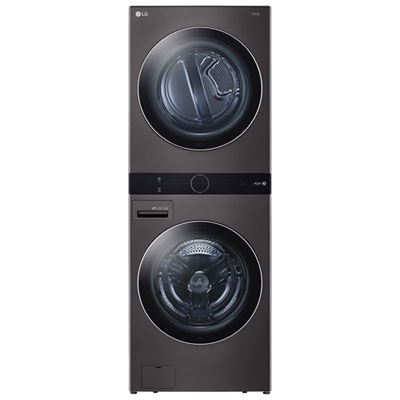
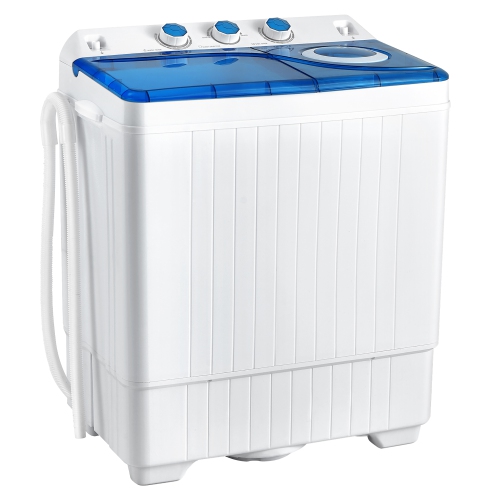
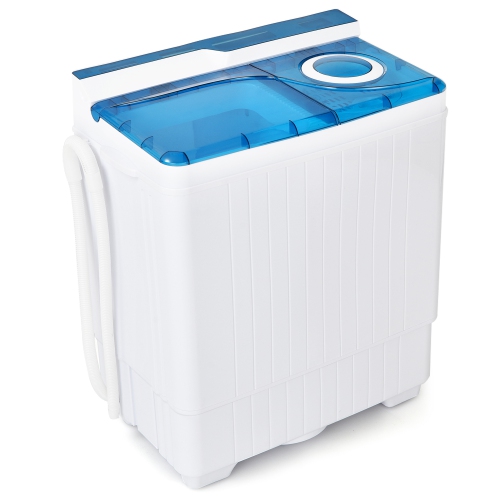
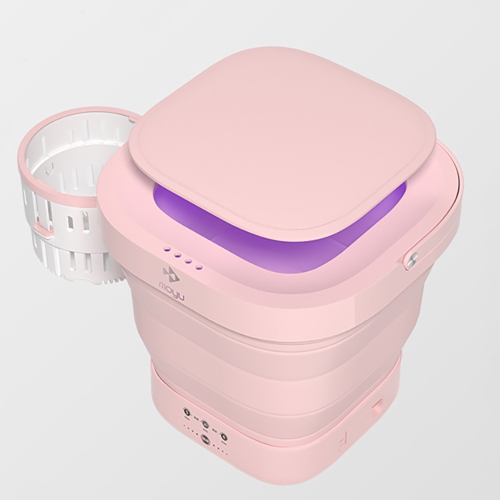
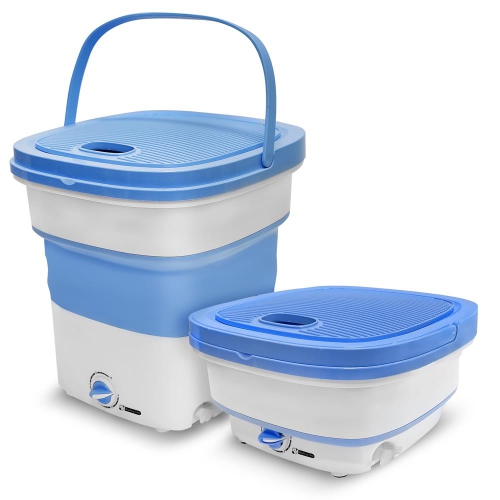
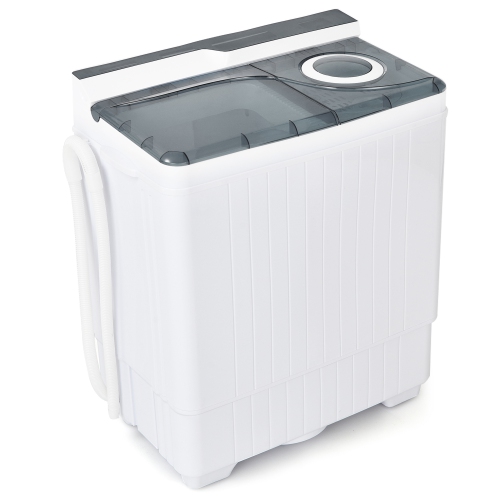
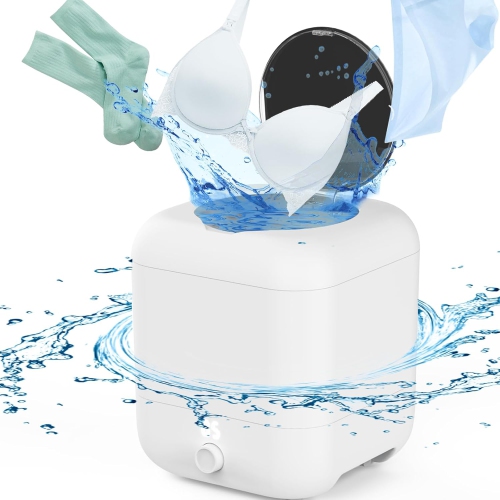
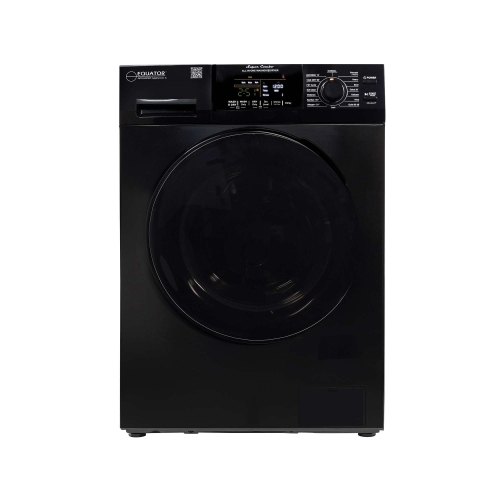
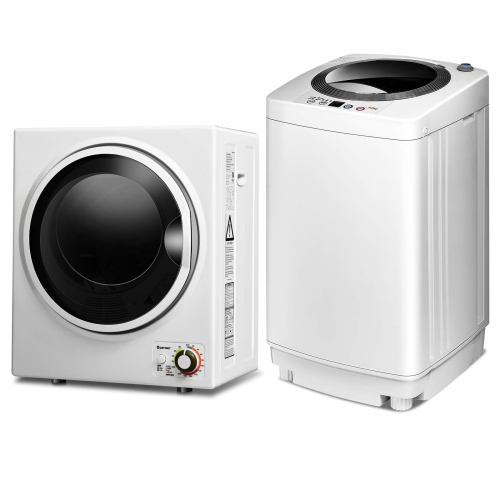
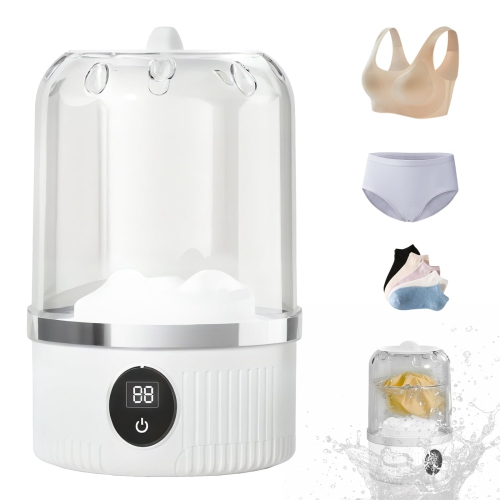
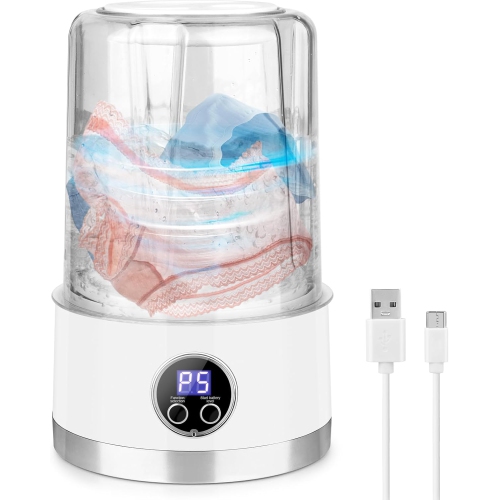
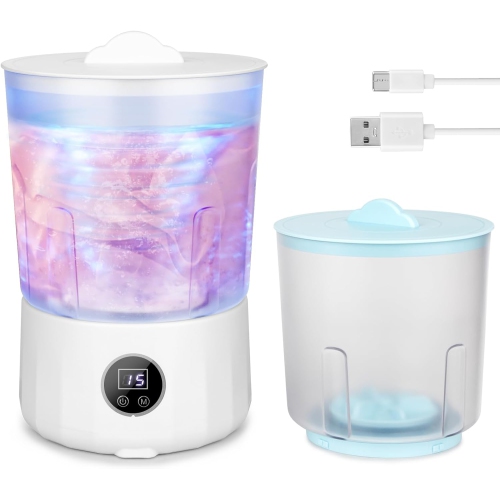
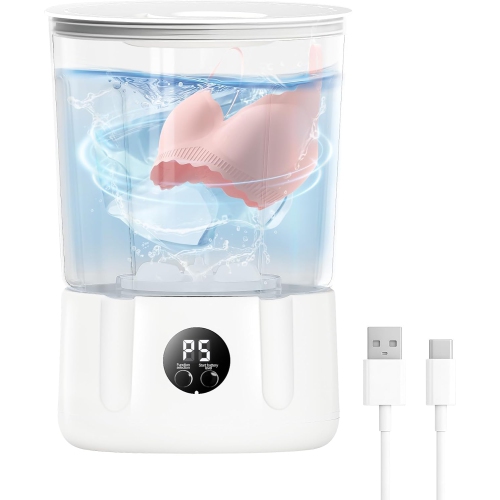
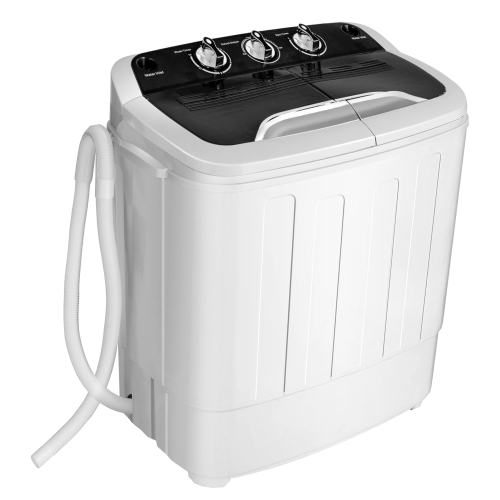
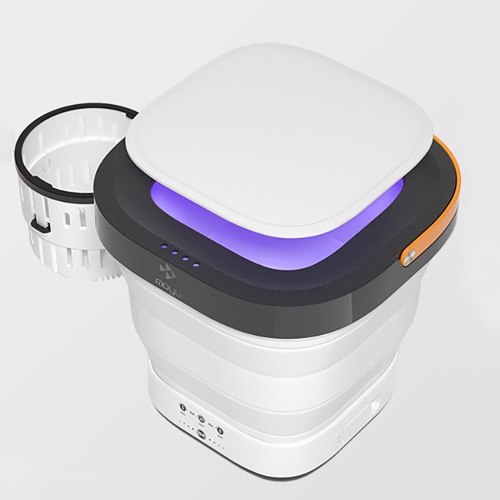
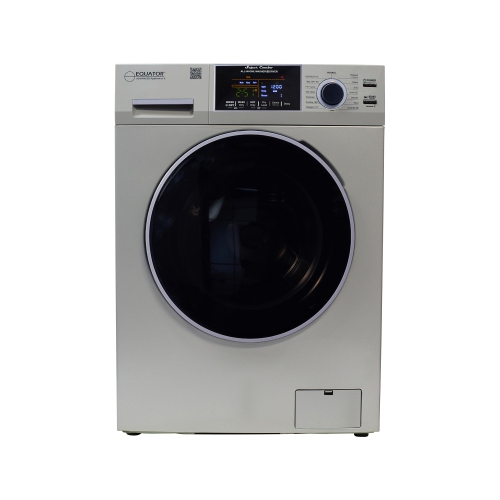
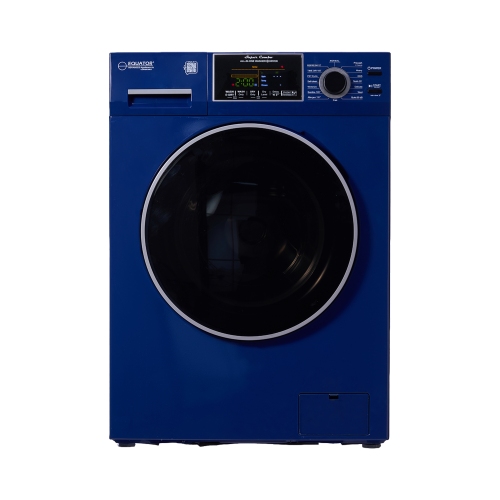
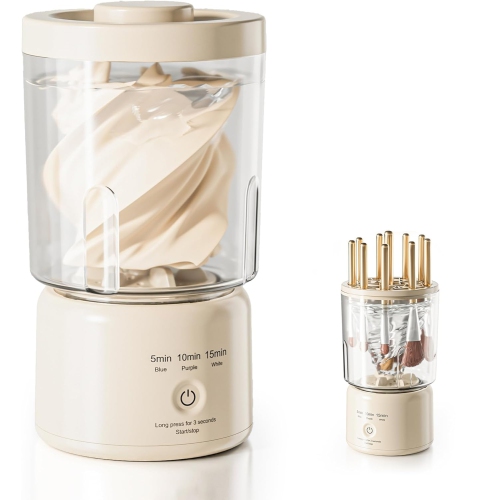
Flexible installation options suit apartments, RVs, and smaller homes
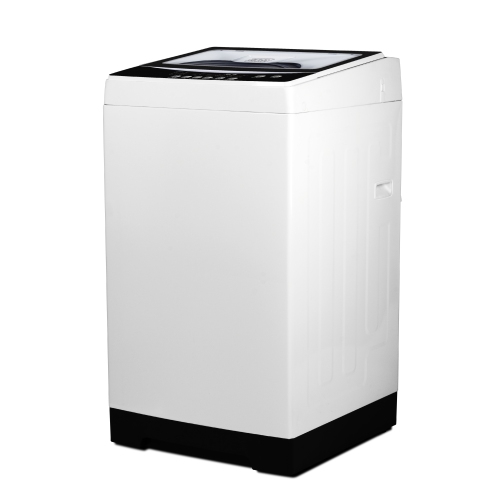
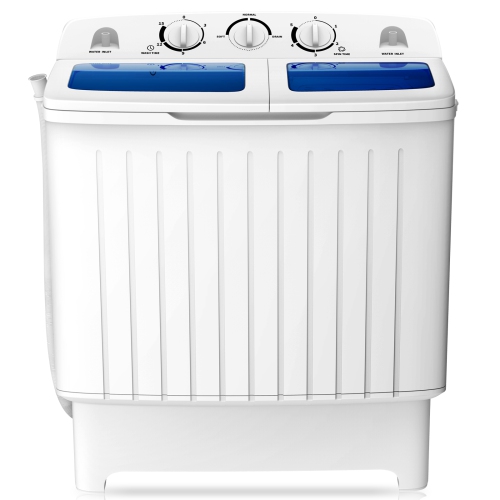
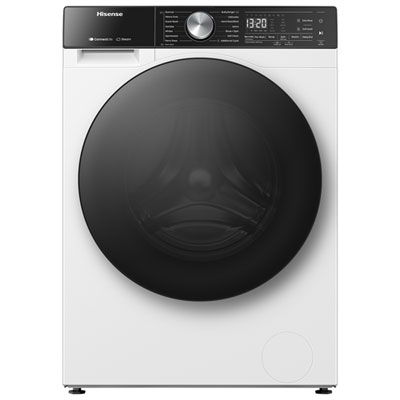
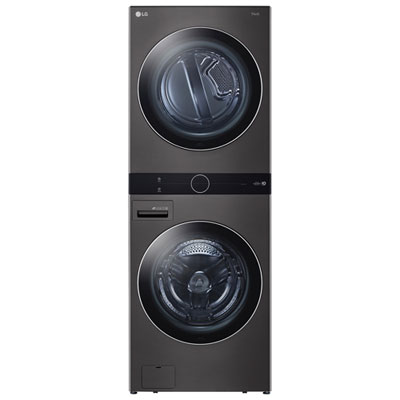
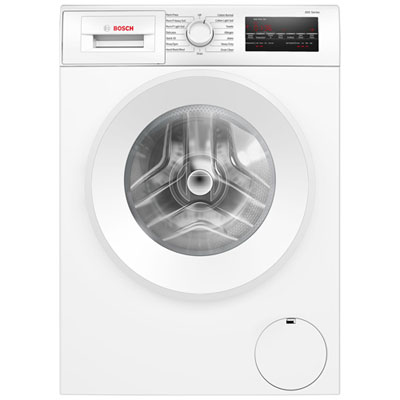
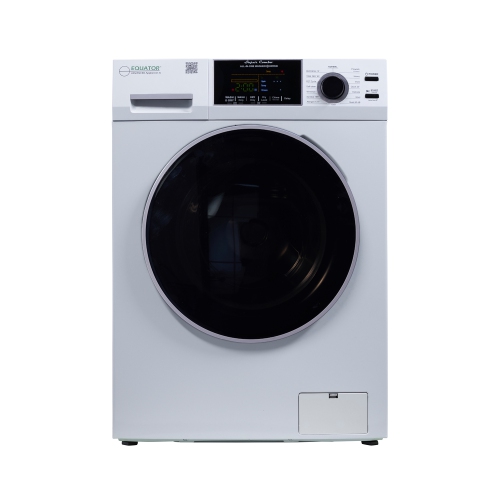
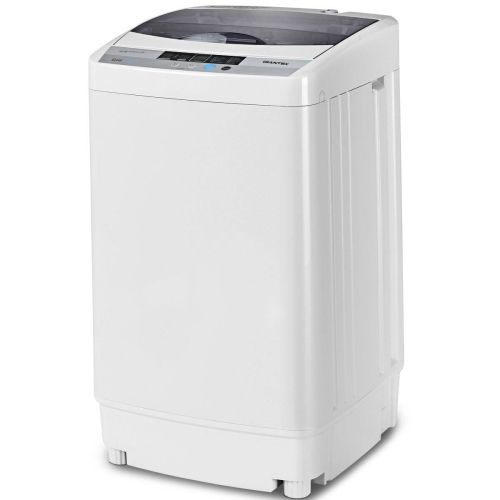
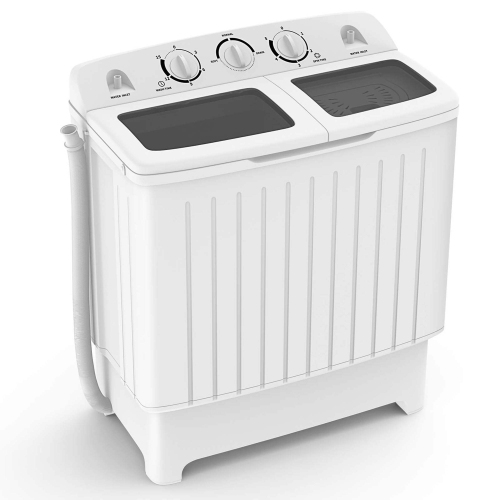
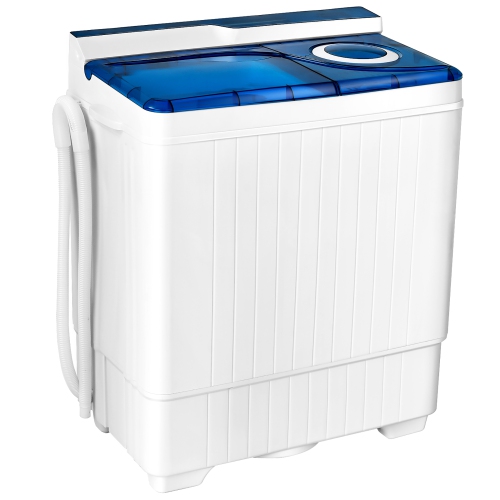
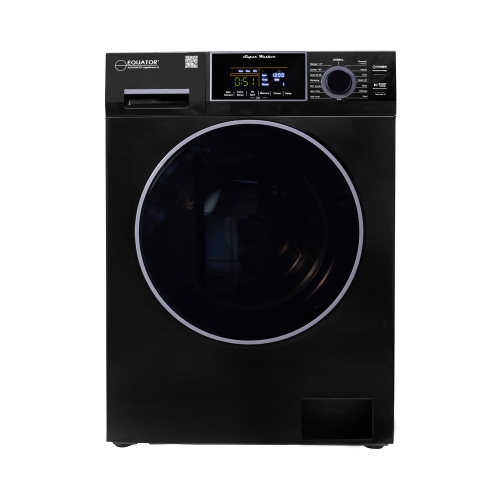
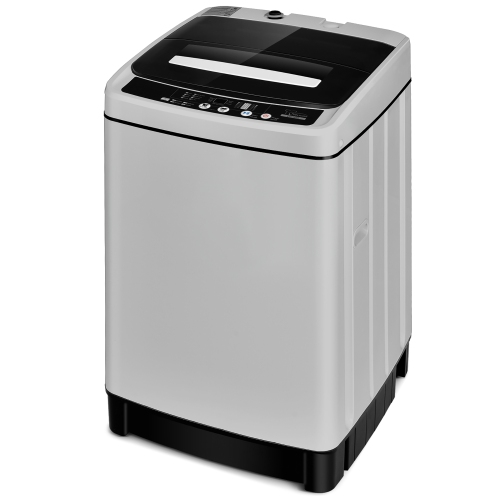
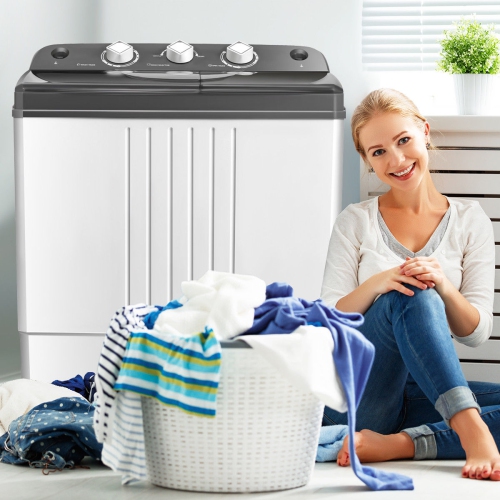
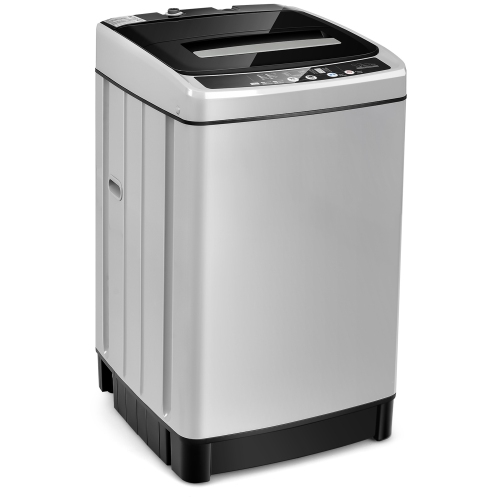
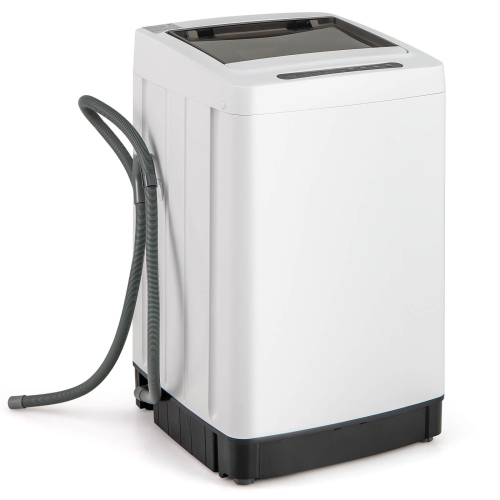
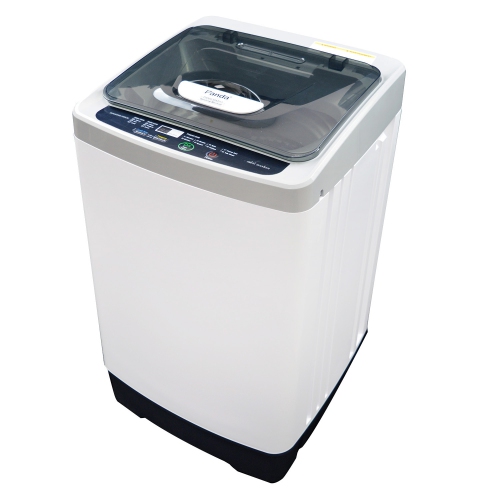
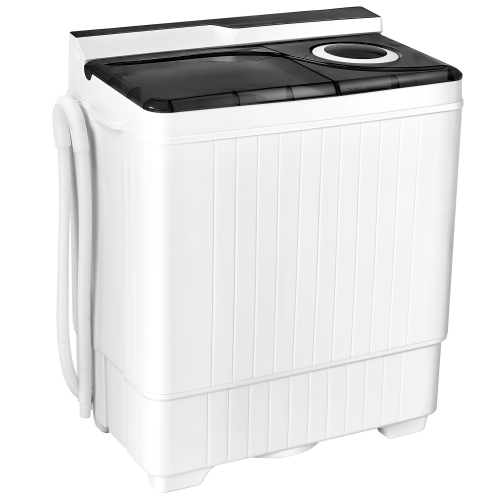
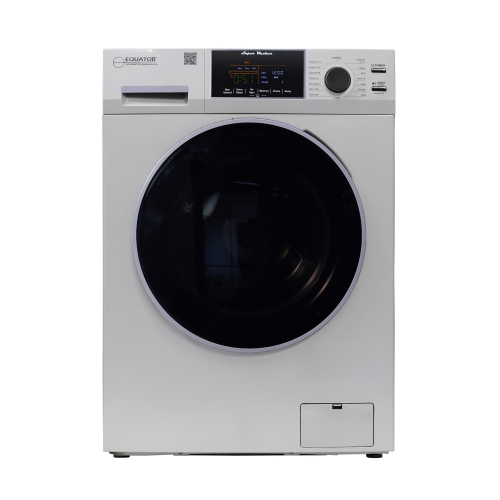
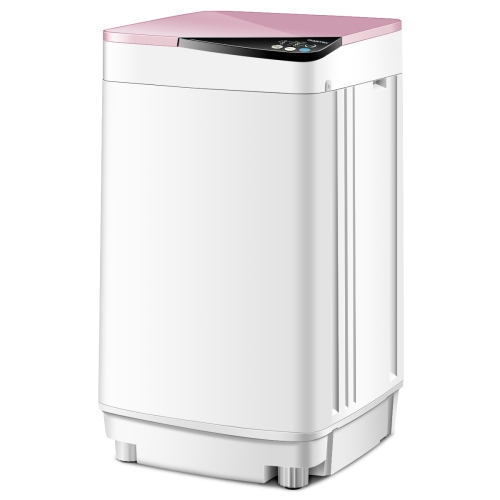
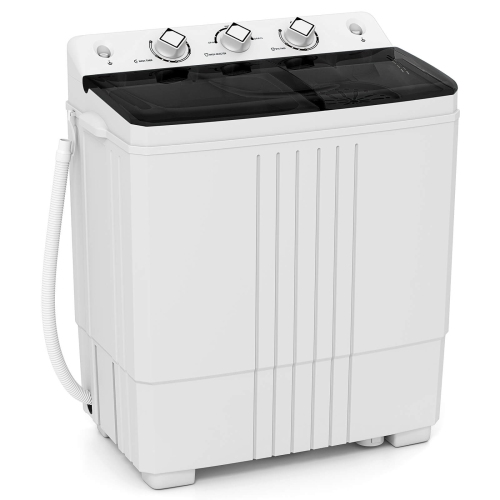
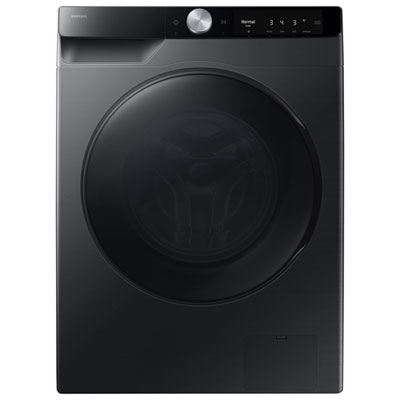
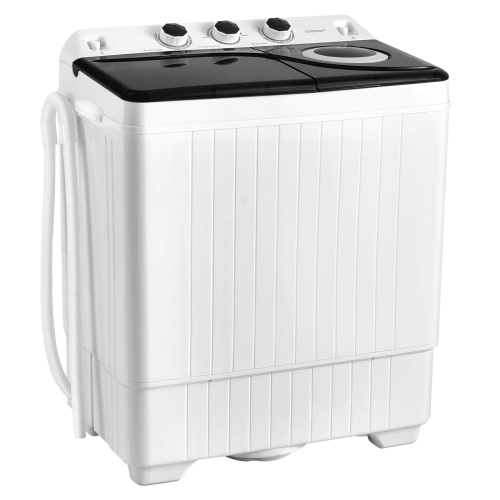
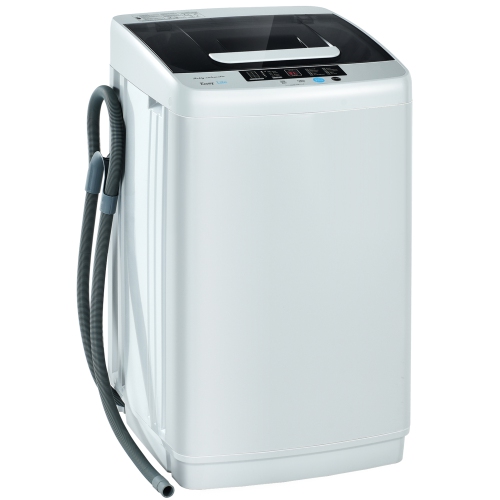
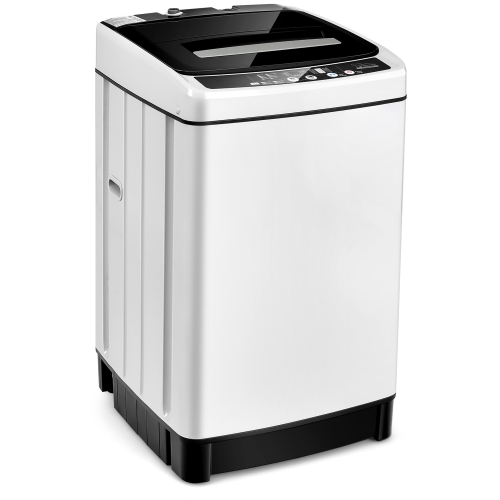
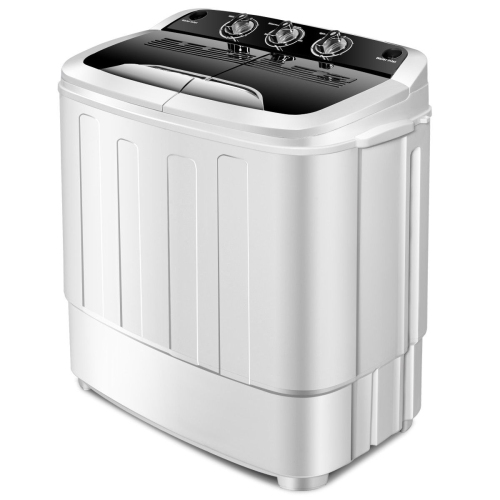
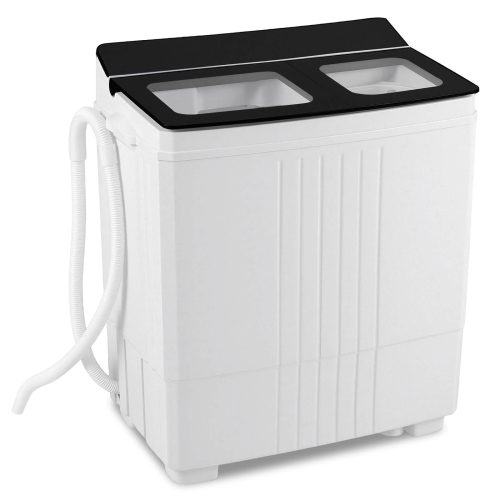
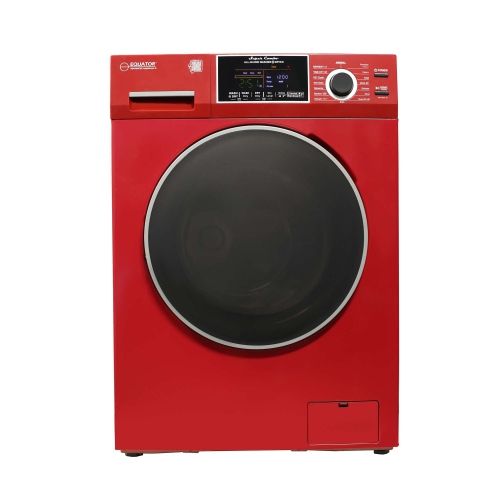
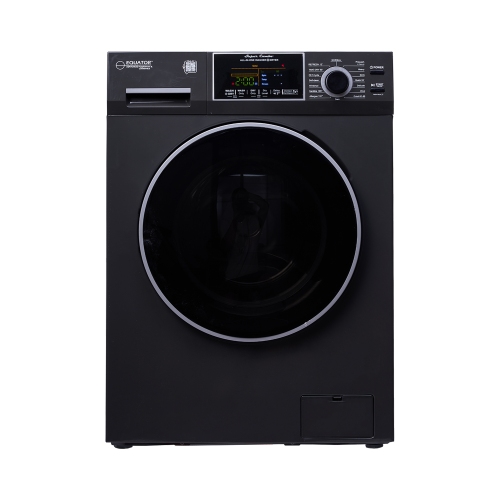
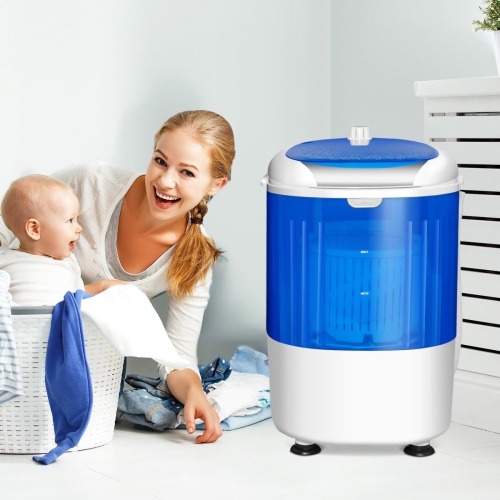
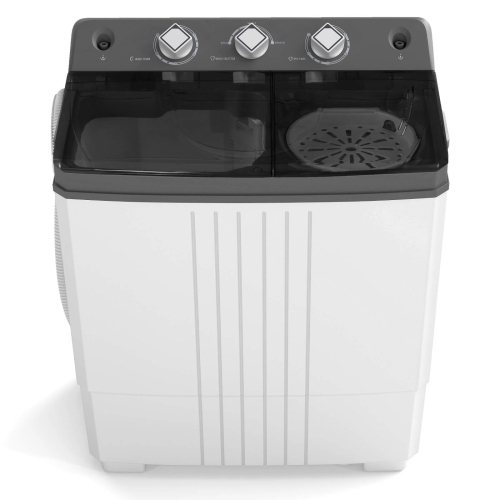
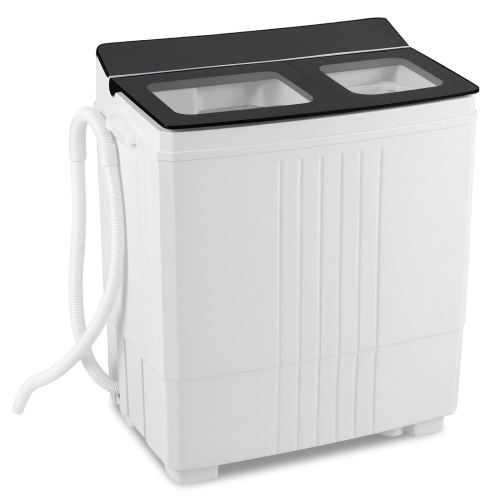
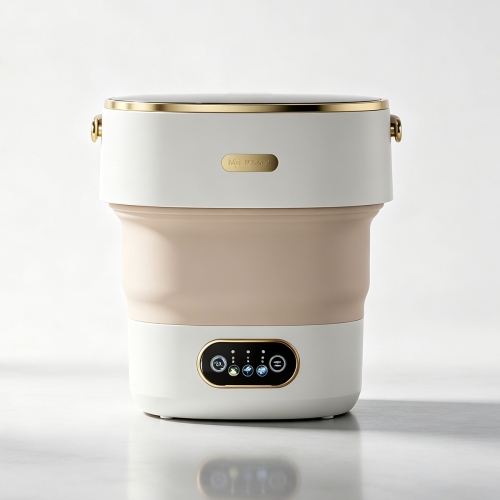
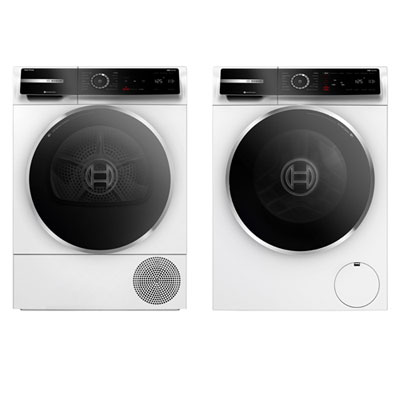
Compact washing machines make it easier to manage laundry when floor space, plumbing, or household size limits the practicality of a full-size appliance. They are well suited to apartments, condominiums, dorm rooms, basement suites, accessory dwelling spaces, RVs, and other homes where every square foot matters. A portable washer can be rolled into a closet, bathroom, or utility area when it is needed, then moved aside to keep a walkway clear. Other compact washing machines are designed for permanent installation in a narrow laundry closet, often beside or beneath a matching dryer. Browse Compact Washing Machines for Small Spaces to compare options intended for tighter homes and more flexible laundry setups. Portable models commonly connect to a standard sink faucet with an adapter and drain into a sink or nearby tub, making them practical for renters or anyone without dedicated laundry hookups. Some have wheels or casters for easier movement, while others are light enough to reposition by hand. A semi-automatic twin-tub design may include separate wash and spin compartments, allowing you to transfer clothing manually between cycles. This arrangement can be useful where water must be added and drained by hand, though it requires more involvement during each load. Permanent compact front-load or top-load models generally offer a more familiar washing experience, with direct plumbing, dedicated water lines, and a fixed drain connection. Before choosing, measure the available area carefully, including the width, depth, height, door swing, hose clearance, and room needed to open a lid or loading door. A narrow space can appear suitable until a baseboard, cabinet edge, or nearby wall prevents the appliance from opening comfortably. Also check the route from the entrance to the installation area, since hallways, stairwells, and door frames may be more restrictive than the final location.
Capacity is another important consideration because compact washing machines can vary significantly in the amount of laundry they handle. Portable units often accommodate roughly 9 to 13 pounds of clothing, while permanent compact appliances may provide a larger drum measured in cubic feet and can be better suited to regular household loads. A smaller capacity works well for one person, light everyday clothing, gym wear, baby items, or quick loads that would otherwise sit in a hamper for several days. It may be less convenient for households that wash bulky bedding, heavy towels, or large quantities of clothing at once. Think about the laundry you actually carry: a student may need enough room for several outfits and towels, while a couple with limited storage may value a slightly larger drum that reduces the number of cycles. Smaller loads can also make it easier to separate colours, fabrics, and delicate garments without waiting for a full basket. Check the cycle selections as well. Basic models may offer wash, rinse, and spin controls, while more advanced appliances can include timed cycles, temperature choices, extra rinses, delayed starts, steam functions, fabric sensing, or app-based monitoring. These features can be helpful when laundry is running during a busy day, but they should be considered alongside the available space and installation requirements rather than treated as substitutes for either. Pay attention to the spin speed, since a stronger spin can remove more water before clothes go into a dryer or onto a rack, while gentler settings may be preferable for delicate fabrics. Noise and vibration deserve attention in open-plan apartments, upper-level suites, and bedrooms located near a laundry area. A level floor, suitable anti-vibration pads, and enough clearance around the machine can help reduce movement during the spin cycle. Read the specifications for water temperature, electrical requirements, hose length, and drain setup. A built-in drain pump is particularly important when the outlet or standpipe is higher than the base of the machine; without the right drainage arrangement, water may not leave the washer properly.
The best compact washing machine depends on how permanent the laundry arrangement needs to be and how much hands-on effort feels comfortable. Renters may prefer a portable unit that can connect to a faucet without altering the home, provided the lease, faucet design, and drainage location allow it. A family living in a compact home may benefit from a permanently installed appliance that can handle repeated loads and fit neatly into a closet-depth space. In an RV or seasonal residence, weight, storage, water access, electrical supply, and vibration during use all become part of the decision. Someone setting up a first apartment may appreciate a compact washer as a practical housewarming gift, especially when shared laundry rooms are far away or difficult to access. It can also be useful for grandparents caring for young children, pet owners who wash blankets frequently, or anyone who prefers to keep everyday laundry separate from larger household loads. During the warmer part of the year, a portable washer can make it convenient to handle swimwear, exercise clothing, and outdoor layers in smaller batches; during cooler months, it can help keep heavier clothing moving through the laundry without overfilling a shared machine. For a smoother routine, place the washer close to the sink or permanent hookups, keep detergent and stain remover within reach, and avoid exceeding the stated load limit. Overloading can leave clothing poorly cleaned and may place unnecessary strain on the motor, drum, and suspension. Leave space for hoses to bend naturally, secure the drain hose according to the manufacturer’s instructions, and confirm that the electrical outlet is suitable for the appliance. Compact washing machines are most effective when their capacity, connection type, drainage method, and controls match the way laundry is handled at home. With careful measurements and a realistic view of weekly washing habits, a smaller appliance can turn an awkward corner into a dependable laundry area without taking over the room.
Capacity is another important consideration because compact washing machines can vary significantly in the amount of laundry they handle. Portable units often accommodate roughly 9 to 13 pounds of clothing, while permanent compact appliances may provide a larger drum measured in cubic feet and can be better suited to regular household loads. A smaller capacity works well for one person, light everyday clothing, gym wear, baby items, or quick loads that would otherwise sit in a hamper for several days. It may be less convenient for households that wash bulky bedding, heavy towels, or large quantities of clothing at once. Think about the laundry you actually carry: a student may need enough room for several outfits and towels, while a couple with limited storage may value a slightly larger drum that reduces the number of cycles. Smaller loads can also make it easier to separate colours, fabrics, and delicate garments without waiting for a full basket. Check the cycle selections as well. Basic models may offer wash, rinse, and spin controls, while more advanced appliances can include timed cycles, temperature choices, extra rinses, delayed starts, steam functions, fabric sensing, or app-based monitoring. These features can be helpful when laundry is running during a busy day, but they should be considered alongside the available space and installation requirements rather than treated as substitutes for either. Pay attention to the spin speed, since a stronger spin can remove more water before clothes go into a dryer or onto a rack, while gentler settings may be preferable for delicate fabrics. Noise and vibration deserve attention in open-plan apartments, upper-level suites, and bedrooms located near a laundry area. A level floor, suitable anti-vibration pads, and enough clearance around the machine can help reduce movement during the spin cycle. Read the specifications for water temperature, electrical requirements, hose length, and drain setup. A built-in drain pump is particularly important when the outlet or standpipe is higher than the base of the machine; without the right drainage arrangement, water may not leave the washer properly.
The best compact washing machine depends on how permanent the laundry arrangement needs to be and how much hands-on effort feels comfortable. Renters may prefer a portable unit that can connect to a faucet without altering the home, provided the lease, faucet design, and drainage location allow it. A family living in a compact home may benefit from a permanently installed appliance that can handle repeated loads and fit neatly into a closet-depth space. In an RV or seasonal residence, weight, storage, water access, electrical supply, and vibration during use all become part of the decision. Someone setting up a first apartment may appreciate a compact washer as a practical housewarming gift, especially when shared laundry rooms are far away or difficult to access. It can also be useful for grandparents caring for young children, pet owners who wash blankets frequently, or anyone who prefers to keep everyday laundry separate from larger household loads. During the warmer part of the year, a portable washer can make it convenient to handle swimwear, exercise clothing, and outdoor layers in smaller batches; during cooler months, it can help keep heavier clothing moving through the laundry without overfilling a shared machine. For a smoother routine, place the washer close to the sink or permanent hookups, keep detergent and stain remover within reach, and avoid exceeding the stated load limit. Overloading can leave clothing poorly cleaned and may place unnecessary strain on the motor, drum, and suspension. Leave space for hoses to bend naturally, secure the drain hose according to the manufacturer’s instructions, and confirm that the electrical outlet is suitable for the appliance. Compact washing machines are most effective when their capacity, connection type, drainage method, and controls match the way laundry is handled at home. With careful measurements and a realistic view of weekly washing habits, a smaller appliance can turn an awkward corner into a dependable laundry area without taking over the room.
Top selling and popular products
-
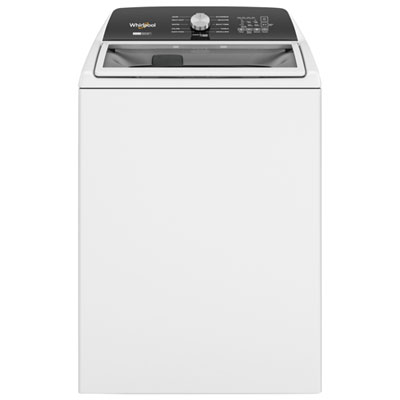 Your price for this item is $899.99
 -
 Your price for this item is $549.99
 -
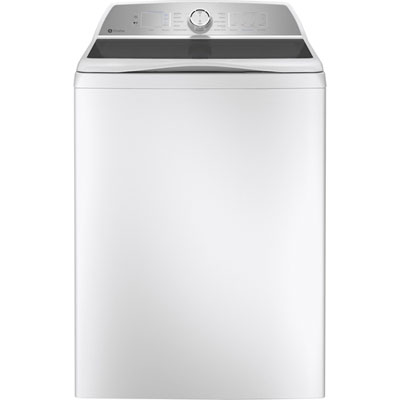 Your price for this item is $1499.99
 -
 Your price for this item is $1249.99
 -
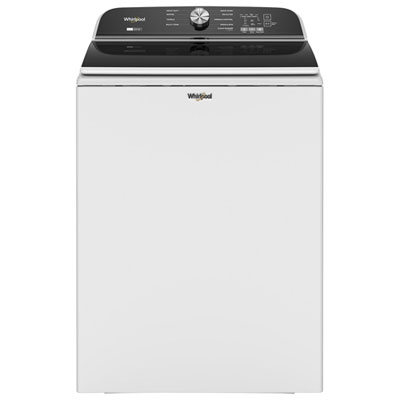 Your price for this item is $1099.99
 -
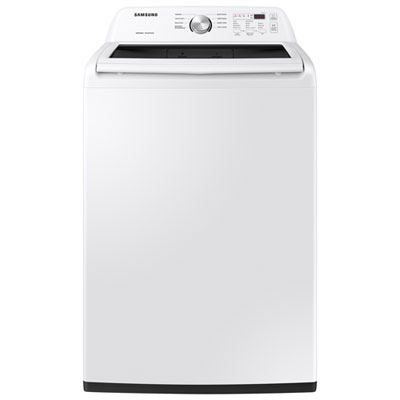 Your price for this item is $745.99
 -
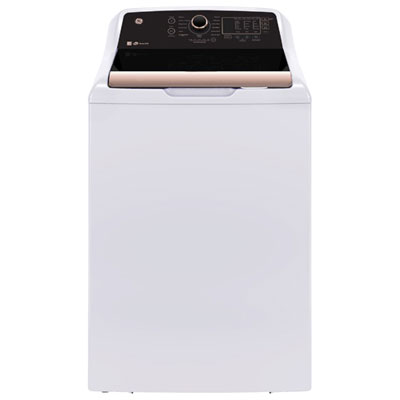 Your price for this item is $1499.99
 -
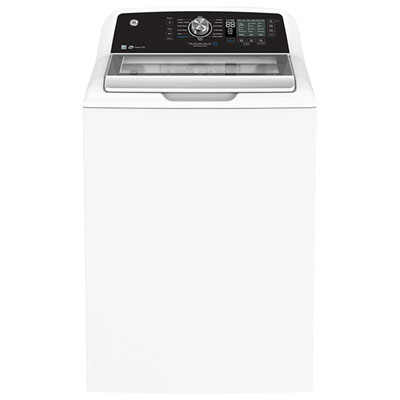 Your price for this item is $1349.99
Discover more categories related to Compact Washing Machines
Top Collections:
Pokemon Centers, Kindle Devices, Best Budget Office Chairs, Apple iPhones 16, Best Laptops for Writers, iPhone 15 Apple, Canon G7X Cameras, Refurbished Apple Laptops, Alarm Clock, Motorola Razr Phones
Some products may be subject to Environmental Handling Fees
(EHF) depending on your province.
Learn more about EHFs.