Consumer Reports Dryers
Looking for a reliable and efficient dryer to keep your clothes fresh and ready to wear? Look no further than our collection of consumer report-approved dryers. Whether you’re looking for a gas or electric model, we have the perfect dryer for you. They are all energy-efficient and have been tested to ensure they provide the best quality performance.
Sort
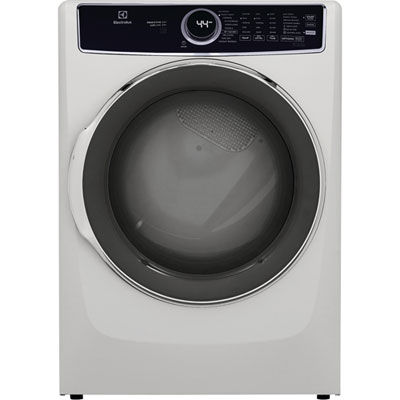

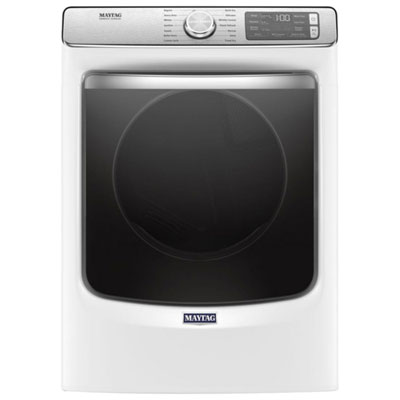
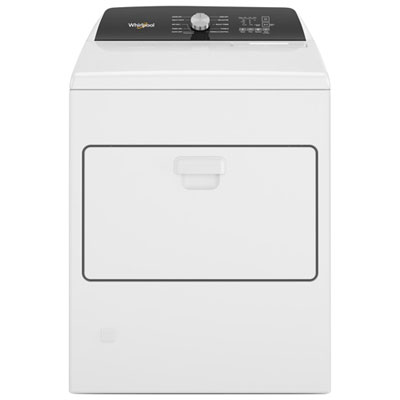
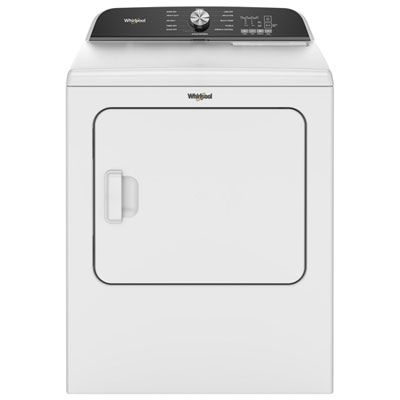
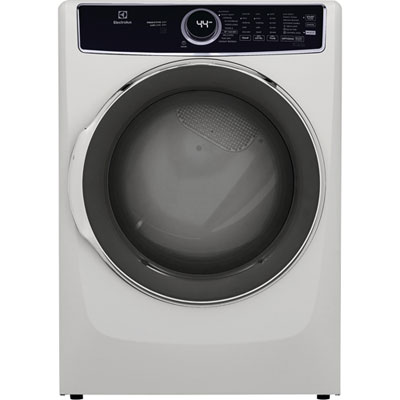
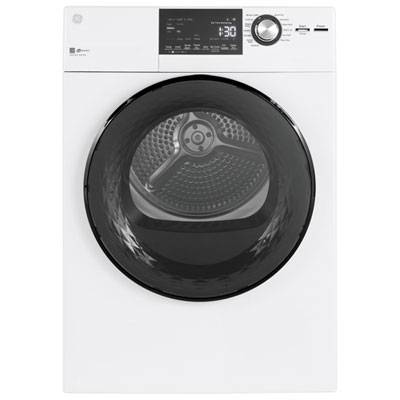
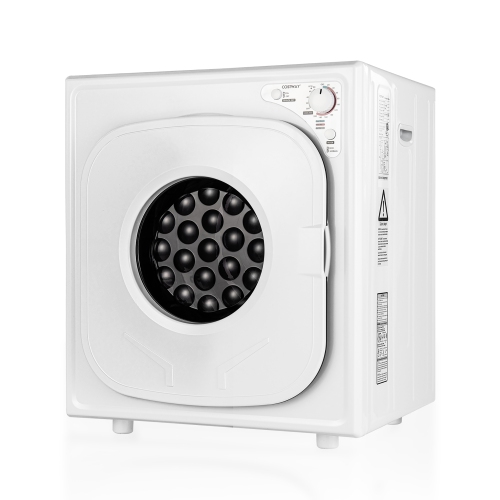
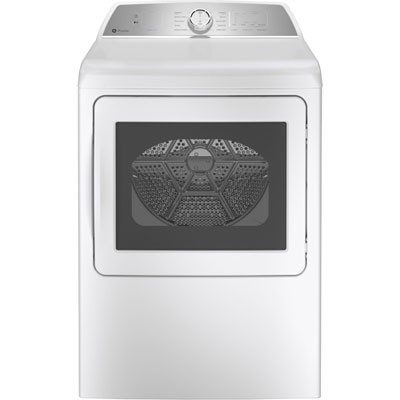
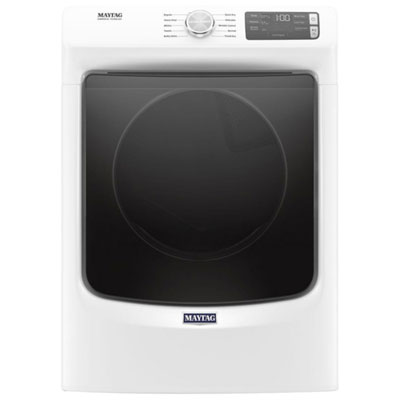
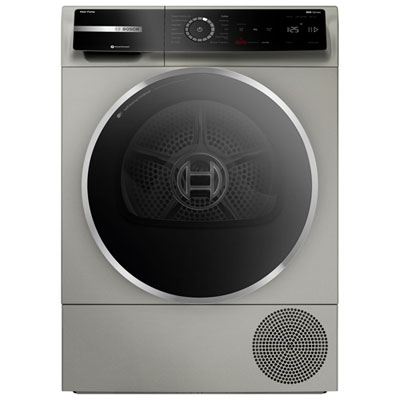
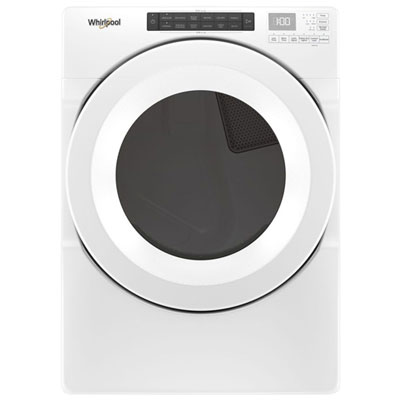


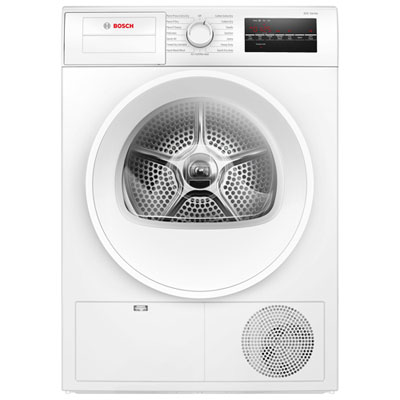
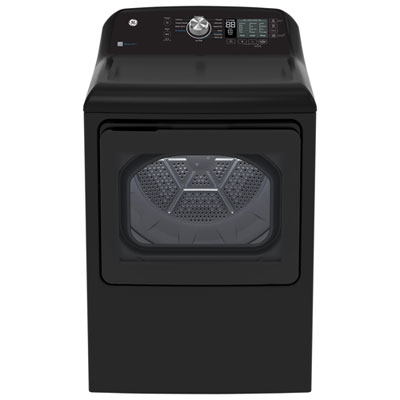
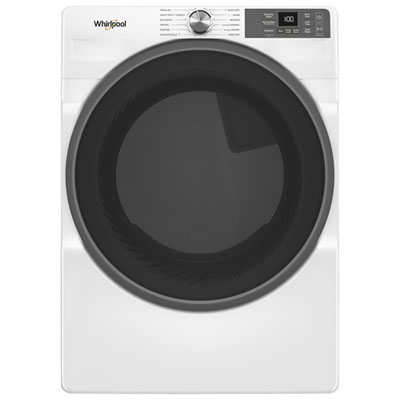

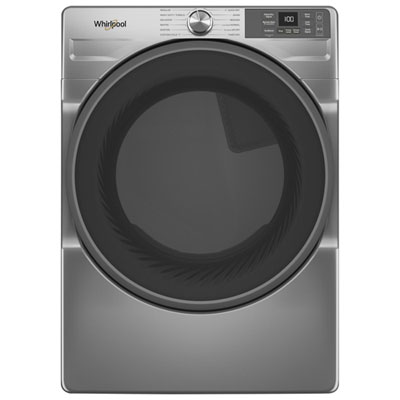
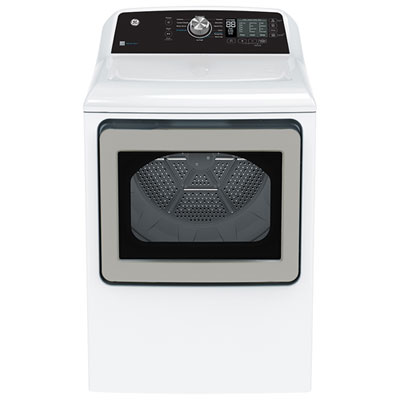

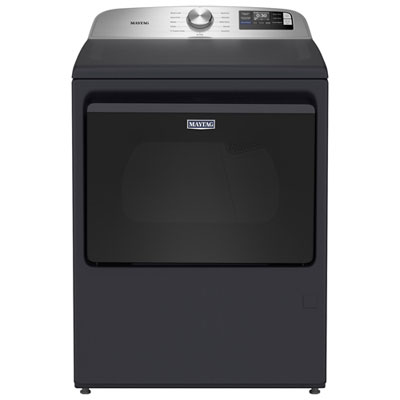
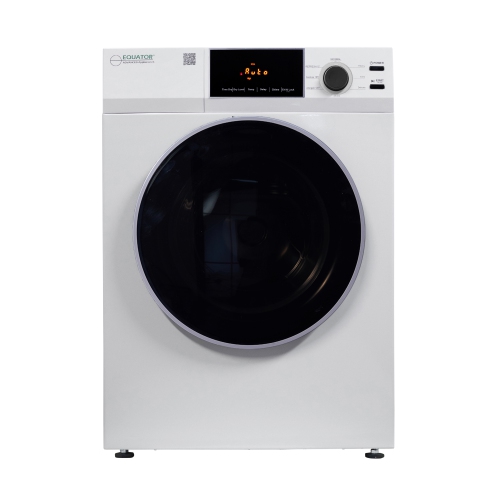
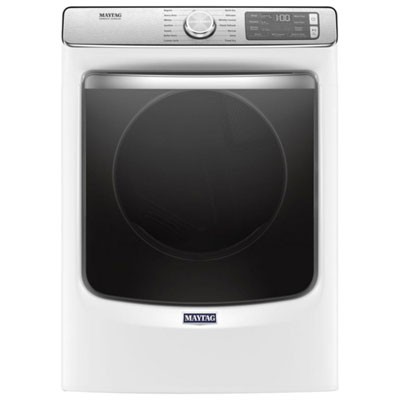
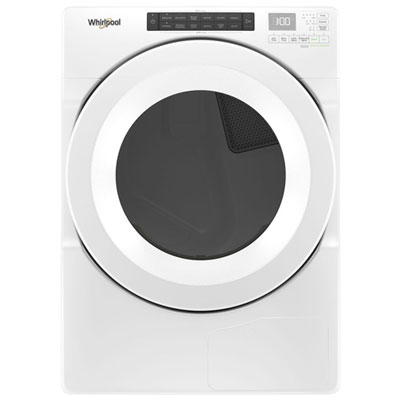
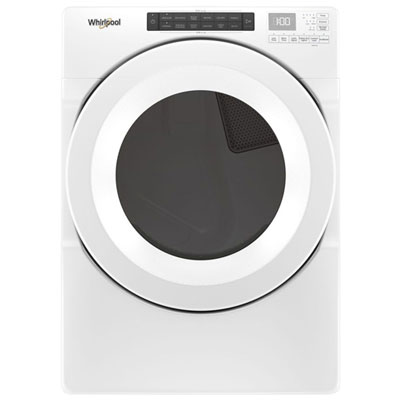
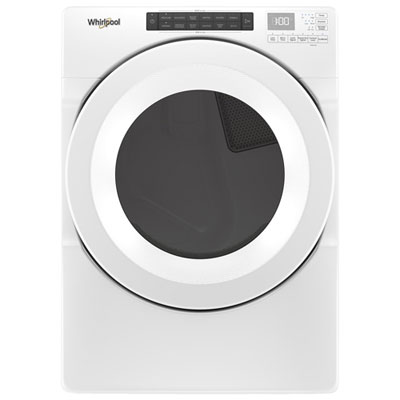
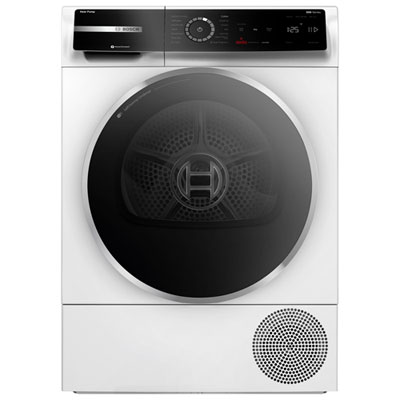
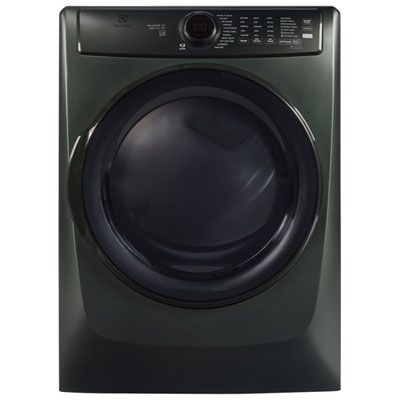

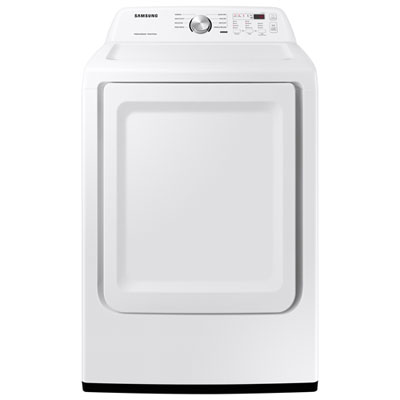
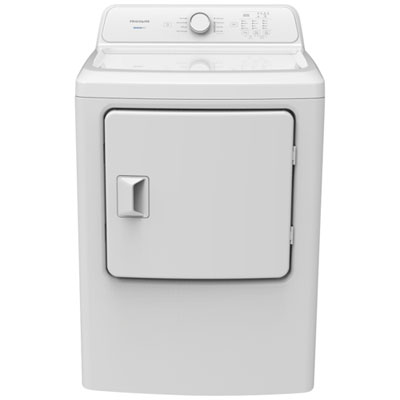
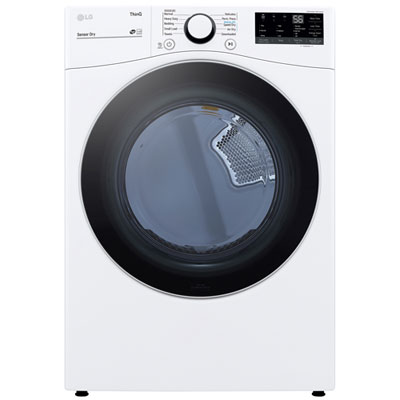
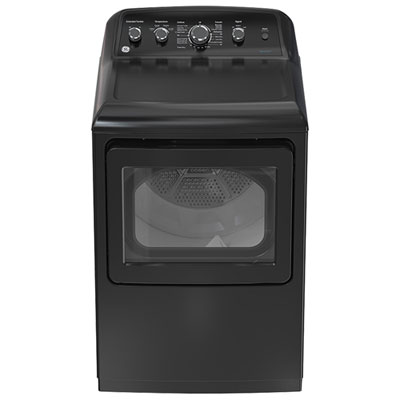
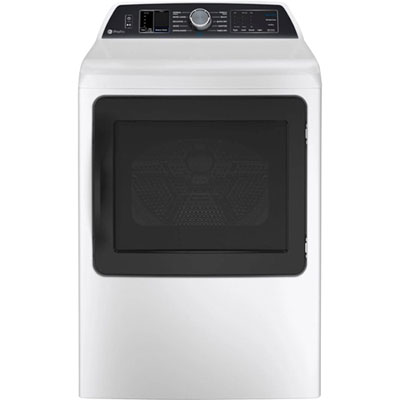

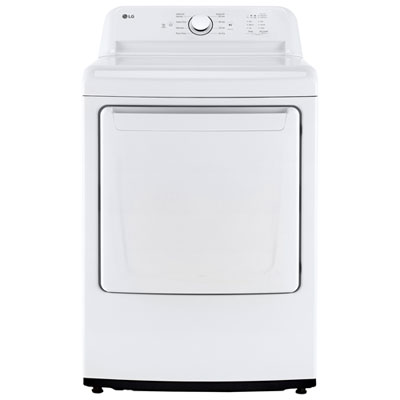
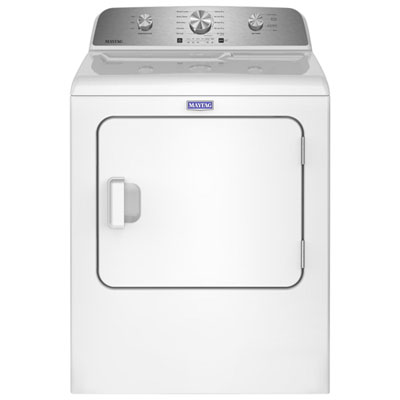

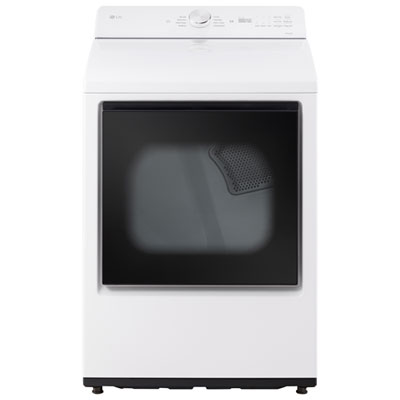
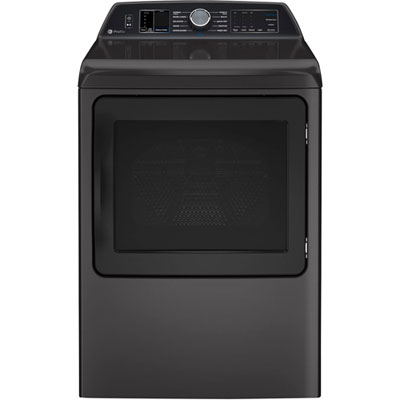
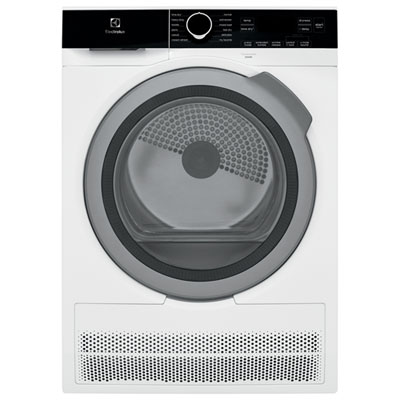
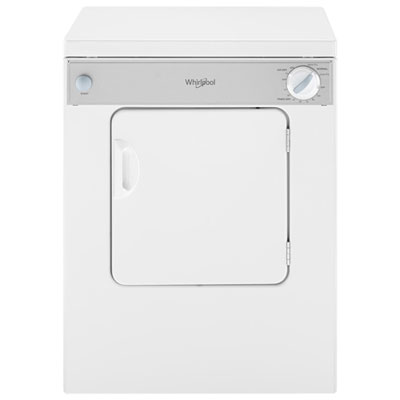
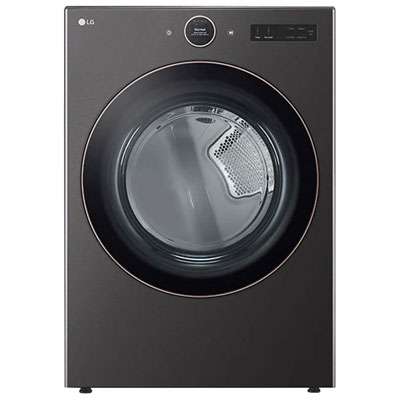
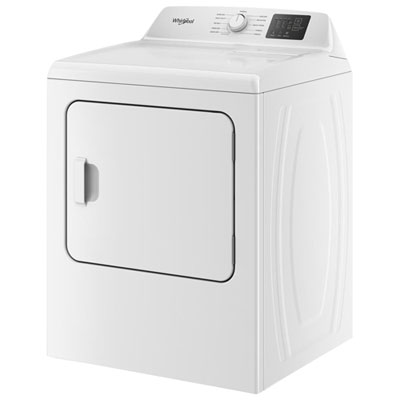
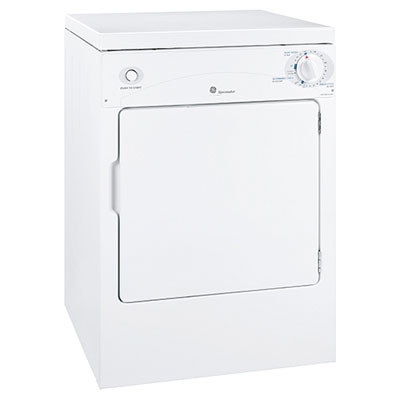
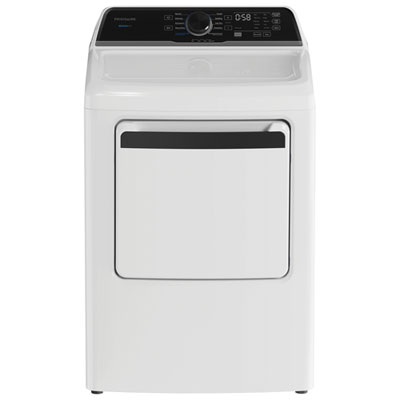
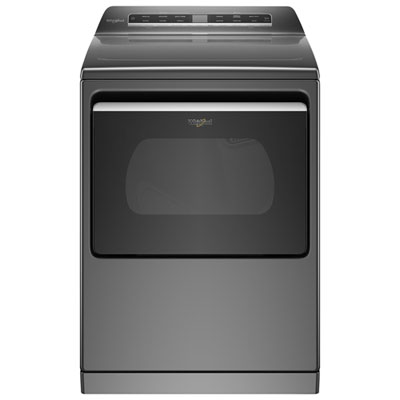
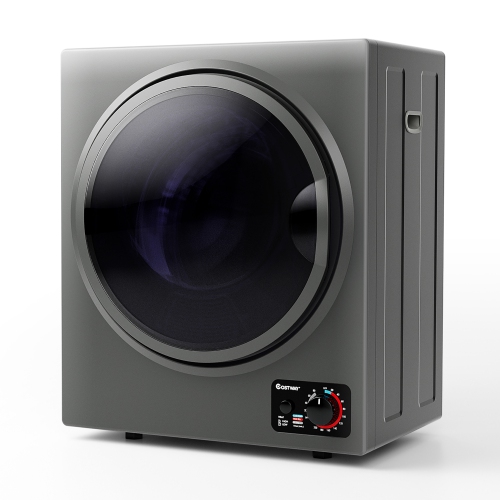
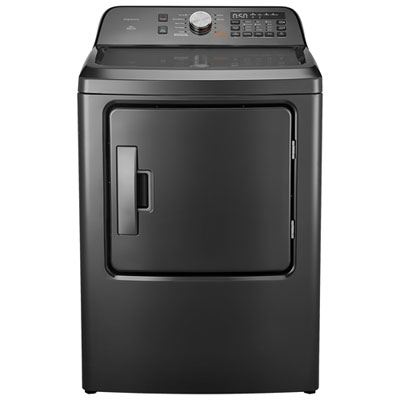
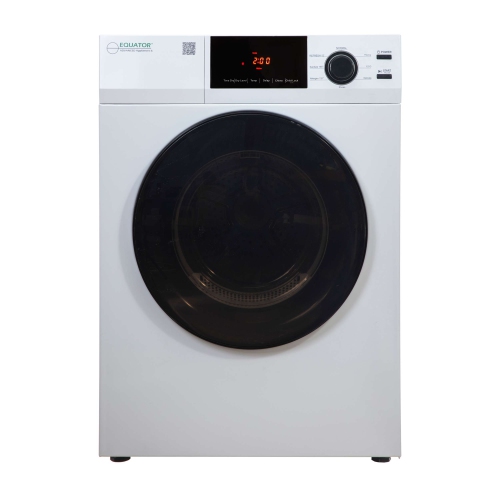
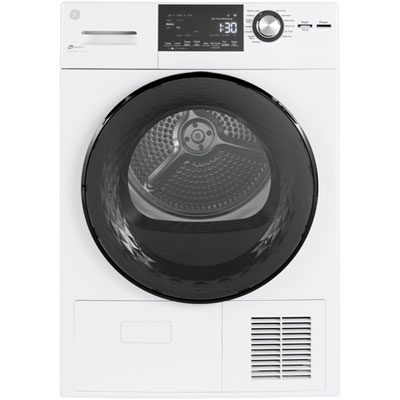
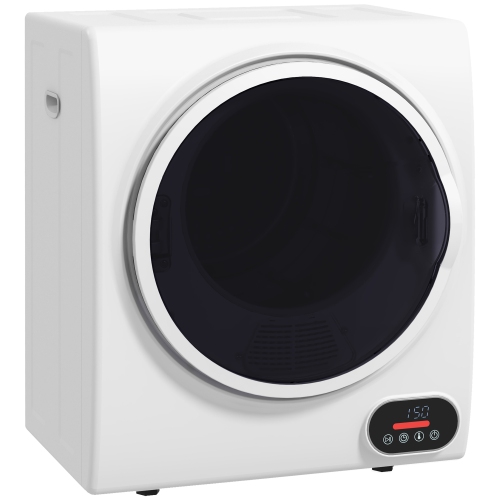

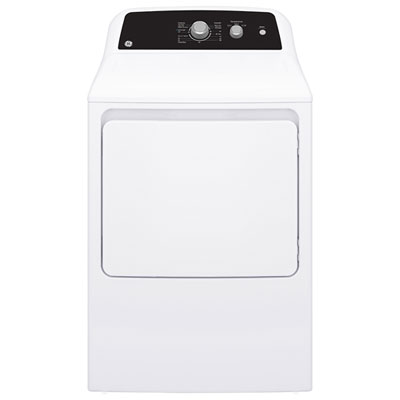
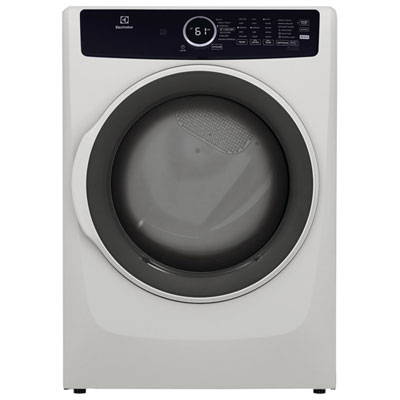
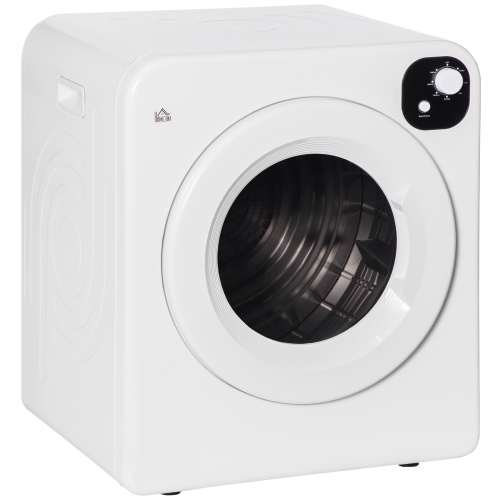

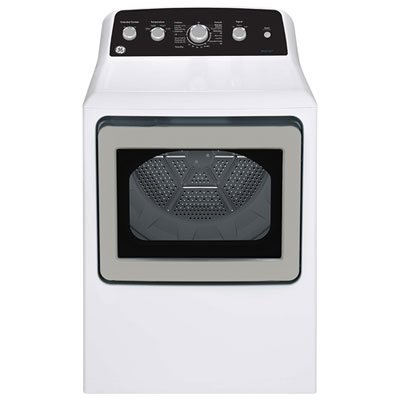
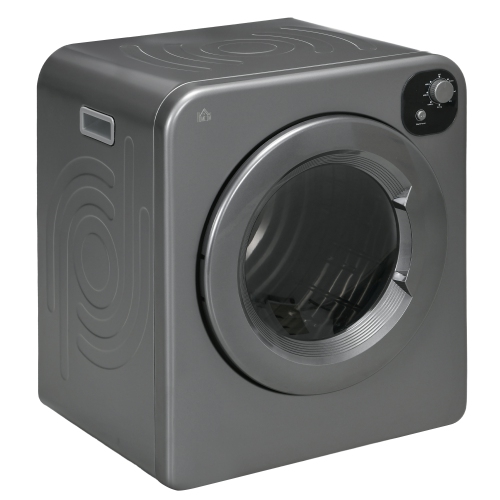


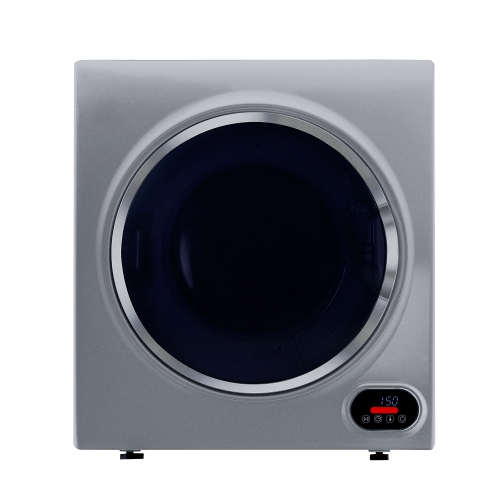
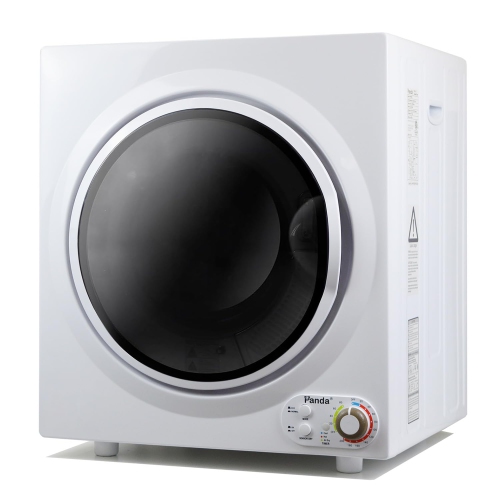
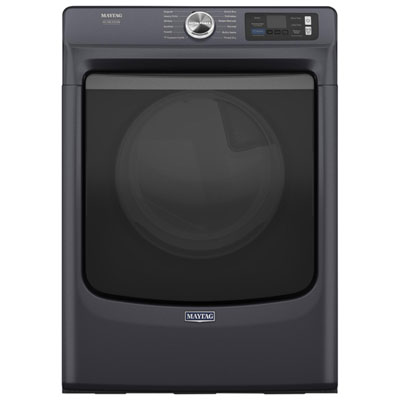
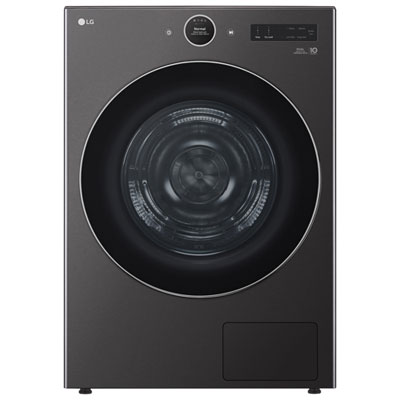
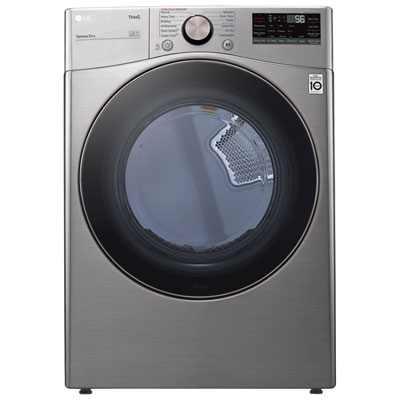

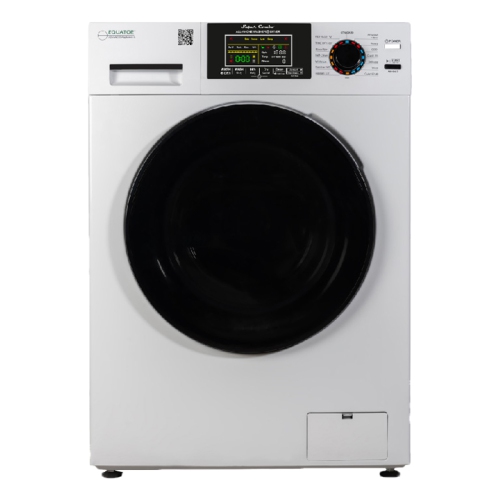
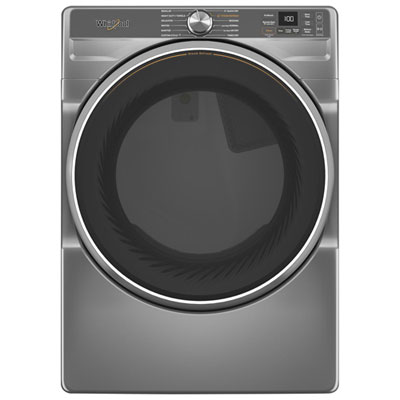
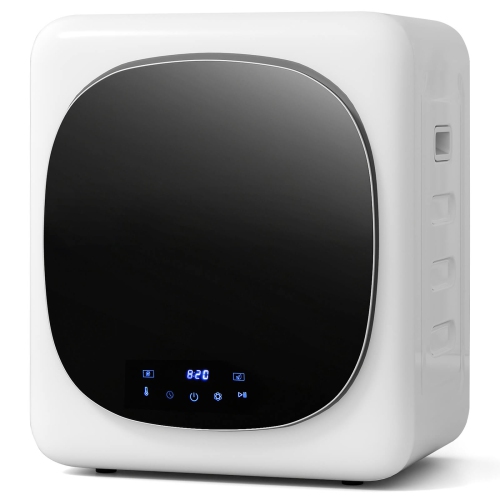

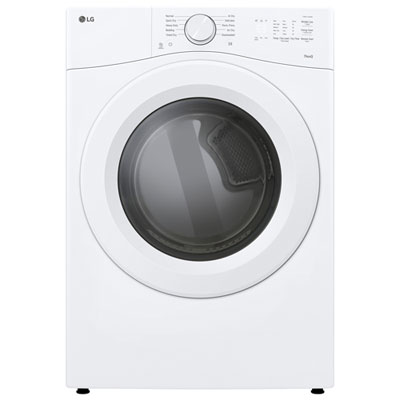

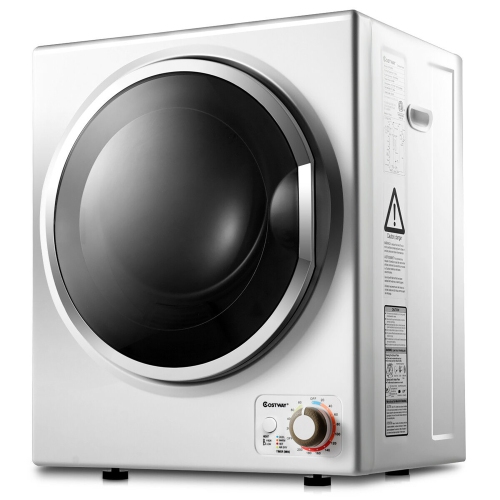

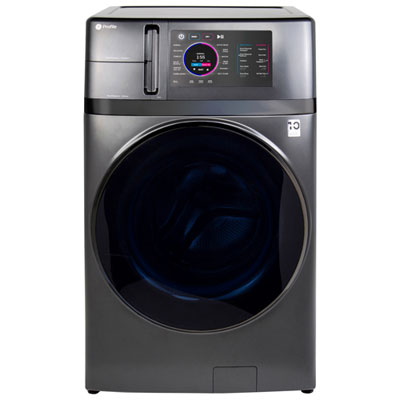

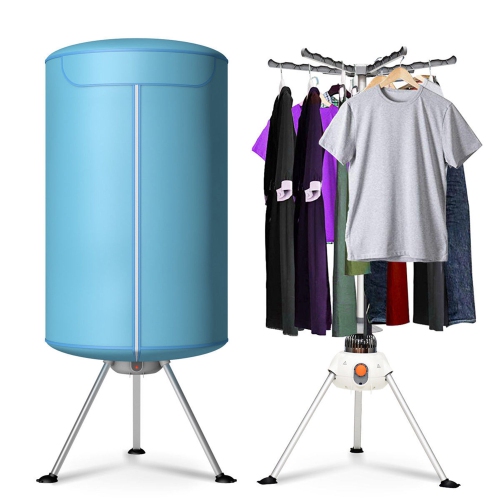
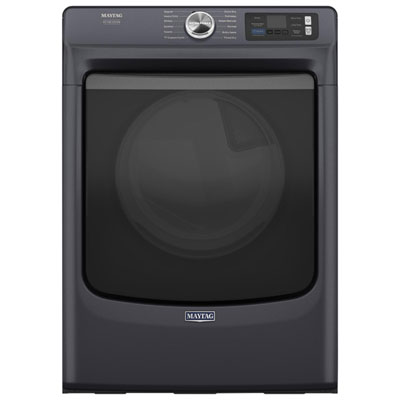

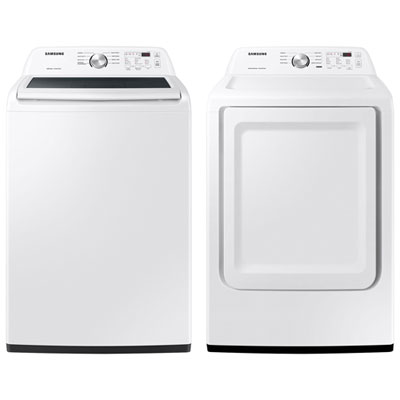

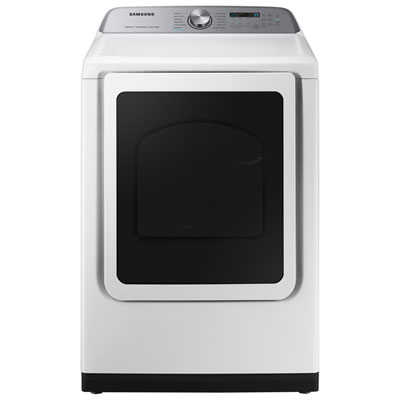
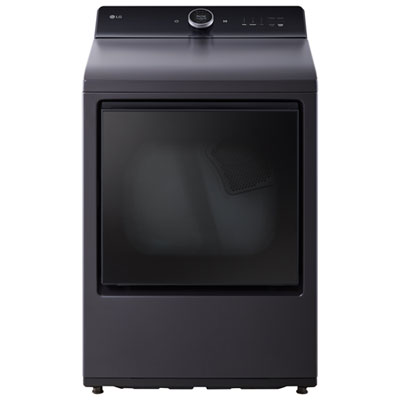
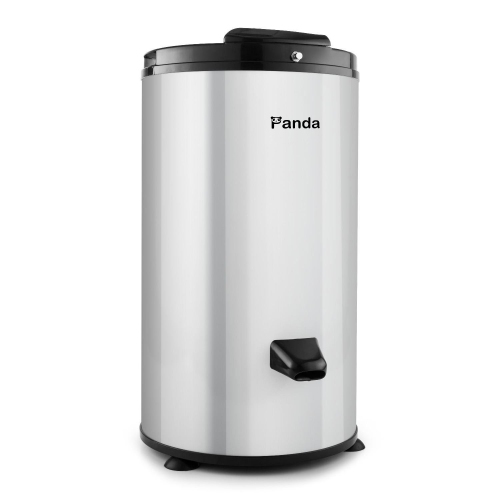
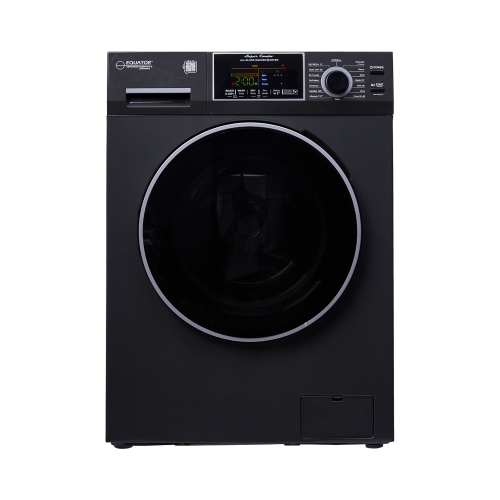
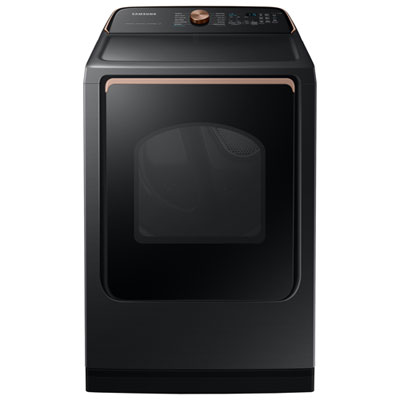

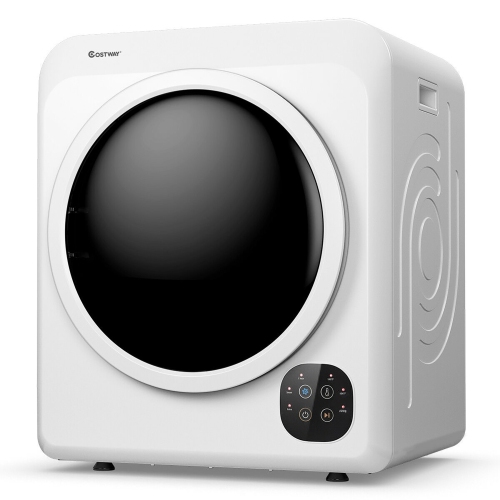
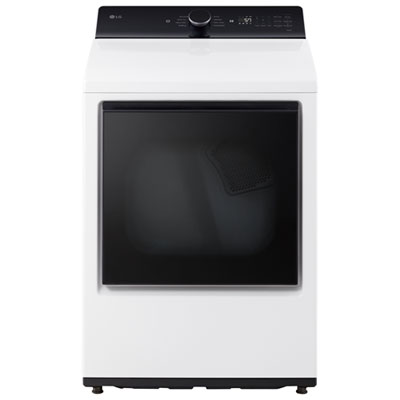
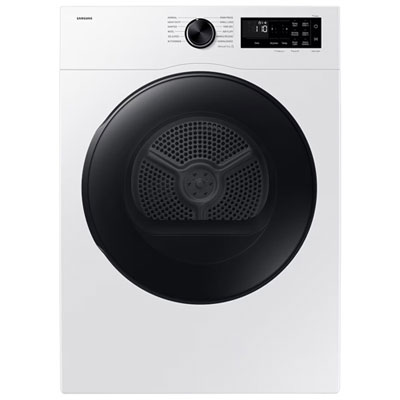
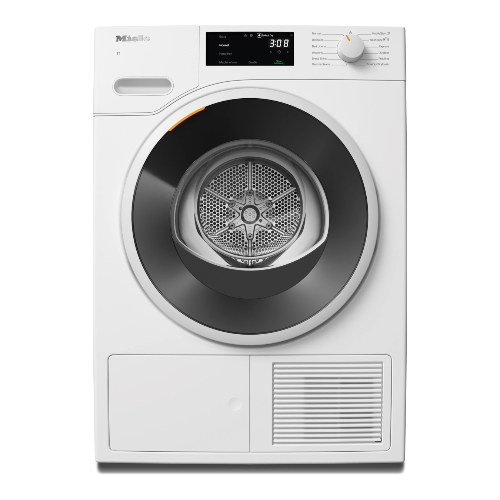
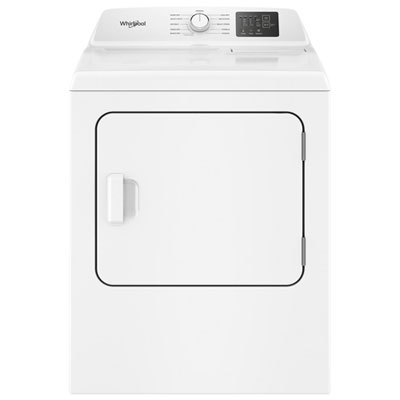
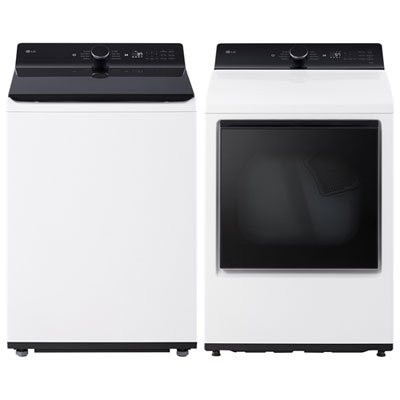

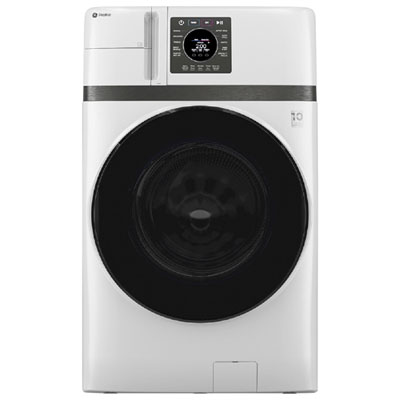
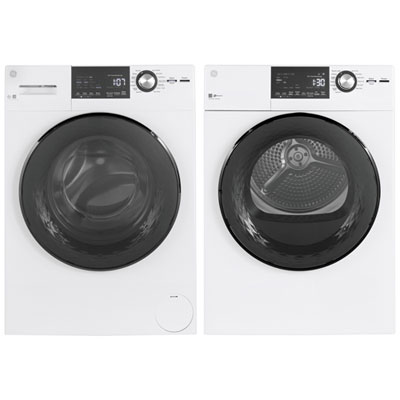

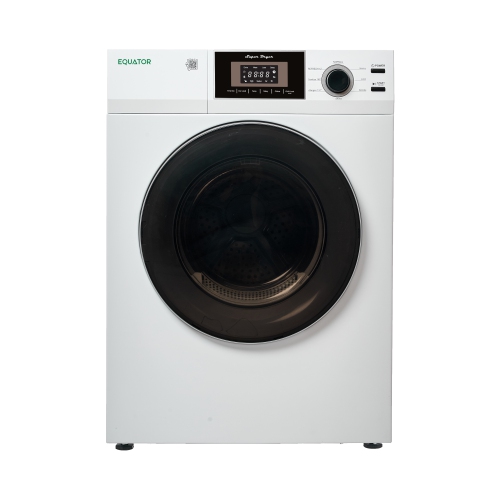
Dryer performance goes beyond drum size and cycle counts
A clothes dryer earns its place in a home through the loads it handles day after day: bath towels that need to feel dry all the way through, school clothes needed for the next morning, and sheets that should come out without damp corners trapped inside a bundle. For shoppers interested in Consumer Reports dryer ratings, drying performance, reliability, noise, and ease of use are useful considerations alongside the features listed on an appliance. No single feature tells the whole story. A spacious drum gives laundry room to tumble, but its usefulness depends on the size of the wash loads going into it and the fabrics being dried. Large households may appreciate room for frequent loads of bedding and towels, while a compact dryer can be a practical fit for a condo, a smaller household, or a laundry closet. Drum capacity is generally expressed in cubic feet, although the exterior dimensions matter just as much when fitting an appliance into an existing space. Electric and gas dryers also have different installation requirements. Many full-size electric dryers require a dedicated higher-voltage connection, while gas dryers need a suitable gas supply, an electrical connection, and outdoor exhaust venting. Requirements vary by model, so the home’s existing connections and the manufacturer’s installation specifications determine what will fit properly. Shoppers focused on an electric setup can explore Best Electric Dryers for that appliance category. Vented dryers move moist air outdoors through a duct, whereas ventless designs manage moisture without an outdoor exhaust duct. Depending on the design, collected water drains away through a hose or gathers in a container that needs emptying. Heat pump dryers are a type of ventless dryer and often operate at lower drying temperatures, although cycle times and fabric settings vary. These differences affect the daily routine as well as installation, particularly in homes where a laundry area shares space with a kitchen, hallway, or living room.
Drying results depend on how well an appliance handles moisture, heat, and movement rather than simply how many cycles appear on the control panel. Moisture-sensing cycles use readings from the load to help determine when drying should stop, reducing unnecessary time in the drum. Timed drying offers direct control over cycle length, while adjustable temperature and dryness settings provide flexibility for different fabrics. A thick cotton towel holds moisture differently from a lightweight polyester shirt, so a mixed load can finish unevenly even in a capable machine. Separating heavy fabrics from lighter pieces helps make results more consistent; garment care labels remain the deciding factor for anything that may shrink, lose its shape, or require air drying. During the cooler months, this becomes especially relevant when laundry includes heavier layers, flannel bedding, and washable throws. Bulky cycles can be useful for suitable bedding, but a large drum does not mean every duvet or blanket can safely go inside. Both the textile’s care label and the dryer’s stated load limits matter. Delicate settings generally use gentler conditions for compatible fabrics, while an air-only option tumbles without added heat. Steam functions on some dryers can help relax wrinkles or freshen suitable clothing, but they do not replace washing. Any sanitizing claim is specific to the appliance, cycle, and operating conditions rather than a benefit of every hot setting. Wrinkle-control options periodically tumble clothes after a cycle finishes, which can be handy when dinner, work, or bedtime interrupts unloading. Drum construction also contributes to everyday usability. Stainless steel drums resist corrosion and provide a smooth surface, while coated drums offer another common construction. In either case, checking pockets for coins, screws, and other hard objects helps protect the drum and clothing. Zips, fasteners, and loose items can create extra noise as well as wear, making careful loading worthwhile even when the dryer itself runs quietly.
The most comfortable laundry setup leaves room for both the appliance and the person using it. Overall width, height, and depth are only the starting point: door swing, rear connections, required clearances, and the route through doorways or stairwells can determine whether a dryer fits the intended location. An open door should leave enough space to move a basket without squeezing past it, and the lint filter should be easy to reach and remove. A reversible door, where supported, can make transferring wet clothes from the washer less awkward. Stacking can free up floor space, but only compatible appliances should be stacked with the manufacturer-approved hardware; similar dimensions alone do not establish compatibility. Raised installations can reduce bending when an approved pedestal is available for the appliance, while control placement matters for anyone who needs to operate the dryer from a seated position. Clear displays, readable cycle names, interior lighting, and an adjustable end-of-cycle signal can make a greater daily difference than a long list of rarely used settings. Noise deserves particular attention near bedrooms or shared living spaces, although what a household hears also depends on load contents, floor stability, and correct installation. Durability involves more than the outer finish. Accessible maintenance points, suitable installation, and routine care help support dependable operation. The lint screen should be cleaned as directed, typically after every load, and vented dryers need an unobstructed exhaust path with ducting that meets installation requirements. Longer drying times can indicate a load issue or a maintenance problem rather than a need for a hotter cycle. Ventless dryers may also require attention to additional filters, water containers, or heat-exchanger components according to their manuals. Avoiding overloaded drums gives fabrics room to separate and allows air to circulate through the load. For a busy family, someone setting up a first home, or a household replacing an older appliance, the most useful dryer is one whose capacity, controls, installation needs, and fabric-care options suit the laundry that actually gets done. Consistent results and manageable upkeep are what turn those specifications into a smoother weekly routine.
Top selling and popular products
-
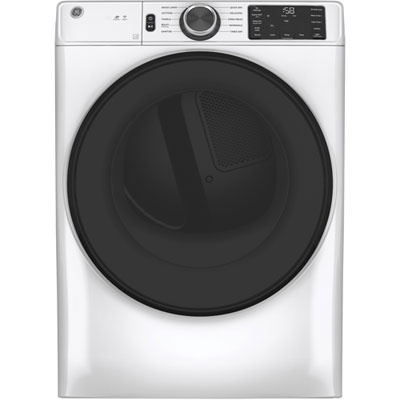 Your price for this item is $1199.99
-
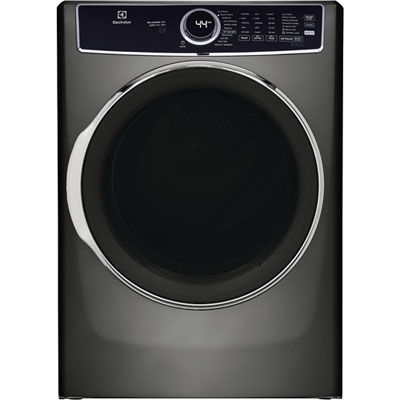 Your price for this item is $1192.99
-
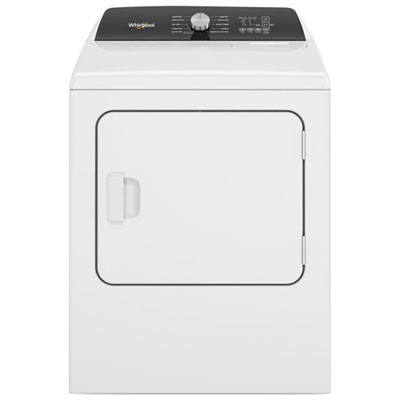 Your price for this item is $799.99
-
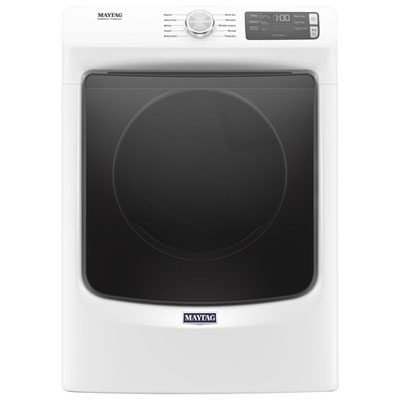 Your price for this item is $1099.99
-
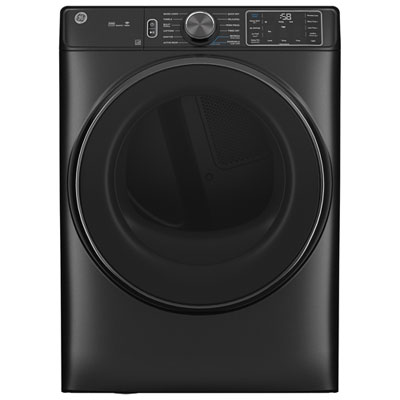 Your price for this item is $1449.99
-
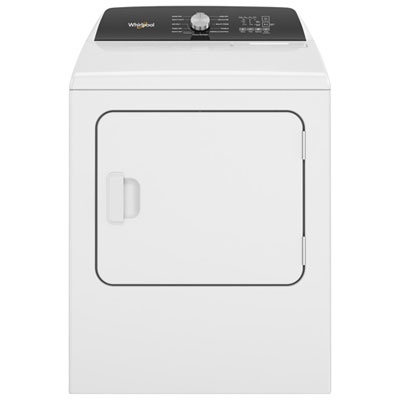 Your price for this item is $849.99
-
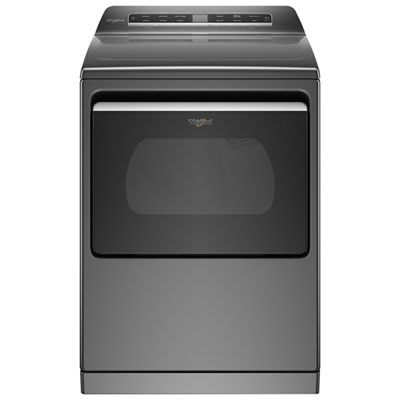 Your price for this item is $1149.97
-
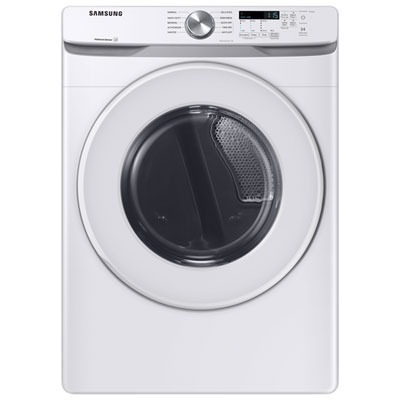 Your price for this item is $945.99
Discover more categories related to Consumer Reports Dryers
Top Collections:
Pokemon Centers, Best Black Friday Deals This Year, Best Black Friday Deals On Electronics, Kindle Devices, Best Budget Office Chairs, Best Black Friday Deals On Apple Products, Best Cameras for Sports Photography, Pokémon 30th Celebration Cards, Dyson Airwrap, Canon G7X Cameras
Some products may be subject to Environmental Handling Fees
(EHF) depending on your province.
Learn more about EHFs.