Cookers With Lids
Cookers with lids offer a convenient solution for preparing a wide range of delicious meals at home. Featuring secure lids, these cookers help you achieve consistent results whether you're simmering soups, stews, or your favorite family recipes. With various sizes and styles available, it's easy to find the right fit for your kitchen and cooking needs. Explore the selection of cookers with lids to discover options that make meal preparation efficient and enjoyable.
Sort
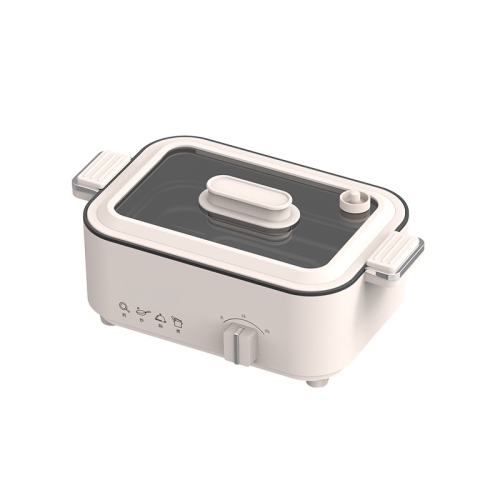
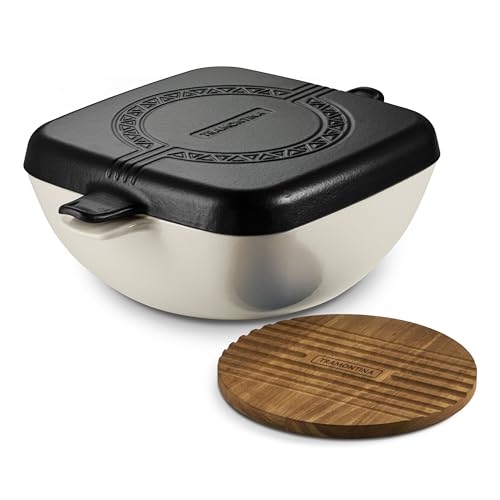
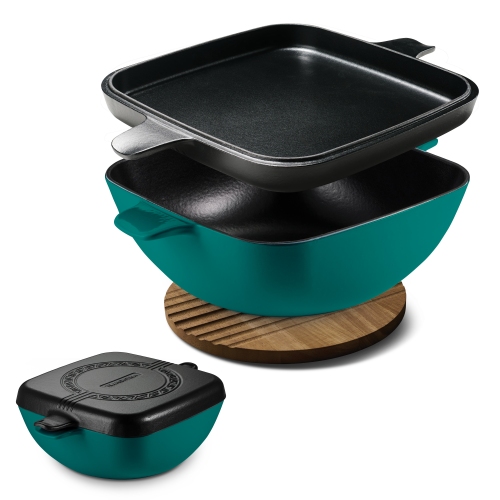
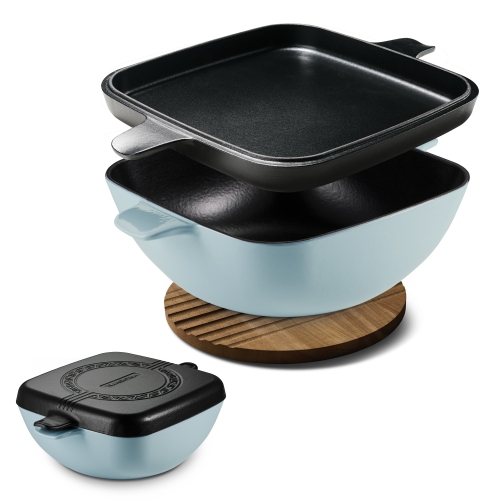
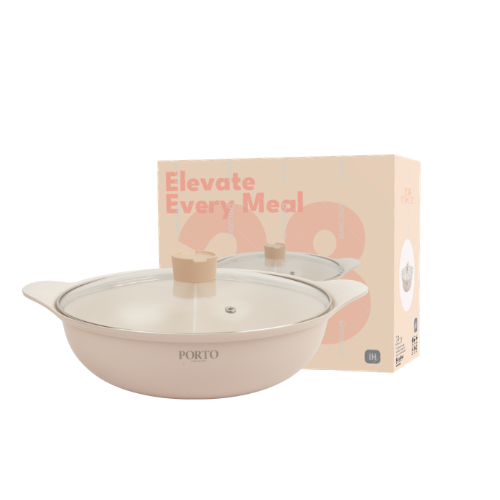
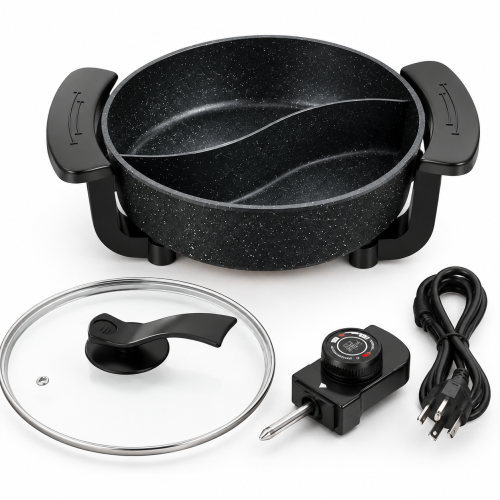
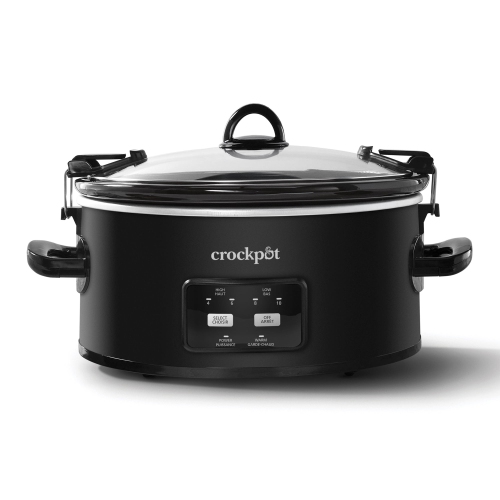
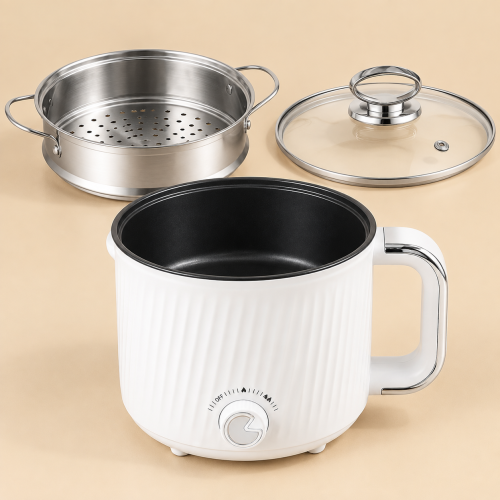
How lids and heating methods shape everyday cooking
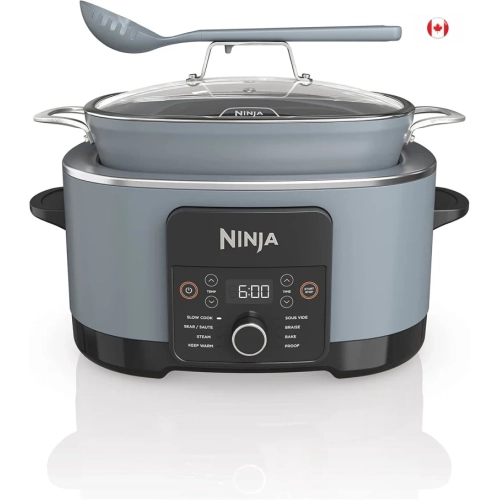
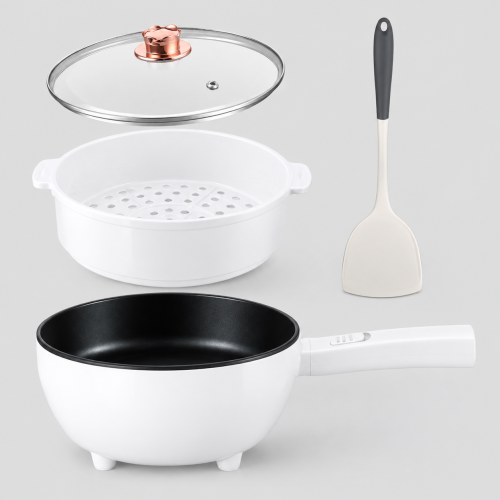
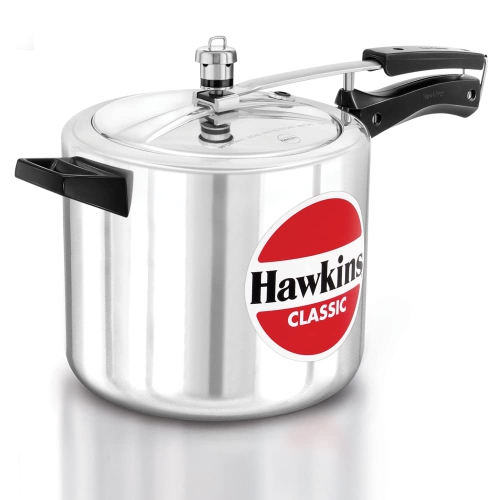
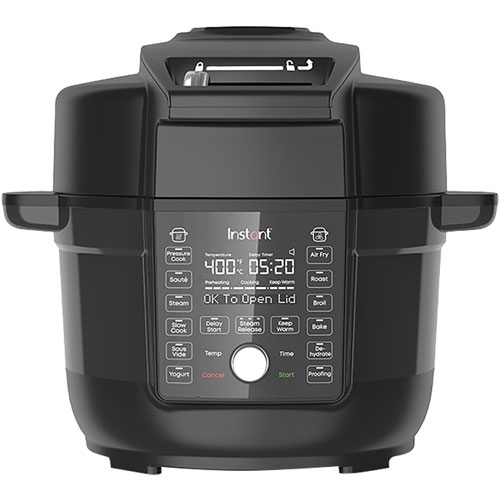
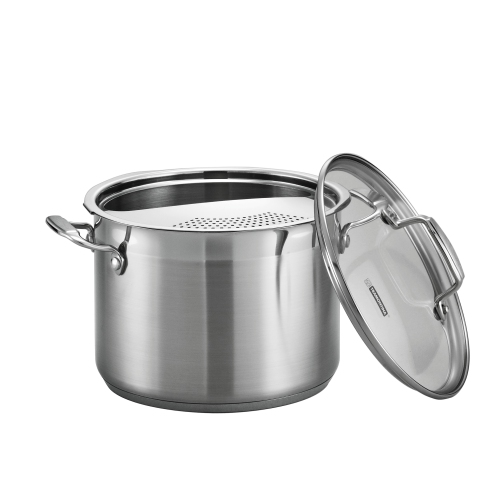
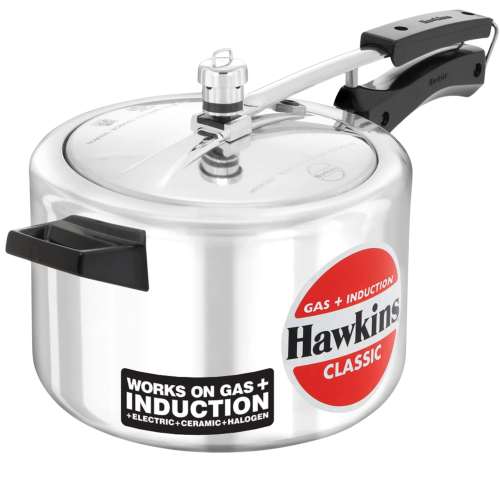
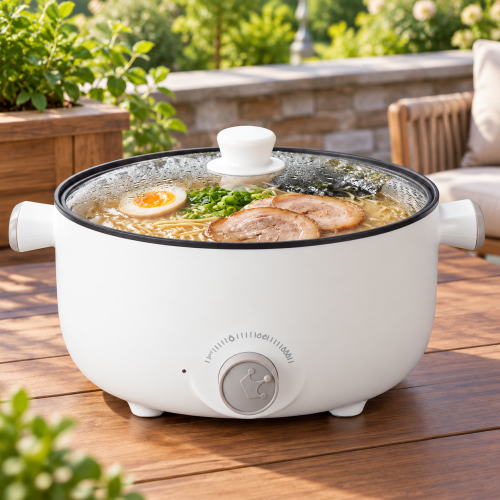
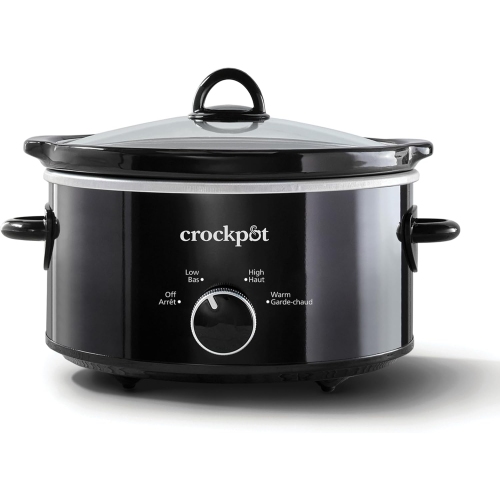
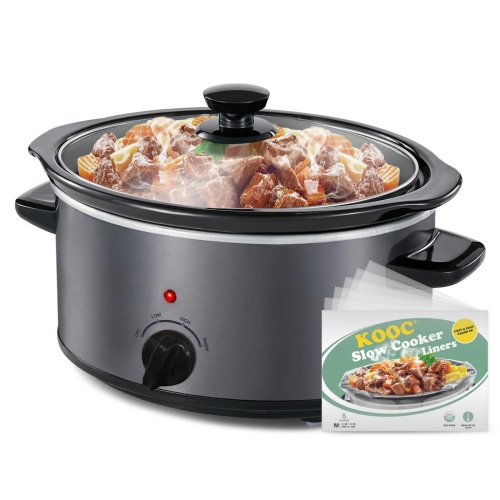
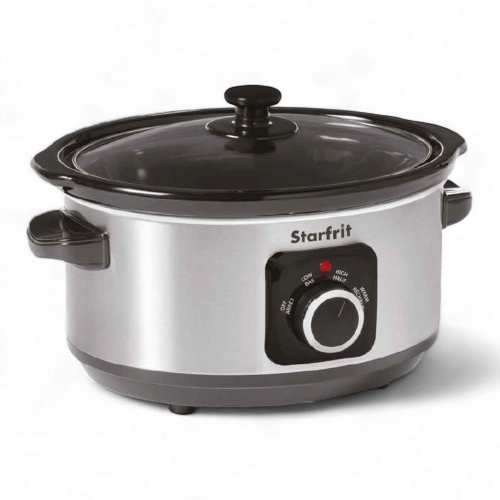
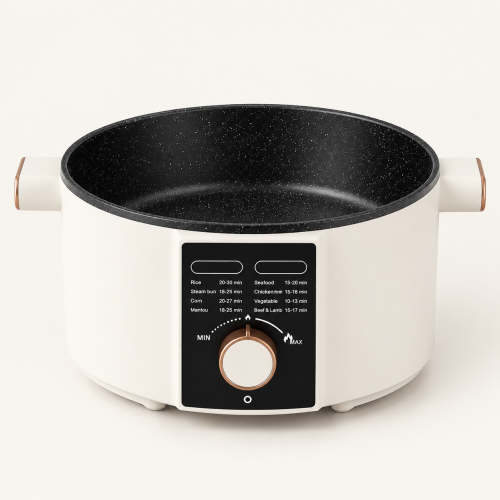
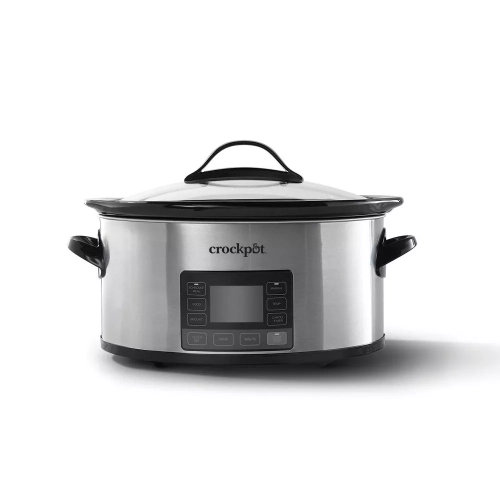
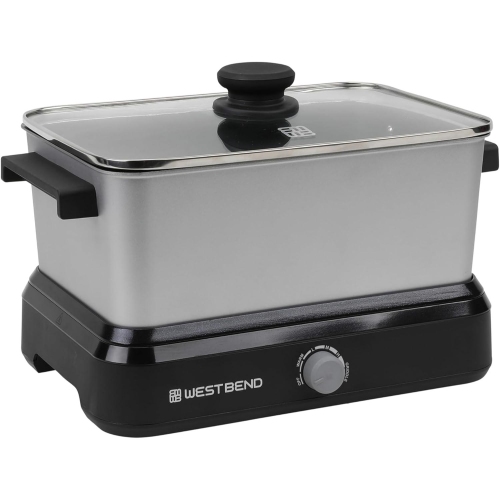
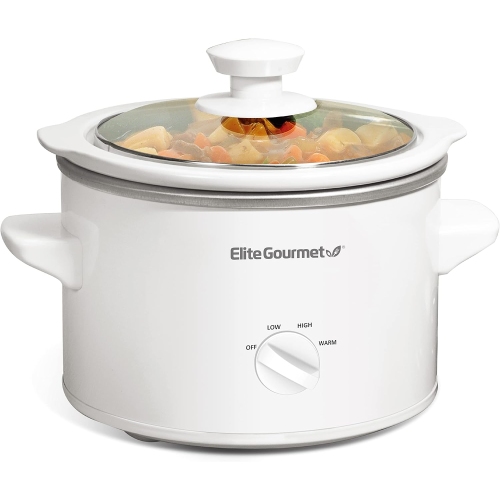
Cookers with lids include slow cookers, rice cookers, electric multi-cookers and stovetop pressure cookers, with each type offering a different way to prepare everyday meals. The lid helps manage heat and moisture, but its construction and purpose vary with the cooking method. A slow cooker generally uses gentle, sustained heat beneath a fitted lid, making it well suited to dishes such as pulled pork, lentil stew and tender braised vegetables. Many have glass lids that let the contents remain visible without interrupting cooking. Rice cookers pair a cooking vessel with a fitted or hinged lid to control steam as grains absorb water, helping simplify a side dish that might otherwise need attention on the stove. Electric multi-cookers combine several cooking functions in one appliance; depending on the design, these may include pressure cooking, slow cooking, steaming and sautéing. Stovetop pressure cookers use a locking lid and regulated steam pressure, with heat supplied by a compatible cooking surface rather than an electric base. These distinctions matter because a lid that rests on a slow cooker serves a different purpose from one that locks onto a pressure cooker. A vented glass lid is not interchangeable with a pressure lid, and carrying latches on a slow cooker should not be assumed to create a pressure seal or remain fastened during cooking. The manufacturer's directions determine how each closure is used. For a household that regularly serves rice alongside stir-fries, a dedicated rice cooker can be a practical companion to the main meal. For someone preparing beans, stews and several portions at once, pressure cooking or slow cooking may be more relevant. A well-matched cooker makes sense within the meals already being prepared, whether that means oatmeal before work, soup for packed lunches or a substantial main dish shared around the table. The most useful distinction is not simply whether a cooker has a lid, but how the vessel, lid and heating method work together.
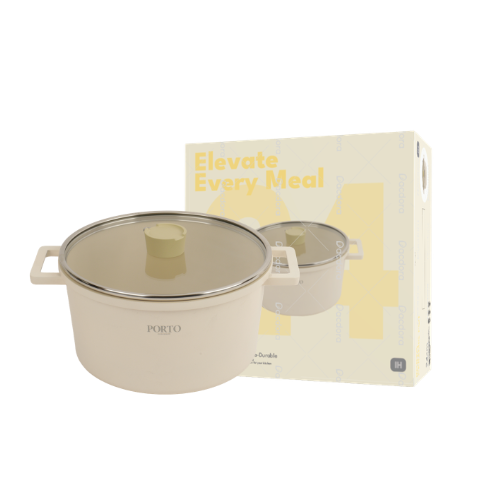
Materials influence how a cooker feels to use, how it handles heat and how much care it needs after a meal. Stainless steel cooking vessels offer a durable surface that generally tolerates regular stirring and washing well, although food can stick without suitable preparation. Non-stick inner pots can make delicate rice and sticky sauces easier to release, but their coatings need utensils and cleaning methods that will not scratch or damage the finish. Ceramic and stoneware inserts are common in slow cookers and bring useful weight to the vessel, though they can be heavy when filled and may be vulnerable to chips or sudden temperature changes. Glass lids provide a view of simmering food, while opaque lids rely on their design, controls or cooking indicators to communicate progress. Neither appearance alone nor lid weight establishes whether a cooker is designed for pressure cooking. Capacity is another practical consideration: the stated vessel size is not necessarily the amount that can safely be filled with food or liquid. Pressure cookers have working limits, and foods that foam or expand may require additional room. Rice cooker capacity may be expressed in uncooked or cooked rice, so the measurement basis matters when comparing sizes. A smaller vessel can suit a person cooking modest portions, while a larger one may better accommodate shared meals or planned leftovers, provided the recipe falls within the recommended fill range. Physical fit extends beyond capacity. An appliance needs a stable countertop position, clearance for opening or removing its lid, and room for steam to escape as directed, away from overhead cabinetry. A hinged lid may need more vertical space than expected, while a removable lid needs somewhere secure to rest. For stovetop pressure cookers, compatibility with the cooking surface, including induction where applicable, is essential. Comfortable handles, manageable weight and a secure grip become especially noticeable when a vessel contains a full batch of soup.
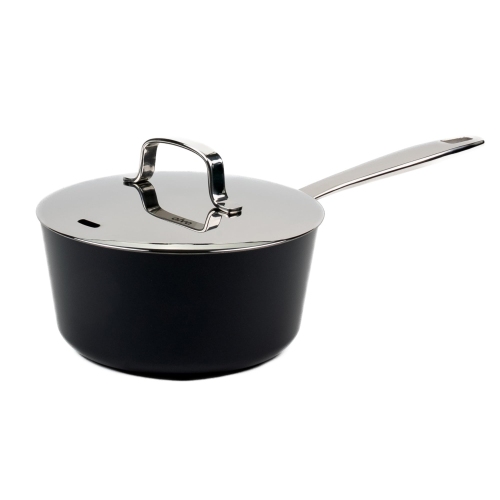
Everyday convenience often comes down to details that are easy to overlook until cooking becomes routine. Clearly marked controls, readable fill lines and an inner pot that lifts out comfortably can make preparation and serving more straightforward. On electric cookers, functions such as automatic shut-off, keep-warm settings and delayed starts vary by design and should be used only within the appliance's directions; a timer does not make every ingredient suitable for sitting before cooking begins. A household preparing different dishes throughout the week may appreciate multiple cooking modes, while someone who mainly wants reliably cooked grains may prefer simpler controls. Cleaning arrangements matter just as much. Removable lids, accessible steam vents and detachable condensation collectors can make regular maintenance easier, but dishwasher suitability depends on the individual component. An electric base must not be immersed, and a lid with electrical parts requires different handling from a plain glass cover. Pressure-cooker sealing rings, valves and locking parts need particular attention so residue does not interfere with their operation. The lid should never be forced open while the cooker remains pressurized; safe opening depends on the pressure being fully released according to the manufacturer's instructions. For any cooker, allowing components to cool appropriately and dry thoroughly before storage helps protect finishes and keeps trapped moisture from lingering beneath the lid. Storage is more convenient when the vessel, cord and accessories fit the available cupboard space without putting strain on handles or lid fittings. For meals that involve both a countertop appliance and stovetop preparation, Cookware Sets With Lids can complement a cooker with vessels for sauces, vegetables and other dishes prepared alongside it. Cookers can also make thoughtful housewarming or wedding gifts when their size and functions suit the recipient's kitchen and habits. The lasting value lies in practical use: a lid that is comfortable to handle, a vessel that suits familiar portions, and a cooking method that earns a regular place in the meal routine.
Top selling and popular products
-
 Your price for this item is $192.99
-
 Your price for this item is $122.82
-
 Your price for this item is $249.99
-
 Your price for this item is $64.99
-
 Your price for this item is $152
-
 Your price for this item is $44.99
-
 Your price for this item is $197.99
-
 Your price for this item is $104.99
Discover more categories related to Cookers With Lids
Top Collections:
Best Black Friday Deals This Year, Best Black Friday Deals On Electronics, Kindle Devices, Pokemon Centers, Best Black Friday Deals On Apple Products, Best Cameras for Sports Photography, Dyson Airwrap, Pokémon 30th Celebration Cards, Apple iPhone 17 Pro, Canon G7X Cameras
Some products may be subject to Environmental Handling Fees
(EHF) depending on your province.
Learn more about EHFs.