Countertop Microwaves for Small Kitchens
Countertop microwaves for small kitchens offer a convenient solution when space is at a premium. Designed to fit seamlessly on compact counters, these microwaves make it easy to prepare snacks, reheat meals, or cook side dishes without taking up too much room. Whether you're outfitting an apartment, dorm, or cozy home kitchen, explore a range of options that blend efficiency with style, helping you maximize your available space while keeping meal prep simple and quick.
Sort

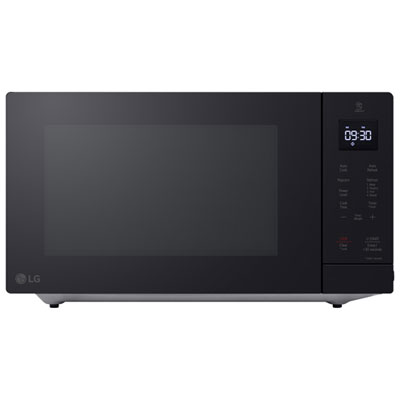
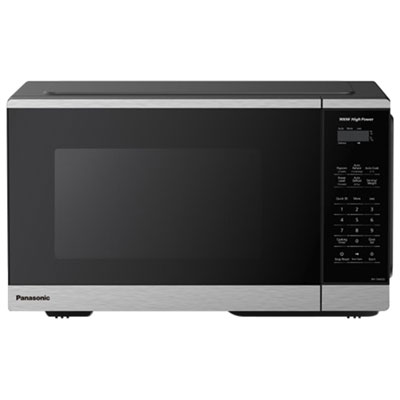
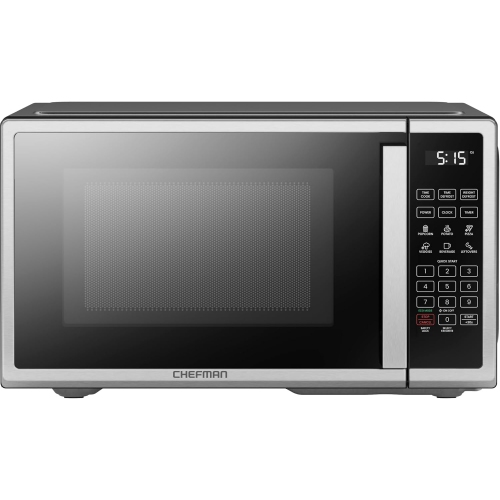
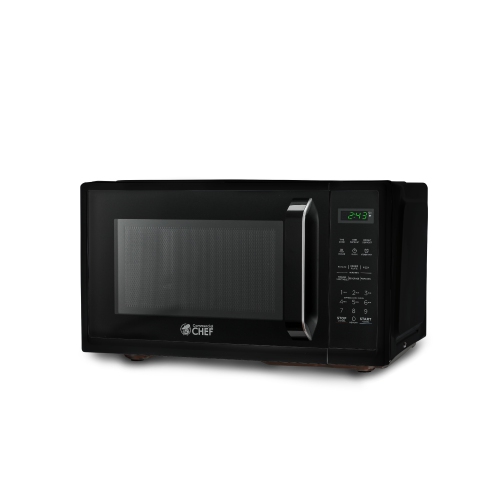

The right fit for your counter and dishes
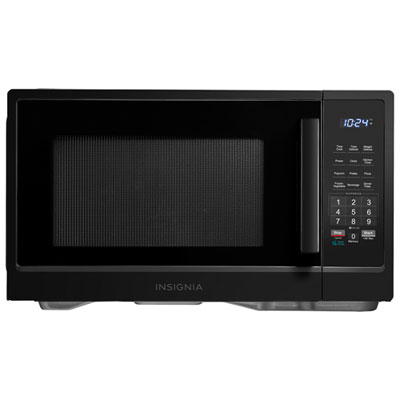
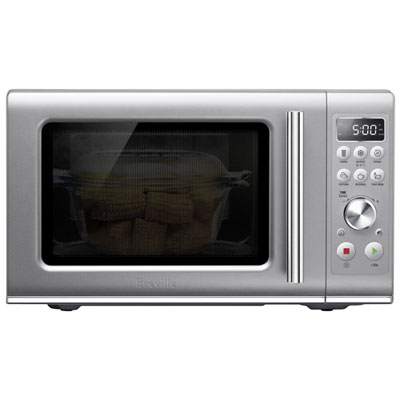
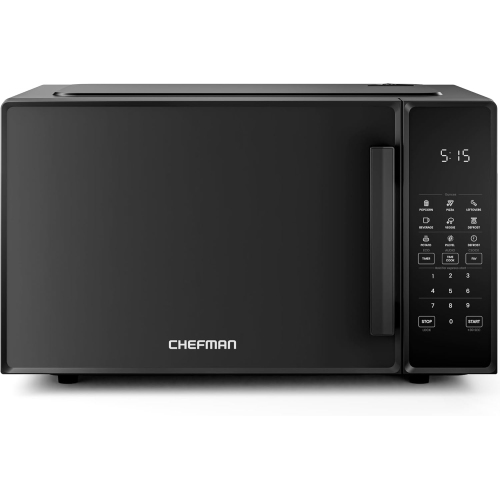
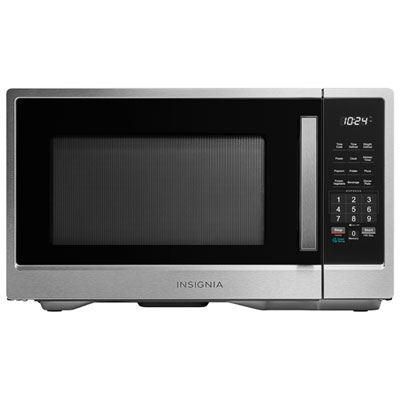
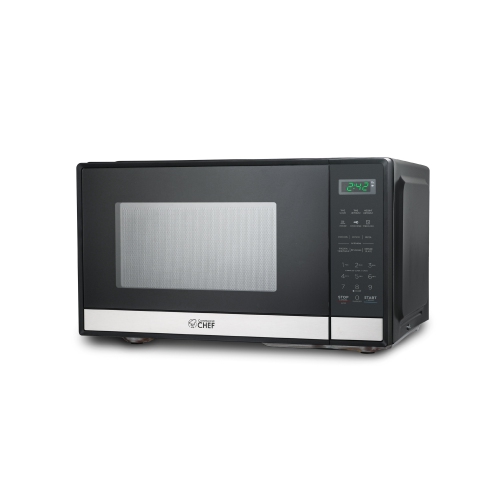
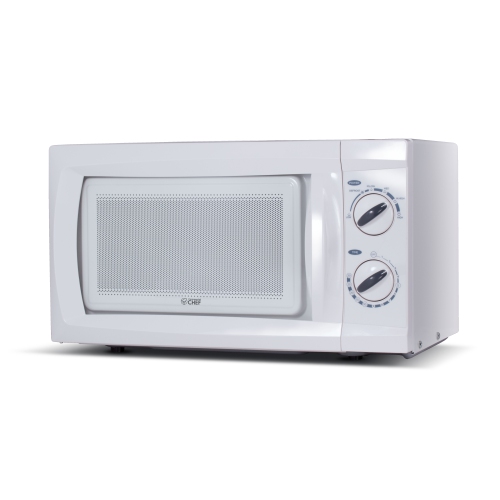
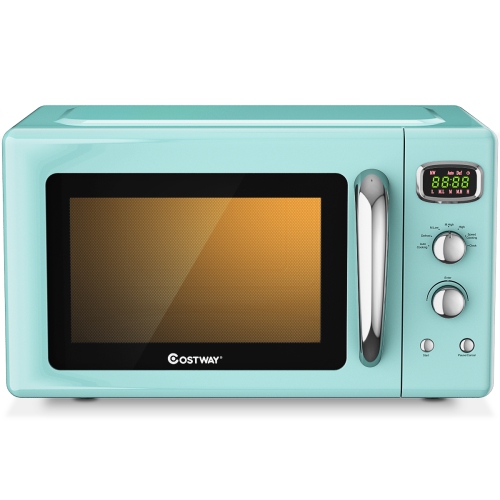
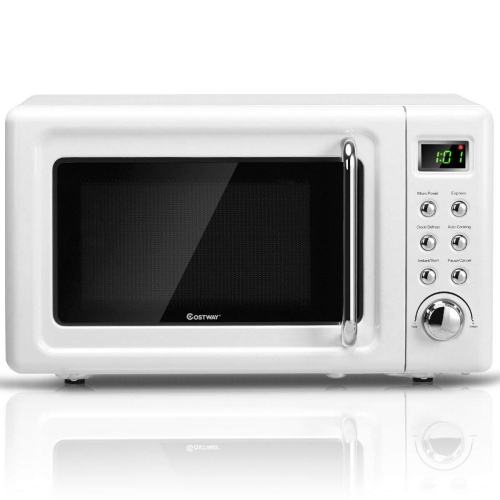
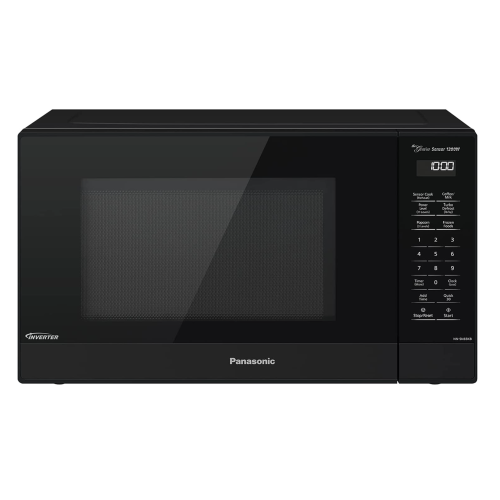
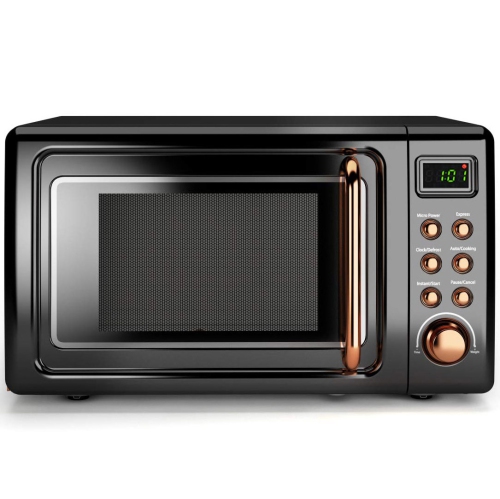
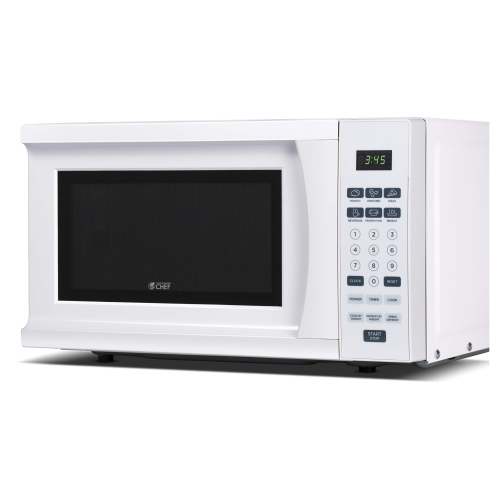
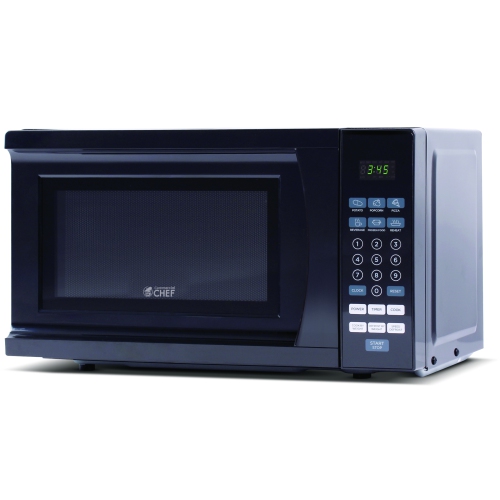
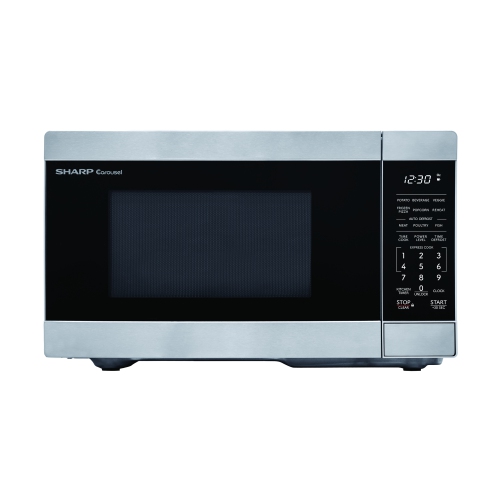
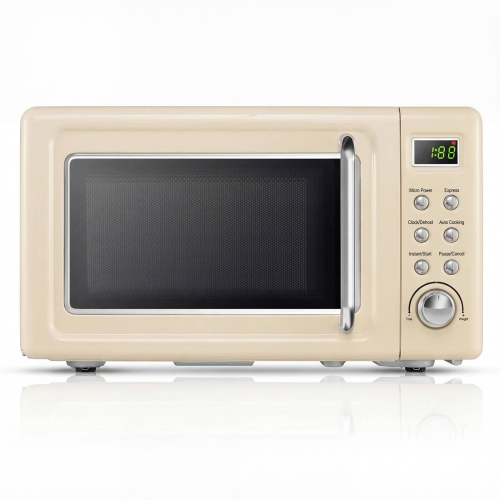
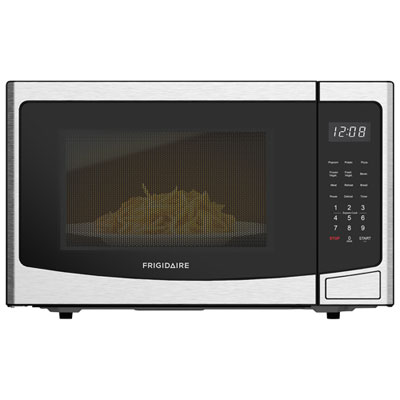
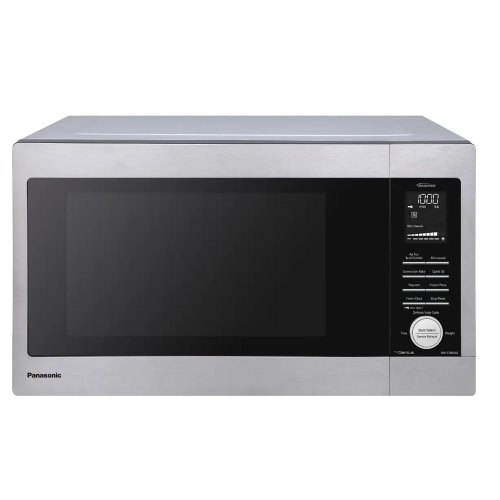
Countertop microwaves for small kitchens bring everyday reheating, defrosting, and simple cooking to spaces where every section of the worktop matters. Many compact models have capacities of 0.7 to 0.9 cubic feet and cooking power between 700 and 900 watts, making them a practical starting point for apartments, condos, studio suites, and smaller household kitchens. These figures describe interior volume and cooking output, not the appliance’s exact footprint or electrical requirements. Two microwaves with the same capacity can have different widths, depths, and heights, so exterior dimensions matter just as much as the capacity label. A smaller cabinet can leave room beside the microwave for a cutting board or coffee maker, but a good fit also includes the ventilation space specified by the manufacturer. Required clearances vary by model; a narrow gap beneath a cupboard is not necessarily a suitable location, even when the appliance physically slides into it. Countertop designs generally belong on a stable, level surface rather than inside an enclosed cabinet unless the manufacturer explicitly approves that installation. Door movement is another part of the footprint. A microwave tucked into a corner needs enough room for its door to open without striking a wall, and a projecting handle can add depth beyond the cabinet measurements. Inside, the turntable diameter and usable height determine whether a favourite dinner plate, tall mug, or covered bowl will fit. A 10-inch plate needs more than a matching capacity figure: it needs adequate clearance to rotate freely. For someone who mainly warms oatmeal, heats soup, or reheats a single serving of leftovers, a compact cavity may be entirely sufficient. Households that regularly use wide casserole dishes or reheat several portions together may need a larger interior despite limited counter space. The most useful small microwave is one that fits the kitchen and the dishes used there, without crowding the space needed to prepare and serve food. A nearby suitable outlet also helps keep the cord safely positioned rather than stretched across a sink or preparation area.
Cooking power influences how a compact countertop microwave feels in daily use. A 700-watt model can handle many routine tasks, although it will generally take longer to heat the same portion than a comparable model with higher cooking output. Food quantity, starting temperature, container shape, and the selected power level also affect results. Package directions often specify a microwave wattage, so cooking times may need adjustment when the appliance’s output differs. Rated cooking watts are not the same as total electrical input, and the appliance label and manufacturer’s instructions provide the relevant connection requirements. Multiple power levels are useful beyond simply making food hotter or colder: lower settings can soften butter more gently or help thaw food without cooking the edges as quickly. Defrost programmes based on time or weight can simplify meal preparation, but food may still need turning or separating during the cycle. Automatic programmes for foods such as popcorn, potatoes, or frozen vegetables reduce button presses, while sensor cooking, on models that include it, can adjust operation in response to moisture released by food. Presets are convenient starting points rather than a guarantee that every portion will be ready without checking. A quick-start control or an add-30-seconds button suits the familiar routine of warming a mug, checking it, and adding a little more time. Straightforward dials may appeal to someone who prefers fewer menus, while a clear digital display can make precise timing easier. Control placement, readable labels, and the force needed to open the door all contribute to comfort, especially for people with reduced hand strength or vision. Handles and push-button releases work differently, but either design benefits from a steady base that does not shift during ordinary use. Control locks can help prevent unintended operation; their behaviour varies, and a control lock should not be assumed to lock the door. Even with convenient programmes, stirring food where appropriate and allowing the recommended standing time help distribute heat more evenly, particularly in a deep bowl of soup or a dense serving of leftovers.
Materials and finish affect both appearance and upkeep in a small kitchen, where the microwave often sits in full view. Stainless steel finishes can coordinate with nearby appliances, while white or black finishes may blend more quietly into cabinetry or a compact counter arrangement. Fingerprints and splashes show differently across surfaces, and cleaning requirements depend on the finish rather than colour alone. Smooth interior surfaces and a removable turntable make routine cleanup easier, particularly after reheating sauces or uncovered drinks. A microwave-safe cover helps contain splatter while allowing steam to escape as intended. For everyday care, a soft cloth and mild cleaning solution used according to the manufacturer’s directions can remove residue without the scratching associated with abrasive pads. Turntable components need cleaning and correct repositioning so dishes rotate properly, while ventilation openings need to remain unobstructed. Keeping the door edges and contact surfaces free of food buildup also supports proper closing. A sturdy handle, responsive controls, a turntable that sits securely, and a door that closes smoothly are useful qualities to consider for an appliance that may be opened many times a day. Microwave-safe glass or ceramic containers are practical companions, provided they fit comfortably inside; plastics need to be specifically labelled for microwave use. Hot containers and steam still require care, even when the food has only been warming briefly. For renters or someone setting up a first kitchen, a freestanding microwave offers a convenient appliance without the mounting work associated with an installed unit. It can also make a useful housewarming gift when the recipient’s counter measurements and cooking habits are known. Where preserving the entire counter is the priority, Small Over-the-Range Microwaves represent a different installation option, with separate mounting, clearance, and ventilation requirements. For a countertop arrangement, the strongest match remains a compact microwave with comfortable dish clearance, accessible controls, and a footprint that leaves the kitchen workable for everyday meals.
Top selling and popular products
-
 Your price for this item is $79.97
-
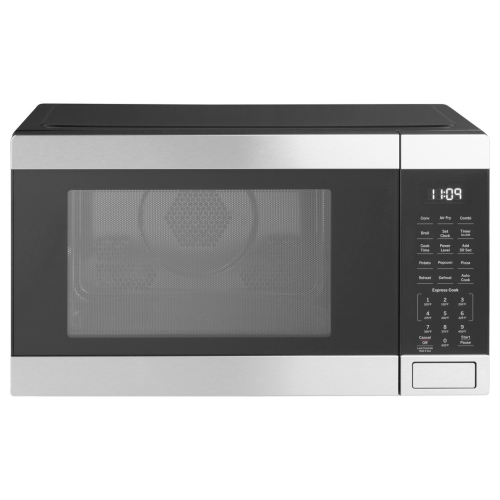 Your price for this item is $599.99
-
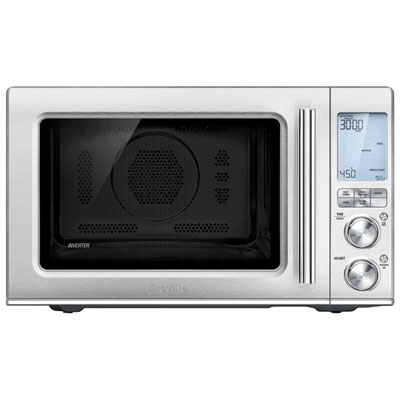 Your price for this item is $699.99
-
 Your price for this item is $95.49
-
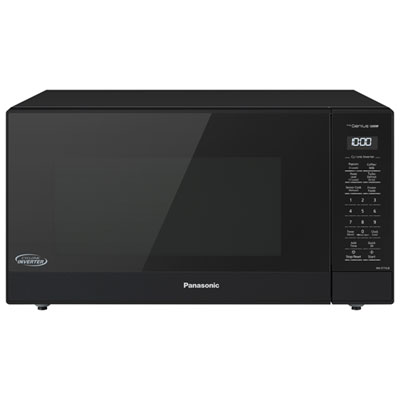 Your price for this item is $309.99
-
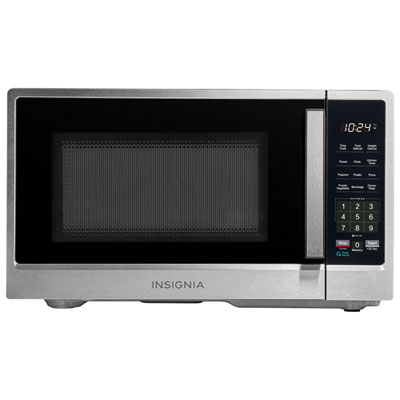 Your price for this item is $149.99
-
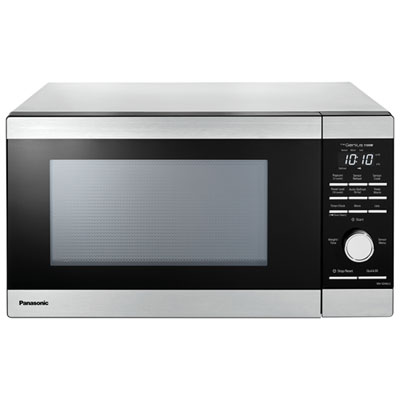 Your price for this item is $249.99
-
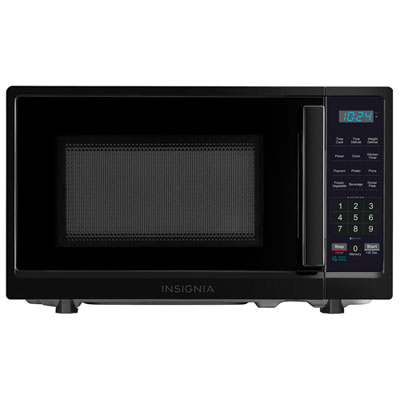 Your price for this item is $109.99
Discover more categories related to Countertop Microwaves for Small Kitchens

Top Collections:
Best Black Friday Deals This Year, Best Black Friday Deals On Electronics, Kindle Devices, Pokemon Centers, Best Black Friday Deals On Apple Products, Best Cameras for Sports Photography, Dyson Airwrap, Pokémon 30th Celebration Cards, Apple iPhone 17 Pro, Canon G7X Cameras
Some products may be subject to Environmental Handling Fees
(EHF) depending on your province.
Learn more about EHFs.