Small Over-the-Range Microwaves
Small Over-the-Range Microwaves offer a convenient solution for kitchens with limited space, making meal prep and reheating simple and efficient. These compact appliances are designed to fit neatly above your range, helping you maximize counter space while keeping essential cooking functions within easy reach. Whether you're outfitting an apartment, condo, or any kitchen with tight dimensions, Small Over-the-Range Microwaves provide the flexibility and performance needed for everyday cooking tasks. Explore a variety of options to find the perfect match for your kitchen layout and lifestyle.
Sort
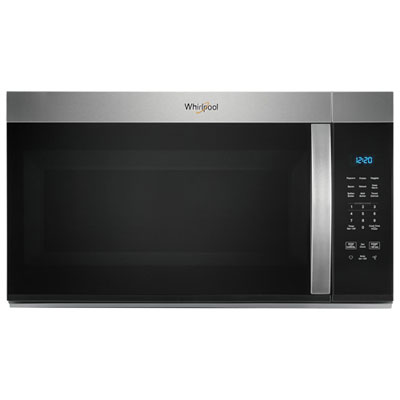
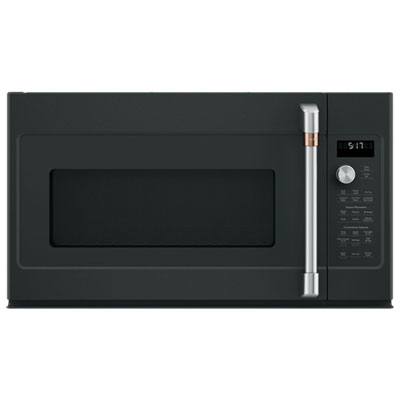
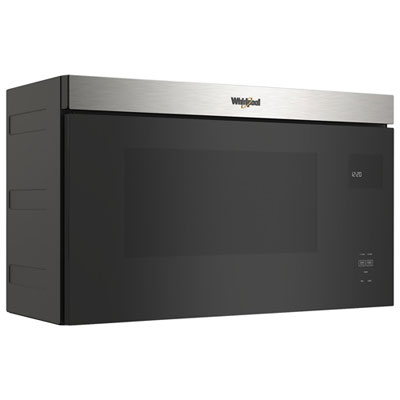
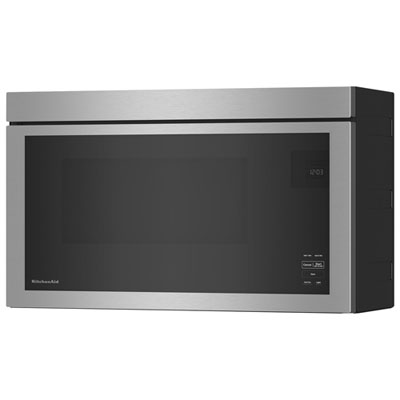
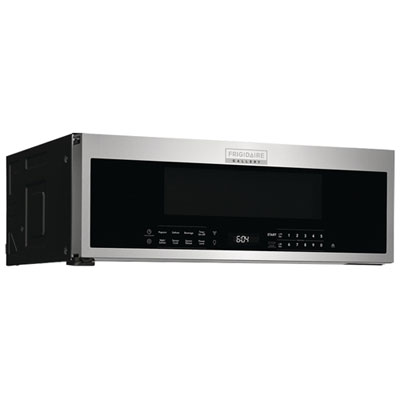
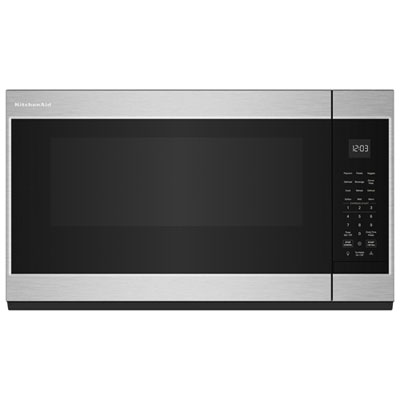
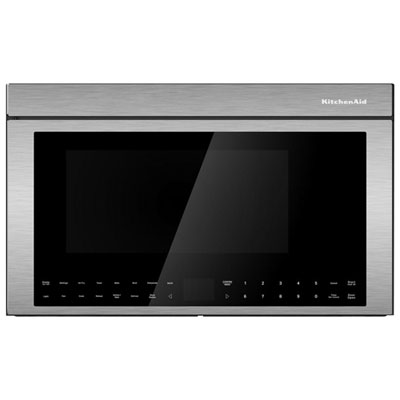
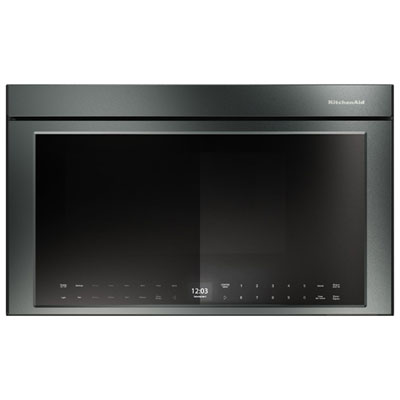
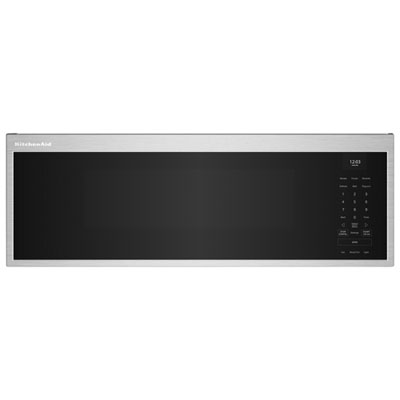
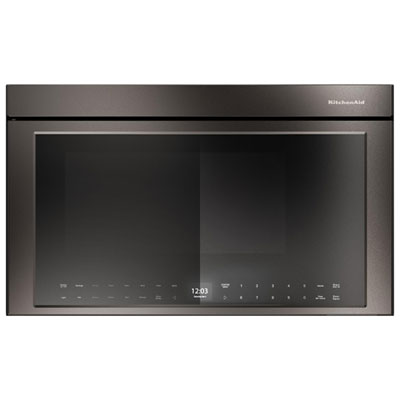
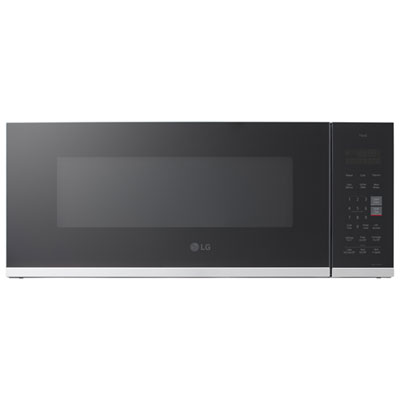
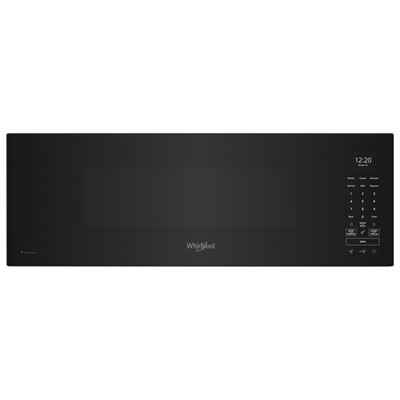
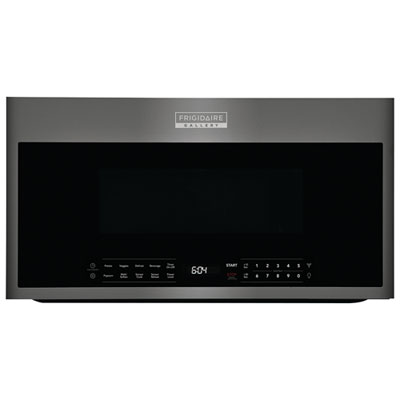
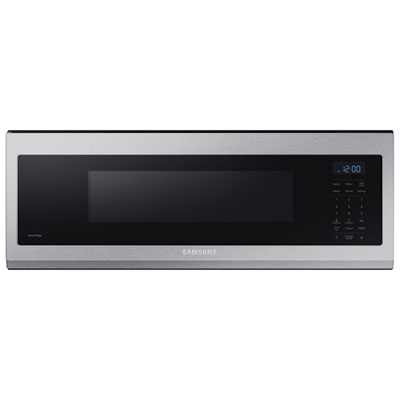
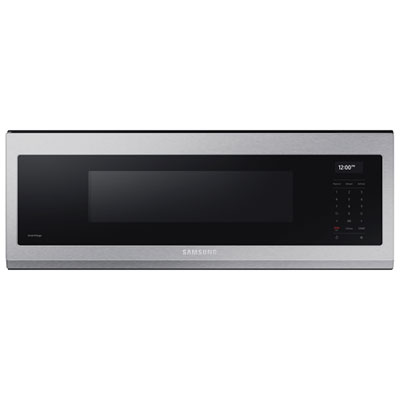
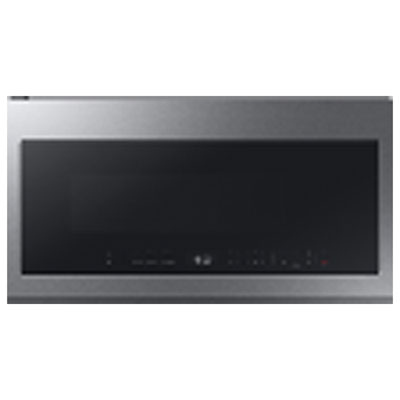
More countertop space starts with the right fit
Small over-the-range microwaves combine microwave cooking and integrated cooktop ventilation in an appliance mounted above the range, freeing up countertop space for food preparation and small appliances. Their appeal is especially clear in kitchens where a kettle, toaster and cutting board already compete for room. A compact or low-profile design can provide everyday reheating and defrosting functions without the taller cabinet shape associated with many conventional over-the-range microwaves. However, small does not always mean narrow: many low-profile designs still fit a standard 30-inch-wide opening, with their space savings coming mainly from reduced height. Exterior width, height and depth, along with the required mounting clearances, are therefore more useful than the word compact alone when considering fit. The relationship between the upper cabinets, cooking surface and microwave door matters just as much as the appliance’s dimensions. A door needs room to swing open without striking a nearby wall or cabinet handle, and the installed height should allow comfortable access to food. For someone reheating a shallow dinner plate, a shorter cooking cavity may be entirely practical; someone who regularly uses tall mugs, deep casserole dishes or covered microwave cookware will need to pay closer attention to usable interior height. Capacity expressed in cubic feet provides a helpful comparison, but the shape of the cavity and the dimensions of the turntable also affect what fits inside. A wide, shallow interior may accommodate a dinner plate while leaving less room for a tall container. Small over-the-range microwaves can suit condos, apartments and smaller family kitchens where keeping the work surface clear makes daily cooking easier. Their suitability depends on the kitchen layout rather than room size alone, particularly because an above-range location can be difficult to reach for children, shorter adults or people with limited upper-body mobility. Safely lifting a hot bowl from above the cooktop is an important part of everyday usability, not simply an installation detail.
Cooking features help distinguish a compact microwave that handles occasional leftovers from one used throughout the day. Adjustable power levels support gentler heating for foods such as butter, sauces and rice, while timed cooking provides straightforward control over a familiar portion. Sensor cooking, where included, uses readings such as humidity to adjust cooking time, although results still depend on the food, container and selected setting. Defrost functions can make meal preparation more convenient, but food may still need turning, separating or standing time according to the appliance instructions. For households that regularly reheat several plates in succession, clearly labelled controls, an easy-to-read display and a comfortable door handle can matter more than a long list of automatic programs. Turntable size and whether the glass tray can be removed easily also influence daily use and cleaning. Beneath the cooking cavity, the ventilation system serves a separate purpose: drawing in cooking fumes and airborne grease from the range below. Some over-the-range microwaves support outdoor exhaust, while others can be configured to recirculate air through appropriate filters, depending on the design and installation requirements. These arrangements are not equivalent. Outdoor venting carries air outside through ductwork; recirculation filters the air and returns it to the kitchen rather than exhausting cooking moisture outdoors. Fan speed settings offer flexibility when moving from a gently simmering saucepan to a busier cooktop, though sound levels and capture performance vary. Ventilation performance also depends on the installation height, duct route, filter condition and how well the intake covers the cooking area. A microwave hood combination is not automatically a suitable replacement for every range hood, especially where the cooking appliance has particular ventilation requirements. Integrated cooktop lighting is another useful feature, illuminating a frying pan or the surface beneath the microwave without requiring a separate fixture. The position and brightness of that light can make a noticeable difference when the surrounding cabinetry casts shadows over the range.
Materials, finishes and accessible parts contribute to how well a small over-the-range microwave holds up to everyday kitchen use. Stainless steel and painted metal exteriors offer different looks alongside nearby appliances, while fingerprint-resistant finishes may reduce the visibility of handling marks without eliminating the need for cleaning. Finish colour, handle shape and the placement of the control panel influence whether the appliance blends into the cabinetry or stands out above the range. Inside, a smooth cooking cavity with fewer awkward corners is easier to wipe after soup splashes or sauce bubbles over. A microwave-safe cover can help contain splatter, provided it leaves the ventilation openings unobstructed and suits the food being heated. Routine care generally includes wiping the interior with a soft cloth and a mild cleaner approved by the manufacturer, allowing removable parts to cool before washing, and keeping the door seals and contact surfaces free of food residue. Abrasive pads and harsh chemicals can damage finishes, so care instructions matter even for a durable metal exterior. Grease filters need regular attention, and charcoal filters used for recirculation typically require replacement rather than washing unless the manufacturer states otherwise. Accessible filters and readily removable trays can make those recurring tasks less cumbersome. Installation deserves the same attention as appearance: these appliances require secure mounting, suitable electrical service and clearances that meet the microwave and range manufacturers’ requirements, along with applicable local rules. An existing over-the-range opening does not guarantee a direct replacement, because bracket positions, vent connections and cabinet depth can differ. A qualified installer can assess the setup, particularly when ductwork or electrical changes are needed. For a kitchen layout that places the microwave within cabinetry away from the cooking surface, small built-in microwaves offer a different installation approach, generally without the integrated range ventilation of an over-the-range model. The distinction matters when balancing an uncluttered countertop with safe access, useful cooking capacity and ventilation suited to the range below.
Top selling and popular products
-
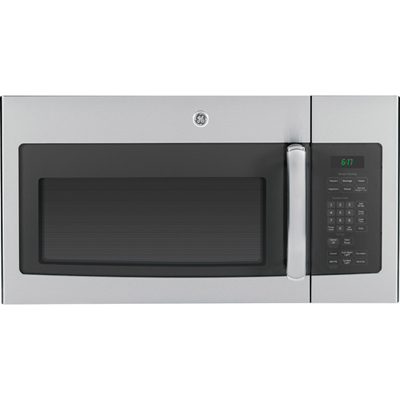 Your price for this item is $399.99
-
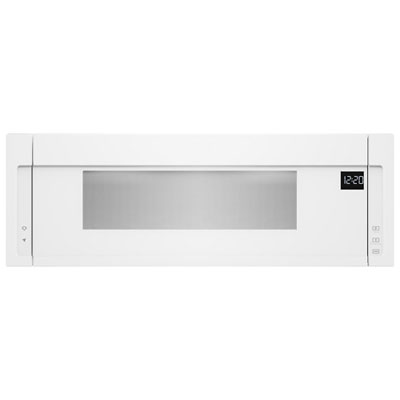 Your price for this item is $549.99
-
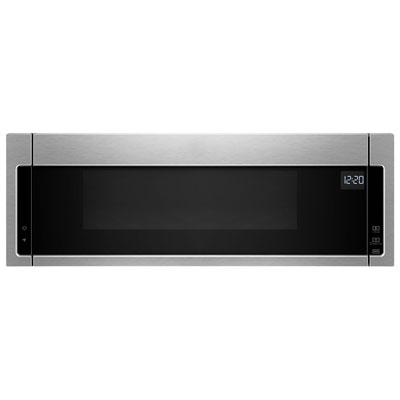 Your price for this item is $529.99
-
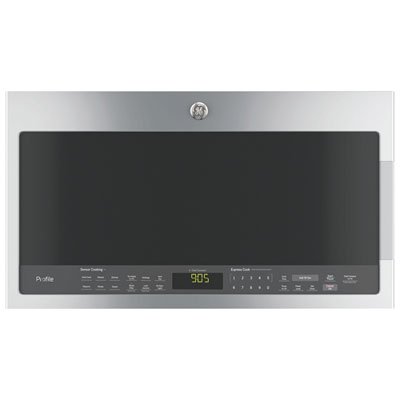 Your price for this item is $589.99
-
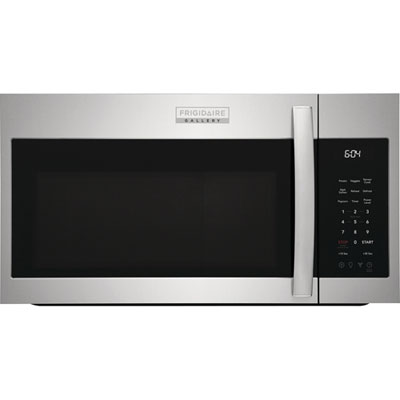 Your price for this item is $529.99
-
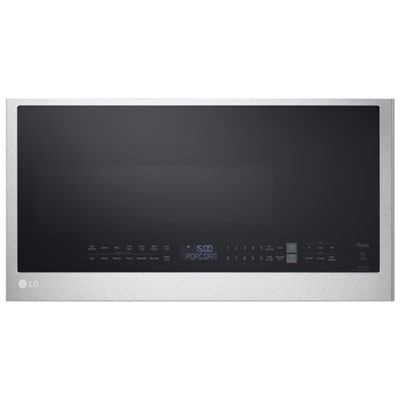 Your price for this item is $499.99
-
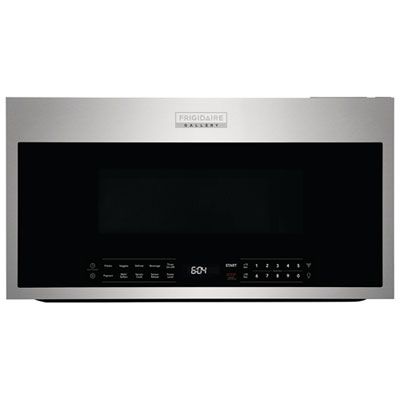 Your price for this item is $549.99
-
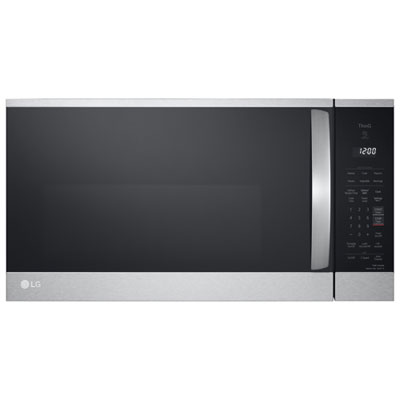 Your price for this item is $499.99
Discover more categories related to Small Over-the-Range Microwaves
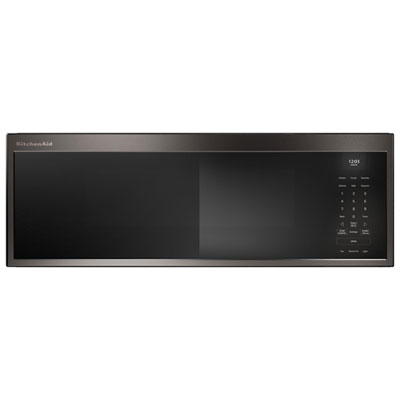
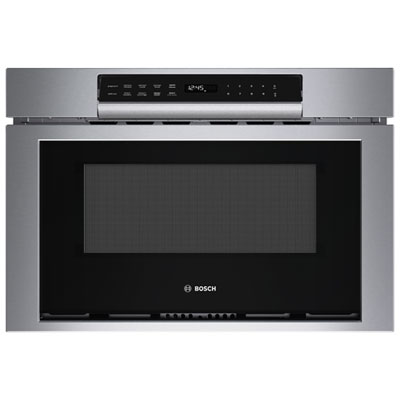
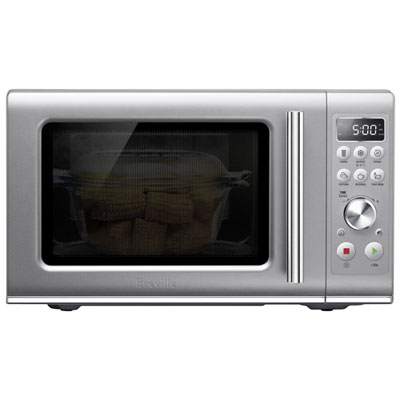
Top Collections:
Best Black Friday Deals This Year, Best Black Friday Deals On Electronics, Kindle Devices, Pokemon Centers, Best Black Friday Deals On Apple Products, Best Cameras for Sports Photography, Dyson Airwrap, Pokémon 30th Celebration Cards, Apple iPhone 17 Pro, Canon G7X Cameras
Some products may be subject to Environmental Handling Fees
(EHF) depending on your province.
Learn more about EHFs.