Cutters And Choppers
Looking to make meal prep a breeze? Look no further than our selection of cutters and choppers. These handy kitchen tools are designed to simplify your cooking process, allowing you to effortlessly slice, dice, and chop ingredients with precision and speed. Whether you're a professional chef or a home cook, our range of cutters and choppers will help you save time and effort in the kitchen, so you can focus on creating delicious meals for yourself and your loved ones. From vegetable slicers to herb choppers, we have everything you need to streamline your culinary adventures.
Sort
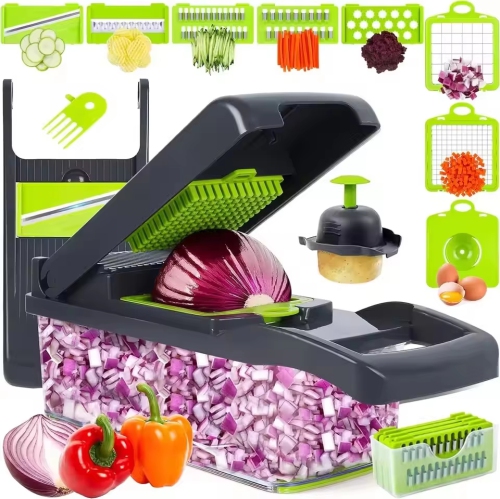
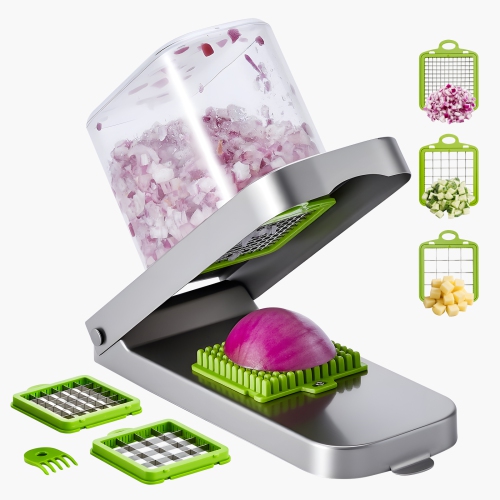
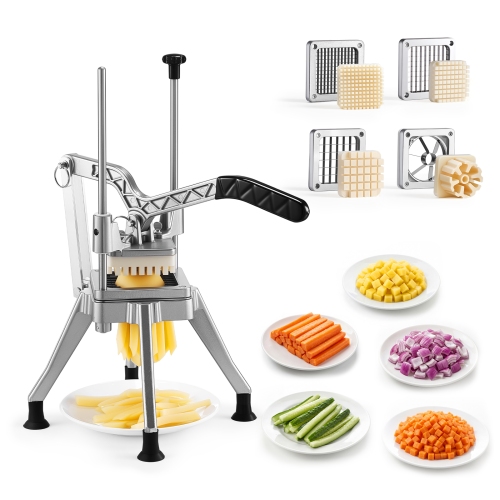
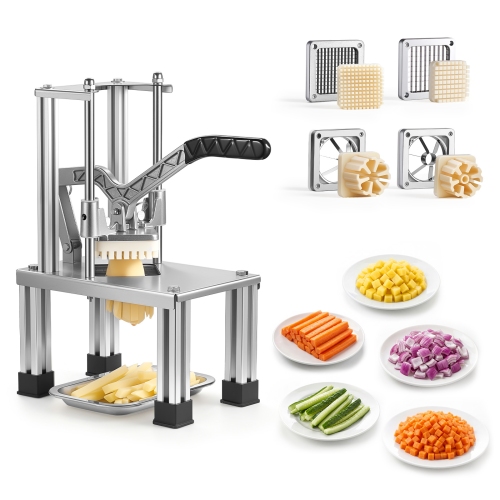
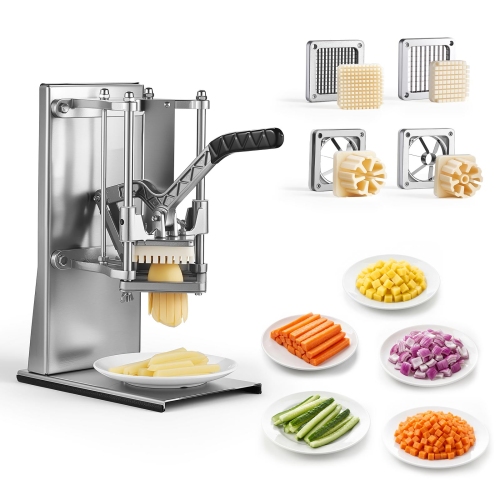
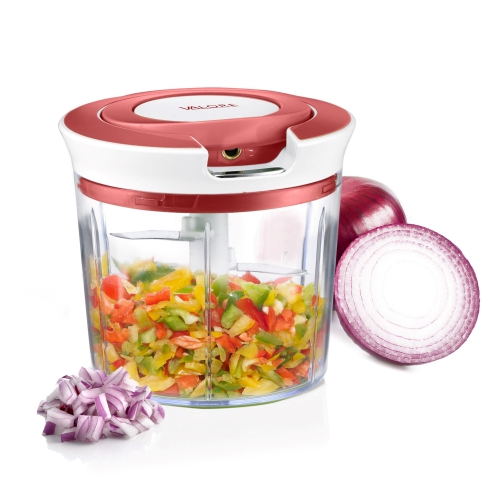
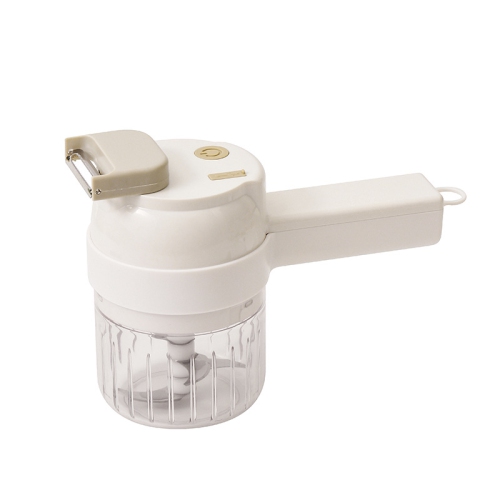
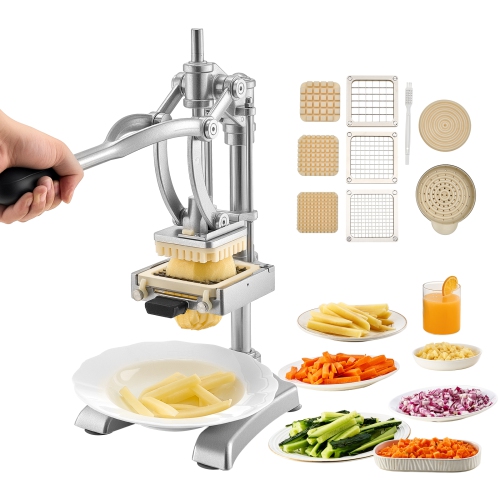
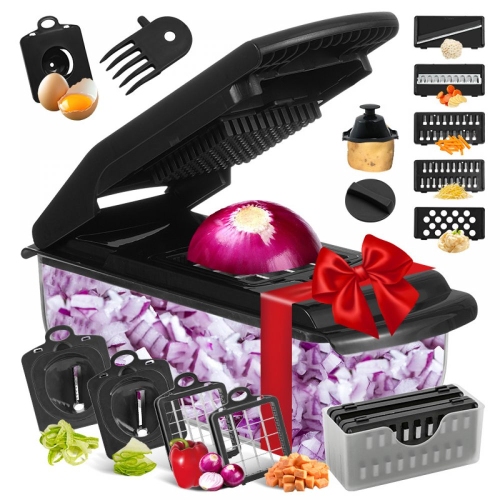
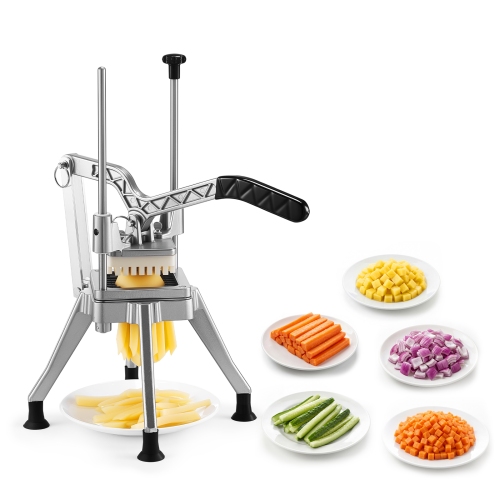
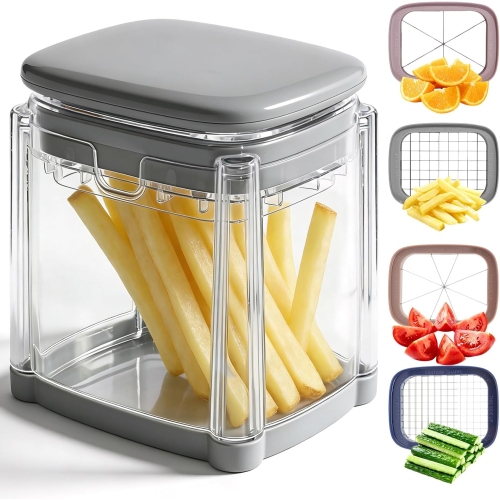
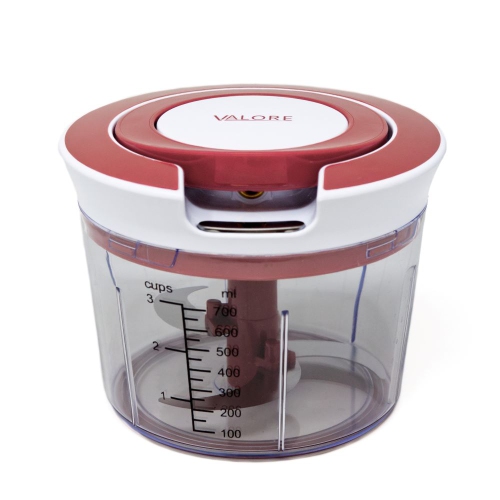


















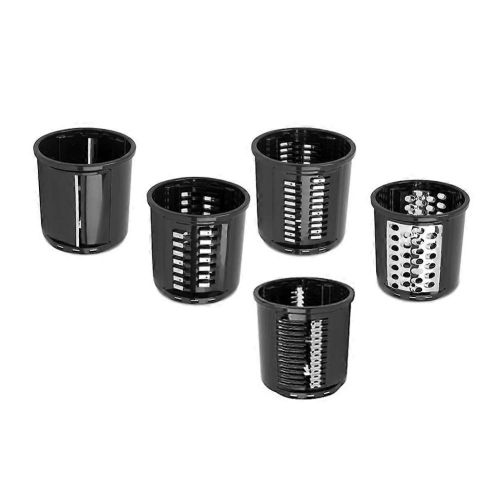
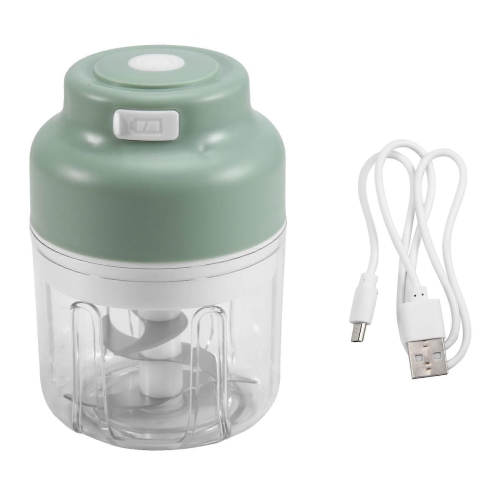

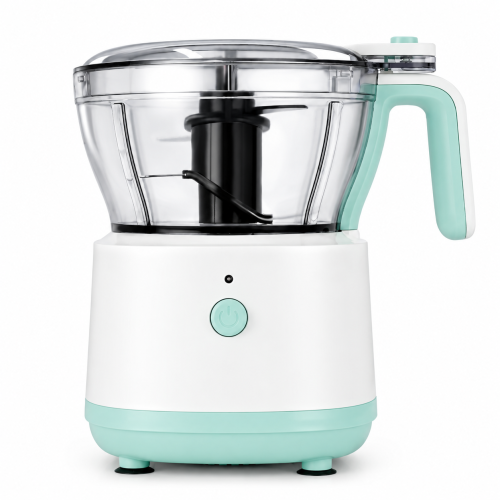
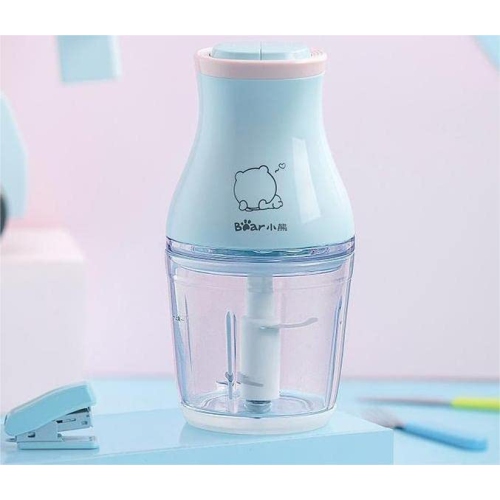










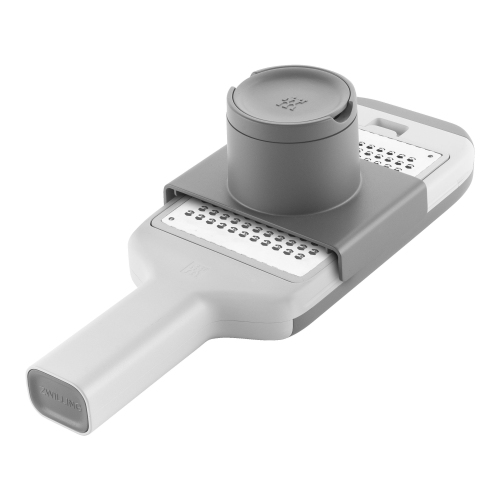
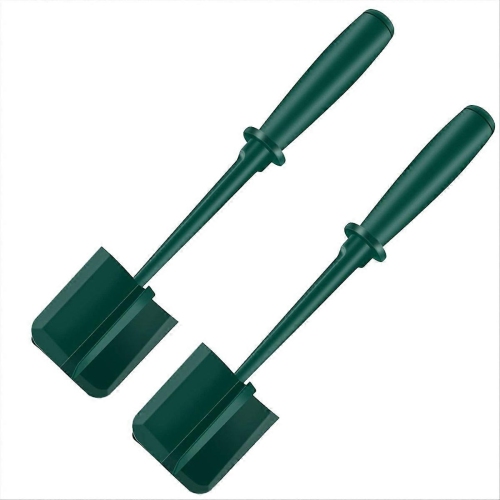
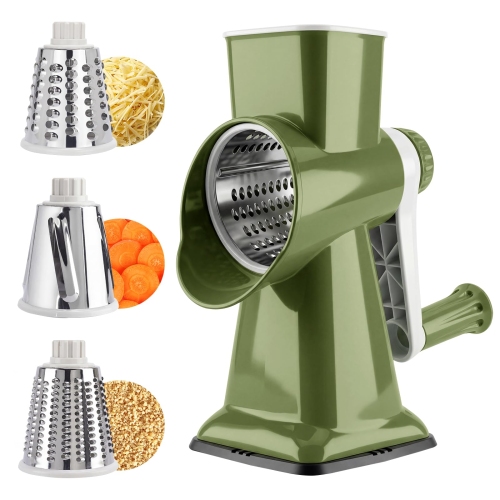
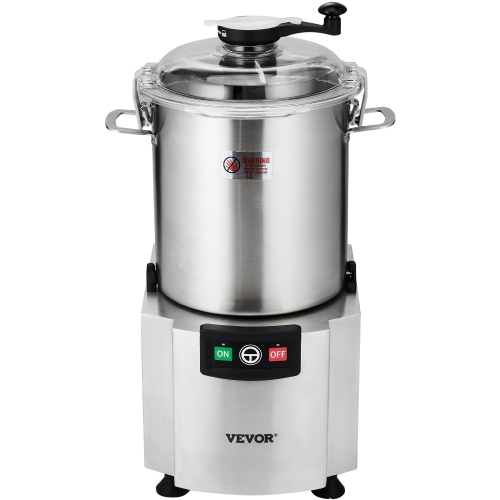






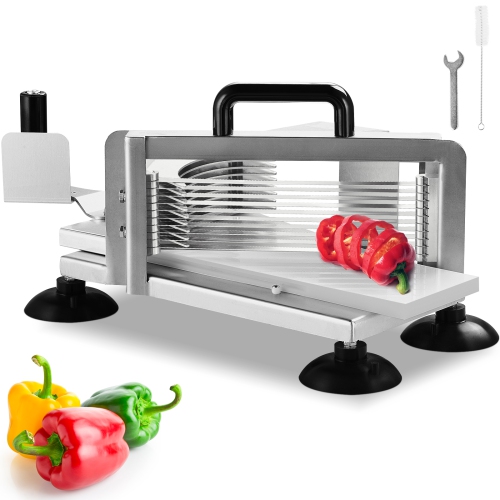
Why blade design matters for everyday meal prep
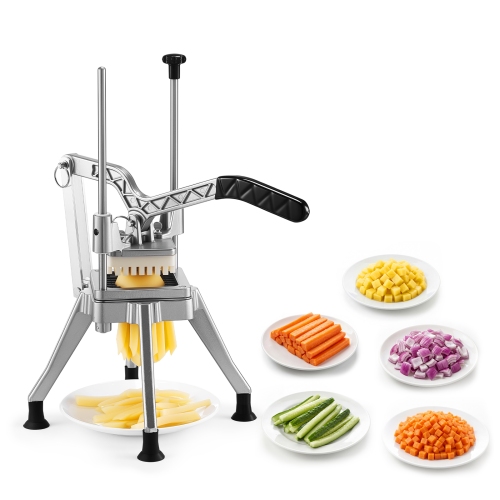
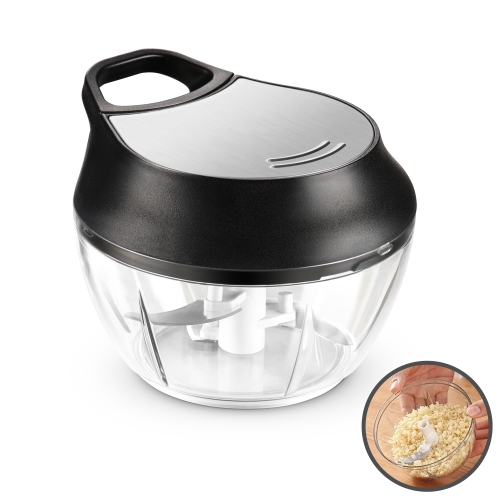
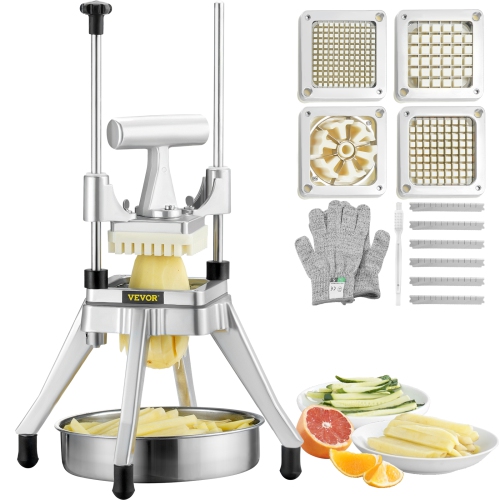
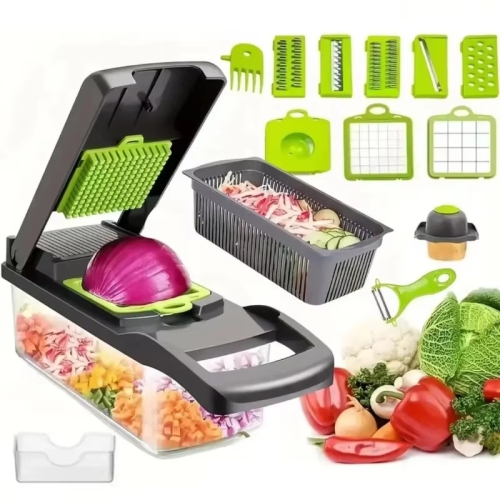
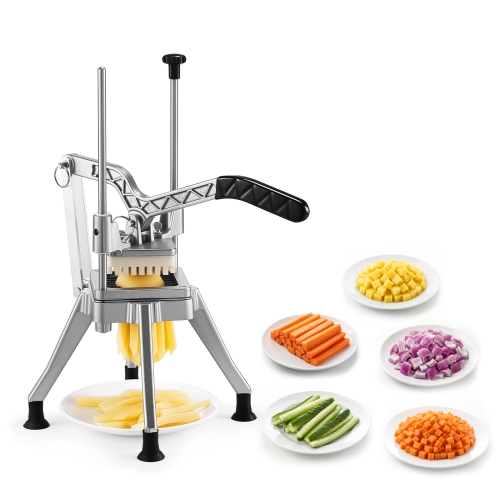
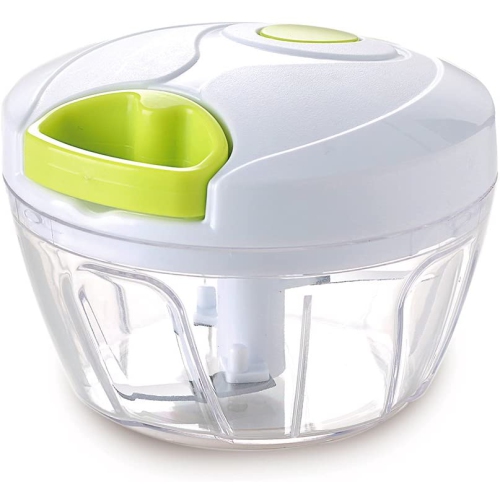
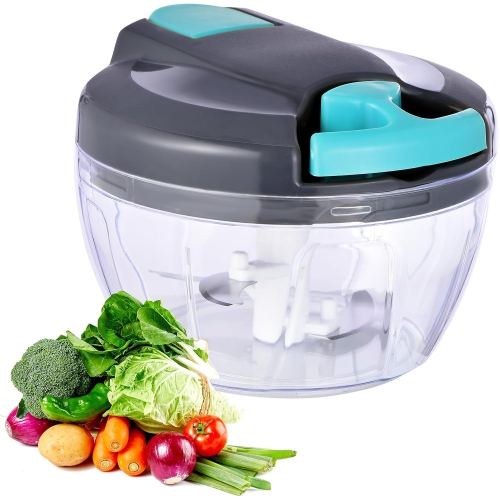
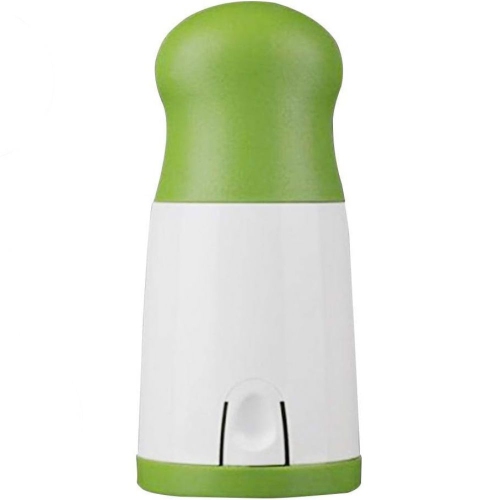
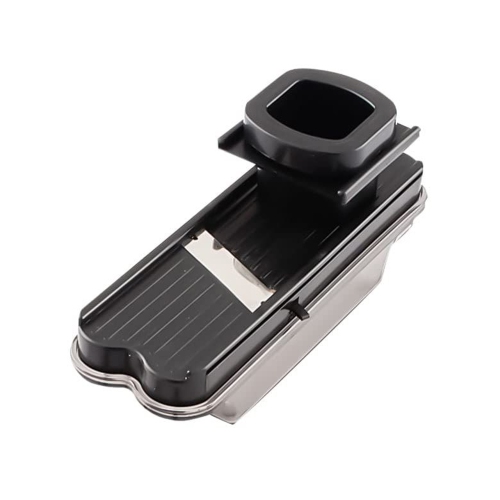
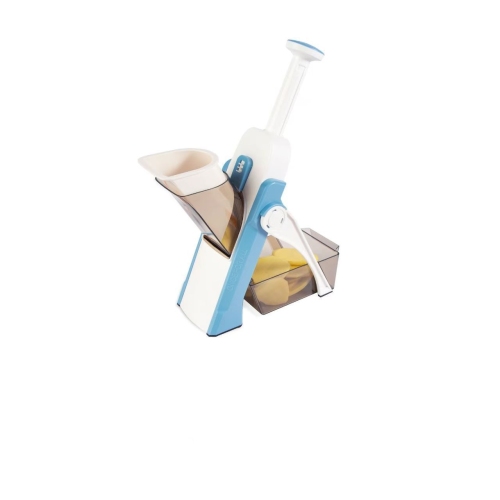
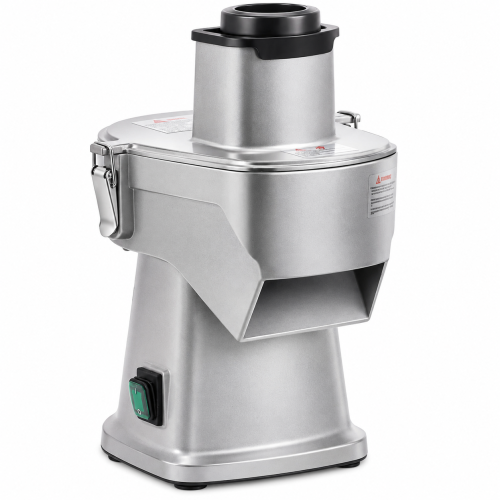
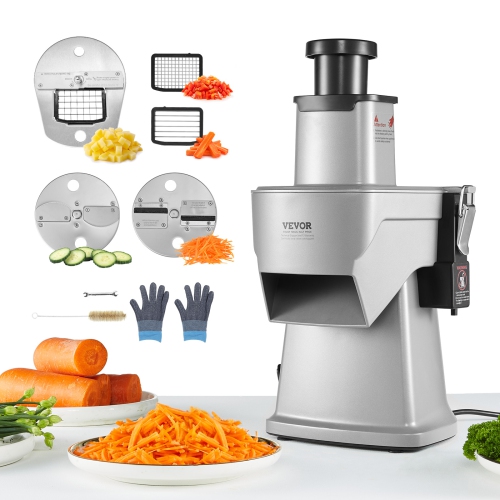
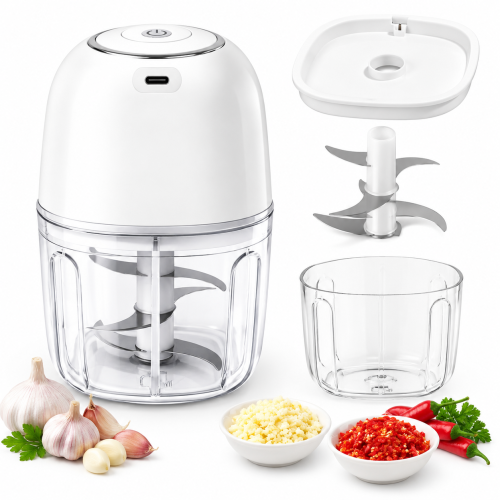
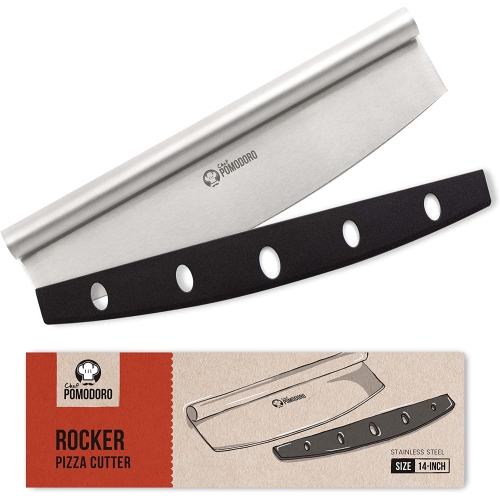
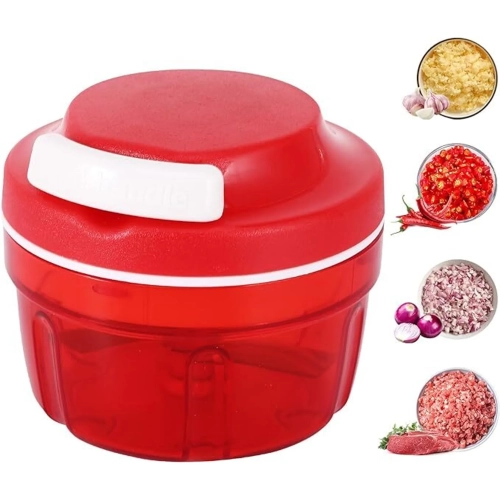
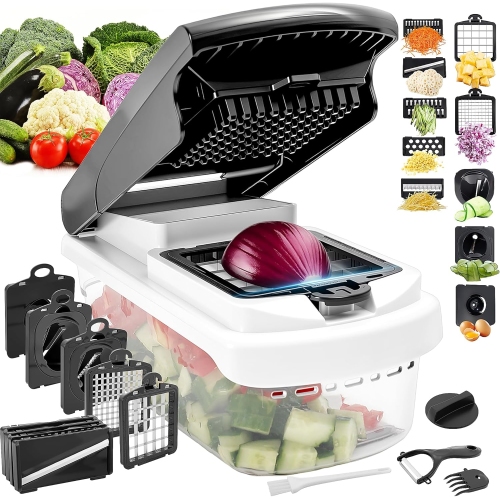
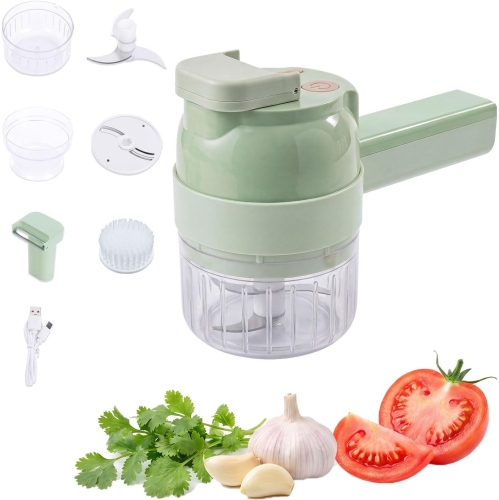
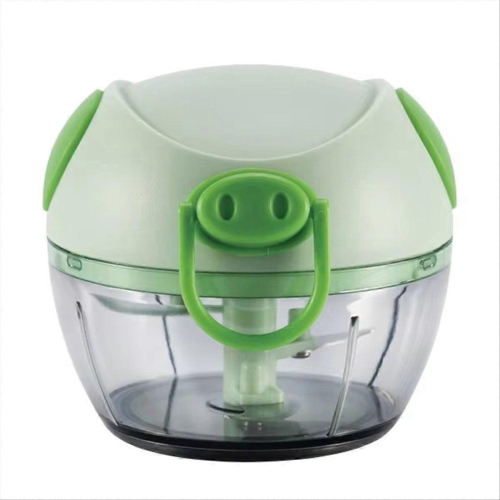
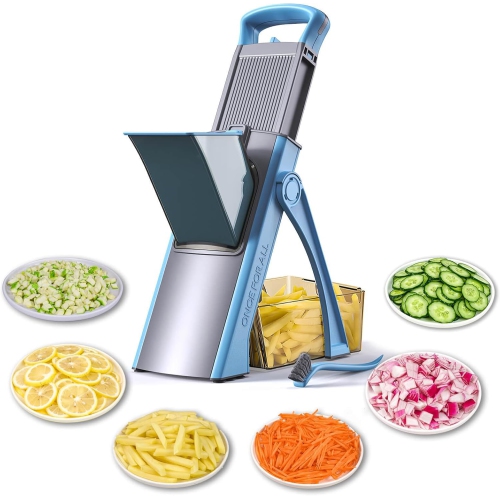
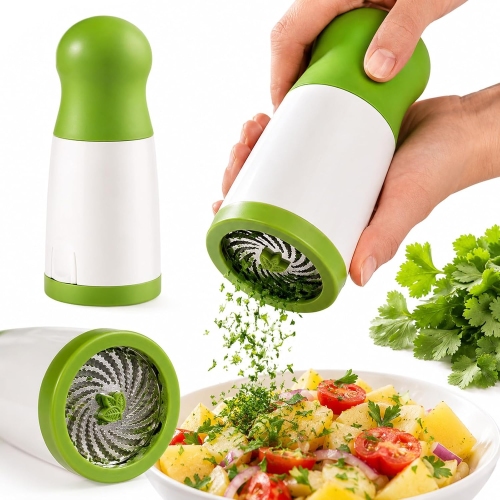
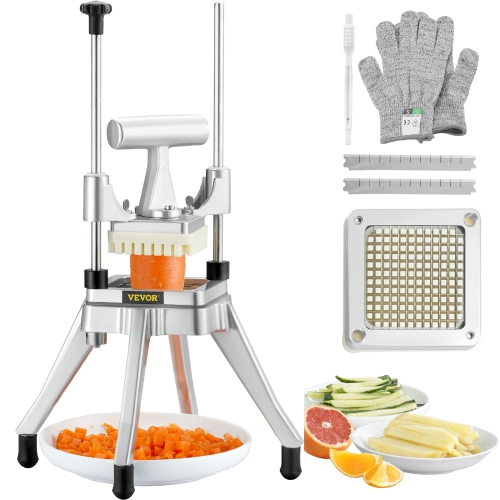
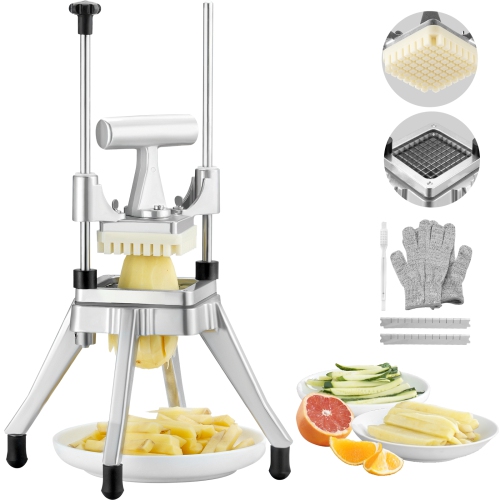
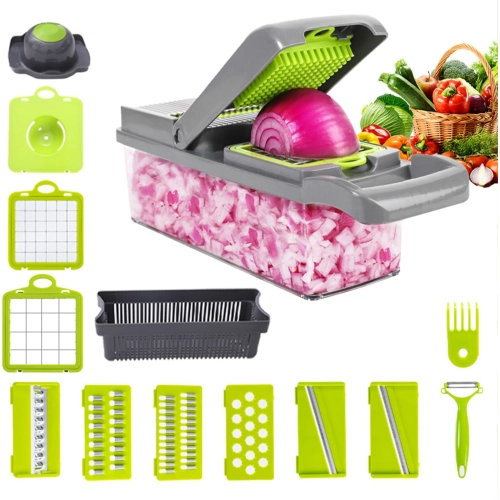
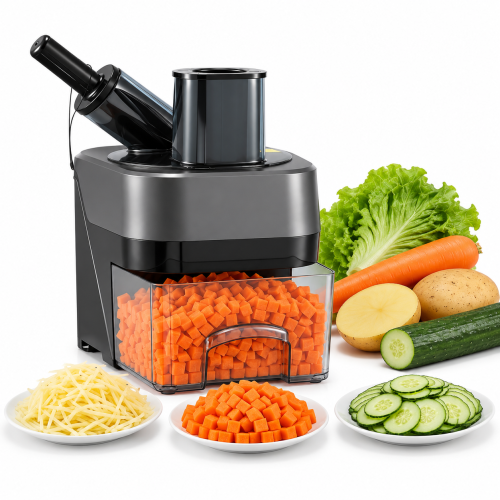
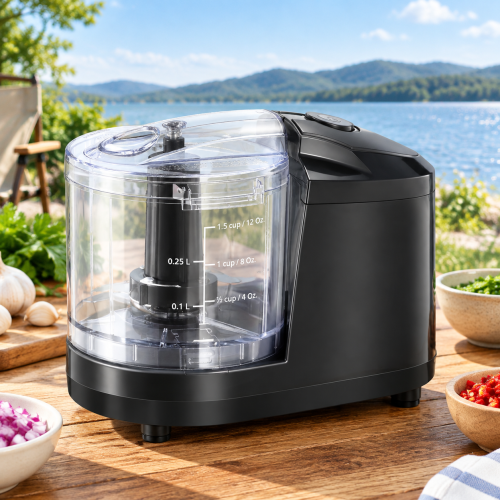
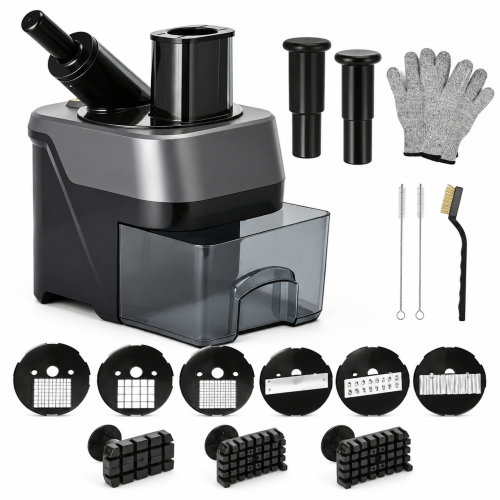
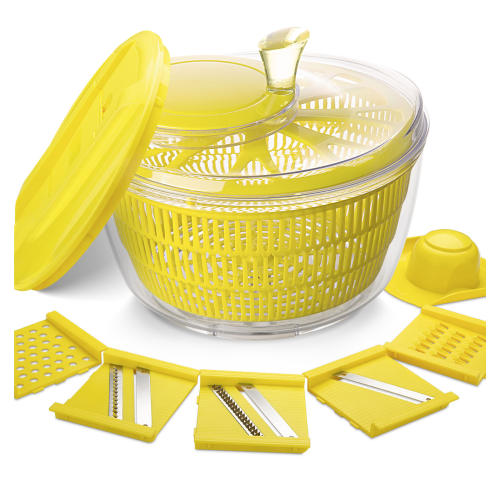
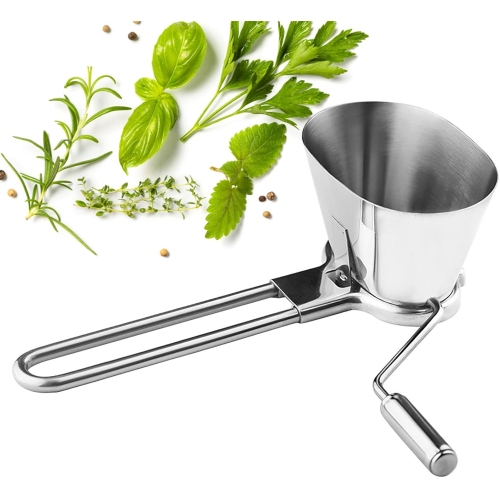
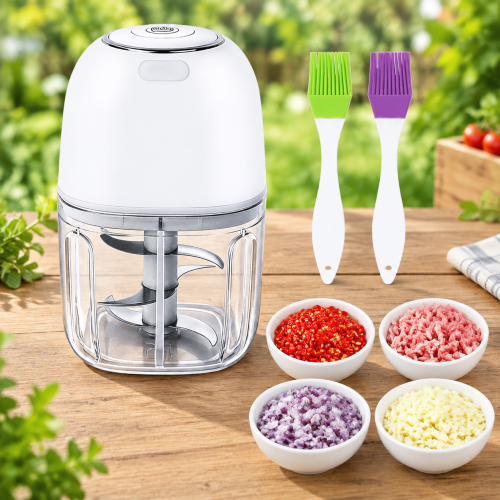
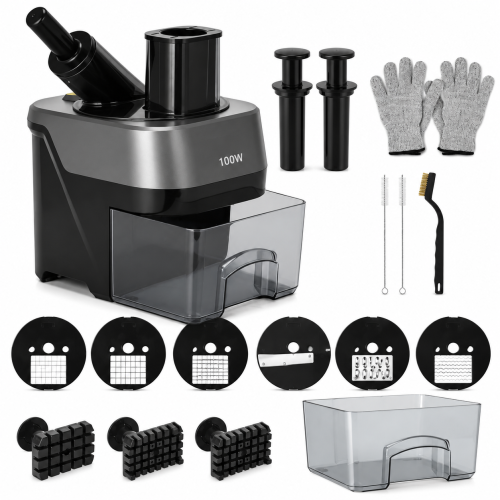
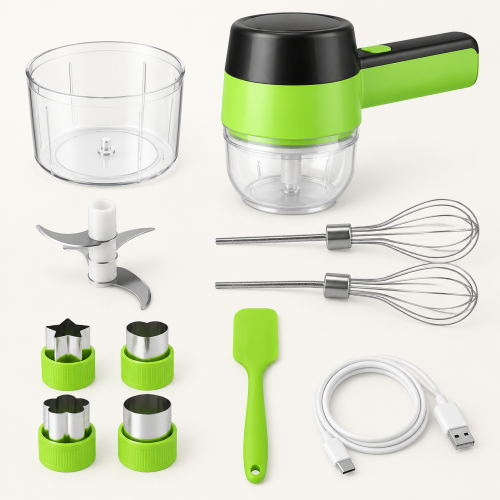
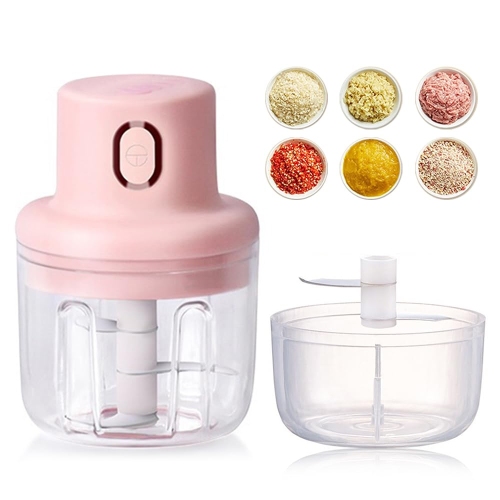
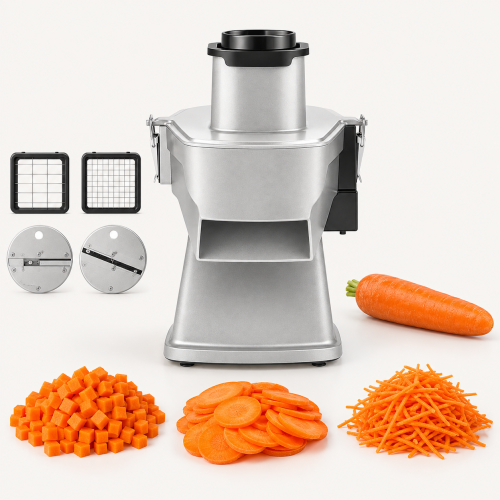
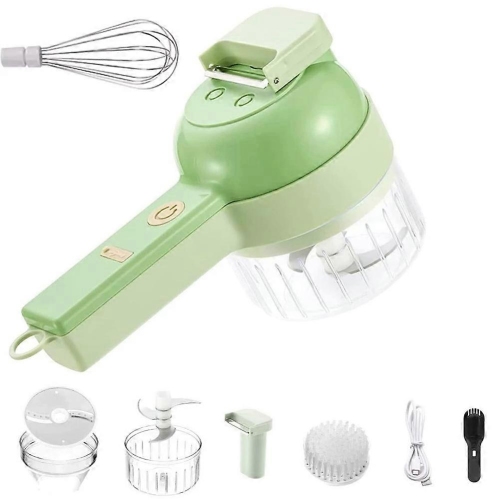
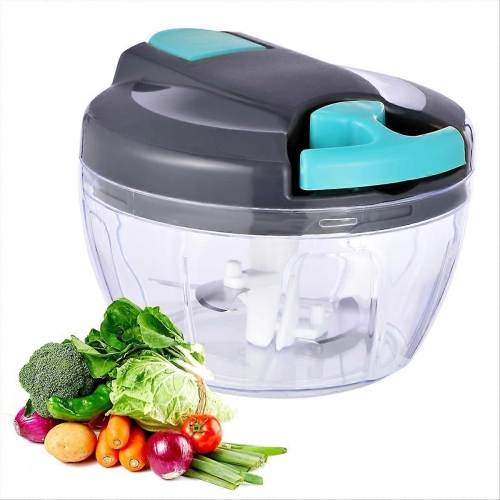
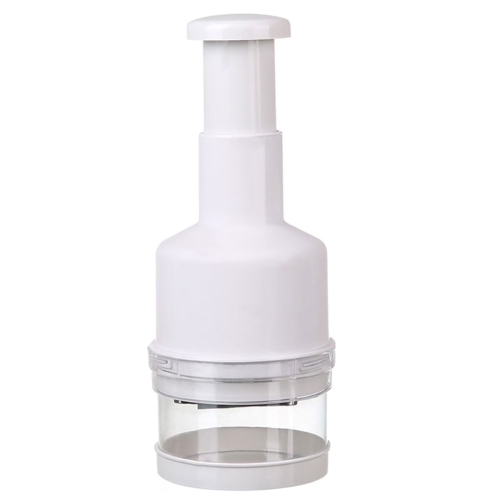
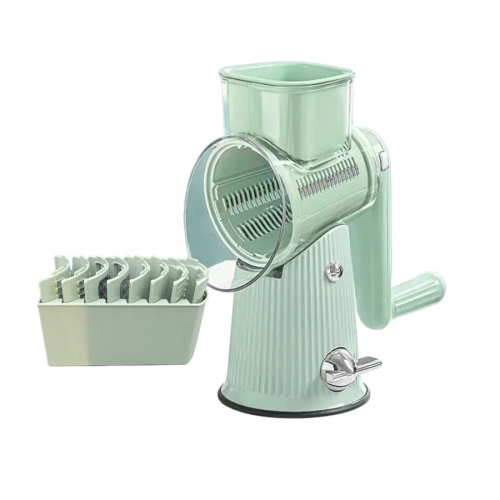
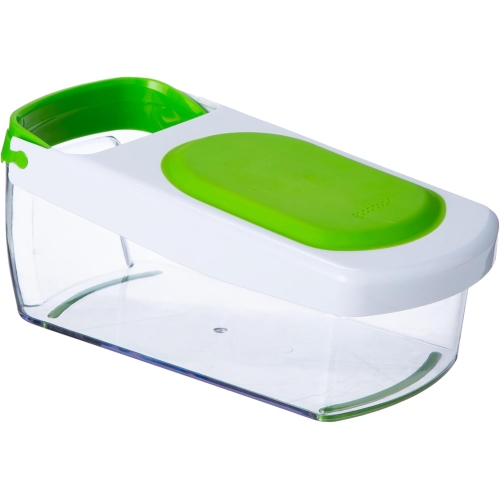
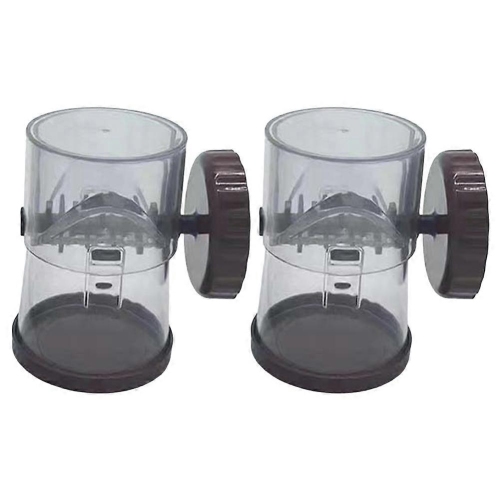
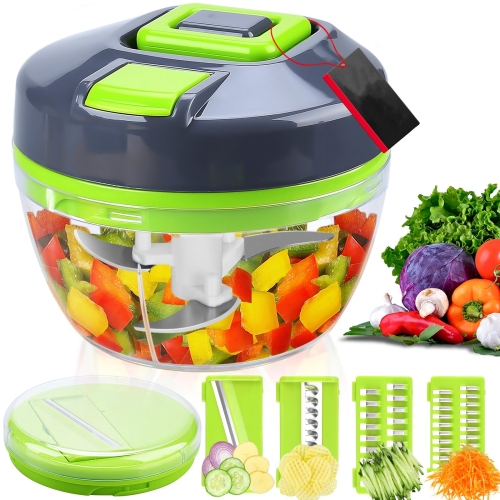
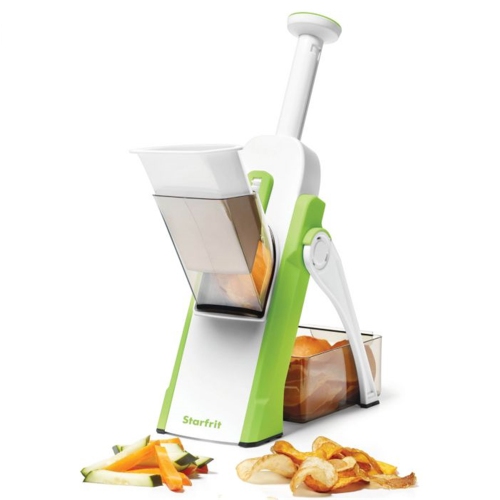
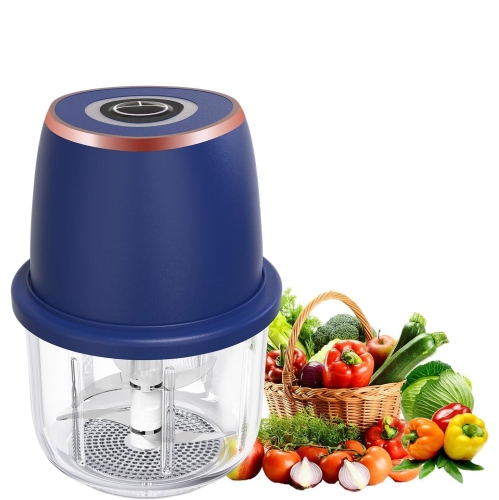
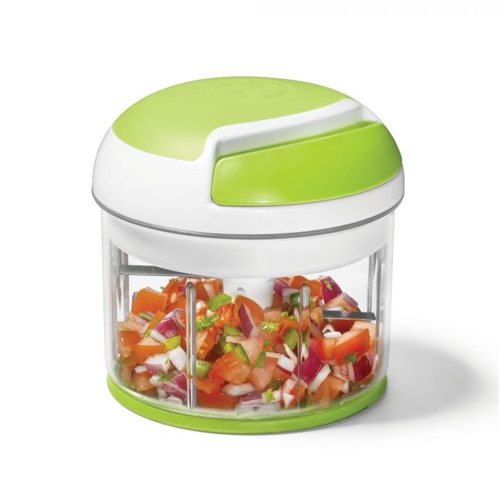
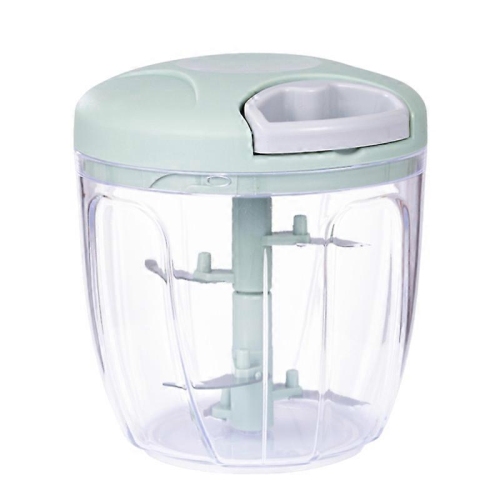
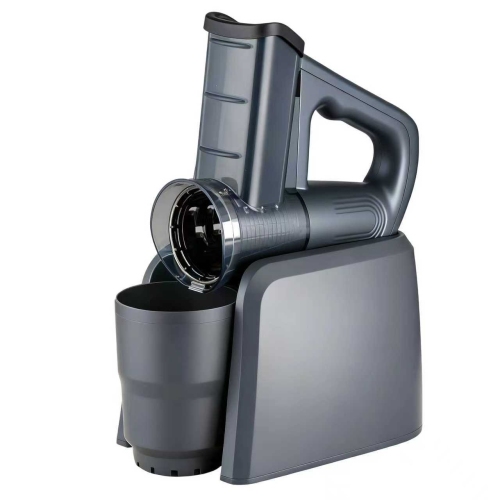
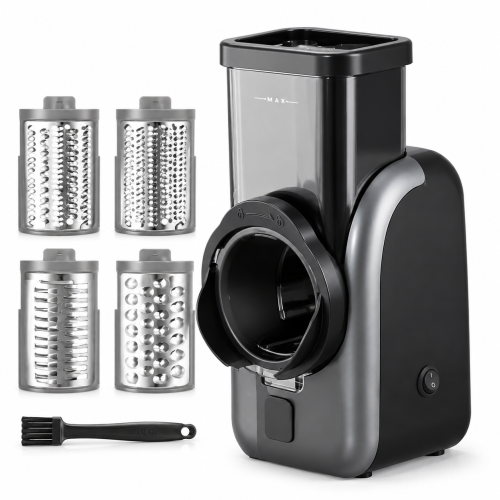
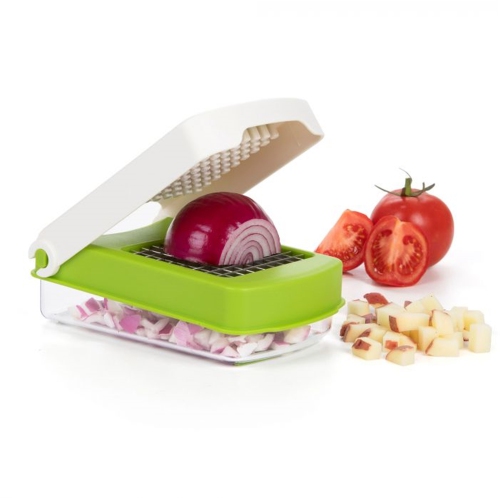
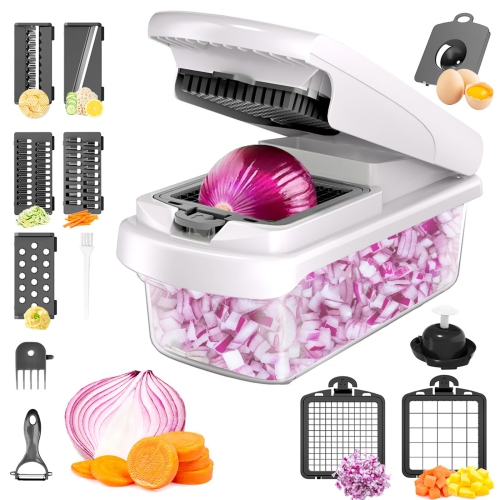
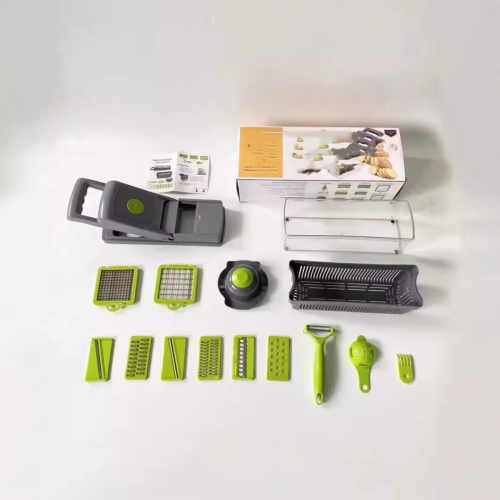
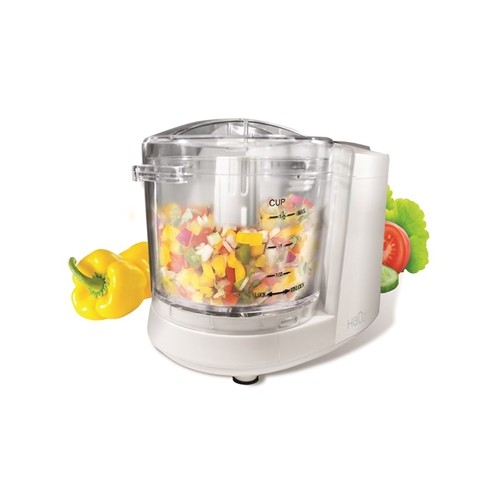
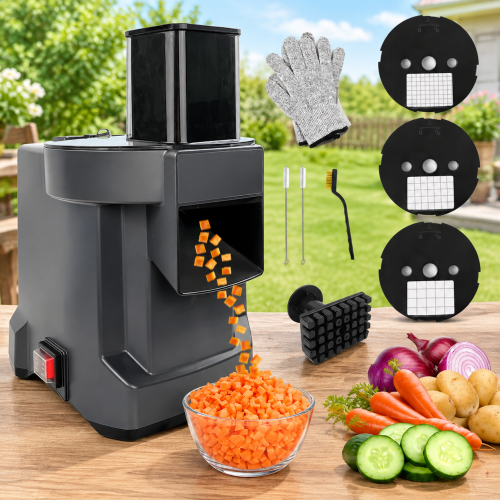
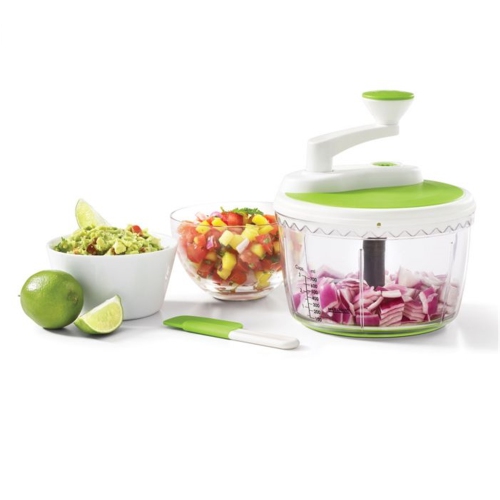
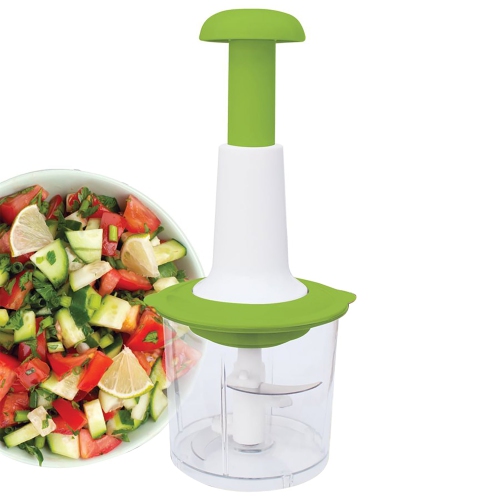
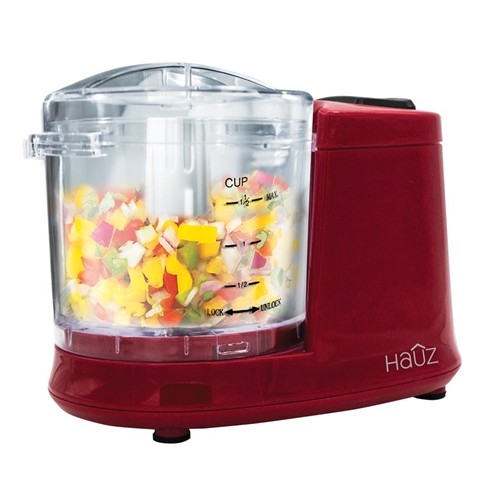
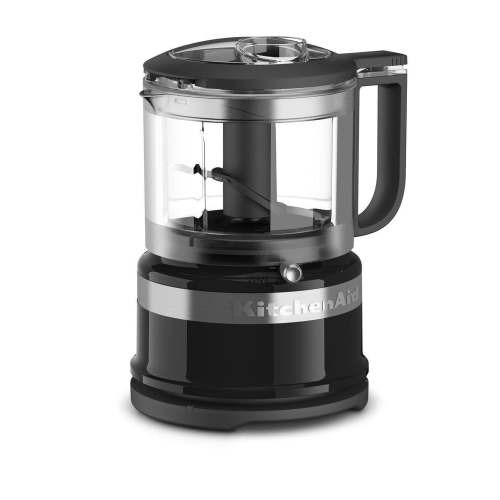
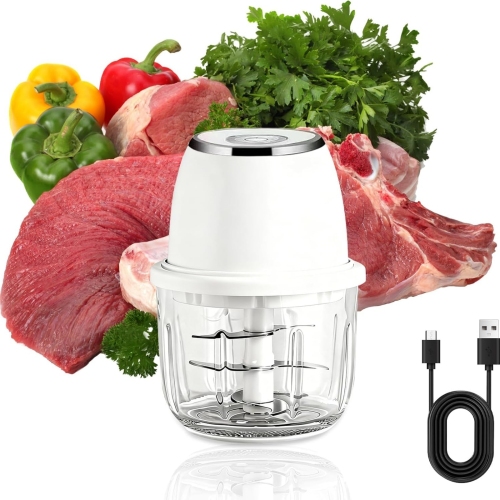
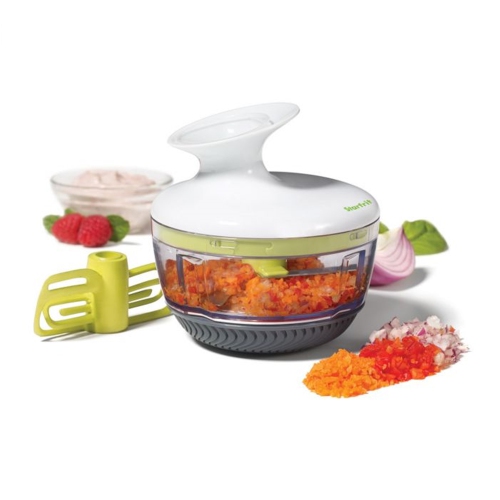
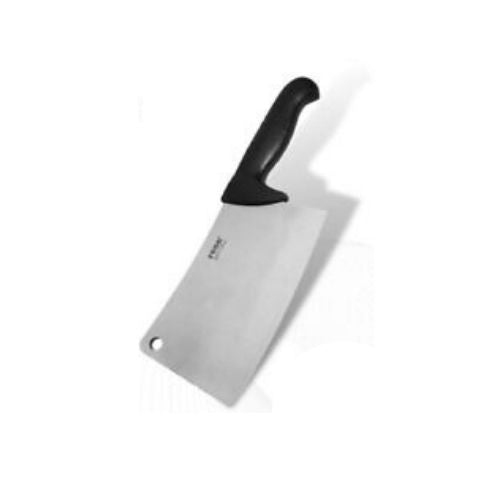
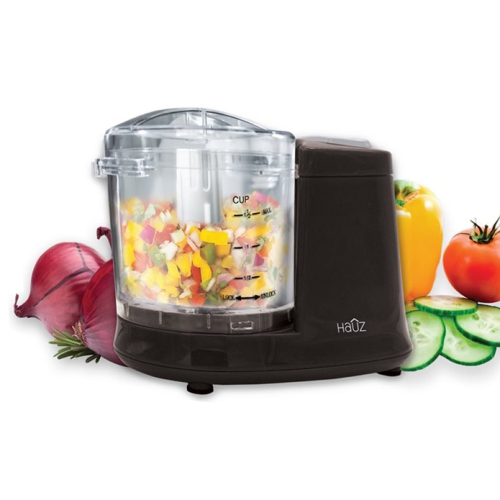
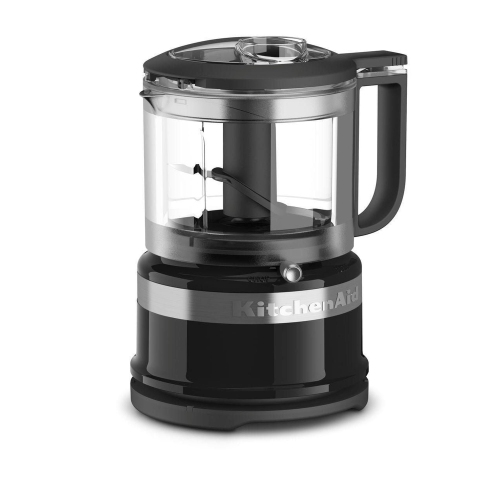
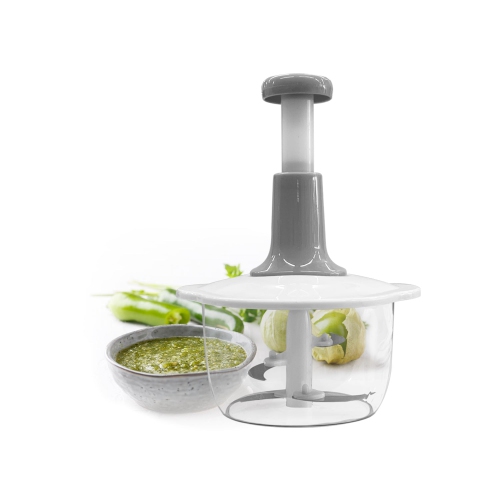
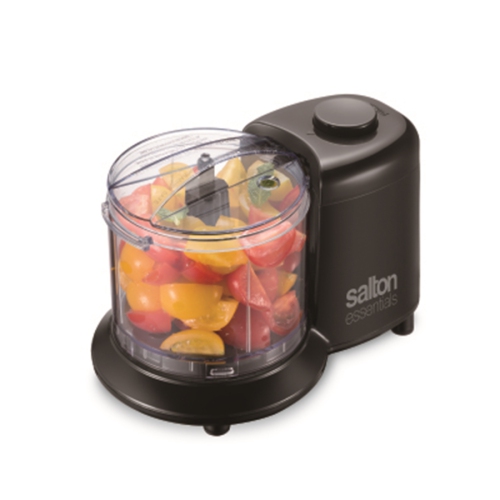
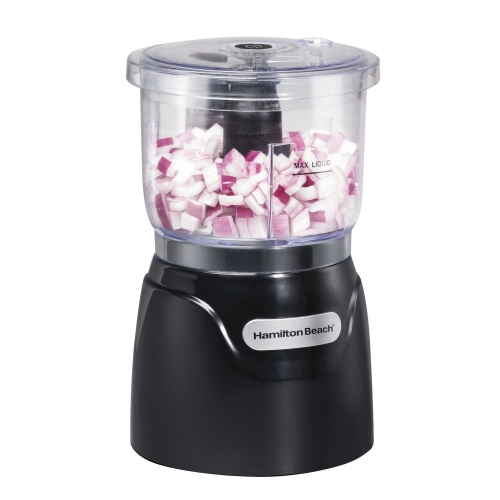
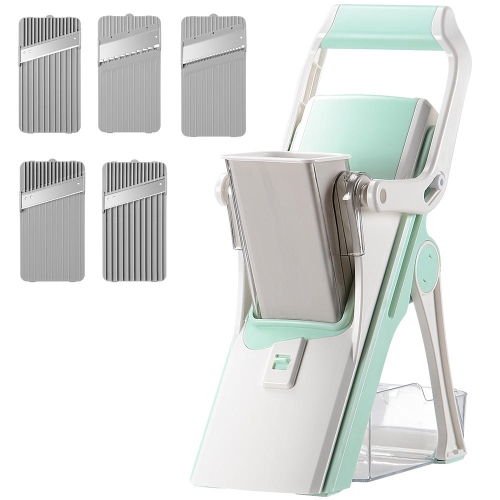
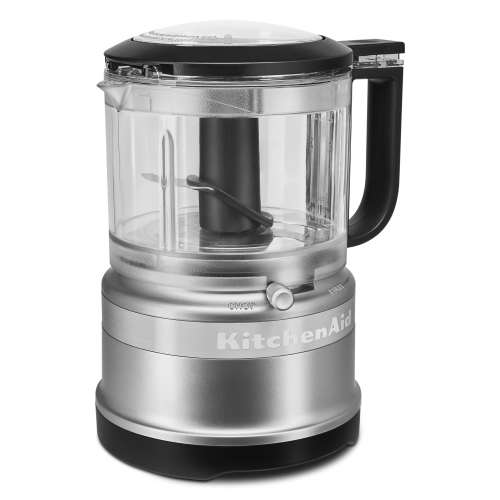
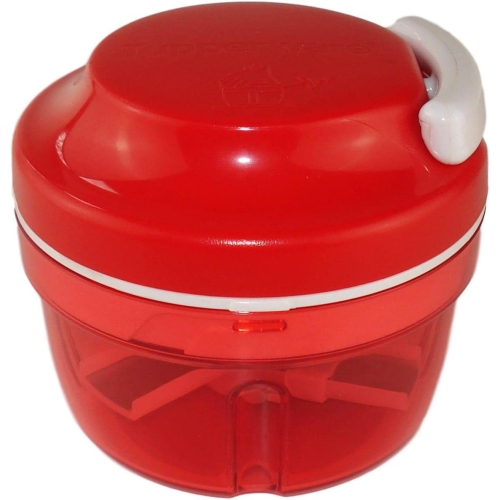
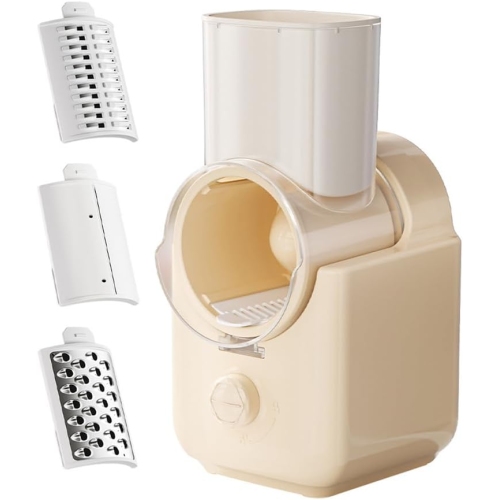
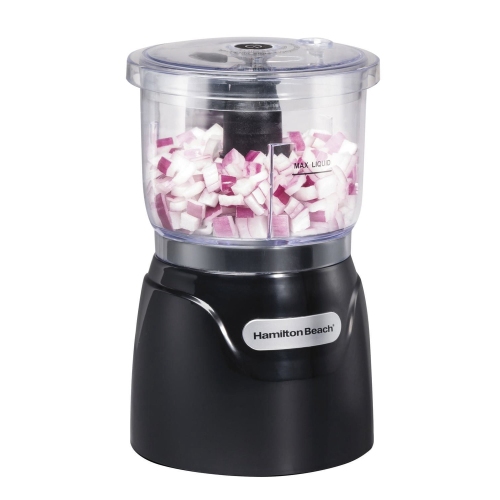
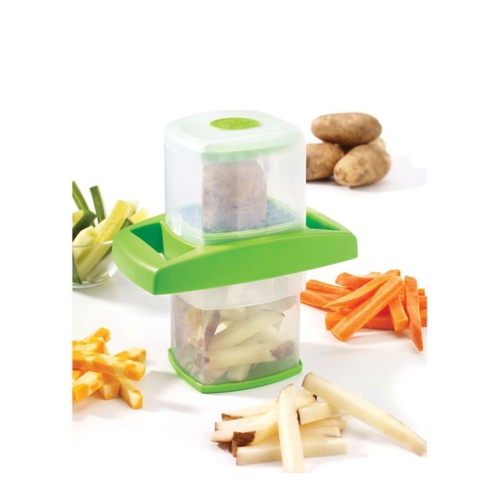
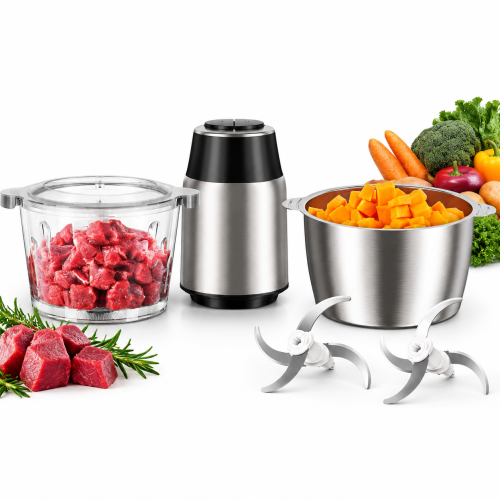
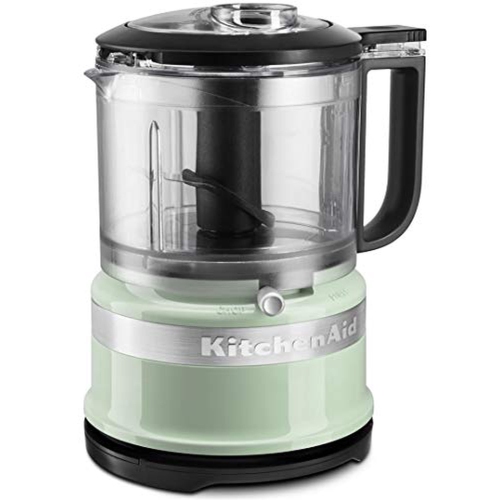
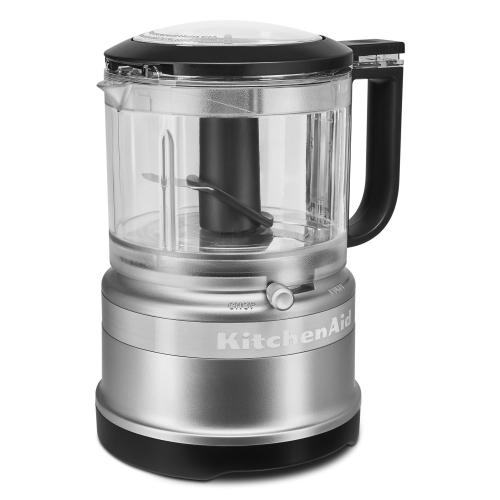
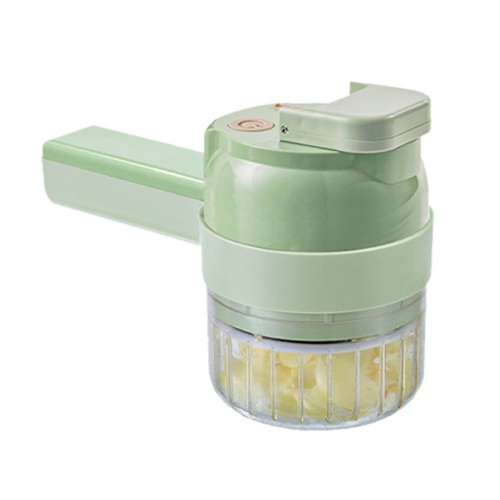
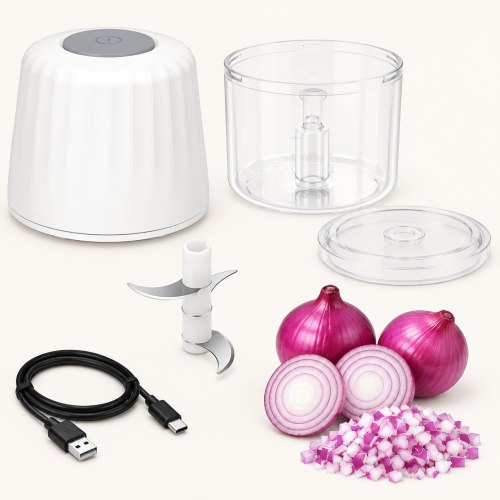
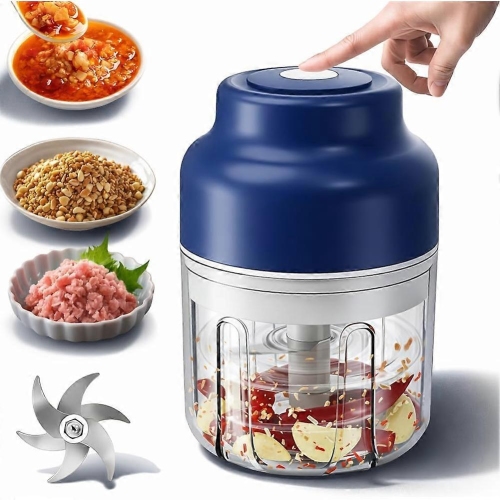
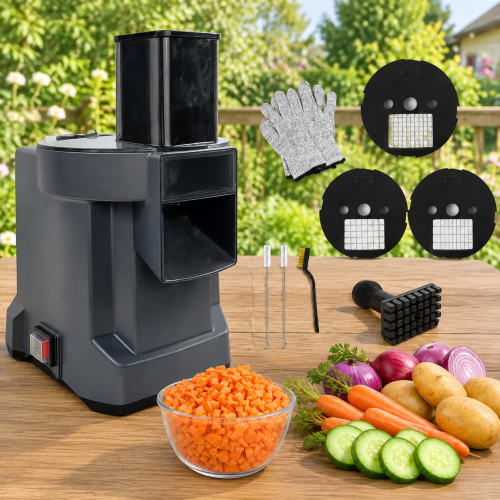
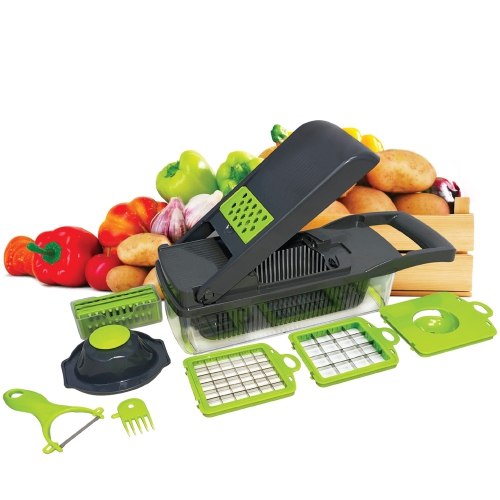
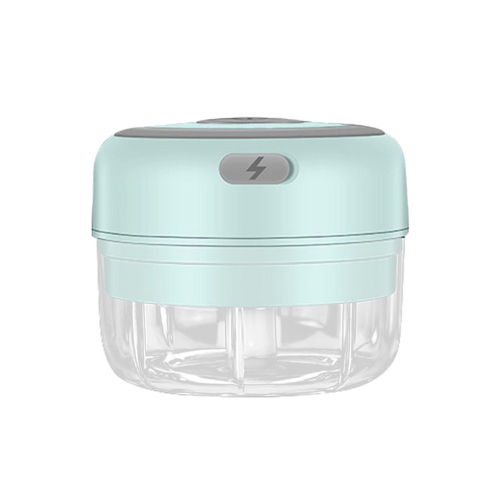
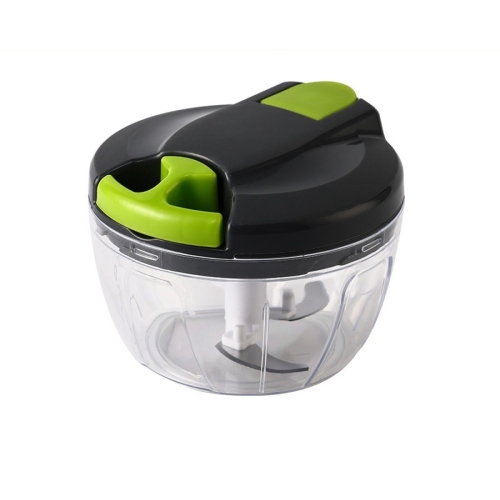
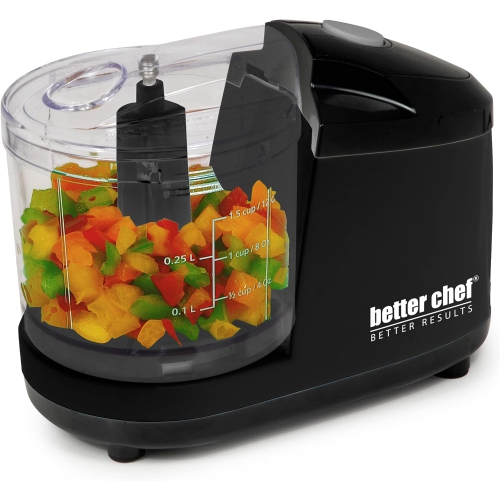
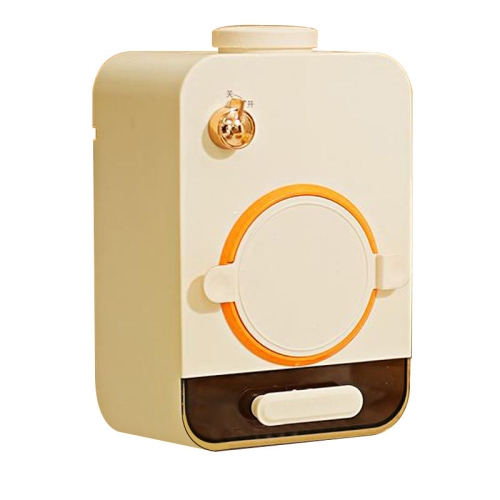
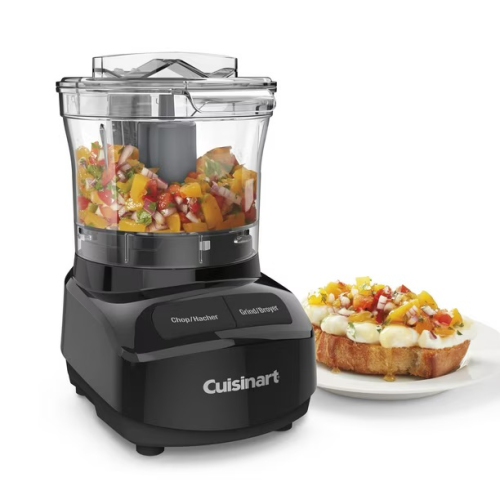
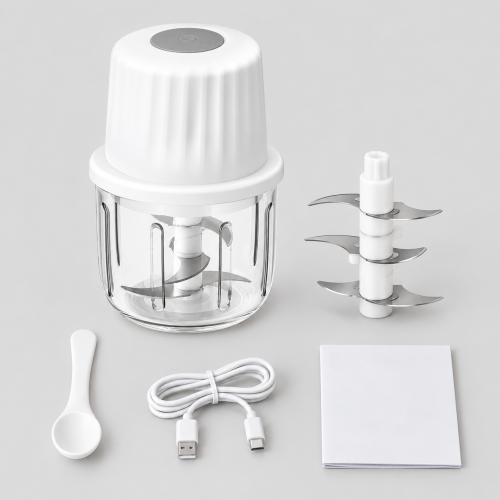
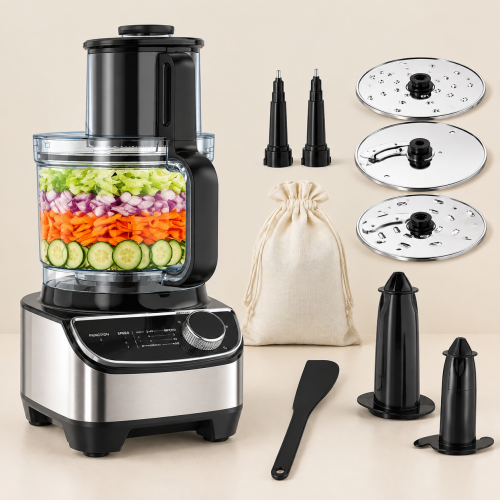
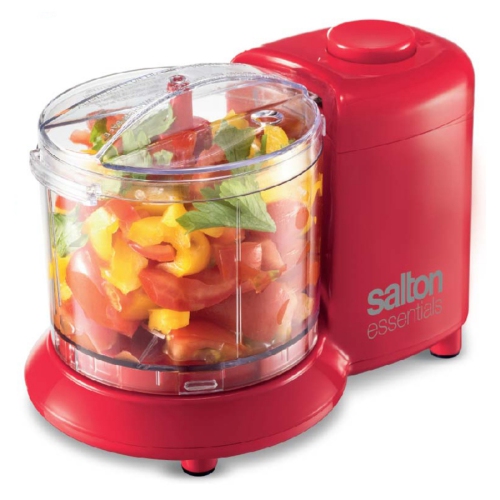
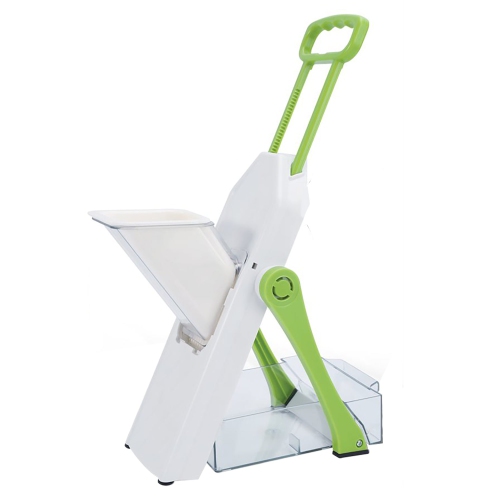
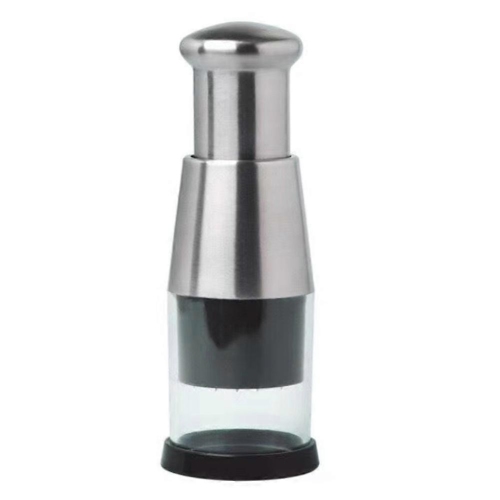
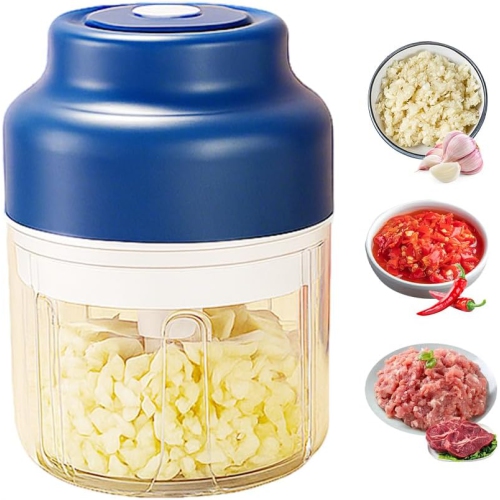
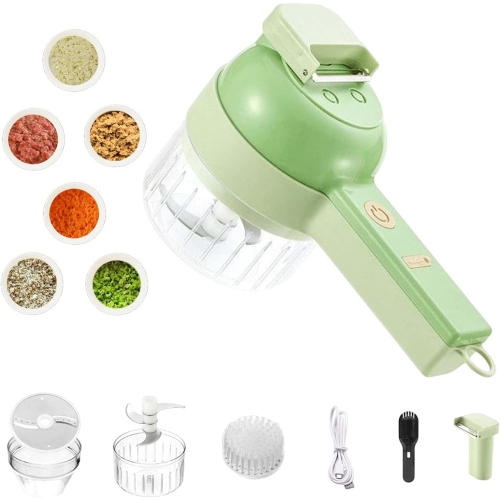
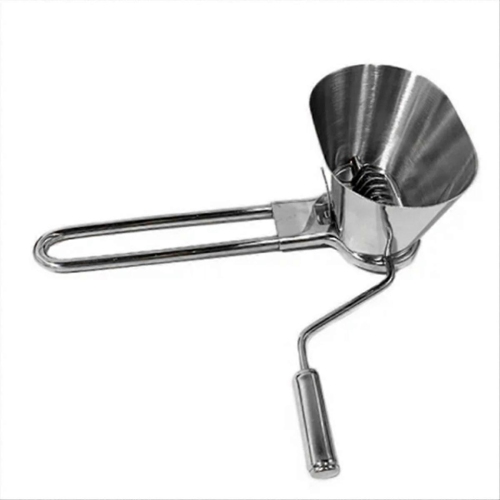
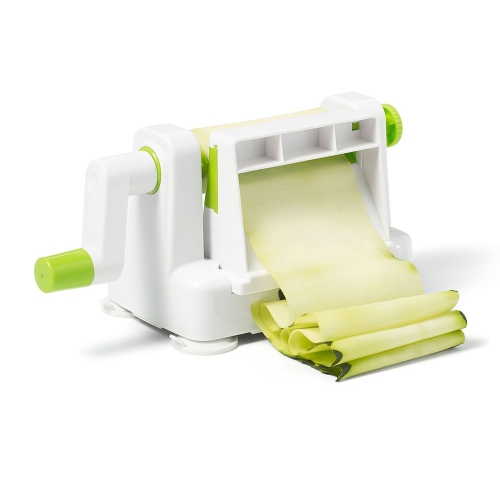
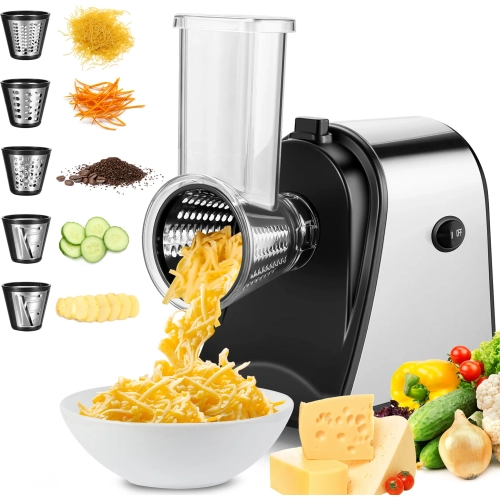
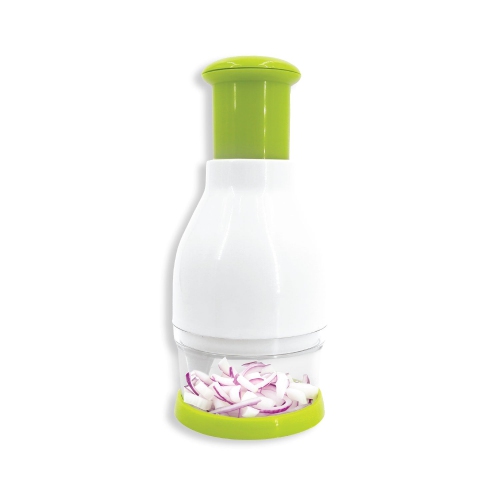
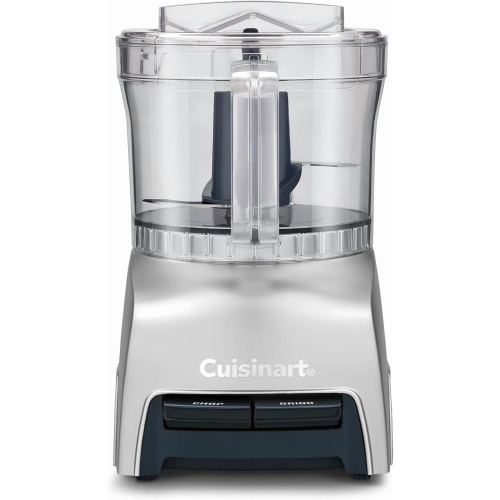
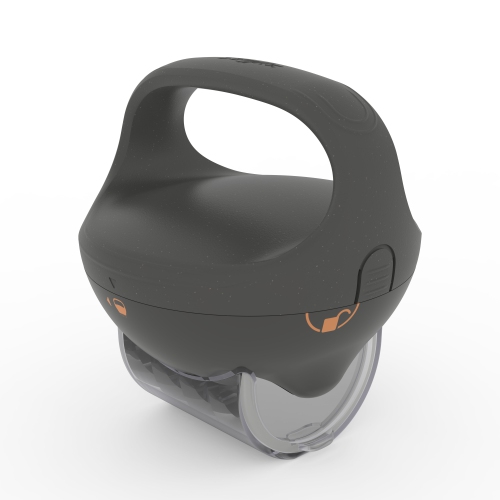
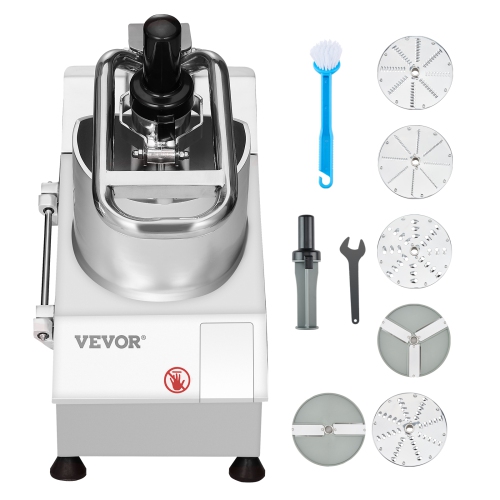
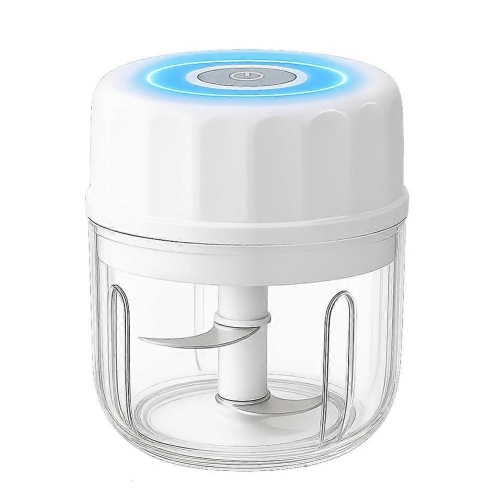
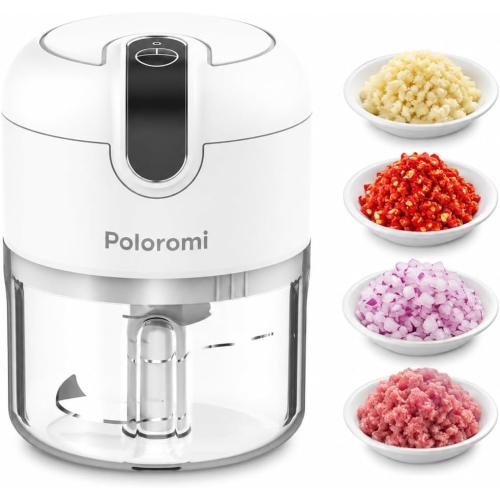
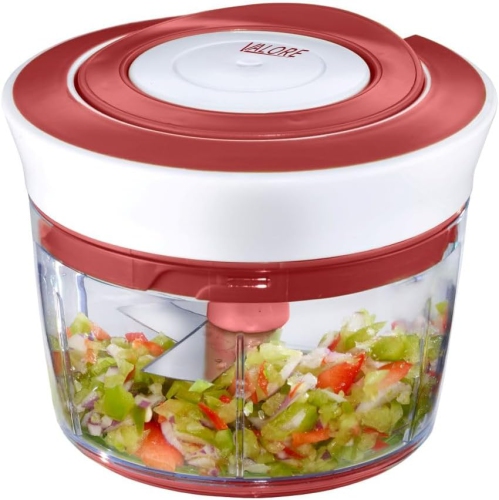
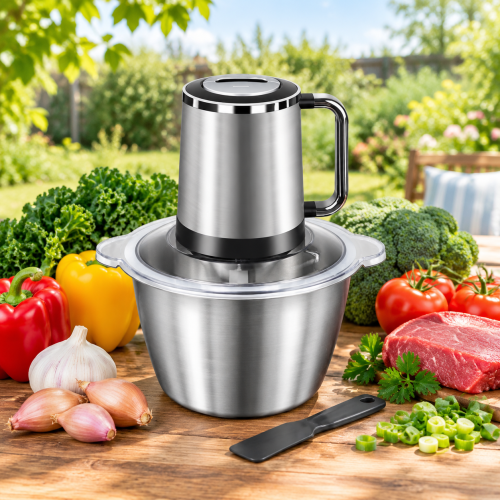
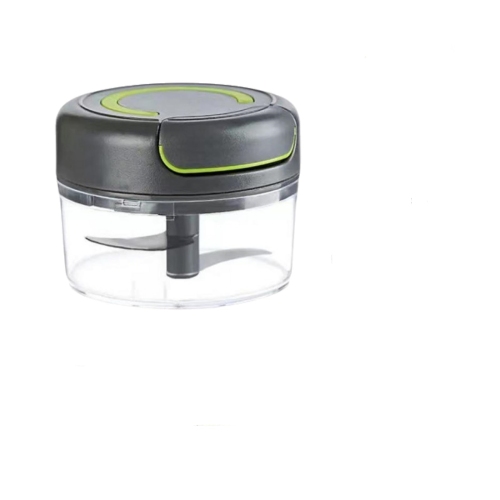
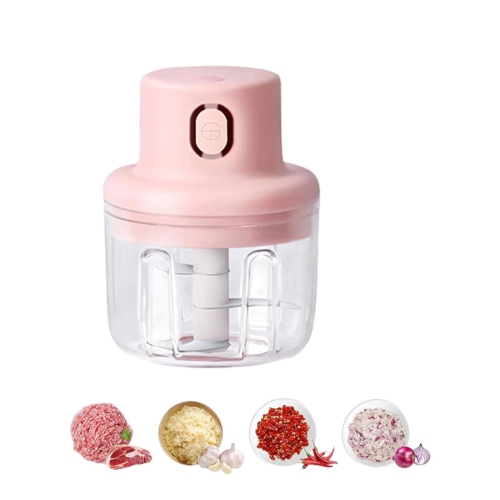
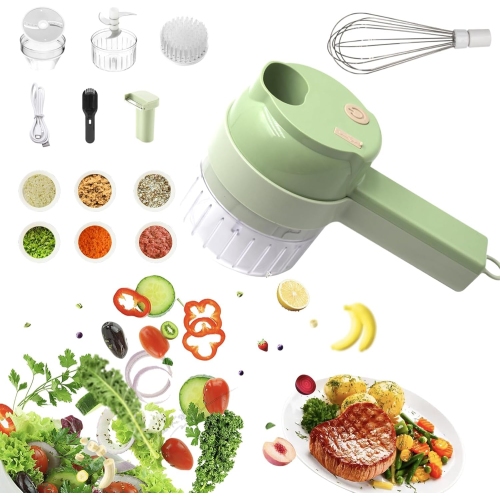
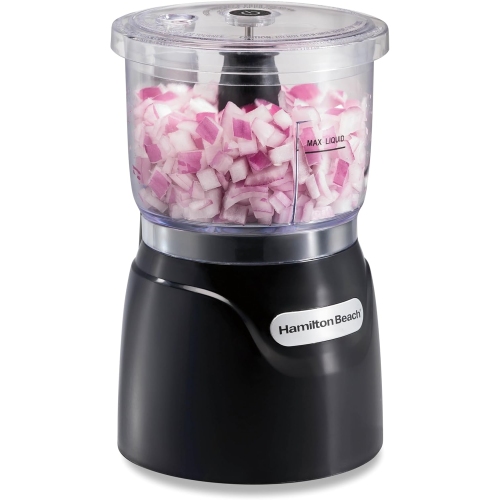
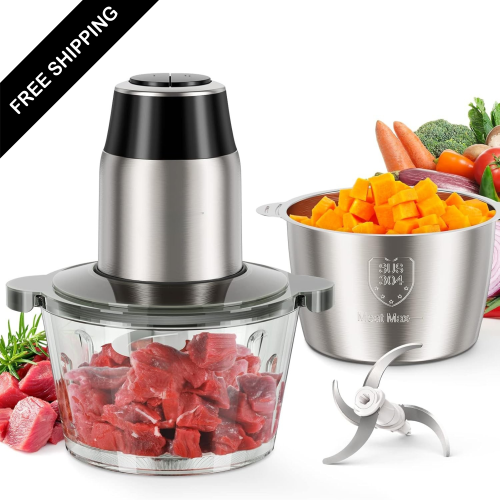
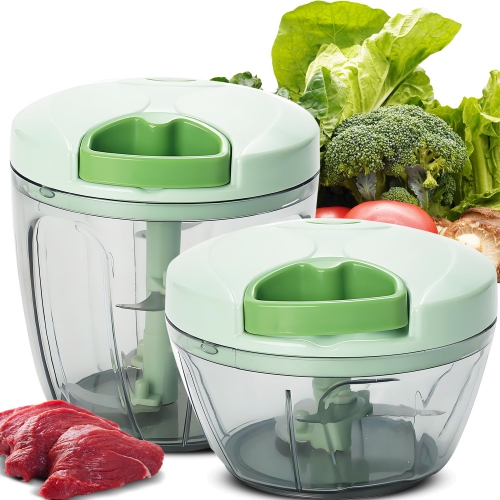
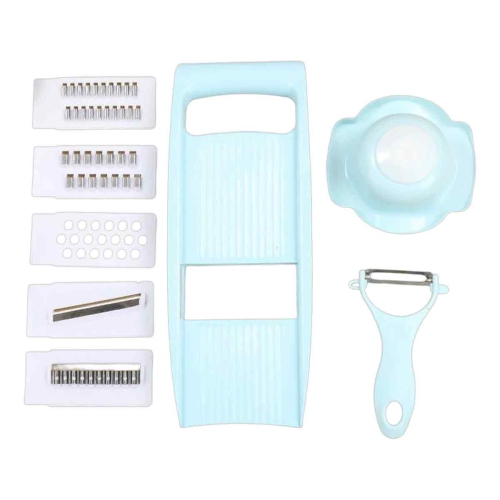
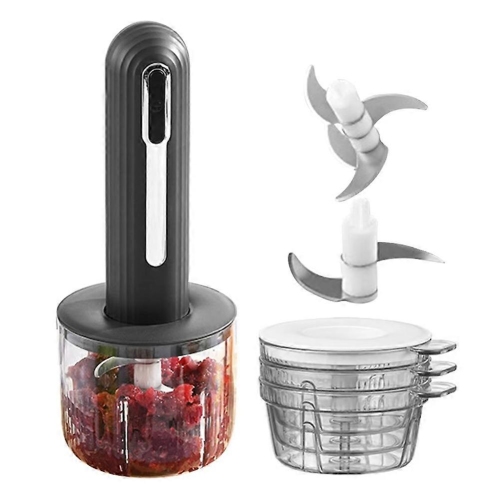
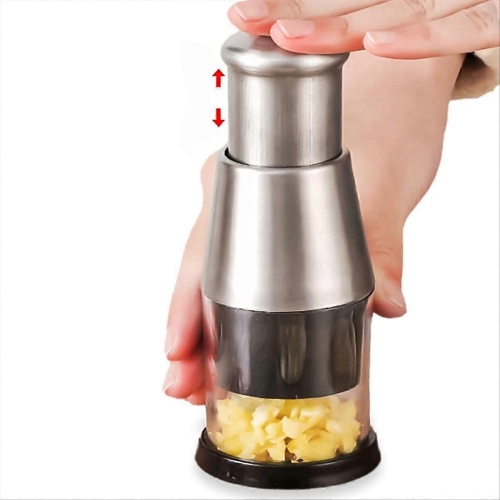
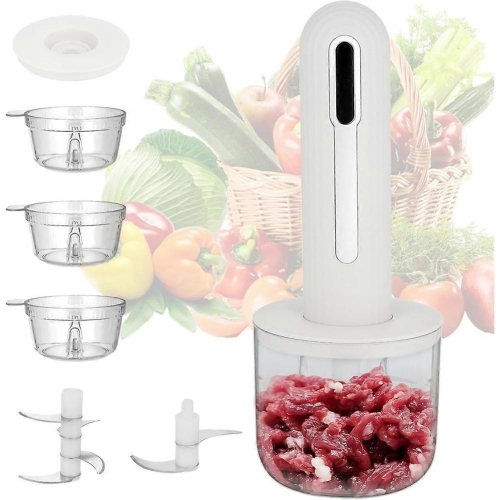
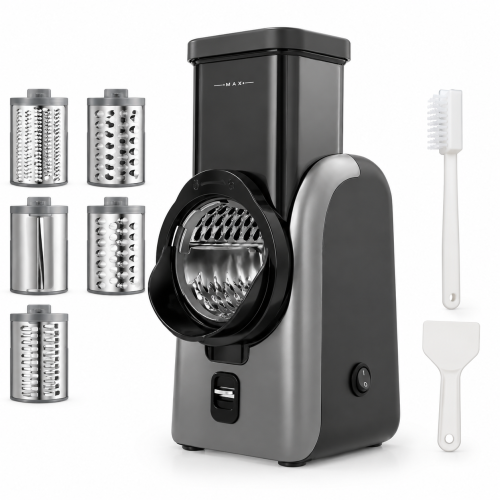
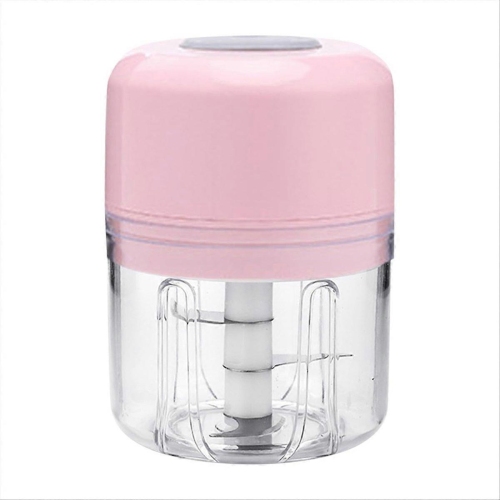
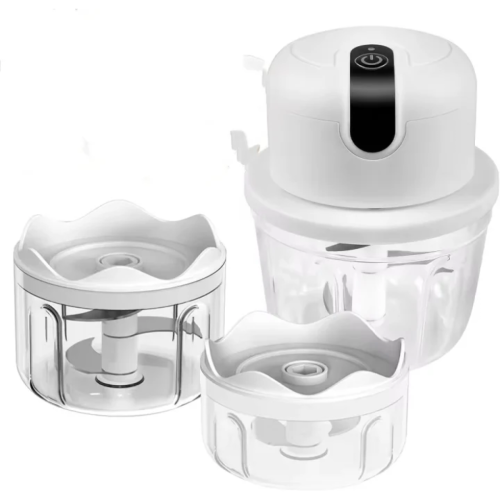
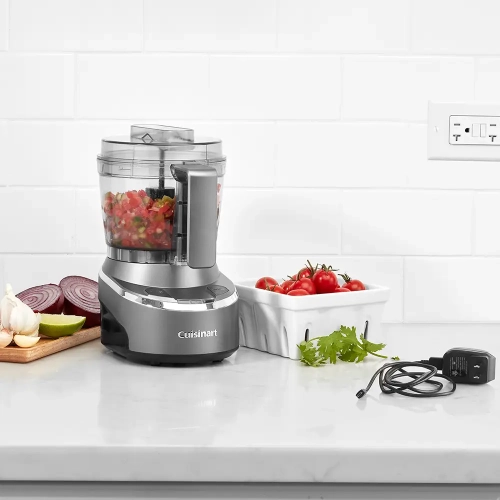
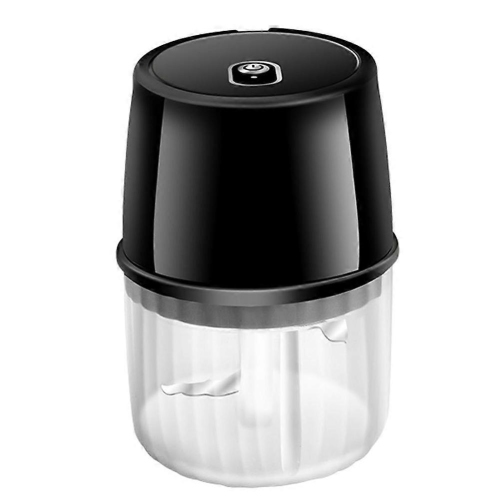
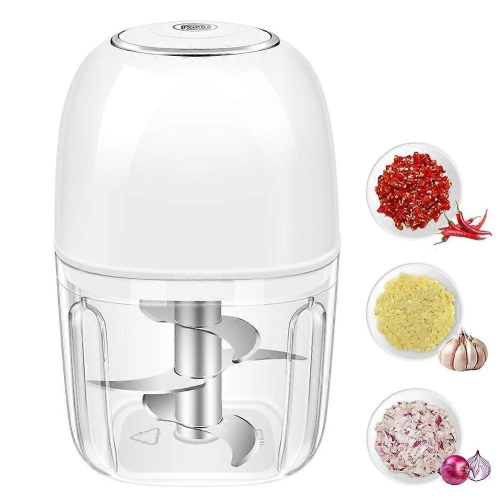
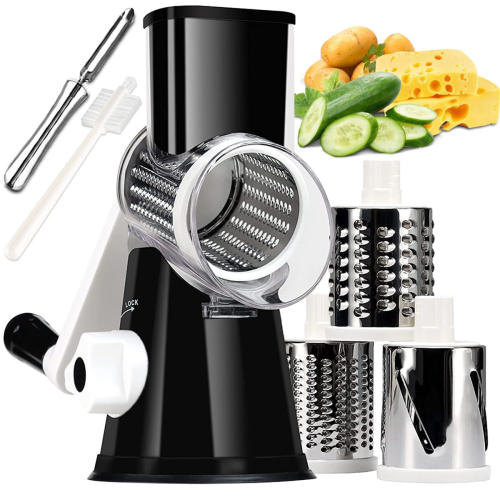
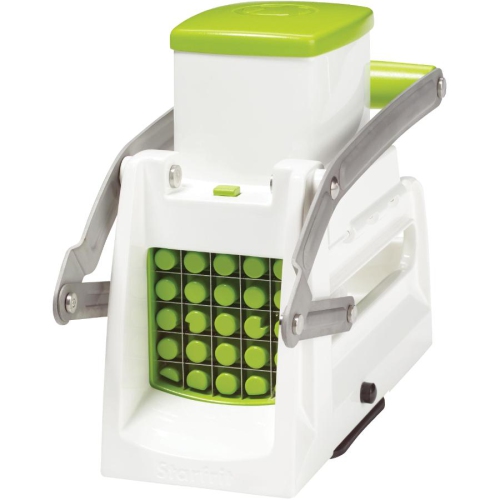
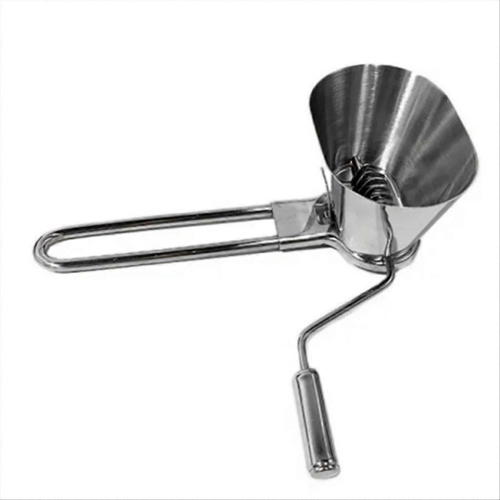
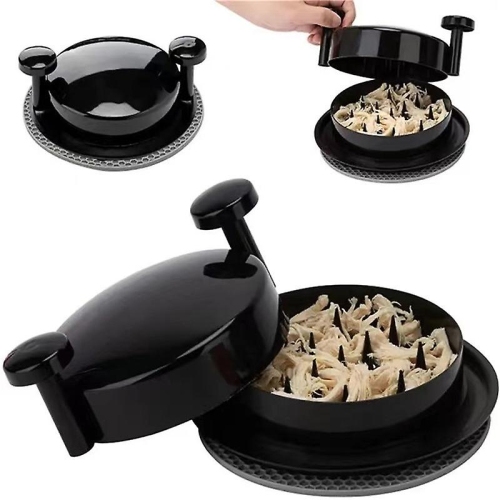
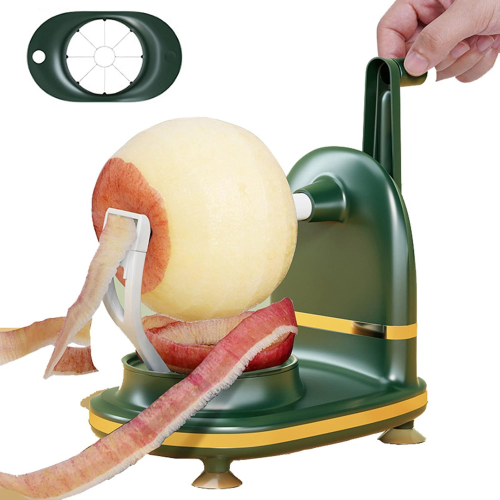
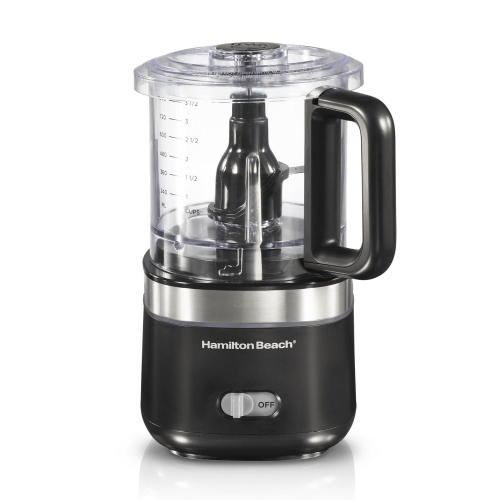
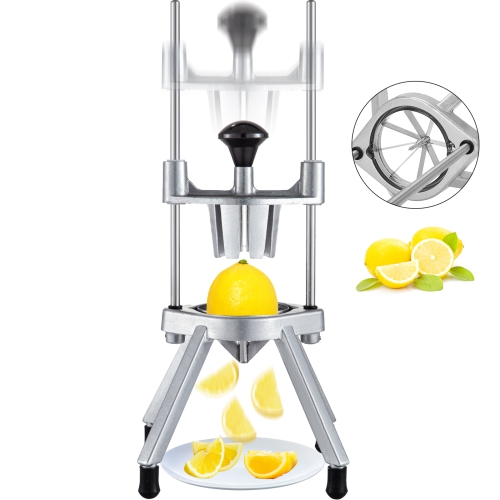
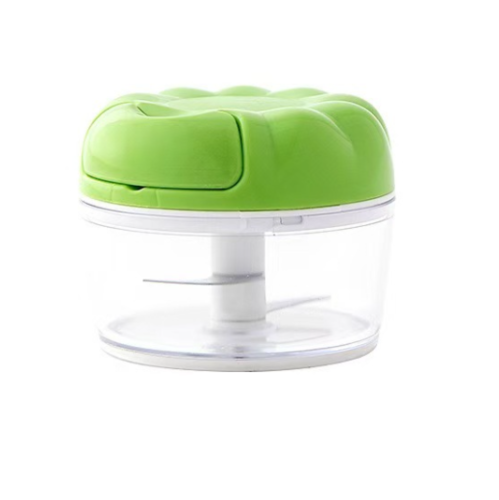
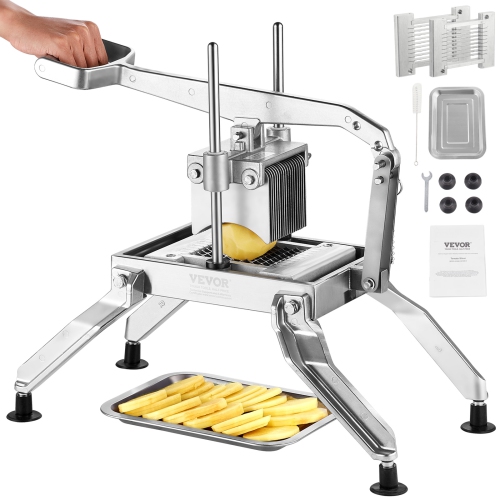
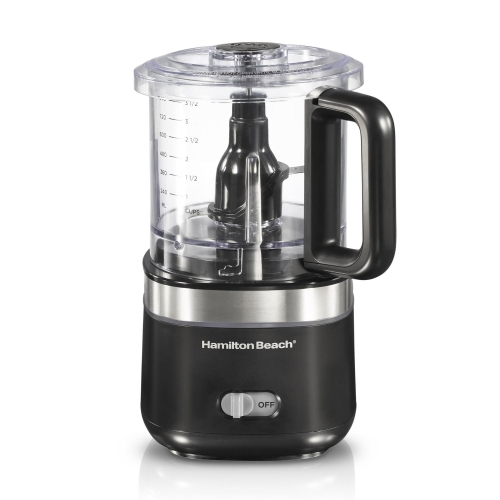
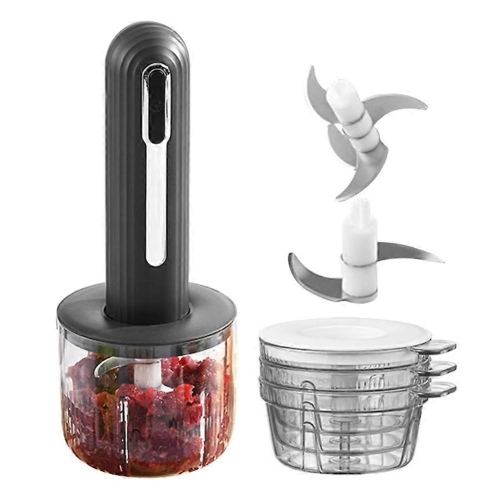
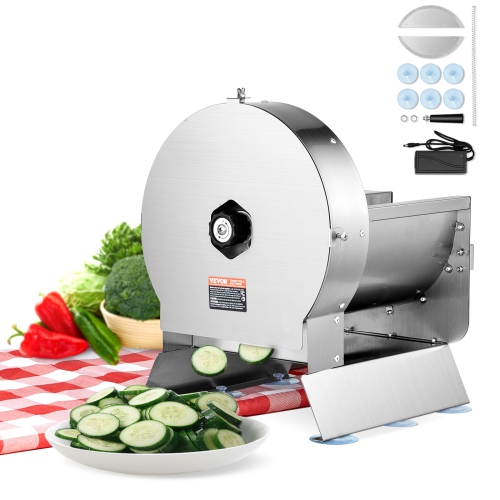
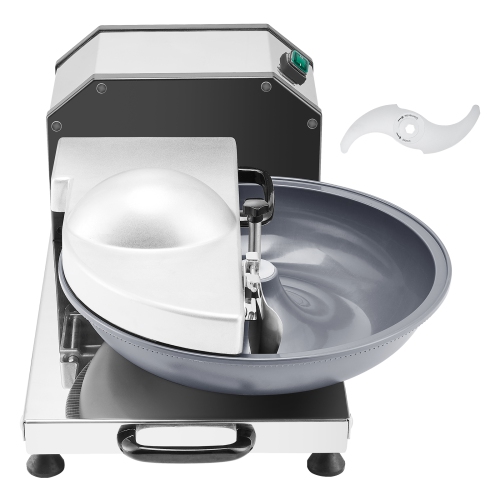
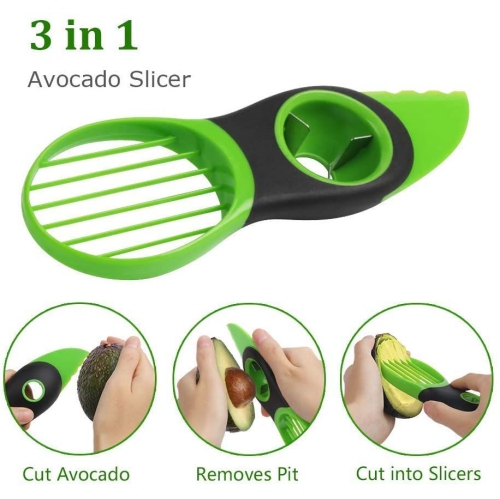
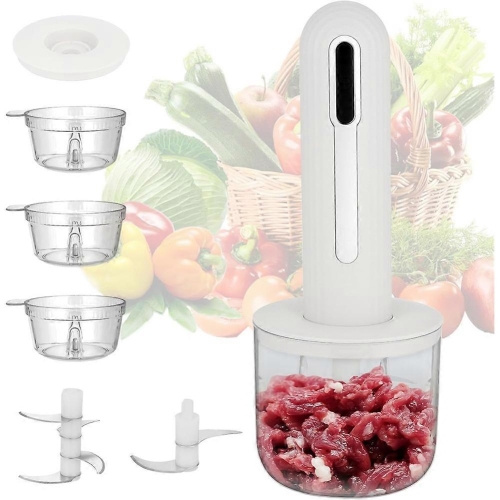
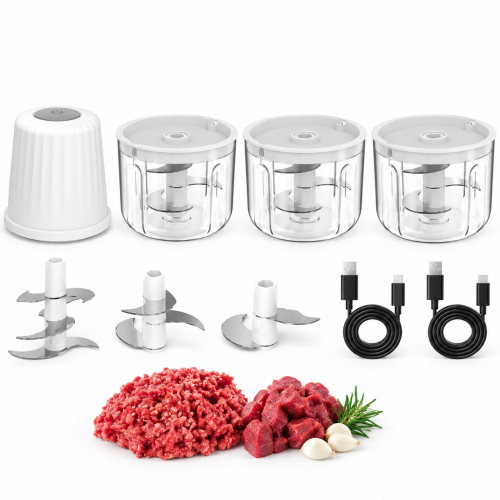
Kitchen cutters and choppers turn everyday ingredients into pieces suited to cooking, serving, and storing, from finely chopped onions for a sauce to evenly diced peppers for a grain bowl. The category includes manual food choppers, vegetable dicers, mandoline-style cutters, and compact electric choppers, each with a different approach to food preparation. Manual choppers use a push-down mechanism, pull cord, or turning handle to move blades through ingredients without a power outlet. Push-down designs typically suit small quantities of garlic, onion, or nuts, while pull-cord designs spin blades inside a covered bowl and offer control through the number and strength of pulls. Dicers press food through a cutting grid to create more consistent shapes, often collecting the pieces in a container underneath. Mandoline-style cutters make slices, and designs with interchangeable attachments may also produce julienne strips or grated ingredients. Compact electric choppers use a motor-driven blade and are useful for repeated chopping tasks, particularly when preparing several components for a meal. These formats serve different purposes: a cutting grid creates defined cubes, while a spinning blade produces a chopped texture that becomes finer with further processing. That distinction matters when a crisp chopped salad calls for separate, recognisable pieces but a herb mixture needs a much finer finish. For meals that involve several preparation tasks, Multipurpose Choppers bring together designs intended for more than one type of cutting or chopping. The most useful format depends on the ingredients and quantities prepared most often, rather than the number of attachments alone. A small bowl can suit a handful of herbs or a little garlic, whereas a larger catch container can make preparing vegetables for soup less repetitive. During the cooler months, these tools can be especially handy for the onions, carrots, and celery that form the base of stews and other batch-cooked meals. Their value lies in making familiar preparation tasks more manageable while keeping the finished texture appropriate to the dish.
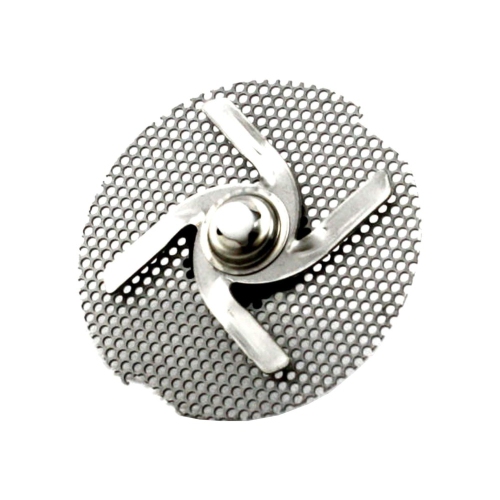
Materials, construction, and the way a cutter fits into a kitchen routine influence how comfortable it is to use. Stainless steel is common for cutting blades because it offers a sharp working edge and resistance to corrosion, although blade shape, thickness, and care also affect performance over time. Food-contact bowls and catch containers may be made from plastic or glass. Plastic generally keeps the tool lighter to lift and move, while glass adds weight and allows ingredients to remain visible without retaining odours as readily as some plastics. A transparent container makes it easier to judge texture before a chopped onion turns too fine or a nut mixture starts to become pasty. Capacity deserves attention beyond the stated bowl size, since a container may need space above the ingredients for effective blade movement. For someone preparing a single serving, a smaller working bowl can be more practical than a large one that spreads a little food beneath the blades. A household preparing several portions may appreciate more room, provided the filled container remains comfortable to handle. Counter space, cupboard height, and access to an outlet also shape the fit of an electric chopper, while manual designs can be convenient in kitchens with limited plug space. A broad base, non-slip feet, and a securely seated lid contribute to stability during use. Grip size and operating force matter too: pressing firm vegetables through a grid can take effort, and a pull-cord mechanism requires repeated arm movement. An electric design may reduce some manual work, but its controls, lid fastening, and bowl weight still need to feel manageable. For dense ingredients, cutting food into smaller sections first can help avoid overloading the mechanism, where the manufacturer's directions call for it. Firm carrots, ripe tomatoes, leafy herbs, and nuts do not behave alike under a blade, so intended use is more meaningful than a broad claim of versatility. Attachments should be suited to the food and cut required, especially for delicate ingredients that can bruise or crush under pressure.
Care and storage are part of everyday ownership, particularly with tools that have sharp grids, removable blades, or several small attachments. Removable food-contact parts can make cleanup more straightforward, but dishwasher suitability varies by component and should be confirmed in the manufacturer's care instructions. A dishwasher-safe bowl does not necessarily mean that the blade assembly, lid mechanism, or motor housing can be washed the same way. Electric motor units should not be immersed, and enclosed manual mechanisms may also have cleaning restrictions. Onion fragments and herb stems can lodge around cutting edges or in the corners of a dicing grid; a suitable cleaning brush helps reach these spaces without bringing fingers against the blade. Prompt cleaning after use can make dried-on residue easier to avoid, while thorough drying before storage helps protect metal parts and keeps enclosed spaces from staying damp. Blades deserve careful handling even when the tool is not operating. Food holders and guards belong in place when required, and electric choppers should be disconnected from power before blade removal or cleaning, following their instructions. Covered blade storage or a dedicated attachment holder can keep loose cutting edges away from hands reaching into a drawer. Durability also depends on using the tool within its limits. Hard pits, bones, frozen ingredients, and very dense foods may damage a cutter unless the design is expressly intended to handle them. Secure hinges, intact containers, and properly fitting blade assemblies help maintain dependable operation, making visible wear or cracking worth addressing rather than overlooking. For frequent home cooks, cutters and choppers can support everything from a quick sandwich filling to vegetables portioned for several dinners. They can also make thoughtful housewarming gifts or practical additions to a first kitchen when matched to the recipient's cooking habits, storage space, and comfort with cleaning sharp components. A simple mechanism used regularly may be more welcome than an elaborate set with attachments that rarely leave the cupboard. Whether the routine involves small daily meals or larger shared dinners, a well-matched cutter or chopper earns its place through useful cuts, manageable handling, and care that fits naturally into the kitchen.
Top selling and popular products
-
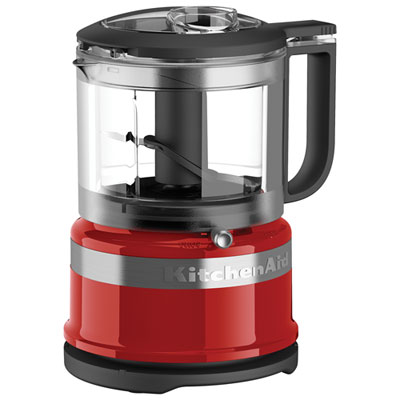 Your price for this item is $49.99
-
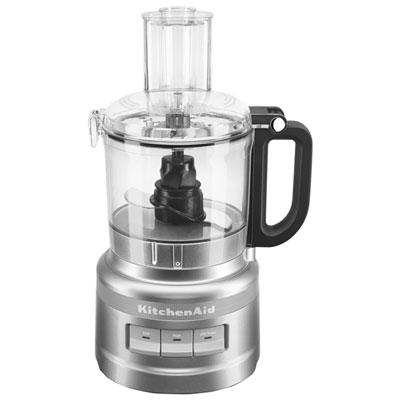 Your price for this item is $134.99
-
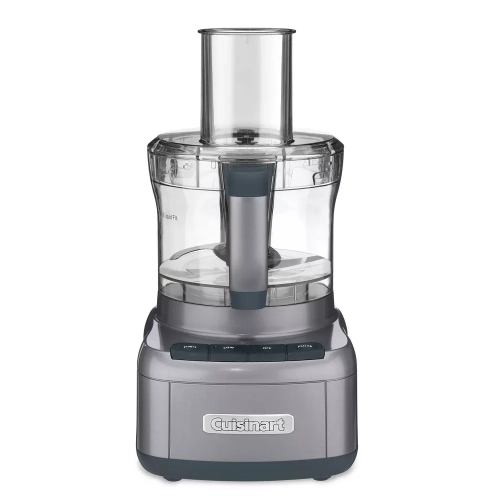 Your price for this item is $346.5
-
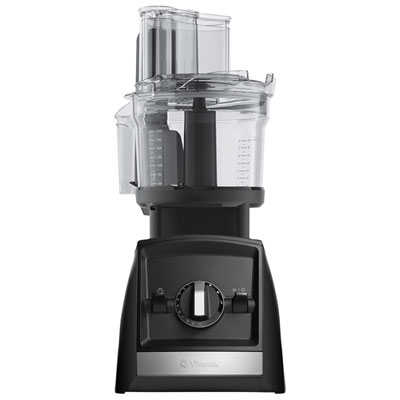 Your price for this item is $349.99
-
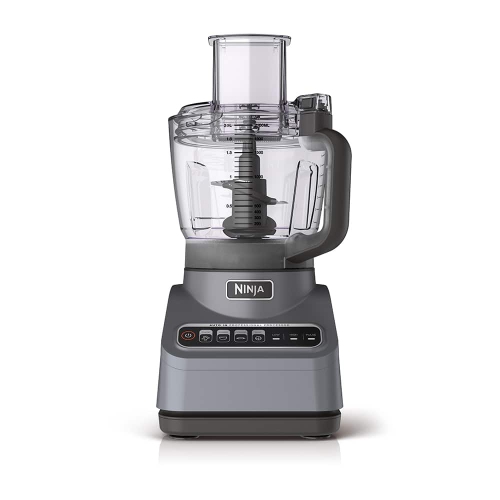 Your price for this item is $210.06
-
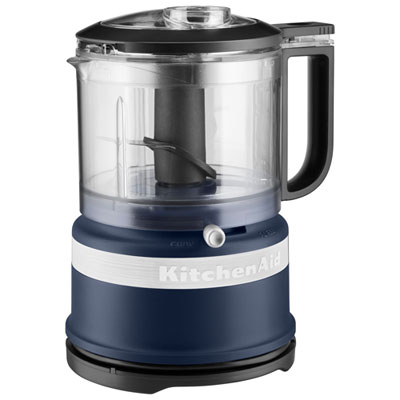 Your price for this item is $49.99
-
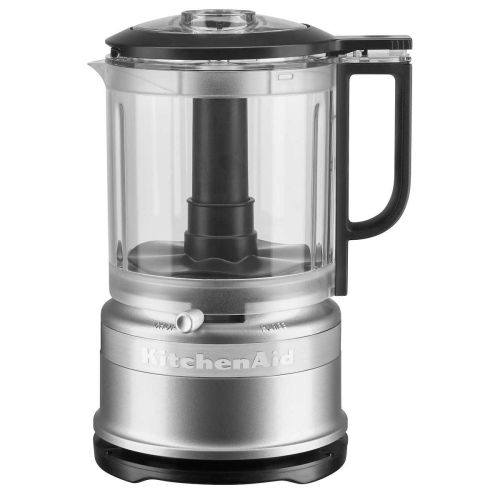 Your price for this item is $180
-
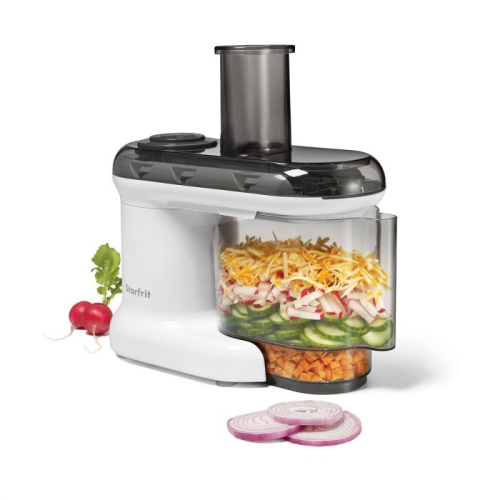 Your price for this item is $69.99
Discover more categories related to Cutters And Choppers
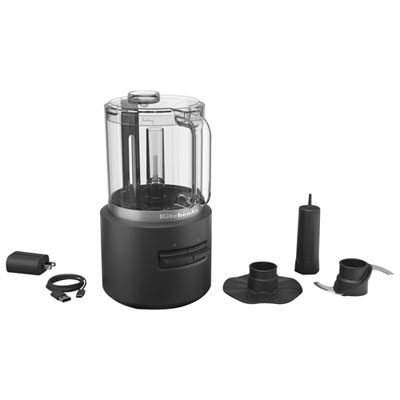
Top Collections:
Pokemon Centers, Best Cameras for Sports Photography, Kindle Devices, Samsung Galaxy Phones, Canon G7X Cameras, Pokémon 30th Celebration Cards, Refurbished Apple Laptops, iPhone 15 Apple, Laptops for Students, Budget Smartphones
Some products may be subject to Environmental Handling Fees
(EHF) depending on your province.
Learn more about EHFs.