Fruit Choppers
If you're looking to simplify your food preparation, look no further than these fruit choppers. These handy kitchen tools are designed to effortlessly slice, dice, and chop your favorite fruits in no time. Whether you're a seasoned chef or just starting out in the kitchen, these fruit choppers are the perfect addition to almost any culinary arsenal. With their sharp blades and ergonomic handles, these choppers make quick work of even the toughest fruits, saving you time and effort.
Sort
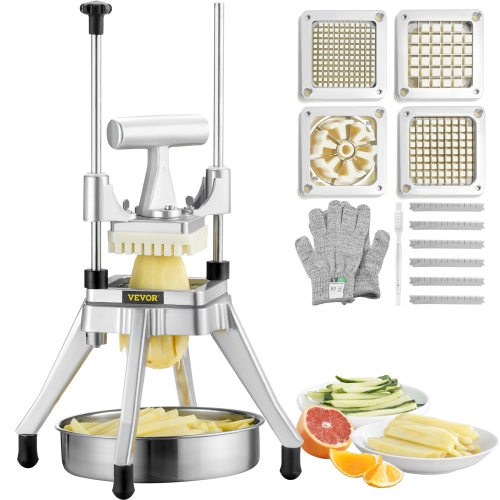
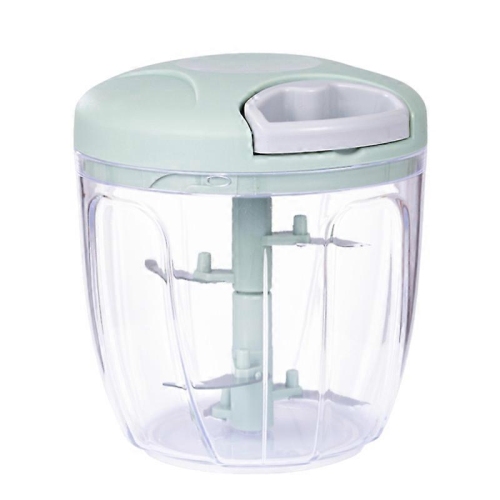
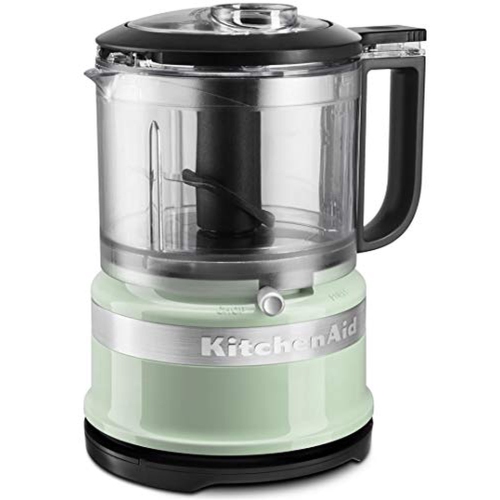
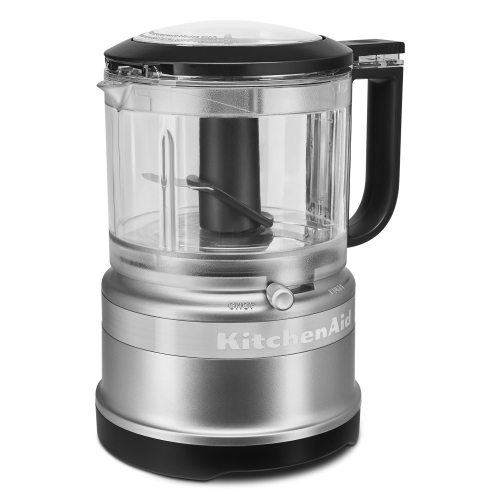
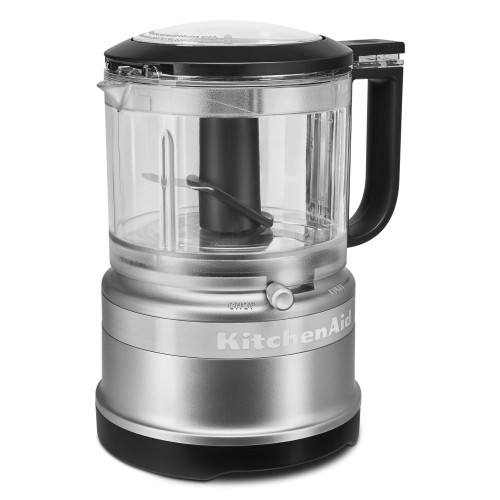
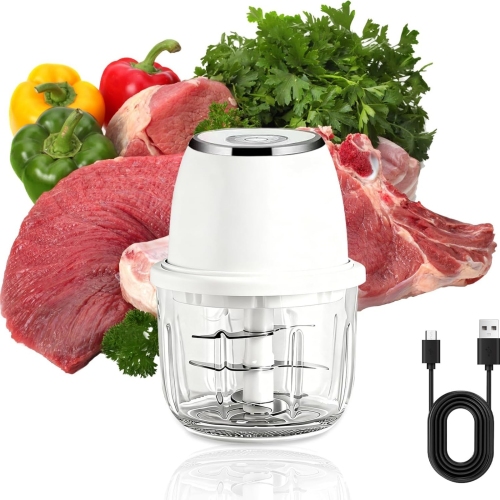
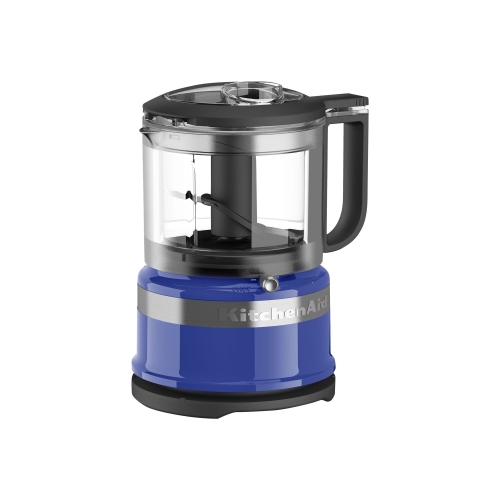
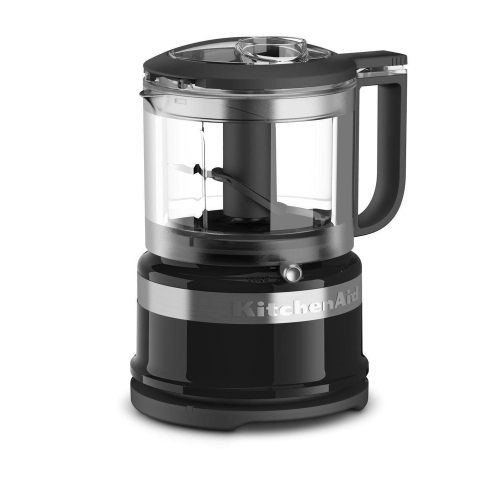
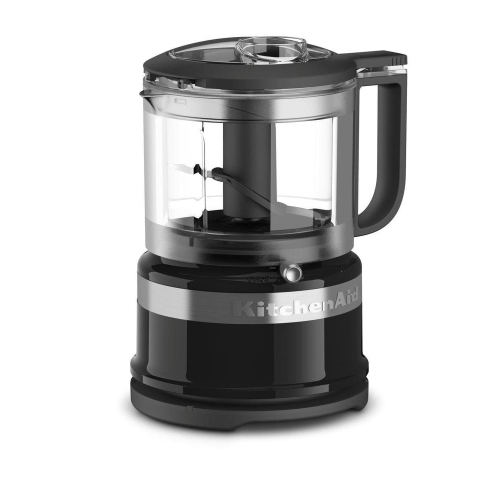
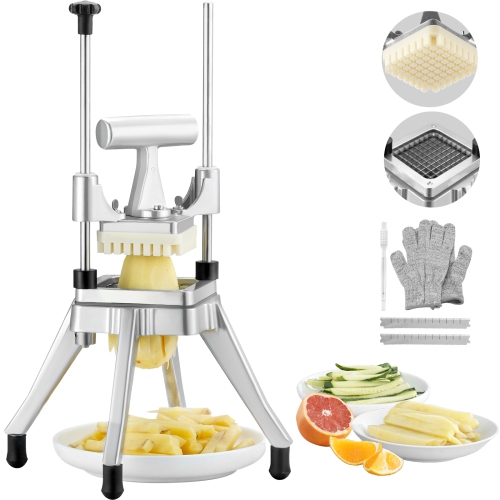
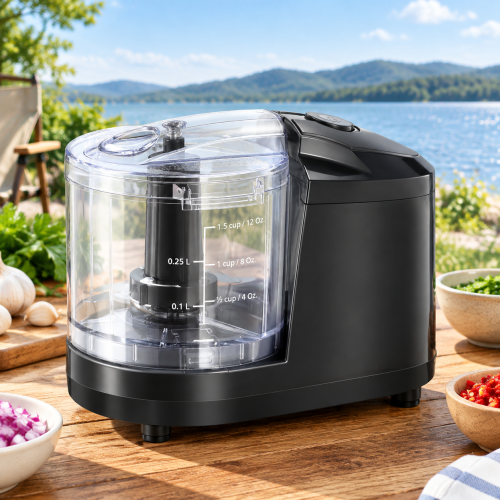
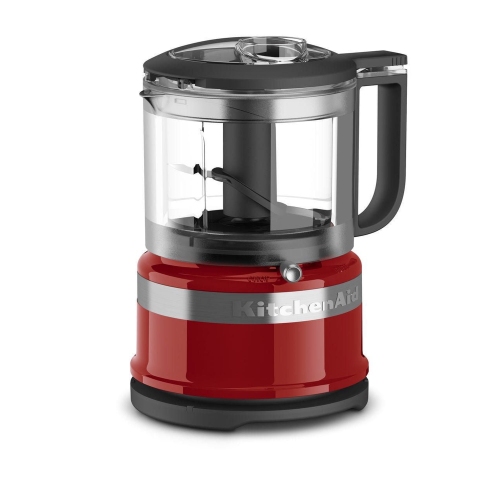
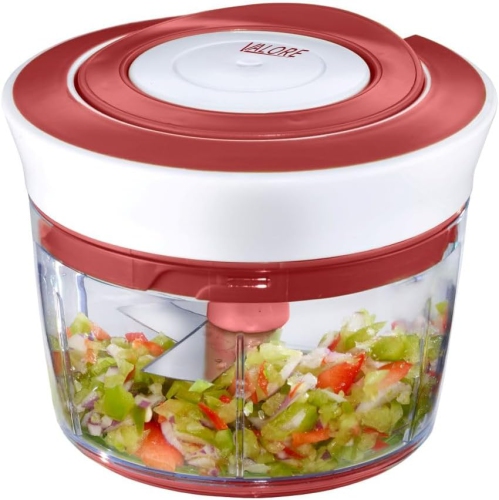
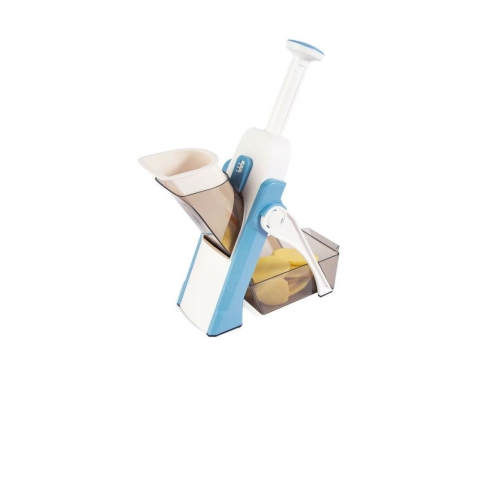
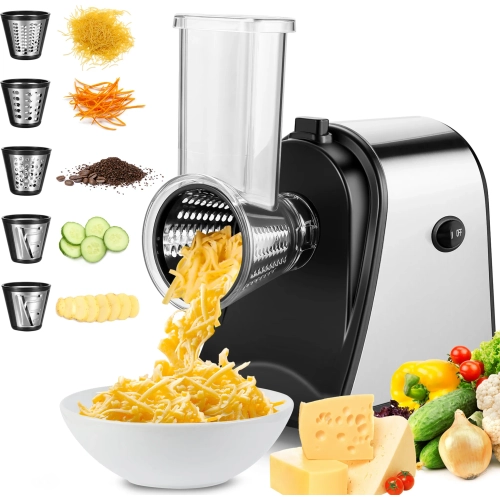
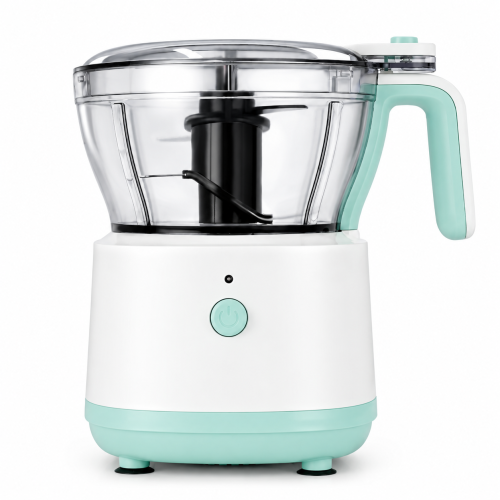
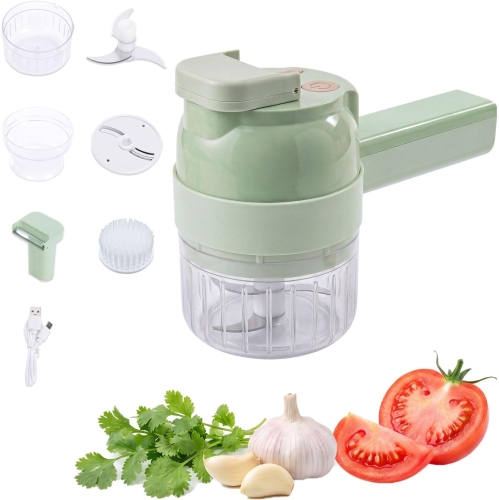
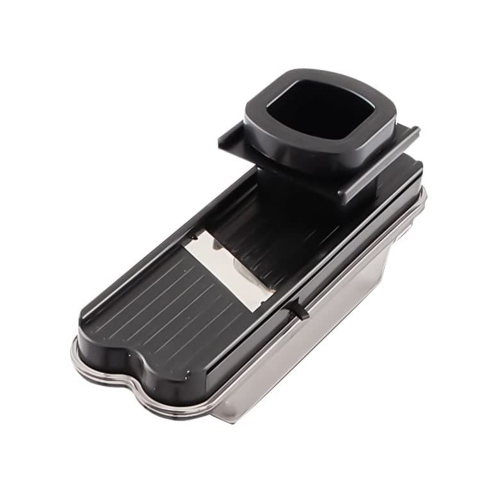
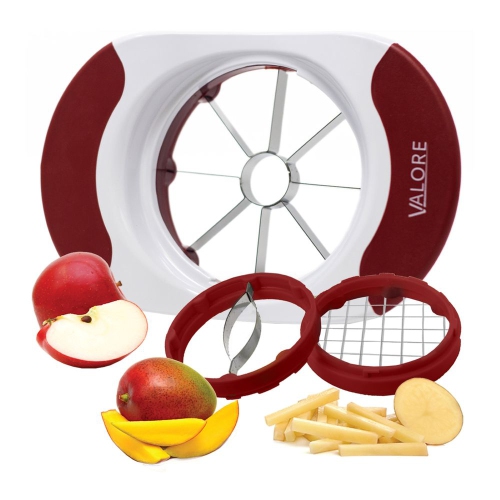
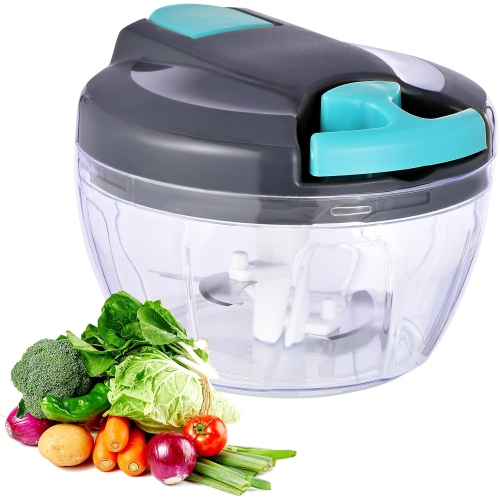
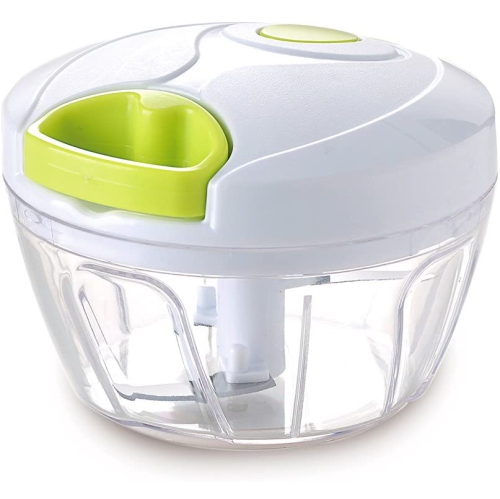
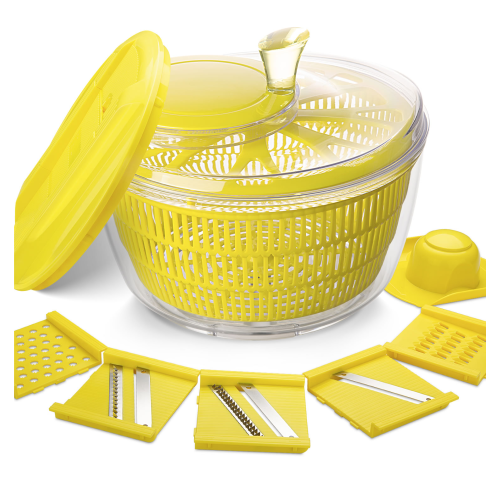
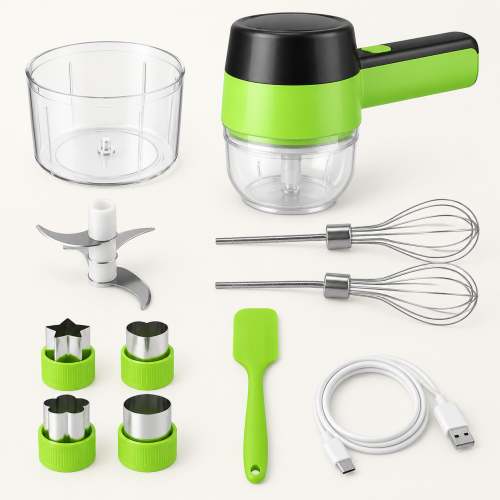
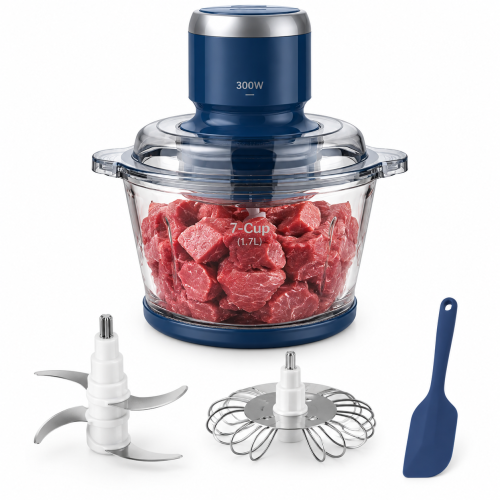
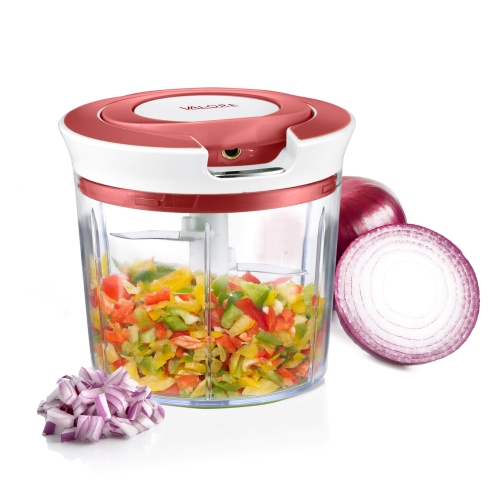
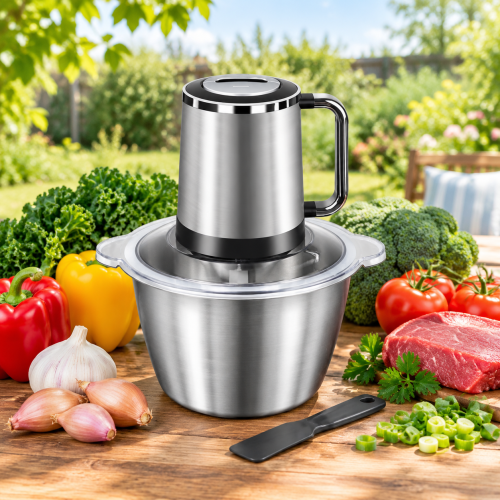
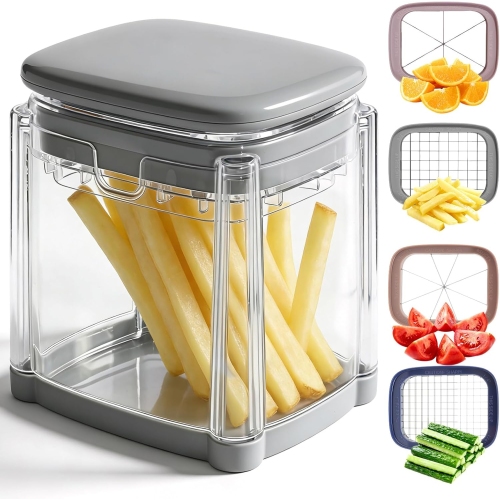
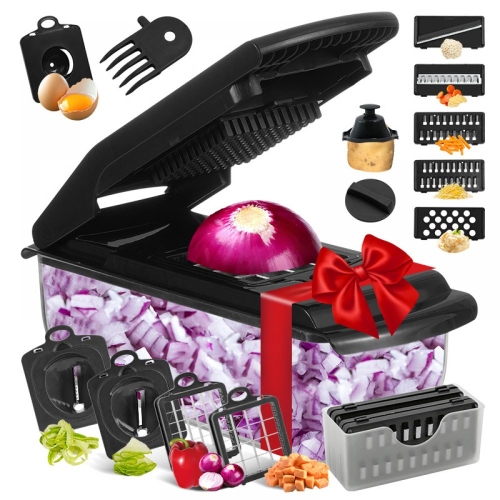
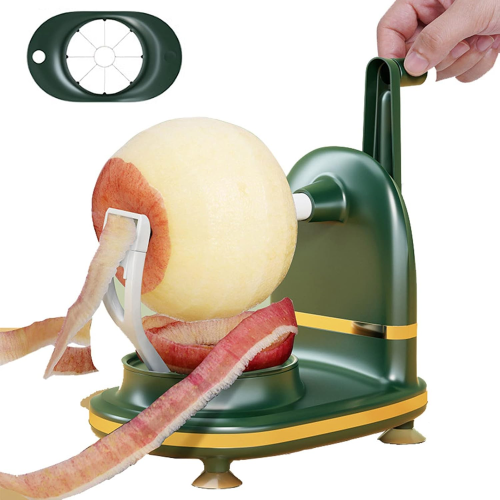

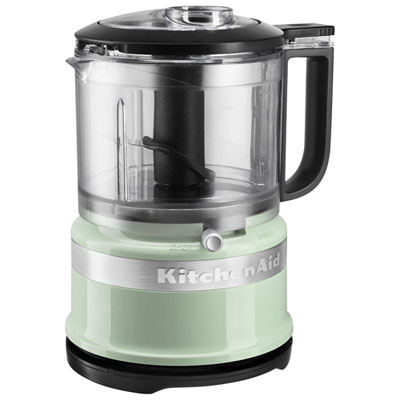
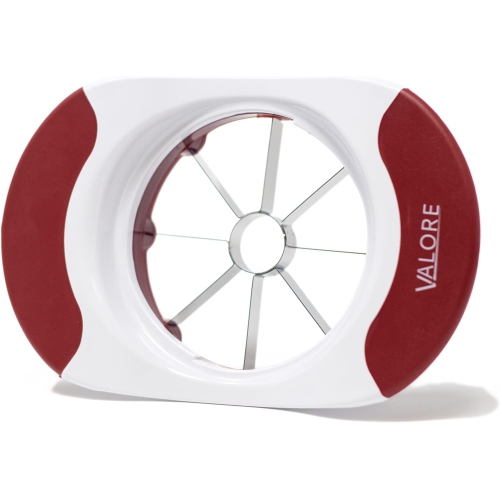
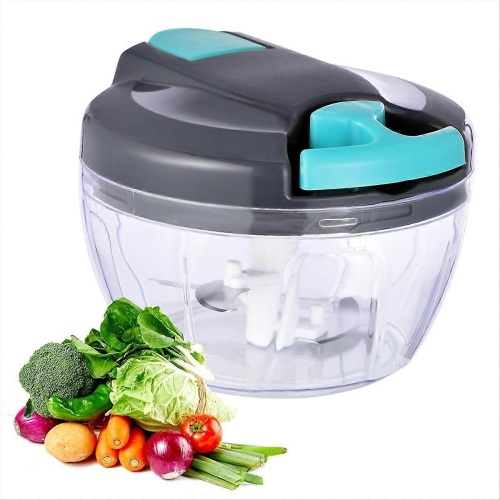
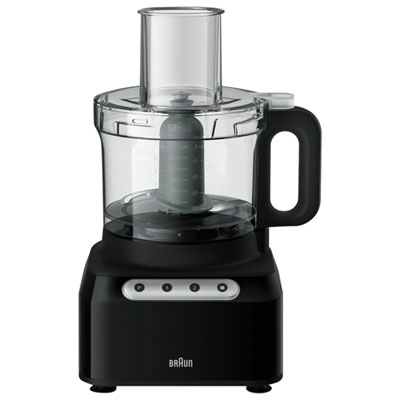
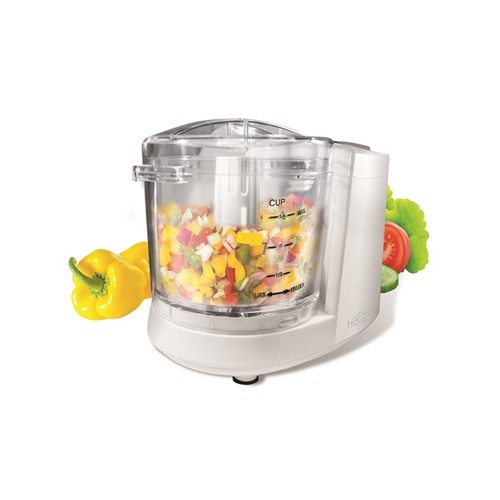
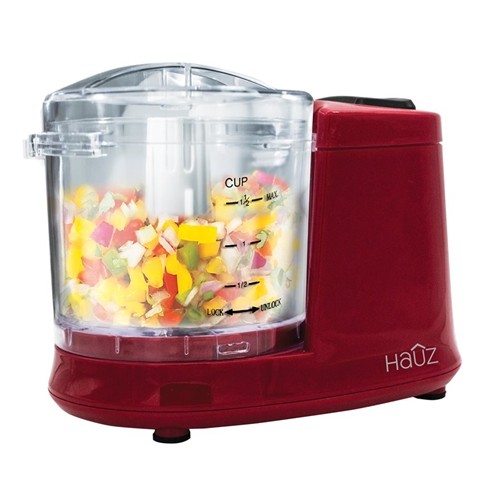
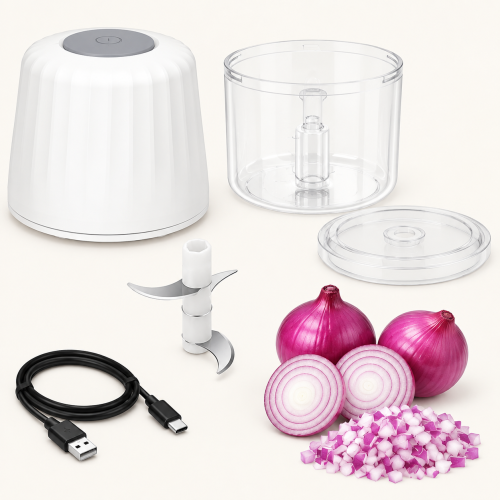

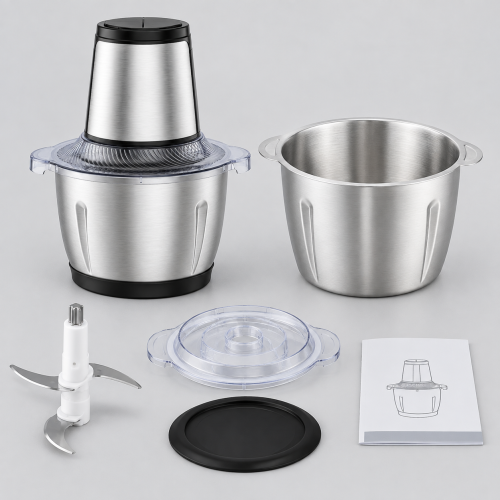
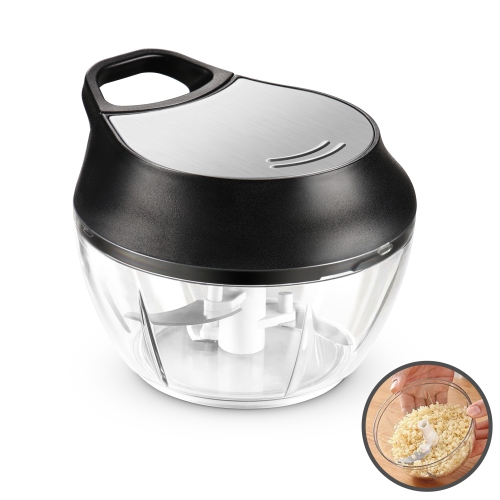
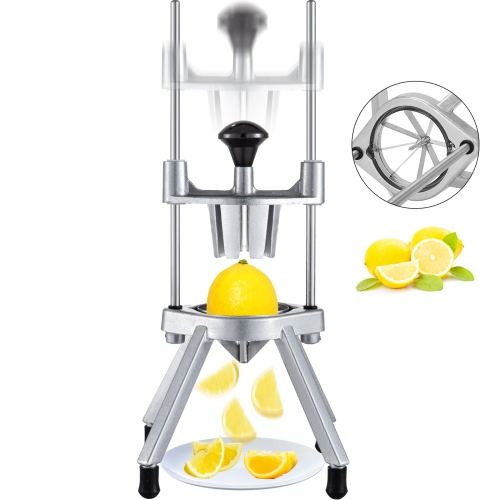
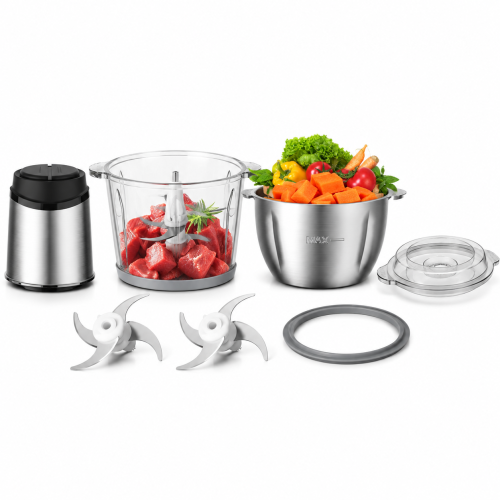
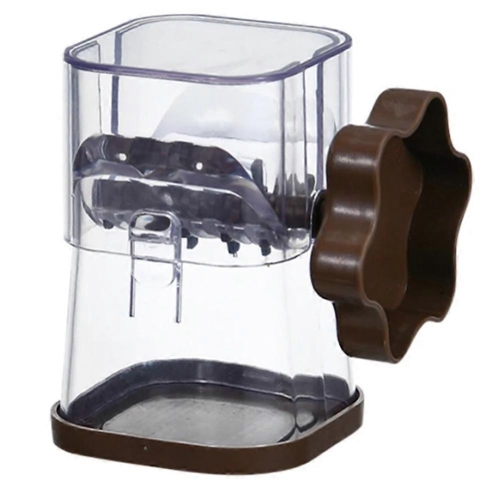
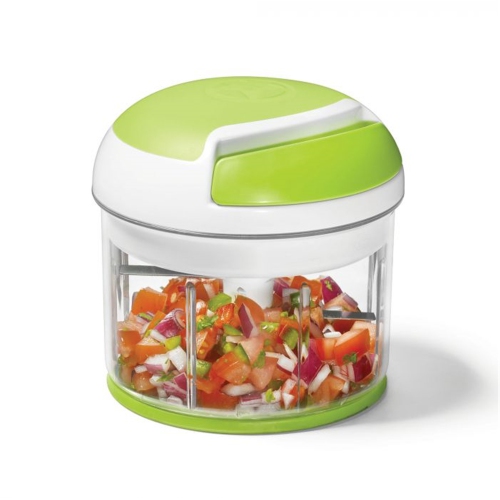

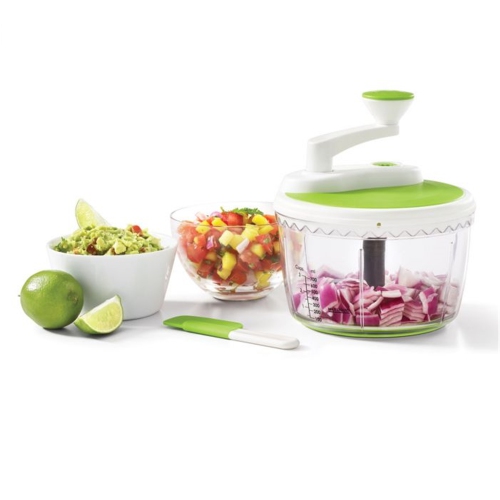
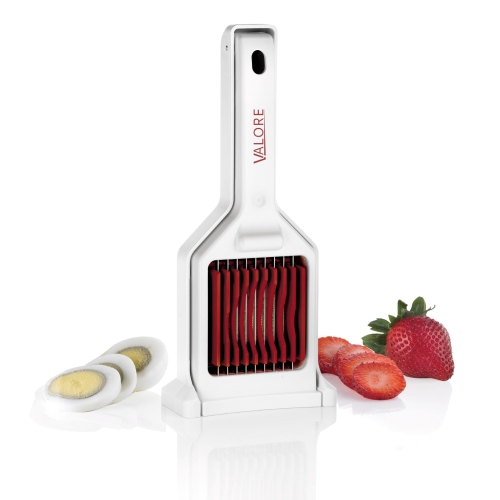
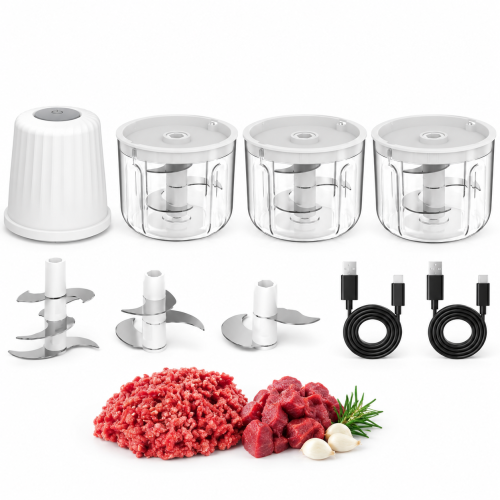
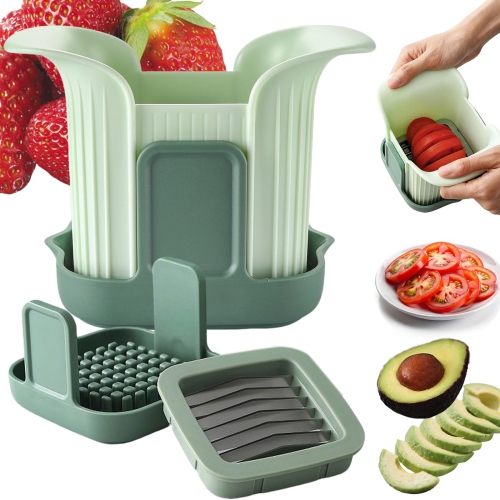
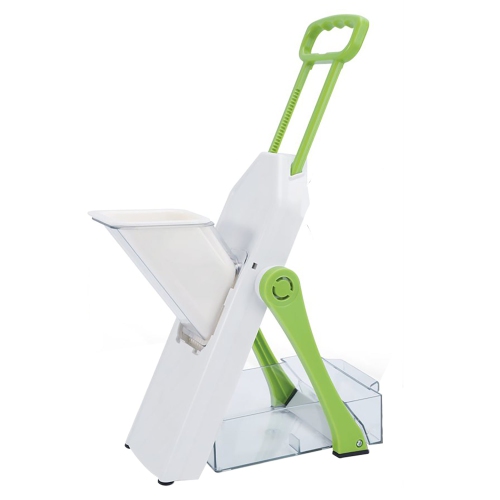
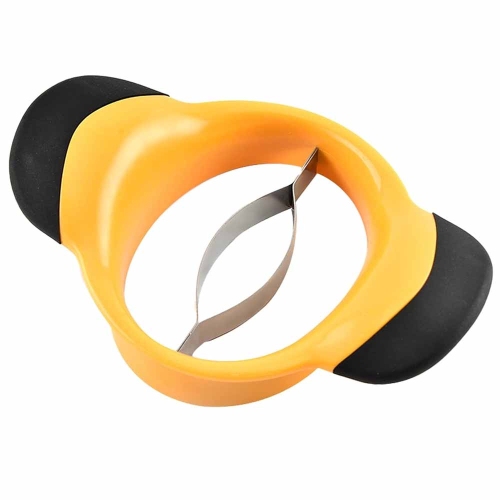
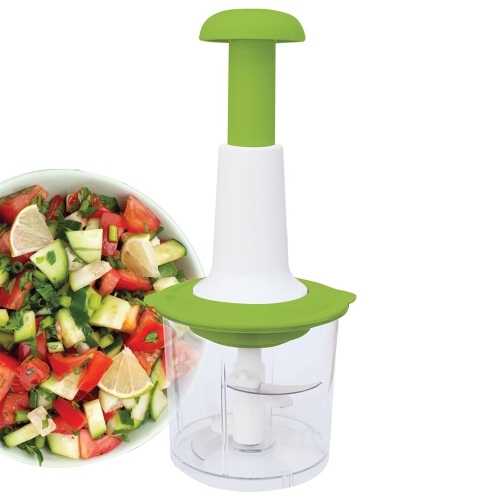
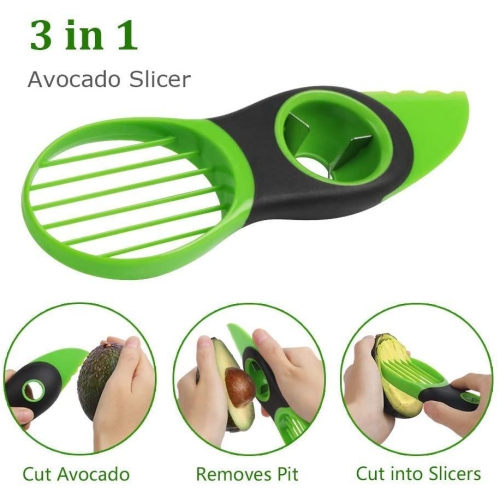
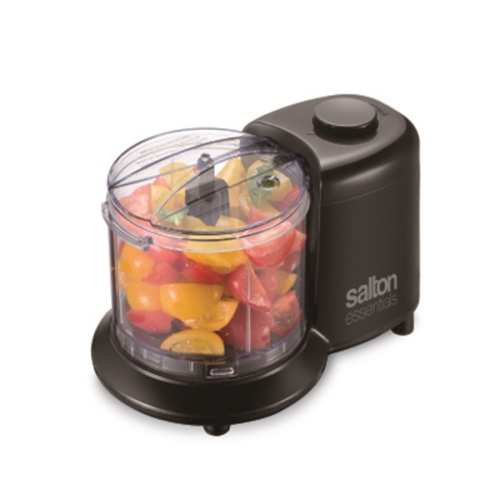
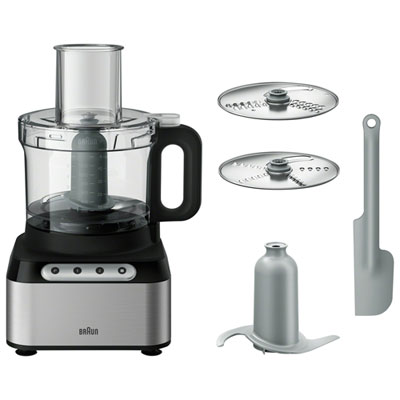
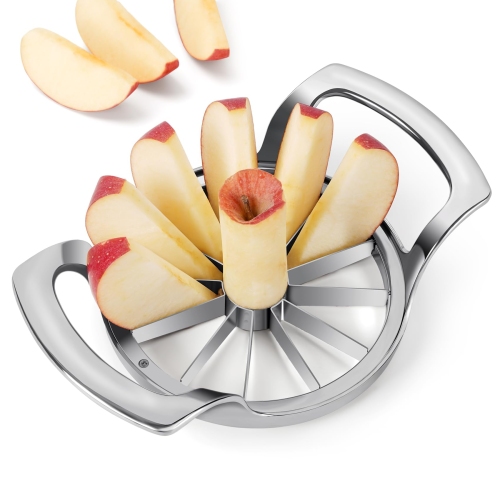
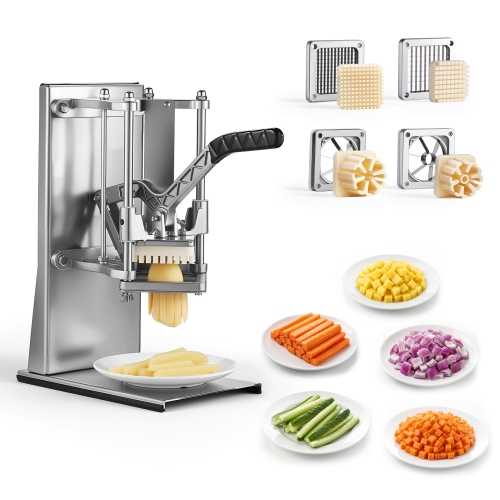
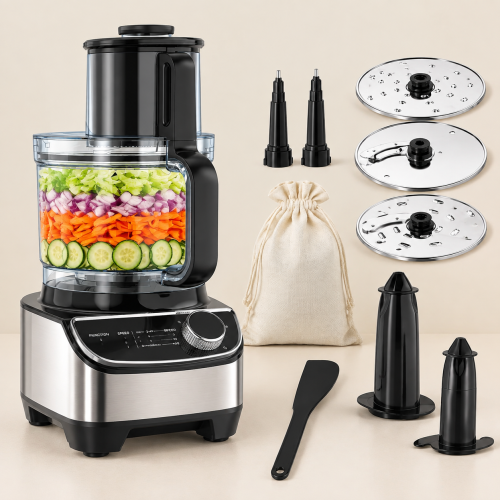
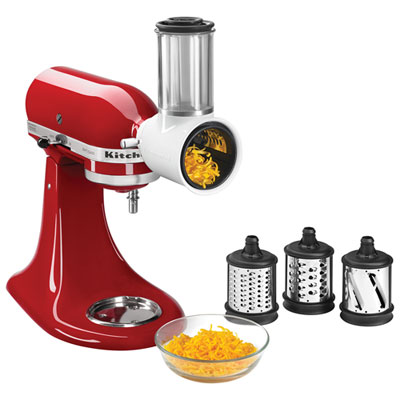
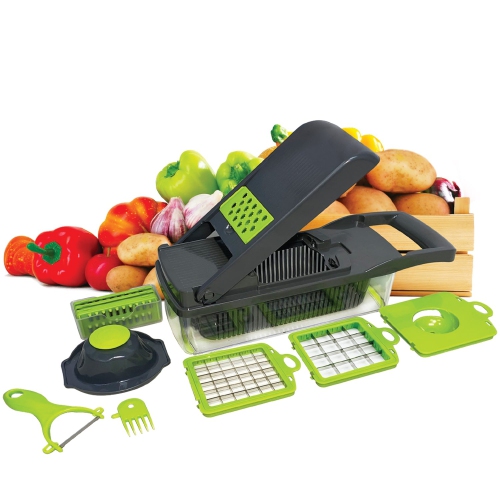
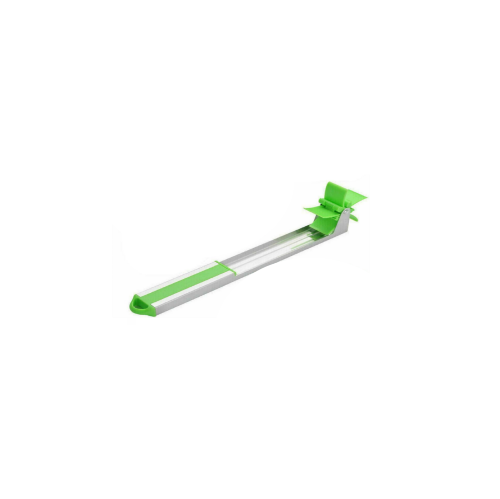
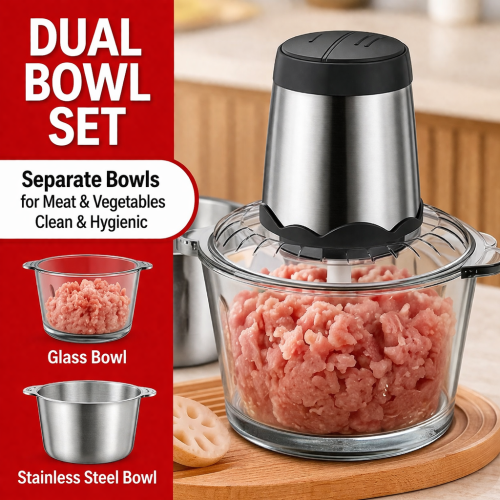
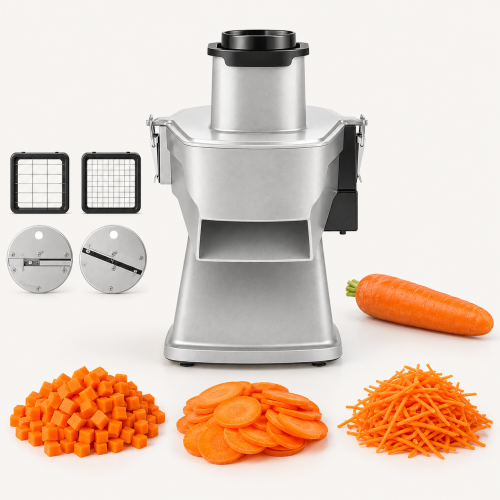
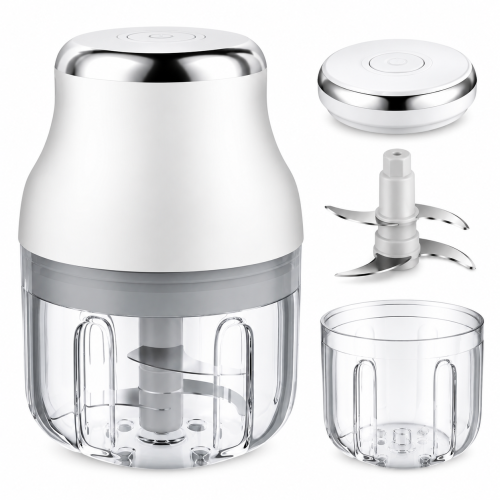
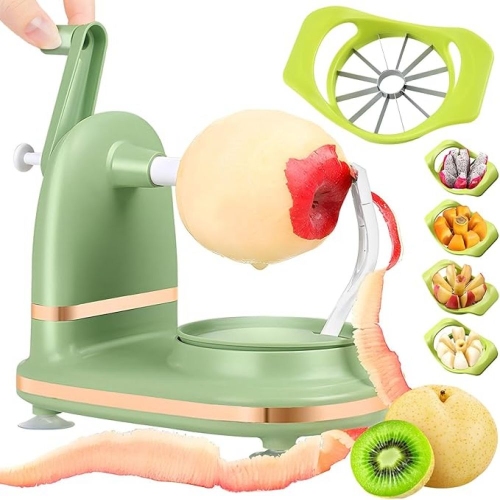
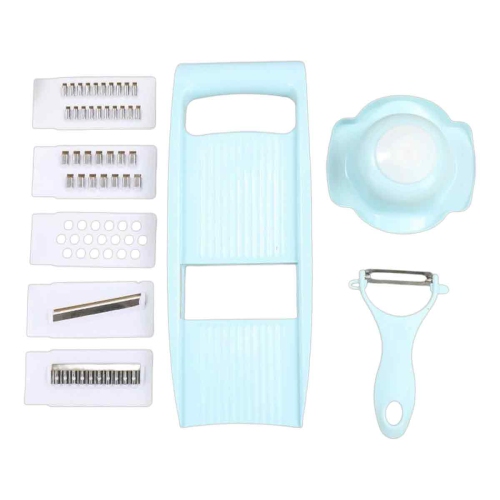
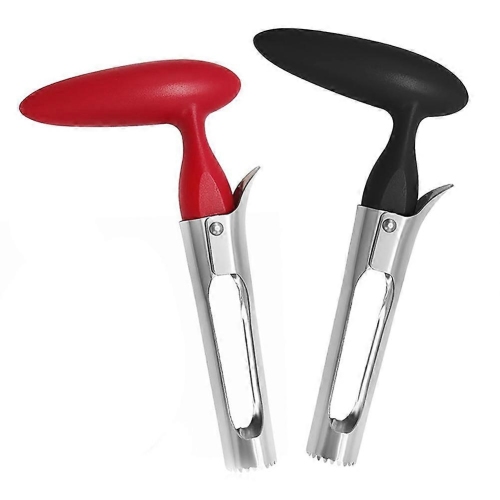
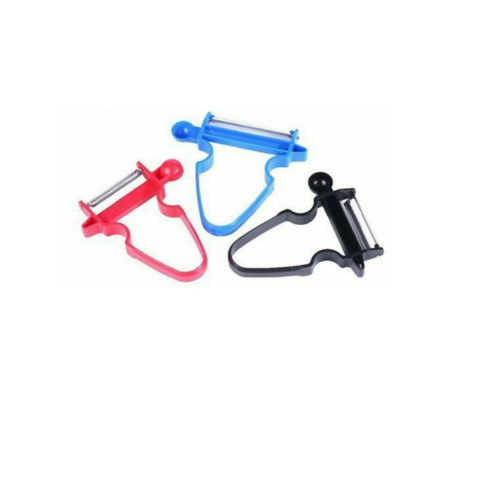
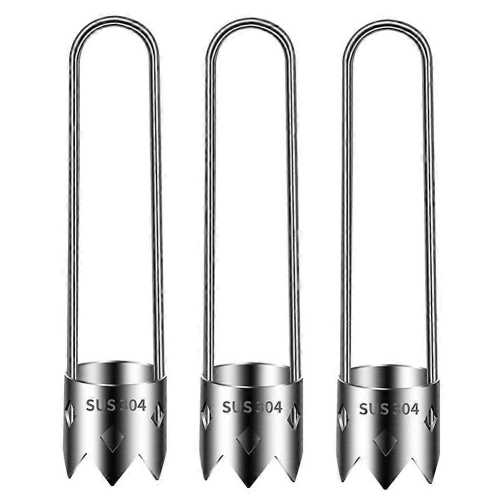
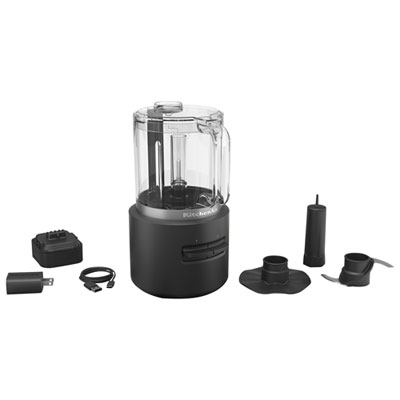
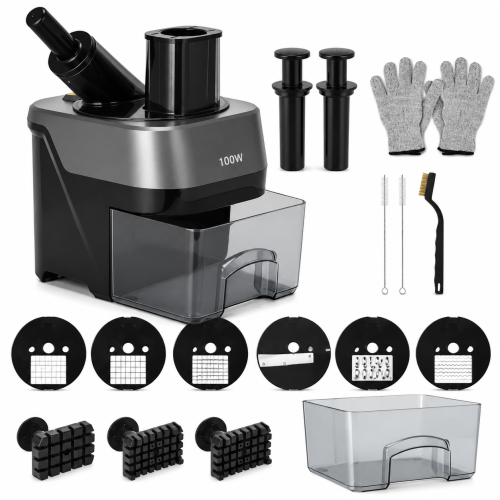
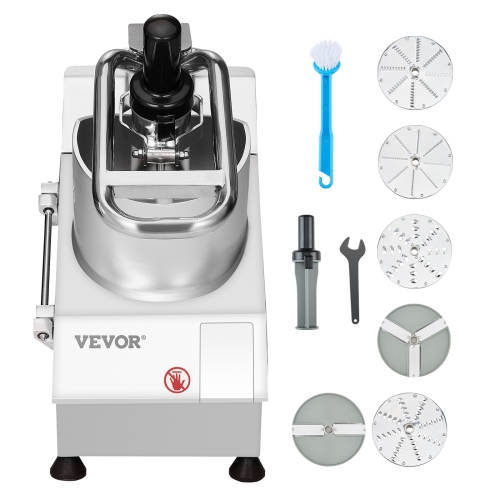
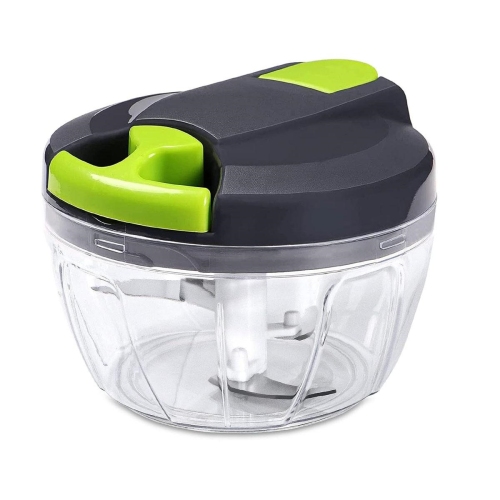
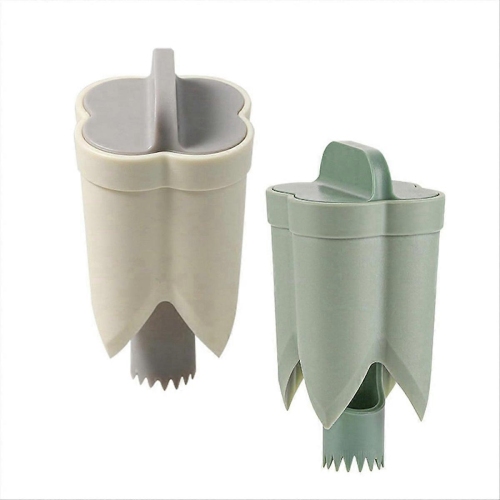
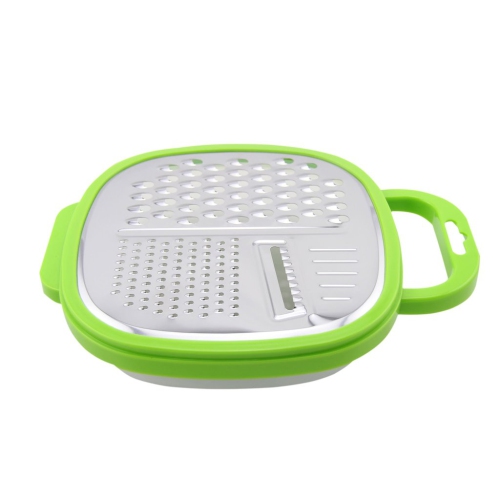
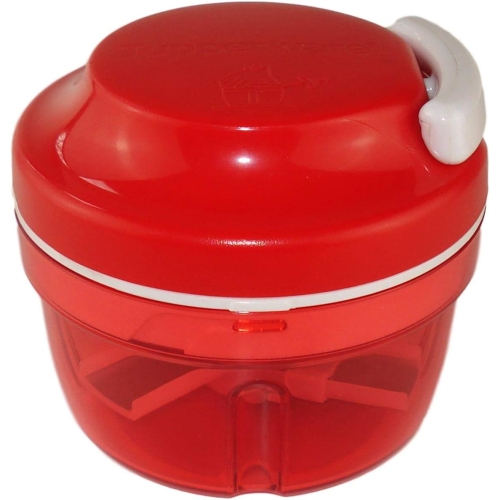
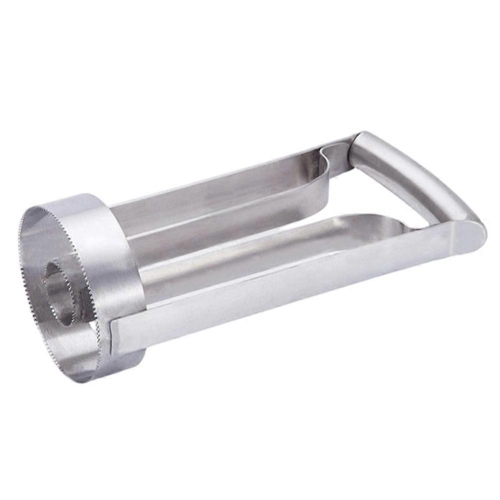
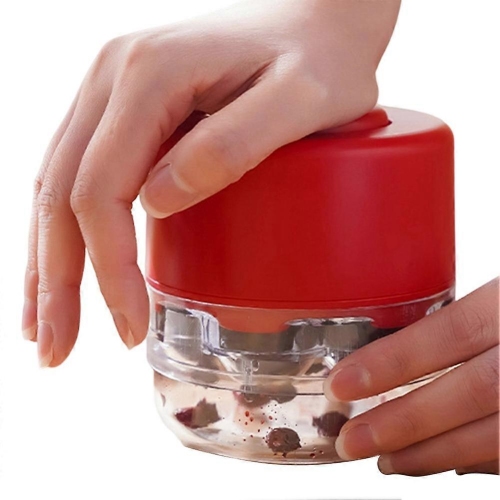
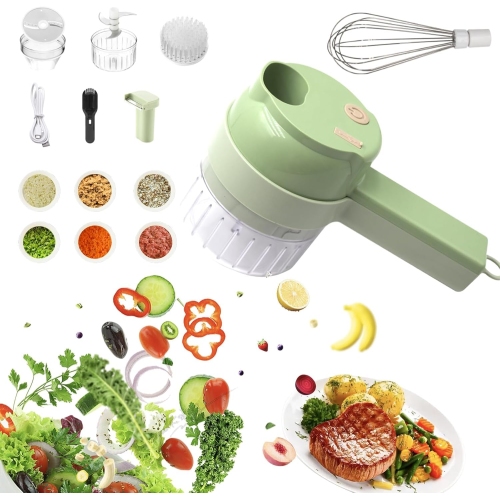
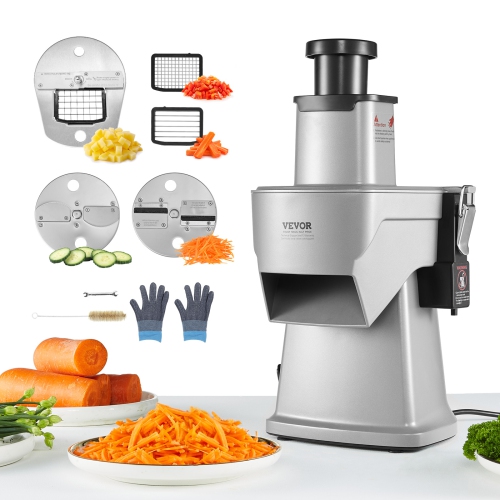
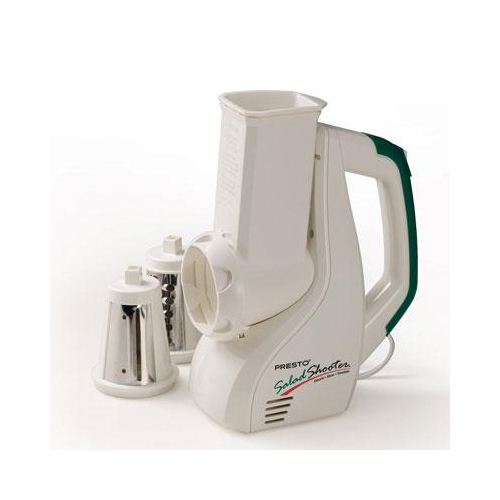
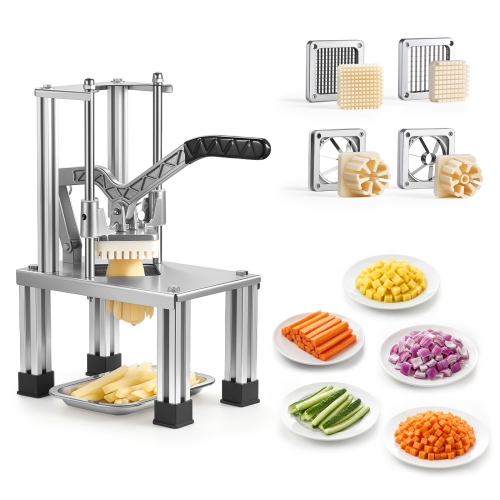
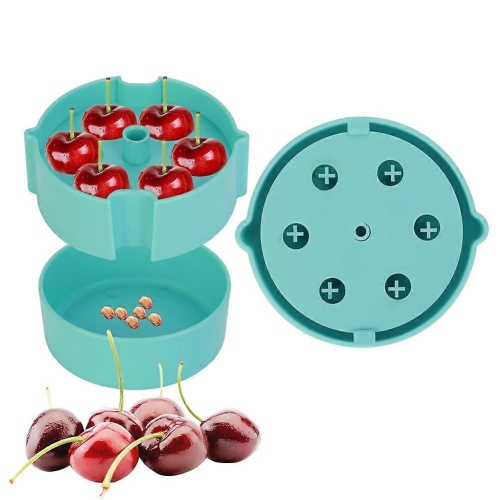
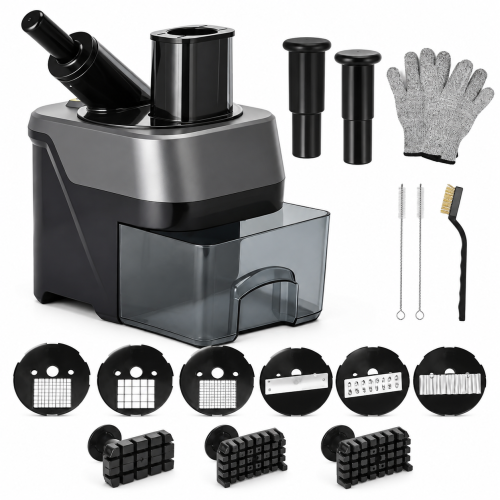
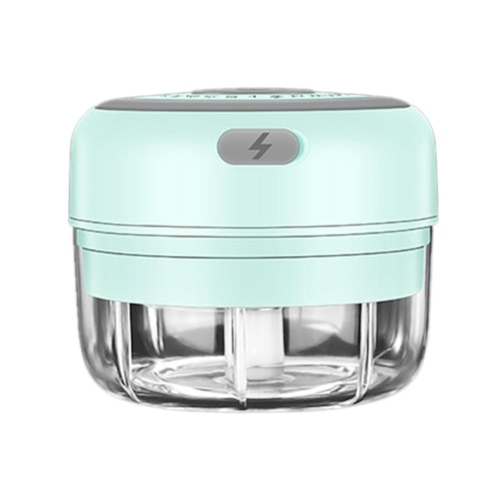
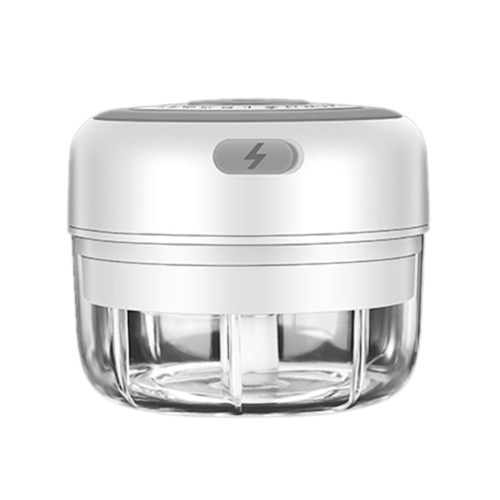
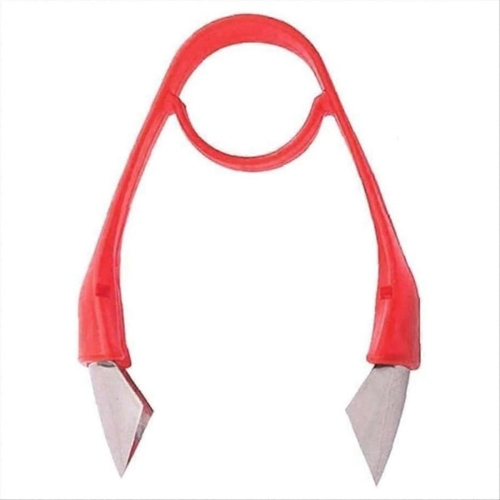

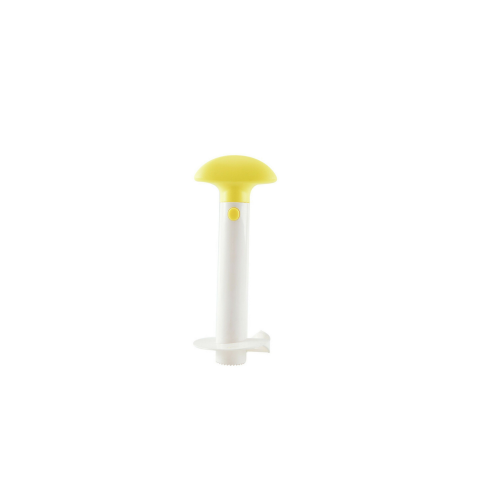
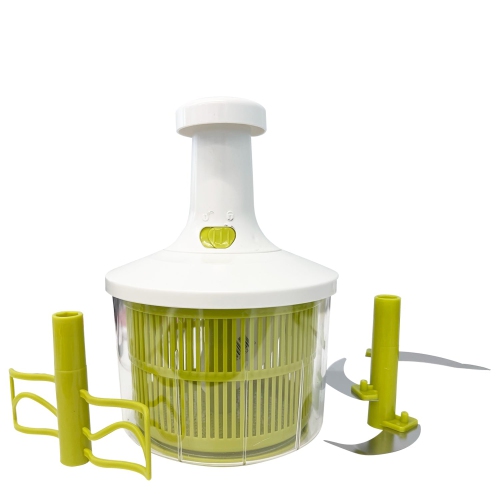
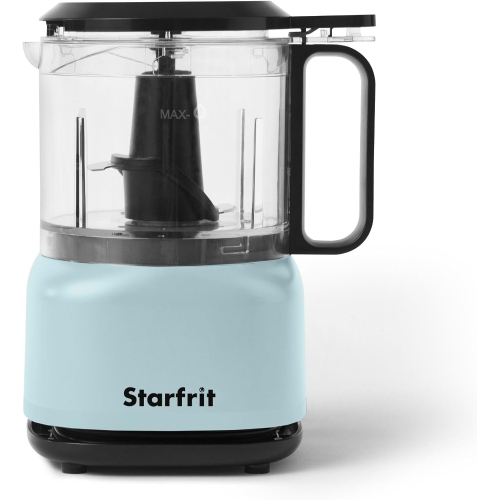
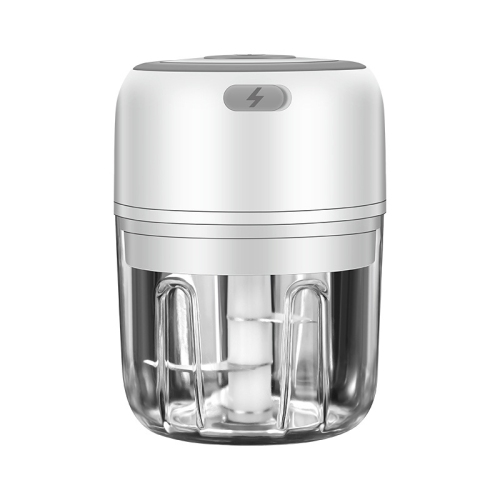
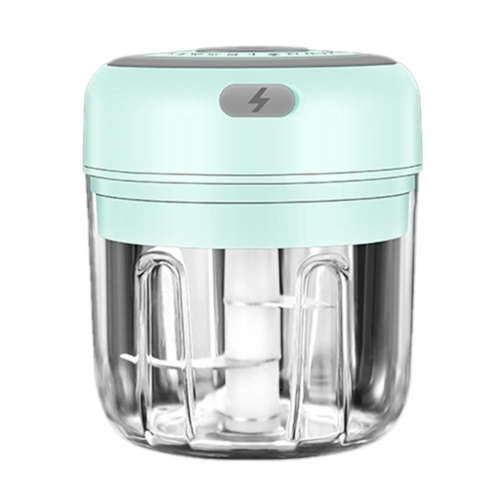
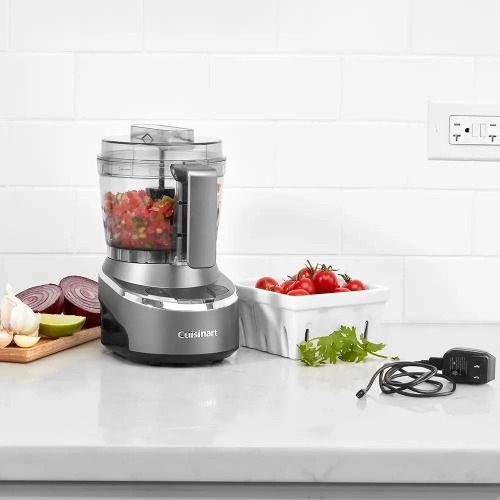
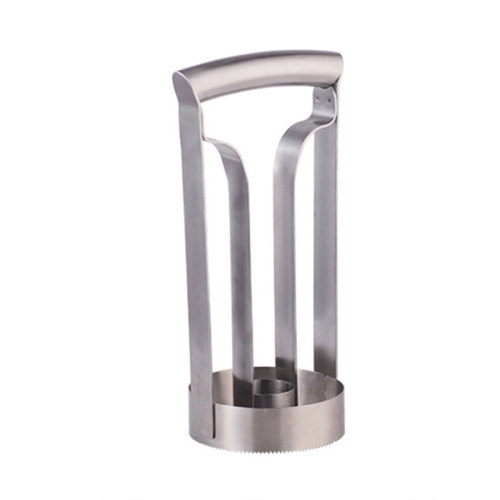
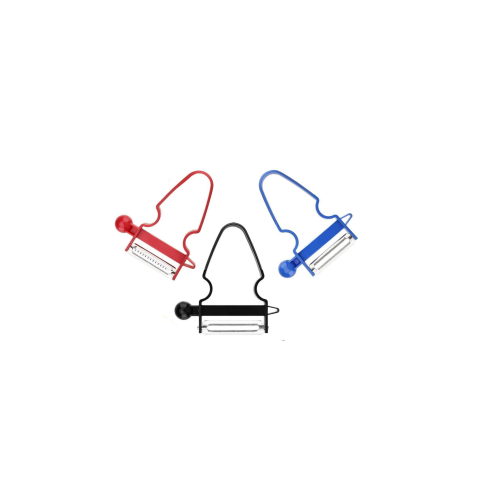
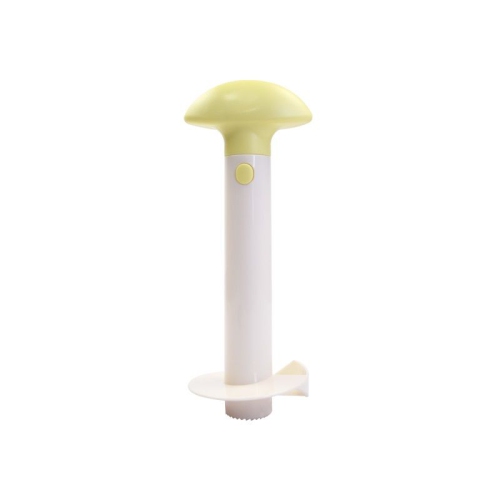
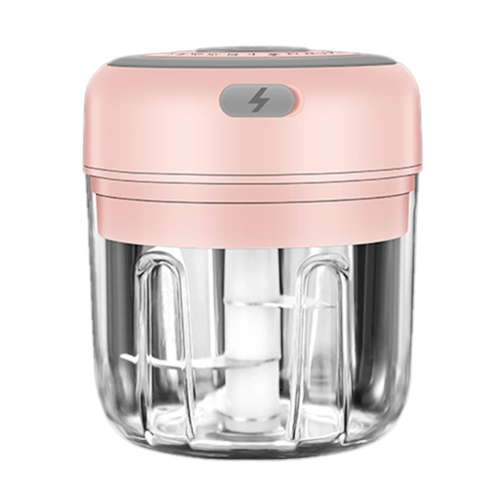
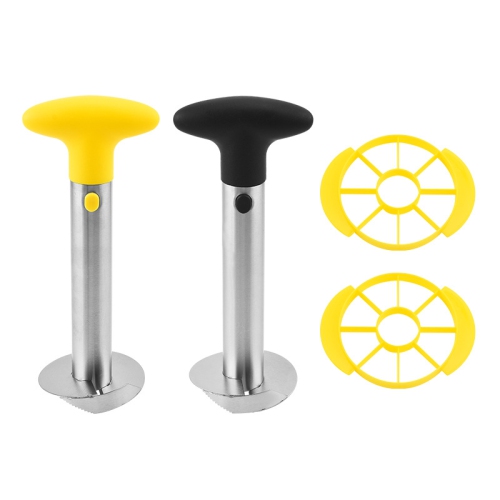
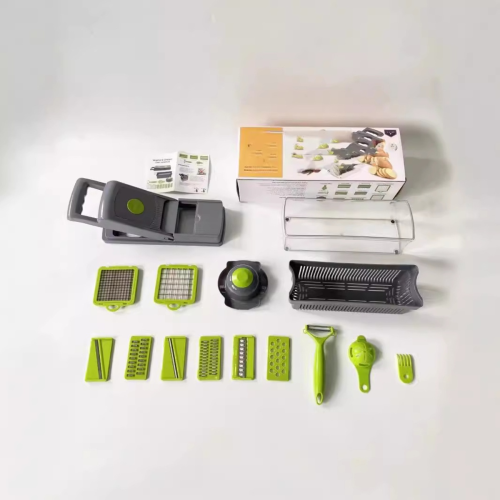
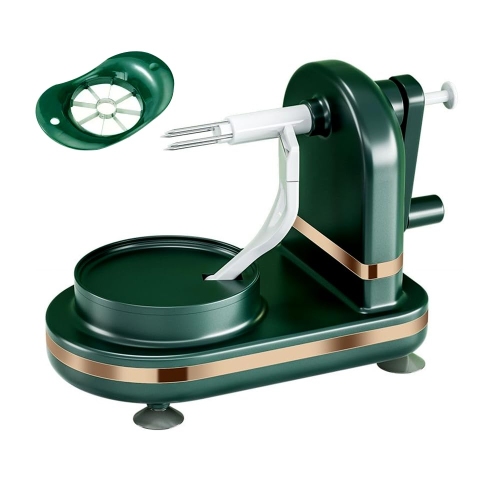
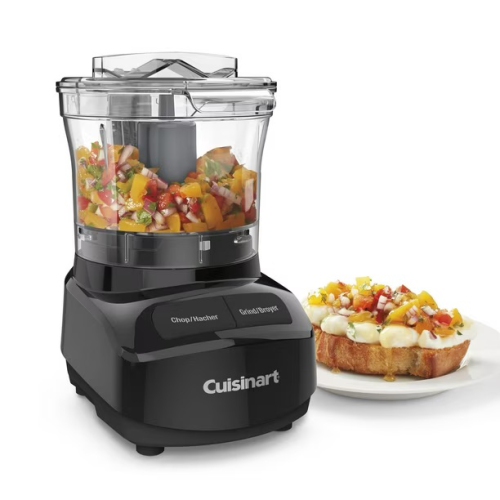

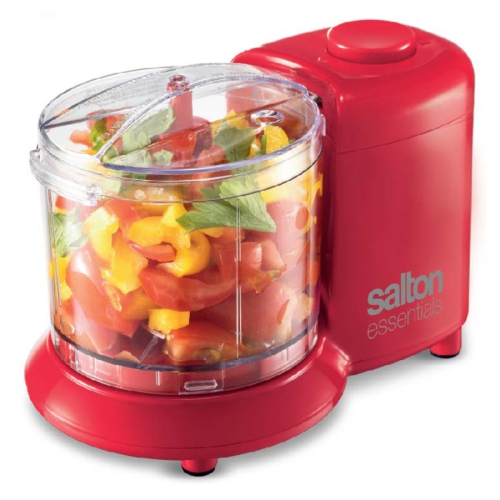
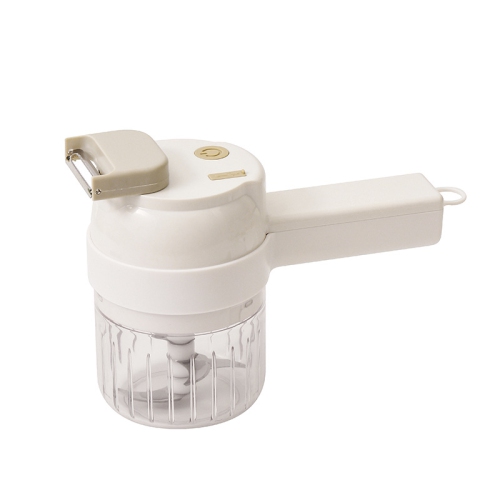
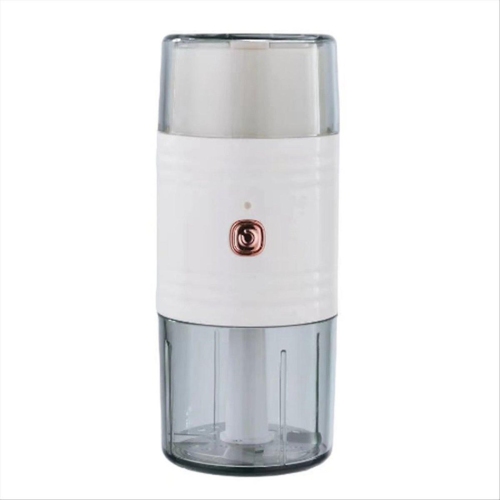
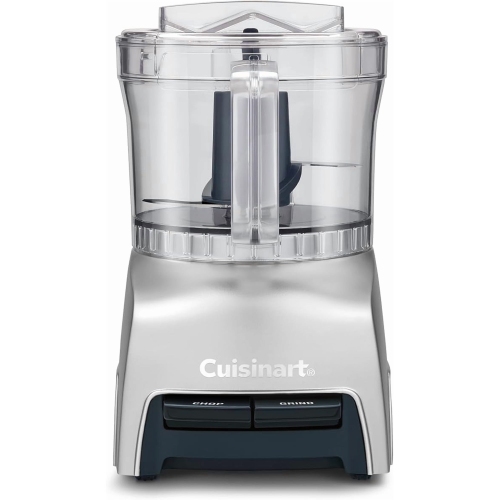
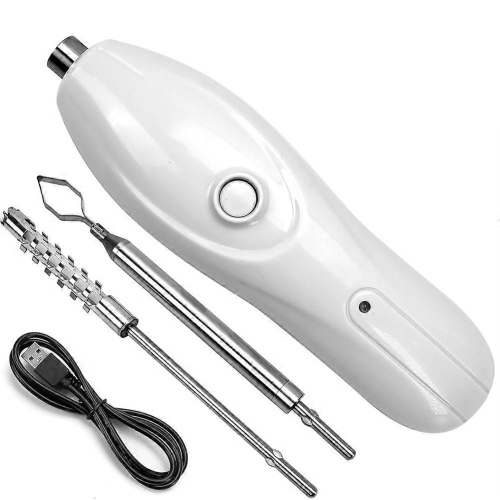
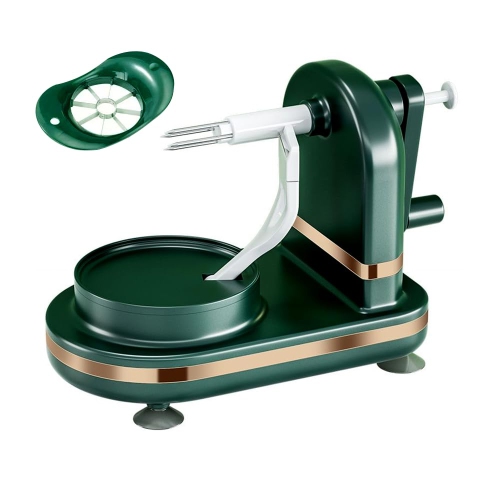
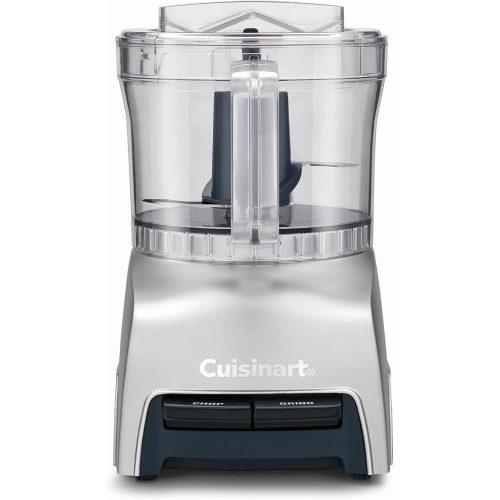
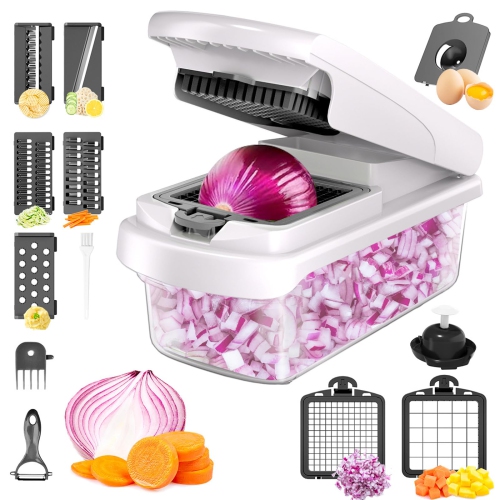
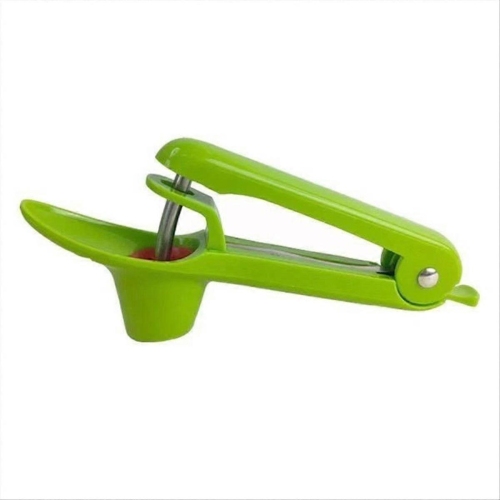
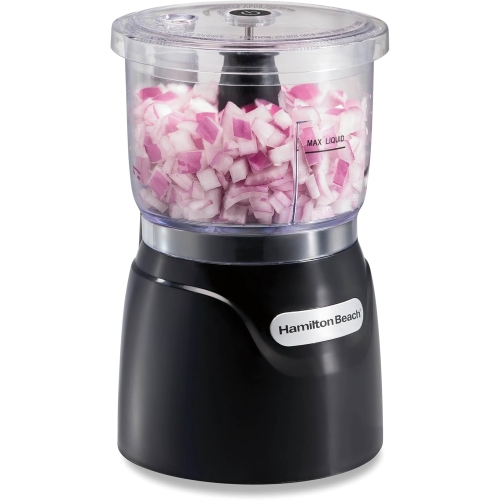
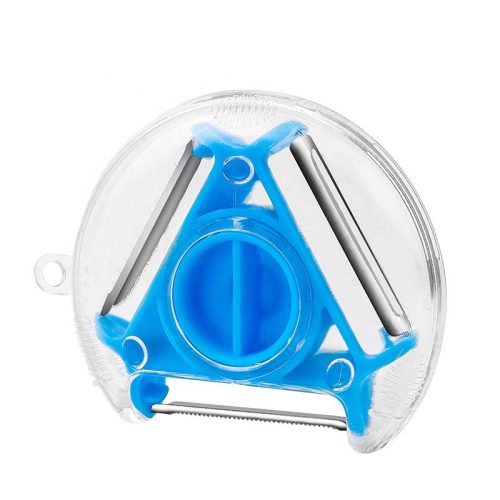
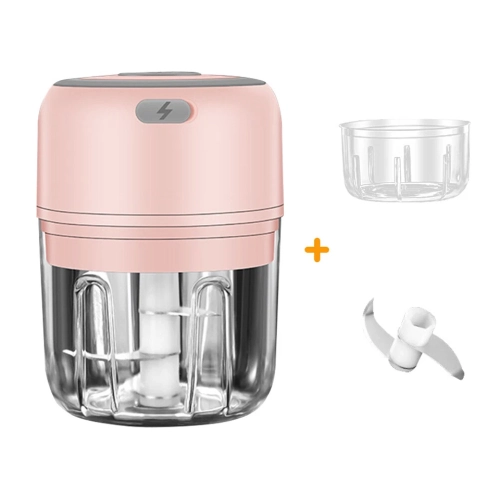
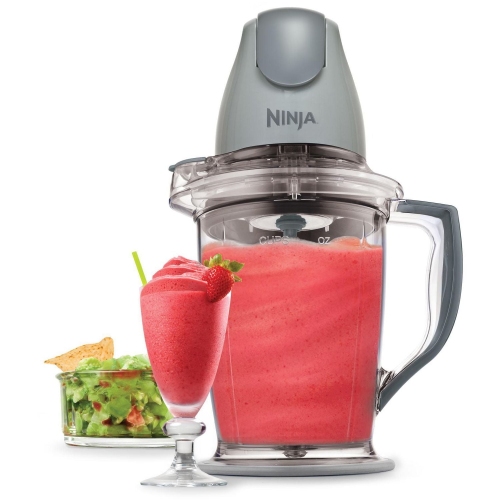
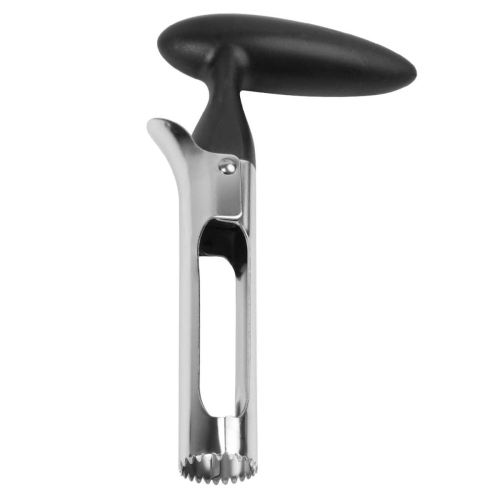
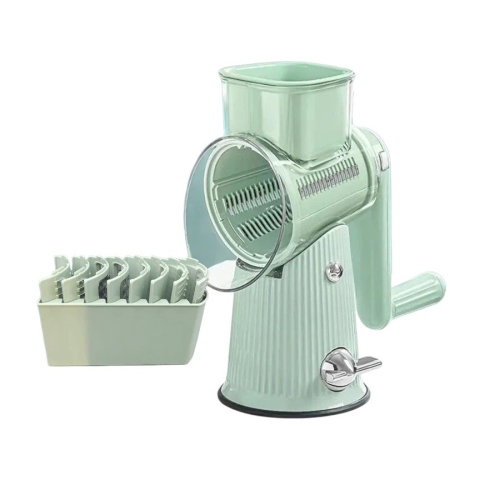
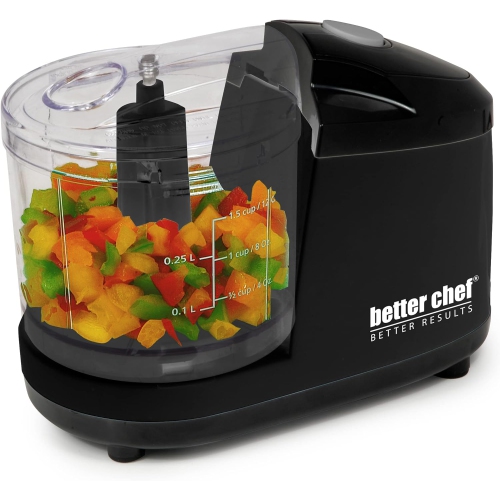
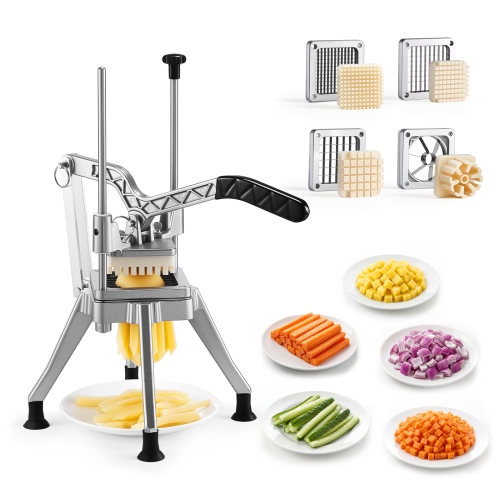
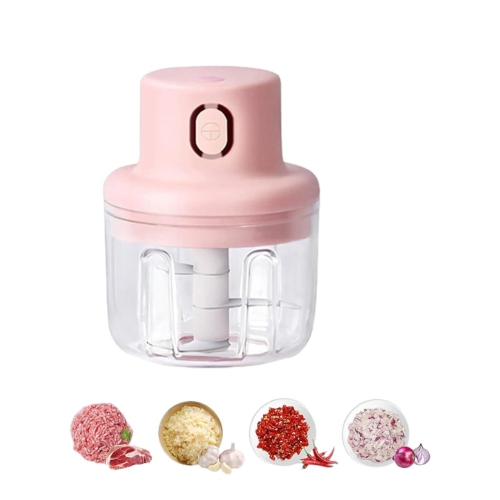
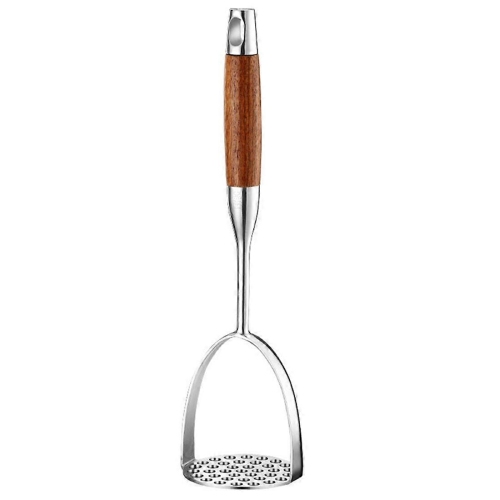
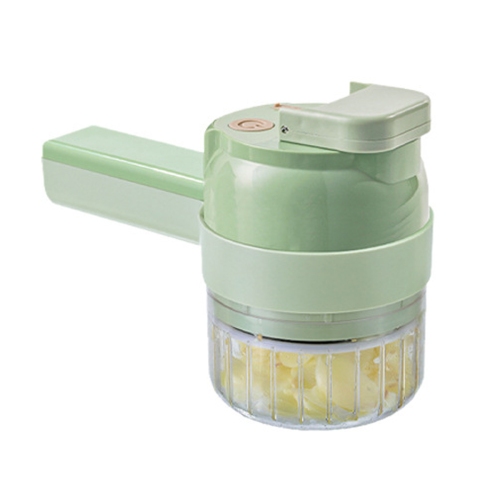
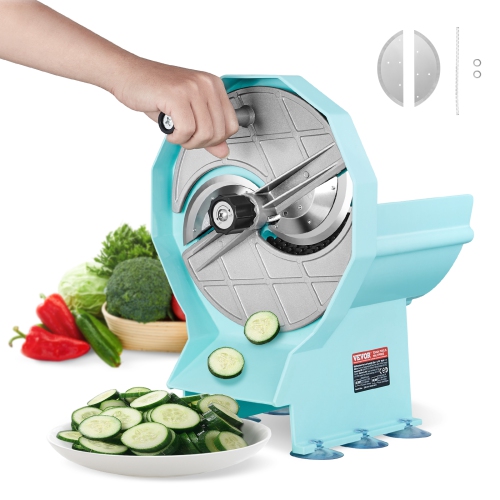
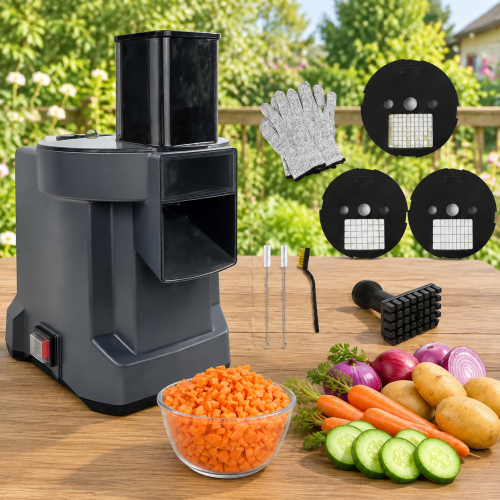
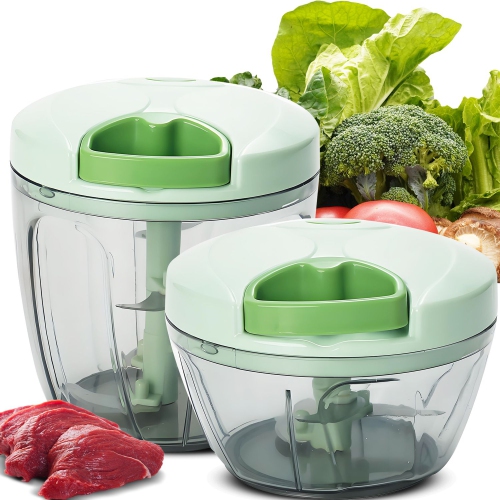
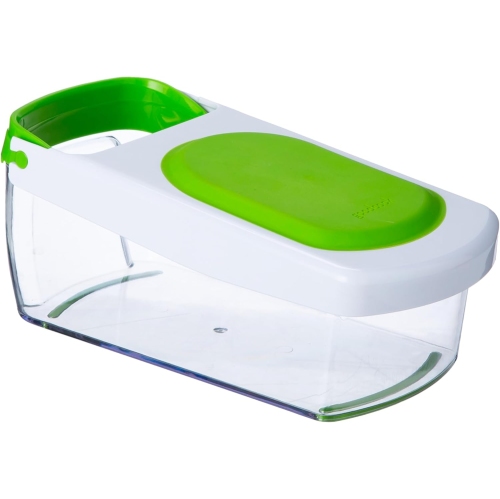
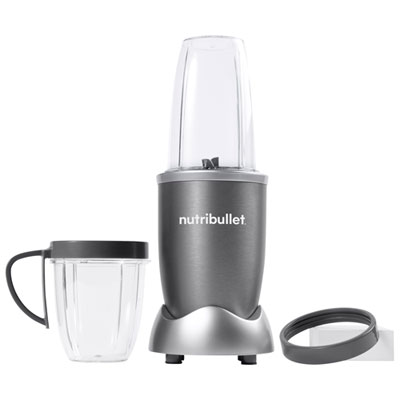
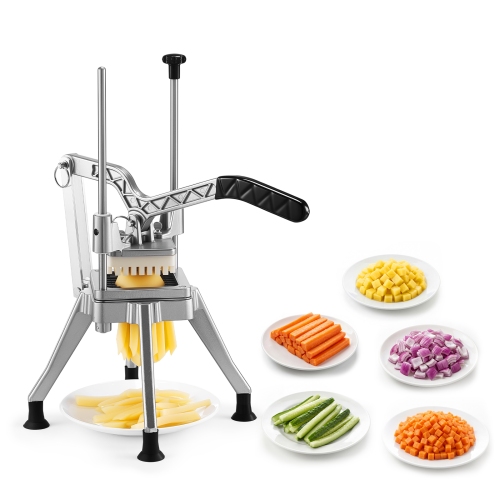
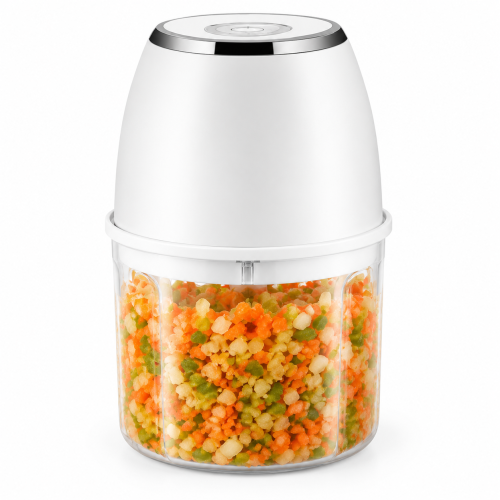
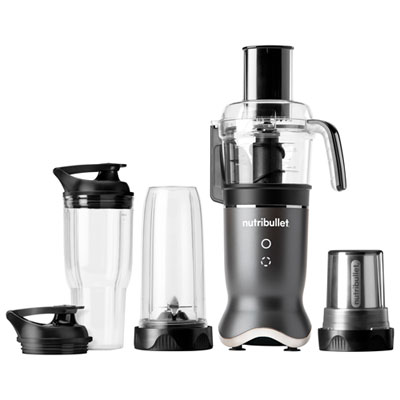
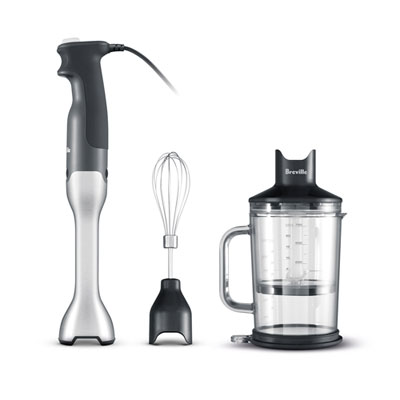
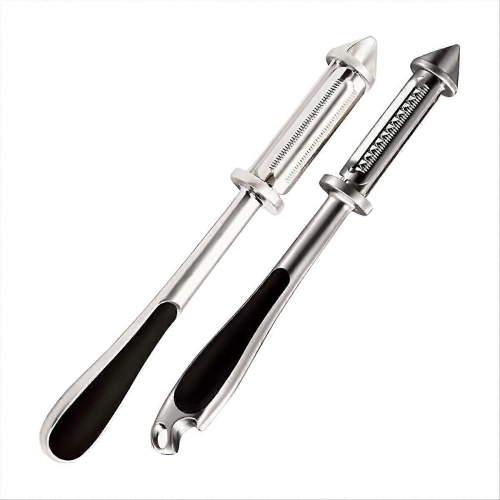
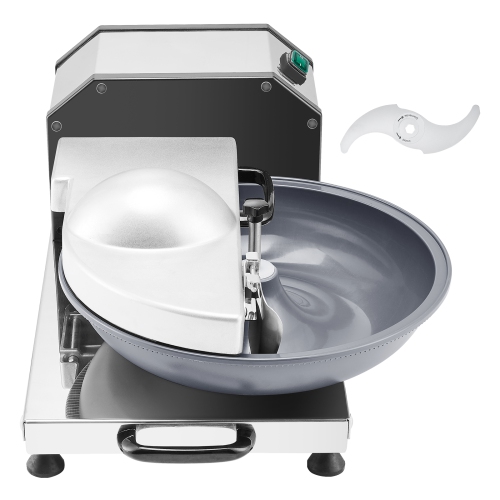
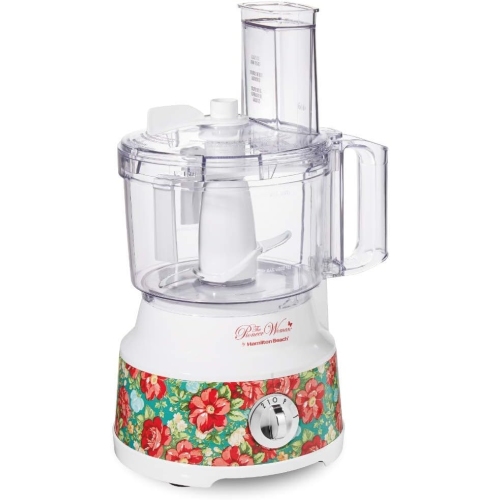
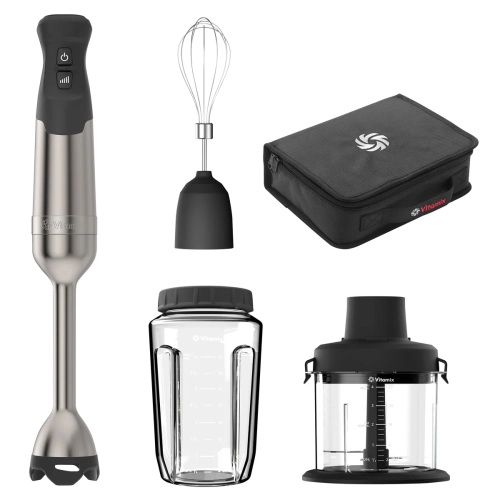
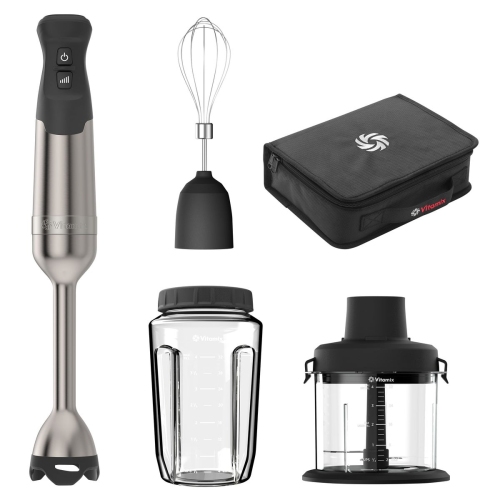
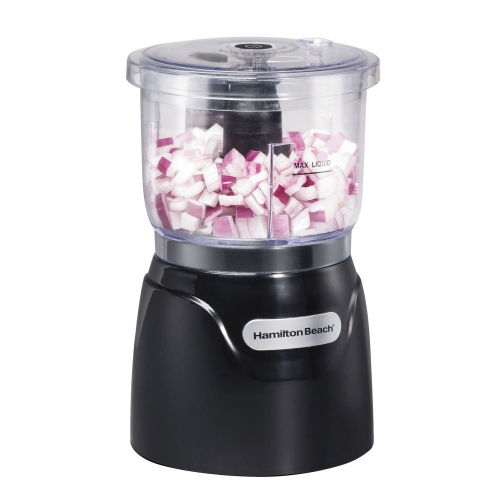
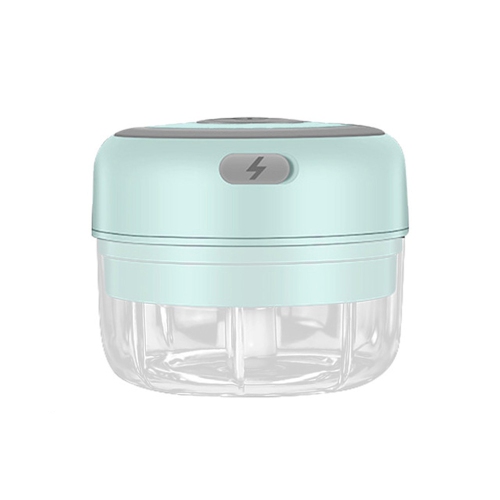
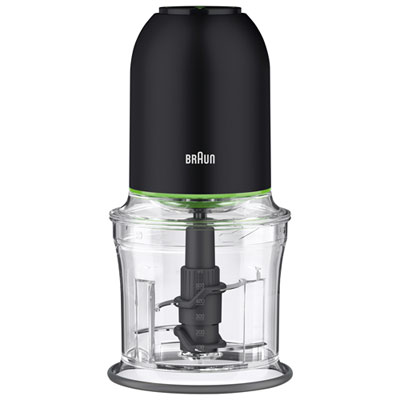
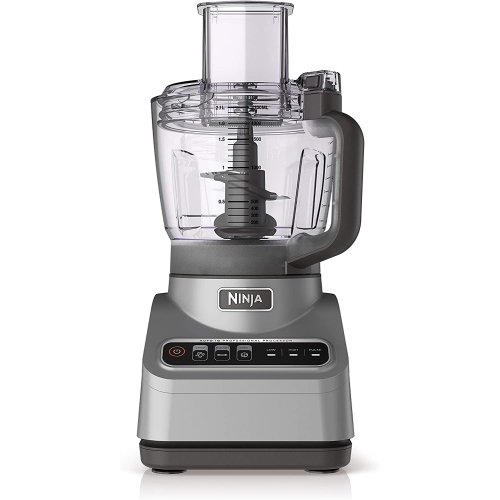
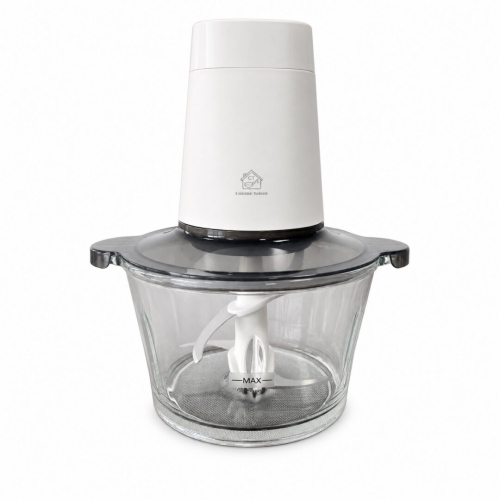
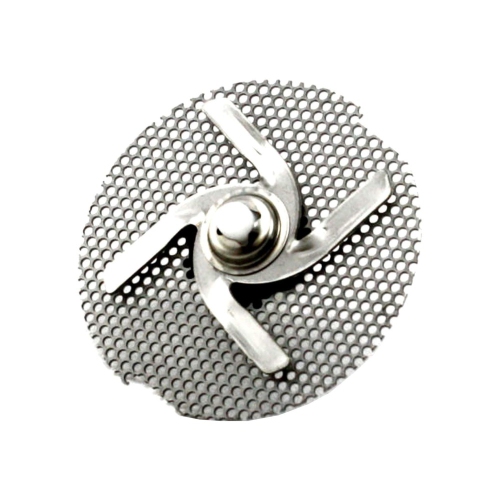
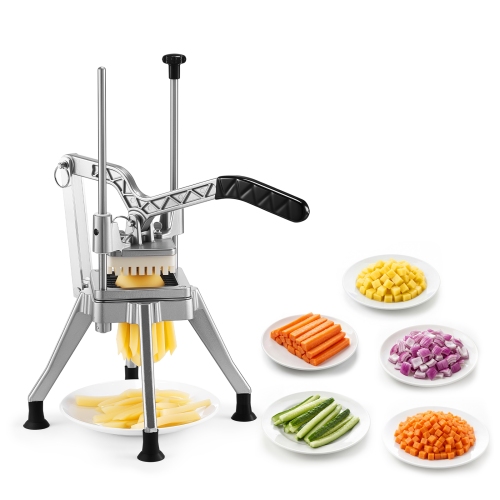
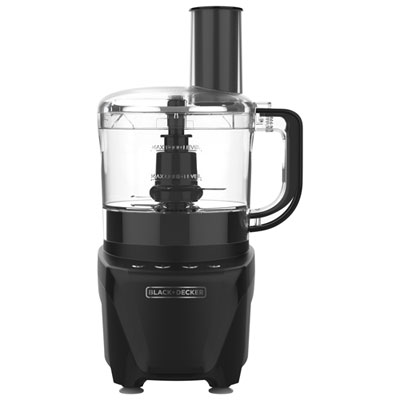
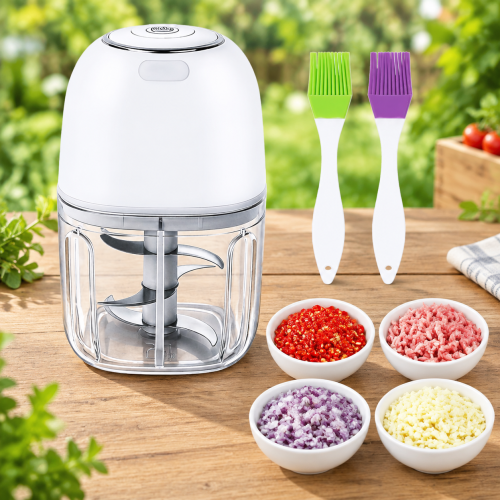
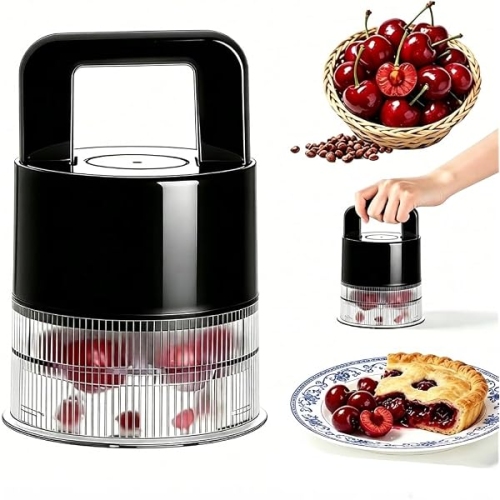
Cutting styles, capacities and prep tips for fresh produce
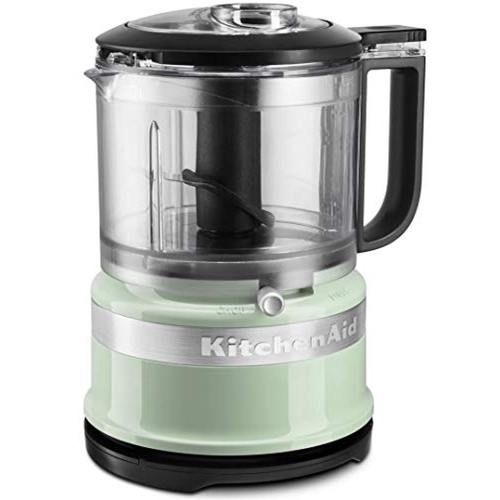
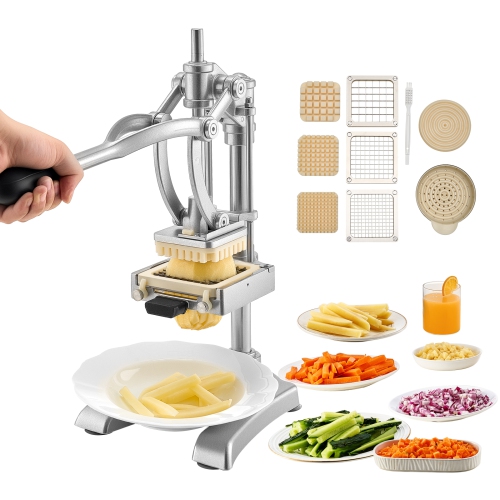
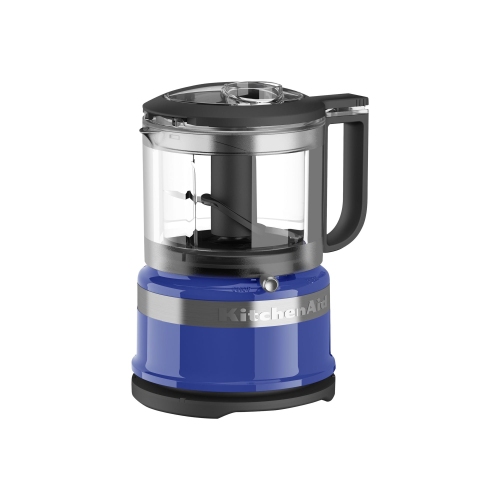
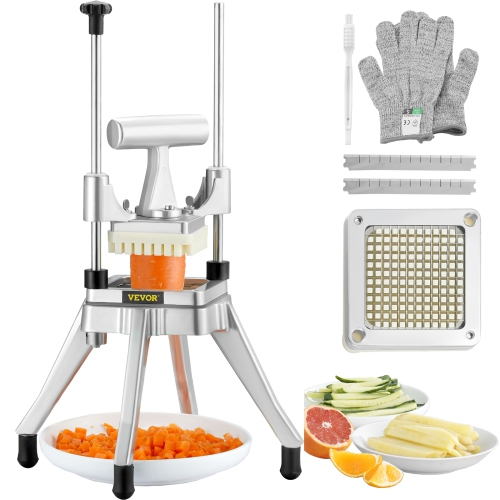
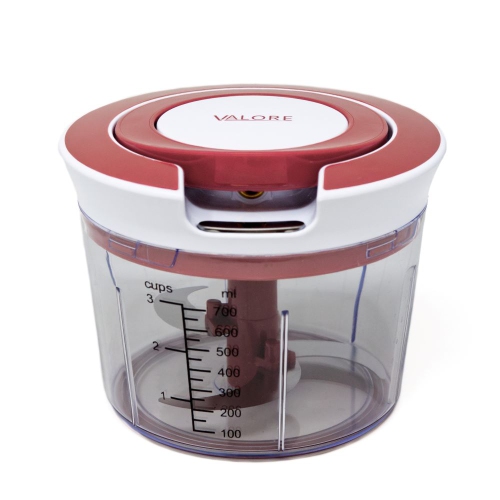
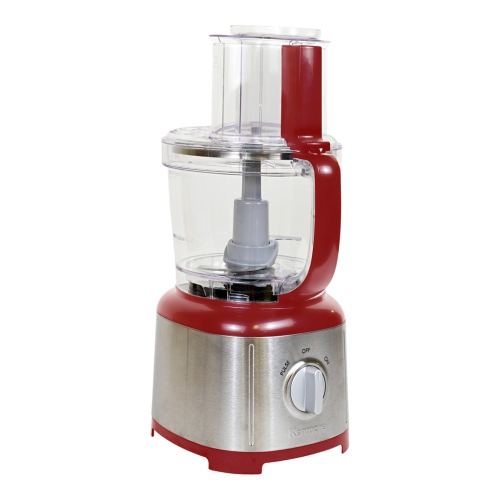
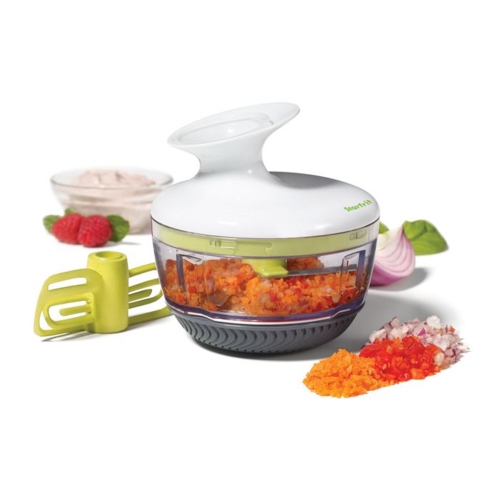
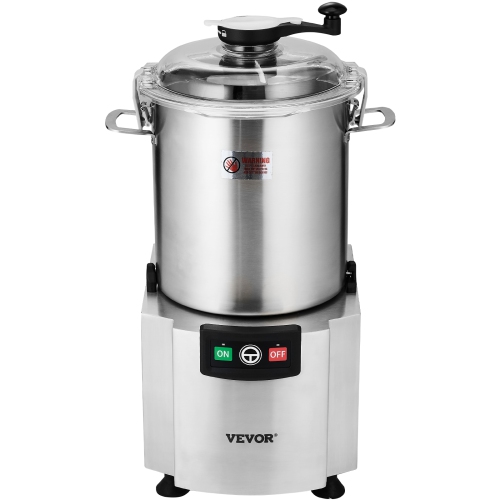
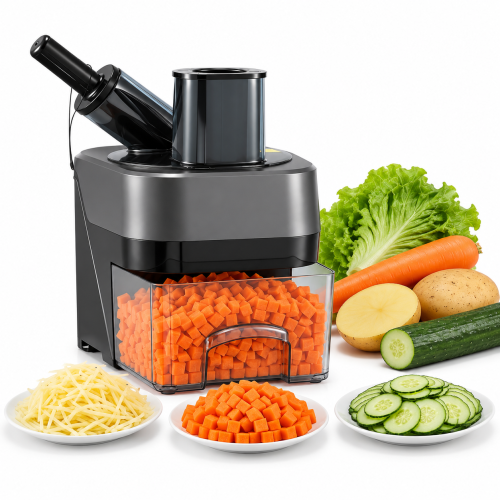
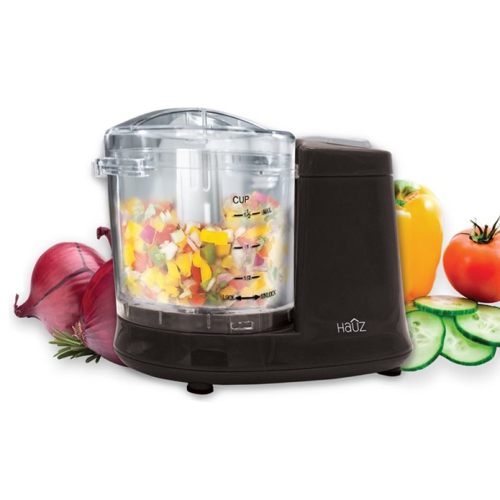
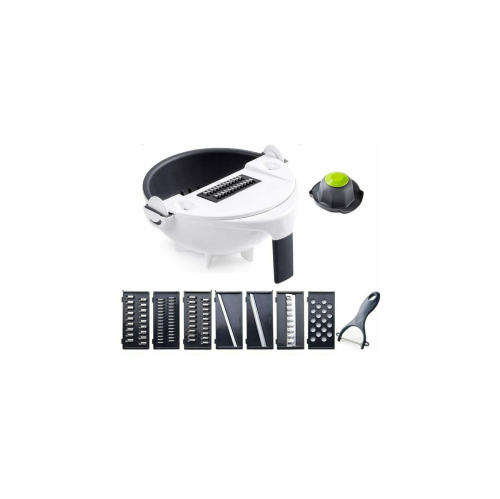
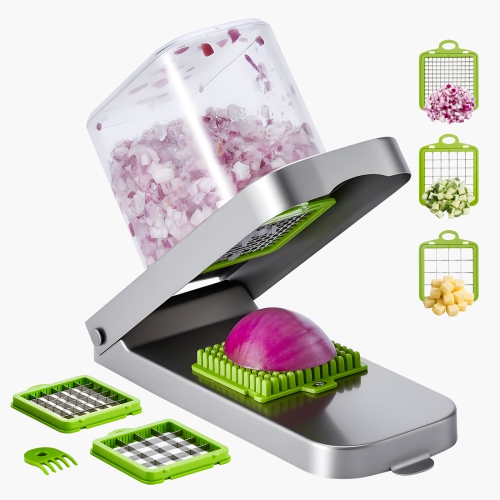
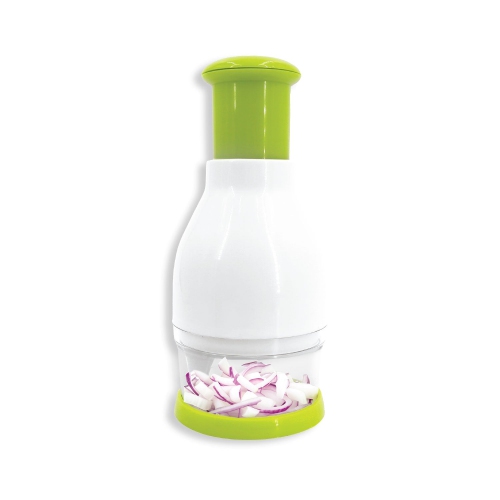
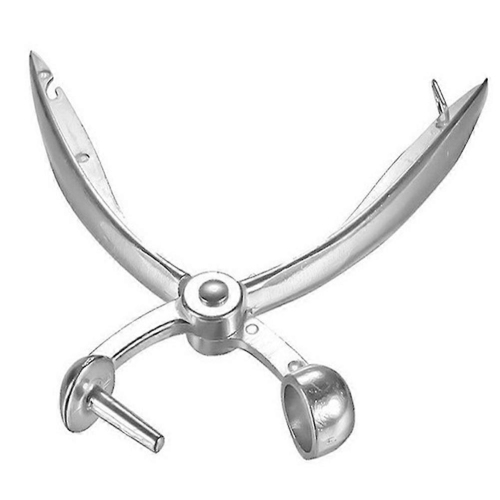
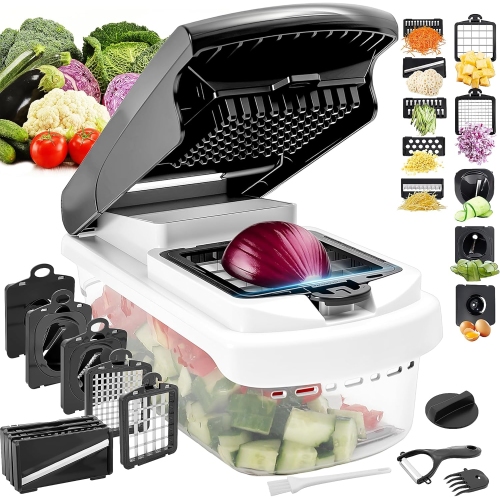
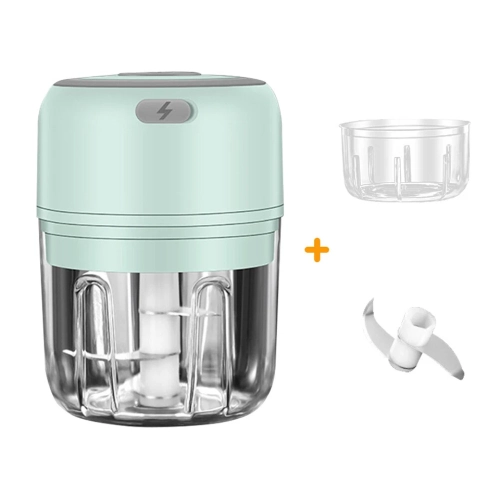
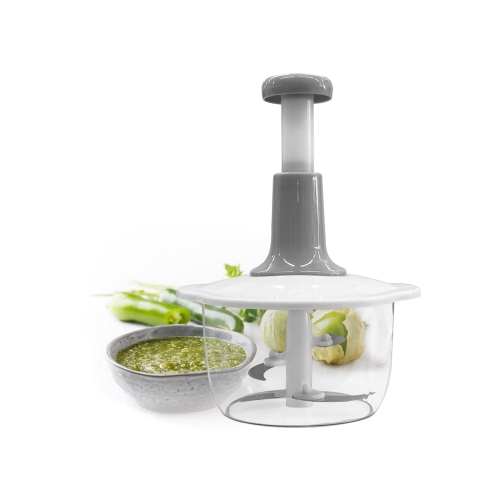
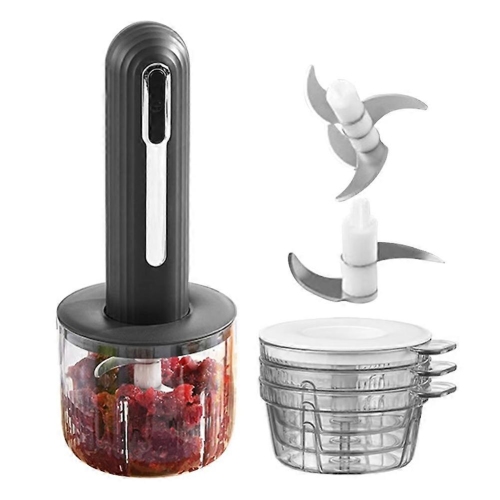
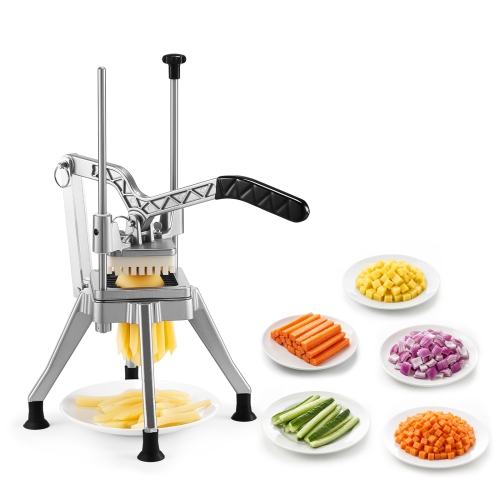
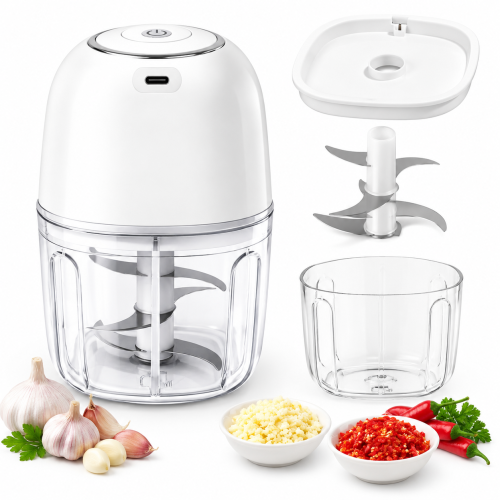
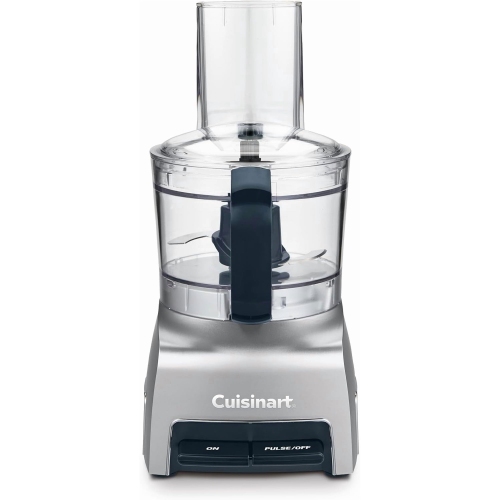
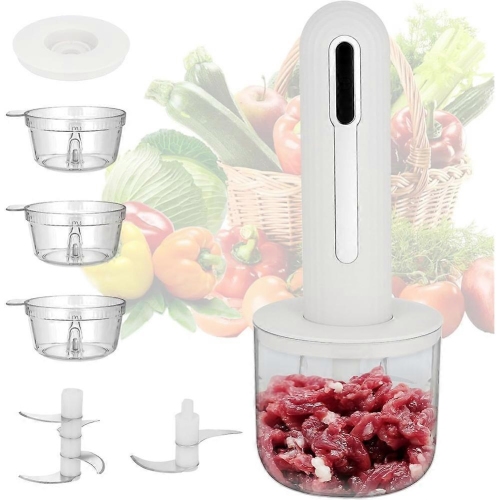
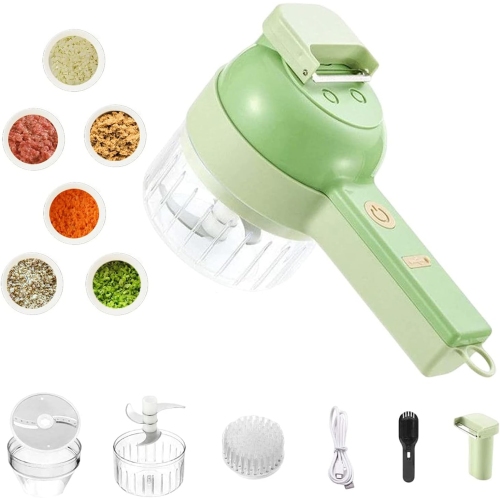
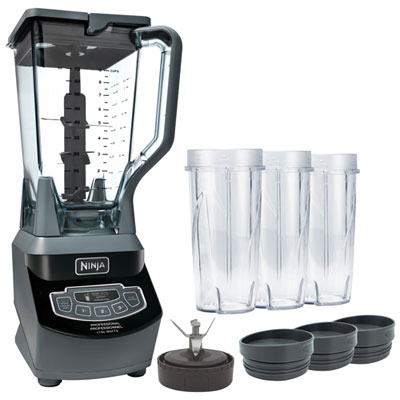
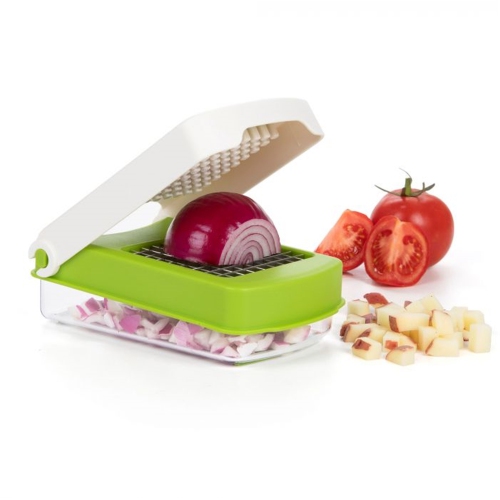
Fruit choppers are handy kitchen tools for preparing fresh produce quickly, neatly and consistently. Depending on the design, they can dice, slice, mince or cut fruit into pieces for fruit salads, smoothies, desserts, lunch containers and everyday snacks. Manual grid choppers typically use a lid or press mechanism to push fruit through a series of sharp cutting wires into a collection container, creating relatively uniform cubes with one firm motion. Pull-string and pump-style choppers use a rotating blade assembly that can be controlled by hand, while compact electric choppers use a small motor to process ingredients at the touch of a button. Each style suits a different kitchen routine. A manual model can be convenient for quick preparation without plugging in an appliance, while a pull-string or pump model offers more control over the final texture. An electric option may be useful for households that prepare larger quantities or prefer push-button operation. Fruit choppers are especially practical for people who enjoy fruit salads, prepare snacks for children, add chopped fruit to yogurt or cereal, or make homemade toppings for pancakes, waffles and desserts. They can also be a thoughtful gift for a student setting up a first kitchen, a busy parent organizing lunches, or anyone who likes to keep fresh ingredients ready in the refrigerator. A fruit chopper may also complement other kitchen preparation tools; shoppers who are comparing options for a wider range of produce can explore Vegetable Choppers for additional cutting and dicing uses.
When choosing a fruit chopper, start with the kinds of produce you prepare most often and the quantity you usually need. Firm fruits such as apples, pears, strawberries and melons generally work well in grid-style designs because they hold their shape as they pass through the cutting surface. Grapes, berries and smaller pieces may be better suited to a rotary blade or pull-string design, particularly when you want to control whether the result is finely chopped or left in larger pieces. Very soft or over-ripe fruit, including bananas and bruised produce, can become mashed rather than neatly diced, so a chopper is best used with fruit that is ripe but still firm. Large items should be cut into manageable sections before they are placed in the chopper. This is especially important for melons, large apples and pears, as forcing oversized pieces against a grid can make the mechanism harder to operate and may produce uneven results. A firm, steady press is usually more effective than slowly leaning on the lid, while short pulls or controlled presses can help prevent over-processing in rotary models. Capacity is another important consideration. A small bowl can be convenient for preparing a single snack or topping, whereas a larger container may be more suitable for family-sized fruit salads or several lunch portions. Look for a secure lid, a stable base and a comfortable grip, particularly if the chopper will be used frequently. Transparent containers can make it easier to monitor the texture and quantity as you work. If you are considering an electric mini chopper, check the bowl capacity, control method, cord storage and whether the cutting assembly can be removed for cleaning. For manual models, consider how easily the lid, grid or blade section separates and whether the container can be stored without taking up too much cabinet space. Prices for fruit choppers can vary by size, material, cutting mechanism and included accessories, with many everyday options falling in the approximate $20 to $55 range. A more expensive design may offer added capacity or multiple cutting functions, while a straightforward manual model may be all that is needed for occasional fruit preparation.
Good preparation and careful cleaning help a fruit chopper perform consistently. Wash fruit before cutting, remove stems, pits, seeds and tough peels as needed, and cut larger pieces to fit the cutting area rather than forcing them through. Apples and pears can be chopped with or without the peel depending on the recipe, while melons should be peeled and cut into sections first. Strawberries should have their leafy tops removed, and stone fruits should be halved and pitted before processing. For a fruit salad, chop firmer ingredients first and add delicate berries afterward if you want them to retain more of their shape. For smoothies or sauces, a rotary or electric blade may be useful when a finer texture is preferred. After use, rinse the cutting surface promptly so fruit juice and small pieces do not dry onto the blades or grid. Take care when handling sharp components, use the cleaning tool supplied with the chopper if one is included, and confirm whether parts are dishwasher-safe before placing them in a cycle. Dry removable pieces thoroughly before reassembly and storage. During the warmer seasons, a fruit chopper can make it easier to prepare chilled salads, snack containers and refreshing toppings, while during the cooler months it can help with apples, pears and fruit served alongside breakfast or baked dishes. Its compact size and simple operation make it a useful addition to kitchens of many sizes, from a first apartment to a busy family home. The best choice will balance the fruit you use most, the texture you prefer, the amount you prepare at one time and the cleaning routine you are willing to maintain.
When choosing a fruit chopper, start with the kinds of produce you prepare most often and the quantity you usually need. Firm fruits such as apples, pears, strawberries and melons generally work well in grid-style designs because they hold their shape as they pass through the cutting surface. Grapes, berries and smaller pieces may be better suited to a rotary blade or pull-string design, particularly when you want to control whether the result is finely chopped or left in larger pieces. Very soft or over-ripe fruit, including bananas and bruised produce, can become mashed rather than neatly diced, so a chopper is best used with fruit that is ripe but still firm. Large items should be cut into manageable sections before they are placed in the chopper. This is especially important for melons, large apples and pears, as forcing oversized pieces against a grid can make the mechanism harder to operate and may produce uneven results. A firm, steady press is usually more effective than slowly leaning on the lid, while short pulls or controlled presses can help prevent over-processing in rotary models. Capacity is another important consideration. A small bowl can be convenient for preparing a single snack or topping, whereas a larger container may be more suitable for family-sized fruit salads or several lunch portions. Look for a secure lid, a stable base and a comfortable grip, particularly if the chopper will be used frequently. Transparent containers can make it easier to monitor the texture and quantity as you work. If you are considering an electric mini chopper, check the bowl capacity, control method, cord storage and whether the cutting assembly can be removed for cleaning. For manual models, consider how easily the lid, grid or blade section separates and whether the container can be stored without taking up too much cabinet space. Prices for fruit choppers can vary by size, material, cutting mechanism and included accessories, with many everyday options falling in the approximate $20 to $55 range. A more expensive design may offer added capacity or multiple cutting functions, while a straightforward manual model may be all that is needed for occasional fruit preparation.
Good preparation and careful cleaning help a fruit chopper perform consistently. Wash fruit before cutting, remove stems, pits, seeds and tough peels as needed, and cut larger pieces to fit the cutting area rather than forcing them through. Apples and pears can be chopped with or without the peel depending on the recipe, while melons should be peeled and cut into sections first. Strawberries should have their leafy tops removed, and stone fruits should be halved and pitted before processing. For a fruit salad, chop firmer ingredients first and add delicate berries afterward if you want them to retain more of their shape. For smoothies or sauces, a rotary or electric blade may be useful when a finer texture is preferred. After use, rinse the cutting surface promptly so fruit juice and small pieces do not dry onto the blades or grid. Take care when handling sharp components, use the cleaning tool supplied with the chopper if one is included, and confirm whether parts are dishwasher-safe before placing them in a cycle. Dry removable pieces thoroughly before reassembly and storage. During the warmer seasons, a fruit chopper can make it easier to prepare chilled salads, snack containers and refreshing toppings, while during the cooler months it can help with apples, pears and fruit served alongside breakfast or baked dishes. Its compact size and simple operation make it a useful addition to kitchens of many sizes, from a first apartment to a busy family home. The best choice will balance the fruit you use most, the texture you prefer, the amount you prepare at one time and the cleaning routine you are willing to maintain.
Top selling and popular products
-
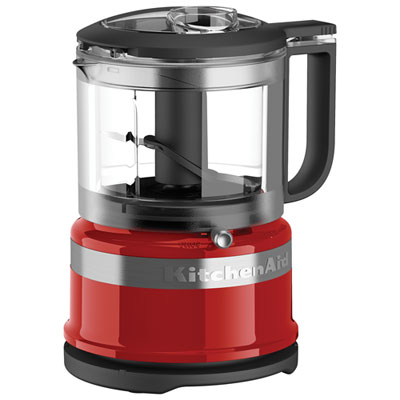 Your price for this item is $49.99
 -
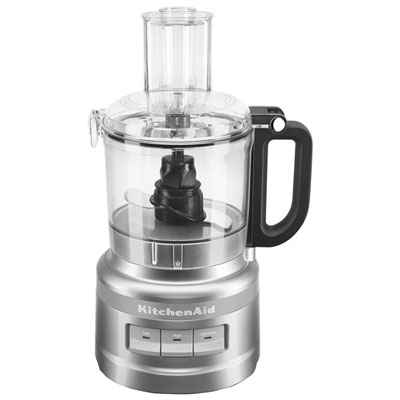 Your price for this item is $134.99
 -
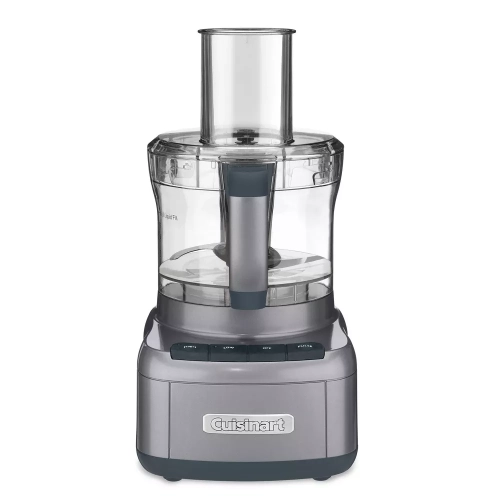 Your price for this item is $346.5
 -
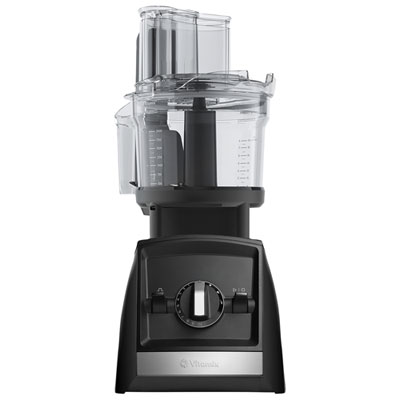 Your price for this item is $349.99
 -
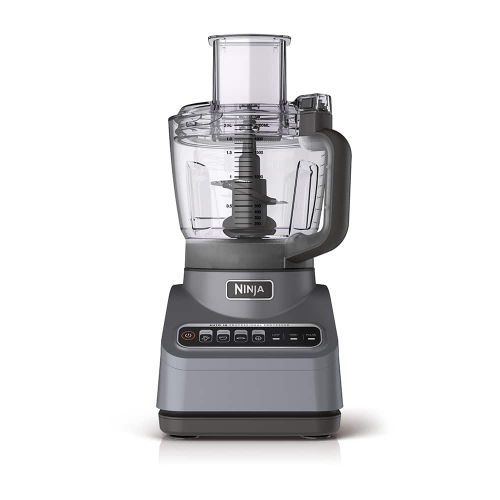 Your price for this item is $210.06
 -
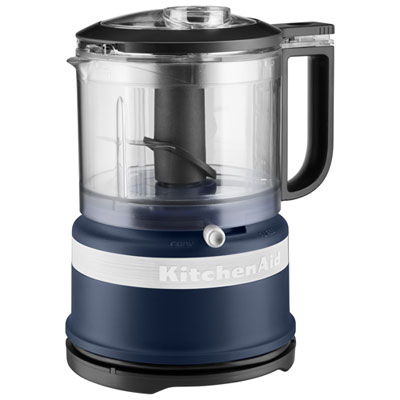 Your price for this item is $49.99
 -
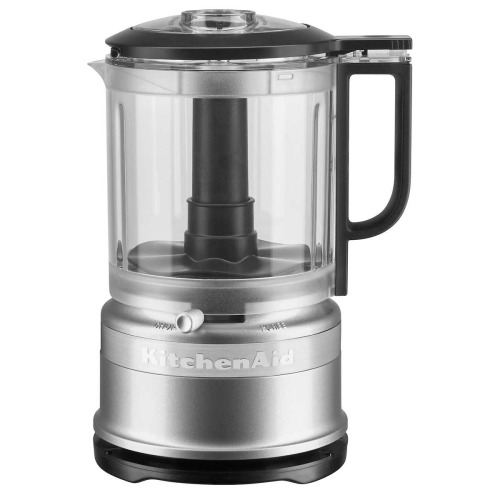 Your price for this item is $180
 -
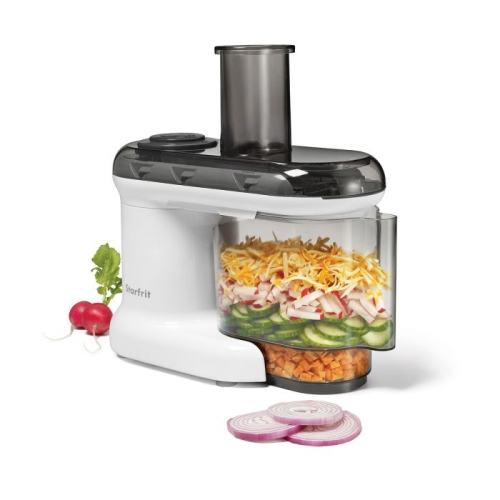 Your price for this item is $69.99
Discover more categories related to Fruit Choppers
Top Collections:
Pokemon Centers, Best Cameras for Sports Photography, Kindle Devices, Samsung Galaxy Phones, Canon G7X Cameras, Pokémon 30th Celebration Cards, Refurbished Apple Laptops, iPhone 15 Apple, Laptops for Students, Budget Smartphones
Some products may be subject to Environmental Handling Fees
(EHF) depending on your province.
Learn more about EHFs.