Dishwasher Bosch
Discover the perfect solution for sparkling clean dishes with our range of high-performance dishwashers. Designed to seamlessly integrate into your kitchen, these appliances offer advanced technology and efficiency, making dishwashing a breeze. Whether you're tackling a mountain of plates after a dinner party or just the daily load, these dishwashers provide reliable performance and sleek design to complement any home. Explore options that prioritize energy savings and whisper-quiet operation, ensuring your kitchen stays peaceful while delivering outstanding results. Find the ideal dishwasher that meets your needs and elevates your kitchen experience today.
Sort

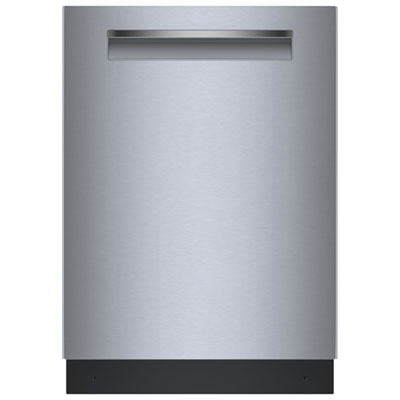

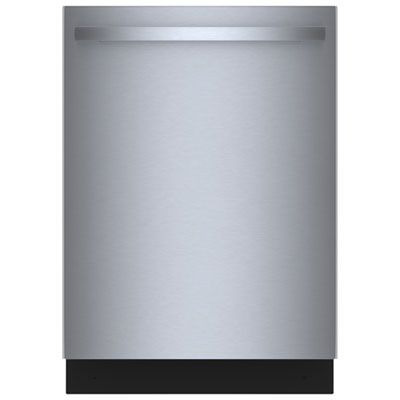
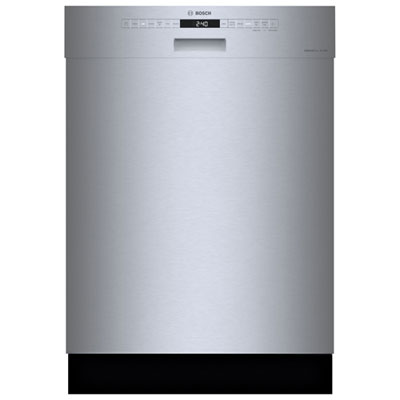
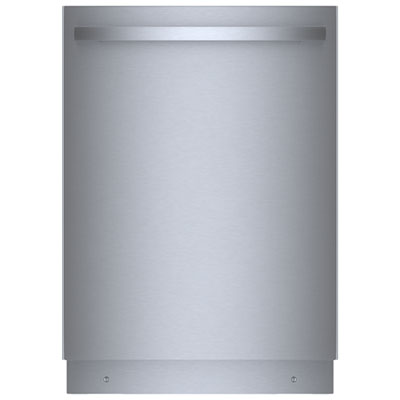
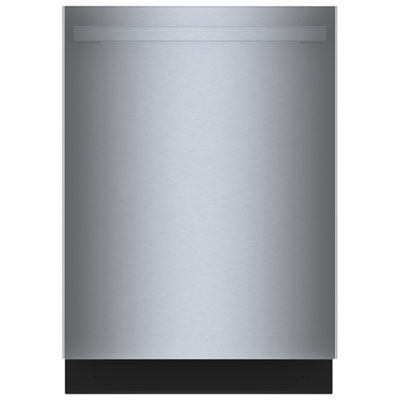

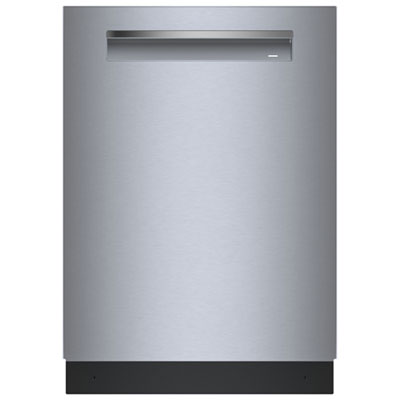
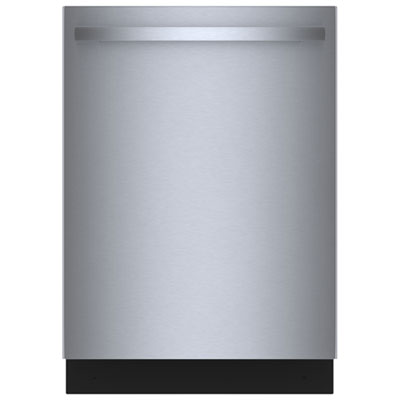
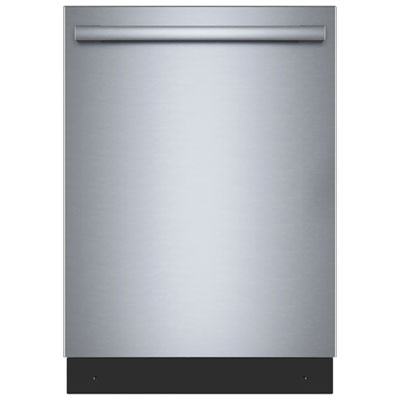
A proper dishwasher fit goes beyond cabinet width
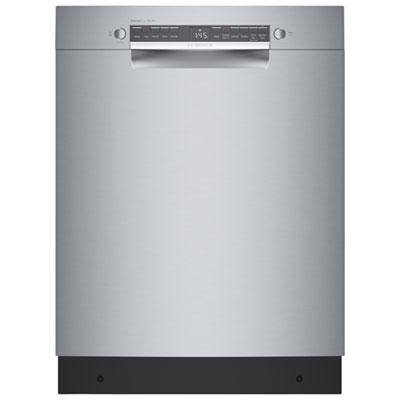
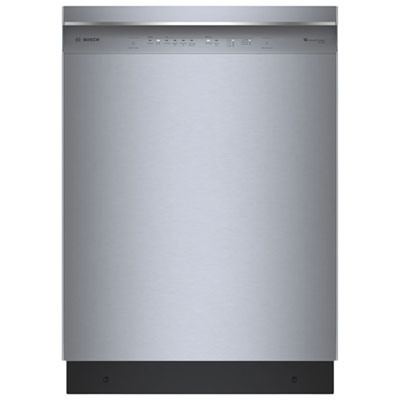
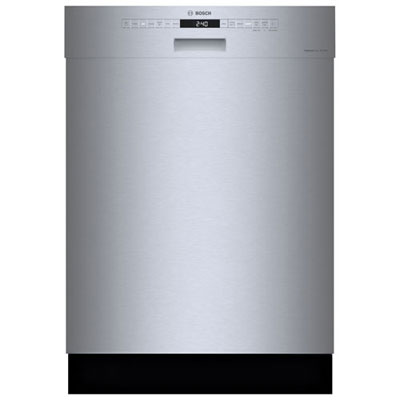
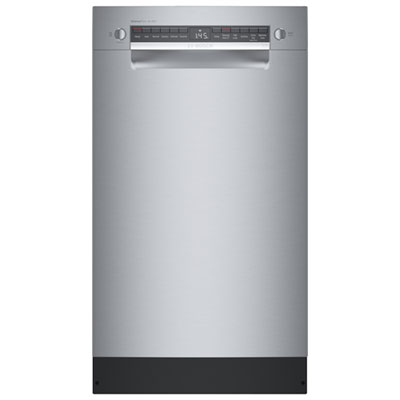
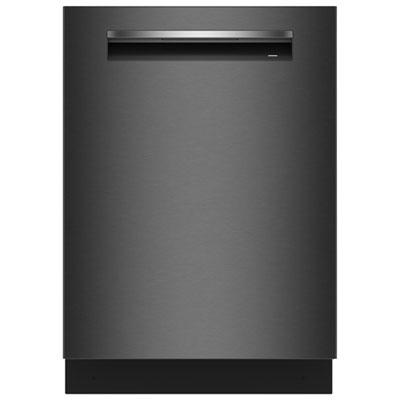
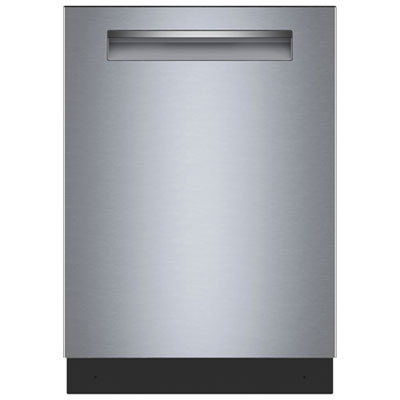
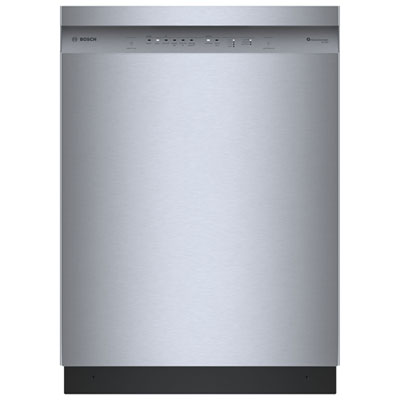
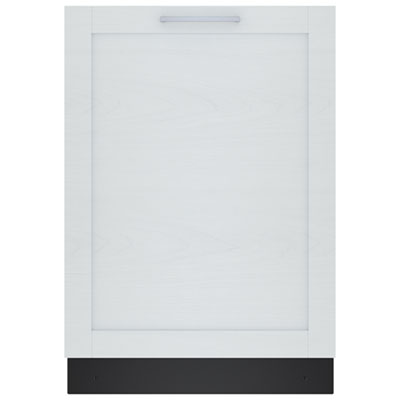
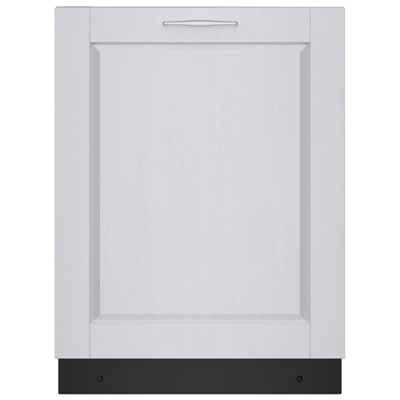
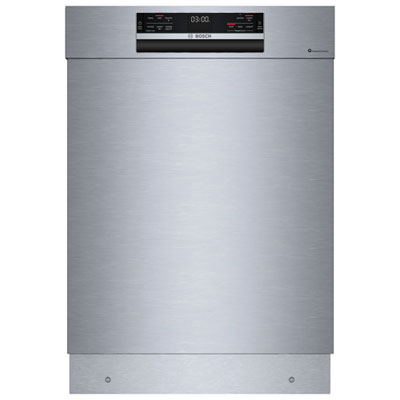
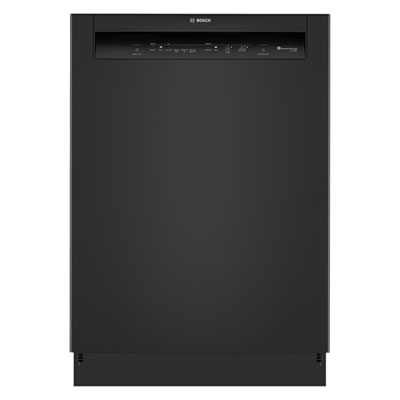
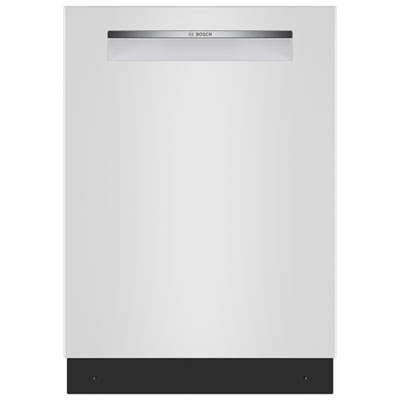
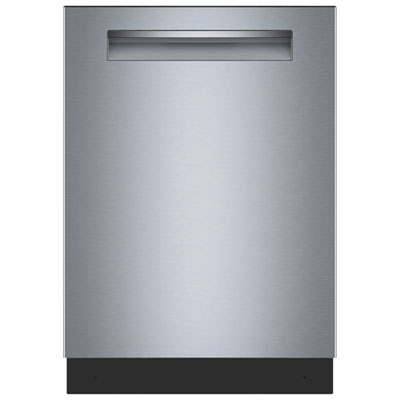
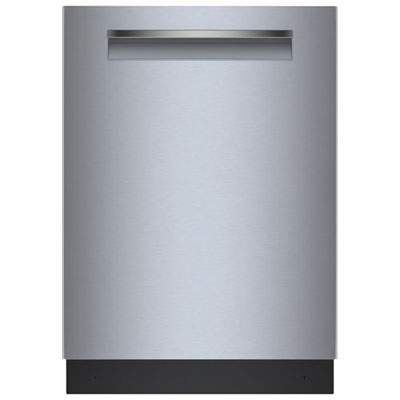
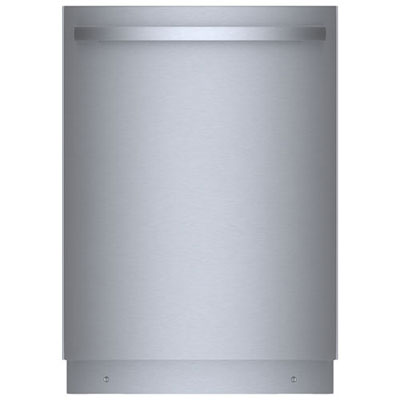
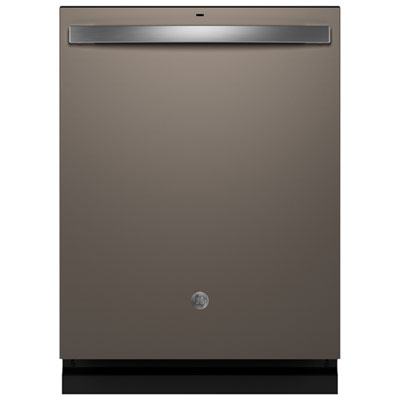
A built-in dishwasher keeps everyday cleanup contained, whether the load is a few breakfast bowls or the plates, serving dishes, and cookware left after a family dinner. Differences in rack layout, drying performance, sound level, and installation requirements can matter more in daily use than a long list of wash settings. Full-size dishwashers commonly fit a cabinet opening about 24 inches wide, while compact designs often suit openings about 18 inches wide; exact appliance dimensions and required clearances vary. Width alone does not establish a proper fit. Opening height, usable depth, levelling space, and the location of water, drain, and electrical connections all affect installation. A new layer of kitchen flooring can also reduce the clearance beneath an existing countertop, which is particularly important when replacing an older appliance. The open door needs room to lower fully without blocking a nearby drawer or hitting an island, and there should be enough standing space to pull out the lower rack comfortably. For a kitchen with continuous cabinetry, a panel-ready design can accept a compatible custom door panel, subject to its installation specifications. Stainless steel finishes offer a familiar match for many kitchen appliances, while fingerprint-resistant finishes can make everyday marks less noticeable, though they still need appropriate cleaning. Front controls keep settings visible and accessible when the door is closed; concealed top controls create a simpler exterior, with some designs using a light or display to show cycle status. Handle shape matters, too, especially beside corner cabinets or along a narrow walkway. For a broader look at layouts and styling, Modern Dishwashers offers a related selection. The most useful design is one that fits both the opening and the way the kitchen works, from unloading mugs beside the coffee station to moving dinner plates directly into an adjacent cupboard. Details such as a well-positioned cutlery basket or an easily adjusted upper rack can make that routine feel noticeably less cramped.
Inside the dishwasher, usable space depends on more than a stated place-setting capacity. Tall dinner plates, deep cereal bowls, wide-handled mugs, and reusable lunch containers all occupy the racks differently. Adjustable upper racks can create clearance for taller pieces below or accommodate stemware above, depending on their position. Folding tines make room for larger bowls and dishwasher-safe cookware, while a third rack can separate cutlery and smaller utensils from the main load. A third rack also takes up vertical space, so its shape and adjustability matter when tall glasses are part of the daily rotation. Smooth rack movement and secure supports help keep dishes steady during loading, particularly when the lower rack is filled with heavier plates. Cleaning performance depends on spray coverage, detergent, water conditions, and loading as well as the selected cycle. Sensor-based cycles can adjust aspects of the wash in response to detected soil, while intensive settings are intended for more heavily soiled, dishwasher-safe loads. A shorter cycle may suit lightly soiled dishes but can have different loading or drying limitations. Sound ratings, expressed in decibels, are especially relevant in open-plan homes where the kitchen shares space with conversation, homework, or television. Lower ratings generally indicate quieter operation, although the type of sound and the surrounding cabinetry also influence what is noticeable. Drying deserves separate attention because plastic containers do not retain heat as readily as ceramic plates or glassware. Depending on the design, a dishwasher may use condensation drying, added heat, a fan, an automatic door-opening stage, or mineral-assisted drying. These approaches work differently, and results still depend on the load, cycle, and rinse aid settings. An automatic door-opening feature also needs installation that follows the specified countertop protection and clearance requirements. Households packing several lunches each morning may place particular value on plastic drying, while frequent hosts may care more about glass supports, generous lower-rack space, and quiet operation. Optional Wi-Fi connectivity can provide cycle notifications or access to selected controls on compatible appliances, but app features vary and do not replace the practical value of a well-arranged interior.
Materials and routine care help determine how a dishwasher feels and performs over years of use. A stainless steel tub resists corrosion under normal use and can support condensation drying, while other tub constructions offer different combinations of materials and design. Tub material alone does not establish durability: rack coatings, rollers, hinges, seals, and the appliance’s installation all contribute to long-term performance. Coated racks need gentle handling so that sharp utensils or heavy cookware do not chip their protective surfaces. Stainless steel exteriors are best cleaned with methods approved for the finish, since abrasive pads and unsuitable cleaners can leave scratches or discolouration. Inside, a removable filter needs attention at the intervals set out in the appliance instructions; trapped food and grease can interfere with drainage and leave odours. Spray-arm openings should remain clear, and tall utensils or pan handles should not prevent the arms from turning. Scraping away food scraps before loading is generally more useful than thoroughly washing each dish at the sink, although heavy residue and the chosen cycle still matter. Plates need separation for water to reach their surfaces, bowls should sit at an angle that allows drainage, and lightweight pieces should be secured in an appropriate rack position. Only dishwasher-safe items belong in the load; wood, some insulated drinkware, delicate finishes, and certain metals may require handwashing. Hard water can leave mineral deposits, so local water conditions may influence detergent selection, rinse aid adjustment, and the usefulness of a built-in water softener where fitted. Appliances with a softener require the specified dishwasher salt rather than ordinary table salt. For busy families, shared households, and people who cook most meals at home, these details support a dependable daily routine. During the cooler months, deeper bowls and baking dishes can make flexible racks particularly useful. A dishwasher that handles those familiar loads comfortably, without awkward stacking or repeated rearranging, can be a practical addition to a first kitchen, a renovation, or a well-used family home.
Inside the dishwasher, usable space depends on more than a stated place-setting capacity. Tall dinner plates, deep cereal bowls, wide-handled mugs, and reusable lunch containers all occupy the racks differently. Adjustable upper racks can create clearance for taller pieces below or accommodate stemware above, depending on their position. Folding tines make room for larger bowls and dishwasher-safe cookware, while a third rack can separate cutlery and smaller utensils from the main load. A third rack also takes up vertical space, so its shape and adjustability matter when tall glasses are part of the daily rotation. Smooth rack movement and secure supports help keep dishes steady during loading, particularly when the lower rack is filled with heavier plates. Cleaning performance depends on spray coverage, detergent, water conditions, and loading as well as the selected cycle. Sensor-based cycles can adjust aspects of the wash in response to detected soil, while intensive settings are intended for more heavily soiled, dishwasher-safe loads. A shorter cycle may suit lightly soiled dishes but can have different loading or drying limitations. Sound ratings, expressed in decibels, are especially relevant in open-plan homes where the kitchen shares space with conversation, homework, or television. Lower ratings generally indicate quieter operation, although the type of sound and the surrounding cabinetry also influence what is noticeable. Drying deserves separate attention because plastic containers do not retain heat as readily as ceramic plates or glassware. Depending on the design, a dishwasher may use condensation drying, added heat, a fan, an automatic door-opening stage, or mineral-assisted drying. These approaches work differently, and results still depend on the load, cycle, and rinse aid settings. An automatic door-opening feature also needs installation that follows the specified countertop protection and clearance requirements. Households packing several lunches each morning may place particular value on plastic drying, while frequent hosts may care more about glass supports, generous lower-rack space, and quiet operation. Optional Wi-Fi connectivity can provide cycle notifications or access to selected controls on compatible appliances, but app features vary and do not replace the practical value of a well-arranged interior.
Materials and routine care help determine how a dishwasher feels and performs over years of use. A stainless steel tub resists corrosion under normal use and can support condensation drying, while other tub constructions offer different combinations of materials and design. Tub material alone does not establish durability: rack coatings, rollers, hinges, seals, and the appliance’s installation all contribute to long-term performance. Coated racks need gentle handling so that sharp utensils or heavy cookware do not chip their protective surfaces. Stainless steel exteriors are best cleaned with methods approved for the finish, since abrasive pads and unsuitable cleaners can leave scratches or discolouration. Inside, a removable filter needs attention at the intervals set out in the appliance instructions; trapped food and grease can interfere with drainage and leave odours. Spray-arm openings should remain clear, and tall utensils or pan handles should not prevent the arms from turning. Scraping away food scraps before loading is generally more useful than thoroughly washing each dish at the sink, although heavy residue and the chosen cycle still matter. Plates need separation for water to reach their surfaces, bowls should sit at an angle that allows drainage, and lightweight pieces should be secured in an appropriate rack position. Only dishwasher-safe items belong in the load; wood, some insulated drinkware, delicate finishes, and certain metals may require handwashing. Hard water can leave mineral deposits, so local water conditions may influence detergent selection, rinse aid adjustment, and the usefulness of a built-in water softener where fitted. Appliances with a softener require the specified dishwasher salt rather than ordinary table salt. For busy families, shared households, and people who cook most meals at home, these details support a dependable daily routine. During the cooler months, deeper bowls and baking dishes can make flexible racks particularly useful. A dishwasher that handles those familiar loads comfortably, without awkward stacking or repeated rearranging, can be a practical addition to a first kitchen, a renovation, or a well-used family home.
Top selling and popular products
-
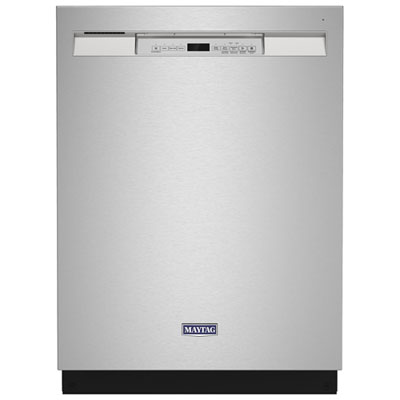 Your price for this item is $799.99
 -
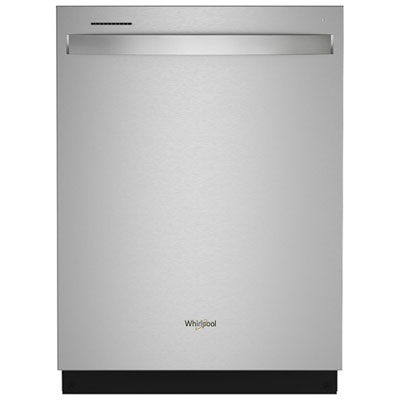 Your price for this item is $799.99
 -
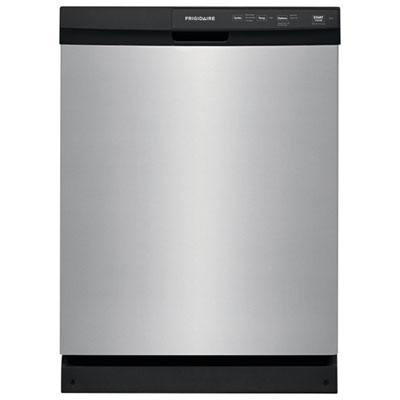 Your price for this item is $579.99
 -
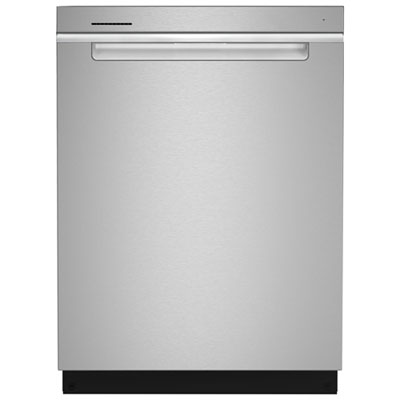 Your price for this item is $799.99
 -
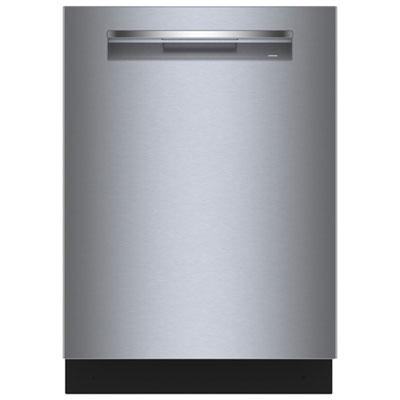 Your price for this item is $2499.99
 -
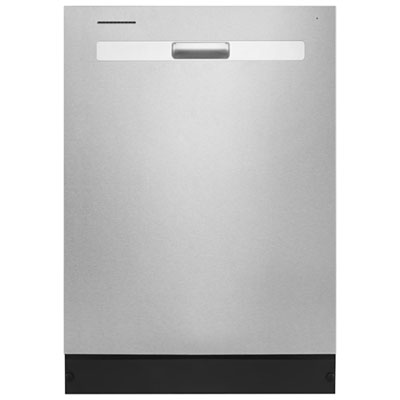 Your price for this item is $649.99
 -
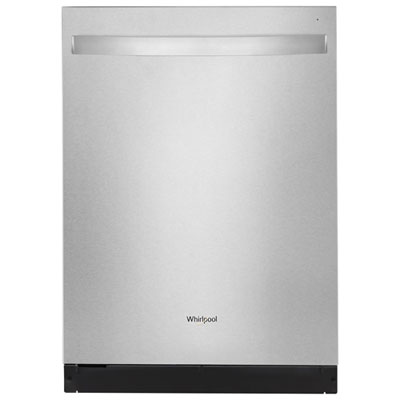 Your price for this item is $699.99
 -
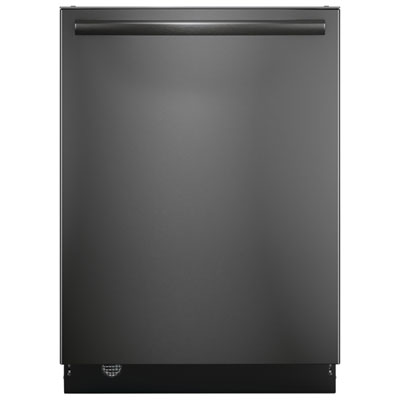 Your price for this item is $1149.99
Discover more categories related to Dishwasher Bosch
Top Collections:
Pokemon Centers, Kindle Devices, Best Budget Office Chairs, Apple iPhones 16, Best Laptops for Writers, iPhone 15 Apple, Canon G7X Cameras, Refurbished Apple Laptops, Alarm Clock, Motorola Razr Phones
Some products may be subject to Environmental Handling Fees
(EHF) depending on your province.
Learn more about EHFs.