Dishwasher Drain Hose
A dishwasher drain hose is an essential component for ensuring your dishwasher operates smoothly and efficiently. This crucial accessory aids in the proper drainage of water, preventing potential leaks or water damage in your kitchen. Whether you're installing a new dishwasher or replacing an old hose, finding the right fit is key to maintaining the longevity and performance of your appliance. Explore our selection of durable and flexible dishwasher drain hoses that cater to various lengths and diameters, ensuring compatibility with a wide range of dishwashers. With the right drain hose, you can enjoy peace of mind knowing your kitchen remains clean and dry after every wash cycle.
Sort

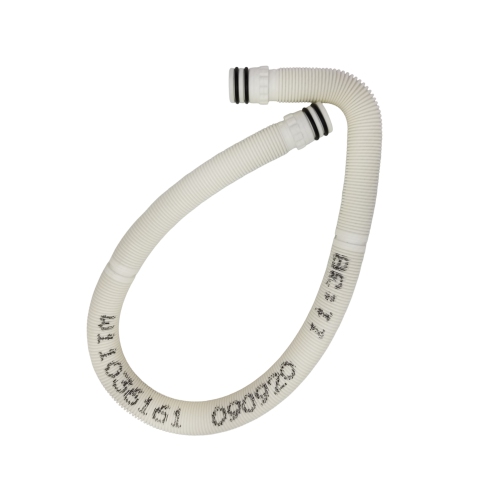
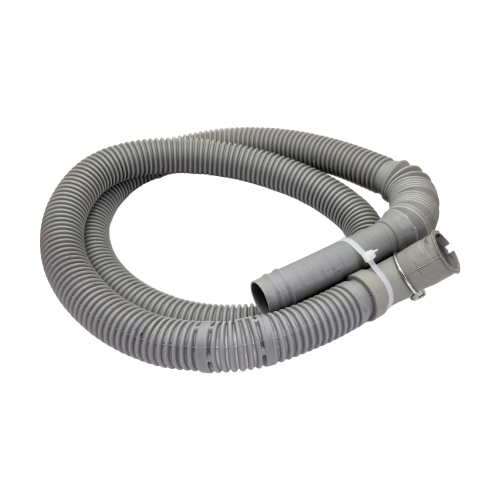
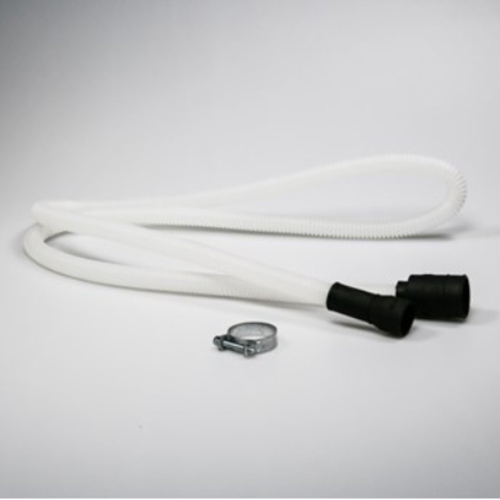


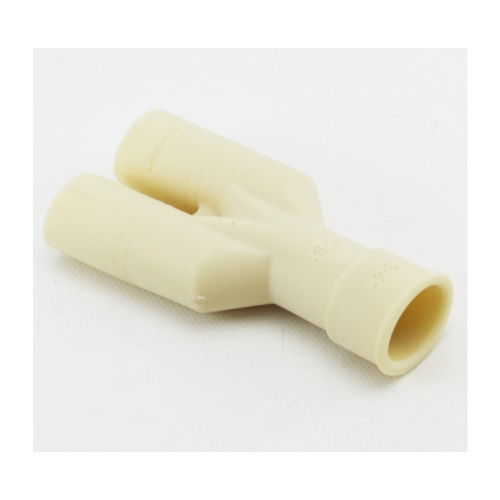
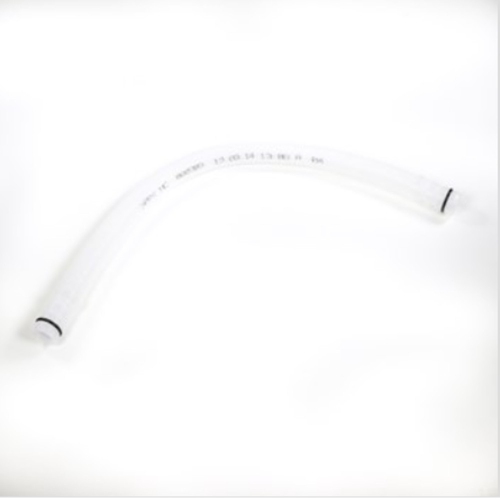
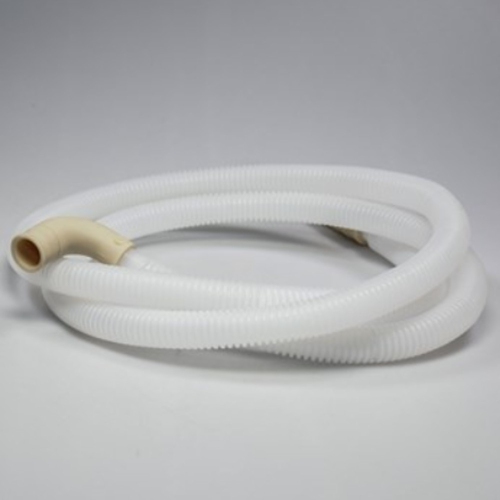
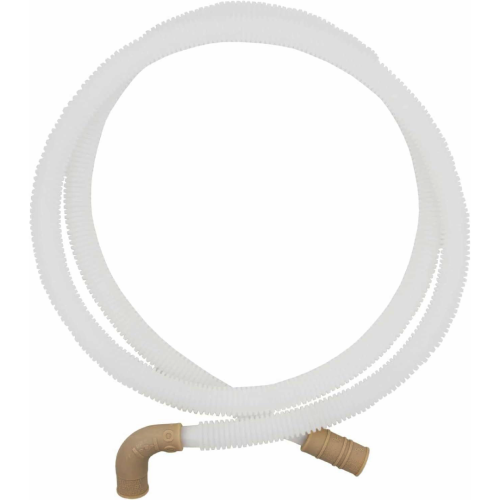
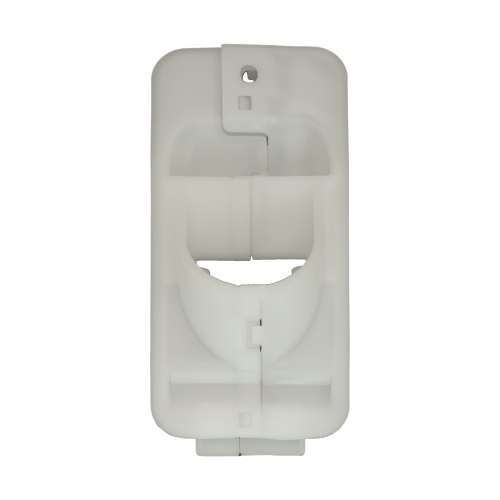
What to know about routing, sizing and securing connections
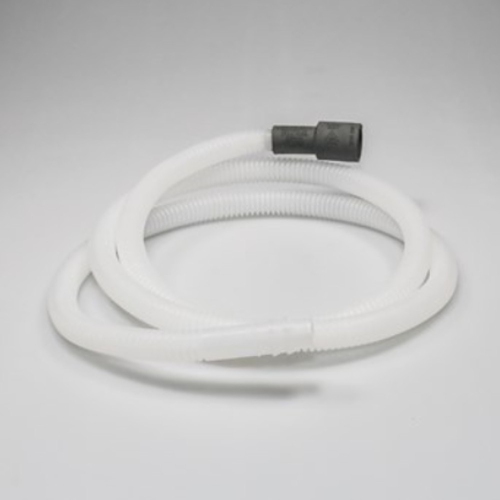
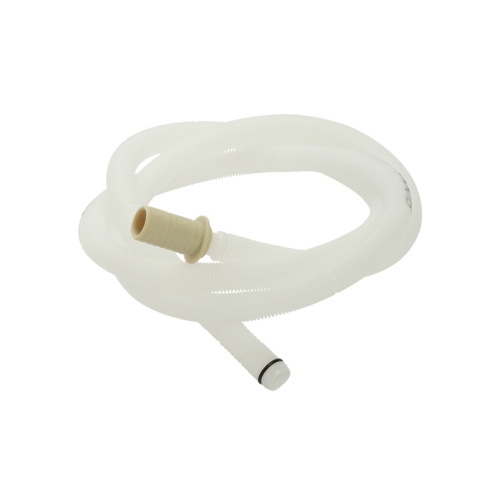
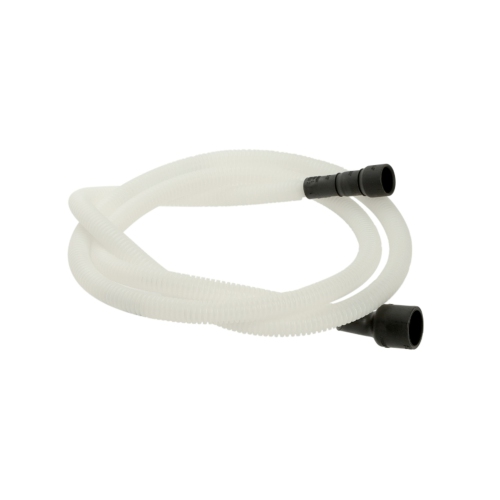
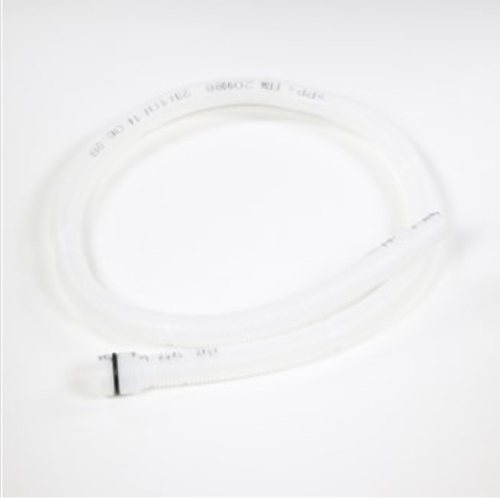
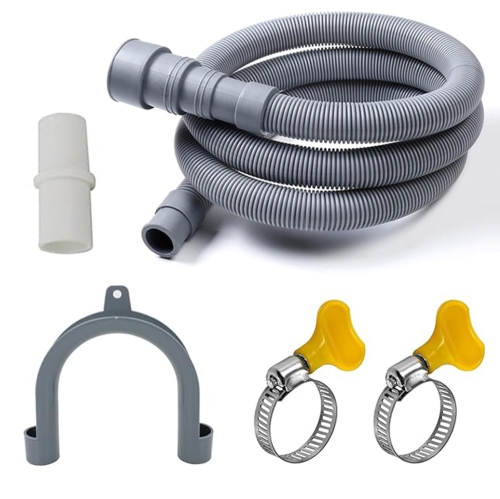
A dishwasher drain hose is a small but essential part of a kitchen’s plumbing system. It carries used water away from the dishwasher and directs it into the sink drain, garbage disposal or another approved drain connection. When the hose is cracked, kinked, blocked or simply too short, water may remain in the dishwasher after a cycle, appear beneath the sink or return with an unpleasant odour. Replacing the hose can be a practical way to address drainage concerns during a dishwasher installation, renovation or repair, provided the replacement is compatible with the appliance and the existing plumbing. Flexible, corrugated hoses are commonly chosen because they can be routed through the cabinet opening and around nearby plumbing, although flexibility should not come at the expense of a clear, unrestricted path. Before selecting one, measure the distance between the dishwasher connection and the drain connection, allowing enough length for gentle bends without leaving a large coil under the sink. Many manufacturers recommend keeping the total run within 12 feet, but the correct limit can vary by dishwasher model, so the appliance’s installation instructions should remain the final reference. It is also worth checking the hose diameter, connection sizes, end fittings and whether clamps are included. A universal hose may suit several common installations, while a manufacturer-specific replacement may be preferable when the dishwasher requires a particular connector or routing arrangement. Taking a few minutes to inspect the existing setup can prevent the frustrating experience of discovering that a new hose reaches the drain but does not fit securely at either end.
One of the most important installation details is the high loop. The drain hose should be secured as high as practical beneath the countertop or cabinet, above the level of the sink drain connection, before it descends toward the drain point. This raised section helps reduce the chance of dirty sink water flowing backward into the dishwasher and can help prevent siphoning. Some installations use an air gap mounted near the sink instead; local plumbing requirements and the dishwasher manufacturer’s instructions determine which arrangement is appropriate. Under the sink, the hose should follow a smooth route without sharp folds, crushing or low spots where wastewater could collect. If the dishwasher drains into a garbage disposal, the hose typically attaches to the disposal’s dishwasher inlet using the correct clamp. A newly installed disposal may have an internal knockout plug in that inlet, and it must be removed before the dishwasher can drain through it. If the hose connects to a sink tailpiece or a dedicated P-trap port, the fitting must match the hose and be tightened securely without damaging the plastic. Hose clamps should be snug and properly positioned over the connection, but overtightening can deform a fitting or cut into the hose. It is sensible to turn off power to the dishwasher at the breaker before working around its connections, keep a shallow pan or towels beneath the cabinet, and test the installation with a short rinse cycle while checking carefully for leaks. A quick inspection with a flashlight can reveal a slow drip that might otherwise go unnoticed behind cleaning supplies. Anyone who is uncertain about the drain configuration, local code requirements or appliance connections should consult the dishwasher manual or a qualified installer, particularly when the work involves modifying a drain, disposal or cabinet opening.
The right dishwasher drain hose is useful for homeowners replacing a worn connection, landlords preparing a rental kitchen, renovators completing a new dishwasher installation and anyone troubleshooting standing water or drainage problems. It can also be a sensible addition to a home-maintenance kit, especially when a dishwasher has been in service for several years and the hose has become stiff, discoloured or brittle near the fittings. When comparing options, consider the appliance model, the connection type under the sink, the available routing space and the distance between the dishwasher and drain. Examine the hose for a smooth interior path and durable ends, and confirm that the package includes any required adapters or clamps rather than assuming existing hardware will fit. A hose that is excessively long may be difficult to position correctly, while one that is too short can pull against its connections and create a leak. The same attention to sizing applies to other appliance hoses, but a dishwasher drain hose is designed for wastewater routing and should not be substituted with a product intended for a different purpose. For laundry appliances, explore the Drain Hose for Washer Machine collection instead, since washing machines use different connection arrangements and drainage requirements. During the cooler months, a dependable dishwasher drain connection helps keep everyday kitchen routines running smoothly through family meals, gatherings and busy weekends. With the hose routed correctly, secured at the right height and checked for leaks, clean-up water can move away from the appliance as intended, leaving the dishwasher ready for the next load and the space beneath the sink tidy and dry.
One of the most important installation details is the high loop. The drain hose should be secured as high as practical beneath the countertop or cabinet, above the level of the sink drain connection, before it descends toward the drain point. This raised section helps reduce the chance of dirty sink water flowing backward into the dishwasher and can help prevent siphoning. Some installations use an air gap mounted near the sink instead; local plumbing requirements and the dishwasher manufacturer’s instructions determine which arrangement is appropriate. Under the sink, the hose should follow a smooth route without sharp folds, crushing or low spots where wastewater could collect. If the dishwasher drains into a garbage disposal, the hose typically attaches to the disposal’s dishwasher inlet using the correct clamp. A newly installed disposal may have an internal knockout plug in that inlet, and it must be removed before the dishwasher can drain through it. If the hose connects to a sink tailpiece or a dedicated P-trap port, the fitting must match the hose and be tightened securely without damaging the plastic. Hose clamps should be snug and properly positioned over the connection, but overtightening can deform a fitting or cut into the hose. It is sensible to turn off power to the dishwasher at the breaker before working around its connections, keep a shallow pan or towels beneath the cabinet, and test the installation with a short rinse cycle while checking carefully for leaks. A quick inspection with a flashlight can reveal a slow drip that might otherwise go unnoticed behind cleaning supplies. Anyone who is uncertain about the drain configuration, local code requirements or appliance connections should consult the dishwasher manual or a qualified installer, particularly when the work involves modifying a drain, disposal or cabinet opening.
The right dishwasher drain hose is useful for homeowners replacing a worn connection, landlords preparing a rental kitchen, renovators completing a new dishwasher installation and anyone troubleshooting standing water or drainage problems. It can also be a sensible addition to a home-maintenance kit, especially when a dishwasher has been in service for several years and the hose has become stiff, discoloured or brittle near the fittings. When comparing options, consider the appliance model, the connection type under the sink, the available routing space and the distance between the dishwasher and drain. Examine the hose for a smooth interior path and durable ends, and confirm that the package includes any required adapters or clamps rather than assuming existing hardware will fit. A hose that is excessively long may be difficult to position correctly, while one that is too short can pull against its connections and create a leak. The same attention to sizing applies to other appliance hoses, but a dishwasher drain hose is designed for wastewater routing and should not be substituted with a product intended for a different purpose. For laundry appliances, explore the Drain Hose for Washer Machine collection instead, since washing machines use different connection arrangements and drainage requirements. During the cooler months, a dependable dishwasher drain connection helps keep everyday kitchen routines running smoothly through family meals, gatherings and busy weekends. With the hose routed correctly, secured at the right height and checked for leaks, clean-up water can move away from the appliance as intended, leaving the dishwasher ready for the next load and the space beneath the sink tidy and dry.
Top selling and popular products
-
 Your price for this item is $34.98
 -
 Your price for this item is $151.96
 -
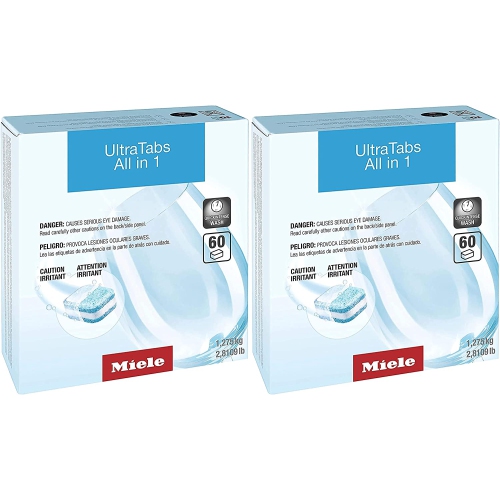 Your price for this item is $75.98
 -
 Your price for this item is $88.32
 -
 Your price for this item is $88.32
 -
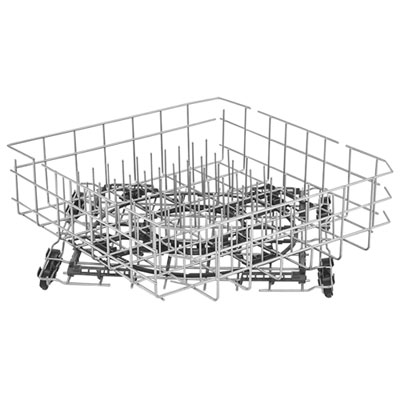 Your price for this item is $249.99
 -
 Your price for this item is $19.99
 -
 Your price for this item is $269
Discover more categories related to Dishwasher Drain Hose
Top Collections:
Pokemon Centers, Kindle Devices, Best Budget Office Chairs, Apple iPhones 16, Best Laptops for Writers, iPhone 15 Apple, Canon G7X Cameras, Refurbished Apple Laptops, Alarm Clock, Motorola Razr Phones
Some products may be subject to Environmental Handling Fees
(EHF) depending on your province.
Learn more about EHFs.