Drain Hose for Washer Machine
Looking for a reliable drain hose for your washer machine? Look no further! At Best Buy, we understand the importance of finding the right accessories to keep your appliances running smoothly, preventing any potential leaks or clogs. Whether you're replacing an old hose or simply looking for an upgrade, our range of high-quality options will meet your needs. Our drain hoses are designed to fit most standard washing machines, and are made from durable materials that will last for years.
Sort
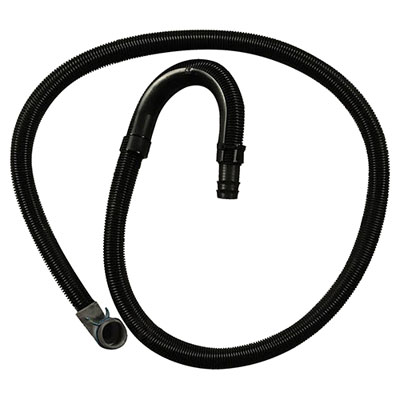
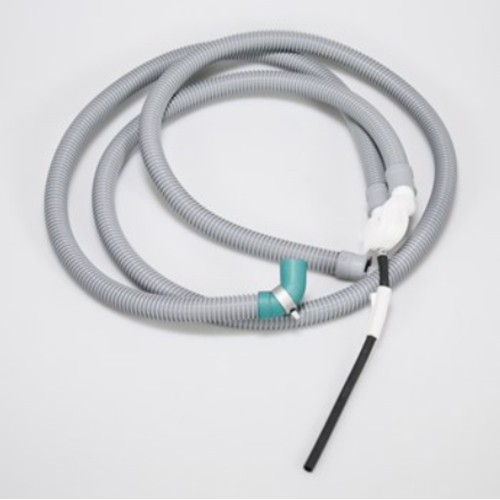
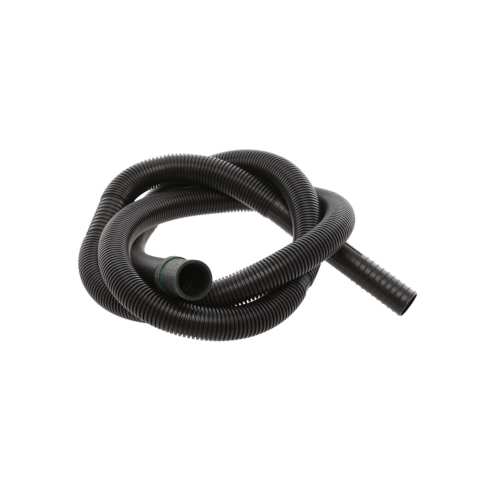
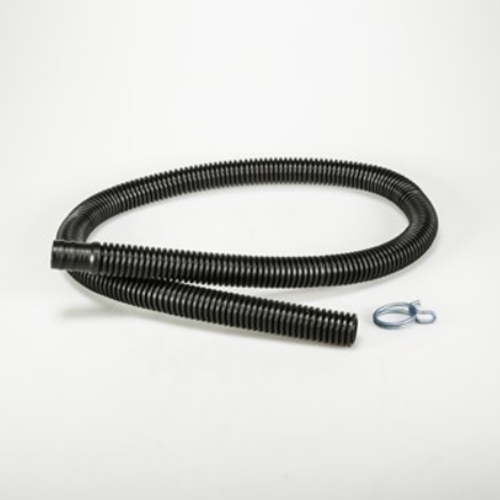
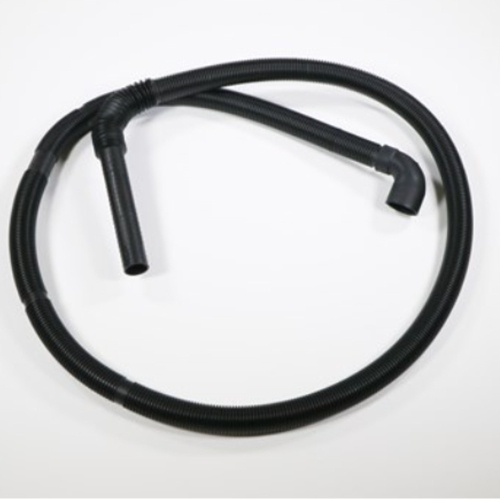
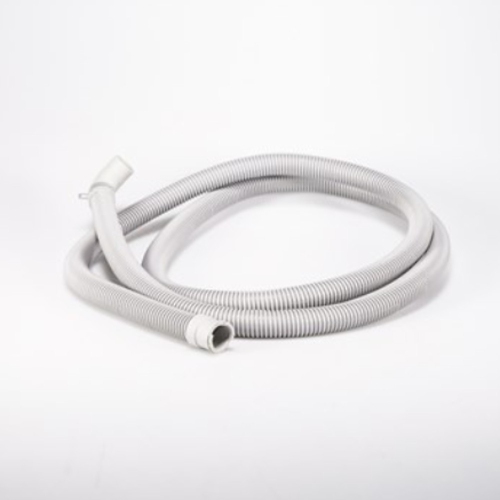
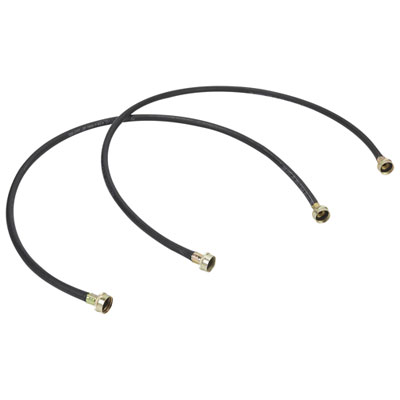
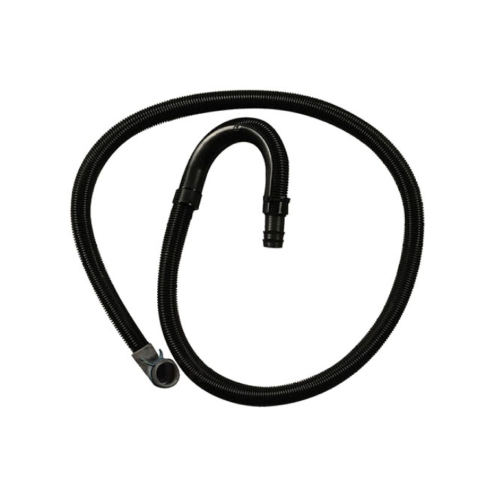
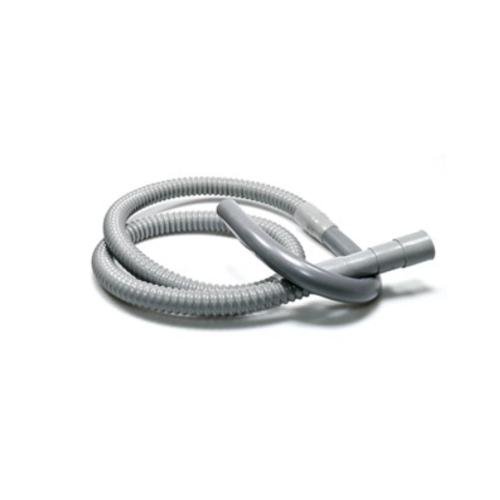
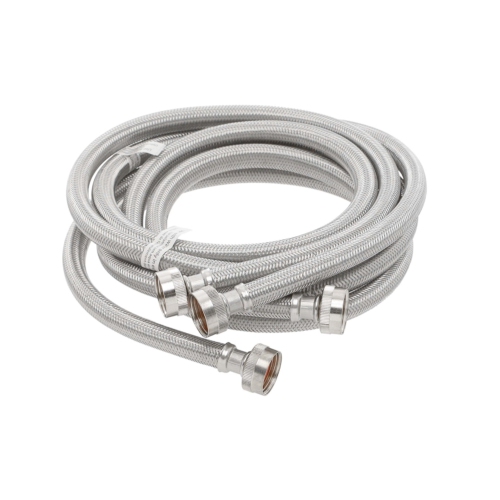
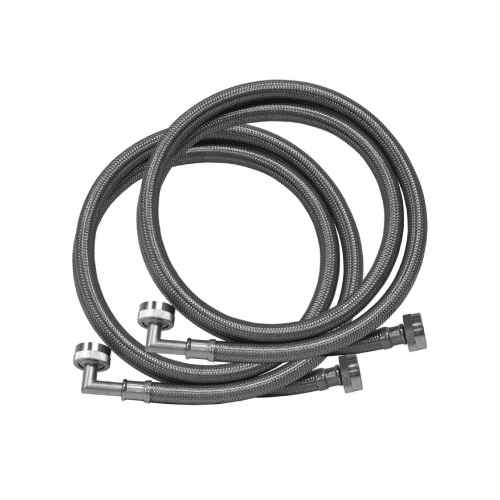
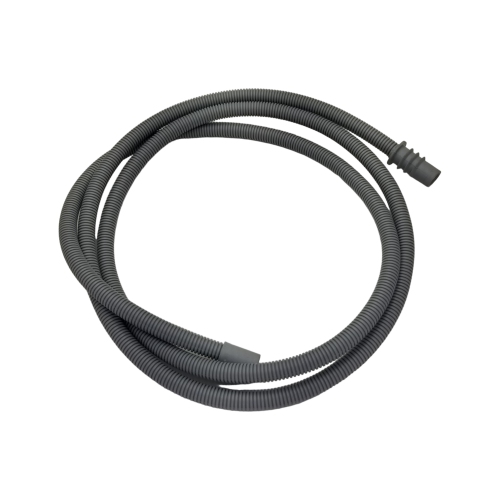
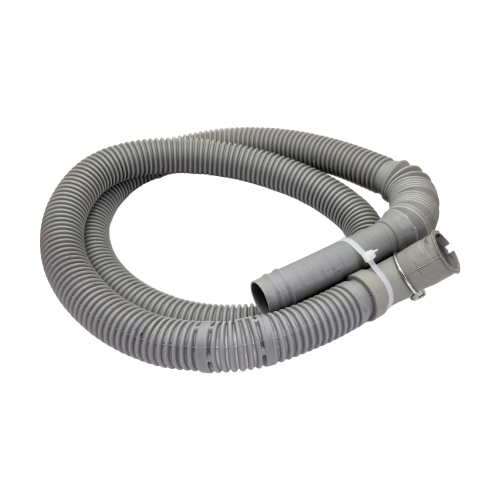
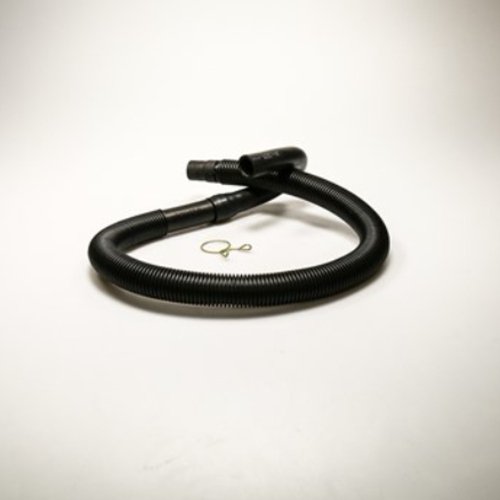
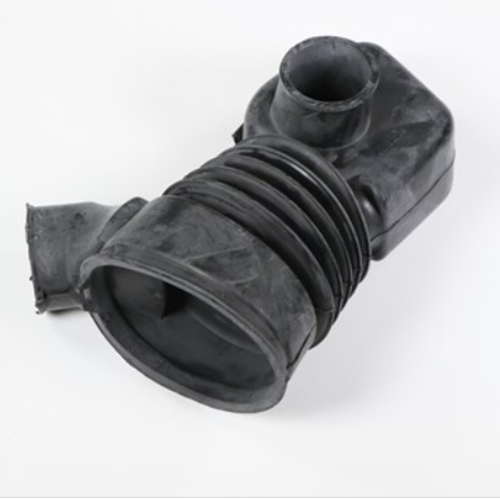
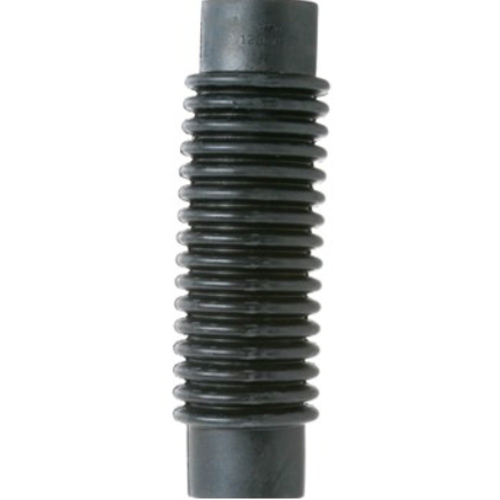
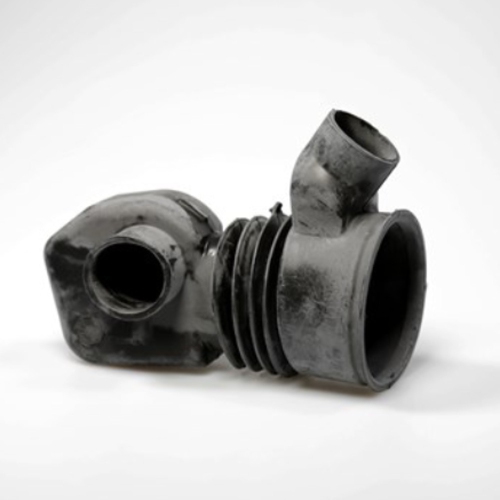

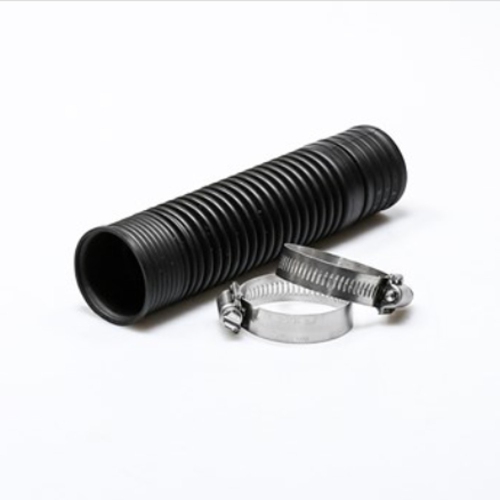
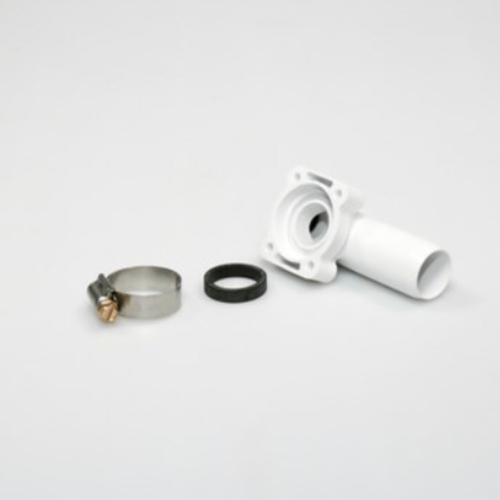
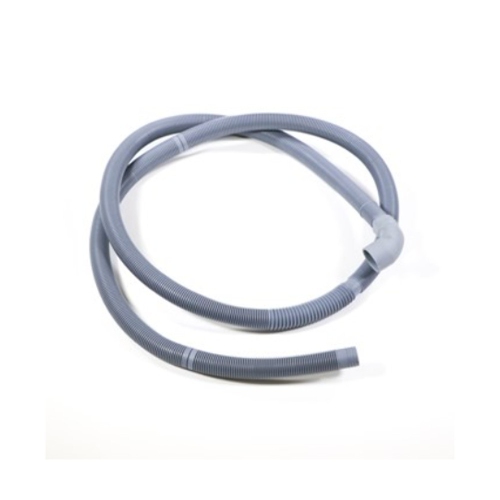
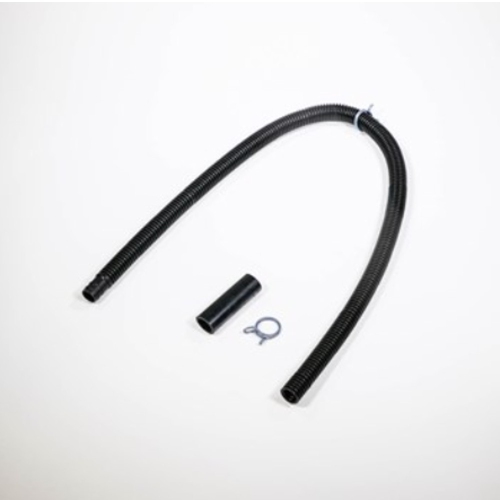

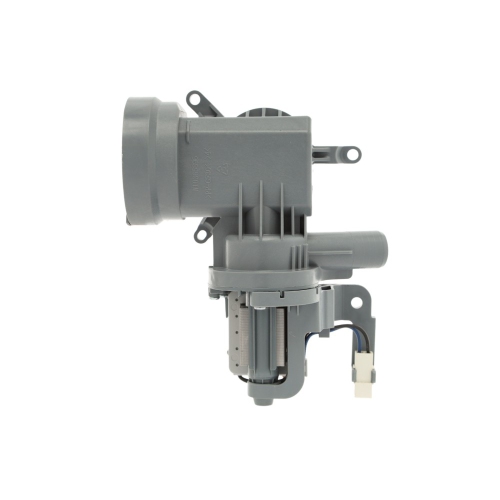
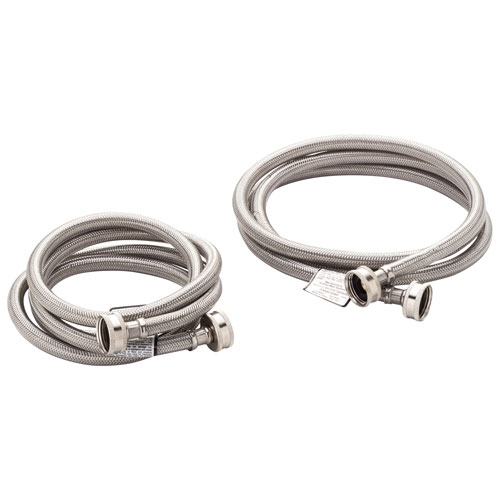

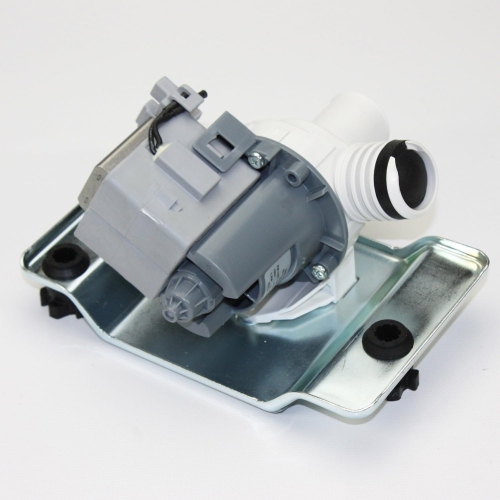
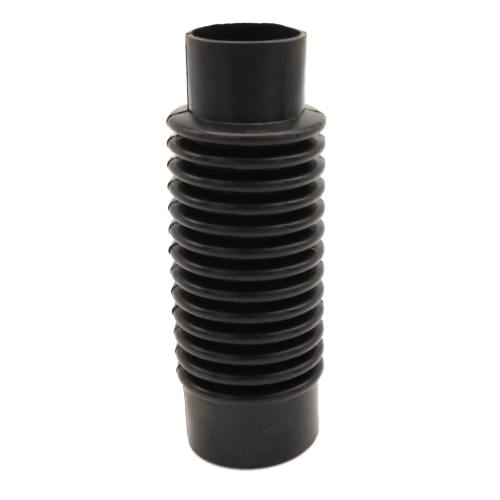
Sizing and installation details for dependable laundry drainage
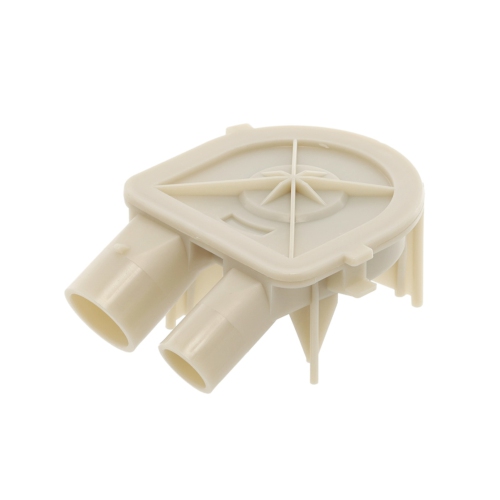
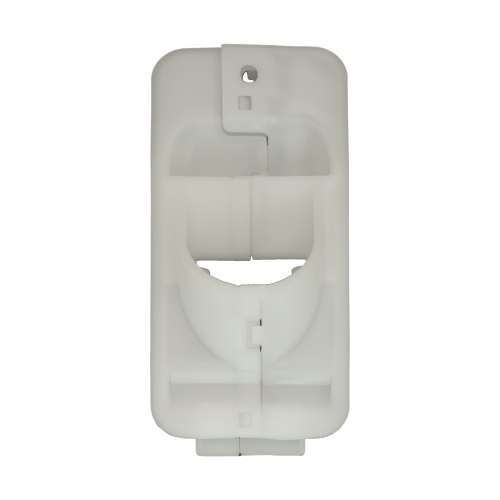
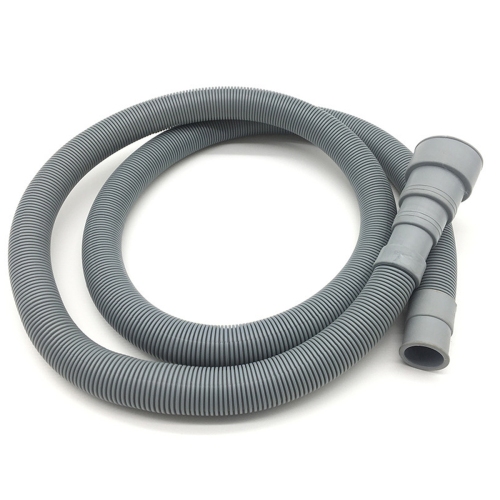
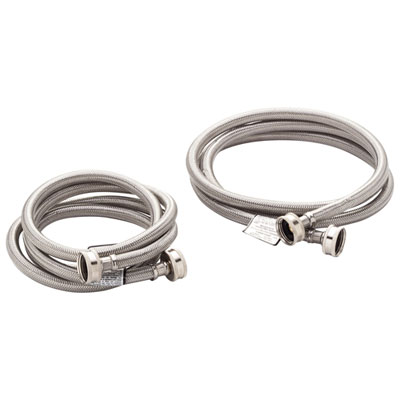
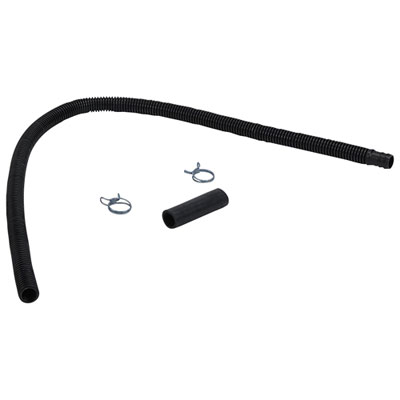
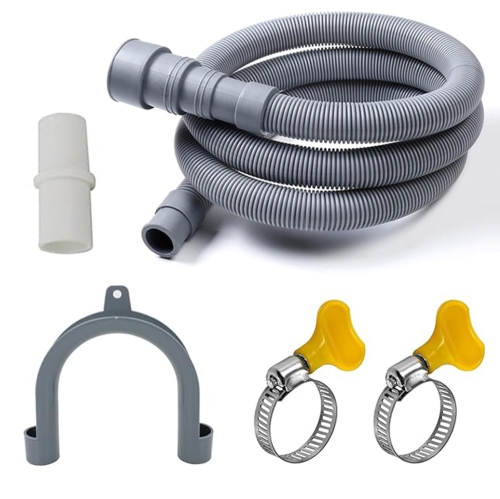
A drain hose for a washer machine carries used water away from the appliance and into a laundry tub, standpipe, floor drain or other approved drainage point. When a hose becomes cracked, stiff, kinked or loose at the connection, replacing it can help restore a dependable laundry routine and reduce the chance of water collecting behind the machine. A replacement hose is also useful when moving a washer to a different part of the laundry room, setting up an appliance in a new home or adapting the drainage path to a nearby utility sink. Standard options commonly measure between 5 and 10 feet, although the correct length depends on the distance between the washer and the drain. Measure the route before purchasing, allowing enough room for a smooth curve without leaving a large loop that can sag or catch on the back of the appliance. Check the washer’s model information, the diameter of the existing hose and the style of connection at the drain pump or appliance outlet. Some hoses are designed as direct replacements, while others are better suited as extensions or universal connections. Flexible corrugated polypropylene and rubber are common materials because they can follow the necessary route while handling regular exposure to warm, soapy water. Look for a secure appliance-side fitting and a durable drain-side end, along with any required spring clamp, screw clamp, U-shaped elbow bracket or tie strap. A curved elbow helps guide the hose neatly into a laundry tub or standpipe, while a clamp or strap helps keep the end from shifting during the strong flow and vibration of a spin cycle. For a practical housewarming gift, a replacement washer drain hose may be especially useful for someone moving into an older home, finishing a basement laundry area or preparing a rental property between occupants. It is a small household essential that can sit in a utility cupboard until a worn hose suddenly needs attention. Browsing related Drain Hose options can make it easier to compare lengths, connection styles and included installation hardware before choosing a suitable fit.
Installation and positioning matter as much as the hose itself. Before handling the appliance, unplug the washing machine or switch off the appropriate circuit breaker, close the water supply valves and pull the washer forward carefully. Keep towels or a shallow container nearby because residual water can remain in the hose and pump even after a cycle has finished. If the old hose connects to a drain pump port at the rear or lower section of the washer, loosen the retaining spring clamp or other fastener and remove the hose without forcing the fitting. Push the replacement hose fully onto the port, then tighten the clamp snugly so the connection is secure without damaging the material. Route the hose with broad, gentle bends and keep it clear of sharp cabinet edges, hot surfaces and moving parts. Avoid tight pinches, twists and kinks, which can restrict the flow of wastewater and place unnecessary stress on the connection. The bend of the hose should generally sit between 30 and 96 inches above the floor, depending on the washer and local installation requirements. This positioning helps wastewater leave the machine properly while reducing the risk of siphoning. When using a standpipe, insert the hose only about 5 to 8 inches into the pipe unless the appliance instructions specify otherwise. Inserting it too deeply can interfere with airflow and drainage, while leaving it unsecured may allow the hose to jump out when the pump starts. Use the included U-shaped plastic elbow bracket where supplied, and secure the hose with a tie strap or suitable clamp so the end stays in place. Do not seal the standpipe completely around the hose, since the drain needs an air gap. After reconnecting the appliance, run a short rinse or drain cycle while watching every connection and the area beneath the washer. A dry towel placed under the fittings can make small leaks easier to spot. If water backs up, drains slowly or appears around the pump connection, stop the cycle and review the hose route, insertion depth and clamp placement. For unusual fittings, concealed plumbing, a raised platform or a hose route outside the manufacturer’s recommended range, consult the washer manual or a qualified appliance professional. The right drain hose, carefully matched and installed, helps keep laundry wastewater moving where it belongs through the cooler months and throughout everyday household use.
Installation and positioning matter as much as the hose itself. Before handling the appliance, unplug the washing machine or switch off the appropriate circuit breaker, close the water supply valves and pull the washer forward carefully. Keep towels or a shallow container nearby because residual water can remain in the hose and pump even after a cycle has finished. If the old hose connects to a drain pump port at the rear or lower section of the washer, loosen the retaining spring clamp or other fastener and remove the hose without forcing the fitting. Push the replacement hose fully onto the port, then tighten the clamp snugly so the connection is secure without damaging the material. Route the hose with broad, gentle bends and keep it clear of sharp cabinet edges, hot surfaces and moving parts. Avoid tight pinches, twists and kinks, which can restrict the flow of wastewater and place unnecessary stress on the connection. The bend of the hose should generally sit between 30 and 96 inches above the floor, depending on the washer and local installation requirements. This positioning helps wastewater leave the machine properly while reducing the risk of siphoning. When using a standpipe, insert the hose only about 5 to 8 inches into the pipe unless the appliance instructions specify otherwise. Inserting it too deeply can interfere with airflow and drainage, while leaving it unsecured may allow the hose to jump out when the pump starts. Use the included U-shaped plastic elbow bracket where supplied, and secure the hose with a tie strap or suitable clamp so the end stays in place. Do not seal the standpipe completely around the hose, since the drain needs an air gap. After reconnecting the appliance, run a short rinse or drain cycle while watching every connection and the area beneath the washer. A dry towel placed under the fittings can make small leaks easier to spot. If water backs up, drains slowly or appears around the pump connection, stop the cycle and review the hose route, insertion depth and clamp placement. For unusual fittings, concealed plumbing, a raised platform or a hose route outside the manufacturer’s recommended range, consult the washer manual or a qualified appliance professional. The right drain hose, carefully matched and installed, helps keep laundry wastewater moving where it belongs through the cooler months and throughout everyday household use.
Top selling and popular products
-
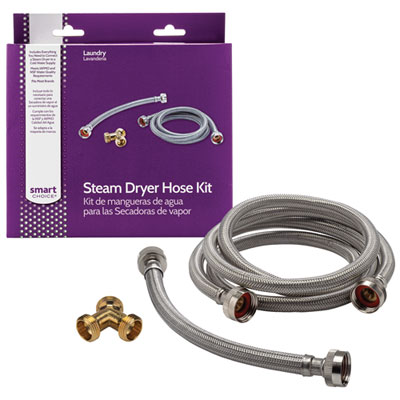 Your price for this item is $39.99
 -
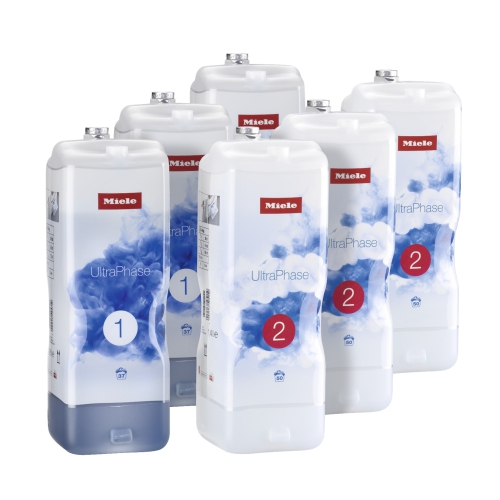 Your price for this item is $184.94
 -
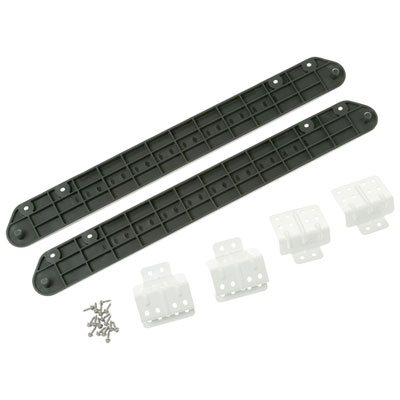 Your price for this item is $99.99
 -
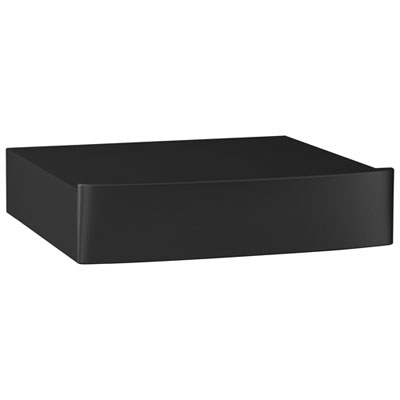 Your price for this item is $349.99
 -
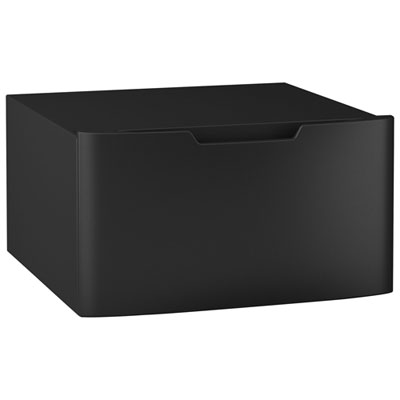 Your price for this item is $449.99
 -
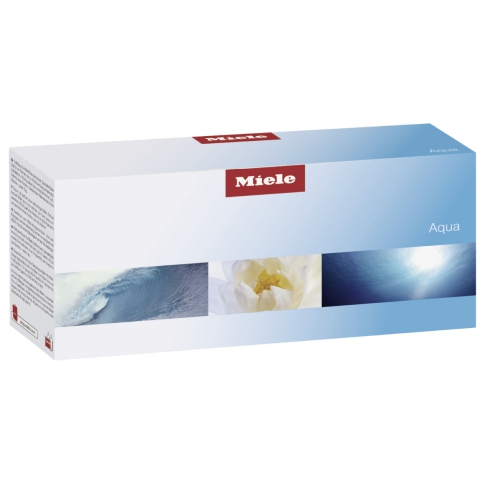 Your price for this item is $59.99
 -
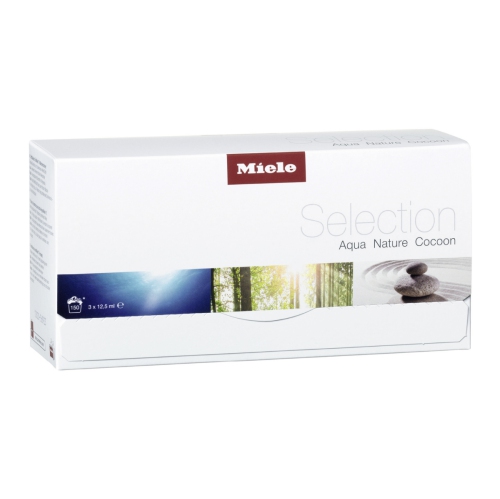 Your price for this item is $59.99
 -
 Your price for this item is $39.99
Discover more categories related to Drain Hose for Washer Machine

Top Collections:
Pokemon Centers, Kindle Devices, Best Budget Office Chairs, Apple iPhones 16, Best Laptops for Writers, iPhone 15 Apple, Canon G7X Cameras, Refurbished Apple Laptops, Alarm Clock, Motorola Razr Phones
Some products may be subject to Environmental Handling Fees
(EHF) depending on your province.
Learn more about EHFs.