Drain Hose
Ensuring your appliances run smoothly is essential for a stress-free home. A high-quality drain hose is a crucial component in maintaining the efficiency of your washing machine or dishwasher. By securely channeling water away from your appliance, a reliable drain hose helps prevent leaks and potential water damage. Explore our selection of durable and flexible drain hoses to find the perfect fit for your appliance and keep your home running smoothly.
Sort
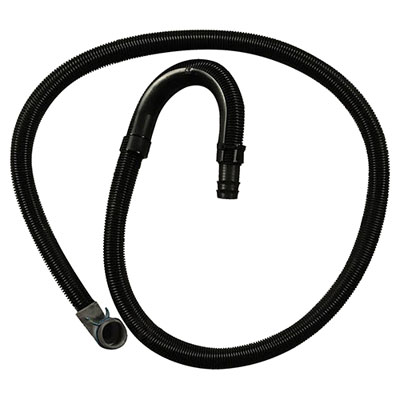
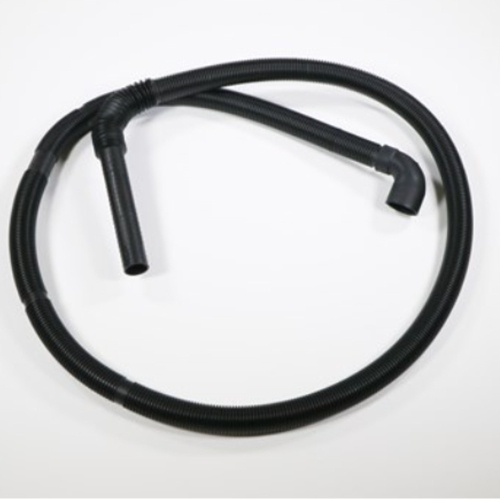
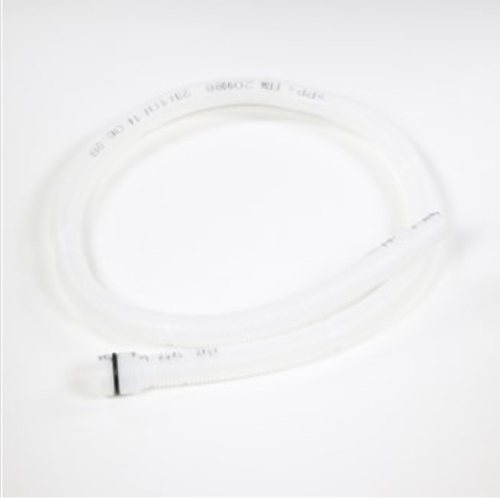
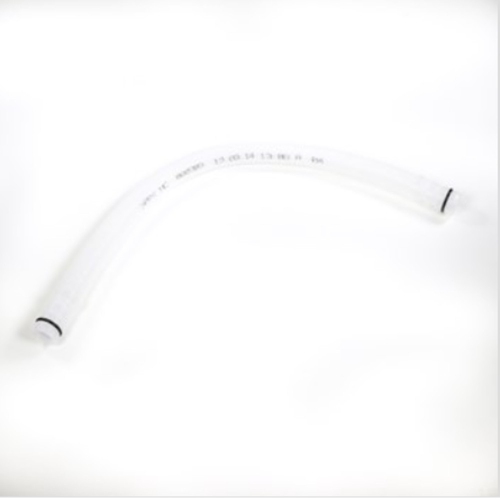



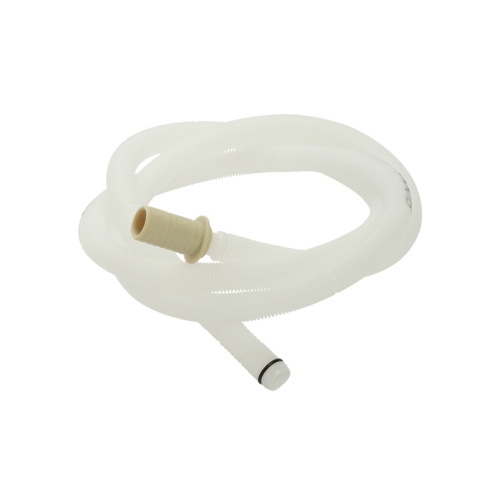
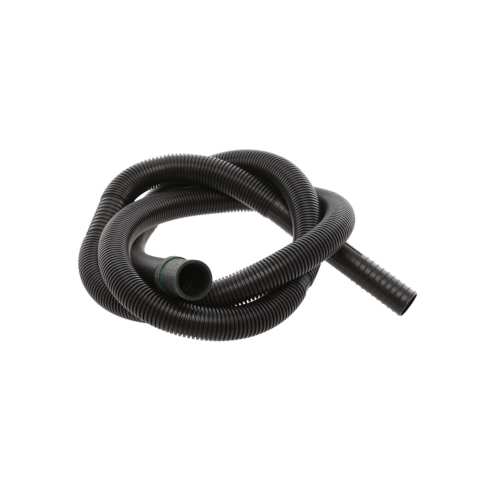
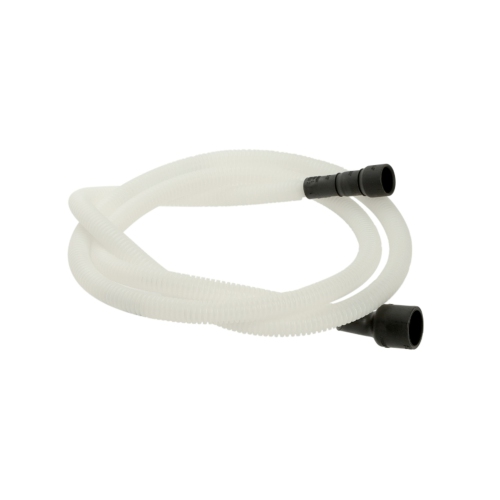
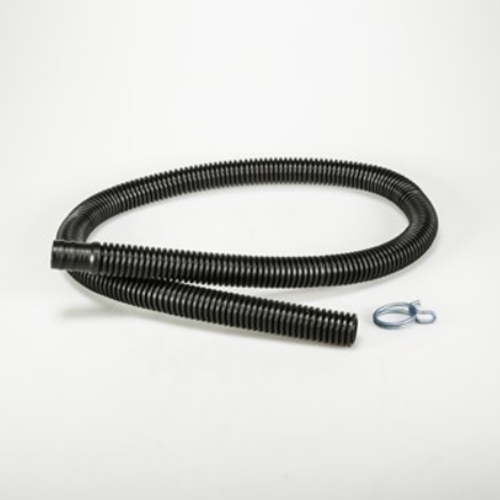


Matching the right hose to each appliance and outlet
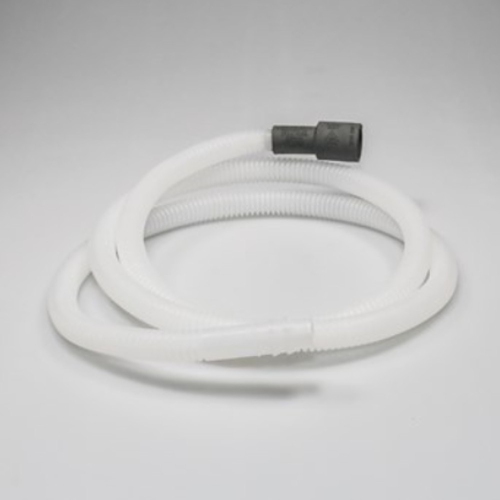
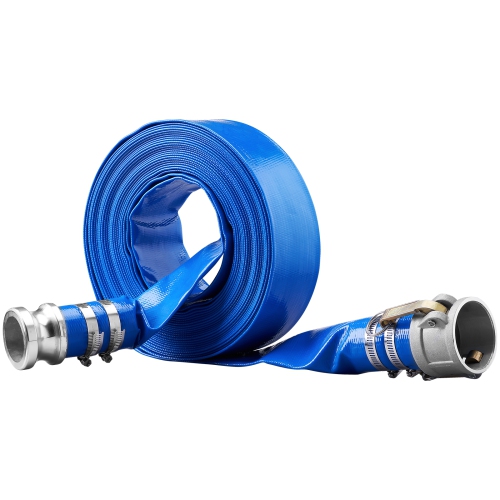
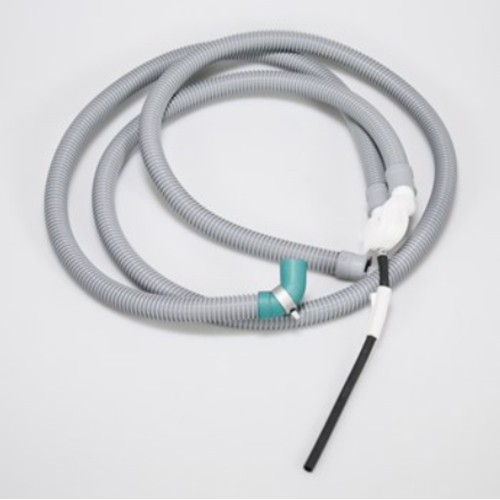
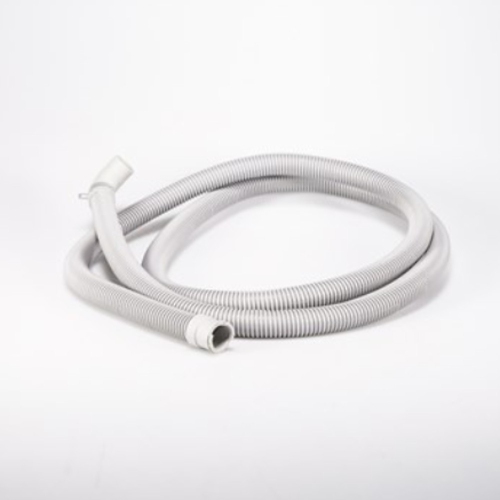
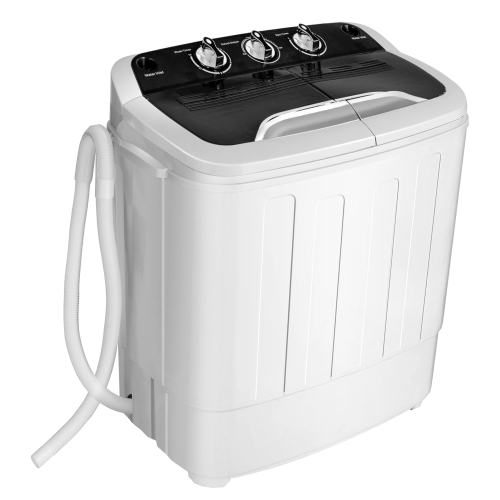
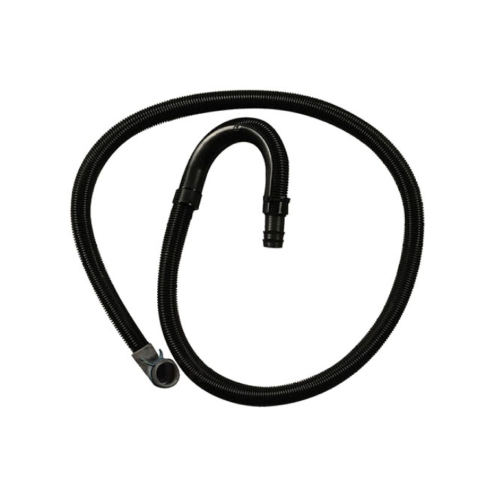
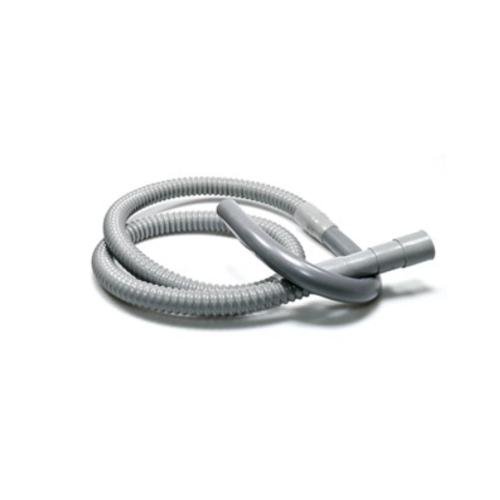
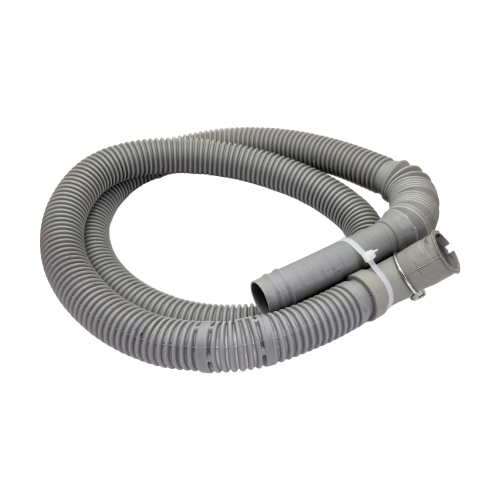
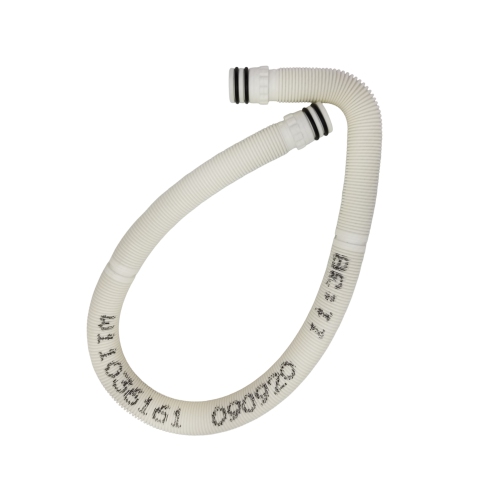
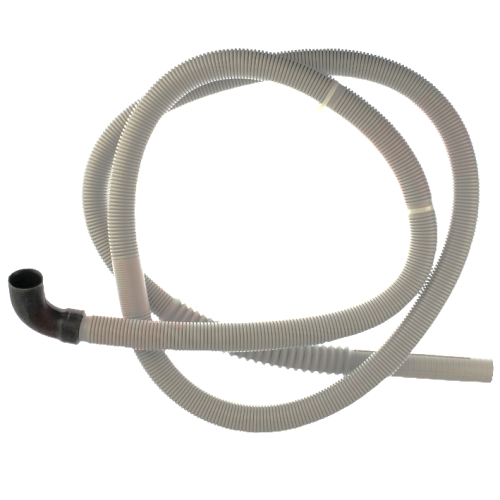
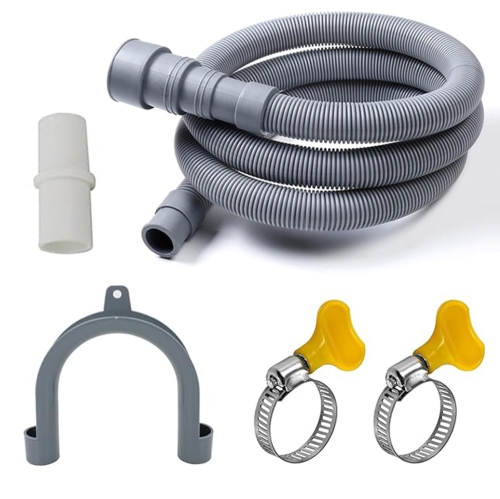
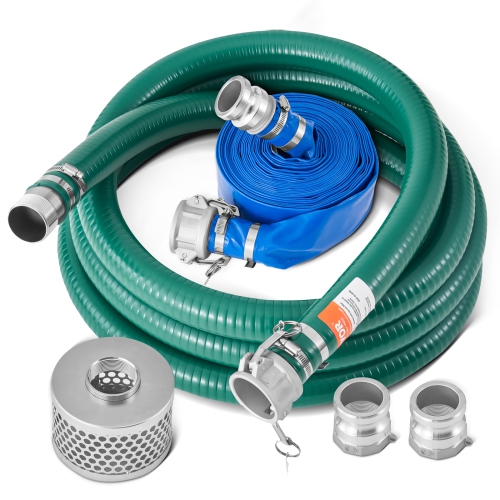
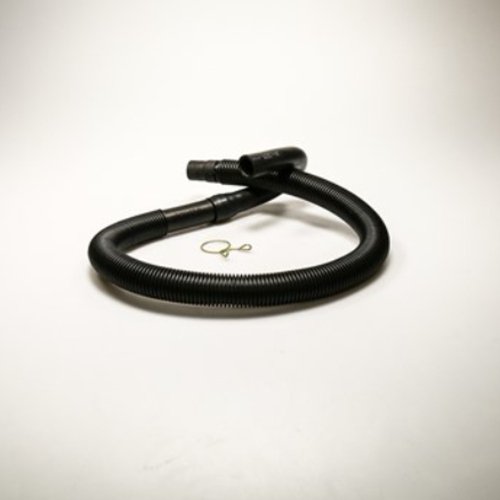
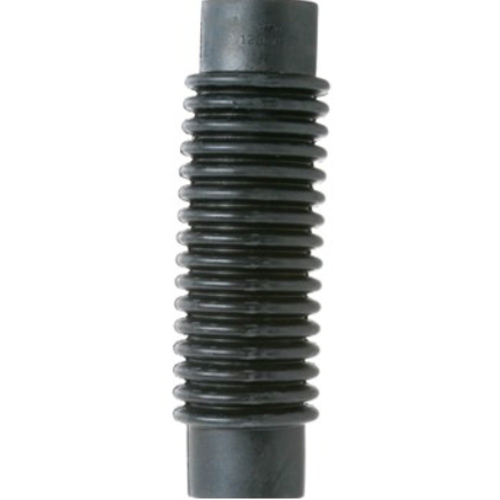
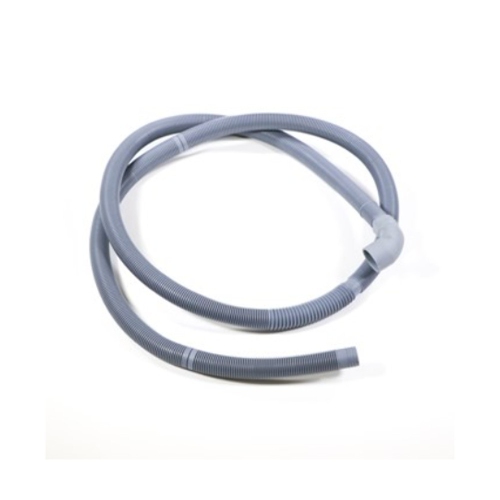
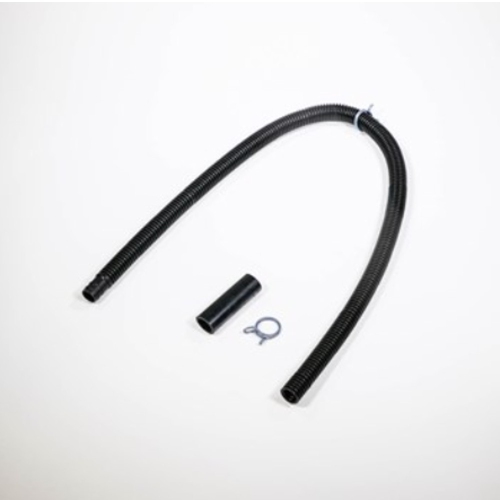
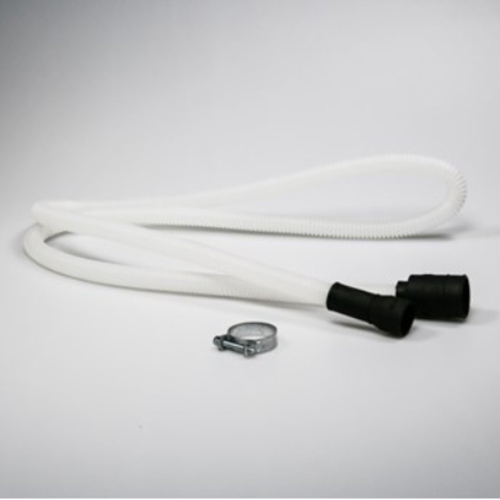
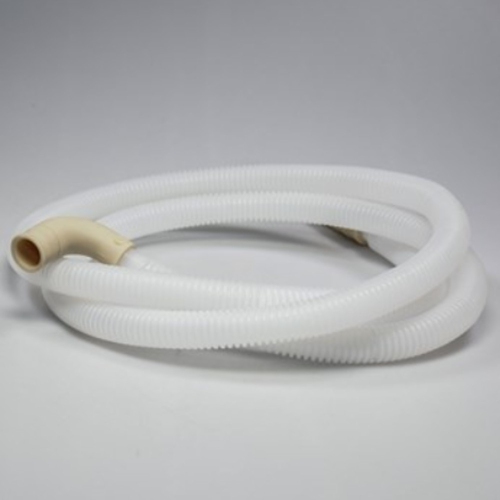
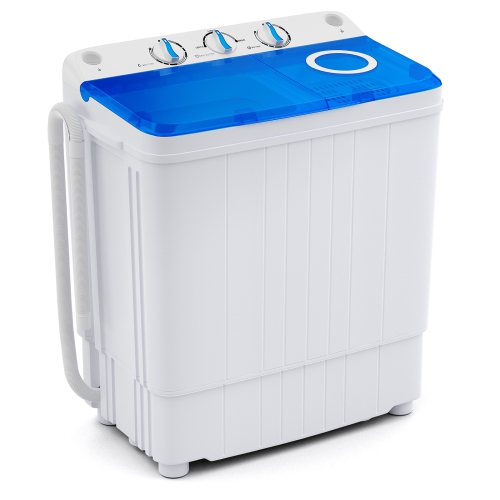
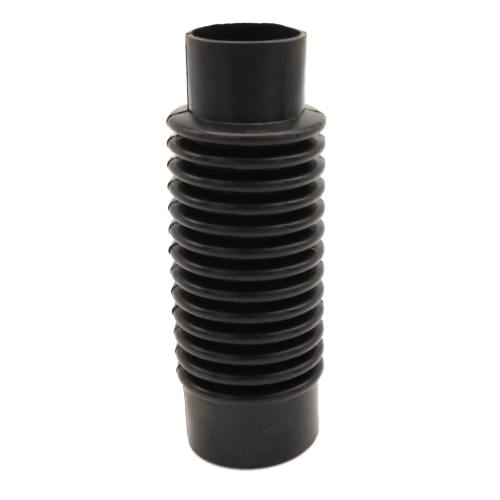
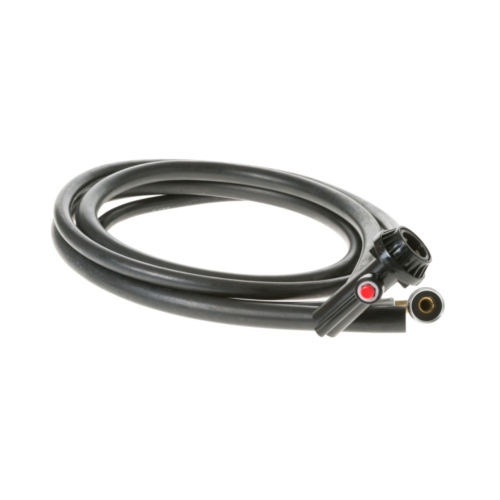
Drain hoses are flexible tubes designed to carry wastewater away from appliances and utility equipment, helping keep laundry areas, kitchens, basements, garages and workspaces orderly. They are commonly used with washing machines, dishwashers, utility pumps and sump pumps, although the correct hose depends on the equipment, outlet and drainage setup. A washing machine hose often has a hooked or elbow-shaped end that rests securely in a standpipe or laundry tub, while a dishwasher hose is generally a corrugated line routed beneath the counter and connected to the sink drain assembly or disposal inlet. Utility and sump pump hoses are typically longer and designed to move water farther from the appliance or foundation. If you are replacing a worn line, setting up a new appliance or preparing a basement drainage system for the cooler months, start by identifying exactly what the hose will connect to. The appliance manual can provide useful specifications, but measuring the existing connection is also helpful. Check the inside diameter, since common sizes include 5/8 inch, 3/4 inch, 1-1/4 inch and 1-1/2 inch. A hose that is too narrow may restrict flow, while one that is too large may not seat properly on the outlet. Length matters just as much: a short hose can pull on the connection, while excessive length may leave loops where water can collect. For laundry installations, a Washing Machine Hose can help direct discharge water neatly into a standpipe or laundry tub when matched with the washer’s requirements and secured according to the manufacturer’s instructions.
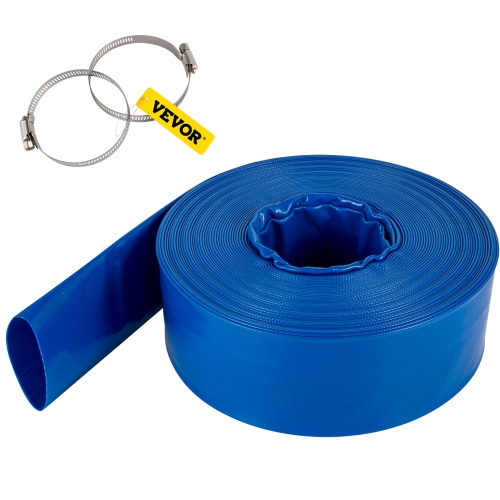
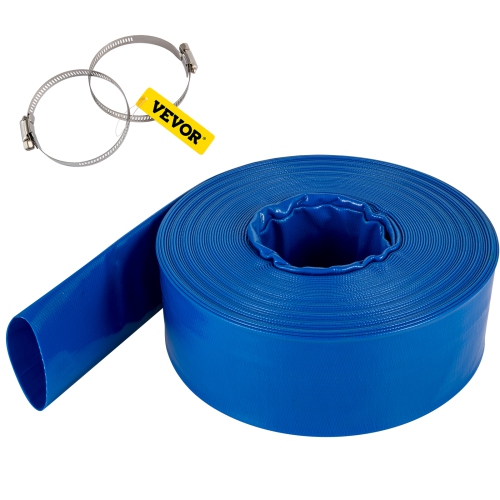
Before choosing a drain hose, look closely at the route the water will take. The best setup is usually as direct as possible, with gentle bends rather than sharp turns. Kinks, pinched sections and tight coils can reduce drainage and place strain on the pump. Corrugated hoses offer useful flexibility around cabinets and appliance panels, but they should still be kept clear of sharp metal edges, hot surfaces and moving parts. For a dishwasher beneath a counter, consider the available space behind the unit and under the sink, including the route needed to create any required high loop. For a washing machine, measure from the drain outlet to the standpipe or tub while leaving enough slack for normal movement during the spin cycle. The hose should not be stretched taut or allowed to drag on the floor where it can be stepped on or crushed. Sump pump discharge hoses require additional planning because they may carry a large volume of water over a longer distance. The outlet should direct water away from the home’s foundation and away from walkways where it could freeze or create a slippery surface during colder weather. A longer hose may be appropriate for this type of setup, but confirm that its diameter and fittings suit the pump. Any connection exposed to pump pressure should be secured with a properly sized metal hose clamp or another approved fitting. Hand-tightening alone may not be enough, particularly when a pump starts and stops repeatedly. After installation, run the appliance or pump while watching every connection. Look for drips, bulges, movement or water collecting beneath the hose. A dry cloth wrapped around a joint can make a small leak easier to spot than a quick visual check. Recheck the route after the first few uses, since vibration can shift a hose against a cabinet, wall or appliance panel.
A replacement drain hose is a practical purchase for homeowners, renters with permission to maintain their appliances, landlords, property managers and anyone completing a laundry-room or kitchen refresh. It can also be a useful addition to a housewarming, renovation or new-home maintenance kit, especially for someone who prefers to keep common repair supplies close at hand. In many homes, a drain hose works quietly for years, tucked behind a washer or beneath a sink, until a connection begins to crack, a fitting loosens or a new appliance requires a different length. Keeping the surrounding area accessible makes inspection easier and helps reveal early signs of trouble, such as damp flooring, musty odours, discolouration or a hose that has become brittle. During the warmer seasons, check outdoor discharge routes for dirt, leaves and garden debris that could obstruct the flow. As the weather cools, inspect basement and laundry-room connections again, since temperature changes can make some materials less flexible and unheated areas may be vulnerable to freezing. Do not rely on a drain hose to correct an incompatible connection; compare the outlet size, fitting style, length and intended use before buying. For installations involving a dishwasher, washing machine or sump pump, follow the equipment maker’s placement and drainage instructions, and consider professional help if the route requires changes to household plumbing, electrical components or a foundation discharge system. The right hose should sit securely, drain freely and remain protected from abrasion, sharp edges and unnecessary strain. With careful measuring and a simple test after installation, a drain hose can provide a dependable path for wastewater and help keep everyday appliance maintenance straightforward.
Before choosing a drain hose, look closely at the route the water will take. The best setup is usually as direct as possible, with gentle bends rather than sharp turns. Kinks, pinched sections and tight coils can reduce drainage and place strain on the pump. Corrugated hoses offer useful flexibility around cabinets and appliance panels, but they should still be kept clear of sharp metal edges, hot surfaces and moving parts. For a dishwasher beneath a counter, consider the available space behind the unit and under the sink, including the route needed to create any required high loop. For a washing machine, measure from the drain outlet to the standpipe or tub while leaving enough slack for normal movement during the spin cycle. The hose should not be stretched taut or allowed to drag on the floor where it can be stepped on or crushed. Sump pump discharge hoses require additional planning because they may carry a large volume of water over a longer distance. The outlet should direct water away from the home’s foundation and away from walkways where it could freeze or create a slippery surface during colder weather. A longer hose may be appropriate for this type of setup, but confirm that its diameter and fittings suit the pump. Any connection exposed to pump pressure should be secured with a properly sized metal hose clamp or another approved fitting. Hand-tightening alone may not be enough, particularly when a pump starts and stops repeatedly. After installation, run the appliance or pump while watching every connection. Look for drips, bulges, movement or water collecting beneath the hose. A dry cloth wrapped around a joint can make a small leak easier to spot than a quick visual check. Recheck the route after the first few uses, since vibration can shift a hose against a cabinet, wall or appliance panel.
A replacement drain hose is a practical purchase for homeowners, renters with permission to maintain their appliances, landlords, property managers and anyone completing a laundry-room or kitchen refresh. It can also be a useful addition to a housewarming, renovation or new-home maintenance kit, especially for someone who prefers to keep common repair supplies close at hand. In many homes, a drain hose works quietly for years, tucked behind a washer or beneath a sink, until a connection begins to crack, a fitting loosens or a new appliance requires a different length. Keeping the surrounding area accessible makes inspection easier and helps reveal early signs of trouble, such as damp flooring, musty odours, discolouration or a hose that has become brittle. During the warmer seasons, check outdoor discharge routes for dirt, leaves and garden debris that could obstruct the flow. As the weather cools, inspect basement and laundry-room connections again, since temperature changes can make some materials less flexible and unheated areas may be vulnerable to freezing. Do not rely on a drain hose to correct an incompatible connection; compare the outlet size, fitting style, length and intended use before buying. For installations involving a dishwasher, washing machine or sump pump, follow the equipment maker’s placement and drainage instructions, and consider professional help if the route requires changes to household plumbing, electrical components or a foundation discharge system. The right hose should sit securely, drain freely and remain protected from abrasion, sharp edges and unnecessary strain. With careful measuring and a simple test after installation, a drain hose can provide a dependable path for wastewater and help keep everyday appliance maintenance straightforward.
Top selling and popular products
-
 Your price for this item is $39.99
 -
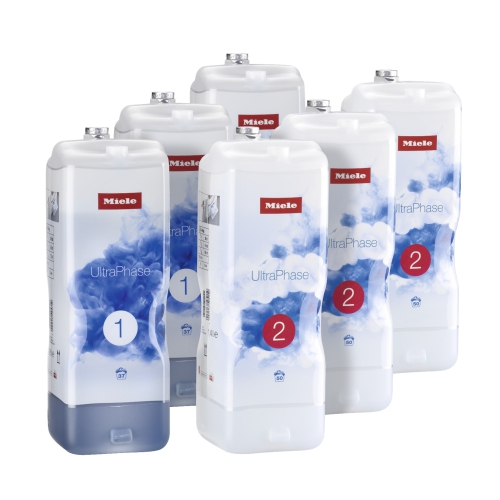 Your price for this item is $184.94
 -
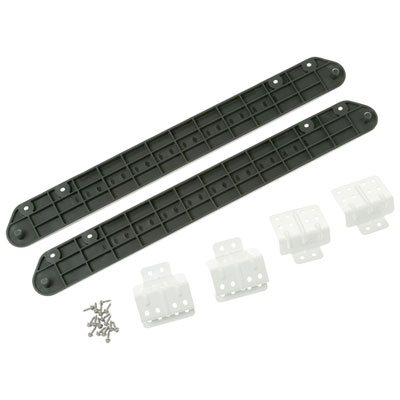 Your price for this item is $99.99
 -
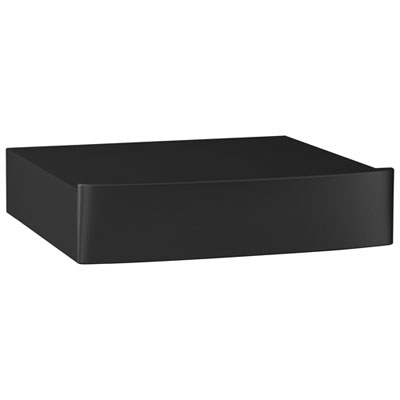 Your price for this item is $349.99
 -
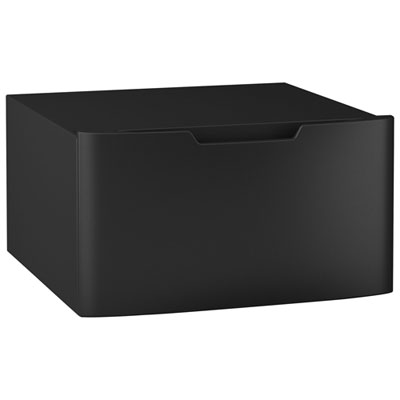 Your price for this item is $449.99
 -
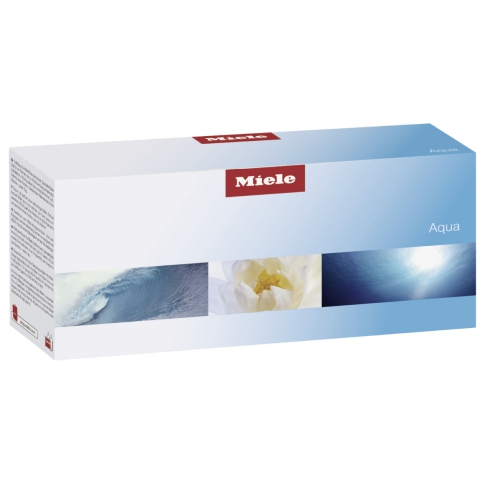 Your price for this item is $59.99
 -
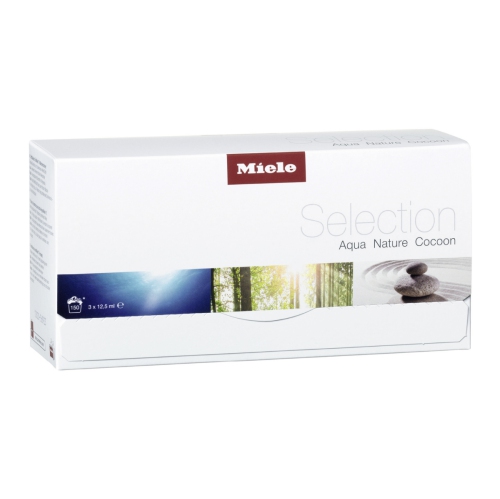 Your price for this item is $59.99
 -
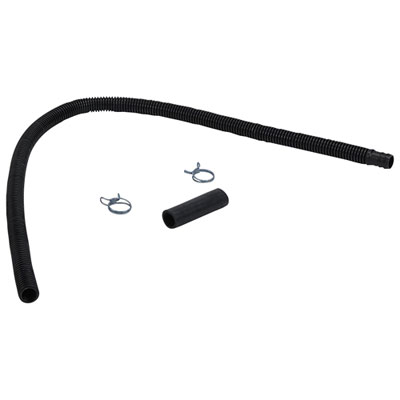 Your price for this item is $39.99
Discover more categories related to Drain Hose
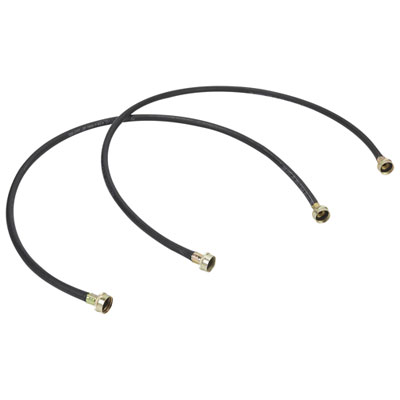
Top Collections:
Pokemon Centers, Kindle Devices, Best Budget Office Chairs, Apple iPhones 16, Best Laptops for Writers, iPhone 15 Apple, Canon G7X Cameras, Refurbished Apple Laptops, Alarm Clock, Motorola Razr Phones
Some products may be subject to Environmental Handling Fees
(EHF) depending on your province.
Learn more about EHFs.