Dorm Fans
Dorm Fans are essential for keeping your space comfortable and cool, especially during warmer months or in rooms with limited ventilation. Whether you're looking to create a gentle breeze while studying or enhance air circulation for a better night's sleep, the right fan can make all the difference in your dorm room. Explore a wide selection of Dorm Fans designed to fit compact spaces and help you maintain a refreshing atmosphere throughout the school year. Find options that suit your style and needs, making it easy to stay relaxed and focused in your home away from home.
Sort
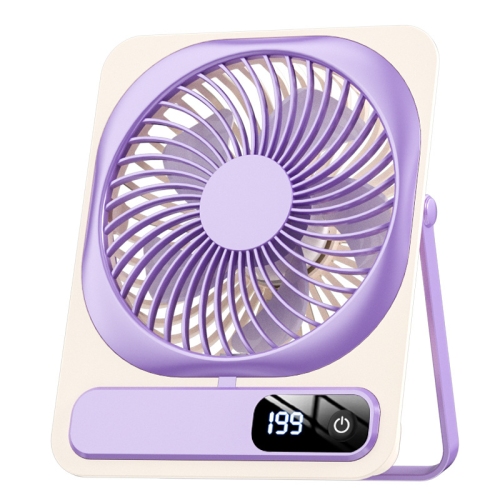
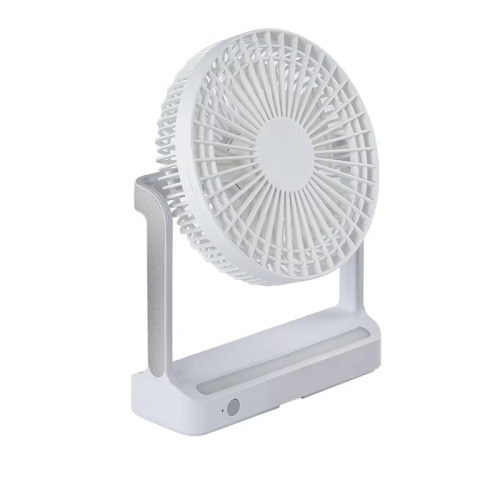
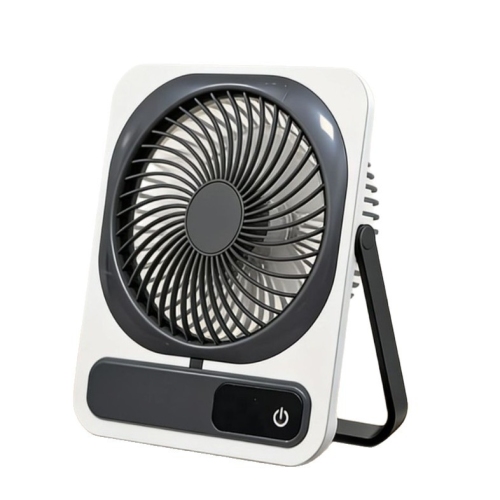
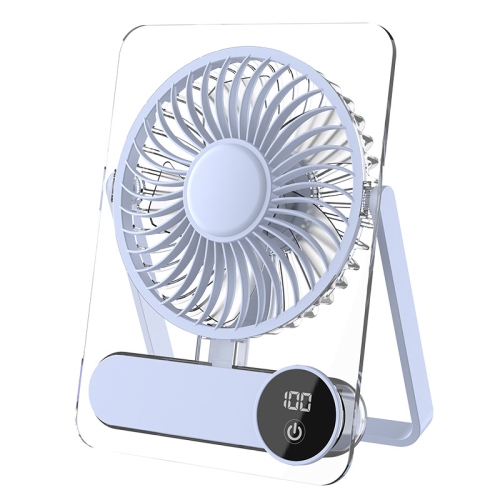
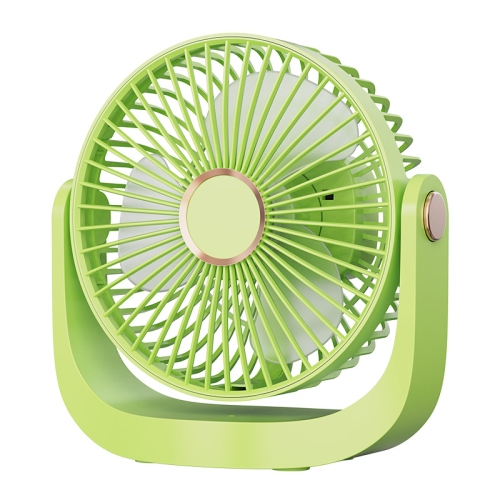
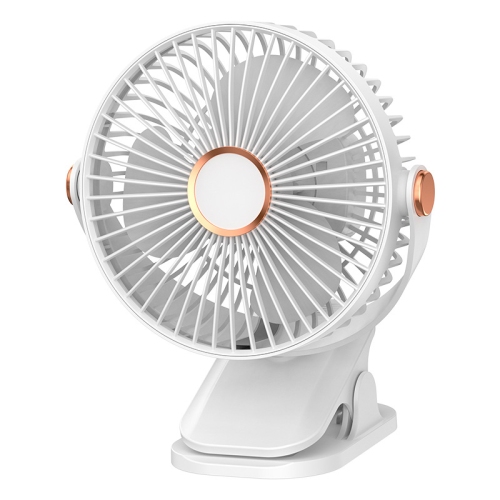
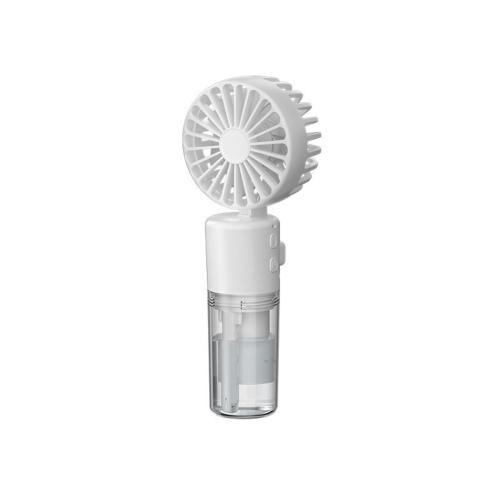
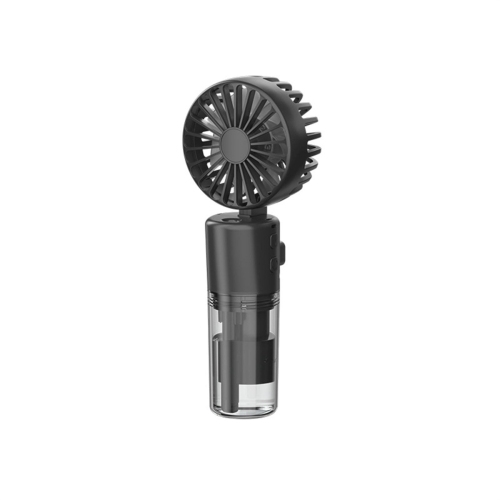
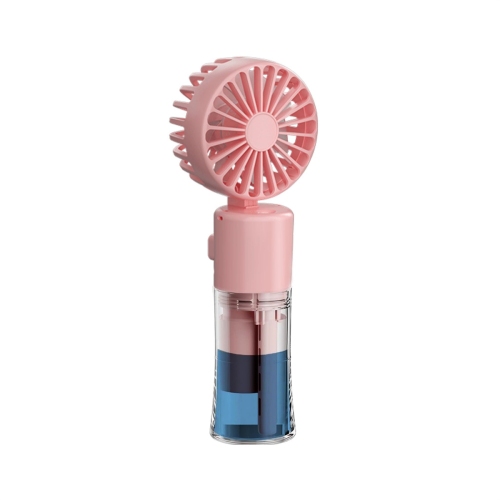
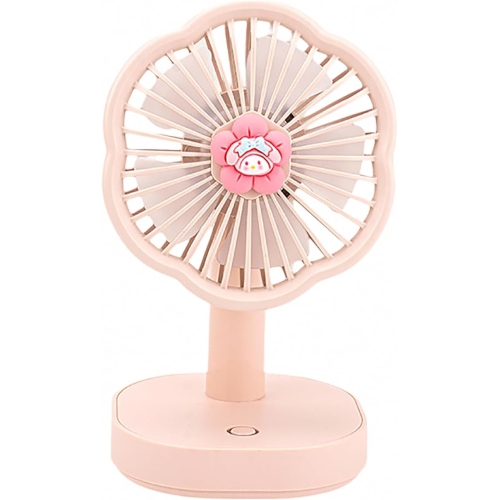


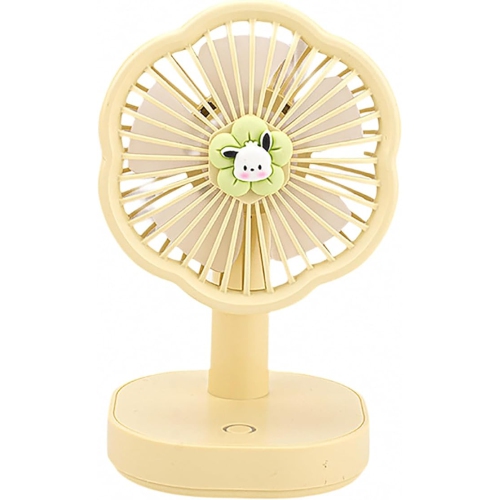
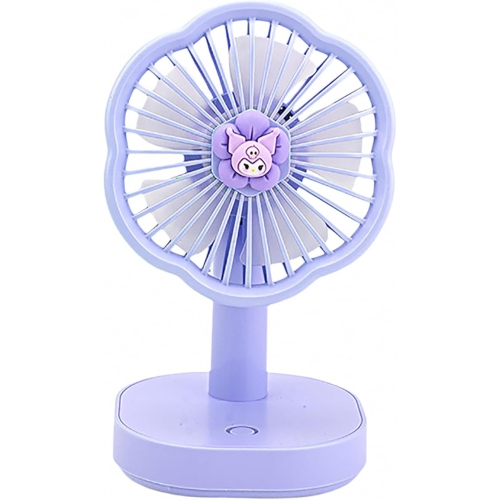
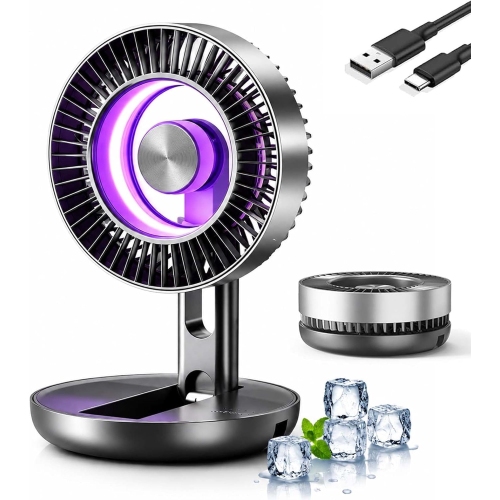
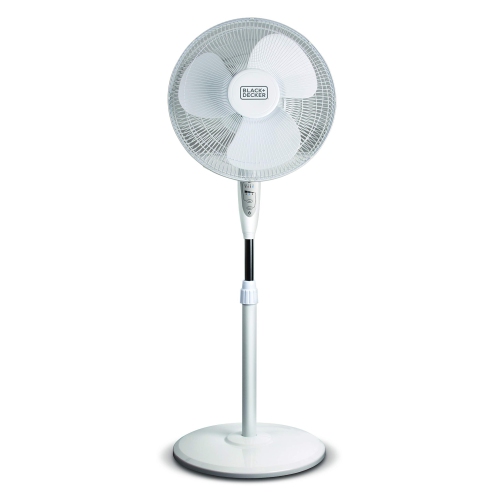
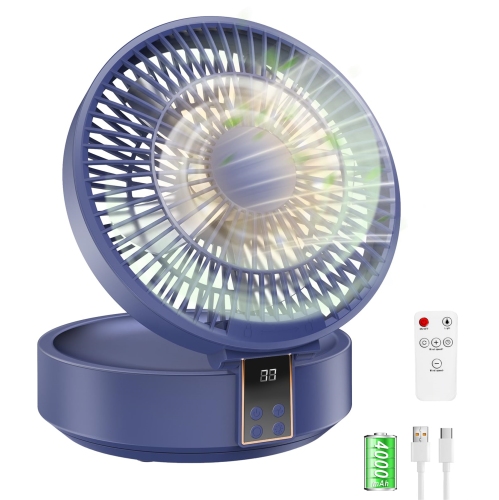
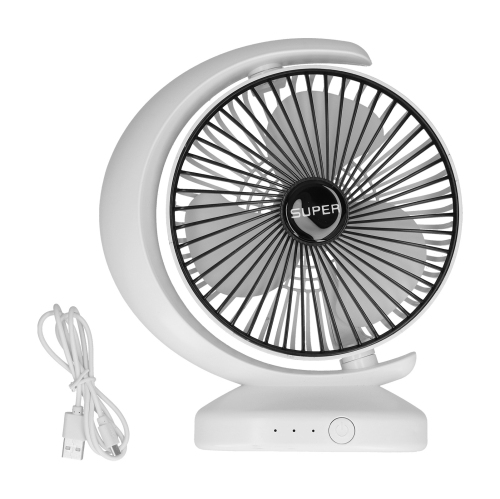
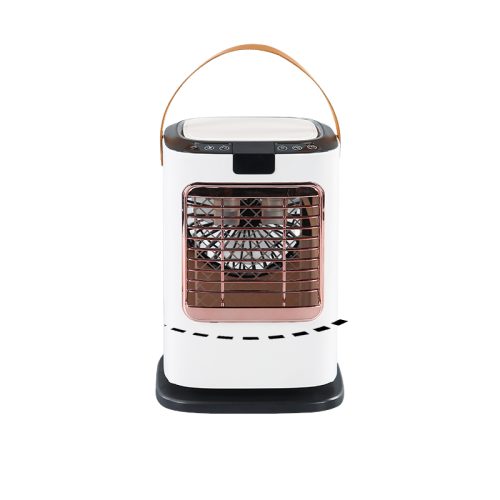
Personal cooling that leaves room for your roommate
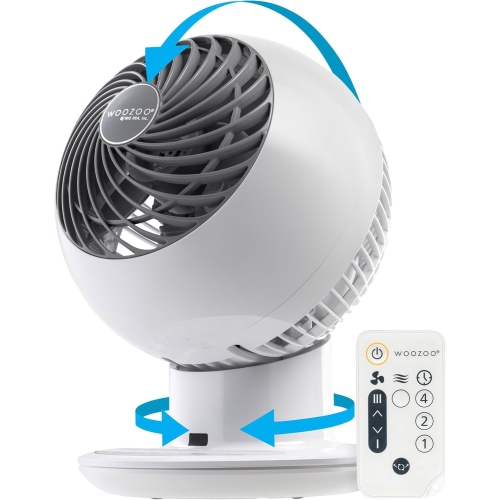
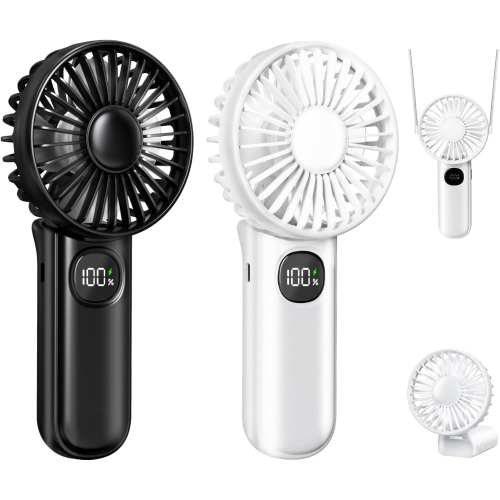
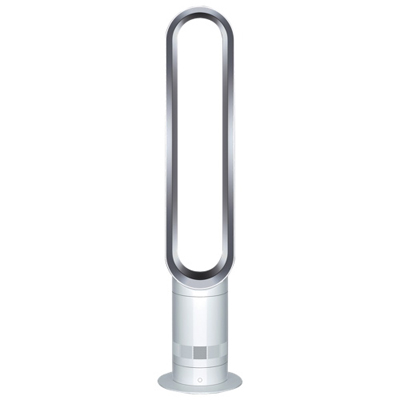
Dorm fans are compact appliances that provide personal cooling and air circulation in college and university residence rooms, where a bed, desk, wardrobe, and storage bins often share a limited footprint. Common formats include personal desk fans, compact air circulators, clip-on fans, and slim tower fans, each suited to a different placement and pattern of use. A desk fan directs airflow towards a student reading, working on a laptop, or getting ready for class, while a compact air circulator can move air across a larger part of the room when positioned with enough clearance. A tower fan uses vertical space rather than spreading across a desktop, making it a practical option beside a dresser or in an open corner away from walkways. Clip-on designs attach to compatible surfaces and leave more room for notebooks and charging cables, although the clamp opening, grip, and permitted mounting position matter. In a shared room, the best fit depends as much on where the airflow goes as on the fan’s overall size. A narrow, adjustable stream can serve one desk without blowing loose pages across a roommate’s work surface, while oscillation can distribute airflow across a wider seating or sleeping area. Materials also influence everyday handling: lightweight plastic housings are easier to move between suitable locations, while metal grilles and reinforced components can provide a more substantial feel. Neither material alone determines durability; a stable base, secure controls, well-fitted parts, and a grille that stays firmly in place are equally relevant. Dimensions deserve attention beyond the measurements of the fan itself. An oscillating head needs room to turn, a tilting head needs clearance above and behind it, and a floor-standing model needs a level spot that does not interfere with drawers or the route to the door. A compact design is most useful when it fits naturally into the room rather than requiring furniture to be rearranged every time it is switched on.
Daily routines help distinguish useful dorm fan features from extras that may see little use. Multiple speed settings allow airflow to suit different activities, from a gentle breeze during reading to a stronger setting after a workout. Adjustable tilt makes it easier to direct air towards a chair or bed without balancing the fan on books or other unstable objects. Oscillation spreads airflow from side to side, but a fixed position may be preferable when only one person wants the fan running. Sound is another important consideration in a room that serves as both a study space and a bedroom. A steady hum may be unobtrusive during independent work, while clicking controls, rattling parts, or a more noticeable motor sound can be distracting during a video call or when a roommate is asleep. Descriptions such as quiet operation are most helpful alongside measured sound information, where provided, since perceived noise changes with speed, distance, and placement. A firm, level surface can also help limit vibration. Timers offer a way to set a defined running period, and a remote control can make adjustments easier from a bed without reaching across a crowded desk. For sleeping areas, the brightness of indicator lights and whether a display can be dimmed may matter as much as the number of settings. Power arrangements deserve the same practical attention. Cord length affects safe placement, and the cord should not cross a doorway, disappear beneath a rug, or become pinched behind furniture. USB-powered designs need a compatible power source with the required output; a connector that fits does not necessarily mean every port is suitable. Rechargeable fans can provide flexibility where permitted, with running time varying by speed and battery capacity. In a shared residence, easy-to-reach controls and predictable operation often prove more valuable than a long list of modes that are difficult to distinguish.
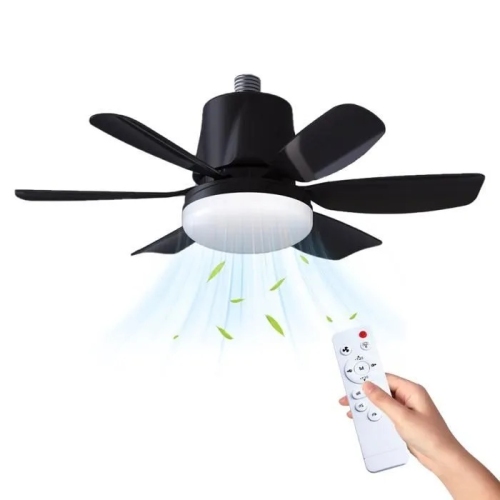
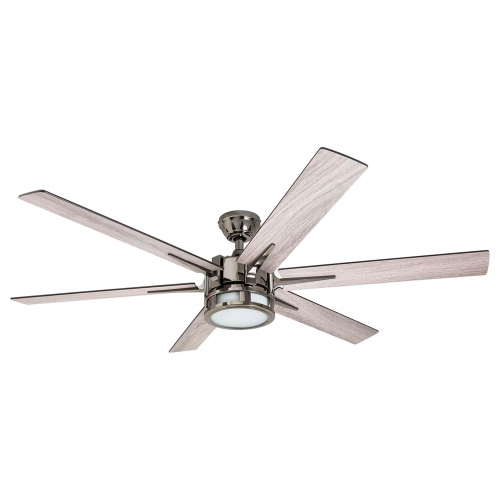
Care and construction become especially noticeable after a fan has spent time beside a busy desk or near a bed. Dust and lint can collect on grilles and blades, so access for cleaning is a useful consideration, particularly in a room with bedding, clothing, and frequently used fabric storage. A removable grille may simplify maintenance when the design allows it, but cleaning should follow the manufacturer’s directions rather than relying on improvised disassembly. The fan should be switched off and disconnected from power before cleaning, with moisture kept away from the motor, controls, charging port, and electrical connections. A soft cloth or brush may be appropriate for accessible surfaces, depending on the care instructions, and all removable parts must be properly secured before use. Protective grilles help separate fingers and nearby objects from moving blades, but loose clothing, hair, curtain edges, and charging cables still need to remain clear. Bladeless designs also require attention to their air inlets and outlets; an enclosed airflow system does not eliminate the need for cleaning or safe placement. For students who move between residence and home, a manageable weight, an integrated carrying handle, and a shape that packs securely can make transport less awkward. Cords and accessories are easier to keep together when stored without tight bends or pressure on their connections. A fan can also be a thoughtful gift for someone preparing for college or university, especially when the choice reflects their desk space, sleeping preferences, and residence appliance rules rather than appearance alone. Neutral finishes can blend with shared furnishings, while a preferred colour can make a small personal space feel more individual. Where residence policies permit permanent fixtures, Dorm Room Ceiling Fans provide another approach to air circulation without taking up desk or floor space, though ceiling suitability, required clearances, approval, and proper installation are essential considerations. For most portable setups, the lasting value lies in a straightforward combination: suitable airflow, comfortable sound levels, stable placement, accessible controls, and care requirements that fit an ordinary student routine.
Top selling and popular products
-
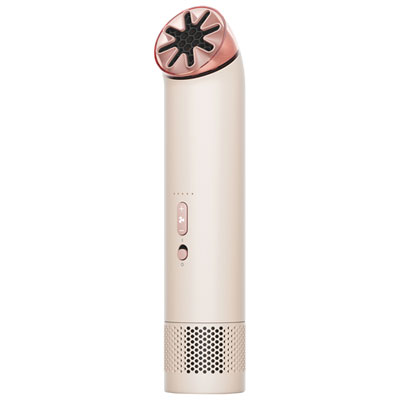 Your price for this item is $129.99
-
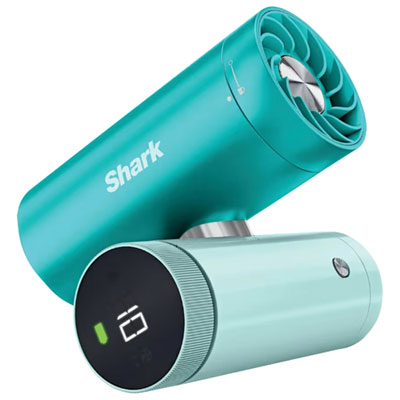 Your price for this item is $179.99
-
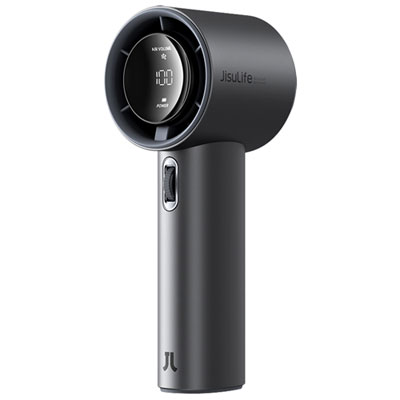 Your price for this item is $99.99
-
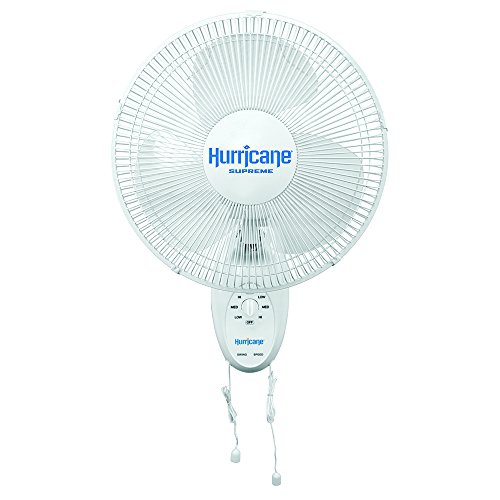 Your price for this item is $96.99
-
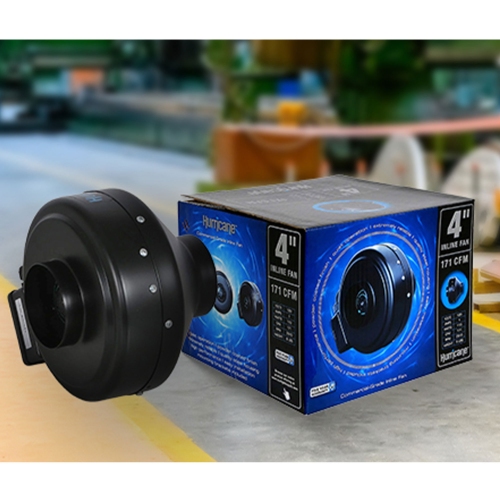 Your price for this item is $172.99
-
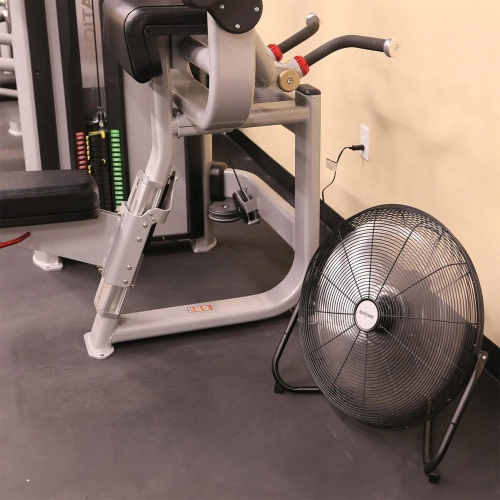 Your price for this item is $154.99
-
 Your price for this item is $134.99
-
 Your price for this item is $176.99
Discover more categories related to Dorm Fans

Top Collections:
Best Black Friday Deals This Year, Best Black Friday Deals On Electronics, Kindle Devices, Pokemon Centers, Best Black Friday Deals On Apple Products, Best Cameras for Sports Photography, Dyson Airwrap, Pokémon 30th Celebration Cards, Apple iPhone 17 Pro, Canon G7X Cameras
Some products may be subject to Environmental Handling Fees
(EHF) depending on your province.
Learn more about EHFs.