Dorm Room Freezers
Dorm Room Freezers are the perfect addition to any college living space, offering convenient storage for snacks, frozen meals, and beverages. Designed to fit easily into compact areas, these freezers help keep essentials close at hand while maximizing limited room. With a variety of sizes and styles available, finding the right option to suit your dorm setup is simple. Explore the selection of Dorm Room Freezers to keep your favorite foods fresh and ready whenever you need them.
Sort
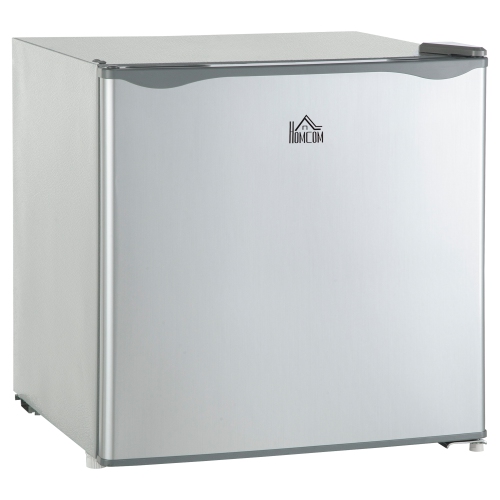
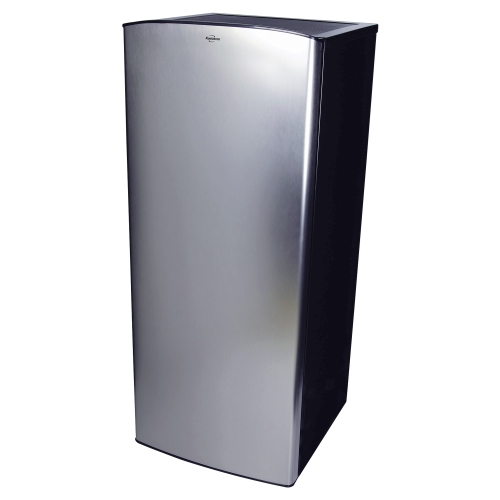
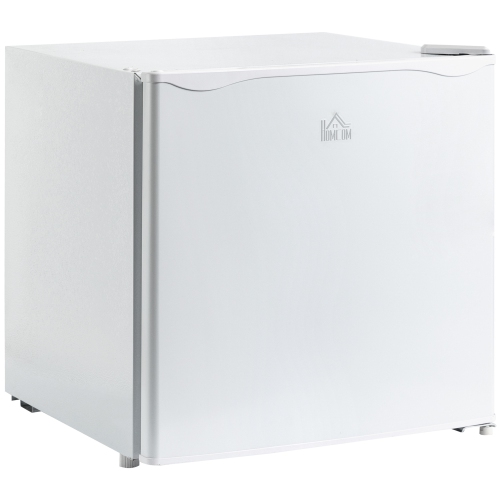
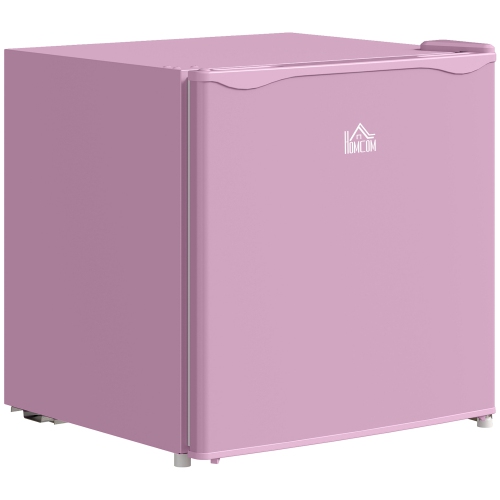
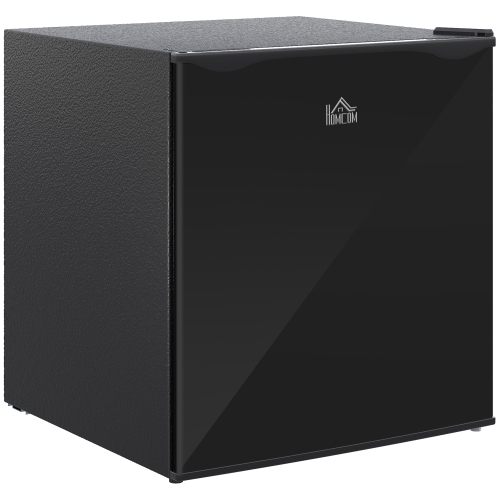
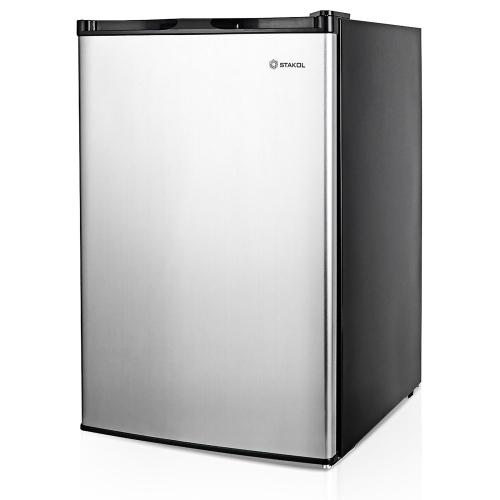
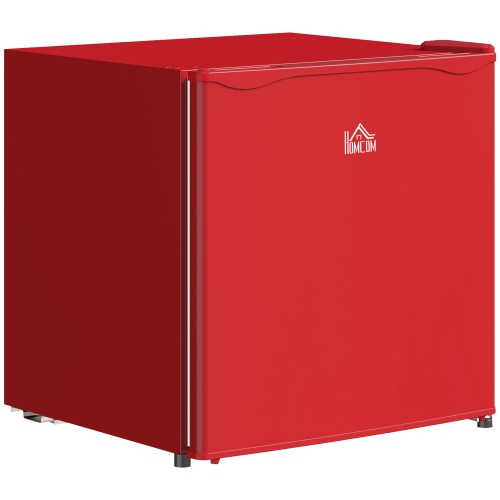
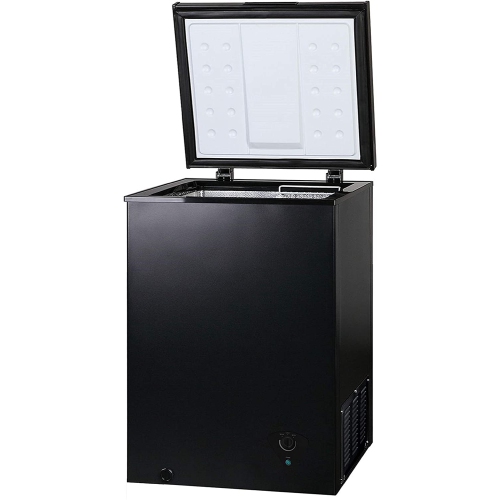
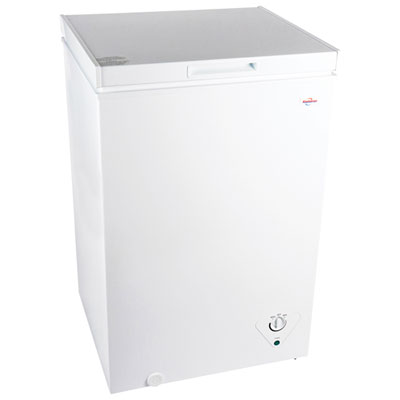
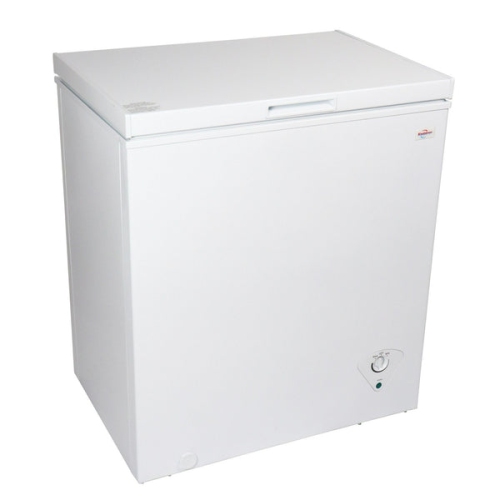
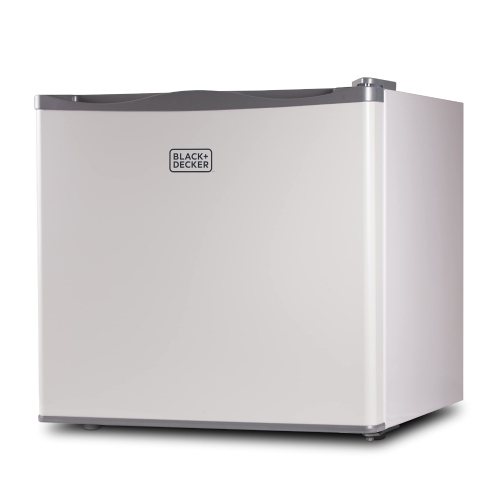
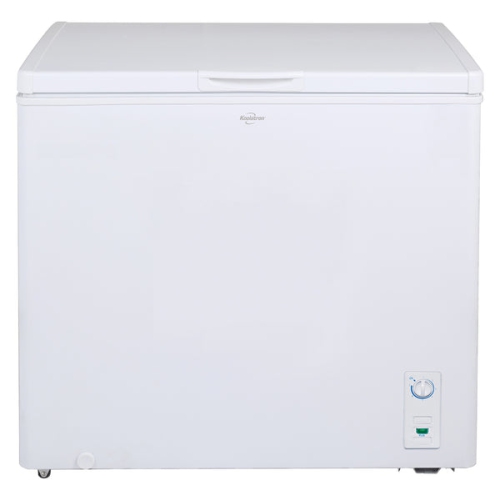
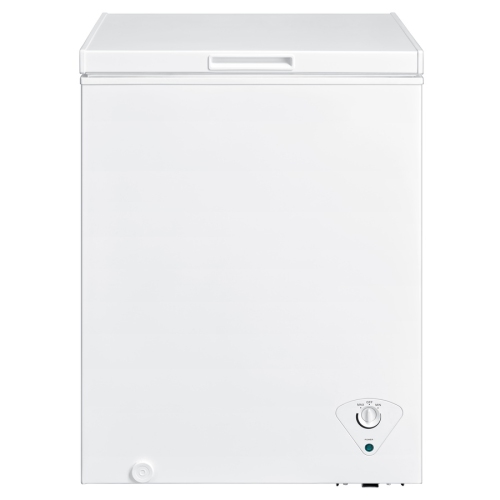
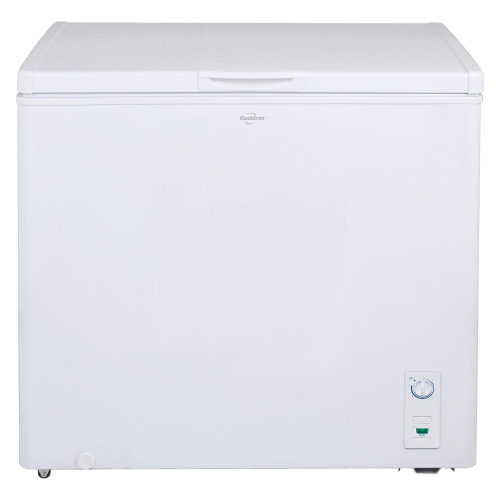
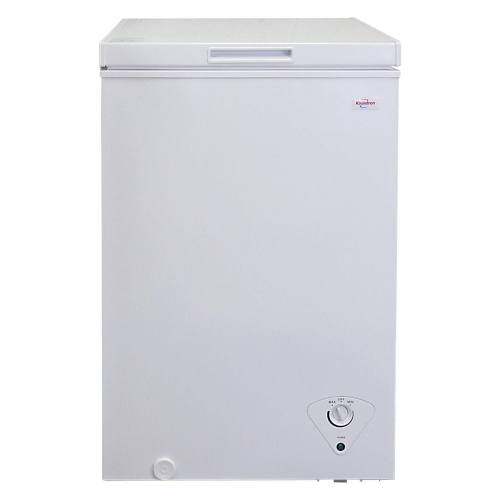
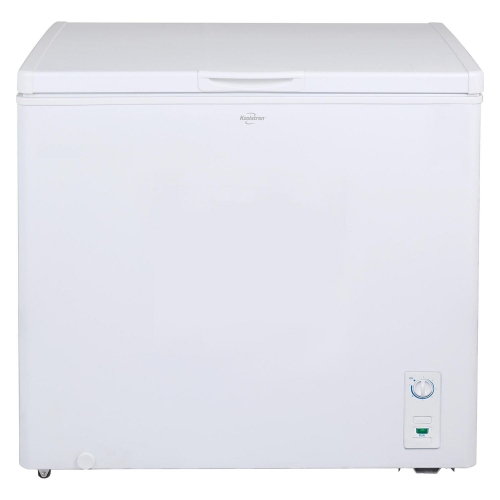
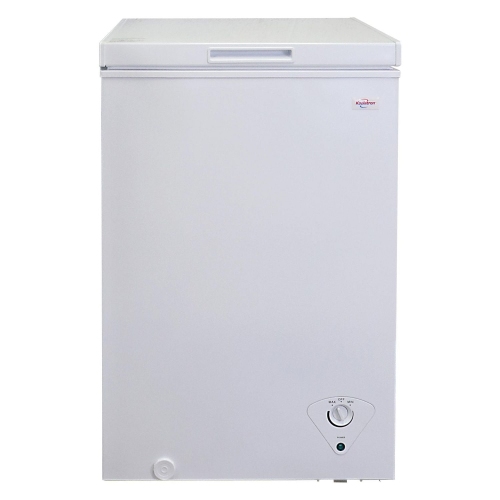
More room for frozen meals starts with residence rules
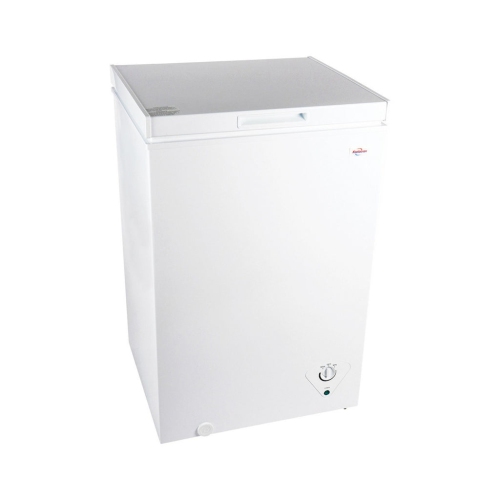
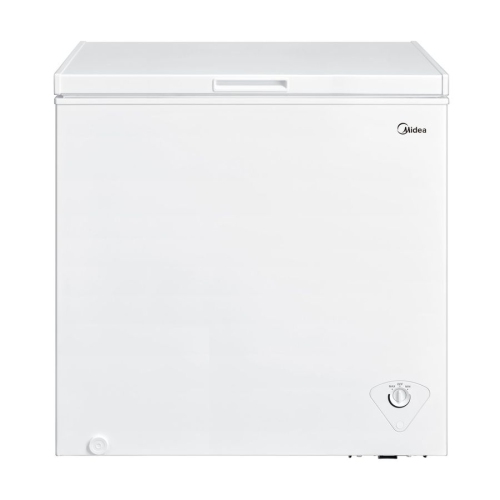
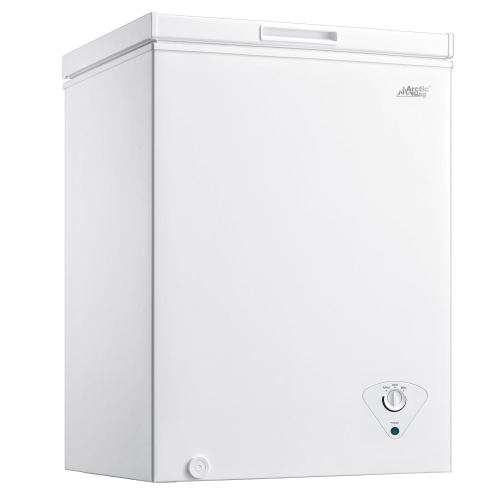
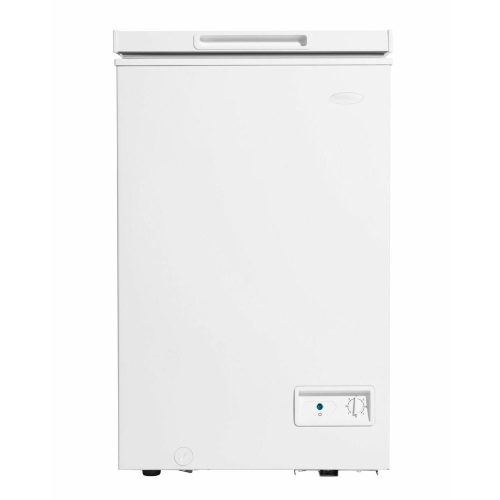
Dorm room freezers provide dedicated space for frozen meals, vegetables, fruit and other everyday staples when shared kitchen storage is limited. For students balancing classes, part-time work and meals away from home, a small freezer can make it easier to keep a few prepared portions on hand without crowding a communal appliance. Whether a stand-alone freezer belongs in a residence room, however, depends on the building’s rules. Some residences restrict or prohibit separate freezers, while others set limits on appliance dimensions, electrical requirements or the number of refrigeration appliances permitted per room. A compact refrigerator with a freezer compartment may be an alternative where residence policy permits it, but permission for a mini fridge does not automatically extend to a separate freezer. Written residence requirements are the starting point before choosing either type. For rooms where a combined appliance makes more sense, Dorm Room Fridges offer a related option for keeping chilled groceries and a smaller frozen-food supply together. The distinction between a true freezer compartment and a small ice-making compartment matters: a compartment intended mainly for ice cubes may not support long-term storage of frozen food. Food intended to remain frozen should be stored at -18°C or below, so the appliance’s stated capabilities are more useful than its appearance alone. A separate exterior freezer door can make frozen food easier to access without opening the refrigerator section, although door layout alone does not confirm storage performance. Dedicated dorm room freezers are most relevant to students whose accommodation allows them and whose food habits justify the additional space. Someone who regularly portions homemade meals may use that capacity differently from someone who eats mainly in a dining hall and only needs room for a tray of ice. In either case, the useful size is the one that fits both the room and the amount of food likely to be eaten, rather than simply the largest appliance that can fit through the doorway.
Physical fit involves more than the freezer’s width. Depth, height, door swing and the ventilation clearances specified by the manufacturer all affect whether a compact freezer can sit comfortably beside a desk or along an open wall. Measurements should account for baseboards, nearby furniture, door handles and the space needed to remove a drawer or pull out a basket. A freezer that fits into a narrow gap may still be unsuitable if airflow is blocked or its door cannot open far enough to reach the contents. Upright layouts generally make individual packages easier to see, while chest-style layouts need clear space above the lid and may require more reaching to retrieve food at the bottom. Neither layout should obstruct an exit or interfere with everyday movement around the room. Capacity figures are commonly expressed in litres or cubic feet, but the shape of the storage area can be just as important as the total volume. Shelves, baskets and internal compartments affect whether a flat meal container, a loaf of bread or a bag of frozen berries fits neatly. Removable storage pieces can make cleaning and organizing easier, provided the appliance is used as directed. Exterior finishes also play a practical role in a small shared space. Painted or coated metal surfaces and moulded interior liners generally need gentle cleaning rather than abrasive scrubbing, while textured finishes and smooth surfaces may show fingerprints differently. Door seals deserve attention because they need to stay clean and make consistent contact around the opening. In a room used for sleeping and studying, operating sound is another consideration: compressors can cycle on and off, and vibration may be more noticeable on an uneven floor. A level, stable position helps the door operate properly and can reduce avoidable rattling. The appliance also needs a suitable grounded wall outlet and an installation location that meets both its instructions and residence requirements; extension cords and power bars are not substitutes for the electrical connection specified by the manufacturer.
Everyday usefulness comes down to how easily the freezer supports a student’s routine. Individually packed portions of soup, cooked rice or pasta sauce take up space differently from bulky cartons and loosely filled bags. Food should be cooled and stored using safe food-handling practices, with freezer-safe containers that close securely and leave appropriate room for foods that expand as they freeze. Flat packages can be easier to stack, while clear labels with contents and dates help prevent a forgotten container from disappearing behind newer groceries. In a shared room, a simple division between roommates can keep meal portions separate without adding unnecessary containers. Keeping an appliance thermometer inside provides a clearer check on storage conditions than relying only on the control dial, especially when the freezer has been moved or its setting has changed. Maintenance needs vary by design. Manual-defrost freezers require occasional defrosting according to the manufacturer’s instructions, with food protected during the process and meltwater managed carefully. Ice buildup should never be chipped away with a knife or another sharp tool, which can damage the liner or refrigeration components. Frost-free operation reduces the need for manual defrosting, but it does not remove the need to clean spills, inspect seals and keep ventilation openings clear. Gentle cleaning and prompt attention to sticky residue help preserve the interior and prevent odours from lingering. Durability also depends on everyday handling: supporting the appliance properly during a move, protecting the power cord and following instructions before restarting it can matter as much as the exterior finish. For a parent or relative considering a freezer as a gift for a student moving into residence, confirmed permission, room measurements and the recipient’s meal habits are more useful than a surprise delivery. A well-matched dorm room freezer should feel like practical personal food storage, with enough room for familiar meals and snacks while leaving the rest of the room comfortable for studying, resting and sharing.
Top selling and popular products
-
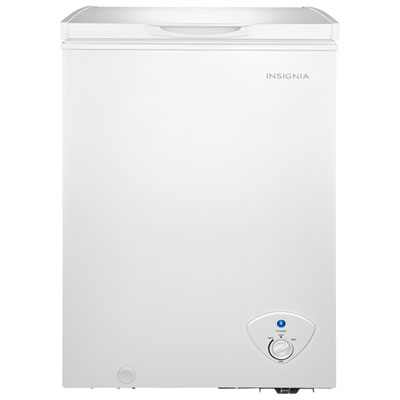 Your price for this item is $279.99
-
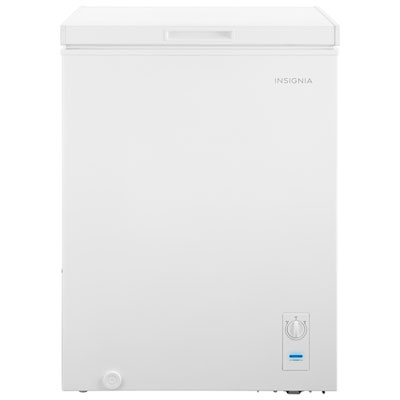 Your price for this item is $179.99
-
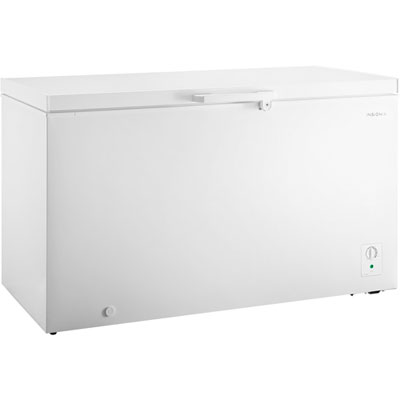 Your price for this item is $799.99
-
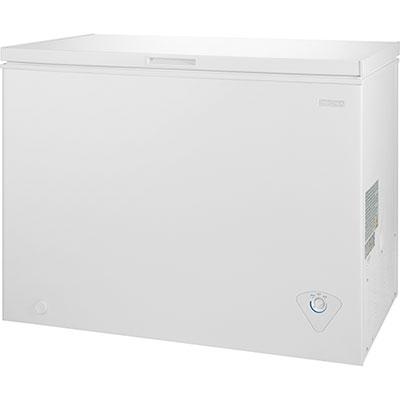 Your price for this item is $499.99
-
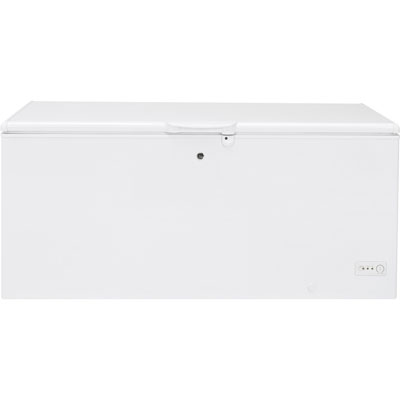 Your price for this item is $1199.99
-
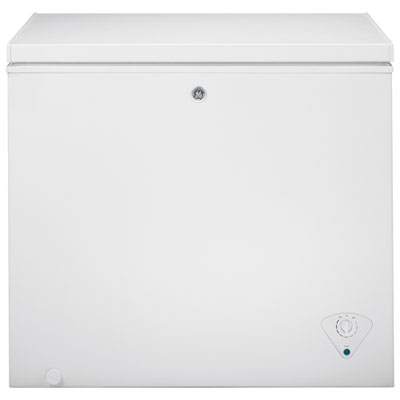 Your price for this item is $339.99
-
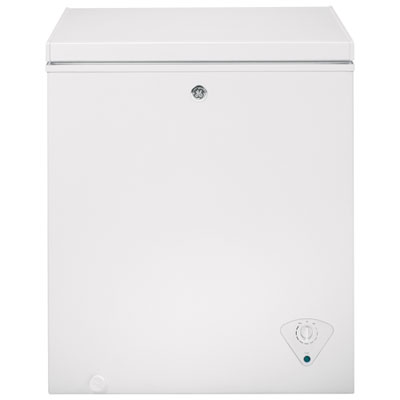 Your price for this item is $269.99
-
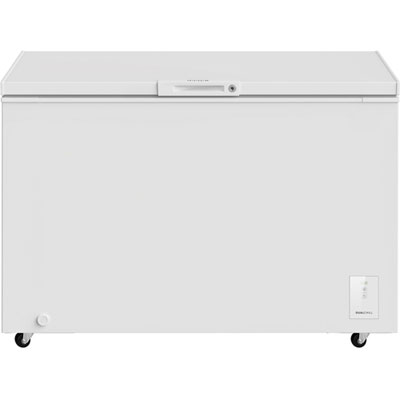 Your price for this item is $899.99
Discover more categories related to Dorm Room Freezers
Top Collections:
Best Black Friday Deals This Year, Best Black Friday Deals On Electronics, Kindle Devices, Pokemon Centers, Best Black Friday Deals On Apple Products, Best Cameras for Sports Photography, Dyson Airwrap, Pokémon 30th Celebration Cards, Apple iPhone 17 Pro, Canon G7X Cameras
Some products may be subject to Environmental Handling Fees
(EHF) depending on your province.
Learn more about EHFs.