Dreo Fans
Dreo Fans offer a refreshing solution for maintaining comfort in any room of your home or office. Designed to fit a variety of spaces and needs, Dreo Fans combine style with practicality, making them a popular choice for those seeking effective airflow. Explore a range of options to find the perfect Dreo Fan that complements your lifestyle and keeps you cool year-round.
Sort
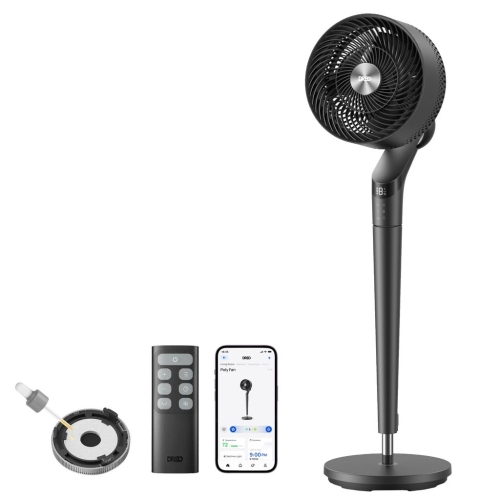
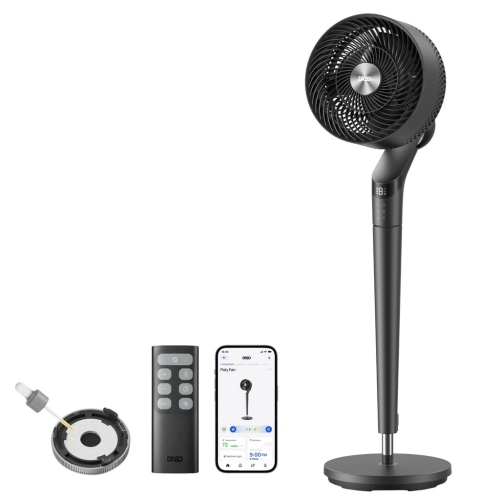
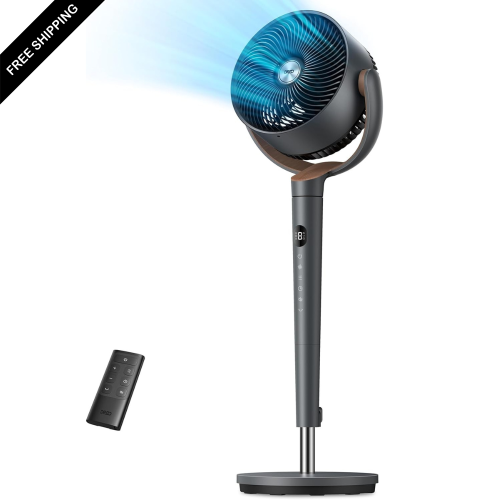
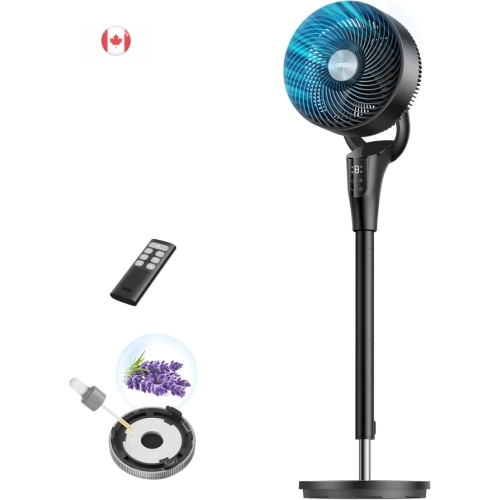
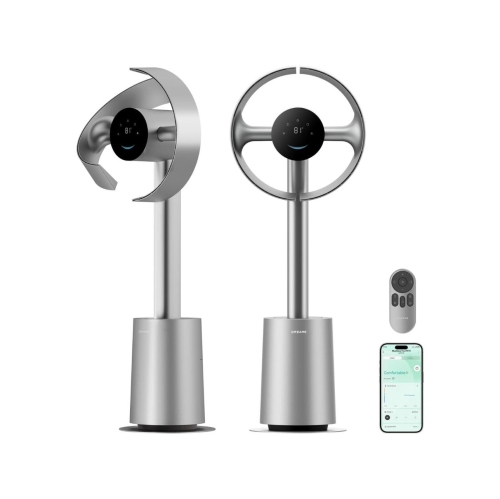
How fan design shapes airflow and everyday comfort
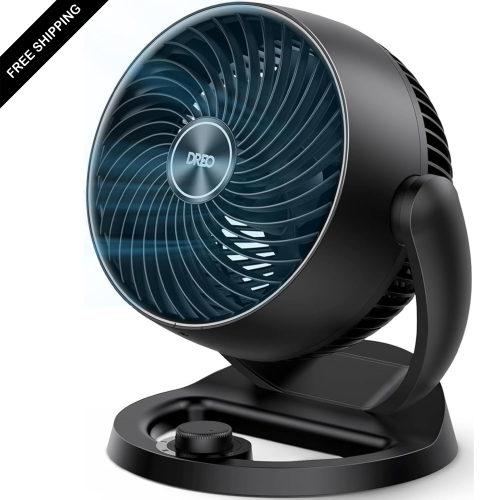
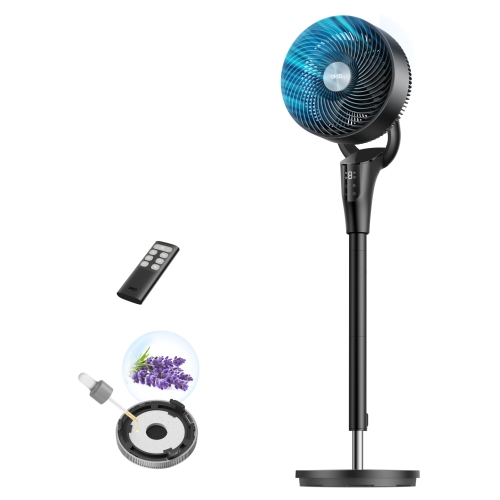
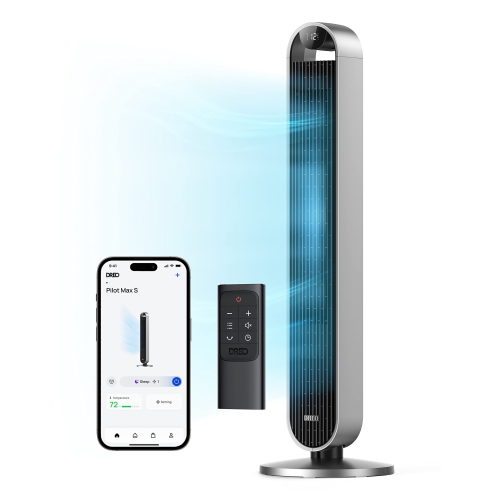
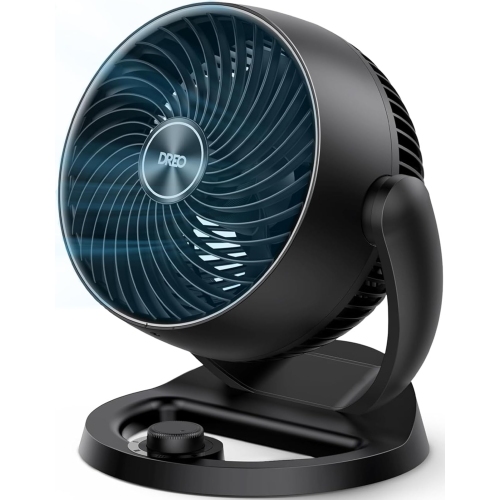
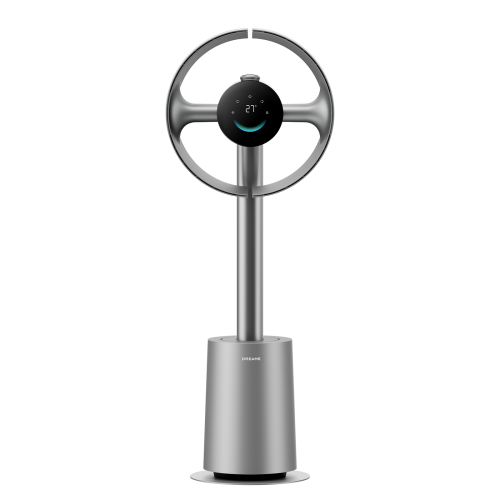
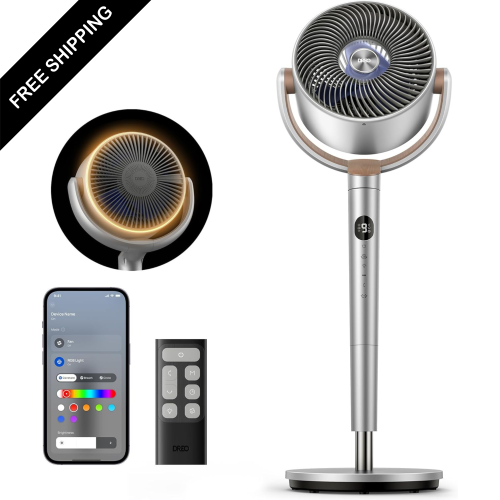
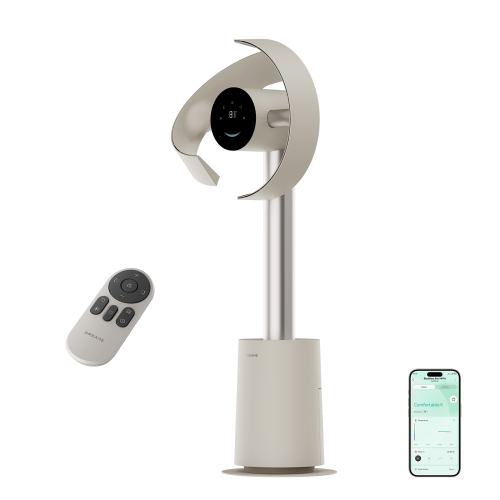
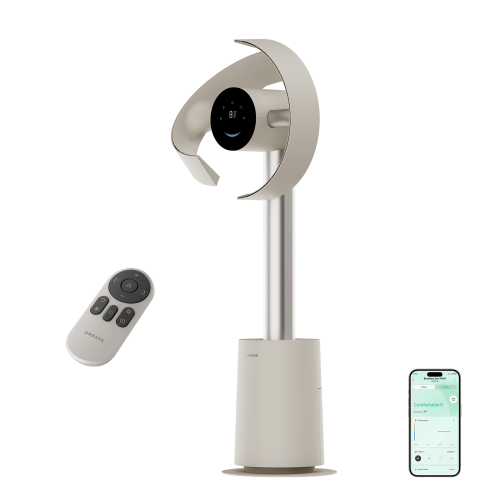
Fans provide directed airflow for personal comfort and everyday air circulation, whether the space is a home office, bedroom, living room, or shared study area. Tower fans, desk fans, pedestal fans, and compact air circulators serve different purposes, with their shape and range of movement influencing where they fit best. A tower fan has a tall, slender housing that can sit beside a sofa or dresser without taking up the surface space needed for a lamp, books, or charging accessories. The Dreo Towers collection focuses on this upright format, which is useful when a narrow footprint matters. Desk fans place airflow close to someone working, reading, or studying, while pedestal fans raise the fan head above floor level and may offer adjustable height or tilt, depending on the design. Air circulators generally concentrate airflow into a directed stream that can help move air beyond the immediate seating area, although reach varies by model and setting. Oscillation moves the airflow from side to side, making it useful around a dining table or across a seating arrangement rather than directing the breeze at one spot. A fixed position can be more comfortable for someone who wants consistent airflow while seated at a desk. Fit involves more than the height of the housing: the base, power cord, surrounding furniture, and clearance around the intake all affect placement. A slim body may still have a broad base, while a compact fan needs enough clear desk space to remain stable beside a monitor. In a smaller room, an unobstructed position often matters more than choosing the largest fan. For an open living area, airflow reach and the available oscillation range may be more relevant than a small footprint. The right format is the one that delivers useful air movement without blocking a walkway, crowding a work surface, or requiring an awkward cord route. Carry handles and manageable weight can also make a difference when a fan moves between rooms.
Airflow settings and sound characteristics shape how comfortably a fan fits into daily routines. A low setting may provide a gentle breeze during reading or a video call, while a stronger setting may suit someone exercising at home or wanting more noticeable air movement across a larger seating area. High-velocity airflow and quiet operation are not interchangeable features, and sound usually changes as fan speed increases. Motor noise, the movement of air through the grille, and vibration against the supporting surface can all contribute to what someone hears. For a bedroom or recording space, the sound at the intended operating speed matters more than a quietest-setting claim alone. A steady airflow sound may be unobtrusive to one person and distracting to another, particularly when the fan sits close to a bed or microphone. Several speed levels allow finer adjustments, while selectable modes may vary airflow automatically rather than holding it at one constant level. Features differ by model, so a sleep mode, timer, remote control, or dimmable display should be treated as a feature to confirm rather than an assumed part of every fan. A timer can stop operation after a chosen interval, and a remote can make adjustments easier from a sofa or bed. Display brightness also deserves attention in a dark room, especially if the controls face the pillow. Where smart controls are included, Wi-Fi connectivity may support app-based adjustments or compatible voice assistants, subject to the fan’s requirements and supported services. Network compatibility, account requirements, and access to physical controls affect how convenient those features will be in a particular household. For shared spaces, clearly marked buttons and straightforward adjustments can be just as useful as connected functions. A fan should also suit the intended task: ordinary circulation does not replace ventilation or air filtration, and a standard fan should not be treated as an air purifier unless it includes a separate, specified filtration function.
Materials, construction, and cleaning access influence how well a fan handles regular use. Fan housings commonly use moulded plastic, with metal appearing in grilles, supports, shafts, or other structural components, depending on the design. Plastic can keep a fan manageable to carry, while a securely assembled stand and stable base help prevent wobbling during operation. Finish matters in everyday placement, too: a smooth housing is generally easier to wipe than a surface with deep grooves, although intake openings and grilles still need attention. Dust can gather around those openings and on accessible blades, so cleaning arrangements are worth considering before a fan becomes part of a daily routine. Some designs have removable grilles or accessible covers; others require cleaning without opening the housing. Manufacturer directions determine which parts can be removed, washed, or wiped, and the fan should be disconnected from power before cleaning. Liquids should be kept away from the motor, controls, and electrical connections, and washable components must be fully dry before reassembly. A soft brush or vacuum attachment may help with accessible dust where the care instructions permit it. For durability, useful details include firm adjustment joints, a secure pedestal connection, an intact cord, and controls that remain easy to operate. A level supporting surface and an unobstructed intake help the fan function as intended, while placement away from curtains and loose papers reduces interference with airflow. Households with children or pets may place particular importance on stability, guarded moving parts, and a cord route that does not cross a walkway; no grille or control feature replaces appropriate supervision. Most household fans are intended for dry indoor spaces unless their specifications expressly state otherwise. For someone furnishing a first apartment, setting up a study corner, or refreshing a home office, a fan can also be a useful gift when its size and controls suit the recipient’s space. Thoughtful selection comes down to practical details: comfortable airflow at the usual sitting position, tolerable sound, convenient adjustments, and care requirements that fit everyday life.
Top selling and popular products
-
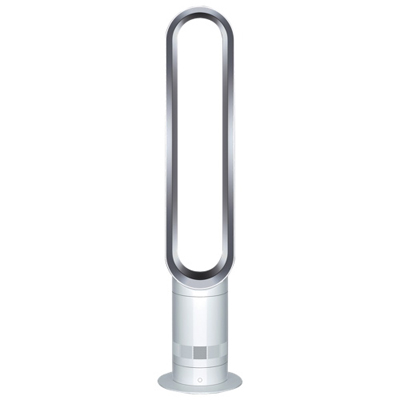 Your price for this item is $499.99
-
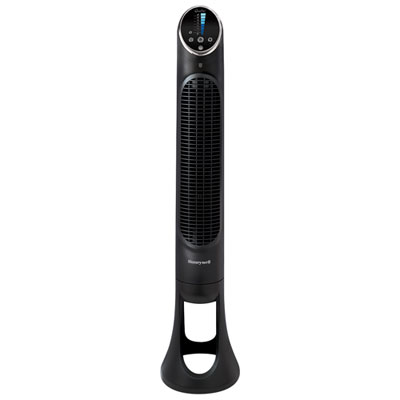 Your price for this item is $109.98
-
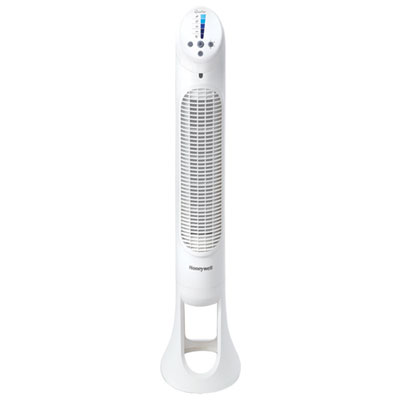 Your price for this item is $99.99
-
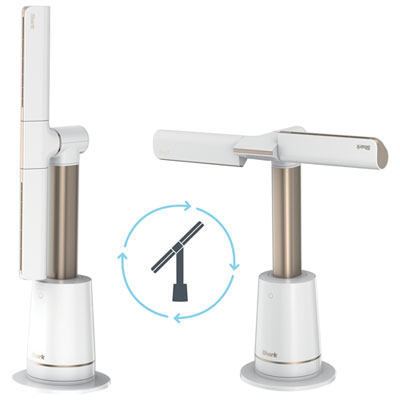 Your price for this item is $349.99
-
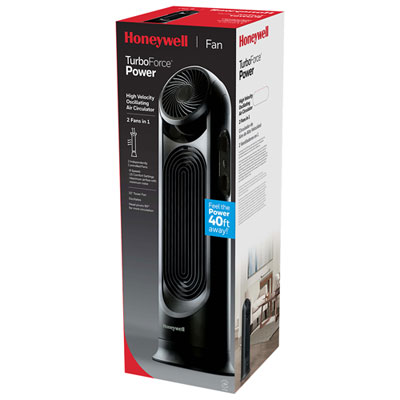 Your price for this item is $149.99
-
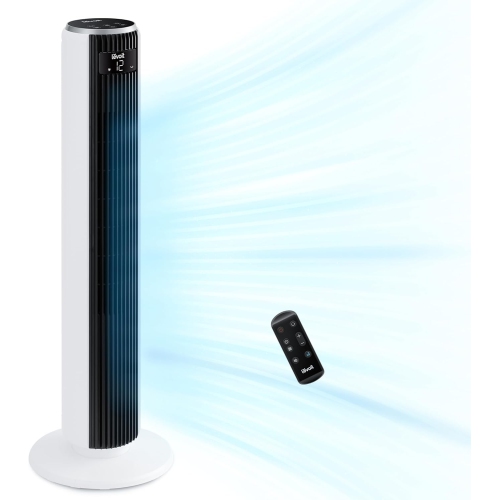 Your price for this item is $179
-
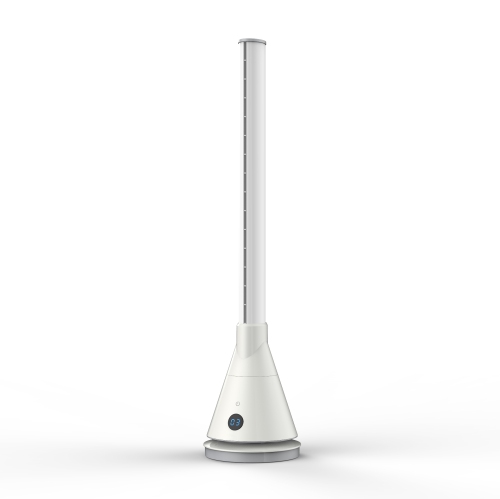 Your price for this item is $289.99
-
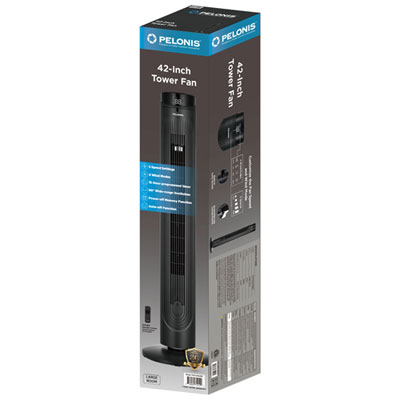 Your price for this item is $119.99
Discover more categories related to Dreo Fans
Top Collections:
Best Black Friday Deals This Year, Best Black Friday Deals On Electronics, Kindle Devices, Pokemon Centers, Best Black Friday Deals On Apple Products, Best Cameras for Sports Photography, Dyson Airwrap, Pokémon 30th Celebration Cards, Apple iPhone 17 Pro, Canon G7X Cameras
Some products may be subject to Environmental Handling Fees
(EHF) depending on your province.
Learn more about EHFs.