Dry Air Humidifiers
Dry Air Humidifier solutions help create a more comfortable indoor environment by adding essential moisture to the air. Whether you’re looking to improve air quality during colder months or maintain optimal humidity levels year-round, there are a variety of options designed to suit different room sizes and preferences. Explore Dry Air Humidifier choices that can enhance your home or office atmosphere, making it easier to breathe and enjoy daily activities.
Sort
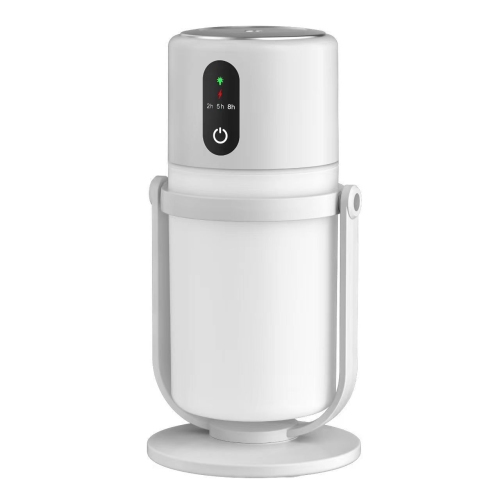
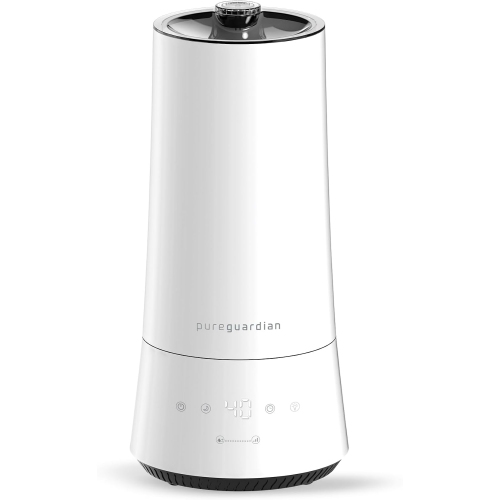
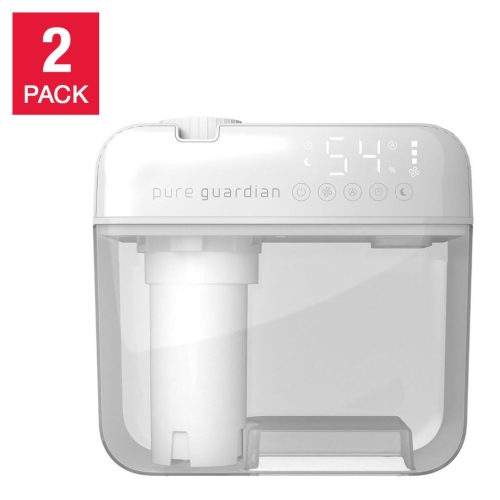
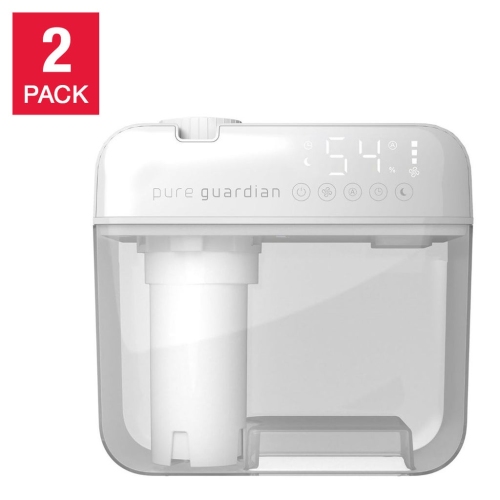
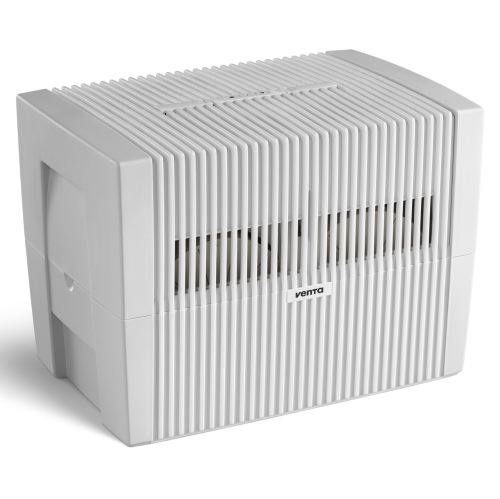
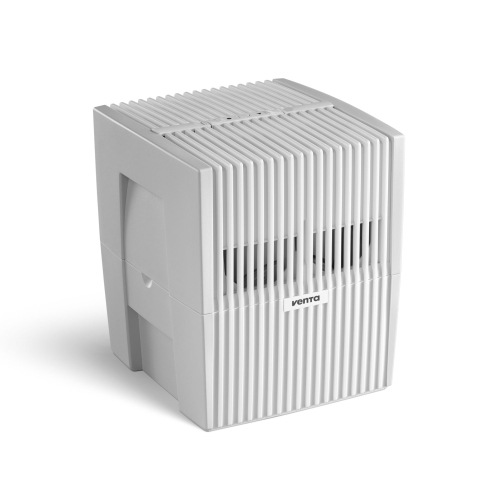

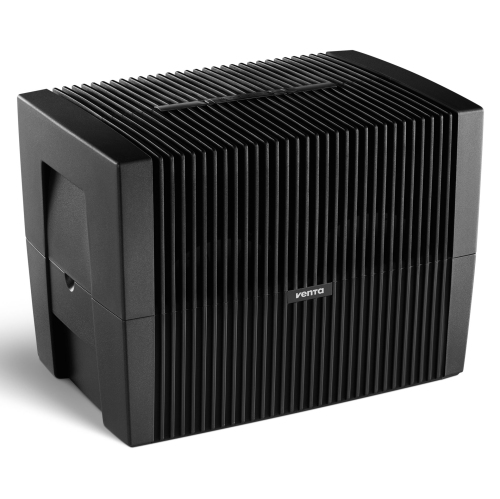
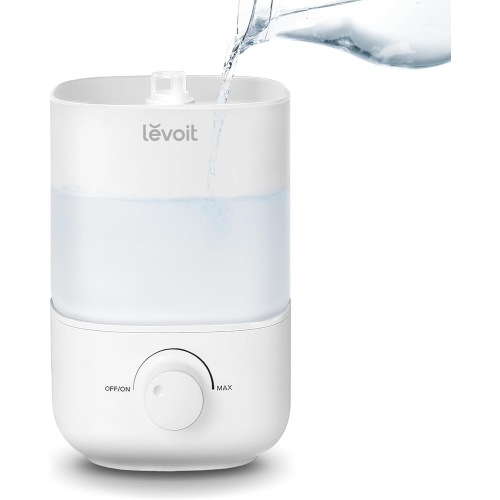
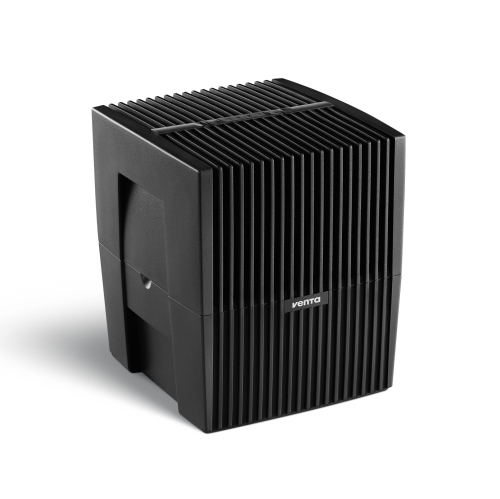
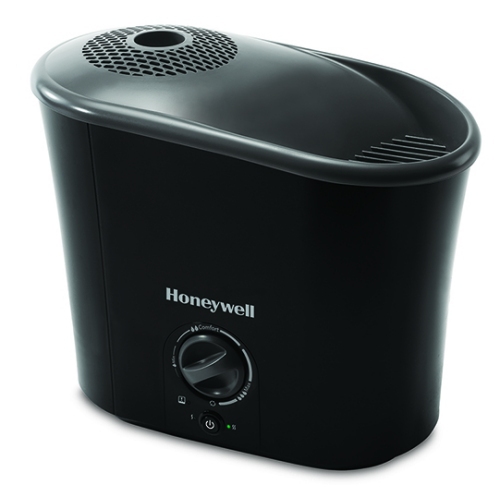
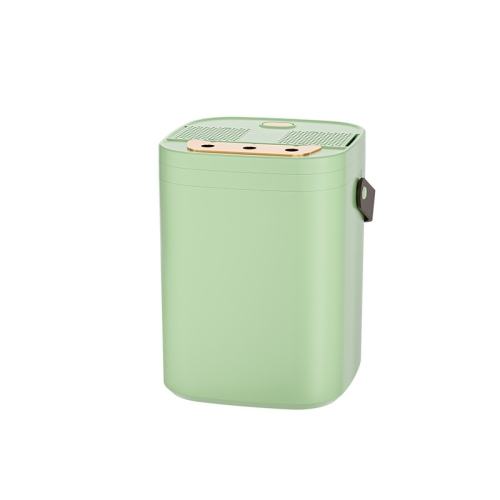
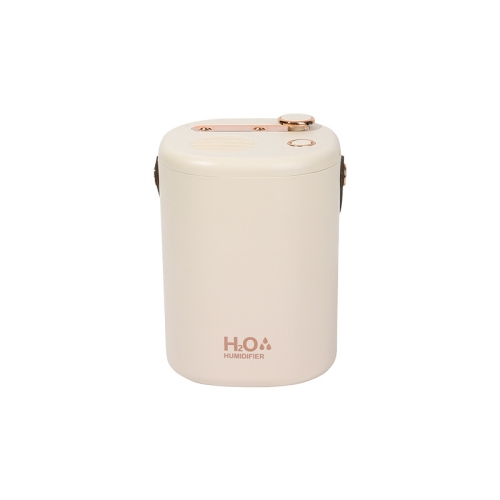
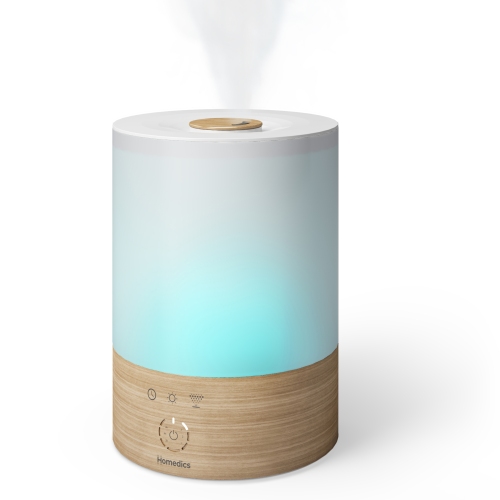
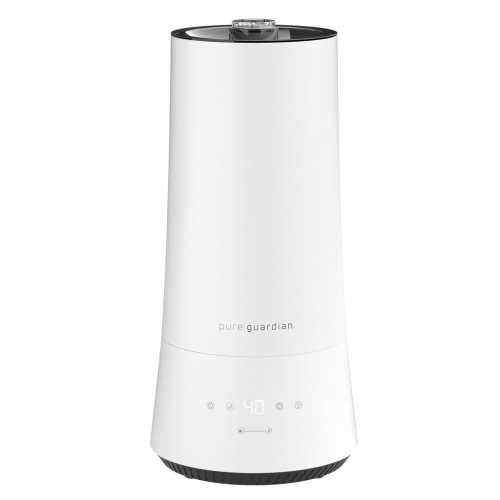
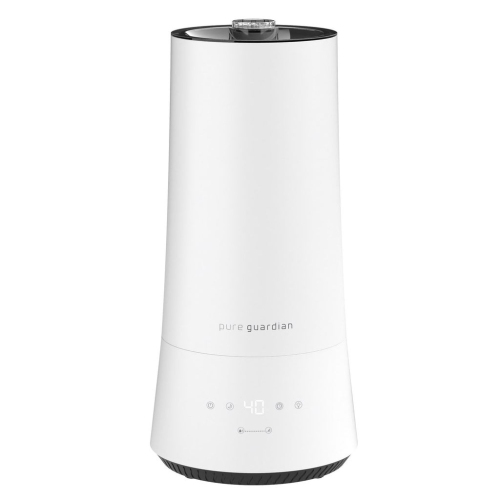
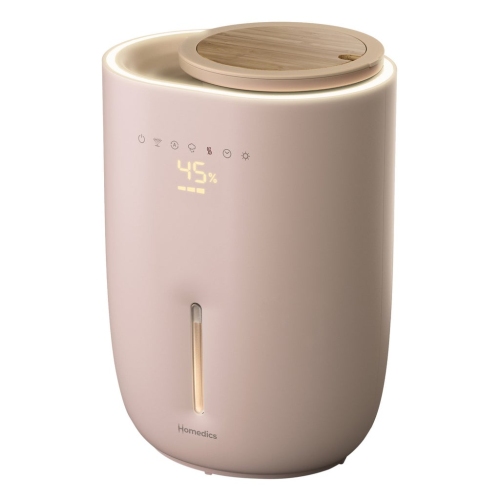
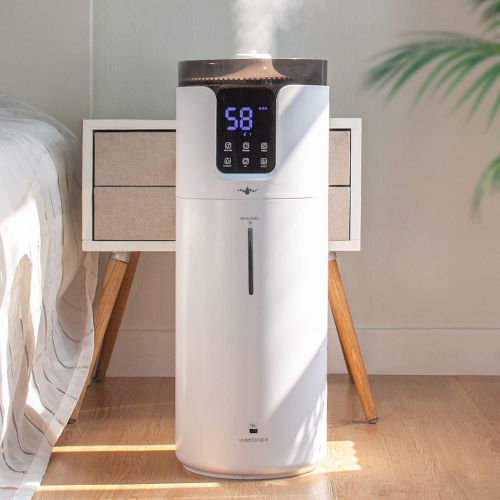
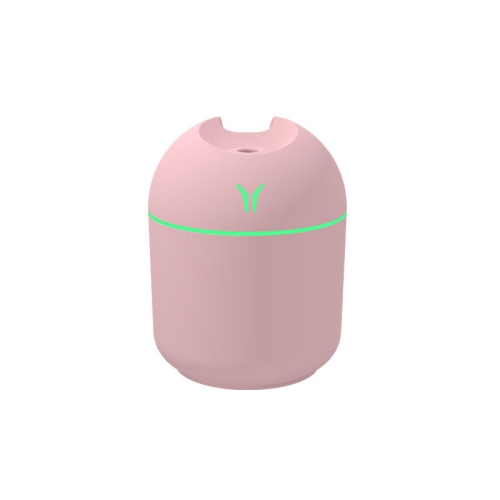
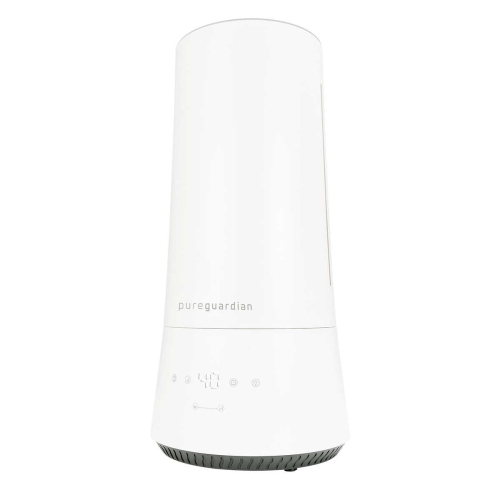
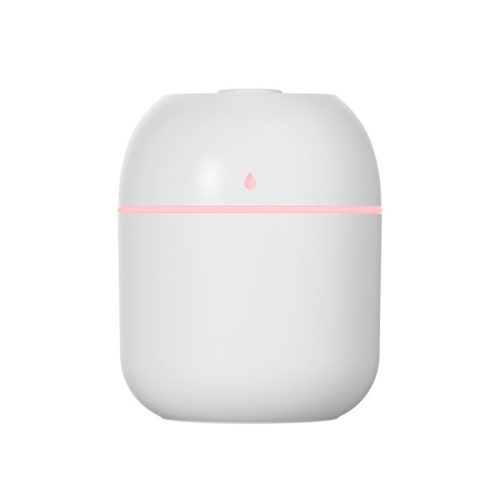
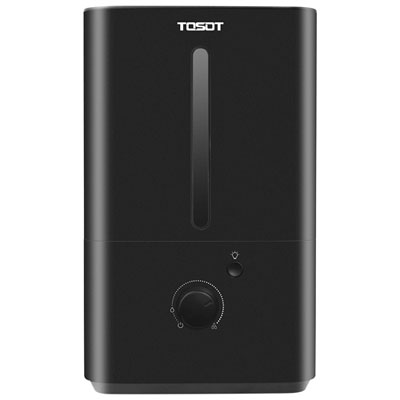
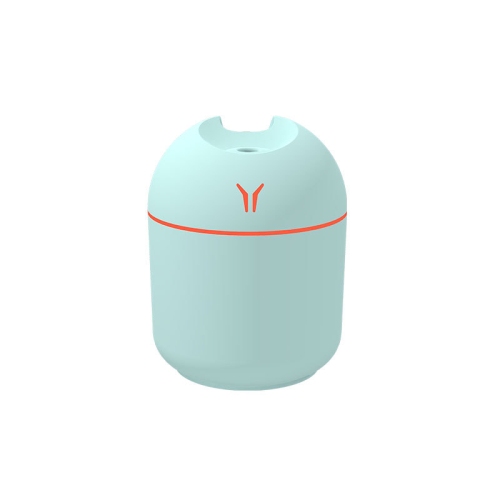
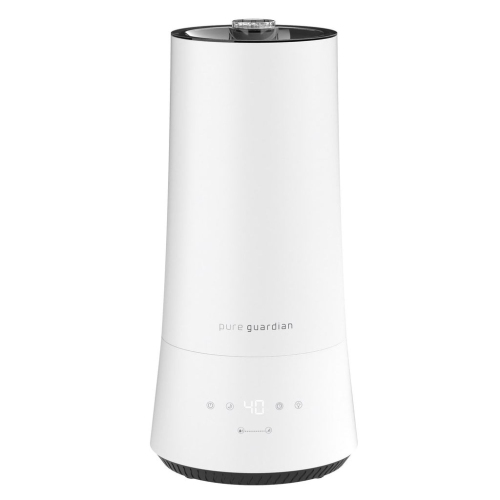
Comfortable humidity takes more than a large tank
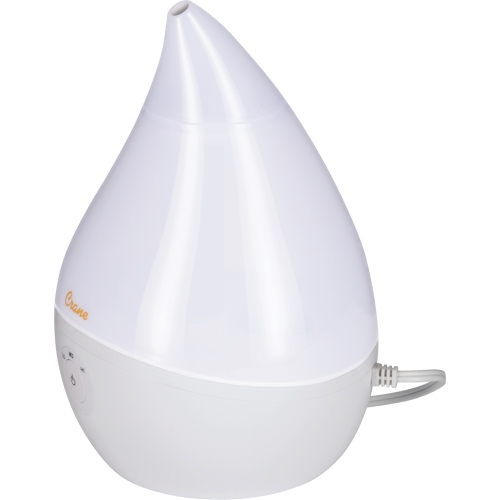
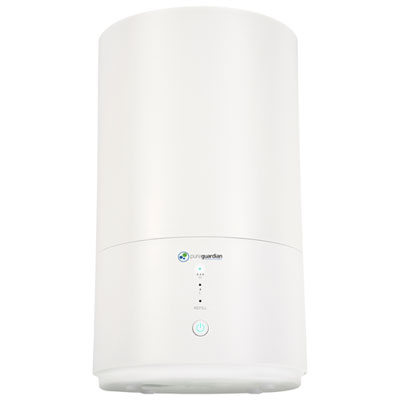
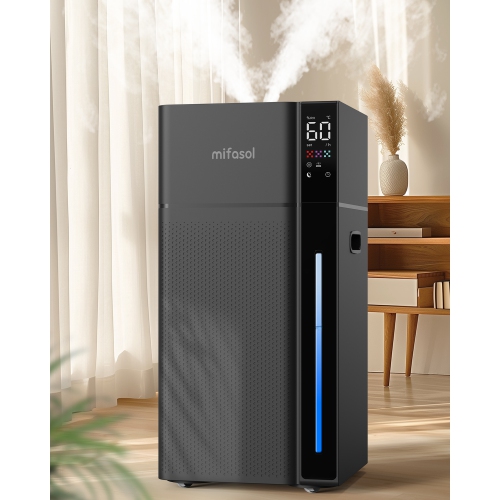
Humidifiers for dry air add moisture to indoor spaces, helping make rooms more comfortable when low humidity contributes to dry skin, chapped lips, or an uncomfortable feeling in the nose and throat. They can be useful in bedrooms, living rooms, home offices, and other regularly occupied spaces, particularly where indoor heating leaves the air feeling dry. Different humidifier types introduce moisture in different ways. Ultrasonic humidifiers use a vibrating component to create a fine mist and are often chosen for their quiet operation. Evaporative humidifiers draw air through a wet wick or filter, then release moisture with the help of a fan; their sound is usually more like a gentle airflow than a visible spray. Warm-mist humidifiers heat water to produce moisture, making hot water and steam important placement considerations. Cool-mist designs avoid that heating process, although every type still needs regular cleaning and careful handling. The most suitable capacity depends on the space rather than the size of the water tank alone. A small bedroom with a closed door has different needs from a living area connected to a hallway or an open staircase. Coverage ratings provide a starting point, but ceiling height, ventilation, and the room’s layout also affect how moisture spreads. Tank capacity mainly helps indicate how often refilling may be necessary, while moisture output describes how much water a humidifier can release over time. Advertised runtime also varies with the selected mist setting, so a unit operating at its lowest output may run much longer than it does on high. Across the broader selection of Water Humidifiers, these distinctions help explain why a compact bedside design and a larger room unit can serve quite different purposes. The aim is comfortable, controlled moisture in the space being used, not the strongest possible mist or the largest tank that fits on a shelf.
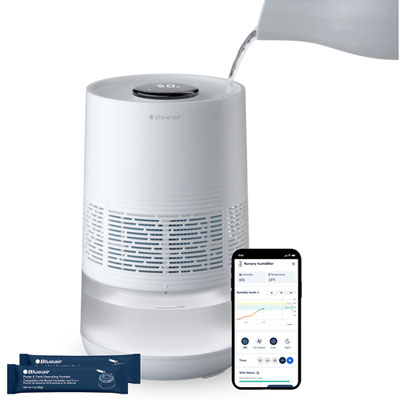
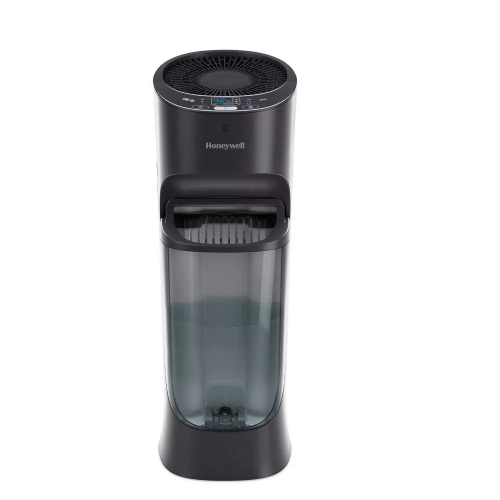
Everyday convenience often comes down to how a humidifier fits into the room and how easily it can be filled, carried, and cleaned. A top-fill opening can simplify adding water, while a removable tank may be easier to take to a sink. Both arrangements benefit from a wide opening that allows access to the inside surfaces rather than leaving narrow corners difficult to reach. A tank that feels light when empty can become awkward once filled, so handle placement, grip, and the distance between the sink and the humidifier deserve attention. Smooth, sturdy plastic surfaces, a stable base, and securely fitting components are practical details for something that will be handled frequently. Transparent sections or a clear water-level window make it easier to see when a refill is approaching. Removable nozzles, accessible mist outlets, and parts that separate without complicated tools can also make routine care less frustrating. Cleaning requirements matter just as much as appearance: standing water can support microbial growth, and mineral deposits can collect inside the tank or around working components. Emptying, drying, and refilling a portable humidifier daily helps keep the water fresh, while cleaning and descaling should follow the manufacturer’s directions. Cleaning agents should never be mixed, and any required rinsing needs to be completed before operation. Dishwasher use is appropriate only for components specifically identified as dishwasher-safe. Water choice can affect maintenance, too. Ultrasonic designs may release minerals from tap water as a fine white dust, particularly where the water has a high mineral content. Distilled or demineralized water can reduce this residue, subject to the unit’s instructions. Evaporative designs commonly collect minerals in a replaceable wick or filter, making replacement requirements part of ongoing care. A humidifier with accessible parts and a manageable cleaning routine is generally easier to keep in regular use than one whose tank shape or assembly makes maintenance a chore.
Controls and placement help determine how comfortably a humidifier works alongside daily activities. In a bedroom, low operating noise, dimmable indicators, and the option to turn off display lighting may matter more than a long list of settings. Light sleepers may notice an occasional gurgle or a fan changing speed even when a humidifier is described as quiet, so sound ratings do not tell the whole story. In a home office, adjustable output allows moisture levels to be kept comfortable without directing a plume toward a monitor, keyboard, or paperwork. A directional nozzle offers flexibility, but mist should still be aimed away from walls, curtains, upholstered furniture, and wood surfaces. Set the unit on a firm, level, water-resistant surface with the clearance specified by its manufacturer, rather than on carpet or a soft surface that could obstruct airflow. A built-in humidistat can adjust output around a chosen humidity level, while a separate hygrometer helps show conditions elsewhere in the room. Relative humidity of about 30% to 50% is a useful general range for many homes, but condensation on windows or persistent dampness indicates that output should be reduced; some homes need a lower setting to prevent moisture collecting on cold surfaces. More humidity is not always more comfortable, and excessive moisture can encourage mould and dust mites. Automatic shut-off when the tank is empty is a useful safeguard, though it does not replace correct placement or regular checks. For households with children or pets, keep cords and tanks out of reach, and remember that warm-mist designs contain hot water that can cause burns. Fragrance use also depends on the design: essential oils belong only in a designated compartment when the manufacturer permits them, never in a water tank unless explicitly allowed. A humidifier can make a thoughtful housewarming gift when its size, upkeep, and features suit the recipient’s routine. Whether intended for a bedside table or a shared living space, the most useful choice balances room coverage, comfortable controls, safe positioning, and care that fits naturally into everyday life.
Top selling and popular products
-
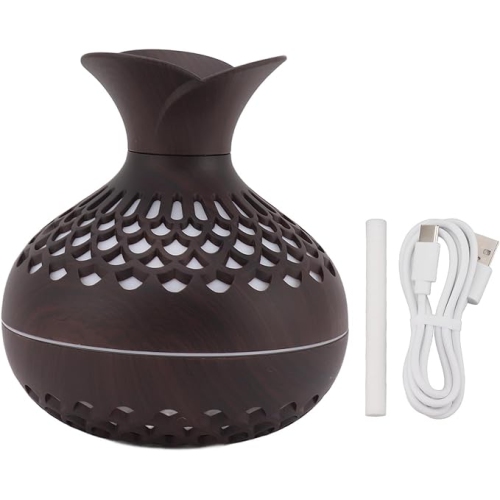 Your price for this item is $14.98
-
 Your price for this item is $89.97
-
 Your price for this item is $89.98
-
 Your price for this item is $159.99
-
 Your price for this item is $274.99
-
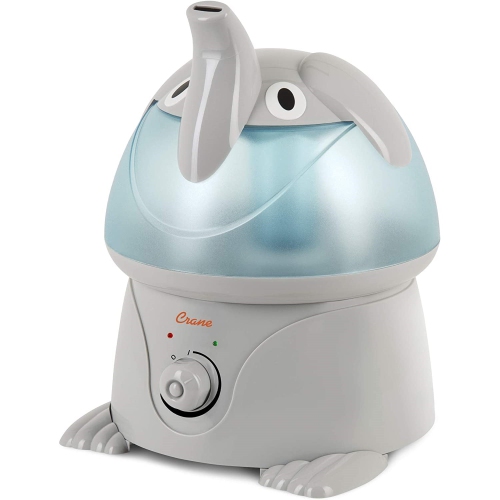 Your price for this item is $109.97
-
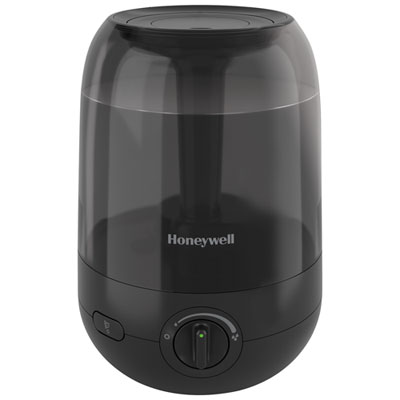 Your price for this item is $59.98
-
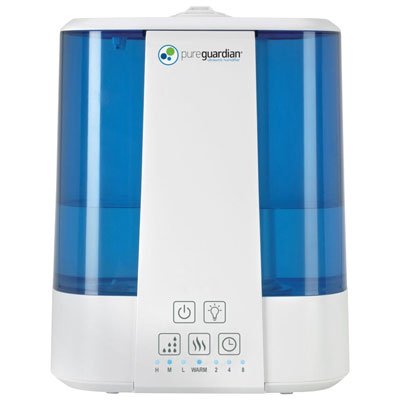 Your price for this item is $138.98
Discover more categories related to Dry Air Humidifiers
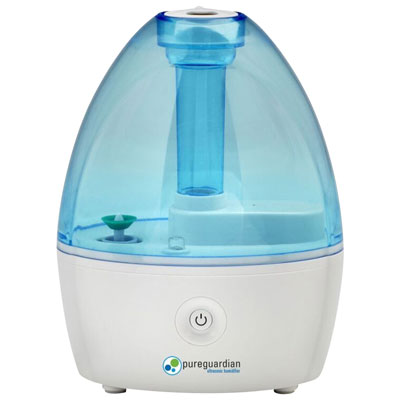
Top Collections:
Best Black Friday Deals This Year, Best Black Friday Deals On Electronics, Kindle Devices, Pokemon Centers, Best Black Friday Deals On Apple Products, Best Cameras for Sports Photography, Dyson Airwrap, Pokémon 30th Celebration Cards, Apple iPhone 17 Pro, Canon G7X Cameras
Some products may be subject to Environmental Handling Fees
(EHF) depending on your province.
Learn more about EHFs.