Simple Humidifiers
Looking to improve the air quality in your home or office? A simple humidifier can be just what you need to add moisture to the air, helping to alleviate dry skin, irritated sinuses, and other discomforts caused by dry indoor environments. With a variety of sizes and styles available, finding the perfect humidifier to suit your space and needs is easy. Whether you're looking for a compact option for your desk or a larger unit for a living room or bedroom, a simple humidifier is a versatile solution to enhance your overall comfort.
Sort
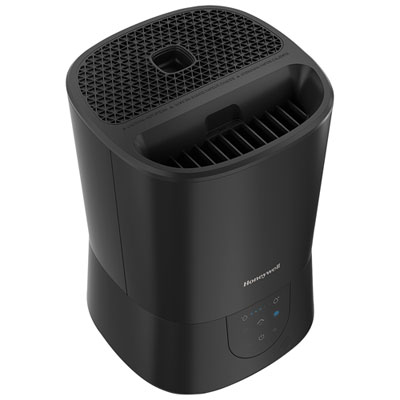
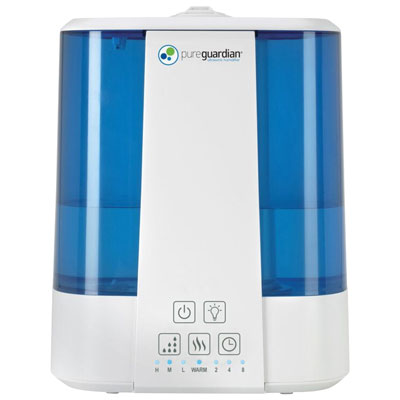
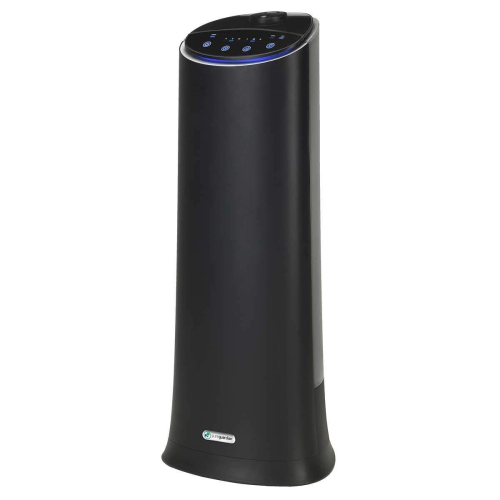

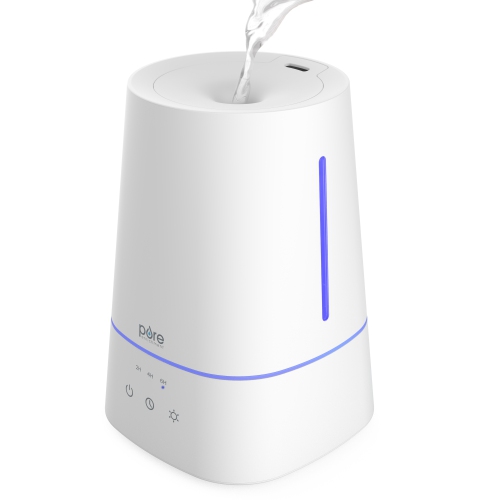

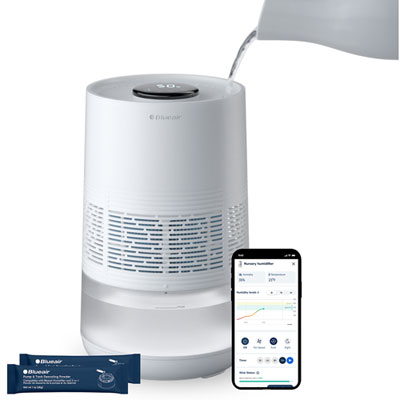
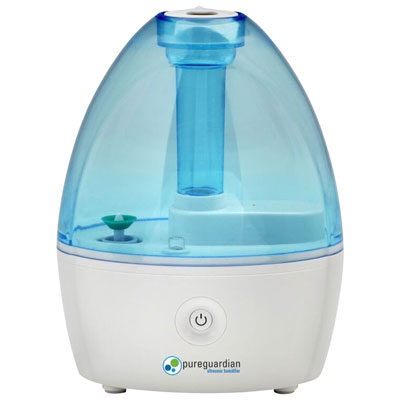
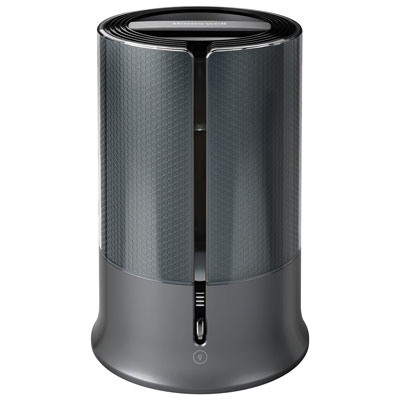
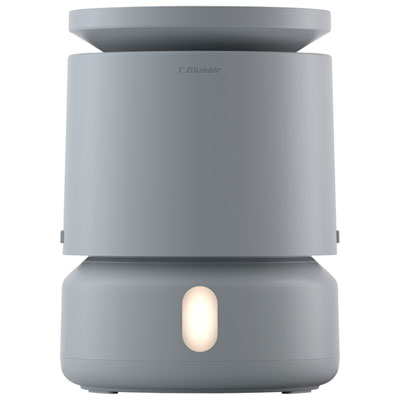
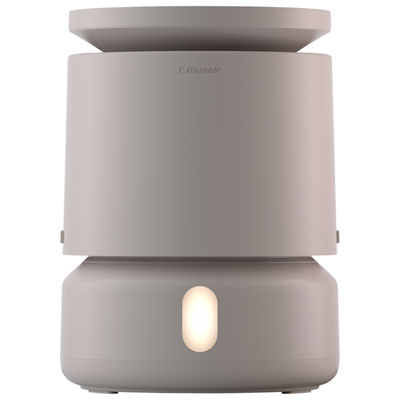
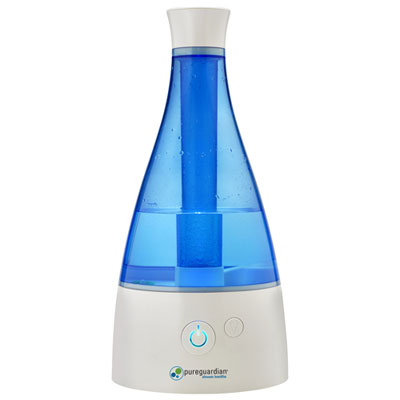
Everyday ease starts with controls and tank design
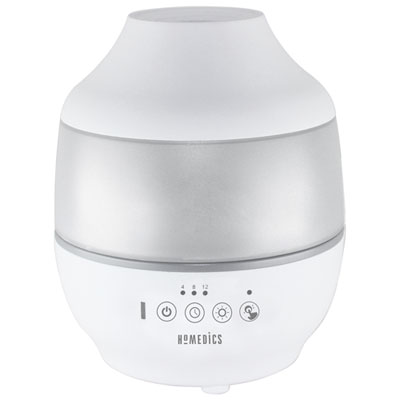
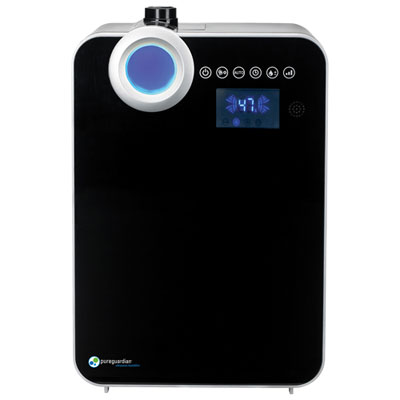
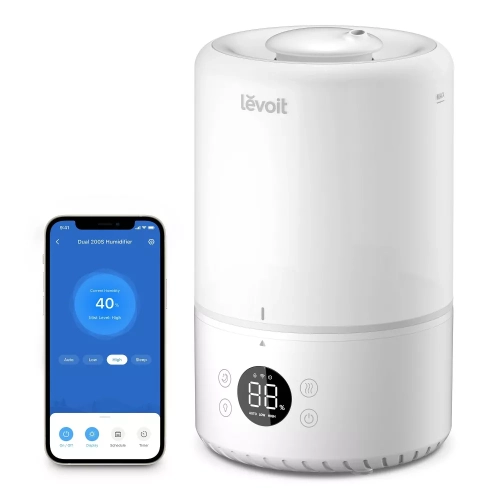
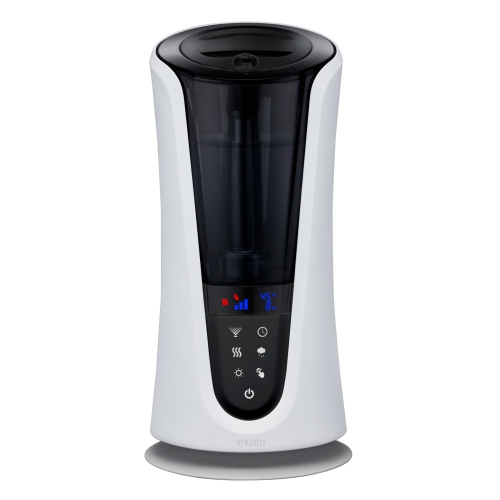
Simple humidifiers add moisture to dry indoor air with straightforward controls and a design that is easy to use day after day. Rather than relying on an app or a long menu of settings, they typically offer a dial, a few clearly labelled buttons, or a basic mist adjustment. Their appeal is practical: fill the tank, select an output level, and let the unit run while reading, working, or settling into bed. Simplicity can also mean a tank that lifts comfortably from its base, an opening wide enough to reach inside for cleaning, and a water level that is visible at a glance. These details matter more in everyday use than a crowded control panel. A compact humidifier can suit a desk or a small bedroom, while a larger tank may be more convenient for a living area or anyone who would rather refill less often. Tank capacity alone does not determine suitability, though. The rated room coverage and moisture output should fit the space where the humidifier will run. A small personal unit beside a computer is not designed to provide the same coverage as a room-sized model, and an oversized unit in a small enclosed room may add more moisture than needed. Simple humidifiers may appeal to students furnishing a first apartment, people who prefer physical controls, or households looking for an uncomplicated addition to a bedroom. For someone with limited hand strength, a manageable tank weight and a secure grip can be especially useful; a large tank becomes much heavier once filled. The broader range of Water Humidifiers includes different moisture delivery methods and tank designs, so an easy-to-use choice need not have one particular shape or technology. What makes a humidifier simple is how well its controls, filling process, and cleaning access fit an ordinary daily routine.
The way a humidifier releases moisture affects its sound, upkeep, and placement. Ultrasonic humidifiers use a vibrating component to create a fine mist and often operate with little mechanical noise, although occasional bubbling or water movement may still be audible. Many designs do not need a replaceable wick, but filter-free operation does not mean maintenance-free use. Minerals in tap water can collect inside the tank and base, and some may enter the room as a fine white dust. Distilled or demineralized water, used according to the manufacturer's directions, can help reduce these deposits. Evaporative humidifiers draw air through a wet wick or filter, adding moisture without a visible mist plume. Their fans create a different sound profile, and the wick generally needs periodic replacement. Warm-mist designs heat water, which introduces hot water and steam into the space; cool-mist designs are the more appropriate choice around young children because they avoid those burn hazards. Within any type, useful features include automatic shut-off when water runs low, a clearly marked maximum fill line, and controls that are easy to distinguish. A top-fill tank can make refilling more convenient when carrying a pitcher is easier than taking the tank to a sink, provided the design allows filling in place. A removable tank may work better where there is a nearby sink with enough clearance beneath the tap. Smooth tank walls, accessible corners, and a lid that comes apart without a struggle can make regular washing less awkward. Many tanks and housings are made from rigid plastic; a stable base, well-fitting seals, and sturdy handles are useful details to assess. Transparent or translucent sections help show how much water remains, while a simple exterior with fewer grooves is easier to wipe. For bedroom use, a dimmable display or an option to switch off indicator lights can be just as welcome as quiet operation, particularly when the unit sits within sight of the pillow.
Living with a simple humidifier is largely about finding a sensible balance between moisture output, placement, and care. Indoor relative humidity is generally kept around 30% to 50%, though some homes may need a lower level to prevent condensation. A separate hygrometer can show whether the air actually needs more moisture, especially when the humidifier has only a manual dial rather than a built-in humidity sensor. Persistent droplets on windows, damp surfaces, or a musty smell are reasons to reduce output and check conditions rather than leave the unit running at the same setting. Place it on a stable, water-resistant surface with the clearances specified by the manufacturer, and direct mist away from walls, bedding, curtains, books, and electronics. On a bedside table, there should be room for the unit to sit securely without crowding a lamp or leaving its cord stretched across a walkway. In a home office, it belongs far enough from a keyboard and monitor that moisture cannot settle on them. Runtime depends on tank size and output setting, so a stated maximum runtime may reflect the lowest setting rather than the one needed for a particular room. Straightforward care is equally important: empty and dry the tank daily, refill with fresh water, and clean all water-contact surfaces at the intervals described in the manual. Rinsing thoroughly after cleaning helps prevent residue from being dispersed during use. Only parts expressly identified as dishwasher-safe should go in a dishwasher, and the electrical base should never be immersed. Essential oils and fragrance additives belong only in a compartment specifically designed for them, not in an ordinary water tank. Before storing the humidifier, allow its components to dry completely and check whether a wick or filter needs replacing. For a gift recipient, accessible controls and an easy-to-carry tank can make the appliance more useful than extra settings they may never touch. A well-suited simple humidifier keeps the everyday tasks clear: filling without spills, adjusting moisture without guesswork, and reaching the areas that need regular cleaning.
The way a humidifier releases moisture affects its sound, upkeep, and placement. Ultrasonic humidifiers use a vibrating component to create a fine mist and often operate with little mechanical noise, although occasional bubbling or water movement may still be audible. Many designs do not need a replaceable wick, but filter-free operation does not mean maintenance-free use. Minerals in tap water can collect inside the tank and base, and some may enter the room as a fine white dust. Distilled or demineralized water, used according to the manufacturer's directions, can help reduce these deposits. Evaporative humidifiers draw air through a wet wick or filter, adding moisture without a visible mist plume. Their fans create a different sound profile, and the wick generally needs periodic replacement. Warm-mist designs heat water, which introduces hot water and steam into the space; cool-mist designs are the more appropriate choice around young children because they avoid those burn hazards. Within any type, useful features include automatic shut-off when water runs low, a clearly marked maximum fill line, and controls that are easy to distinguish. A top-fill tank can make refilling more convenient when carrying a pitcher is easier than taking the tank to a sink, provided the design allows filling in place. A removable tank may work better where there is a nearby sink with enough clearance beneath the tap. Smooth tank walls, accessible corners, and a lid that comes apart without a struggle can make regular washing less awkward. Many tanks and housings are made from rigid plastic; a stable base, well-fitting seals, and sturdy handles are useful details to assess. Transparent or translucent sections help show how much water remains, while a simple exterior with fewer grooves is easier to wipe. For bedroom use, a dimmable display or an option to switch off indicator lights can be just as welcome as quiet operation, particularly when the unit sits within sight of the pillow.
Living with a simple humidifier is largely about finding a sensible balance between moisture output, placement, and care. Indoor relative humidity is generally kept around 30% to 50%, though some homes may need a lower level to prevent condensation. A separate hygrometer can show whether the air actually needs more moisture, especially when the humidifier has only a manual dial rather than a built-in humidity sensor. Persistent droplets on windows, damp surfaces, or a musty smell are reasons to reduce output and check conditions rather than leave the unit running at the same setting. Place it on a stable, water-resistant surface with the clearances specified by the manufacturer, and direct mist away from walls, bedding, curtains, books, and electronics. On a bedside table, there should be room for the unit to sit securely without crowding a lamp or leaving its cord stretched across a walkway. In a home office, it belongs far enough from a keyboard and monitor that moisture cannot settle on them. Runtime depends on tank size and output setting, so a stated maximum runtime may reflect the lowest setting rather than the one needed for a particular room. Straightforward care is equally important: empty and dry the tank daily, refill with fresh water, and clean all water-contact surfaces at the intervals described in the manual. Rinsing thoroughly after cleaning helps prevent residue from being dispersed during use. Only parts expressly identified as dishwasher-safe should go in a dishwasher, and the electrical base should never be immersed. Essential oils and fragrance additives belong only in a compartment specifically designed for them, not in an ordinary water tank. Before storing the humidifier, allow its components to dry completely and check whether a wick or filter needs replacing. For a gift recipient, accessible controls and an easy-to-carry tank can make the appliance more useful than extra settings they may never touch. A well-suited simple humidifier keeps the everyday tasks clear: filling without spills, adjusting moisture without guesswork, and reaching the areas that need regular cleaning.
Top selling and popular products
-
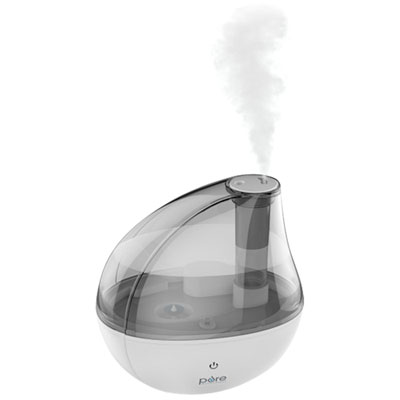 Your price for this item is $64.99
 -
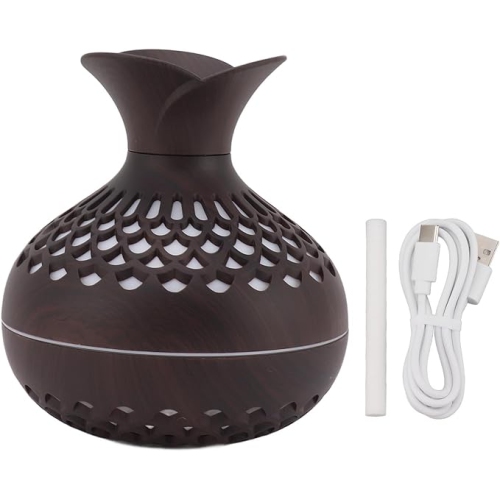 Your price for this item is $14.98
 -
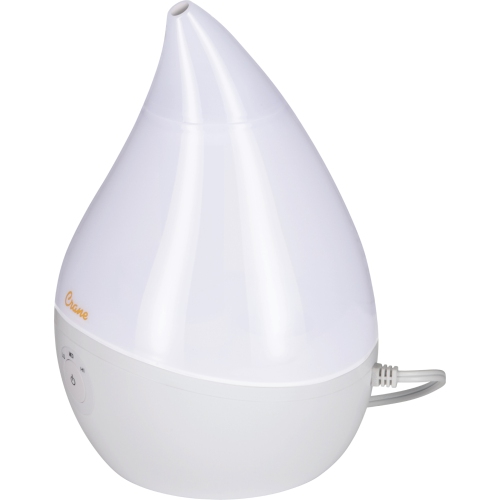 Your price for this item is $89.97
 -
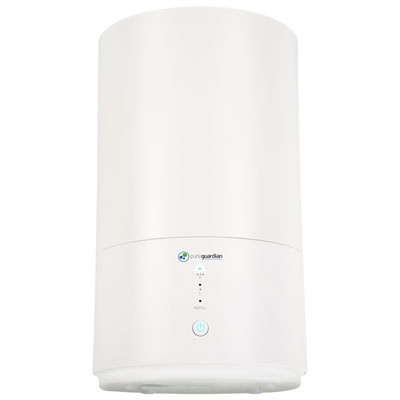 Your price for this item is $89.98
 -
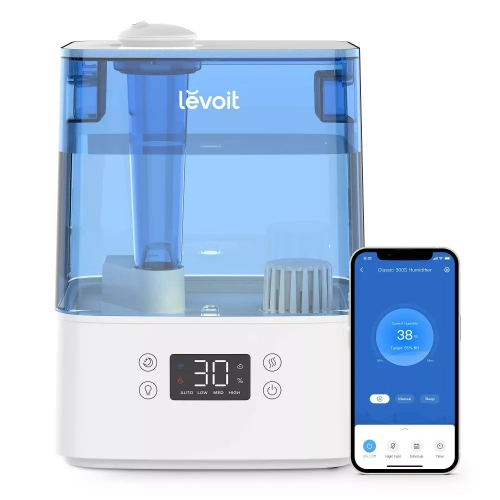 Your price for this item is $274.99
 -
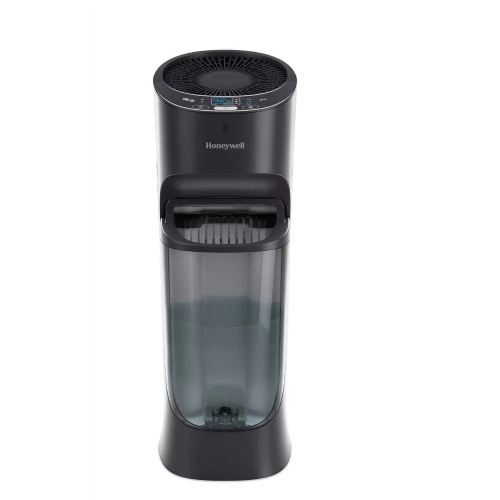 Your price for this item is $274.99
 -
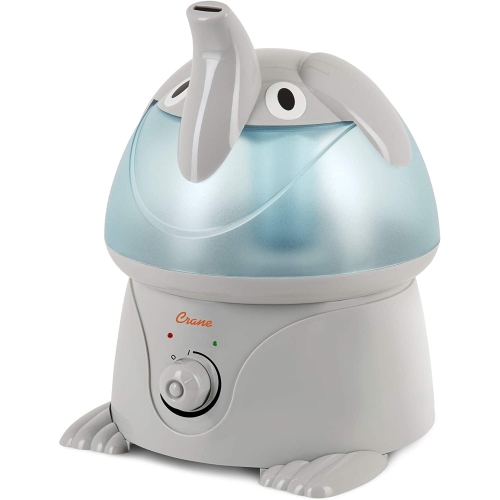 Your price for this item is $109.97
 -
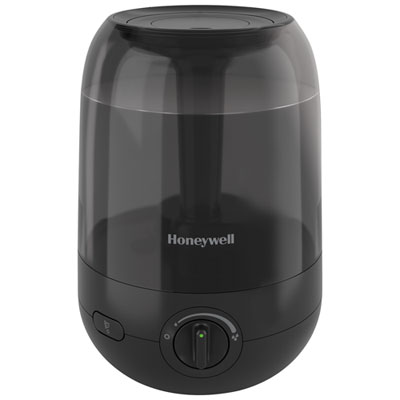 Your price for this item is $59.98
Discover more categories related to Simple Humidifiers
Top Collections:
Pokemon Centers, Kindle Devices, Best Budget Office Chairs, Apple iPhones 16, Best Laptops for Writers, iPhone 15 Apple, Canon G7X Cameras, Refurbished Apple Laptops, Alarm Clock, Motorola Razr Phones
Some products may be subject to Environmental Handling Fees
(EHF) depending on your province.
Learn more about EHFs.