Dryers With Sensor Dry
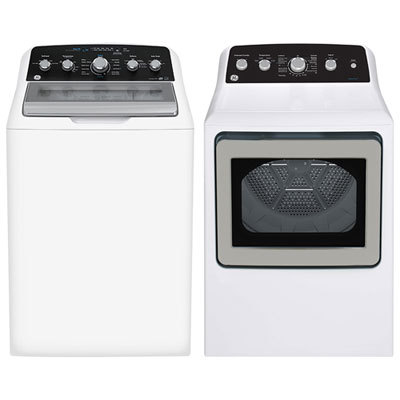
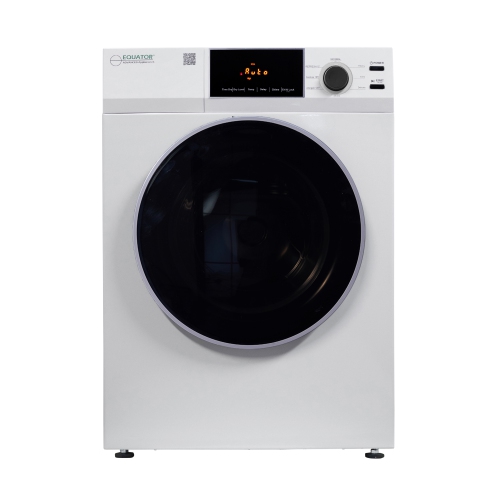
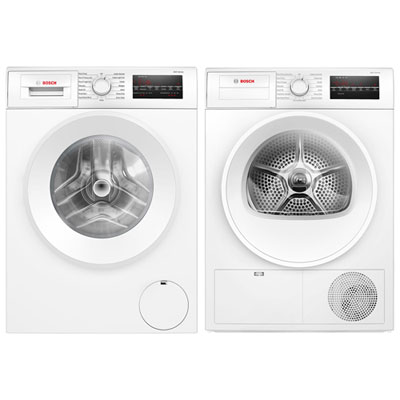
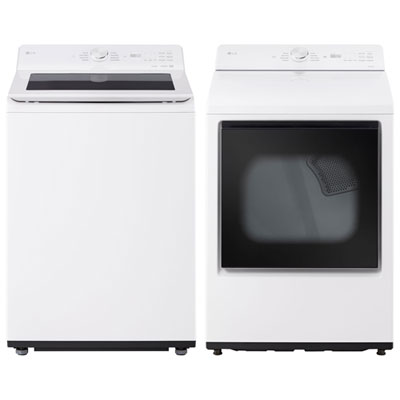
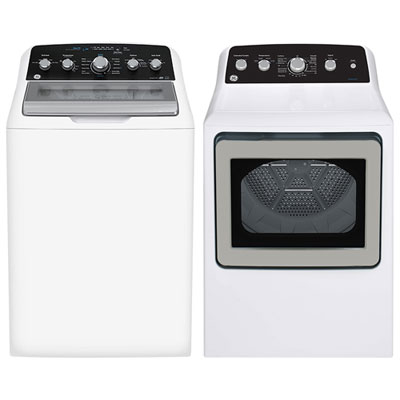
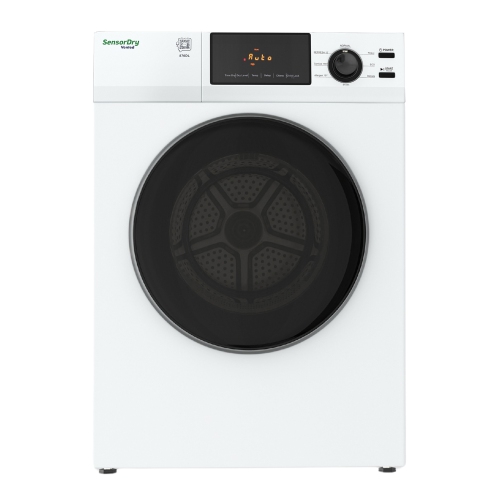
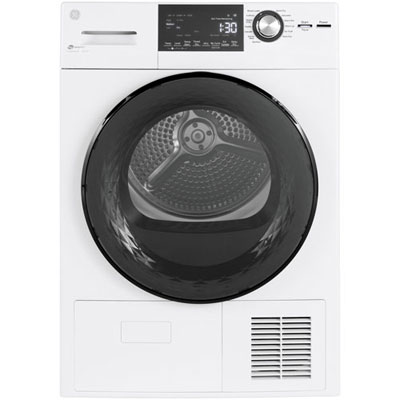
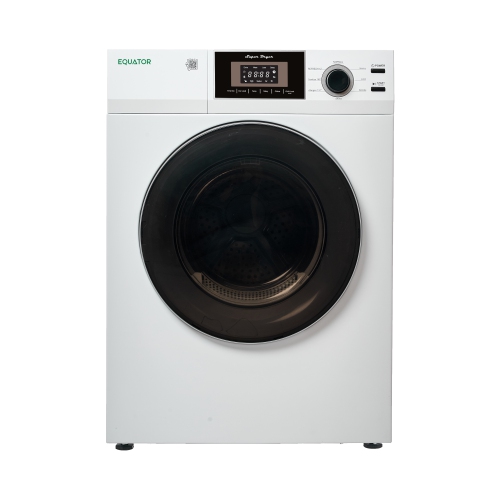
A dryer with sensor drying offers the benefit of automatic shut-off when the clothes are dry, preventing over-drying and saving energy. This ensures that your clothes are not damaged by excess heat and that you save money on your energy bills. Here are some of the dryers with the sensor dry technology that we offer.
Sort
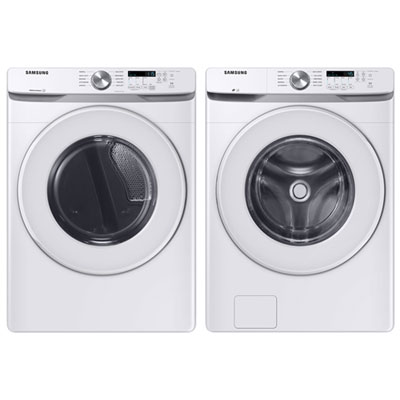
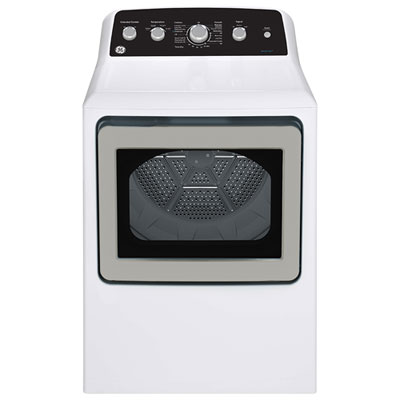
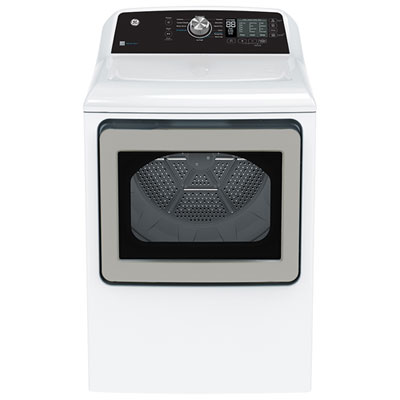
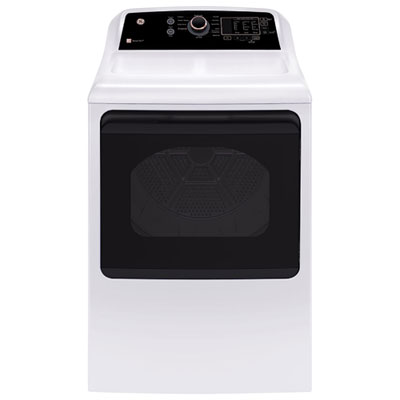
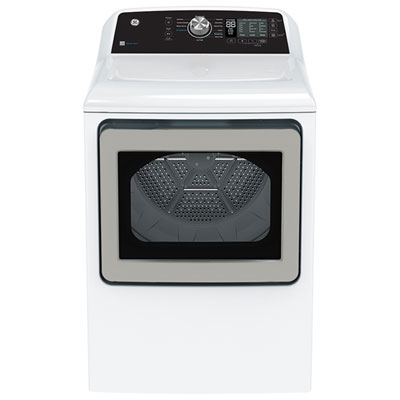
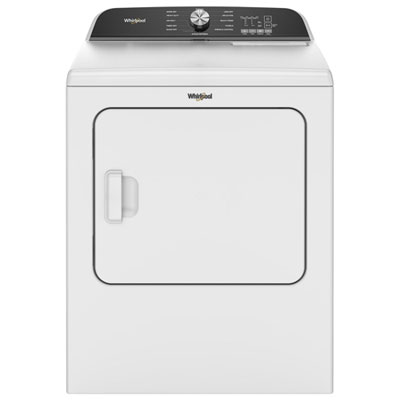
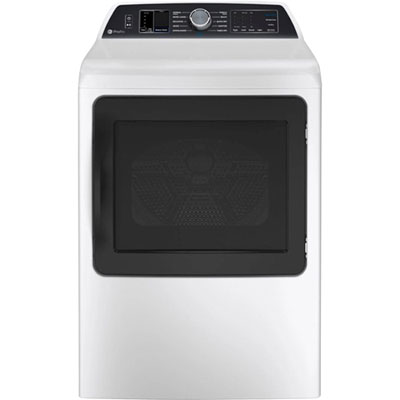
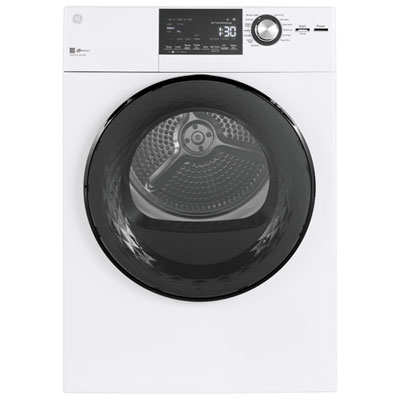
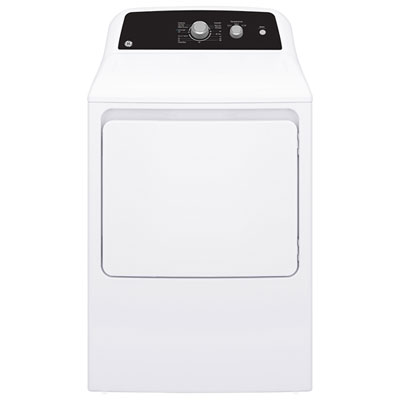
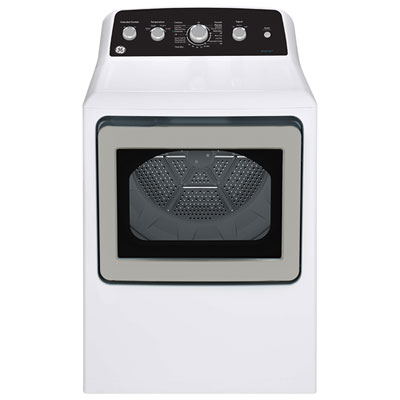
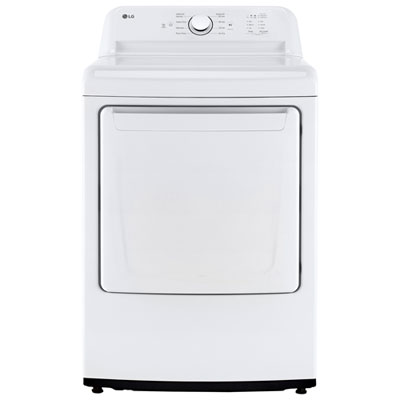
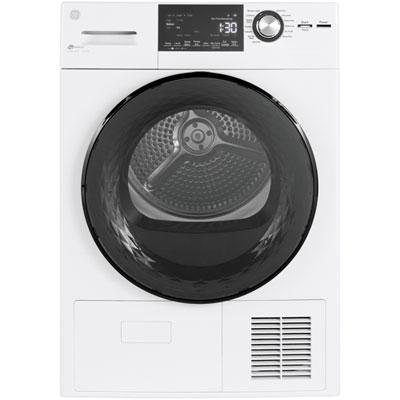
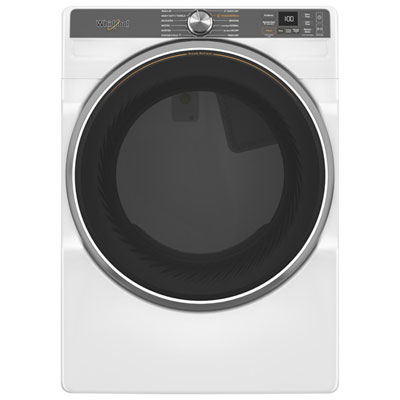
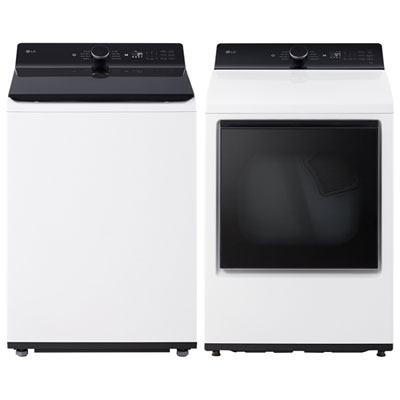
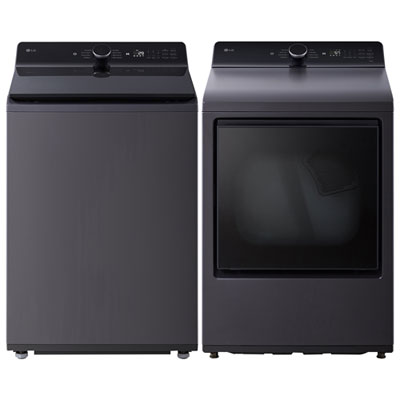
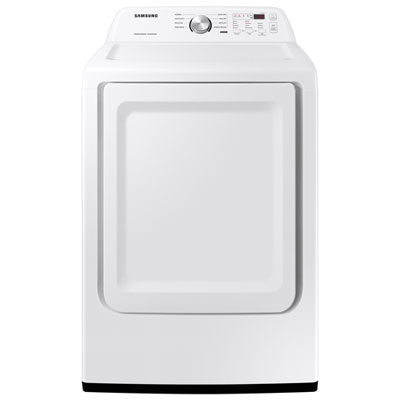
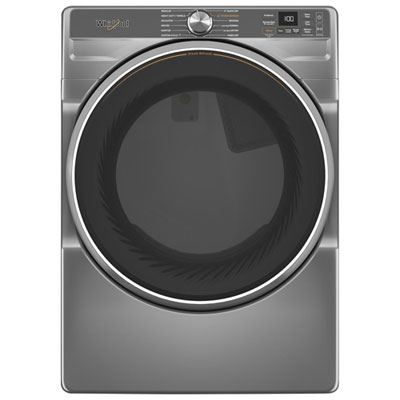

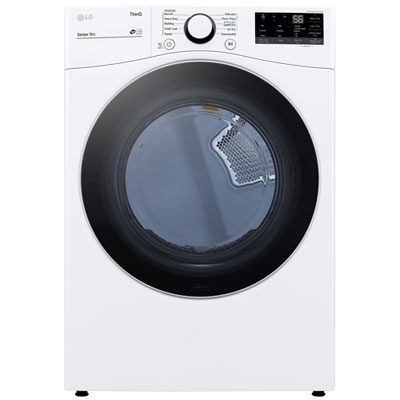
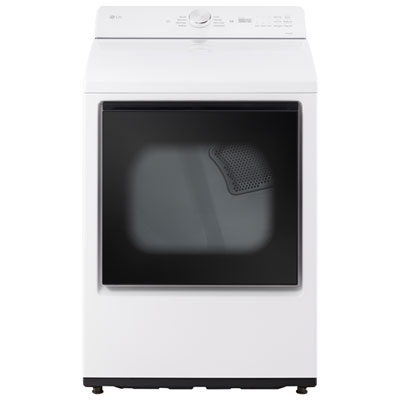
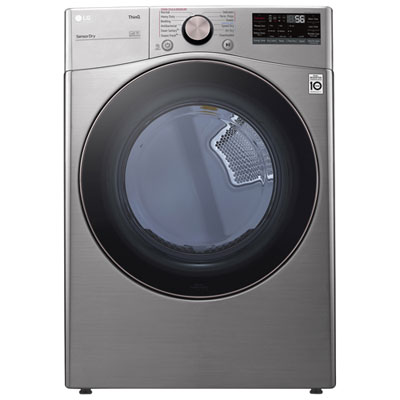
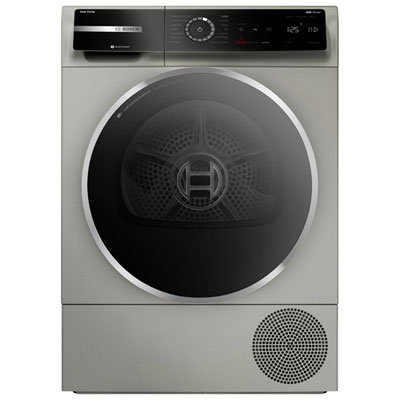
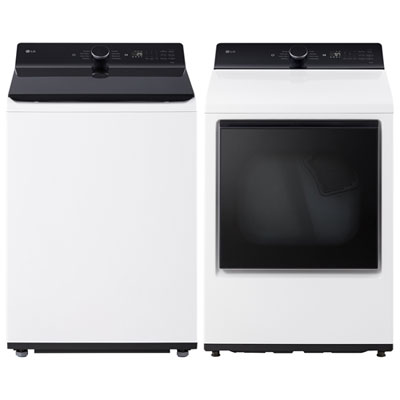
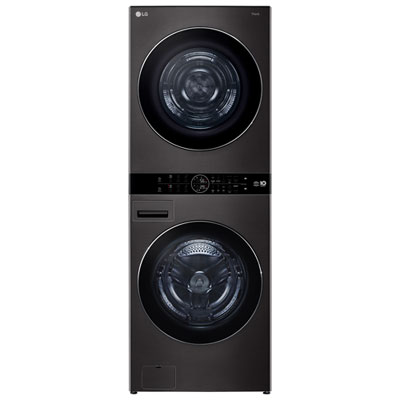
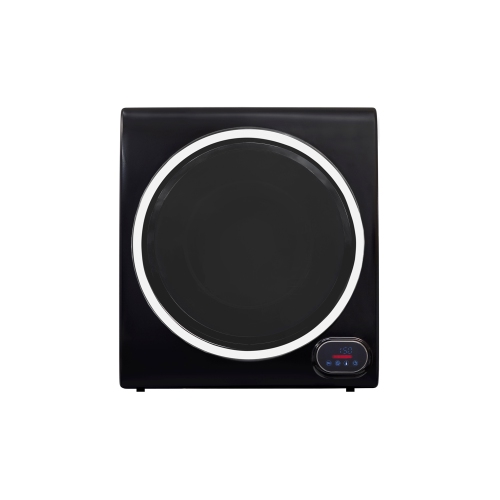
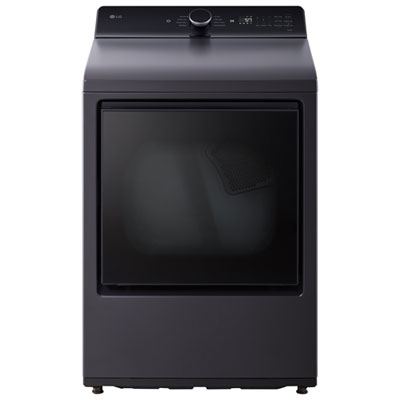
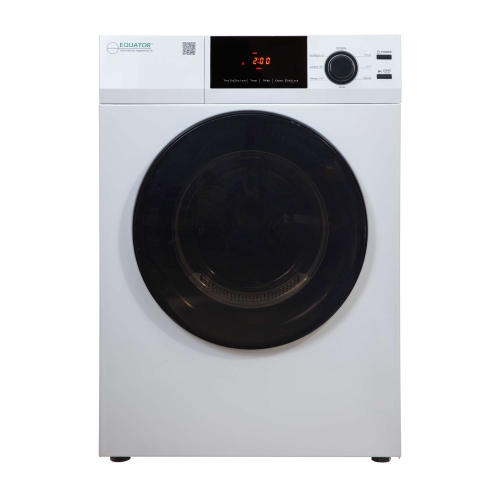
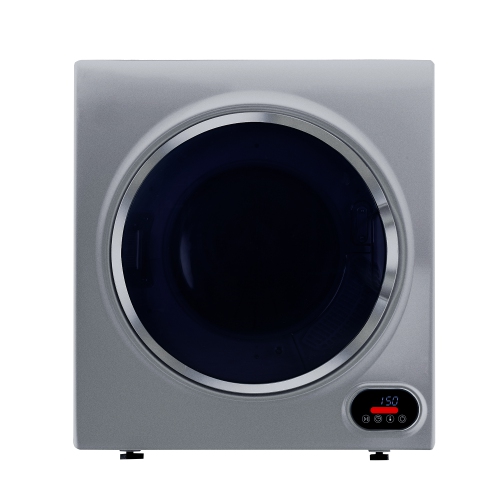
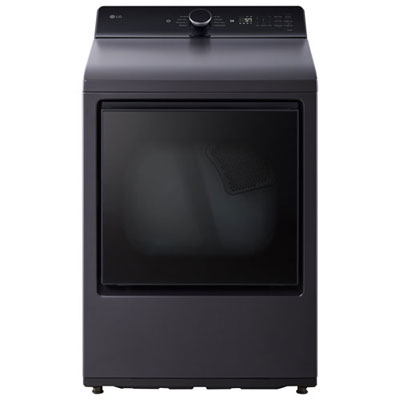
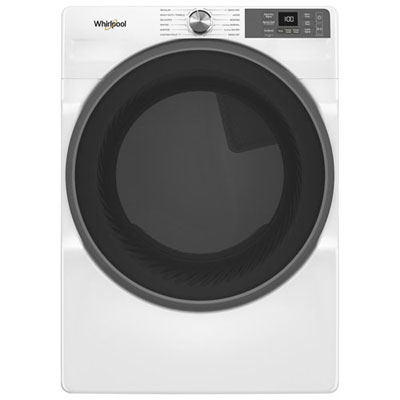
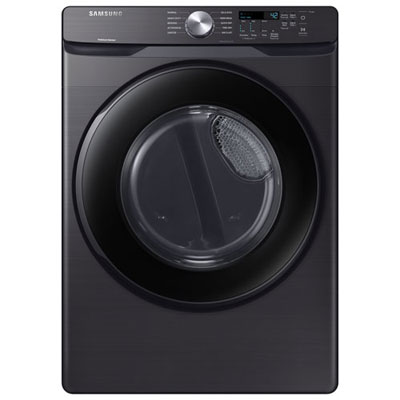
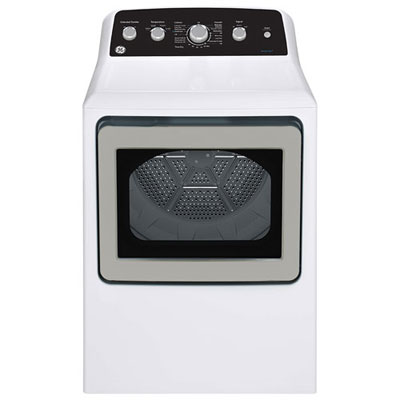
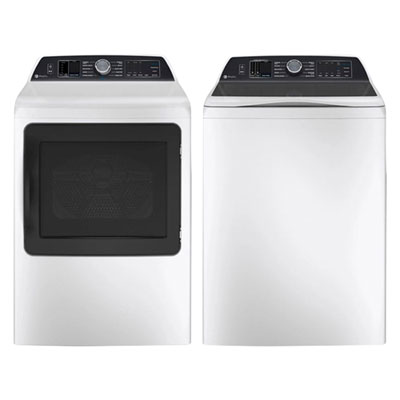
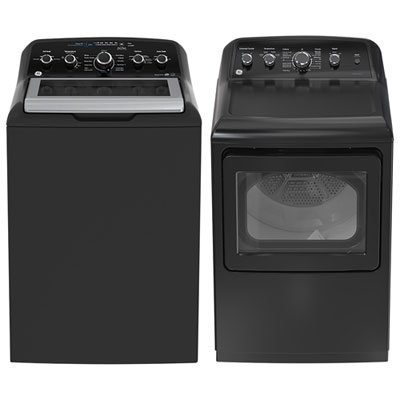

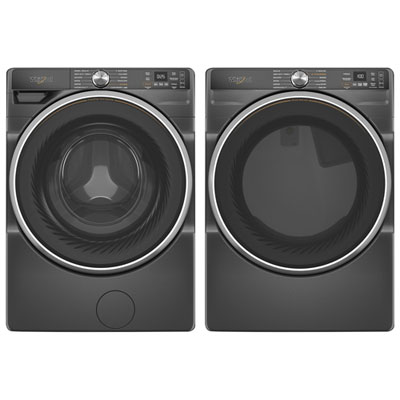
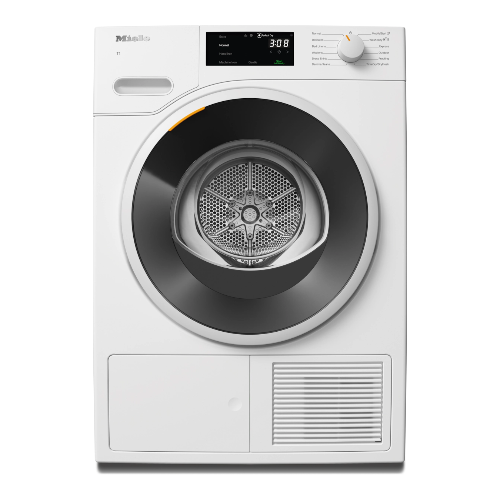
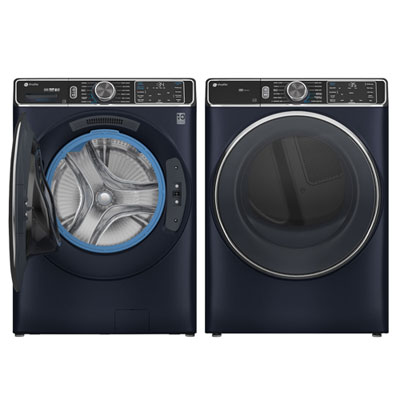
How moisture sensors adjust cycles for everyday laundry
Dryers with Sensor Dry are designed to respond to the moisture level in a load instead of running for a fixed amount of time from start to finish. Inside the drum, moisture-sensing strips or temperature detectors monitor the fabric as it tumbles. When clothing is still damp, the dryer continues working; as the load dries, the cycle can reduce its remaining time or stop automatically when the selected dryness level is reached. This differs from Timed Dry, which continues for the full duration chosen on the control panel whether the garments are dry, slightly damp, or already beginning to over-dry. For everyday laundry, that automatic adjustment can make it easier to care for mixed loads of shirts, trousers, towels, bedding, and children’s clothing without having to guess how many minutes each load needs. Sensor Dry may also help reduce the risk of leaving fabrics in prolonged heat, which can contribute to shrinkage, stiffness, fading, or unnecessary wear over time. Many dryers offer several sensor-based settings, such as Normal, Heavy Duty, Delicates, Permanent Press, and a lower-temperature option, along with dryness levels such as Damp, Less Dry, Normal Dry, or More Dry. A Damp setting can be useful when clothes will be hung immediately or finished with an iron, while a more thorough setting may suit bulky towels and bedding. The most suitable choice depends on the types of laundry in your household, how frequently you run loads, and whether you prefer garments to come out ready to fold or slightly moist for air-drying.
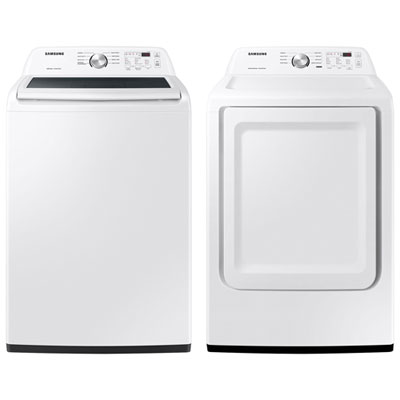
Capacity is one of the first practical details to consider when comparing dryers with Sensor Dry. A larger drum can make room for bulky comforters, bath sheets, winter layers, and family-sized loads, while a more compact model may be a better fit for a condominium, apartment, secondary laundry area, or household with limited floor space. Check the available width, depth, height, door swing, and ventilation requirements before ordering, and confirm that the dryer can be installed beside or stacked with the washer if that is part of your laundry-room plan. Electric dryers are a common choice and typically require the appropriate dedicated outlet, while gas dryers require a compatible gas connection as well as electrical power for the controls and drum motor. Professional installation may be helpful when a new connection, vent arrangement, stacking kit, or removal of an old appliance is involved. It is also worth looking at the control layout, interior light, reversible door, lint filter placement, cycle notifications, and the availability of wrinkle-preventing tumbling after a cycle ends. These small conveniences can make a noticeable difference on busy laundry days, especially when a load finishes while you are working, caring for children, preparing dinner, or away from the laundry room. Features such as steam options, drying racks, quiet operation, drum lights, and app-based diagnostics may be useful for particular routines, but the most important match is between the dryer’s core cycles, capacity, installation requirements, and the fabrics your household washes most often. For shoppers exploring different configurations and finishes, the selection of Samsung Dryers can be considered alongside other sensor-equipped options.
Sensor Dry works most reliably when there is enough fabric moving through the drum to make regular contact with the sensors. Very small loads, such as a single shirt, one pair of socks, or a few lightweight items, may not touch the moisture bars consistently, so Timed Dry can be a better choice for tiny loads. Conversely, packing the drum too tightly can restrict tumbling and prevent warm air from circulating evenly, leaving thick areas damp even when lighter pieces feel dry. Shake out clothes before loading, separate very heavy items from lightweight synthetics when appropriate, and avoid combining a small number of delicate garments with dense towels if you want the most even result. Keep the lint filter clear after every cycle, inspect the exhaust duct periodically, and follow the installation and care instructions supplied with the appliance. Residue from dryer sheets or fabric products can collect on the metal sensor strips, so gently wiping the strips with a soft cloth and a small amount of rubbing alcohol every few months can help maintain accurate readings; allow the surfaces to dry and consult the manual before cleaning. If a load finishes with damp patches, try a smaller load, check that the selected cycle suits the fabric, and make sure the vent and lint pathway are not restricted. A dryer with Sensor Dry can be a practical choice for a new home, a growing family, a renovated laundry room, or anyone replacing an older timed appliance. During warmer weather, it can handle frequent changes of clothing, towels, and household linens, while during the cooler months it provides a convenient way to dry heavier layers and bedding indoors. Comparing drum capacity, heat settings, sensor cycles, installation type, and everyday controls will help you choose a model that fits naturally into your laundry routine.
Capacity is one of the first practical details to consider when comparing dryers with Sensor Dry. A larger drum can make room for bulky comforters, bath sheets, winter layers, and family-sized loads, while a more compact model may be a better fit for a condominium, apartment, secondary laundry area, or household with limited floor space. Check the available width, depth, height, door swing, and ventilation requirements before ordering, and confirm that the dryer can be installed beside or stacked with the washer if that is part of your laundry-room plan. Electric dryers are a common choice and typically require the appropriate dedicated outlet, while gas dryers require a compatible gas connection as well as electrical power for the controls and drum motor. Professional installation may be helpful when a new connection, vent arrangement, stacking kit, or removal of an old appliance is involved. It is also worth looking at the control layout, interior light, reversible door, lint filter placement, cycle notifications, and the availability of wrinkle-preventing tumbling after a cycle ends. These small conveniences can make a noticeable difference on busy laundry days, especially when a load finishes while you are working, caring for children, preparing dinner, or away from the laundry room. Features such as steam options, drying racks, quiet operation, drum lights, and app-based diagnostics may be useful for particular routines, but the most important match is between the dryer’s core cycles, capacity, installation requirements, and the fabrics your household washes most often. For shoppers exploring different configurations and finishes, the selection of Samsung Dryers can be considered alongside other sensor-equipped options.
Sensor Dry works most reliably when there is enough fabric moving through the drum to make regular contact with the sensors. Very small loads, such as a single shirt, one pair of socks, or a few lightweight items, may not touch the moisture bars consistently, so Timed Dry can be a better choice for tiny loads. Conversely, packing the drum too tightly can restrict tumbling and prevent warm air from circulating evenly, leaving thick areas damp even when lighter pieces feel dry. Shake out clothes before loading, separate very heavy items from lightweight synthetics when appropriate, and avoid combining a small number of delicate garments with dense towels if you want the most even result. Keep the lint filter clear after every cycle, inspect the exhaust duct periodically, and follow the installation and care instructions supplied with the appliance. Residue from dryer sheets or fabric products can collect on the metal sensor strips, so gently wiping the strips with a soft cloth and a small amount of rubbing alcohol every few months can help maintain accurate readings; allow the surfaces to dry and consult the manual before cleaning. If a load finishes with damp patches, try a smaller load, check that the selected cycle suits the fabric, and make sure the vent and lint pathway are not restricted. A dryer with Sensor Dry can be a practical choice for a new home, a growing family, a renovated laundry room, or anyone replacing an older timed appliance. During warmer weather, it can handle frequent changes of clothing, towels, and household linens, while during the cooler months it provides a convenient way to dry heavier layers and bedding indoors. Comparing drum capacity, heat settings, sensor cycles, installation type, and everyday controls will help you choose a model that fits naturally into your laundry routine.
Top selling and popular products
-
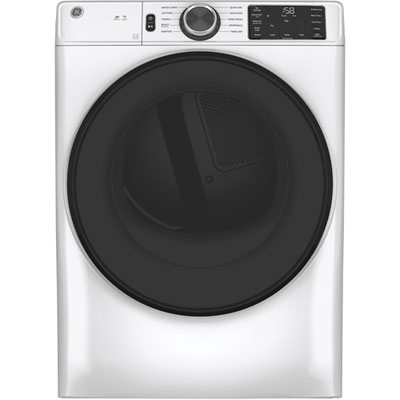 Your price for this item is $1999.99
 -
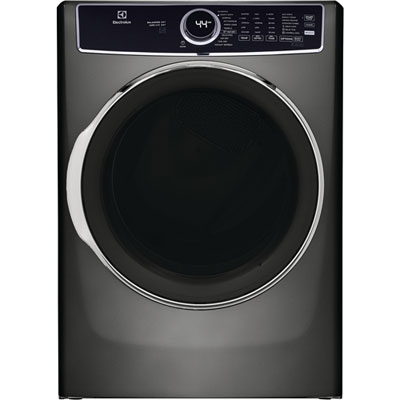 Your price for this item is $1169.99
 -
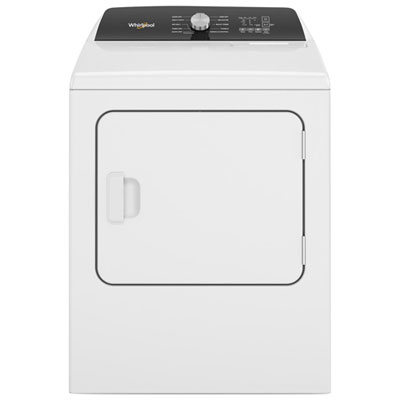 Your price for this item is $849.99
 -
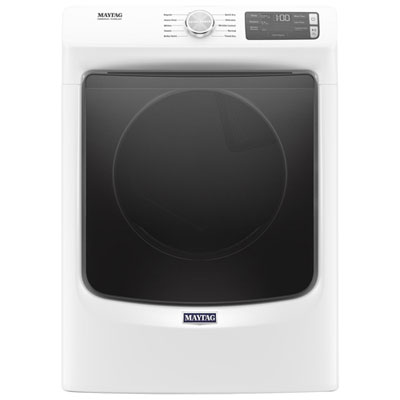 Your price for this item is $999.99
 -
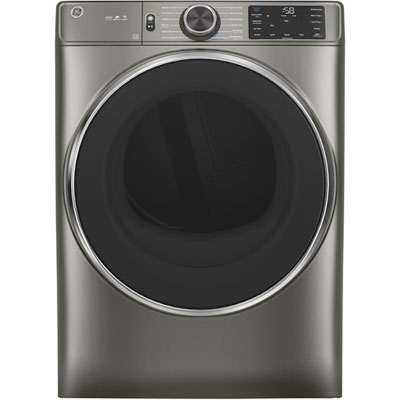 Your price for this item is $1949.99
 -
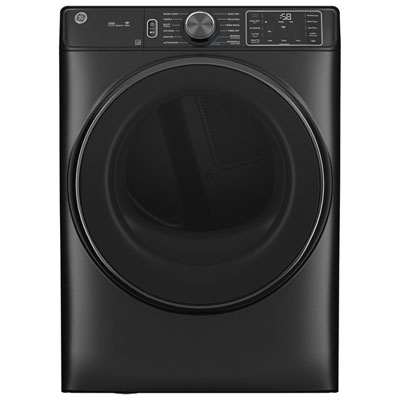 Your price for this item is $1199.99
 -
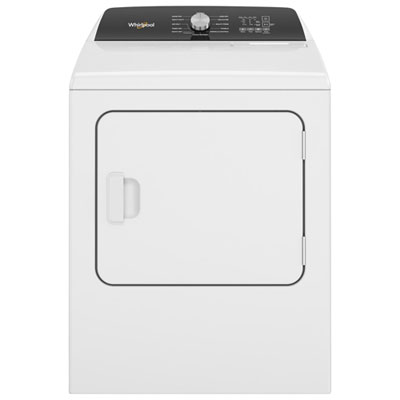 Your price for this item is $799.99
 -
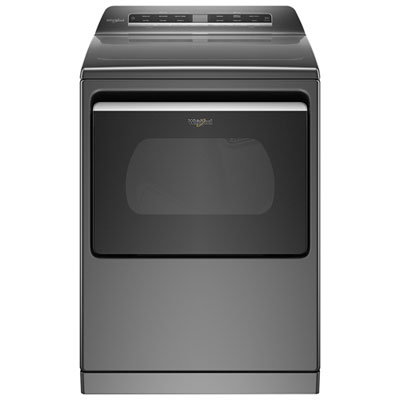 Your price for this item is $1149.97
Discover more categories related to Dryers With Sensor Dry
Top Collections:
Pokemon Centers, Kindle Devices, Best Budget Office Chairs, Apple iPhones 16, Best Laptops for Writers, iPhone 15 Apple, Canon G7X Cameras, Refurbished Apple Laptops, Alarm Clock, Motorola Razr Phones
Some products may be subject to Environmental Handling Fees
(EHF) depending on your province.
Learn more about EHFs.