Smart Dryers
Smart Dryer technology is transforming laundry routines with advanced solutions designed for modern homes. Explore a wide selection of Smart Dryer options that offer convenience and efficiency, making it easier to keep your clothes fresh and ready to wear. Whether you're upgrading your laundry room or searching for the latest innovations, find the perfect Smart Dryer to suit your needs and enhance your daily routine.
Sort
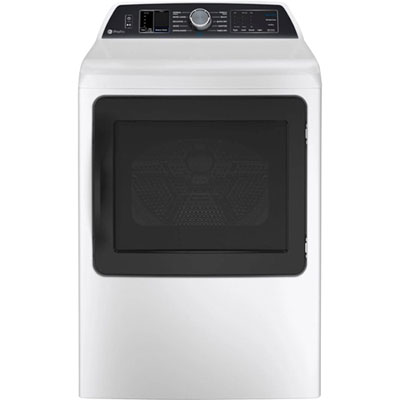
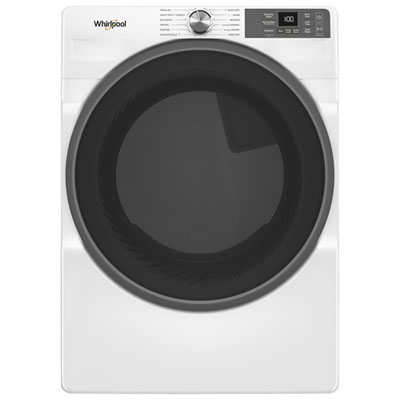
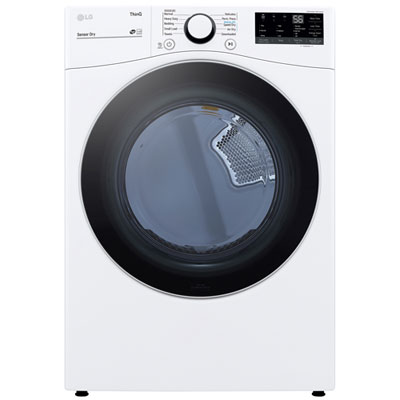
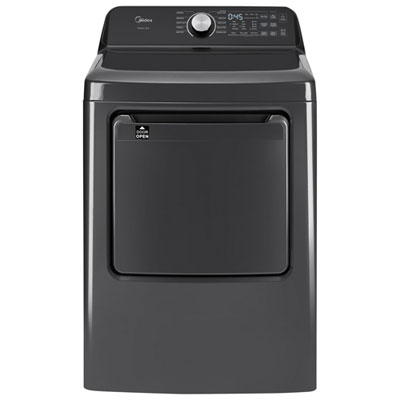
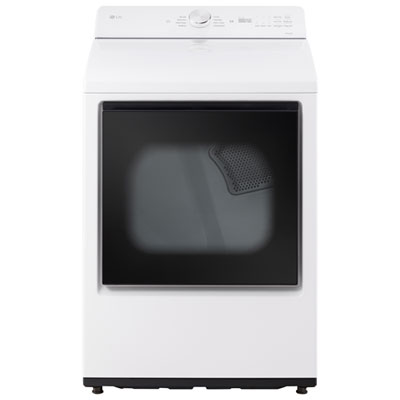
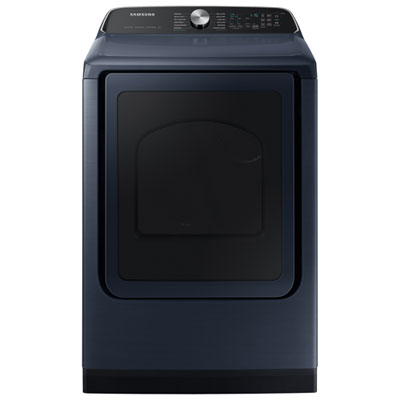
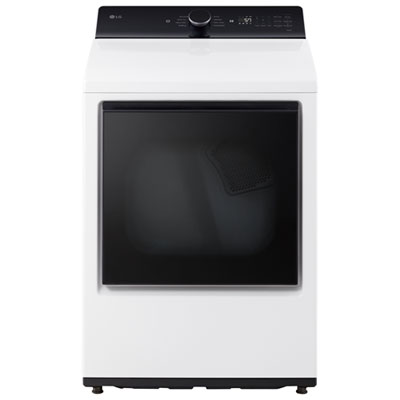
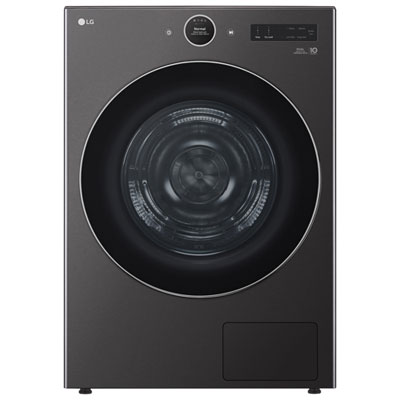
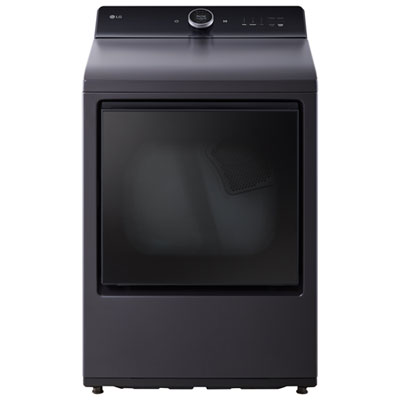
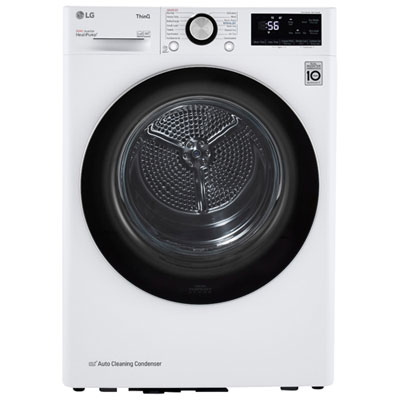
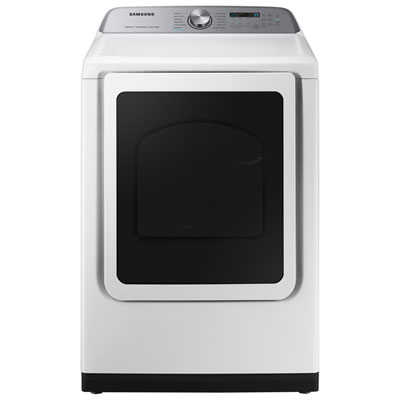
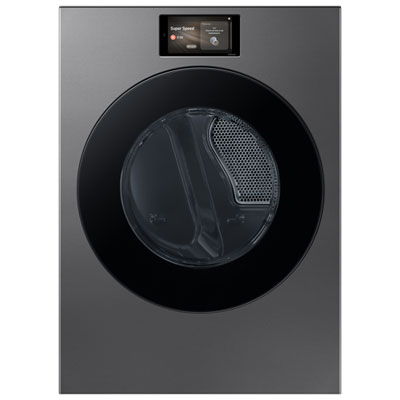

How phone alerts and moisture sensors change laundry day
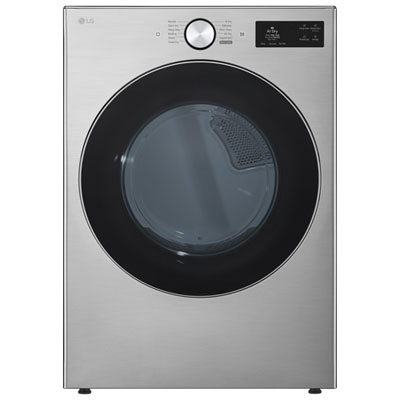
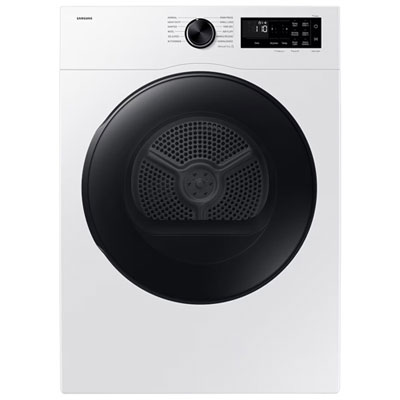
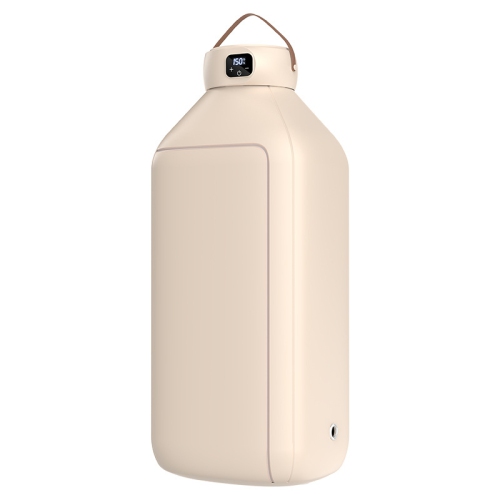
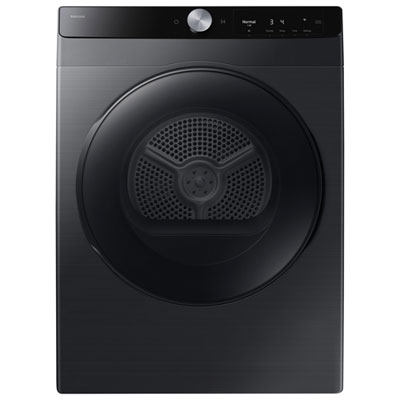
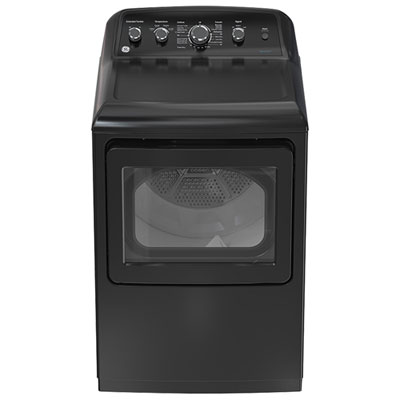
Smart dryers are clothes dryers with connected features such as Wi-Fi, app notifications and, on some models, remote controls or cycle pairing with a compatible washer. A phone alert can tell someone upstairs that a load in the basement is done, while a cycle status display can show how much time is left before the towels are ready to fold. Built-in moisture sensors serve a different purpose: they help the dryer judge when a load has reached the selected dryness level. Unlike a timed cycle, which runs for a set period, a sensor cycle can adjust the estimated time as the load dries. On some models, software uses information about the load to suggest a cycle or adjust settings as it runs. Compatible washer and dryer pairs may also share cycle information so the dryer can suggest a setting based on how the load was washed. These features vary by model, and cycle pairing generally requires specific appliances rather than simply any two machines with Wi-Fi. Remote start, where supported, may need to be enabled on the dryer before leaving the laundry area, and opening the door can cancel that permission. For a household juggling several loads, an end-of-cycle alert may be more useful than remote start: it’s a cue to gather school clothes before they sit in a heap or to clear the drum for the next person. The controls on the machine still matter, especially in a shared home where not everyone wants to set up an app. A dial with clearly marked cycles, an easy-to-read display and a signal that can be turned down or off can make the dryer easier to live with. App features may require an account, a compatible phone and a reliable Wi-Fi signal in the laundry area, so it helps to distinguish the functions that need a connection from the cycles and settings that can be selected at the machine.
A smart dryer needs to fit both the laundry space and the loads it will handle. A larger drum gives bulky items such as bath towels and bedding more room to tumble, while a smaller footprint can make more sense for a laundry closet or a household that runs smaller loads. For a narrow nook or a planned stack, Compact Dryers are worth comparing by width, depth and drum capacity, with Wi-Fi checked separately from dimensions. Measure the route to the laundry area as well as the space itself: a stair landing or tight doorway can be harder to navigate than the opening where the dryer will sit. Allow for the connections behind the machine, the swing of the door and enough space in front to pull out a basket. A reversible door, where supported, can make it easier to transfer wet laundry without reaching around the door. A stacked setup needs a compatible washer and dryer, the specified stacking kit and enough room to reach the controls and lint filter comfortably. Installation requirements also differ by dryer type. A vented dryer needs a suitable exhaust route to the outdoors, while a ventless heat pump dryer removes moisture from the load without an exterior exhaust duct. Depending on the design, the collected water goes to a drain or into a reservoir that needs emptying. Electrical requirements vary as well, so the outlet and circuit should match the dryer’s installation specifications. A gas dryer also needs a suitable gas connection and proper venting. Beyond fit, the parts that get handled every day deserve a close look. A stainless steel drum resists rust, while a coated steel drum offers a smooth finish that should be protected from scratches. An accessible lint filter, sturdy door latch and drum light can make routine loading and care easier, particularly when small socks or washcloths get tucked against the back of the drum.
How a smart dryer is used matters as much as which connected features it has. A family washing several sets of bedding may value a roomy drum and a cycle designed for bulky items. Someone sorting work clothes from gym wear may get more use from adjustable dryness settings and a low-heat cycle for garments whose care labels call for it. A damp-dry alert, where offered, can be handy for pulling out a shirt to hang while the rest of the load continues. Moisture sensing works best when the load can tumble freely and fabrics dry at a similar rate. In a mixed load, lightweight tops may feel dry while the seams of jeans are still damp. A fitted sheet can also gather smaller items into a bundle, leaving the outside dry and the contents damp. Separating heavy fabrics from lighter ones, shaking out bedding before loading and keeping the drum from getting packed too tightly can make drying more consistent. For items that tend to crease, a wrinkle-control option may tumble the load intermittently after the cycle ends. A steam option, on models that have one, can help relax wrinkles in suitable garments, though it doesn’t replace washing or pressing. Fabric care labels remain the best starting point for deciding whether an item belongs in the dryer at all. Regular upkeep helps preserve drying performance, even when the app offers maintenance reminders. Clean the lint filter after each load, check the exhaust duct on a vented dryer as directed, and follow the care instructions for any extra filters, moisture sensors or water reservoir. Emptying pockets also helps keep coins and other hard objects from rattling around or scratching the drum. For a busy family, a shared household or someone setting up a first laundry space, the most useful smart dryer is one that handles ordinary loads well and adds connected features that suit the way laundry actually gets done.
Top selling and popular products
-
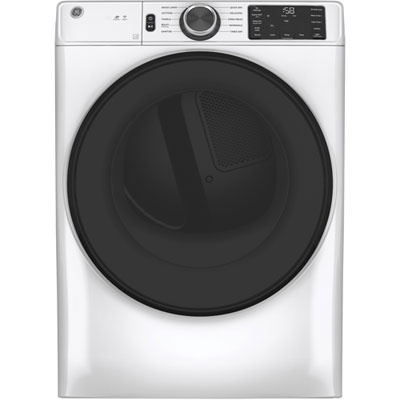 Your price for this item is $1199.99
-
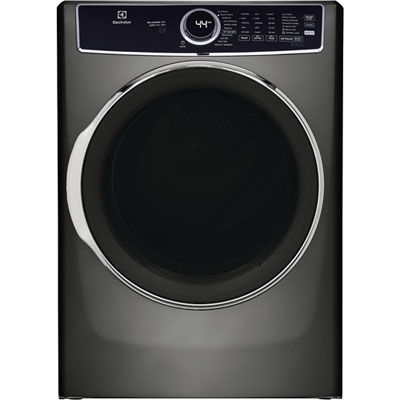 Your price for this item is $1192.99
-
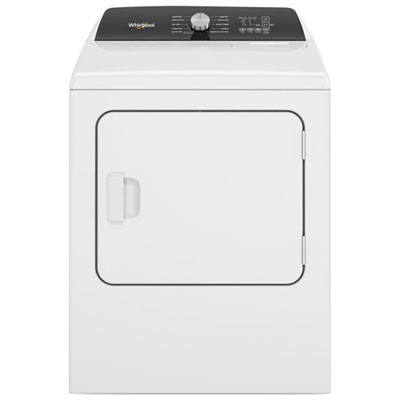 Your price for this item is $799.99
-
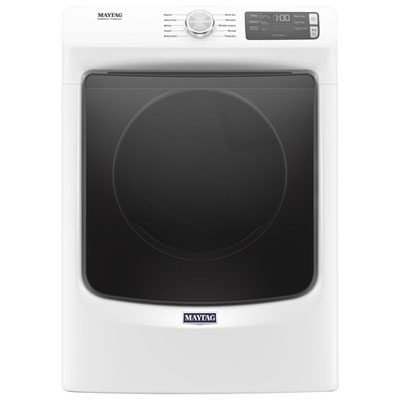 Your price for this item is $1099.99
-
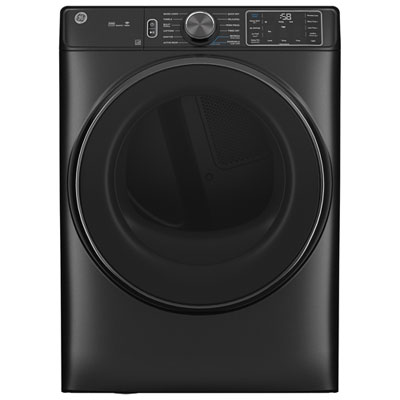 Your price for this item is $1449.99
-
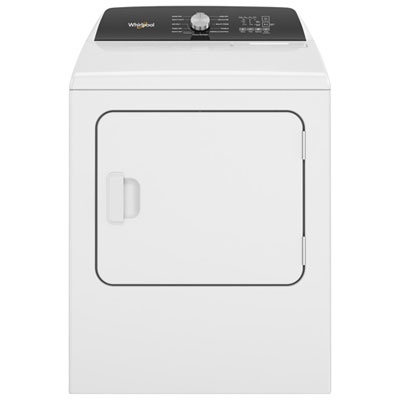 Your price for this item is $849.99
-
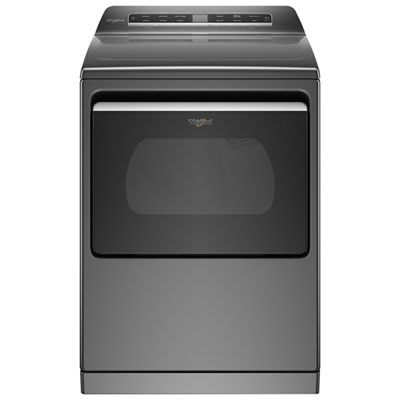 Your price for this item is $1149.97
-
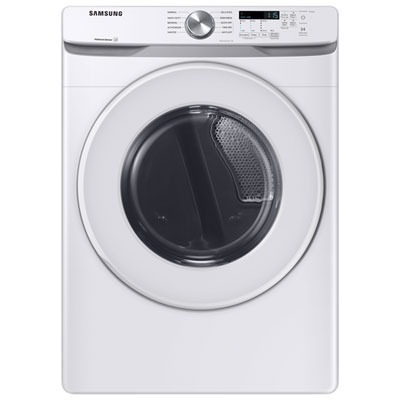 Your price for this item is $945.99
Discover more categories related to Smart Dryers
Top Collections:
Best Black Friday Deals This Year, Best Black Friday Deals On Electronics, Kindle Devices, Pokemon Centers, Best Black Friday Deals On Apple Products, Best Cameras for Sports Photography, Dyson Airwrap, Pokémon 30th Celebration Cards, Apple iPhone 17 Pro, Canon G7X Cameras
Some products may be subject to Environmental Handling Fees
(EHF) depending on your province.
Learn more about EHFs.