Electric BBQ Grills
Get ready to elevate your outdoor cooking game with our selection of electric BBQ grills. Whether you're a seasoned grilling pro or just starting out, these innovative appliances offer convenience and precision for delicious meals every time. Say goodbye to the hassle of charcoal or propane and say hello to easy-to-use electric grills that are perfect for balconies, patios, and small outdoor spaces. Discover a range of features and sizes to suit your needs, and get ready to enjoy the mouthwatering flavors of grilled dishes without the fuss.
Sort


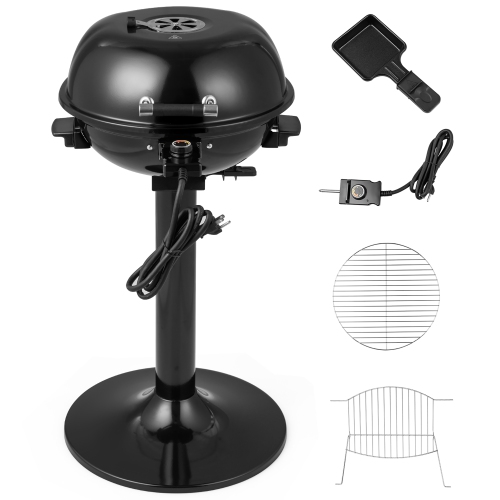


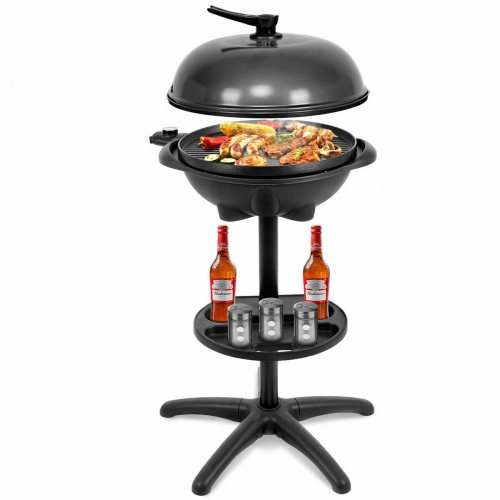


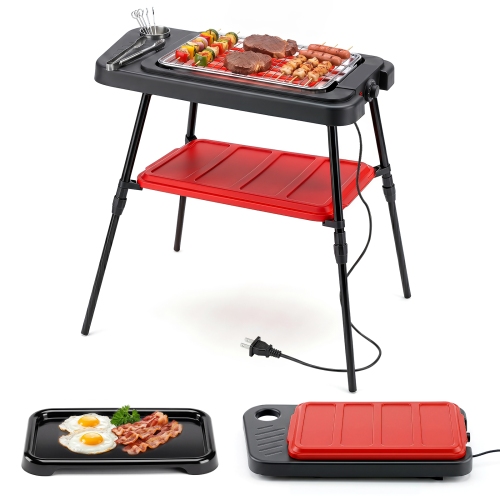

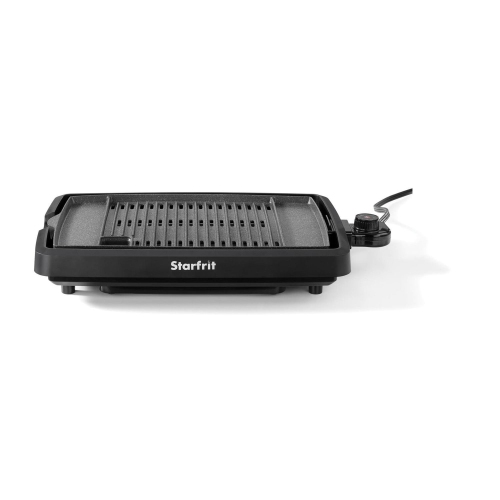

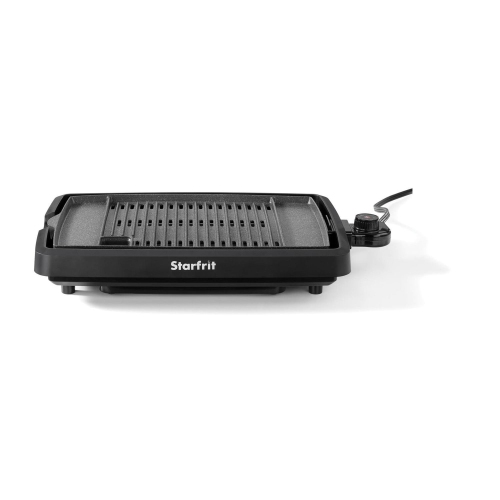


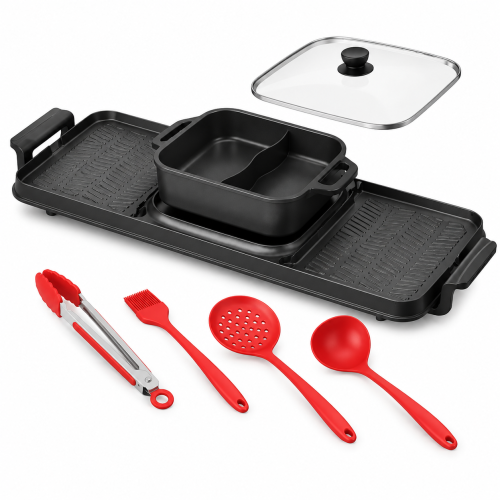


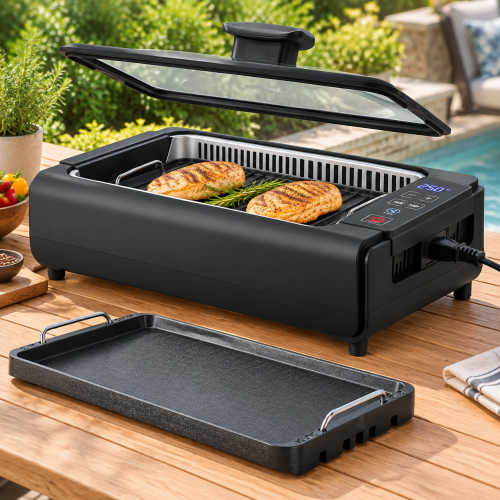
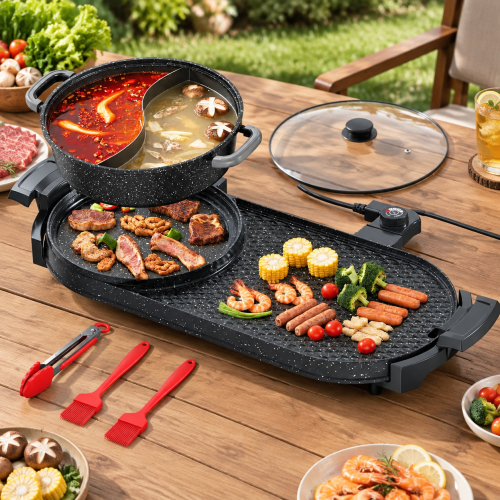
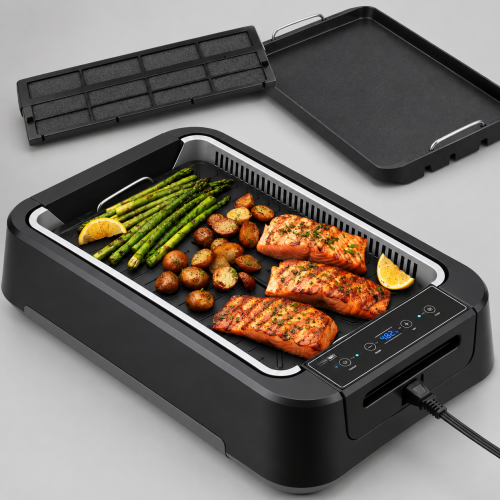
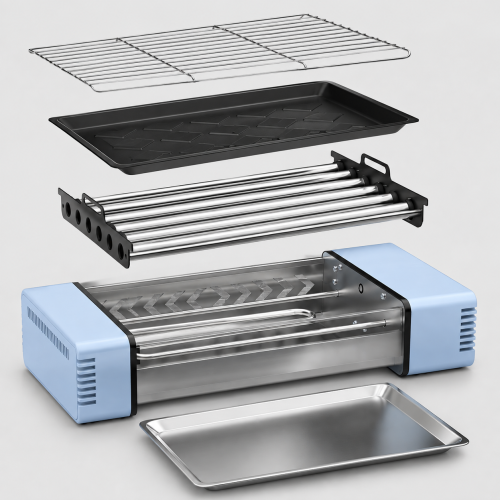
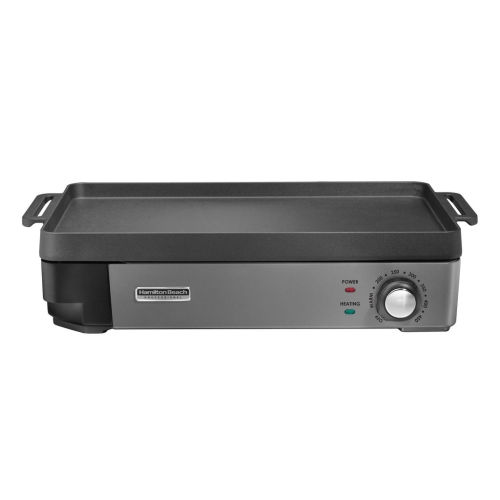

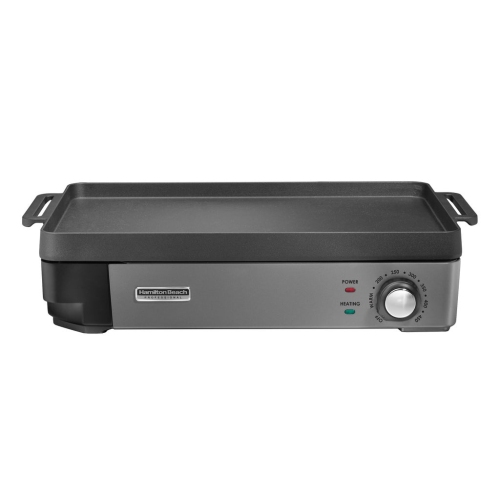
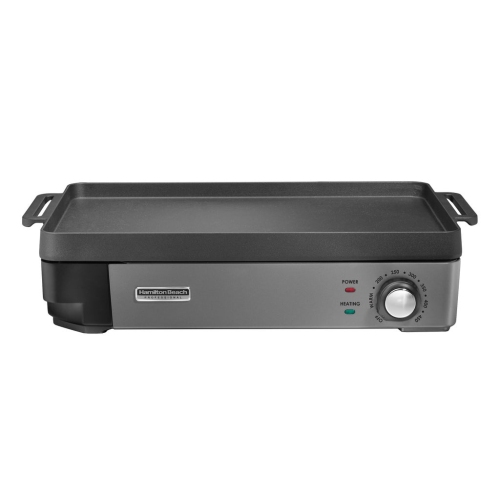
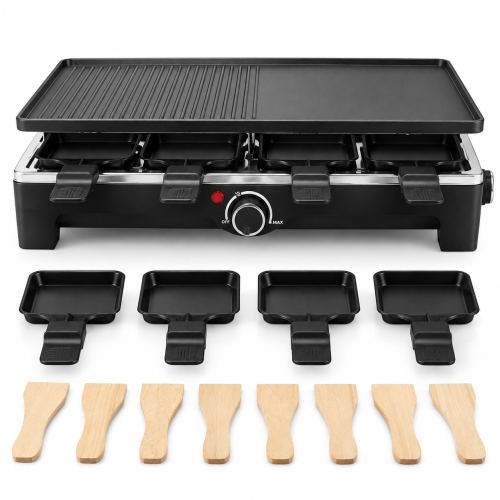
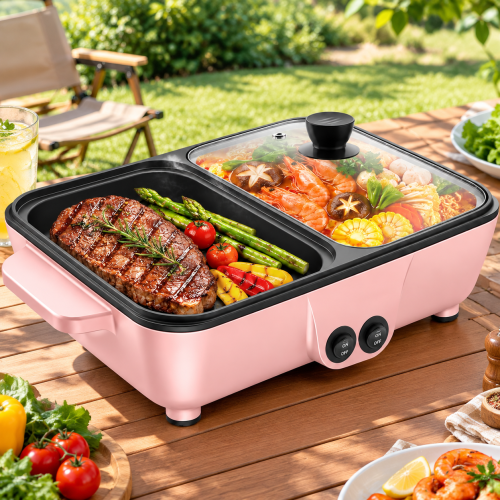
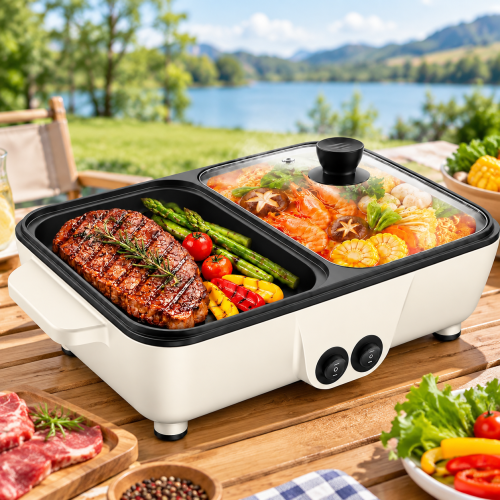
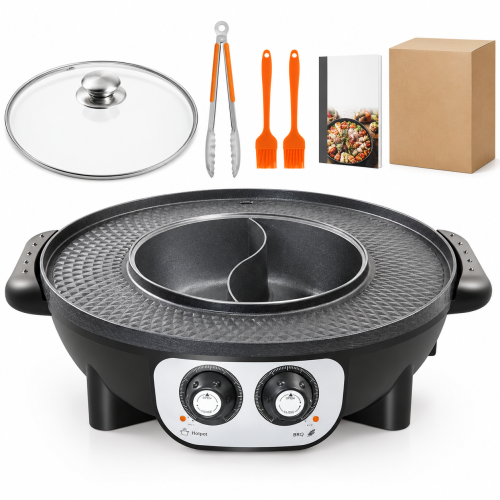
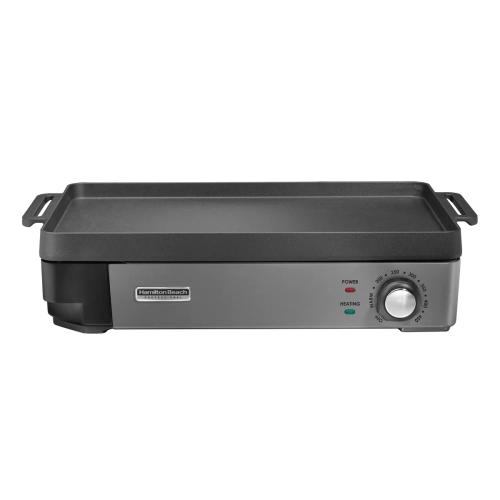



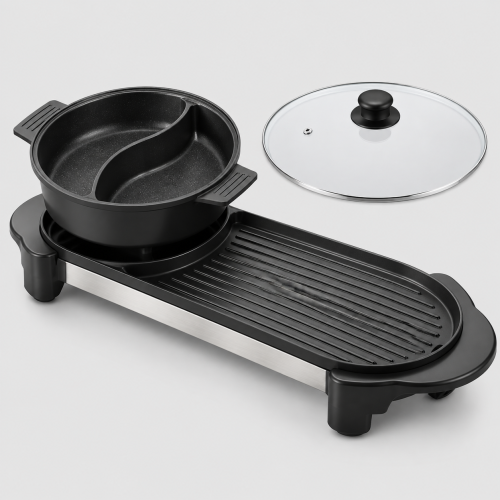

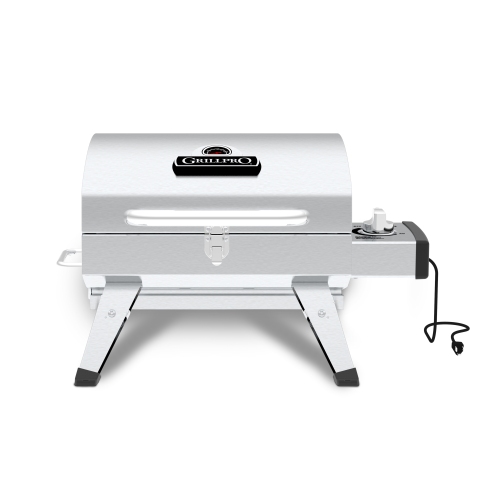

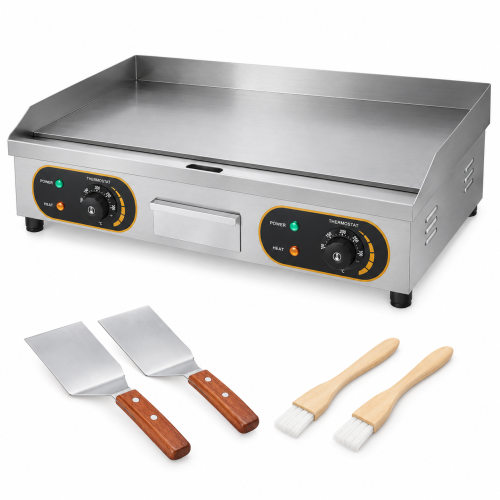
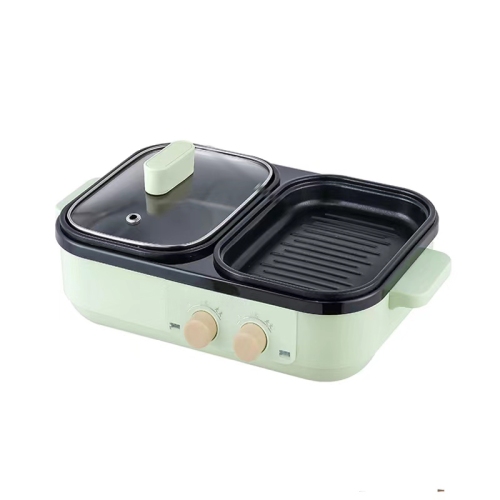
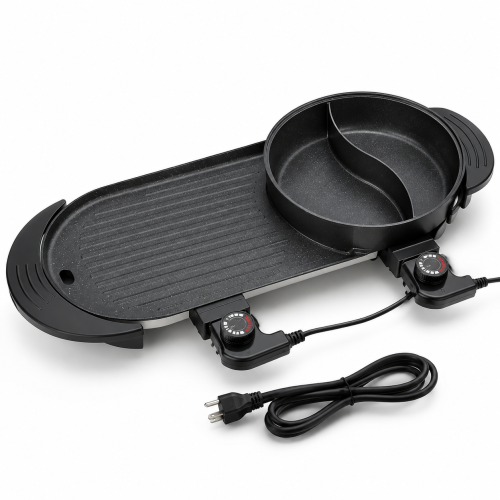
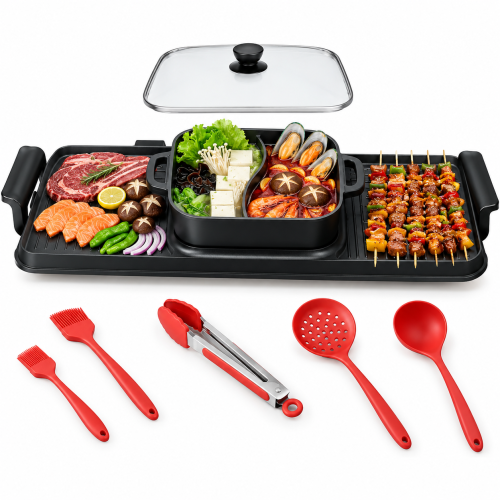


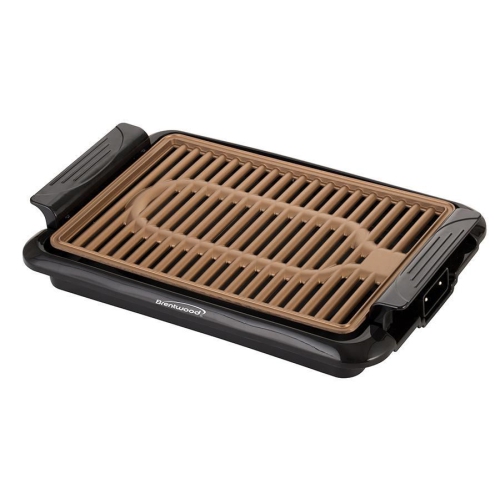


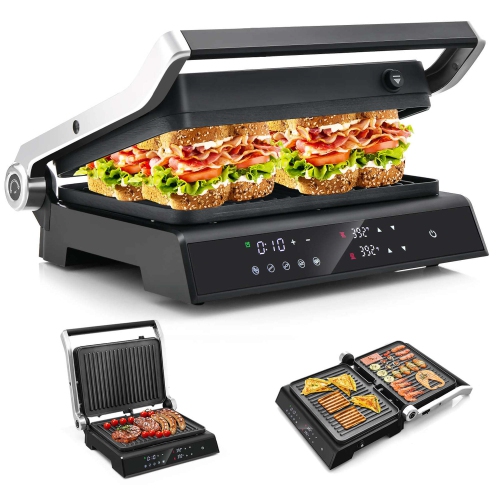
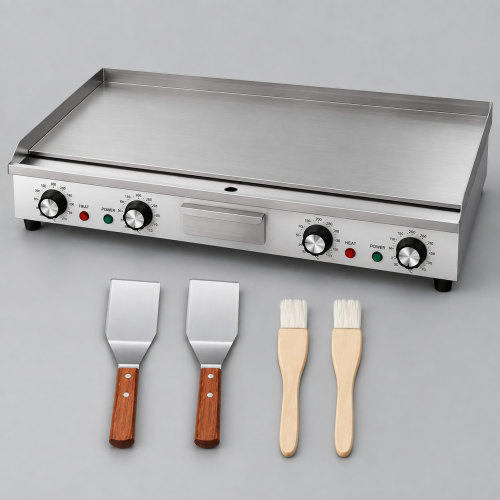


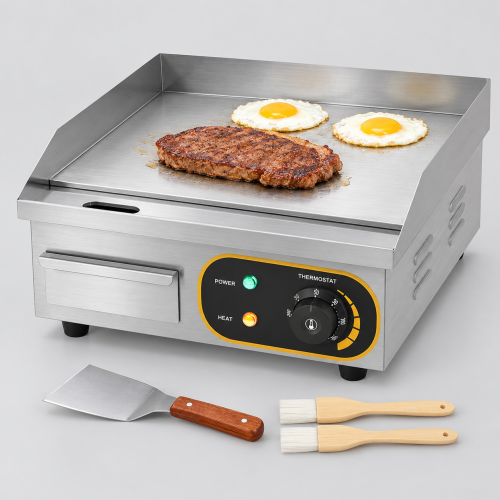


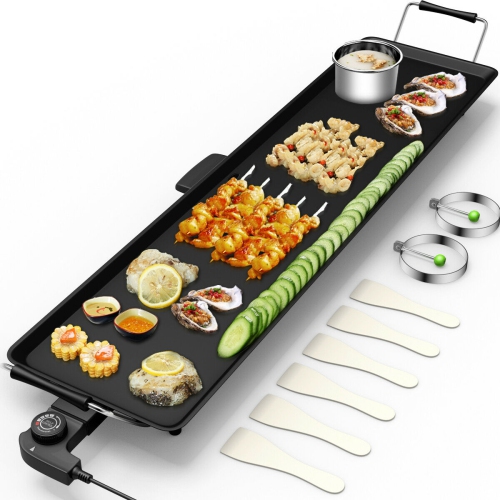
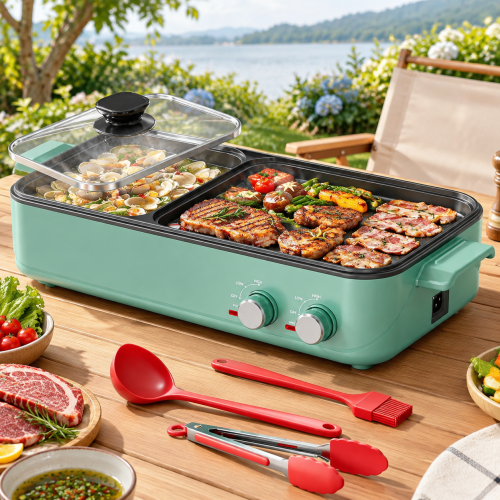
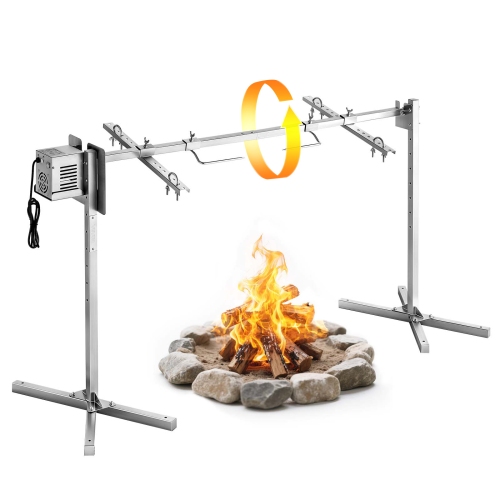
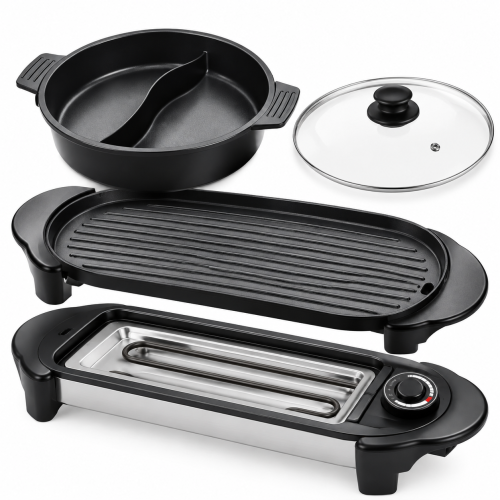
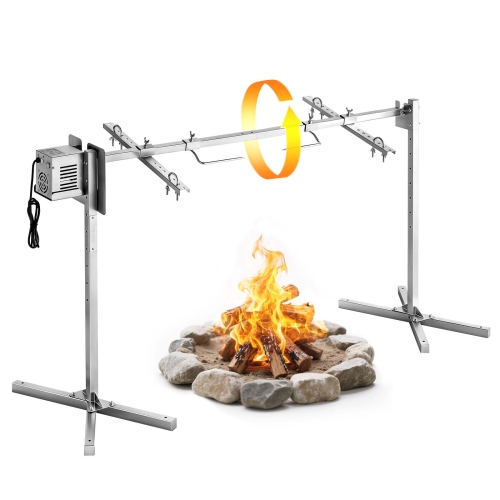
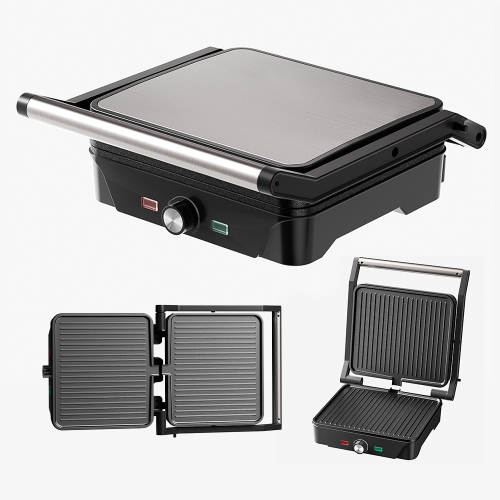

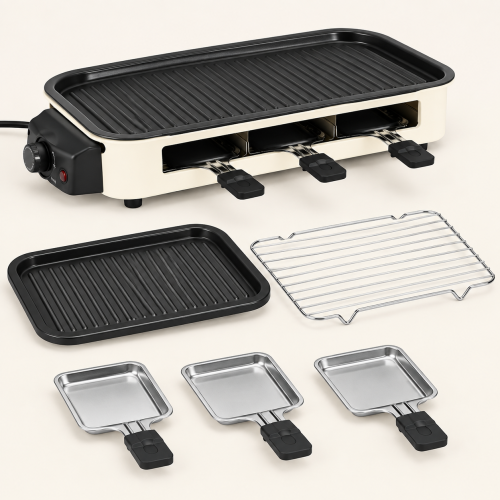
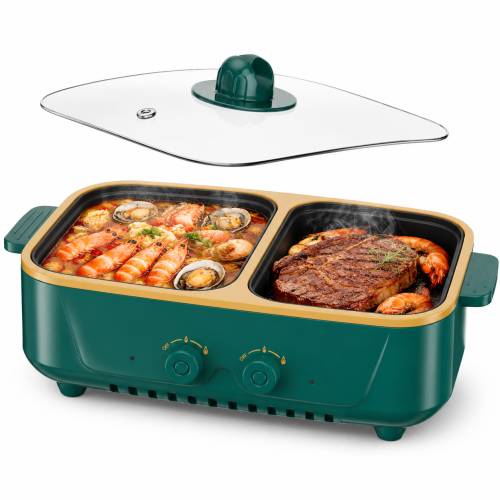
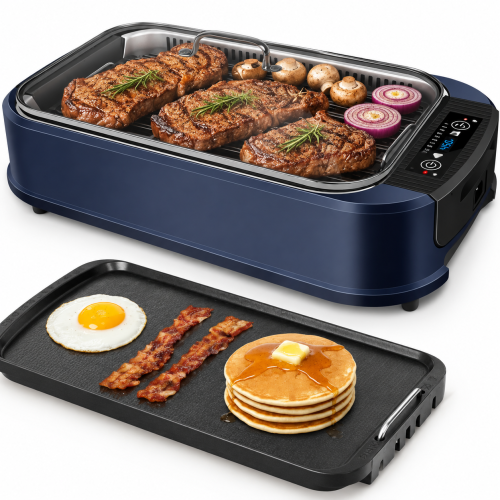
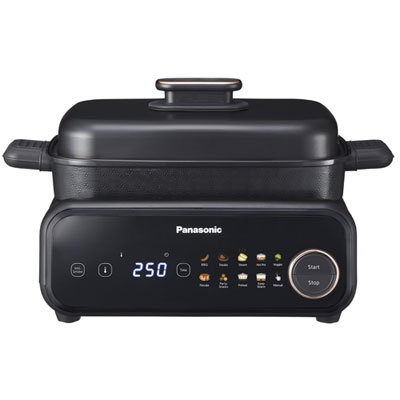

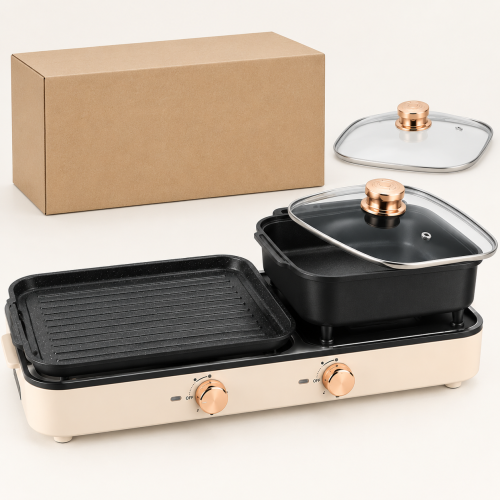


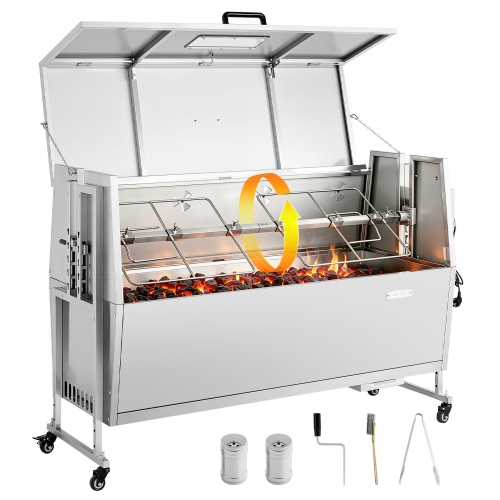


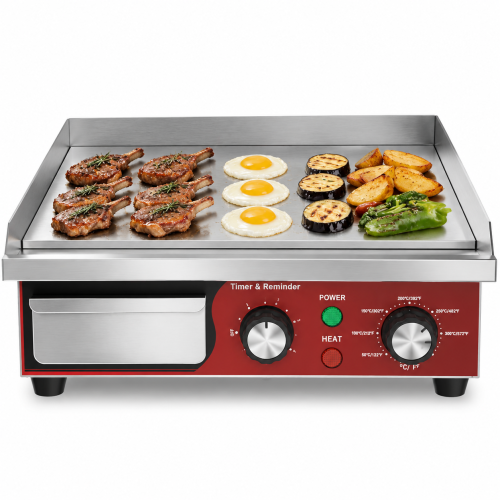
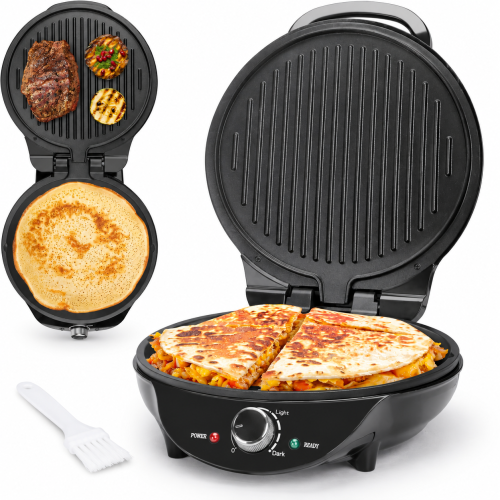
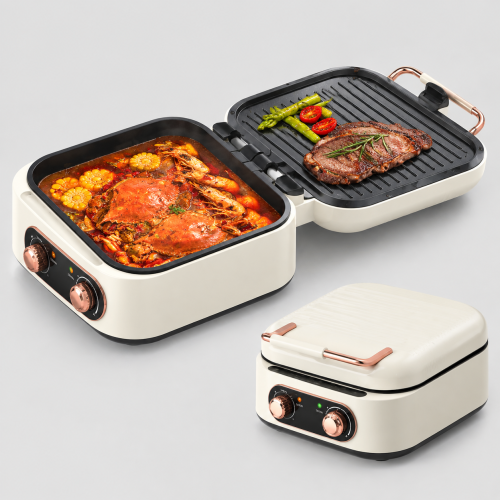

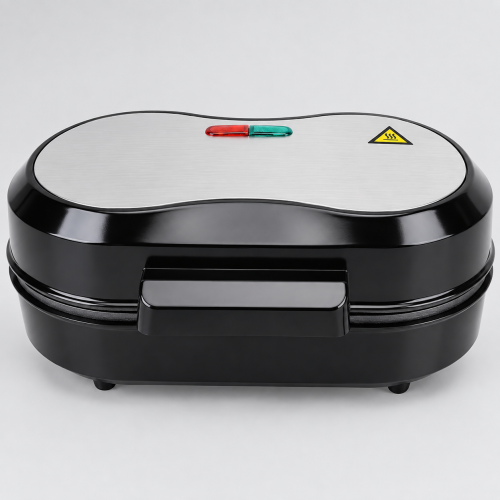

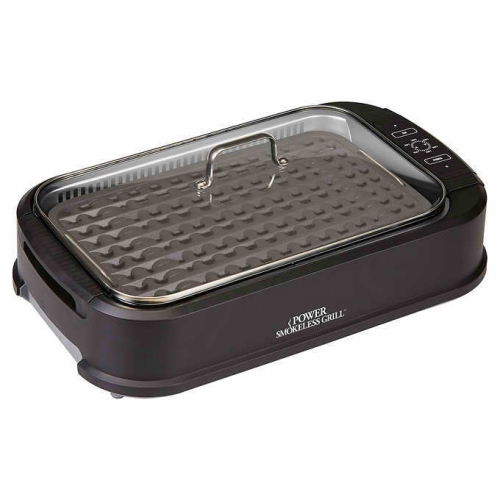
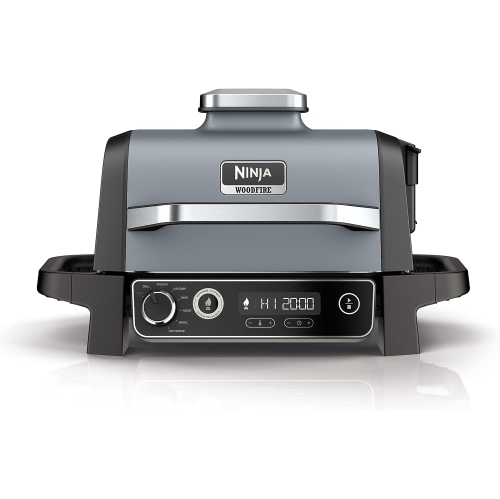
Barbecue favourites without charcoal or propane to manage
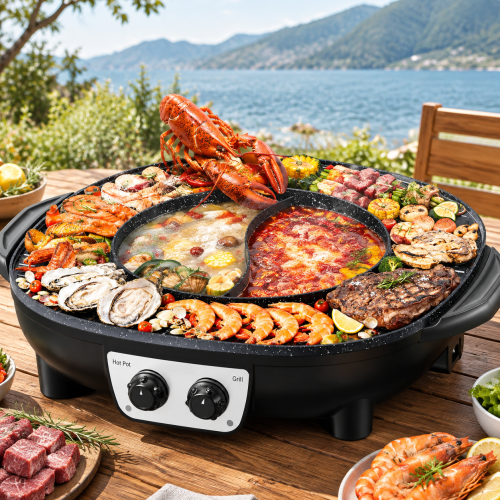
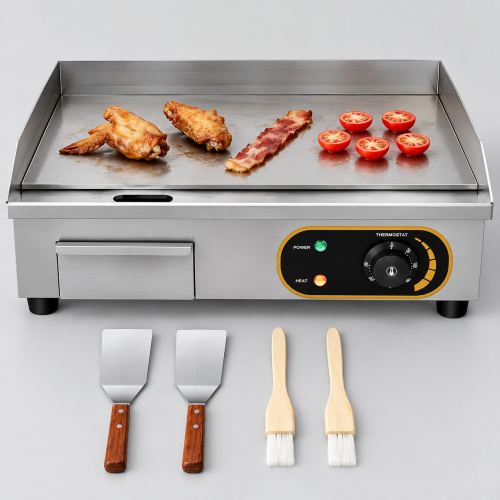
Electric BBQ grills cook food using an electrically heated element rather than burning charcoal or gas. They bring familiar barbecue favourites, from burgers and chicken skewers to peppers and thick slices of courgette, to a cooking surface powered by an electrical outlet. Adjustable heat controls make it possible to move between gentler cooking and higher heat for browning, depending on the grill’s capabilities. There is no propane cylinder to refill or charcoal to light, making electric grilling a practical option for people who prefer a straightforward setup. The flavour comes largely from browning food and cooking its juices on a hot surface; an electric grill does not automatically reproduce the smoky character of charcoal cooking. These grills can suit smaller households, compact outdoor spaces, and cooks who want a dedicated grilling surface without managing fuel. Permission to use one on a balcony or patio still depends on building rules, condominium or rental policies, and applicable local requirements. An electric power source alone does not make a barbecue suitable for every location. Outdoor-only grills must remain outdoors, while indoor cooking requires a model expressly approved for that purpose. For kitchen-friendly alternatives, BBQ Indoor Grills include designs intended for indoor use, subject to their individual instructions. Even grills described as reduced-smoke can release steam, cooking odours, and some smoke when fats or marinades contact hot surfaces. Ventilation and correct placement remain important. A suitable location includes a stable, level surface, the required clearance from nearby materials, and access to an outlet that meets the manufacturer’s electrical requirements. Cord reach matters as much as the grill’s footprint: a convenient cooking spot should not depend on a cable stretched across a walkway. Any extension cord must be permitted by the manufacturer and appropriately rated for the appliance and location. Together, these practical details help define where an electric barbecue fits into everyday cooking, whether that means preparing dinner for two or grilling several portions for a shared meal.
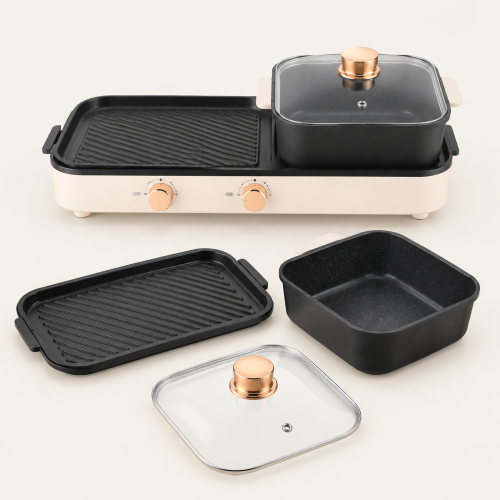
Cooking area, construction, and layout shape how an electric BBQ grill feels to use. Overall dimensions show how much space the appliance occupies, while the usable grilling surface determines how comfortably food can be arranged. A compact grill may handle a few burgers easily but leave less room for vegetables alongside them. Crowding the surface can also make turning food awkward and affect browning, especially when ingredients release moisture. For households that regularly cook mixed meals, a wider surface or separately controlled cooking zones, where offered, can provide more flexibility. Lids add another consideration: a covered design can help retain heat around thicker foods, but the open lid needs sufficient clearance behind and above the grill. Tabletop formats require an appropriate supporting surface, while freestanding designs need a stable base and enough room around their legs or stand. Removable stands can simplify storage on some designs, although removing a stand does not change where the appliance is approved for use. Materials influence both cooking performance and upkeep. Cast iron grates tend to retain heat well but are heavy and may need seasoning when uncoated. Cast aluminium plates are generally lighter, and non-stick finishes can make delicate foods easier to lift when handled with compatible utensils. Stainless steel components offer durability and a smooth surface for wiping away splashes, though grease and fingerprints can remain visible. Porcelain-enamel finishes can simplify cleaning but need protection from impacts that could chip the coating. No single material eliminates maintenance. Useful features may include removable cooking plates, an accessible drip tray, clearly marked controls, and a lid handle positioned away from the cooking surface. A ready indicator can signal preheating progress, but it does not confirm that food is cooked through. Likewise, a built-in lid thermometer measures conditions near its sensor rather than the internal temperature of a chicken breast or burger. Consistent results depend on adequate preheating, sensible food spacing, and checking doneness with a food thermometer rather than relying on grill marks alone.
Everyday convenience often comes down to what happens before and after the meal. A grill that has space for a plate of uncooked skewers, a clean serving platter, and a heat-safe utensil rest is easier to work around than one squeezed into a narrow corner. Keeping raw and cooked foods separate also makes that arrangement more useful. Grease management deserves similar attention: a correctly fitted drip tray catches runoff, but it needs regular emptying and should never be allowed to overflow. Water should be added only to trays specifically designed for it and only as directed. After cooking, disconnect the grill from power and let it cool before removing parts or cleaning. Removable plates and trays may be dishwasher-safe, but that depends on the individual component; heating elements, plugs, temperature controllers, and electrical housings must be cleaned according to their instructions and should not be immersed unless expressly permitted. Soft cloths, suitable brushes, and non-abrasive cleaners help protect finishes, while metal scrapers can damage many coated surfaces. Prompt removal of food residue reduces stubborn buildup and helps keep grease from accumulating around the heating area. Durable ownership also includes checking the cord and plug for damage, keeping electrical connections dry, and storing detachable controls securely. A cover can protect an outdoor grill between uses when recommended, but it is not a substitute for the storage conditions specified by the manufacturer. For a gift, practical fit matters more than appearance alone: the recipient needs an approved place to cook, suitable electrical access, and room to clean and store the appliance. A compact household may value easy-to-remove plates, while someone who hosts meals may appreciate a larger cooking surface and accessible grease collection. The most useful electric BBQ grills balance cooking capacity with manageable cleanup, sturdy construction, and a layout that suits the space where meals are actually prepared.
Top selling and popular products
-
 Your price for this item is $70.92
-
 Your price for this item is $39.99
-
 Your price for this item is $99.99
-
 Your price for this item is $69.99
-
 Your price for this item is $109.99
-
 Your price for this item is $79.99
-
 Your price for this item is $97.89
-
 Your price for this item is $272.98
Discover more categories related to Electric BBQ Grills
Top Collections:
Best Black Friday Deals This Year, Best Black Friday Deals On Electronics, Kindle Devices, Pokemon Centers, Best Black Friday Deals On Apple Products, Best Cameras for Sports Photography, Dyson Airwrap, Pokémon 30th Celebration Cards, Apple iPhone 17 Pro, Canon G7X Cameras
Some products may be subject to Environmental Handling Fees
(EHF) depending on your province.
Learn more about EHFs.