BBQ Indoor Grills
Get ready to elevate your indoor grilling game with our selection of BBQ indoor grills. Whether you're looking to enjoy the smoky flavors of a traditional barbecue without leaving the comfort of your kitchen, or you want a convenient way to cook up delicious grilled meals year-round, we've got you covered. From compact grills perfect for small spaces to versatile models that offer multiple cooking options, find the perfect indoor grill to suit your needs and take your culinary skills to the next level.
Sort

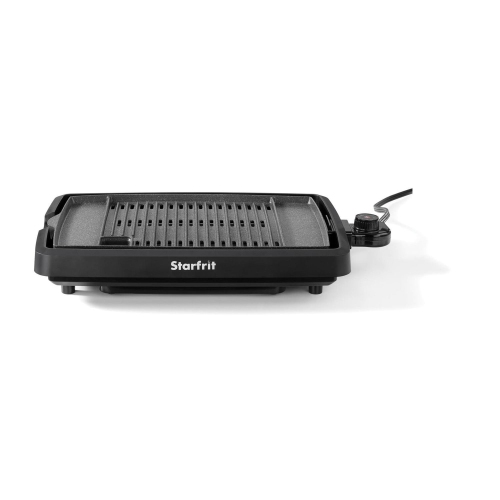

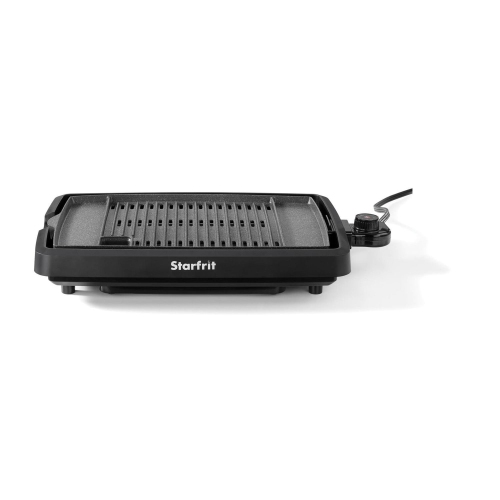

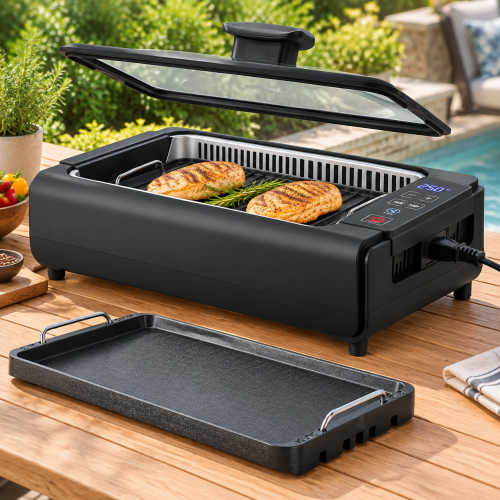
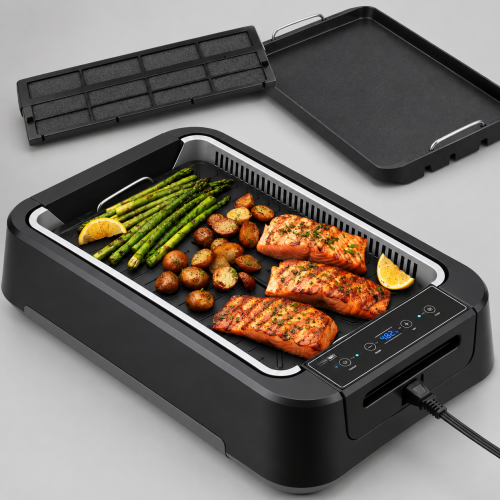


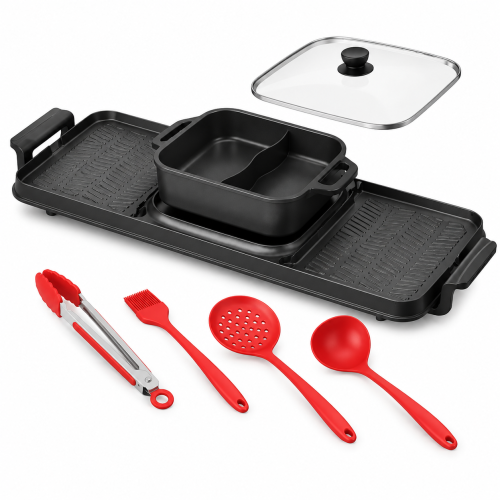
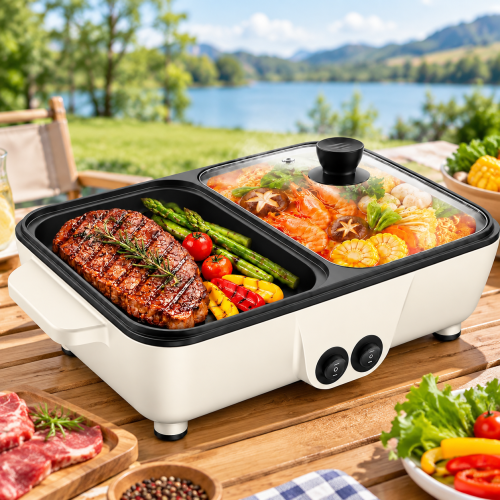
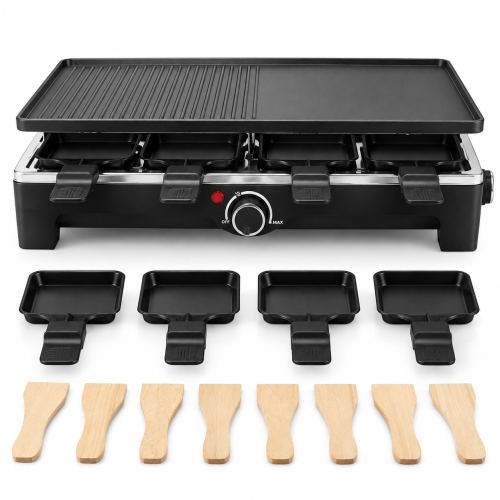
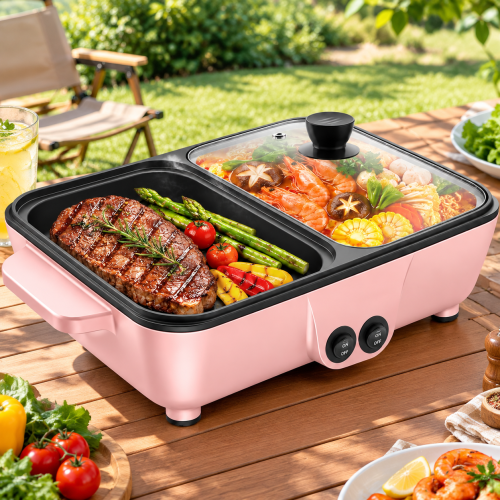


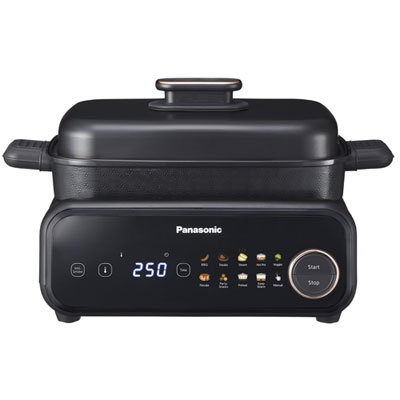

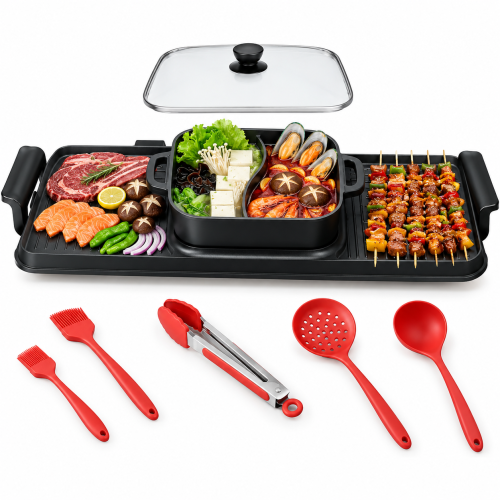
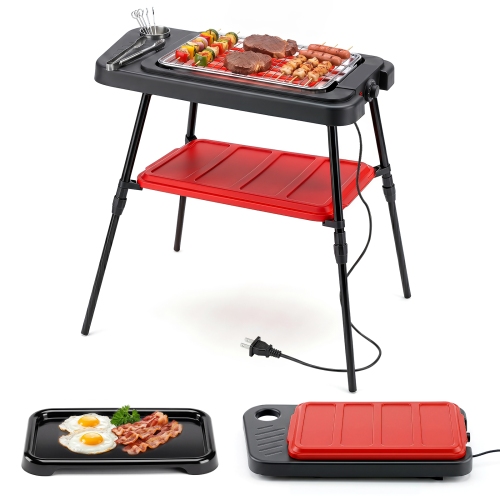
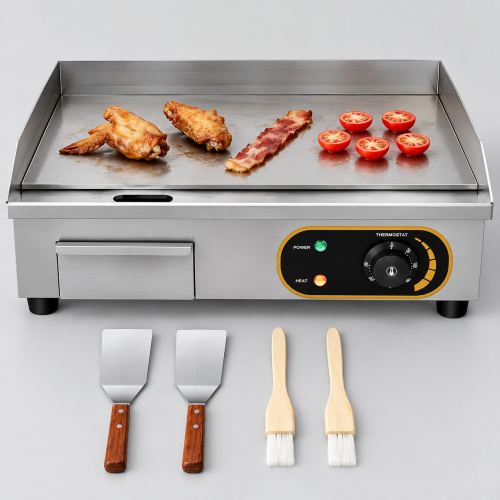
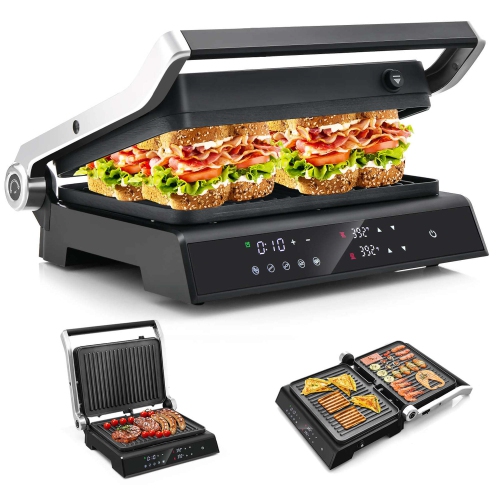

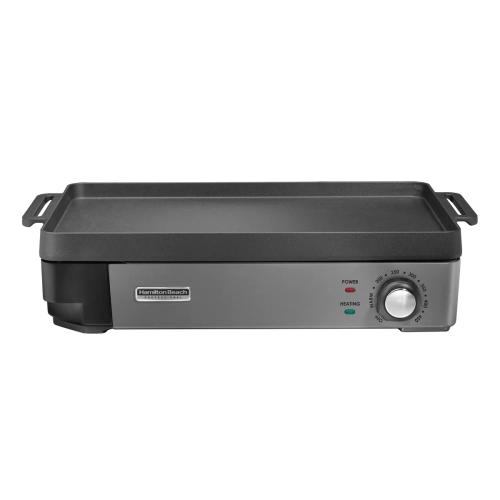

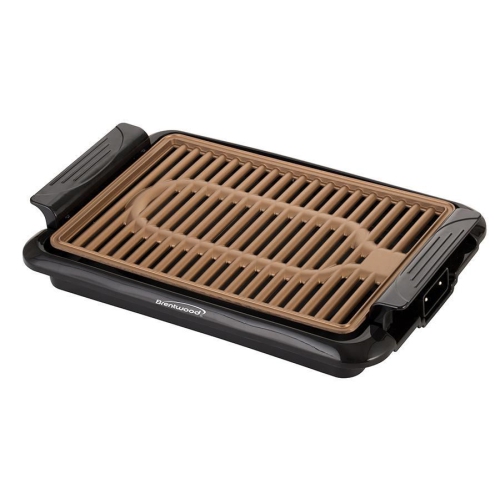


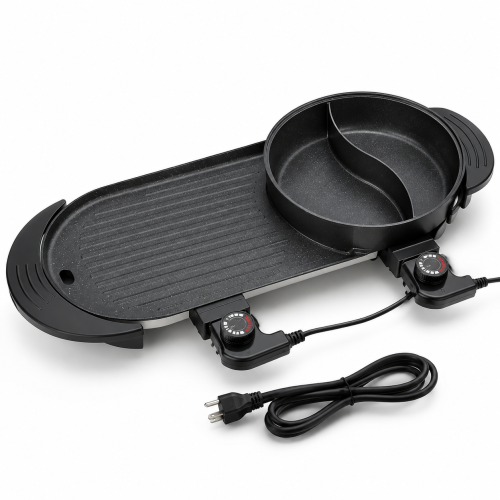
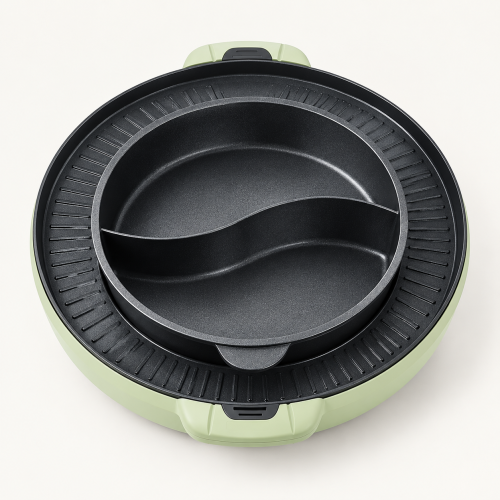
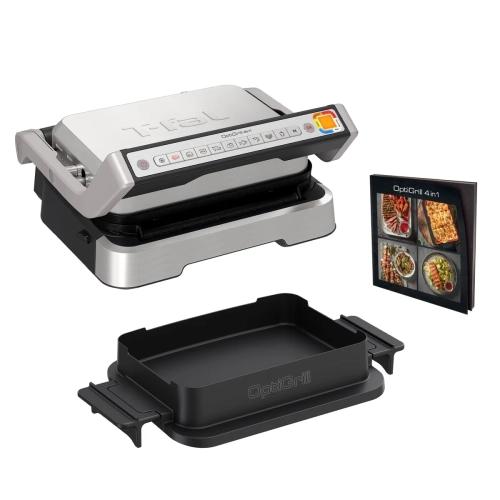


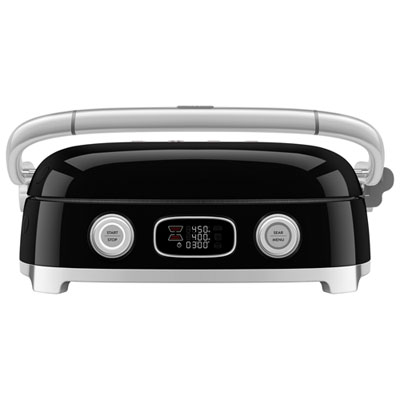
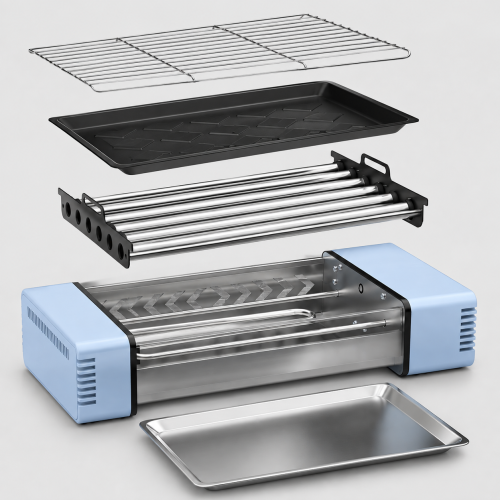




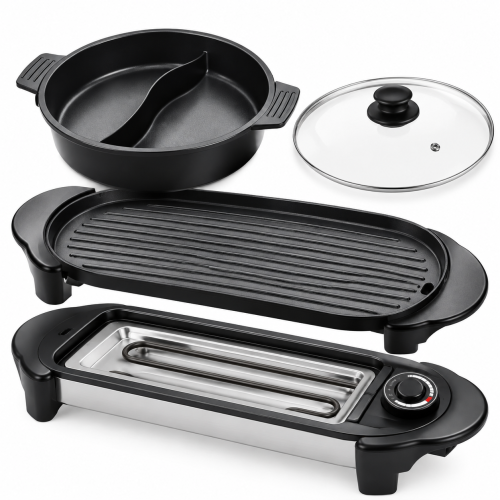
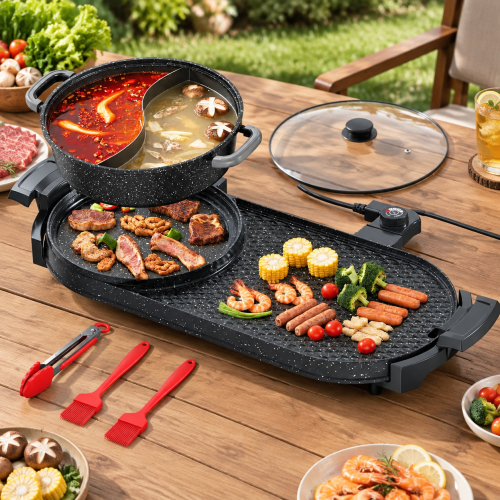
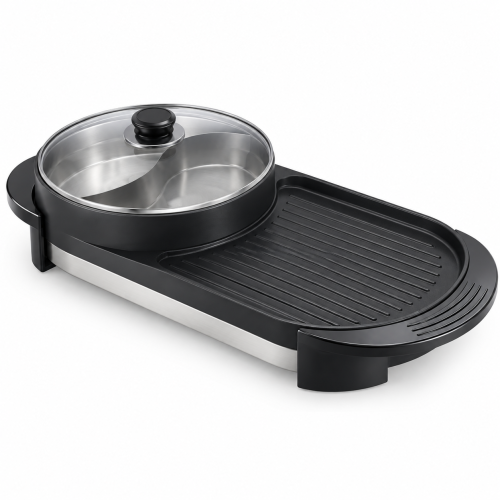

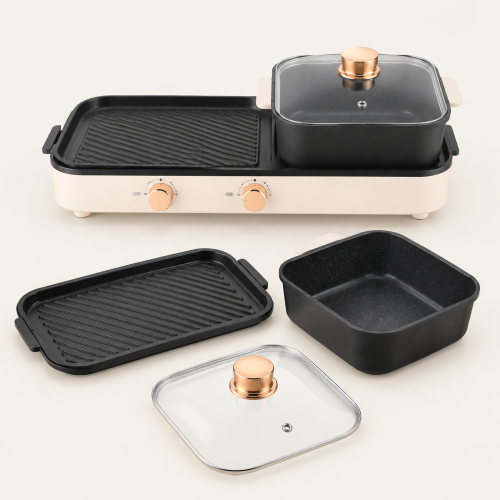

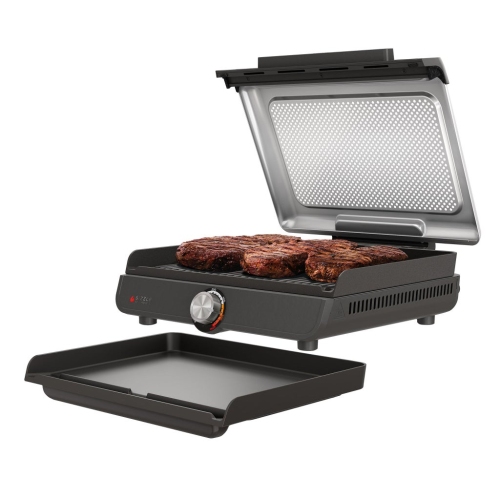

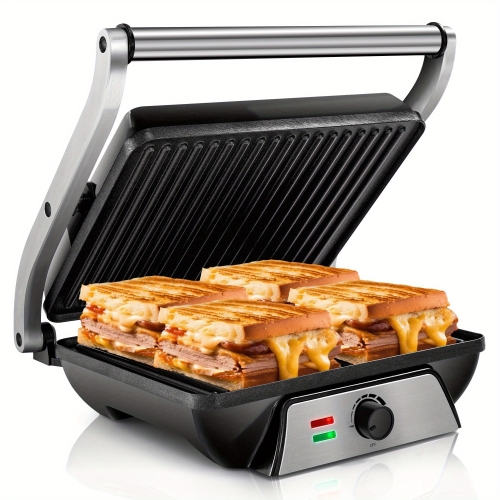
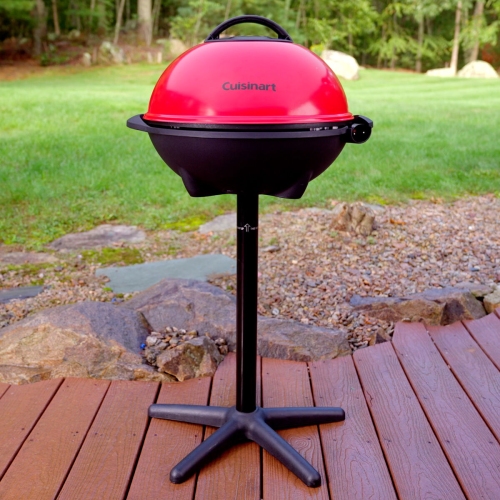


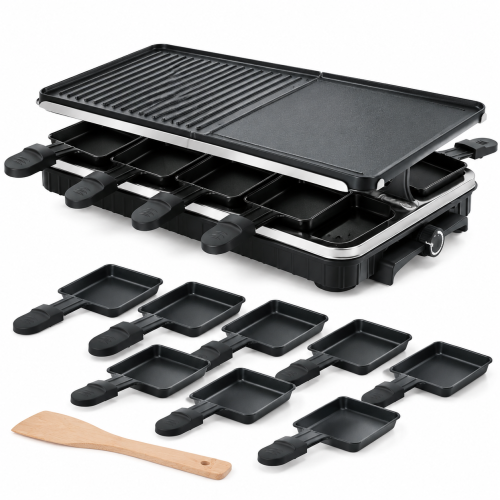



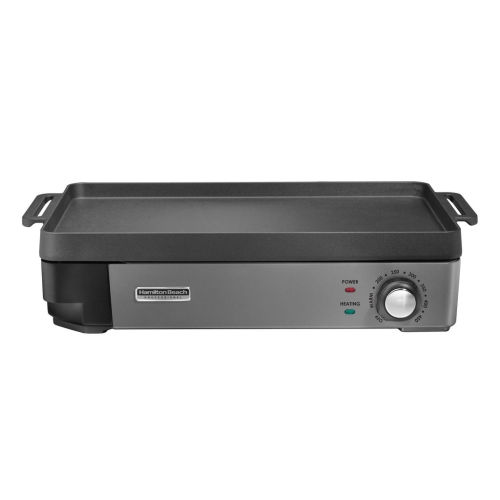



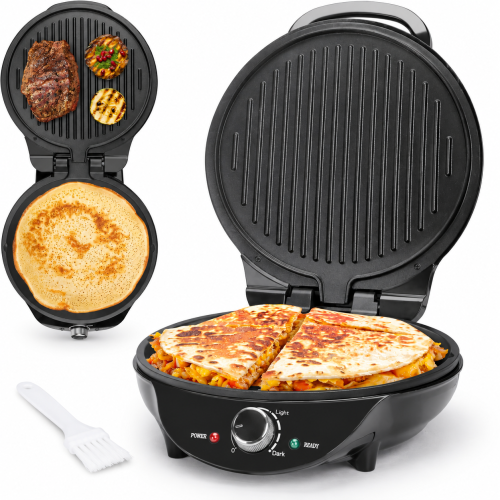


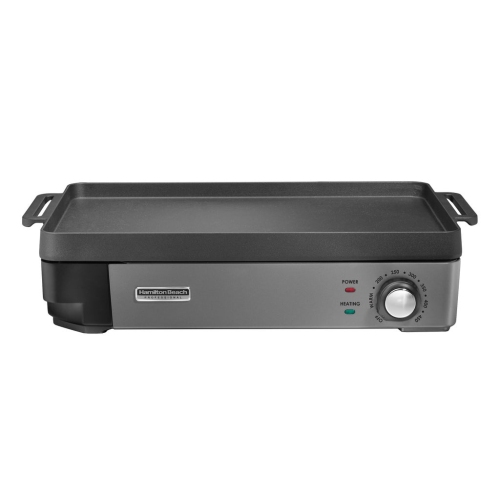
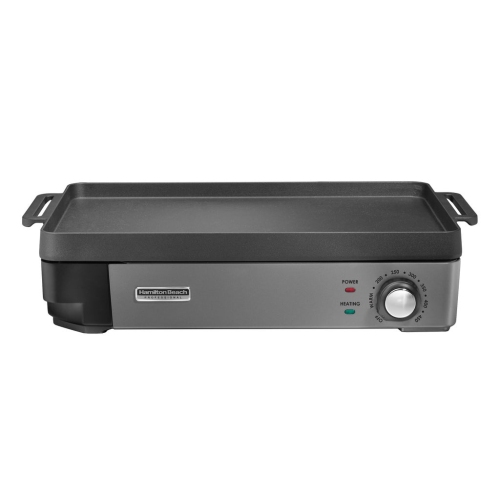
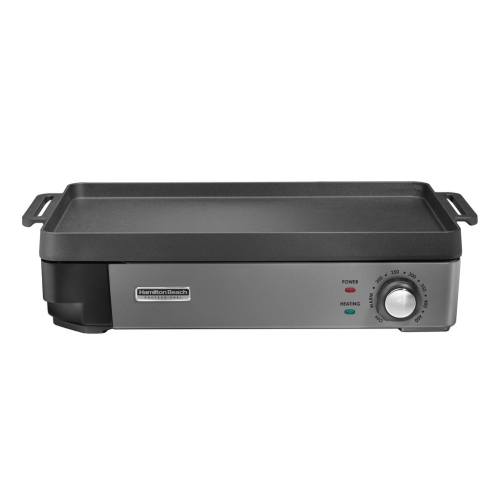


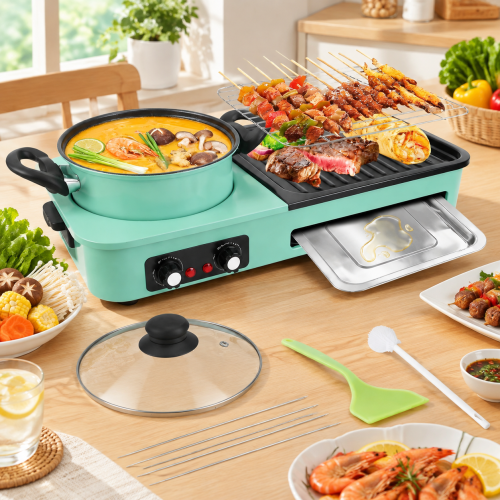
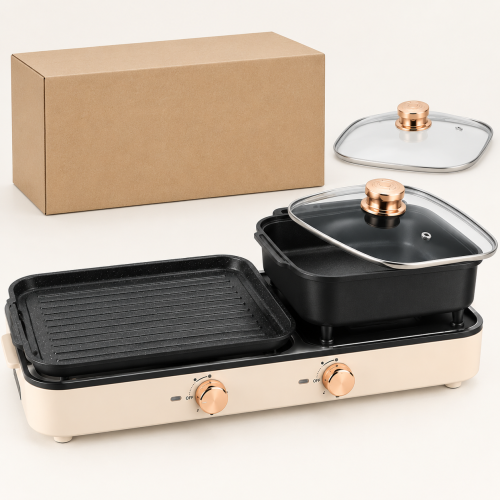

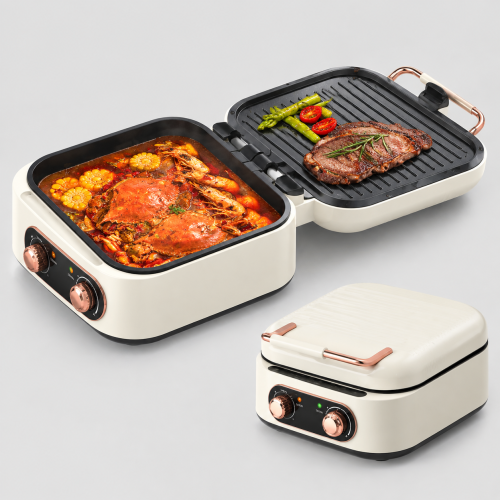
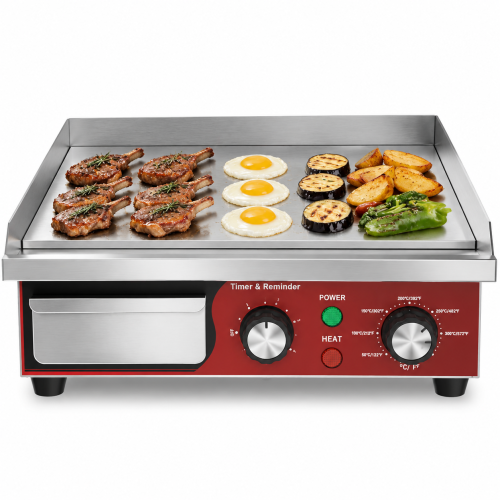
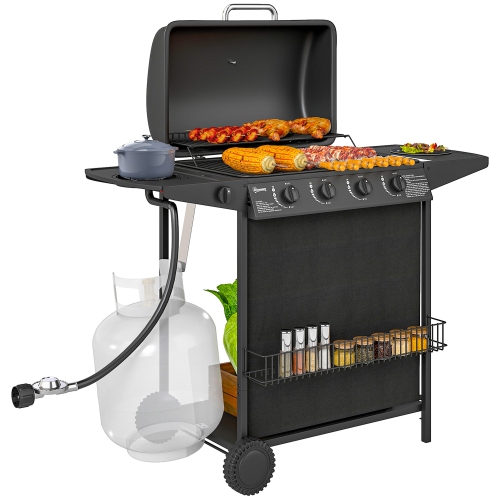
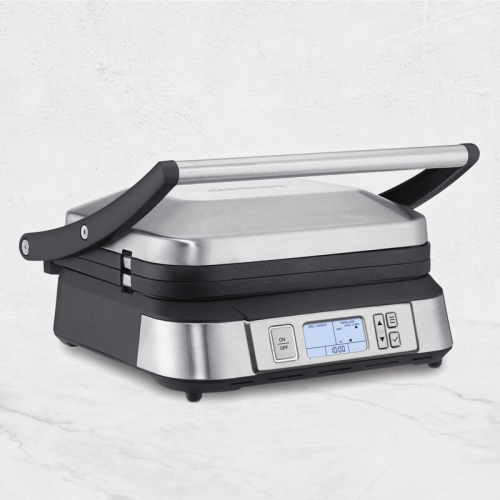

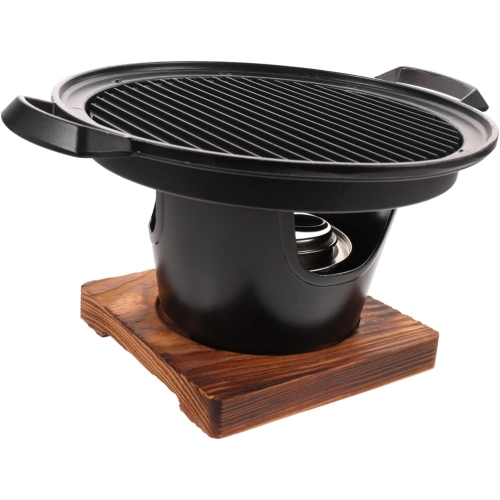
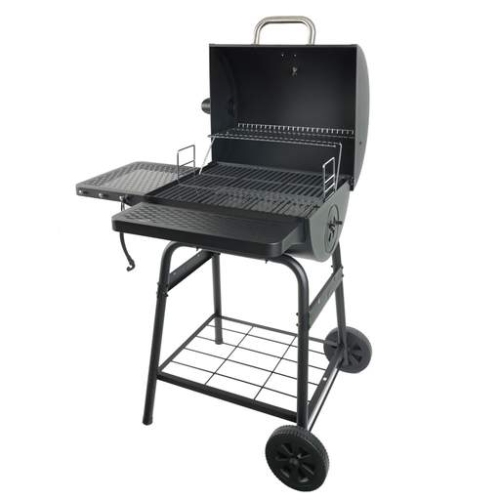
Barbecue-style browning without charcoal or an open flame
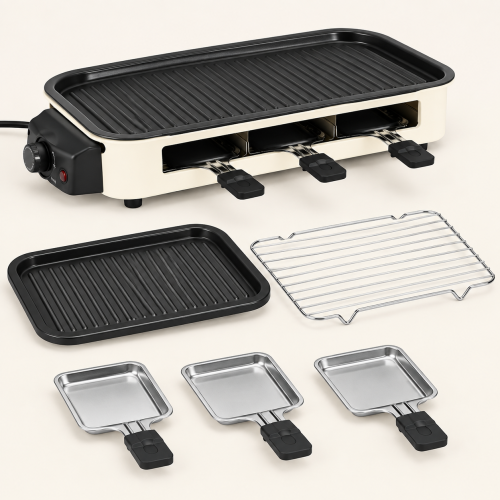
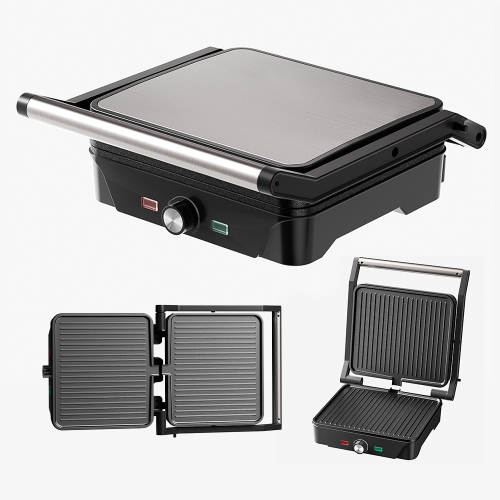
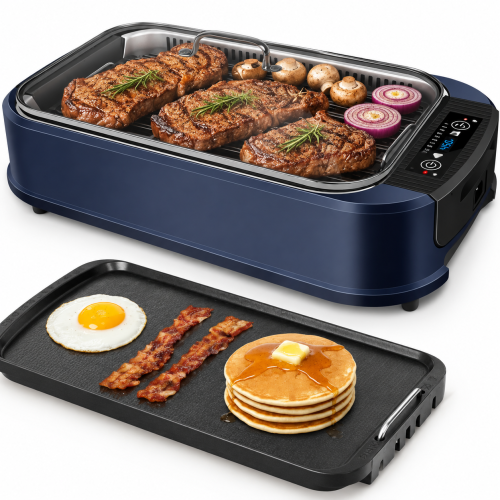
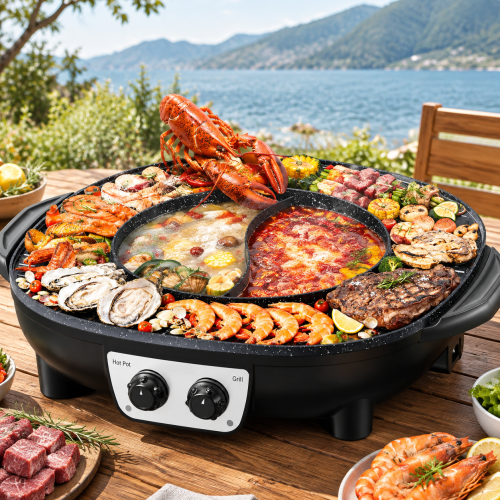
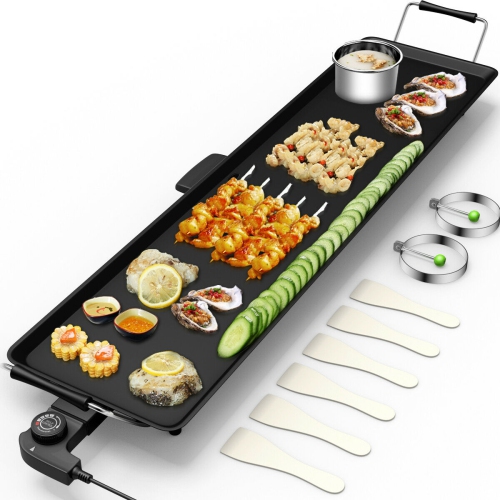
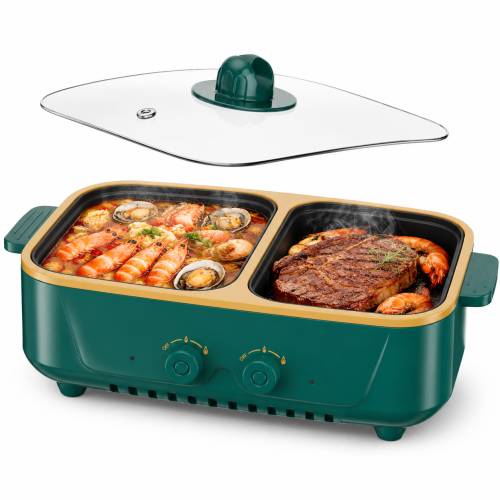
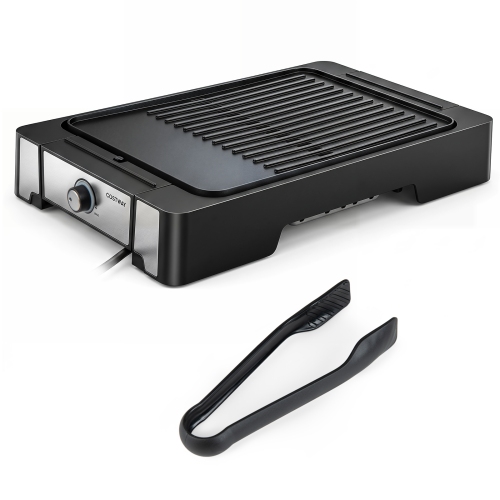
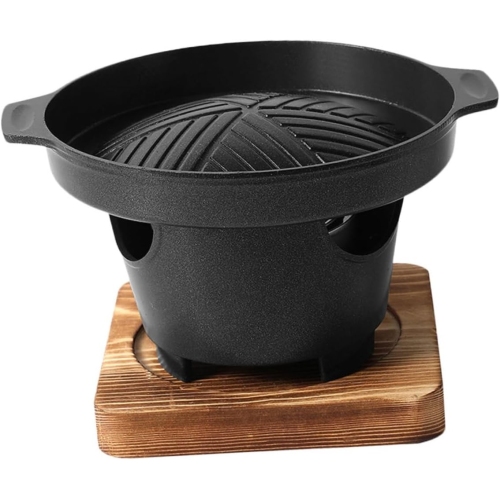
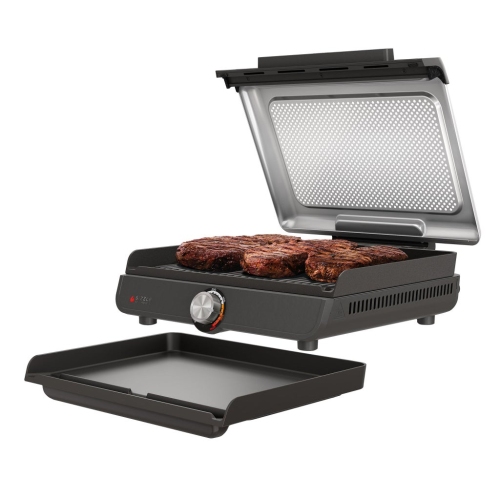
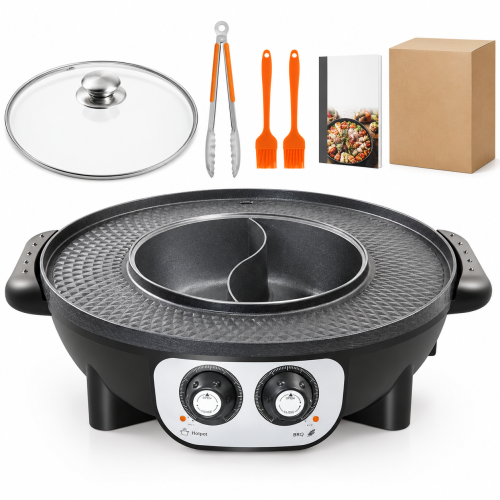
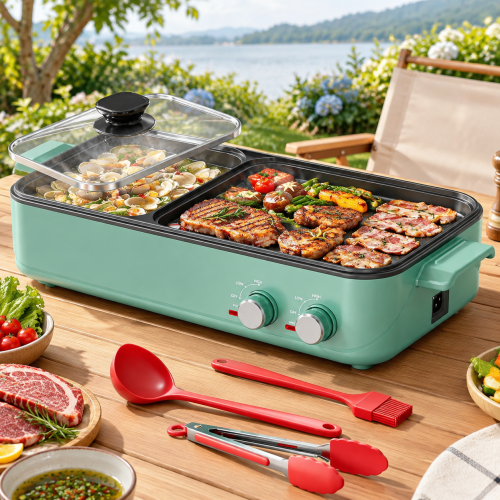
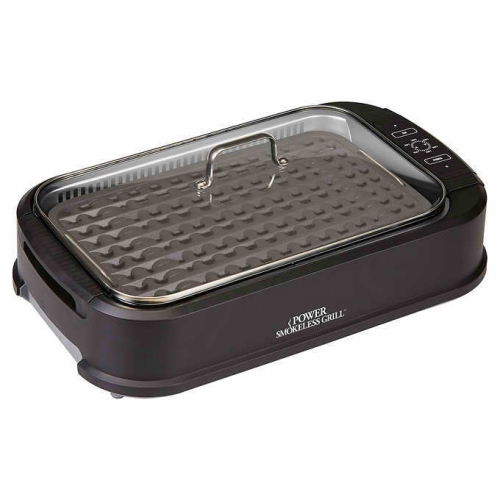
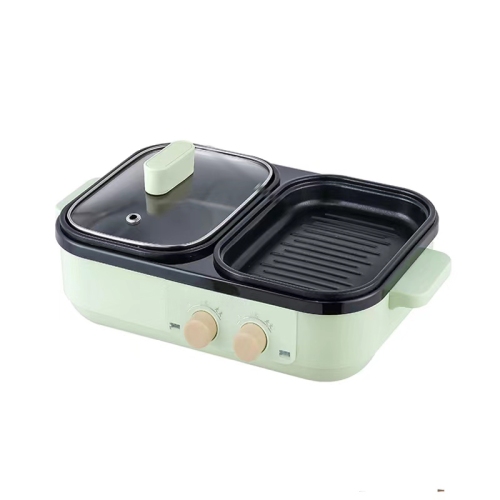
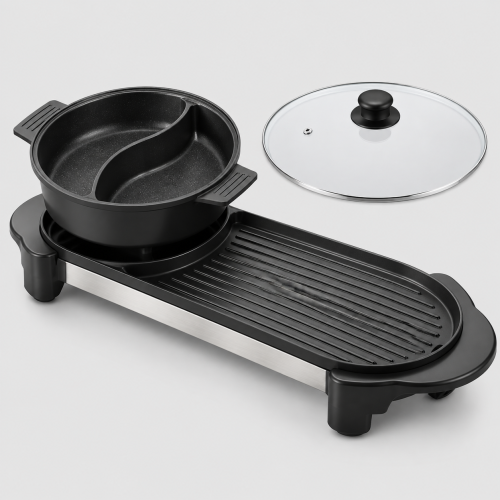
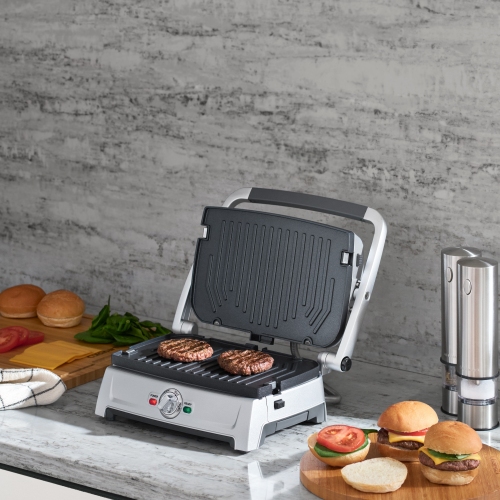
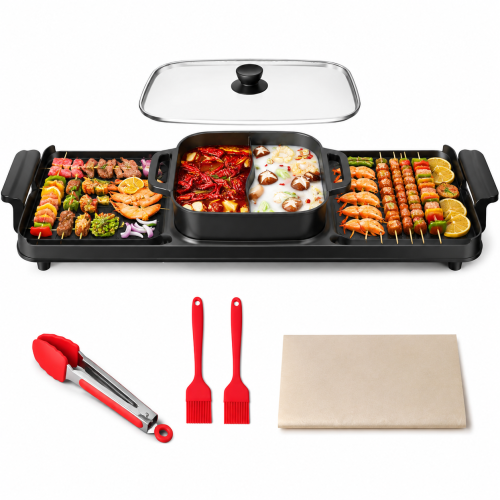
BBQ indoor grills are electric countertop appliances that cook burgers, steaks, vegetables, and other foods on heated plates without charcoal or an open flame. They bring barbecue-style cooking into the kitchen, with direct heat for browning and ridged surfaces that leave familiar grill marks. The flavour comes from the ingredients, seasoning, and contact with the hot cooking surface rather than burning fuel, so the results differ from those of a charcoal barbecue. Different styles of Indoor Grills suit different meals and cooking habits. Open grills have an exposed cooking surface, giving easy access to turn skewers, move sliced peppers, or lift a delicate fish fillet with a spatula. Contact grills have heated upper and lower plates that cook both sides of the food at once, making them useful for burgers, boneless chicken, and toasted sandwiches. A floating hinge can accommodate thicker food more evenly, while an adjustable lid height may help keep a softer sandwich from being pressed too firmly. Some designs open flat to provide a larger cooking area, although the usable space and heat settings depend on the appliance. Ribbed plates allow fat and juices to drain towards a collection tray, while flat or interchangeable plates can broaden the cooking options to include eggs, pancakes, or smaller ingredients that do not sit neatly across raised ridges. Adjustable heat offers flexibility for a meal that pairs a browned steak with tender mushrooms, rather than treating every ingredient the same way. Independent controls on separate cooking zones can be useful when foods need different heat levels. Grill marks alone do not confirm that meat is cooked through; a food thermometer provides a more reliable check against safe internal cooking temperatures. For everyday use, the most practical design is one that matches the meals being prepared, whether that means a quick grilled sandwich at lunch or enough cooking space for several portions at dinner.
The size of an indoor BBQ grill matters both on the counter and on the plate. Overall dimensions show how much kitchen space the appliance occupies, but the cooking surface determines whether a few burgers fit comfortably or need to be prepared in batches. Food needs room around it for turning and for moisture to escape; tightly packed vegetables can steam rather than brown. A compact grill may suit one person, a couple, or a kitchen with limited storage, while a wider surface can make shared meals easier to manage. Lid clearance is another consideration, especially beneath upper cabinets, because a contact grill may need considerably more vertical space when open. A design that folds upright can be convenient for storage when the manufacturer permits that position, and a secure plate-release mechanism helps removable components feel stable during use. Cooking plates are often made from cast aluminium or other metals, sometimes with a non-stick coating that helps food release and makes residue easier to remove. Plate thickness, heating-element placement, and temperature control all affect how evenly the surface cooks and how well it maintains heat when food is added. A sturdy base, comfortable handles, and clearly marked controls contribute to everyday ease of use, particularly when the counter also holds bowls, utensils, and prepared ingredients. Handles described as cool-touch still require care around nearby hot surfaces and escaping steam. The drainage layout deserves attention too: a well-positioned drip tray should collect cooking juices without being awkward to remove once cooled. Appliances described as smokeless or low-smoke are designed to reduce smoke, not guarantee its absence. Fat, excess oil, sugary marinades, and food residue can still produce smoke or odours. Suitable kitchen ventilation and the clearances specified by the manufacturer remain important, even when the grill has a lid or a smoke-reduction feature. These practical details can make more difference to daily cooking than appearance alone.
Care and cleaning have a direct effect on how pleasant an indoor grill is to use over time. Removable plates make it easier to reach the grooves where browned juices collect, while fixed plates need careful wiping without allowing water into electrical components. Dishwasher-safe parts can simplify cleanup, but that designation needs to apply to the individual component rather than the whole appliance. The grill body, plug, and cord should never be immersed in water. Allowing the appliance to cool before cleaning helps prevent burns, and following the manufacturer’s care directions protects the cooking surface. On coated plates, wooden or heat-safe silicone utensils are generally gentler than metal tools, while non-abrasive cleaning helps avoid scratches that can shorten the coating’s useful life. Emptying the drip tray after use and removing residue before it builds up can also reduce lingering odours and smoke during later meals. For a busy household, these details matter: a grill that handles supper well but takes extensive scrubbing afterwards may be less appealing for frequent use. Indoor grills can suit apartment kitchens, shared homes, and households that enjoy grilled food without needing a large cooking setup. A small contact grill can make a pressed wrap with crisp edges, while an open surface gives sliced courgettes, mushrooms, and halloumi room to brown. For someone furnishing a first kitchen or a home cook who regularly makes toasted sandwiches and grilled proteins, an indoor grill can be a thoughtful gift when its size and functions fit their routine. It remains a cooking appliance that needs a stable, heat-resistant surface, suitable ventilation, and attention during use. Only appliances specifically intended for indoor cooking belong inside; outdoor charcoal, propane, and other fuel-burning barbecues are not substitutes. With the right fit for the kitchen and the meals being made, an indoor BBQ grill can become a useful part of everyday food preparation, from a single sandwich to a shared platter of grilled vegetables and meat.
Top selling and popular products
-
 Your price for this item is $70.92
-
 Your price for this item is $39.99
-
 Your price for this item is $99.99
-
 Your price for this item is $69.99
-
 Your price for this item is $109.99
-
 Your price for this item is $79.99
-
 Your price for this item is $97.89
-
 Your price for this item is $272.98
Discover more categories related to BBQ Indoor Grills
Top Collections:
Best Black Friday Deals This Year, Best Black Friday Deals On Electronics, Kindle Devices, Pokemon Centers, Best Black Friday Deals On Apple Products, Best Cameras for Sports Photography, Dyson Airwrap, Pokémon 30th Celebration Cards, Apple iPhone 17 Pro, Canon G7X Cameras
Some products may be subject to Environmental Handling Fees
(EHF) depending on your province.
Learn more about EHFs.