Electric Kettles Boiling Waters
Electric Kettles Boiling Water offer a convenient and efficient way to heat water for your favorite beverages, meals, and more. Whether you're preparing tea, coffee, or instant soups, these appliances make it easy to enjoy hot water at the touch of a button. With a variety of sizes and designs available, finding the right electric kettle to suit your kitchen and lifestyle is simple. Explore options that blend style with functionality and discover how Electric Kettles Boiling Water can enhance your daily routine.
Sort
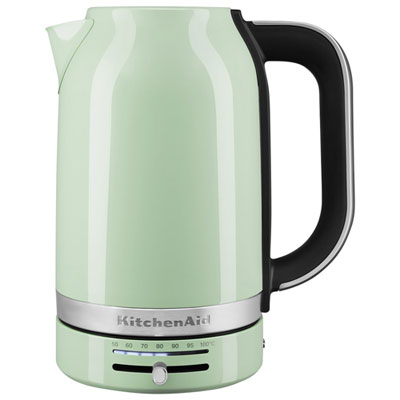

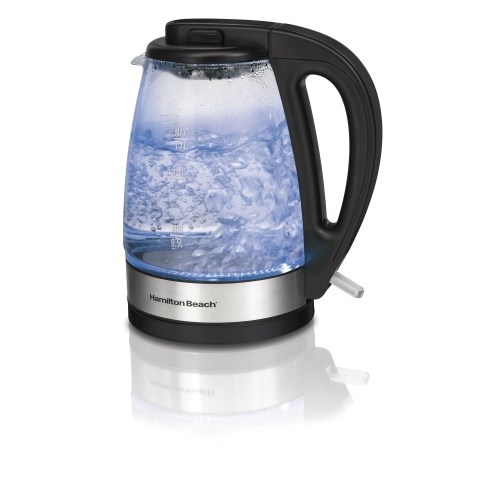
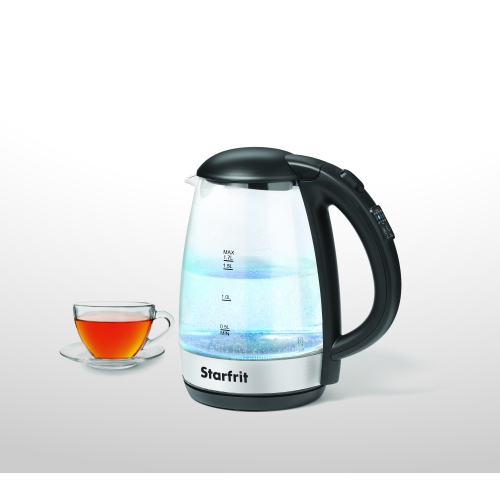
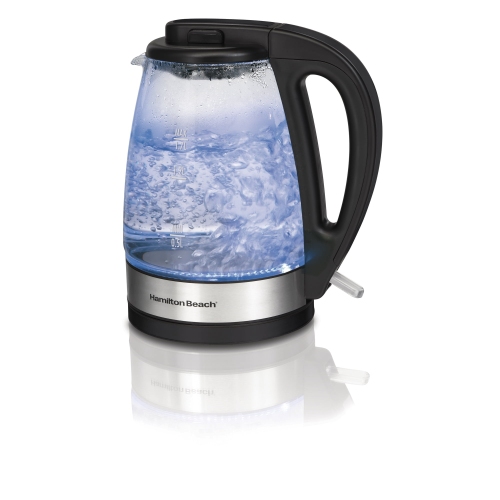

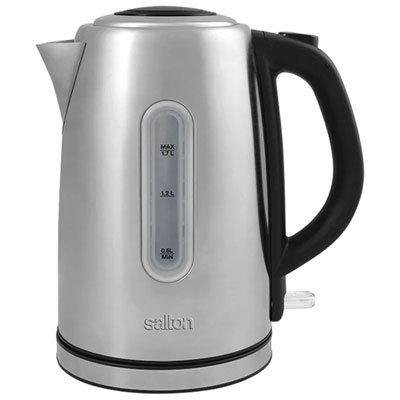

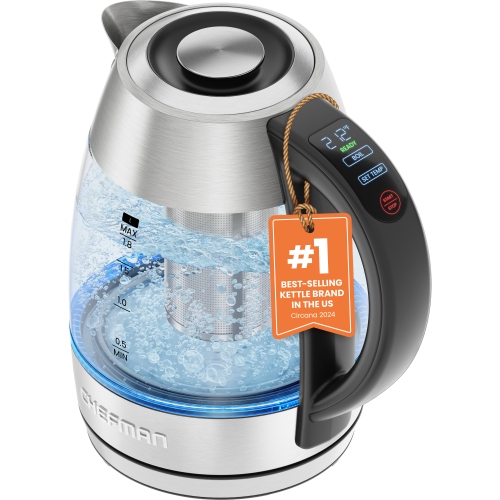
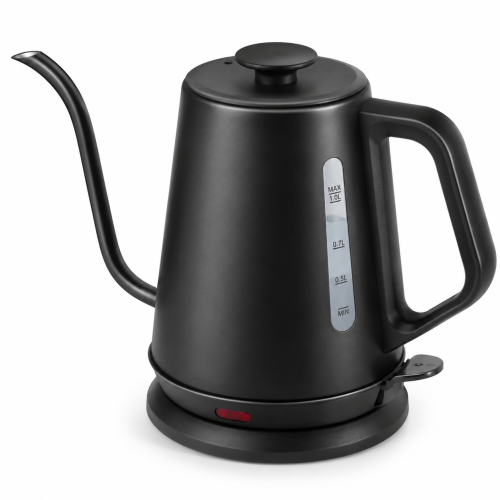
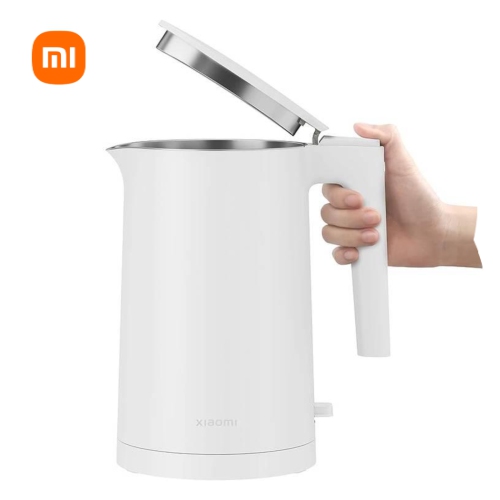
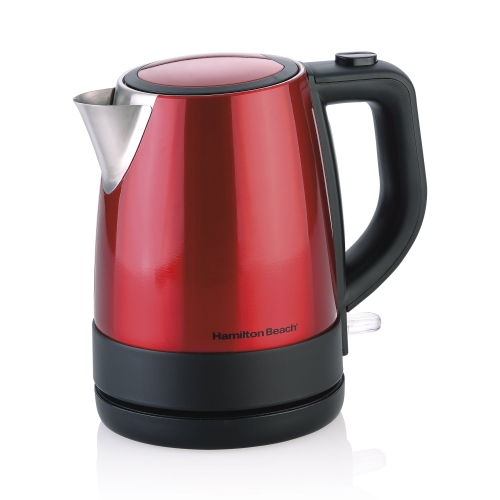
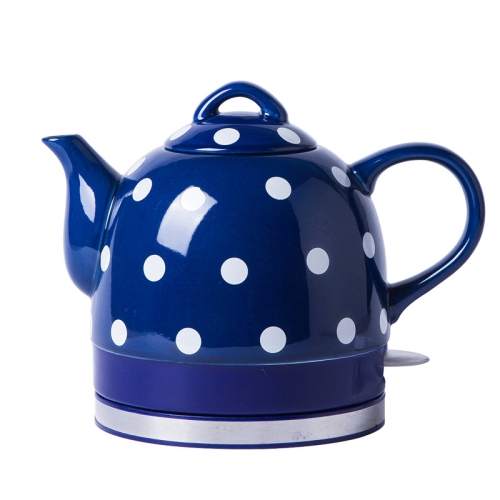

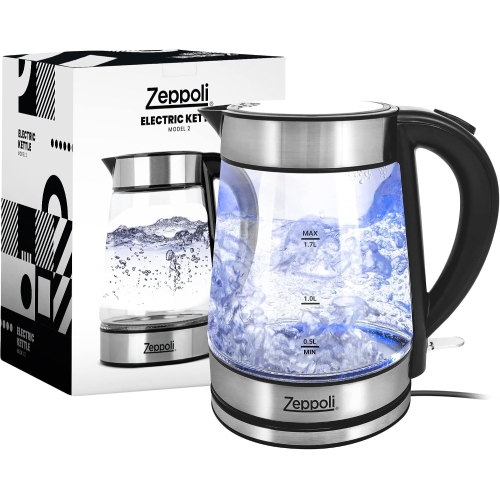
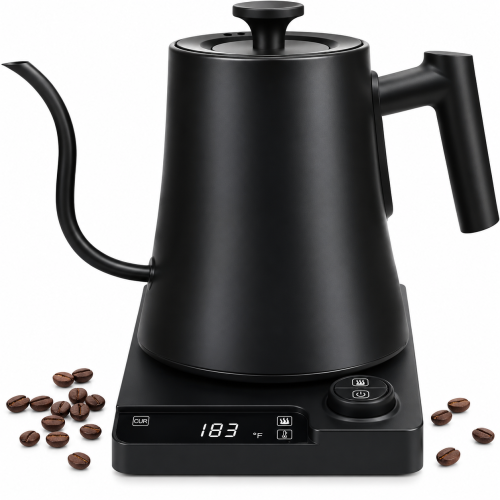
Why kettle capacity matters for your morning cup
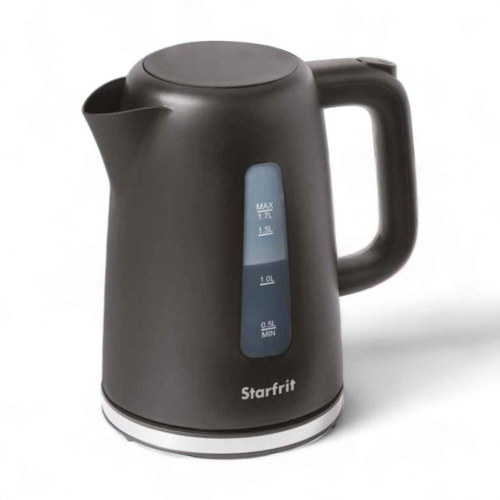
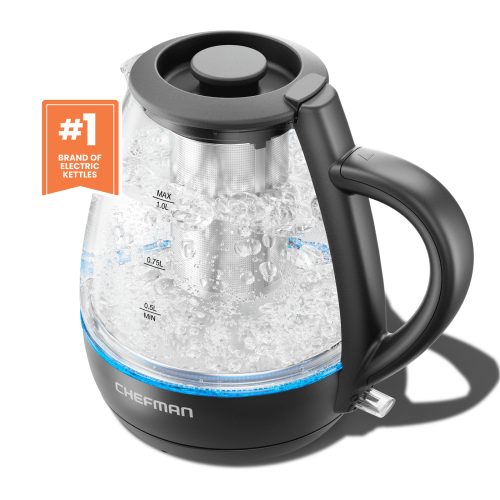
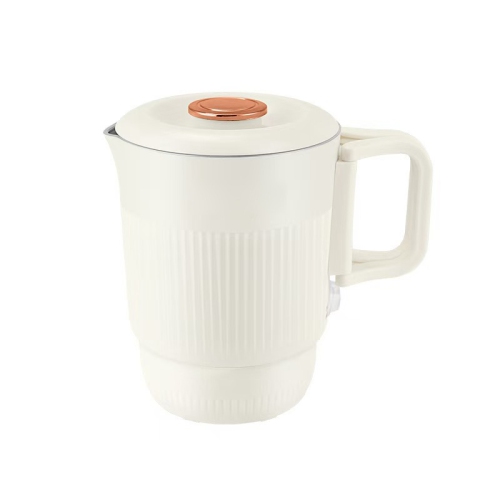
Electric kettles heat water for tea, coffee, instant drinks, and everyday food preparation, bringing a frequently used kitchen task into one compact appliance. A heating element warms the water inside the kettle, while a powered base or cord supplies electricity without a stovetop burner. Many designs include automatic shut-off when the water reaches a boil, and some add boil-dry protection that stops heating when there is too little water inside. These are separate features, so both are worth checking when comparing designs. Boiling speed depends on the amount of water, its starting temperature, and the kettle’s wattage; a smaller fill generally heats sooner than a full kettle. Water boils at approximately 100°C at sea level, although the boiling point is lower at higher elevations. For someone making a single morning drink, a compact kettle can keep the countertop clear and make the water level easy to judge. A larger capacity may suit a household preparing several mugs at once or a shared kitchen where people make drinks throughout the day. The minimum fill line matters as much as the maximum capacity, particularly for anyone who usually needs only one cup. Clear markings make it easier to measure an appropriate amount without overfilling. Standard electric kettles are intended primarily for heating water, rather than cooking soup, warming milk, or preparing food directly inside the vessel, unless the manufacturer specifically allows those uses. Their usefulness extends beyond a cup of tea: boiled water can be poured over instant oatmeal, added to certain meal preparations, or used to start a recipe that calls for hot water. Food package directions still determine whether pouring on boiling water is sufficient or whether further cooking is required. A kettle with a comfortable handle, a predictable pour, and an easy-to-read water window can make these small tasks feel more manageable, especially when breakfast involves several cups, bowls, and competing demands on the countertop.
Materials and construction affect how an electric kettle looks, feels, and holds up to daily handling. Stainless steel offers a sturdy water chamber and a finish that can coordinate with other kitchen appliances, although exposed metal surfaces may become hot during use. Glass makes the water level visible at a glance and lets the user see when mineral deposits begin to collect, but it also needs protection from knocks against a tap or sink. Plastic components can reduce weight, which may be helpful when lifting a full kettle, while double-wall construction can limit heat transfer to the outside on designs built for that purpose. A cool-touch description should always be checked against the manufacturer’s instructions, since the lid, spout, and escaping steam can still present a burn risk. Beyond materials, the shape of the spout changes the pouring experience. A wider spout can suit filling mugs and larger vessels, while a narrow gooseneck spout offers more control over the flow for pour-over coffee. For brewing-focused routines, Electric Coffee Kettles can offer designs that emphasize a measured pour and temperature control. Variable settings are useful when preparing drinks that call for water below boiling, including many green teas and some coffee brewing methods. A keep-warm function can maintain a selected temperature for a stated period, though the duration and operation vary by design. Controls should be readable, with clear feedback showing whether the kettle is heating, holding a temperature, or switched off. A rotating base can make the handle easier to position for either hand, and a cordless serving design allows the kettle to lift away while the base remains plugged in. Fit also includes the space above the appliance: a lid needs enough clearance to open beneath cabinetry, and a tall handle should not make filling at the sink awkward. The balance of a filled kettle matters more in daily use than its empty weight alone.
Regular care helps an electric kettle remain pleasant to use and keeps its water-contact surfaces clean. Minerals naturally present in tap water can leave a pale, chalky layer inside the vessel, particularly where hard water is common. This buildup is different from ordinary dirt and is best addressed with the descaling method specified by the manufacturer. The appropriate cleaning solution, contact time, and rinsing steps depend on the kettle’s materials and construction. A removable spout filter, where included, may catch loose particles during pouring, but it does not replace descaling or make untreated water safe to drink. Filters and lids should be cleaned only as directed, and neither the powered base nor electrical connections should be immersed in water. A soft cloth usually suits the exterior better than abrasive pads, which can mark polished finishes or scratch clear surfaces. Durability also comes from everyday handling: setting the kettle down gently, keeping the connector dry, and avoiding filling above the maximum line all help protect its components. The base belongs on a stable, dry surface with the cord positioned away from the countertop edge, and steam should be directed away from hands, cabinet surfaces, and nearby electronics. Automatic shut-off is a useful safeguard, not a substitute for careful use. For a student setting up a first kitchen, someone furnishing an apartment, or a tea enthusiast refining a daily routine, the best fit often comes down to straightforward details: how much water is needed, how comfortably the handle sits in the hand, and how easily the interior can be reached for cleaning. Electric kettles can also make practical housewarming gifts, particularly when the capacity and controls match the recipient’s habits. A simple on-and-off design may suit someone who mainly wants boiling water, while adjustable settings may be more useful for a household with several tea and coffee preferences. A well-matched kettle earns its place through repeated, ordinary moments, from filling a breakfast mug to preparing drinks for visitors.
Top selling and popular products
-
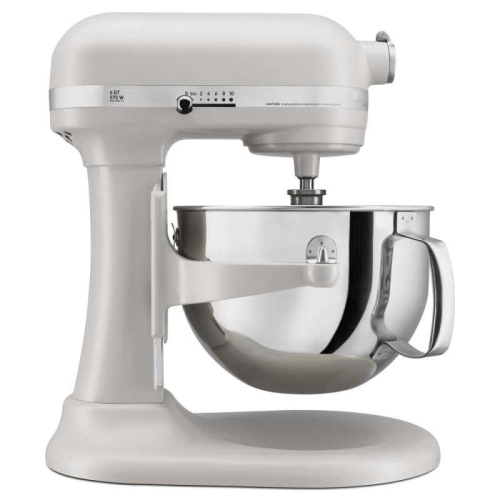 Your price for this item is $669.95
-
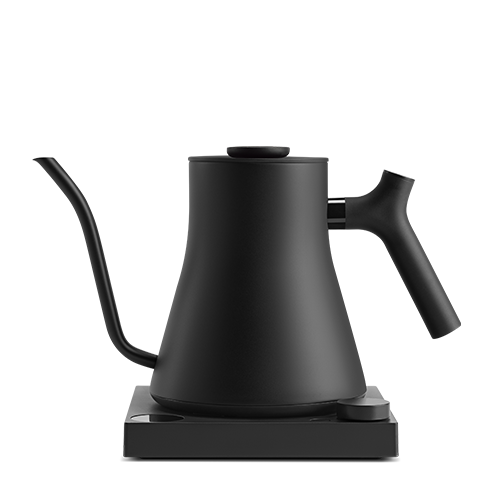 Your price for this item is $239
-
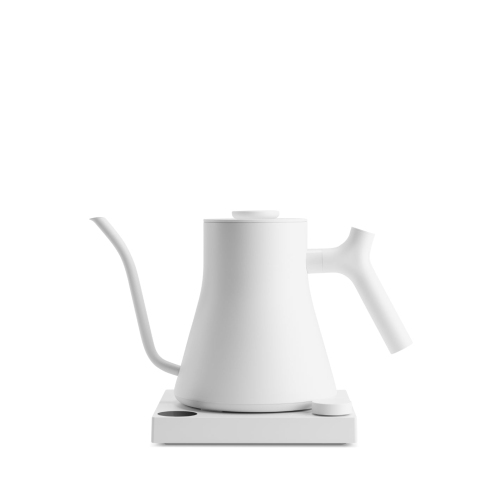 Your price for this item is $239
-
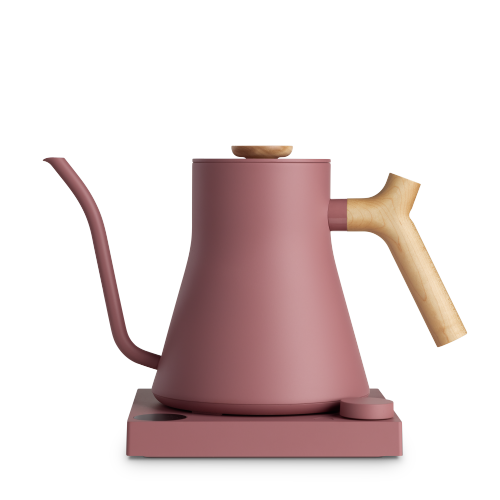 Your price for this item is $280
-
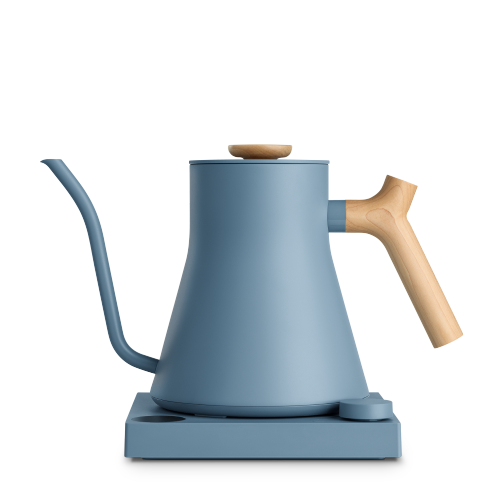 Your price for this item is $280
-
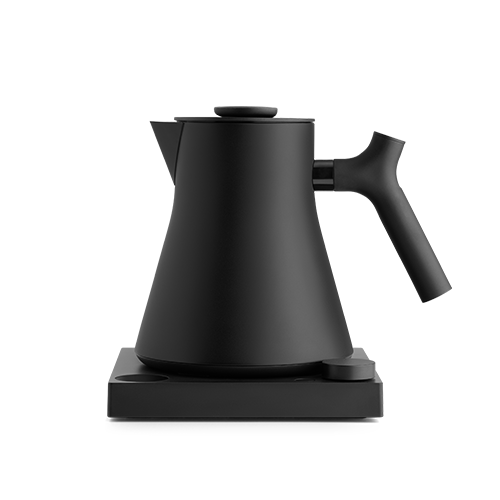 Your price for this item is $239
-
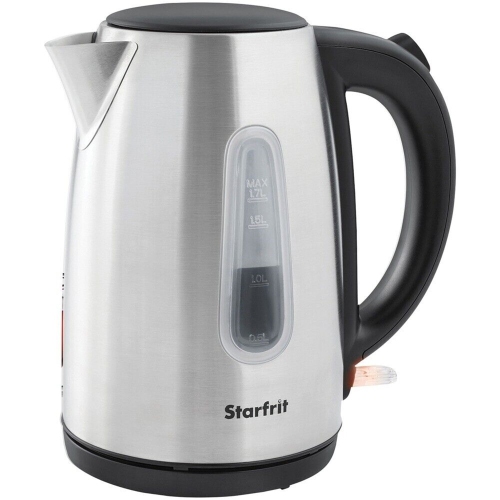 Your price for this item is $39.99
-
 Your price for this item is $39.99
Discover more categories related to Electric Kettles Boiling Waters
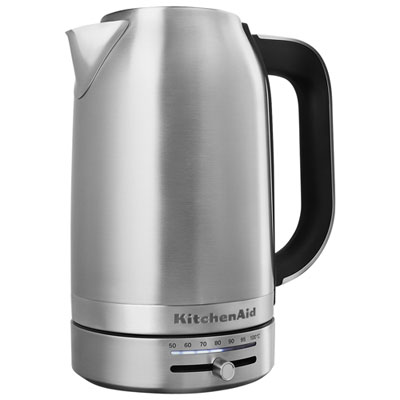
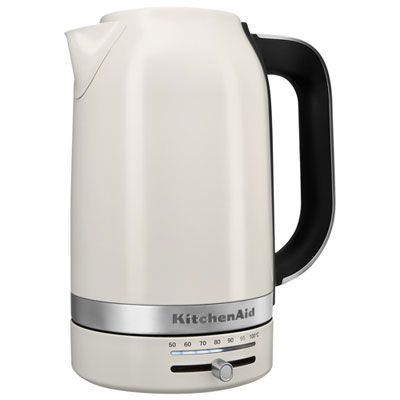
Top Collections:
Best Black Friday Deals This Year, Best Black Friday Deals On Electronics, Kindle Devices, Pokemon Centers, Best Black Friday Deals On Apple Products, Best Cameras for Sports Photography, Dyson Airwrap, Pokémon 30th Celebration Cards, Apple iPhone 17 Pro, Canon G7X Cameras
Some products may be subject to Environmental Handling Fees
(EHF) depending on your province.
Learn more about EHFs.