Essential Oil Diffusers
If you're looking for a way to bring natural aromas and calming energy into your home, then these essential oil diffusers are an excellent option. These diffusers are a device that disperses essential oils into the air, creating a pleasant scent and providing therapeutic benefits. Not only do they make your home smell great, but also they can help to reduce stress, improve sleep quality, and boost your mood. Here are some of the great options.
Sort

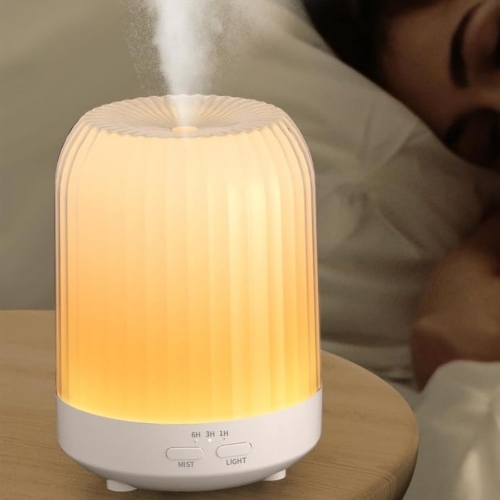
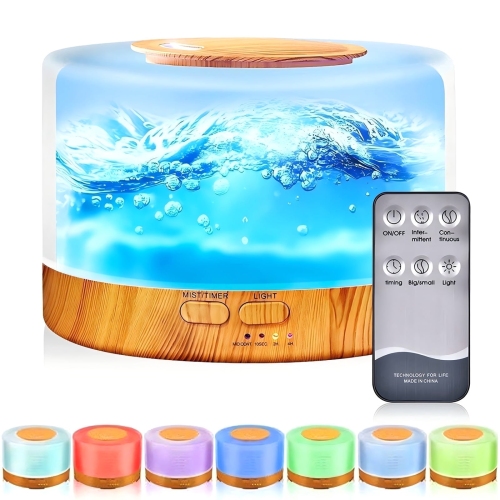
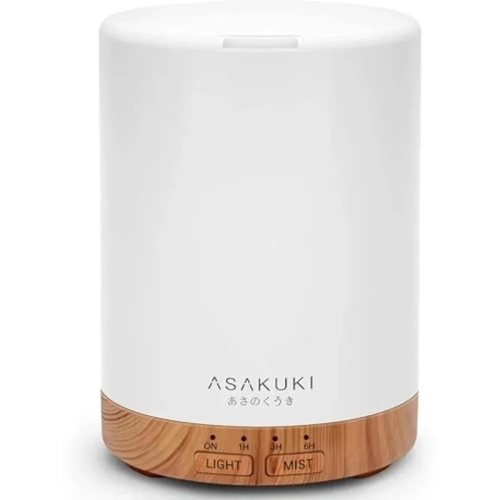
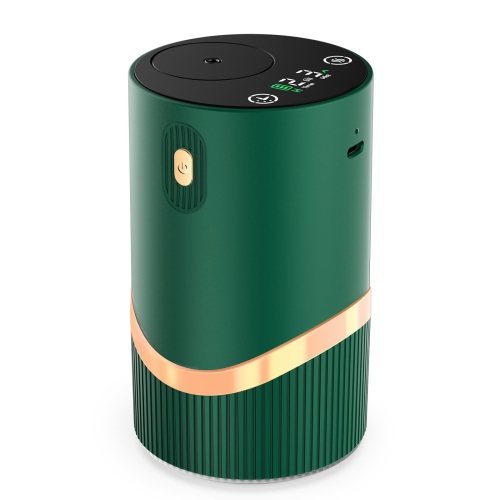
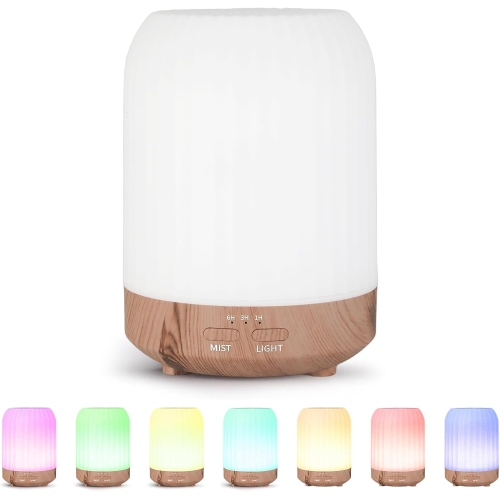
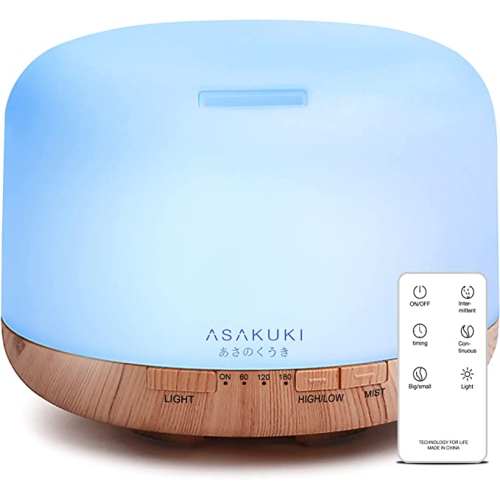
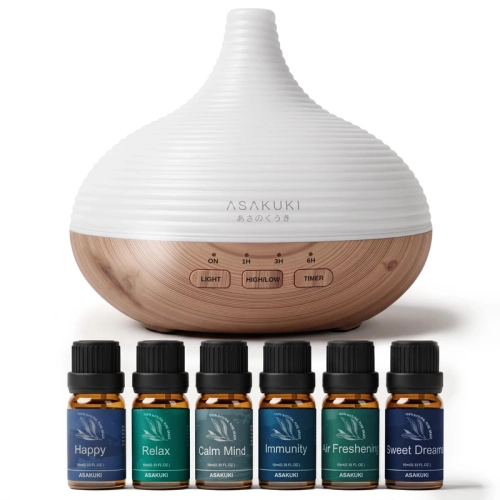
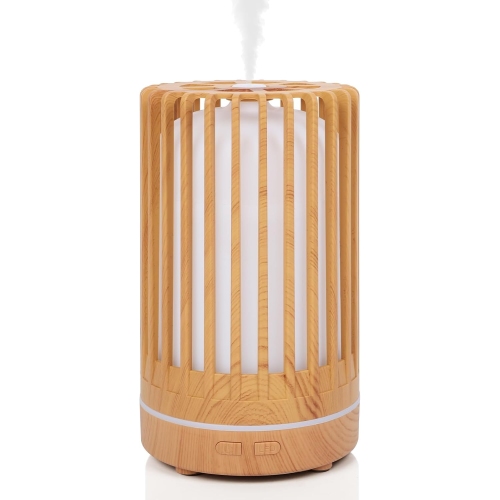
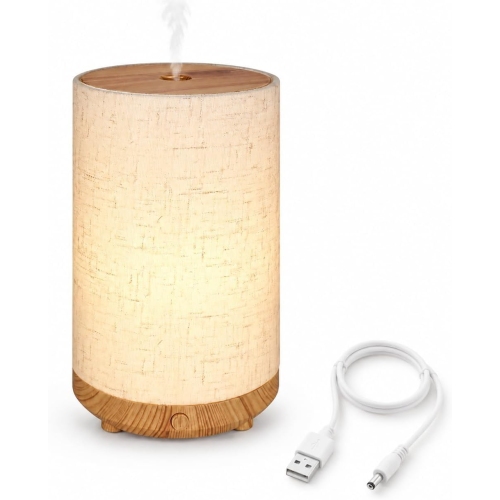
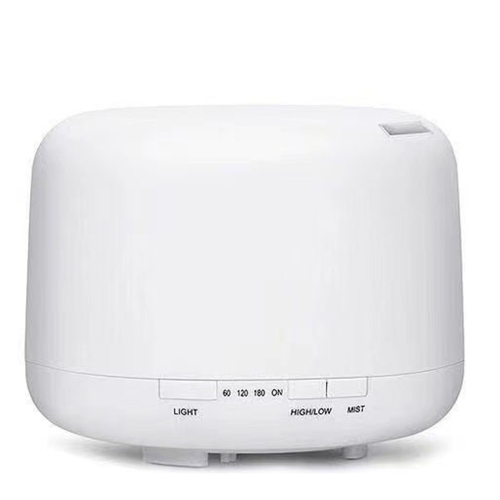
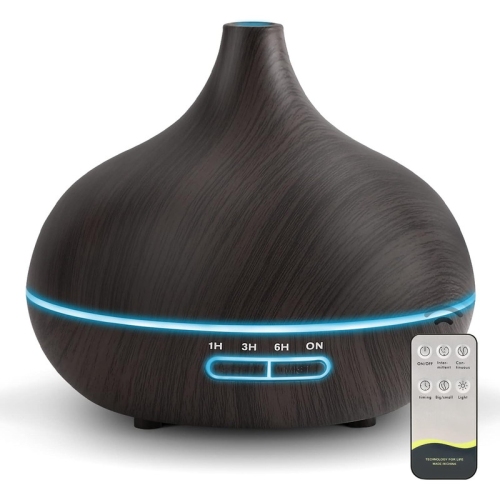
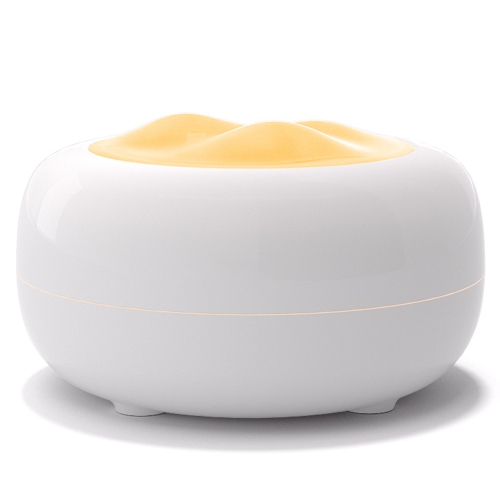
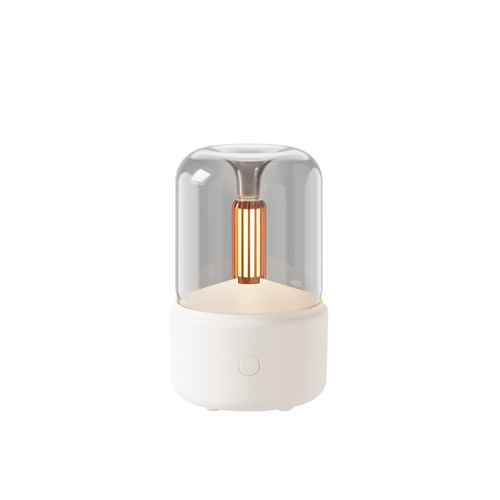

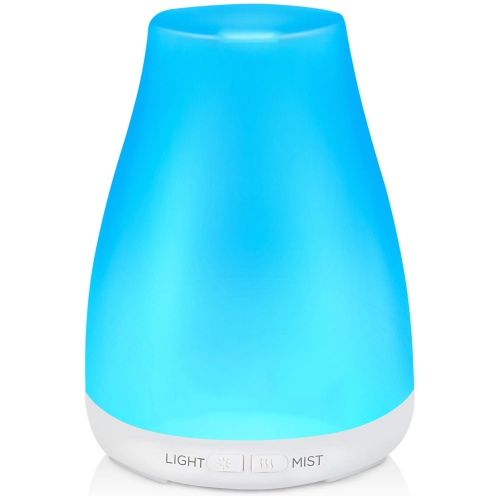
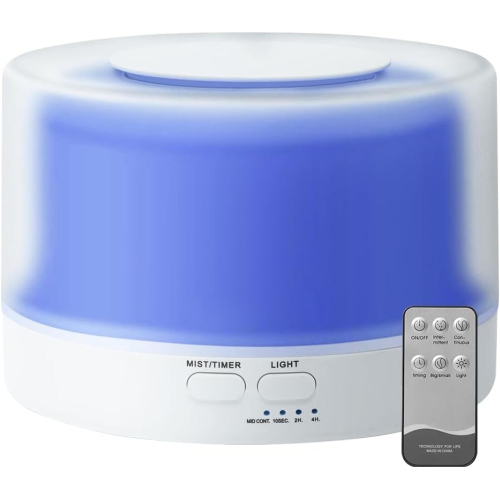
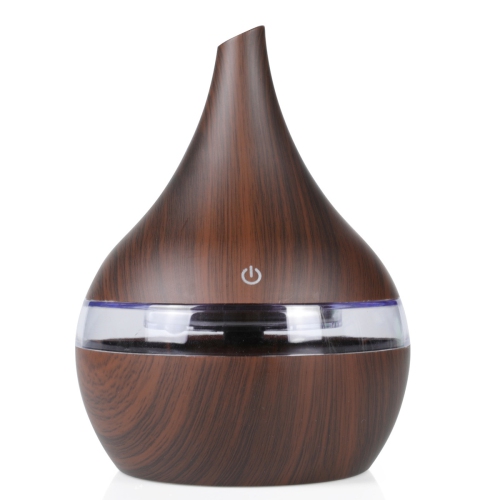
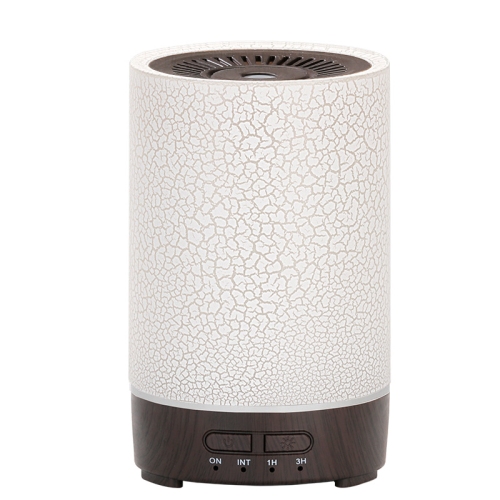
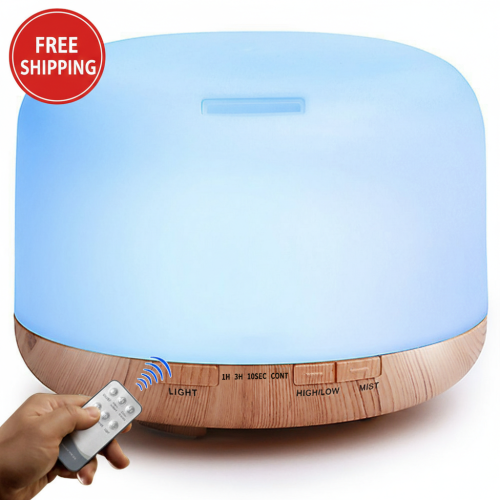
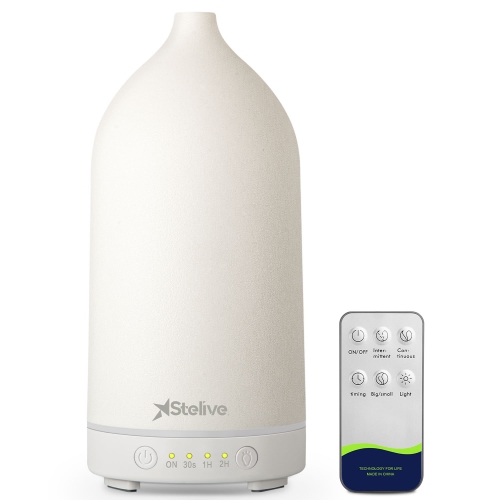

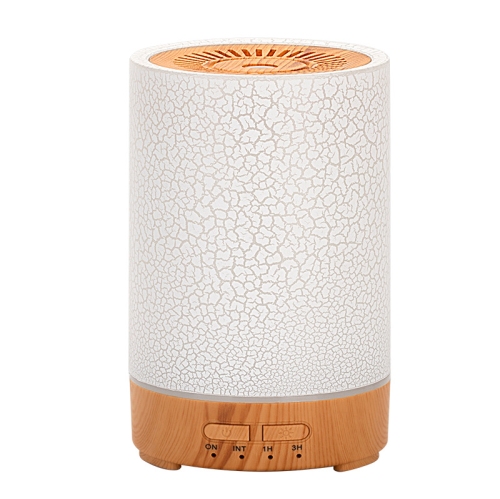
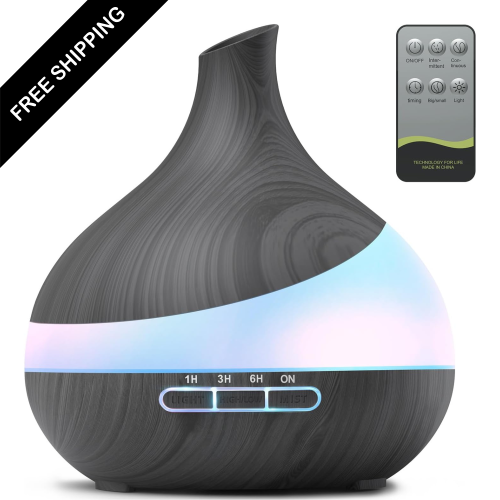

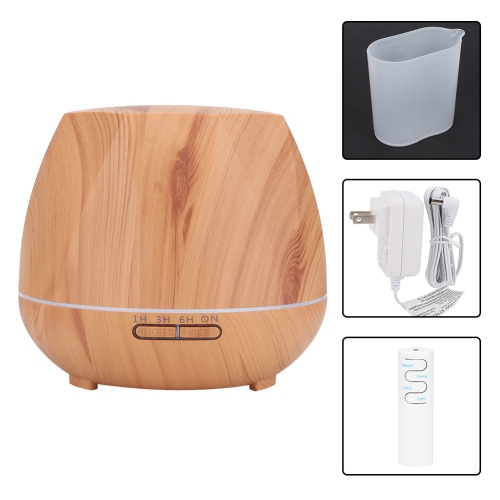
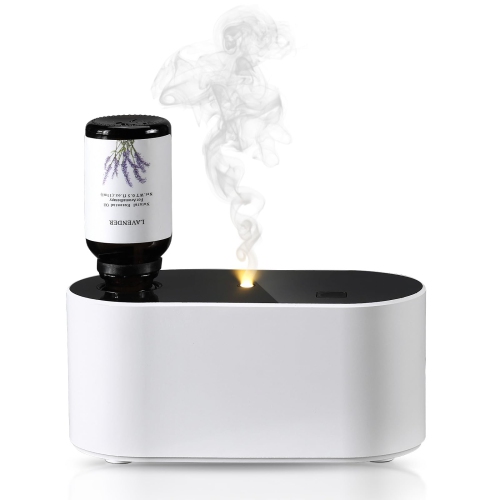
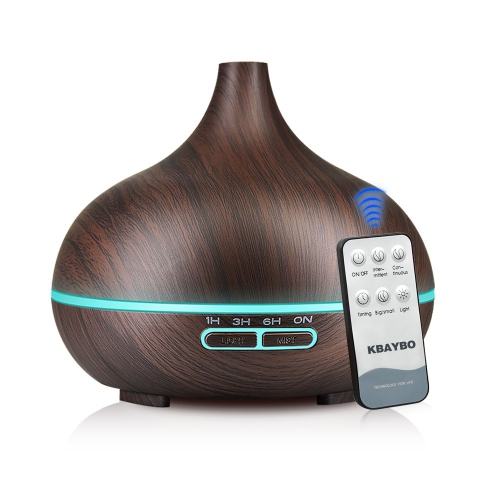
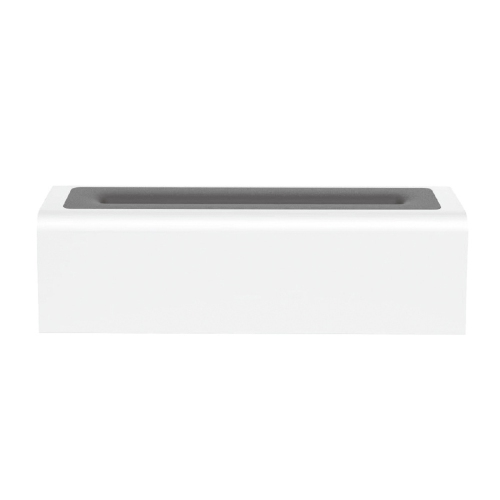
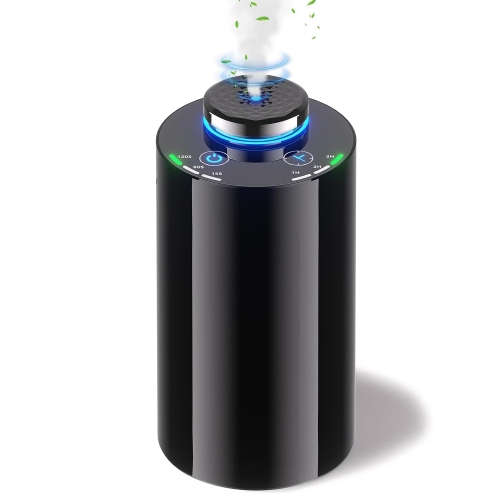

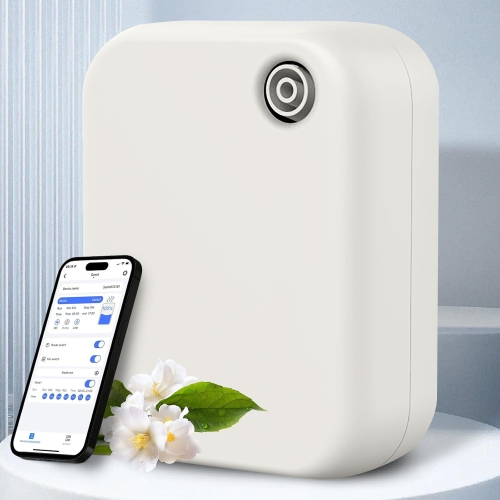
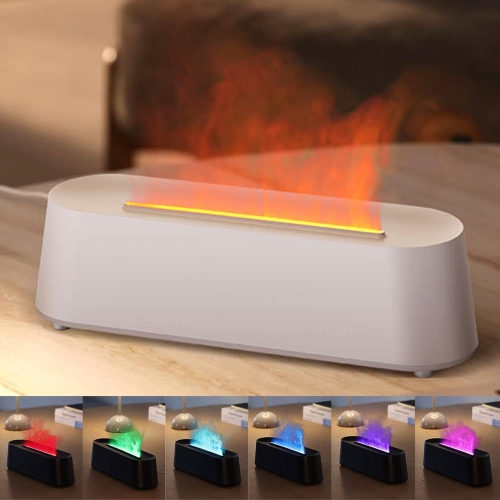

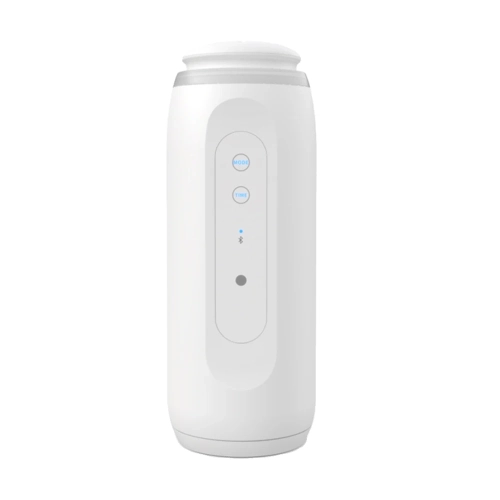
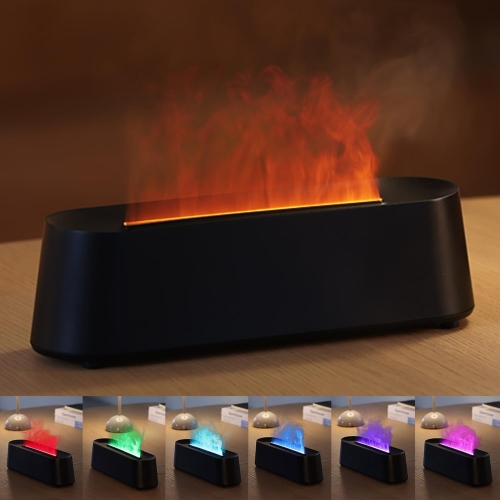

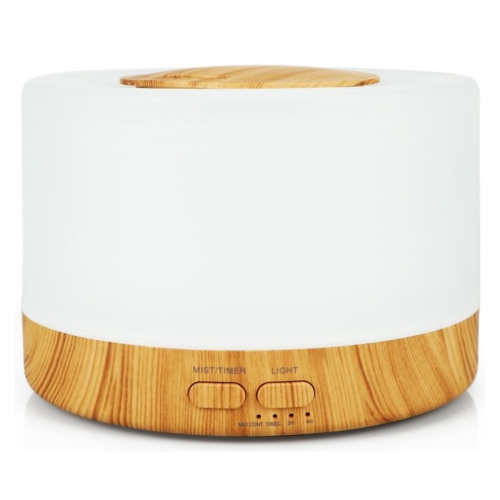
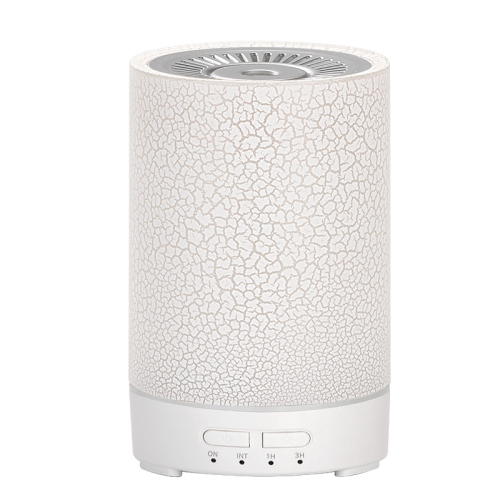

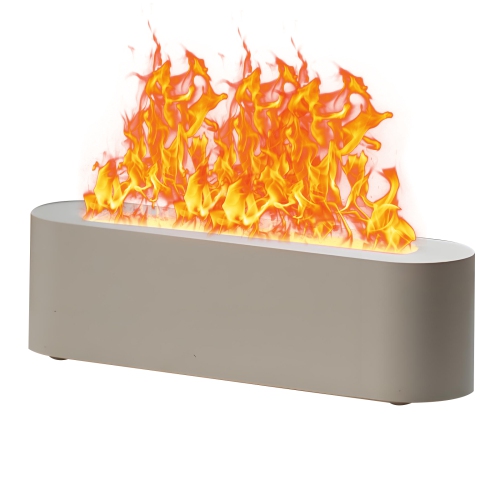
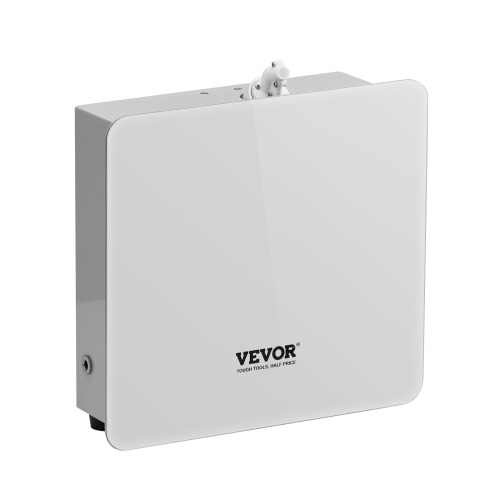
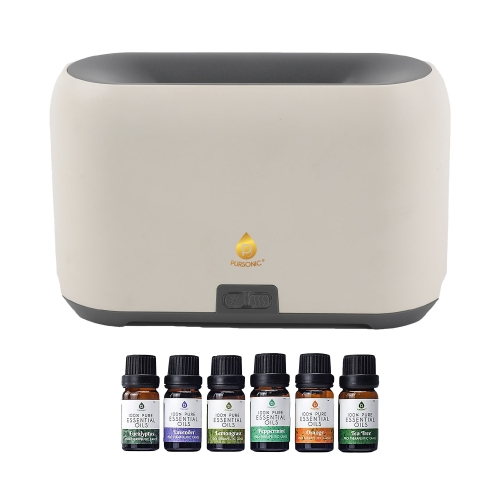
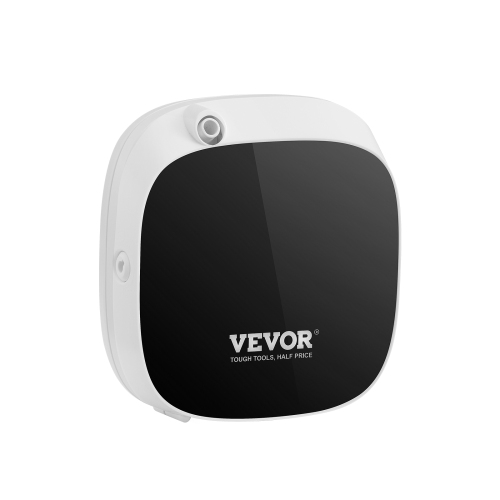
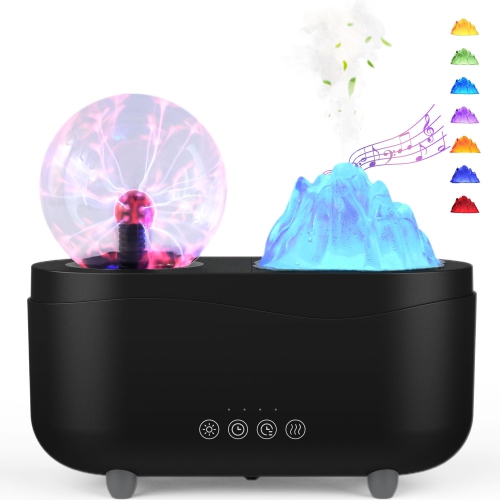
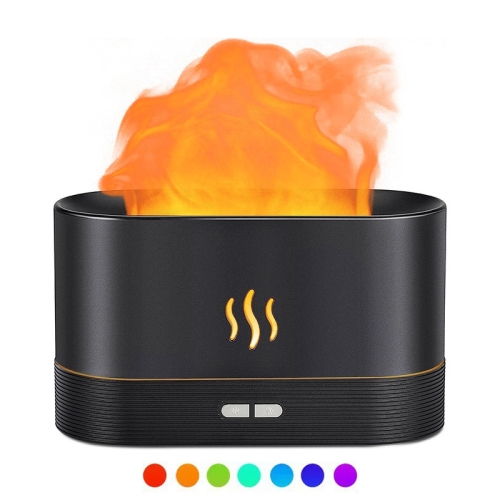
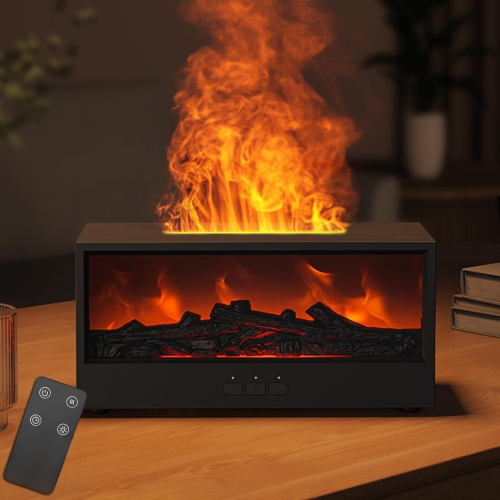
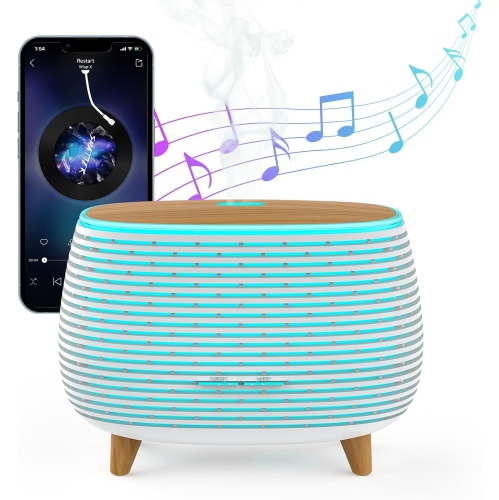
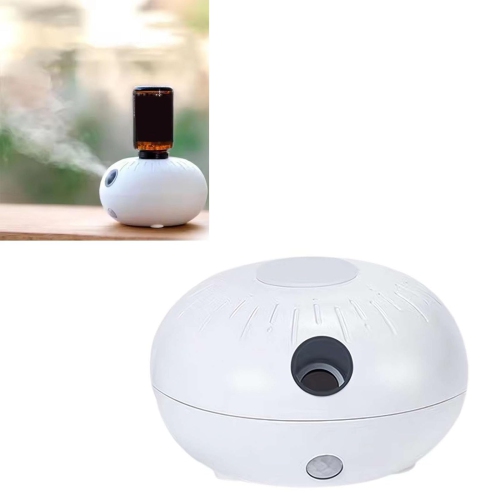
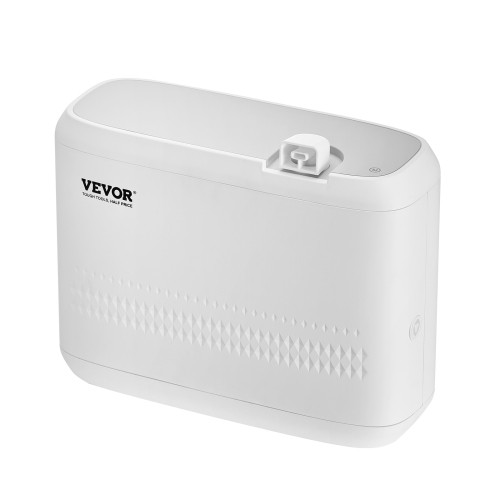
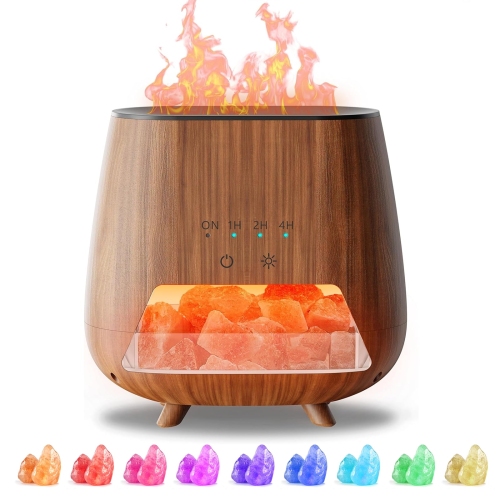
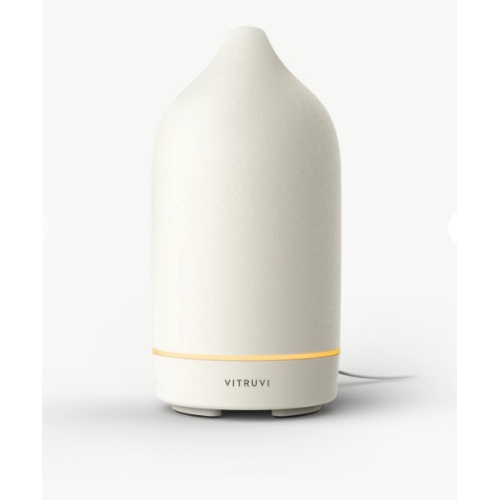
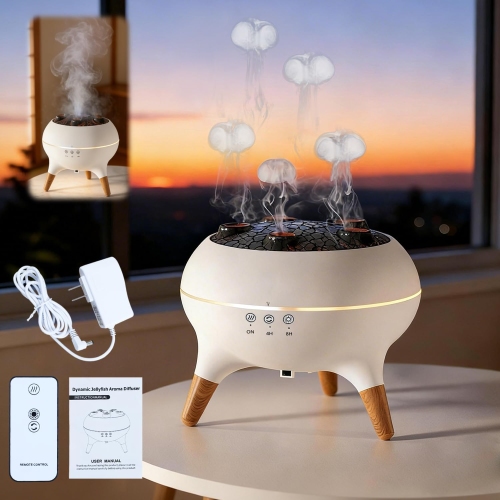
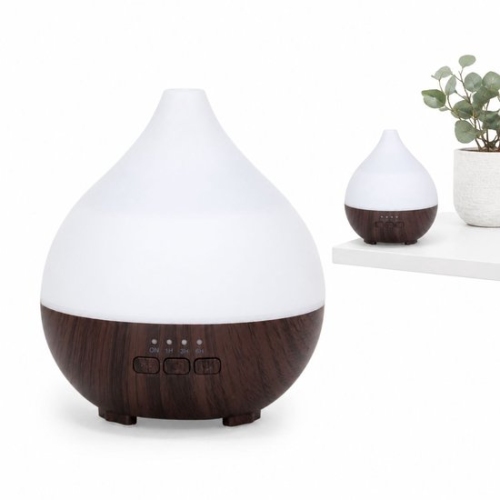
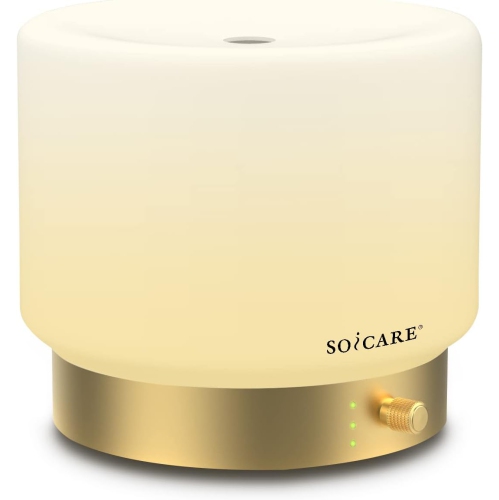
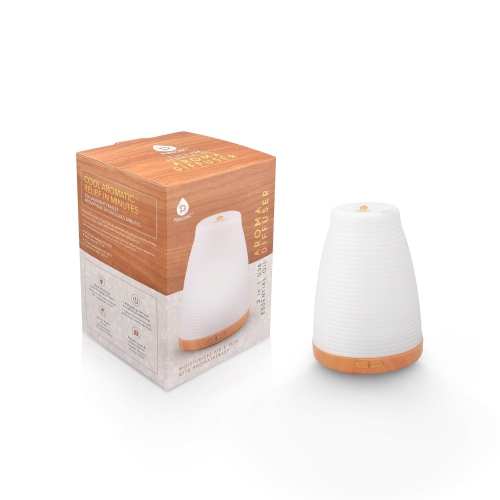

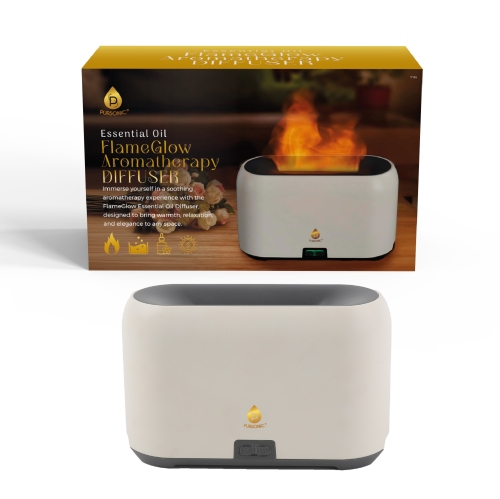
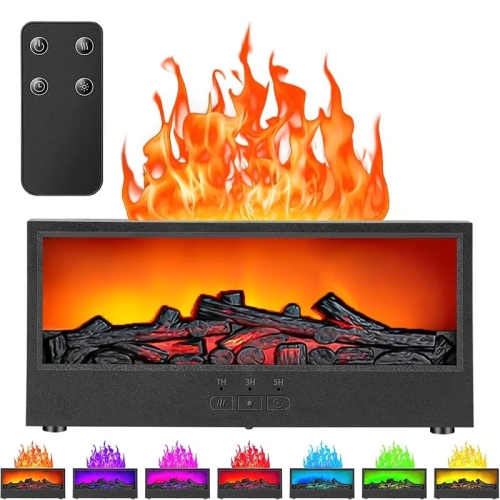
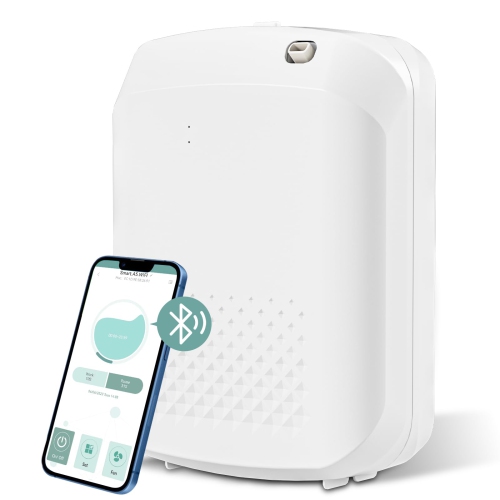
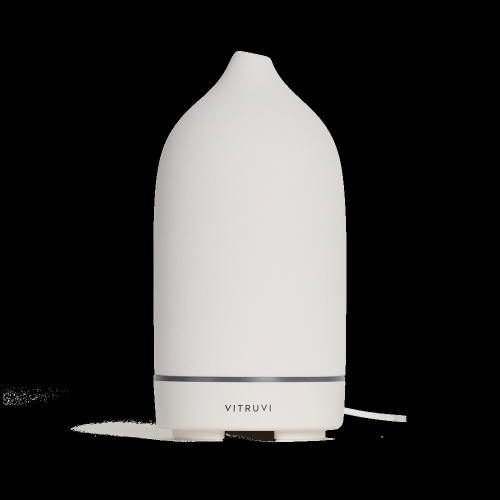
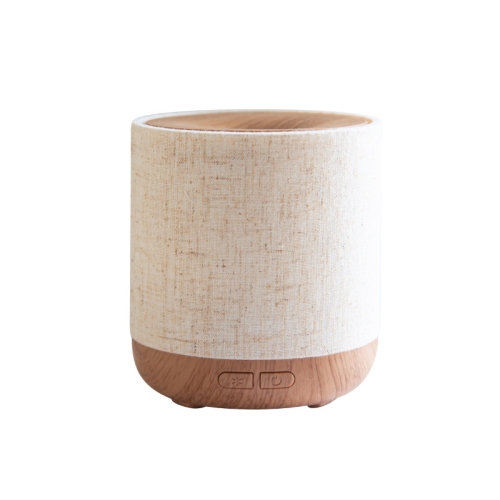
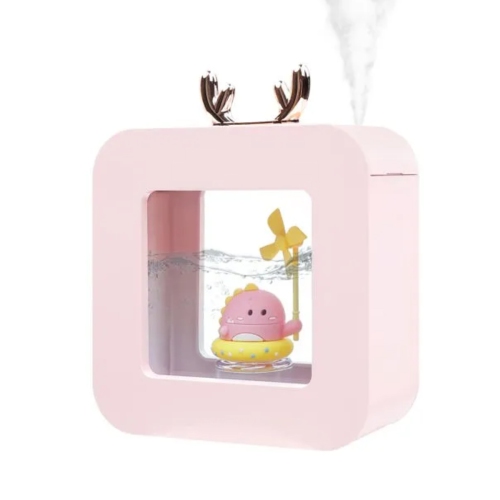
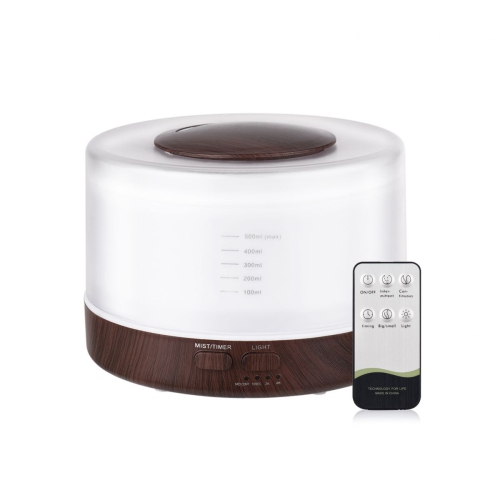
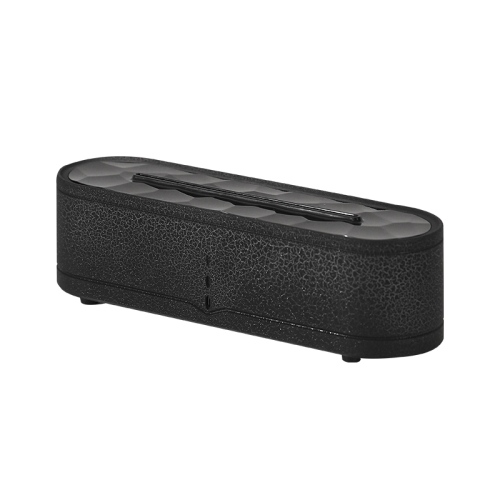
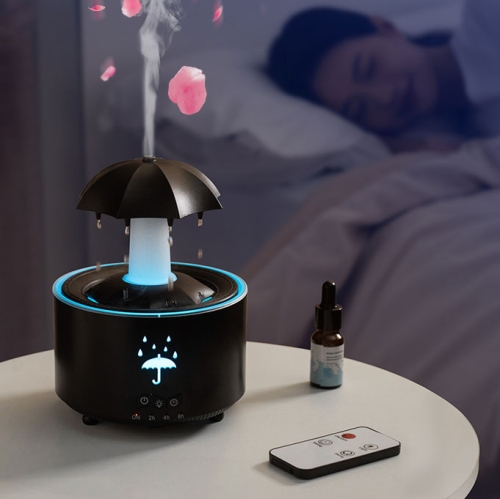
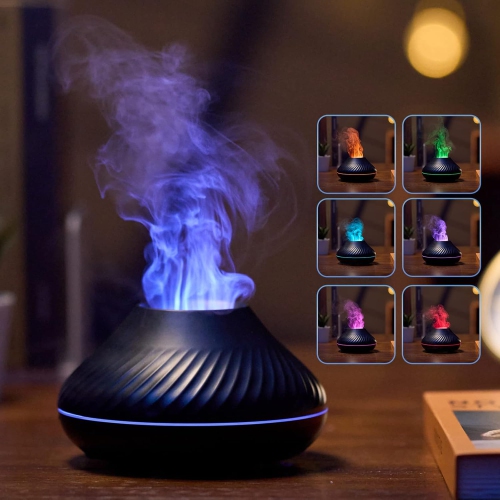
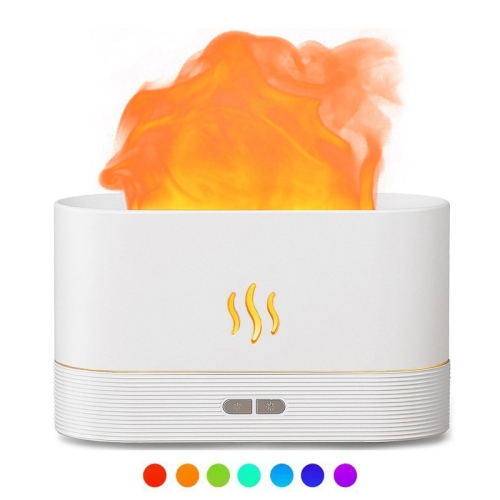
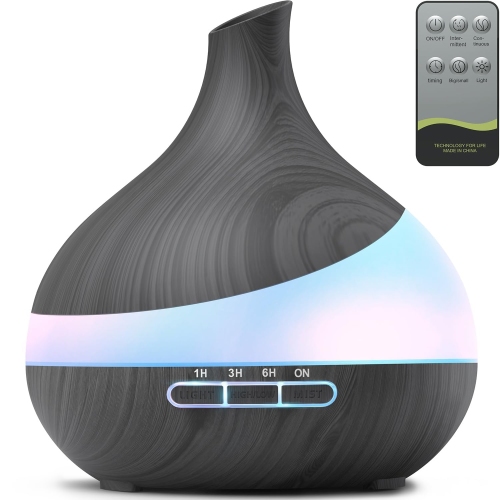
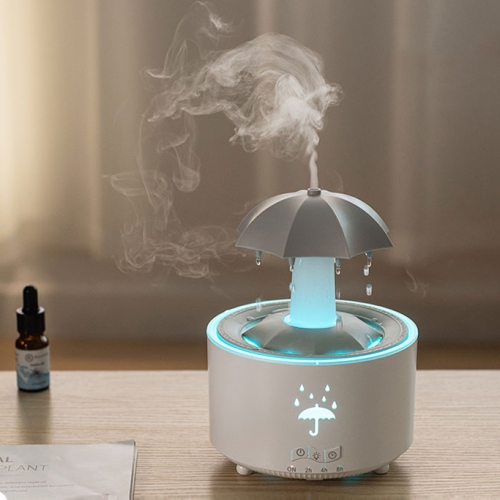


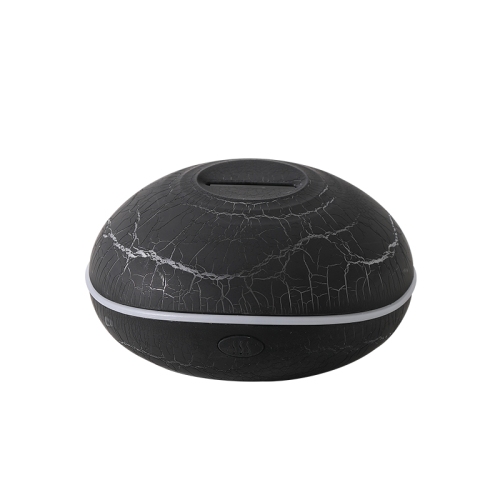
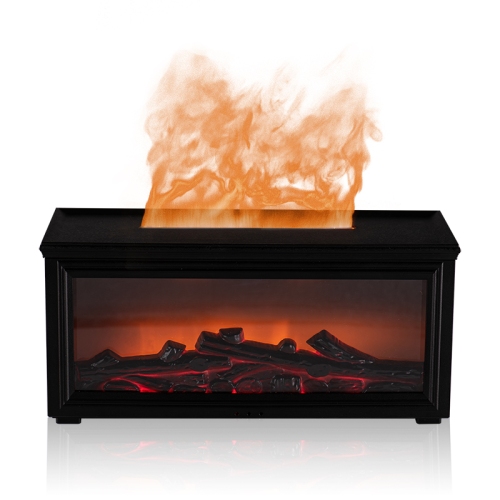
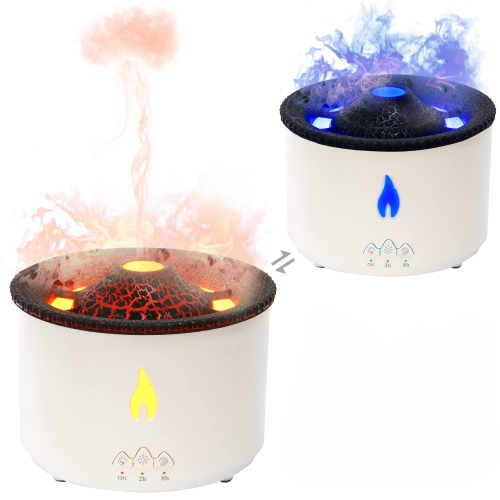
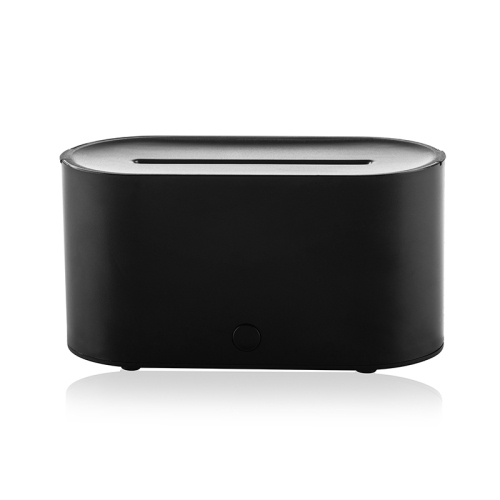
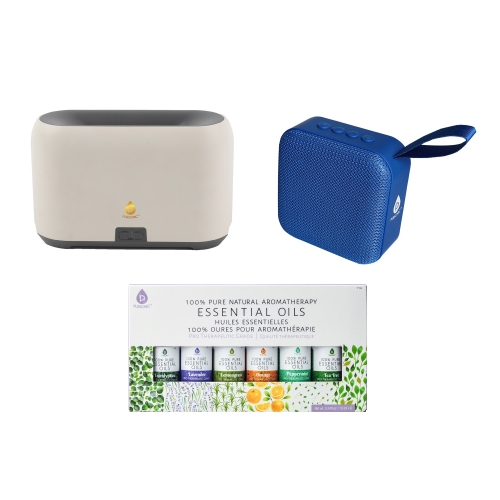
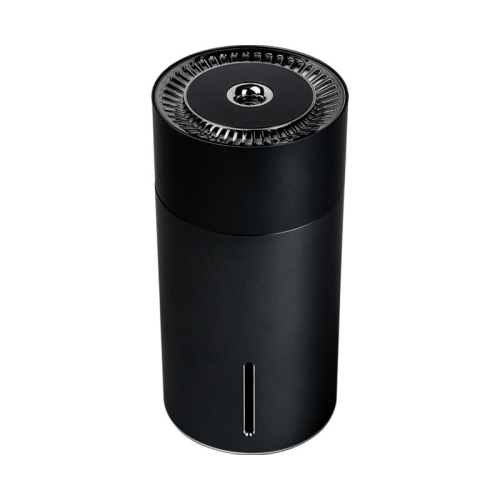
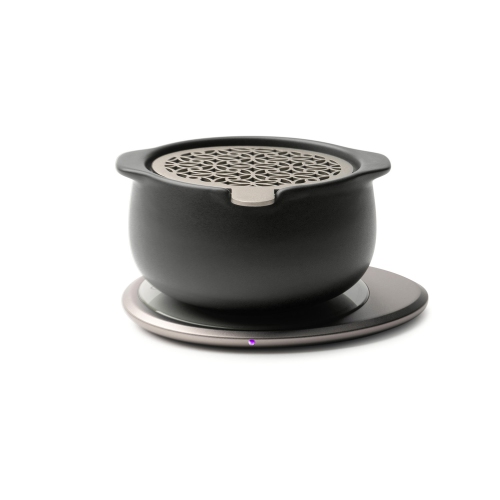

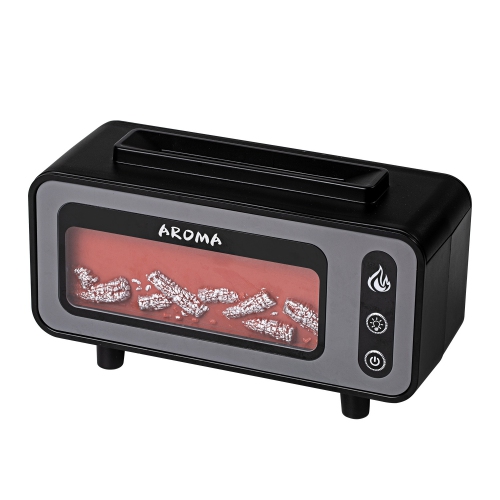
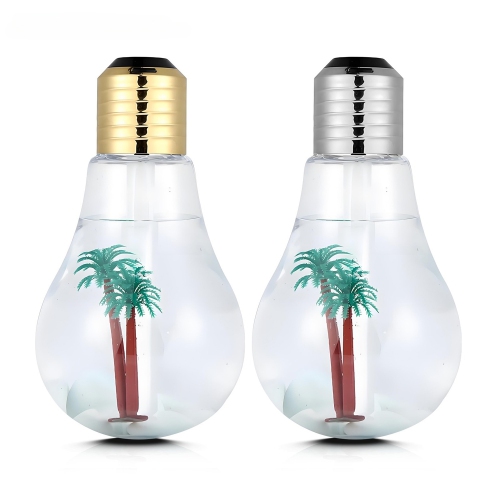
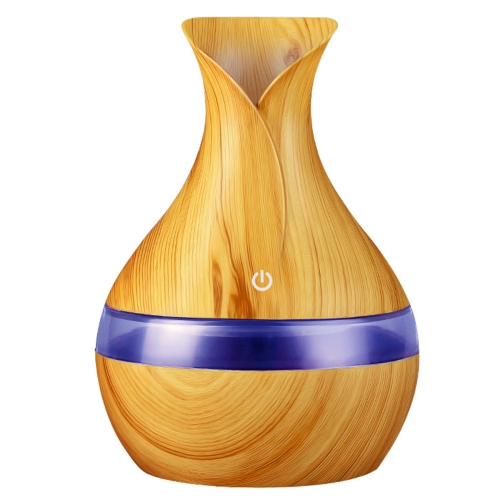

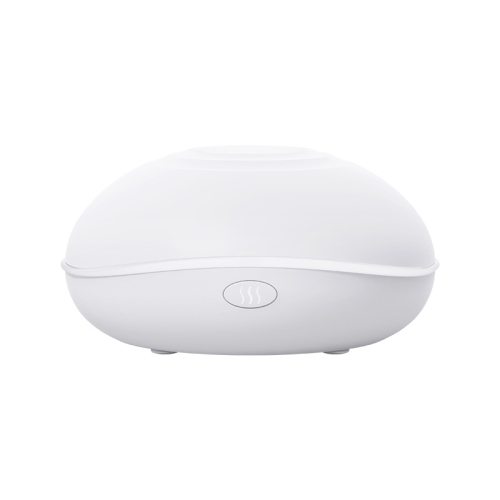
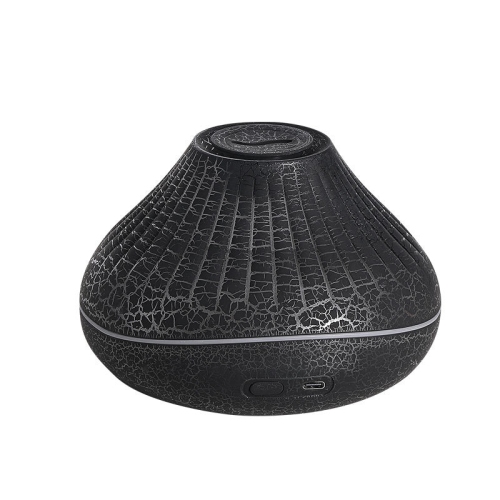
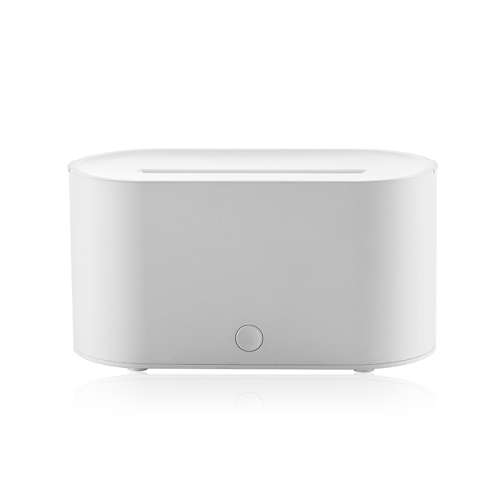
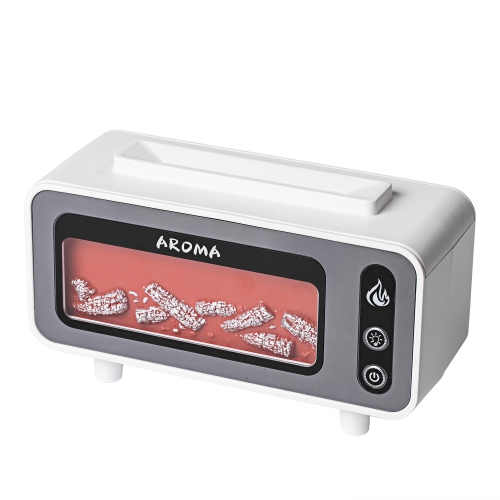
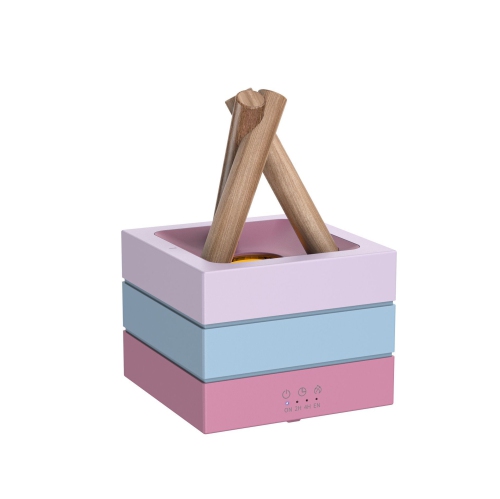

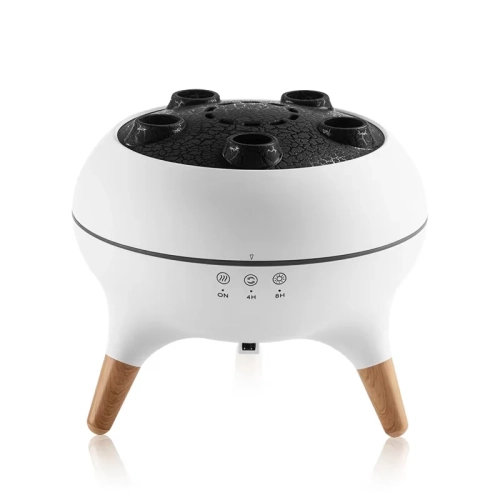
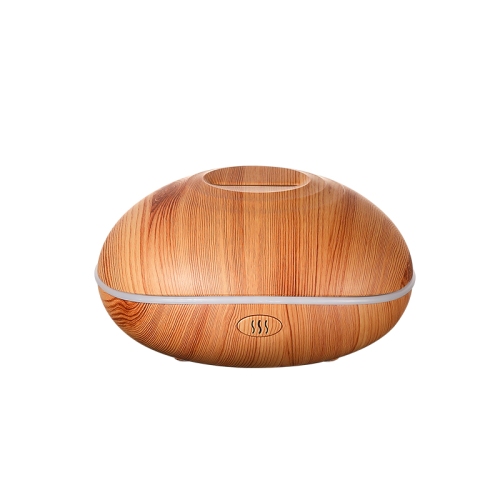
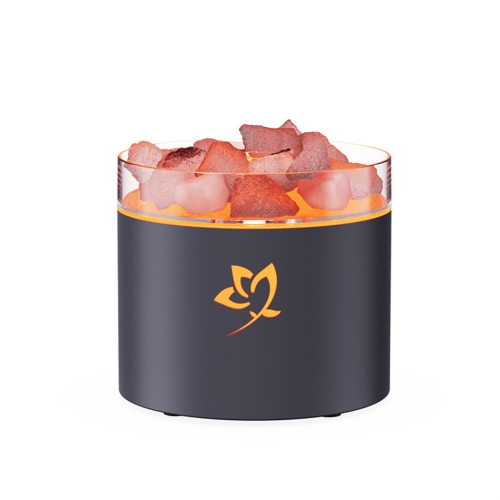
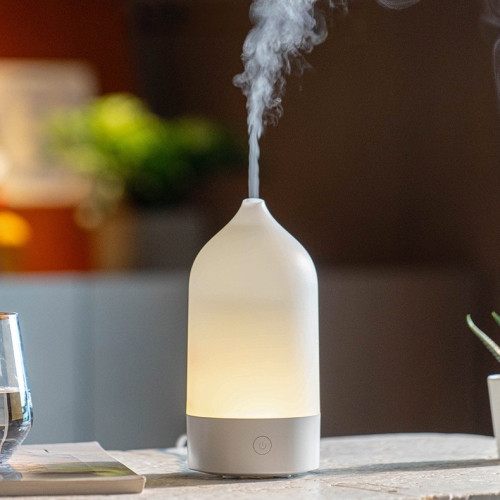
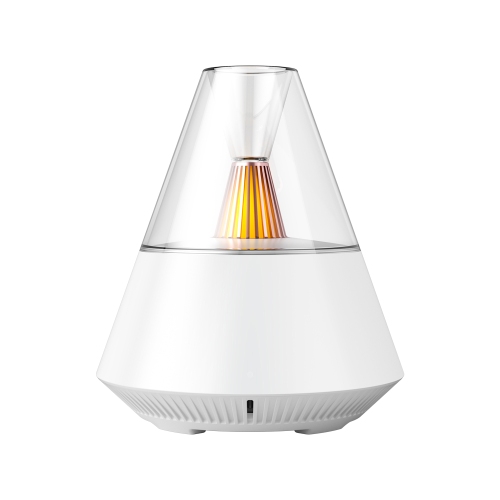
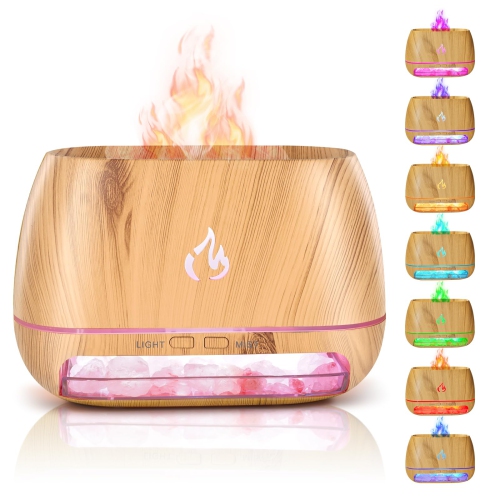
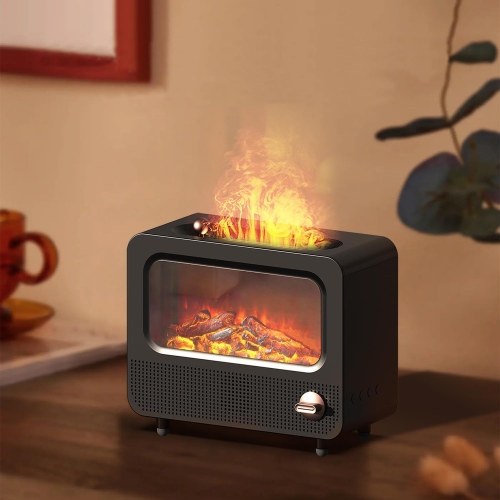
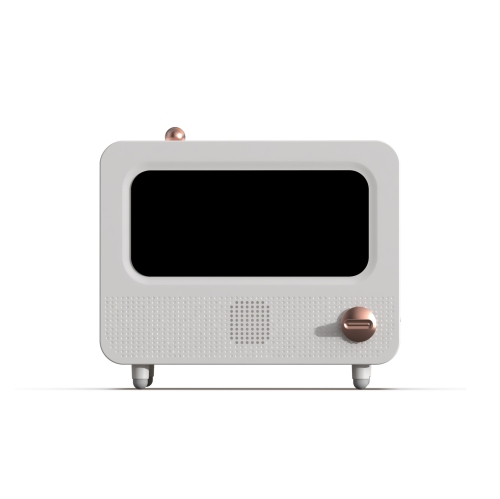
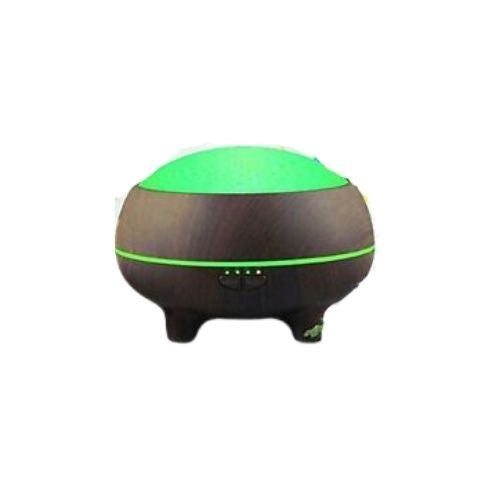
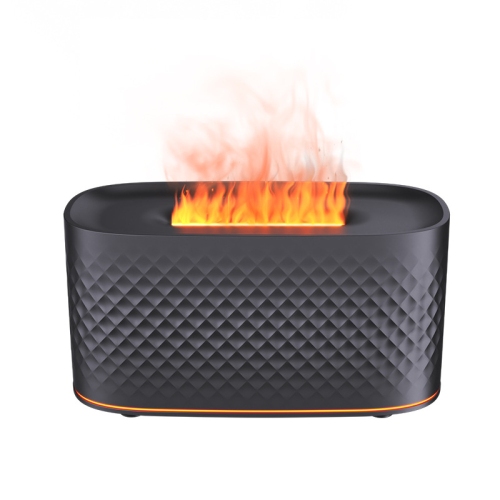
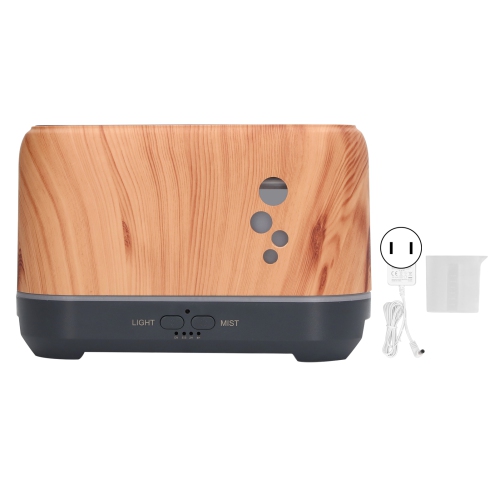
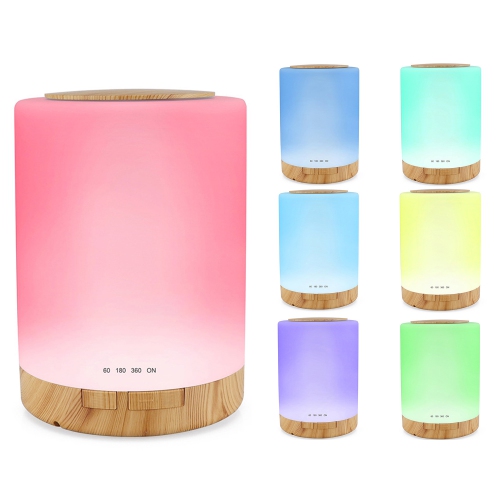
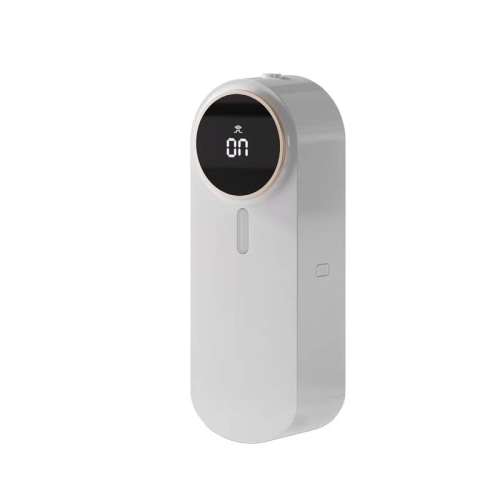
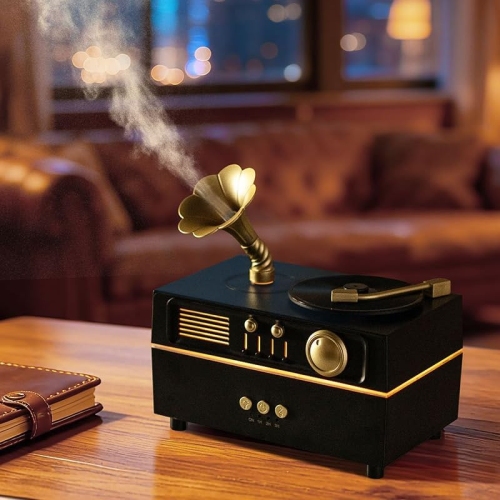

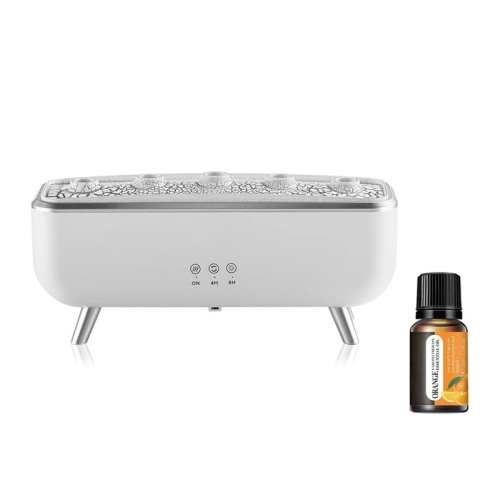
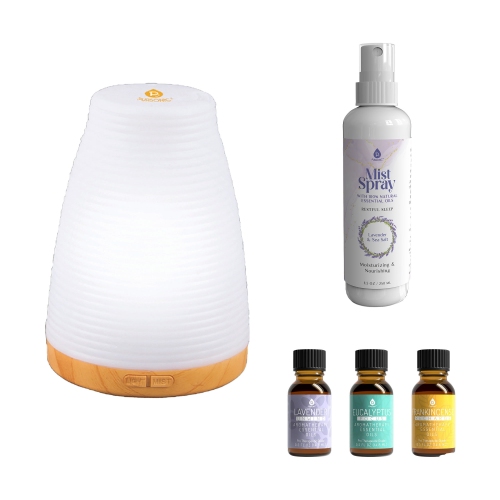
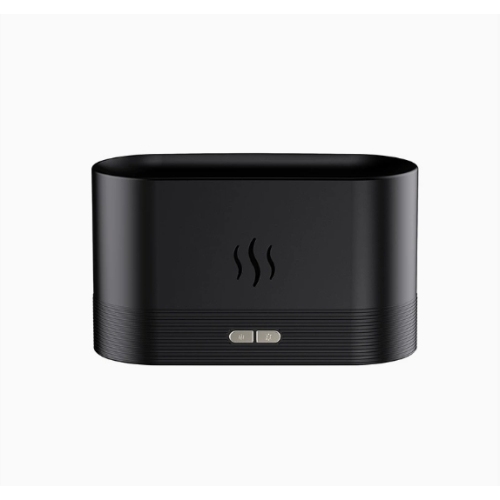
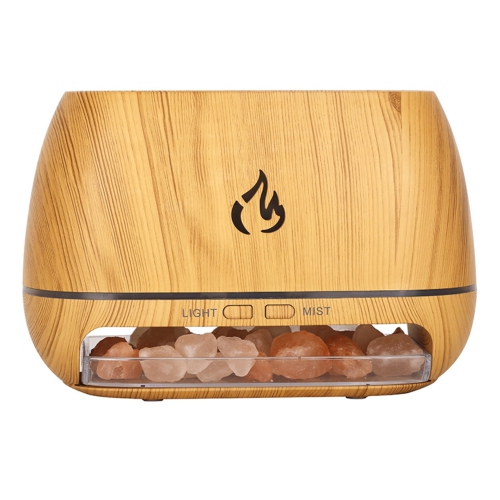
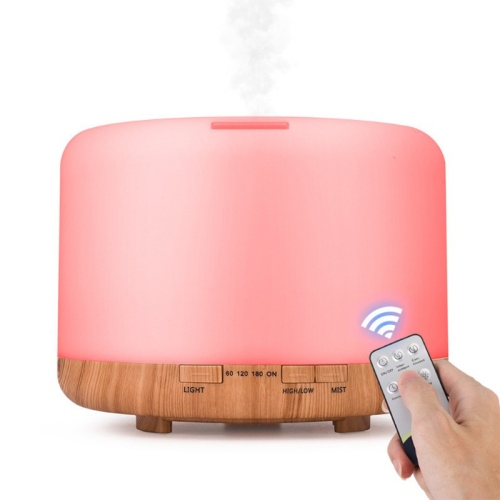
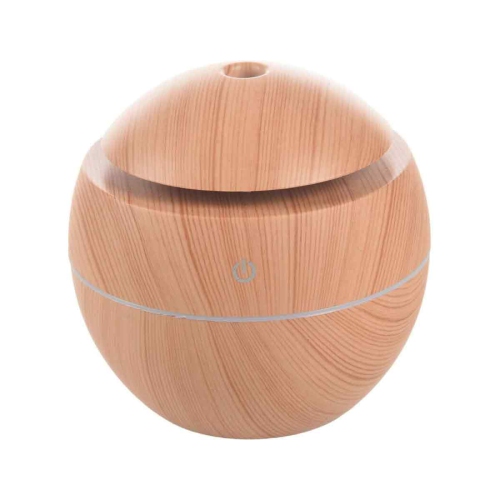
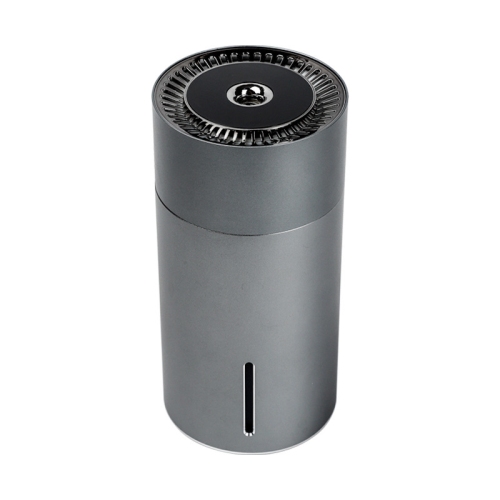
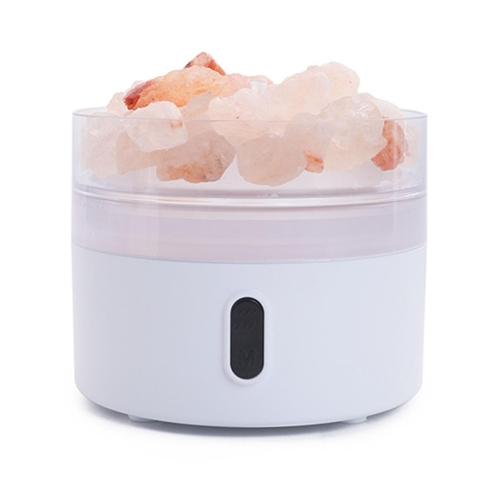
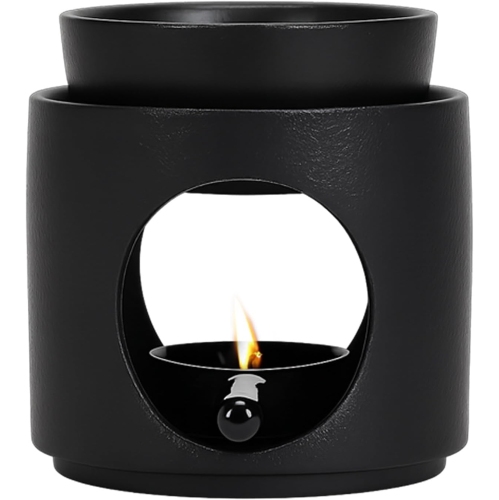
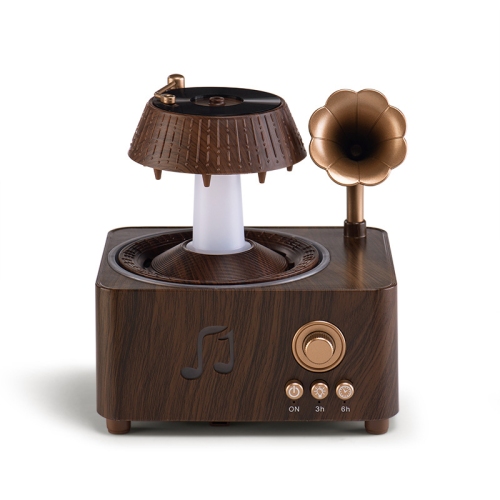
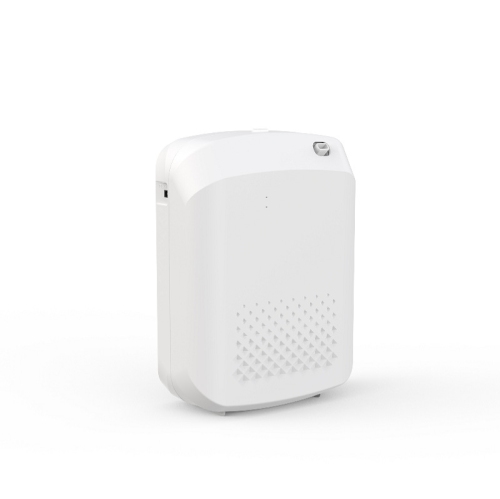

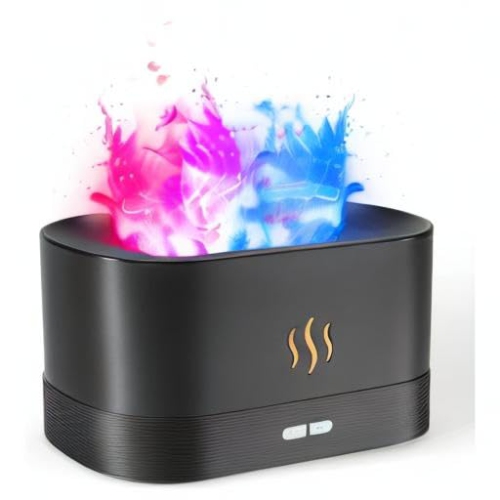
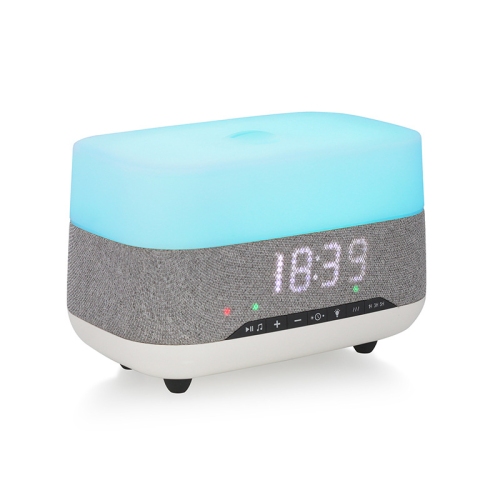
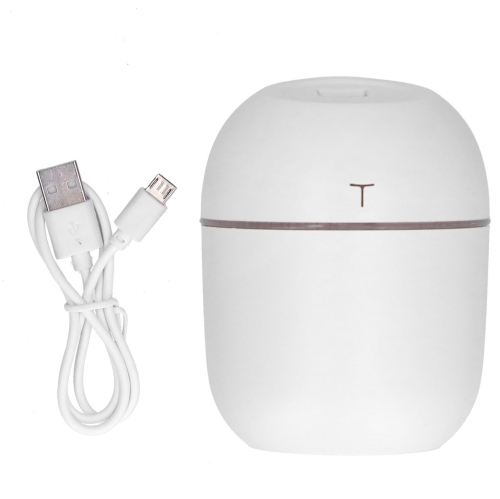

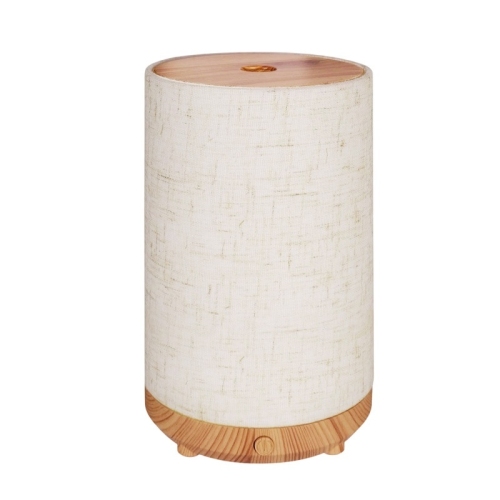

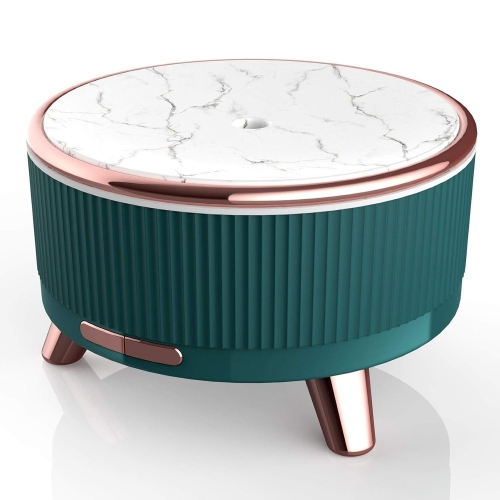
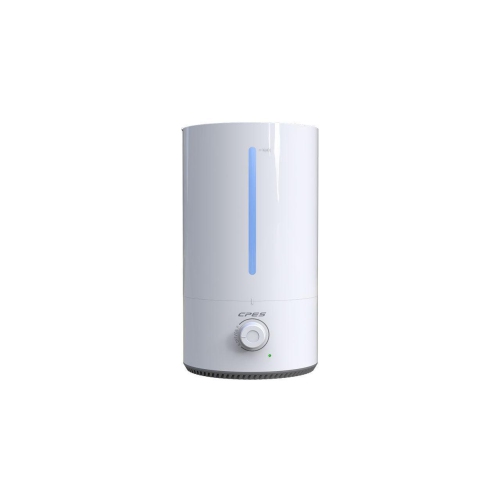

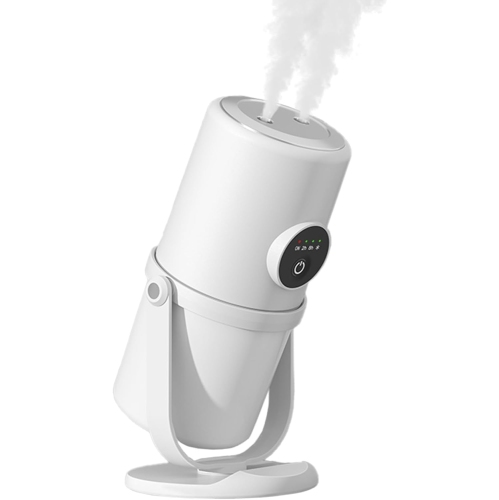
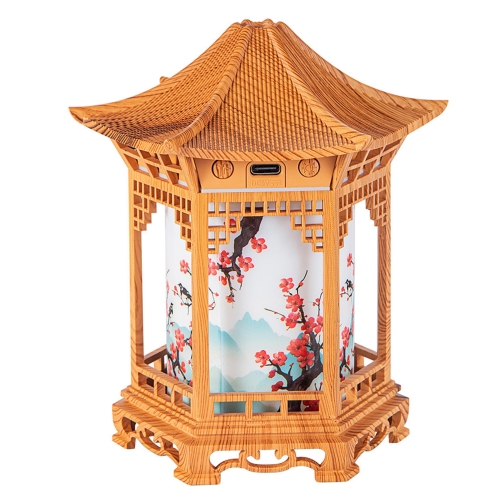
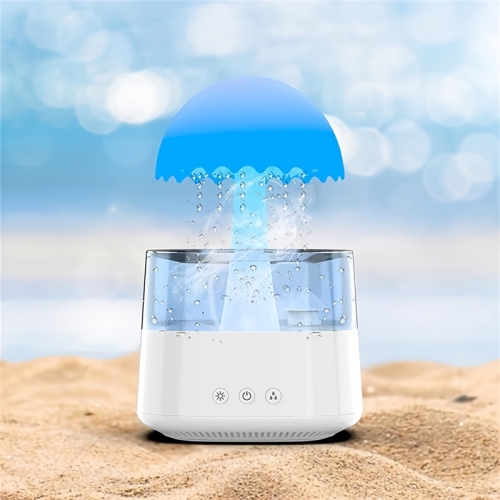
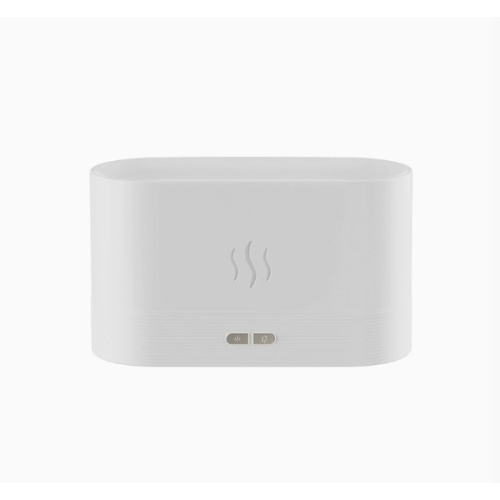
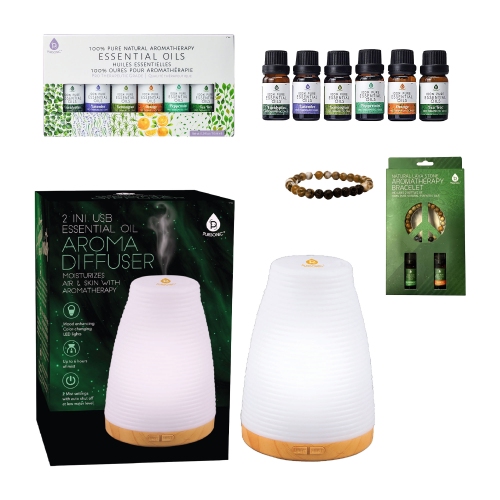
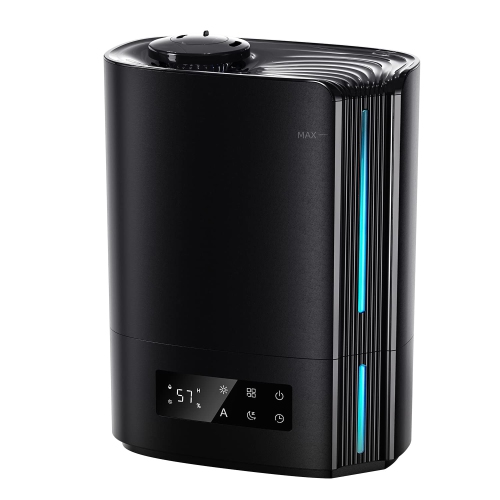
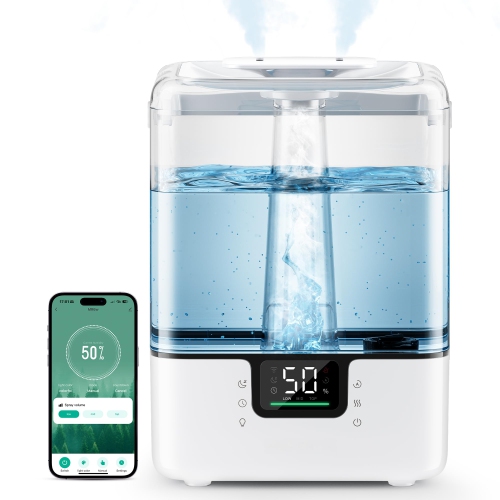
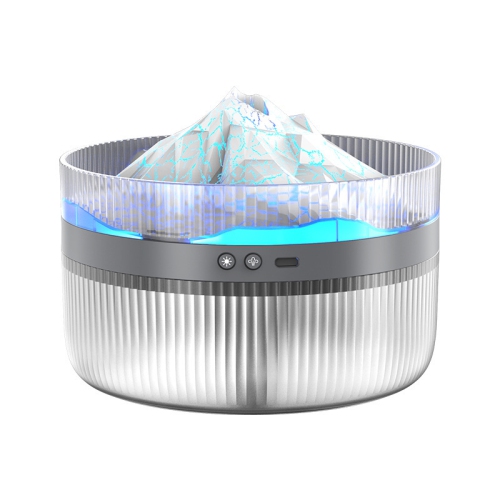
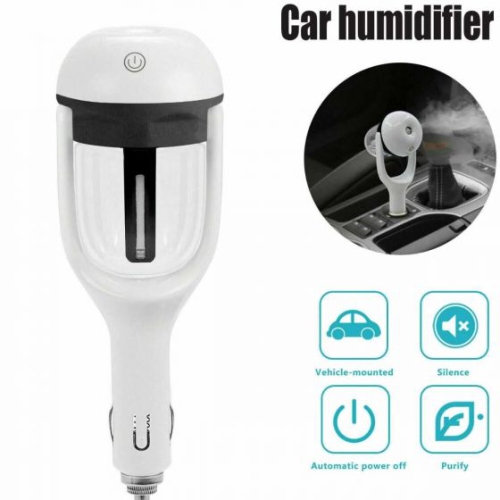
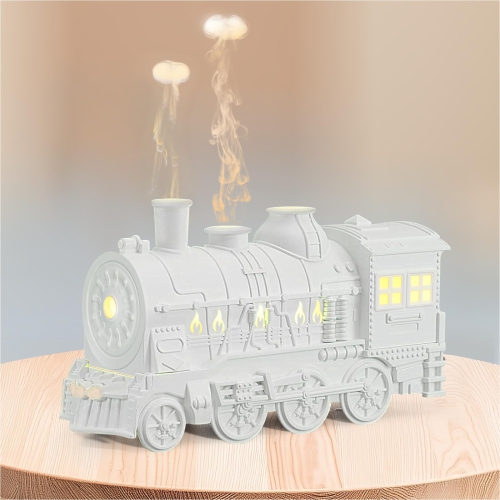
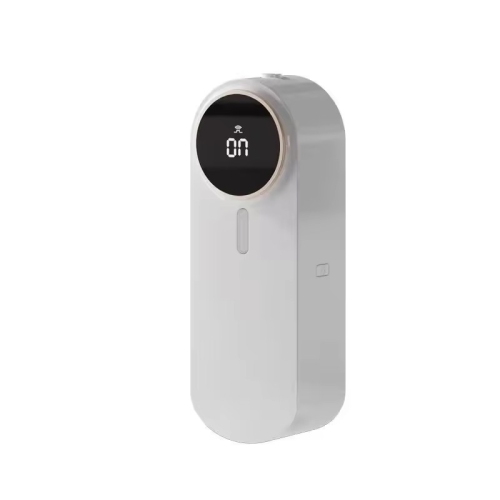
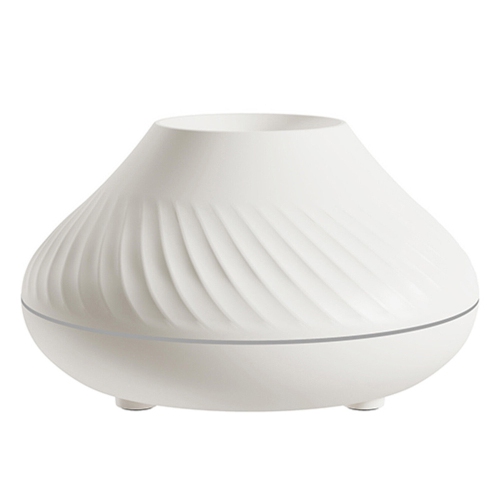
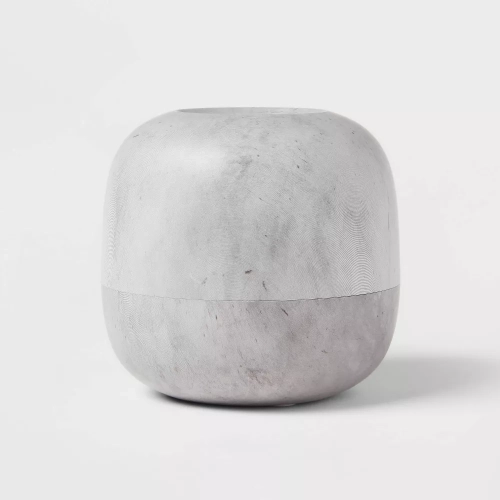
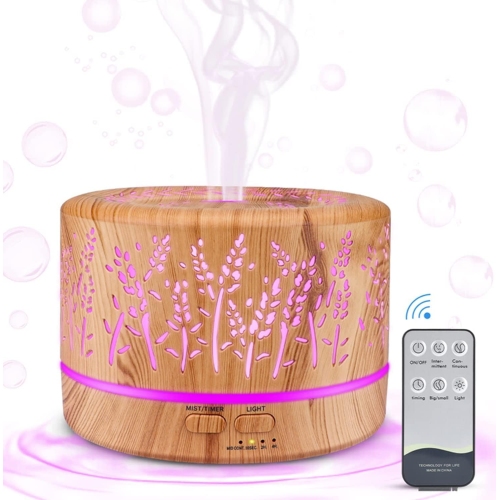
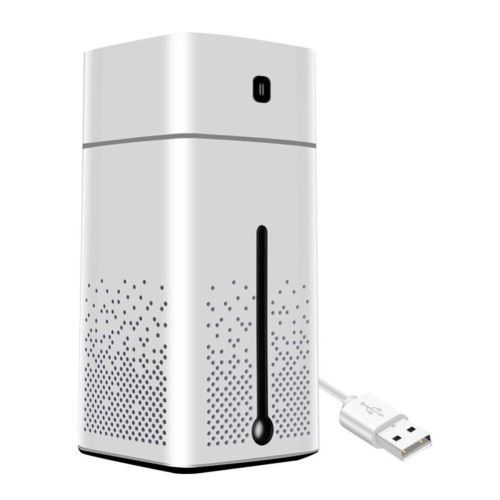
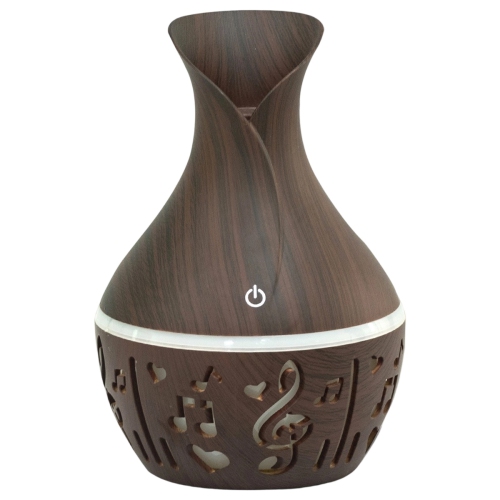
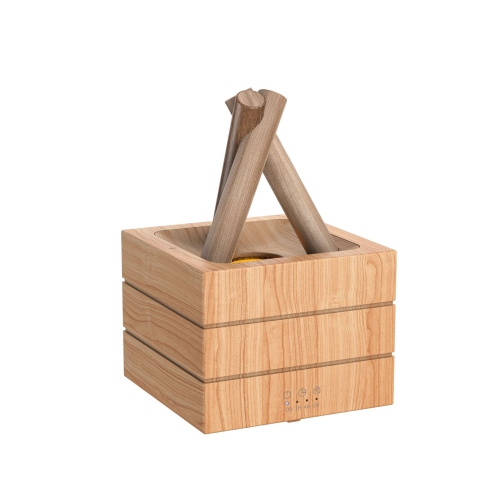
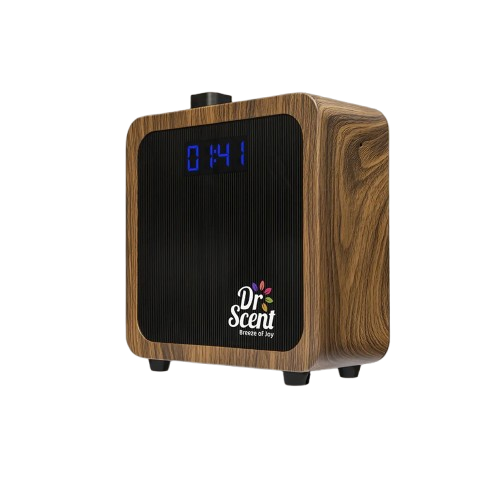
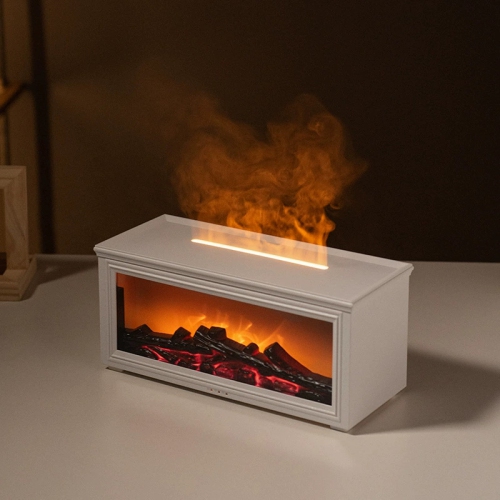
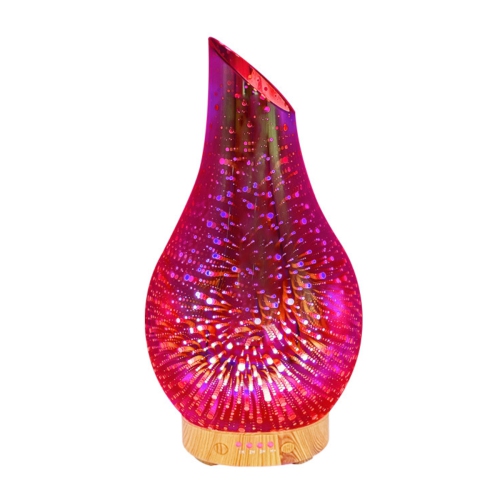
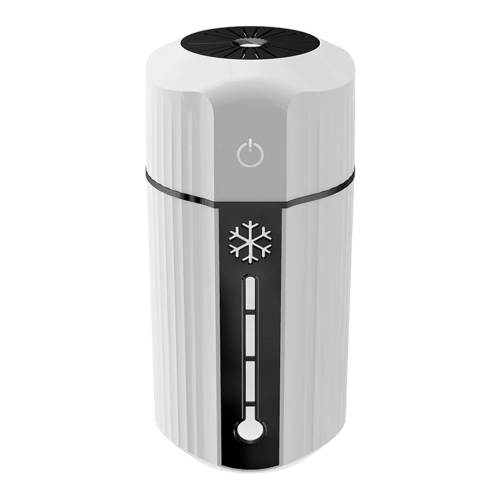
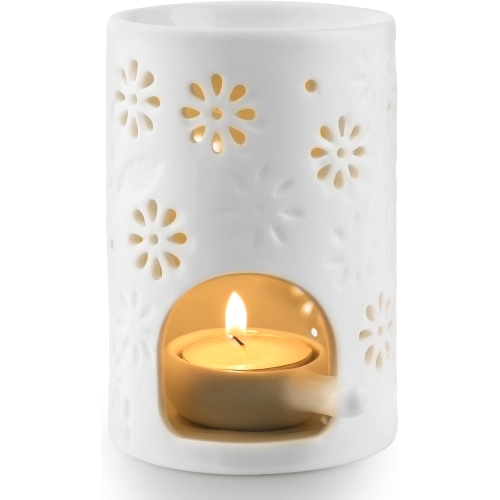
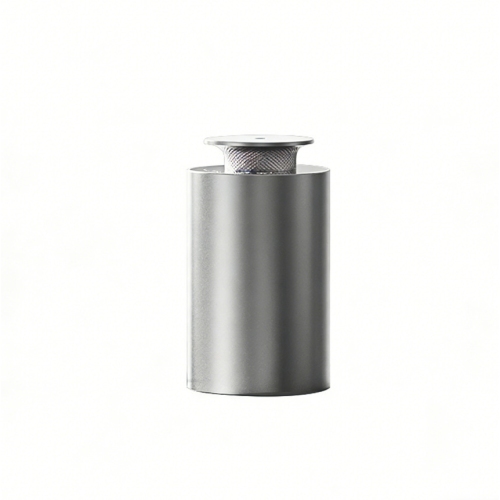
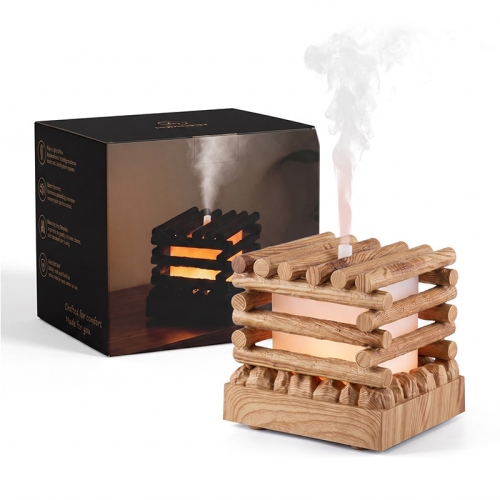
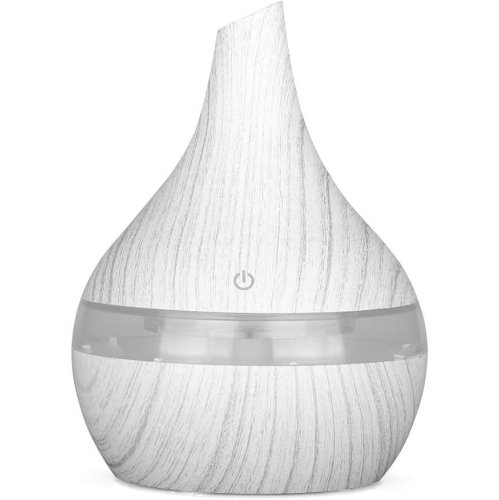



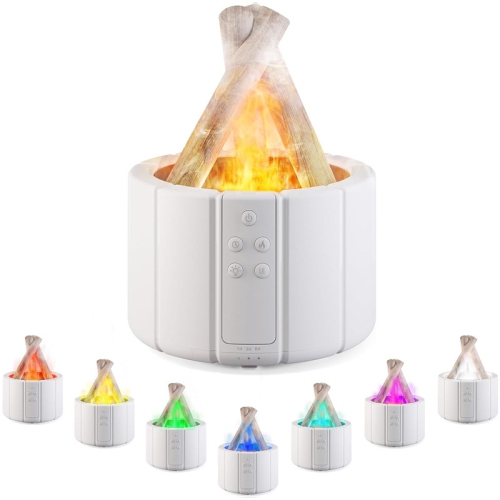
How diffuser design shapes scent in your space
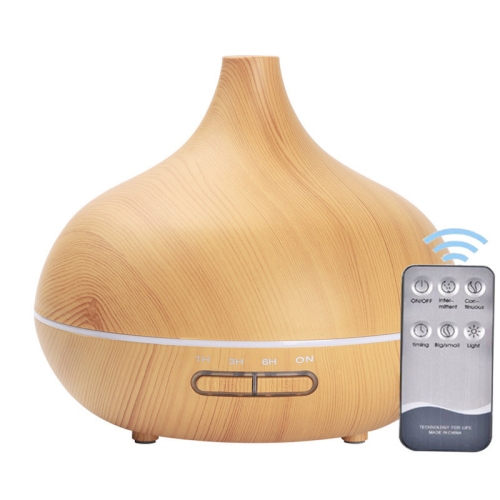
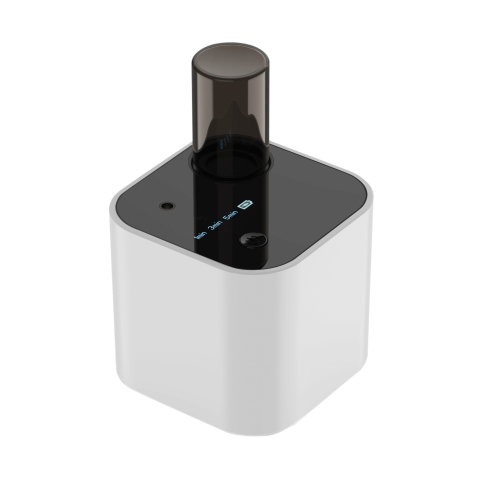
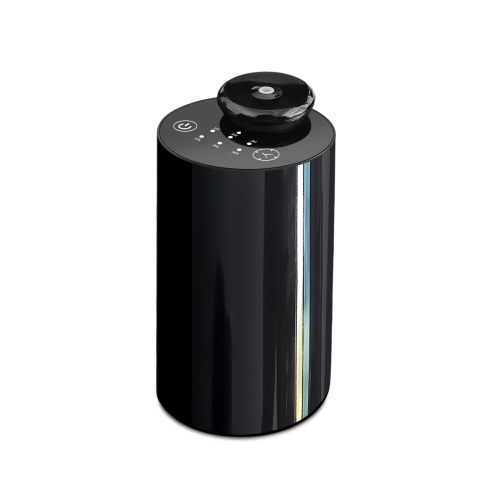
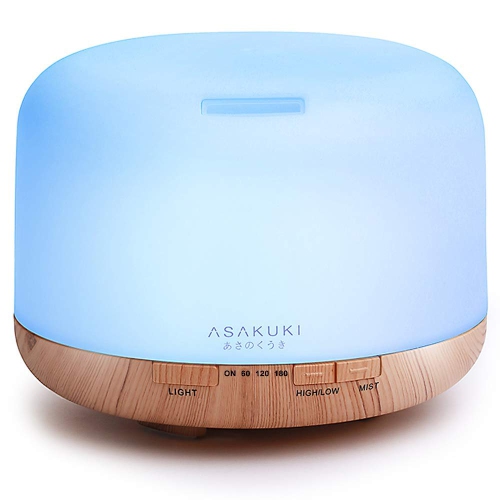
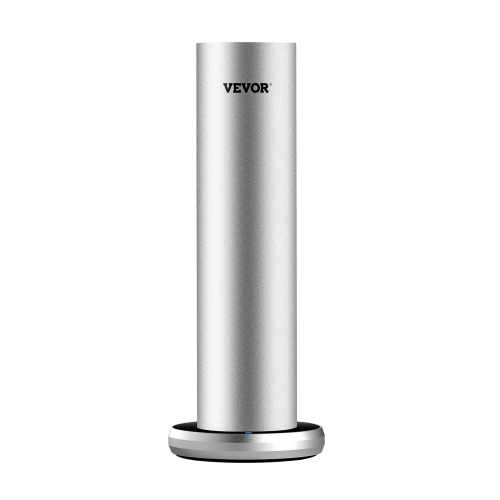
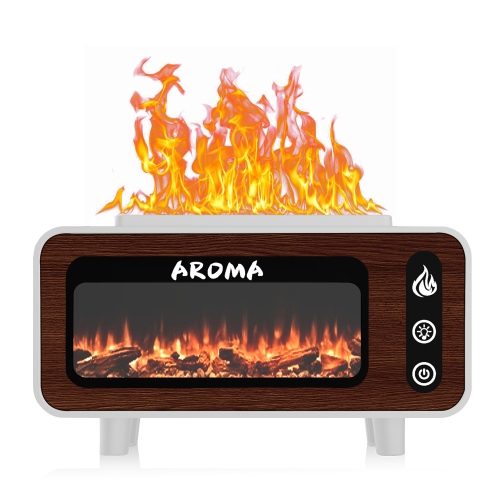
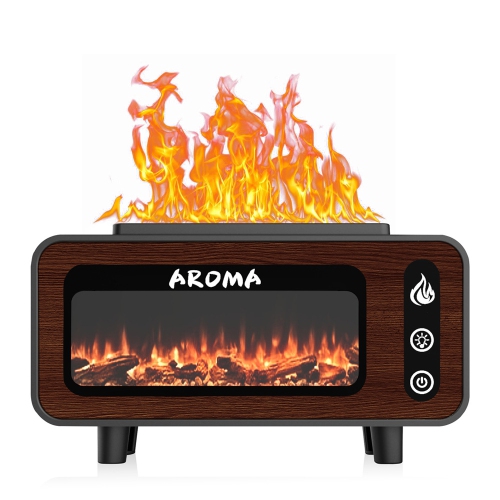
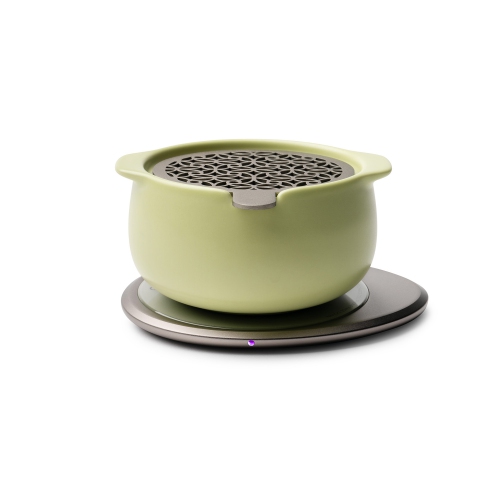
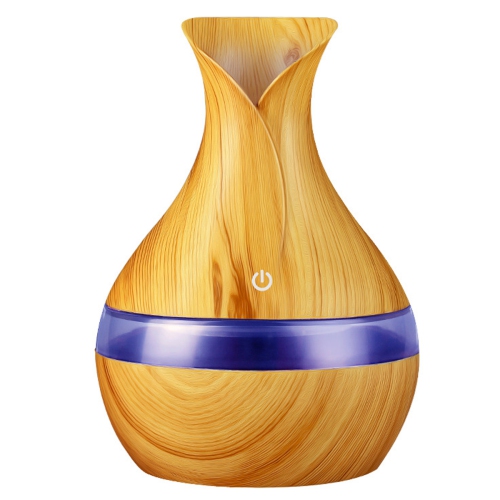
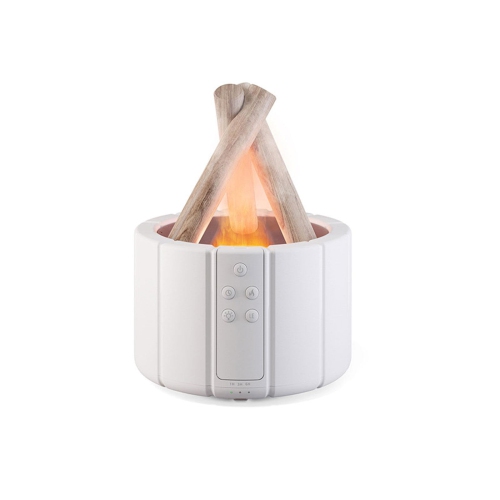
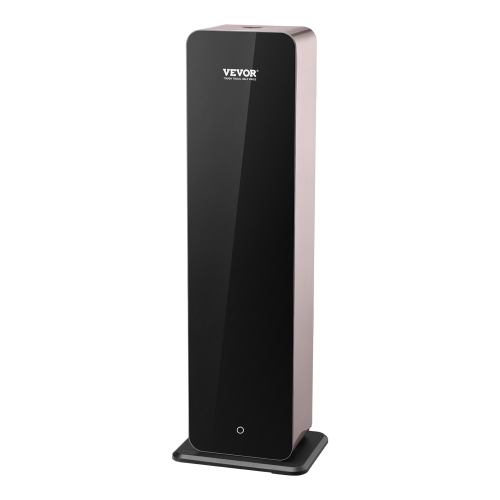
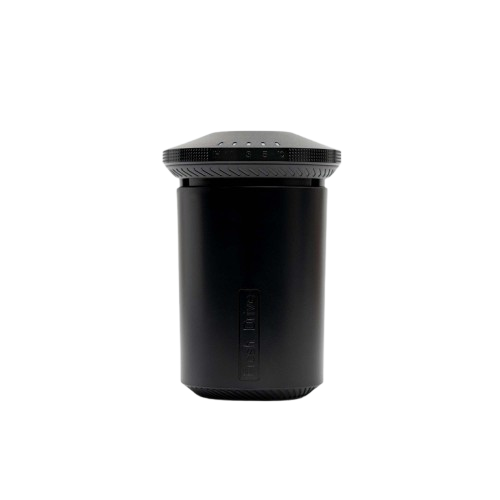
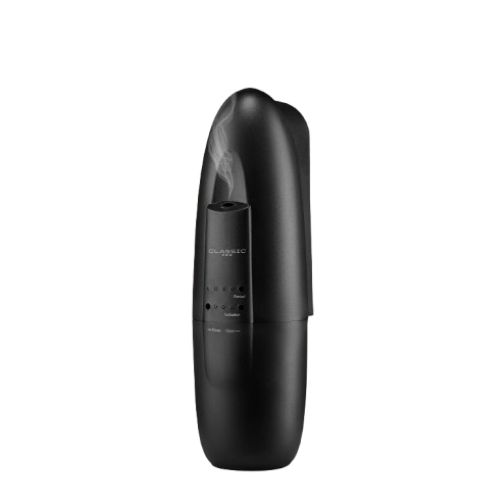
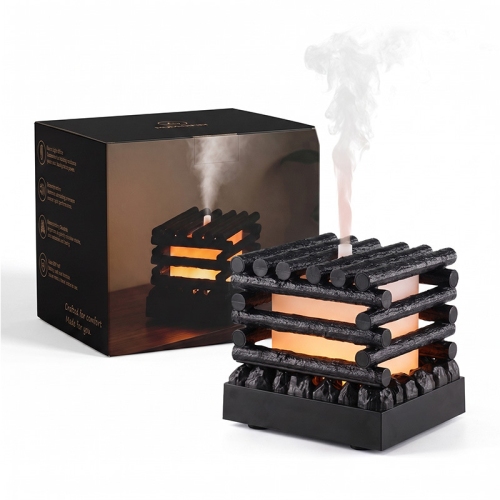
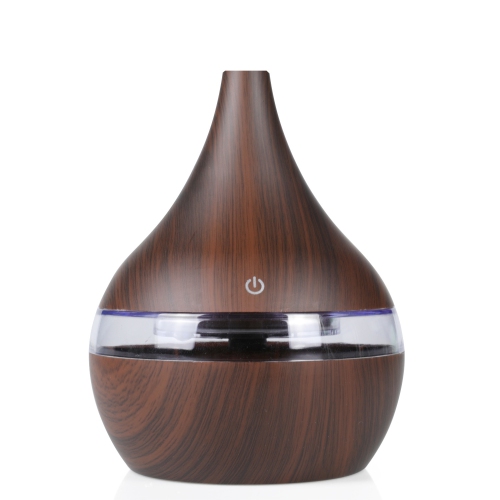
Essential oil diffusers disperse aromatic oils into the air, adding fragrance to spaces such as living rooms, bedrooms, and home offices. Often called aromatherapy diffusers, they offer a way to introduce scent without burning a candle, whether the preference is a light citrus aroma near a reading chair or a soft floral fragrance in an entryway. The main differences between diffuser types are how they release oil, whether they need water, and how much control they provide over scent intensity. Ultrasonic diffusers use high-frequency vibrations to turn a mixture of water and essential oil into a fine mist. Their visible plume and generally gentle operating sound make them familiar choices for everyday use. Although they release some moisture, they are designed primarily for fragrance and are not substitutes for a dedicated room humidifier. Nebulizing diffusers use airflow to disperse essential oil directly, without adding water or relying on heat. They can deliver a more concentrated aroma, although pump noise, oil consumption, and coverage vary by design. Waterless diffusers are a broader category that can include nebulizing mechanisms, oil bottles, cartridges, or absorbent pads; the term does not describe one single technology. Plug-in designs also vary, with some using gentle heat and others using a powered dispersal system. Compatibility matters because a diffuser made for a particular cartridge or refill may not accept loose essential oil. For someone who likes changing fragrances frequently, an accessible reservoir or removable oil bottle can make the transition easier. For a desk or bedside table, a compact footprint and adjustable output may matter more than a large tank. In an open living area, the stated room coverage is more useful than tank size alone. A larger reservoir can extend the time between refills, but it does not automatically mean that a diffuser will scent a larger space. These distinctions help match the diffuser to its intended setting rather than simply its appearance.
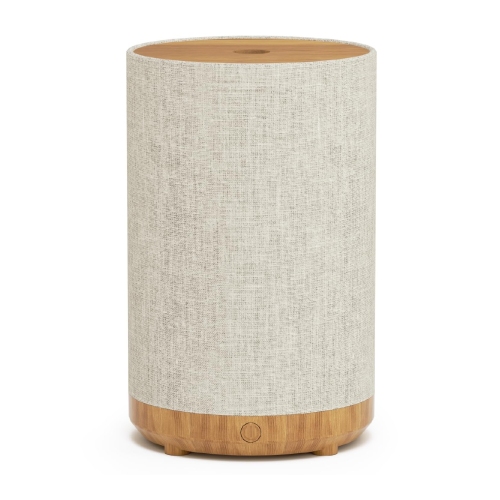
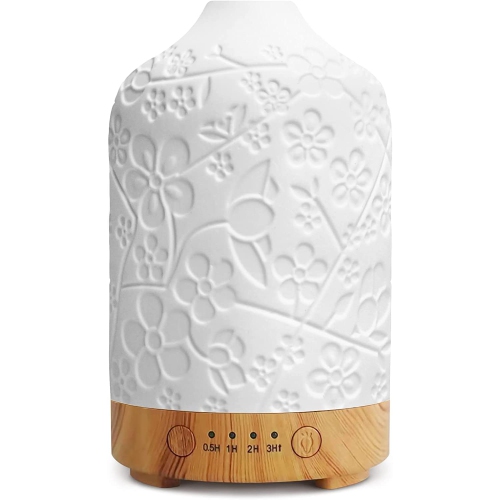
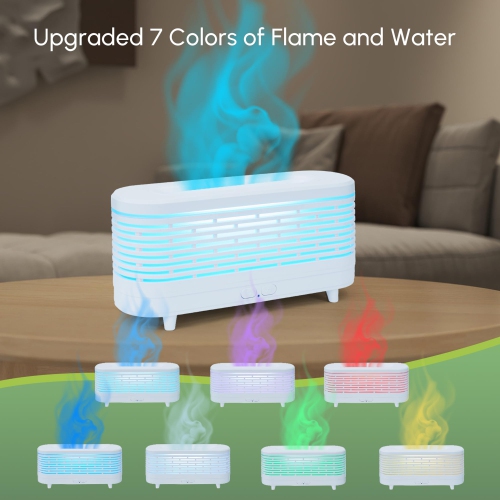
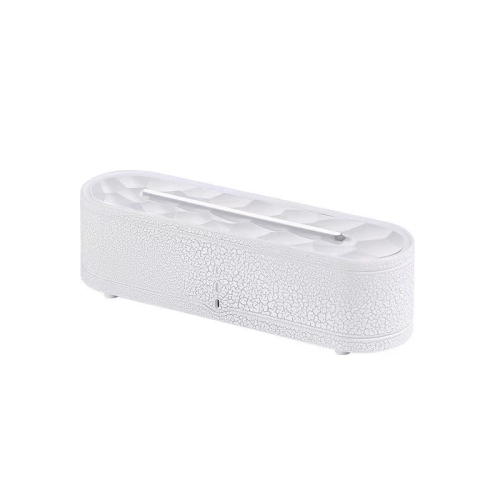
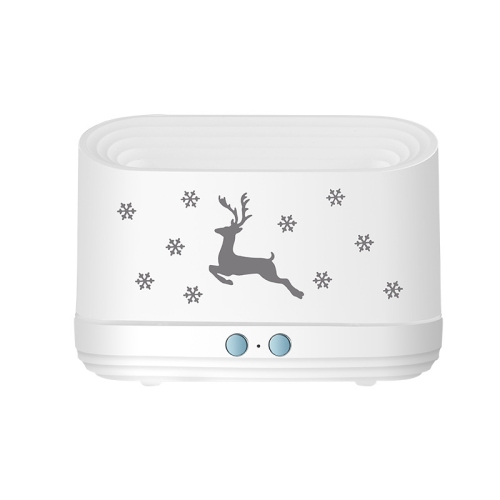
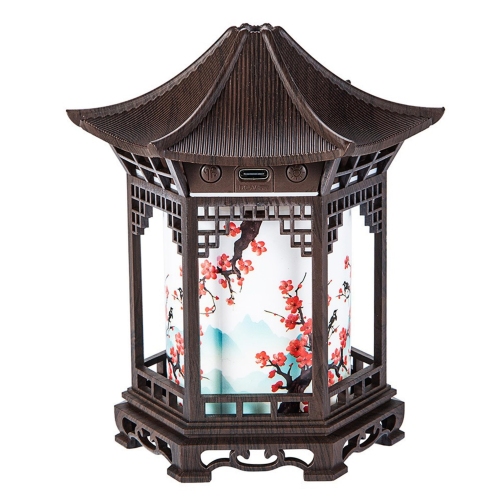
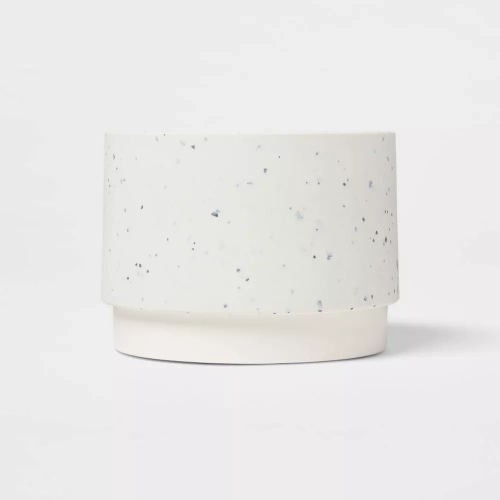
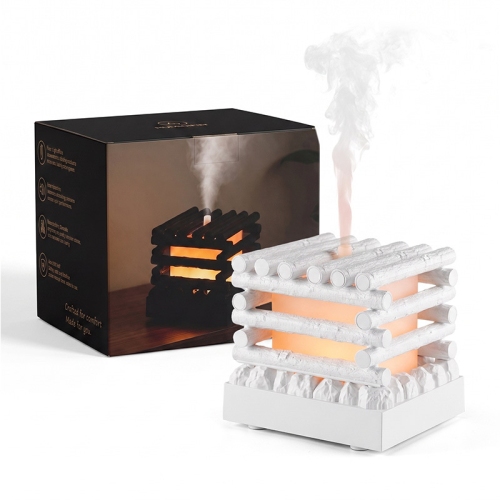
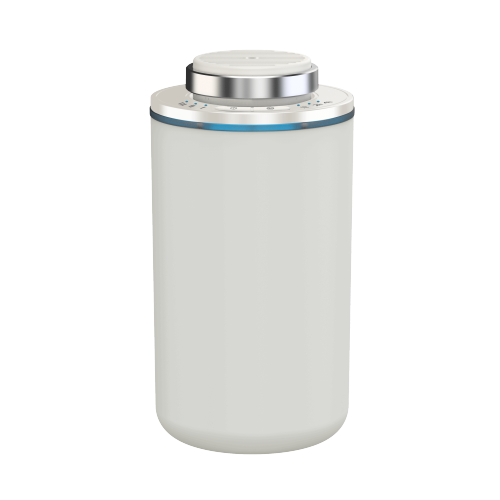
The most useful essential oil diffuser features are often the ones that fit naturally into a daily routine. Continuous mist provides a steady output, while intermittent operation alternates between active and resting periods and may extend runtime. Timer settings let fragrance accompany a reading session or an evening at home without requiring the unit to run indefinitely. Runtime depends on reservoir capacity, output level, and the selected mode, so comparisons are most meaningful when those conditions are similar. Automatic shut-off when the water runs low is a useful feature on water-based designs, but it does not replace the operating precautions supplied with the diffuser. For bedrooms and shared workspaces, sound and lighting deserve close attention. A quiet mechanism may still produce a soft trickling sound or an occasional pump cycle, and an illuminated button can be noticeable in a dark room even when the accent lighting is switched off. Independently controlled lights, adjustable brightness, and simple controls can make a diffuser easier to live with. Materials influence both appearance and handling. Ceramic covers offer a substantial feel and textured or matte finishes, while glass components can create a lighter visual effect but need careful handling. Plastic reservoirs are common inside decorative housings; their shape, accessibility, and compatibility with essential oils are more important than the outer finish alone. Smooth surfaces and a reservoir without awkward corners can simplify regular care. In a room with pale cabinetry or light textiles, white oil diffusers can sit quietly alongside the existing furnishings rather than becoming a strong visual focal point. Dimensions matter just as much as colour: space above the mist outlet, room to lift the cover, and access to a power outlet all affect placement. A stable, water-resistant surface away from electronics, shelf undersides, and delicate finishes helps keep mist and accidental drips away from materials that could be damaged.
Regular care helps an essential oil diffuser remain pleasant to use and supports the durability of its working parts. Water-based reservoirs need emptying and cleaning according to the manufacturer’s directions rather than being repeatedly topped up with old water still inside. Residual oil can leave a film, while standing water can allow microbial growth. A wide opening and removable cover make it easier to reach the reservoir, wipe accessible surfaces, and let the parts dry between uses. Cleaning methods differ across materials and mechanisms, so vinegar, alcohol, abrasive cleaners, or soaking should not be assumed suitable for every design. Electrical bases must stay dry, and delicate ultrasonic plates or glass nebulizing components need the handling specified in their care instructions. The type of oil also matters. Essential oils, fragrance oils, carrier oils, and perfume are not interchangeable, and a formula that works in one system may clog or damage another. Using the specified oil type and amount helps avoid excessive residue and an overpowering scent. More oil does not necessarily create a better experience, especially in a small room or a space shared with others. Fragrance preferences are personal, and anyone with scent sensitivities or respiratory concerns may prefer to avoid diffusion. Essential oils also require particular caution around children and animals; veterinary advice is important before using them around pets, and oils and refills should be kept out of reach. Diffusers add fragrance, but they do not replace ventilation, air filtration, or medical treatment. As a housewarming or birthday gift, a diffuser can suit someone who already enjoys home fragrance and appreciates a useful accent for a bedside table or living area. Easy cleaning, straightforward controls, and a finish that works with the recipient’s furnishings are thoughtful considerations. For personal use or gifting, the strongest fit is a diffuser whose output, maintenance needs, and design suit the space and the people who use it.
Top selling and popular products
-
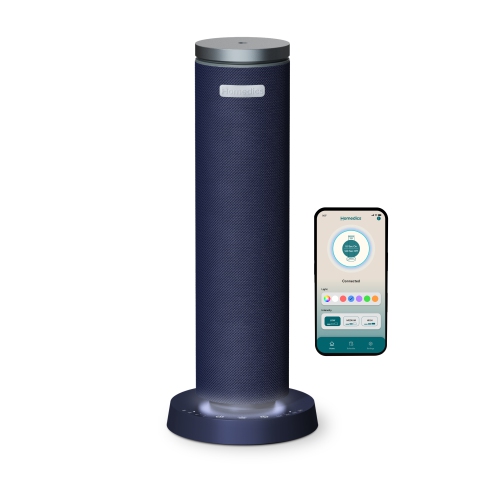 Your price for this item is $119.99
-
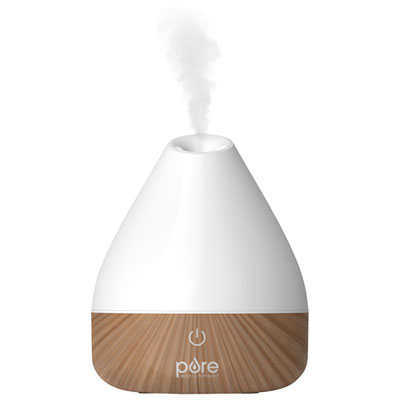 Your price for this item is $64.99
-
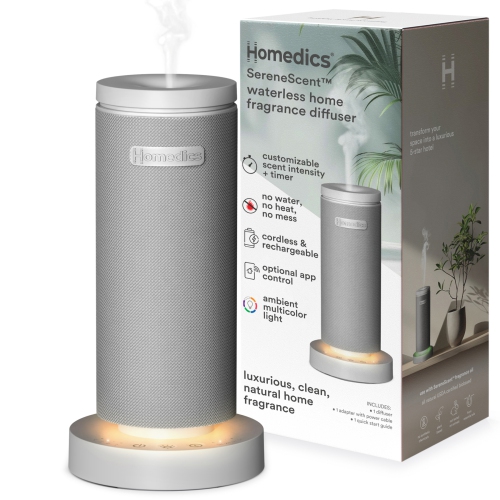 Your price for this item is $69.99
-
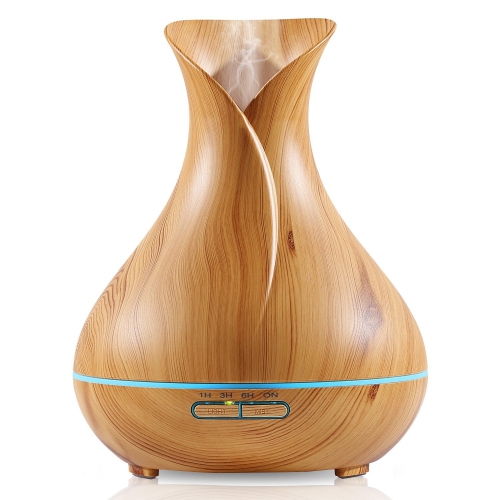 Your price for this item is $79.99
-
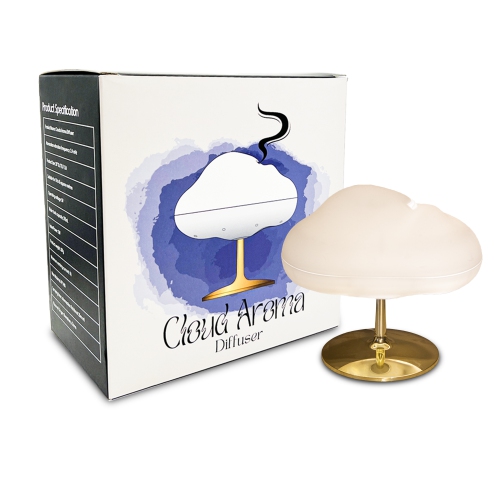 Your price for this item is $43.99
-
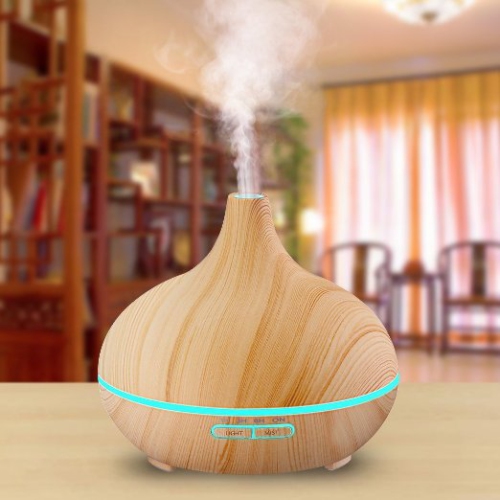 Your price for this item is $89.99
-
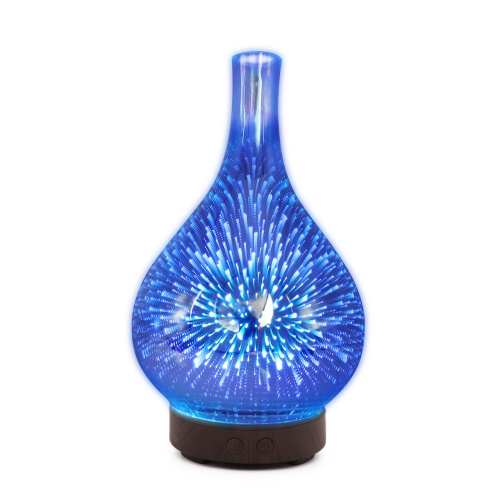 Your price for this item is $129.99
-
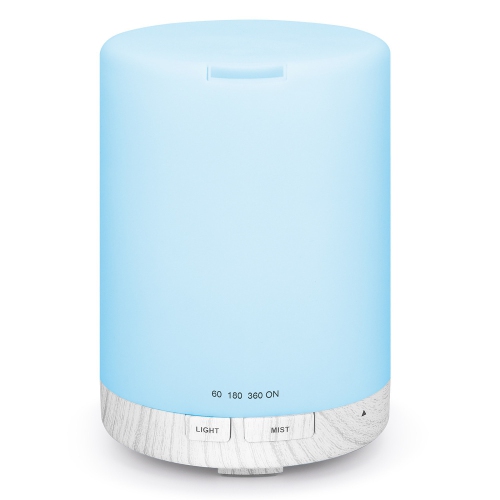 Your price for this item is $35.46
Discover more categories related to Essential Oil Diffusers
Top Collections:
Best Black Friday Deals This Year, Best Black Friday Deals On Electronics, Kindle Devices, Pokemon Centers, Best Black Friday Deals On Apple Products, Best Cameras for Sports Photography, Dyson Airwrap, Pokémon 30th Celebration Cards, Apple iPhone 17 Pro, Canon G7X Cameras
Some products may be subject to Environmental Handling Fees
(EHF) depending on your province.
Learn more about EHFs.