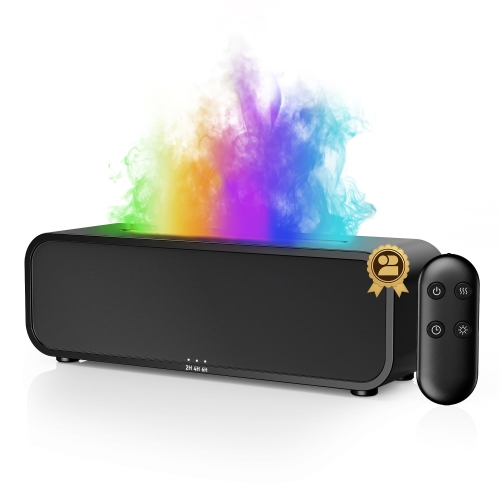
Large Room Essential Oil Diffusers

Find large room essential oil diffusers for adding fragrance to spacious living areas and open-plan rooms. Compare recommended room coverage, water capacity, and run time to find a diffuser that suits your space and routine, and check mist settings and cleaning requirements before choosing.
Sort

Why tank size alone doesn’t determine scent coverage

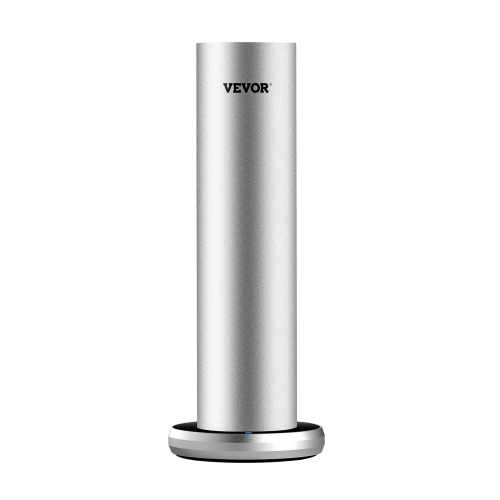
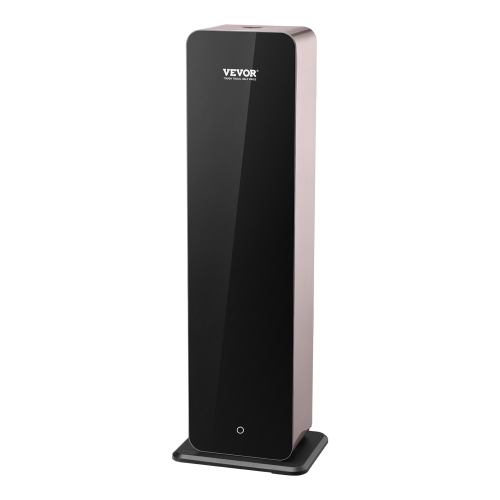
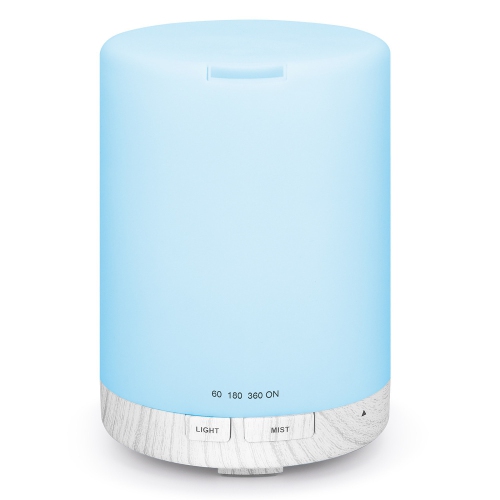
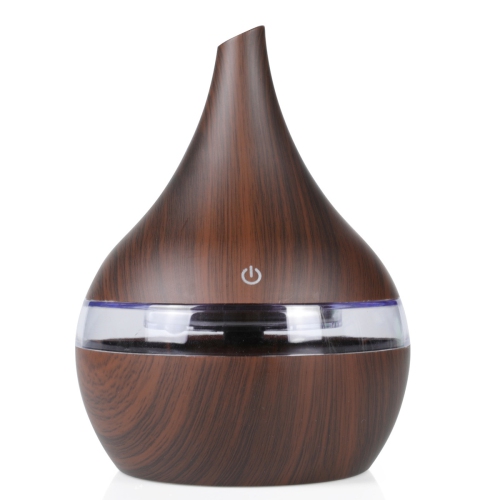
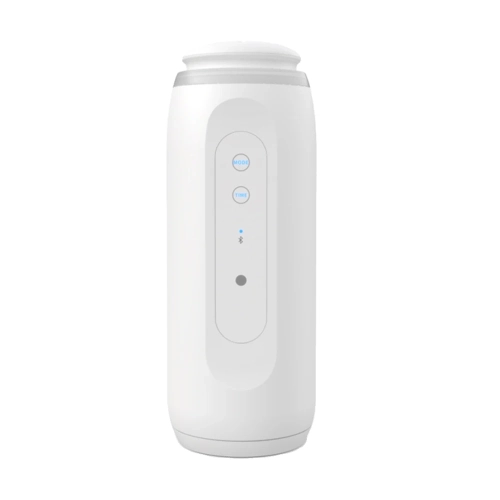
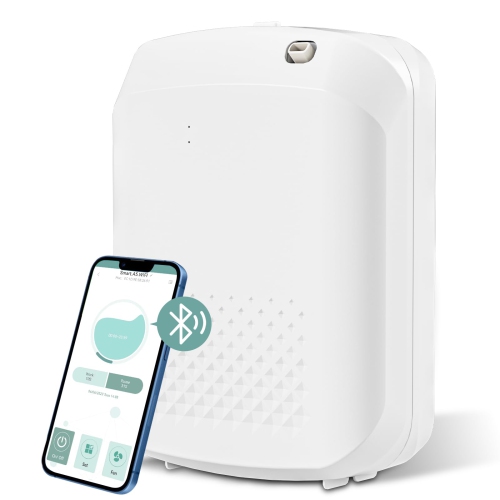
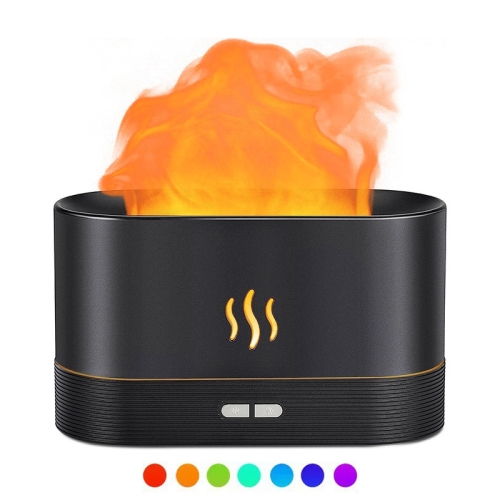
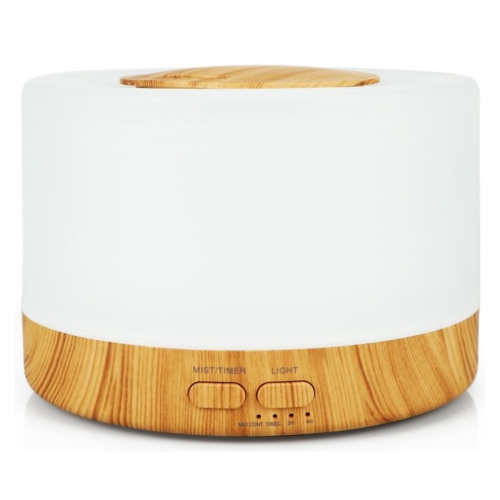
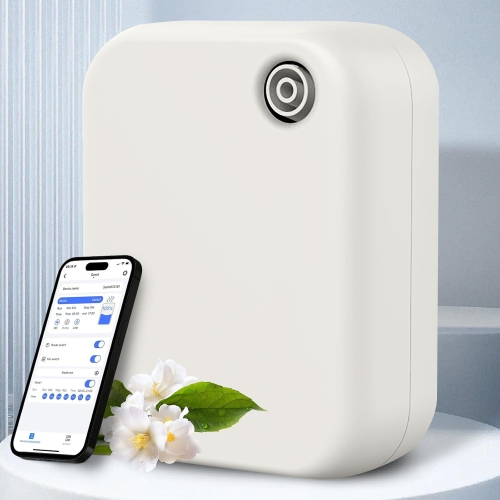
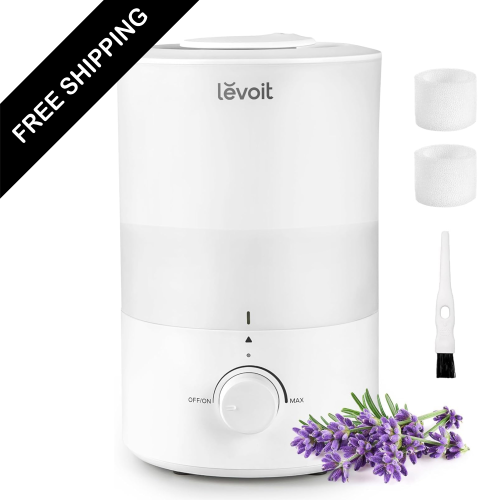
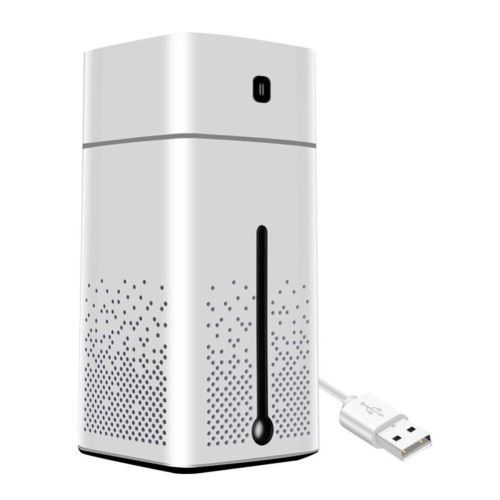
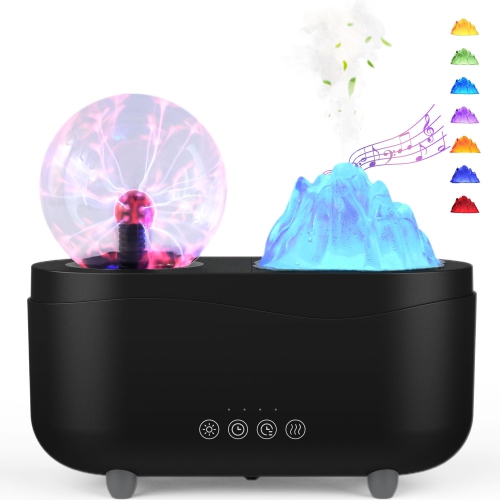
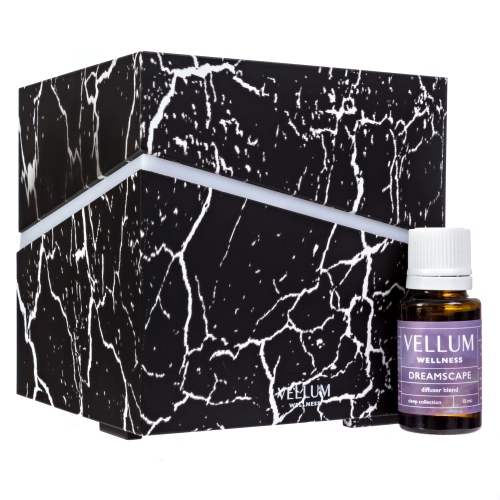
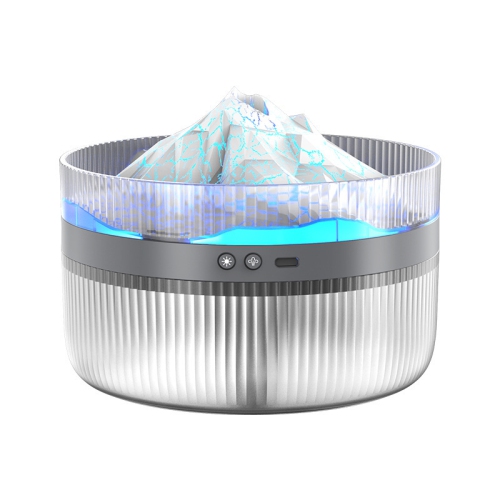
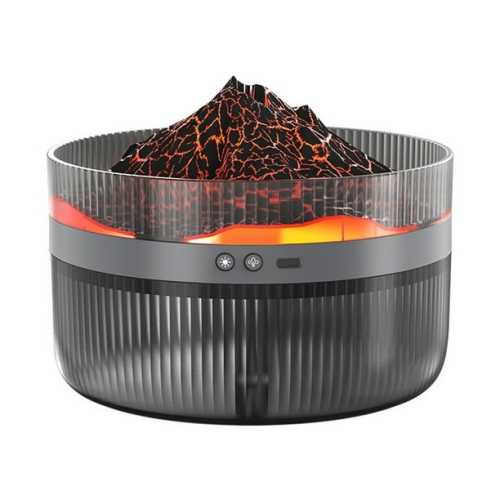
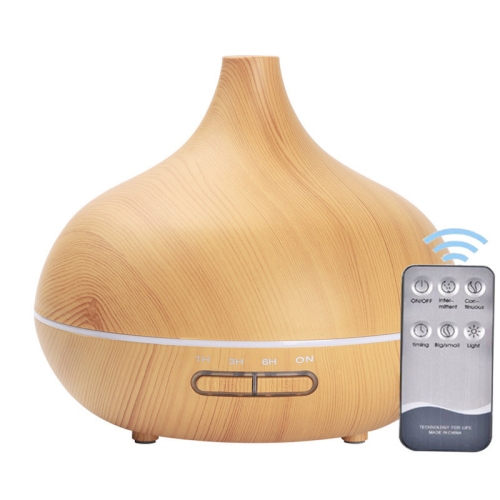
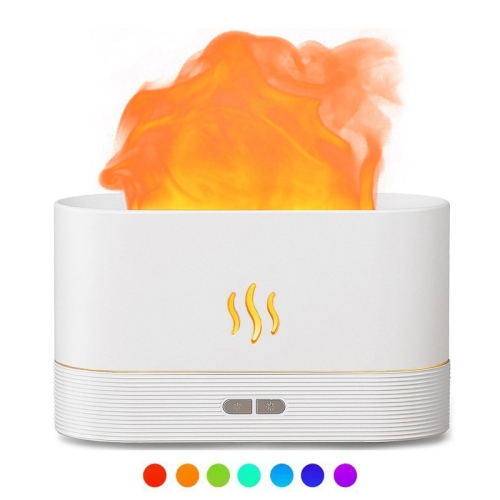
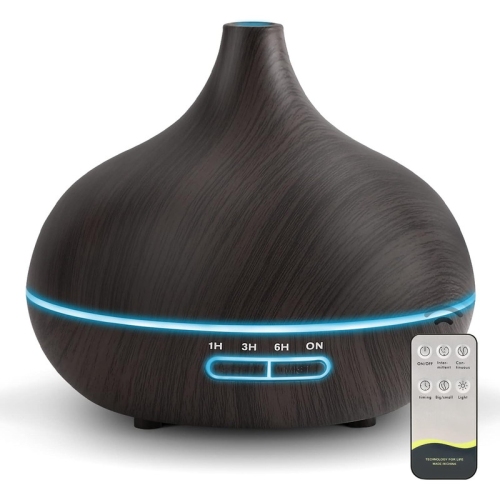
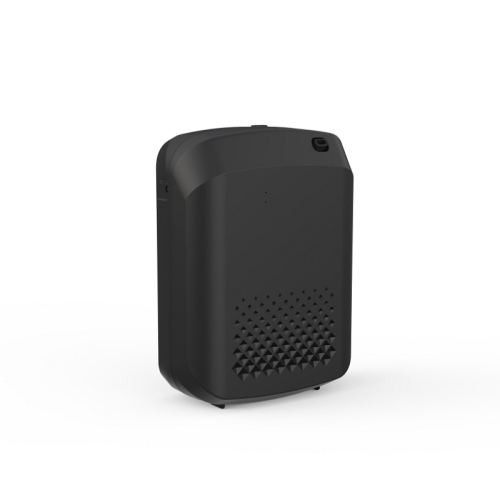
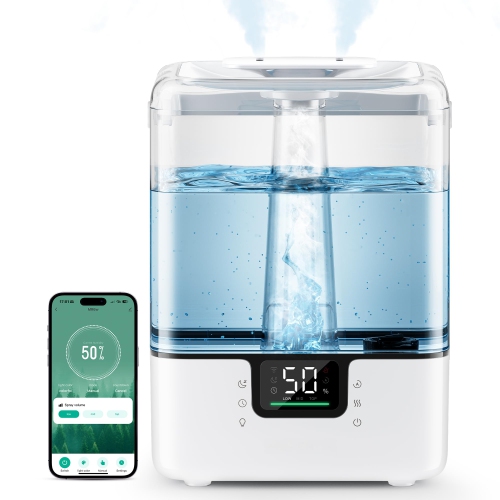
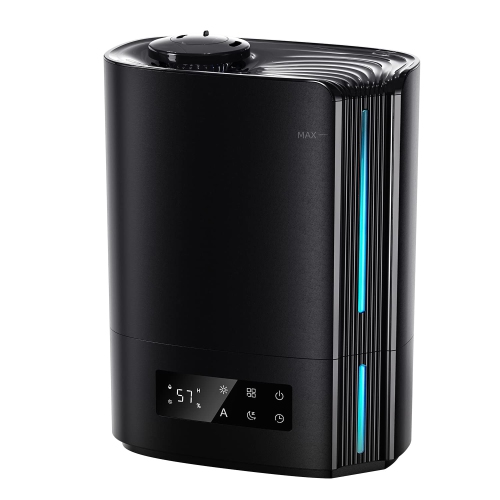
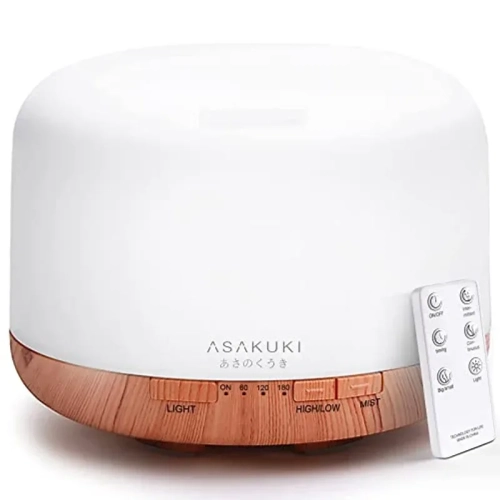
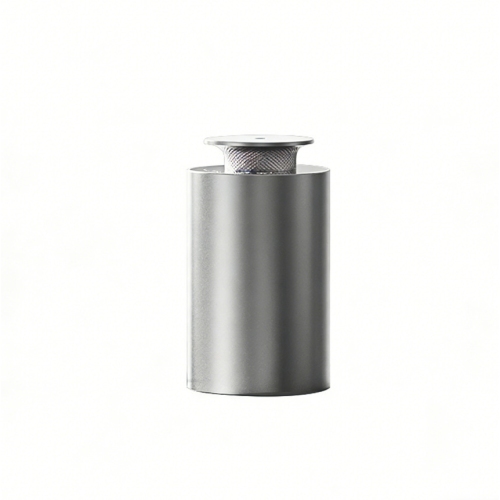
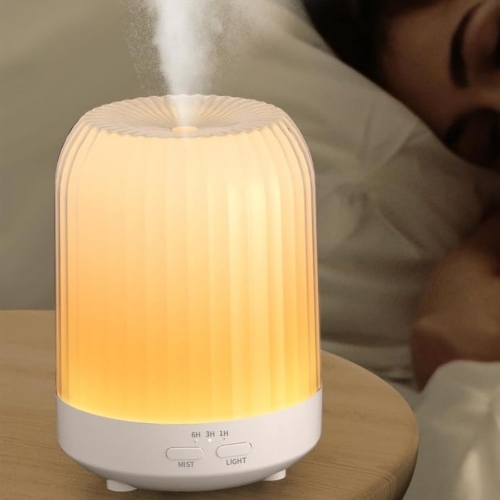
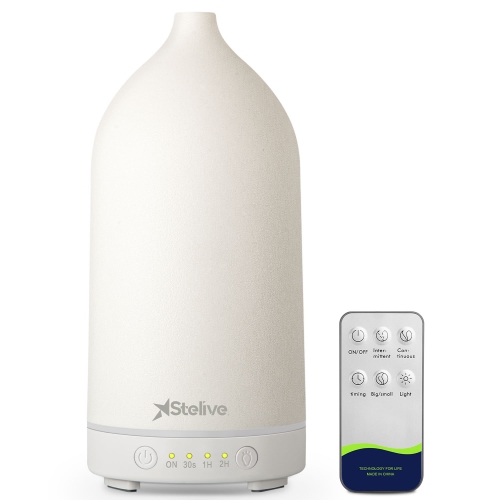
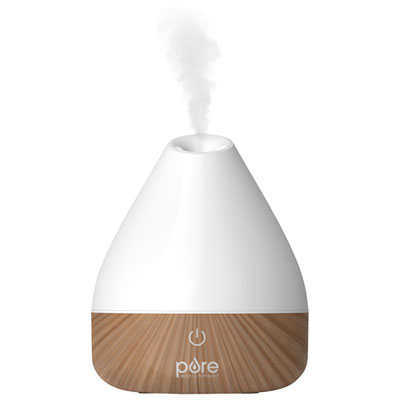
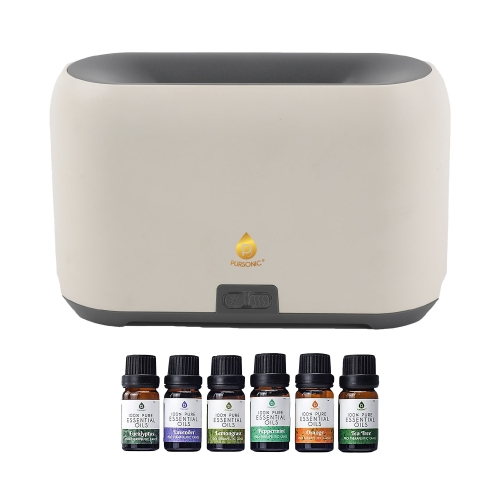
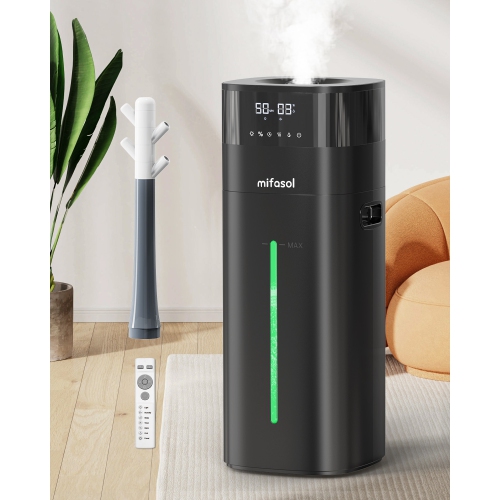
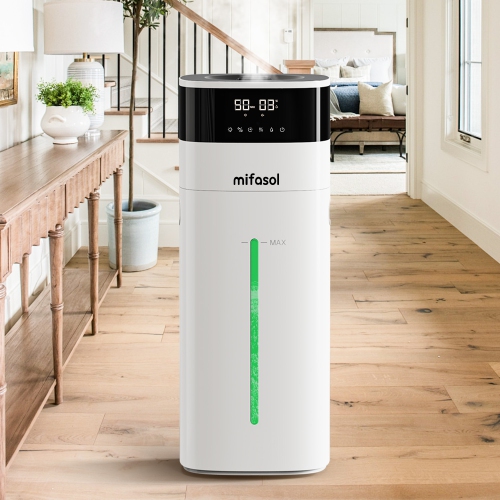
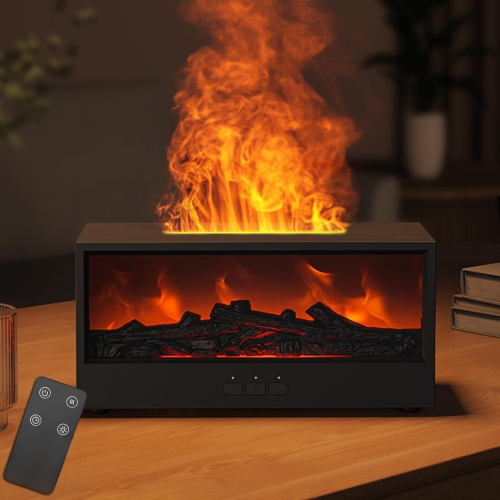
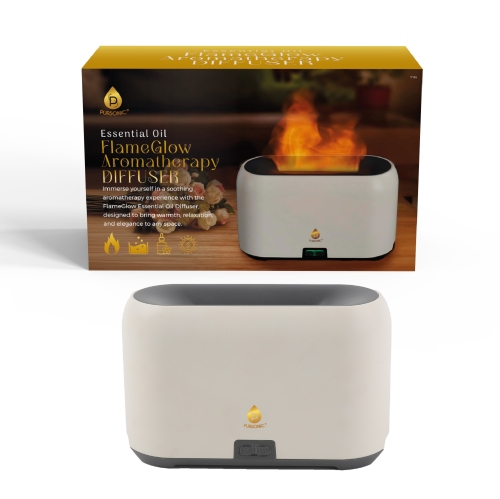
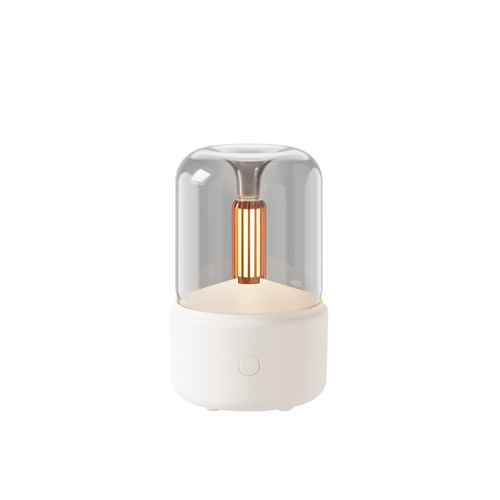
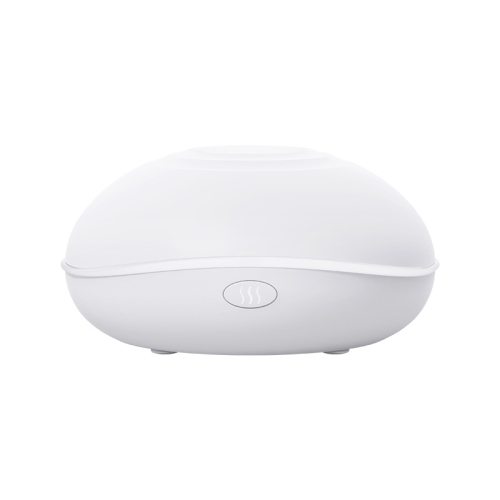
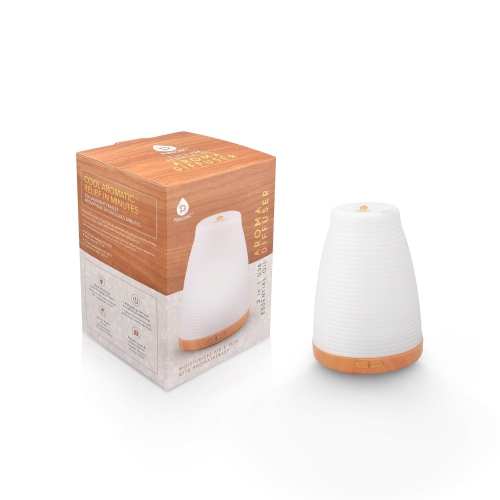
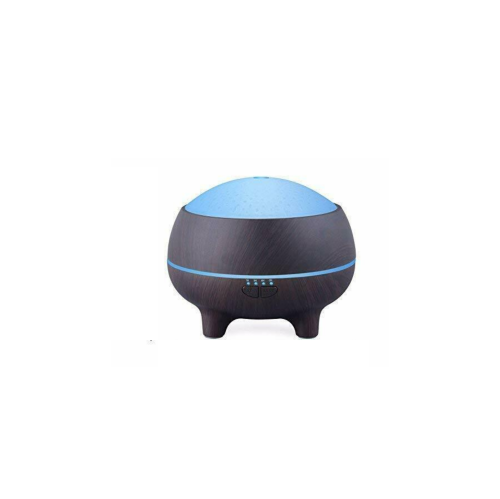
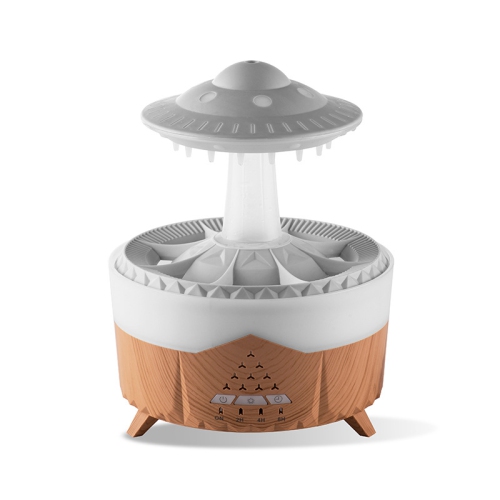
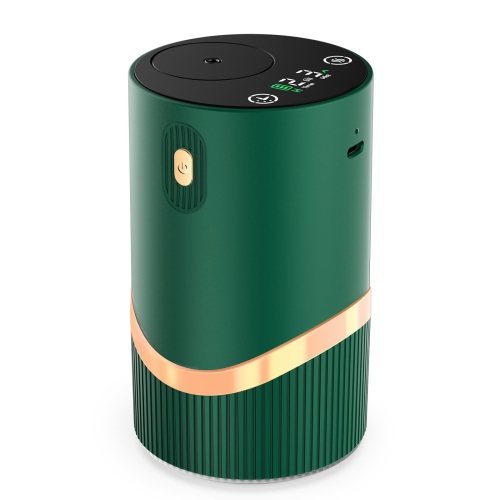
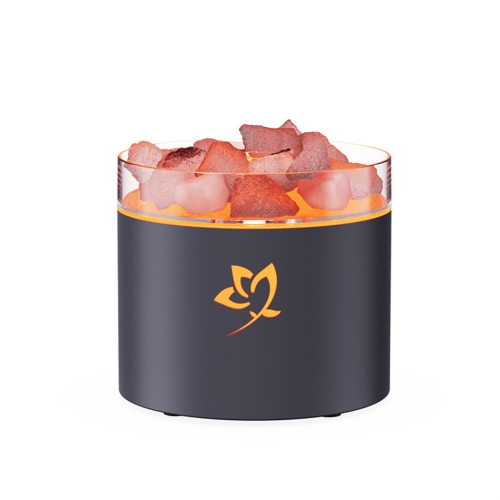
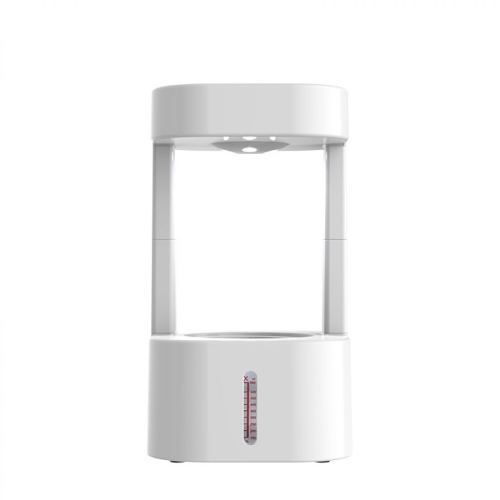
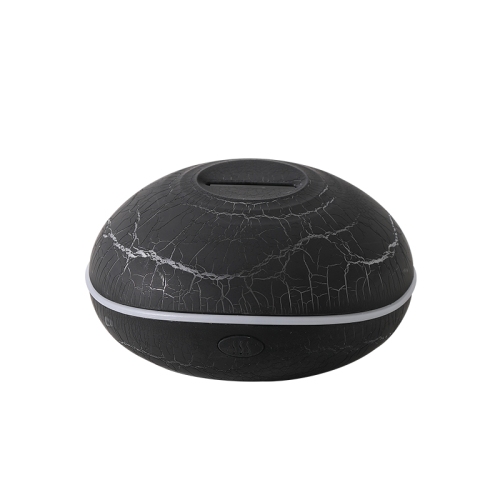
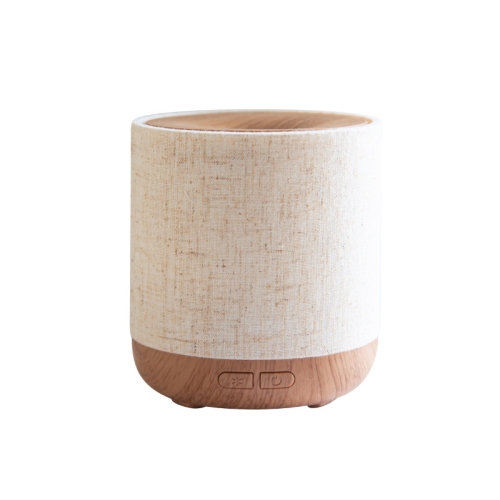
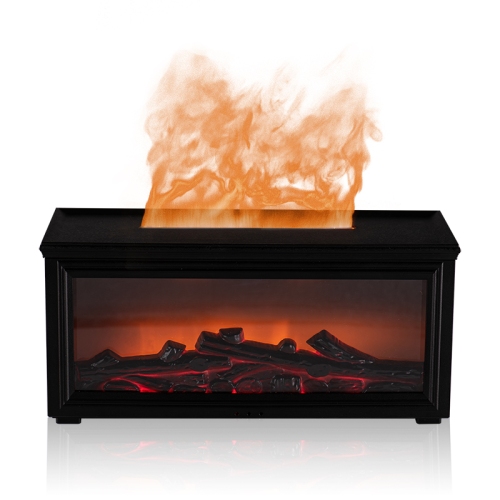
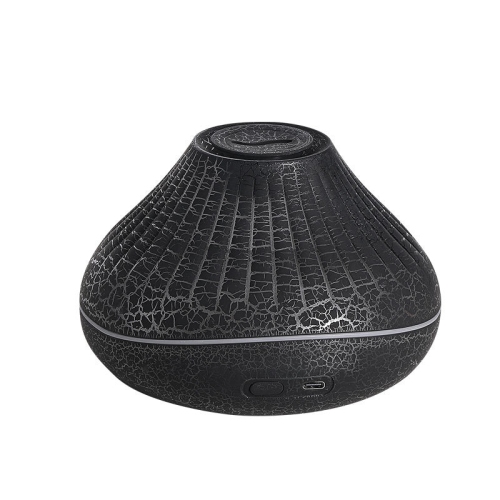
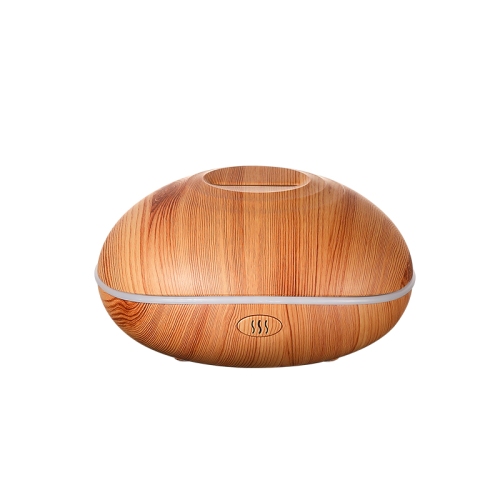
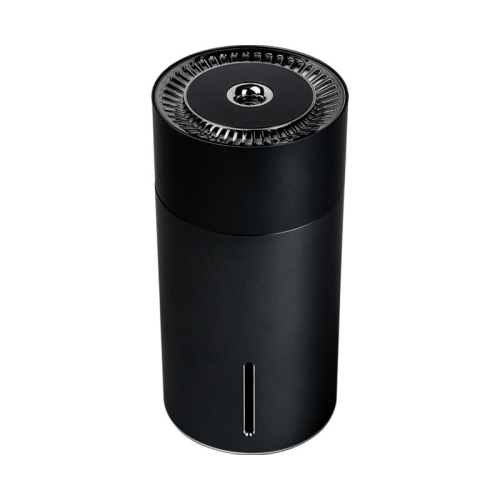
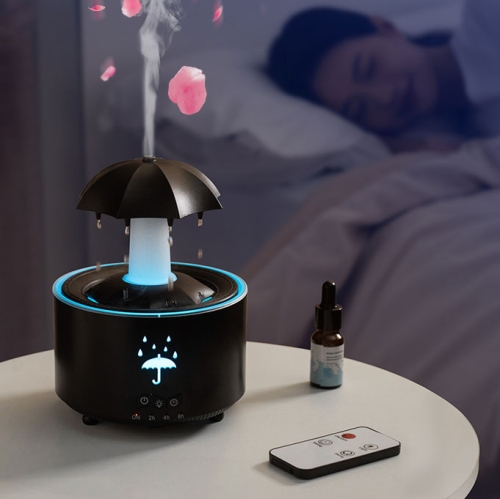
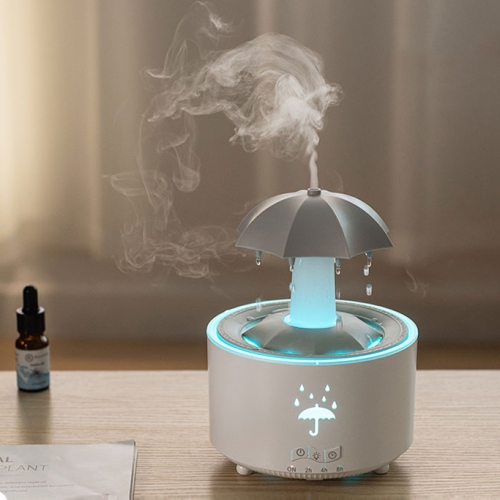
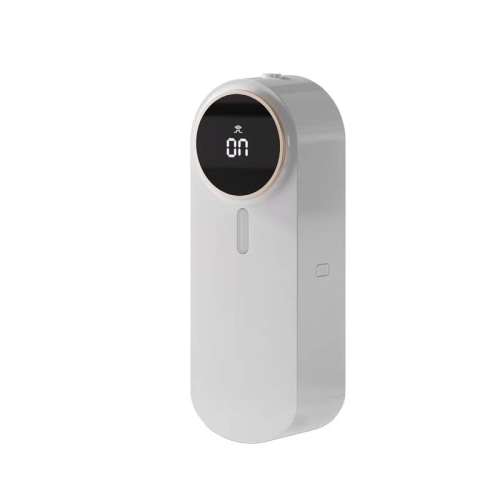
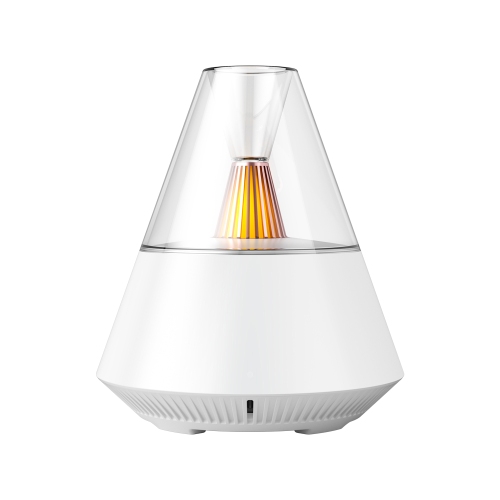
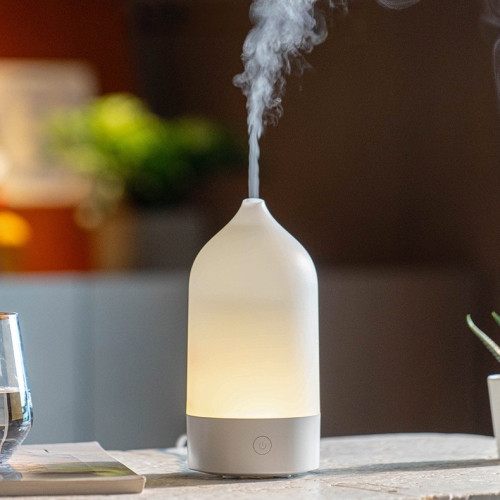
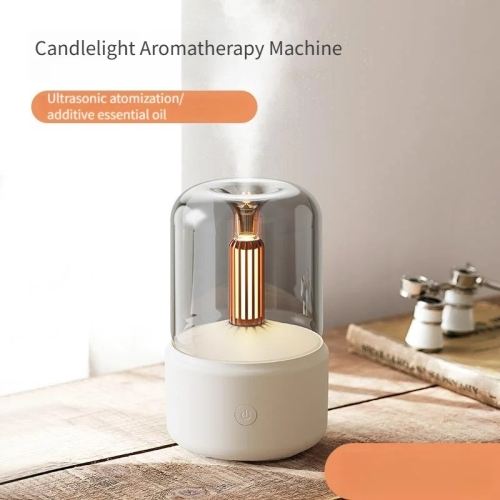
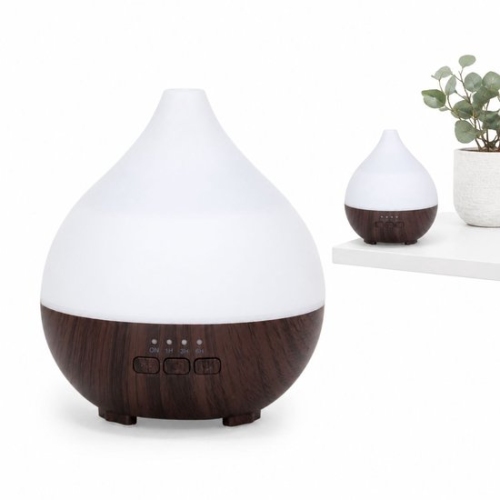
Large room essential oil diffusers are designed to distribute fragrance across spacious living rooms, open-concept layouts, larger bedrooms, and other areas where a compact diffuser may leave the scent concentrated near one spot. The most useful differences are the diffusion method, the manufacturer’s stated coverage, and the range of output settings. Ultrasonic diffusers use water and vibration to create a fine mist that carries essential oil into the room. A larger water reservoir can extend the time between refills, but tank capacity alone does not establish how much floor space a diffuser can cover. Waterless nebulizing diffusers disperse compatible oils without a water tank and may produce a more concentrated fragrance, making adjustable intensity particularly useful in a large shared space. Neither approach is automatically better for every room: the layout, ceiling height, airflow, and preferred scent strength all affect the experience. A broad living area with a dining space at one end presents a different challenge from a closed bedroom of similar square footage. Open doorways and nearby ventilation can carry fragrance away from the intended area, while partitions and furniture can make distribution uneven. Coverage specifications offer a starting point rather than a promise of identical scent strength in every corner. In an open-plan home, a subtle scent around the seating area may be more pleasant than a strong fragrance reaching every adjoining space. Large room models with adjustable output allow more flexibility as the room’s use changes, from a quiet afternoon reading on the sofa to an evening with several people gathered around the dining table. A diffuser adds fragrance; it does not remove airborne pollutants, replace ventilation, or necessarily provide meaningful humidity control. Even when an ultrasonic model releases visible mist, its suitability as a humidifier depends on whether it is specifically designed and rated for that purpose.

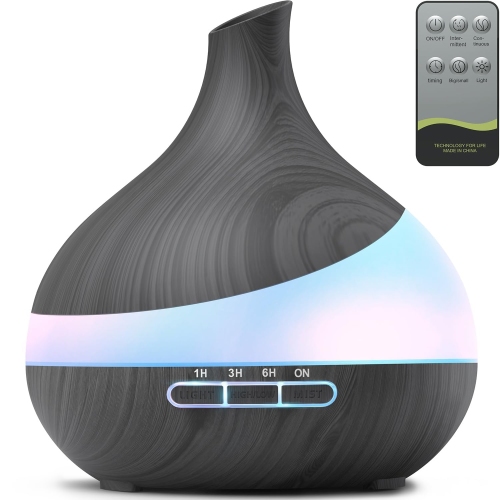
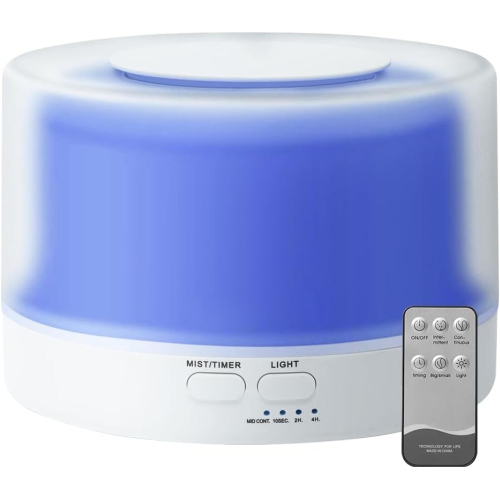
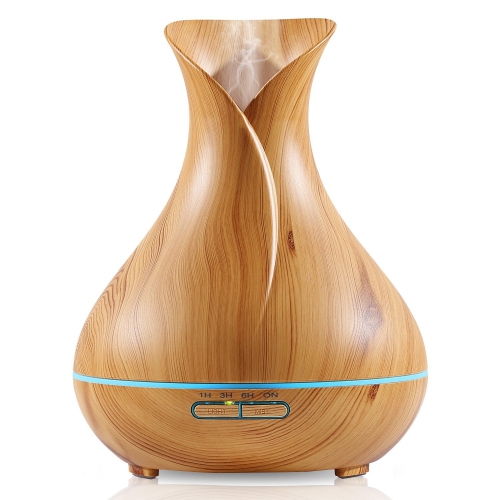
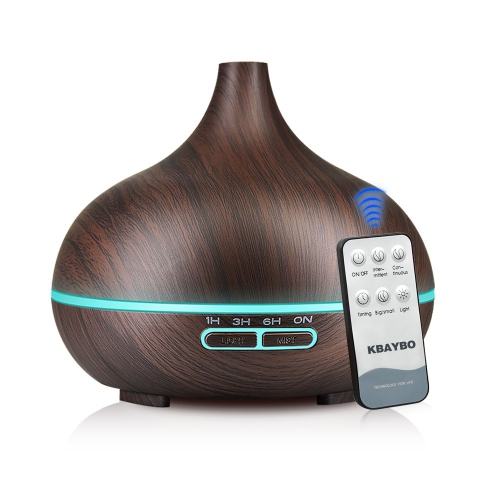
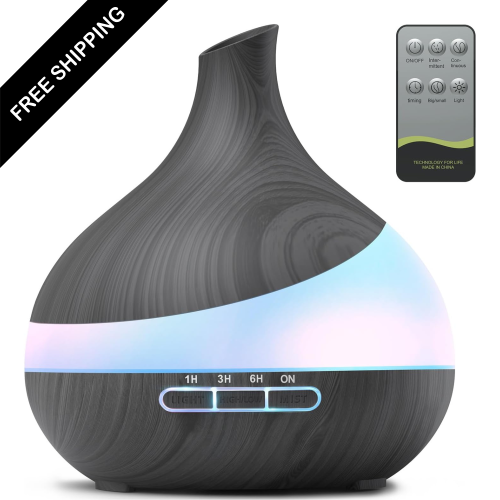
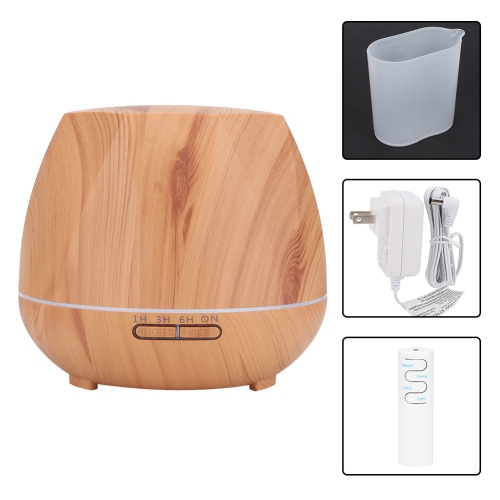
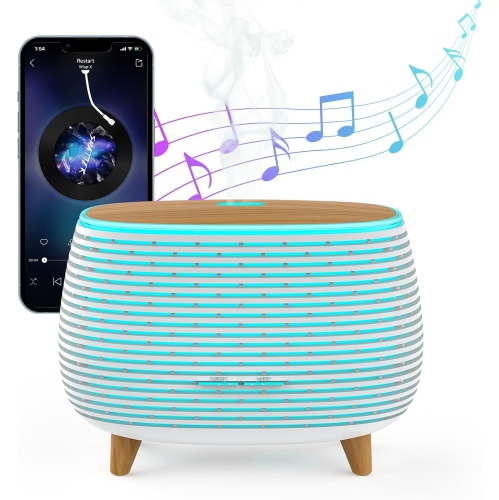
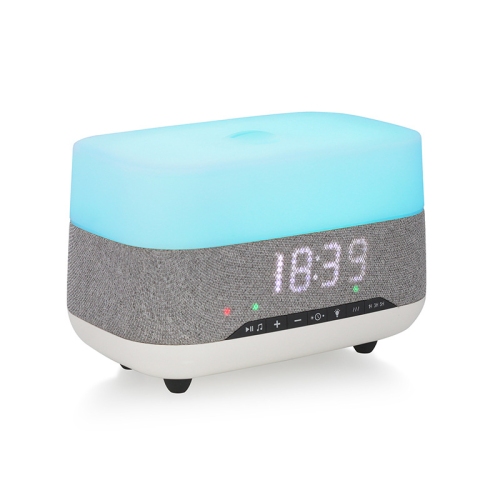
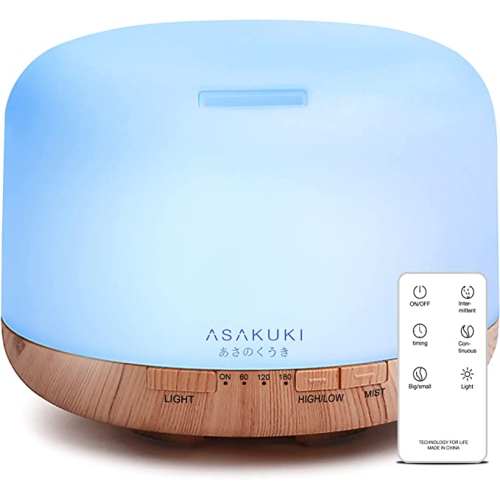
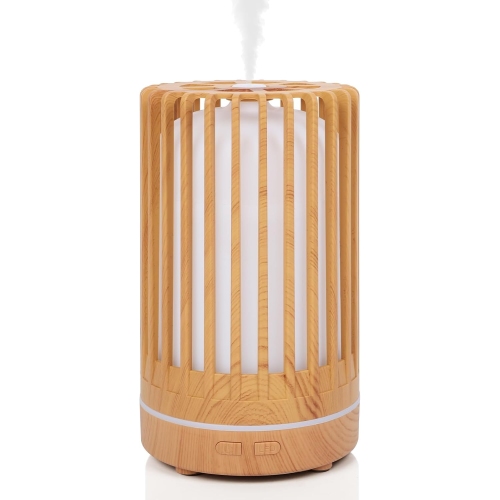
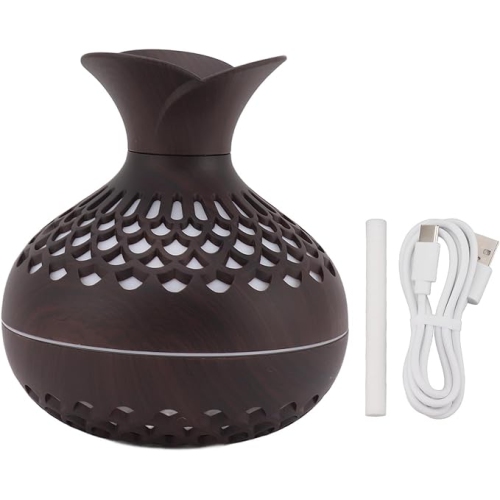
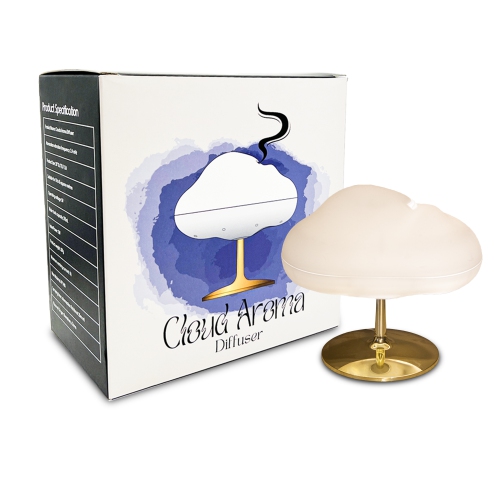
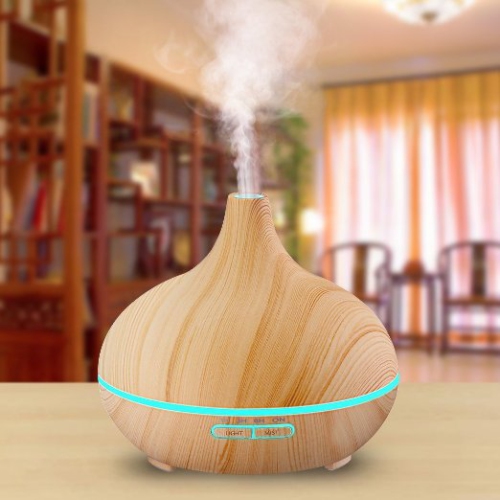
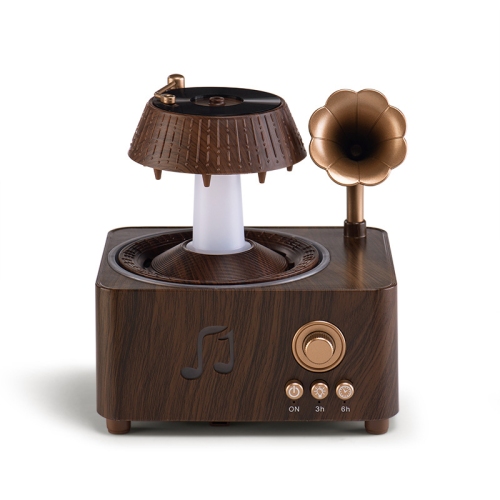
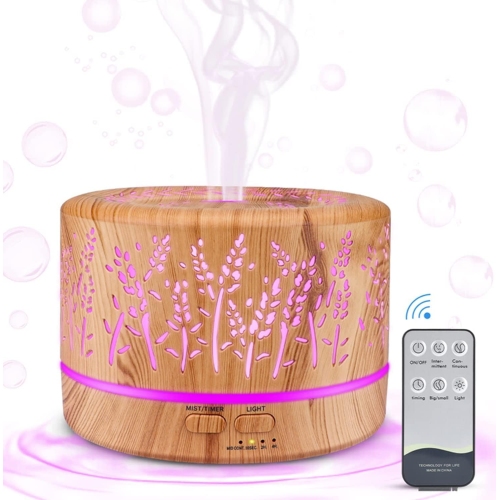
The details of a diffuser’s construction make a noticeable difference to everyday use. An easy-to-remove lid, a clearly marked fill line, and a reservoir opening wide enough to wipe clean can make regular refilling less awkward. A larger tank offers convenience only if it is comfortable to carry and empty without spilling. Plastic reservoirs, ceramic outer covers, glass components, and wood-look finishes each bring a different appearance and handling requirement. The exterior finish does not necessarily indicate the material that comes into contact with water or oil, so the internal construction matters as much as the visible shell. Ceramic covers can sit comfortably alongside pottery and table lamps, while glass components may suit a clean, uncluttered shelf but require careful handling. A stable base, secure lid, and accessible controls are practical considerations for a device used regularly in a busy living area. Depending on the model, useful features may include intermittent mist, independent light controls, timers, and automatic shut-off when the water runs low. Published runtime figures often reflect a particular operating mode, so a long intermittent runtime should not be confused with continuous operation at maximum output. Sound also deserves attention: a gentle water movement or a small pump may be unobtrusive during conversation but noticeable beside a reading chair or work desk. Care requirements vary by diffusion method and materials. Ultrasonic reservoirs need regular emptying and cleaning as directed, while waterless nebulizing systems may need their glass passages or other oil-contact parts cleaned to prevent residue from affecting performance. Manufacturer-approved cleaning methods help protect seals, finishes, and delicate components. Oil compatibility is equally important, since thick oils, diluted blends, and added carrier oils may not be suitable for every mechanism. Following the specified fill limits and oil quantities helps avoid unnecessary residue and supports consistent operation without assuming that more oil will produce better coverage.
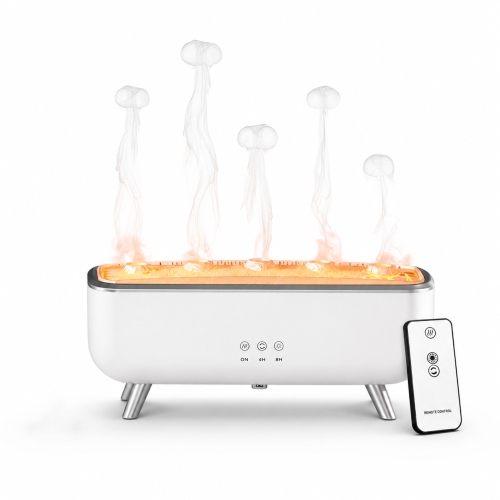
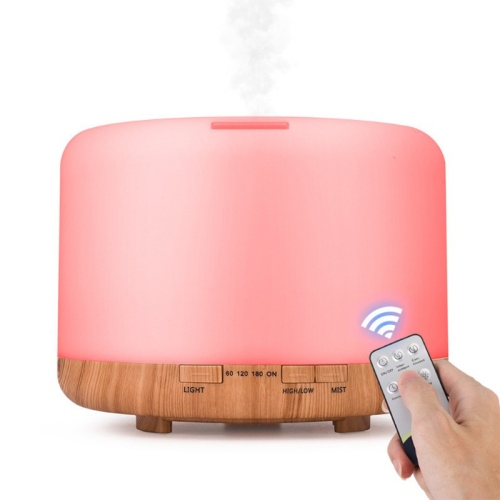
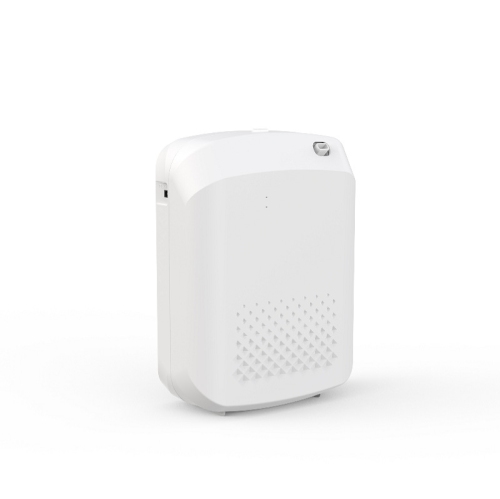
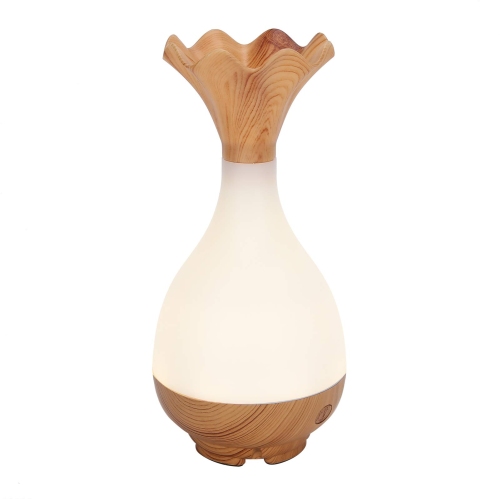
A large room essential oil diffuser can fit naturally into the routines of people who enjoy fragrance while reading, stretching, working from home, or welcoming guests. In a family room, gentle output may provide a background scent without competing with conversation or food served nearby. In a home office, an adjustable timer can limit operation to part of the workday rather than leaving the diffuser running continuously. Placement is part of that fit: a stable, level surface with the clearances specified by the manufacturer is preferable to a crowded shelf where mist settles against books, electronics, artwork, or a wall. Moisture and oil residue can affect nearby finishes, so positioning matters even when the visible mist seems light. Cord length and access to an outlet should also suit the intended location without creating a trip hazard across a walkway. Shared spaces call for particular consideration because fragrance preferences and sensitivities differ. Lower output, shorter sessions, and an option to switch diffusion off independently of any lighting can make a device easier to live with. Essential oils should be stored securely away from children and pets, and use around animals requires care because some oils can be harmful to them. A veterinarian can provide advice appropriate to the household’s pets. For someone furnishing a first apartment or setting up a generous living area, a diffuser can be a thoughtful housewarming gift when their interest in home fragrance is already known. Smaller private rooms have different requirements; Aromatherapy Essential Oil Diffusers for Dorm provides a related category for compact spaces where residence rules and roommates’ preferences also matter. Across room sizes, the most comfortable setup balances suitable coverage with manageable care, unobtrusive operation, and enough control to keep fragrance at a level that suits the people sharing the space.

FAQ

Some products may be subject to Environmental Handling Fees (EHF) depending on your province. Learn more about EHFs.