Fast Dishwashers
Upgrade your kitchen routine with a fast dishwasher, designed to help you tackle mealtime cleanup quickly and efficiently. Whether you're managing a busy household or hosting frequent gatherings, these dishwashers offer a convenient solution for handling dishes, glassware, and cookware with ease. Discover a wide selection of options to fit your space and lifestyle, making it simple to keep your kitchen running smoothly every day. Find the right fast dishwasher to streamline your chores and enjoy more free time with family and friends.
Sort

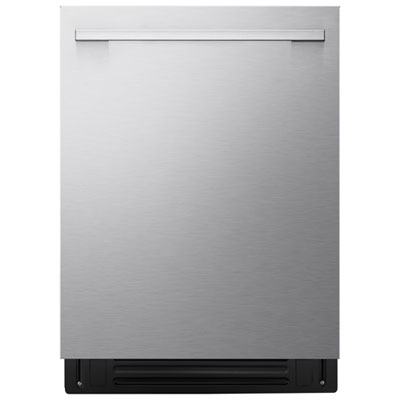

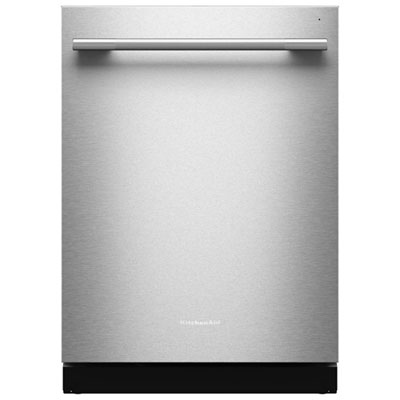

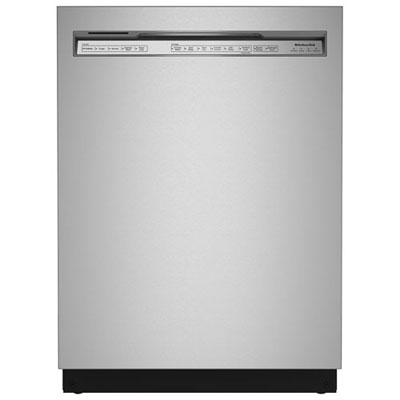
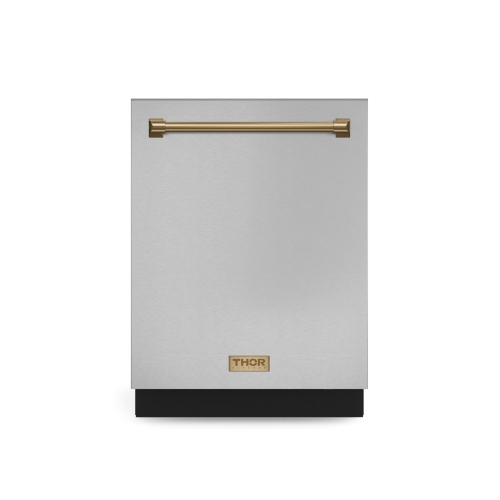
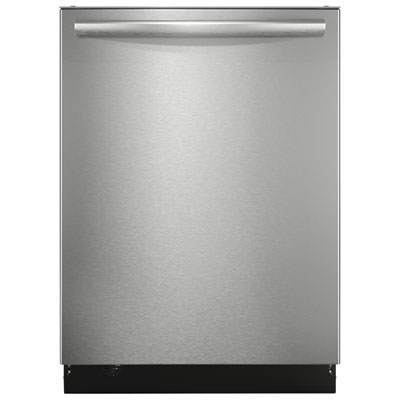
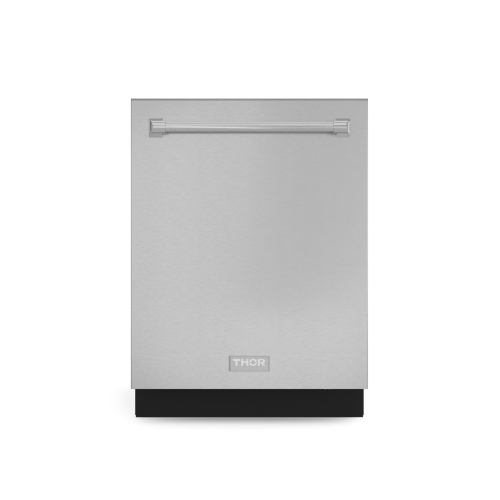
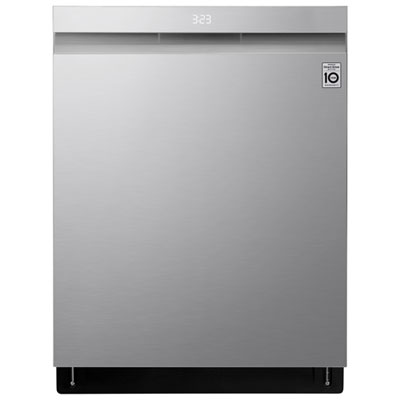


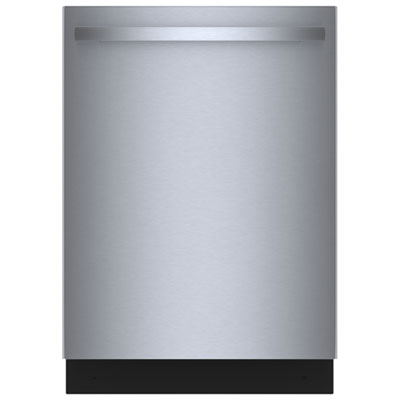
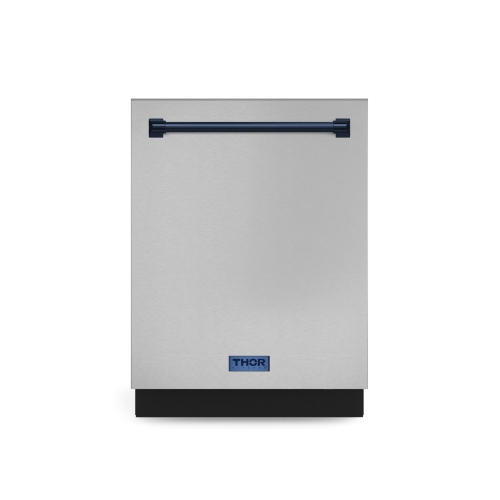
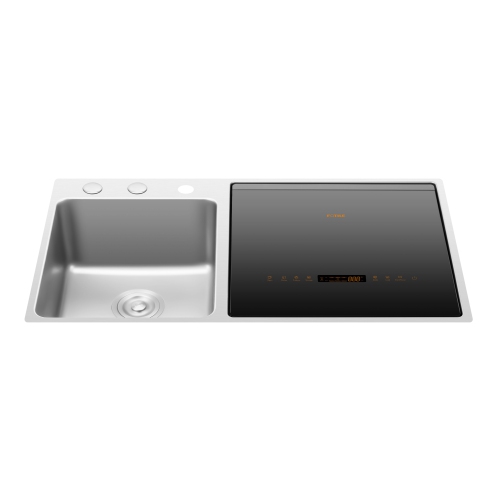
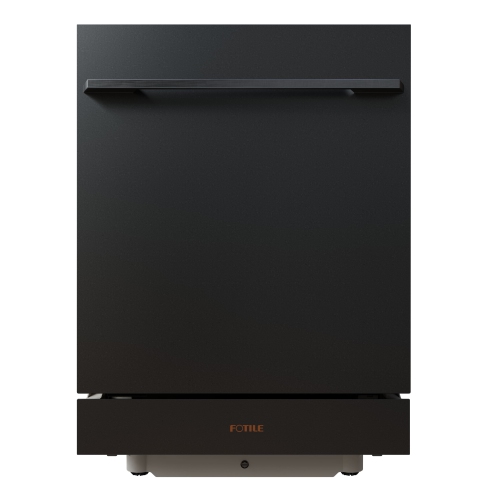
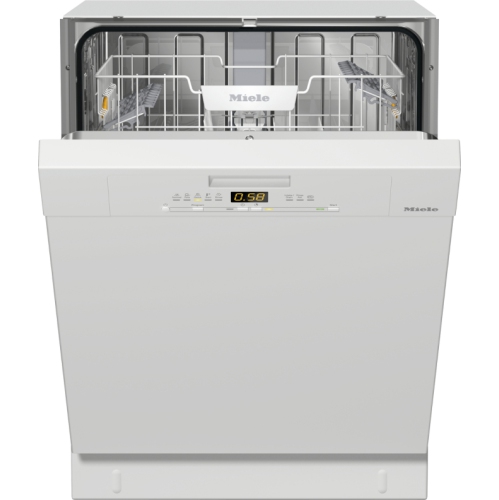
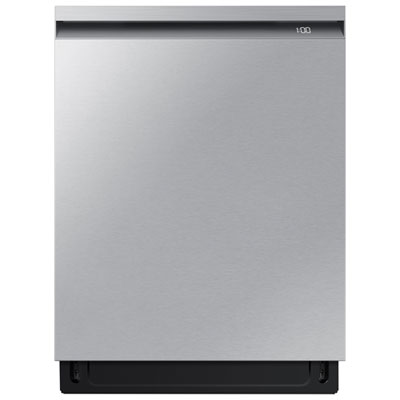


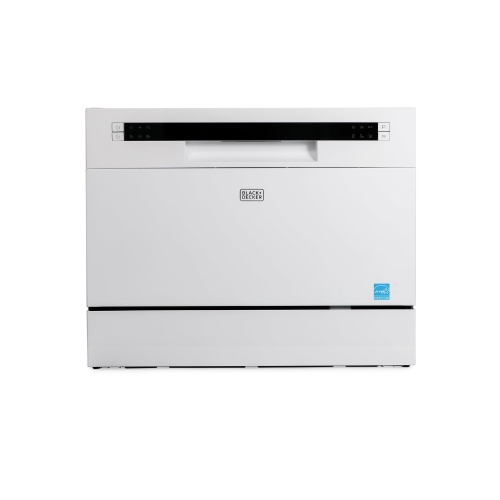
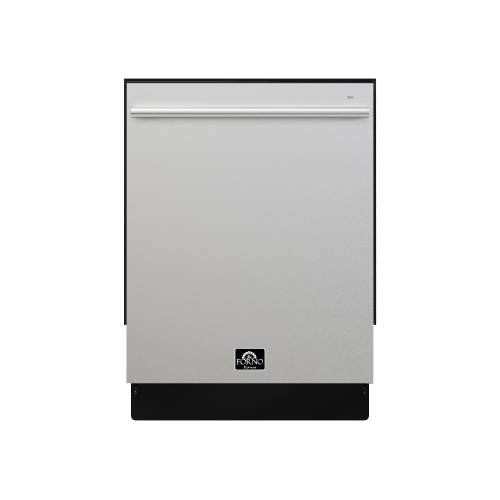
What the quick wash time doesn’t tell you
Fast dishwashers are designed to turn around a load of everyday dishes in less time than a normal cycle. The fastest cycle listed is worth a closer look because its run time and the time it takes to get dishes back on the table aren’t always the same. A 20-minute cycle that requires a separate 20-minute water warm-up, for example, takes about 40 minutes from a cold start, before any drying that isn’t included in the cycle. Some short cycles wash and rinse but do little or no drying; others can take longer when a drying option is selected. That distinction matters less when plates are going straight back on the table than when lunch containers need to go into a bag without dripping. A quick wash is usually intended for lightly soiled dishes, such as breakfast bowls, mugs and plates with a few crumbs or smears of sauce. It can be handy when there’s time to clear the table between the main course and dessert but not enough clean cutlery to go around. A casserole dish with baked-on cheese or a bowl with dried oatmeal around the rim is better suited to a normal or heavy cycle. A sanitizing cycle may also have a longer run time, and a quick cycle shouldn’t be assumed to offer the same sanitizing performance. The most useful comparison is between cycles intended for the same kind of load, with a clear distinction between the time spent heating water, the wash and rinse, and the drying time. A dishwasher with a quick cycle can still serve as the main machine in a busy kitchen, since the shortest cycle is an option for the loads that suit it, not a setting that has to work for every meal.
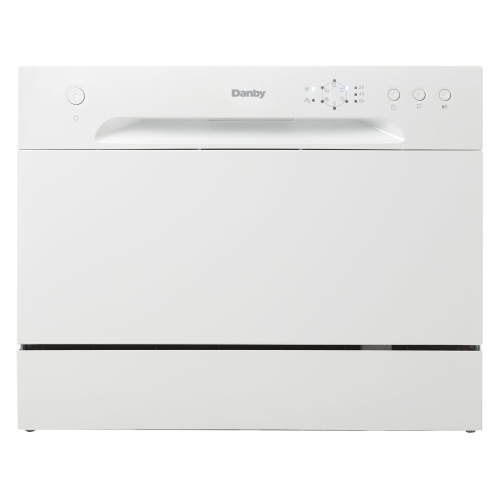
A fast cycle is more useful when the dishwasher fits both the kitchen and the dishes that go into it. Many built-in dishwashers fit a nominal 24-inch opening, while compact built-in designs often fit an 18-inch opening. Those measurements are a starting point: the height beneath the countertop, the depth of the opening and clearance for the open door all matter. On a narrow aisle, a door that clears the opposite cabinets can still leave little room to stand while pulling the lower rack out. Rack layout makes just as much difference during daily use. An adjustable upper rack can make space for taller dinner plates below, while folding tines can open up a spot for a wide serving bowl without forcing it to sit flat over several smaller dishes. A cutlery tray keeps forks from nesting together, but its position can affect the room left for tall glasses. A compact dishwasher may be a good fit for a household that runs small loads after meals, while a larger interior may be more practical where dinner regularly leaves behind a stack of plates, several glasses and serving dishes. Tub and rack materials also matter for a machine that gets frequent use. A stainless steel tub resists staining and retains heat from the final rinse, which can help with some drying designs. A plastic tub can also stand up to daily use, and tub material alone won’t tell how dry the dishes will be at the end of a short cycle. Rack coatings, wheels and adjustment points are worth looking at too: a rack should slide easily under the weight of a full row of ceramic plates. In an open-plan kitchen, the sound rating can matter alongside speed, especially if the dishwasher often runs while people are still talking at the table.
Everyday loading and care help a short cycle do its job. Scraping off large scraps, angling cups and bowls so water can drain, and checking that a tall utensil doesn’t block the spray arm can make more difference than trying to squeeze in one last plate. Bowls fitted tightly together can shield each other from the spray, and a cutting board placed in front of the detergent dispenser can keep it from opening fully. Dishwasher-safe plastic containers often hold droplets after a short cycle, particularly along recessed rims and lids. Loading them at an angle can reduce pooling, though a few drops may still need a wipe before the containers go into the cupboard. Using the detergent type and amount specified in the manual is a better starting point than assuming that a short wash needs extra detergent. A quick check of the filter for trapped food and of the spray-arm openings for buildup can help keep wash performance consistent over time; the manual explains which parts can be removed for cleaning. For someone who cooks in batches, the short cycle might be most useful for getting lightly soiled mixing bowls and utensils back on the counter while the roasting pan waits for a heavier load. For a smaller household, it might handle the breakfast dishes before they sit long enough for food to dry on them. A household that runs one full load after dinner may put more weight on rack space and drying than on the shortest listed time. The Best Dishwashers selection offers a broader look at those features alongside cycle speed. For everyday use, the fast cycle that matters is the one that leaves the dishes ready for their next job, whether that’s another place setting, a packed lunch or a stack of clean bowls in the cupboard.
Top selling and popular products
-
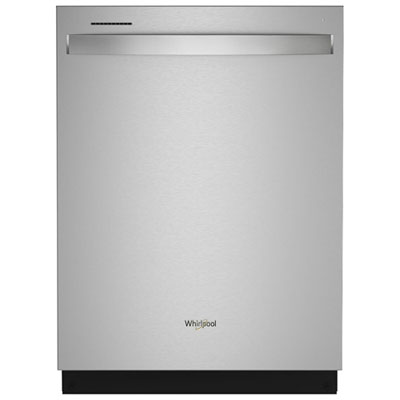 Your price for this item is $849.99
-
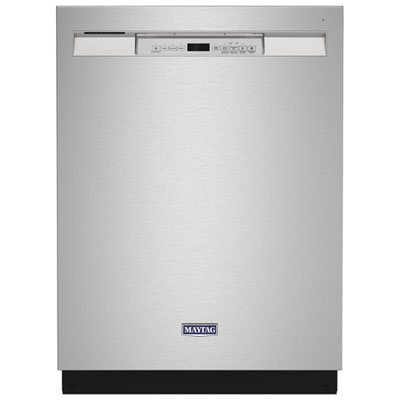 Your price for this item is $849.99
-
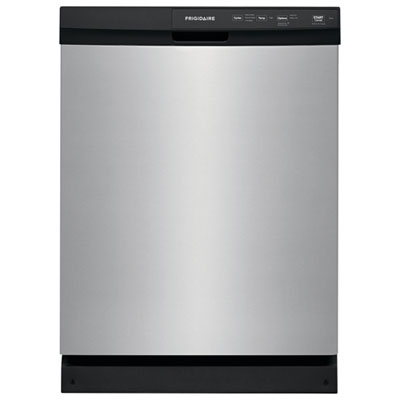 Your price for this item is $479.99
-
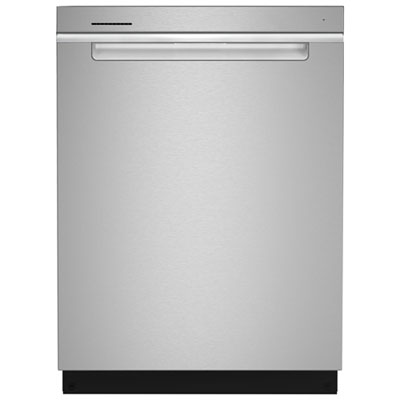 Your price for this item is $849.99
-
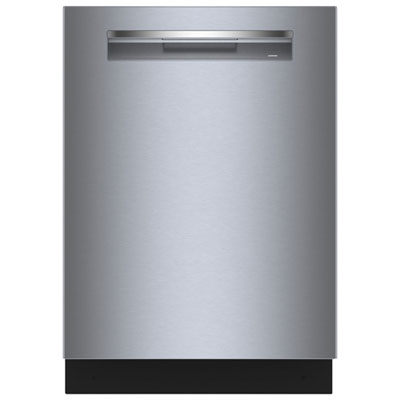 Your price for this item is $2449.99
-
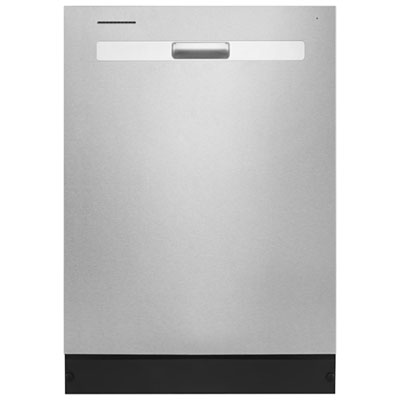 Your price for this item is $699.99
-
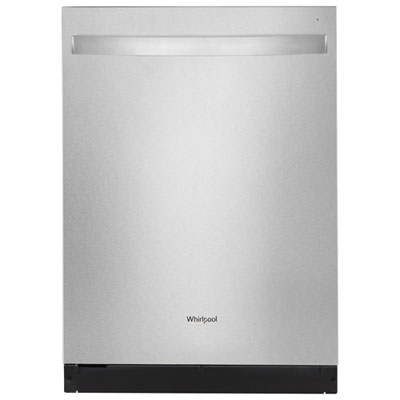 Your price for this item is $749.99
-
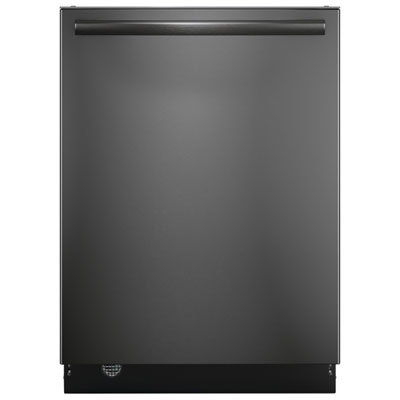 Your price for this item is $949.99
Discover more categories related to Fast Dishwashers

Top Collections:
Best Black Friday Deals This Year, Best Black Friday Deals On Electronics, Kindle Devices, Pokemon Centers, Best Black Friday Deals On Apple Products, Best Cameras for Sports Photography, Dyson Airwrap, Pokémon 30th Celebration Cards, Apple iPhone 17 Pro, Canon G7X Cameras
Some products may be subject to Environmental Handling Fees
(EHF) depending on your province.
Learn more about EHFs.