Filterless Humidifiers
Breathe in the refreshing benefits of a filterless humidifier. Say goodbye to dry air and hello to a more comfortable living space with this innovative solution. Designed to add moisture to the air without the hassle of replacing filters, this humidifier is a game-changer for those seeking a convenient and low-maintenance option. Whether you're looking to alleviate dry skin, soothe irritated sinuses, or create a more pleasant environment, our selection of filterless humidifiers has got you covered. Explore our range of options and discover the perfect fit for your home or office today.
Sort

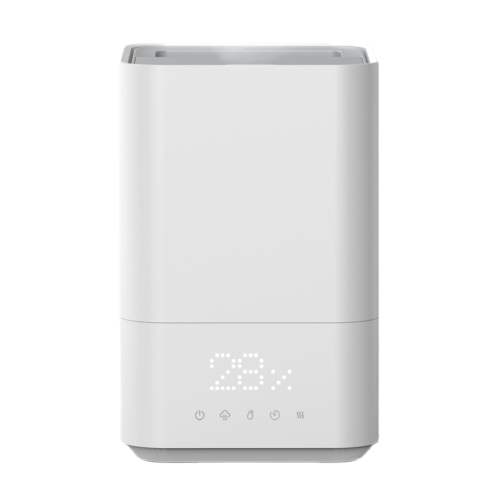
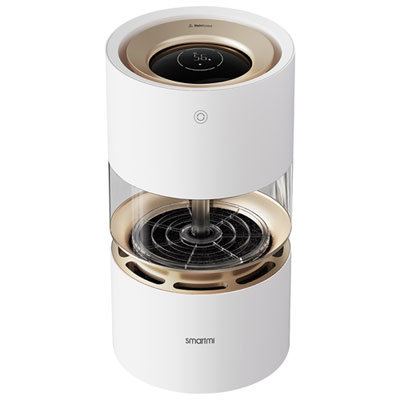
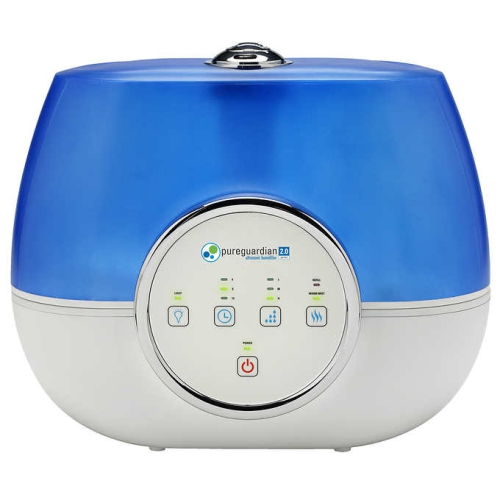

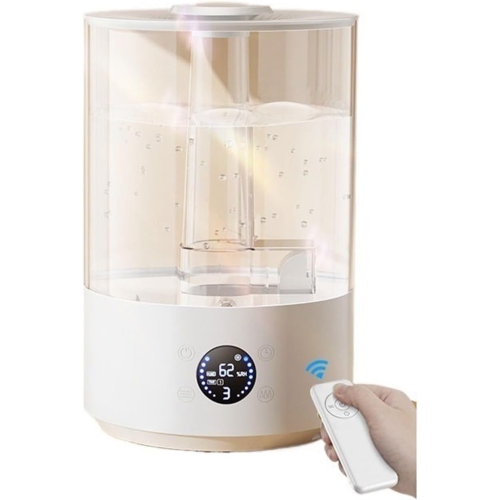
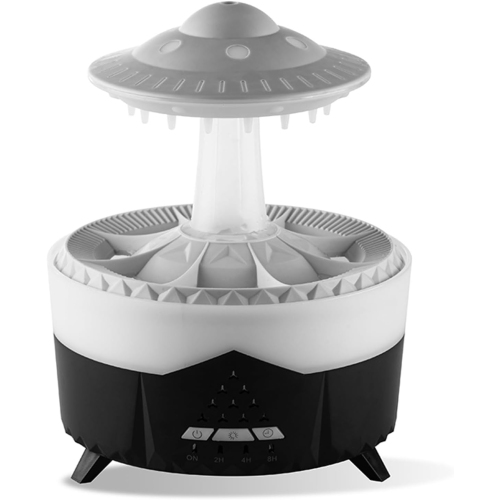
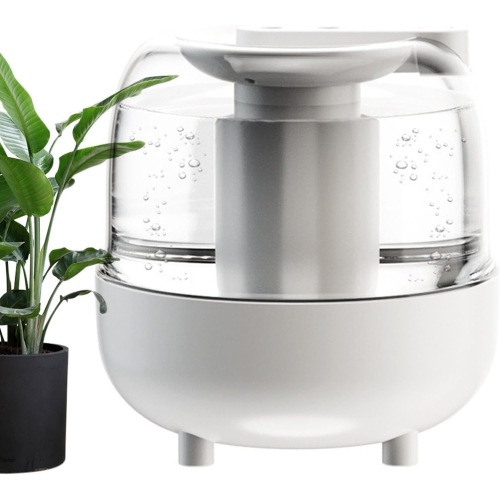
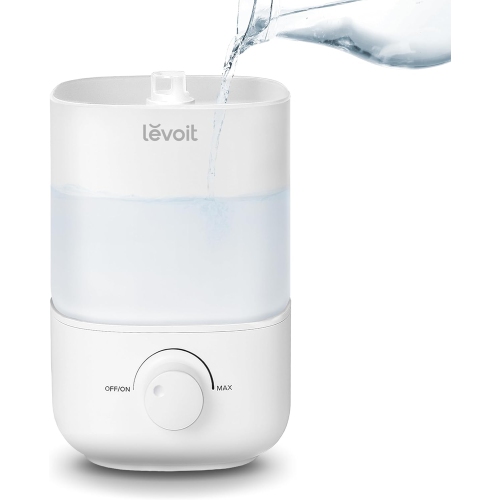
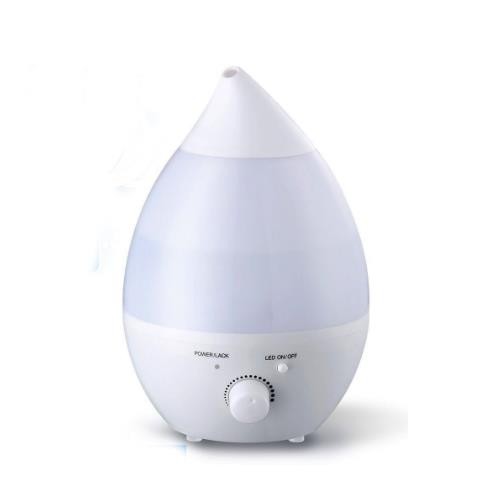
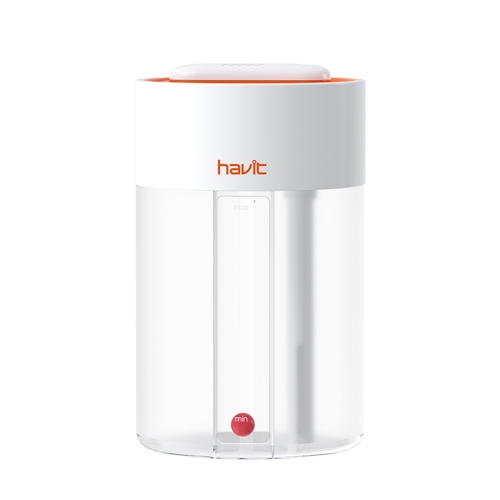
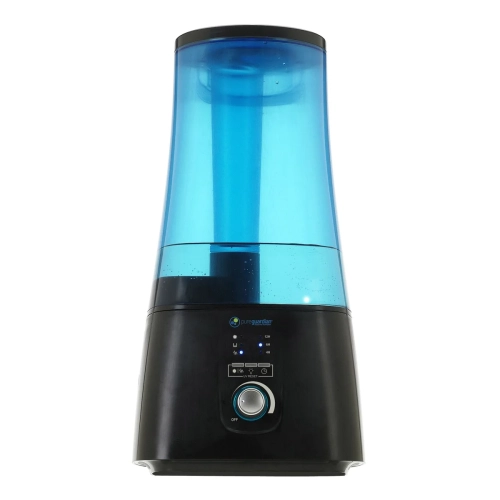
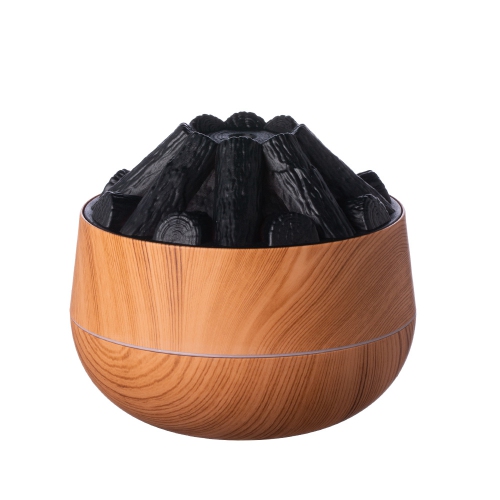
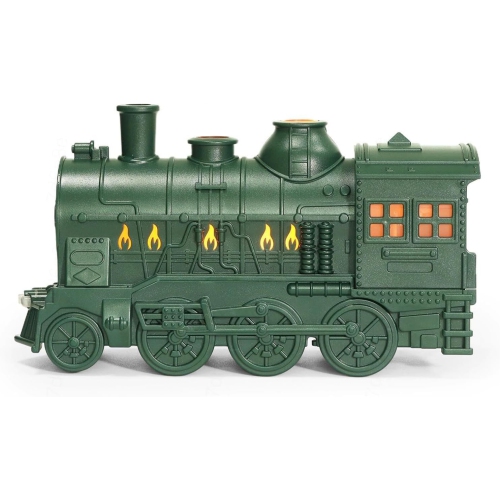
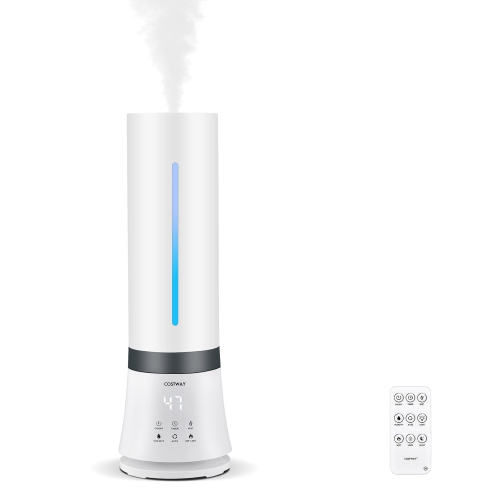
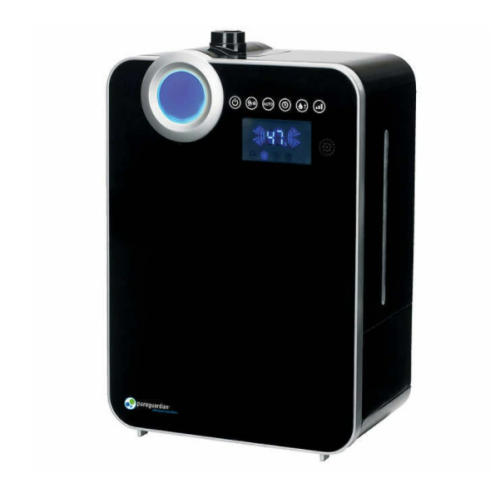
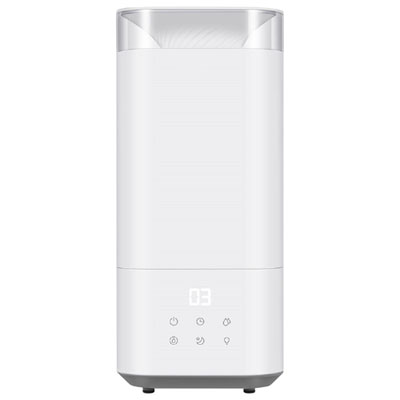
More comfortable indoor air without a wick to replace
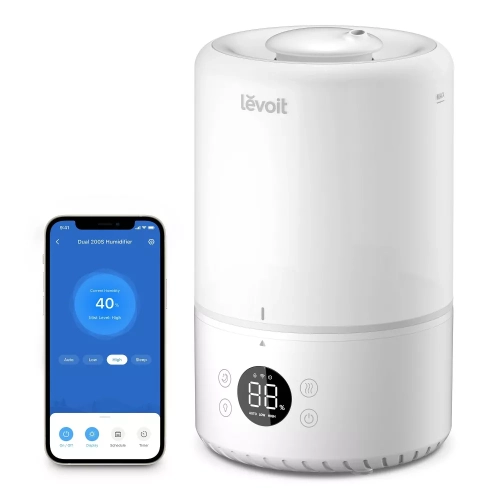
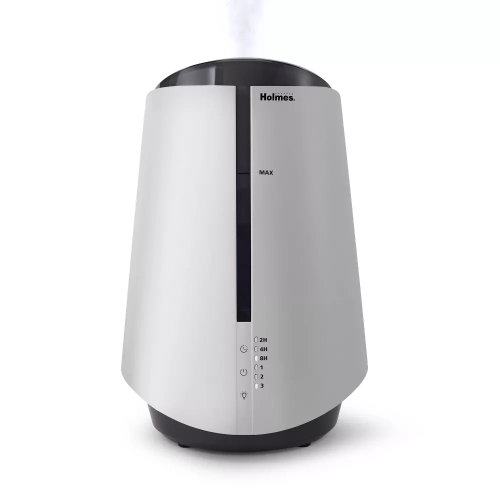
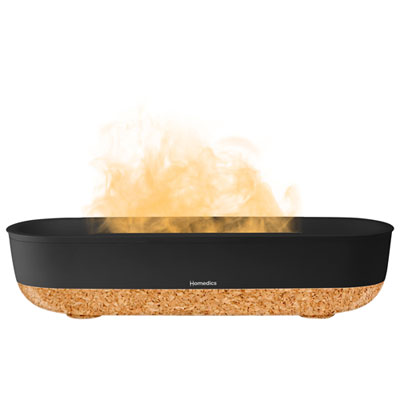
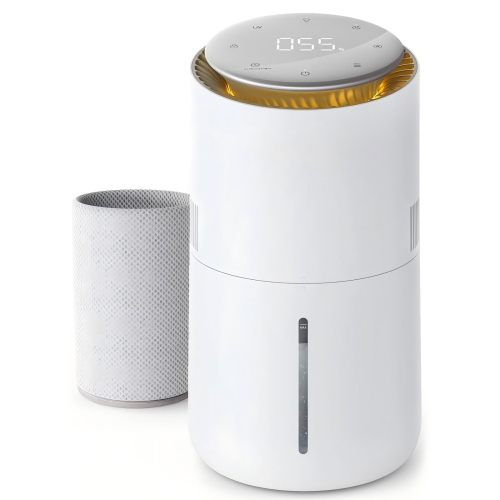
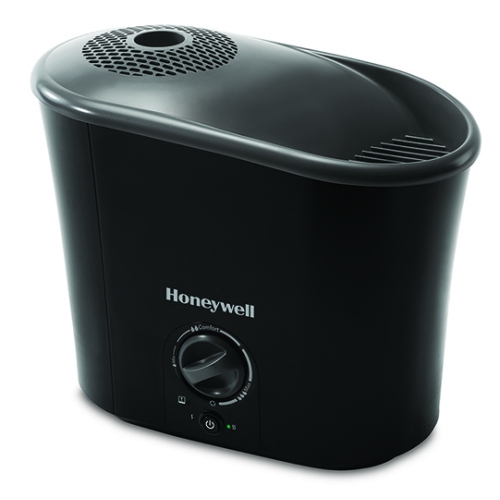
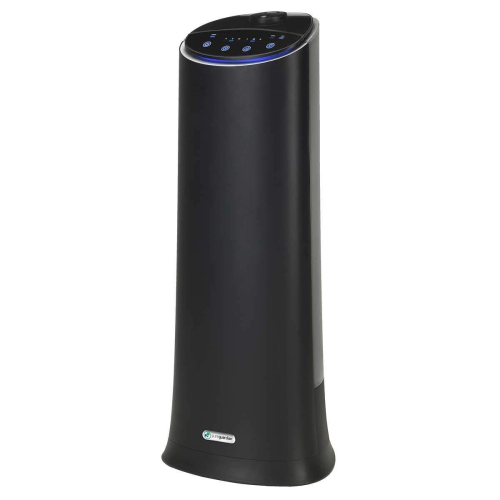
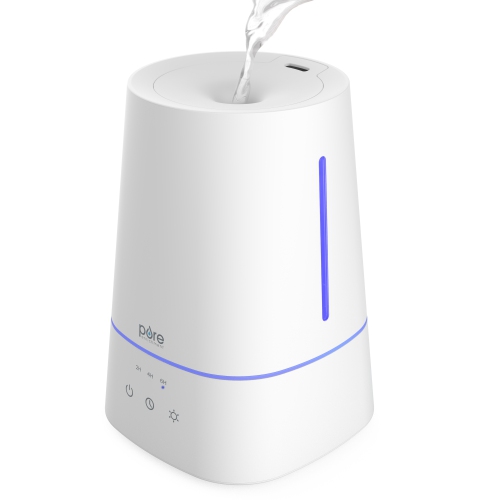
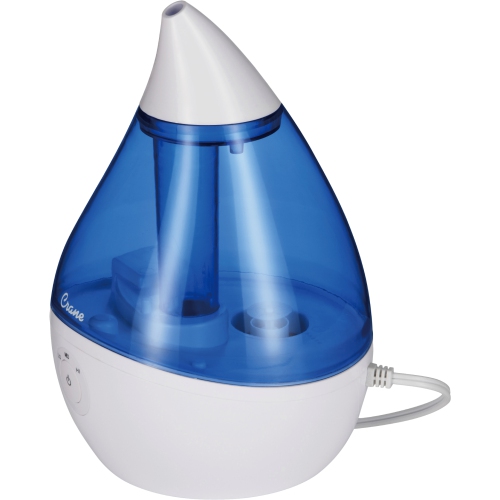
Filterless humidifiers add moisture to indoor air without relying on a replaceable wick or humidifying filter. They suit people who want adjustable humidity in a bedroom, home office, nursery, or living area without a wick to change as part of routine care. “Filterless” describes how the moisture is produced, not a maintenance-free design: the water tank, base, and mist outlet still need regular cleaning. Two common types are ultrasonic cool mist humidifiers and filterless warm mist humidifiers. Ultrasonic models use a rapidly vibrating component to turn water into a fine mist, while warm mist models heat water to release moisture. Neither type should be confused with an air purifier, which is designed to remove airborne particles rather than add humidity. Cool mist models avoid a hot-water heating chamber, making them a practical choice for households with children or pets, although the unit and cord still need a secure position out of reach. Warm mist models contain hot water and require extra care to prevent burns or spills. For a bedroom, operating sound can matter as much as mist output. Ultrasonic designs generally operate quietly, but occasional water sounds, control beeps, and bright displays may still be noticeable beside a bed. A dimmable display or sleep mode can make a unit less distracting after lights-out. In a home office, adjustable output helps tailor moisture delivery to an enclosed workspace rather than sending a heavy plume towards a monitor or paperwork. Filterless humidifiers can help make dry indoor air feel more comfortable, but they are not treatments for allergies, asthma, or other medical conditions. Their role is to manage moisture, with balanced humidity as the goal. A relative humidity range of about 30% to 50% is generally suitable for many homes; condensation or damp surfaces are signs that the output may be too high. A separate hygrometer can help show how humidity changes across the room instead of only near the mist outlet.
The best fit depends on room coverage, tank capacity, and how the humidifier will sit within the space. Coverage ratings provide a useful starting point, though an open doorway, high ceiling, or connected living area can affect how well a unit serves the intended room. A compact humidifier may fit neatly on a bedside table, while a larger tank can be more practical for a family room or shared workspace. Tank capacity, usually expressed in litres, indicates how much water the unit holds; it does not by itself establish room coverage or mist strength. Likewise, stated run time often reflects operation at a lower setting, so higher output generally means more frequent refilling. A full tank can be awkward to carry from a sink, particularly when its handle is narrow or its underside is difficult to grip. Wide openings, comfortable handles, and a base that stays steady during tank removal all make everyday use easier. For a refill style that does not require turning a tank upside down, Top Fill Humidifiers offer a related design worth considering; top-fill describes the filling method, so the humidification technology and filter requirements still need to be checked separately. Placement deserves similar attention. A level, water-resistant surface with clearance around the mist outlet is more suitable than a crowded shelf beside books, electronics, or upholstered furniture. Adjustable nozzles help direct mist away from walls and bedding, but they cannot make up for insufficient clearance. An automatic shut-off stops operation when water runs low, while a timer can limit operation to a chosen period. A humidistat serves a different purpose by adjusting operation around a selected humidity level. Straightforward controls may be preferable in a shared household, whereas remote operation can be convenient when the unit is positioned across a room. These details shape whether a humidifier feels easy to live with, from an evening refill to a quick adjustment during a work call.
Care requirements are especially important with filterless humidifiers because minerals and residue are not caught by a disposable humidifying wick. In ultrasonic models, minerals in tap water can become airborne with the mist and settle as fine white dust on nearby surfaces. Distilled or demineralized water can reduce this residue when used according to the manufacturer's directions. Warm mist designs may leave mineral scale around the heating component instead, so both technologies benefit from consistent attention to water quality and cleaning. Some units described as filterless can still accept an optional mineral-control cartridge; the absence of a wick does not necessarily mean there are no accessories to maintain. Daily care generally includes emptying standing water, drying accessible surfaces, and refilling with fresh water, with more thorough cleaning at the intervals specified in the manual. Fresh water should not simply be added to water that has been sitting in the tank. Descaling and disinfecting are separate tasks, and the approved method matters: vinegar may be suitable for removing mineral deposits in some designs, but it is not a substitute for every cleaning step. Cleaning agents must never be mixed, and treated parts need thorough rinsing as directed before use. Materials and construction affect how manageable this routine becomes. Smooth tank walls, a broad opening, and removable parts that can be reached by hand are easier to inspect than narrow necks and hidden channels. Clear or translucent tanks make the water level visible, while sturdy handles, secure seals, and well-fitting lids help with repeated filling and carrying. Plastic components should be checked for cracks, and electrical bases should never be immersed unless the manufacturer explicitly permits it. Essential oils belong only in a designated tray or compartment on models designed for that use, not directly in the water tank unless expressly allowed. For personal use or as a practical housewarming gift, a filterless humidifier is most useful when its size, controls, and cleaning needs suit the person who will use it. Easy access to the tank and a comfortable refill routine often matter more over time than an extensive feature list.
The best fit depends on room coverage, tank capacity, and how the humidifier will sit within the space. Coverage ratings provide a useful starting point, though an open doorway, high ceiling, or connected living area can affect how well a unit serves the intended room. A compact humidifier may fit neatly on a bedside table, while a larger tank can be more practical for a family room or shared workspace. Tank capacity, usually expressed in litres, indicates how much water the unit holds; it does not by itself establish room coverage or mist strength. Likewise, stated run time often reflects operation at a lower setting, so higher output generally means more frequent refilling. A full tank can be awkward to carry from a sink, particularly when its handle is narrow or its underside is difficult to grip. Wide openings, comfortable handles, and a base that stays steady during tank removal all make everyday use easier. For a refill style that does not require turning a tank upside down, Top Fill Humidifiers offer a related design worth considering; top-fill describes the filling method, so the humidification technology and filter requirements still need to be checked separately. Placement deserves similar attention. A level, water-resistant surface with clearance around the mist outlet is more suitable than a crowded shelf beside books, electronics, or upholstered furniture. Adjustable nozzles help direct mist away from walls and bedding, but they cannot make up for insufficient clearance. An automatic shut-off stops operation when water runs low, while a timer can limit operation to a chosen period. A humidistat serves a different purpose by adjusting operation around a selected humidity level. Straightforward controls may be preferable in a shared household, whereas remote operation can be convenient when the unit is positioned across a room. These details shape whether a humidifier feels easy to live with, from an evening refill to a quick adjustment during a work call.
Care requirements are especially important with filterless humidifiers because minerals and residue are not caught by a disposable humidifying wick. In ultrasonic models, minerals in tap water can become airborne with the mist and settle as fine white dust on nearby surfaces. Distilled or demineralized water can reduce this residue when used according to the manufacturer's directions. Warm mist designs may leave mineral scale around the heating component instead, so both technologies benefit from consistent attention to water quality and cleaning. Some units described as filterless can still accept an optional mineral-control cartridge; the absence of a wick does not necessarily mean there are no accessories to maintain. Daily care generally includes emptying standing water, drying accessible surfaces, and refilling with fresh water, with more thorough cleaning at the intervals specified in the manual. Fresh water should not simply be added to water that has been sitting in the tank. Descaling and disinfecting are separate tasks, and the approved method matters: vinegar may be suitable for removing mineral deposits in some designs, but it is not a substitute for every cleaning step. Cleaning agents must never be mixed, and treated parts need thorough rinsing as directed before use. Materials and construction affect how manageable this routine becomes. Smooth tank walls, a broad opening, and removable parts that can be reached by hand are easier to inspect than narrow necks and hidden channels. Clear or translucent tanks make the water level visible, while sturdy handles, secure seals, and well-fitting lids help with repeated filling and carrying. Plastic components should be checked for cracks, and electrical bases should never be immersed unless the manufacturer explicitly permits it. Essential oils belong only in a designated tray or compartment on models designed for that use, not directly in the water tank unless expressly allowed. For personal use or as a practical housewarming gift, a filterless humidifier is most useful when its size, controls, and cleaning needs suit the person who will use it. Easy access to the tank and a comfortable refill routine often matter more over time than an extensive feature list.
Top selling and popular products
-
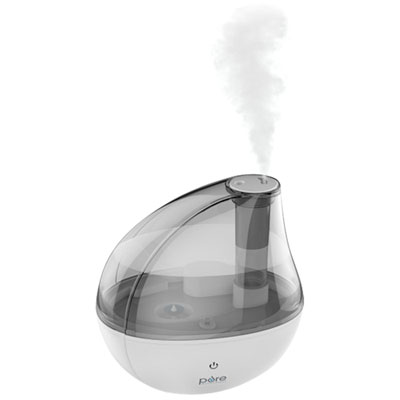 Your price for this item is $64.99
 -
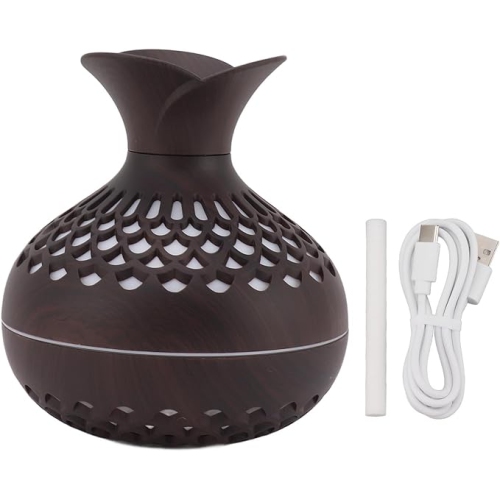 Your price for this item is $14.98
 -
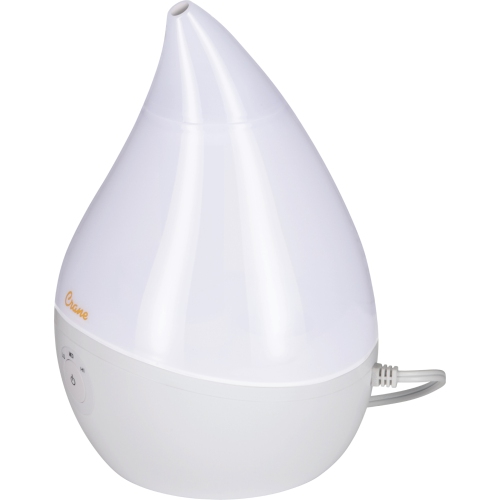 Your price for this item is $89.97
 -
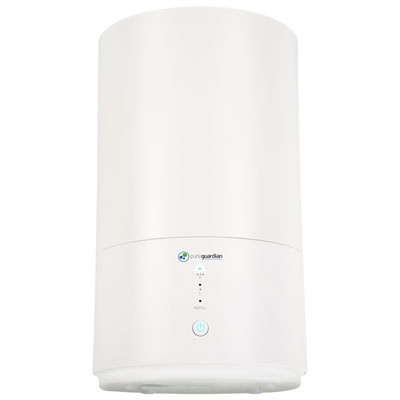 Your price for this item is $89.98
 -
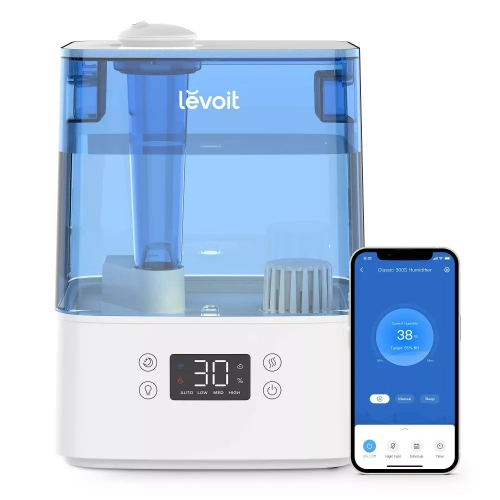 Your price for this item is $274.99
 -
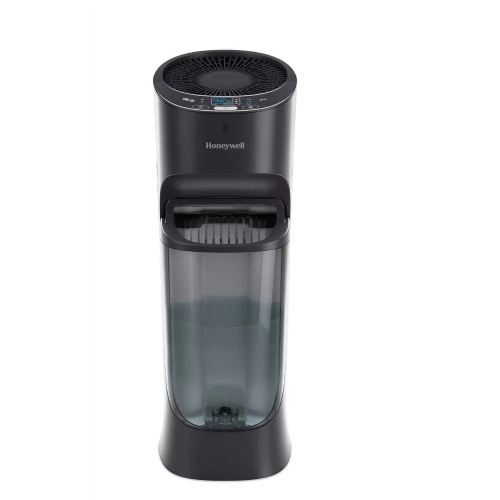 Your price for this item is $274.99
 -
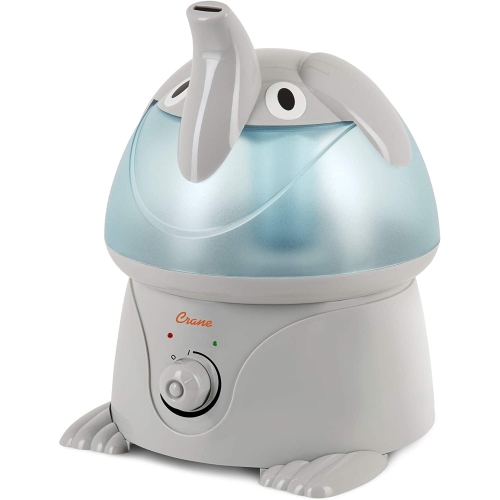 Your price for this item is $109.97
 -
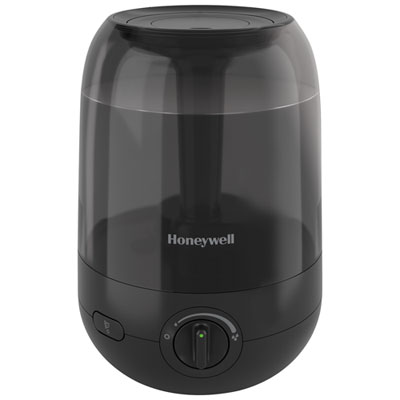 Your price for this item is $59.98
Discover more categories related to Filterless Humidifiers
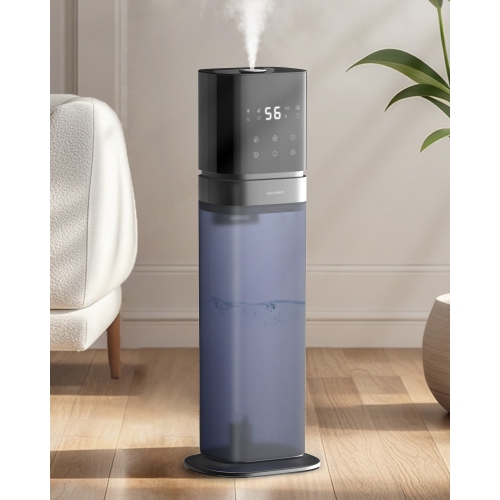

Top Collections:
Pokemon Centers, Kindle Devices, Best Budget Office Chairs, Apple iPhones 16, Best Laptops for Writers, iPhone 15 Apple, Canon G7X Cameras, Refurbished Apple Laptops, Alarm Clock, Motorola Razr Phones
Some products may be subject to Environmental Handling Fees
(EHF) depending on your province.
Learn more about EHFs.