Food Machines
If you're looking to elevate your culinary skills and streamline your meal prep process, our collection of food machines is here to help. From powerful blenders and food processors to versatile stand mixers and convenient electric grills, these innovative appliances are designed to make cooking and baking easier and more enjoyable. Whether you're a seasoned home chef or just starting out in the kitchen, these food machines are sure to become your new favorite kitchen companions.
Sort
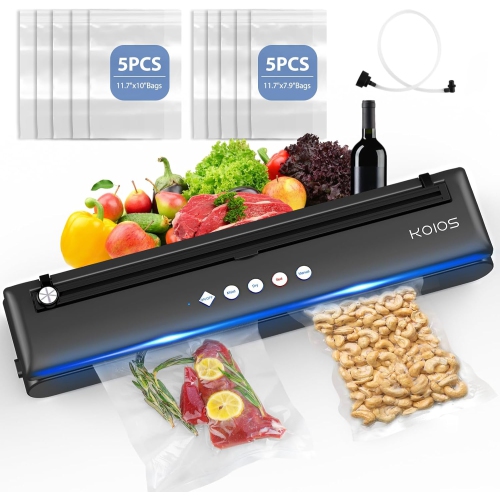
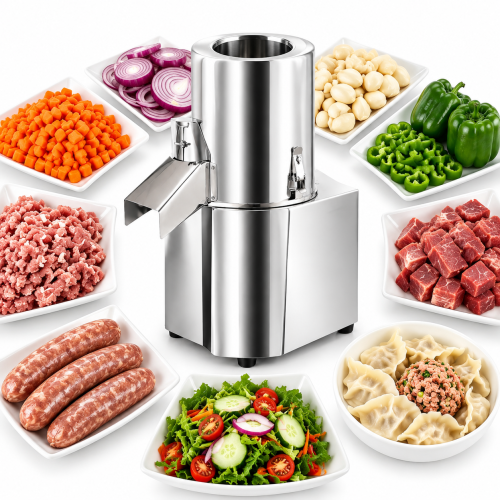
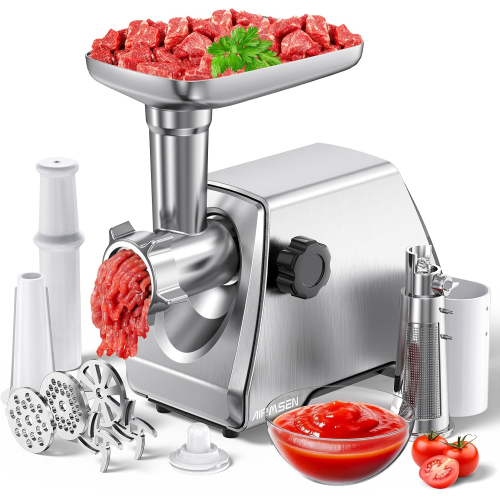
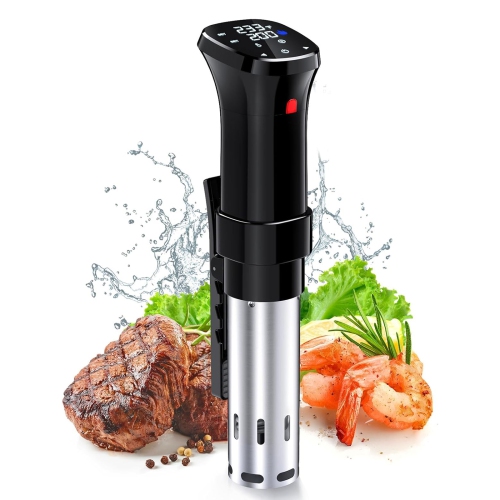


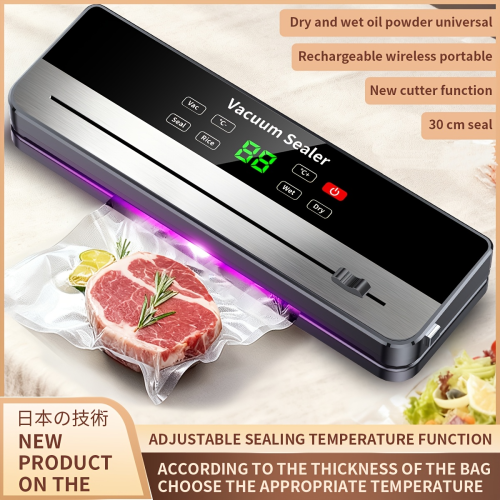


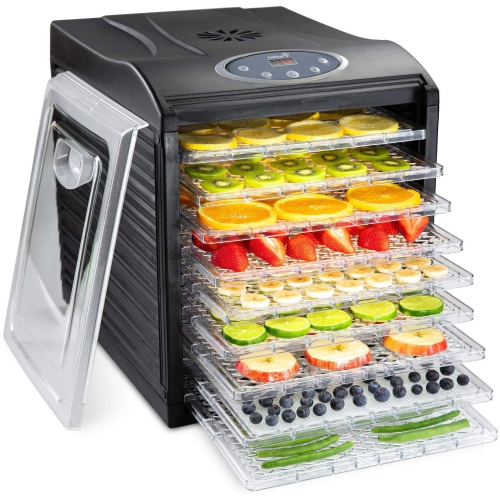

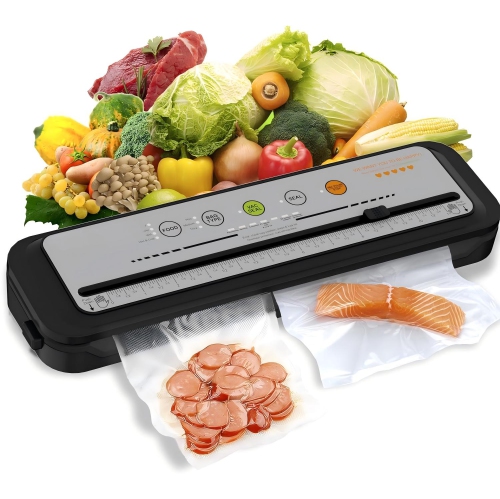

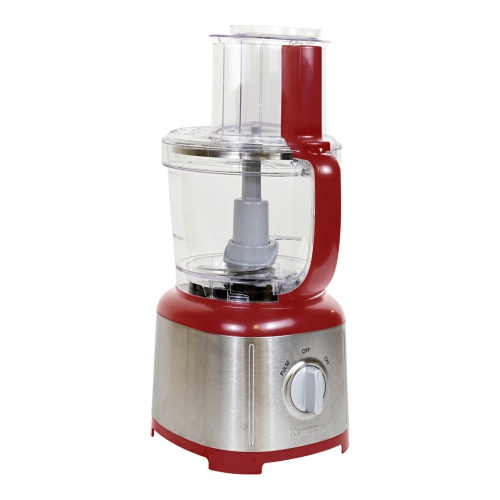

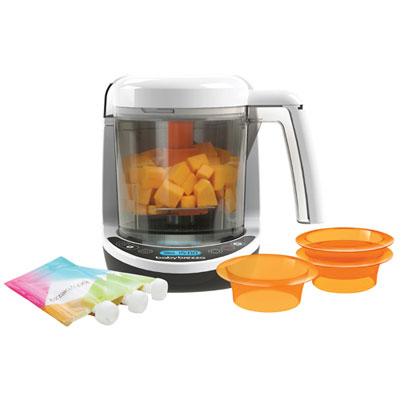
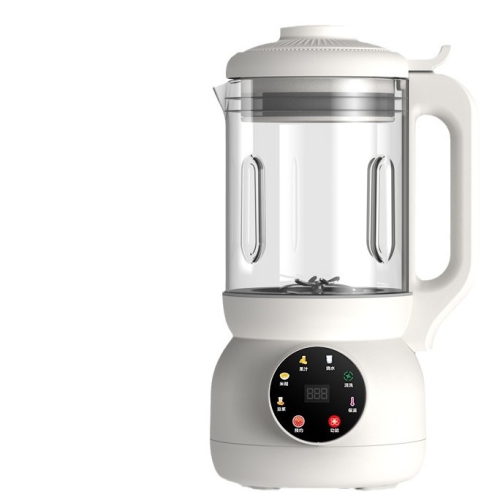


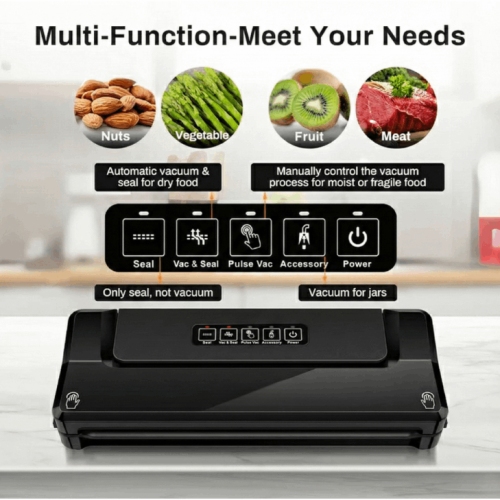
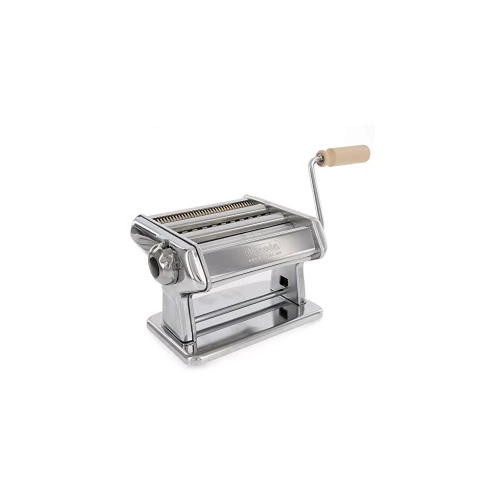


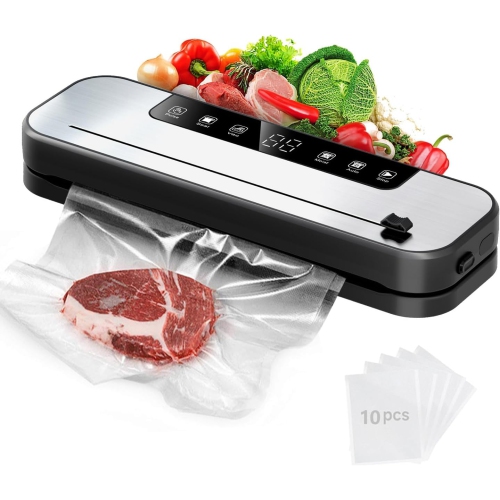
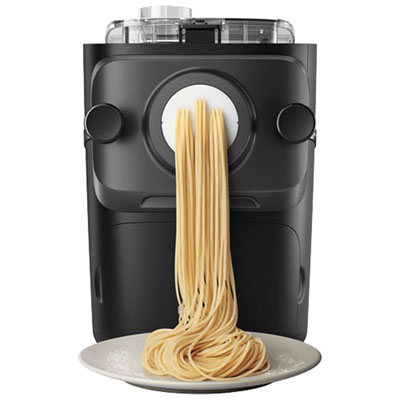

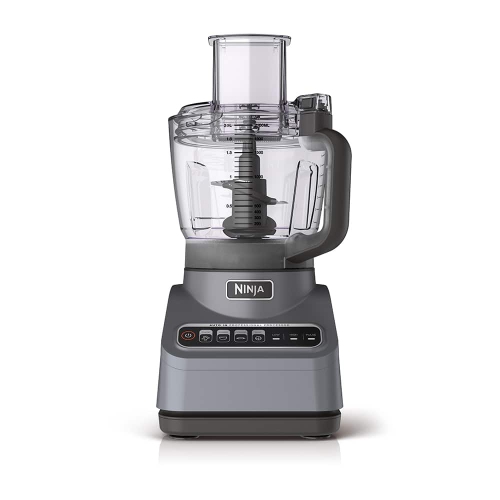
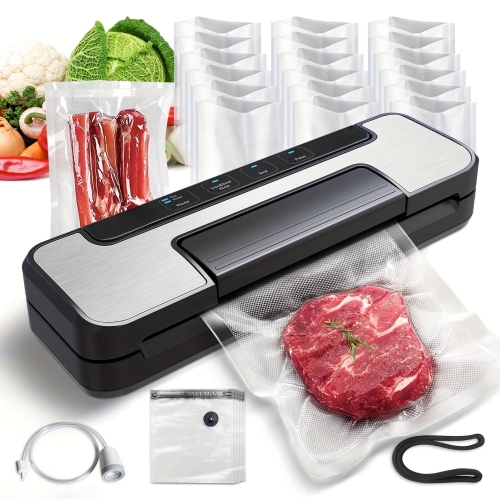
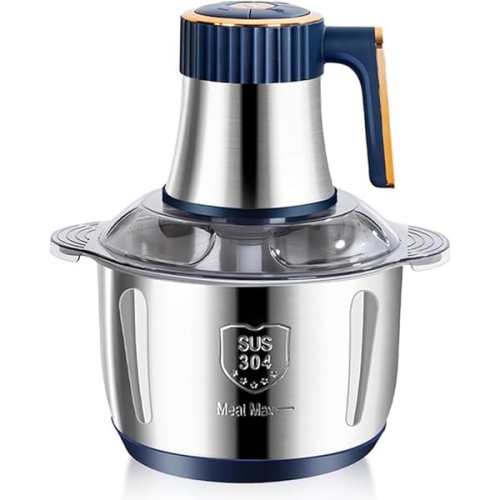


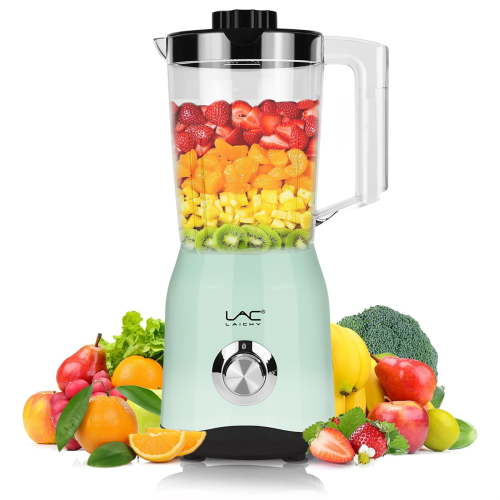
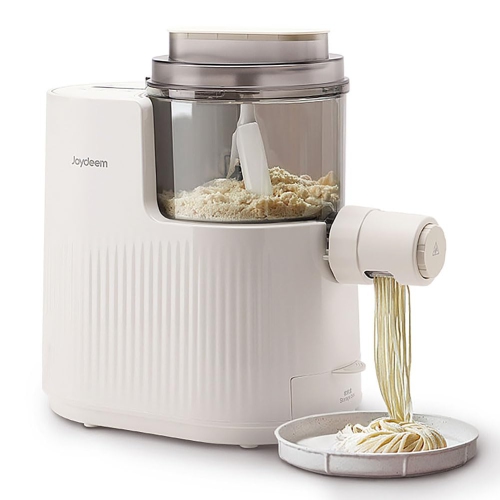


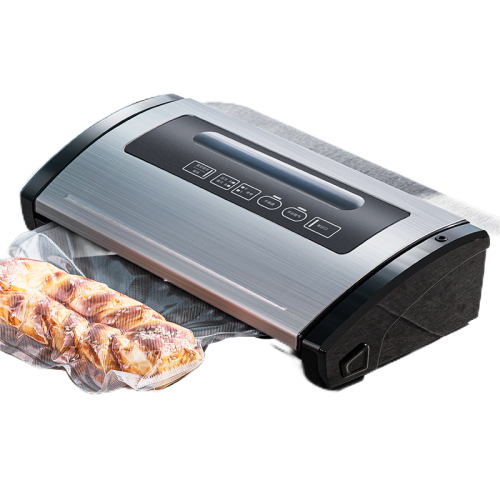

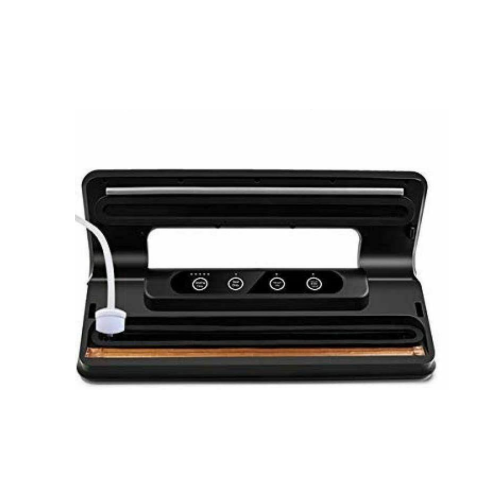


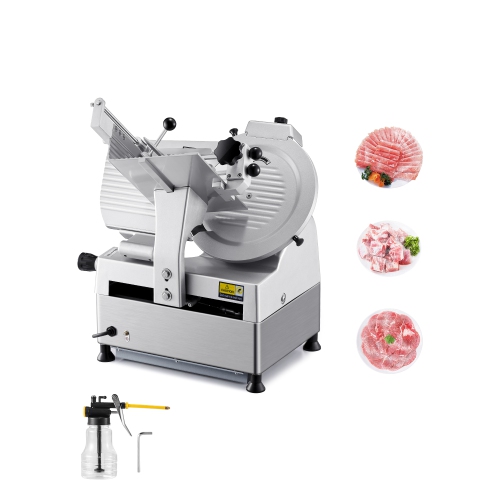
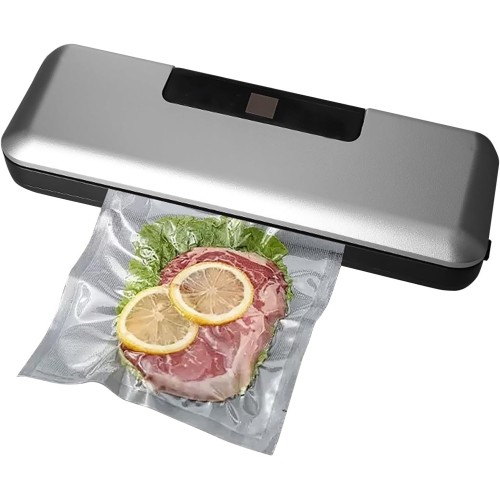
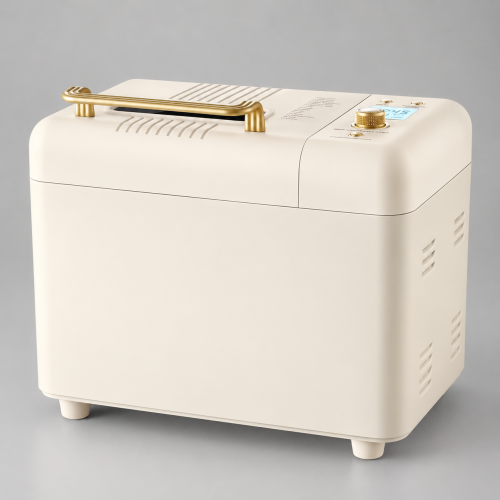

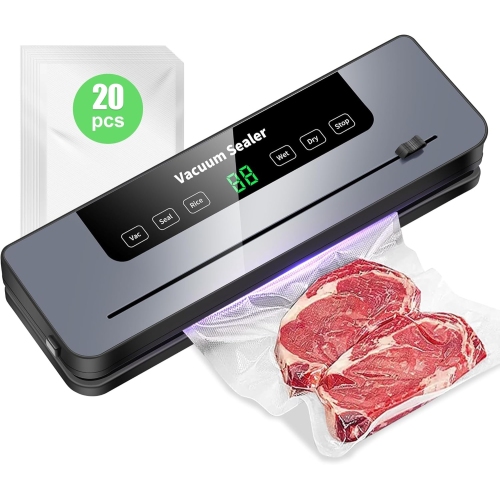
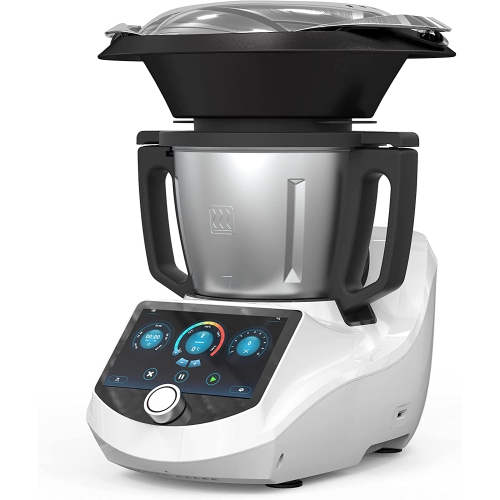
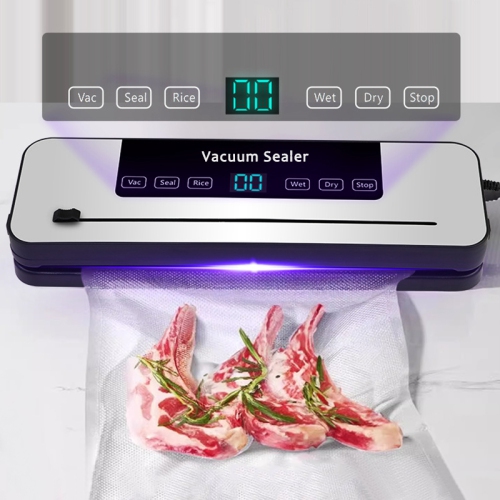
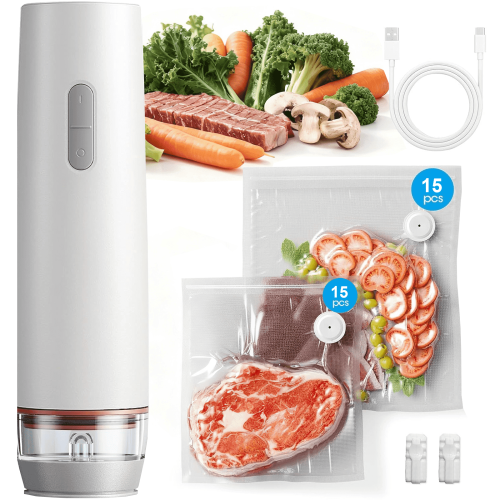



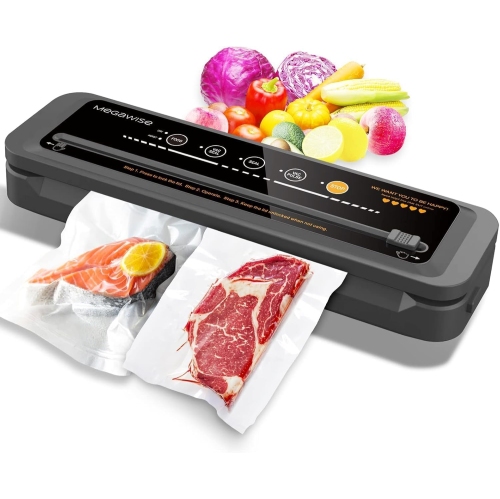
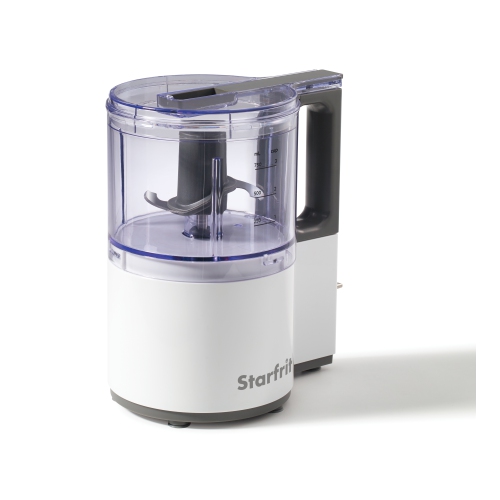

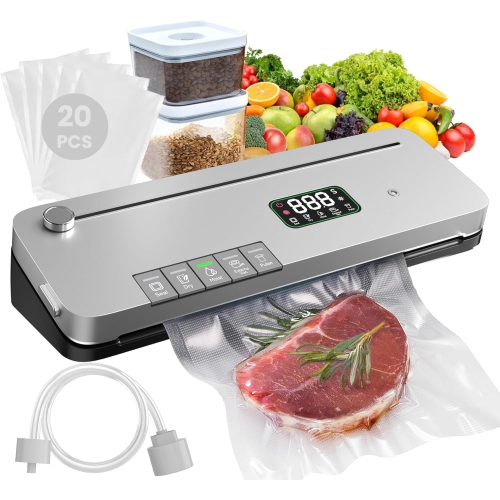
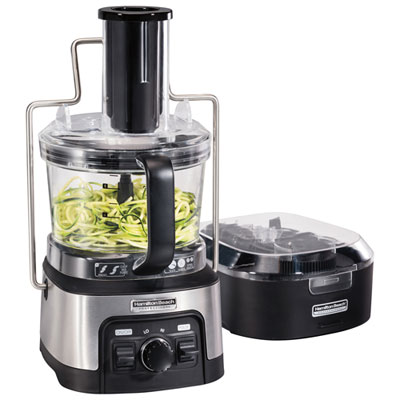
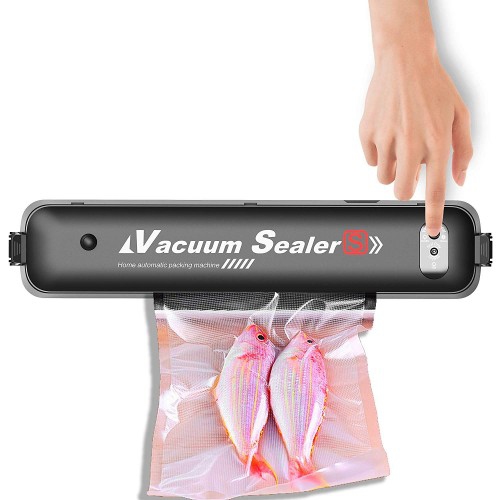
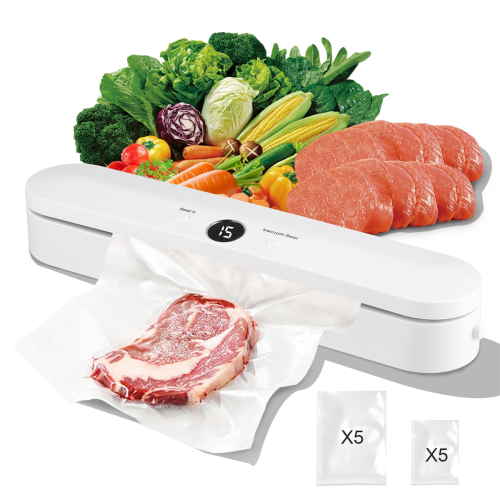


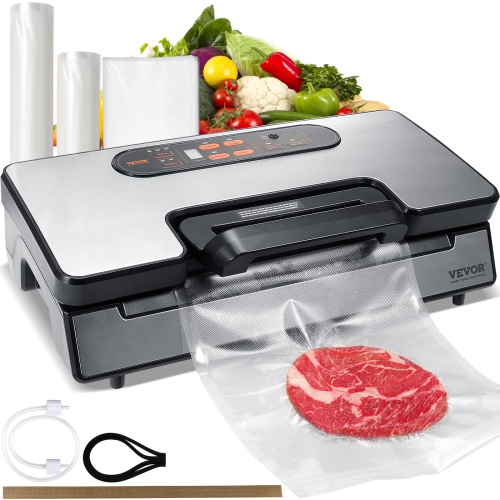

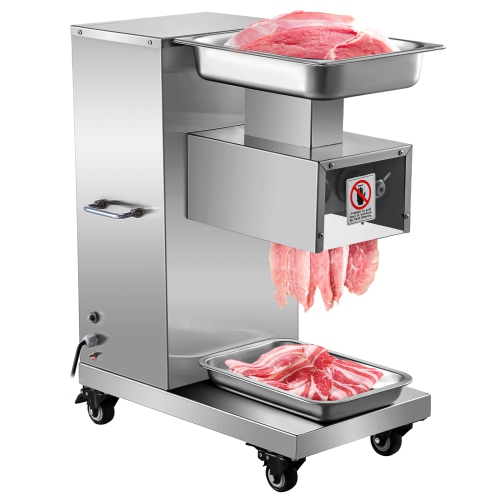


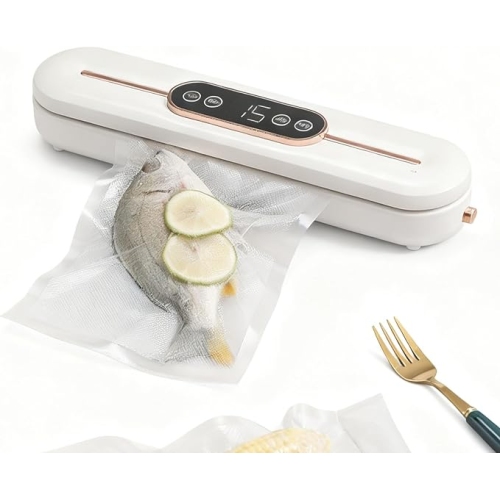

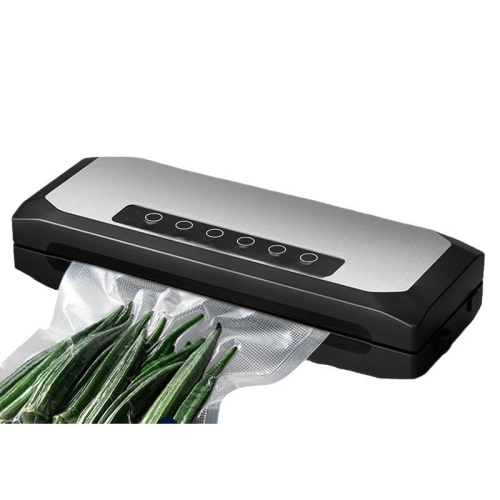


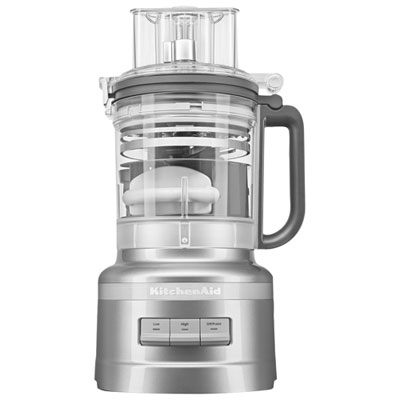


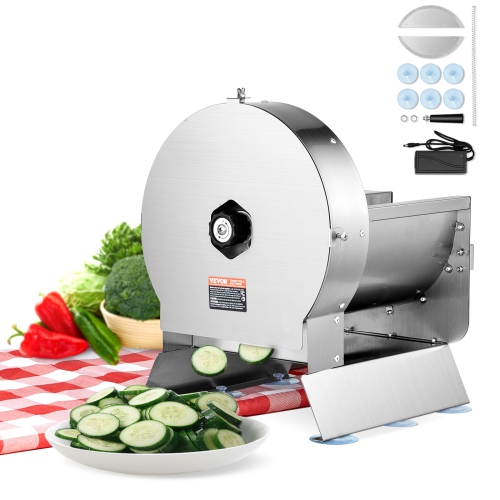







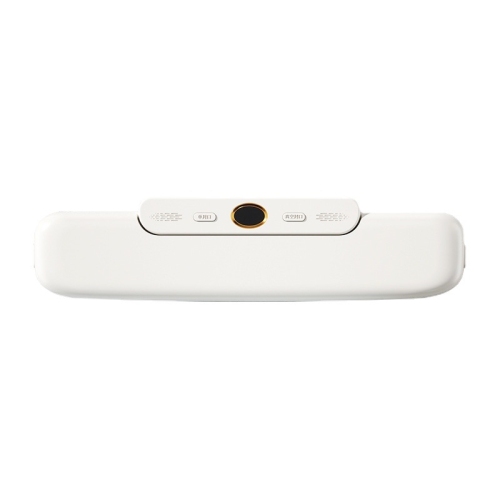


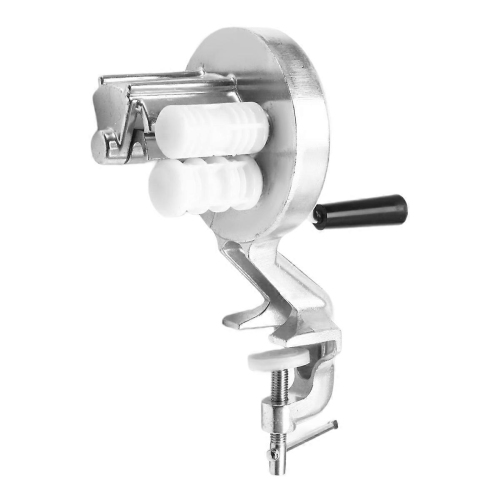
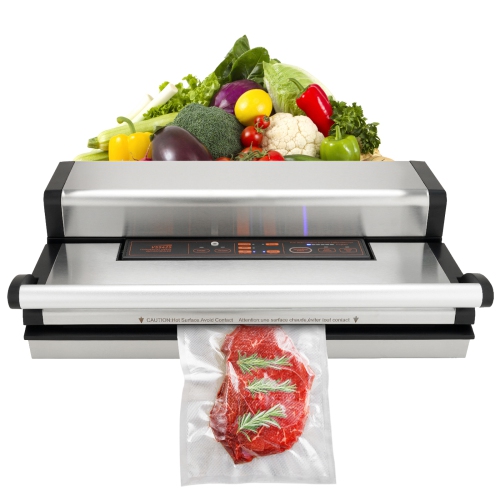
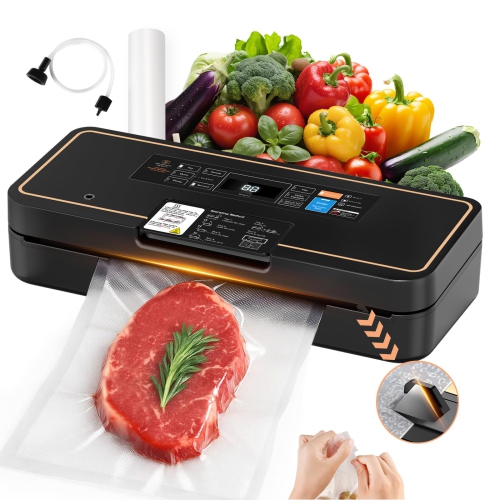

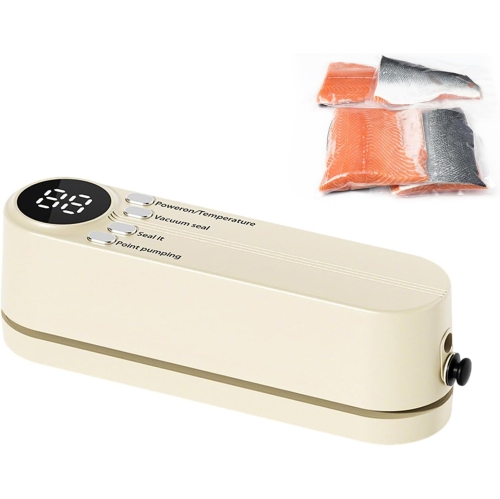
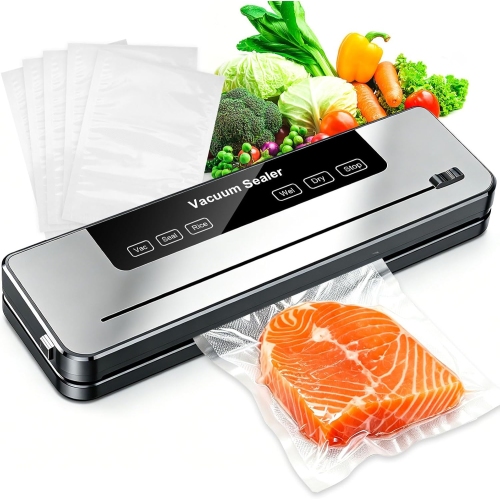

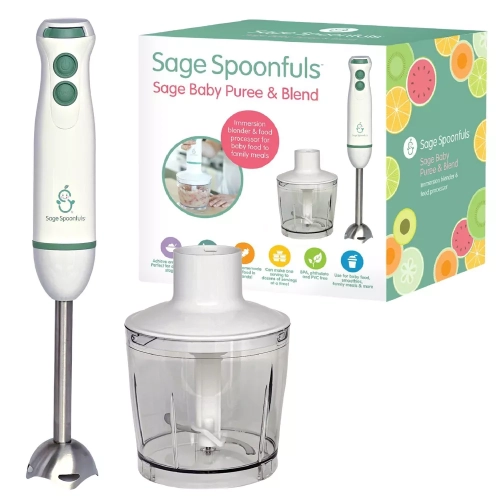

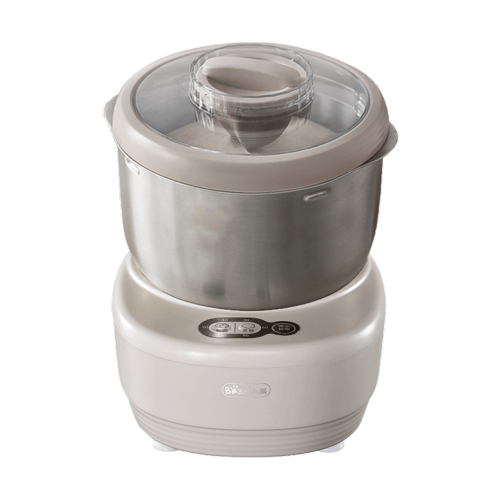
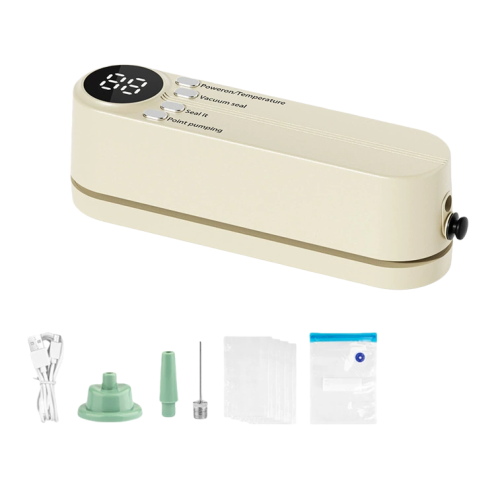


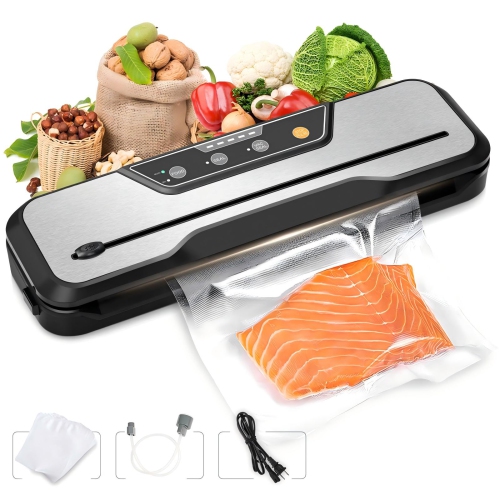
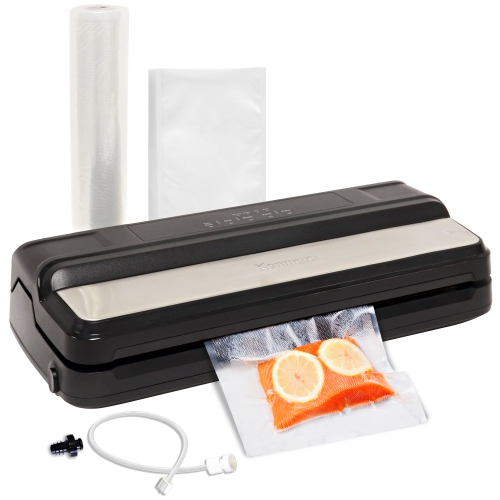
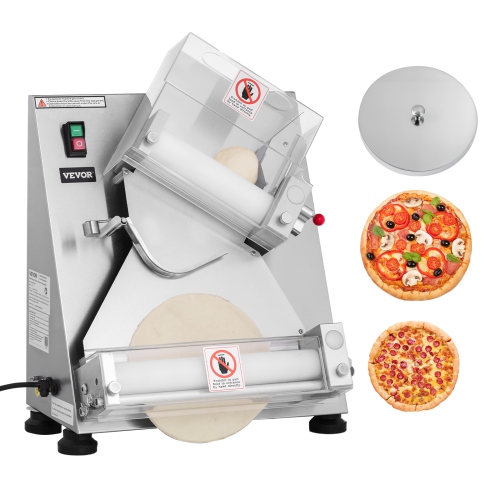
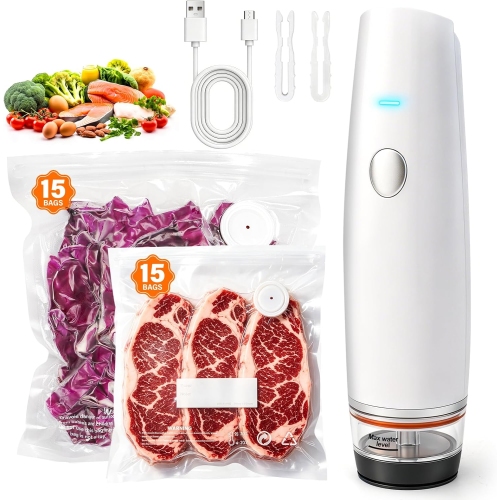


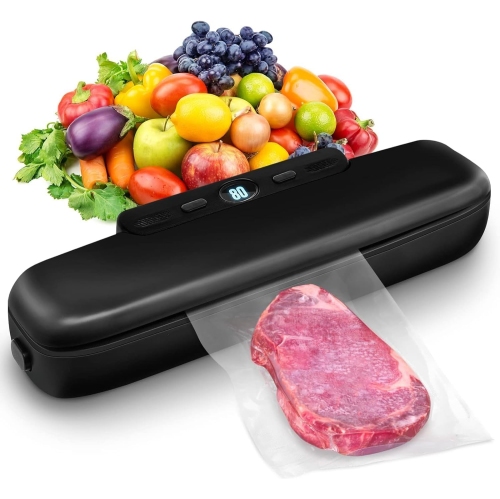
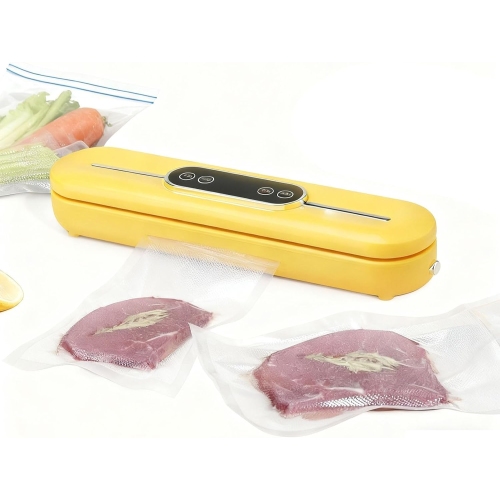

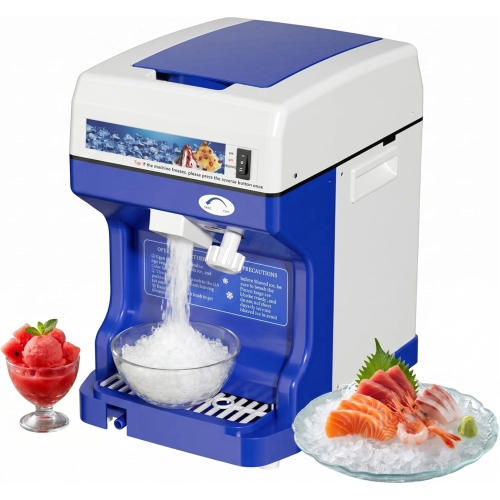






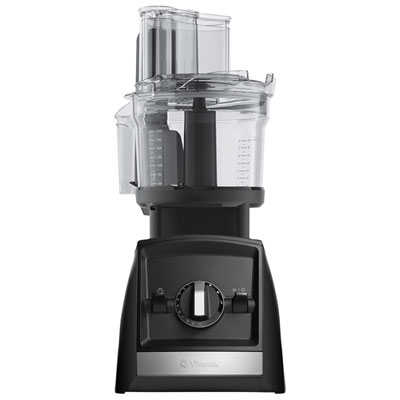



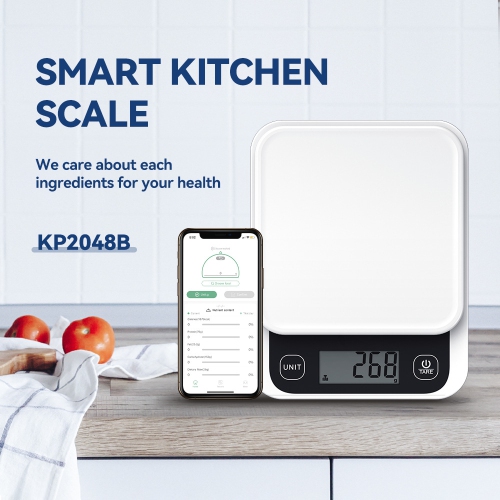
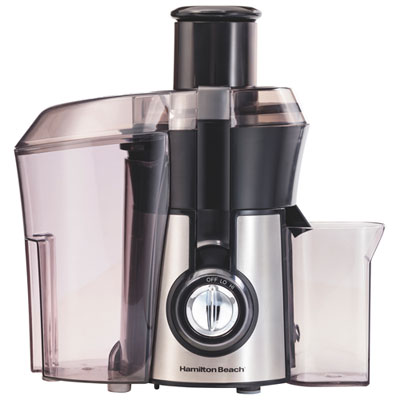
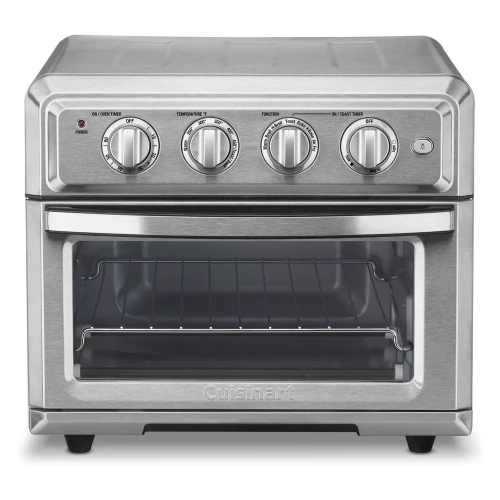


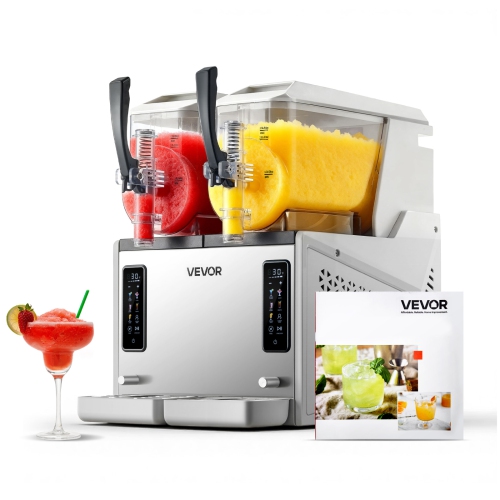
Kitchen appliances that take on your everyday prep work
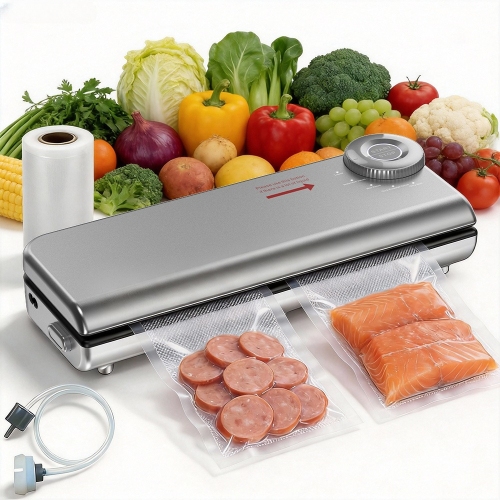
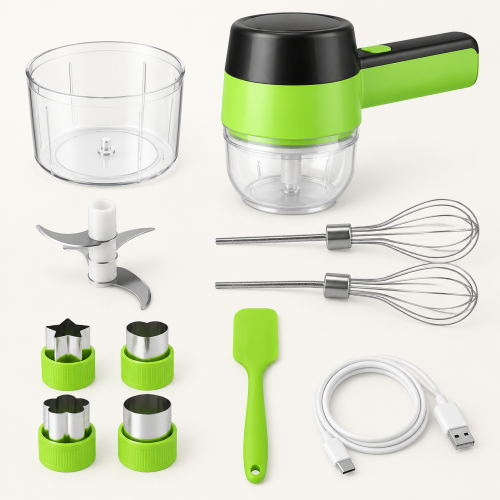
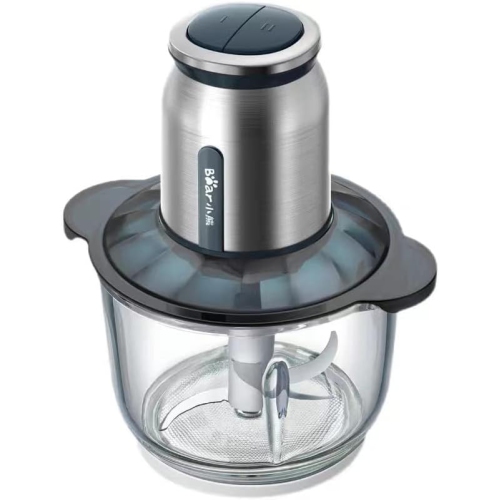
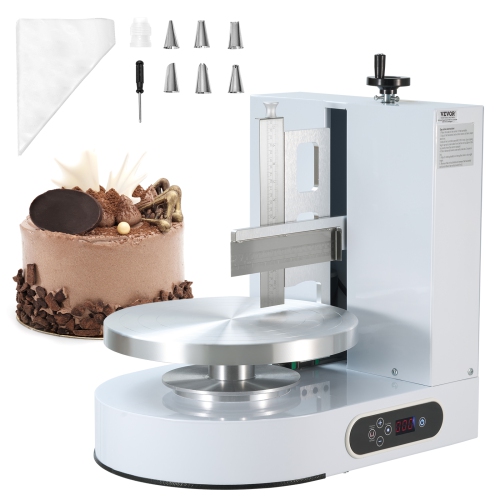
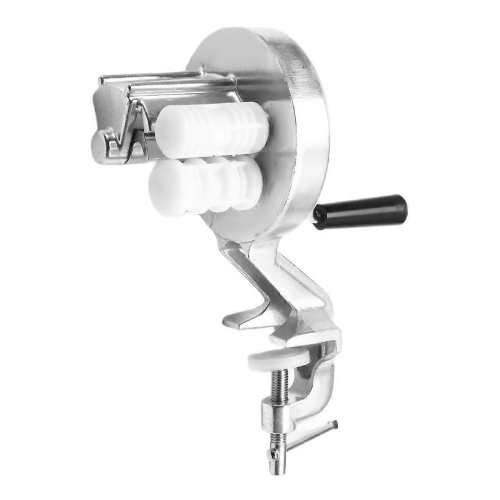
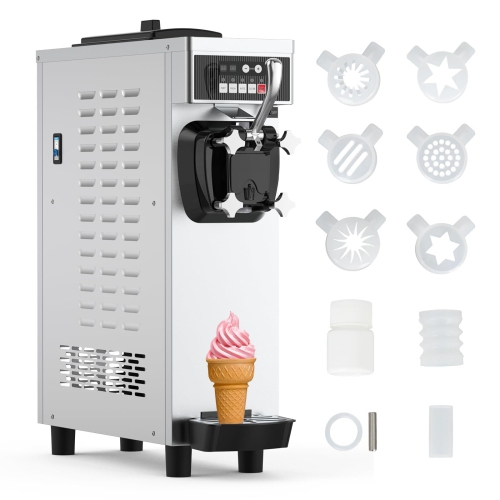
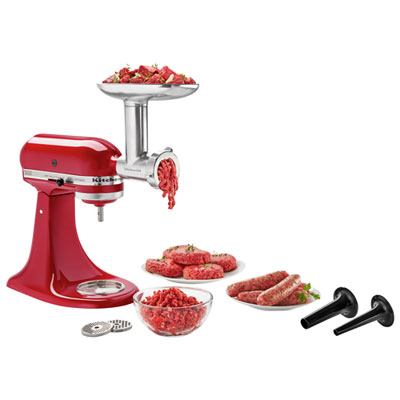
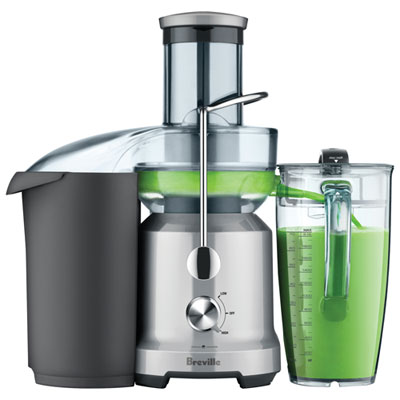
Food machines are appliances that process, prepare, or cook ingredients, helping turn everyday kitchen tasks into more manageable work. The category covers equipment for chopping, slicing, shredding, mixing, grinding, kneading, and making specialty foods, with designs suited to everything from a small home kitchen to a dedicated food preparation space. A food processor can bring together a chunky salsa, shred vegetables for slaw, or blend chickpeas into a smooth dip, while a slicer is designed to produce even slices of suitable foods. Mixers handle tasks such as whipping cream and combining dough, and grinders process compatible ingredients into a finer texture. Although some functions overlap, the way a machine handles food matters: a blender typically suits liquids and smooth mixtures, while a food processor generally offers more control over chopping and cutting textures. Specialty food machines focus on a narrower task, such as shaping pasta, baking bread, or preparing frozen desserts. That dedicated function can be useful when a particular food is part of a household’s regular routine rather than an occasional project. For someone who packs lunches, consistent slicing and shredding can simplify preparing sandwich fillings and salad ingredients. For a frequent baker, steady mixing may reduce the hands-on effort of bringing multiple batches together. These appliances do not all replace the same amount of manual work, and their usefulness depends on the ingredients, quantities, and results they are designed to handle. Home appliances generally support household portions and intermittent use, whereas commercial food equipment may be built for longer operating periods, larger batches, and the sanitation requirements of a business setting. A larger bowl or a more powerful motor alone does not make an appliance appropriate for commercial work. Intended use, permitted operating times, and the manufacturer’s specifications help distinguish a convenient household tool from equipment suitable for repeated production. The most practical match is a machine whose core function fits the foods being prepared most often, without adding unnecessary complexity to familiar kitchen routines.
Capacity, construction, and physical fit all influence how a food machine feels to use day after day. A compact work bowl may suit a small batch of chopped herbs or a dip for two people, while a larger vessel leaves room for family meal preparation. Stated capacity is not always the same as usable capacity, particularly for liquids, mixtures that expand, or dense doughs that place more strain on a motor. Minimum batch size matters too: a small amount of dressing may sit below the working area of an attachment in an oversized bowl. Motor wattage is one specification, but performance also depends on blade design, gearing, speed control, and the appliance’s permitted workload. Pulse controls can provide short bursts for a coarse texture, while a choice of speeds may offer greater control when combining delicate or thick mixtures. Stainless steel bowls and cutting components are common for their strength and resistance to staining, although they still need appropriate cleaning and drying. Clear plastic work bowls make it easier to watch texture develop, while glass vessels can offer good visibility but add weight when lifting or pouring. Handles, lids, and attachment connections deserve as much attention as the main housing because they are touched, lifted, and secured throughout preparation. In a kitchen with limited counter space, the full working footprint includes room for the lid to open, the bowl to lift out, and ingredients to move between a cutting board and the machine. Height under cupboards, access to a suitable outlet, and any required ventilation clearance can affect placement. An appliance that is comfortable to lift out of storage may get more use than one that is awkward to retrieve. Stable feet, a secure bowl connection, and clearly marked controls can make operation feel more settled, especially when handling larger quantities. Feed openings and food pushers also shape the workflow: some ingredients need trimming before processing, and hands must stay clear of moving blades. Thoughtful design helps keep preparation orderly, but safe operation still depends on using the supplied guards and following the appliance’s directions.
Care and durability become especially important with machines that regularly encounter sticky dough, oily mixtures, finely chopped vegetables, or dairy-based ingredients. Removable food-contact parts can make cleanup easier, but dishwasher suitability varies by component; a washable bowl does not mean the lid, seals, blades, or attachments can be cleaned in the same way. Motor bases generally require wiping rather than immersion, and sharp parts need careful handling during washing and storage. Grooves around seals and attachment hubs can collect residue, making accessible surfaces valuable for thorough cleaning. Drying components before reassembly and storing cutting accessories securely help keep the machine ready for its next use. Long-term practicality also depends on the strength of frequently handled parts, the care requirements of different materials, and whether worn components can be replaced. Dense mixtures and extended operation can exceed the limits of an appliance intended for lighter work, so respecting batch limits and rest periods helps avoid unnecessary strain. For households managing food allergies, ease of disassembly and thorough cleaning is particularly relevant, though dedicated equipment may be necessary where cross-contact is a concern. Specialty machines bring their own preparation and care requirements. Anyone exploring Gelato Machines, for example, will find that freezing methods, bowl capacity, and preparation steps shape the process of making a smooth frozen dessert at home. Other dedicated appliances can make sense for someone who enjoys experimenting with dough, preparing ingredients from scratch, or repeating a favourite recipe with more consistent results. As gifts, food machines are most thoughtful when they reflect an established interest and fit the recipient’s kitchen, rather than assuming a new cooking habit. A keen baker, a household that prepares meals in batches, or someone setting up a kitchen may value very different functions. Controls that are easy to read, manageable component weights, and straightforward assembly can also matter more than an extensive attachment set. A well-matched food machine earns its place through useful everyday work: evenly prepared ingredients, less repetitive handling, and a process that remains comfortable from setup through cleanup.
Top selling and popular products
-
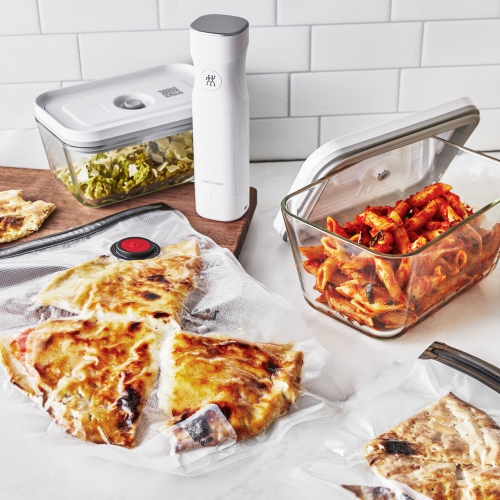 Your price for this item is $159.99
-
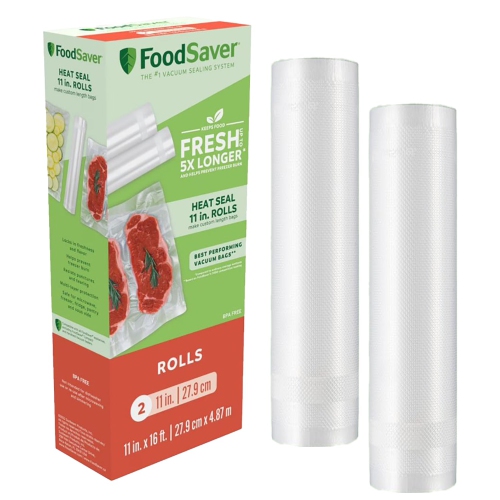 Your price for this item is $36.97
-
 Your price for this item is $158.67
-
 Your price for this item is $99.99
-
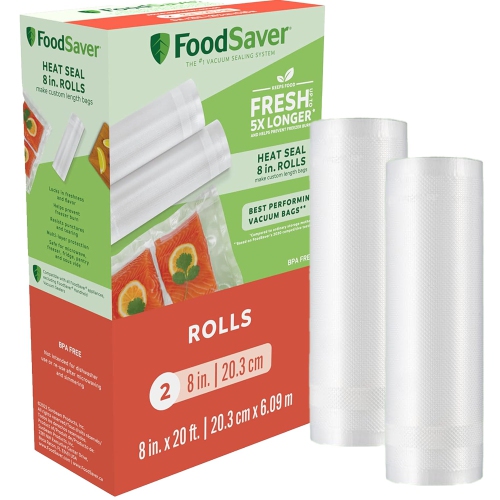 Your price for this item is $36.97
-
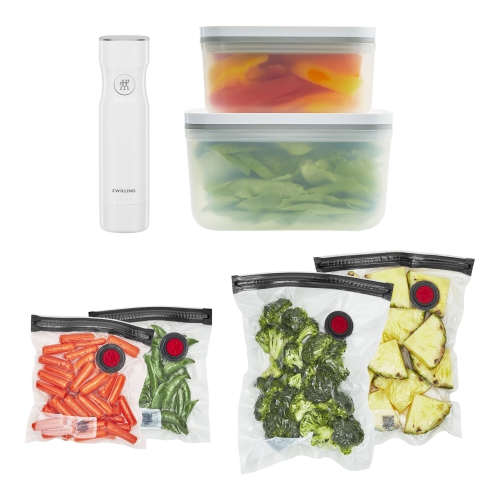 Your price for this item is $159.99
-
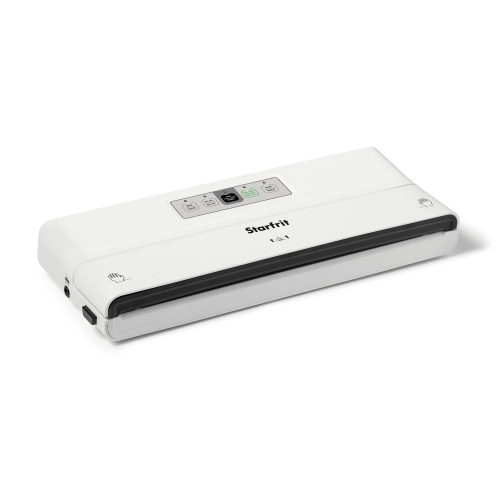 Your price for this item is $49.42
-
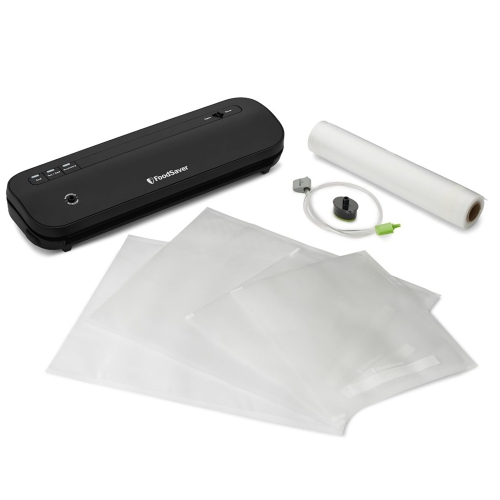 Your price for this item is $148.97
Discover more categories related to Food Machines

Top Collections:
Best Black Friday Deals This Year, Best Black Friday Deals On Electronics, Kindle Devices, Pokemon Centers, Best Black Friday Deals On Apple Products, Best Cameras for Sports Photography, Dyson Airwrap, Pokémon 30th Celebration Cards, Apple iPhone 17 Pro, Canon G7X Cameras
Some products may be subject to Environmental Handling Fees
(EHF) depending on your province.
Learn more about EHFs.