Powerful Food Processors
A food processor is a kitchen workhorse. These food processors are powerful enough to chop, slice, grate, puree, and knead. It can also knead the dough, whip cream, and even make mayonnaise. Here are some powerful food processors for every kitchen.
Sort
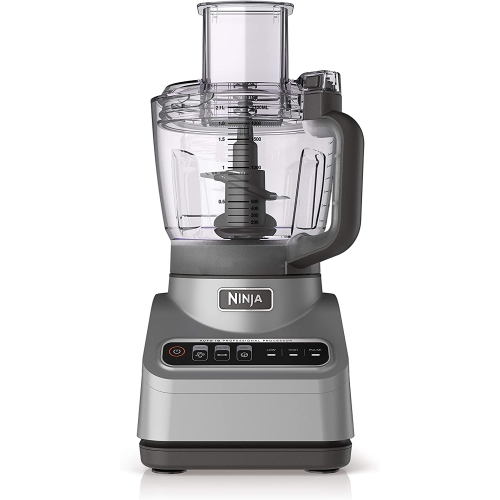

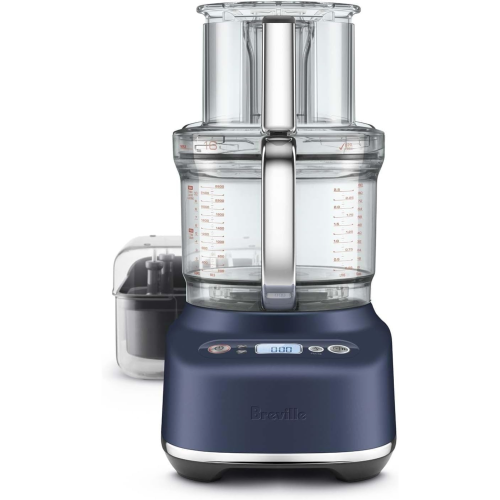
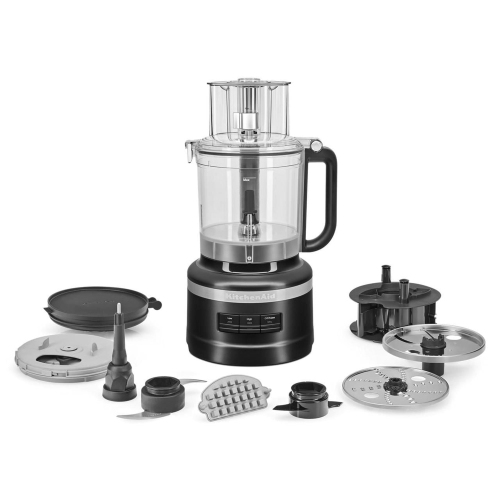
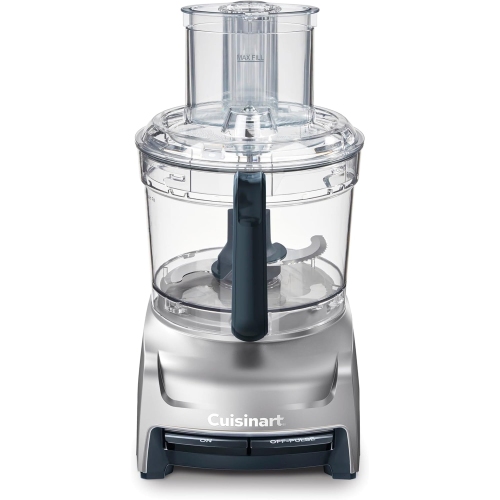
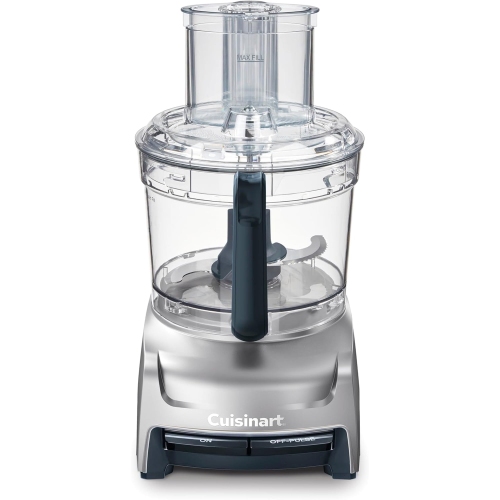
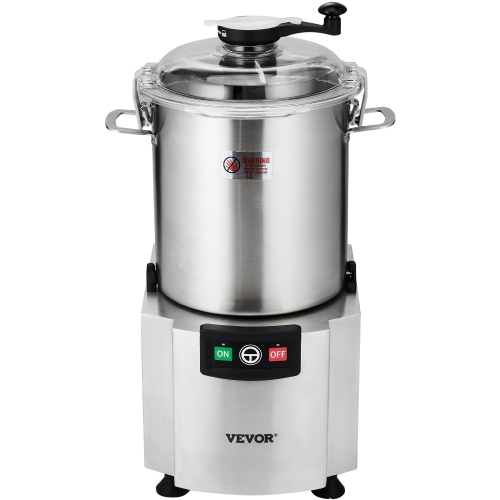
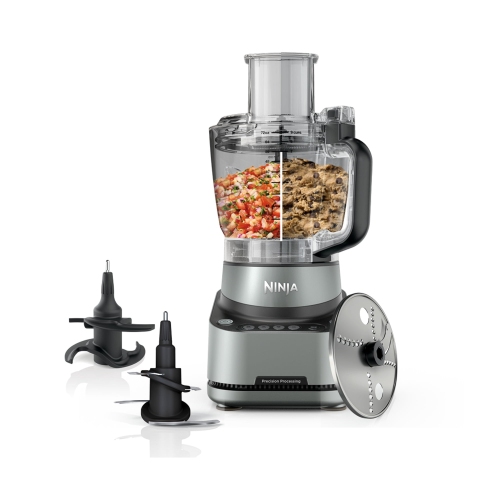
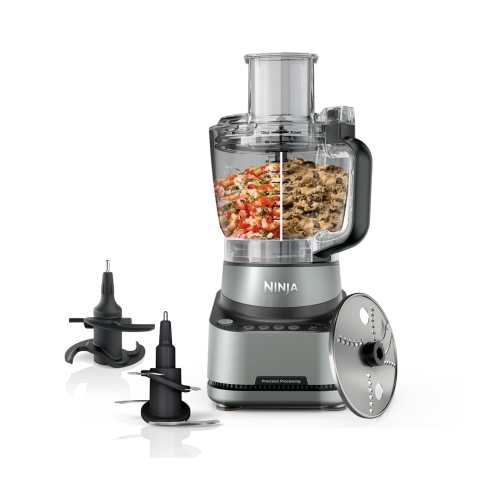

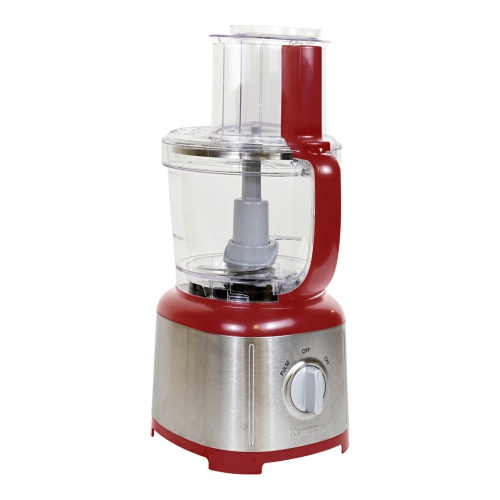
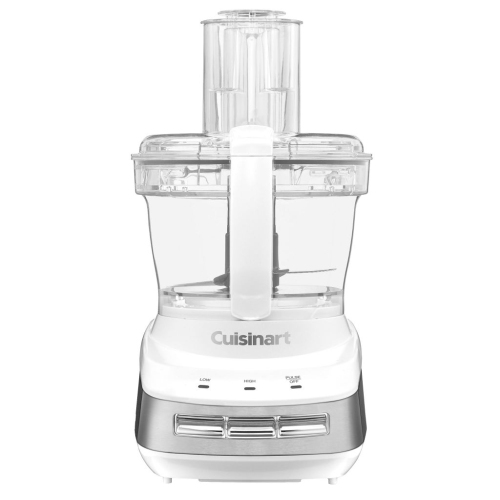
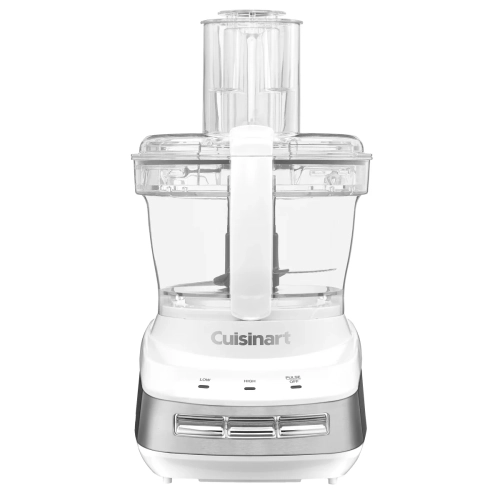
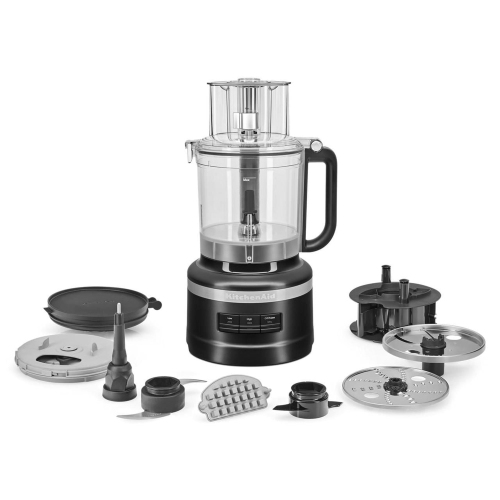
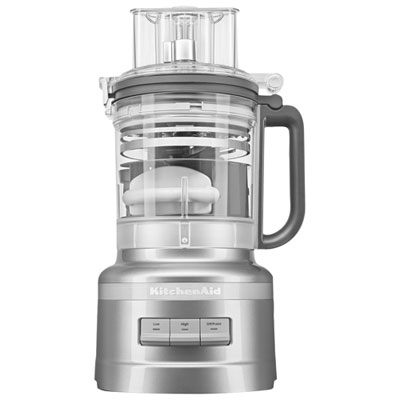
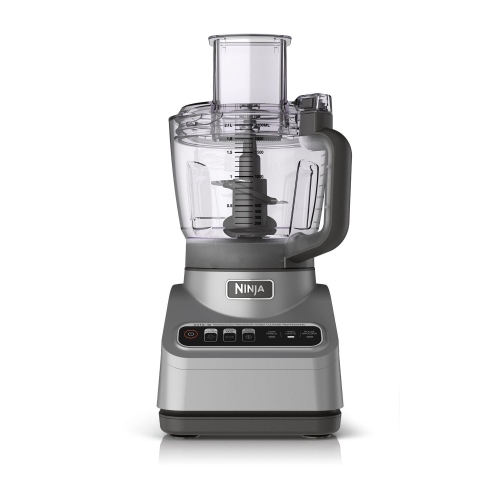
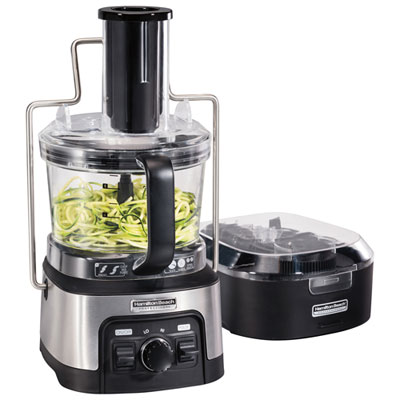
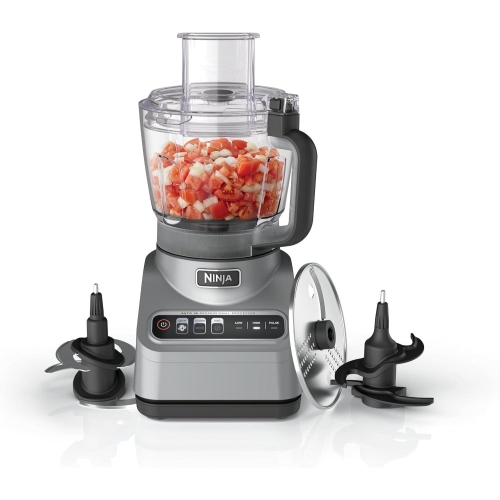
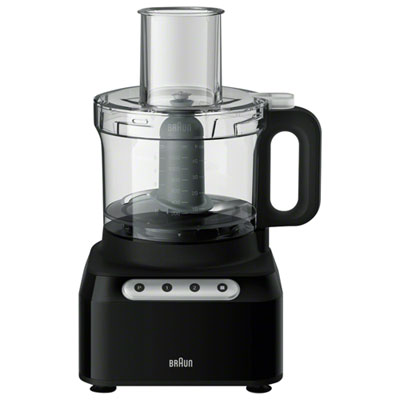

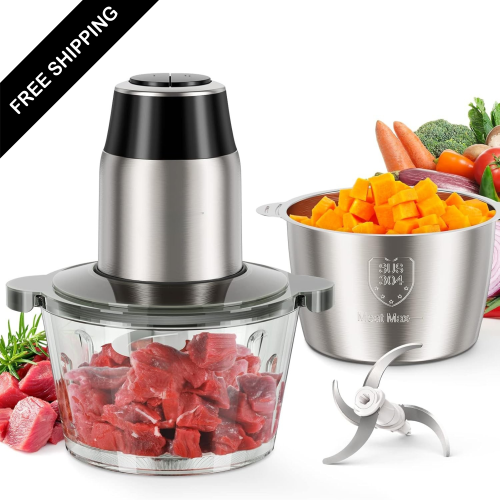
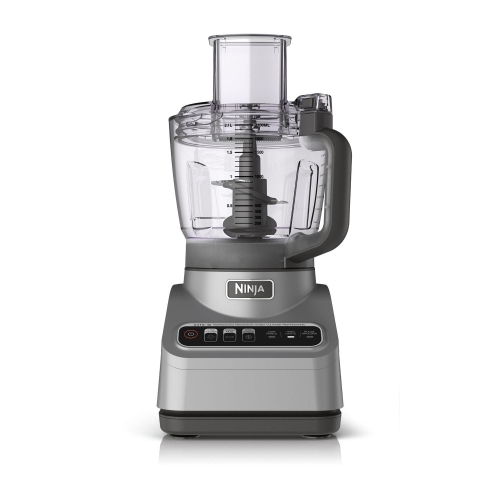
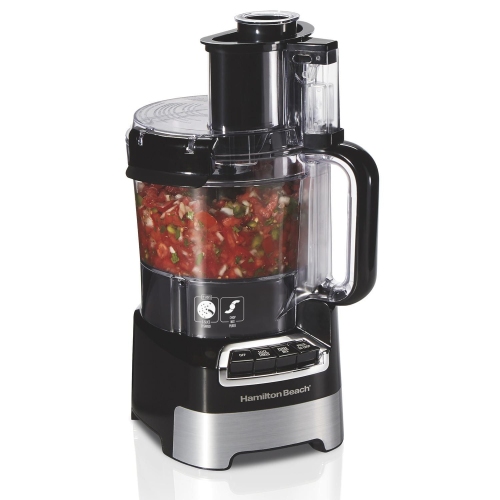
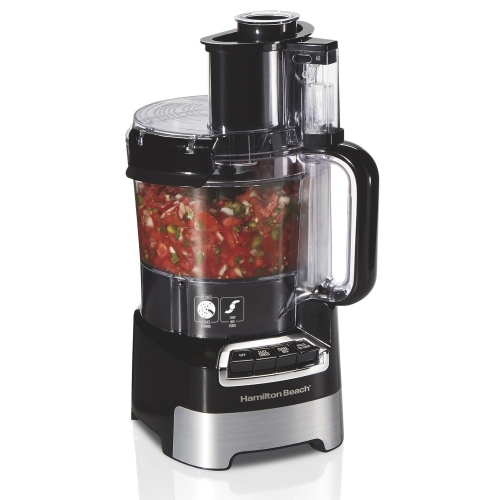
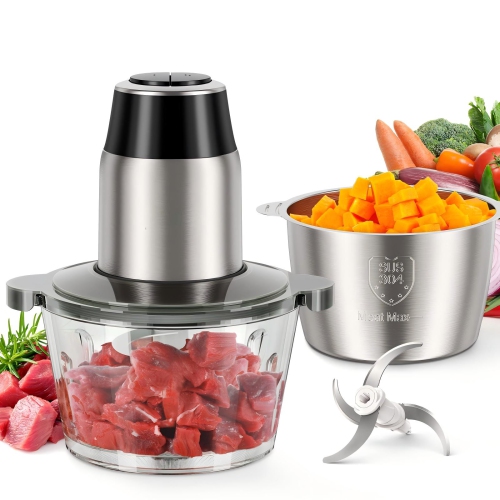

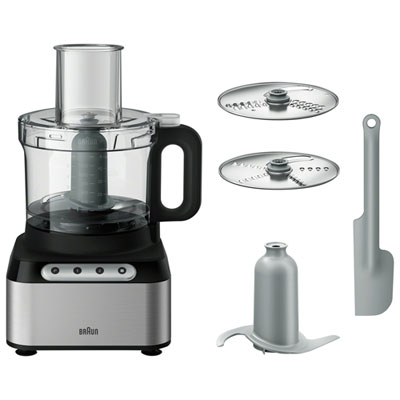
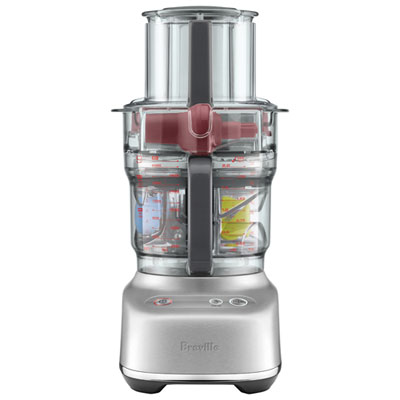
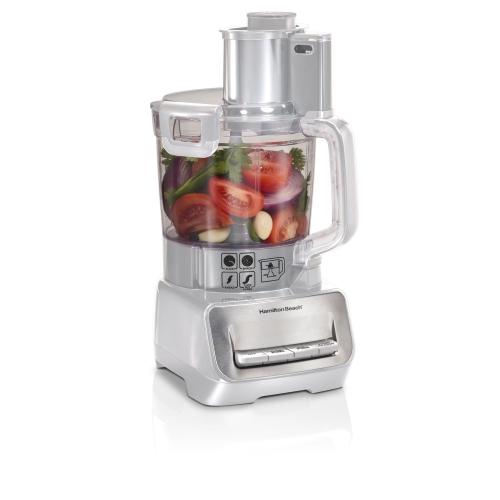
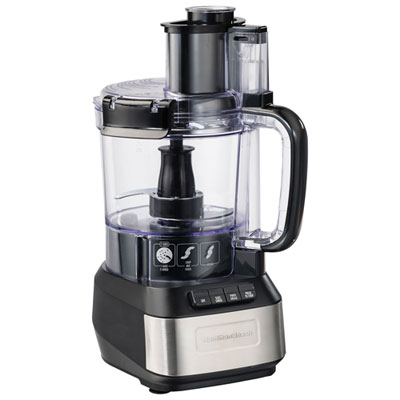
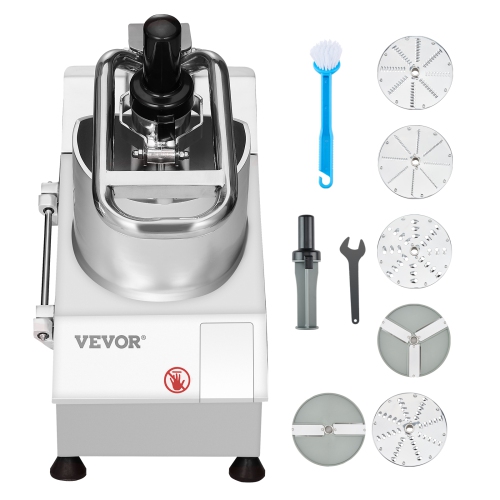
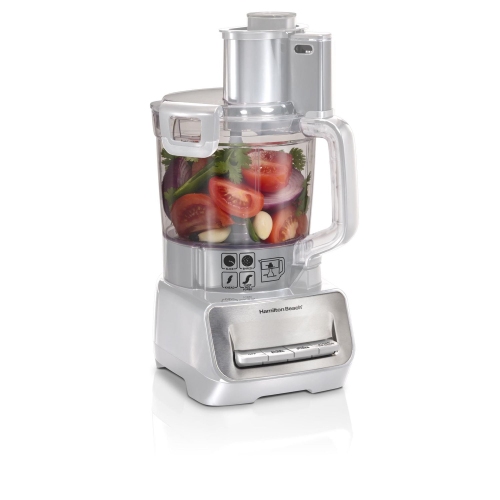
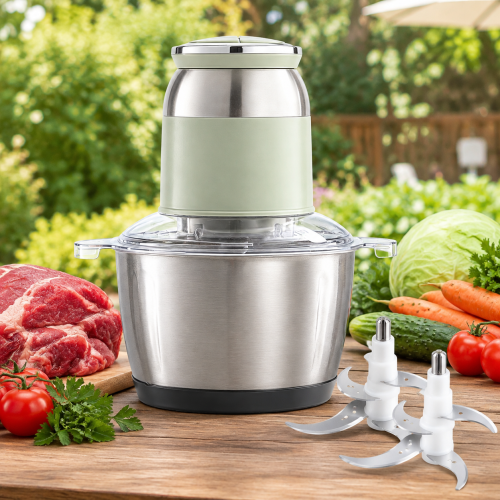
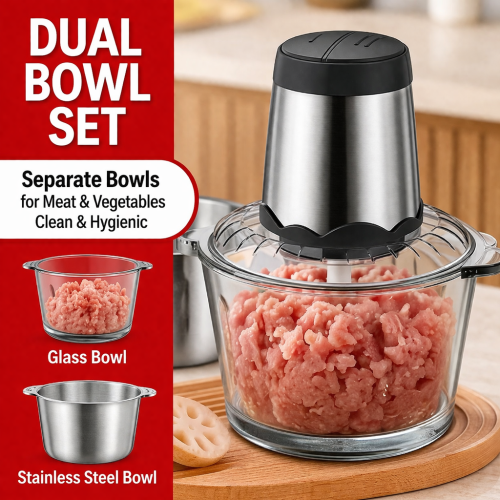
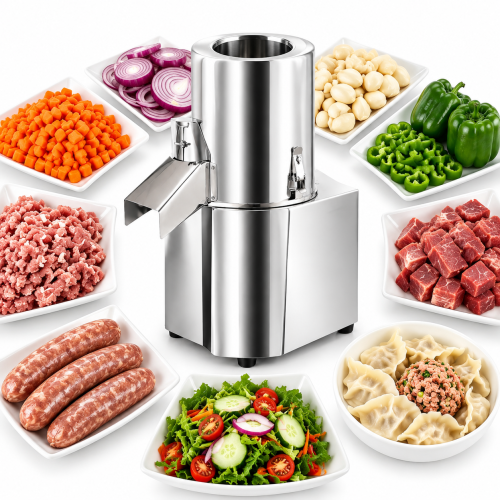
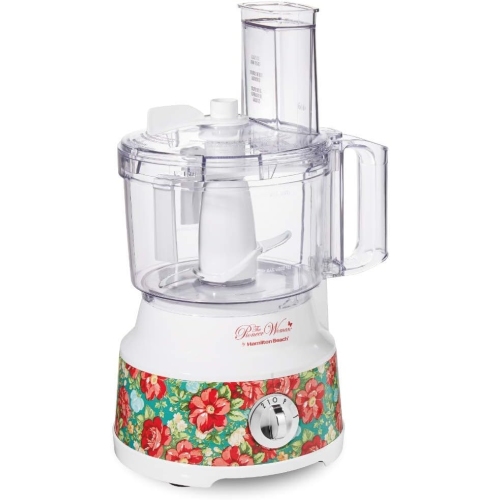


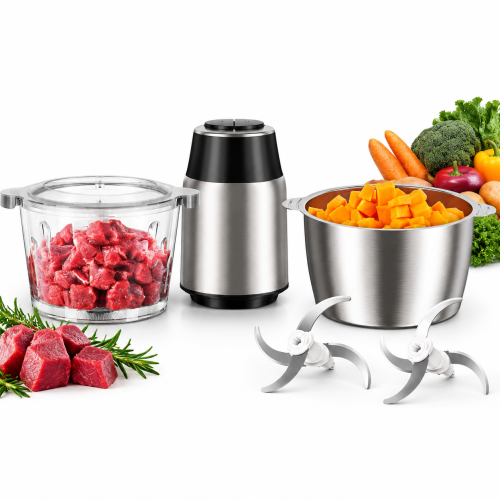
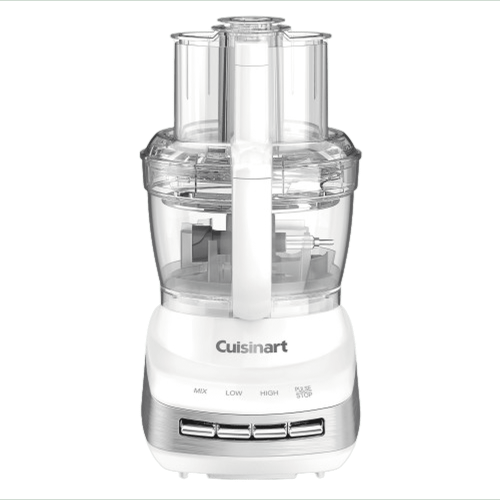
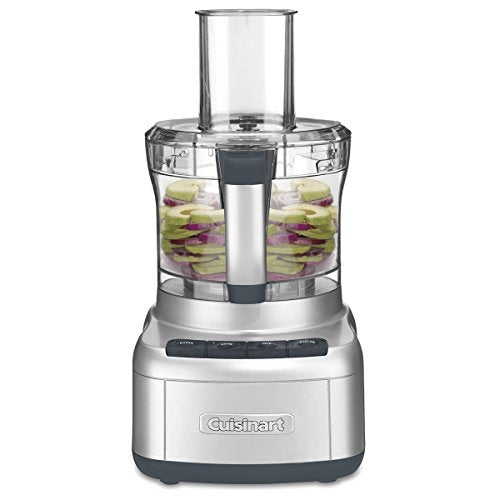
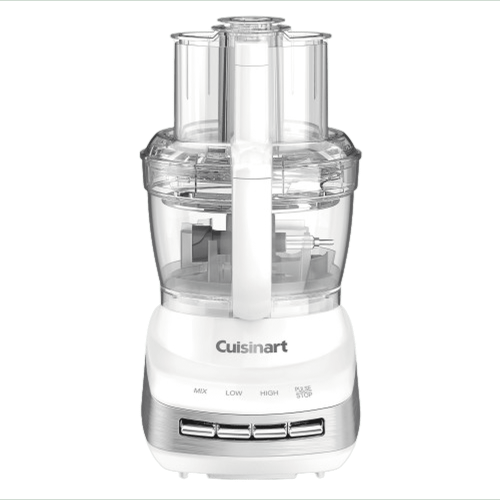
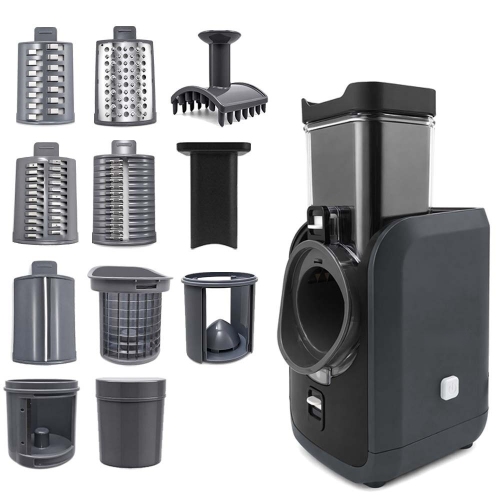

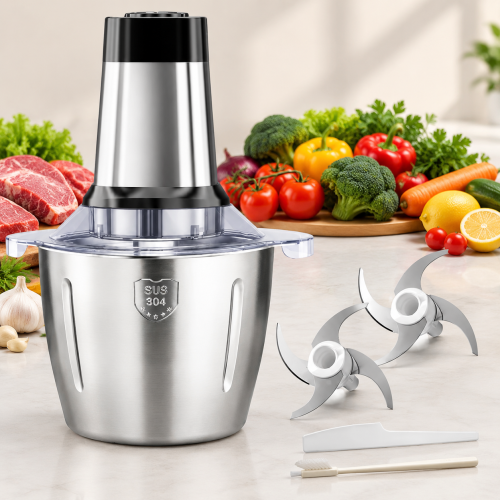
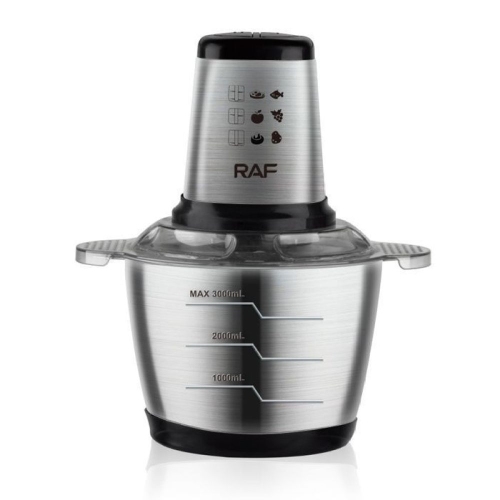


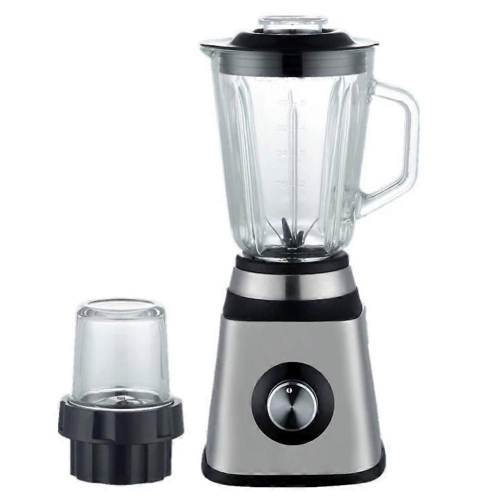

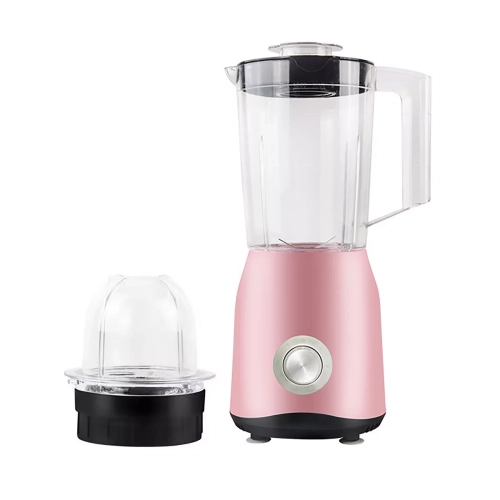
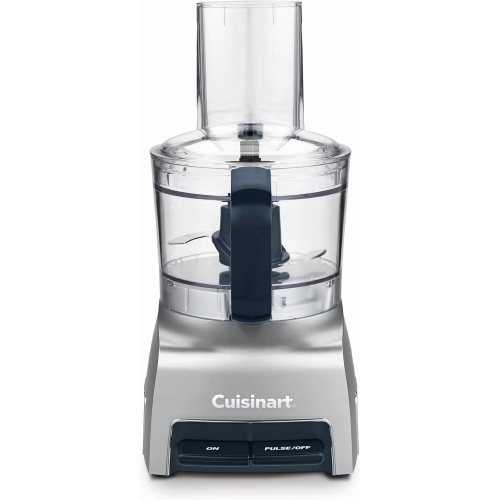
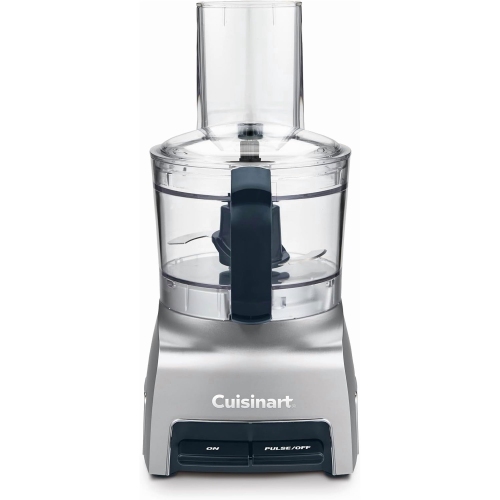
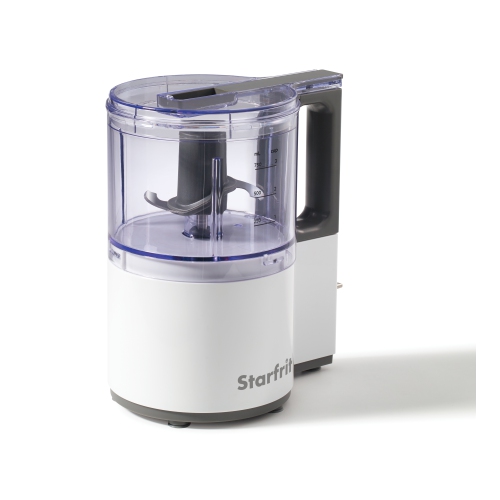
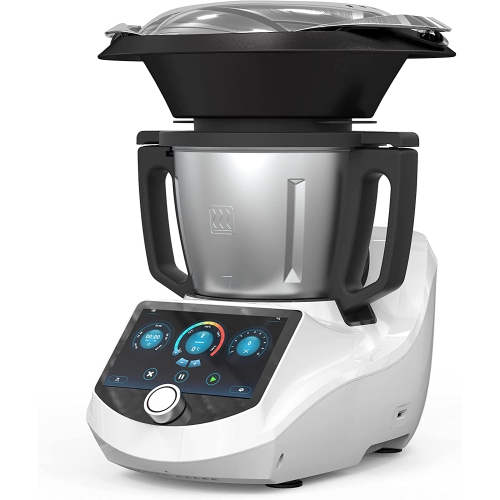
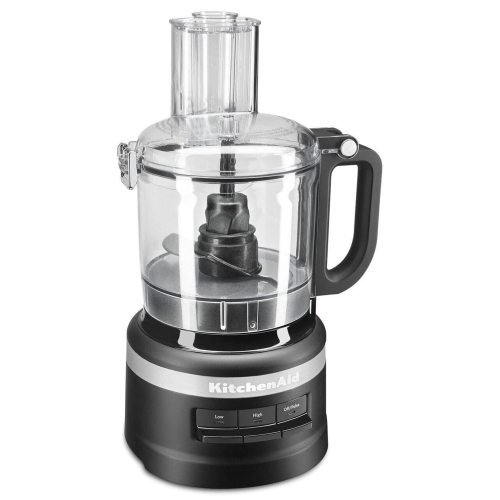
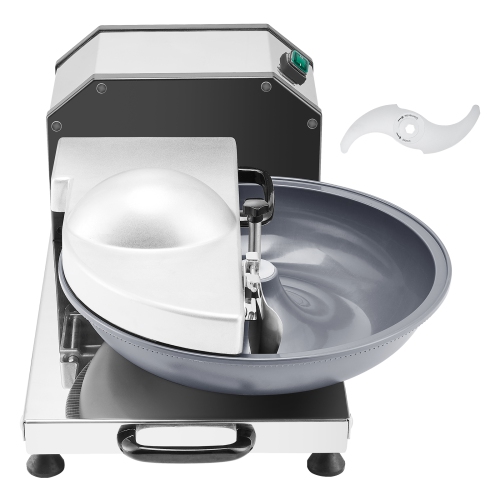
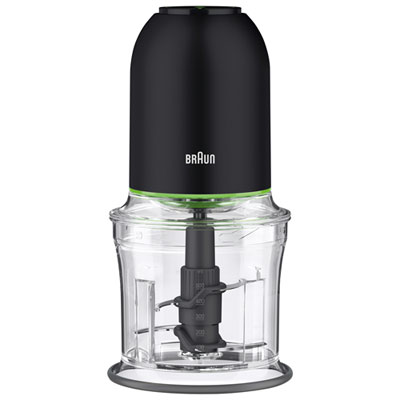
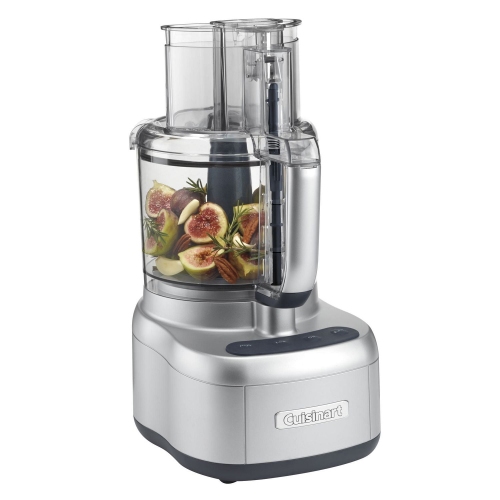
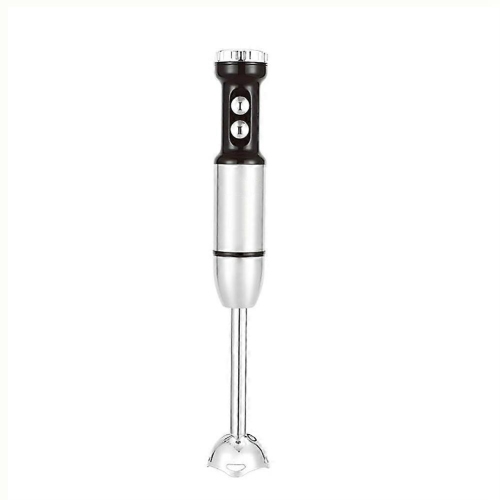
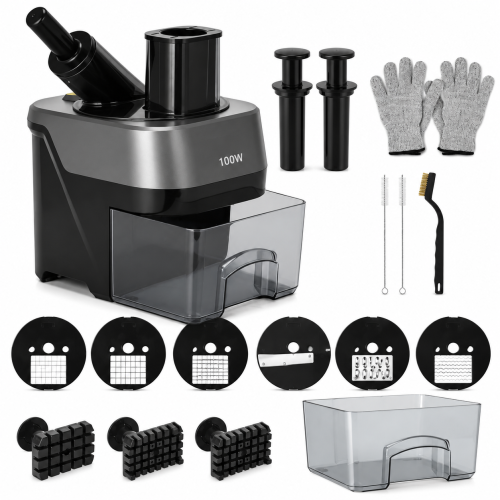
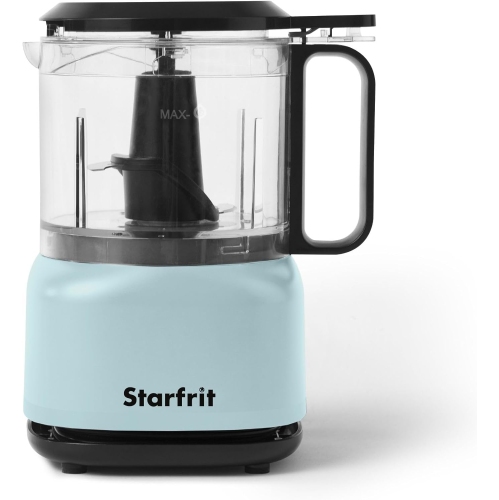
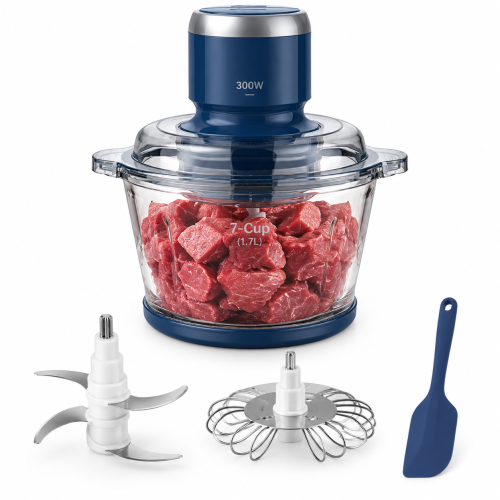
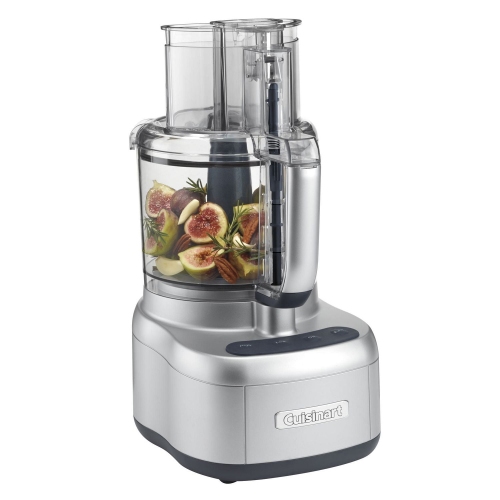

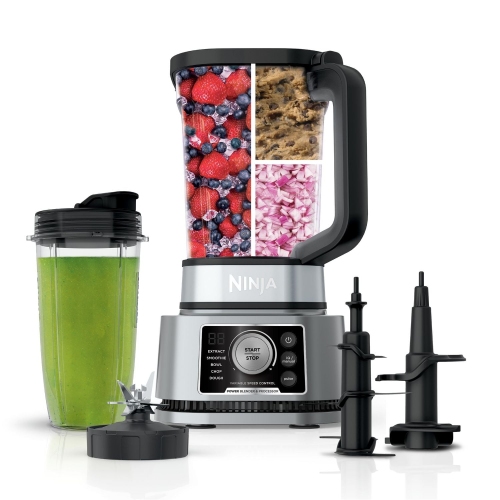
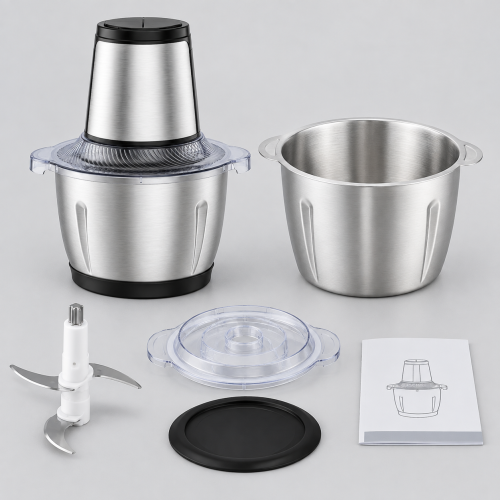
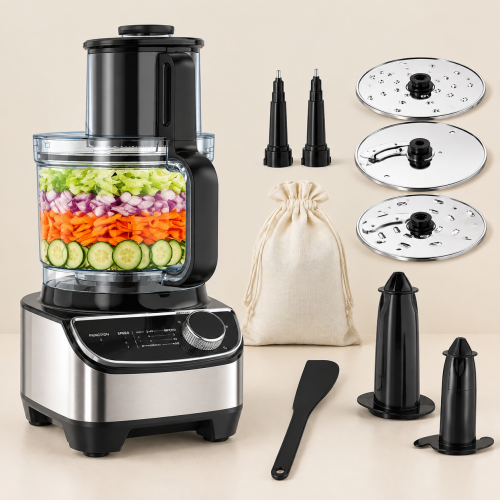
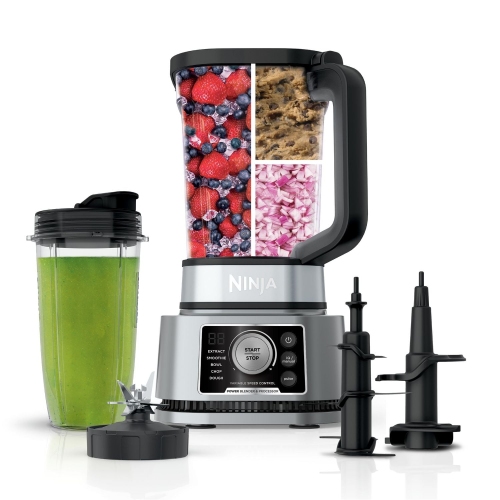
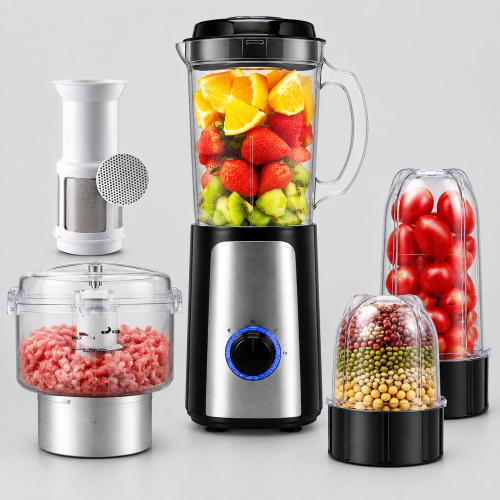


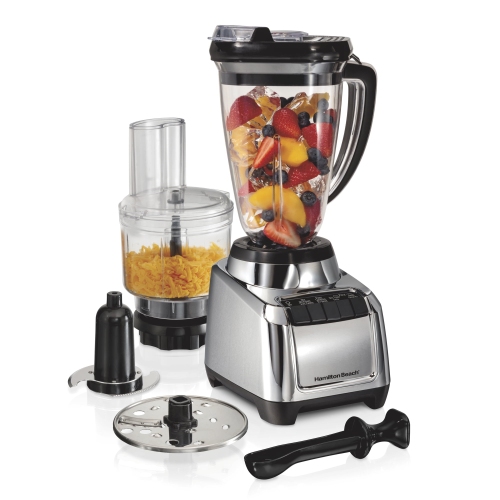
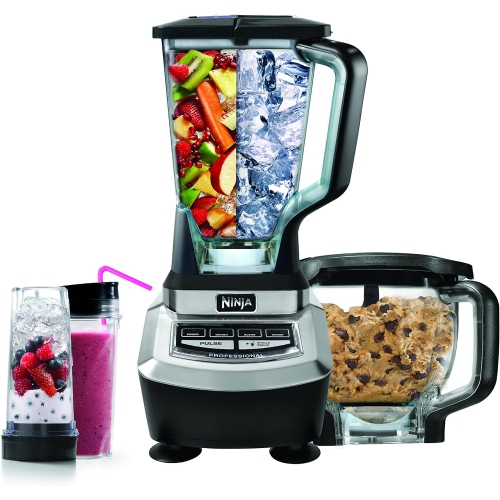
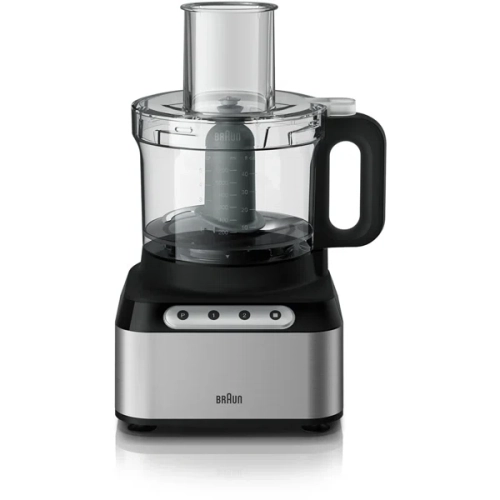
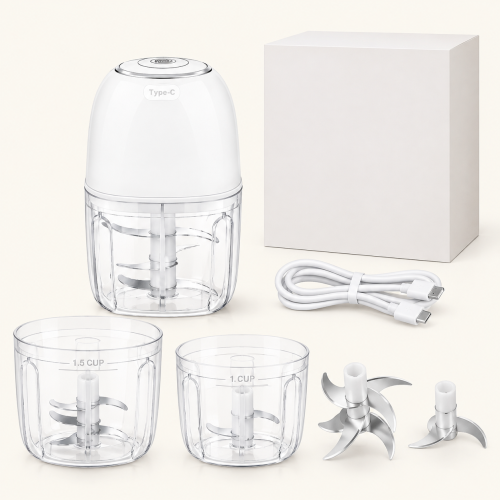
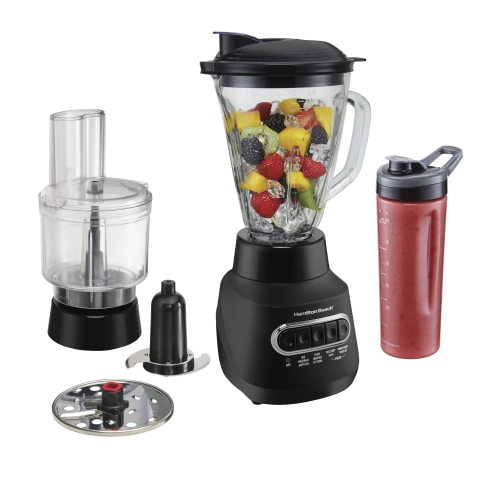
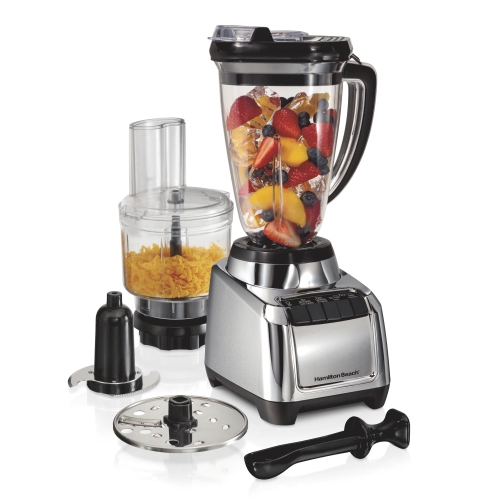
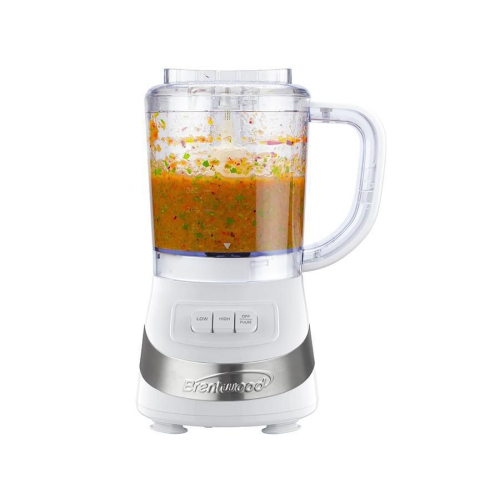
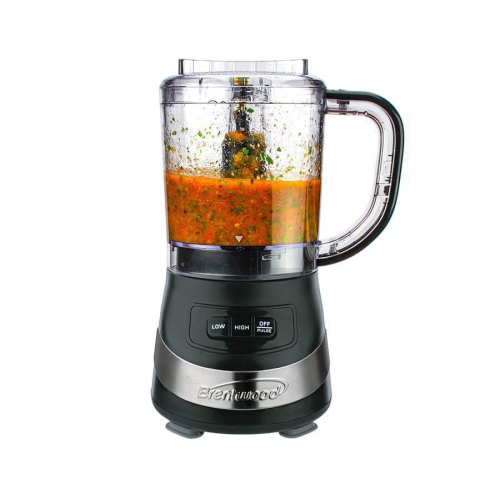

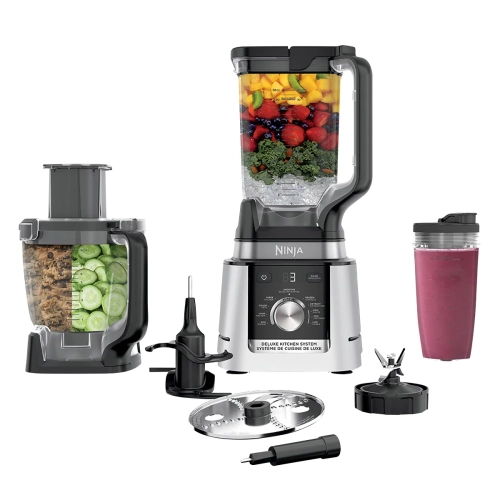
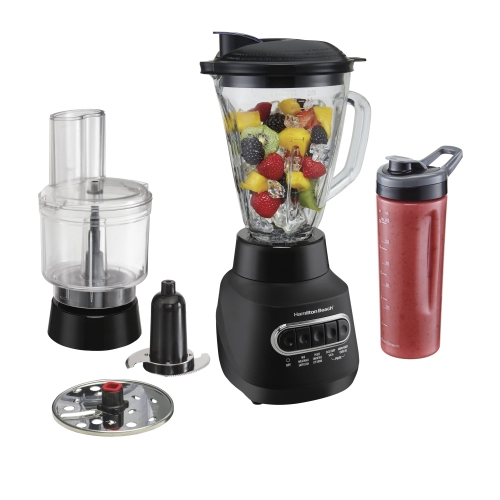
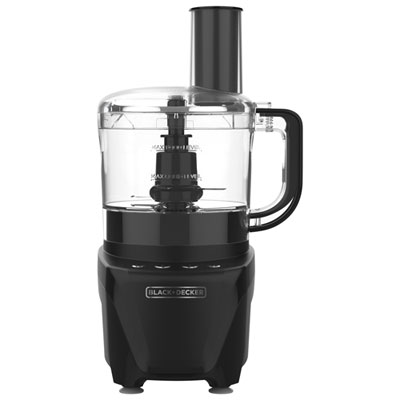

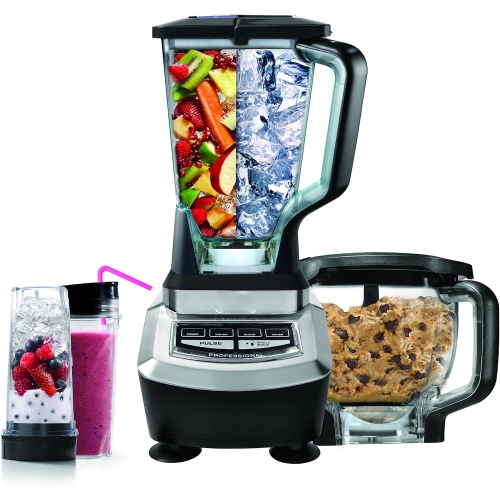
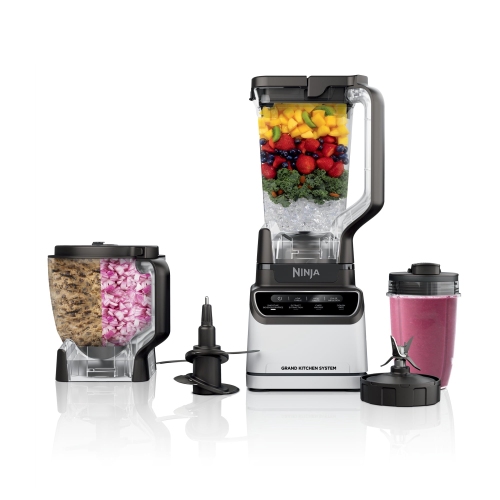
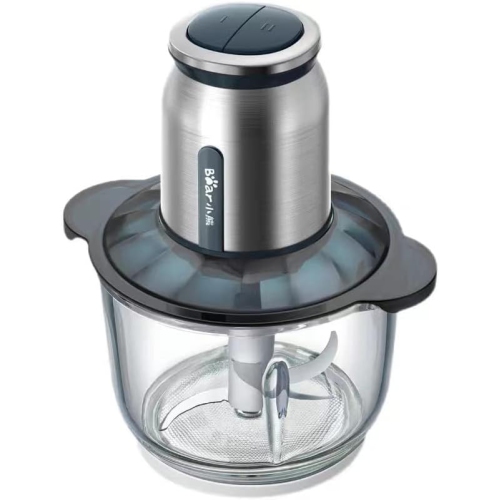
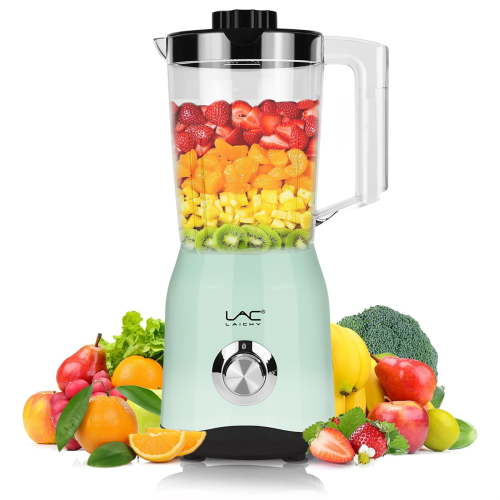
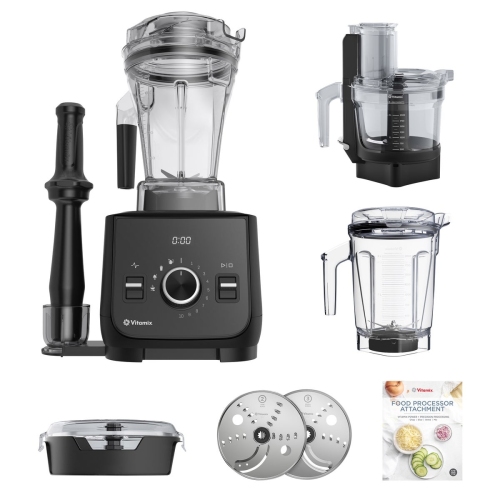
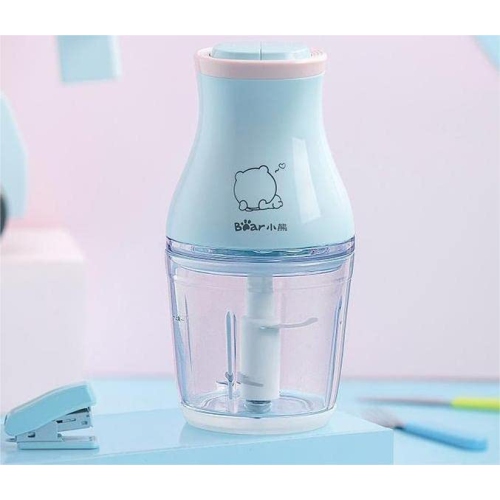
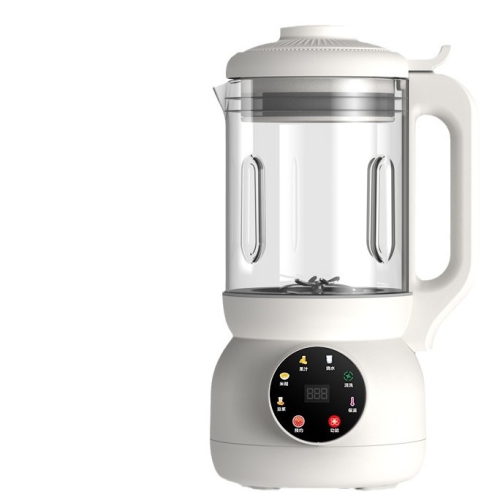
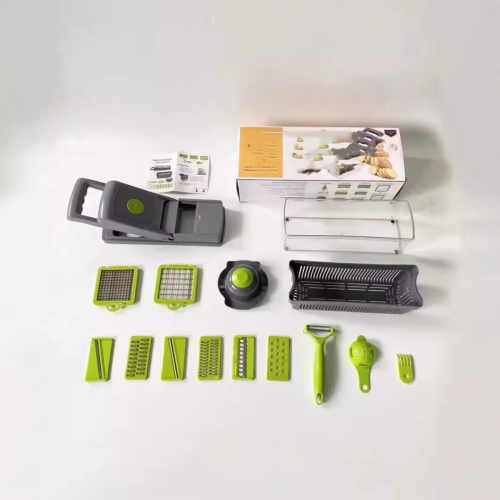
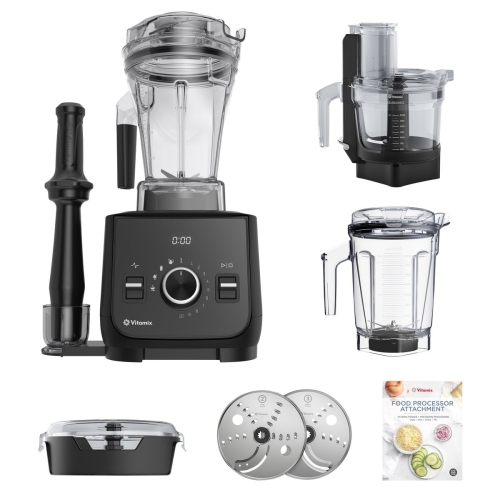
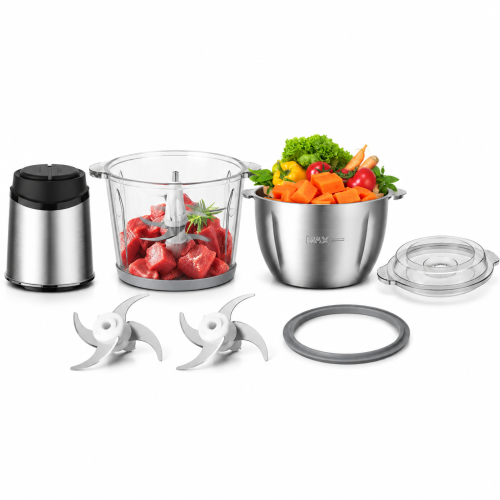
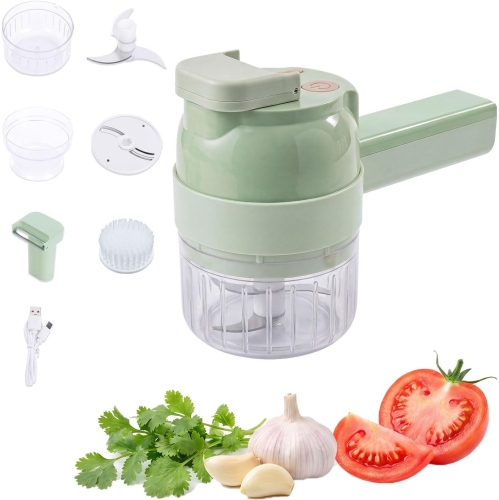

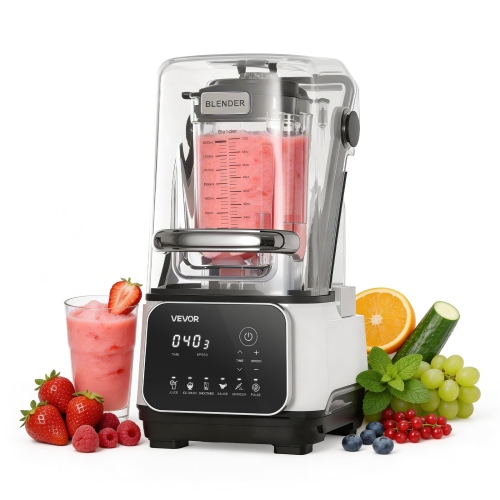
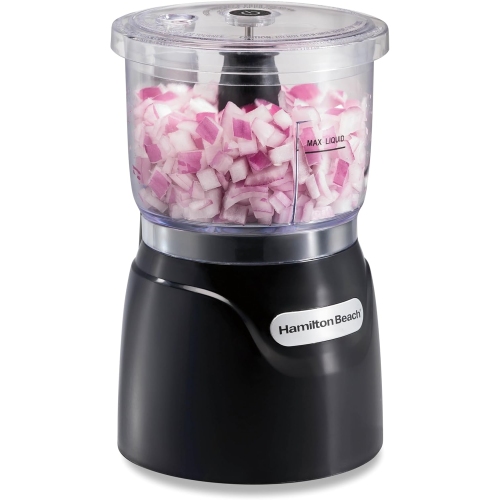
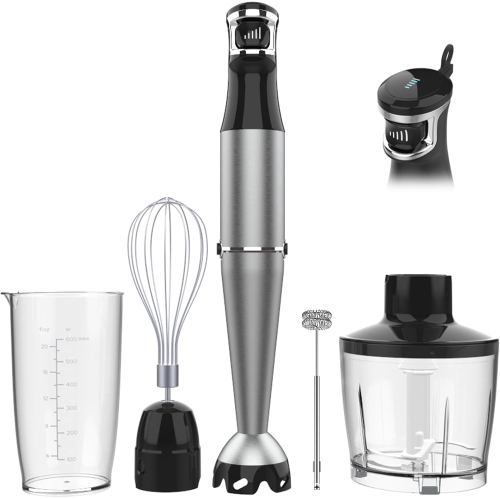
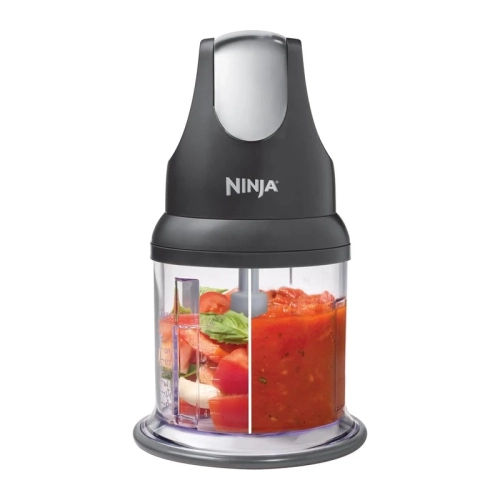
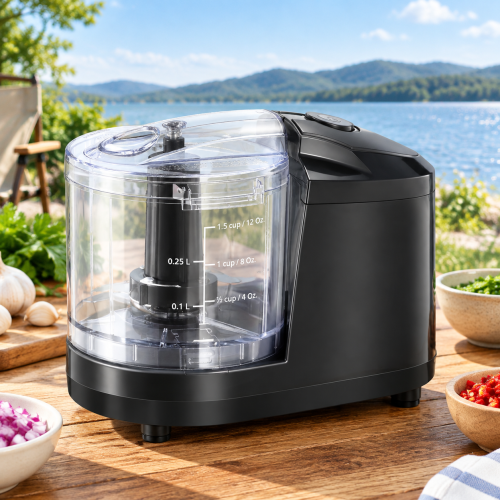
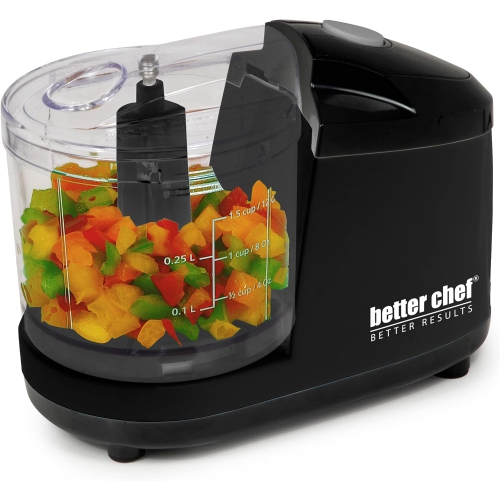
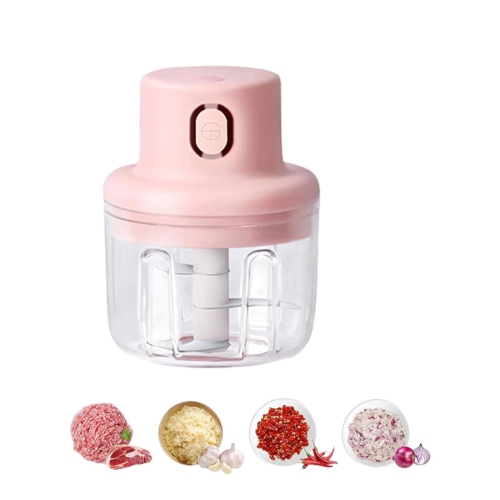
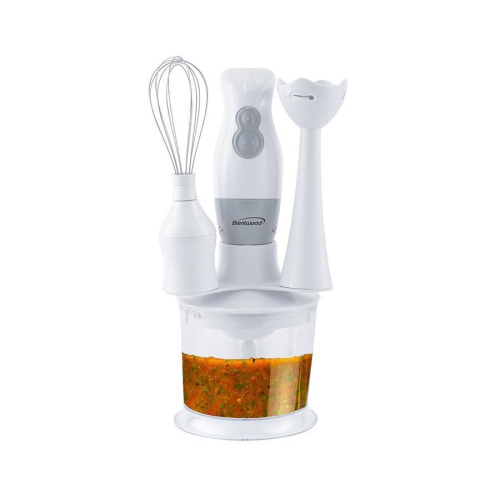
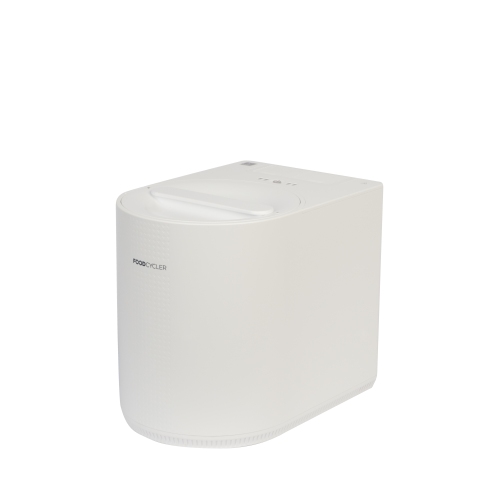

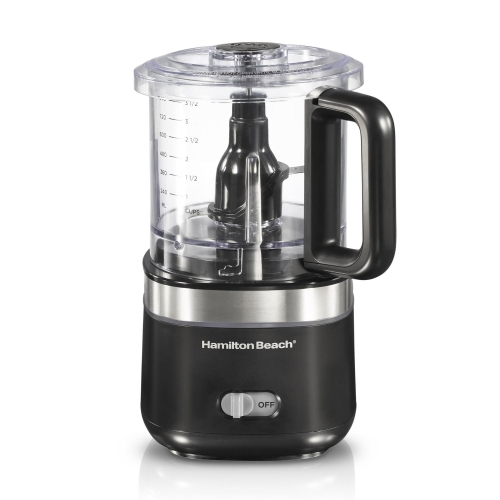
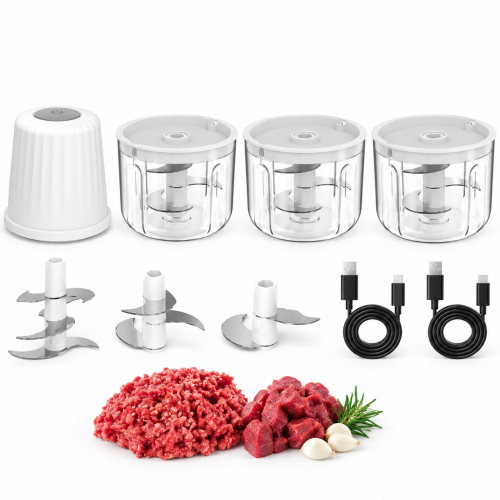
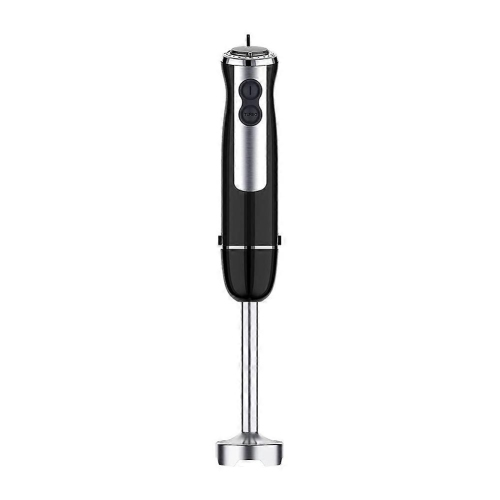
Consistent chopping takes more than a powerful motor
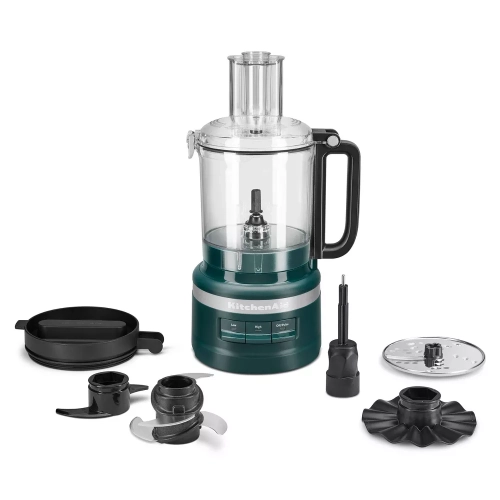
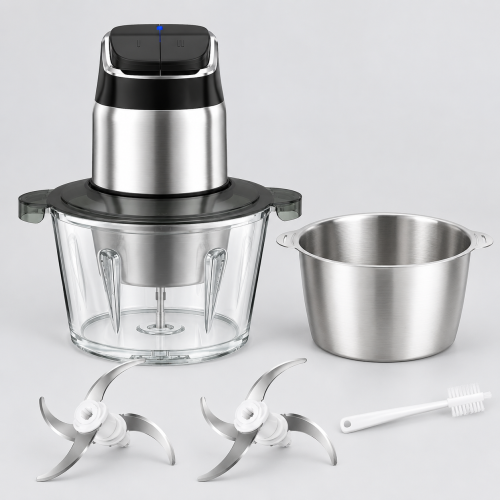
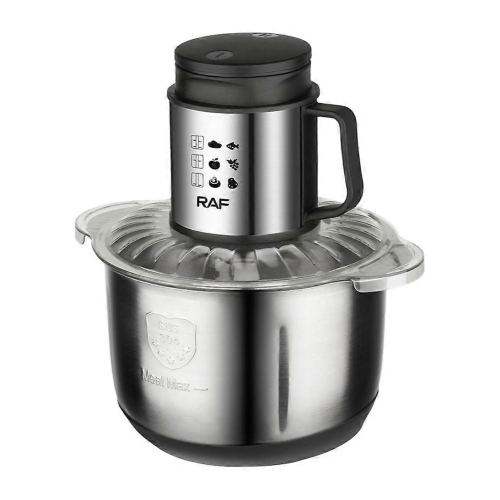
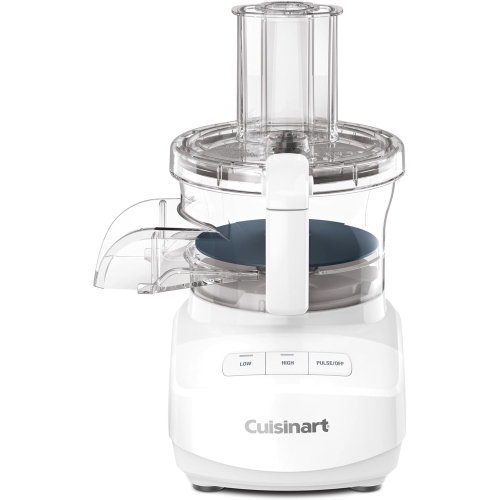
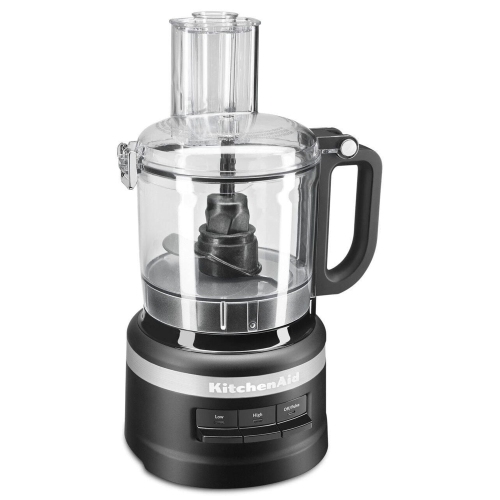
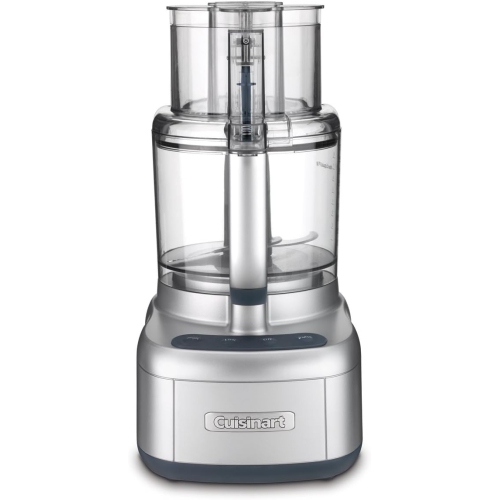
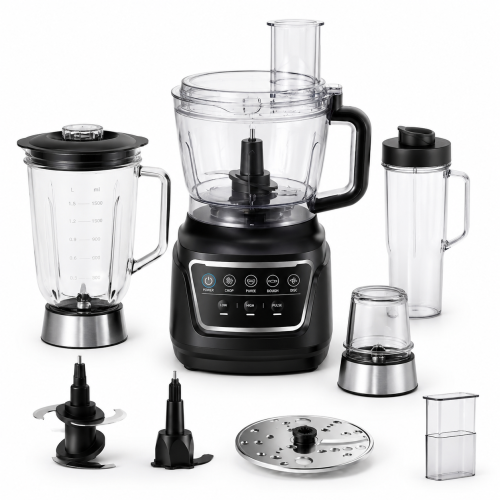
Powerful food processors bring speed and consistency to kitchen jobs that take patience with a knife, grater, or mixing bowl. Their strength is especially useful when chopping firm vegetables, shredding hard cheese, blending thick dips, or mixing dough, provided the appliance is designed for the task. A capable processor can turn a pile of carrots and cabbage into slaw, chop onions for a large pot of soup, and bring chickpeas and tahini together into a smooth hummus. Strong performance depends on more than the wattage printed on the appliance: motor design, blade sharpness, bowl geometry, and the way ingredients move through the bowl all affect the result. Motors rated at 1,000 watts or more are worth considering for demanding preparation, but that number alone does not establish how well a processor will knead dough or handle dense mixtures. Manufacturer guidance on supported tasks, batch sizes, and operating times gives a clearer picture of what an appliance is built to do. Induction motors are often associated with steady operation under load, although noise, durability, and processing performance still vary by design. For someone who prepares several meals at once, the practical benefit is a machine that processes suitable quantities evenly without needing constant stops to scrape down the sides. Pulse control is just as important as strength, giving short bursts for chunky salsa, chopped nuts, or pastry with small pieces of butter still visible. Continuous operation suits longer tasks, such as puréeing cooked vegetables after they have cooled to the temperature permitted by the manufacturer. During the cooler months, a food processor can earn its counter space through batches of root vegetable soup, shredded vegetables for casseroles, and breadcrumbs for crisp baked toppings. It is a useful appliance for busy households, enthusiastic home cooks, and anyone who wants to spend less time on repetitive chopping while retaining control over texture.
Bowl capacity shapes how comfortably a powerful food processor fits into everyday cooking. Large bowls, often in the 13- to 16-cup range, provide room for family meal preparation and generous batches of chopped vegetables, but their stated capacity is not necessarily the usable limit for liquids or dough. Separate maximum-fill markings and recipe limits matter, particularly when a mixture expands, thickens, or moves up the bowl during processing. Smaller work bowls or compatible inserts can be helpful for a handful of herbs, a small portion of dressing, or a quick dip that would spread too thinly in a large bowl. The feed chute also makes a noticeable difference: a wider opening may accept larger pieces of produce and reduce preliminary cutting, while a narrower insert helps support slender carrots or celery for more consistent slices. Ingredients should still fit freely, with the supplied pusher used to guide them rather than fingers or utensils. Stainless steel chopping blades and slicing or shredding discs are common because they offer a durable cutting surface, though the shape and condition of the cutting edge influence results as much as the material itself. Adjustable slicing thickness is useful when moving between thin cucumber rounds and thicker potato slices for a gratin. Reversible shredding discs offer different textures for cheese, vegetables, and salads without requiring a separate tool for every task. Dough attachments add versatility only where the processor is expressly rated for kneading; a strong motor does not make every model suitable for stiff bread dough or repeated heavy batches. For kitchens where precision controls, bowl versatility, and attachment design are priorities, High End Food Processors offer another way to explore the category. The most useful combination of features is the one that matches familiar recipes, whether that means evenly sliced vegetables for weeknight dinners, finely chopped ingredients for sauces, or occasional pastry preparation.
Everyday fit includes the space around the appliance as well as the work it can perform. A broad base and non-slip feet help keep a processor steady, while overall height determines whether it can sit beneath upper cabinets with enough clearance to remove the lid and use the feed chute. A heavier machine may feel reassuring during dense chopping tasks but be awkward to lift from a lower cupboard, so a permanent counter position can make frequent use more comfortable. Handles, clearly marked controls, and bowls that lock into place without excessive force are worth attention, especially for cooks who find prolonged knife work tiring. Food processors still require safe handling of sharp parts, and their lids and safety interlocks must be correctly engaged before operation. Care routines also affect how pleasant they are to use over time. Transparent work bowls make it easier to monitor texture, but plastic can scratch or become cloudy if cleaned with abrasive pads or exposed to unsuitable dishwasher temperatures. Dishwasher-safe parts should be placed and washed according to the manufacturer's directions; other pieces may require gentle handwashing. Blades and discs need careful cleaning around their cutting edges, followed by thorough drying and protected storage. The motor base should be unplugged and wiped clean rather than immersed in water. Prompt rinsing helps prevent dough, cheese, and thick purées from drying inside lid channels or around removable parts. Accessible replacement bowls, lids, seals, and attachments can support longer service, while warranty terms help clarify coverage for the motor and other components. A food processor can also make a thoughtful gift for someone setting up a well-used kitchen, expanding a baking routine, or regularly cooking for family and friends, particularly when its size and cleaning needs suit the recipient's habits. Lasting usefulness comes from that balance of capable processing, manageable maintenance, and a design that feels comfortable to reach for whenever a recipe starts with a substantial pile of ingredients.
Top selling and popular products
-
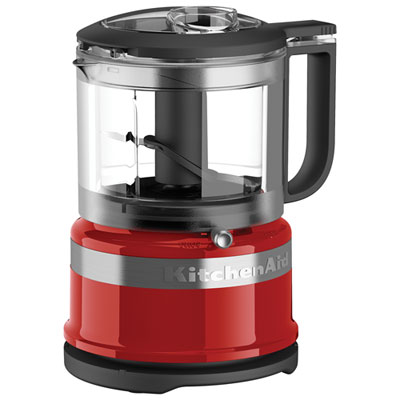 Your price for this item is $49.99
-
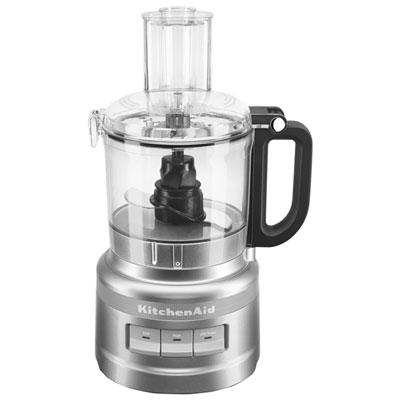 Your price for this item is $134.99
-
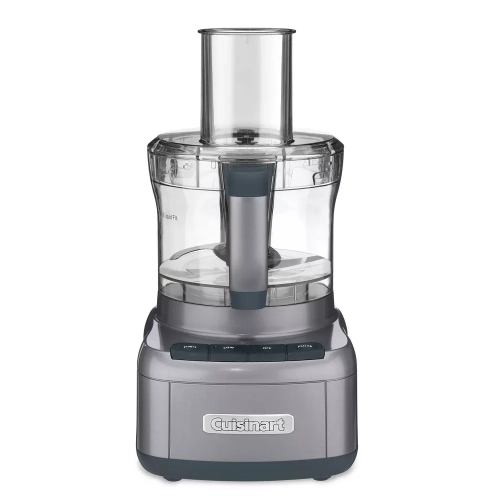 Your price for this item is $346.5
-
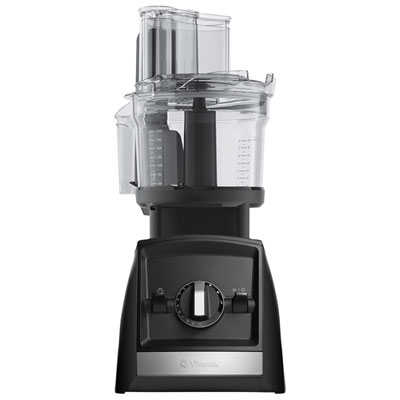 Your price for this item is $349.99
-
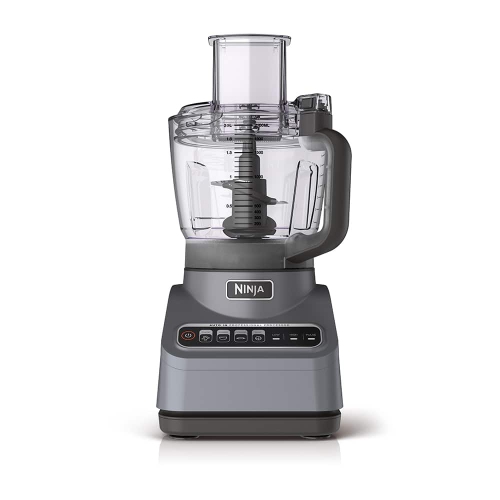 Your price for this item is $210.06
-
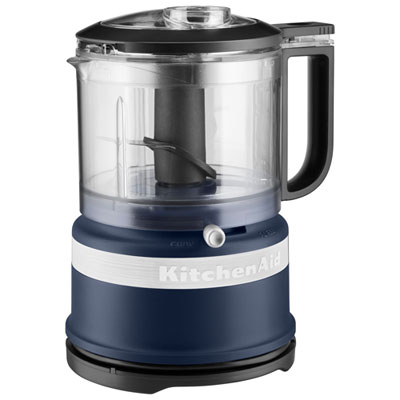 Your price for this item is $49.99
-
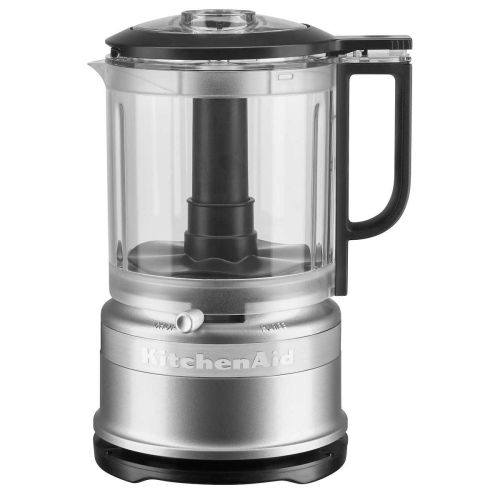 Your price for this item is $180
-
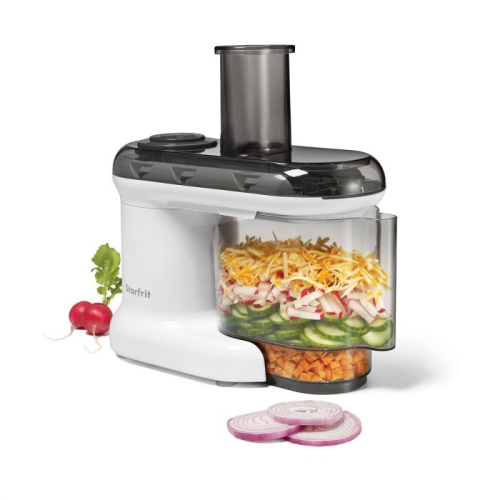 Your price for this item is $69.99
Discover more categories related to Powerful Food Processors
Top Collections:
Pokemon Centers, Best Cameras for Sports Photography, Kindle Devices, Samsung Galaxy Phones, Canon G7X Cameras, Pokémon 30th Celebration Cards, Refurbished Apple Laptops, iPhone 15 Apple, Laptops for Students, Budget Smartphones
Some products may be subject to Environmental Handling Fees
(EHF) depending on your province.
Learn more about EHFs.