Zippered Storage Bags
Zippered storage bags are a versatile and essential addition to any home or office, offering a convenient solution for organizing and protecting your belongings. Whether you're packing for travel, storing seasonal clothing, or keeping your kitchen tidy, these bags provide a reliable way to keep items secure and easily accessible. Designed with durability in mind, zippered storage bags come in various sizes to accommodate everything from small accessories to larger household items. Their airtight seals help maintain freshness and prevent spills, making them an ideal choice for both short-term and long-term storage needs. Discover the perfect zippered storage bag to streamline your space and simplify your life.
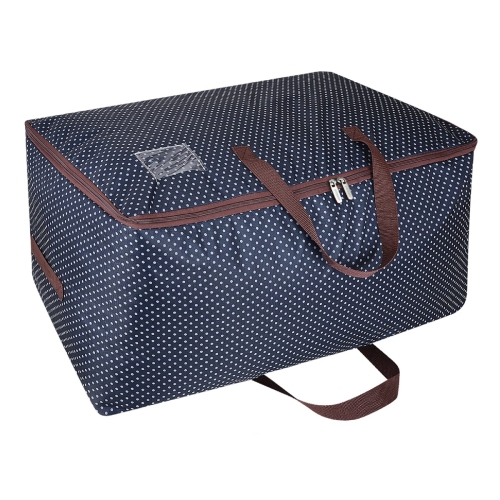



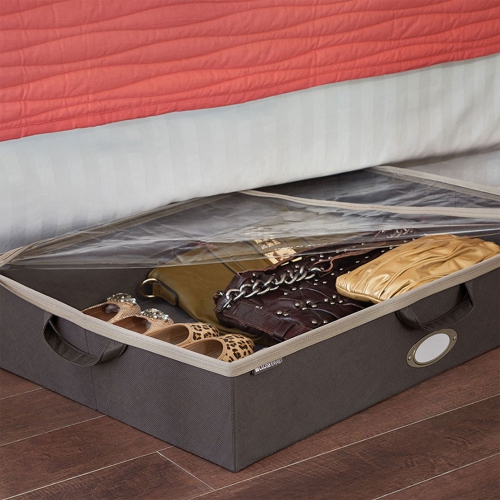
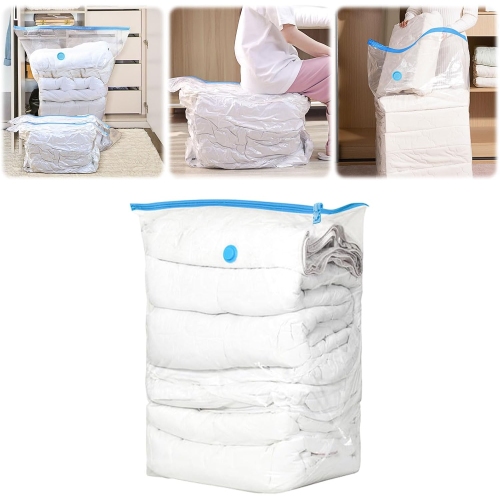
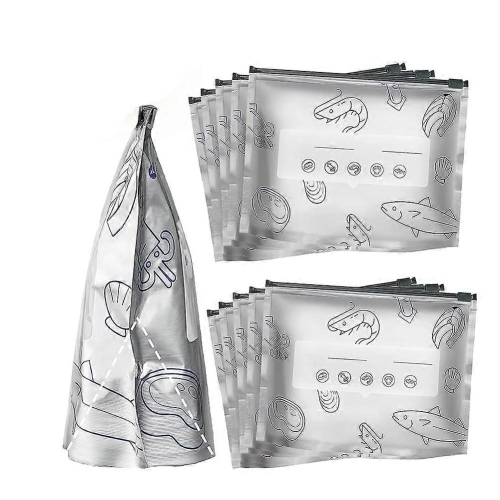

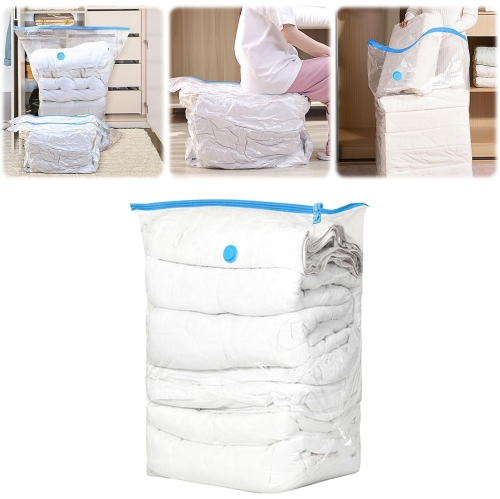



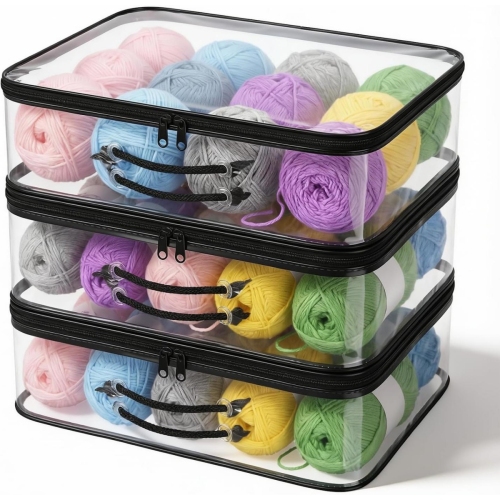

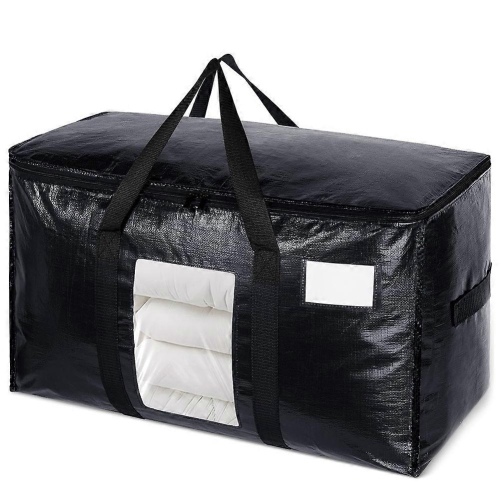
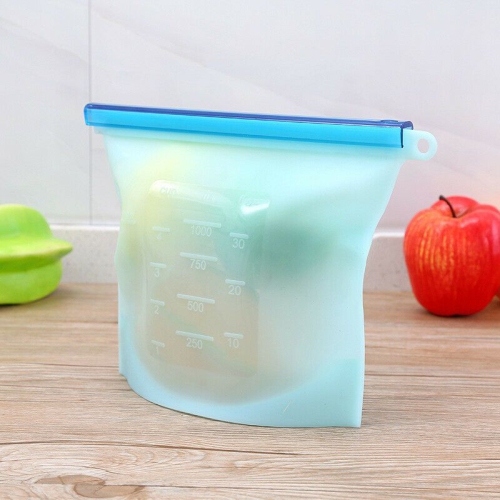
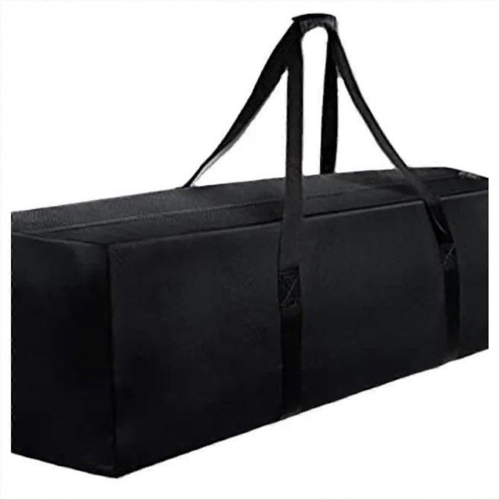







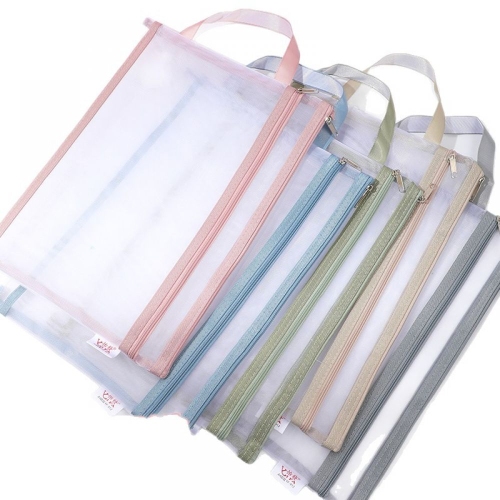
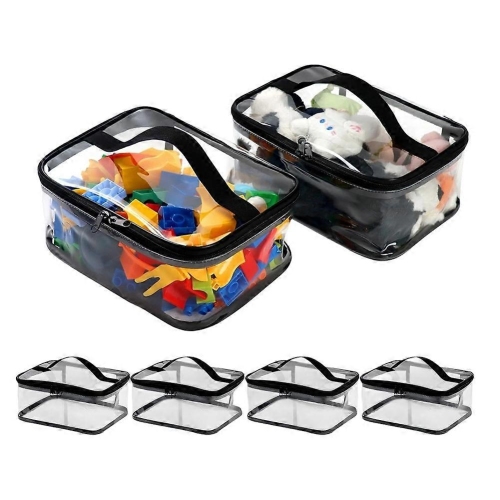

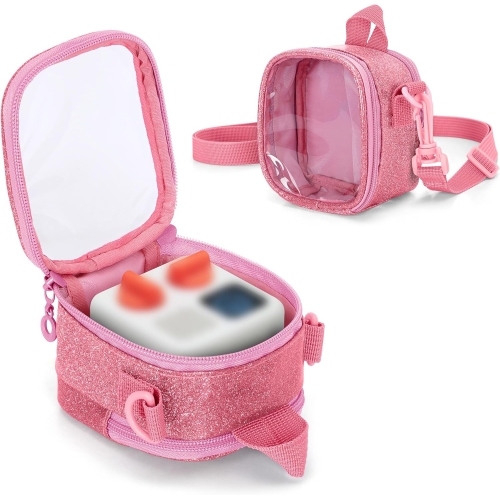


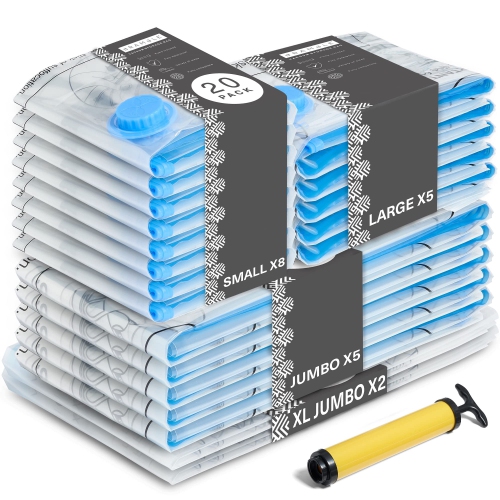
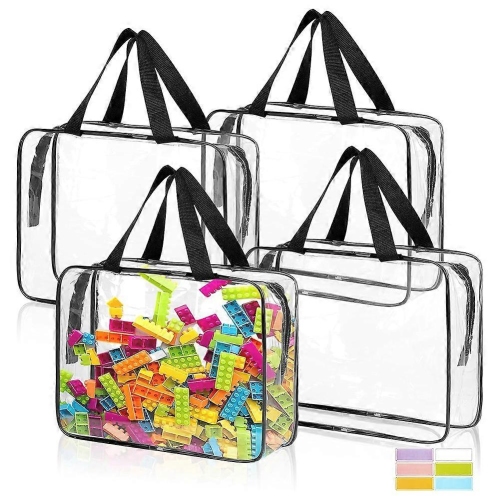
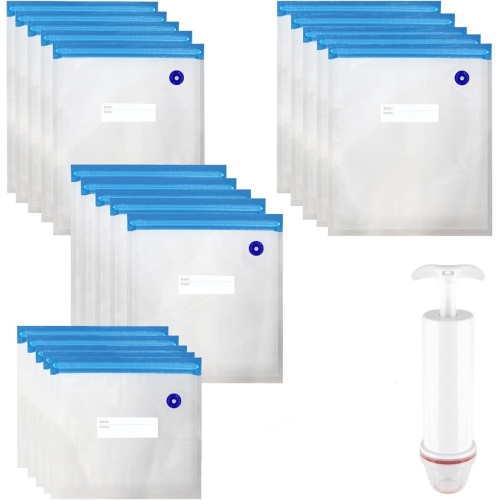
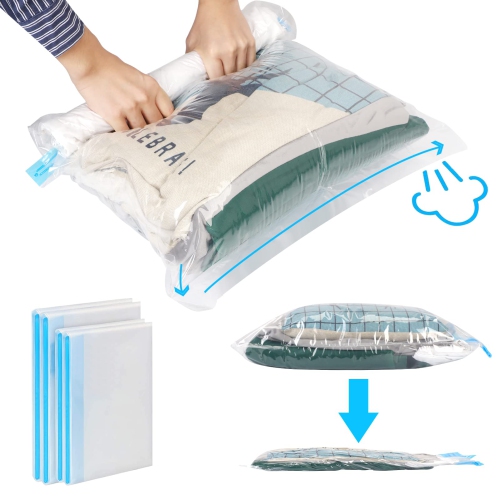
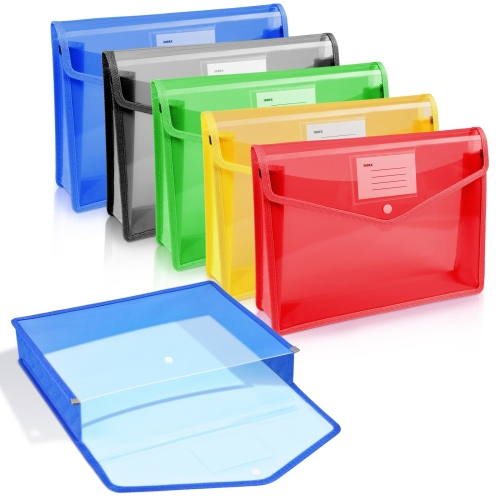
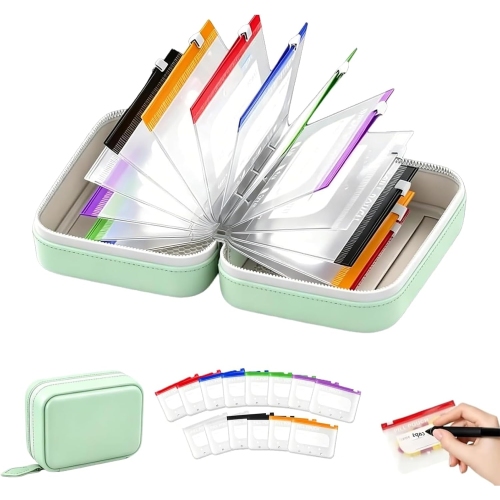
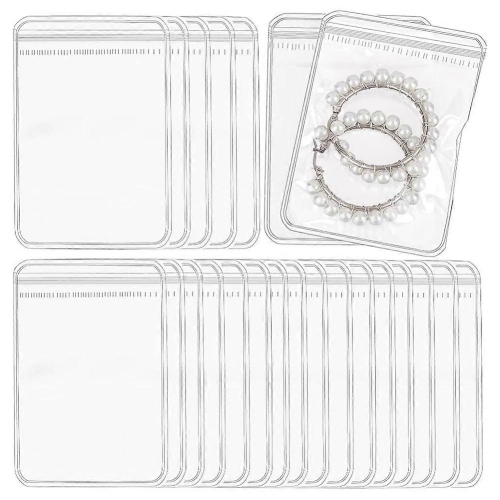
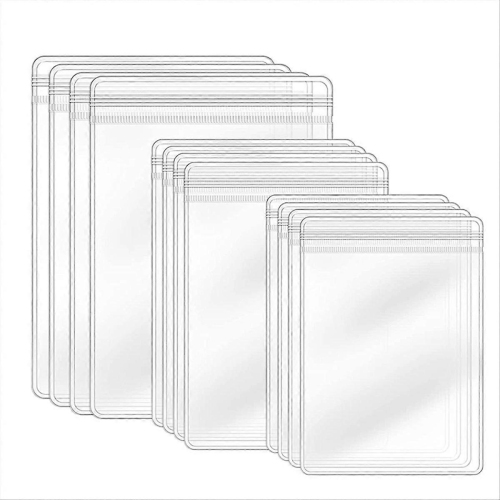
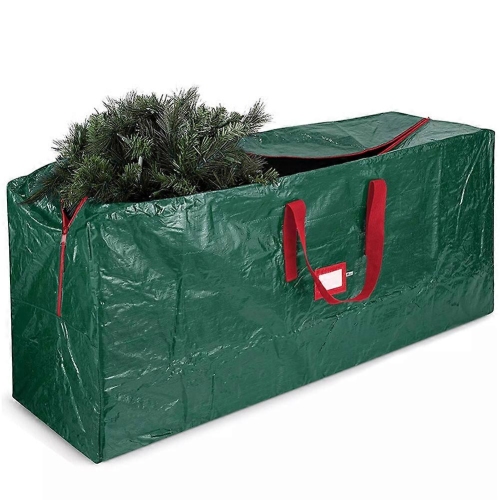

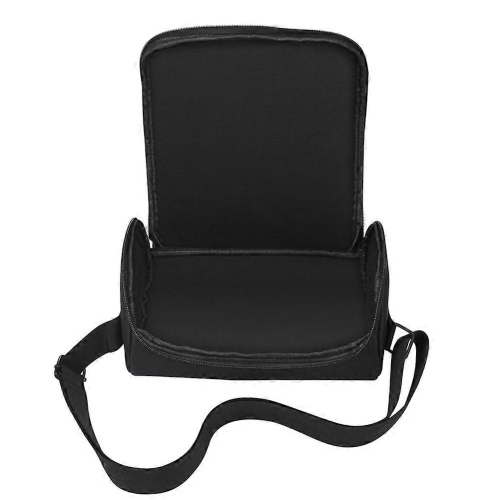
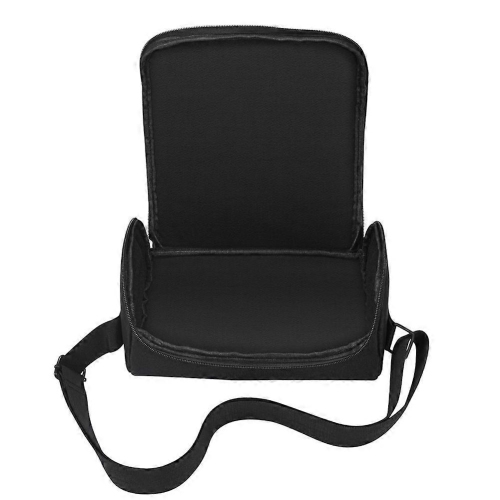
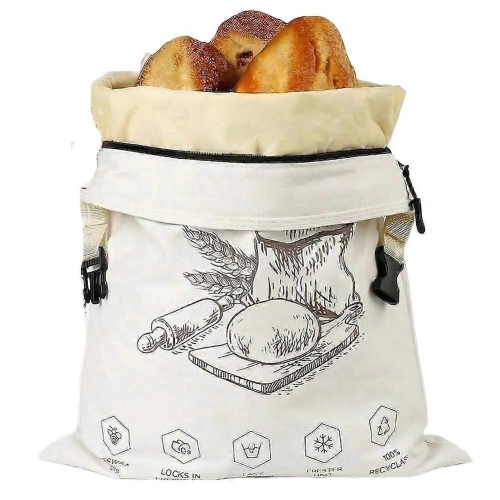


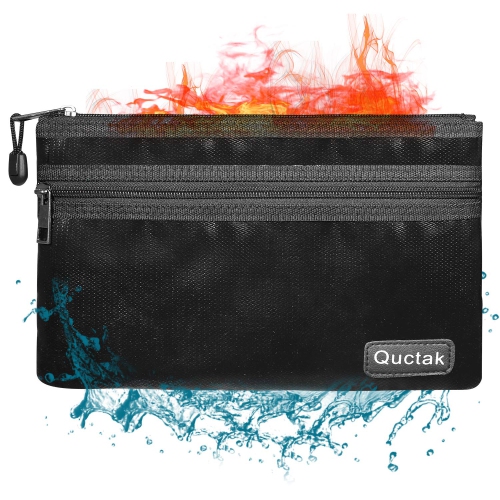



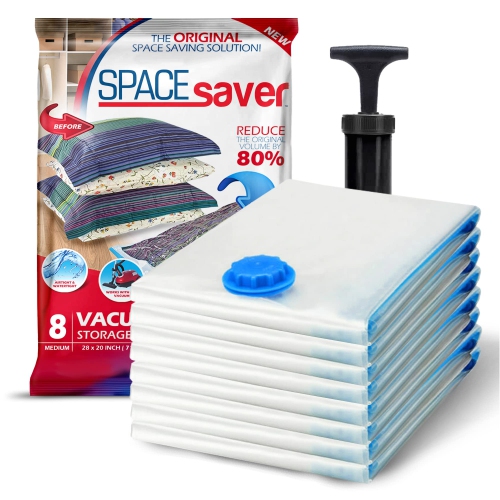
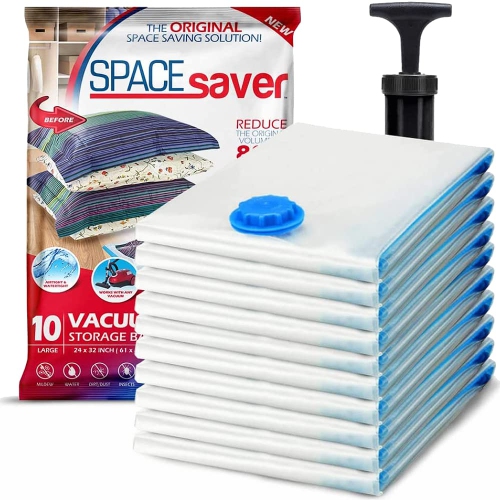

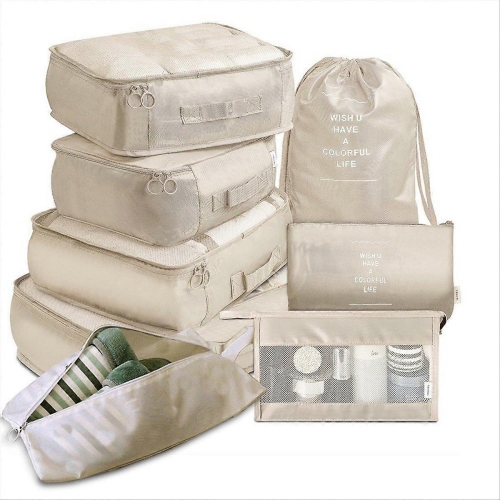

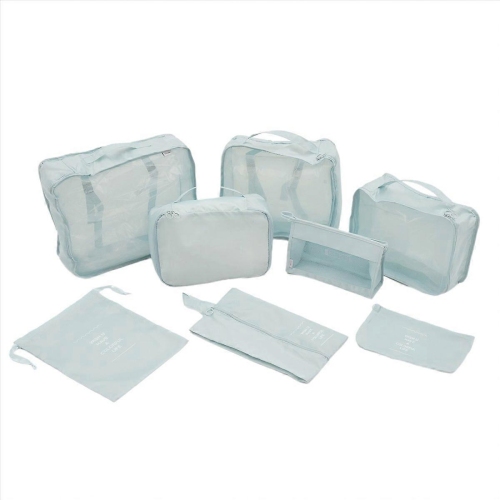

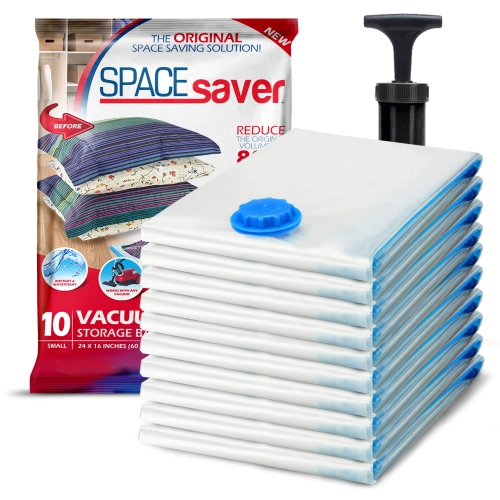


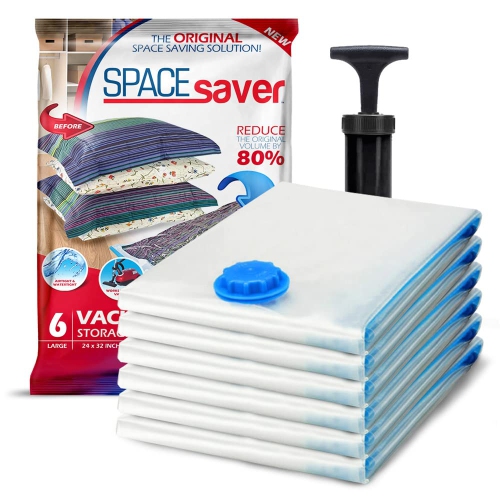
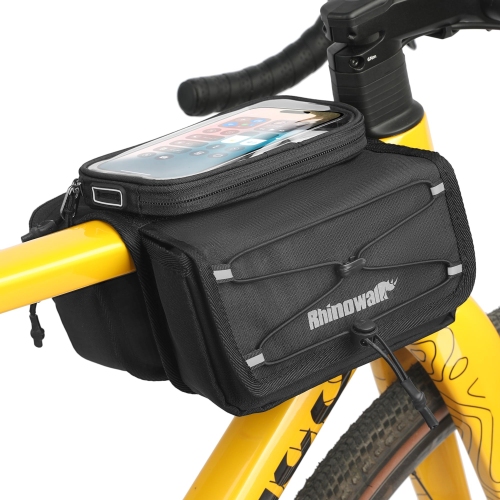
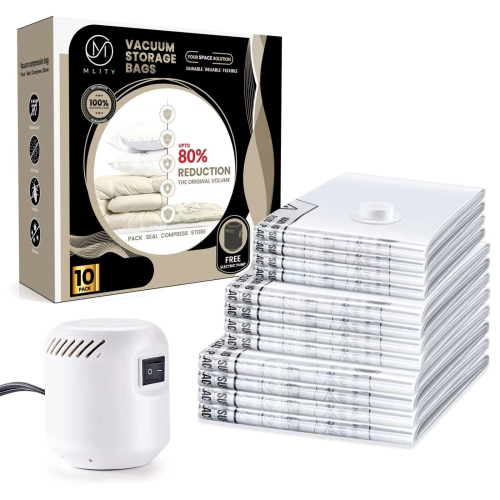

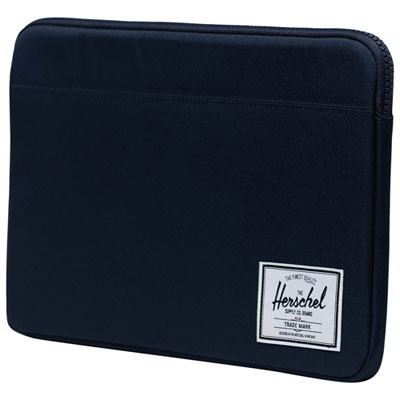
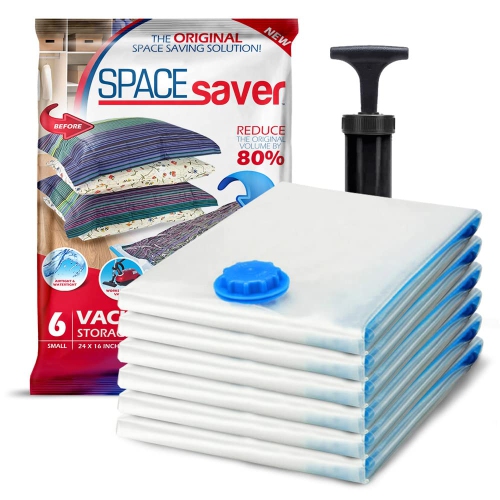
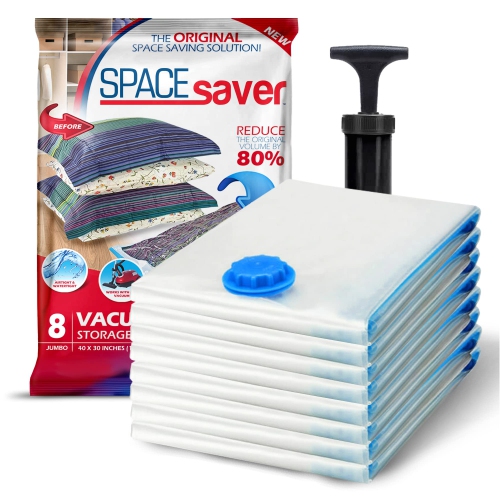
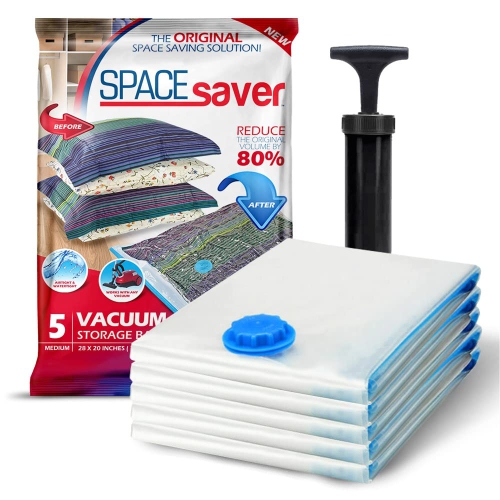
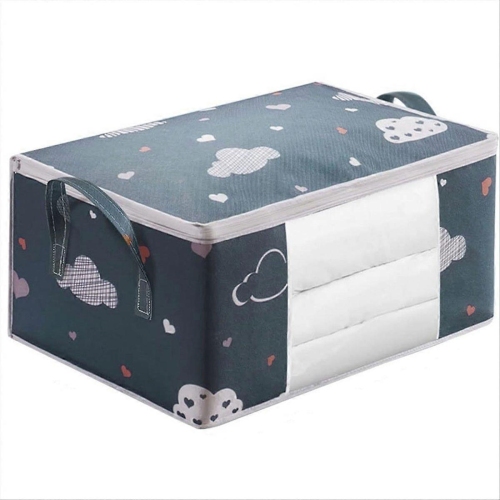






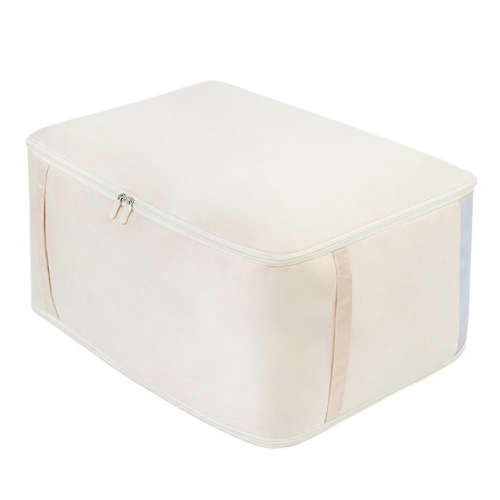


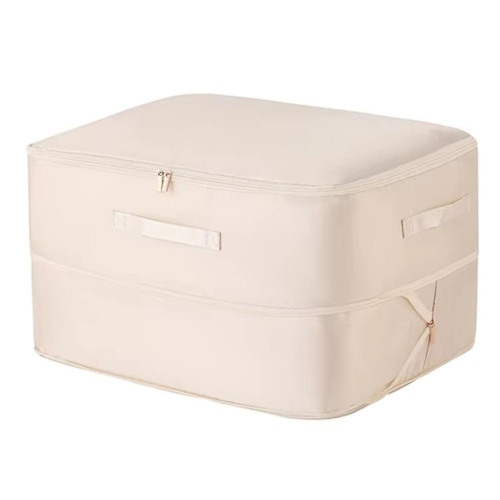


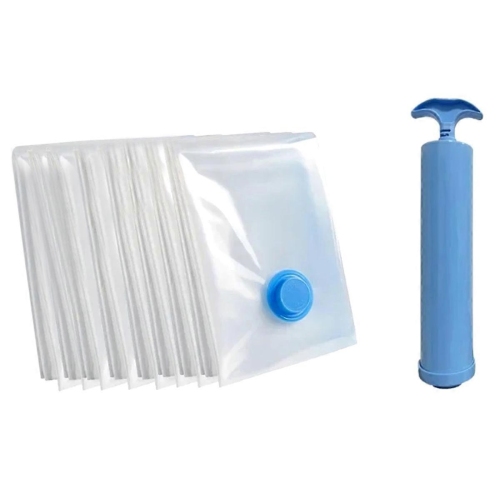
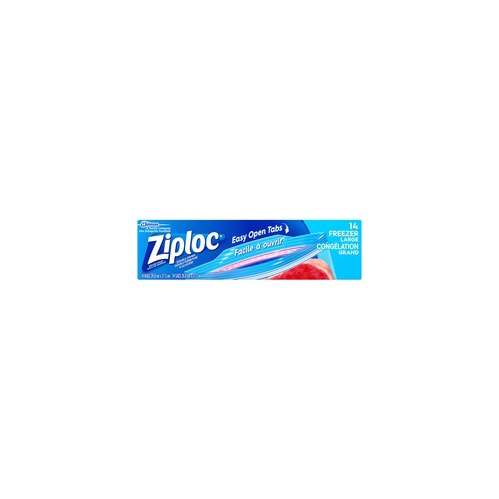
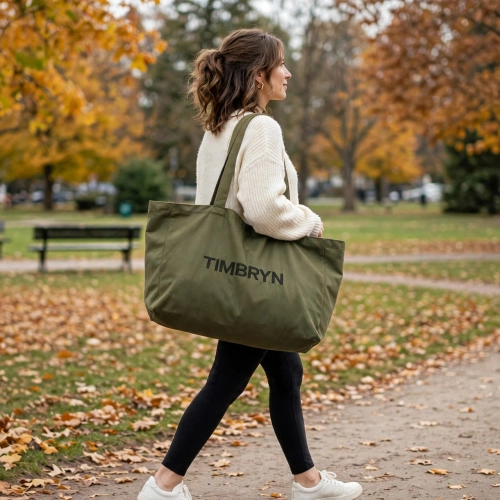


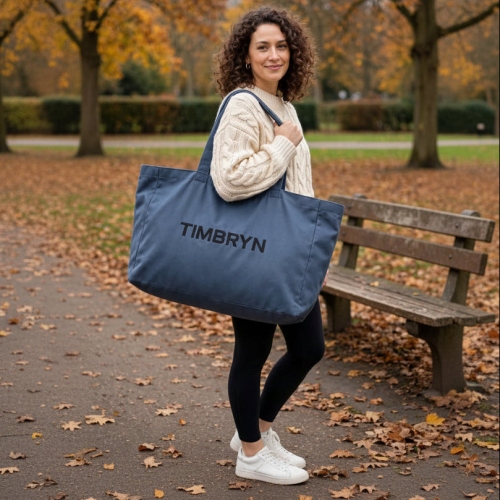
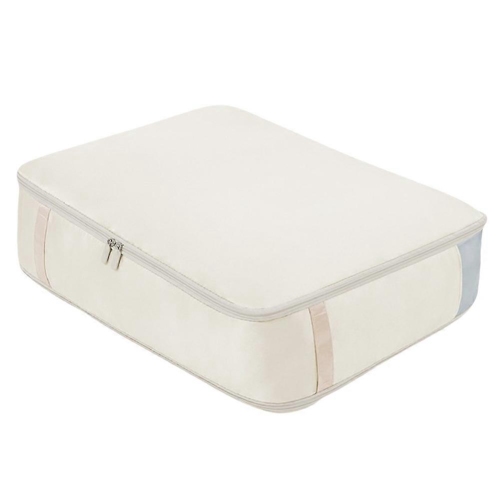


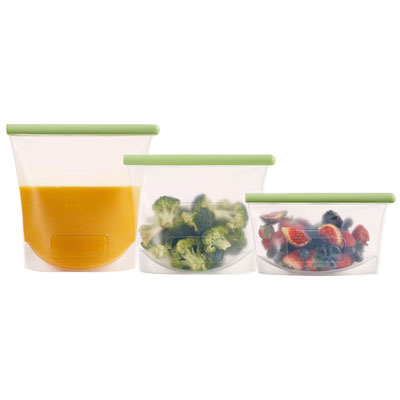


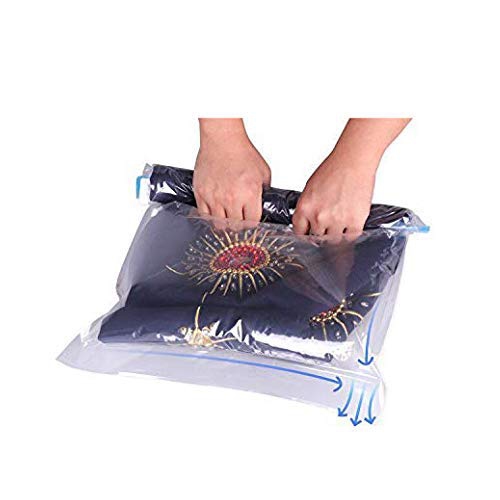

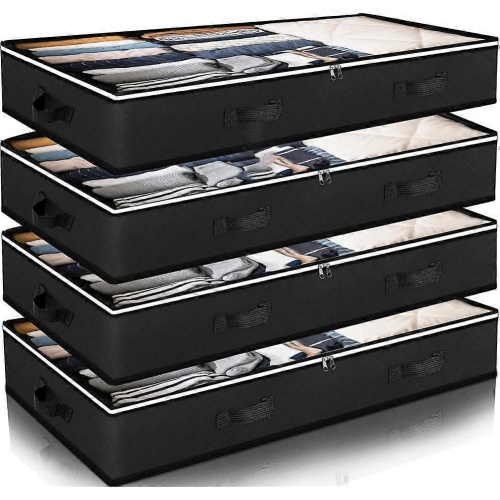


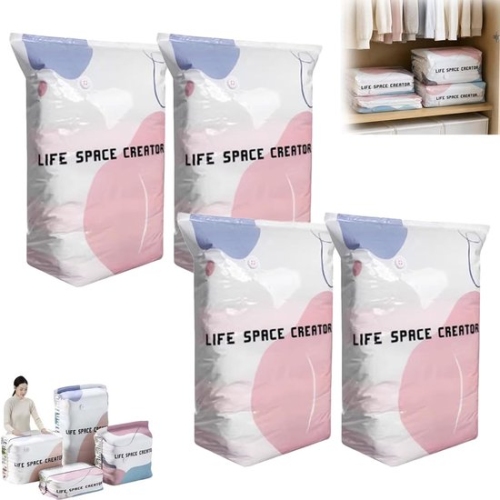
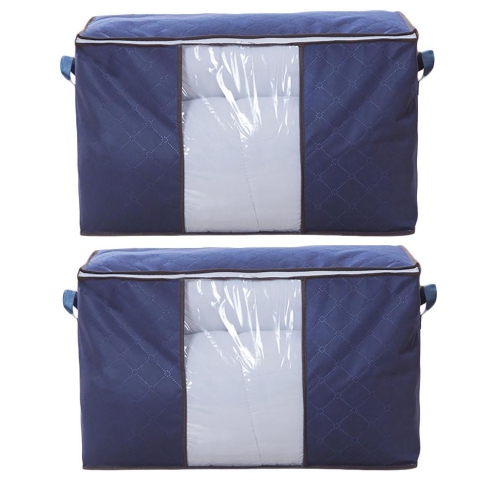
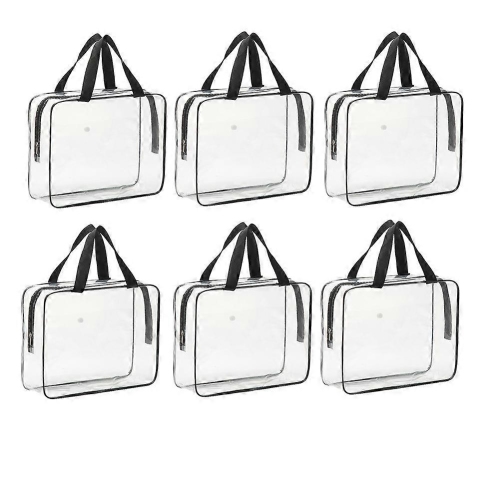

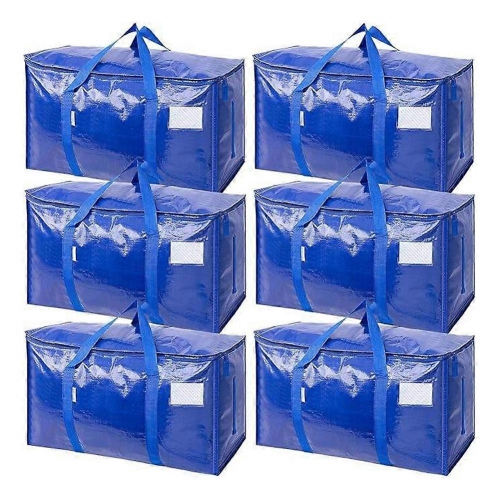



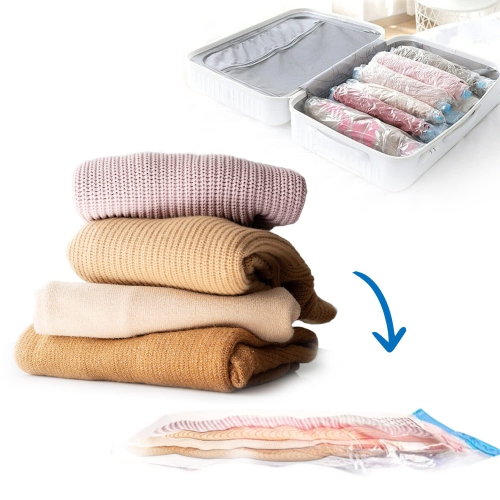


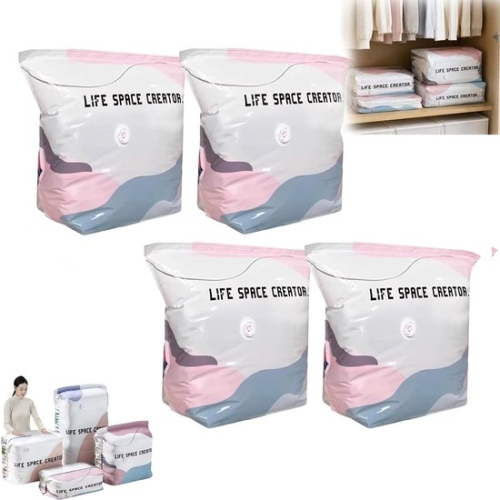
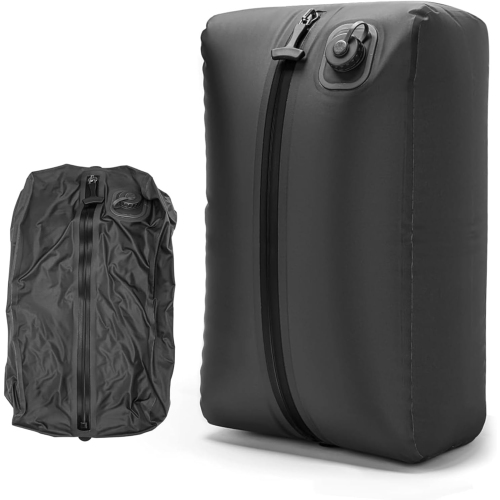
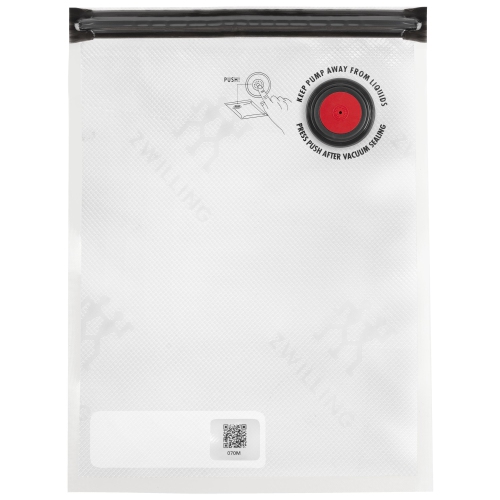
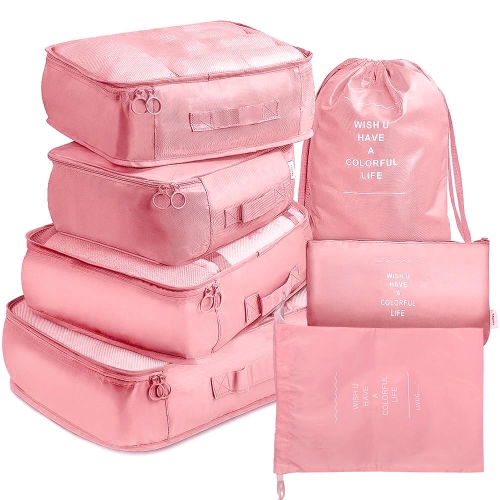
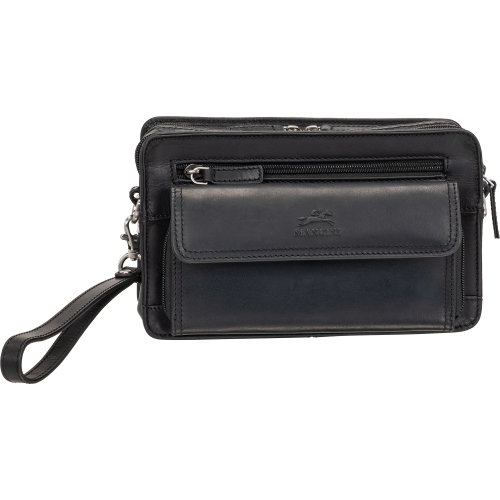
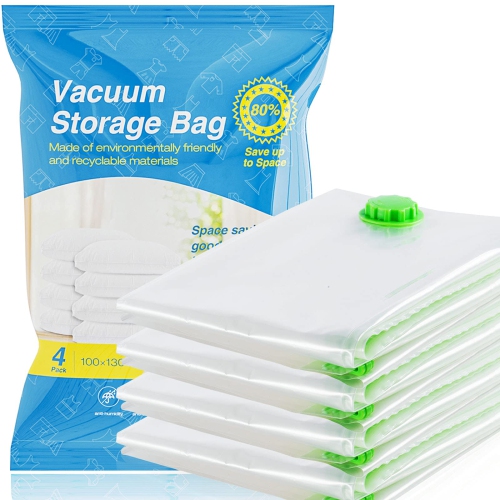

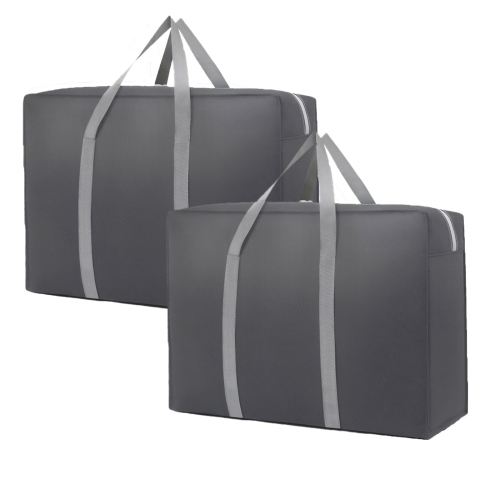
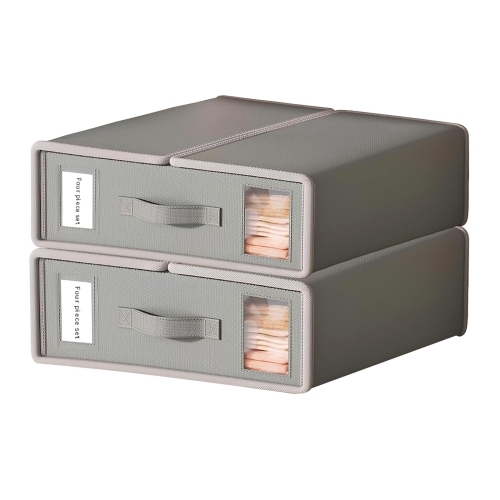
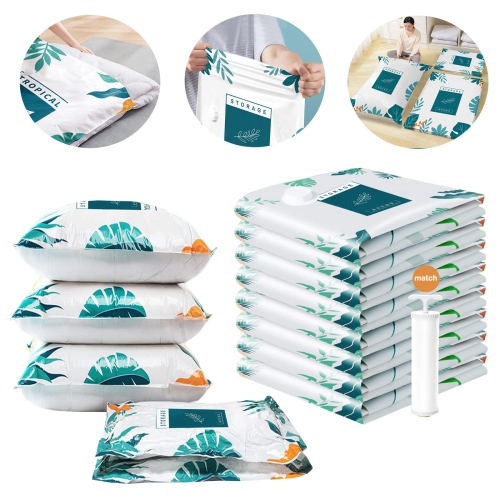

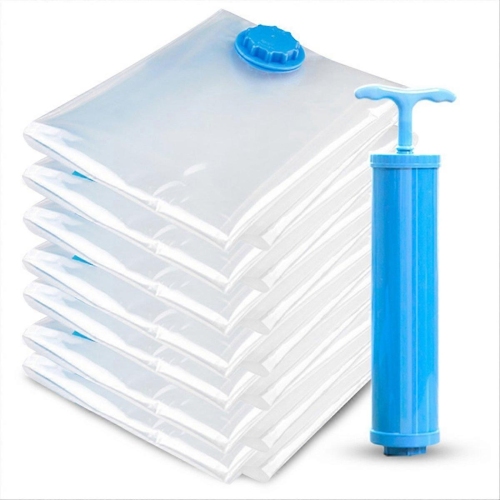
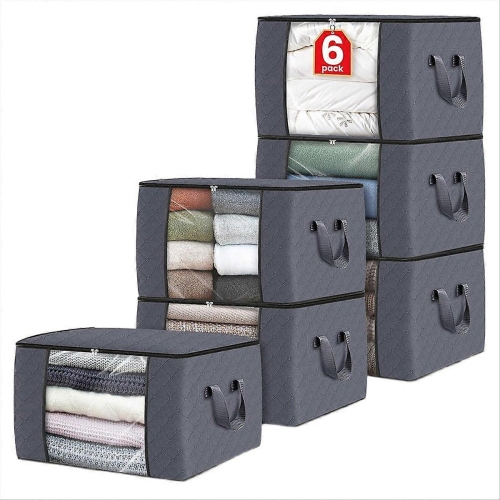
Spare bedding stays together from cupboard to moving day
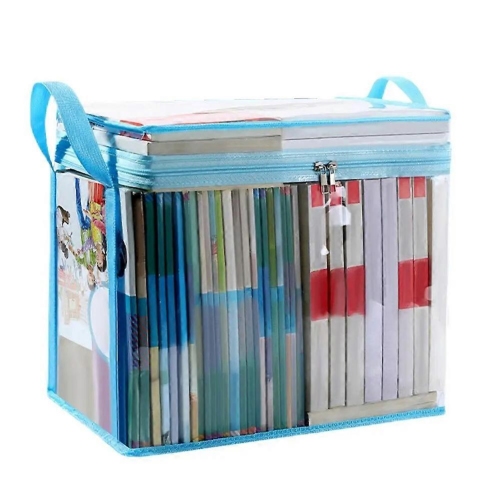
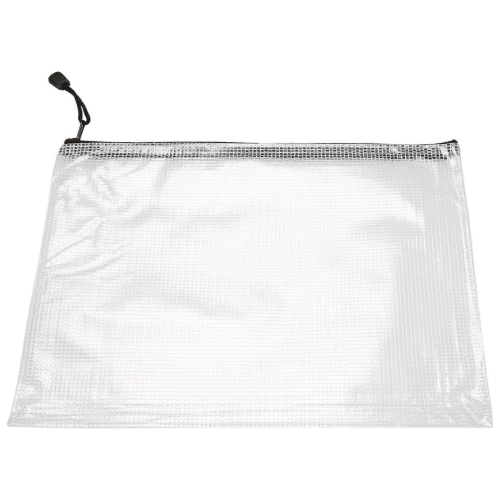
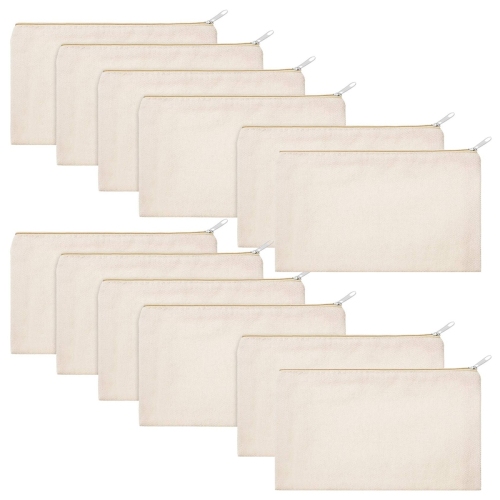
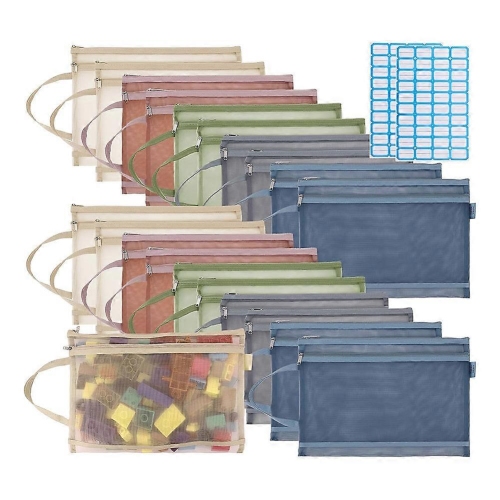
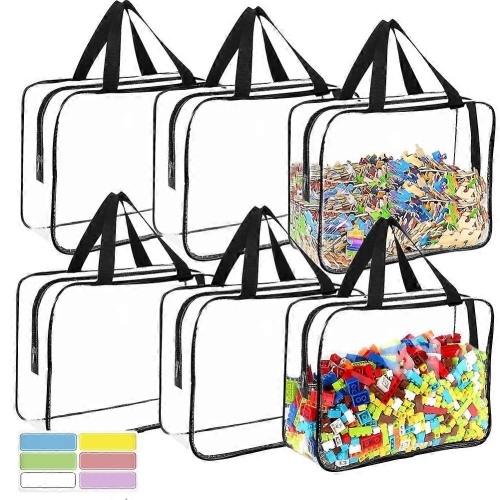
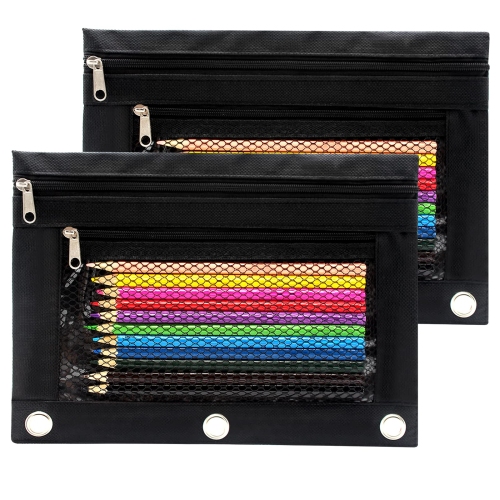
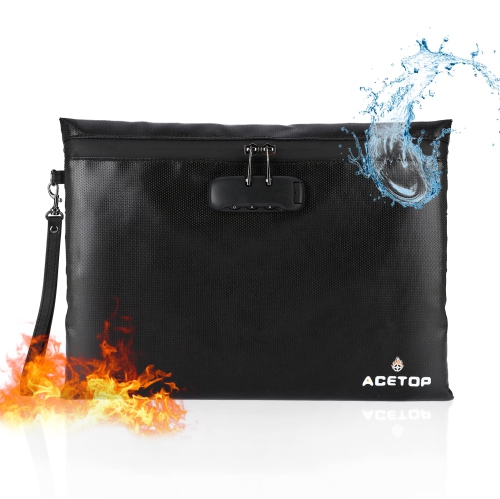
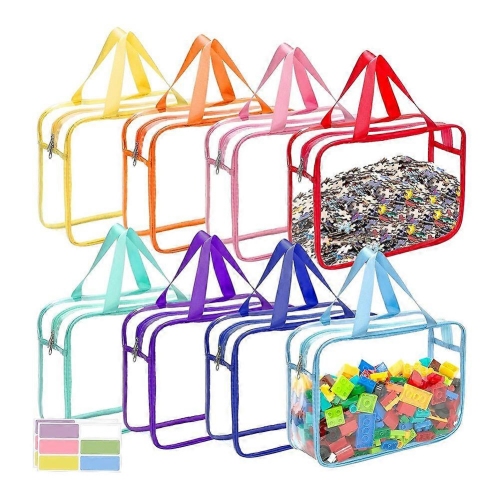
Material and construction influence how a zippered storage bag feels, what it can hold, and how well it stands up to repeated handling. Non-woven fabric is often lightweight and pliable, while woven materials may offer a firmer feel; neither description alone establishes how much weight a bag can carry. Fabric weight, stitching, edge binding, and handle attachment all matter. Reinforced seams and handles secured over a broader area can help distribute a load, particularly when a bag is lifted from a shelf or carried down a hallway. A handle intended for pulling a bag forward is not necessarily suitable for carrying it when full, so the stated use and load limit remain important. Clear panels make identification straightforward, but they benefit from being kept away from sharp corners, exposed fasteners, and anything that could puncture or scratch the surface. Coated fabrics and some plastics may resist splashes, yet water resistance in the material does not automatically make the finished bag waterproof: seams and zipper tracks can still allow moisture through. Similarly, an ordinary zippered closure is not a guarantee against insects or dampness. The opening itself also changes the experience of packing. A zipper that extends around three sides lets the top fold back for loading a stack of sheets, whereas a narrower opening may be better suited to smaller groups of belongings. Two zipper pulls can provide access from either end, depending on the design. A smooth zipper path, neatly finished seams, and enough room around the contents help prevent fabric from catching in the teeth. Overfilling puts strain on the closure and can distort the shape, leaving a bag awkward to lift or slide into place. A little unused space is often more useful than squeezing in one extra blanket, especially for belongings that are taken out and put away frequently.
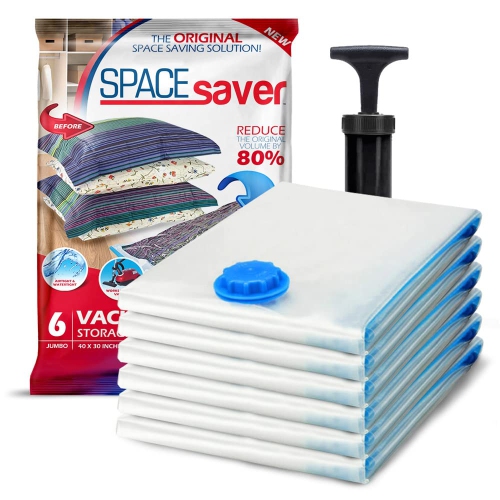
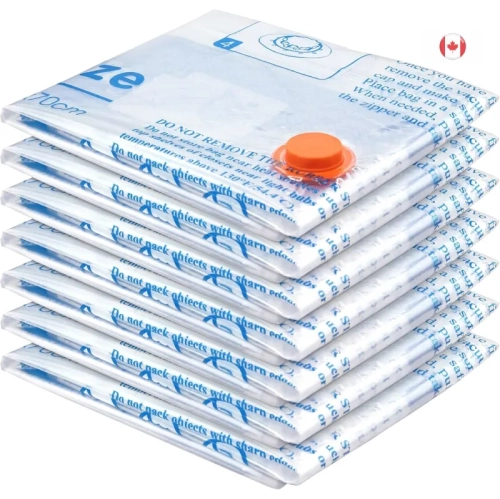
The most useful size is one that fits both the belongings and their destination. Capacity describes how much a bag may hold, but its filled height, width, and depth determine whether it will pass beneath a bed frame, sit inside a cupboard, or leave enough room for a wardrobe door to close. Soft sides can bulge beyond the listed dimensions when tightly packed, and handles or zipper pulls may need extra clearance. Low-profile bags suit shallow spaces, while taller rectangular shapes can make fuller use of a deep shelf. A broad base helps folded bedding lie flat; smaller bags can keep scarves, craft supplies, or spare linens from disappearing into a single oversized container. Grouping contents by purpose also makes everyday retrieval simpler: a complete sheet set in one bag is easier to carry than separate pieces spread across several shelves. For moving, manageable loads are usually more practical than filling every large bag to its maximum volume, particularly when stairs or long corridors are involved. Compression designs can save space with suitable clothing and bedding, but delicate fabrics, structured garments, and some filled bedding may not be appropriate for prolonged compression. Textile care instructions and the bag’s intended use should both support that choice. Care matters just as much after packing. Belongings should be clean and fully dry before the zipper is closed, and spills or residue inside the bag should be addressed before it is used again. Many structured fabric bags, clear panels, and coated surfaces need gentle spot cleaning rather than a washing-machine cycle; the care label determines the appropriate method. Allowing a cleaned bag to dry completely before refilling helps avoid trapped moisture and musty odours. Periodic checks of seams, handles, and zipper teeth can reveal wear before a loaded bag is lifted. When empty, foldable designs can be stored without sharply creasing transparent panels or forcing the zipper around a tight bend. With a suitable fit and straightforward care, zippered storage bags provide an orderly place for household belongings while keeping them within easy reach.
Top selling and popular products
-
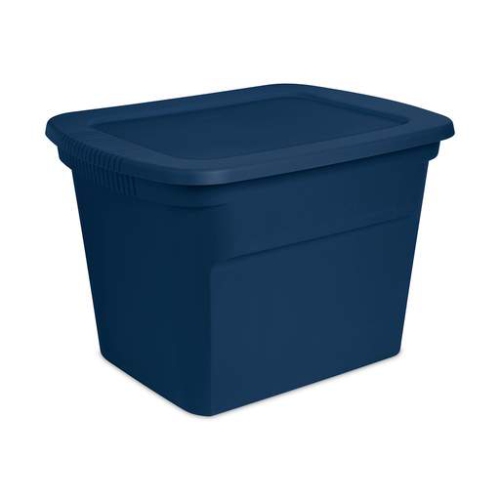 Your price for this item is $874.99
-
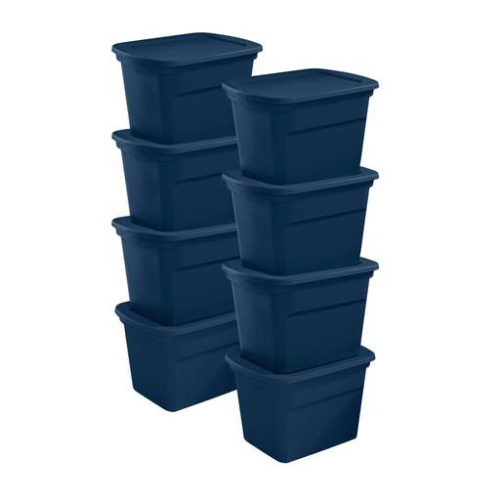 Your price for this item is $297.99
-
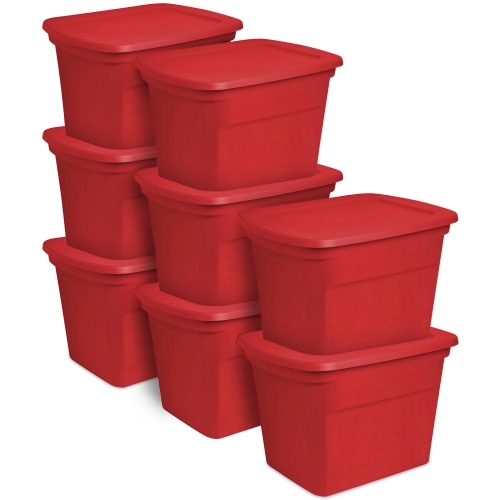 Your price for this item is $231.99
-
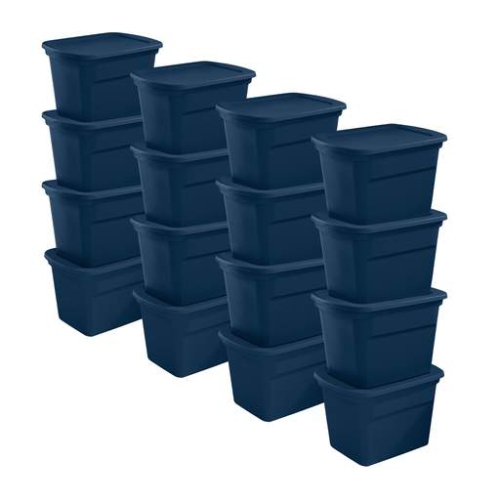 Your price for this item is $582.99
-
 Your price for this item is $1172.99
-
 Your price for this item is $697.99
-
 Your price for this item is $179.99
-
 Your price for this item is $356.99